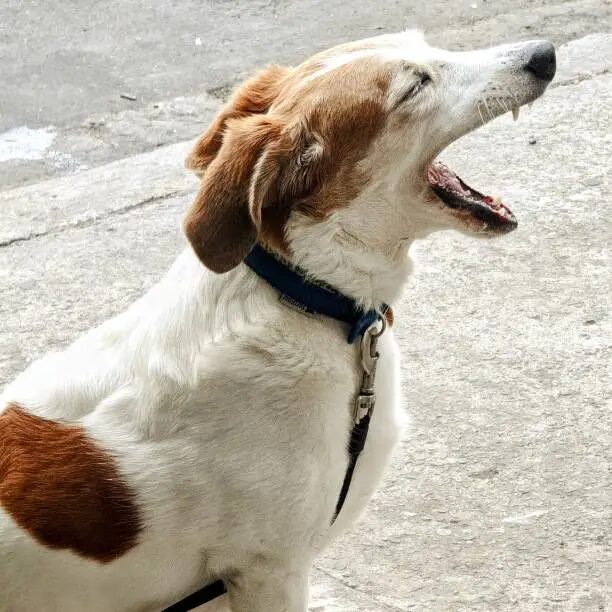
If you’ve ever heard your dog make a loud hacking sound followed by gagging or retching, it’s natural to feel concerned. Many pet owners immediately wonder, “Why is my dog coughing and gagging?” The answer isn’t always straightforward. While some cases are caused by mild throat irritation or allergies, others may signal more serious conditions like kennel cough, a collapsed trachea, heart disease, or even a foreign object stuck in the airway.
The good news is that not every cough or gag is a medical emergency. However, persistent coughing and gagging should never be ignored, especially if your dog has trouble breathing, loses energy, or refuses to eat.
This guide explains the most common causes of coughing and gagging in dogs, how to recognize different types of coughs, when to seek veterinary care, available treatments, and how you can help your furry companion recover safely.
Related Reading: Learn more about dog respiratory health through the American Kennel Club’s guide to kennel cough and the Merck Veterinary Manual’s respiratory disease resources. You can also explore the American Veterinary Medical Association’s pet health information for trusted veterinary advice.
Why Should You Never Ignore Coughing and Gagging?
Dogs cough for the same basic reason humans do—to protect their airways. Coughing helps remove mucus, dust, food particles, bacteria, and other irritants from the throat and lungs.
Gagging often follows coughing because repeated irritation stimulates the back of the throat. While an occasional episode may not be serious, frequent coughing and gagging can indicate an underlying medical problem that requires attention.
Some causes resolve on their own, while others require prompt veterinary treatment.
Difference Between Coughing, Gagging, Retching, and Vomiting
Many dog owners use these terms interchangeably, but they describe different actions.
| Symptom | What It Means |
|---|---|
| Coughing | Forceful expulsion of air from the lungs to clear the airway |
| Gagging | Reflex caused by irritation at the back of the throat |
| Retching | Repeated attempts to vomit without producing stomach contents |
| Vomiting | Expelling food or stomach contents from the stomach |
Understanding the difference helps your veterinarian narrow down the possible cause much more quickly.
Occasional vs. Persistent Coughing and Gagging
| Occasional Episodes | Persistent Episodes |
|---|---|
| Happens once or twice | Continues for days or weeks |
| Dog behaves normally | Dog becomes tired or sick |
| Often harmless | Usually needs veterinary evaluation |
| Clears quickly | Frequently indicates illness |
If your dog coughs repeatedly for more than a few days or develops additional symptoms, schedule a veterinary appointment.
What This Guide Covers
Throughout this article, you’ll learn about:
- Different types of dog coughs
- Common and uncommon causes
- Conditions that cause coughing and gagging together
- Symptoms that require emergency care
- Veterinary diagnosis
- Treatment options
- Safe home remedies
- Prevention tips
- Frequently asked questions
When Does Coughing and Gagging Become an Emergency?
Seek immediate veterinary care if your dog:
- Has difficulty breathing
- Has blue or gray gums
- Collapses
- Coughs up blood
- Cannot swallow
- Appears to be choking
- Has continuous gagging without stopping
- Becomes extremely weak
These signs may indicate a life-threatening emergency.
Why Is My Dog Coughing and Gagging?
Understanding why your dog coughs and gags begins with understanding how the respiratory system works.
What Coughing and Gagging Mean in Dogs
Coughing is a protective reflex that clears the respiratory tract whenever something irritates the throat, windpipe, or lungs.
Gagging occurs when irritation reaches the back of the throat, causing the muscles to contract as though your dog is trying to vomit.
Many illnesses cause both symptoms simultaneously.
How the Cough Reflex Protects the Airways
Whenever the airway becomes irritated, nerve endings send signals to the brain.
The brain responds by creating a powerful burst of air that removes:
- Dust
- Mucus
- Food particles
- Bacteria
- Fluids
- Foreign materials
This natural defense mechanism helps keep your dog’s lungs healthy.
Why Gagging Often Follows Coughing
Repeated coughing irritates the throat.
Eventually, this irritation stimulates the gag reflex, making it appear as though your dog is trying to throw up.
In many cases, dogs only produce:
- White foam
- Saliva
- Thick mucus
rather than actual vomit.
Acute vs. Chronic Coughing and Gagging
Acute Cough
An acute cough develops suddenly and usually lasts less than three weeks.
Common causes include:
- Kennel cough
- Viral infections
- Allergies
- Smoke exposure
- Foreign objects
Chronic Cough
A chronic cough continues for several weeks or repeatedly returns.
Possible causes include:
- Chronic bronchitis
- Heart disease
- Tracheal collapse
- Lung tumors
- Parasites
Chronic coughing should always be evaluated by a veterinarian.
Dry Cough vs. Wet Cough
The sound of your dog’s cough often provides important clues.
| Dry Cough | Wet Cough |
|---|---|
| Harsh hacking sound | Moist or gurgling sound |
| Usually no mucus | Often produces mucus |
| Common with kennel cough | Common with pneumonia |
| May trigger gagging | May sound congested |
Productive vs. Non-Productive Cough
Productive Cough
A productive cough brings mucus or fluid into the mouth.
It often occurs with:
- Pneumonia
- Severe bronchitis
- Lung infections
Non-Productive Cough
A non-productive cough is dry and does not produce mucus.
Common causes include:
- Kennel cough
- Allergies
- Tracheal collapse
- Heart disease
Difference Between Coughing, Gagging, Retching, and Vomiting
These symptoms are commonly confused, yet they have different causes.
What Is Coughing?
A cough is a forceful burst of air expelled from the lungs to remove irritants.
It usually originates in the:
- Windpipe
- Bronchi
- Lungs
What Is Gagging?
Gagging is a throat reflex triggered when something irritates the back of the mouth or throat.
Dogs often stretch their necks while gagging.
What Is Retching?
Retching resembles vomiting but produces little or no stomach contents.
It commonly follows repeated coughing episodes.
What Is Vomiting?
Vomiting actively empties the stomach.
Typical signs include:
- Lip licking
- Drooling
- Abdominal contractions
- Digested food
- Yellow bile
How to Tell the Difference
| Action | Where It Starts | Produces |
|---|---|---|
| Cough | Lungs | Air |
| Gag | Throat | Usually nothing |
| Retch | Stomach | Little or nothing |
| Vomit | Stomach | Food or bile |
Why Owners Often Confuse These Symptoms
Repeated coughing often ends with gagging, making it appear that the dog is vomiting.
Fortunately, your veterinarian can usually distinguish the cause based on your description or a video of the episode.
Different Types of Dog Coughs and What They Mean
Not all coughs sound alike. Learning to recognize the different types can help identify the underlying cause.
Dry Hacking Cough
A dry hacking cough is rough, repetitive, and irritating.
Common causes include:
- Kennel cough
- Mild respiratory infections
- Allergies
- Airway irritation
Many owners describe it as sounding like the dog has something caught in its throat.
Goose-Honking Cough
A loud honking cough is the hallmark sign of a collapsing trachea.
It is especially common in:
- Yorkshire Terriers
- Pomeranians
- Chihuahuas
- Toy Poodles
The cough often worsens after excitement or exercise.
Wet Cough
A wet cough usually sounds bubbly or congested.
Possible causes include:
- Pneumonia
- Fluid in the lungs
- Heart failure
- Severe respiratory infections
Dogs with wet coughs often appear sick and should be evaluated promptly.
Deep Chest Cough
A deep cough originating from the chest often suggests disease affecting the lower airways or lungs.
Potential causes include:
- Bronchitis
- Pneumonia
- Lung tumors
- Chronic respiratory disease
Wheezing Cough
Wheezing produces a high-pitched whistling sound during breathing.
It commonly occurs with:
- Allergies
- Bronchitis
- Airway inflammation
- Asthma-like conditions
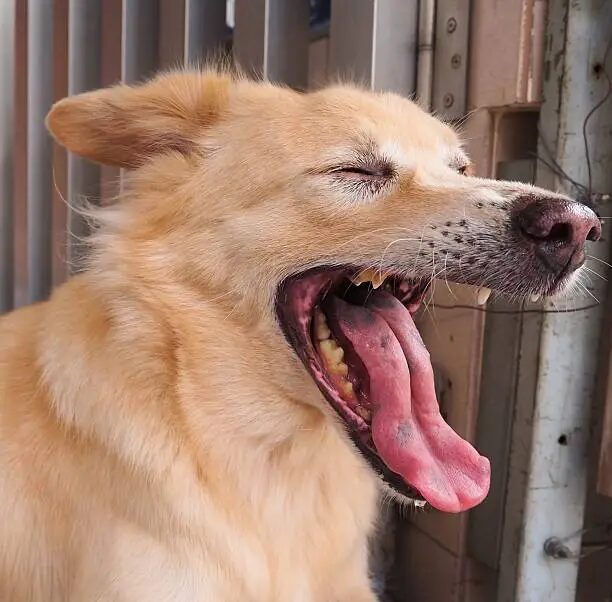
Reverse Sneezing
Reverse sneezing is frequently mistaken for coughing.
During an episode, dogs rapidly inhale through the nose while making loud snorting noises.
Common triggers include:
- Dust
- Pollen
- Excitement
- Strong odors
- Temperature changes
Unlike coughing, reverse sneezing usually resolves within seconds.
Persistent Coughing Fits
Repeated coughing episodes lasting several minutes may indicate:
- Kennel cough
- Chronic bronchitis
- Tracheal collapse
- Heart disease
- Airway obstruction
Persistent coughing should never be ignored.
Coughing Followed by Gagging
This is one of the most common patterns owners notice.
It frequently occurs with:
- Kennel cough
- Tracheal collapse
- Excess throat mucus
- Foreign objects
- Chronic airway irritation
Coughing Up White Foam
White foam often consists of:
- Saliva
- Airway mucus
- Stomach foam
Although not always serious, repeated episodes deserve veterinary attention.
Coughing with Mucus
Mucus production often indicates:
- Respiratory infections
- Pneumonia
- Chronic bronchitis
Green or yellow mucus may suggest a bacterial infection.
Nighttime Coughing
Dogs that cough mainly while sleeping may have:
- Heart disease
- Acid reflux
- Tracheal collapse
- Chronic bronchitis
- Allergies
Exercise-Induced Coughing
Coughing after vigorous activity may be caused by:
- Heart disease
- Airway collapse
- Poor physical conditioning
- Heat stress
- Brachycephalic airway syndrome
Most Common Causes of Dog Coughing and Gagging
There are many possible reasons your dog may cough and gag. Some are contagious, while others are related to age, breed, or chronic disease.
Kennel Cough
Kennel cough is one of the most common causes of coughing and gagging in dogs.
It is a contagious respiratory infection caused by viruses and bacteria that inflame the upper airways.
Causes
Dogs often become infected after spending time in:
- Boarding kennels
- Dog parks
- Grooming salons
- Animal shelters
- Doggy daycare
- Training facilities
Symptoms
Typical symptoms include:
- Dry hacking cough
- Gagging after coughing
- Goose-honking cough
- Sneezing
- Mild fever
- Runny nose
Most dogs remain bright and active despite the cough.
Is Kennel Cough Contagious?
Yes.
It spreads through:
- Airborne droplets
- Shared bowls
- Toys
- Close contact with infected dogs
Recovery Timeline
Most healthy dogs recover within:
- 1–3 weeks
Veterinarians may recommend:
- Rest
- Cough suppressants
- Anti-inflammatory medication
- Antibiotics if a bacterial infection is suspected
Collapsed Trachea
A collapsed trachea is a common cause of chronic coughing and gagging, especially in small dog breeds.
The cartilage rings supporting the windpipe weaken over time, causing the airway to narrow.
Common Symptoms
- Loud goose-honking cough
- Coughing after excitement
- Gagging
- Exercise intolerance
- Wheezing
Using a well-fitted harness instead of a neck collar can help reduce pressure on the airway.
Foreign Object Stuck in the Throat
Dogs naturally explore the world with their mouths, making them more likely to swallow or inhale objects that can become lodged in the throat or airway.
Common Foreign Objects
- Bones
- Rawhide chews
- Small toys
- Sticks
- String
- Fish hooks
- Corn cobs
- Grass seeds (foxtails)
Symptoms
- Sudden coughing
- Repeated gagging
- Excessive drooling
- Pawing at the mouth
- Difficulty swallowing
- Distress or panic
A partially blocked airway can quickly become life-threatening. If you suspect your dog has something stuck in its throat, seek emergency veterinary care immediately.
Canine Influenza (Dog Flu)
Canine influenza is a highly contagious viral infection that affects the respiratory system.
Symptoms
- Persistent coughing
- Gagging
- Fever
- Nasal discharge
- Eye discharge
- Lethargy
- Reduced appetite
Unlike mild kennel cough, dogs with canine influenza often appear noticeably ill.
Pneumonia
Pneumonia occurs when the lungs become inflamed due to bacterial, viral, fungal, or aspiration-related infections.
Common Symptoms
- Wet cough
- Gagging
- Difficulty breathing
- Fever
- Rapid breathing
- Weakness
- Loss of appetite
Serious cases may require hospitalization and oxygen therapy.
Chronic Bronchitis
Chronic bronchitis causes long-term inflammation of the lower airways.
Symptoms
- Dry cough lasting several weeks
- Wheezing
- Gagging
- Exercise intolerance
- Persistent coughing fits
Some dogs require lifelong medication to manage this condition.
Heart Disease
Certain heart conditions can cause coughing by enlarging the heart or allowing fluid to build up in the lungs.
Warning Signs
- Nighttime coughing
- Exercise intolerance
- Rapid breathing
- Fatigue
- Collapse
- Gagging after activity
Heart disease is more common in older dogs.
Congestive Heart Failure
As heart disease progresses, fluid may accumulate in the lungs, resulting in frequent coughing.
Symptoms
- Moist cough
- Difficulty breathing
- Rapid breathing while resting
- Weakness
- Weight loss
- Swollen abdomen
Prompt treatment greatly improves quality of life.
Allergies
Environmental allergies can irritate the respiratory tract.
Common Allergens
- Pollen
- Dust mites
- Mold
- Grass
- Smoke
- Perfumes
- Cleaning products
Additional Symptoms
- Sneezing
- Itchy skin
- Red eyes
- Ear infections
- Paw licking
Asthma (Rare in Dogs)
Although uncommon, dogs can develop asthma-like airway inflammation.
Symptoms include:
- Dry cough
- Wheezing
- Gagging
- Difficulty breathing
- Exercise intolerance
Tonsillitis
Inflamed tonsils can trigger coughing and gagging whenever your dog swallows.
Symptoms include:
- Pain while eating
- Bad breath
- Difficulty swallowing
- Enlarged tonsils
- Drooling
Laryngitis
Inflammation of the voice box (larynx) often causes:
- Hoarse bark
- Dry cough
- Gagging
- Pain when barking
Pharyngitis
Inflammation of the throat may occur because of infection or irritation.
Signs include:
- Swallowing repeatedly
- Gagging
- Coughing
- Sore throat
- Loss of appetite
Heartworm Disease
Heartworms live inside the heart and nearby blood vessels, eventually affecting the lungs.
Symptoms
- Persistent cough
- Fatigue
- Weight loss
- Exercise intolerance
- Difficulty breathing
Monthly heartworm prevention is the best protection.
Lungworms
Dogs may become infected by eating:
- Snails
- Slugs
- Frogs
- Contaminated prey
Symptoms
- Chronic cough
- Gagging
- Breathing problems
- Weight loss
- Weakness
Intestinal Parasites
Certain intestinal parasites migrate through the lungs during part of their life cycle.
Examples include:
- Roundworms
- Hookworms (rarely)
- Lungworms
Routine deworming significantly reduces the risk.
Grass Seeds (Foxtails)
Sharp grass seeds can become lodged inside the throat or nasal passages.
Symptoms include:
- Sudden coughing
- Violent gagging
- Sneezing
- Pawing at the mouth
- Difficulty swallowing
Veterinary removal is often necessary.
Smoke and Environmental Irritants
Smoke can irritate the lining of your dog’s respiratory tract.
Common sources include:
- Cigarette smoke
- Wildfire smoke
- Fireplaces
- Vaping aerosols
Symptoms may include:
- Dry cough
- Watery eyes
- Sneezing
- Gagging
Dust, Mold, and Air Pollution
Poor air quality can worsen respiratory disease.
Examples include:
- Heavy traffic pollution
- Construction dust
- Indoor dust
- Mold spores
- Sandstorms
Dogs with existing respiratory disease may cough more during periods of poor air quality.
Household Chemicals
Many household products release fumes that irritate sensitive airways.
Examples include:
- Bleach
- Air fresheners
- Carpet cleaners
- Aerosol sprays
- Ammonia
- Strong perfumes
Always ensure treated areas are fully ventilated before allowing pets back inside.
Acid Reflux (GERD)
Acid reflux allows stomach acid to irritate the throat.
Symptoms include:
- Nighttime coughing
- Gagging
- Lip licking
- Swallowing repeatedly
- Burping
Obesity
Excess body weight places additional strain on both the heart and lungs.
Overweight dogs often experience:
- Heavy breathing
- Exercise intolerance
- Coughing after activity
- Heat intolerance
Maintaining a healthy weight can significantly improve respiratory function.
Dental Disease
Severe dental infections may spread bacteria into the bloodstream and, in some cases, contribute to respiratory infections.
Warning signs include:
- Bad breath
- Loose teeth
- Swollen gums
- Difficulty chewing
- Chronic coughing
Lung Cancer or Tumors
Although uncommon, tumors affecting the lungs or airways may produce chronic coughing.
Symptoms include:
- Persistent cough
- Weight loss
- Fatigue
- Difficulty breathing
- Coughing blood
Early diagnosis provides the greatest number of treatment options.
Aging-Related Respiratory Diseases
Senior dogs have a higher risk of developing:
- Chronic bronchitis
- Heart disease
- Lung tumors
- Tracheal collapse
Routine veterinary checkups become even more important as dogs age.
Why Is My Dog Coughing Like Something Is Stuck in His Throat?
Many owners describe their dog’s cough this way.
Possible causes include:
Grass Awns
Sharp grass seeds may become lodged deep in the throat.
Bones
Bone fragments can scratch or partially block the airway.
Toys
Pieces of rubber or fabric occasionally become trapped.
Rawhide
Large pieces of rawhide may become difficult to swallow.
String
Never pull string from your dog’s mouth without veterinary guidance.
Swollen Throat
Inflammation caused by infection or allergies can create the sensation of something being stuck.
Tracheal Irritation
Even without a foreign object, airway inflammation can produce the same hacking cough.
Emergency Choking Signs
Seek emergency care immediately if your dog:
- Cannot breathe
- Cannot swallow
- Has blue gums
- Is pawing frantically at the mouth
- Collapses
- Makes no sound while attempting to cough
Why Is My Dog Coughing and Gagging but Acting Normal?
Fortunately, not every coughing episode indicates a serious illness.
Possible explanations include:
Mild Kennel Cough
Many dogs continue eating, playing, and behaving normally despite a mild infection.
Minor Throat Irritation
Dust, smoke, or dry air may temporarily irritate the throat.
Allergies
Seasonal allergies sometimes produce mild coughing without affecting energy levels.
Reverse Sneezing
Reverse sneezing often sounds alarming but is generally harmless and resolves quickly.
Drinking Too Quickly
Fast drinking can briefly irritate the throat and trigger coughing.
Excitement-Induced Coughing
Some dogs cough only during excitement or vigorous barking.
When Monitoring at Home Is Appropriate
You may monitor your dog at home if:
- The cough is mild.
- Your dog is eating normally.
- Energy levels remain normal.
- There is no difficulty breathing.
- Symptoms improve within a day or two.
If coughing persists, worsens, or new symptoms develop, schedule a veterinary visit.
Why Is My Dog Coughing and Gagging Up White Foam?
White foam usually isn’t true vomit.
Possible causes include:
Mucus
Respiratory infections often produce thick mucus that appears foamy.
Empty Stomach
Dogs with empty stomachs sometimes gag up stomach foam mixed with saliva.
Kennel Cough
Repeated hacking frequently produces white foam.
Gastric Irritation
Acid reflux and mild stomach irritation can also contribute.
Respiratory Disease
Pneumonia and bronchitis occasionally cause coughing accompanied by foamy secretions.
Emergency Warning Signs
Seek veterinary attention immediately if white foam is accompanied by:
- Difficulty breathing
- Blue gums
- Blood
- Collapse
- Continuous vomiting
- Severe weakness
Why Is My Dog Coughing and Gagging at Night?
Nighttime coughing often provides valuable clues.
Heart Disease
Fluid may accumulate in the lungs while lying down.
Chronic Bronchitis
Inflamed airways often worsen during rest.
Allergies
Dust mites in bedding can trigger nighttime symptoms.
Acid Reflux
Stomach acid may irritate the throat when dogs lie flat.
Tracheal Collapse
Many affected dogs cough more while resting.
Sleeping Position
Certain sleeping positions place extra pressure on narrowed airways.
Why Is My Dog Coughing and Gagging After Drinking Water?
Possible explanations include:
Drinking Too Quickly
Rapid drinking may briefly trigger coughing.
Aspiration
Water entering the airway instead of the esophagus causes immediate coughing.
Laryngeal Paralysis
A weakened voice box may interfere with normal swallowing.
Tracheal Collapse
Swallowing can temporarily narrow an already weakened airway.
Airway Irritation
Inflamed tissues become more sensitive during drinking.
Why Is My Dog Coughing and Gagging After Exercise?
Exercise places greater demands on both the lungs and heart.
Possible causes include:
Heart Disease
Reduced heart function may trigger coughing after activity.
Airway Collapse
Weak airways become narrower during heavy breathing.
Poor Conditioning
Overweight or inactive dogs tire more easily.
Heat Stress
High temperatures can worsen breathing problems.
Brachycephalic Airway Syndrome
Flat-faced breeds—including Pugs, Bulldogs, and Boston Terriers—are particularly prone to breathing difficulties and coughing after exercise.
Dog Breeds More Prone to Coughing and Gagging Problems
Although any dog can develop a cough, certain breeds are genetically predisposed to respiratory or heart conditions that make coughing and gagging more common.
| Dog Breed | Common Underlying Cause |
|---|---|
| Yorkshire Terrier | Tracheal collapse |
| Pomeranian | Collapsing trachea |
| Chihuahua | Tracheal disease |
| Toy Poodle | Airway collapse |
| Maltese | Tracheal weakness |
| Pug | Brachycephalic airway syndrome |
| Bulldog | Upper airway obstruction |
| Boston Terrier | Brachycephalic airway syndrome |
| Cavalier King Charles Spaniel | Heart disease |
| Boxer | Heart disease and lung tumors |
| Doberman Pinscher | Dilated cardiomyopathy |
If you own one of these breeds, regular veterinary checkups can help detect respiratory or heart problems before they become severe.
Symptoms That May Accompany Coughing and Gagging
A cough rarely occurs by itself. Paying attention to additional symptoms can help identify the underlying cause.
Sneezing
Sneezing alongside coughing may indicate:
- Allergies
- Viral infections
- Environmental irritants
- Nasal inflammation
Runny Nose
Nasal discharge often accompanies respiratory infections.
It may be:
- Clear
- White
- Yellow
- Green
- Bloody
Colored discharge can suggest a bacterial infection or more serious respiratory disease.
Fever
A fever commonly points to an infection such as:
- Kennel cough
- Canine influenza
- Pneumonia
- Distemper
Signs include shivering, warm ears, decreased appetite, and lethargy.
Difficulty Breathing
Difficulty breathing should always be treated as an emergency.
Watch for:
- Open-mouth breathing
- Rapid breathing
- Labored breathing
- Neck extended forward
- Belly moving excessively during breathing
Wheezing
A whistling or squeaking sound while breathing may indicate:
- Allergies
- Chronic bronchitis
- Airway narrowing
- Asthma-like disease
Lethargy
Dogs that suddenly become inactive or sleep much more than usual may be dealing with a significant illness.
Loss of Appetite
Many respiratory illnesses reduce appetite because breathing becomes more difficult or the dog loses its sense of smell.
Weight Loss
Long-term coughing caused by chronic disease can gradually lead to noticeable weight loss.
Rapid Breathing
An increased resting breathing rate may signal:
- Heart disease
- Pneumonia
- Lung disease
- Pain
- Fever
Blue Gums
Healthy gums should be pink.
Blue, gray, or very pale gums indicate poor oxygen levels and require immediate veterinary attention.
Drooling
Excessive drooling may occur with:
- Foreign objects
- Throat pain
- Nausea
- Difficulty swallowing
Difficulty Swallowing
Pain or trouble swallowing can occur due to:
- Tonsillitis
- Throat injury
- Foreign bodies
- Laryngeal disorders
Vomiting
Although coughing and vomiting are different, some illnesses can cause both.
Persistent vomiting should always be evaluated.
Diarrhea
Some viral infections and parasites affect both the respiratory and digestive systems.
Emergency Signs You Should Never Ignore
Certain symptoms require immediate emergency care.
Seek veterinary attention immediately if your dog experiences:
- Choking
- Blue or gray gums
- Difficulty breathing
- Collapse or fainting
- Coughing blood
- High fever
- Severe lethargy
- Continuous gagging
- Unable to swallow
- A visible foreign object in the throat
Prompt treatment can be lifesaving.
How Veterinarians Diagnose Dog Coughing and Gagging
A veterinarian will perform a complete evaluation to determine the underlying cause.
Physical Examination
This includes:
- Listening to the heart and lungs
- Checking temperature
- Examining the throat
- Evaluating breathing effort
Medical History
Your veterinarian may ask questions such as:
- When did the cough begin?
- Is it dry or wet?
- Does it occur at night?
- Has your dog recently been boarded?
- Is your dog vaccinated?
- Has your dog been exposed to sick animals?
Chest X-Rays
X-rays help diagnose:
- Pneumonia
- Enlarged heart
- Lung tumors
- Fluid in the lungs
- Tracheal collapse
Blood Work
Blood tests help detect:
- Infection
- Inflammation
- Organ dysfunction
- Immune disorders
Heartworm Testing
A simple blood test can rule out heartworm disease.
Fecal Examination
Stool testing identifies intestinal parasites and certain lungworm infections.
Bronchoscopy
A small camera is inserted into the airways to evaluate:
- Chronic inflammation
- Tumors
- Foreign objects
- Airway abnormalities
Tracheoscopy
This procedure allows the veterinarian to closely inspect the windpipe for collapse or injury.
Endoscopy
An endoscope can examine the throat and upper digestive tract for obstructions or inflammation.
Ultrasound
Ultrasound is especially useful for evaluating:
- Heart disease
- Fluid accumulation
- Chest abnormalities
CT Scan
Computed tomography provides highly detailed images of the lungs and airways.
MRI (Rare Cases)
MRI is rarely needed but may be recommended for complex neurological or soft tissue conditions.
Treatment Options for Dog Coughing and Gagging
Treatment depends entirely on the underlying cause.
| Condition | Common Treatment |
|---|---|
| Kennel cough | Rest, cough suppressants, antibiotics if needed |
| Pneumonia | Antibiotics, oxygen therapy, hospitalization |
| Heart disease | Heart medications, diuretics |
| Allergies | Anti-inflammatory medication, allergen avoidance |
| Tracheal collapse | Weight management, bronchodilators, cough suppressants |
| Parasites | Deworming medication |
| Foreign object | Endoscopic or surgical removal |
Antibiotics
Used when bacterial infections are confirmed or strongly suspected.
Antivirals
Most viral respiratory infections require supportive care rather than specific antiviral medications.
Anti-Inflammatory Drugs
Reducing inflammation helps decrease airway irritation and coughing.
Cough Suppressants
Veterinary-prescribed cough suppressants may be appropriate for dry, non-productive coughs.
They should never be given without veterinary advice.
Bronchodilators
These medications relax and widen narrowed airways.
Oxygen Therapy
Dogs with severe respiratory distress may require oxygen support in the hospital.
Heart Medications
Treatment for heart disease may include:
- Diuretics
- Blood pressure medications
- Heart-strengthening drugs
Parasite Treatment
Specific medications eliminate:
- Heartworms
- Lungworms
- Intestinal parasites
Surgery
Surgery may be necessary for:
- Tumor removal
- Severe airway disease
- Foreign body removal
Weight Management
Maintaining a healthy weight reduces stress on both the heart and respiratory system.
Safe Home Remedies for Mild Dog Coughing and Gagging
Important: Home care is appropriate only for dogs with mild symptoms that are otherwise eating, drinking, and behaving normally.
Rest
Limit exercise until your dog’s cough improves.
Hydration
Fresh water helps thin mucus and keeps the respiratory tract moist.
Humidifier
A cool-mist humidifier may reduce airway irritation.
Steam Therapy
Allow your dog to spend 5–10 minutes in a steamy bathroom (without direct exposure to hot water) to help loosen mucus.
Soft Food
Warm, soft meals may be easier to swallow if the throat is irritated.
Honey (When Appropriate)
A small amount of plain honey may soothe mild throat irritation in adult dogs. Avoid honey for puppies or dogs that should limit sugar intake unless approved by your veterinarian.
Harness Instead of Collar
A harness reduces pressure on the neck and is especially beneficial for dogs with tracheal collapse.
Smoke-Free Environment
Avoid exposing your dog to:
- Cigarette smoke
- Wildfire smoke
- Vaping
- Strong chemical fumes
Monitor Symptoms
Keep track of:
- Cough frequency
- Appetite
- Energy level
- Breathing rate
- New symptoms
Seek veterinary advice if symptoms worsen or fail to improve.
What NOT to Give a Dog That Is Coughing and Gagging
Never give medications intended for humans unless specifically instructed by your veterinarian.
Avoid:
- Human cough syrup
- Ibuprofen
- Acetaminophen (Paracetamol)
- Aspirin without veterinary guidance
- Essential oils
- Alcohol
- Unknown herbal remedies
Many of these substances can be harmful—or even toxic—to dogs.
Caring for Your Dog During Recovery
Proper aftercare helps support healing and reduces the risk of complications.
Restrict Activity
Avoid vigorous exercise until your veterinarian advises it is safe.
Encourage Hydration
Ensure fresh water is always available to prevent dehydration.
Feed Nutritious Meals
A balanced, high-quality diet supports the immune system during recovery.
Complete All Medications
Always finish the full course of prescribed medications, even if your dog seems better.
Watch for Worsening Symptoms
Contact your veterinarian if your dog develops:
- Difficulty breathing
- Loss of appetite
- Fever
- Severe lethargy
- Increased coughing
Schedule Follow-Up Visits
Follow-up examinations help ensure your dog is recovering as expected.
Can Dog Coughing and Gagging Be Prevented?
Many causes of coughing can be prevented with good routine care.
Prevention Tips
- Keep vaccinations current.
- Use monthly heartworm prevention.
- Follow a regular deworming schedule.
- Maintain good dental hygiene.
- Keep your dog at a healthy weight.
- Avoid exposure to smoke and strong chemicals.
- Use a harness instead of a neck collar when appropriate.
- Schedule routine veterinary wellness exams.
Is Dog Coughing and Gagging Contagious?
Some causes are contagious, while others are not.
| Contagious Causes | Non-Contagious Causes |
|---|---|
| Kennel cough | Heart disease |
| Canine influenza | Allergies |
| Distemper | Tracheal collapse |
| Some bacterial infections | Lung tumors |
| Certain viral infections | Obesity |
Protecting Other Pets
If your dog has a contagious respiratory illness:
- Keep it separated from other dogs.
- Avoid dog parks and boarding facilities.
- Wash food and water bowls frequently.
- Disinfect toys and bedding.
- Wash your hands after handling your pet.
Frequently Asked Questions (FAQs)
Why is my dog coughing and gagging but acting fine?
A mild case of kennel cough, temporary throat irritation, allergies, or excitement can cause coughing even when your dog otherwise seems healthy. If symptoms persist beyond a few days or worsen, consult your veterinarian.
Why does my dog cough like something is stuck in his throat?
This may be caused by kennel cough, tracheal collapse, throat irritation, or a foreign object lodged in the airway.
Is coughing and gagging always kennel cough?
No. While kennel cough is a common cause, heart disease, allergies, pneumonia, parasites, and foreign objects can produce similar symptoms.
Should I take my dog to the vet for coughing and gagging?
Yes, particularly if the cough lasts more than a few days, worsens, or is accompanied by breathing difficulty, fever, lethargy, or loss of appetite.
Why is my dog coughing and gagging at night?
Nighttime coughing may be linked to heart disease, chronic bronchitis, acid reflux, allergies, or tracheal collapse.
Why is my dog coughing up white foam?
White foam usually consists of saliva or mucus but may also result from kennel cough, gastric irritation, or respiratory disease.
Can allergies cause coughing and gagging in dogs?
Yes. Environmental allergens such as pollen, mold, smoke, and dust can irritate the airways and trigger coughing.
Can heart disease cause coughing and gagging?
Yes. Heart disease, particularly congestive heart failure, can lead to coughing because of fluid buildup in the lungs.
What does a collapsed trachea sound like?
It typically produces a loud goose-honking cough, especially after excitement, exercise, or pressure on the neck.
Why is my older dog coughing and gagging?
Senior dogs are more prone to heart disease, chronic bronchitis, tracheal collapse, and lung tumors, all of which can cause chronic coughing.
Can I treat my dog’s cough at home?
Mild cases may improve with rest, hydration, and veterinary-approved supportive care. Persistent or severe symptoms require professional evaluation.
Why is my dog coughing after drinking water?
Possible causes include drinking too quickly, tracheal collapse, laryngeal disorders, or aspiration of water into the airway.
Why is my puppy coughing and gagging?
Puppies may cough due to kennel cough, parasites, viral infections, or inhaled foreign objects. Because their immune systems are still developing, prompt veterinary assessment is recommended.
How long does kennel cough last?
Most uncomplicated cases resolve within 1–3 weeks, although some dogs may continue to cough a little longer during recovery.
When is coughing and gagging an emergency?
Seek immediate veterinary care if your dog has trouble breathing, blue or gray gums, collapses, coughs up blood, cannot swallow, or appears to be choking.
Final Thoughts
Many cases of dog coughing and gagging are caused by mild conditions, but persistent or worsening symptoms should never be ignored. Paying close attention to the type of cough, what triggers it, and any accompanying signs can help identify the underlying problem more quickly.
Early veterinary diagnosis often leads to more effective treatment and reduces the risk of serious complications. Preventive care—including vaccinations, parasite prevention, dental hygiene, maintaining a healthy weight, and minimizing exposure to respiratory irritants—plays a key role in keeping your dog’s respiratory system healthy.
If your dog’s coughing and gagging become frequent, worsen over time, or are accompanied by difficulty breathing, blue gums, collapse, or severe lethargy, seek veterinary care without delay. Prompt action can make a significant difference in your dog’s recovery and long-term well-being.