Keeping your dog’s teeth clean is about much more than maintaining fresh breath. Good oral hygiene plays a vital role in your pet’s overall health, helping prevent painful dental disease and reducing the risk of infections that may affect other organs. However, many pet owners hesitate when they hear the price of professional dental care and wonder, “How much does a dog teeth cleaning cost?”
The answer depends on several factors, including your dog’s size, age, dental condition, location, and whether anesthesia or tooth extractions are required. In 2026, professional dog teeth cleaning can range from a few hundred dollars for a routine procedure to several thousand dollars for advanced dental treatment.
This comprehensive guide breaks down every cost involved, explains what influences the final bill, and shares practical tips to help you save money without compromising your dog’s health.
Why Dog Dental Care Is More Important Than Ever
Dental disease is one of the most common medical conditions affecting dogs. Veterinary professionals estimate that most dogs over three years of age show some signs of periodontal disease if they don’t receive regular dental care.
Unfortunately, dental problems often develop slowly. Dogs naturally hide discomfort, meaning owners may not notice a problem until it becomes severe.
Poor oral hygiene can lead to:
- Persistent bad breath
- Pain while eating
- Bleeding gums
- Loose or missing teeth
- Oral infections
- Difficulty chewing food
- Weight loss
- Potential heart, liver, and kidney complications
Regular professional cleanings, combined with home dental care, help prevent these issues and improve your dog’s quality of life.
The Rising Cost of Veterinary Dental Procedures in 2026
Veterinary medicine has advanced significantly over the past decade, bringing better equipment, safer anesthesia protocols, digital dental X-rays, and improved pain management.
While these advances have made dental procedures safer and more effective, they have also contributed to rising treatment costs.
Several factors have influenced prices in 2026, including:
- Increased staffing and labor costs
- Advanced monitoring equipment
- Improved anesthetic medications
- Digital dental imaging
- Enhanced sterilization protocols
- Specialized veterinary dental training
Although costs have increased, professional dental care remains one of the best investments you can make in your dog’s long-term health.
Why Professional Teeth Cleaning Is Essential for Dogs
Many owners believe that dental chews or brushing alone are enough to maintain healthy teeth.
While daily brushing is essential, it cannot remove hardened tartar below the gumline.
Professional dental cleaning allows veterinarians to:
- Remove stubborn tartar
- Clean beneath the gumline
- Identify hidden dental disease
- Detect fractured teeth
- Diagnose oral infections
- Take dental X-rays
- Treat periodontal disease before it worsens
Professional cleaning not only improves oral health but can also prevent far more expensive dental surgeries in the future.
Factors That Affect the Overall Cost
No two dental procedures are exactly alike.
Several variables influence the total price.
Your Dog’s Size
Larger dogs often require:
- More anesthesia
- Larger equipment
- Longer procedure times
This can increase costs.
Age
Senior dogs frequently need:
- Additional blood testing
- More extensive monitoring
- Extra recovery care
These precautions help ensure safety but may increase the overall bill.
Dental Health
Dogs with healthy teeth generally require only routine cleanings.
However, dogs suffering from:
- Advanced periodontal disease
- Broken teeth
- Tooth root abscesses
- Severe tartar buildup
may require additional treatments that significantly increase costs.
Geographic Location
Veterinary costs vary depending on where you live.
Urban clinics often charge more than rural practices because of higher operating expenses.
Type of Veterinary Clinic
Costs may differ between:
- General veterinary practices
- Specialty dental clinics
- Emergency animal hospitals
- Low-cost community clinics
Specialists often charge more but may offer advanced procedures unavailable elsewhere.
What You’ll Learn in This Guide
This article will help you understand:
- The average cost of dog teeth cleaning in 2026
- What services are included
- Why some procedures cost significantly more
- Whether anesthesia is necessary
- How dog size affects pricing
- What pet insurance may cover
- Ways to reduce dental expenses
- How to keep your dog’s teeth healthy at home
By the end, you’ll have a clear understanding of what to expect before scheduling your dog’s next dental appointment.
Quick Answer: How Much Does Dog Teeth Cleaning Cost?
The cost varies depending on your dog’s needs, but the following table provides a general estimate.
Average Cost at a Glance
| Procedure | Average Cost (USD) |
|---|---|
| Basic Dental Exam | $50–$150 |
| Professional Teeth Cleaning | $300–$700 |
| Cleaning with Anesthesia | $500–$1,500 |
| Tooth Extraction | $150–$600 per tooth |
| Dental X-rays | $75–$300 |
| Full Dental Procedure | $800–$2,500+ |
Keep in mind that these are average price ranges. Your veterinarian can provide a more accurate estimate after examining your dog’s teeth.
Dog Teeth Cleaning Cost Breakdown
Understanding where your money goes can make the overall cost seem much more reasonable.
Professional dental cleaning involves far more than simply brushing a dog’s teeth.
Below is a breakdown of the most common charges.
Initial Veterinary Consultation
Before scheduling the procedure, your veterinarian performs an oral examination to assess your dog’s dental health.
Typical cost:
$50–$150
During this visit, the veterinarian may identify:
- Plaque buildup
- Gingivitis
- Broken teeth
- Loose teeth
- Oral masses
- Signs of infection
This examination helps determine whether your dog needs a routine cleaning or more advanced treatment.
Physical Examination
Immediately before anesthesia, your dog receives a complete physical examination.
This ensures they are healthy enough for anesthesia and helps identify any medical conditions that require special attention.
Average cost:
Included in many dental packages or approximately $40–$100 separately.
Pre-Anesthetic Blood Work
Blood testing is one of the most important safety steps before anesthesia.
It evaluates:
- Liver function
- Kidney function
- Blood sugar
- Red blood cells
- White blood cells
- Electrolytes
These tests help veterinarians detect hidden illnesses that could increase anesthetic risk.
Average cost:
$80–$250
Anesthesia Costs
General anesthesia represents one of the largest portions of the total dental bill.
It includes:
- Sedation medications
- General anesthetic drugs
- Oxygen support
- Monitoring equipment
- Recovery medications
Average cost:
$200–$700
Although anesthesia increases the price, it allows veterinarians to perform a thorough and pain-free cleaning.
IV Catheter and Fluids
Most veterinary clinics administer intravenous fluids during anesthesia.
Benefits include:
- Maintaining blood pressure
- Supporting kidney function
- Faster recovery
- Easier emergency medication access
Average cost:
$40–$150
Dental X-Rays
Many dental problems occur below the gumline and cannot be seen during a routine examination.
Dental radiographs help detect:
- Tooth root infections
- Hidden fractures
- Bone loss
- Impacted teeth
- Retained roots
Average cost:
$75–$300
Many veterinarians consider dental X-rays essential because they reveal problems invisible to the naked eye.
Ultrasonic Scaling
Ultrasonic scaling removes plaque and hardened tartar from tooth surfaces using high-frequency vibrations.
Benefits include:
- Faster cleaning
- Thorough tartar removal
- Less damage to enamel
- Improved efficiency
Average cost:
Often included within professional cleaning fees.
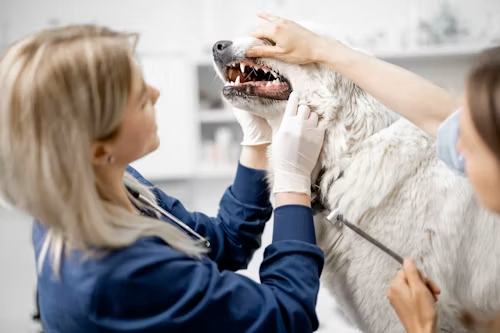
Hand Scaling Below the Gumline
After ultrasonic cleaning, veterinarians carefully remove plaque from beneath the gumline using specialized hand instruments.
This is one of the most important parts of the procedure because bacteria hidden below the gums cause periodontal disease.
Tooth Polishing
After tartar removal, each tooth is polished using veterinary polishing paste.
Polishing:
- Smooths microscopic scratches
- Reduces future plaque buildup
- Improves tooth appearance
- Helps maintain cleaner teeth longer
Average cost:
Usually included in professional cleaning.
Fluoride Treatment (If Offered)
Some clinics offer fluoride treatments or protective sealants after polishing.
Potential benefits include:
- Stronger enamel
- Reduced sensitivity
- Slower plaque accumulation
Average cost:
$20–$60
Not every veterinary practice includes this optional treatment.
Tooth Extractions
If a tooth is severely damaged or infected, extraction may be necessary.
The cost depends on:
- Tooth location
- Number of roots
- Surgical difficulty
- Presence of infection
Simple extractions typically cost much less than surgical extractions involving molars.
Average range:
$150–$600 per tooth
Pain Medications
Dogs undergoing extractions or advanced dental procedures often receive pain medication to ensure a comfortable recovery.
These medications may include:
- Anti-inflammatory drugs
- Pain relievers
- Local anesthetics
Average cost:
$30–$100
Antibiotics
If infection is present, your veterinarian may prescribe antibiotics after the procedure.
Common reasons include:
- Tooth root infections
- Periodontal disease
- Surgical extractions
- Oral abscesses
Average cost:
$20–$80
Follow-Up Appointments
Some dogs require follow-up visits to:
- Monitor healing
- Remove sutures (if necessary)
- Evaluate recovery
- Discuss long-term dental care
Many routine cleanings do not require additional appointments unless extractions or advanced treatment were performed.
Average cost:
$30–$100 per visit
Average Dog Teeth Cleaning Cost by Procedure
Not every dog needs the same level of treatment. The final cost depends largely on the specific procedures performed during the dental appointment.
Routine Cleaning
Routine dental cleaning is recommended for dogs with mild plaque or tartar buildup and otherwise healthy mouths.
Typical services include:
- Oral examination
- Anesthesia
- Ultrasonic scaling
- Hand scaling
- Tooth polishing
- Recovery monitoring
Average Cost: $300–$700
Deep Dental Cleaning
Dogs with moderate to severe periodontal disease often require a more extensive cleaning below the gumline.
This procedure takes longer and may include dental X-rays, periodontal probing, and treatment of infected gum pockets.
Average Cost: $700–$1,500
Scaling and Polishing
Scaling removes plaque and tartar, while polishing smooths the enamel to slow future buildup.
These services are generally included in professional dental cleanings but may be itemized by some clinics.
Average Cost: $150–$400 (if billed separately)
Dental X-Rays
Dental X-rays allow veterinarians to examine what lies beneath the gumline—an area where many serious dental problems begin.
Unlike visible plaque or tartar, issues such as root infections, bone loss, and impacted teeth cannot be diagnosed through a simple visual examination.
Why Dental X-Rays Matter
- Detect hidden tooth fractures
- Identify tooth root abscesses
- Reveal bone loss caused by periodontal disease
- Locate retained tooth roots
- Help determine whether extractions are necessary
Average Cost: $75–$300
Although they add to the overall cost, dental X-rays often prevent more serious and expensive problems from going unnoticed.
Tooth Extraction
Not every dental cleaning requires tooth removal, but severely damaged or infected teeth often cannot be saved.
The cost depends on the complexity of the procedure.
Simple Extraction
A simple extraction involves removing a tooth with minimal surgical work.
Average Cost: $150–$300 per tooth
Surgical Extraction
Large teeth or teeth with multiple roots often require surgery.
This involves:
- Gum incisions
- Bone removal (when necessary)
- Sutures
- Longer anesthesia time
Average Cost: $300–$600+ per tooth
Multiple Extractions
Dogs with advanced dental disease may require several teeth to be removed during the same procedure.
Although multiple extractions increase the total bill, combining them into one anesthetic event is usually more cost-effective than scheduling separate procedures.
Root Canal (Where Available)
Some veterinary dental specialists offer root canal therapy for valuable working dogs or dogs with fractured teeth.
Instead of removing the tooth, the infected pulp is treated while preserving the tooth structure.
Average Cost: $1,500–$3,000+
Root canals are less common than extractions and are typically performed by board-certified veterinary dentists.
Treatment for Periodontal Disease
Advanced periodontal disease often requires specialized treatment beyond a routine cleaning.
Depending on severity, treatment may include:
- Deep gum pocket cleaning
- Antibiotics
- Tooth extractions
- Bone grafting (in select cases)
- Follow-up evaluations
Average Cost: $800–$2,500+
Early treatment is almost always less expensive than waiting until severe disease develops.
Dog Teeth Cleaning Cost by Dog Size
One factor many owners overlook is body size.
Larger dogs often require more anesthetic medication, larger equipment, and longer treatment times.
Small Dogs
Examples include:
- Chihuahua
- Yorkshire Terrier
- Maltese
- Pomeranian
Average Cost
$300–$800
Although smaller dogs use less anesthesia, they are more prone to periodontal disease and may need extractions more frequently.
Medium Dogs
Examples include:
- Beagle
- Border Collie
- Australian Shepherd
- Cocker Spaniel
Average Cost
$400–$1,000
Costs vary depending on dental health and whether additional procedures are required.
Large Dogs
Examples include:
- Labrador Retriever
- Golden Retriever
- Boxer
- Doberman Pinscher
Average Cost
$500–$1,300
Larger dogs often require additional anesthesia and longer cleaning times.
Giant Breeds
Examples include:
- Great Dane
- Saint Bernard
- Mastiff
- Irish Wolfhound
Average Cost
$700–$1,500+
These breeds generally require more medication and specialized equipment during anesthesia.
Why Larger Dogs Sometimes Cost More
Several factors contribute to higher costs for larger dogs:
- Increased anesthesia dosage
- Larger dental instruments
- Longer procedure time
- Additional monitoring
- More recovery medication
However, it’s worth noting that small breeds often develop more severe dental disease, which can make their procedures just as expensive—or even more costly—than those for larger dogs.
Dog Teeth Cleaning Cost by Breed
Certain breeds are genetically predisposed to dental disease, meaning they may require professional cleanings more frequently.
| Breed | Estimated Cleaning Cost |
|---|---|
| Chihuahua | $400–$1,200 |
| Yorkshire Terrier | $400–$1,200 |
| Dachshund | $350–$1,000 |
| Poodle | $350–$1,100 |
| Shih Tzu | $400–$1,200 |
| Pug | $400–$1,100 |
| Beagle | $350–$900 |
| Labrador Retriever | $450–$1,200 |
| Golden Retriever | $450–$1,300 |
| German Shepherd | $500–$1,400 |
Breeds Prone to Dental Disease
Veterinarians frequently see dental issues in:
- Chihuahua
- Yorkshire Terrier
- Toy Poodle
- Maltese
- Shih Tzu
- Dachshund
- Pug
These breeds often have crowded teeth, allowing plaque and tartar to accumulate more quickly.
Dog Teeth Cleaning Cost With vs. Without Anesthesia
One of the biggest questions pet owners ask is whether anesthesia is really necessary.
Why Anesthesia Is Usually Recommended
General anesthesia allows veterinarians to:
- Clean below the gumline
- Take dental X-rays
- Remove tartar safely
- Polish teeth properly
- Perform extractions if necessary
It also prevents sudden movement that could cause injury.
Benefits of Anesthetic Dental Cleaning
- Thorough cleaning
- Less stress for your dog
- Better diagnosis of hidden disease
- Complete plaque and tartar removal
- Safer procedures
Risks of Anesthesia
Modern veterinary anesthesia is much safer than many people realize.
Potential risks include:
- Allergic reactions
- Blood pressure changes
- Delayed recovery
- Rare anesthetic complications
Pre-anesthetic blood testing and continuous monitoring greatly reduce these risks.
Non-Anesthetic Cleaning
Some facilities offer cosmetic cleanings without anesthesia.
Pros
- Lower cost
- No anesthesia recovery
- Suitable for select healthy dogs
Cons
- Cannot clean below the gumline
- No dental X-rays
- Limited plaque removal
- Doesn’t treat periodontal disease
- Higher risk of missed problems
What Veterinarians Recommend
Most veterinarians recommend professional dental cleaning under anesthesia because it allows a complete examination and treatment of the entire mouth.
What Is Included in Professional Dog Teeth Cleaning?
Professional dental cleaning is a comprehensive medical procedure rather than a simple cosmetic service.
Typical services include:
Oral Examination
The veterinarian examines:
- Teeth
- Gums
- Tongue
- Jaw
- Oral tissues
Dental Charting
Every tooth is evaluated and documented.
Veterinarians record:
- Missing teeth
- Loose teeth
- Fractures
- Gum disease
- Areas requiring treatment
Dental X-Rays
Radiographs help identify disease hidden beneath the gumline.
Plaque Removal
Soft plaque is removed using ultrasonic and hand instruments.
Tartar Removal
Hardened tartar is carefully removed from visible tooth surfaces.
Gum Pocket Cleaning
Cleaning beneath the gumline helps remove bacteria responsible for periodontal disease.
Tooth Polishing
Polishing smooths the tooth surface and helps slow future plaque accumulation.
Fluoride or Sealants (If Available)
Some clinics apply fluoride or protective sealants after polishing.
These treatments may help strengthen enamel and reduce plaque attachment.
Recovery Monitoring
After the procedure, trained veterinary staff monitor your dog until they are awake, stable, and ready to return home.
What Can Increase the Cost of Dog Dental Cleaning?
Several conditions can significantly increase the total cost.
Severe Periodontal Disease
Advanced gum disease often requires:
- Deep cleaning
- Dental surgery
- Antibiotics
- Multiple follow-up visits
Multiple Tooth Extractions
Each additional extraction increases:
- Procedure time
- Anesthesia duration
- Medication costs
Emergency Procedures
Unexpected dental emergencies often require immediate treatment, which may be more expensive than scheduled procedures.
Advanced Imaging
Specialized imaging such as advanced dental radiography or CT scans (in referral centers) increases costs but provides valuable diagnostic information.
Oral Tumors
Masses discovered during dental examinations may require biopsy or surgical removal.
Broken Teeth
Fractured teeth often require extraction or referral to a veterinary dental specialist for advanced treatment.
Older Dogs Requiring Additional Monitoring
Senior pets frequently need:
- More extensive blood work
- ECG monitoring
- Additional anesthesia precautions
- Longer recovery observation
Geographic Location
Veterinary prices vary significantly depending on where you live.
Large metropolitan areas generally have higher operating costs than smaller towns.
Veterinary Specialist vs. General Practice
Board-certified veterinary dentists usually charge more than general practitioners because they provide specialized expertise and advanced procedures.
However, referral to a specialist is often appropriate for complicated cases.
Dog Dental Cleaning Costs by Region
Location plays a major role in pricing.
Urban Veterinary Clinics
Average Cost:
$600–$1,800
Higher rent, staffing costs, and demand often result in higher prices.
Rural Veterinary Clinics
Average Cost:
$300–$900
Many rural clinics offer lower prices while still providing excellent care.
Emergency Animal Hospitals
Emergency dental procedures are generally the most expensive due to after-hours staffing and urgent treatment needs.
Average Cost: $1,000–$3,000+
Specialty Dental Clinics
These clinics focus exclusively on advanced veterinary dentistry.
Expect higher prices for specialized services such as root canals, orthodontics, or complex oral surgery.
Low-Cost Veterinary Clinics
Some nonprofit organizations and community clinics offer discounted dental services.
These programs may have limited appointment availability, so booking early is often necessary.
Animal Shelters Offering Dental Services
Some humane societies and animal welfare organizations periodically host affordable dental clinics for pet owners.
These events can provide significant savings while maintaining high standards of care.
Pet Insurance and Dog Teeth Cleaning
Many owners hope that pet insurance will cover dental expenses, but coverage varies widely between providers and plans.
Does Pet Insurance Cover Dental Cleanings?
Standard accident-and-illness policies often do not cover routine preventive cleanings.
However, treatment for dental injuries or covered illnesses may be included if the policy conditions are met.
Preventive Care Add-Ons
Some insurers offer optional wellness or preventive care packages that may reimburse part of the cost of routine dental cleanings.
Accident vs. Illness Coverage
Most standard pet insurance policies separate dental coverage into two categories:
| Coverage Type | Typically Covered? |
|---|---|
| Routine dental cleaning | ❌ Usually No |
| Tooth fracture from an accident | ✅ Often Yes |
| Dental disease treatment | ⚠️ Depends on the policy |
| Tooth extraction due to injury | ✅ Often Yes |
| Preventive dental care | ❌ Usually requires a wellness add-on |
Always read your policy carefully, as coverage varies between providers.
Waiting Periods
Many insurance companies impose waiting periods before dental benefits become available.
Common waiting periods include:
- 14–30 days for illnesses
- No waiting period for some accident coverage
- Several months for certain dental conditions
Pre-existing dental disease is generally not covered.
Common Exclusions
Many plans exclude:
- Cosmetic dental procedures
- Pre-existing dental disease
- Routine cleanings (without wellness coverage)
- Elective procedures
- Home dental products
Review your policy before scheduling treatment to avoid unexpected expenses.
Wellness Plans vs. Paying Out of Pocket
Some veterinary clinics offer wellness plans that spread preventive care costs throughout the year.
Veterinary Wellness Plans
These plans often include:
- Annual examinations
- Vaccinations
- Routine laboratory testing
- Discounts on dental cleanings
- Preventive care services
Monthly Payment Options
Rather than paying several hundred dollars at once, many clinics allow owners to make smaller monthly payments through wellness plans or financing options.
Annual Savings
Depending on your dog’s needs, a wellness plan may save money by bundling preventive services at a discounted rate.
Is a Wellness Plan Worth It?
A wellness plan may be worthwhile if your dog:
- Needs yearly professional cleanings
- Visits the veterinarian regularly
- Benefits from preventive care
- Is a breed prone to dental disease
If your dog rarely requires veterinary care, paying out of pocket may be more cost-effective.
Low-Cost Dog Teeth Cleaning Options
Professional dental care doesn’t always have to come with a premium price tag.
Several organizations offer affordable services.
Veterinary Schools
Teaching hospitals often provide dental procedures performed by supervised veterinary students or residents at reduced rates.
Animal Welfare Organizations
Some nonprofit organizations provide discounted preventive veterinary care, including dental services.
Local Humane Societies
Many humane societies periodically organize affordable pet wellness clinics that include dental care.
Nonprofit Veterinary Clinics
Community nonprofit clinics often offer lower-cost preventive dentistry for qualifying pet owners.
Discount Dental Events
Some veterinary practices hold annual or seasonal dental promotions, such as Pet Dental Health Month, with reduced pricing on cleanings and exams.
Community Pet Wellness Clinics
Local wellness clinics sometimes offer:
- Oral health screenings
- Basic dental examinations
- Preventive dental education
- Discounted referrals for professional cleanings
Is Dog Teeth Cleaning Worth the Cost?
For most dogs, the answer is yes.
Professional dental care is an investment in your pet’s long-term health and comfort.
Health Benefits
Routine cleanings help:
- Reduce plaque and tartar
- Prevent periodontal disease
- Protect healthy teeth
- Improve breath
- Reduce oral pain
Long-Term Savings
Preventive care is usually much less expensive than treating advanced dental disease.
A routine cleaning today may prevent:
- Multiple tooth extractions
- Oral surgery
- Hospitalization
- Costly emergency treatment
Improved Quality of Life
Healthy teeth allow dogs to:
- Eat comfortably
- Play without pain
- Maintain a healthy appetite
- Enjoy a better quality of life
Preventing Expensive Dental Surgeries
Early intervention often avoids procedures costing thousands of dollars later.
Regular dental exams allow veterinarians to identify problems before they become serious.
Signs Your Dog Needs Professional Teeth Cleaning
Watch for these warning signs:
- Persistent bad breath
- Yellow or brown tartar
- Red, swollen, or bleeding gums
- Loose teeth
- Excessive drooling
- Difficulty chewing
- Dropping food while eating
- Pawing at the mouth
- Facial swelling
- Loss of appetite
If your dog shows any of these symptoms, schedule a veterinary dental examination promptly.
How Often Should Dogs Get Their Teeth Cleaned?
There is no single schedule that fits every dog.
Veterinary Recommendations
Many veterinarians recommend annual dental evaluations, with professional cleanings performed as needed based on oral health.
Age Considerations
Puppies
Focus on building good brushing habits rather than professional cleanings.
Adult Dogs
Most adult dogs benefit from routine dental assessments every year.
Senior Dogs
Older dogs may require more frequent monitoring because dental disease becomes more common with age.
Breed-Specific Recommendations
Small breeds—including Chihuahuas, Yorkshire Terriers, Maltese, Toy Poodles, and Shih Tzus—often require professional cleanings more frequently than large breeds due to crowded teeth and a higher risk of periodontal disease.
Dogs with Periodontal Disease
Dogs already diagnosed with periodontal disease may need professional cleanings at shorter intervals, depending on your veterinarian’s recommendations.
Can You Avoid Expensive Dental Cleanings?
While professional cleanings cannot always be avoided, preventive care can significantly reduce how often extensive treatment is needed.
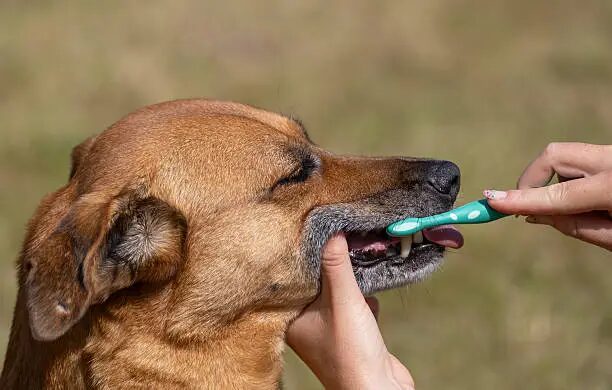
Daily Tooth Brushing
Daily brushing remains the most effective way to reduce plaque buildup.
Veterinary-Approved Toothpaste
Use only dog-specific toothpaste, preferably one recommended by your veterinarian.
Dental Chews
Dental chews can help reduce plaque between brushing sessions but should not replace brushing.
Water Additives
Water additives may help reduce bacteria and freshen breath as part of a broader oral care routine.
Dental Diets
Some specially formulated diets are designed to reduce plaque and tartar accumulation.
Routine Oral Exams
Regular veterinary examinations allow dental problems to be identified early, when treatment is generally simpler and less expensive.
How to Reduce Dog Teeth Cleaning Costs
You can lower long-term dental expenses with proactive care.
- Start dental care early.
- Brush your dog’s teeth daily.
- Schedule regular veterinary checkups.
- Use preventive dental products.
- Address dental problems promptly.
- Compare prices between veterinary clinics.
- Consider wellness plans if appropriate.
Small preventive steps today can lead to significant savings over your dog’s lifetime.
Dog Dental Care at Home
Professional cleanings are important, but home care is equally essential.
Brushing Techniques
Use gentle circular motions while focusing on the outer surfaces of the teeth and the gumline.
Choosing the Right Toothbrush
Select a toothbrush designed specifically for your dog’s size.
Soft bristles are generally the best choice.
Choosing Dog Toothpaste
Never use human toothpaste.
Dog-safe enzymatic toothpaste helps reduce plaque while being safe to swallow.
Dental Wipes
Dental wipes can help remove soft plaque when brushing isn’t possible.
Oral Gels
Oral gels may reduce bacteria and support healthier gums.
Dental Toys
Textured chew toys can help scrape away soft plaque while providing mental stimulation.
What Home Care Cannot Replace
Even the best home routine cannot remove hardened tartar beneath the gumline.
Professional veterinary cleanings remain essential for maintaining long-term oral health.
What Happens If You Skip Professional Dental Cleaning?
Ignoring dental care allows plaque to harden into tartar, creating an ideal environment for bacteria.
This can lead to:
Plaque Progression
Plaque begins forming within hours after eating.
Tartar Buildup
Untreated plaque hardens into tartar, which cannot be removed with brushing alone.
Gingivitis
Inflamed gums become red, swollen, and prone to bleeding.
Periodontal Disease
Bacteria damage the tissues supporting the teeth, potentially leading to tooth loss.
Tooth Loss
Advanced periodontal disease is one of the leading causes of tooth loss in adult dogs.
Oral Infections
Untreated infections can become painful and may spread to surrounding tissues.
Heart, Liver, and Kidney Risks
Oral bacteria may enter the bloodstream and contribute to health problems affecting major organs.
Professional Cleaning vs. At-Home Cleaning
| Feature | Professional Cleaning | Home Care |
|---|---|---|
| Removes plaque | ✅ Yes | ✅ Yes |
| Removes hardened tartar | ✅ Yes | ❌ No |
| Cleans below the gumline | ✅ Yes | Limited |
| Dental X-rays | ✅ Yes | ❌ No |
| Detects hidden disease | ✅ Yes | ❌ No |
| Prevents new plaque | Limited | ✅ Excellent |
The best approach combines both professional cleanings and consistent home dental care.
Preparing Your Dog for Dental Cleaning
To help ensure a smooth procedure:
- Follow your veterinarian’s fasting instructions.
- Complete any recommended pre-anesthetic testing.
- Arrange transportation to and from the clinic.
- Prepare a quiet recovery area at home.
- Carefully follow all post-procedure instructions.
Recovery After Dog Teeth Cleaning
Most dogs recover well within a day.
Immediately After Anesthesia
Your dog may appear sleepy or slightly unsteady.
Feeding Instructions
Offer small amounts of food and water as directed by your veterinarian.
Activity Restrictions
Allow your dog to rest quietly for the remainder of the day.
Pain Management
If extractions were performed, administer prescribed medications exactly as instructed.
Monitoring for Complications
Contact your veterinarian if you notice:
- Excessive bleeding
- Difficulty breathing
- Persistent vomiting
- Severe swelling
- Refusal to eat for more than 24 hours
Common Myths About Dog Teeth Cleaning
Myth: Dogs don’t need professional cleanings.
Fact: Home care alone cannot remove hardened tartar below the gumline.
Myth: Bad breath is normal.
Fact: Persistent bad breath often indicates dental disease.
Myth: Dental chews replace brushing.
Fact: Dental chews are helpful supplements but cannot replace daily brushing.
Myth: Anesthesia is always dangerous.
Fact: Modern anesthesia is generally very safe when appropriate pre-anesthetic testing and monitoring are performed.
Myth: Senior dogs cannot have dental procedures.
Fact: Many senior dogs safely undergo dental procedures after careful veterinary evaluation.
Veterinarian Tips for Maintaining Healthy Dog Teeth
- Brush your dog’s teeth every day if possible.
- Schedule annual dental examinations.
- Use VOHC-accepted dental products whenever available.
- Feed a balanced, nutritious diet.
- Watch for changes in appetite, chewing, or breath.
- Don’t ignore early signs of dental disease.
- Follow your veterinarian’s recommendations for professional cleanings.
Frequently Asked Questions (FAQs)
How much does a dog teeth cleaning cost in 2026?
Routine professional cleanings generally range from $300 to $700, while procedures involving anesthesia, X-rays, or extractions may cost $500 to $2,500 or more.
Is anesthesia necessary for dog dental cleaning?
In most cases, yes. It allows veterinarians to perform a thorough cleaning, take dental X-rays, and safely treat problems below the gumline.
Why is dog dental cleaning so expensive?
The cost reflects anesthesia, monitoring, blood work, dental X-rays, specialized equipment, trained staff, medications, and any additional treatments required.
How often should dogs have professional teeth cleaning?
Most dogs benefit from annual dental evaluations, with cleanings scheduled based on their oral health and veterinary recommendations.
Does pet insurance cover dog dental cleaning?
Routine preventive cleanings are often excluded unless you have a wellness or preventive care add-on. Coverage varies by policy.
Can dogs get their teeth cleaned without anesthesia?
Some clinics offer non-anesthetic cleanings, but they cannot thoroughly clean below the gumline or diagnose hidden dental disease.
How long does a dog teeth cleaning take?
Most procedures take 45 minutes to 2 hours, depending on the dog’s dental condition and whether extractions are required.
Is professional dog teeth cleaning safe?
For healthy dogs that undergo appropriate pre-anesthetic testing and monitoring, professional dental cleaning is generally considered very safe.
Can I remove tartar from my dog’s teeth at home?
Daily brushing helps prevent tartar, but once tartar hardens, professional veterinary cleaning is usually required.
How do I know if my dog needs a dental cleaning?
Common signs include bad breath, visible tartar, red or bleeding gums, loose teeth, difficulty eating, or oral pain.
What happens during a professional dog dental cleaning?
The procedure typically includes an oral exam, anesthesia, dental X-rays (when indicated), scaling, polishing, gumline cleaning, and recovery monitoring.
How can I lower the cost of dog dental care?
Practice preventive home care, schedule routine exams, compare veterinary clinics, and consider wellness plans if they fit your budget.
Final Verdict
Professional dog teeth cleaning is a valuable investment that helps prevent painful dental disease and more expensive treatments later.
Average Expected Cost
- Routine cleaning: $300–$700
- Cleaning with anesthesia: $500–$1,500
- Advanced dental treatment: $800–$2,500+
Best Value Options
- Annual preventive dental exams
- Daily tooth brushing
- Dog-safe enzymatic toothpaste
- Veterinary wellness plans
- Early treatment of dental problems
When Professional Cleaning Is Necessary
Professional cleaning is recommended when plaque has hardened into tartar, signs of periodontal disease are present, or your veterinarian identifies issues that cannot be managed with home care alone.
Importance of Preventive Dental Care
Preventive care protects your dog’s oral health, reduces the likelihood of painful disease, and can significantly lower long-term veterinary expenses.
Balancing Cost with Long-Term Health Benefits
Although professional dental cleanings require an upfront investment, they often save money over time by preventing advanced dental disease, tooth loss, and complex surgical procedures.
Conclusion
Professional dog teeth cleaning in 2026 typically costs between $300 and $700 for routine care, while more advanced procedures involving anesthesia, dental X-rays, or tooth extractions may range from $500 to $2,500 or more. The exact price depends on your dog’s age, size, oral health, geographic location, and the treatments required.
The most effective way to reduce future dental expenses is through consistent preventive care. Daily brushing, high-quality dog-specific dental products, routine veterinary examinations, and timely professional cleanings can help prevent plaque from progressing into painful periodontal disease.
By making oral health a regular part of your dog’s care routine and budgeting for periodic dental checkups, you’ll not only protect your pet’s teeth and gums but also support their overall health, comfort, and quality of life for many happy years.