The Pomchi dog is a charming designer breed that combines the fluffy personality of the Pomeranian with the bold confidence of the Chihuahua. Small in size but overflowing with character, the Pomchi has become one of the most popular toy hybrid dogs for families, singles, and apartment dwellers alike.
Despite weighing only a few pounds, these little companions are incredibly loyal, intelligent, and affectionate. They thrive on human interaction and often develop a deep bond with their owners. Whether you’re looking for a playful puppy or a devoted lap dog, the Pomchi offers the best of both worlds.
In this comprehensive guide, you’ll discover everything you need to know about the Pomchi, including its history, temperament, size, grooming needs, health concerns, training tips, feeding requirements, and the real cost of owning one.
What Is a Pomchi Dog?
A Pomchi is a designer hybrid dog created by crossing a purebred Pomeranian with a purebred Chihuahua.
The goal of this crossbreed is to combine the desirable traits of both parent breeds, producing a small companion dog that’s intelligent, affectionate, alert, and full of personality.
Because the Pomchi is a mixed breed, no two puppies look exactly alike. Some inherit the fluffy double coat of the Pomeranian, while others resemble the smooth-coated Chihuahua. Their personalities can also vary, although most Pomchis are energetic, loyal, and highly attached to their families.
Why the Pomchi Has Become a Popular Designer Dog
Over the past two decades, designer dogs have grown tremendously in popularity, and the Pomchi is no exception.
Here are a few reasons why dog lovers adore this hybrid:
- Compact size makes them perfect for apartments and small homes.
- Loyal personality creates strong bonds with owners.
- Low exercise needs fit busy lifestyles.
- Adorable appearance combines fluffy charm with expressive eyes.
- Intelligence makes training enjoyable with consistent positive reinforcement.
- Long lifespan allows families to enjoy many years together.
Their versatility makes them a great choice for first-time dog owners and experienced pet parents alike.
Parent Breeds: Pomeranian × Chihuahua
Understanding the Pomchi begins with knowing its parents.
Pomeranian
The Pomeranian is famous for its:
- Thick double coat
- Fox-like face
- Playful attitude
- High intelligence
- Outgoing personality
Although tiny, Pomeranians have the confidence of much larger dogs.
Chihuahua
The Chihuahua is the world’s smallest dog breed but possesses remarkable courage.
Chihuahuas are known for:
- Strong loyalty
- Alertness
- Big personality
- High intelligence
- Protective nature
Their fearless attitude often surprises people unfamiliar with the breed.
The Result
When combined, these breeds typically produce a dog that’s:
- Small but sturdy
- Affectionate
- Alert
- Curious
- Intelligent
- Confident
- Highly people-oriented
Each Pomchi inherits a unique mix of traits from both parents.
Who This Hybrid Is Best Suited For
Pomchis adapt well to many different households.
They are particularly suitable for:
- Apartment residents
- Singles
- Couples
- Seniors
- Small families
- First-time dog owners
- Remote workers
- Owners seeking a companion dog
However, because of their tiny size, they’re generally better suited to families with older, gentle children rather than toddlers.
What You’ll Learn in This Complete Guide
By the end of this article, you’ll understand:
- Pomchi temperament
- Size and growth expectations
- Grooming requirements
- Feeding recommendations
- Exercise needs
- Common health problems
- Puppy costs
- Monthly ownership expenses
- Training methods
- Adoption vs. buying
- Whether a Pomchi is the right dog for you
Quick Facts About the Pomchi Dog
| Feature | Details |
|---|---|
| Breed Type | Designer Hybrid |
| Parent Breeds | Pomeranian × Chihuahua |
| Size | Toy Dog |
| Height | 5–9 inches |
| Weight | 3–12 pounds |
| Life Expectancy | 12–16 years |
| Coat Type | Short or Long |
| Coat Colors | Black, White, Cream, Brown, Chocolate, Blue, Merle, Tan, Orange, Sable, Mixed |
| Temperament | Loyal, Intelligent, Playful, Alert |
| Energy Level | Moderate |
| Shedding | Low to Moderate |
| Trainability | Moderate |
| Good with Kids | Yes (with supervision) |
| Apartment Friendly | Excellent |
| Beginner Friendly | Yes |
| AKC Recognition | No (Hybrid Breed) |
History and Origin of the Pomchi
The Pomchi is a relatively modern hybrid developed to combine the best qualities of two beloved toy breeds.
Although the exact origin is unknown, the breed became increasingly popular in the United States during the late 1990s and early 2000s as designer dogs gained widespread attention.
How the Pomchi Was Developed
Breeders aimed to create a companion dog that inherited:
- The fluffy appearance of the Pomeranian
- The confidence of the Chihuahua
- Better adaptability
- Excellent companionship
- Compact size
Unlike purebred dogs, Pomchis can vary significantly in appearance because they inherit different genes from each parent.
History of the Pomeranian
The Pomeranian descends from much larger Spitz-type dogs originally bred in northern Europe.
Over time, selective breeding reduced their size while maintaining their thick coats and lively personalities.
Pomeranians became favorites among European royalty, particularly Queen Victoria, who helped popularize the breed.
History of the Chihuahua
The Chihuahua is one of the oldest dog breeds native to the Americas.
Experts believe it descended from the ancient Techichi dogs kept by the Toltec civilization.
Today, Chihuahuas are admired worldwide for their tiny size, intelligence, and bold personality.
Why Designer Dogs Became Popular
Designer breeds became increasingly popular because many owners wanted dogs that combined desirable traits from two established breeds.
Benefits often include:
- Unique appearance
- Diverse personalities
- Family-friendly temperaments
- Companion-focused behavior
- Variety in coat types
The Pomchi perfectly fits this growing demand.
Is the Pomchi Officially Recognized?
The Pomchi is not recognized by the American Kennel Club (AKC) because it is a hybrid rather than a purebred dog.
However, several hybrid and designer dog registries recognize the Pomchi, including organizations dedicated to mixed-breed companion dogs.
Pomchi Breed Overview
The Pomchi may be tiny, but it has a huge personality.
Let’s take a closer look.
Appearance
Pomchis vary considerably depending on which parent they resemble most.
Most have:
- Compact body
- Fox-like expression
- Bright eyes
- Upright ears
- Curled or fluffy tail
Some look almost identical to miniature Pomeranians, while others closely resemble Chihuahuas.
Personality
The Pomchi is affectionate and enjoys being the center of attention.
Common personality traits include:
- Loving
- Curious
- Brave
- Energetic
- Alert
- Playful
- Loyal
They often follow their owners throughout the house.
Intelligence
Pomchis inherit intelligence from both parents.
They learn:
- Basic commands
- Household routines
- Trick training
- Interactive games
Although intelligent, they sometimes display a stubborn streak, making patience important during training.
Adaptability
One of the Pomchi’s greatest strengths is adaptability.
They do well in:
- Apartments
- Condos
- Small homes
- Large houses
- Urban settings
- Rural environments
As long as they receive attention and moderate exercise, they’re happy almost anywhere.
Family Compatibility
Pomchis generally do well with:
- Adults
- Seniors
- Older children
- Couples
- Single owners
Early socialization helps them become more comfortable around strangers and other pets.
Pomchi Size and Growth
Since both parent breeds are toy dogs, the Pomchi remains quite small throughout life.
Average Height
Most adult Pomchis stand:
5–9 inches tall
Some may be slightly taller depending on genetics.
Average Weight
Adult weight usually ranges from:
3–12 pounds
The size difference depends largely on the parents.
Male vs. Female Size
| Gender | Average Weight | Height |
|---|---|---|
| Male | 4–12 lbs | 6–9 in |
| Female | 3–10 lbs | 5–8 in |
The differences between males and females are generally small.
Full-Grown Pomchi
Most Pomchis reach their full adult size between:
9–12 months
However, some continue filling out until approximately 18 months.
Pomchi Growth Chart
| Age | Expected Development |
|---|---|
| 0–3 Months | Rapid growth and socialization |
| 4–8 Months | Increased activity and muscle development |
| 9–18 Months | Adult height and mature body weight |
Remember that every puppy grows at a slightly different pace.
Puppy (0–3 Months)
During this stage:
- Rapid growth occurs.
- Baby teeth emerge.
- Early socialization begins.
- Basic training can start.
- Curiosity develops quickly.
Juvenile (4–8 Months)
This stage includes:
- Increased confidence
- More energy
- Learning household rules
- Teething completion
- Developing personality
Consistent training is especially important during this period.
Adult (9–18 Months)
By adulthood, most Pomchis have:
- Reached full height
- Developed mature coats
- Established personalities
- Stable eating habits
- Improved obedience
Regular exercise and preventive veterinary care help maintain long-term health.
Pomchi Appearance
Every Pomchi is unique, but several characteristics are commonly seen throughout the breed.
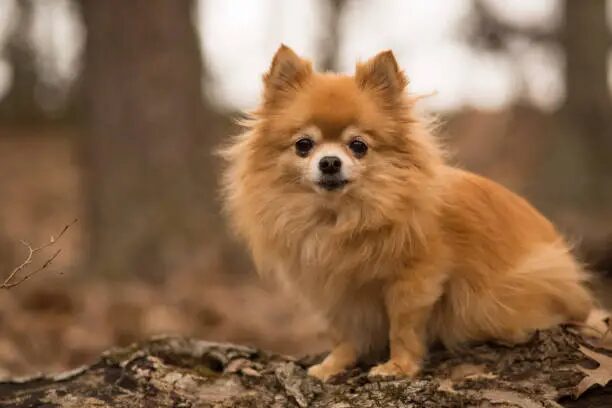
Head Shape
Most Pomchis inherit:
- Rounded skull
- Short muzzle
- Well-defined stop
- Fox-like facial expression
Some lean more toward the Chihuahua’s “apple head,” while others resemble the Pomeranian’s wedge-shaped face.
Eyes
Their eyes are one of their most expressive features.
Typically they are:
- Large
- Round
- Dark brown
- Bright
- Curious-looking
These expressive eyes contribute significantly to the breed’s adorable appearance.
Ears
Most Pomchis have:
- Upright ears
- Medium size
- Pointed tips
- Excellent hearing
Some puppies may temporarily have floppy ears before they stand upright as they mature.
Nose
The nose color usually matches the coat genetics.
Common colors include:
- Black
- Brown
- Liver
A healthy nose should be moist but not excessively runny.
Tail
Pomchis often inherit the fluffy curled tail of the Pomeranian, although some have straighter Chihuahua-like tails.
The tail is usually carried proudly over the back when the dog is alert or excited.
Body Structure
Despite their tiny size, Pomchis are surprisingly sturdy.
Their bodies are generally:
- Compact
- Well-balanced
- Lightly built
- Agile
- Athletic
Legs
Pomchis have:
- Straight front legs
- Strong rear legs
- Light bone structure
- Quick, energetic movement
They are agile and enjoy running around the house or yard.
Paws
Their paws are small, neat, and proportionate to their body size.
Regular nail trimming is essential to maintain healthy foot structure and comfortable movement.
Pomchi Coat Types
One of the most interesting aspects of the Pomchi is the variety of coat types inherited from its parents.
Long-Haired Pomchi
These Pomchis inherit more of the Pomeranian’s luxurious coat.
Characteristics include:
- Thick fur
- Feathering around the ears and tail
- Plush neck ruff
- Soft undercoat
Long-haired Pomchis require more frequent brushing to prevent tangles.
Short-Haired Pomchi
Short-coated Pomchis resemble the Chihuahua more closely.
Their coats are:
- Smooth
- Sleek
- Easy to maintain
- Low maintenance
Although grooming needs are lighter, they may require extra warmth during colder months.
Double Coat
Many Pomchis inherit a double coat consisting of:
- A soft, dense undercoat
- A longer outer coat
This combination offers insulation but also contributes to seasonal shedding.
Coat Texture
Coat texture varies depending on genetics.
It may be:
- Silky
- Soft
- Plush
- Straight
- Slightly fluffy
No two Pomchis have exactly the same coat.
Seasonal Shedding
Pomchis typically shed low to moderately throughout the year, with heavier shedding during seasonal coat changes in spring and fall.
Regular brushing helps reduce loose hair and keeps the coat healthy.
Pomchi Colors
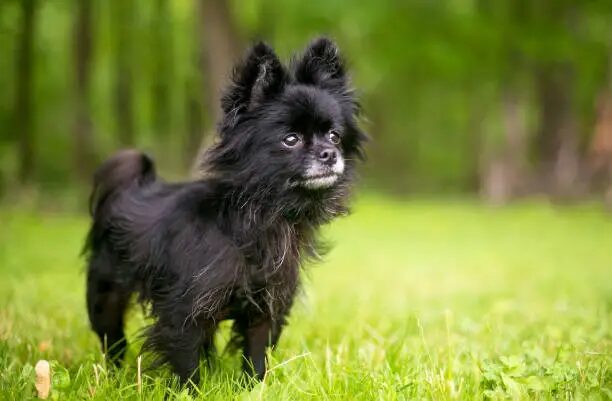
One of the most appealing features of the Pomchi is its wide variety of coat colors and patterns. Because it inherits genes from both the Pomeranian and Chihuahua, almost every litter can produce puppies with unique appearances.
White
White Pomchis have a clean, elegant look and often feature dark eyes and a black nose for striking contrast.
Black
Solid black Pomchis are sleek and eye-catching. Some may develop small white markings on the chest or paws.
Cream
Cream is one of the most popular Pomchi colors, giving these dogs a soft, teddy bear-like appearance.
Chocolate
Chocolate Pomchis range from light cocoa to deep brown and often have brown noses and lighter-colored eyes.
Brown
Brown coats can vary from tan to rich mahogany and may appear as solid colors or mixed patterns.
Orange
Inherited mainly from the Pomeranian side, orange is a classic and highly recognizable coat color.
Blue
Blue Pomchis have a diluted grayish coat that gives them a unique appearance. Responsible breeders carefully manage blue coat genetics due to potential health concerns associated with color dilution.
Sable
Sable coats feature hairs with darker tips over a lighter base, creating a beautiful shaded effect.
Merle
Merle Pomchis display marbled patches of lighter and darker colors. Because breeding two merle dogs together can increase the risk of inherited health problems, responsible breeding practices are essential.
Brindle
Brindle coats display dark stripes over a lighter background and are less common in Pomchis.
Parti-Color
Parti-color Pomchis have two or more distinct coat colors, often with white as the base color.
Rare Colors
Less common coat colors include:
- Lavender
- Beaver
- Blue sable
- Chocolate merle
- Wolf sable
While rare colors may be attractive, health and temperament should always be prioritized over appearance.
Pomchi Temperament
The Pomchi is known for having a big personality in a tiny body. These dogs are affectionate, alert, and full of confidence.
Personality Traits
Most Pomchis are:
- Loyal
- Intelligent
- Curious
- Brave
- Playful
- Alert
- Energetic
They love being involved in family activities and dislike being ignored for long periods.
Affection Level
Pomchis form strong attachments to their families and enjoy cuddling just as much as playing.
Many prefer staying close to their favorite person throughout the day.
Loyalty
Loyalty is one of the Pomchi’s defining characteristics.
They often choose one family member as their primary companion but still enjoy spending time with everyone in the household.
Confidence
Despite their tiny size, Pomchis are surprisingly fearless.
They often behave as though they are much larger dogs, making early training and supervision important.
Protective Instincts
Pomchis make excellent little watchdogs.
They quickly alert their owners to:
- Visitors
- Unusual noises
- Delivery drivers
- Wildlife outside
Although they are not guard dogs, their alert nature makes them excellent companions.
Independence
Pomchis enjoy spending time with their owners but can also entertain themselves with toys when properly trained.
However, they should not be left alone for extended periods on a regular basis.
Social Behavior
Well-socialized Pomchis are generally friendly toward:
- Family members
- Familiar visitors
- Other dogs
- Respectful children
Early socialization helps prevent fearfulness and excessive barking.
Barking Tendencies
Pomchis are naturally vocal.
They may bark when:
- Someone approaches the house
- They hear unfamiliar sounds
- They’re excited
- They’re bored
- They want attention
Training can help reduce unnecessary barking.
Separation Anxiety
Because Pomchis bond closely with their owners, some develop separation anxiety if left alone too often.
Common signs include:
- Excessive barking
- Destructive chewing
- Whining
- House accidents
Gradual independence training helps reduce anxiety.
Are Pomchis Good Family Dogs?
For the right household, Pomchis make wonderful family companions.
With Children
Pomchis generally do well with older children who understand how to handle small dogs gently.
Very young children may accidentally injure them due to their delicate size.
With Seniors
Their compact size, affectionate personality, and moderate exercise needs make Pomchis excellent companions for seniors.
With First-Time Owners
Pomchis are suitable for beginners willing to invest time in training and socialization.
Their intelligence helps them learn quickly with positive reinforcement.
For Apartment Living
Pomchis thrive in apartments because they:
- Require little space
- Need moderate exercise
- Adapt well indoors
- Enjoy spending time with people
Regular walks and indoor play sessions help meet their activity needs.
For Single Owners
Many single owners appreciate the Pomchi’s loyal nature and constant companionship.
These dogs often become devoted best friends.
Pomchi with Other Pets
Socialization from an early age is the key to successful multi-pet households.
Other Dogs
Pomchis usually enjoy canine companionship if introduced properly.
Because of their bold personality, supervision is important when interacting with much larger dogs.
Cats
Many Pomchis coexist peacefully with cats, especially if raised together from puppyhood.
Small Pets
Their prey drive is generally low, but introductions to rabbits, guinea pigs, birds, or hamsters should always be supervised.
Early Socialization
Expose your Pomchi puppy to:
- New people
- Different environments
- Friendly dogs
- Everyday household sounds
Positive experiences during puppyhood help build confidence.
Pomchi Intelligence and Trainability
Pomchis are intelligent and eager to learn, though they sometimes inherit a stubborn streak from the Chihuahua.
Ease of Training
They respond best to:
- Consistency
- Short training sessions
- Positive reinforcement
- Patience
Harsh corrections often reduce confidence and should be avoided.
Positive Reinforcement
Reward-based training using:
- Praise
- Small treats
- Toys
- Affection
helps create a motivated and confident learner.
House Training
Housebreaking requires patience because toy breeds have small bladders.
Maintain:
- A regular schedule
- Frequent potty breaks
- Positive reinforcement
- Crate training consistency
Crate Training
A properly sized crate provides:
- Security
- Better house training
- Safe travel
- A quiet resting place
The crate should never be used as punishment.
Socialization Training
Early exposure to various people, pets, and situations helps prevent fear-based behaviors later in life.
Basic Obedience
Essential commands include:
- Sit
- Stay
- Come
- Leave it
- Down
- Heel
Mastering these commands improves safety and strengthens your bond.
Advanced Tricks
Many Pomchis enjoy learning tricks such as:
- Spin
- Shake hands
- Roll over
- Fetch
- Weave through legs
Mental stimulation helps prevent boredom.
Common Behavioral Challenges
Owners may encounter:
- Barking
- Stubbornness
- Possessiveness
- Separation anxiety
- House-training setbacks
Early, consistent training usually minimizes these issues.
Exercise Needs
Although small, Pomchis still require daily activity to stay healthy and happy.
Daily Exercise Requirements
Most adult Pomchis benefit from 30–45 minutes of daily exercise.
This can include:
- Walks
- Indoor games
- Fetch
- Puzzle toys
Indoor Activities
Excellent indoor options include:
- Hide-and-seek
- Tug toys
- Short fetch sessions
- Obstacle courses
These activities are especially useful during bad weather.
Outdoor Walks
Two short walks each day usually provide enough physical activity while allowing your Pomchi to explore new sights and smells.
Mental Stimulation
Pomchis enjoy challenges that engage their minds.
Ideas include:
- Training sessions
- Interactive feeders
- Scent games
- Problem-solving toys
Puzzle Toys
Puzzle toys encourage independent play while exercising the brain.
Rotate toys regularly to maintain interest.
Play Sessions
Short play sessions throughout the day strengthen your relationship while helping burn off energy.
Pomchi Grooming Guide
Grooming needs depend largely on coat type.
Brushing Schedule
- Long-haired Pomchis: 3–4 times per week
- Short-haired Pomchis: 1–2 times per week
Regular brushing removes loose hair and prevents mats.
Bathing
Bathe your Pomchi approximately every 4–8 weeks, or when dirty.
Use a gentle dog shampoo designed for sensitive skin.
Nail Trimming
Trim nails every 3–4 weeks to prevent discomfort and changes in posture.
Ear Cleaning
Inspect ears weekly for:
- Wax buildup
- Redness
- Odor
- Debris
Clean only with a veterinarian-approved ear cleaner.
Eye Care
Because small breeds may develop tear staining, gently wipe around the eyes with a soft, damp cloth when needed.
Dental Care
Pomchis are especially prone to dental disease.
Brush their teeth daily, or at least several times each week, using dog-specific toothpaste.
Regular dental checkups are equally important.
Shedding Management
Although shedding is usually low to moderate, you can reduce loose hair by:
- Regular brushing
- Feeding a balanced diet
- Maintaining healthy skin
- Using appropriate grooming tools
Pomchi Feeding Guide
Proper nutrition supports healthy growth, energy, and longevity.
Nutritional Requirements
A balanced diet should provide:
- High-quality animal protein
- Healthy fats
- Essential vitamins
- Minerals
- Omega-3 fatty acids
Choose food formulated for small or toy breeds.
Puppy Feeding Schedule
Young Pomchi puppies typically eat:
3–4 meals per day
Frequent meals help reduce the risk of low blood sugar.
Adult Feeding Schedule
Most healthy adult Pomchis thrive on:
2 meals daily
Avoid free-feeding to reduce the risk of obesity.
Senior Feeding Schedule
Senior dogs may benefit from:
- Smaller portions
- Easily digestible food
- Joint-support supplements (when recommended by a veterinarian)
Portion Sizes
Portions depend on:
- Age
- Activity level
- Weight
- Calorie content of the food
Always follow feeding guidelines and adjust as needed to maintain a healthy body condition.
Best Dog Food
Look for foods that include:
- Real meat as the first ingredient
- Whole grains or healthy carbohydrate alternatives
- Omega fatty acids
- DHA for brain health
- No excessive fillers
Foods to Avoid
Never feed your Pomchi:
- Chocolate
- Grapes
- Raisins
- Onions
- Garlic
- Xylitol
- Alcohol
- Cooked bones
- Excessively fatty foods
Pomchi Health Issues
Pomchis are generally healthy, but like all dogs, they can inherit health conditions from their parent breeds.
Common concerns include:
- Patellar luxation (luxating patella)
- Dental disease
- Tracheal collapse
- Hypoglycemia, especially in puppies
- Heart disease
- Eye disorders
- Allergies
- Obesity
- Hydrocephalus
- Legg-Calvé-Perthes disease
Responsible breeding, regular veterinary care, a healthy diet, and routine exercise all play an important role in reducing health risks.
Pomchi Lifespan
One of the biggest advantages of owning a Pomchi is its relatively long lifespan. With proper care, many Pomchis remain active and affectionate well into their senior years.
Average Lifespan
A healthy Pomchi typically lives 12–16 years, although some may exceed this with excellent care and favorable genetics.
Factors That Affect Longevity
Several factors influence how long a Pomchi lives:
- Genetics
- Diet and nutrition
- Regular exercise
- Dental care
- Preventive veterinary care
- Weight management
- Living environment
Tips to Increase Lifespan
Help your Pomchi enjoy a long, healthy life by:
- Feeding a high-quality diet
- Keeping vaccinations up to date
- Scheduling annual veterinary checkups
- Brushing teeth daily
- Maintaining a healthy weight
- Providing regular exercise and mental stimulation
- Addressing health issues promptly
Pomchi Puppy Guide
Bringing home a Pomchi puppy is exciting, but preparation is essential.
What to Expect
During the first few weeks, your puppy may be:
- Curious
- Energetic
- Shy in unfamiliar environments
- Learning household routines
- Building trust with family members
Patience and consistency are key.
Early Training
Start training as soon as your puppy arrives home.
Focus on:
- Name recognition
- Potty training
- Crate training
- Bite inhibition
- Basic commands
Keep sessions short, positive, and rewarding.
Vaccinations
Your veterinarian will recommend a vaccination schedule that typically protects against:
- Distemper
- Parvovirus
- Adenovirus
- Rabies
- Other region-specific diseases
Avoid public dog parks until your puppy has completed the recommended vaccination series.
Socialization
Introduce your Pomchi to:
- New people
- Friendly vaccinated dogs
- Different sounds
- Various environments
- Car rides
- Grooming routines
Positive experiences during puppyhood build confidence.
Teething
Teething generally begins around 3–4 months of age.
Provide safe chew toys to help relieve discomfort and discourage destructive chewing.
Puppy-Proofing Your Home
Because Pomchis are tiny and curious, remove potential hazards such as:
- Electrical cords
- Toxic plants
- Small objects that can be swallowed
- Open stairways
- Household chemicals
Pomchi Adoption vs. Buying
Both adoption and purchasing from a breeder have advantages.
Rescue Organizations
Many Pomchis end up in rescue organizations dedicated to small breeds or mixed-breed dogs.
Adoption gives a deserving dog a second chance while often costing less than purchasing a puppy.
Adoption Benefits
Benefits include:
- Lower adoption fees
- Vaccinations often included
- Spay/neuter frequently completed
- Saving a dog’s life
- Ongoing support from rescue groups
Buying From Breeders
If purchasing a puppy, choose a responsible breeder who prioritizes health and temperament over appearance.
A reputable breeder should:
- Provide health records
- Allow you to meet the parents (when possible)
- Answer questions openly
- Raise puppies in a clean environment
Questions to Ask Breeders
Ask about:
- Parent health testing
- Vaccination records
- Deworming schedule
- Socialization practices
- Health guarantees
Red Flags
Avoid breeders who:
- Refuse to show the puppies
- Offer multiple litters at all times
- Cannot provide veterinary documentation
- Sell puppies that are too young
- Prioritize rare colors over health
Pomchi Price
The cost of a Pomchi depends on pedigree, breeder reputation, location, and demand.
| Expense | Estimated Cost (USD) |
|---|---|
| Pomchi Puppy | $500–$2,500 |
| Adoption | $100–$500 |
| Initial Supplies | $200–$600 |
| First-Year Veterinary Care | $300–$800 |
Rare coat colors or puppies from champion bloodlines may cost more.
Monthly Cost of Owning a Pomchi
| Category | Average Monthly Cost |
|---|---|
| Food | $20–$50 |
| Grooming | $20–$60 |
| Veterinary Care | $20–$80 |
| Pet Insurance | $20–$60 |
| Toys & Treats | $10–$30 |
| Miscellaneous Supplies | $10–$40 |
Estimated Total: $100–$320 per month
Actual costs vary based on your location and your dog’s healthcare needs.
Essential Supplies for a Pomchi Puppy
Before bringing your puppy home, gather these essentials:
- Crate
- Comfortable bed
- Food and water bowls
- Adjustable harness
- Lightweight leash
- Collar with ID tag
- High-quality puppy food
- Grooming brush
- Nail clippers
- Dog toothbrush and toothpaste
- Interactive toys
- Training treats
- Puppy pads (if needed)
Pros and Cons of Owning a Pomchi
| Pros | Cons |
|---|---|
| Loving and loyal | Can bark frequently |
| Excellent apartment dog | May develop separation anxiety |
| Small and portable | Fragile around rough play |
| Intelligent and playful | Requires early socialization |
| Long lifespan | Prone to dental problems |
| Moderate exercise needs | Can be stubborn during training |
Pomchi vs. Chihuahua
| Feature | Pomchi | Chihuahua |
|---|---|---|
| Size | 3–12 lbs | 2–6 lbs |
| Coat | Short or long | Short or long |
| Personality | Playful and affectionate | Bold and independent |
| Grooming | Moderate | Low to moderate |
| Exercise | Moderate | Moderate |
The Pomchi often has a fluffier appearance and a slightly more easygoing temperament, though individual personalities vary.
Pomchi vs. Pomeranian
| Feature | Pomchi | Pomeranian |
|---|---|---|
| Coat | Short or long | Thick double coat |
| Shedding | Low to moderate | Moderate to high |
| Personality | Loyal and alert | Outgoing and lively |
| Grooming | Moderate | High |
| Cost | Moderate | Often higher |
Pomchis may be easier to groom if they inherit a shorter coat.
Pomchi vs. Other Small Designer Dogs
Pomchi vs. Pomapoo
Pomapoos tend to shed less and often inherit the Poodle’s highly trainable nature.
Pomchi vs. Chorkie
Chorkies are typically more energetic and may require additional grooming.
Pomchi vs. Maltipom
Maltipoms are usually gentle, affectionate, and may have a softer, lower-shedding coat.
Pomchi vs. Yorkie Pom
Yorkie Poms often have longer coats and may require more frequent grooming.
Living With a Pomchi
Pomchis adapt well to a variety of lifestyles.
Apartment Living
Their small size makes them excellent apartment companions, provided they receive daily exercise and mental stimulation.
Houses With Yards
A fenced yard offers extra space to play, but supervision is important because these tiny dogs can slip through small openings.
Cold Weather
Pomchis with shorter coats may need a sweater during cold weather.
Hot Weather
Avoid strenuous exercise during peak heat, and always provide shade and fresh water.
Traveling
Pomchis are easy travel companions thanks to their compact size. Use a secure carrier or dog seat belt when traveling by car.
Common Mistakes New Owners Make
Avoid these common errors:
- Overfeeding and allowing obesity
- Delaying training and socialization
- Neglecting dental care
- Choosing the wrong harness or collar size
- Skipping routine veterinary visits
- Leaving the dog alone for extended periods
Consistency and preventive care help prevent many issues.
How to Choose a Healthy Pomchi Puppy
When selecting a puppy:
- Request health certificates for the parents.
- Review vaccination and deworming records.
- Observe the puppy’s temperament.
- Visit the breeder’s facility when possible.
- Ask about genetic health testing.
A healthy puppy should be alert, curious, and free of signs of illness.
Expert Tips for Raising a Happy Pomchi
- Start training and socialization early.
- Brush your Pomchi’s teeth regularly.
- Maintain a consistent exercise routine.
- Feed a balanced diet formulated for small breeds.
- Use positive reinforcement instead of punishment.
- Provide interactive toys and mental enrichment.
- Schedule routine veterinary examinations.
Frequently Asked Questions (FAQs)
What is a Pomchi dog?
A Pomchi is a designer hybrid created by crossing a Pomeranian with a Chihuahua.
How big does a Pomchi get?
Most adult Pomchis weigh 3–12 pounds and stand 5–9 inches tall.
How much does a Pomchi cost?
A Pomchi puppy typically costs $500–$2,500, while adoption fees usually range from $100–$500.
Are Pomchis good family dogs?
Yes. They are affectionate family companions but are generally best suited to homes with older children who can handle them gently.
Do Pomchis bark a lot?
They can be vocal and make excellent watchdogs, though early training helps reduce excessive barking.
Are Pomchis hypoallergenic?
No. Pomchis are not considered hypoallergenic and may shed low to moderately.
How long do Pomchis live?
Most live 12–16 years with proper care.
Are Pomchis easy to train?
They are intelligent and respond well to positive reinforcement but may show occasional stubbornness.
Do Pomchis shed?
Yes, though shedding ranges from low to moderate depending on coat type.
Can Pomchis be left alone?
They can tolerate short periods alone, but frequent or extended isolation may lead to separation anxiety.
What health problems do Pomchis have?
Common concerns include dental disease, patellar luxation, tracheal collapse, hypoglycemia, heart disease, and eye disorders.
Is a Pomchi better than a Chihuahua or Pomeranian?
There is no universal “better” choice. A Pomchi blends traits from both parent breeds and may be ideal for owners seeking a small, affectionate companion with a unique personality.
Final Verdict
The Pomchi is an excellent choice for anyone looking for a small dog with a big heart and an even bigger personality.
Who Should Own a Pomchi?
Pomchis are best suited for:
- Singles
- Couples
- Seniors
- Families with older children
- Apartment dwellers
- First-time dog owners willing to invest in training
Best Home Environment
A loving home where the dog receives plenty of attention, exercise, and positive interaction is ideal.
Ideal Owner Lifestyle
The perfect owner enjoys spending time with their dog, values companionship, and can provide regular grooming, training, and preventive healthcare.
Overall Recommendation
If you’re searching for a loyal, playful, intelligent, and adaptable toy breed, the Pomchi is a fantastic companion. With proper care, early socialization, and routine veterinary attention, these little dogs can bring years of joy and unconditional love.
Conclusion
The Pomchi dog combines the spirited personality of the Chihuahua with the fluffy charm of the Pomeranian, creating a devoted companion that fits comfortably into many lifestyles. Despite its tiny stature, this hybrid is full of confidence, affection, and intelligence.
From understanding their size, temperament, grooming needs, and exercise requirements to recognizing common health concerns and budgeting for lifelong care, responsible ownership begins with being well-informed. Regular veterinary checkups, daily dental care, balanced nutrition, and positive training all contribute to a healthier and happier Pomchi.
Whether you decide to adopt from a rescue or purchase from a responsible breeder, choosing a healthy puppy and providing consistent care will help your Pomchi thrive for many years. If you’re ready for a loyal companion that offers endless personality in a compact package, the Pomchi could be the perfect addition to your family.