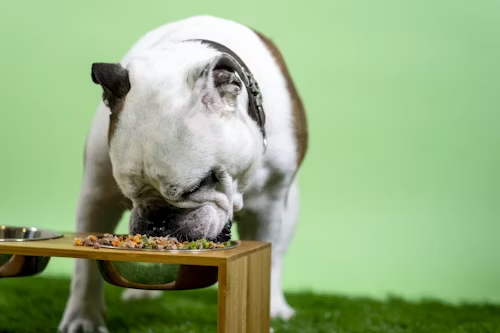
Feeding your dog the right number of calories is one of the most important parts of responsible pet ownership. Whether you have a tiny Chihuahua, an energetic Labrador Retriever, or a senior Golden Retriever, understanding your dog’s calorie needs can help maintain a healthy weight, improve energy levels, and prevent serious health problems.
Many dog owners unknowingly overfeed or underfeed their pets. Unfortunately, even small calorie imbalances can lead to obesity, malnutrition, diabetes, joint pain, and heart disease over time. That’s where a dog food calculator calories guide becomes incredibly useful.
A dog calorie calculator helps estimate how many calories your dog should eat daily based on factors like:
- Weight
- Breed
- Age
- Activity level
- Health condition
- Reproductive status
In this guide, you’ll learn how dog calorie calculators work, why calories matter for dogs, and how to calculate the ideal daily calorie intake for your furry companion.
What Is a Dog Food Calorie Calculator?
A dog food calorie calculator is a tool used to estimate the number of calories a dog needs every day to maintain a healthy body weight and lifestyle. It takes various factors into account to provide personalized feeding recommendations.
Unlike generic feeding charts on dog food packages, calorie calculators offer more accurate guidance tailored to your dog’s unique needs.
Understanding Dog Calorie Calculators
Definition and Purpose
A dog calorie calculator is designed to answer one simple but important question:
“How much food should I feed my dog daily?”
The calculator converts your dog’s weight, age, and activity level into estimated calorie requirements. This helps pet owners avoid overfeeding or underfeeding.
The main goals of a dog calorie calculator are:
- Maintain ideal body weight
- Support healthy growth in puppies
- Promote weight loss in overweight dogs
- Improve muscle maintenance
- Support overall health and longevity
Many online tools also include feeding recommendations based on the calorie content of commercial dog foods.
For example, if your dog needs 600 calories daily and their food contains 300 calories per cup, the calculator will recommend feeding approximately 2 cups per day.
How Dog Calorie Calculators Work
Dog calorie calculators use veterinary nutrition formulas to estimate energy requirements.
Most calculators rely on two key values:
- Resting Energy Requirement (RER)
- Maintenance Energy Requirement (MER)
The RER estimates how many calories a dog burns while resting. MER adjusts those calories according to activity level, age, and lifestyle.
The standard veterinary formula for RER is:
RER = 70 \times (Body\ Weight\ in\ kg)^{0.75}
Once RER is calculated, it is multiplied by an activity factor.
For example:
| Dog Type | Multiplier |
|---|---|
| Neutered adult dog | 1.6 |
| Active dog | 2.0 |
| Weight loss | 1.0 |
| Puppy | 2.0–3.0 |
This creates a more accurate calorie estimate than standard feeding labels.
Why Dog Owners Should Use One
Using a calorie calculator offers several benefits:
- Helps prevent obesity
- Supports healthy digestion
- Improves feeding accuracy
- Prevents unnecessary weight gain
- Helps monitor portion sizes
- Supports long-term health
Dog obesity has become increasingly common, especially among indoor pets with low activity levels. According to veterinary experts, excess weight can shorten a dog’s lifespan significantly.
If you want your dog to stay active and healthy, using a calorie calculator is one of the smartest steps you can take.
For additional pet nutrition guidance, websites like American Kennel Club and PetMD Nutrition Center provide valuable information for dog owners.

How Accurate Are Dog Food Calculators?
Dog food calculators are extremely useful, but they are still estimates. Every dog has different nutritional needs based on genetics, metabolism, and health conditions.
Factors Affecting Accuracy
Several factors can influence how accurate a calorie estimate will be.
Breed Differences
Some breeds naturally burn more calories than others.
For example:
- Border Collies are highly active and require more calories.
- Bulldogs are less active and may gain weight easily.
Metabolism
Just like humans, dogs have different metabolic rates. Some dogs stay lean while eating large amounts of food, while others gain weight quickly.
Activity Level
A working dog burns far more calories than a dog that spends most of the day indoors.
Age
Puppies need significantly more calories for growth, while senior dogs usually require fewer calories.
Health Conditions
Medical conditions can change calorie needs dramatically.
Examples include:
- Diabetes
- Thyroid disorders
- Kidney disease
- Arthritis
- Digestive disorders
When to Consult a Veterinarian
Online calculators are helpful, but professional guidance is essential in certain situations.
You should consult a veterinarian if your dog:
- Gains weight rapidly
- Loses weight unexpectedly
- Has chronic health problems
- Is pregnant or nursing
- Refuses food regularly
- Has digestive issues
- Is severely overweight or underweight
Veterinarians may recommend a customized feeding plan based on body condition scoring and medical history.
For science-based veterinary nutrition resources, visit WSAVA Global Nutrition Guidelines.
Why Calories Matter for Dogs
Calories provide energy that supports every essential function in your dog’s body. Without enough calories, dogs become weak and unhealthy. Too many calories can lead to obesity and chronic disease.
Understanding calorie balance is key to maintaining optimal canine health.
The Role of Calories in Canine Health
Energy Production
Calories fuel your dog’s daily activities.
Dogs use calories for:
- Walking
- Running
- Playing
- Digestion
- Breathing
- Maintaining body temperature
Active dogs naturally require more energy than sedentary dogs.
Weight Management
Proper calorie intake helps dogs maintain an ideal body condition.
Healthy weight management can:
- Reduce joint stress
- Improve mobility
- Lower disease risk
- Increase lifespan
- Improve energy levels
Muscle Growth and Maintenance
Protein and calories work together to build and preserve muscle tissue.
Puppies, athletic dogs, and working breeds especially need adequate calories for healthy muscle development.
Immune System Support
Nutritional balance supports immune function.
Dogs lacking proper calories and nutrients may experience:
- Frequent illness
- Poor coat condition
- Slow wound healing
- Reduced energy
Risks of Feeding Too Many Calories
Overfeeding is one of the most common nutritional problems in dogs today.
Obesity in Dogs
Obesity develops when dogs consistently consume more calories than they burn.
Common signs include:
- Difficulty walking
- Fat accumulation around ribs
- Reduced stamina
- Heavy breathing
- Decreased mobility
According to veterinarians, overweight dogs are more likely to develop chronic diseases.
Joint Problems
Extra body weight puts enormous pressure on joints and bones.
This increases the risk of:
- Arthritis
- Hip dysplasia
- Ligament injuries
- Back pain
Large breeds are especially vulnerable.
Diabetes Risks
Excess body fat can interfere with insulin regulation, increasing the risk of canine diabetes.
Symptoms may include:
- Increased thirst
- Frequent urination
- Fatigue
- Weight changes
Heart-Related Issues
Obesity forces the heart to work harder.
This can contribute to:
- High blood pressure
- Reduced cardiovascular function
- Breathing problems
- Reduced lifespan
Risks of Feeding Too Few Calories
Underfeeding can be just as dangerous as overfeeding.
Malnutrition
Dogs lacking sufficient calories may also miss essential nutrients.
Malnutrition can lead to:
- Weakness
- Poor growth
- Vitamin deficiencies
- Digestive problems
Low Energy Levels
Dogs without enough calories often appear:
- Tired
- Weak
- Less playful
- Uninterested in exercise
Weak Immune System
Insufficient nutrition weakens the body’s natural defenses.
This increases susceptibility to infections and illness.
Muscle Loss
When calorie intake becomes too low, the body starts breaking down muscle tissue for energy.
This can lead to:
- Weight loss
- Weakness
- Reduced mobility
- Poor physical condition
How Many Calories Does a Dog Need Per Day?
There is no universal calorie recommendation for all dogs. Daily needs vary depending on size, age, activity level, and overall health.
Average Daily Calorie Needs by Dog Size
Small Dogs
Small breeds typically require between:
- 200–400 calories daily
Examples include:
- Chihuahua
- Yorkshire Terrier
- Pomeranian
Although they are tiny, small dogs often have fast metabolisms.
Medium Dogs
Medium-sized breeds usually need:
- 500–900 calories daily
Examples include:
- Beagle
- Bulldog
- Border Collie
Large Dogs
Large breeds generally require:
- 1,000–1,800 calories daily
Examples include:
- Labrador Retriever
- German Shepherd
- Golden Retriever
Giant Breeds
Giant dogs may require:
- 2,000+ calories daily
Examples include:
- Great Dane
- Mastiff
- Saint Bernard
However, giant breeds also need careful portion control to prevent rapid growth and joint issues.

Dog Calorie Needs by Weight
The following table shows estimated calorie needs for healthy adult dogs.
| Dog Weight | Estimated Daily Calories |
| 5 pounds | 180–200 |
| 10 pounds | 300–400 |
| 20 pounds | 500–700 |
| 50 pounds | 1,000–1,300 |
| 100 pounds | 2,000–2,500 |
These are average estimates only. Activity level and metabolism can significantly affect calorie needs.
Dog Calorie Requirements by Age
Puppy Calorie Calculator
Puppies need more calories than adult dogs because they are growing rapidly.
Young puppies may require:
- 2–3 times the calories of adult dogs
Large breed puppies need controlled growth to prevent skeletal problems.
Adult Dog Calorie Needs
Healthy adult dogs usually need stable calorie intake based on their activity levels.
Regular weight monitoring helps ensure proper feeding amounts.
Senior Dog Calorie Requirements
Older dogs often become less active and burn fewer calories.
Senior dogs may benefit from:
- Reduced calorie intake
- Joint-supporting nutrients
- Higher-quality protein
- Easier digestion
Veterinarians often recommend specialized senior dog food formulas.
Dog Calorie Needs by Activity Level
A dog’s activity level has a major impact on how many calories they burn each day. Two dogs with the same weight may require completely different calorie amounts depending on how active they are.
Sedentary Dogs
Sedentary or low-activity dogs usually spend most of their time indoors and exercise very little.
Examples include:
- Senior dogs
- Apartment dogs
- Dogs recovering from illness
- Less active breeds
These dogs generally require fewer calories to avoid weight gain.
Signs Your Dog May Be Sedentary
- Sleeps most of the day
- Short walks only
- Low stamina during play
- Easily gains weight
Sedentary dogs often benefit from:
- Portion-controlled meals
- Low-calorie treats
- Regular walking routines
Moderately Active Dogs
Most healthy household dogs fall into this category.
Moderately active dogs typically:
- Go on daily walks
- Play regularly
- Spend time outdoors
- Maintain stable body weight
These dogs require balanced calorie intake to support healthy energy levels.
Examples include:
- Beagles
- Bulldogs
- Golden Retrievers
- Mixed-breed family dogs
Highly Active Working Dogs
Working and athletic dogs burn a significant number of calories every day.
Examples include:
- Border Collies
- Hunting dogs
- Police dogs
- Agility competitors
- Farm dogs
Highly active dogs may need:
- High-protein diets
- Increased fat intake
- More frequent meals
- Energy-dense foods
Some working breeds require double the calories of sedentary dogs.
Calories Needed for Pregnant or Nursing Dogs
Pregnant and lactating dogs require dramatically increased calorie intake.
Increased Nutritional Demands
During pregnancy and nursing, a dog’s body works much harder to support puppies.
Calorie requirements may increase by:
- 25% during pregnancy
- Up to 300% during nursing
Nursing mothers especially require:
- Higher protein intake
- More fat
- Increased hydration
- Frequent feeding
Feeding Recommendations
Veterinarians often recommend:
- Puppy food formulas for pregnant dogs
- Free-feeding during nursing
- Multiple small meals daily
Monitoring body condition is extremely important during this stage.
Dog Food Calories Calculator Formula
Understanding the science behind dog calorie calculators can help owners make smarter feeding decisions.
Resting Energy Requirement (RER)
The Resting Energy Requirement estimates the calories needed for basic body functions while resting.
RER Formula Explained
Veterinarians commonly use the following formula:
RER = 70 \times (Body\ Weight\ in\ kg)^{0.75}
This formula estimates the minimum calories needed for survival and basic metabolism.
Example Calculations
Here’s an example for a 10 kg dog:
RER = 70 \times (10)^{0.75} \approx 394\ kcal/day
This means the dog requires approximately 394 calories daily at rest.
Maintenance Energy Requirement (MER)
MER adjusts the RER based on lifestyle and activity.
MER Formula Explained
The formula is:
MER = RER \times Activity\ Factor
The activity factor changes depending on the dog.
Activity Multipliers
| Dog Category | MER Multiplier |
|---|---|
| Neutered adult | 1.6 |
| Intact adult | 1.8 |
| Weight loss | 1.0 |
| Weight gain | 1.7 |
| Active working dog | 2.0–5.0 |
| Puppy under 4 months | 3.0 |
| Puppy over 4 months | 2.0 |
These calculations help create highly personalized feeding plans.
Veterinary Calorie Formula for Dogs
Veterinary nutritionists use evidence-based calculations to estimate calorie needs accurately.
Scientific Basis Behind Calculations
Calorie formulas are based on:
- Metabolic body weight
- Energy expenditure
- Digestive efficiency
- Physiological state
These formulas are widely used in veterinary medicine and pet nutrition industries.
Common Veterinary Recommendations
Most veterinarians recommend:
- Monitoring body condition monthly
- Adjusting food portions gradually
- Using measuring cups accurately
- Avoiding excessive treats
They also encourage regular exercise to maintain healthy body composition.
How to Calculate Calories in Dog Food
Understanding dog food labels is essential for proper feeding.
Reading Dog Food Labels
Dog food packaging contains calorie information that helps owners estimate portion sizes.
Understanding kcal Information
Calories are usually listed as:
- kcal per cup
- kcal per can
- kcal per kilogram
“Kcal” stands for kilocalories, which are commonly referred to as calories.
Calories Per Cup
Dry dog foods often contain:
- 300–500 calories per cup
Energy-dense foods may contain even more.
Example:
| Dog Food Type | Calories Per Cup |
| Weight management food | 280–320 |
| Standard adult food | 350–400 |
| Performance dog food | 450–550 |
Calories Per Can
Wet dog foods usually contain fewer calories per serving due to higher moisture content.
Typical wet food calories:
- 200–400 calories per can
Always check feeding guidelines carefully.
Wet Dog Food vs Dry Dog Food Calories
Many owners wonder whether wet or dry food is better for calorie management.
Calorie Density Differences
Dry dog food is generally more calorie-dense than wet food.
Dry Food
Benefits:
- Convenient storage
- Higher calorie concentration
- Often more affordable
Drawbacks:
- Easier to overfeed
- Lower moisture content
Wet Food
Benefits:
- Higher moisture
- Often more filling
- Helpful for weight management
Drawbacks:
- More expensive
- Spoils faster after opening
Which Option Is Better?
There is no single best choice for every dog.
The ideal option depends on:
- Weight goals
- Health conditions
- Dental health
- Budget
- Taste preference
Some owners combine both wet and dry food for balanced feeding.
For expert dog nutrition insights, websites like Purina Dog Nutrition Center and Royal Canin Dog Feeding Guide offer helpful resources.
Homemade Dog Food Calories
Homemade meals are becoming increasingly popular among dog owners.
However, calculating calories in homemade dog food can be challenging.
Estimating Calories in Homemade Meals
To estimate calories accurately:
- Measure ingredients carefully
- Calculate calories for each ingredient
- Add total calories together
- Divide into serving sizes
Many pet owners use online calorie databases for calculations.
Common Ingredient Calorie Counts
| Ingredient | Approximate Calories |
| Chicken breast (100g) | 165 |
| Brown rice (1 cup) | 215 |
| Sweet potato (100g) | 90 |
| Eggs (1 large) | 70 |
| Salmon (100g) | 208 |
Balanced homemade diets should include:
- Protein
- Healthy fats
- Carbohydrates
- Vitamins
- Minerals
Consulting a veterinary nutritionist is strongly recommended before switching to homemade feeding long term.
Dog Feeding Calculator by Breed
Different breeds have different metabolism rates and activity needs.
Small Breed Dog Feeding Calculator
Small breeds burn calories quickly despite their tiny size.
Chihuahua
Chihuahuas generally need:
- 150–250 calories daily
Because of their fast metabolism, they often require multiple small meals.
Pomeranian
Pomeranians usually need:
- 200–300 calories daily
They benefit from nutrient-dense foods with balanced protein and fat.
Yorkshire Terrier
Yorkies typically require:
- 150–250 calories daily
Portion control is important because small dogs can gain weight easily.
Medium Breed Dog Feeding Calculator
Beagle
Beagles commonly need:
- 700–900 calories daily
Beagles are food-motivated and prone to obesity if overfed.
Border Collie
Border Collies may require:
- 1,000–1,500 calories daily
These highly active dogs burn large amounts of energy.
Bulldog
Bulldogs generally require:
- 700–1,000 calories daily
Because Bulldogs are less active, weight monitoring is essential.
Large Breed Dog Feeding Calculator
Labrador Retriever
Labradors often require:
- 1,200–1,800 calories daily
Labs are known for strong appetites and obesity risk.
German Shepherd
German Shepherds typically need:
- 1,400–2,000 calories daily
Working lines may require significantly more.
Golden Retriever
Golden Retrievers generally need:
- 1,200–1,700 calories daily
Balanced nutrition helps support joint health and coat condition.
Giant Breed Feeding Guidelines
Giant breeds require special nutritional management.
Great Dane
Great Danes may need:
- 2,500–3,000 calories daily
Controlled growth is important for preventing skeletal problems.
Mastiff
Mastiffs often require:
- 2,000–3,000 calories daily
Despite their size, some Mastiffs are relatively low-energy dogs.
Saint Bernard
Saint Bernards commonly need:
- 2,200–3,000 calories daily
Joint-support supplements are often beneficial for giant breeds.
Puppy Feeding and Calorie Calculator
Puppies have unique nutritional needs because of rapid growth and development.
Puppy Growth and Nutrition Needs
Rapid Growth Stages
Puppies grow extremely fast during the first year of life.
This growth requires:
- Extra calories
- Higher protein intake
- Calcium and phosphorus balance
- Frequent meals
Large-breed puppies need carefully controlled calorie intake to avoid joint and bone issues.
Nutritional Balance
Balanced puppy diets should include:
- Quality animal protein
- Healthy fats
- DHA for brain development
- Vitamins and minerals
Puppies should never be fed adult maintenance food exclusively.
Puppy Feeding Schedule
Feeding frequency changes as puppies age.
Feeding Frequency by Age
| Puppy Age | Meals Per Day |
| 8–12 weeks | 4 meals |
| 3–6 months | 3 meals |
| 6–12 months | 2 meals |
Smaller breeds may require more frequent feeding because of their fast metabolism.
Portion Control Tips
Helpful puppy feeding tips include:
- Use measuring cups
- Avoid free feeding
- Monitor growth weekly
- Adjust portions gradually
- Avoid excessive treats
Rapid weight gain can create long-term orthopedic problems in large breeds.
Best Puppy Foods by Calorie Content
High-Calorie Puppy Foods
Some puppies require calorie-dense diets for growth and activity.
High-calorie puppy foods often contain:
- Increased fat content
- High protein levels
- Nutrient-rich ingredients
These formulas are useful for:
- Working breed puppies
- Underweight puppies
- Highly active dogs
Balanced Nutrition Options
The best puppy foods focus on balanced nutrition instead of calories alone.
Look for foods containing:
- Real meat protein
- Omega fatty acids
- Controlled calcium levels
- Digestible carbohydrates
High-quality puppy nutrition supports healthy growth, immune function, and long-term health.
Senior Dog Calorie Calculator
As dogs age, their metabolism slows down and their activity levels often decrease. This means senior dogs usually require fewer calories than younger adult dogs.
Feeding older dogs the right amount of food is essential for maintaining mobility, healthy body weight, and overall quality of life.
Why Senior Dogs Need Fewer Calories
Slower Metabolism
Aging naturally reduces metabolic efficiency in dogs. Senior dogs burn fewer calories while resting compared to younger dogs.
If calorie intake is not adjusted, older dogs can quickly gain excess weight.
Common signs of a slower metabolism include:
- Reduced energy
- Sleeping more often
- Weight gain
- Less interest in exercise
Lower-calorie senior formulas are often recommended to support healthy aging.
Reduced Activity Levels
Many senior dogs become less active due to:
- Arthritis
- Joint discomfort
- Muscle loss
- Reduced stamina
Since they burn fewer calories daily, portion control becomes increasingly important.
Light exercise such as walking and swimming can still help maintain muscle mass and mobility.
Weight Management for Older Dogs
Preventing Obesity
Obesity is especially dangerous in senior dogs because it worsens existing health problems.
Extra body weight increases strain on:
- Joints
- Heart
- Lungs
- Spine
To prevent obesity:
- Measure meals carefully
- Limit treats
- Encourage light activity
- Use senior dog food formulas
Supporting Joint Health
Many senior diets include ingredients that support joints and mobility.
Helpful nutrients include:
- Glucosamine
- Chondroitin
- Omega-3 fatty acids
- High-quality protein
Maintaining lean muscle is critical for healthy aging.
Weight Loss Dog Food Calculator
Weight management is one of the most common reasons dog owners use calorie calculators.
How to Help an Overweight Dog Lose Weight
Healthy weight loss should happen gradually.
Rapid calorie restriction can be harmful and may cause nutritional deficiencies.
Safe Calorie Reduction
Veterinarians often recommend reducing calorie intake by:
- 10–20% initially
The goal is steady, sustainable weight loss.
Helpful strategies include:
- Switching to weight-management dog food
- Measuring meals accurately
- Eliminating table scraps
- Tracking progress weekly
Exercise Recommendations
Exercise plays an important role in healthy weight loss.
Good low-impact activities include:
- Daily walks
- Swimming
- Fetch
- Interactive toys
Exercise also improves mental stimulation and overall wellbeing.
Best Low-Calorie Dog Foods
Many commercial dog foods are designed specifically for weight management.
High-Protein Low-Calorie Options
High-protein formulas help dogs feel full while preserving lean muscle mass.
Benefits include:
- Improved satiety
- Better muscle maintenance
- Healthy metabolism support
Grain-Free Low-Calorie Foods
Some grain-free formulas are marketed for weight control.
However, grain-free does not automatically mean lower calories.
Always compare:
- Calories per cup
- Protein content
- Fat percentage
- Ingredient quality
Consult a veterinarian before making major dietary changes.
Dog Weight Loss Feeding Chart
The following example shows a gradual calorie reduction approach.
Weekly Calorie Reduction Plan
| Week | Daily Calories |
|---|---|
| Week 1 | 100% maintenance calories |
| Week 2 | 95% maintenance calories |
| Week 3 | 90% maintenance calories |
| Week 4 | 85% maintenance calories |
Weight loss should be monitored carefully.
Monitoring Progress
Healthy weight loss generally equals:
- 1–2% body weight per week
Monitor:
- Waist definition
- Rib visibility
- Energy levels
- Mobility
Body condition scoring is often more useful than weight alone.
High-Calorie Dog Food Calculator
Some dogs require significantly more calories than average.
Dogs That Need Extra Calories
Working Dogs
Working breeds burn enormous amounts of energy.
Examples include:
- Herding dogs
- Search-and-rescue dogs
- Sled dogs
- Hunting dogs
These dogs often need calorie-dense performance diets.
Underweight Dogs
Dogs recovering from illness or neglect may require increased calories for healthy weight gain.
Veterinarians may recommend:
- Frequent meals
- Energy-dense foods
- Higher fat intake
Sporting Breeds
Sporting breeds involved in agility, running, or competition require additional calories to support endurance and recovery.
Best High-Calorie Foods for Dogs
Nutrient-Dense Foods
Healthy high-calorie foods often contain:
- Quality animal proteins
- Healthy fats
- Digestible carbohydrates
Examples include:
- Salmon
- Chicken
- Beef
- Sweet potatoes
- Brown rice
Healthy Fat Sources
Fat provides more calories per gram than protein or carbohydrates.
Healthy fat sources include:
- Fish oil
- Flaxseed oil
- Chicken fat
- Salmon oil
However, excessive fat can cause digestive upset in some dogs.
Dog Feeding Chart by Weight and Age
Feeding charts provide general portion estimates based on weight and life stage.
Dog Feeding Chart for Puppies
| Puppy Weight | Daily Calories |
| 5 lbs | 220–300 |
| 10 lbs | 400–550 |
| 20 lbs | 700–900 |
Puppies require frequent meals and nutrient-rich diets.
Dog Feeding Chart for Adult Dogs
| Adult Weight | Daily Calories |
| 10 lbs | 300–400 |
| 25 lbs | 600–900 |
| 50 lbs | 1,000–1,400 |
| 75 lbs | 1,500–1,900 |
Activity level greatly affects these estimates.
Dog Feeding Chart for Senior Dogs
| Senior Weight | Daily Calories |
| 10 lbs | 250–350 |
| 25 lbs | 500–700 |
| 50 lbs | 900–1,200 |
Senior dogs usually require fewer calories than active adults.
Printable Feeding Guide
Many pet owners find printable feeding charts useful for:
- Meal planning
- Portion tracking
- Weight monitoring
- Family consistency
Keeping a feeding schedule can improve portion accuracy.
Calories in Popular Dog Foods
Different dog food brands vary widely in calorie density.
Calories in Dry Dog Food Brands
Purina Pro Plan
Most formulas contain:
- 370–500 calories per cup
Performance formulas are usually more calorie-dense.
Royal Canin
Royal Canin foods generally contain:
- 300–420 calories per cup
Breed-specific formulas are common.
Blue Buffalo
Blue Buffalo recipes often provide:
- 350–450 calories per cup
Many include natural ingredient blends.
Hill’s Science Diet
Hill’s Science Diet typically contains:
- 290–400 calories per cup
Weight-management formulas are lower in calories.
Calories in Wet Dog Food Brands
Pedigree
Pedigree canned foods usually contain:
- 250–350 calories per can
Cesar
Cesar wet foods generally provide:
- 80–150 calories per tray
Popular for small breeds.
Merrick
Merrick canned foods often contain:
- 350–500 calories per can
Higher protein recipes may contain more calories.
Grain-Free Dog Food Calories
Are Grain-Free Foods Higher in Calories?
Not always.
Some grain-free foods are calorie-dense because they contain:
- More fat
- Legumes
- Potato ingredients
Others may contain similar calorie levels to standard foods.
Pros and Cons
Pros
- Helpful for dogs with sensitivities
- Often protein-rich
- Variety of ingredient options
Cons
- Sometimes expensive
- Not necessary for all dogs
- Certain formulas may be linked to heart concerns
Always discuss special diets with your veterinarian.
Dog Treat Calories Explained
Treats can contribute a surprising number of calories to your dog’s diet.
How Treats Affect Daily Calorie Intake
Treats should generally make up no more than:
- 10% of daily calories
Many owners accidentally overfeed through treats alone.
Hidden Calories in Treats
Common high-calorie treats include:
- Biscuits
- Cheese
- Peanut butter
- Table scraps
Even small treats add up quickly.
Healthy Treat Alternatives
Lower-calorie alternatives include:
- Baby carrots
- Green beans
- Apple slices
- Cucumber
Always avoid toxic foods like grapes, onions, and chocolate.
Low-Calorie Dog Treat Ideas
Fruits and Vegetables Safe for Dogs
Healthy low-calorie snacks include:
- Blueberries
- Watermelon
- Pumpkin
- Celery
- Broccoli
These foods provide fiber and nutrients with fewer calories.
Homemade Low-Calorie Treats
Simple homemade treats may include:
- Frozen pumpkin bites
- Baked sweet potato slices
- Chicken training treats
Homemade treats allow better ingredient control.
Common Dog Feeding Mistakes
Overfeeding Based on Package Instructions
Dog food labels often provide broad estimates that may not suit every dog.
Individual needs vary significantly.
Ignoring Activity Levels
An inactive dog fed like an athletic dog can gain weight rapidly.
Always adjust calories according to exercise levels.
Too Many Treats
Treats are a major contributor to canine obesity.
Track treat calories carefully.
Free Feeding vs Scheduled Feeding
Free feeding makes portion control difficult.
Scheduled feeding helps:
- Monitor appetite
- Prevent overeating
- Maintain routine
Not Measuring Portions Properly
Guessing portions often leads to overfeeding.
Use:
- Measuring cups
- Kitchen scales
- Feeding charts
for improved accuracy.
Best Online Dog Food Calorie Calculators
Several online resources can help estimate dog calorie requirements.
Veterinary Dog Calorie Calculators
Veterinary calculators are generally the most reliable.
Trusted resources include:
Free Dog Feeding Calculators
Many pet websites offer free calorie calculators for owners.
These tools are useful for estimating:
- Daily calorie intake
- Portion sizes
- Weight-loss goals
Mobile Apps for Dog Nutrition Tracking
Pet nutrition apps can help owners:
- Track calories
- Monitor weight
- Record feeding schedules
- Set reminders
Consistency is key for healthy feeding management.
Vet Recommendations for Dog Nutrition
Veterinarians play an important role in creating personalized feeding plans.
When to See a Veterinarian
Consult a veterinarian if your dog:
- Gains weight rapidly
- Loses weight unexpectedly
- Stops eating
- Experiences digestive problems
- Has chronic illness
Signs Your Dog’s Diet Needs Adjustment
Watch for:
- Weight changes
- Low energy
- Dull coat
- Digestive issues
- Muscle loss
Small dietary adjustments can make a major difference.
Customized Feeding Plans
Veterinarians may create tailored plans based on:
- Breed
- Medical conditions
- Activity level
- Life stage
Customized plans improve long-term health outcomes.
FAQs About Dog Food Calculator Calories
How many calories should my dog eat daily?
Most dogs require between 200 and 2,500 calories daily depending on size and activity.
How do I calculate dog food portions?
Divide your dog’s daily calorie requirement by the calories per cup listed on the food label.
Are puppy calorie needs different?
Yes. Puppies need significantly more calories than adult dogs to support growth.
How many calories are in one cup of dog food?
Most dry dog foods contain between 300 and 500 calories per cup.
Should inactive dogs eat fewer calories?
Yes. Sedentary dogs burn fewer calories and can gain weight easily if overfed.
What is the best calorie calculator for dogs?
Veterinary-based calculators are usually the most accurate.
Can dogs gain weight from treats alone?
Absolutely. Excess treats are a common cause of canine obesity.
How often should I feed my dog?
Most adult dogs do well with two meals daily.
Is wet or dry food better for weight control?
Wet food may help some dogs feel fuller because of its moisture content.
How do vets calculate dog calories?
Veterinarians use RER and MER formulas based on body weight and activity level.
Dog Calorie Calculator by Life Stage
Dogs have different calorie needs during each life stage.
| Life Stage | Calorie Needs |
| Puppy | Very high |
| Adult | Moderate |
| Senior | Lower |
| Pregnant/Nursing | Extremely high |
Life-stage feeding supports healthier development and aging.
Dog Nutrition Basics for Beginners
A balanced dog diet should include:
- Protein
- Fat
- Carbohydrates
- Vitamins
- Minerals
- Water
Balanced nutrition is more important than calories alone.
How to Transition to a New Dog Food Safely
Switch foods gradually over 7–10 days.
Example Transition Schedule
| Day | Old Food | New Food |
| 1–2 | 75% | 25% |
| 3–4 | 50% | 50% |
| 5–6 | 25% | 75% |
| 7+ | 0% | 100% |
Slow transitions reduce digestive upset.
Daily Feeding Schedule Examples
Small Dogs
- Morning meal
- Evening meal
Puppies
- 3–4 meals daily
Working Dogs
- Multiple energy-supporting meals
Consistent feeding schedules improve digestion and appetite regulation.
Interactive Dog Food Calculator Tool
Interactive calorie calculators help estimate:
- Feeding portions
- Weight-loss plans
- Activity adjustments
- Life-stage calorie needs
These tools simplify portion management for dog owners.
Ideal Weight Chart for Dogs
Healthy dogs should have:
- Visible waistline
- Easily felt ribs
- Good muscle tone
Weight alone does not always indicate ideal health.
Body Condition Score for Dogs
Veterinarians commonly use body condition scoring systems.
Scores evaluate:
- Rib visibility
- Fat coverage
- Waist definition
- Muscle condition
This helps determine whether a dog is overweight or underweight.
Best Foods for Weight Gain in Dogs
Healthy weight gain foods include:
- Salmon
- Chicken
- Eggs
- Sweet potatoes
- High-calorie performance diets
Weight gain should happen gradually and safely.
Best Foods for Weight Loss in Dogs
Weight-loss-friendly foods often include:
- Lean protein
- Fiber-rich vegetables
- Reduced fat formulas
These diets help dogs feel full while reducing calories.
Dog Metabolism Explained
Metabolism refers to how efficiently a dog converts food into energy.
Factors affecting metabolism include:
- Breed
- Genetics
- Age
- Activity level
- Hormones
Understanding metabolism helps owners feed more accurately.
Conclusion
Managing your dog’s calorie intake is one of the most effective ways to support long-term health and wellbeing. Whether your goal is healthy growth, weight maintenance, or safe weight loss, using a dog food calorie calculator can help you make smarter feeding decisions.
Every dog is unique. Factors like breed, size, age, metabolism, and activity level all influence daily calorie requirements. Monitoring your dog’s weight regularly and adjusting portions when needed can prevent many common health problems, including obesity, diabetes, and joint disease.
Remember that proper nutrition works best when combined with:
- Regular exercise
- Portion control
- Healthy treats
- Veterinary guidance
If you are unsure about your dog’s calorie needs, consult your veterinarian for a personalized feeding plan tailored to your dog’s health and lifestyle.