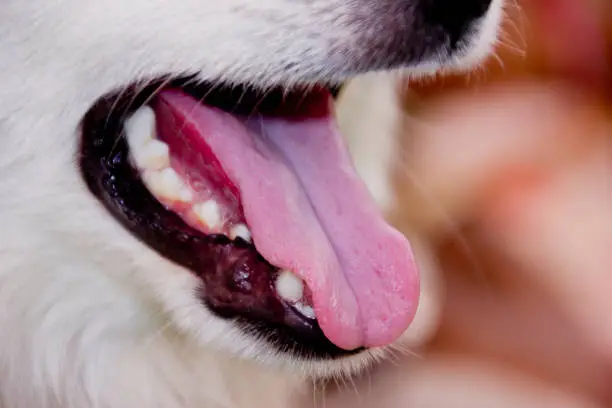
Dog breath mints are dog-safe treats, chews, or breath-freshening products designed to improve your dog’s breath. Some only mask odor, while better options support oral health with ingredients that may help reduce plaque, tartar, or odor-causing bacteria. They work best when used alongside brushing, vet dental care, and a complete oral hygiene routine.
Why Dog Breath Mints Are So Popular
Let’s be honest: most dog parents have experienced a close-up dog kiss that made them turn their head away. A little “dog breath” may seem normal, but strong, sour, rotten, or persistent bad breath is often a sign that something more is going on.
That is why dog breath mints have become so popular. They promise a fast, easy solution for one of the most common pet-owner complaints: stinky dog breath.
For busy pet parents, breath mints are appealing because they are:
- Easy to give
- Portable
- Less messy than brushing
- Often tasty for dogs
- Useful before car rides, guests, or cuddle time
- Available in many forms, including soft chews, crunchy mints, dental sticks, sprays, and water additives
But here is the important part: dog breath mints are not all the same.
Some simply make your dog’s mouth smell minty for a short time. Others include ingredients that may support cleaner teeth, healthier gums, and better oral hygiene. The best approach is to understand the difference between freshening breath and actually supporting dental health.
Veterinary sources note that the most common cause of bad breath in dogs is periodontal disease caused by plaque and tartar buildup. VCA Animal Hospitals explains that plaque forms on teeth and can mineralize into tartar, which then attracts more plaque and contributes to gum inflammation.
That means a mint may help the smell, but it may not fix the reason your dog’s breath smells bad in the first place.
What Are Dog Breath Mints?
Dog breath mints are small treats, chews, or oral-care products made specifically for dogs. Their main goal is to reduce unpleasant breath, but some formulas also help support dental hygiene.
They may contain ingredients such as:
- Parsley
- Mint
- Chlorophyll
- Coconut oil
- Probiotics
- Enzymes
- Zinc compounds
- Kelp or seaweed-based ingredients
- Crunchy fibers or textured materials
The key phrase is made specifically for dogs. Human mints, sugar-free gum, and breath strips should never be used as dog breath mints.
Dog breath mints vs dog dental treats
Dog breath mints are usually smaller and focused mainly on fresh breath. Dog dental treats are often larger and designed to encourage chewing, which can help scrape the surface of the teeth.
| Product Type | Main Purpose | Texture | Best For |
|---|---|---|---|
| Dog breath mints | Freshen breath | Soft or crunchy | Quick odor control |
| Dog dental treats | Support dental hygiene | Usually chewy or crunchy | Routine oral care |
| Dental chews | Reduce plaque and tartar | Firm, textured | Longer chewing sessions |
| Water additives | Freshen breath through drinking water | Liquid | Dogs that dislike chews |
| Oral sprays | Fast breath refresh | Spray | Travel or quick use |
Dog breath mints vs dental chews
Dental chews usually require more chewing. This matters because chewing action can help remove food particles and some plaque from the tooth surface.
Dog breath mints, on the other hand, may be swallowed quickly. That does not make them useless, but it does mean they may offer less mechanical cleaning than a chew designed to last longer.
Dog breath mints vs water additives
Water additives are mixed into your dog’s water bowl. They are convenient because your dog gets breath support while drinking. However, not every dog likes the taste, and some dogs may drink less if the flavor is too noticeable.
Dog breath mints are more direct. You give one as a treat, and your dog usually eats it right away.
Dog breath mints vs oral sprays
Oral sprays can freshen breath quickly, but many dogs dislike having something sprayed into their mouth. Breath mints may be easier for dogs that are treat-motivated.
However, sprays can be useful for dogs that cannot chew hard treats, as long as the product is dog-safe and approved by your veterinarian.
Are dog breath mints treats, supplements, or dental products?
Most dog breath mints are best understood as treats or supplements, not complete dental-care products.
Some may make dental-health claims, but not every product has evidence behind those claims. When plaque and tartar control is the goal, look for products accepted by the Veterinary Oral Health Council, which lists products that meet its standards for plaque or tartar reduction claims.
Why Does My Dog’s Breath Smell Bad?
Bad breath in dogs can come from many causes. Sometimes it is simply food residue. Other times, it can be a sign of dental disease or an underlying health issue.
Cornell’s canine dental guidance explains that bad breath is often one of the first things owners notice when dental disease begins, and plaque can start hardening into tartar in as little as 24 hours.
Plaque and tartar buildup
Plaque is a sticky film of bacteria that forms on the teeth. If it is not removed, it can harden into tartar. Tartar creates a rough surface where more plaque can collect.
This cycle can lead to:
- Bad breath
- Yellow or brown buildup
- Red gums
- Gum inflammation
- Pain while chewing
- Loose teeth
- Dental infection
Dog breath mints may help reduce odor, but they cannot remove heavy tartar once it has hardened.
Gum disease and periodontal disease
Periodontal disease affects the gums and the structures that support the teeth. It is one of the most common reasons dogs develop chronic bad breath.
Signs may include:
- Swollen gums
- Bleeding gums
- Receding gumline
- Loose teeth
- Pawing at the mouth
- Drooling
- Reluctance to eat hard food
A mint will not solve periodontal disease. Your dog may need a veterinary dental exam or cleaning.
Food particles stuck in the mouth
Sometimes bad breath is caused by food trapped between teeth, around the gumline, or in the back of the mouth. This is more common in dogs with crowded teeth or small mouths.
Small breeds often have tighter spacing between teeth, which can make plaque and trapped food harder to control.
Digestive issues
Not all bad breath begins in the mouth. Some dogs may have unpleasant breath because of digestive upset, reflux, dietary sensitivity, or changes in gut bacteria.
If your dog’s bad breath comes with vomiting, diarrhea, appetite changes, or weight loss, it is worth calling your vet.
Kidney, liver, or metabolic health concerns
Certain breath smells can point to more serious health problems.
For example:
| Breath Smell | Possible Concern |
|---|---|
| Urine-like smell | Possible kidney issue |
| Sweet or fruity smell | Possible diabetes-related concern |
| Rotten or infected smell | Dental infection or oral disease |
| Very foul sudden odor | Injury, infection, or foreign object |
These signs do not mean you should panic, but they do mean a dog breath mint is not the right first solution. A vet check is the safer move.
Puppy breath vs adult dog bad breath
Puppies often have a mild, sweet breath that many owners describe as “puppy breath.” This usually changes as puppies grow, start teething, and begin eating regular food.
Adult dog bad breath is different. If it is strong, persistent, or rotten-smelling, it should not be ignored.
When bad breath is not “normal dog smell”
A little mouth odor after meals may be normal. But bad breath that returns quickly after treats, brushing, or mints may be a sign of deeper dental issues.
Watch for:
- Bad breath every day
- Visible tartar
- Bleeding gums
- Drooling
- Chewing on one side
- Loss of appetite
- Face rubbing
- Loose or missing teeth
Do Dog Breath Mints Actually Work?
Yes, dog breath mints can work, but what they do depends on the product.
Some freshen breath for a short time. Others may support oral health when used regularly. The most important thing is to understand their limits.
What dog breath mints can do
Good dog breath mints may help:
- Freshen breath temporarily
- Reduce food-related odors
- Support saliva freshness
- Add dog-safe herbs to the diet
- Provide light chewing texture
- Make oral care feel more rewarding
- Support a daily dental routine
They are especially helpful for dogs whose breath is mildly unpleasant but who do not show signs of dental pain, gum disease, or illness.
What dog breath mints cannot do
Dog breath mints cannot:
- Remove severe tartar
- Treat gum disease
- Cure infected teeth
- Replace brushing
- Replace professional cleanings
- Fix kidney, liver, or metabolic problems
- Make unsafe ingredients safe
- Solve chronic bad breath by themselves
Think of dog breath mints like mouthwash for humans. They can help your mouth feel fresher, but they do not replace brushing, flossing, or dentist visits.
Temporary freshness vs long-term oral health
A minty smell is not the same as a healthy mouth.
Some dog breath fresheners mainly cover odor. Others use ingredients that may help reduce bacteria, support digestion, or encourage chewing. For long-term results, combine breath mints with:
- Daily or regular brushing
- Dog-safe toothpaste
- Veterinary dental exams
- Dental chews
- Fresh water
- Appropriate chew toys
- VOHC-accepted products when possible
Why texture matters for plaque control
Texture matters because chewing can create gentle friction against the teeth. A crunchy or textured mint may help more than a soft treat that is swallowed immediately.
However, hard does not always mean better. Treats that are too hard can damage teeth, especially in senior dogs or dogs with existing dental problems.
A safe dental treat should be firm enough to encourage chewing but not so hard that it risks tooth fractures.
Why ingredients matter for odor control
Ingredients can affect whether a dog breath mint simply smells nice or actually supports freshness.
For example:
- Parsley is commonly used for breath freshness.
- Mint can provide a clean scent when used in dog-safe amounts.
- Chlorophyll is often included in breath-freshening products.
- Probiotics may support gut balance.
- Enzymes may support oral hygiene.
- Zinc compounds may help target odor-causing compounds.
The best dog breath mints use safe ingredients and avoid risky additives.
Are Dog Breath Mints Safe?
Dog breath mints can be safe, but only when they are made for dogs and given according to the label.
The biggest mistake pet owners make is assuming human breath mints are okay for dogs. They are not.
Safe dog-friendly breath mint ingredients
Common dog-friendly ingredients may include:
- Parsley
- Dog-safe mint
- Pumpkin
- Oats
- Coconut oil
- Apple without seeds
- Carrot
- Chlorophyll
- Probiotics
- Certain enzymes
- Kelp or seaweed ingredients in appropriate amounts
Even safe ingredients can cause stomach upset if given in large amounts, so serving size still matters.
Ingredients to avoid in dog breath mints
Avoid products containing:
- Xylitol
- Chocolate
- Garlic
- Onion
- Alcohol
- High sugar
- Human toothpaste
- Strong essential oils
- Artificial sweeteners not confirmed safe for dogs
- Hard candy-style mints
Why human breath mints are unsafe for dogs
Human breath mints are made for human mouths, not dog digestion. Many contain ingredients that can be harmful or even toxic to pets.
They may include:
- Sugar alcohols
- Artificial sweeteners
- Strong flavor oils
- Caffeine-containing ingredients
- Hard candy textures
- High sugar levels
Even if a mint does not contain xylitol, it still may not be appropriate for dogs.
Xylitol warning for dogs
Xylitol is extremely dangerous for dogs. The FDA warns that xylitol poisoning can happen quickly and may cause vomiting, weakness, trouble walking, collapse, seizures, liver failure, and even death.
Xylitol may appear in:
- Sugar-free gum
- Human breath mints
- Candy
- Toothpaste
- Baked goods
- Some supplements
- Some peanut butter or nut butter products
Always check labels carefully.
Artificial sweeteners, strong essential oils, and excess salt
Dog breath products should be simple, safe, and clearly labeled. Be cautious with strong essential oils, heavy flavoring, high sodium, and unnecessary sweeteners.
“Natural” does not always mean safe. Some natural oils and herbs can irritate a dog’s mouth or stomach.
Small dogs, puppies, seniors, and dogs with health conditions
Some dogs need extra caution with breath mints.
| Dog Type | What to Watch For |
|---|---|
| Small dogs | Choking risk, calories, serving size |
| Puppies | Age suitability, teething, soft texture |
| Senior dogs | Dental pain, soft chews, low hardness |
| Dogs with kidney disease | Ingredient and mineral content |
| Dogs with food allergies | Grains, proteins, dairy, additives |
| Overweight dogs | Calories per treat |
When in doubt, ask your veterinarian before adding a new breath product.
Best Ingredients in Dog Breath Mints
The best dog breath mints are built around ingredients that are safe, purposeful, and easy for dogs to digest.
Parsley
Parsley is one of the most popular natural ingredients in homemade dog breath treats. It has a fresh scent and is often used in small amounts to help reduce mouth odor.
Use plain parsley, not heavily seasoned foods that contain parsley mixed with garlic, onion, butter, or salt.
Mint or peppermint in dog-safe amounts
Mint can help create that classic fresh-breath smell. However, it must be used carefully and in dog-safe amounts.
Avoid strong mint oils unless a product is specifically formulated for dogs.
Chlorophyll
Chlorophyll is the green pigment found in plants. It is often used in breath-freshening products because of its deodorizing reputation.
You may see it in green dental treats, chews, or breath tablets.
Coconut oil
Coconut oil is popular in homemade dog treat recipes because it helps bind ingredients and adds flavor many dogs enjoy.
However, it is calorie-dense, so use it sparingly.
Oats or oat flour
Oats and oat flour are common in baked dog breath mint recipes. They create structure and are usually gentle for many dogs.
They are also useful for homemade treats because they help form dough without relying on wheat.
Pumpkin
Plain pumpkin can add moisture, fiber, and flavor. Make sure it is plain pumpkin puree, not pumpkin pie filling, which may contain sugar and spices.
Probiotics
Some dog breath products include probiotics to support digestive balance. This can be helpful when bad breath is partly related to digestion, although it will not replace dental care.
Enzymes
Enzymes are often used in oral-care products to support cleanliness in the mouth. You may find them in dog toothpaste, dental gels, sprays, or certain breath products.
Baking soda — when it is used and when to be careful
Baking soda appears in some pet oral-care formulas, but it should be used cautiously. Dogs should not be given random spoonfuls of baking soda, and homemade recipes should not include large amounts.
Use only vet-approved or properly formulated products.
Zinc compounds
Some oral-care products use zinc compounds to help control odor. These are typically included in specific formulas, not something owners should add casually at home.
Seaweed or kelp-based ingredients
Some dental powders and chews include seaweed or kelp-based ingredients. These products are often marketed for plaque and breath support.
Because seaweed can contain iodine and minerals, it is best to follow dosage instructions carefully, especially for dogs with thyroid or kidney concerns.
Ingredients to Avoid in Dog Breath Mints
Just as important as choosing good ingredients is avoiding dangerous ones.
Xylitol
This is the biggest red flag. Never give a dog any mint, gum, toothpaste, or treat containing xylitol.
Chocolate
Chocolate is unsafe for dogs and should never appear in dog breath treats.
Garlic and onion
Garlic and onion can be harmful to dogs and should not be used in homemade dog breath mint recipes.
Too much dairy
Some dogs tolerate small amounts of dairy, but many develop gas, diarrhea, or stomach upset. Dairy-based “fresh breath” treats are not ideal for every dog.
High sugar content
Sugar can contribute to weight gain and may not support oral health. Breath treats should not be candy.
Strong essential oils
Essential oils are concentrated and can be risky for pets. Avoid homemade recipes that use drops of peppermint oil, tea tree oil, clove oil, or similar concentrated oils unless your veterinarian specifically approves the product.
Alcohol-based sprays or flavorings
Alcohol does not belong in dog breath sprays or mints. Choose alcohol-free products made for pets.
Hard candies or choking hazards
Human-style hard mints are a choking risk and can damage teeth. Dogs should not be given hard candy.
Human toothpaste or human breath products
Human toothpaste can contain fluoride, xylitol, foaming agents, and strong flavorings that are not appropriate for dogs. Always use dog-safe toothpaste.
Types of Dog Breath Mints
Dog breath mints come in many forms. The right type depends on your dog’s size, chewing style, age, and dental condition.
| Type | Best For | Main Benefit | Limitation |
|---|---|---|---|
| Soft dog breath chews | Seniors, small dogs, picky dogs | Easy to chew | Less scraping action |
| Crunchy dental mints | Dogs that enjoy texture | Better chewing feel | May be too hard for some |
| Mint-flavored dental sticks | Daily routine | Longer chew time | More calories |
| Freeze-dried breath treats | Simple ingredients | Lightweight and easy | May not clean teeth |
| Frozen homemade mints | Hot weather, DIY owners | Refreshing | Must be stored properly |
| Water additives | Dogs that dislike treats | Passive support | Taste may affect drinking |
| Breath sprays | Quick freshness | Fast use | Some dogs dislike sprays |
| Dental powders | Meal-based routine | Easy to add to food | Not instant freshness |
| Toothpaste-style products | Oral-care routine | Supports brushing | Requires handling mouth |
Dog Breath Mints vs Dental Chews: Which Is Better?
Both can be useful, but they do different jobs.
Dog breath mints are best for quick freshness. Dental chews are usually better for longer chewing and plaque support.
The Veterinary Oral Health Council recognizes products that meet standards for reducing plaque or tartar, and its accepted products list includes dog dental chews, diets, water additives, and other oral-care options.
Best for quick freshness
Choose dog breath mints or sprays.
Best for plaque and tartar
Choose VOHC-accepted dental chews or oral-care products.
Best for dogs that hate brushing
Try a mix of:
- Dental chews
- Water additives
- Dental wipes
- Soft breath chews
- Vet-recommended oral gels
Best for small dogs
Choose small, soft, low-calorie mints that are easy to chew and not a choking hazard.
Best for large dogs
Larger dogs may need bigger dental chews that encourage longer chewing. Tiny mints may be swallowed too quickly.
Best for sensitive stomachs
Look for simple formulas with fewer ingredients. Avoid dairy, artificial flavors, high fat, and unfamiliar proteins.
Best for daily oral care
A complete routine works best:
- Brush with dog-safe toothpaste
- Use dental chews or mints as support
- Provide fresh water
- Schedule vet dental checks
- Watch for recurring bad breath
How to Choose the Best Dog Breath Mints
Choosing the best dog breath mints is not just about finding the mintiest smell. It is about safety, ingredients, size, texture, and your dog’s actual needs.
Look for dog-specific formulas
The package should clearly say it is made for dogs. Avoid anything made for humans.
Check the ingredient list
Choose products with recognizable, dog-safe ingredients. Avoid xylitol, chocolate, garlic, onion, alcohol, and strong essential oils.
Choose the right size for your dog
A mint that is too large can be difficult to chew. A mint that is too small may be swallowed whole.
Consider calories per mint
Treats add up. For small dogs especially, even a few extra treats a day can affect weight over time.
Look for dental-health claims carefully
Words like “freshens breath” are different from “reduces plaque and tartar.” For plaque or tartar control, check whether the product has reliable support, such as VOHC acceptance.
Choose soft chews for seniors or dogs with dental pain
Older dogs may need soft breath chews instead of crunchy treats.
Avoid products that only mask odor
A pleasant smell is nice, but the best products support a bigger oral-care plan.
Read feeding instructions
Follow the label. More mints do not mean better breath, and too many treats can cause stomach upset.
Ask your vet if your dog has chronic bad breath
If bad breath keeps coming back, do not rely on mints alone. Your dog may need a dental exam.
Best Dog Breath Mints by Use Case
Here is a practical way to think about different dog breath freshener options.
| Use Case | Best Option |
|---|---|
| Best overall dog breath mints | Dog-specific chews with safe breath-support ingredients |
| Best natural dog breath mints | Parsley, mint, pumpkin, oat, or coconut-based treats |
| Best for small dogs | Tiny soft chews or breakable treats |
| Best for large dogs | Larger textured chews |
| Best for puppies | Soft, age-appropriate treats approved by your vet |
| Best soft mints | Senior-friendly breath chews |
| Best crunchy mints | Lightly textured dental-style treats |
| Best grain-free mints | Pumpkin, coconut, or limited-ingredient options |
| Best low-calorie mints | Small treats with clear calorie labeling |
| Best budget option | Simple breath treats used alongside brushing |
| Best alternative | Water additives, brushing, or VOHC-accepted dental chews |
Dog Breath Mints Compared
| Product Type | Best For | Main Benefit | Limitations | Best Dog Size | Daily Use? |
|---|---|---|---|---|---|
| Soft breath chews | Seniors, picky dogs | Easy to chew | Less plaque scraping | Small to large | Usually, if label allows |
| Crunchy mints | Mild bad breath | Texture and freshness | May be hard for seniors | Medium to large | Often |
| Dental sticks | Chewers | Longer chewing action | More calories | Medium to large | Often |
| Water additives | Multi-dog homes | Easy daily support | Taste may bother some dogs | All sizes | Often |
| Breath sprays | Travel | Quick odor control | Short-lasting | All sizes | As directed |
| Homemade mints | Ingredient control | Customizable | Must avoid unsafe foods | All sizes | In moderation |
Homemade Dog Breath Mints
Homemade dog breath mints are popular because they give pet owners more control over ingredients. Instead of guessing what is inside a store-bought treat, you can use simple, dog-safe foods like parsley, oats, pumpkin, coconut oil, and fresh mint in small amounts.
That said, homemade does not automatically mean safer. A homemade recipe can still be risky if it includes unsafe ingredients such as xylitol, garlic, onion, chocolate, strong essential oils, or too much salt.
The goal is simple: make a treat that freshens breath without upsetting your dog’s stomach or replacing real dental care.
Are Homemade Dog Breath Mints Safe?
Yes, homemade dog breath mints can be safe when they are made with dog-friendly ingredients and served in moderation.
A good homemade dog breath mint should be:
- Small enough to chew safely
- Free from toxic ingredients
- Low in sugar
- Not too hard
- Easy to digest
- Appropriate for your dog’s size and age
The safest homemade recipes are usually simple. You do not need fancy ingredients. In fact, the fewer ingredients you use, the easier it is to spot what your dog tolerates well.
A basic homemade dog breath mint might include:
| Ingredient | Why It Is Used |
|---|---|
| Parsley | Helps freshen breath naturally |
| Mint leaves | Adds a fresh scent in small amounts |
| Oats or oat flour | Creates a soft, treat-like texture |
| Pumpkin puree | Adds moisture and fiber |
| Coconut oil | Helps bind ingredients and adds flavor |
| Water | Softens the mixture |
The most important rule is to use plain ingredients. For example, choose plain pumpkin puree, not pumpkin pie filling. Use fresh parsley, not a seasoned herb mix.
Basic Homemade Dog Breath Mint Recipe
A basic recipe can be baked or frozen, depending on the texture your dog prefers.
Simple homemade dog breath mints usually include:
- 1 cup oat flour
- ½ cup fresh parsley
- 1–2 tablespoons chopped fresh mint
- ¼ cup plain pumpkin puree
- 1 tablespoon coconut oil
- A little water if needed
Blend or finely chop the parsley and mint, then mix everything into a dough. Roll the dough into tiny bite-sized pieces and either bake them lightly or freeze them in small molds.
For dogs with sensitive stomachs, start with a very small amount and watch for digestive changes.
Frozen Dog Breath Mints Recipe
Frozen dog breath mints are especially useful in warm weather. They are refreshing, easy to make, and do not require baking.
A simple frozen version can include:
- Plain Greek yogurt or water
- Fresh parsley
- A small amount of mint
- Pumpkin puree
- A tiny spoon of coconut oil
Blend everything until smooth, pour into silicone molds, and freeze.
However, not all dogs tolerate dairy. If your dog gets gas, loose stool, or stomach discomfort after dairy, use water or unsalted bone broth instead of yogurt.
Important: Avoid broth that contains onion, garlic, excess salt, or seasoning.
Parsley and Mint Dog Treat Recipe
Parsley and mint are two of the most common ingredients in natural dog breath treats. They are often used because they smell fresh and pair well with mild bases like oats or pumpkin.
A simple parsley and mint dog treat can be made with:
| Ingredient | Amount |
|---|---|
| Oat flour | 1 cup |
| Fresh parsley | ½ cup |
| Fresh mint | 1 tablespoon |
| Pumpkin puree | ¼ cup |
| Egg | 1, optional |
| Water | As needed |
Mix everything into a dough, roll it out, cut into small shapes, and bake at a low temperature until firm but not rock-hard.
For senior dogs or puppies, softer treats are usually better.
Pumpkin Dog Breath Mints
Pumpkin is a great ingredient for homemade dog treats because it adds moisture, fiber, and a mild flavor many dogs love.
Use plain canned pumpkin or cooked plain pumpkin. Do not use pumpkin pie filling because it may contain sugar, spices, or other ingredients that are not ideal for dogs.
Pumpkin dog breath mints work well with:
- Oat flour
- Parsley
- Small amounts of mint
- Coconut oil
- Egg
- Water
Pumpkin also helps make the treat softer, which is useful for dogs that do not enjoy crunchy snacks.
Coconut Oil Dog Breath Bites
Coconut oil is often used in homemade dog breath bites because it helps hold ingredients together. It also has a flavor many dogs enjoy.
A very simple coconut oil breath bite can be made by mixing:
- Melted coconut oil
- Finely chopped parsley
- A tiny amount of mint
- Pumpkin puree
Pour the mixture into small silicone molds and freeze.
Because coconut oil is high in fat and calories, these should be given sparingly. Too much coconut oil can cause loose stool or weight gain.
Grain-Free Homemade Dog Breath Mints
Some dogs do better with grain-free treats, especially if they have food sensitivities. Grain-free homemade dog breath mints can use pumpkin, coconut flour, chickpea flour, or potato starch as a base.
A grain-free option might include:
- Pumpkin puree
- Coconut flour
- Parsley
- Mint
- Egg
- Water
Coconut flour absorbs a lot of liquid, so add it slowly. The dough should be soft enough to shape but not sticky.
How to Store Homemade Dog Breath Mints
Homemade treats do not contain the preservatives found in many commercial treats, so storage matters.
| Treat Type | Storage Method | Approximate Use Time |
|---|---|---|
| Baked treats | Airtight container | A few days at room temperature |
| Soft baked treats | Refrigerator | About 5–7 days |
| Frozen mints | Freezer-safe container | About 1–2 months |
| Coconut oil bites | Refrigerator or freezer | Best kept cold |
If a treat smells sour, grows mold, changes texture, or looks unusual, throw it away.
How Many Homemade Mints Can Dogs Eat?
The answer depends on your dog’s size, the recipe, and your dog’s overall diet.
A general rule is that treats should make up only a small part of your dog’s daily calories. Dog breath mints are still treats, even if they are homemade.
A simple starting point:
| Dog Size | Suggested Starting Amount |
|---|---|
| Toy dogs | ¼ to ½ small mint |
| Small dogs | ½ to 1 small mint |
| Medium dogs | 1 small mint |
| Large dogs | 1–2 small mints |
| Giant breeds | 2 small mints if tolerated |
Start low. If your dog handles the treat well, you can follow the recipe’s serving guidance or ask your vet for a better portion based on your dog’s weight.
Easy Homemade Dog Breath Mint Recipe
Here is a simple recipe you can include in your dog’s routine as an occasional breath-freshening treat.
Ingredients
You will need:
- 1 cup oat flour
- ½ cup fresh parsley, finely chopped
- 1 tablespoon fresh mint, finely chopped
- ¼ cup plain pumpkin puree
- 1 tablespoon melted coconut oil
- 1 egg
- 1–2 tablespoons water, only if needed
Optional:
- A few finely grated carrot shreds
- A spoonful of plain unsweetened applesauce
Avoid:
- Sugar
- Salt
- Garlic
- Onion
- Chocolate
- Xylitol
- Essential oils
- Pumpkin pie filling
Step-by-Step Instructions
- Preheat the oven to a low-to-moderate temperature.
- Finely chop the parsley and mint.
- In a bowl, mix the oat flour, parsley, mint, pumpkin puree, coconut oil, and egg.
- Add a little water only if the dough feels too dry.
- Roll the dough into small balls or flatten it and cut into tiny shapes.
- Place the treats on a lined baking tray.
- Bake until firm but not extremely hard.
- Let them cool completely before giving one to your dog.
- Store leftovers properly.
The treats should be small. Remember, these are breath mints, not meal replacements.
Baking or Freezing Options
You can bake or freeze homemade dog breath mints depending on your dog’s chewing ability.
| Method | Best For | Texture |
|---|---|---|
| Baked | Dogs that enjoy treats with light crunch | Firm |
| Soft baked | Puppies, seniors, small dogs | Tender |
| Frozen | Summer, teething puppies, quick prep | Cold and refreshing |
| No-bake refrigerated | Dogs with soft-chew needs | Soft |
Frozen treats are great, but do not give large frozen chunks to dogs that gulp food. Use small molds to reduce choking risk.
Serving Size by Dog Weight
Here is a helpful serving guide:
| Dog Weight | Serving Size |
|---|---|
| Under 10 lbs | ¼ to ½ small mint |
| 10–25 lbs | ½ to 1 small mint |
| 26–50 lbs | 1 small mint |
| 51–80 lbs | 1–2 small mints |
| Over 80 lbs | 2 small mints |
These are general guidelines. Dogs with pancreatitis, diabetes, allergies, kidney disease, or weight concerns should follow a vet-approved diet plan.
Storage Tips
To keep homemade dog breath mints fresh:
- Store baked treats in an airtight container
- Refrigerate soft treats
- Freeze frozen mints in a sealed bag or container
- Label the container with the date
- Keep treats away from heat and moisture
- Throw away anything that smells strange
Homemade treats are best made in small batches.
Recipe Variations
You can adjust the recipe based on your dog’s preferences.
Try these simple variations:
| Variation | What to Add |
|---|---|
| Pumpkin parsley mints | Extra pumpkin and parsley |
| Carrot crunch mints | Finely grated carrot |
| Apple parsley bites | Unsweetened applesauce |
| Coconut mint bites | Tiny amount of coconut oil |
| Soft senior chews | More pumpkin, less baking time |
| Grain-free mints | Coconut flour instead of oat flour |
Introduce new ingredients slowly. Even healthy foods can upset a dog’s stomach if they are new.
Safety Notes Before Feeding
Before giving homemade breath mints, check the following:
- Is every ingredient safe for dogs?
- Is the treat the right size?
- Is it soft enough for your dog’s teeth?
- Does your dog have allergies?
- Does your dog have a medical condition?
- Is the treat low in sugar and salt?
- Did you avoid xylitol and essential oils?
When giving any new treat, start with a small piece and watch your dog for 24 hours.
How Often Can Dogs Have Breath Mints?
Dog breath mints should be used in moderation. Even if they are healthy, they still add calories.
The right frequency depends on:
- Your dog’s size
- The mint’s ingredients
- Calories per treat
- Your dog’s dental health
- Your dog’s stomach sensitivity
- Whether the product is meant for daily use
Some commercial breath mints are labeled for daily feeding. Homemade mints are usually better as occasional treats unless your vet says otherwise.
Daily Use vs Occasional Use
Daily use may be fine for some dog-specific commercial products when the label says they are safe for daily feeding.
Occasional use is better for richer homemade treats, especially those with coconut oil, dairy, or higher-calorie ingredients.
A good routine might look like this:
| Frequency | Best For |
|---|---|
| Daily | Vet-approved dental products, low-calorie breath chews |
| A few times per week | Homemade parsley or pumpkin mints |
| Occasional | Coconut oil bites or frozen yogurt mints |
| As needed | Travel, guests, post-meal freshness |
Breath mints should support the routine, not become the routine.
Serving Size for Small Dogs
Small dogs need smaller portions. Their calorie needs are lower, and they may be more prone to choking on oversized treats.
For small dogs:
- Choose tiny mints
- Break larger treats in half
- Avoid hard textures
- Watch calories
- Start with a small amount
- Avoid rich ingredients
Small dogs may also be more prone to dental crowding, which makes brushing and vet dental checks especially important.
Serving Size for Medium Dogs
Medium dogs usually tolerate standard-sized breath mints well, but portion control still matters.
For medium dogs:
- Follow package directions
- Use one mint at a time
- Avoid giving multiple dental products at once
- Watch for loose stool
- Count mints as treats
If your dog eats quickly, choose a texture that encourages chewing instead of swallowing whole.
Serving Size for Large Dogs
Large dogs may need bigger dental chews to get real chewing action. A tiny mint may freshen breath slightly but may not offer much dental benefit if swallowed instantly.
For large dogs:
- Choose larger dog-specific chews
- Avoid tiny treats that can be gulped
- Use dental products designed for weight range
- Monitor chewing
- Do not exceed label instructions
Even large dogs can get upset stomachs from too many treats.
Calorie Control and Weight Gain
Dog breath mints may seem small, but daily treats can add up.
For example, if a small dog receives several treats a day, those extra calories can become a weight problem over time.
To manage calories:
- Check the calorie count
- Reduce other treats if using breath mints
- Choose low-calorie options
- Break treats into smaller pieces
- Use praise or play instead of treats sometimes
Fresh breath is nice, but a healthy weight matters too.
Signs Your Dog Has Had Too Many Treats
Your dog may have had too many breath mints if you notice:
- Loose stool
- Gas
- Vomiting
- Reduced appetite
- Excessive thirst
- Weight gain
- Begging more often
- Stomach gurgling
- Lethargy
If symptoms are severe or continue, stop the treats and contact your vet.
Can Puppies Have Dog Breath Mints?
Puppies can sometimes have dog breath mints, but you must be careful. Their teeth, stomachs, and chewing habits are still developing.
Not all breath products are suitable for puppies. Always check the label for age recommendations.
Age Considerations
Very young puppies should not be given random breath mints. Their diet should stay simple, especially during early growth.
For puppies, look for:
- Products labeled safe for puppies
- Soft textures
- Small sizes
- Simple ingredients
- Low-calorie formulas
- Vet approval when unsure
If your puppy has bad breath, it may be related to teething, diet, or something stuck in the mouth.
Puppy-Safe Ingredients
Puppy-safe breath treats should be gentle and simple.
Better options may include:
- Plain pumpkin
- Oat-based treats
- Small amounts of parsley
- Soft puppy-safe chews
- Dog-safe toothpaste for puppies
Avoid anything hard, rich, spicy, or heavily flavored.
Choking Risks
Puppies are curious and often chew unpredictably. Some swallow treats too quickly.
To reduce choking risk:
- Use very small treats
- Supervise treat time
- Avoid hard round mints
- Avoid brittle treats that break into sharp pieces
- Choose soft textures
- Do not give treats meant for adult dogs
A treat should fit your puppy’s mouth and chewing ability.
Teething and Bad Breath
Puppies may have temporary bad breath while teething. During this stage, baby teeth fall out and adult teeth come in. Mild odor can happen, but severe odor, bleeding, swelling, or refusal to eat should be checked.
Puppy teething support may include:
- Soft chew toys
- Puppy-safe dental chews
- Frozen washcloths under supervision
- Vet-approved oral-care products
- Gentle toothbrushing practice
When to Ask a Vet
Ask your vet if your puppy has:
- Strong rotten breath
- Bleeding that seems excessive
- Swollen gums
- Broken teeth
- Drooling
- Loss of appetite
- Pawing at the mouth
- Bad breath with vomiting or diarrhea
Puppy breath should not smell severely foul.
Dog Breath Mints for Small Dogs
Small dogs often need extra dental attention. Their mouths are small, their teeth may be crowded, and plaque can build up quickly.
This makes dog breath mints for small dogs a popular search topic. But choosing the right product matters.
Why Small Dogs Often Need Extra Dental Care
Small dogs may have:
- Crowded teeth
- Smaller jaw space
- Retained baby teeth
- Faster tartar buildup
- Sensitive gums
- Higher risk of gum problems
Because of this, a small dog with bad breath may need more than a mint. Regular brushing and dental exams are important.
Choosing the Right Mint Size
For small dogs, size is one of the biggest safety factors.
Choose mints that are:
- Tiny
- Soft or easy to break
- Low in calories
- Designed for small breeds
- Not round and slippery
- Not too hard
If a treat looks too big, break it into pieces.
Soft vs Crunchy Options
Soft chews are often better for small dogs with delicate teeth or sensitive gums. Crunchy mints may be useful for dogs that chew well, but they should not be extremely hard.
A good test is whether the treat feels chewable, not rock-like.
Calorie Concerns
Small dogs gain weight easily from extra treats. A mint that seems tiny to a human may be a meaningful calorie addition for a five-pound dog.
Use small portions and count breath mints as part of your dog’s daily treat allowance.
Dental Crowding and Bad Breath
Dental crowding traps food and bacteria. If your small dog’s breath smells bad even after using mints, the issue may be plaque between crowded teeth.
In that case, brushing, dental wipes, and veterinary dental cleanings are more useful than adding more mints.
Dog Breath Mints for Senior Dogs
Senior dogs need a gentle approach. Many older dogs have worn teeth, missing teeth, gum disease, or dental pain.
A breath mint that works for a young adult dog may not be right for a senior.
Soft Chews for Older Dogs
Soft breath chews are usually best for seniors because they are easier to chew and less likely to hurt sensitive teeth.
Look for:
- Soft texture
- Small size
- Simple ingredients
- Low fat
- Low sodium
- Easy digestibility
Avoid very hard dental chews unless your vet says your senior dog’s teeth are strong enough.
Dental Pain and Chewing Difficulty
Senior dogs may hide dental pain. They may still eat, but they might chew slowly or avoid hard food.
Signs of dental pain include:
- Dropping food
- Chewing on one side
- Pawing at the mouth
- Bad breath
- Drooling
- Reluctance to play with toys
- Irritability when touched near the mouth
A breath mint should not be used to cover up possible pain.
Chronic Disease and Bad Breath
Older dogs are more likely to have health conditions that can affect breath, including kidney disease, diabetes, digestive problems, and oral tumors.
If your senior dog suddenly develops strong bad breath, schedule a vet visit.
When Senior Dog Breath Needs a Vet Visit
Call your vet if your senior dog has:
- Rotten-smelling breath
- Loose teeth
- Blood in saliva
- Trouble eating
- Weight loss
- Facial swelling
- Excessive drooling
- Sweet or urine-like breath
- Sudden behavior changes
For senior dogs, bad breath is often more than a cosmetic problem.
Safe Oral-Care Routines for Older Dogs
A gentle senior dog oral-care routine may include:
- Soft toothbrush or finger brush
- Dog-safe toothpaste
- Soft dental chews
- Breath mints approved for seniors
- Water additives if tolerated
- Regular vet dental checks
- Soft food adjustments if needed
The best routine is the one your dog can tolerate comfortably.
Natural Dog Breath Fresheners
Dog breath mints are not the only option. Many natural breath fresheners can support a cleaner mouth and fresher smell.
However, “natural” does not mean unlimited. Use safe foods in small amounts.
Parsley
Parsley is one of the most common natural dog breath fresheners. It can be chopped and added in tiny amounts to homemade treats.
Use fresh plain parsley, and avoid seasoned foods.
Carrots
Carrots are crunchy, low-fat, and popular with many dogs. Chewing carrot pieces may help remove some food residue, though they are not a substitute for brushing.
Cut carrots into safe sizes based on your dog’s size and chewing style.
Apple Slices Without Seeds
Apple slices can be a fresh, crunchy snack. Always remove the core and seeds.
Give apples in moderation because they contain natural sugar.
Pumpkin
Plain pumpkin can support digestion and is useful in homemade breath treats. It is mild, easy to mix, and often well tolerated.
Use plain pumpkin only.
Dental-Safe Chew Toys
Chew toys can help satisfy your dog’s need to chew and may support oral hygiene.
Choose toys that are:
- Size-appropriate
- Not too hard
- Not easy to swallow
- Durable but tooth-safe
- Designed for dogs
Avoid bones or extremely hard objects that can crack teeth.
Fresh Water
Fresh water is one of the simplest breath helpers. Dehydration and dirty water bowls can make breath smell worse.
Wash your dog’s water bowl daily and provide clean water throughout the day.
Brushing With Dog Toothpaste
Brushing is one of the best ways to manage plaque before it becomes tartar. Always use toothpaste made for dogs.
Human toothpaste is not safe for dogs.
Vet-Approved Dental Chews
Vet-approved dental chews can support oral health when brushing is difficult. For plaque and tartar control, look for products with credible dental claims, especially those accepted by the Veterinary Oral Health Council.
Dog Breath Mints and Dental Disease
This is where many owners get confused. Breath mints can improve odor, but dental disease needs proper care.
If your dog has advanced plaque, tartar, gum inflammation, or infection, a mint may temporarily improve the smell while the real problem continues.
Why Mints Do Not Replace Brushing
Brushing physically removes plaque from the teeth before it hardens into tartar.
Dog breath mints may freshen the mouth, but most do not clean every tooth surface, especially near the gumline.
Think of brushing as the main habit and mints as support.
Why Dental Cleanings Still Matter
Once tartar hardens, it is difficult to remove at home. Professional dental cleanings allow the vet team to clean above and below the gumline.
This is especially important if your dog already has:
- Heavy tartar
- Gum inflammation
- Loose teeth
- Oral pain
- Bad breath that keeps returning
Signs of Gum Disease in Dogs
Common signs include:
- Bad breath
- Red gums
- Bleeding gums
- Yellow or brown buildup
- Loose teeth
- Drooling
- Chewing difficulty
- Pawing at the mouth
- Reduced interest in toys
- Sensitivity around the face
Red, Bleeding, or Swollen Gums
Healthy gums should not bleed during normal chewing. If your dog’s gums bleed often, there may be inflammation or infection.
Do not just increase breath mints. Get the mouth checked.
Loose Teeth
Loose adult teeth are not normal. They can be painful and may indicate advanced dental disease.
A dog with loose teeth should see a vet.
Yellow or Brown Tartar
Yellow or brown buildup near the gumline is tartar. Breath mints cannot remove heavy tartar.
Once you see thick buildup, your dog may need professional cleaning.
Drooling or Pawing at the Mouth
Drooling and pawing can mean pain, something stuck in the mouth, dental infection, or injury.
These symptoms deserve attention.
Trouble Eating
If your dog suddenly avoids kibble, drops food, chews strangely, or refuses treats, dental pain may be the reason.
A soft breath mint may hide odor, but it will not fix painful teeth.
Bad Breath That Keeps Coming Back
If bad breath returns shortly after mints, treats, or brushing, the cause may be deeper than surface odor.
This is one of the clearest signs that a vet dental exam is needed.
When Bad Dog Breath Means You Should See a Vet
A little dog breath after dinner is one thing. But strong, sudden, rotten, sweet, metallic, or urine-like breath can be a warning sign.
Dog breath mints may help with mild odor, but they should never be used to hide symptoms of pain, infection, or illness.
Sudden Foul Breath
If your dog’s breath suddenly becomes much worse, something may have changed quickly. Possible causes include:
- A broken tooth
- A dental abscess
- Something stuck in the mouth
- An oral injury
- A new infection
- A digestive issue
Sudden bad breath is especially concerning if your dog is drooling, pawing at the mouth, refusing food, or acting uncomfortable.
Sweet or Fruity Breath
Sweet or fruity breath can sometimes be linked to metabolic problems, including diabetes-related concerns. It does not always mean something serious, but it should not be ignored.
A dog breath mint is not the solution here. Your dog needs a veterinary checkup.
Urine-Like Breath
If your dog’s breath smells like urine or ammonia, it may point to a possible kidney-related issue. This is especially important in senior dogs.
Other signs may include:
- Increased thirst
- More frequent urination
- Reduced appetite
- Weight loss
- Lethargy
- Vomiting
Rotten Smell From the Mouth
A rotten smell is commonly associated with dental disease, infection, decaying food trapped in the mouth, or damaged teeth.
If your dog’s breath smells rotten even after brushing or mints, schedule a dental exam.
Blood in Saliva
Blood in saliva is never something to cover up with a breath treat. It may come from gum disease, oral injury, a broken tooth, or another mouth problem.
Look for:
- Pink stains on toys
- Blood on chew treats
- Bleeding while eating
- Red gums
- Excessive drooling
Refusing Food
Dogs often continue eating even when their mouths hurt, so refusal to eat is a strong warning sign.
If your dog avoids hard food, drops kibble, chews on one side, or refuses favorite treats, dental pain could be the reason.
Facial Swelling
Swelling around the muzzle, cheek, eye, or jaw can be linked to dental infection or abscesses. This needs veterinary attention.
Do not wait for breath mints to help. They will not treat swelling or infection.
Excessive Drooling
Some drooling is normal for certain breeds, but sudden or unusual drooling can signal oral pain, nausea, toxin exposure, or dental disease.
If drooling comes with bad breath, mouth sensitivity, or appetite changes, call your vet.
Bad Breath With Vomiting or Weight Loss
Bad breath combined with vomiting, diarrhea, weight loss, or low energy may suggest a problem beyond the mouth.
In this case, breath mints are not enough. Your dog needs a proper diagnosis.
How to Build a Complete Dog Oral Care Routine
The best way to manage bad breath is to build a routine that handles the source of the odor, not just the smell.
A good routine combines brushing, dog-safe toothpaste, dental chews, breath mints, water additives, chew toys, vet exams, and a healthy diet.
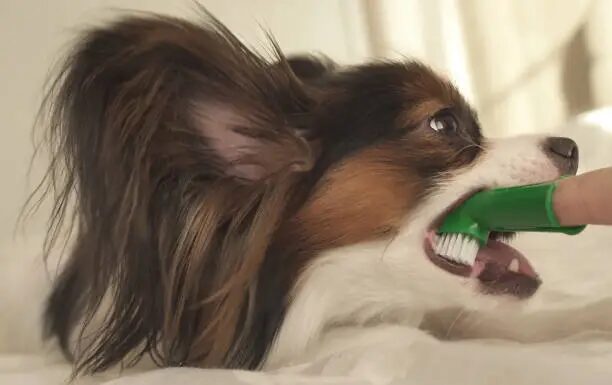
Daily Brushing
Brushing is one of the most effective ways to remove plaque before it hardens into tartar.
Start slowly:
- Let your dog sniff the toothbrush.
- Let your dog taste dog-safe toothpaste.
- Touch the lips and gums gently.
- Brush only a few teeth at first.
- Reward your dog afterward.
- Build up gradually.
Even brushing a few times per week is better than not brushing at all.
Dog-Safe Toothpaste
Always use toothpaste made for dogs. Human toothpaste can contain ingredients that are not safe for dogs, including xylitol, fluoride, foaming agents, and strong flavorings.
Dog toothpaste usually comes in flavors like:
- Poultry
- Beef
- Peanut butter
- Vanilla mint
- Seafood
Pick a flavor your dog actually likes. This makes brushing easier.
Dental Chews
Dental chews can help when your dog enjoys chewing. They may support plaque control through chewing action and texture.
Choose dental chews that are:
- Correct for your dog’s size
- Not too hard
- Easy to digest
- Designed for dogs
- Used according to label directions
For plaque and tartar claims, look for credible dental approval, such as VOHC-accepted products.
Breath Mints as a Supplement
Dog breath mints are best used as a supporting tool, not the main solution.
They are useful:
- After meals
- Before guests visit
- During travel
- As a reward after brushing
- As part of a daily oral-care routine
- For mild odor between brushings
They should not be used to hide chronic bad breath.
Water Additives
Water additives are mixed into your dog’s drinking water. They can be helpful for dogs that dislike toothbrushing or treats.
However, some dogs are picky. If your dog drinks less after you add a product, stop using it and try another approach.
Dental Toys
Dental toys can help satisfy chewing needs while supporting cleaner teeth. Choose toys that are durable but not tooth-breaking hard.
Avoid items that are too hard, such as:
- Cooked bones
- Antlers
- Very hard nylon chews
- Stones
- Ice cubes
- Hard plastic objects
A useful rule: if the item is so hard that you would not want it hitting your own tooth, it may be too hard for your dog.
Professional Dental Cleanings
Professional dental cleanings are important because tartar can build below the gumline where brushing and treats cannot reach.
Your vet can check for:
- Loose teeth
- Gum pockets
- Infection
- Broken teeth
- Oral growths
- Severe tartar
- Painful areas
Some dogs need cleanings more often than others, especially small breeds, seniors, and dogs with dental crowding.
Regular Vet Checks
Do not wait until your dog’s breath is unbearable. Regular vet exams help catch dental issues early.
Ask your vet:
- How do my dog’s teeth look?
- Does my dog need a dental cleaning?
- Are these breath mints safe?
- Which dental chews are best for my dog?
- How often should I brush?
- Is bad breath linked to another health issue?
Diet and Hydration
Food and hydration affect breath too. A balanced diet, clean water, and clean bowls can reduce odor.
Helpful habits include:
- Washing food and water bowls daily
- Providing fresh water
- Avoiding spoiled food
- Feeding a complete and balanced diet
- Limiting table scraps
- Monitoring food allergies or sensitivities
Dog Breath Mints vs Brushing
This is one of the most important comparisons.
Brushing cleans. Breath mints freshen.
That does not mean mints are useless. It means they have a different job.
Which Works Better?
For dental health, brushing works better because it physically removes plaque from the teeth.
Dog breath mints are better for quick freshness and convenience.
| Option | Best For | Main Benefit |
|---|---|---|
| Brushing | Plaque control | Cleans tooth surfaces |
| Dog breath mints | Fast freshness | Helps reduce odor |
| Dental chews | Chewing support | May reduce plaque and tartar |
| Water additives | Easy daily support | Works through drinking water |
| Breath sprays | Quick refresh | Fast but often temporary |
When to Use Both
The best routine uses both brushing and breath mints.
For example:
- Brush your dog’s teeth in the evening.
- Use a dog breath mint after breakfast.
- Give a dental chew a few times per week.
- Schedule regular vet dental checks.
This gives your dog both fresh breath and better oral-care support.
How to Train Your Dog to Accept Brushing
Many dogs hate brushing at first. The trick is to make it slow and positive.
Try this approach:
- Start with your finger near the mouth.
- Reward calm behavior.
- Add dog toothpaste as a treat.
- Touch one tooth with a finger brush.
- Stop before your dog gets frustrated.
- Repeat daily.
- Gradually brush more teeth.
Keep sessions short. A calm 20-second brushing session is better than a stressful five-minute battle.
Best Routine for Dogs That Hate Toothbrushes
If your dog refuses brushing, try:
- Dental wipes
- Finger brushes
- Water additives
- Dental chews
- Breath mints
- Oral gels
- Vet-recommended dental products
You can also ask your vet or groomer to demonstrate handling techniques.
Why Mints Should Not Be the Only Solution
Dog breath mints cannot clean under the gumline, remove heavy tartar, or treat dental infections.
If your dog’s breath is bad because of gum disease, adding more mints only hides the problem temporarily.
Dog Breath Mints vs Water Additives
Dog breath mints and water additives both aim to freshen breath, but they work differently.
Convenience Comparison
Dog breath mints are easy because you hand one to your dog like a treat.
Water additives are easy because you mix them into the bowl once a day.
| Feature | Dog Breath Mints | Water Additives |
|---|---|---|
| Ease of use | Very easy | Very easy |
| Best for picky dogs | Usually better | Depends on taste |
| Works instantly | Often yes | Usually gradual |
| Chewing benefit | Sometimes | No |
| Good for multi-dog homes | More controlled | Harder to track intake |
| Travel-friendly | Yes | Less convenient |
Taste and Acceptance
Some dogs love breath mints because they feel like treats. Others may reject minty flavors.
Water additives can be tricky. If the taste changes the water too much, some dogs may drink less, which is not good.
Best for Picky Dogs
Picky dogs may prefer soft breath chews over water additives. If your dog refuses mint flavors, look for parsley, pumpkin, chicken-flavored, or neutral-flavored options.
Best for Multi-Dog Homes
Dog breath mints are easier to dose in homes with multiple dogs because you know exactly who ate what.
Water additives can work, but it is harder to know how much each dog drinks.
Safety and Dosage Considerations
Follow dosage instructions carefully. Do not add extra product to water or give extra mints because you want faster results.
More is not better. More can cause stomach upset or reduce water intake.
Dog Breath Mints vs Breath Sprays
Breath sprays are another quick-freshness option. They can be useful, but not every dog likes them.
Fastest Option for Odor
Breath sprays may work faster because they are applied directly to the mouth. However, the effect is often temporary.
Dog breath mints may last longer if they encourage chewing and contain breath-support ingredients.
Best for Travel
Both can work for travel.
Use:
- Breath mints for easy treat-style freshness
- Sprays for quick odor control
- Dental wipes for messier situations
- Portable water bowls to keep your dog hydrated
Best for Dogs That Dislike Sprays
Many dogs dislike sprays because the sudden mist feels strange. For these dogs, soft breath mints are usually easier.
Best for Dogs That Avoid Treats
Some dogs are not treat-motivated. For them, a spray or water additive may be more practical.
Which Lasts Longer?
It depends on the product, but in general:
- Sprays are fast but short-lived.
- Mints may last longer if chewed.
- Dental chews may offer more oral-care support.
- Brushing gives the best cleaning effect.
Common Myths About Dog Breath Mints
There is a lot of confusion around dog breath, dental care, and mint-flavored products. Let’s clear up the biggest myths.
“Dog Breath Is Normal”
Mild breath is normal. Strong, rotten, sour, or constant bad breath is not something to ignore.
Bad breath can be one of the first signs of dental disease.
“Human Mints Are Fine for Dogs”
No. Human mints can contain ingredients that are unsafe for dogs, especially xylitol.
Only use products made for dogs.
“Mint Flavor Means It Cleans Teeth”
Mint flavor only means the product smells minty. It does not automatically mean it cleans teeth, reduces plaque, or protects gums.
Look beyond the flavor and check the product’s ingredients, texture, and dental claims.
“Bad Breath Always Comes From Food”
Food can affect breath, but many cases of bad breath come from plaque, tartar, gum disease, infection, or health issues.
Changing food may help some dogs, but it will not remove tartar.
“Dental Treats Replace Vet Cleanings”
Dental treats can support oral care, but they do not replace professional cleanings.
Your vet can clean below the gumline and check for disease that treats cannot fix.
“Natural Always Means Safe”
Natural ingredients can still be harmful. Garlic, onion, certain essential oils, and some herbs can be dangerous for dogs.
Always check safety before using natural ingredients.
Pros and Cons of Dog Breath Mints
Dog breath mints can be helpful, but they are not perfect. Here is a balanced look.
Pros
Dog breath mints can:
- Freshen breath quickly
- Make cuddle time more pleasant
- Support a daily dental routine
- Be easy to use
- Work well for travel
- Help after meals
- Provide a reward after brushing
- Encourage pet owners to pay attention to oral health
- Offer a safer alternative to human mints when made for dogs
Cons
Dog breath mints may also:
- Only mask odor temporarily
- Add extra calories
- Cause stomach upset if overused
- Be swallowed too quickly
- Fail to remove tartar
- Contain unsafe ingredients if poorly formulated
- Create a false sense of dental security
- Not be suitable for dogs with dental pain
- Not replace brushing or professional cleanings
Quick Pros and Cons Table
| Pros | Cons |
|---|---|
| Easy to give | May only mask odor |
| Freshens breath fast | Can add calories |
| Useful for travel | Not a replacement for brushing |
| Some contain helpful ingredients | Some formulas are unsafe |
| Can support oral-care habits | May not remove plaque or tartar |
| Dogs often enjoy them | May upset sensitive stomachs |
Best Dog Breath Mints to Try in 2026
Instead of focusing only on brand names, it is smarter to choose by need. The best dog breath mint for one dog may not be best for another.
Best for Daily Fresh Breath
Choose low-calorie, dog-specific breath chews with simple ingredients and clear feeding instructions.
Best for:
- Dogs with mild breath odor
- Daily use
- Busy pet owners
- Dogs that enjoy soft treats
Best for Plaque Support
Choose dental chews or oral-care products with credible plaque and tartar claims. Look for VOHC acceptance when possible.
Best for:
- Dogs prone to tartar
- Adult dogs
- Dogs that chew properly
- Owners building a dental routine
Best for Sensitive Stomachs
Choose limited-ingredient breath mints without dairy, heavy fats, artificial flavors, or unfamiliar proteins.
Best for:
- Dogs with food sensitivities
- Dogs prone to loose stool
- Dogs on restricted diets
Best Natural Formula
Look for formulas using parsley, pumpkin, oats, chlorophyll, or mild dog-safe mint.
Best for:
- Owners who prefer simple ingredients
- Dogs that tolerate plant-based treats
- Homemade treat lovers
Best Soft Chew
Soft chews are useful for senior dogs, small dogs, and dogs with sensitive teeth.
Best for:
- Older dogs
- Dogs with missing teeth
- Dogs that dislike crunchy treats
Best for Picky Dogs
Try poultry-flavored, pumpkin-based, or soft breath chews instead of strong mint flavors.
Best for:
- Dogs that reject mint
- Dogs that dislike sprays
- Dogs motivated by meaty flavors
Best Vet-Recommended Style
The best vet-recommended style is usually not just a breath mint. It is a product that fits your dog’s dental needs, age, and medical history.
Ask your vet about:
- Dental chews
- Toothpaste
- Water additives
- Oral gels
- Professional cleanings
- Safe breath treats
Best Budget Option
The most budget-friendly option is often a simple routine:
- Brush regularly
- Use small dog-safe breath treats
- Provide fresh water
- Use safe chew toys
- Schedule preventive vet exams
A cheap mint that only masks serious dental odor may cost more later if dental disease worsens.
Dog Breath Mints Compared
| Product Type | Best For | Main Benefit | Limitations | Best Dog Size | Daily Use? |
|---|---|---|---|---|---|
| Soft dog breath chews | Seniors, small dogs, picky dogs | Easy to chew and quick to give | Less scraping action | All sizes if properly portioned | Often, if label allows |
| Crunchy dog dental mints | Dogs that enjoy texture | Adds light chewing action | May be too hard for some dogs | Small to large | Often |
| Dental sticks | Chewers | Longer chewing time | More calories | Medium to large | Often, as directed |
| Water additives | Dogs that dislike treats | Works through drinking water | Some dogs dislike taste | All sizes | Often |
| Breath sprays | Travel and fast odor control | Quick freshness | Short-lasting effect | All sizes | As directed |
| Dental powders | Meal-based routines | Easy to add to food | Not instant freshness | All sizes | Often |
| Homemade frozen mints | DIY owners, hot weather | Refreshing and customizable | Must be stored properly | All sizes | Occasionally |
| Toothpaste-style products | Brushing routines | Better plaque control | Requires mouth handling | All sizes | Ideally regular use |
Frequently Asked Questions About Dog Breath Mints
Can dogs eat human breath mints?
No. Dogs should not eat human breath mints. Many human mints contain ingredients that are unsafe for dogs, including xylitol, artificial sweeteners, strong flavor oils, and high sugar.
Use only dog-specific breath mints.
What is the best breath mint for dogs?
The best breath mint is one that is made for dogs, properly sized, low in unnecessary additives, and suitable for your dog’s age and health.
For dental support, look for products with credible plaque or tartar claims.
Are mint leaves safe for dogs?
Small amounts of fresh mint may be safe for many dogs, but concentrated mint oils can be risky. Use mint sparingly and avoid essential oils unless a vet-approved product contains them in a safe formula.
Can dog breath mints remove tartar?
Most dog breath mints cannot remove hardened tartar. Some textured dental products may help reduce plaque before it hardens, but existing tartar usually needs professional dental cleaning.
How many dog breath mints can I give per day?
Follow the label. For homemade mints, start with a small amount based on your dog’s size. Too many mints can cause stomach upset or weight gain.
Do dog breath mints help with plaque?
Some may help slightly if they have texture or dental-support ingredients, but many mainly freshen breath. For plaque control, brushing and dental chews are usually more effective.
Are homemade dog breath mints better than store-bought?
Not always. Homemade mints let you control ingredients, but store-bought products may be more consistent and easier to dose.
The safest choice depends on the recipe, product quality, and your dog’s needs.
Why does my dog’s breath still stink after mints?
If breath still smells bad after mints, the cause may be plaque, tartar, gum disease, infection, digestive issues, or another health problem.
Persistent odor deserves a vet check.
What can I give my dog naturally for bad breath?
Natural options include:
- Fresh parsley in small amounts
- Carrot pieces
- Apple slices without seeds
- Plain pumpkin
- Fresh water
- Safe chew toys
- Brushing with dog toothpaste
Natural options should still be used safely and in moderation.
Do vets recommend dog breath mints?
Some vets may recommend breath treats as part of a larger oral-care routine. However, most vets will prioritize brushing, dental exams, professional cleanings, and proven dental products.
Are dog breath sprays better than mints?
Sprays may work faster, but mints are often easier for dogs to accept. Neither replaces brushing.
The better choice depends on your dog’s personality and dental needs.
Can bad dog breath be a sign of illness?
Yes. Bad breath can be linked to dental disease, infection, kidney issues, diabetes-related concerns, digestive problems, or other health conditions.
Sudden or severe bad breath should be checked.
What is the safest way to freshen dog breath?
The safest approach is:
- Use dog-safe products only.
- Brush with dog toothpaste.
- Choose safe dental chews or breath mints.
- Provide clean water.
- Schedule vet dental checks.
- Avoid human mints and xylitol.
Are dental chews better than breath mints?
Dental chews are often better for chewing action and plaque support. Breath mints are usually better for quick freshness.
Many dogs benefit from both.
Should I brush my dog’s teeth even if I use breath mints?
Yes. Breath mints do not replace brushing. Brushing helps remove plaque before it turns into tartar.
People Also Ask: Quick Answers
Are dog breath mints good for dogs?
Dog breath mints can be good for dogs when they are dog-safe, properly portioned, and used as part of a dental-care routine.
What can I give my dog for stinky breath?
You can give dog-specific breath mints, dental chews, fresh water, parsley-based treats, or use dog toothpaste. If the smell is strong or persistent, see your vet.
Can I give my dog a mint for bad breath?
You can give your dog a mint only if it is made specifically for dogs. Do not give human mints.
What is the best natural breath freshener for dogs?
Common natural options include parsley, carrot pieces, apple slices without seeds, plain pumpkin, and brushing with dog toothpaste.
Why does my dog’s breath smell rotten?
Rotten breath may be caused by tartar, gum disease, infection, tooth decay, or something trapped in the mouth. A vet exam is recommended.
Do dog dental mints really work?
They can help freshen breath, but they vary. Some support oral care better than others. They work best with brushing and vet dental care.
How do I get rid of my dog’s bad breath fast?
For fast freshness, use dog breath mints, breath spray, or dental wipes. For long-term results, address plaque, tartar, and gum health.
What foods make dog breath smell better?
Plain parsley, carrots, apple slices without seeds, and pumpkin may help mildly. They should not replace dental care.
Are parsley and mint safe for dogs?
Parsley and mint can be safe in small amounts for many dogs, but avoid concentrated oils and large amounts.
What dog breath freshener do vets recommend?
Vets usually recommend products that fit the dog’s health needs, along with brushing, dental chews, and regular dental exams.
Conclusion: Should You Use Dog Breath Mints?
Yes, dog breath mints can be a helpful tool for fresher breath, especially when they are made specifically for dogs and used correctly.
They are convenient, easy to give, and often enjoyable for dogs. Some formulas may also support oral hygiene with ingredients like parsley, chlorophyll, enzymes, probiotics, or textured chewing materials.