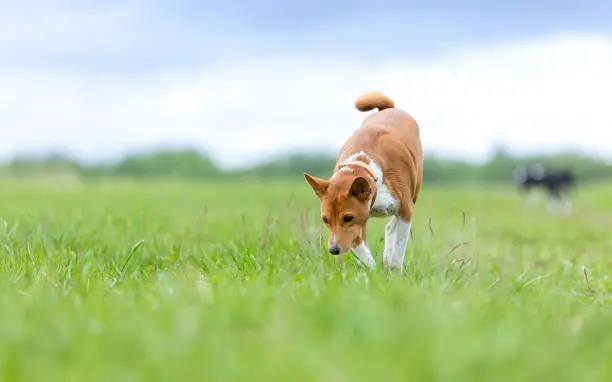
Searching for a Basenji for sale can be exciting, especially if you have already fallen in love with this unusual African breed. Basenjis are intelligent, athletic, clean, independent, and famous for their unusual vocalizations. They are also relatively uncommon compared with many popular dog breeds, which means finding a healthy, well-bred Basenji puppy may require patience.
The phrase “Basenji for sale” can refer to several different situations. You may be looking for a puppy from an established breeder, an adult Basenji being rehomed, or a dog available through a breed-specific rescue organization. These options are not interchangeable, and each requires a different approach.
A responsible buyer should look beyond photographs, advertisements, registration papers, and price. The breeder’s practices, health testing, temperament, puppy-raising environment, and willingness to support the dog throughout its life are much more important.
The Basenji is recognized by the American Kennel Club as a member of the Hound Group. The breed is known for its short coat, athletic build, intelligence, independence, and distinctive vocalizations. AKC also notes that Basenjis are energetic and require regular exercise and mental stimulation.
If you are considering purchasing one, it is also important to understand the breed itself. A Basenji may look like an easy-care small dog, but its strong prey drive, independence, curiosity, and tendency to become bored can make ownership more challenging than its size suggests.
This guide explains how to find Basenji puppies for sale, evaluate breeders, understand pricing, review health testing, avoid scams, and decide whether a Basenji is actually the right dog for your household.
Quick Answer: Where Can You Find a Basenji for Sale?
You can look for a Basenji through several legitimate channels:
- Established Basenji breeders
- The Basenji Club of America
- AKC breeder resources
- Breed-specific rescue organizations
- Local dog clubs and breed communities
- Adult Basenjis being rehomed
- Carefully researched online breeder directories
The Basenji Club of America is an especially useful starting point because it provides breed-specific information for prospective owners and breeder screening guidance. The club is recognized by AKC as the official parent club for the breed.
When searching online, remember an important distinction:
Finding a Basenji advertised for sale is easy. Finding a responsibly bred Basenji is the real goal.
A website with attractive puppy photographs does not automatically mean the seller is reputable. Likewise, an AKC registration claim by itself does not guarantee that a breeder follows excellent health, socialization, or breeding practices.
Quick Facts About Buying a Basenji
| Trait | Basenji |
|---|---|
| Breed | Basenji |
| Origin | Central Africa |
| Typical Height | About 16–17 inches |
| Typical Weight | About 20–24 pounds |
| Lifespan | Around 13–14 years |
| Coat | Short and fine |
| Common Colors | Red and white, black and white, brindle and white, tricolor |
| Temperament | Intelligent, independent, alert, curious |
| Energy Level | Moderate to high |
| Prey Drive | High |
| Grooming | Low |
| Trainability | Moderate |
| Vocalization | Yodels, chortles and other unusual sounds |
| Typical Buyer | Active and experienced dog owner |
| Important Health Tests | Hip, eye, thyroid, PRA and Fanconi-related testing |
AKC lists several recognized Basenji colors and identifies recommended health evaluations including hip, ophthalmologist, thyroid, PRA DNA, and Fanconi syndrome DNA testing.
Basenji for Sale
What Is a Basenji Dog?
The Basenji is a small-to-medium-sized hunting breed originating in Central Africa. It has a distinctive appearance, including upright ears, a tightly curled tail, a short coat, and an athletic body.
One of the breed’s most recognizable characteristics is its unusual voice. Basenjis are often called the “barkless dog” because they generally do not produce the repetitive conventional bark associated with many other dogs. However, they are certainly not silent. They can yodel, whine, chortle, growl, and make a variety of other sounds.
Their personality is equally distinctive.
A Basenji can be affectionate without constantly demanding attention. It may enjoy spending time with its owner but still want to make its own decisions. This independent nature is one reason the breed can be fascinating for experienced dog owners but challenging for someone expecting immediate obedience.
Why Are Basenjis Popular?
Basenjis attract people for many different reasons.
Their appearance
The breed has a naturally elegant and athletic appearance. Its pointed ears, expressive eyes, curled tail, and compact body give it a distinctive silhouette.
Their cleanliness
Basenjis are famously fastidious. Their short coat requires relatively little maintenance, and many owners appreciate that they tend to keep themselves clean.
Their intelligence
A Basenji can learn quickly, solve problems, and understand household routines. However, intelligence should not be confused with automatic obedience.
A clever Basenji may understand exactly what you want and still decide that something else is more interesting.
Their unusual personality
Basenjis are often described as cat-like because of their independence, curiosity, cleanliness, and selective affection.
Their athleticism
Despite their relatively modest size, Basenjis can be energetic and agile. They may enjoy activities such as lure coursing, agility, tracking, scent work, and structured outdoor exercise.
Why Are Basenjis Sometimes Hard to Find?
If you search for Basenji puppies for sale, you may discover that availability is much lower than for breeds such as Labrador Retrievers, Golden Retrievers, or French Bulldogs.
That scarcity can have several explanations.
Basenjis are not among the most numerous dog breeds, and responsible breeders typically produce puppies according to carefully planned breeding programs rather than maintaining a constant supply of puppies.
A good breeder may therefore have:
- Few litters each year
- A waiting list
- Specific plans for each puppy
- Health-testing requirements for breeding dogs
- Interviews with prospective owners
- Deposits or reservations
- Limited puppy availability
This is not necessarily a problem.
In fact, limited availability can be perfectly normal for a responsible breeder.
The important question is why puppies are available—or unavailable.
Why Are Basenjis Considered a Rare Dog Breed?
Basenjis are relatively uncommon compared with many mainstream companion breeds. Their specialized history, smaller breeding population, and unusual temperament contribute to their niche status.
This also means that prospective owners sometimes make a mistake: they see a rare puppy advertised online and assume that the seller must be legitimate simply because Basenjis are difficult to find.
That is exactly when caution becomes important.
Rarity should never be used as a substitute for breeder verification.
A seller can advertise a “rare Basenji puppy” while providing little evidence about the puppy’s parents, health, upbringing, or pedigree.
Why Do Basenji Breeders Often Have Waiting Lists?
A waiting list is common enough that it should not automatically concern you.
Responsible breeders may carefully plan:
- Which dogs will be bred
- Which health tests are needed
- Which traits they want to preserve
- Which homes are suitable for puppies
- How many puppies they realistically expect
Because of this planning, the breeder may know potential buyers before puppies are born.
A waiting list can also give you time to learn about the breed instead of making an impulsive decision.
If a breeder tells you that you may need to wait several months, ask questions rather than immediately moving to another seller.
Waiting for the right puppy is usually better than rushing into the wrong purchase.
Are Basenji Puppies Usually Reserved Before Birth?
Some breeders may have interested families before a litter arrives, although practices vary.
A breeder might maintain a list of prospective owners and later match individual puppies according to temperament, lifestyle, experience, and other factors.
This can actually be a positive sign.
For example, an experienced breeder may ask whether you:
- Have children
- Own other pets
- Have a fenced yard
- Work from home
- Have owned dogs previously
- Want a companion or show prospect
- Participate in dog sports
- Understand Basenji prey drive
- Can provide daily exercise
These questions are not necessarily an attempt to make buying difficult.
They can demonstrate that the breeder cares about where the puppy will spend its life.
Should You Be Suspicious of a Breeder With Many Basenji Puppies Available?
Not automatically—but you should investigate.
A seller who always has numerous puppies available may deserve additional questions, particularly if they produce many litters simultaneously.
Ask:
- How many litters do you produce each year?
- How many adult Basenjis do you own?
- Which dogs are the parents?
- What health testing has been performed?
- Can I see the records?
- Can I meet the mother?
- Where are the puppies raised?
- How are puppies socialized?
- What happens if I can no longer keep the dog?
The Basenji Club of America specifically encourages prospective buyers to investigate a breeder’s experience, club involvement, health practices, knowledge of the breed, and approach to breeding.
Basenji Puppies for Sale
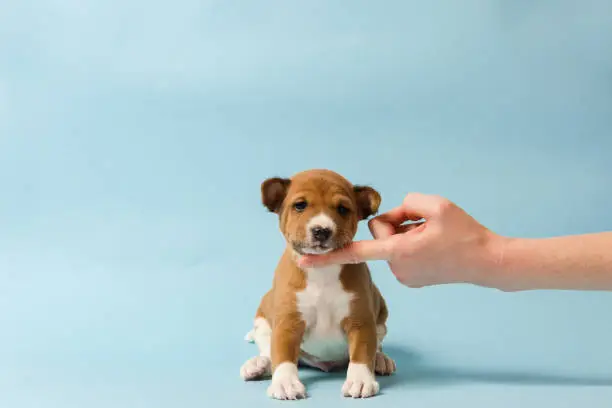
Where to Find Basenji Puppies for Sale
Start with breed-specific resources rather than random classified advertisements.
A useful search strategy is:
Breed club → breeder research → health verification → breeder interview → puppy selection.
The AKC breed page is another useful source for understanding the breed, its characteristics, recommended health testing, and official parent-club information.
Basenji Puppies From Responsible Breeders
A responsible Basenji breeder should be able to explain why a particular breeding was planned.
They should also be willing to discuss:
- The parents’ health
- Family health history
- Temperament
- Pedigree
- Puppy socialization
- Veterinary care
- Feeding
- Vaccination and deworming schedules
- Contract terms
- Return policies
Good breeders do not simply sell puppies. They take responsibility for the dogs they produce.
That relationship may continue for years after you take your Basenji home.
AKC Basenji Puppies
Searching for AKC Basenji puppies can help you locate registered dogs and breeders, but registration should not be treated as a complete quality guarantee.
AKC itself explains that breed-specific health recommendations originate with the breed’s national parent club. Participation in programs such as AKC Breeder of Merit also involves health-testing commitments, but buyers should still examine the breeder’s individual practices and documentation.
In other words:
Registration is information—not proof that every aspect of a breeder’s program is excellent.
Basenji Breeders
How to Find a Responsible Basenji Breeder
Finding the right breeder may take longer than finding a puppy advertisement.
Start by making a shortlist of breeders and then investigate each one carefully.
Look for a breeder who:
- Has substantial experience with Basenjis
- Understands the breed’s temperament
- Health tests breeding dogs
- Can provide documentation
- Allows appropriate questions
- Is transparent about the parents
- Raises puppies in a clean environment
- Socializes puppies appropriately
- Uses a written contract
- Has a clear return policy
- Wants to know about your lifestyle
- Remains available after the puppy goes home
The Basenji Club of America advises prospective buyers to ask breeders about their experience, club participation, health testing, and knowledge of Basenji health and temperament.
Does the Breeder Health Test Their Dogs?
This should be one of your highest-priority questions.
AKC’s current Basenji health-testing recommendations include:
- Hip evaluation
- Ophthalmologist evaluation
- Thyroid evaluation
- Basenji PRA DNA testing
- Fanconi syndrome DNA testing
Health testing is not about finding a puppy that is guaranteed to have perfect health. No responsible breeder can make that promise.
Does the Breeder Understand Basenji Temperament?
This question is just as important as health testing.
A breeder should understand that Basenjis can be:
- Independent
- Curious
- Energetic
- Intelligent
- Strong-willed
- Alert
- Playful
- Prey-driven
A breeder who presents the Basenji as an effortless, obedient, low-maintenance dog may not be giving you a realistic picture.
The breed’s intelligence is one of its strengths, but its independence can make training more complicated. AKC recommends early socialization and positive training and notes that Basenjis can lose interest quickly, making short sessions particularly useful.
Basenji Breeder Red Flags
Not every inexperienced breeder is intentionally dishonest, but certain warning signs should make you slow down.
No Health Testing
One of the biggest concerns is a seller who cannot provide meaningful information about the health of the parents.
A veterinary checkup for a puppy is not the same thing as health testing the breeding parents.
Ask specifically about breed-relevant screening.
Refuses to Show Health Records
A responsible breeder should be comfortable discussing health results and explaining what they mean.
Be cautious if the breeder:
- Avoids the subject
- Says testing is unnecessary
- Provides vague verbal assurances
- Claims all dogs are healthy without documentation
- Becomes defensive when you ask questions
Refuses to Let You Meet the Mother
Meeting the mother can provide valuable information about temperament and living conditions.
There may be legitimate circumstances in which you cannot meet the sire, particularly if an outside stud was used. However, refusing reasonable access to information about the parents should prompt further questions.
Pressure to Pay Immediately
Be extremely cautious when a seller says:
- “Pay today or the puppy is gone.”
- “You must send the deposit within one hour.”
- “There are five other buyers waiting.”
- “The price increases tomorrow.”
Responsible breeders may have deposits and waiting lists, but high-pressure sales tactics are unnecessary.
Unusually Cheap Basenji Puppies
Price alone does not determine quality.
A cheap puppy can become an expensive mistake if it comes with:
- Poor health
- Inadequate socialization
- Unknown parentage
- No health records
- Fraudulent documentation
- Emergency veterinary expenses
At the same time, an expensive puppy is not automatically better.
The goal is value backed by responsible breeding—not the highest price.
Stolen or Reused Puppy Photos
Online puppy scams often rely heavily on photographs.
If the seller refuses a video call, refuses an in-person visit, or continually provides excuses for why you cannot see the puppy and its environment, be cautious.
A photograph proves very little about the seller.
Promises of a “Completely Healthy” Puppy
No breeder can honestly guarantee that a living animal will never develop a health problem.
Responsible breeders can perform appropriate screening, make informed breeding decisions, provide veterinary care, and disclose known family health concerns.
That is very different from promising “100% guaranteed perfect health.”
No Written Contract
A puppy purchase should normally come with clearly stated terms.
The contract may address:
- Purchase price
- Registration
- Health provisions
- Return requirements
- Breeding rights
- Spay/neuter requirements
- Responsibilities of the buyer
- Responsibilities of the breeder
Read everything before paying a deposit.
Why AKC Registration Alone Does Not Prove Breeder Quality
This is an important point for anyone searching dog Basenji for sale.
Registration can establish information about a dog’s recorded pedigree or eligibility within a registry, but it does not replace your own breeder research.
Look beyond the registration certificate.
Ask:
How were the parents selected?
What health tests were completed?
How were the puppies raised?
What support does the breeder provide?
What happens if the dog develops a serious problem or you can no longer keep it?
Those answers tell you much more about the quality of the breeder.
Basenji Breeders
Finding a Basenji for sale is only the first step. The more important question is whether the puppy comes from a breeder who puts the breed’s health, temperament, and long-term welfare ahead of making a quick sale.
Because Basenjis are relatively uncommon, prospective owners may need to contact several breeders and wait for an appropriate litter. That can be frustrating when you are eager to bring home a puppy, but patience is often worthwhile.
A responsible breeder should be willing to discuss the parents, health testing, temperament, puppy socialization, veterinary care, contracts, and what happens if you can no longer keep the dog.

How to Find a Responsible Basenji Breeder
Start with breed-specific organizations and established canine organizations rather than relying exclusively on classified advertisements.
The Basenji Club of America is an excellent starting point because it provides information about the breed, breeders, health, rescue, and responsible ownership.
A reputable breeder should generally:
- Know the breed extremely well
- Be transparent about health testing
- Allow appropriate visits or video conversations
- Let you ask detailed questions
- Explain both the advantages and challenges of Basenjis
- Provide veterinary documentation
- Use a written contract
- Socialize puppies appropriately
- Screen potential buyers
- Remain available after the puppy goes home
- Be willing to take responsibility for a dog they bred if circumstances change
How Long Has the Breeder Worked With Basenjis?
Experience matters, but years alone do not prove quality.
Ask how long the breeder has owned Basenjis and how involved they are with the breed. A breeder who actively participates in conformation, performance activities, health research, or breed clubs may have a deeper understanding of Basenji structure and temperament.
More importantly, look for someone who can explain why particular dogs were bred together and what qualities they hoped to preserve or improve.
Does the Breeder Health Test Their Dogs?
This should be one of your highest priorities.
Responsible Basenji breeders should be familiar with breed-relevant screening, including testing for inherited conditions such as Fanconi syndrome and progressive retinal atrophy (PRA), as well as other recommended evaluations.
Do not settle for a statement such as:
“The parents are healthy.”
Ask for documentation.
Does the Breeder Socialize Puppies?
Early experiences can influence how a puppy responds to people, environments, handling, sounds, and other animals.
Ask the breeder:
- How often are puppies handled?
- Have they experienced different household sounds?
- Have they met unfamiliar people?
- Have they encountered safe, age-appropriate environments?
- Are they exposed to grooming?
- Are they introduced to crates?
- How does the breeder evaluate temperament?
Good socialization is not about overwhelming puppies with stimulation. It is about providing safe, positive, age-appropriate experiences.
Does the Breeder Interview Potential Buyers?
A responsible breeder may ask surprisingly personal questions about your lifestyle.
They might want to know:
- Whether you have owned dogs before
- Where the puppy will live
- How much time you spend at home
- Whether you have children
- Whether you own other pets
- How you plan to exercise the dog
- Whether you have secure fencing
- What you know about Basenji behavior
This is generally a positive sign, not an inconvenience.
A breeder who does not care where the puppy is going may be more interested in completing a transaction than finding a suitable home.
Basenji Breeder Red Flags
Not every person advertising a Basenji puppy for sale is a responsible breeder.
Some sellers may be genuine but inexperienced. Others may operate high-volume breeding businesses, while some advertisements may be outright scams.
Watch for several warning signs occurring together.
Breeder Has Multiple Litters Constantly
A breeder who always has large numbers of puppies available deserves careful scrutiny.
Basenjis are not typically produced like a continuously stocked retail product. Ask how many breeding females they have, how often each dog is bred, and how they decide when a dog should retire.
Breeder Always Has Puppies Available
Constant availability does not automatically mean something is wrong, but it deserves investigation.
Ask:
Why are puppies always available?
The explanation may be perfectly reasonable, but you should verify the breeder’s practices rather than assuming availability means quality.
No Health Testing
This is one of the clearest warning signs.
If a seller cannot provide evidence of appropriate health screening for the parents, be extremely cautious.
A pedigree is not a substitute for health testing.
Refuses to Show Health Records
A responsible breeder should be comfortable discussing health records and explaining what the tests mean.
Be cautious if the seller:
- Avoids the subject
- Changes the topic
- Claims testing is unnecessary
- Says the parents have “never been sick”
- Provides blurry or unverifiable certificates
Refuses to Let You Meet the Mother
You may not always be able to meet every dog in a breeding program, particularly the sire, but seeing the puppy’s mother can provide valuable information.
Observe her:
- Body condition
- Behavior
- Interaction with people
- Living environment
- General health
The mother’s temperament does not guarantee the puppy’s adult personality, but it provides useful context.
Pressure to Pay Immediately
Be cautious when a seller says:
- “Someone else is ready to buy.”
- “Pay within the next hour.”
- “The price goes up tomorrow.”
- “Send a deposit before someone takes the puppy.”
- “We need payment before you can ask more questions.”
A legitimate puppy purchase should not feel like an emergency investment opportunity.
Unusually Cheap Basenji Puppies
Price alone does not determine breeder quality.
However, an unusually low price can be a warning sign when combined with:
- No health testing
- No contract
- No veterinary records
- Poor living conditions
- Refusal to show the parents
- Pressure to pay quickly
The cheapest puppy can ultimately become the most expensive if serious health or behavioral problems appear later.
How Much Does a Basenji Cost?
One of the most common questions from prospective owners is:
“How much does a Basenji puppy cost?”
There is no single worldwide price.
The cost of a Basenji for sale can vary significantly according to location, pedigree, breeder reputation, health testing, registration, lineage, puppy age, and availability.
Instead of focusing only on the advertised purchase price, consider the total cost of responsible ownership.
Basenji Puppy Price
A puppy from an established breeder may cost substantially more than one advertised through an unknown seller.
That higher price can reflect expenses associated with:
- Health screening
- Genetic testing
- Veterinary examinations
- Vaccinations
- Microchipping
- Quality nutrition
- Puppy socialization
- Registration
- Responsible breeding practices
- Showing or performance activities
- Appropriate housing and care
The price should therefore be evaluated in context.
Factors That Affect Basenji Puppy Price
| Factor | Why It Can Affect Price |
|---|---|
| Breeder reputation | Established breeders may have higher demand |
| Pedigree | Bloodline and documented ancestry can influence cost |
| Health testing | Testing parents requires additional expense |
| Location | Regional demand and breeding costs vary |
| Availability | Rare litters may have higher demand |
| Registration | Registration arrangements can affect pricing |
| Show potential | Puppies evaluated for competition may cost more |
| Socialization | Early care requires time and resources |
| Veterinary care | Examinations and preventive care add costs |
| Age | Older puppies or adults may have different pricing |
Basenji Adult Dog Price
An adult Basenji can sometimes be less expensive than a young puppy, although this is not always true.
An adult dog with training, health records, or a strong pedigree may still command a significant price.
Adult dogs can also provide one major advantage: their personality is easier to evaluate.
You already have a better idea of whether the dog is:
- Social or reserved
- Energetic or moderate
- Comfortable with other dogs
- Comfortable around children
- House-trained
- Responsive to training
- Prone to particular behavioral challenges
Basenji Puppy Price by Source
| Source | Typical Considerations |
|---|---|
| Responsible breeder | Health testing, pedigree, socialization and veterinary care |
| Rescue organization | Adoption fee and available veterinary history |
| Private rehoming | Highly variable; verify ownership and health history |
| Online marketplace | Requires extensive seller verification |
| Unknown seller | Greater risk of scams and irresponsible breeding |
The important lesson is simple:
Do not compare Basenji prices without comparing what you are actually receiving.
A puppy costing less may lack health testing, veterinary care, proper socialization, or breeder support.
What to Look for in a Basenji Puppy
Once you find a legitimate Basenji breeder, the next step is evaluating the individual puppy.
You should not expect every healthy puppy to behave exactly the same way. Puppies have different personalities, energy levels, confidence, and responses to new experiences.
What Should a Healthy Basenji Puppy Look Like?
A healthy puppy should generally appear alert, active, and appropriately curious for its age.
Look for:
- Clear, bright eyes
- Clean ears
- Healthy skin
- A clean, smooth coat
- Normal breathing
- Appropriate body condition
- Normal movement
- Good interaction with littermates
- Curiosity toward new experiences
- A clean living environment
A puppy does not need to be hyperactive to be healthy.
Likewise, a puppy that is extremely fearful, lethargic, or persistently withdrawn deserves closer evaluation.
Bright and Clear Eyes
The eyes should generally be clear without obvious discharge, excessive redness, or swelling.
Eye appearance alone cannot rule out inherited eye disease, which is why appropriate veterinary examinations and breed-relevant screening remain important.
Clean Ears
Check for obvious:
- Dirt
- Strong odor
- Excessive discharge
- Redness
- Swelling
Ear problems should be assessed by a veterinarian.
Healthy Skin and Coat
A Basenji has a short, fine coat, so skin problems can be relatively easy to notice.
Look for:
- Excessive scratching
- Bald patches
- Redness
- Scabs
- Parasites
- Unusual odor
Appropriate Body Condition
Puppies should be appropriately nourished rather than excessively thin or overweight.
A breeder should be able to explain:
- What the puppy eats
- How frequently it is fed
- How its diet has changed over time
- What food you should continue after bringing it home
Basenji Puppy Health Testing
Health testing is one of the most important parts of purchasing a Basenji.
The goal isn’t to find a breeder who can promise that a puppy will never become sick. No responsible breeder can make that guarantee.
Instead, look for breeders who take reasonable steps to reduce inherited health risks.
Fanconi Syndrome Testing
Fanconi syndrome is an inherited kidney disorder that has historically been an important health concern in Basenjis.
Modern genetic testing allows breeders to determine the Fanconi status of breeding dogs.
Ask the breeder:
- Were both parents tested?
- What were the results?
- Can I see the documentation?
- Can the results be independently verified?
Understanding the parents’ status can help prospective owners make a more informed decision.
Basenji Fanconi DNA Test
The availability of genetic testing has significantly improved the ability of breeders to manage Fanconi syndrome.
However, DNA testing should be viewed as one component of a broader breeding-health program, not as proof that a puppy is guaranteed to remain healthy throughout life.
Progressive Retinal Atrophy Testing
Progressive retinal atrophy, commonly called PRA, refers to inherited retinal disorders that can lead to progressive vision loss.
Appropriate genetic testing can help breeders make informed breeding decisions.
Ask whether the parents have been tested for the relevant Basenji PRA condition and request documentation.
Hip Testing
Hip dysplasia can occur in dogs, including Basenjis.
Hip evaluation is particularly relevant when assessing breeding dogs.
A breeder should be able to explain whether recommended orthopedic screening has been performed and provide appropriate records.
Eye Examination
Eye screening may identify abnormalities that cannot be evaluated through a simple visual inspection.
Ask whether the breeding dogs have undergone recommended eye examinations.
Thyroid Testing
Hypothyroidism is another condition that responsible Basenji breeders may consider when evaluating breeding dogs.
Ask about:
- Previous thyroid testing
- Family history
- Any diagnosed thyroid disease
IPSID Considerations
Immunoproliferative systemic intestinal disease (IPSID) has historically been recognized as a breed-related health concern.
A breeder should understand the condition and be willing to discuss known health issues in their lines.
Genetic Testing vs Veterinary Screening
These two concepts are related but not identical.
| Type | Purpose |
|---|---|
| DNA testing | Identifies specific inherited genetic variants |
| Eye examination | Evaluates eye health |
| Hip screening | Assesses hip structure |
| Thyroid evaluation | Helps assess thyroid function |
| Routine veterinary examination | Evaluates overall health |
A puppy may have excellent genetic results and still develop an unrelated illness.
That’s why responsible breeding requires multiple layers of health management.
How to Verify Health Test Results
Don’t simply accept a breeder’s statement that:
“Everything has been tested.”
Ask for actual documentation.
Depending on the test, records may include:
- Laboratory reports
- Genetic test results
- Eye examination certificates
- Hip evaluation results
- Registration information
- Veterinary records
For applicable screening results, recognized databases such as the Orthopedic Foundation for Animals can provide useful verification resources.
Basenji Health Problems Buyers Should Know About
Before purchasing a puppy, learn about health problems associated with the breed.
This isn’t meant to discourage ownership. In fact, understanding potential health risks can help you become a better owner.
Fanconi Syndrome
Fanconi syndrome affects kidney function and can interfere with the body’s ability to properly handle substances that should normally be reabsorbed.
Because the condition has been an important issue in Basenjis, prospective owners should specifically ask about Fanconi genetic testing.
Progressive Retinal Atrophy
PRA can cause progressive vision deterioration.
Responsible breeders can use relevant testing and pedigree information to reduce the risk of producing affected puppies.
Hypothyroidism
Thyroid disorders can affect metabolism and may cause symptoms such as changes in weight, skin or coat condition, and energy.
A veterinarian should evaluate suspicious symptoms rather than assuming they are normal Basenji behavior.
IPSID
IPSID affects the gastrointestinal system and has been associated with Basenjis.
The condition highlights why breeders should maintain detailed health histories rather than evaluating individual dogs in isolation.
Hip Dysplasia
Hip dysplasia involves abnormal development of the hip joint.
Responsible breeding programs may use appropriate orthopedic screening to evaluate breeding dogs.
Eye Problems
Eye disorders can range from minor problems to inherited conditions affecting vision.
Routine veterinary care and recommended breed-specific screening can help identify concerns.
Kidney Problems
Kidney health deserves particular attention in Basenjis because of the breed’s history with Fanconi syndrome.
Owners should understand the signs of illness and maintain regular veterinary care throughout the dog’s life.
Why No Breeder Can Guarantee Perfect Health
A responsible breeder can reduce risk.
They cannot eliminate every possible disease.
Avoid sellers who claim their puppies are:
- “100% disease-proof”
- “guaranteed never to get sick”
- “genetically perfect”
- “immune to inherited problems”
A trustworthy breeder is more likely to acknowledge uncertainty while explaining the steps they take to improve the odds of producing healthy dogs.
Questions to Ask a Basenji Breeder
Before paying a deposit for a Basenji puppy for sale, prepare a list of questions.
What Health Tests Have the Parents Had?
Ask for specific tests rather than accepting a general statement about health.
Can I See the Health Certificates?
A reputable breeder should be prepared to provide appropriate documentation.
Can I Meet the Puppy’s Mother?
Whenever practical, seeing the mother can help you evaluate her condition and temperament.
Can I Meet the Father?
The sire may live elsewhere, so an in-person meeting isn’t always possible.
Ask for reliable information about him, including health and temperament records.
What Is the Family Health History?
Ask about health issues in:
- Parents
- Grandparents
- Siblings
- Previous offspring
Good breeders keep records and learn from the health histories of their lines.
How Are the Puppies Socialized?
Ask for concrete examples rather than simply asking whether the puppies are “socialized.”
What Food Are the Puppies Eating?
You should receive clear feeding instructions when the puppy goes home.
What Veterinary Care Has the Puppy Received?
Ask for records showing relevant veterinary care.
Have the Puppies Been Dewormed?
If deworming has been performed, ask when and what records are available.
Have They Received Vaccinations?
Ask which vaccinations were given, when they were administered, and what remains due.
Are They Microchipped?
If the puppy is microchipped, make sure you receive the registration information.
What Age Can the Puppy Go Home?
The breeder should follow appropriate puppy-development and welfare practices rather than sending puppies away prematurely.
What Does the Purchase Contract Include?
Read the contract before sending money.
Pay particular attention to:
- Health provisions
- Registration terms
- Breeding restrictions
- Return requirements
- Refund or replacement provisions
- Responsibilities of the buyer
What Happens if I Cannot Keep the Dog?
This is an especially important question.
Responsible breeders often want to know that dogs they produce will not simply be passed from home to home if circumstances change.
Basenji Puppy Buying Checklist
Before Contacting a Breeder
- Research the Basenji breed
- Learn about its independent temperament
- Understand its exercise requirements
- Research Fanconi syndrome
- Research PRA
- Establish a realistic budget
- Find veterinary care
- Research reputable breeder organizations
- Consider adoption
Before Reserving a Puppy
- Verify the breeder
- Ask about both parents
- Review health testing
- Ask about socialization
- Discuss temperament
- Read the contract
- Understand the deposit
- Confirm the expected pickup date
- Ask what veterinary care is included
Before Bringing the Puppy Home
Prepare:
- Quality puppy food
- Food and water bowls
- Crate
- Bed
- Secure collar
- Harness
- Leash
- Identification tag
- Toys
- Puzzle feeders
- Training treats
- Grooming supplies
- Dog toothbrush
- Nail clippers
Most importantly, puppy-proof your home before the Basenji arrives.
These dogs are curious, athletic, and remarkably good at finding opportunities for mischief.
Basenji Puppy Deposits and Waiting Lists
A deposit can reserve a puppy from a planned litter, but buyers should understand exactly what they’re agreeing to.
Why Basenji Puppies May Require Deposits
Basenjis are not available in unlimited numbers.
A responsible breeder may have only a small number of puppies in a litter, and prospective owners may contact them well before the puppies are born.
A deposit may therefore be used to establish a place in a waiting list.
How Basenji Waiting Lists Work
Waiting-list procedures vary.
Some breeders:
- Interview prospective owners
- Accept qualified buyers onto a list
- Plan a litter
- Monitor the pregnancy
- Evaluate puppies
- Match puppies to homes
- Finalize placements
The buyer may not necessarily choose a puppy immediately based on color.
Instead, the breeder may prioritize temperament, lifestyle compatibility, sex, structure, and individual needs.
When Should You Join a Waiting List?
If you specifically want a well-bred Basenji puppy, joining a waiting list can be sensible.
Waiting can also give you additional time to:
- Research the breeder
- Prepare your home
- Save money
- Learn about training
- Find a veterinarian
- Understand Basenji behavior
Are Puppy Deposits Refundable?
Never assume a deposit is refundable.
Ask for the terms in writing before paying.
Your agreement should explain:
- Deposit amount
- Whether it is refundable
- What happens if no suitable puppy is available
- What happens if the breeder cancels the litter
- What happens if you change your mind
- When the remaining balance is due
Basenji Puppy Contracts
A written contract protects both the breeder and buyer.
It should clearly explain the responsibilities of each party.
Health Guarantees
Read exactly what the breeder guarantees.
Be cautious of vague language.
Understand:
- What conditions are covered
- How long coverage lasts
- Whether veterinary documentation is required
- Whether treatment or replacement is offered
Spay and Neuter Requirements
Some puppies are sold under agreements requiring sterilization.
Others may be sold with different registration or breeding terms.
Understand these requirements before signing.
Registration Terms
Ask whether the puppy comes with:
- Limited registration
- Full registration
- No registration
Registration status should be clearly documented.
Return-to-Breeder Clauses
A responsible breeder may require that the dog be returned to them rather than surrendered to a shelter if you can no longer keep it.
This is an important safety net.
Breeding Rights
If you’re buying a companion puppy, breeding rights may not be included.
Never assume registration automatically gives you breeding rights.
What Buyers Should Read Before Signing
Don’t sign a contract simply because you’re excited about the puppy.
Read every section.
If you don’t understand something, ask the breeder for an explanation before paying the final amount.
Basenji Colors and Puppies for Sale
Basenjis are available in several recognized coat patterns.
Common examples include:
- Red and white
- Black and white
- Brindle and white
- Tricolor
- Black-tan-and-white

Red and White Basenji Puppies
Red and white Basenjis have a warm red coat with characteristic white markings.
This is one of the most recognizable Basenji color patterns.
Black and White Basenji Puppies
Black-and-white Basenjis have a predominantly black coat with white markings on areas such as the feet, chest, and tail.
Brindle Basenji Puppies
Brindle Basenjis have dark striping over a reddish or fawn background.
The pattern can create a particularly striking appearance.
Tricolor Basenji Puppies
Tricolor Basenjis combine black, tan, and white markings.
Their distinctive facial and body markings make them popular among enthusiasts.
Does Basenji Color Affect Price?
Color may influence buyer demand, but it should never be the primary reason you choose a puppy.
Health and temperament are much more important.
A healthy, well-socialized Basenji with an appropriate temperament is a better choice than a puppy selected purely because its coat is visually appealing.
Does Color Affect Health?
Coat color itself should not be treated as a guarantee of health or illness.
Instead of asking:
“Which color is healthiest?”
focus on:
“Which breeder has the strongest health-testing and breeding practices?”
Male vs Female Basenji for Sale
Prospective buyers sometimes ask whether they should choose a male or female Basenji.
There is no universal answer.
Male Basenji Temperament
Male Basenjis can be affectionate, energetic, independent, playful, and confident.
Individual personality varies considerably.
Female Basenji Temperament
Female Basenjis can also be intelligent, active, affectionate, independent, and strong-minded.
Again, individual temperament matters more than sex alone.
Male Basenji Size
Males are generally somewhat taller and heavier than females.
Female Basenji Size
Females are generally slightly smaller.
The difference is meaningful when considering adult size, but it should not determine your entire decision.
Is a Male or Female Basenji Better?
Rather than asking which sex is “better,” ask:
Which individual puppy best matches my household?
A knowledgeable breeder who has observed the litter can often help match a puppy to the buyer’s lifestyle.
Puppy vs Adult Basenji for Sale
A puppy isn’t automatically the best option.
An adult Basenji may be an excellent choice for someone who wants a more predictable companion.
| Factor | Basenji Puppy | Adult Basenji |
|---|---|---|
| Personality | Still developing | More established |
| Training | Requires substantial work | May have existing training |
| Energy | Often very high | More predictable |
| House training | Usually needs teaching | May already be trained |
| Health history | Limited | Potentially more established |
| Lifestyle fit | Must shape behavior | Easier to evaluate |
| Availability | Can be limited | May be available through rescue |
Adult dogs also deserve consideration because they may be overlooked by buyers searching exclusively for puppies.
Basenji Rescue and Adoption
Not everyone searching for a Basenji for sale needs to purchase a puppy.
Adoption can be an excellent alternative.
Can You Adopt a Basenji?
Yes.
Purebred Basenjis and Basenji mixes sometimes enter rescue because of:
- Owner relocation
- Lifestyle changes
- Inadequate preparation
- Behavioral challenges
- Financial difficulties
- Changes in family circumstances
A rescue dog can be a wonderful companion when its needs match your household.
Advantages of Adopting a Basenji
Adoption can offer several advantages:
- You may find an adult dog
- Personality may already be established
- Some dogs have existing training
- You can provide a second chance
- Adoption organizations may provide behavioral information
Challenges of Adopting an Adult Basenji
Adult rescue dogs can also come with unknown history.
Ask about:
- Previous homes
- Behavior around children
- Dog-to-dog behavior
- Cat compatibility
- Separation behavior
- Escape tendencies
- Resource guarding
- Medical history
- Training
A responsible rescue organization should be honest about known challenges.
Basenji Temperament Before You Buy
One of the biggest mistakes a buyer can make is choosing a Basenji because of appearance alone.
The breed’s personality is distinctive.
Are Basenjis Affectionate?
Many Basenjis form strong bonds with their families.
However, they may express affection differently from breeds that constantly seek physical contact.
Some prefer being close to their people without wanting to be carried or cuddled continuously.
Are Basenjis Independent?
Very much so.
Their independence is one of their defining characteristics.
That independence can be charming, but it can also make training more challenging.
Are Basenjis Stubborn?
Basenjis can appear stubborn when they don’t see a reason to perform a behavior.
Often, the problem isn’t a lack of intelligence.
It is a difference between:
“Can this dog learn it?”
and
“Does this dog want to do it right now?”
That distinction is extremely important for new owners.
Are Basenjis Intelligent?
Yes, but intelligence does not equal automatic obedience.
A clever Basenji may quickly learn how to:
- Open things
- Find food
- Escape barriers
- Manipulate household routines
- Solve puzzle toys
That same intelligence can make the breed incredibly entertaining.
Do Basenjis Have High Prey Drive?
Yes.
Their hunting background means they can have a strong instinct to chase moving animals.
This matters if you have:
- Rabbits
- Guinea pigs
- Hamsters
- Birds
- Outdoor cats
Careful management and supervision are essential.
Basenji Exercise and Lifestyle Requirements
Before buying a Basenji puppy, honestly evaluate your daily routine.
A Basenji is not a decorative companion that can be left alone with minimal stimulation.
How Much Exercise Does a Basenji Need?
Most healthy adult Basenjis need regular daily physical activity plus mental stimulation.
The exact amount depends on:
- Age
- Health
- Fitness
- Individual temperament
- Weather
- Lifestyle
Useful activities include:
- Brisk walks
- Hiking
- Running
- Scent games
- Puzzle toys
- Agility
- Lure coursing
- Structured play
- Training sessions
What Happens When a Basenji Gets Bored?
A bored Basenji may invent its own entertainment.
That can include:
- Chewing
- Digging
- Climbing
- Escaping
- Chasing
- Stealing objects
- Exploring cupboards
- Rearranging household items
Mental stimulation isn’t an optional luxury.
For this breed, it is part of responsible ownership.
Basenji Grooming Requirements
One advantage of the breed is its relatively simple coat.
Do Basenjis Need Much Grooming?
Not usually.
Their short, fine coat requires substantially less maintenance than the coat of many long-haired breeds.
Basenji Shedding
Basenjis do shed.
The short hairs can still appear on clothing, bedding, furniture, and floors.
Basenji Brushing
A brief weekly brushing session can help remove loose hair and keep the coat looking neat.
Basenji Bathing
Basenjis generally don’t require frequent bathing unless they become dirty or develop a veterinary reason for more frequent washing.
Basenji Dental Care
Dental care deserves more attention than many owners expect.
Regular tooth brushing with dog-safe toothpaste can help maintain oral health.
Never use human toothpaste unless specifically instructed by a veterinarian, as some ingredients can be dangerous to dogs.
Are Basenjis Hypoallergenic?
No dog is completely hypoallergenic.
Basenjis may appeal to some people because their short coat and grooming habits can reduce some mess, but they still produce allergens.
Anyone with significant allergies should spend time around the breed before committing to ownership.
Basenji Training Before Buying
Training should begin with realistic expectations.
Are Basenjis Easy to Train?
They are intelligent but independent.
That combination can make them challenging for inexperienced owners.
Positive Reinforcement Training
Reward-based training is generally a practical approach.
Useful rewards may include:
- Small food treats
- Praise
- Toys
- Play
- Access to something the dog enjoys
Keep sessions short and engaging.
Basenji Puppy Socialization
Early socialization helps puppies learn that new people, sounds, surfaces, environments, and experiences can be safe.
Don’t wait until the dog is fully grown before introducing it to the world.
House Training
Consistency matters.
Create predictable opportunities to eliminate and reward appropriate behavior.
Crate Training
A crate can provide a safe resting space when introduced gradually and positively.
Never use a crate as punishment.
Leash Training
A Basenji should learn to walk safely on leash because its prey drive and curiosity can make unrestricted outdoor access risky.
Recall Training
Recall is important, but owners should not assume that a Basenji will eventually become reliably obedient in every distracting environment.
Even a well-trained Basenji may chase something exciting.
Basenji Living Environment
Can Basenjis Live in Apartments?
Yes, potentially.
Apartment size alone does not determine suitability.
A Basenji can adapt to apartment living if the owner provides:
- Daily exercise
- Mental stimulation
- Training
- Safe outdoor access
- Enrichment
Do Basenjis Need a Yard?
No, but a secure outdoor area can be extremely useful.
If you have a yard, secure fencing is essential.
Don’t assume an ordinary fence is enough simply because the dog is small.
Why Secure Fencing Matters
Basenjis are athletic and curious.
They may attempt to:
- Climb
- Jump
- Squeeze through gaps
- Dig underneath barriers
- Exploit open gates
Outdoor access should therefore be carefully managed.
Basenji Off-Leash Safety
A Basenji should generally not be allowed to roam freely in unsecured areas.
Their prey drive and independent nature can turn a simple chase into a dangerous situation.
Basenji vs Other Breeds
Choosing between breeds can help you determine whether a Basenji is actually the right dog for you.
| Trait | Basenji | Shiba Inu | Beagle | Jack Russell Terrier |
|---|---|---|---|---|
| Origin | Central Africa | Japan | England | England |
| Size | Small-medium | Small-medium | Small-medium | Small |
| Coat | Short | Double | Short | Short/smooth or broken |
| Grooming | Low | Moderate | Low-moderate | Low-moderate |
| Energy | High | Moderate-high | High | Very high |
| Prey drive | High | High | High | Very high |
| Independence | High | High | Moderate | Moderate-high |
| Vocalization | Yodels/chortles | Vocal | Vocal | Vocal |
| Trainability | Moderate | Moderate | Moderate | Moderate |
| Best for | Experienced active owners | Experienced owners | Active families | Very active owners |
The best breed isn’t necessarily the most attractive or cheapest.
It is the breed whose needs match your lifestyle.
How to Find a Basenji for Sale Near You
Searching for a Basenji puppy near me can be convenient, but location should not be your only selection criterion.
A breeder 30 minutes away is not necessarily better than a responsible breeder several hours away.
Basenji Puppies Near Me
Start by searching:
- Breed clubs
- Established breeder directories
- Kennel clubs
- Breed-specific rescue organizations
- Local dog clubs
Then investigate each breeder independently.
Why You Should Not Choose a Breeder Only Because They Are Nearby
Convenience should never outweigh:
- Health testing
- Breeding practices
- Puppy socialization
- Temperament
- Living conditions
- Contract quality
- Breeder transparency
If a responsible breeder is farther away, traveling may be worthwhile.
Visiting a Basenji Breeder
When possible, visit before making a final commitment.
Observe:
- Where the dogs live
- How the dogs behave around the breeder
- Whether the environment is clean
- Whether puppies appear healthy
- How the breeder responds to questions
- Whether records are organized
A visit should leave you feeling informed, not pressured.
How to Avoid Basenji Puppy Scams
Online puppy scams have made internet searches for Basenji puppies for sale more complicated.
A polished website does not automatically mean the seller is legitimate.
Fake Basenji Breeder Websites
Scammers may copy:
- Breeder photos
- Kennel names
- Pedigrees
- Health certificates
- Testimonials
- Registration claims
Search for consistency across multiple sources.
Fake Basenji Puppy Photos
Reverse-image searching can sometimes reveal whether the same puppy photograph appears on unrelated websites.
Be especially cautious when:
- Every puppy photo looks professionally staged
- Photos appear inconsistent
- The seller refuses live video
- Puppies supposedly exist in multiple locations
Extremely Low Basenji Prices
A dramatically below-market price can attract buyers quickly.
But a low initial price may be followed by demands for:
- Shipping fees
- Insurance
- Crates
- Special permits
- Vaccination charges
- Delivery deposits
Never assume additional charges are legitimate.
Requests for Gift Cards or Unusual Payments
Be extremely cautious if a seller demands payment through methods that offer little buyer protection.
Never let urgency push you into sending money before verifying the seller.
No Video Call With the Puppy
A live video conversation can provide useful evidence that the seller actually has access to the puppy.
It isn’t absolute proof of legitimacy, but refusal to provide reasonable verification is concerning.
No Physical Address
A legitimate breeder should be able to provide meaningful information about where the dogs are located.
If the seller refuses to disclose basic location information while requesting payment, reconsider the transaction.
Basenji Ownership Costs After Purchase
The purchase price is only the beginning.
| Expense | What to Budget For |
|---|---|
| Puppy purchase/adoption | Initial acquisition cost |
| Food | Recurring expense |
| Veterinary care | Preventive and unexpected care |
| Vaccinations | Puppy and ongoing preventive care |
| Training | Classes or professional help |
| Toys | Enrichment and chewing outlets |
| Crate and supplies | Initial and replacement costs |
| Dental care | Home and professional care |
| Pet insurance | Optional recurring expense |
| Emergency fund | Unexpected veterinary costs |
A financially prepared owner should have an emergency fund before bringing home the puppy.
Unexpected veterinary bills can be significantly more expensive than routine care.
What to Buy Before Bringing Home a Basenji
Your shopping list should include more than food and a cute bed.
Essential Supplies
- Puppy food
- Food bowl
- Water bowl
- Secure collar
- Harness
- Leash
- Identification tag
- Crate
- Bed
- Puppy-safe toys
- Puzzle feeders
- Training treats
- Dog toothbrush
- Dog-safe toothpaste
- Nail clippers
- Grooming brush
- Enzyme-based cleaning supplies
- Puppy gates or barriers
Because Basenjis can be clever escape artists, inspect your home from the puppy’s perspective.
Look for:
- Low gaps
- Loose wires
- Open windows
- Accessible food
- Toxic plants
- Small objects
- Unsecured doors
- Weak fencing
First Week With Your New Basenji
The first few days should be about security, routine, and trust.
First Day Home
Don’t overwhelm your new puppy with visitors.
Give it time to:
- Explore safely
- Eat
- Drink
- Sleep
- Learn where to eliminate
- Become comfortable with your household
Establishing a Daily Routine
A predictable routine can make the transition easier.
A simple schedule may include:
- Wake-up
- Bathroom break
- Breakfast
- Short play or training
- Nap
- Bathroom break
- Enrichment
- Rest
- Evening meal
- Calm bedtime routine
Beginning House Training
Take the puppy out frequently and reward successful elimination.
Accidents are normal during early training.
Punishment can create fear and confusion rather than teaching the desired behavior.
Beginning Crate Training
Introduce the crate gradually.
Make it a comfortable place where the puppy can rest.
Never force prolonged confinement beyond what is appropriate for the puppy’s age and needs.
Scheduling a Veterinary Visit
Arrange a veterinary appointment soon after bringing the puppy home.
Bring:
- Vaccination records
- Deworming records
- Microchip information
- Breeder contract
- Health-test documentation
- Current food information
The veterinarian can establish an appropriate preventive-care schedule.
Basenji Ownership Pros and Cons
Advantages of Buying a Basenji
- Distinctive appearance
- Short, easy-care coat
- Naturally clean habits
- High intelligence
- Athletic ability
- Entertaining personality
- Independent nature
- Less conventional barking
- Excellent companion for active owners
Disadvantages of Buying a Basenji
- Can be stubborn
- Strong prey drive
- May attempt to escape
- Needs daily exercise
- Requires mental stimulation
- Can challenge inexperienced owners
- May become destructive when bored
- Can be reserved around strangers
- Requires thoughtful health screening
The same trait can be either an advantage or disadvantage depending on the owner.
For example, independence can be wonderful for someone who appreciates a self-directed companion but frustrating for someone who wants constant obedience.
Is a Basenji Worth Buying?
Whether a Basenji is worth the investment depends largely on your expectations.
Is a Basenji Worth the Price?
For the right owner, absolutely.
But the purchase price should not be your only consideration.
Is a Basenji Worth the Training Effort?
Yes, if you enjoy working with an intelligent and independent dog.
Training may require more creativity and patience than with breeds bred specifically for eager cooperation.
Is a Basenji Worth the Exercise Requirements?
If you enjoy walking, hiking, running, scent games, or dog sports, the breed can be a great match.
Is a Basenji Good for Active Families?
Potentially.
However, active does not automatically mean suitable.
The family must also understand:
- Prey drive
- Supervision
- Training
- Socialization
- Safe handling
- The dog’s need for personal space
Is a Basenji Good for First-Time Owners?
It can be challenging.
Someone new to dogs may find an independent Basenji harder to manage than a breed that is naturally eager to follow instructions.
That doesn’t mean first-time ownership is impossible. It means the owner should be prepared to seek professional guidance and invest significant time in training.
Basenji Buyer Decision Checklist
Before purchasing a Basenji for sale, ask yourself:
- Can I provide daily exercise?
- Can I provide mental stimulation?
- Can I manage strong prey drive?
- Do I have secure outdoor fencing?
- Can I afford routine and emergency veterinary care?
- Have I researched Fanconi syndrome?
- Have I researched PRA?
- Have I verified the parents’ health testing?
- Have I spoken directly with the breeder?
- Have I seen the puppy’s environment?
- Have I met the mother when possible?
- Have I reviewed the purchase contract?
- Am I prepared for an independent dog?
- Am I willing to wait for the right puppy?
- Have I considered adopting an adult Basenji?
If several answers are no, take more time before making a purchase.
A Basenji should be chosen because its needs fit your life—not simply because you found a cute puppy advertisement.
Basenji Rescue and Adoption
Buying a Basenji puppy is not the only way to bring one of these unusual dogs into your home. Basenji rescue and adoption can be an excellent option, particularly for people who are open to an adult dog.
Adult Basenjis can sometimes be easier to evaluate because their size, personality, energy level, and temperament are already more established.
Can You Adopt a Basenji?
Yes. Although Basenjis are relatively uncommon compared with many popular breeds, rescue organizations and breed-specific groups sometimes have adults, young dogs, or Basenji mixes available for adoption.
Adoption may be particularly attractive if you want to:
- Give an adult dog another opportunity
- Avoid the puppy stage
- Learn more about an individual dog’s personality before committing
- Adopt a dog that may already understand basic household routines
- Support responsible pet placement
Where to Find Basenji Rescue Dogs
Start with reputable breed-specific rescue organizations and established animal shelters rather than relying on random social-media advertisements.
When contacting a rescue organization, ask about:
- The dog’s previous home
- Medical history
- Vaccination status
- Spay/neuter status
- Behavior around children
- Behavior around dogs
- Behavior around cats
- Prey drive
- Separation-related behavior
- House-training history
- Escape behavior
- Known fears or triggers
Adult Basenji Adoption
An adult Basenji can be a rewarding choice, but don’t assume an adult dog will automatically be easier.
Some rescued Basenjis may have:
- Incomplete socialization
- Previous training gaps
- Anxiety
- Resource guarding
- Strong prey drive
- Difficulty adjusting to a new home
A good rescue organization should be honest about these issues.
Basenji Mixes for Adoption
You may also encounter Basenji mixes for adoption. A mixed-breed dog’s appearance and temperament can vary considerably depending on the other breed involved.
Don’t assume that every Basenji mix will behave exactly like a purebred Basenji.
Rescue vs Breeder: Which Is Right for You?
| Factor | Responsible Breeder | Rescue/Adoption |
|---|---|---|
| Age options | Mostly puppies | Often adults and young dogs |
| Known pedigree | Usually available | May be unknown |
| Early history | Usually well documented | Can vary |
| Health history | Parents can be tested | Existing records may be available |
| Temperament | Can often evaluate parents/litter | Adult personality may be clearer |
| Waiting time | May be significant | Varies |
| Primary goal | Planned breeding and placement | Rehoming and welfare |
Neither option is automatically better. The important thing is choosing a responsible source and a dog that genuinely fits your lifestyle.
Basenji Temperament Before You Buy
Understanding Basenji temperament is just as important as finding the right breeder.
A Basenji may look elegant and relatively small, but this is not a passive companion breed. These dogs were developed as hunting companions and retain considerable independence.
What Is a Basenji’s Personality Like?
The typical Basenji is:
- Intelligent
- Curious
- Independent
- Alert
- Energetic
- Athletic
- Playful
- Clean
- Sometimes reserved
- Strong-willed
They often form close relationships with their owners but may not behave like highly biddable breeds that constantly seek direction.
Are Basenjis Affectionate?
Many Basenjis are affectionate with people they trust. However, affection can be expressed on the dog’s terms.
Some may enjoy sitting beside their owner rather than being held continuously.
Are Basenjis Independent?
Very.
Independence is one of the characteristics potential owners should understand before purchasing a Basenji.
A Basenji may understand a command perfectly and still decide that following it isn’t particularly interesting.
That is why motivation-based training is so important.
Are Basenjis Stubborn?
What owners call stubbornness is often a combination of independence, intelligence, distraction, and selective motivation.
Instead of repeatedly forcing a Basenji to obey, effective training generally relies on:
- Short sessions
- Rewards
- Variety
- Consistency
- Clear expectations
- Appropriate environmental management
Do Basenjis Have High Prey Drive?
Yes. Their hunting background means many Basenjis have a strong instinct to chase moving animals.
That can create serious safety concerns around:
- Cats
- Rabbits
- Birds
- Squirrels
- Hamsters
- Guinea pigs
- Other small animals
A strong prey drive is one reason you should not assume a Basenji can safely roam off leash.
Basenji Exercise and Lifestyle Requirements
Before searching for a Basenji dog for sale, honestly assess how much activity you can provide every day.
Basenjis are athletic dogs that generally benefit from both physical exercise and mental stimulation.
How Much Exercise Does a Basenji Need?
The exact amount varies by age, health, and individual personality, but most healthy adult Basenjis need regular daily activity.
A useful routine can combine:
- Walks
- Play
- Training
- Scent games
- Puzzle feeders
- Secure running
- Dog sports
Simply putting a Basenji in a yard may not be enough.
Basenji Walking
Walks provide more than physical exercise. Allowing safe opportunities to sniff and explore gives your dog mental enrichment.
Because of their prey drive, use a secure leash and properly fitted equipment.
Running With a Basenji
Healthy adult Basenjis can enjoy running, but conditioning should be gradual.
Never assume a puppy is ready for sustained repetitive running simply because the breed is athletic.
Hiking With a Basenji
Hiking can be an excellent activity for an adult Basenji.
However, keep safety in mind. Wildlife, unfamiliar terrain, and sudden movement can trigger chasing behavior.
Basenji Scent Work
Scent games are particularly useful because they engage the dog’s natural investigative instincts.
Try:
- Hiding treats around a safe room
- Using puzzle feeders
- Creating simple scent trails
- Hiding favorite toys
- Gradually increasing search difficulty
Basenji Puzzle Toys
Puzzle toys can help prevent boredom, especially when outdoor exercise isn’t practical.
Rotate enrichment items rather than leaving every toy available all the time.
What Happens When a Basenji Gets Bored?
A bored Basenji may find its own entertainment.
That can include:
- Chewing
- Digging
- Exploring cabinets
- Stealing objects
- Escaping
- Chasing
- Excessive vocalization
- Destroying household items
The solution isn’t simply punishment. Prevent access to tempting objects and provide better outlets for natural behavior.
Basenji Grooming Requirements
One advantage of owning a Basenji is its relatively simple coat.
Do Basenjis Need Much Grooming?
Not much compared with many long-haired breeds.
Their short, fine coat usually needs only basic maintenance.
Basenji Shedding
Basenjis do shed. Their short hair may be less noticeable than the hair of a long-coated breed, but they are not non-shedding dogs.
Basenji Brushing
Weekly brushing can help remove loose hair and keep the coat looking healthy.
A soft brush or grooming mitt is generally sufficient for routine coat maintenance.
Basenji Bathing
Basenjis are naturally clean and often have relatively little doggy odor.
Bathing should be based on need rather than an unnecessarily rigid schedule.
Basenji Nail Care
Nails should be checked regularly.
Overgrown nails can affect comfort and movement, so introduce nail handling when the dog is young.
Basenji Ear Care
Inspect the ears regularly for:
- Redness
- Excessive wax
- Unpleasant odor
- Discharge
- Irritation
Contact a veterinarian if you notice persistent abnormalities.
Basenji Dental Care
Dental hygiene is easy to overlook, but it matters.
Ideally, introduce regular tooth brushing early in life using products designed specifically for dogs.
Are Basenjis Hypoallergenic?
No dog is completely hypoallergenic.
Basenjis may be appealing to some allergy-sensitive households because they have a short coat and relatively simple grooming requirements, but they still produce allergens.
Basenji Training Before Buying
Training expectations should be part of your purchasing decision.
Are Basenjis Easy to Train?
They are intelligent, but intelligence and obedience aren’t the same thing.
A Basenji can learn quickly while simultaneously deciding that a reward isn’t worth the effort.
Why Basenjis Can Be Stubborn
Common challenges include:
- Independent decision-making
- Strong prey drive
- Environmental distractions
- Repetition boredom
- Selective motivation
Positive Reinforcement Training
Reward-based training is generally a sensible approach.
Useful rewards may include:
- Small food treats
- Toys
- Praise
- Play
- Access to something the dog wants
Keep sessions short and interesting.
Basenji Puppy Socialization
Early socialization should introduce puppies gradually and positively to:
- People
- Household sounds
- Different surfaces
- Car rides
- Grooming
- Veterinary handling
- Friendly, appropriate dogs
- New environments
The goal isn’t to overwhelm the puppy with experiences. It’s to create positive associations.
House Training
Consistency is particularly important.
Take the puppy outside regularly, supervise closely, and reward appropriate elimination.
Crate Training
A properly introduced crate can become a safe resting area.
Never use the crate as punishment.
Leash Training
Start leash training gradually indoors or in a quiet area before expecting perfect behavior in stimulating outdoor environments.
Recall Training
Recall can be particularly challenging with a high-prey-drive breed.
Practice in controlled environments and don’t treat an unreliable recall as permission to let the dog roam freely.
Preventing Escaping
Basenjis are athletic and curious.
Use:
- Secure fencing
- Properly fitted collars or harnesses
- Locked gates
- Supervision
- Identification
- Microchipping
A secure yard is not automatically a secure yard if the dog can climb, squeeze through, dig under, or exploit weak points.
Basenji Living Environment
Can Basenjis Live in Apartments?
Yes, potentially.
Apartment living isn’t automatically unsuitable if the owner provides adequate exercise, enrichment, training, and safe outdoor access.
A bored Basenji in a small apartment, however, can become difficult to manage.
Do Basenjis Need a Yard?
No, a yard isn’t an absolute requirement.
What matters is daily activity and safe access to exercise.
Why Secure Fencing Matters
A Basenji’s athleticism and curiosity make containment particularly important.
Never rely on an unsecured open yard.
Can Basenjis Live in Cities?
Yes, provided they receive sufficient exercise and controlled exposure to urban environments.
Can Basenjis Live in Rural Homes?
They can, but rural doesn’t mean they can safely roam freely.
Wildlife may actually increase the temptation to chase.
Basenji Off-Leash Safety
An open field is not necessarily a safe place for a Basenji.
Unless you’re in a genuinely secure, appropriate area and have exceptional control, leash or enclosed exercise is the safer choice.
Basenji vs Other Breeds
If you’re searching for a Basenji for sale, you may also be considering similar breeds.

| Trait | Basenji | Shiba Inu | Beagle | Jack Russell Terrier |
|---|---|---|---|---|
| Origin | Central Africa | Japan | England | England |
| Size | Small-medium | Small-medium | Small-medium | Small |
| Coat | Short | Double | Short | Short/broken |
| Grooming | Low | Moderate | Low-moderate | Low-moderate |
| Energy | High | Moderate-high | High | Very high |
| Prey Drive | High | High | High | Very high |
| Independence | High | High | Moderate | Moderate-high |
| Vocalization | Yodels/chortles | Vocal | Often vocal | Vocal |
| Trainability | Moderate | Moderate | Moderate | Moderate |
| Best suited to | Experienced active owners | Experienced owners | Active families | Very active owners |
Basenji vs Shiba Inu
Both breeds are independent and intelligent, but the Basenji is generally distinguished by its African origin, short coat, distinctive vocalizations, and unusual hunting history.
Basenji vs Beagle
Beagles are typically more socially outgoing and famous for their vocal nature.
Basenjis are generally more independent and are known for their yodel-like sounds rather than conventional barking.
Basenji vs Jack Russell Terrier
Jack Russell Terriers can be exceptionally energetic and intense.
Both breeds may have substantial prey drive, but the Basenji’s personality and physical style are quite different.
How to Find a Basenji for Sale Near You
Searching for “Basenji puppies near me” can be useful, but location shouldn’t be your only selection criterion.
Basenji Puppies Near Me
Start with established breed organizations and breeder directories.
Then investigate each breeder individually.
Basenji Breeders Near Me
A nearby breeder isn’t necessarily a better breeder.
It is usually better to travel farther for a responsible breeder than to buy from a questionable seller simply because they are close.
Visiting a Basenji Breeder
During a visit, look for:
- Clean living conditions
- Healthy-looking dogs
- Appropriate social interaction
- Transparent health records
- Willingness to answer questions
- Puppies that appear appropriately active
- A mother who appears healthy and comfortable
What to Observe During a Breeder Visit
Pay attention to the breeder’s attitude.
A responsible breeder should generally be interested in whether you are suitable for the breed, not simply whether you can pay.
How to Avoid Basenji Puppy Scams
Searching online for a Basenji puppy for sale can expose buyers to fraudulent listings.
Fake Basenji Breeder Websites
A professional-looking website doesn’t automatically mean the breeder is legitimate.
Look for consistency across:
- Names
- Phone numbers
- Location
- Health records
- Dog histories
- Photos
- Registration information
Fake Basenji Puppy Photos
Scammers may steal puppy photographs from legitimate breeders.
Reverse-image searches can sometimes help identify reused photographs.
Extremely Low Basenji Prices
An unusually cheap puppy should make you investigate further.
A low price can be associated with scams, poor breeding practices, missing veterinary care, or incomplete documentation.
Fake Health Certificates
Don’t simply accept screenshots.
Ask for verifiable documentation and independently confirm relevant records where possible.
Requests for Gift Cards or Unusual Payments
Be extremely cautious if a seller demands:
- Gift cards
- Cryptocurrency-only payments
- Wire transfers to unrelated names
- Unusual payment methods
- Additional “release fees”
Shipping Insurance Scams
A common warning sign is a seller claiming that you must pay additional money for a special crate, insurance, temperature-controlled transportation, or another unexpected requirement before the puppy can be released.
Pause and verify the situation independently.
No Video Call With the Puppy
If distance makes an in-person visit impossible, a live video call can provide additional evidence that the seller actually has the dog.
It doesn’t replace proper verification, but refusal to show the puppy live should increase your caution.
How to Verify a Basenji Breeder
Before sending money:
- Verify the breeder’s identity.
- Check breed-club resources.
- Request health documentation.
- Ask detailed questions.
- Speak by phone or video.
- Confirm the puppy actually exists.
- Review the contract.
- Understand exactly what the payment covers.
- Avoid pressure-driven decisions.
Basenji Ownership Costs After Purchase
The purchase price is only the beginning.
| Expense | What to Budget For |
|---|---|
| Puppy purchase/adoption | Initial acquisition cost |
| Food | Recurring expense |
| Veterinary care | Routine and unexpected care |
| Vaccinations | Puppy and preventive care |
| Training | Classes or professional help |
| Toys | Enrichment |
| Crate and supplies | Initial and replacement costs |
| Dental care | Home and professional care |
| Pet insurance | Optional recurring expense |
| Emergency fund | Unexpected veterinary expenses |
A financially responsible owner should consider the total cost of ownership, not just the puppy’s advertised price.
What to Buy Before Bringing Home a Basenji
Prepare your home before the puppy arrives.
Essential Supplies
- Puppy food
- Food and water bowls
- Secure collar
- Harness
- Leash
- Identification tag
- Crate
- Comfortable bed
- Appropriate toys
- Puzzle feeders
- Training treats
- Grooming supplies
- Dog toothbrush and toothpaste
- Nail clippers
- Cleaning supplies
Puppy-Proofing
Secure:
- Electrical cords
- Cleaning chemicals
- Medicines
- Small objects
- Food
- Trash cans
- Toxic plants
- Escape routes
Remember that a curious Basenji may investigate places you never expected a dog to reach.
First Week With Your New Basenji
The first week should focus on security, routine, and relationship-building, not overwhelming the puppy with constant activity.
First Day Home
Keep the environment calm.
Show the puppy:
- Water
- Food area
- Sleeping area
- Toilet area
- Safe resting space
Establishing a Daily Routine
Predictability can make adjustment easier.
Try to maintain consistent times for:
- Meals
- Potty breaks
- Training
- Rest
- Exercise
Beginning House Training
Take the puppy out frequently, particularly:
- After waking
- After eating
- After playing
- Before bedtime
Reward success immediately.
Beginning Crate Training
Introduce the crate positively and gradually.
Never force a frightened puppy into prolonged confinement.
Scheduling a Veterinary Visit
Arrange veterinary care according to your veterinarian’s recommendations and bring all records supplied by the breeder or rescue organization.
Building Trust
Avoid expecting immediate obedience.
Your new Basenji has just entered a completely unfamiliar environment.
A calm relationship built through consistency and positive experiences is more valuable than trying to control everything during the first few days.
Basenji Ownership Pros and Cons
Advantages of Buying a Basenji
- Distinctive appearance
- Short, easy-care coat
- Naturally clean habits
- High intelligence
- Athletic ability
- Entertaining personality
- Independent character
- Less conventional barking
- Excellent companion for active owners
Disadvantages of Buying a Basenji
- Can be stubborn
- Strong prey drive
- May escape if poorly contained
- Needs daily exercise
- Requires mental stimulation
- Can challenge inexperienced owners
- May become destructive when bored
- Can be reserved around unfamiliar people
- Requires careful health screening
Is a Basenji Worth Buying?
Whether a Basenji is worth buying depends much more on compatibility than price.
Is a Basenji Worth the Price?
For the right owner, yes.
But paying more for a puppy doesn’t automatically mean you’re getting a better dog. The value of a responsible breeder comes from appropriate breeding practices, health screening, socialization, support, and transparency.
Is a Basenji Worth the Training Effort?
For owners who enjoy training and problem-solving, absolutely.
For someone who wants a dog that automatically follows every command, another breed may be a better fit.
Is a Basenji Worth the Exercise Requirements?
If you’re active, the Basenji can make a wonderful companion.
If you prefer a sedentary lifestyle, the breed may become frustrating.
Is a Basenji a Good Companion Dog?
Yes, for the right household.
A Basenji can be affectionate, entertaining, intelligent, and deeply engaging. The important point is that it is a companion with an independent mind, not a dog designed simply to please its owner.
Basenji Buyer Decision Checklist
Before purchasing a Basenji, ask yourself:
- Can I provide daily exercise?
- Can I provide mental stimulation?
- Can I manage a strong prey drive?
- Do I have secure outdoor areas?
- Can I afford routine and emergency veterinary care?
- Have I researched Fanconi syndrome?
- Have I researched PRA?
- Have I reviewed the parents’ health testing?
- Have I researched the breeder?
- Have I seen where the puppies are raised?
- Have I met the mother?
- Have I reviewed the purchase contract?
- Am I prepared for an independent dog?
- Can I wait for the right puppy?
- Have I considered adoption?
If several answers are no, pause before placing a deposit.
Frequently Asked Questions About Basenji Dogs for Sale
Where can I find a Basenji for sale?
Start with reputable breed-club resources, established breeders, and legitimate rescue organizations. Avoid choosing a seller solely because a search result says “Basenji puppy for sale.”
Where can I find Basenji puppies for sale?
Breed-specific breeder resources and established kennel clubs are good starting points. Verify health testing, living conditions, contracts, and breeder practices before making a purchase.
How much does a Basenji puppy cost?
Prices vary significantly by location, breeder, pedigree, health testing, registration, availability, and individual puppy. There is no single price that applies to every Basenji.
Why are Basenjis so expensive?
Basenjis are relatively uncommon, and responsible breeding can involve health testing, veterinary care, puppy socialization, registration, and substantial time and resources.
Why are Basenjis difficult to find?
The breed is less common than many popular companion breeds, and responsible breeders may produce limited litters.
Are Basenjis rare dogs?
They are relatively uncommon compared with highly popular breeds, which contributes to their limited availability.
How do I find a reputable Basenji breeder?
Look for transparency, health testing, appropriate socialization, breed knowledge, contracts, and willingness to answer detailed questions.
Is the Basenji Club of America a good place to start?
Yes. It provides breed-specific resources and is the recognized AKC parent club for the Basenji.
Are AKC Basenji puppies automatically from responsible breeders?
No. Registration by itself should not be treated as a complete guarantee of breeding quality. Investigate the breeder’s health practices, socialization, living conditions, and commitment to the breed.
What health tests should a Basenji breeder perform?
Recommended screening can include testing or evaluation for conditions such as Fanconi syndrome, progressive retinal atrophy, hip dysplasia, hypothyroidism, and other breed-relevant concerns.
What is Fanconi syndrome in Basenjis?
Fanconi syndrome is a kidney-related disorder that has historically been an important inherited health concern in Basenjis. Genetic testing can help breeders make informed breeding decisions.
Can Basenjis be genetically tested for Fanconi syndrome?
Yes. A DNA test is available and can help identify genetic status relevant to breeding.
What is PRA in Basenjis?
Progressive retinal atrophy, or PRA, refers to inherited retinal disease that can lead to progressive vision loss. Appropriate screening is important when evaluating breeding dogs.
Should I ask for health certificates?
Yes. Ask the breeder to provide documentation for relevant health testing rather than relying only on verbal assurances.
How do I know if a Basenji breeder is legitimate?
Look for consistent information, verifiable health records, a physical location, appropriate puppy care, transparent communication, and a willingness to let you ask difficult questions.
What are the biggest Basenji breeder red flags?
Major warning signs include pressure to pay immediately, no health testing, refusal to show the mother, suspiciously low prices, stolen photographs, no contract, and demands for unusual payments.
Can I adopt a Basenji instead of buying one?
Yes. Breed-specific rescue organizations and shelters may occasionally have Basenjis or Basenji mixes available.
Are Basenjis good family dogs?
They can be, but suitability depends on the children’s ages, supervision, socialization, exercise, training, and the individual dog’s temperament.
Are Basenjis good with cats?
Some can live successfully with cats, particularly when introduced carefully, but their prey drive means compatibility should never be assumed.
Are Basenjis easy to train?
They are intelligent but independent. Training can be rewarding, but owners should expect to use patience, consistency, and effective motivation.
Do Basenjis shed?
Yes. Their short coat generally makes shedding relatively easy to manage.
Are Basenjis hypoallergenic?
No. No dog is completely allergen-free.
How much exercise does a Basenji need?
Most healthy adult Basenjis benefit from regular daily physical activity combined with mental enrichment.
Do Basenjis escape easily?
They can be remarkably resourceful when motivated to explore. Secure fencing and supervised outdoor access are important.
Can Basenjis live in apartments?
Yes, provided their exercise, enrichment, training, and outdoor safety needs are properly managed.
Should Basenjis be allowed off leash?
Only in genuinely secure and appropriate areas. Their prey drive makes uncontrolled off-leash environments risky.
What colors do Basenji puppies come in?
Common recognized patterns include red and white, black and white, brindle and white, and tricolor/black-tan-and-white combinations, depending on breed-standard terminology.
Does Basenji color affect price?
A seller may charge different prices for individual puppies, but buyers should prioritize health, temperament, breeder quality, and suitability over coat color.
Are male or female Basenjis better?
Neither sex is automatically better. Individual temperament, socialization, genetics, and compatibility with your household matter more.
Should I buy a Basenji puppy or adult?
A puppy allows you to shape training and socialization from an early age. An adult dog can offer a more established personality and may already have some household training.
How old should a Basenji puppy be before going home?
A responsible breeder should follow appropriate puppy-development and placement practices rather than sending puppies home prematurely.
Should I join a Basenji puppy waiting list?
A waiting list can be perfectly normal when dealing with a responsible breeder who produces limited litters.
Are Basenji puppy deposits refundable?
That depends entirely on the breeder’s written agreement. Never assume a deposit is refundable. Read the terms before paying.
What should be included in a Basenji puppy contract?
The contract should clearly explain the purchase terms, health provisions, registration status, responsibilities of both parties, and what happens if the owner can no longer keep the dog.
Should I buy a Basenji online?
Online research is useful, but purchasing solely through an anonymous online listing carries significant risk. Verify the seller and, whenever practical, see the puppy and its environment.
How do I avoid Basenji puppy scams?
Avoid rushing. Verify identity, photographs, health records, location, ownership, and payment information before sending money.
Should a breeder ship my Basenji puppy?
Transportation arrangements vary. Whenever possible, personally meeting the breeder and puppy can provide valuable reassurance and allows you to observe the dog’s environment.
What should I bring when picking up a Basenji puppy?
Consider bringing:
- A secure crate
- Leash and collar/harness
- Water
- Paper towels or cleaning supplies
- Familiar food if recommended
- Identification information
- Copies of relevant paperwork
What should I feed my new Basenji puppy?
Continue the breeder’s established diet initially unless your veterinarian recommends otherwise. If changing food, transition gradually to reduce digestive upset.
How much does it cost to own a Basenji?
Ownership includes food, veterinary care, preventive medicine, training, supplies, enrichment, dental care, and possible emergency expenses. The lifetime cost can be substantially higher than the original purchase price.
Final Verdict: Should You Buy a Basenji?
A Basenji for sale advertisement is easy to find online. Finding the right Basenji from a trustworthy source is the more important challenge.
Who Should Buy a Basenji?
A Basenji may be an excellent choice for someone who:
- Enjoys an active lifestyle
- Appreciates independent dogs
- Has time for training
- Can provide mental stimulation
- Understands prey drive
- Can maintain secure outdoor areas
- Is prepared for a dog that may challenge conventional obedience expectations
Who Should Adopt a Basenji?
Consider adoption if you’re open to an adult dog and want to give a Basenji another opportunity.
Adult dogs can also make it easier to evaluate established temperament and energy levels.
Who Should Avoid Buying a Basenji?
The breed may not be ideal for someone who wants:
- A highly obedient dog
- A sedentary companion
- A dog that can roam off leash
- A breed requiring little mental stimulation
- An exceptionally easy first dog
Why Responsible Breeder Selection Matters
The breeder you choose can influence far more than the purchase experience.
A responsible breeder should care about:
Health + temperament + socialization + breed preservation + lifetime welfare.
Why Health Testing Should Be Non-Negotiable
Potential buyers should take breed-specific health risks seriously.
Ask about:
- Fanconi syndrome
- PRA
- Hip screening
- Eye examinations
- Thyroid testing
- Other recommended breed-specific evaluations
Why Price Should Not Be Your Only Consideration
The cheapest Basenji puppy may not be the cheapest dog to own.
Missing health testing, poor early care, weak socialization, or irresponsible breeding can create expenses and challenges long after the purchase.
Why Waiting for the Right Puppy Can Be Worth It
A responsible breeder may not have puppies available immediately.
That can actually be reassuring.
Limited litters, careful puppy placement, health testing, and buyer screening can all contribute to waiting periods.
Conclusion
Finding a Basenji for Sale Requires Research
Searching for a dog Basenji for sale should be the beginning of your research, not the end.
The goal isn’t simply to find the fastest available puppy. It’s to find a healthy, appropriately raised dog from a source that genuinely cares about the breed.
A Cheap Puppy Is Not Always a Good Deal
Price should always be considered alongside:
- Health testing
- Veterinary care
- Pedigree
- Socialization
- Breeder experience
- Contract terms
- Lifetime support
An unusually low price deserves careful investigation.
Responsible Breeders Put Health and Temperament First
A good breeder isn’t simply someone who has Basenji puppies.
They should understand the breed and make thoughtful decisions about health, temperament, genetics, socialization, and puppy placement.
Health Testing Is Essential When Buying a Basenji
Because Basenjis have recognized breed-specific health concerns, buyers should ask for appropriate documentation.
Don’t be afraid to ask questions.
A responsible breeder should welcome an informed buyer.
Fanconi and PRA Testing Deserve Special Attention
Fanconi syndrome and progressive retinal atrophy are particularly relevant to Basenji health research.
Understanding available genetic and veterinary screening can help buyers make better decisions and encourage responsible breeding.
Basenji Puppies May Require Patience
Don’t let a waiting list automatically discourage you.
A breeder who has limited litters and carefully evaluates homes may be a much safer choice than someone who always has dozens of puppies available.
Adoption Can Be an Excellent Alternative
If you don’t specifically need a young puppy, consider Basenji rescue and adult adoption.
An adult Basenji can be an incredibly rewarding companion.