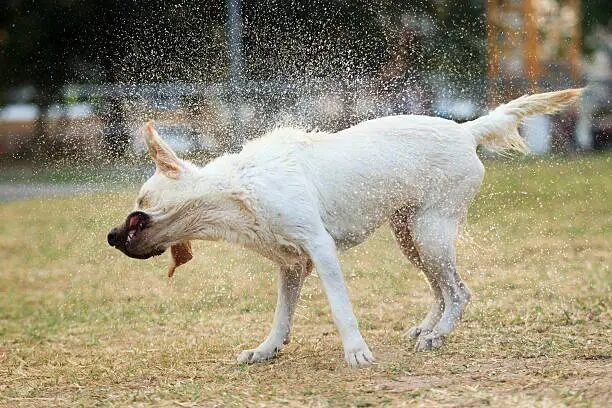
Seeing your dog suddenly start shaking can be confusing. One minute they are curled up beside you, and the next their legs are trembling or their whole body is shivering. Why do dogs shake? Are they cold, frightened, excited, or could something actually be wrong?
The reassuring answer is that dog shaking isn’t always a sign of illness. Dogs shake for plenty of everyday reasons, including cold weather, excitement, wet fur, fear, and stress. However, unexplained or persistent trembling can also occur with pain, nausea, low blood sugar, poisoning, or neurological problems. Veterinary sources therefore recommend looking at the circumstances and any other symptoms rather than judging shaking on its own.
Quick answer: Dogs commonly shake because they are cold, wet, excited, anxious, stressed, or uncomfortable. A quick shake after a bath or a little trembling before a walk is usually easy to explain. Shaking that begins suddenly, keeps happening, or comes with symptoms such as weakness, vomiting, difficulty walking, collapse, or unusual behavior deserves more attention.
The key is context. When did the shaking begin? What happened immediately before it? Is your dog otherwise acting normally? Answering those questions can often tell you whether you’re looking at an ordinary canine behavior or something worth discussing with your veterinarian.
Why Do Dogs Shake?
Dogs shake because the body can use muscle movement as a response to temperature, emotions, physical sensations, and medical problems.
That makes “shaking” a surprisingly broad symptom.
For example, imagine three dogs that appear to be doing the same thing:
- One starts shivering while standing outside on a cold morning.
- Another trembles as soon as you pick up the leash.
- A third suddenly develops uncontrollable shaking while resting indoors.
All three dogs are shaking, but the possible explanations are very different.
In general, the reasons can be grouped into three categories:
| Type of shaking | Common examples | What it may look like |
|---|---|---|
| Environmental | Cold temperatures, wet fur | Shivering or a vigorous full-body shake |
| Behavioral/emotional | Excitement, fear, anxiety, stress | Trembling, quivering, or shaking off |
| Medical | Pain, illness, toxins, low blood sugar, neurological disease | Persistent, unexplained, localized, or whole-body tremors |
Occasional shaking with an obvious explanation is often less concerning. If your dog gets soaked in the rain, shakes water everywhere, and immediately returns to normal, you probably know what happened.
The situation changes when a dog is shaking for no apparent reason, especially when the trembling doesn’t stop or other symptoms appear.
That’s why knowing your dog’s normal behavior is useful. A Chihuahua that occasionally trembles on chilly mornings presents a different picture from a normally energetic Labrador that suddenly starts shaking, refuses food, and struggles to stand.
Shaking vs. Shivering vs. Trembling vs. Seizures
Before looking at individual causes, it helps to understand what people mean when they say their dog is “shaking.”
Words such as shaking, shivering, trembling, twitching, and tremors are often used interchangeably, but they don’t always describe the same type of movement.
What Does Shaking Look Like in Dogs?
“Shaking” is a general term. It might describe a quick head-to-tail shake after a bath, fine trembling in the legs, or repetitive movement affecting the whole body.
Pay attention to where the movement occurs.
A dog repeatedly shaking only its head, for example, could have irritation involving an ear. Persistent head shaking is commonly associated with ear infections or allergies, although foreign material and other conditions are also possible.
What Is Shivering?
Shivering usually consists of small, rapid muscle contractions. Cold temperatures are a familiar cause, but fear and other conditions can produce similar movements.
If cold is responsible, the shaking should generally improve as your dog gradually becomes comfortably warm.
What Are Tremors?
Tremors are involuntary, often rhythmic muscle movements. They can involve one area or the entire body.
Unlike an ordinary shake-off, tremors may continue for a period of time and may not have an obvious environmental trigger. Muscle tremors can occur for numerous reasons, including metabolic abnormalities, toxin exposure and neurological conditions.
Is Shaking the Same as a Seizure?
No. Normal shaking and seizures are not the same thing.
A dog experiencing muscle tremors may remain conscious, responsive, and aware of what’s happening. A generalized seizure can involve altered or lost consciousness along with signs such as stiffening, uncontrolled movements, paddling of the limbs, or loss of bladder or bowel control.
If you cannot tell whether your dog is trembling or experiencing seizure-like activity, especially if the movement is new or severe, veterinary evaluation is the safer option.
Now let’s look at the everyday reasons dogs shake first.
15 Common Reasons Why Dogs Shake
1. Your Dog Is Cold
Sometimes the simplest explanation really is the right one: your dog may just be cold.
Dogs can shiver when their body is trying to maintain its temperature. Rapid muscle contractions generate heat, which helps the body respond to a chilly environment.
You’ve probably experienced the same thing yourself on a freezing morning.
Not every dog handles cold weather equally well. Dogs that may become chilly more easily include:
- Small and toy breeds
- Dogs with short or thin coats
- Very lean dogs
- Young puppies
- Senior dogs
- Dogs that are wet
- Dogs that are sick or physically weak
Small dogs can be particularly sensitive because their body proportions allow them to lose heat relatively quickly.
How Can You Tell If Your Dog Is Shaking From the Cold?
Look at what’s happening around your dog.
If the trembling began after spending time outdoors in low temperatures, sitting near a cold draft, or getting wet, temperature becomes an obvious possibility.
Other clues can include:
- Curling tightly into a ball
- Seeking blankets or warm areas
- Trying to stay close to you
- Lifting paws off a cold surface
- Reluctance to remain outside
- Shivering that improves after moving somewhere warmer
Bring your dog into a comfortable, dry environment and allow them to warm gradually.
If the shaking doesn’t improve despite your dog being warm and comfortable, don’t automatically assume temperature is still responsible. Another cause may be involved.
2. Your Dog Is Wet
If you’ve ever bathed a dog, you already know what comes next.
You reach for the towel.
Your dog has other plans.
Shake.
Water suddenly covers the walls, floor, mirror—and probably you.
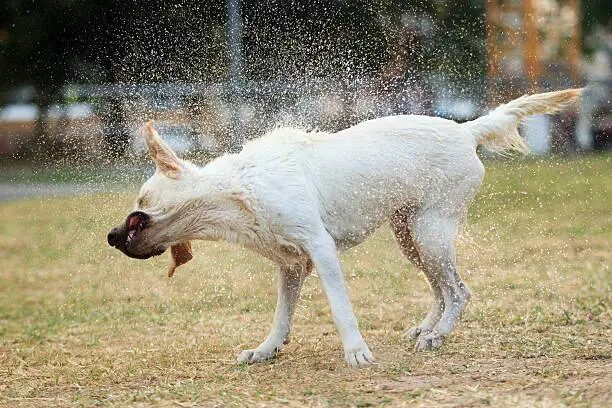
The famous “wet dog shake” is a perfectly natural behavior and an extremely efficient way for dogs to remove water from their coats.
Why Do Dogs Shake After a Bath?
A dog’s fur can hold a surprising amount of water. Waiting for all that moisture to evaporate naturally would be slow and could contribute to heat loss.
Instead, dogs use a powerful head-to-tail shaking motion to fling water away from the coat.
You may see it after:
- A bath
- Swimming
- Walking in heavy rain
- Running through sprinklers
- Getting sprayed with a hose
- Playing in wet grass
This type of shaking is usually brief, vigorous, and immediately connected with being wet.
Afterward, your dog should behave normally.
One thing worth watching is continued head shaking after swimming or bathing. An occasional shake is normal, but repeatedly shaking the head or scratching an ear could indicate that water or another irritant is bothering the ear. Persistent head shaking can also occur with ear infections and should not simply be dismissed as drying behavior.
3. Excitement and Anticipation
Does your dog start trembling the moment you reach for the leash?
Maybe their whole back end wiggles when you come home, or their legs shake while they wait for you to put down the food bowl.
In these situations, excitement may be responsible.
Dogs don’t experience emotions silently. Their feelings frequently show up through posture, movement, facial expressions, vocalizations, and other body language.
For some dogs, intense anticipation produces visible trembling.
Common excitement triggers include:
- Their favorite person coming home
- Seeing another dog they like
- Hearing the word “walk”
- Waiting for dinner
- Seeing a favorite toy
- Getting ready for a car ride they enjoy
- Beginning a game
- Greeting visitors they know
How Do You Know If It’s Happy Shaking?
Look at the rest of your dog’s body language.
An excited dog may have:
- An enthusiastic wagging tail
- Relaxed facial muscles
- Playful bouncing
- A wiggling body
- Interest in toys or treats
- Normal appetite and energy
- Eagerness to interact
The trembling also tends to have an obvious trigger and settles once the excitement passes.
For example, if your dog trembles while watching you prepare their dinner but immediately eats normally and carries on with their evening, the situation is very different from unexplained shaking accompanied by weakness or vomiting.
Can a Dog Get Too Excited?
Yes. While occasional excitement shaking isn’t necessarily a problem, some dogs become over-aroused easily.
If excitement regularly turns into uncontrollable jumping, barking, mouthing, pacing, or prolonged trembling, working on calmer routines and impulse control may help.
The goal isn’t to stop your dog from being happy. It’s to help them manage that excitement comfortably.
4. Fear, Stress, and Anxiety
A dog doesn’t need to be cold to tremble.
Fear and anxiety are common causes of shaking in dogs.
When a dog perceives a threat or feels uncertain, the body enters a heightened state of arousal. Stress hormones such as adrenaline prepare the body to react, and trembling can be part of that physiological response.
Some triggers are obvious.
Thunder cracks outside and your dog immediately crawls under the table trembling.
Others can be more subtle.
Common Anxiety Triggers in Dogs
A dog may shake because of:
- Thunderstorms
- Fireworks
- Construction noise
- Vacuum cleaners
- Unfamiliar people
- Unfamiliar dogs
- Car rides
- Veterinary visits
- Grooming appointments
- Being left alone
- Changes in routine
- Moving to a new home
- Unfamiliar environments
Look Beyond the Trembling
If you’re trying to determine whether your dog is scared, don’t focus only on the shaking.
An anxious dog may also:
- Pant when it isn’t hot
- Pace around the room
- Whine or bark
- Drool
- Hide
- Try to escape
- Refuse treats or food
- Become unusually clingy
- Hold the ears back
- Keep the body low
- Avoid interaction
- Show repetitive or restless behavior
Watch for patterns.
If your dog shakes every time fireworks begin but stops after the environment becomes quiet, there’s a strong contextual clue.
How Can You Help an Anxious, Shaking Dog?
Start by reducing the trigger when possible.
Provide a quiet, comfortable place where your dog can retreat without being forced to interact. Stay calm yourself and avoid punishing fearful behavior.
For predictable triggers such as thunderstorms, fireworks, or car travel, a veterinarian or qualified behavior professional can help develop a longer-term plan.
Frequent anxiety shouldn’t simply be accepted as “that’s just how my dog is.” If fear repeatedly interferes with your dog’s normal life, professional guidance can make a meaningful difference.
5. Dogs May “Shake It Off” After Stress
Here’s one of the more interesting reasons dogs shake: sometimes they appear to literally shake something off.
You may notice a full-body shake after your dog:
- Meets an unfamiliar dog
- Has been hugged or handled
- Finishes vigorous play
- Leaves the veterinarian’s office
- Experiences an uncomfortable interaction
- Gets up after resting
- Moves from an exciting activity into a calmer one
This movement can resemble the shake a dog performs when wet—even though their coat is completely dry.
Veterinary behavior sources describe whole-body shake-offs in connection with stress as well as positive excitement.
Why Do Dogs Shake After a Stressful Situation?
Think about the sequence rather than treating the shake as an isolated action.
Suppose another energetic dog runs over and initiates intense play. Your dog participates for a moment, backs away, and then gives a large head-to-tail shake.
That shake may occur as your dog transitions away from a highly aroused interaction.
Likewise, a dog might shake after being examined by a veterinarian or after an unfamiliar person stops petting them.
That doesn’t automatically mean the preceding experience was traumatic. Context and the dog’s complete body language matter.
A single shake followed by relaxed, normal behavior generally looks very different from continuous trembling that lasts for minutes or keeps returning.
Normal Shake-Off or Something Else?
Use this quick comparison:
| What you notice | More likely explanation |
| One vigorous shake after getting wet | Drying the coat |
| Brief shake after an exciting interaction | Arousal/transition shake-off |
| Trembling during fireworks | Fear or anxiety |
| Shivering outdoors in cold weather | Temperature response |
| Persistent shaking without an obvious trigger | Possible medical cause requiring closer attention |
| Shaking plus weakness, vomiting, collapse, or abnormal behavior | Veterinary evaluation may be needed promptly |
The important distinction is duration and context.
A healthy dog that performs one dramatic shake and trots away normally is usually telling a very different story from a dog whose muscles continue trembling while they’re lying quietly on the floor.
And this is where the reasons for shaking begin to become more medically important.
6. Pain or Physical Discomfort
Dogs sometimes shake because something hurts.
Pain can trigger muscle tension, stress responses, and trembling. Unlike people, dogs cannot simply tell you where they’re hurting, so owners often have to rely on behavioral changes.
A dog in pain may shake because of:
- Muscle strain
- Joint pain
- Arthritis
- Back pain
- Spinal discomfort
- Abdominal pain
- Dental problems
- Injury
- Post-surgical discomfort
- Internal illness
The shaking may affect the entire body or be more noticeable around the painful area.
For example, a dog with hind-leg or hip discomfort may show trembling in the back legs, especially after exercise or while trying to stand.
Signs Your Shaking Dog May Be in Pain
Look for additional clues such as:
- Limping
- Difficulty standing up
- Reluctance to climb stairs
- Crying or whining
- Panting despite being cool
- Restlessness
- Hiding
- Reduced appetite
- Changes in posture
- Guarding part of the body
- Flinching when touched
- Moving more slowly than usual
- Refusing activities they normally enjoy
Some dogs become unusually quiet when they hurt. Others become restless or irritable.
If your normally active dog suddenly starts trembling and refuses to move, don’t assume they’re simply nervous.
When Should Pain-Related Shaking Be Checked?
Contact your veterinarian if the shaking appears alongside obvious discomfort or lasts without an obvious explanation.
Seek more urgent care if your dog:
- Cannot stand
- Cries out repeatedly
- Has severe abdominal swelling
- Has experienced significant trauma
- Suddenly loses use of a limb
- Appears extremely distressed
And avoid reaching into your medicine cabinet for human painkillers. Some medications that are commonly used by people can be dangerous to dogs.
7. Nausea or an Upset Stomach
Yes, nausea can make dogs shake.
Think about how you feel when you’re extremely nauseous. You might become sweaty, weak, restless, or shaky. Dogs can experience similar physical distress.
A nauseous dog might tremble before vomiting, during a stomach upset, or because of motion sickness.
Other Signs of Nausea in Dogs
Watch for:
- Excessive drooling
- Lip licking
- Repeated swallowing
- Loss of appetite
- Restlessness
- Eating grass
- Vomiting
- Gagging or retching
- Diarrhea
- Licking the floor
- Turning away from food
Some dogs become very clingy when nauseous, while others retreat somewhere quiet.
Why Is My Dog Shaking and Vomiting?
Shaking together with vomiting can occur for many reasons, ranging from a mild stomach upset to something more serious.
Possible causes include:
- Eating something unusual
- Dietary changes
- Motion sickness
- Gastrointestinal infection
- Pancreatitis
- Toxin exposure
- Intestinal problems
- Severe nausea from another illness
A single episode of vomiting in an otherwise bright, energetic dog may be less concerning than repeated vomiting combined with lethargy, trembling, abdominal pain, or weakness.
What About Shaking in the Car?
Car-related shaking often comes down to either anxiety or motion sickness.
A dog with motion sickness may show:
- Drooling
- Lip licking
- Yawning
- Whining
- Restlessness
- Trembling
- Vomiting
A dog with car anxiety might tremble before the vehicle even starts moving because they’ve learned to associate the car with something stressful.
The two problems can also overlap.
8. Low Blood Sugar (Hypoglycemia)
Another possible cause of trembling is hypoglycemia, which means blood sugar has dropped too low.
Glucose is an essential energy source for the brain and body. When levels become dangerously low, dogs can develop neurological and physical symptoms.
Possible signs include:
- Trembling
- Weakness
- Lethargy
- Confusion
- Poor coordination
- Collapse
- Seizures
Why Are Puppies More Vulnerable?
Very young puppies have relatively small energy reserves and can have difficulty maintaining normal blood glucose levels, particularly if they:
- Go too long without eating
- Are ill
- Are very small
- Are stressed
- Have vomiting or diarrhea
Toy-breed puppies can be especially vulnerable.
That’s why shaking in a tiny puppy shouldn’t automatically be dismissed as typical small-dog trembling, particularly when the puppy also seems weak, sleepy, confused, or unwilling to eat.
Can Adult Dogs Develop Low Blood Sugar?
Yes.
Hypoglycemia can occur in adult dogs because of underlying medical conditions, certain medications, severe illness, prolonged inability to eat, and other metabolic problems.
If you suspect low blood sugar, particularly when your dog is weak, disoriented, collapsing, or having seizures, veterinary help is important.
9. Fever or Illness
A dog that is sick may sometimes shiver or tremble, although shaking alone cannot tell you whether your dog has a fever.
Dogs can shake when illness affects their comfort, temperature regulation, energy levels, or nervous system.
What matters is what else is happening.
Shaking Plus Other Signs of Illness
Be more cautious if trembling appears alongside:
- Lethargy
- Loss of appetite
- Vomiting
- Diarrhea
- Coughing
- Nasal discharge
- Weakness
- Fever
- Increased thirst
- Difficulty breathing
- Unusual behavior
- Pain
For example, a dog who briefly shivers after going outside on a cold morning but then eats breakfast and plays normally is very different from one who shakes throughout the day and refuses both food and water.
Can You Tell If a Dog Has a Fever by Touch?
Not reliably.
A warm nose or ears doesn’t automatically mean a dog has a fever. Body temperature needs to be measured properly if fever is suspected.
If your dog is shaking and clearly seems unwell, especially for more than a brief period, your veterinarian can determine whether illness is involved.
10. Ear Problems
If your dog is repeatedly shaking only their head, pay close attention to the ears.
Head shaking is a common response to ear irritation.
Potential causes include:
- Ear infection
- Allergies
- Ear mites
- Water trapped after swimming
- Foreign material
- Excessive ear debris
- Inflammation
- Ear injury
Dogs sometimes shake their head occasionally for harmless reasons. Repeated or forceful shaking, however, suggests that something may be irritating them.
Signs of an Ear Problem
Look for:
- Redness inside the ear
- Unusual odor
- Dark or yellow discharge
- Scratching at the ear
- Rubbing the face on furniture
- Pain when the ear is touched
- Head tilting
- Swelling
- Repeated head shaking
Persistent ear irritation can become painful.
Forceful repeated head shaking may also contribute to an aural hematoma, where blood collects inside the ear flap and causes visible swelling.
Head Shaking vs. Head Tremors
These are not always the same thing.
A dog with an itchy ear tends to make an intentional, forceful side-to-side head shake.
A head tremor may look more rhythmic and involuntary, sometimes resembling repeated nodding or side-to-side movement.
If you can’t tell which type you’re seeing, recording a short video can be very helpful for your veterinarian.
11. Poisoning or Toxin Exposure
Sudden unexplained shaking should raise concern about possible toxin exposure, especially when other neurological or gastrointestinal symptoms appear.
Many substances that are harmless or commonly used around humans can be dangerous to dogs.
Potential toxins include:
- Chocolate
- Xylitol
- Certain human medications
- Household chemicals
- Some pesticides
- Rodenticides
- Toxic plants
- Certain foods
- Nicotine products
- Illicit drugs
- Antifreeze
The exact symptoms depend on the toxin.
Signs That May Occur With Poisoning
In addition to trembling, a poisoned dog might develop:
- Vomiting
- Diarrhea
- Drooling
- Agitation
- Weakness
- Unsteady walking
- Rapid heart rate
- Difficulty breathing
- Collapse
- Seizures
Shaking caused by toxin exposure may escalate quickly.
What Should You Do If You Suspect Poisoning?
Treat suspected poisoning as urgent.
Try to identify:
- What your dog may have eaten
- Approximately how much
- When exposure happened
- Your dog’s approximate weight
- Any symptoms already appearing
Bring packaging or a photo of the product with you if possible.
Do not automatically induce vomiting unless a veterinarian or poison-control professional specifically instructs you to do so. Vomiting can make some exposures more dangerous.
12. Neurological Disorders
The nervous system controls movement, balance, coordination, and muscle activity, so neurological problems can sometimes appear as shaking or tremors.
Neurological tremors may be localized to one part of the body or involve several muscle groups.
Possible warning signs include:
- Persistent tremors
- Head tremors
- Weakness
- Falling
- Walking in circles
- Poor coordination
- Abnormal eye movements
- Difficulty standing
- Changes in awareness
- Seizures
A dog with neurological disease doesn’t necessarily show all of these symptoms.
Sometimes tremors are the first noticeable sign.
Generalized vs. Localized Tremors
A generalized tremor affects much of the dog’s body.
A localized tremor might involve:
- The head
- One leg
- The hindquarters
- A particular muscle group
Veterinarians may use physical and neurological examinations, blood tests, imaging, or other diagnostic tests to determine the cause.
Because several metabolic and toxic conditions can mimic neurological disease, diagnosis may involve ruling out other possibilities first.
13. Generalized Tremor Syndrome
Some dogs develop a condition commonly known as generalized tremor syndrome, sometimes called shaker syndrome.
The condition causes involuntary tremors that may affect the entire body.
It was historically associated with small white dogs, which is why you may still encounter names such as “white dog shaker syndrome.” However, generalized tremor syndrome can occur in dogs of different sizes and coat colors.
What Does Shaker Syndrome Look Like?
A dog may experience:
- Whole-body tremors
- Trembling while standing
- Difficulty coordinating movement
- Symptoms that worsen with excitement
- Tremors that reduce during sleep in some cases
Because other illnesses and toxins can produce similar symptoms, a veterinarian generally needs to rule out alternative causes before diagnosing a tremor syndrome.
Treatment depends on the diagnosis and may involve medications that reduce inflammation or suppress abnormal immune activity.
14. Canine Distemper
Canine distemper is a serious contagious disease caused by a virus.
It can affect several body systems, including the:
- Respiratory system
- Digestive system
- Nervous system
Neurological involvement can produce symptoms such as:
- Muscle twitching
- Tremors
- Seizures
- Poor coordination
- Abnormal movement
- Weakness
Other signs may include fever, coughing, discharge from the eyes or nose, lethargy, vomiting, and diarrhea.
Which Dogs Are Most at Risk?
Dogs that are unvaccinated or inadequately vaccinated, especially puppies, are generally at greater risk.
Vaccination is one of the most important measures for preventing canine distemper.
A puppy showing shaking along with respiratory, gastrointestinal, or neurological symptoms needs veterinary assessment rather than home monitoring alone.
15. Aging and Muscle Weakness
Older dogs sometimes develop shaking in the legs, particularly the hind legs.
Age-related trembling can have several potential explanations.
These include:
- Muscle loss
- Weakness
- Arthritis
- Joint discomfort
- Fatigue
- Neurological changes
- Chronic disease
Older dogs naturally lose some muscle mass over time. Weak muscles may tremble during activities such as standing for prolonged periods or climbing stairs.
However, age shouldn’t automatically be blamed for every new symptom.
Why Are My Senior Dog’s Back Legs Shaking?
Hind-leg trembling could be related to:
- Muscle fatigue
- Arthritis
- Hip problems
- Pain
- Nerve problems
- Spinal disease
- General weakness
If the trembling is new, frequent, worsening, or affecting your dog’s ability to walk, it’s worth discussing with your veterinarian.
Older dogs are also more likely to have multiple health conditions simultaneously, so a physical examination can help distinguish ordinary age-related weakness from something requiring treatment.
Why Is My Dog Shaking All of a Sudden?
Sudden shaking naturally gets an owner’s attention.
Sometimes the trigger is obvious: thunder begins, your dog becomes frightened, and trembling starts.
Other times there is no clear explanation.
Sudden shaking can be associated with:
- Fear or anxiety
- Cold exposure
- Acute pain
- Injury
- Nausea
- Low blood sugar
- Fever
- Toxin exposure
- Neurological problems
- Acute illness
Ask yourself what happened immediately before the trembling began.
Did your dog:
- Eat something unusual?
- Come inside from cold weather?
- Fall or get injured?
- Hear a loud noise?
- Take a new medication?
- Vomit?
- Gain access to household chemicals or food?
- Start acting confused or weak?
The more sudden and unexplained the shaking is, the more important accompanying symptoms become.
When Sudden Shaking Is More Concerning
Seek prompt veterinary advice if the shaking occurs with:
| Additional symptom | Why it matters |
|---|---|
| Collapse | May indicate a serious neurological, cardiovascular, metabolic, or toxic problem |
| Repeated vomiting | Raises concern about illness, poisoning, or severe gastrointestinal distress |
| Difficulty walking | May suggest weakness, injury, or neurological disease |
| Trouble breathing | Requires urgent assessment |
| Severe pain | May indicate injury or serious illness |
| Confusion | Can accompany neurological or metabolic problems |
| Seizure activity | Requires veterinary attention |
| Known toxin exposure | May become life-threatening quickly |
Why Is My Dog Shaking but Acting Normal?
This is one of the most common questions dog owners ask.
If your dog is trembling but otherwise eating, drinking, playing, and behaving normally, the cause may be relatively harmless.
Possibilities include:
- Being cold
- Excitement
- Mild anxiety
- Anticipation
- A brief stress shake-off
- Getting wet
- Muscle fatigue
For example, a small dog may tremble while waiting by the door for a walk, then immediately run outside and behave normally.
That’s quite different from a dog shaking while lying down and refusing food.
How Long Should You Monitor?
There is no single time limit that fits every dog.
Instead, focus on:
- Whether the shaking has an obvious trigger
- Whether it stops
- Whether it keeps returning
- Whether it is becoming more intense
- Whether any other symptoms appear
If shaking is new, unexplained, or persistent even though your dog seems mostly normal, scheduling a veterinary checkup is sensible.
Why Is My Dog Shaking and Panting?
Panting and shaking together often suggest heightened physical or emotional stress.
Possible reasons include:
- Anxiety
- Fear
- Pain
- Heat
- Nausea
- Fever
- Illness
- Excitement
A dog terrified by fireworks may pant and tremble heavily despite being in a cool room.
A dog experiencing pain can show a similar combination.
When Should You Be Concerned?
Pay particular attention if your dog is shaking and panting while:
- Resting in a cool environment
- Refusing food
- Acting weak
- Showing abdominal pain
- Unable to settle
- Breathing unusually fast
- Appearing confused
Difficulty breathing should always be treated more seriously than ordinary panting.
Why Is My Dog Shaking and Not Eating?
Shaking combined with loss of appetite is more concerning than trembling alone.
Potential causes include:
- Nausea
- Abdominal discomfort
- Dental pain
- Fever
- Infection
- Anxiety
- Toxic exposure
- Metabolic illness
- Other systemic disease
A fearful dog may temporarily refuse food during a stressful event, but appetite should generally return once the stress passes.
If your dog keeps shaking and refuses meals, particularly if they also seem lethargic, painful, or nauseous, contact your veterinarian.
Puppies and very small dogs deserve special attention because going too long without food may increase the risk of low blood sugar.
Why Is My Dog Shaking and Vomiting?
Vomiting plus trembling can range from a temporary stomach problem to an emergency.
Possible causes include:
- Eating spoiled or inappropriate food
- Sudden diet changes
- Motion sickness
- Gastrointestinal infection
- Pancreatitis
- Toxin exposure
- Severe abdominal pain
- Metabolic disease
What matters is the frequency and severity.
A dog that vomits once and then returns to normal may need observation.
A dog that repeatedly vomits while shaking, refuses water, becomes weak, or develops a swollen or painful abdomen needs veterinary care much sooner.
Watch for Dehydration
Repeated vomiting and diarrhea can cause fluid loss.
Signs that a dog may be becoming dehydrated or significantly ill include:
- Dry or tacky gums
- Weakness
- Reduced energy
- Poor appetite
- Continued vomiting
- Sunken appearance around the eyes
- Reduced urination
Young puppies, senior dogs, and dogs with underlying health problems can deteriorate faster.
Why Is My Dog Shaking While Lying Down?
A dog that trembles while resting may simply be cold or dreaming, but persistent shaking while lying quietly deserves attention.
Possible causes include:
- Cold temperatures
- Fear
- Anxiety
- Pain
- Muscle fatigue
- Nausea
- Neurological tremors
- Illness
Ask whether your dog is awake and responsive during the movement.
If they are sleeping, small twitches may be part of normal dreaming.
If they are awake and their muscles continue trembling without a clear reason, observe for other changes.
Signs That Make Resting Tremors More Concerning
Watch for:
- Whining
- Heavy panting
- Difficulty getting up
- Loss of appetite
- Vomiting
- Weakness
- Poor coordination
- Confusion
- Persistent tremors after waking
Recording the episode can make it easier for your veterinarian to see exactly what you’re describing.
Why Does My Dog Shake While Sleeping?
Dogs often twitch, paddle their paws, move their whiskers, or make small sounds while asleep.
These movements are commonly associated with normal sleep and dreaming.
A sleeping dog may:
- Twitch their paws
- Move their eyes beneath closed eyelids
- Flick their ears
- Make small running motions
- Whimper softly
- Briefly tremble
These movements tend to be intermittent and stop when the dog wakes.
Sleep Twitching vs. Seizure
There are important differences.
| Sleep movement | Possible seizure |
| Usually mild and intermittent | May be intense and repetitive |
| Dog can generally be awakened | Awareness may be impaired |
| Stops when awake | May continue despite stimulation |
| Often includes small paw or facial twitches | May involve rigid muscles or forceful paddling |
| Dog quickly acts normal after waking | Confusion may occur afterward |
If you’re uncertain, avoid putting your hands close to your dog’s mouth during a severe episode.
Instead, keep the dog safe from nearby hazards, note how long the event lasts, and record a video if it is safe to do so.
Why Does My Dog Shake After Waking Up?
A quick full-body shake after waking can be completely normal.
Dogs commonly stretch, reposition themselves, and shake their bodies as they transition from resting to activity.
A brief head-to-tail shake followed by normal behavior usually isn’t worrying.
More attention is warranted when the dog wakes up and then:
- Continues trembling
- Appears stiff or painful
- Has difficulty standing
- Limps
- Seems disoriented
- Falls over
In senior dogs, repeated shaking immediately after rising may sometimes accompany arthritis, weakness, or muscle fatigue.
Why Does My Dog Shake After a Bath?
Most dogs shake after a bath because they want to remove water from their coat.
It’s one of the most normal reasons for canine shaking.
However, dogs can also shiver after bathing because:
- The water was cool
- Their coat remains wet
- The room is cold
- Bathing makes them anxious
- They become highly excited afterward
Dry your dog thoroughly and move them somewhere comfortably warm if they’re shivering.
Watch the Ears
If your dog repeatedly shakes only their head after bathing, water may have entered the ear canal.
Persistent head shaking, scratching, odor, redness, or discharge can suggest an ear problem.
Why Does My Dog Shake After Swimming?
Swimming combines several common reasons for shaking.
Your dog may shake because they are:
- Removing water from their coat
- Feeling cold
- Excited
- Experiencing ear irritation
Most dogs perform one or more spectacular full-body shakes immediately after leaving the water.
That’s normal.
What isn’t as normal is constant head shaking for hours afterward.
If your dog swims frequently and develops repeated head shaking, ear scratching, redness, or odor, ask your veterinarian to check the ears.
Why Does My Dog Shake After I Pet Them?
This behavior can look almost personal.
You pet your dog, stop, and they immediately perform a massive full-body shake.
Don’t assume your dog is trying to “shake off” your affection.
A brief shake can occur as dogs transition between states of arousal, particularly after handling or stimulation.
However, body language gives you important context.
Watch How Your Dog Responds to Touch
A comfortable dog may:
- Lean into you
- Have soft eyes
- Keep loose muscles
- Return for more interaction
A dog that isn’t enjoying the interaction may:
- Turn their head away
- Lick their lips
- Lower their body
- Move away
- Flatten the ears
- Yawn
- Show tension
- Shake immediately afterward
Respecting these subtle signals can make interactions more comfortable for your dog.
Why Does My Dog Shake After Playing?
A quick shake after play can be a normal way of moving from high excitement back toward a calmer state.
Dogs may also tremble briefly from:
- Adrenaline
- Muscle fatigue
- Intense excitement
- Overstimulation
A dog that shakes once, drinks some water, rests, and returns to normal usually isn’t displaying the same pattern as one that develops persistent leg tremors or weakness after exercise.
If exercise repeatedly causes trembling, limping, collapse, or difficulty walking, have your dog examined.
Why Does My Dog Shake in the Car?
Car rides can trigger both positive excitement and negative stress.
One dog may tremble because they’re thrilled about going to the park.
Another may shake because the car makes them nauseous or frightened.
Common causes include:
- Motion sickness
- Anxiety
- Previous negative experiences
- Excitement
- Anticipation
Look for clues.
Drooling and vomiting point more toward nausea.
Hiding, whining, refusing to enter the vehicle, and shaking before the engine starts can suggest anxiety.
Gradual positive exposure, secure transportation, and veterinary guidance may help dogs that struggle with car travel.
Why Does My Dog Shake at the Vet?
Veterinary clinics contain many things dogs find unusual:
- Strange smells
- Other animals
- Unfamiliar people
- Slippery surfaces
- Handling
- Previous memories of injections or uncomfortable procedures
So it’s not surprising that some dogs tremble the moment they enter.
Other signs of stress can include:
- Panting
- Pacing
- Lip licking
- Yawning
- Hiding
- Trying to leave
- Refusing treats
For dogs with severe veterinary anxiety, talk to your vet before the next visit. Clinics can often recommend fear-reduction strategies, quieter appointment times, handling modifications, or medication when appropriate.
Why Is My Dog’s Head Shaking?
If your dog keeps shaking their head, the first place to look is usually the ears.
An occasional head shake isn’t unusual. Dogs may shake their heads after waking up, getting wet, or experiencing a brief itch. Repeated or forceful head shaking is different.
Common causes include:
- Ear infections
- Allergies
- Ear mites
- Water in the ear
- Foreign material
- Ear inflammation
- Ear pain
- Less commonly, neurological tremors
Dogs with an irritated ear may also scratch it, rub their face against furniture, or tilt their head.
You might notice redness, discharge, swelling, or an unpleasant smell coming from the ear.
Head Shaking vs. Head Tremors
It’s helpful to distinguish between intentional head shaking and involuntary head tremors.
| Head shaking | Head tremor |
|---|---|
| Usually rapid and forceful | Often rhythmic or repetitive |
| Dog intentionally moves the head | Movement appears involuntary |
| Often associated with ear irritation | May have neurological or other causes |
| May occur after swimming or bathing | May occur while resting |
| Often accompanied by ear scratching | May occur without ear irritation |
Don’t put cotton swabs or other objects deep inside your dog’s ear to investigate the problem yourself. If the shaking continues, particularly with pain, discharge, odor, swelling, or balance problems, a veterinary examination is appropriate.
Why Are My Dog’s Legs Shaking?
Leg trembling can happen for several reasons.
Sometimes the explanation is as simple as muscle fatigue. A dog may experience temporary leg shaking after unusually strenuous exercise.
Other possibilities include:
- Muscle weakness
- Pain
- Injury
- Arthritis
- Joint disease
- Low blood sugar
- Anxiety
- Neurological problems
- Age-related muscle loss
Consider when the trembling occurs.
Does it happen only after a long walk? Does one leg shake while your dog is standing? Are both hind legs affected? Is your dog limping or reluctant to move?
These details can help narrow down the possibilities.
Why Are My Dog’s Back Legs Shaking?
Hind-leg trembling is particularly noticeable in older dogs, but it can happen at any age.
Possible causes include muscle fatigue, weakness, arthritis, joint pain, spinal problems, or neurological disease.
Look for other mobility changes, such as:
- Difficulty standing
- Reluctance to climb stairs
- Trouble jumping onto furniture
- Limping
- Stiffness after sleeping
- Dragging the paws
- Falling
- Difficulty maintaining balance
If your dog’s back legs suddenly become weak or they cannot stand normally, don’t assume it’s simply fatigue. Sudden mobility problems require prompt veterinary attention.
Why Is My Puppy Shaking?
Puppies can shake for many of the same reasons as adult dogs, but their young age makes some causes particularly important.
A puppy may tremble because they are:
- Cold
- Frightened
- Overexcited
- Stressed by a new environment
- Tired
- Experiencing low blood sugar
- Unwell
Think about how much changes when a puppy joins a new home. They’re surrounded by unfamiliar people, sounds, smells, surfaces, and routines. Some trembling during stressful or exciting moments isn’t surprising.
However, young puppies can also become sick quickly.
Low Blood Sugar in Puppies
Very young and small puppies may be particularly vulnerable to hypoglycemia, especially when they haven’t eaten adequately.
Warning signs can include:
- Shaking
- Weakness
- Extreme sleepiness
- Poor coordination
- Confusion
- Collapse
- Seizures
A puppy that is trembling while also refusing food, vomiting, experiencing diarrhea, or becoming unusually weak needs veterinary attention.
Why Do Small Dogs Shake So Much?
Small dogs have a reputation for trembling, and there are several possible explanations.
For one, small bodies can lose heat relatively quickly, making some little dogs more sensitive to cold.
Toy and small breeds can also be energetic and highly expressive, so excitement or anxiety may produce obvious trembling.
Potential explanations include:
- Cold temperatures
- Excitement
- Fear
- Anxiety
- Low blood sugar
- Pain
- Medical conditions
The important point is not to dismiss every episode as a “small dog thing.”
If a Chihuahua that occasionally shivers outdoors suddenly begins shaking continuously in a warm room, that change deserves attention.
Breed and size provide context, but they don’t rule out illness.
Why Is My Senior Dog Shaking?
Aging can change a dog’s muscles, joints, nervous system, and overall strength.
As a result, senior dogs may develop trembling, particularly in their legs.
Possible explanations include:
- Muscle loss
- Muscle fatigue
- Arthritis
- Joint pain
- Chronic illness
- Anxiety
- Neurological changes
- General weakness
You might notice the hind legs trembling when your older dog stands for a long time or gets up after resting.
Still, shaking shouldn’t automatically be blamed on old age.
When Should an Older Dog See a Vet?
Schedule an examination if the trembling is:
- New
- Getting worse
- Happening frequently
- Accompanied by pain
- Affecting walking
- Associated with appetite changes
- Accompanied by weakness
- Combined with unusual behavior
Many age-related problems, including arthritis and chronic pain, can be managed more effectively when they’re recognized early.
When Should I Worry About My Dog Shaking?
This is the question that matters most.
Some shaking is completely ordinary.
A wet dog vigorously drying their coat? Normal.
A little trembling because your dog is excited to see you? Often harmless.
A brief shiver on a cold morning that stops once your dog is warm? Usually understandable.
But persistent, severe, unexplained, or sudden shaking can tell a very different story.
Shaking That Is Usually Less Concerning
Shaking tends to be less worrying when:
- There’s an obvious harmless trigger.
- The episode is brief.
- Your dog remains alert and responsive.
- Your dog continues eating and drinking normally.
- Movement and coordination remain normal.
- The shaking stops when the trigger disappears.
- No additional symptoms develop.
For example, if your dog shakes after swimming, dries off, grabs their favorite toy, and runs around normally, there is an obvious explanation.
Warning Signs That Require Veterinary Attention
Contact a veterinarian if shaking is persistent or occurs with symptoms such as:
- Weakness
- Difficulty walking
- Loss of balance
- Significant pain
- Repeated vomiting
- Persistent diarrhea
- Refusing food or water
- Unusual lethargy
- Confusion
- Abnormal behavior
- Breathing problems
- Collapse
- Seizure-like activity
- Possible toxin exposure
Also consider what’s normal for your particular dog.
A sudden unexplained change in a dog’s usual behavior can be meaningful even if the symptom doesn’t initially look dramatic.
When Is Dog Shaking an Emergency?
Certain combinations of symptoms should not be watched at home while you wait to see whether they improve.
Seek urgent veterinary care if your dog is shaking and:
- Has potentially eaten something toxic
- Is having a seizure
- Collapses or loses consciousness
- Cannot stand
- Has severe weakness
- Has difficulty breathing
- Appears to be in severe pain
- Develops uncontrollable tremors
- Becomes severely disoriented
- Has repeated vomiting with worsening weakness
Suspected Poisoning Is Especially Important
If you discover that your dog has eaten chocolate, xylitol, medication, chemicals, or another potentially toxic substance, don’t wait for severe shaking to appear.
The absence of symptoms immediately after ingestion does not necessarily mean your dog is safe.
Contact a veterinarian or appropriate animal poison service promptly and provide as much information as possible about:
- What your dog consumed
- Approximately how much
- When it happened
- Your dog’s weight
- Any symptoms currently present
Don’t induce vomiting or give home remedies unless a veterinary professional specifically tells you to do so.
What Should You Do If Your Dog Is Shaking?
When you notice unexplained trembling, start by observing your dog carefully.
You don’t need to panic, but you do want to gather useful information.
1. Look for an Obvious Trigger
Ask yourself what happened immediately before the shaking.
Was your dog:
- Outside in cold weather?
- Swimming?
- Recently bathed?
- Playing intensely?
- Exposed to fireworks?
- Riding in a car?
- Meeting unfamiliar people?
- Visiting the veterinarian?
An obvious trigger can quickly explain many harmless episodes.
2. Check for Other Symptoms
Look at your dog’s overall condition.
Are they walking normally?
Do they respond to you?
Are they breathing comfortably?
Have they eaten?
Have they vomited?
The combination of symptoms often tells you much more than shaking alone.
3. Keep Your Dog Comfortable
If your dog is cold and wet, dry them and provide a comfortably warm environment.
If they’re frightened, reduce noise and give them access to a quiet place where they feel secure.
Avoid forcing interaction with a scared dog.
4. Think About Possible Toxin Exposure
Look around the environment.
Could your dog have reached:
- Medication
- Chocolate
- Sugar-free products containing xylitol
- Cleaning chemicals
- Toxic plants
- Pesticides
- Rodent poison
- Other dangerous substances
If exposure is possible, contact a veterinarian rather than waiting for more symptoms.
5. Record the Shaking
One of the simplest things you can do is take a video.
Your dog may stop trembling before you arrive at the veterinary clinic. A video lets your veterinarian see:
- Which body parts are involved
- How fast the movement occurs
- Whether your dog remains responsive
- How severe the episode appears
Also record approximately how long the shaking lasts and how often it happens.
How Do Veterinarians Diagnose Shaking in Dogs?
Because shaking has so many potential causes, there isn’t one single “shaking test.”
Instead, your veterinarian tries to determine why the movement is happening.
Diagnosis usually begins with questions.
You may be asked:
- When did the shaking begin?
- How often does it happen?
- How long does each episode last?
- Is your dog conscious and responsive?
- Does anything trigger it?
- Has your dog eaten normally?
- Has vomiting or diarrhea occurred?
- Could toxins be involved?
- Is your dog taking medication?
- Have there been recent injuries?
Your veterinarian may then perform a physical and neurological examination.
Depending on what they find, further testing could include:
- Blood tests
- Urine testing
- Blood glucose testing
- Tests for infectious disease
- X-rays
- Ultrasound
- Advanced imaging
- Other neurological testing
The diagnostic approach depends on your dog’s age, medical history, symptoms, and examination findings.
This is another reason why a video of an episode can be so valuable.
How Is Shaking in Dogs Treated?
There isn’t one universal treatment because shaking is a symptom, not a diagnosis.
Treatment depends entirely on the underlying cause.
| Cause | Possible approach |
| Cold | Drying and gradual warming |
| Fear/anxiety | Environmental changes, behavior modification, veterinary treatment when needed |
| Pain | Diagnosis and appropriate pain management |
| Ear infection | Veterinary ear treatment based on the cause |
| Low blood sugar | Correcting glucose and treating the underlying problem |
| Nausea | Identifying and treating the cause |
| Poisoning | Emergency treatment based on the toxin |
| Neurological disorder | Cause-specific medications and management |
| Arthritis | Pain control, weight management, exercise modification, and other veterinary treatment |
Don’t Give Human Medication Without Veterinary Advice
This deserves emphasis.
If your dog is shaking because you think they’re in pain, don’t automatically give them medication from your own medicine cabinet.
Some human medications can be toxic to dogs, and even medications sometimes used in veterinary medicine require appropriate dosing.
Contact your veterinarian instead.
Can You Prevent Your Dog From Shaking?
You can’t prevent every possible cause of shaking, nor should you try to stop normal behaviors such as the wet-dog shake.
You can, however, reduce several common triggers.
Keep Your Dog Comfortable in Cold Weather
Dogs that are small, elderly, thin-coated, or particularly sensitive to cold may need extra protection during chilly weather.
Keep them dry and avoid prolonged exposure to uncomfortable temperatures.
Dry Your Dog After Swimming
Towel-drying helps remove moisture and keeps your dog more comfortable after swimming or bathing.
Pay attention to repeated ear irritation in dogs that swim frequently.
Reduce Anxiety Triggers
For predictable fears such as fireworks or thunderstorms:
- Provide a safe retreat.
- Reduce exposure where possible.
- Use positive behavior techniques.
- Talk to your veterinarian if anxiety is severe.
Keep Dangerous Substances Out of Reach
Store:
- Human medication
- Chocolate
- Xylitol-containing products
- Cleaning chemicals
- Pesticides
- Toxic plants
- Other dangerous substances
where your dog cannot reach them.
Maintain Routine Veterinary Care
Regular veterinary examinations can help identify problems such as arthritis, dental disease, chronic illness, or neurological changes before they become more severe.
Frequently Asked Questions About Dogs Shaking
Why Is My Dog Shaking for No Reason?
There is usually a reason, even when it isn’t immediately obvious. Cold, excitement, mild anxiety, pain, nausea, low blood sugar, and illness can all cause shaking. If trembling is new, persistent, or unexplained, contact your veterinarian.
Why Is My Dog Trembling but Otherwise Acting Normal?
If your dog is eating, drinking, playing, and behaving normally, temporary excitement, cold, or mild stress could be responsible. Continue observing them and seek veterinary advice if the trembling persists or keeps returning.
Why Is My Dog Shaking When It’s Not Cold?
Dogs don’t only shake to generate warmth. Fear, excitement, stress, pain, nausea, toxins, and neurological conditions can also cause trembling.
Why Is My Dog Shaking but Not Sick?
Your dog may be excited, anxious, cold, wet, or performing a normal shake-off. However, some medical problems begin with subtle symptoms, so persistent unexplained shaking shouldn’t be ignored.
Why Does My Dog Shake When Excited?
Intense anticipation and arousal can cause temporary trembling. You may notice it before meals, walks, playtime, or when a favorite person arrives home.
Why Does My Dog Shake When Scared?
Fear activates the body’s stress response. Dogs frightened by thunderstorms, fireworks, strangers, car rides, or unfamiliar places may tremble along with panting, pacing, hiding, or whining.
Why Does My Dog Shake When I Come Home?
Your arrival may create intense excitement. If the shaking happens during enthusiastic greetings and quickly disappears, excitement is a likely explanation.
Why Does My Dog Shake When I Talk to Them?
Pay attention to context and body language. A dog may shake because they’re excited by your attention, anticipating something, or feeling uncertain about the interaction.
Why Does My Dog Shake After Being Petted?
A brief full-body shake after petting can occur as the dog transitions out of an interaction. Look at their overall body language to determine whether they appeared relaxed or uncomfortable during handling.
Why Does My Dog Shake After a Stressful Situation?
Dogs sometimes perform a brief full-body shake after a period of stress or high arousal. The behavior can occur when transitioning from an intense experience back toward a calmer state.
Why Does My Dog Shake Its Whole Body?
Whole-body shaking can occur when a dog is wet, cold, excited, anxious, or experiencing tremors. Duration, context, and additional symptoms help distinguish these causes.
Why Does My Dog Shake Its Head Repeatedly?
Repeated head shaking often indicates ear irritation. Ear infections, allergies, water, foreign material, and ear mites are possible causes. Persistent head shaking warrants an ear examination.
Why Is My Dog’s Head Trembling?
An involuntary head tremor is different from intentionally shaking the head because of an itchy ear. Record the episode and speak with your veterinarian if the movement is recurrent or unexplained.
Why Are My Dog’s Back Legs Shaking?
Possible causes include muscle fatigue, weakness, arthritis, joint pain, spinal problems, or neurological disease. New or worsening hind-leg trembling should be evaluated, particularly in senior dogs.
Why Is My Dog Shaking and Panting?
Fear, anxiety, pain, heat, nausea, and illness can cause both symptoms. Shaking and panting at rest without an obvious explanation deserves closer attention.
Why Is My Dog Shaking and Breathing Fast?
Excitement and anxiety can increase breathing rate, but pain, overheating, and illness are also possibilities. Difficulty breathing is an emergency and shouldn’t be confused with ordinary panting.
Why Is My Dog Shaking and Acting Scared?
Look for environmental triggers such as thunderstorms, fireworks, visitors, unfamiliar animals, or changes in the home. Give your dog a quiet place to retreat and seek professional help for severe or recurring fear.
Why Is My Dog Shaking and Hiding?
Fear and anxiety can cause both hiding and trembling, but dogs in pain or feeling sick may also withdraw. If there is no obvious fear trigger, watch closely for physical symptoms.
Why Is My Dog Shaking and Whining?
Whining combined with shaking can indicate fear, excitement, pain, or physical discomfort. Persistent whining and trembling, particularly with changes in movement or appetite, warrants veterinary attention.
Why Is My Dog Shaking and Lethargic?
Shaking plus significant lethargy is more concerning than shaking alone. Illness, pain, low blood sugar, toxin exposure, and other medical problems are possible, so contact your veterinarian.
Why Is My Dog Shaking and Not Eating?
Nausea, pain, anxiety, fever, infection, and other illnesses can reduce appetite. Shaking plus continued refusal to eat should be discussed with your veterinarian, especially in puppies.
Why Is My Dog Shaking and Vomiting?
An upset stomach may cause both symptoms, but repeated vomiting and shaking can also occur with poisoning or more serious illness. Seek veterinary care if vomiting continues or your dog becomes weak.
Why Is My Dog Shaking After Eating?
Excitement may occasionally explain brief shaking around meals, but persistent post-meal trembling could be associated with discomfort or illness. Look for bloating, vomiting, restlessness, or pain.
Why Does My Dog Shake at Night?
Possible explanations include cold, anxiety, pain, discomfort, or neurological tremors. If nighttime shaking becomes frequent, note when it happens and discuss the pattern with your veterinarian.
Why Does My Dog Shake While Sleeping?
Small twitches and movements are common during normal sleep. More intense episodes involving stiffening, forceful paddling, loss of bladder control, or abnormal behavior after waking may warrant investigation for seizures.
Why Does My Dog Shake After Waking Up?
A quick full-body shake after sleeping is often normal. Persistent trembling, stiffness, weakness, or difficulty standing after waking deserves more attention.
Why Does My Dog Shake After a Bath?
Dogs instinctively shake to remove water from their coats. They may also shiver if they’re cold or stressed by bathing.
Why Does My Dog Shake When Wet?
The wet-dog shake rapidly removes water from the fur, helping the dog dry much faster than simply waiting for evaporation.
Why Does My Dog Shake After Swimming?
Removing water is the most obvious reason. Dogs can also become cold after swimming, while persistent head shaking may indicate ear irritation.
Why Does My Dog Shake in the Car?
Motion sickness, anxiety, and excitement are common explanations. Drooling, lip licking, and vomiting can point toward nausea.
Why Do Puppies Shake?
Puppies may tremble from cold, excitement, fear, stress, or illness. Small puppies can also develop low blood sugar, so weakness or refusal to eat alongside shaking requires attention.
Why Do Small Dogs Shake?
Small dogs may be more sensitive to cold, and some visibly tremble when excited or anxious. Medical causes remain possible, so don’t automatically dismiss persistent shaking because of your dog’s size.
Why Do Older Dogs Shake?
Senior dogs may develop trembling due to muscle weakness, arthritis, pain, neurological changes, or chronic illness.
Can Pain Cause a Dog to Shake?
Yes. Pain can cause trembling, panting, restlessness, reduced appetite, changes in posture, and reluctance to move.
Can Anxiety Cause Shaking in Dogs?
Yes. Anxiety is a common cause of trembling, particularly during thunderstorms, fireworks, car rides, veterinary visits, and other stressful situations.
Can Dehydration Cause a Dog to Shake?
Significant dehydration can contribute to weakness and other physical problems. If your dog is shaking after repeated vomiting or diarrhea and cannot keep water down, contact your veterinarian.
Can an Upset Stomach Make a Dog Shake?
Yes. Nausea and abdominal discomfort can cause trembling. Look for drooling, lip licking, vomiting, diarrhea, appetite loss, or restlessness.
Can Low Blood Sugar Cause Shaking in Dogs?
Yes. Hypoglycemia can cause trembling, weakness, confusion, poor coordination, collapse, and seizures. Puppies and very small dogs may be particularly vulnerable.
Can Poisoning Cause a Dog to Shake?
Yes. Some toxins can cause severe tremors and seizures along with vomiting, drooling, weakness, or abnormal behavior. Suspected poisoning requires prompt veterinary advice.
Is Shaking a Sign That My Dog Is Dying?
Shaking by itself does not mean a dog is dying. Many harmless conditions can cause trembling. However, shaking accompanied by collapse, severe weakness, breathing difficulty, extreme pain, or major changes in awareness requires urgent veterinary care.
How Can I Tell If My Dog’s Shaking Is Serious?
Look beyond the shaking itself. Ask whether your dog can walk normally, eat, drink, breathe comfortably, respond to you, and behave normally. Persistent shaking or additional symptoms make a medical cause more concerning.
How Long Should I Wait Before Calling a Vet About Shaking?
There isn’t a universal number of minutes or hours. A brief episode with an obvious harmless cause may only require observation. Sudden, severe, persistent, recurrent, or unexplained shaking—particularly with other symptoms—should prompt veterinary advice.
Conclusion
So, why do dogs shake?
There isn’t one answer.
Dogs may shake because they’re cold, wet, excited, frightened, anxious, or coming down from an intense interaction. These types of shaking are often brief and have an obvious explanation.
At other times, trembling can signal pain, nausea, low blood sugar, ear problems, illness, toxin exposure, neurological disease, or age-related weakness.
The most useful thing you can do is look at the whole dog rather than the shaking alone.
Consider what happened immediately beforehand, how long the episode lasts, which parts of the body are affected, and whether your dog is otherwise eating, walking, breathing, and behaving normally.
A wet dog that shakes once and runs off to play is giving you a very different set of clues from a dog that suddenly develops uncontrollable tremors, vomits, becomes weak, or struggles to stand.
When you’re uncertain, record a short video and contact your veterinarian. And when shaking is accompanied by suspected poisoning, seizures, collapse, breathing difficulty, severe pain, or inability to stand, seek urgent veterinary care rather than waiting for it to resolve on its own.