If you have ever cooked bacon while your dog was nearby, you already know how difficult those pleading eyes can be to ignore. The smell of sizzling bacon can send a dog running into the kitchen, hoping that a little piece will fall from the counter.
But can dogs eat pork bacon, or is this one human food that should stay firmly on your plate?
The short answer is: dogs can technically eat bacon, but pork bacon is not a good regular treat for dogs. Bacon is generally not considered a poisonous food like onions or chocolate, but it is typically very high in fat and sodium and may contain seasonings or other ingredients that aren’t appropriate for dogs.
That distinction is important. “Not toxic” doesn’t mean “healthy” or “safe to feed regularly.”
A tiny accidental bite is usually very different from a dog eating several strips, a plate of bacon, or a container of bacon grease. The amount eaten, your dog’s size, age, health, and the ingredients in the bacon all matter.
Bacon can also be particularly concerning for dogs with a history of pancreatitis, obesity, gastrointestinal problems, or dietary restrictions.
In this guide, we’ll look at whether dogs can eat pork bacon, why veterinarians generally discourage it, how much may be concerning, what happens if a dog eats bacon, and which alternatives make better treats.
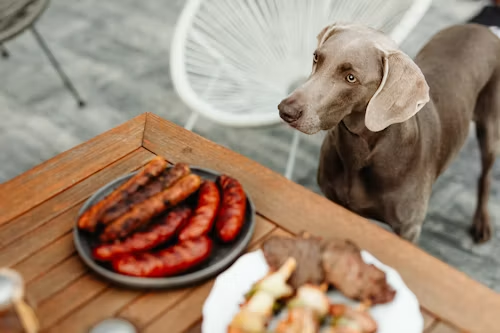
Quick Answer: Can Dogs Eat Pork Bacon?
Dogs should generally not be fed pork bacon as a regular treat. Bacon itself isn’t generally classified as a dog toxin, but it is a processed, fatty, salty food that provides little nutritional benefit compared with healthier dog-friendly treats.
A small accidental piece may not cause a problem in an otherwise healthy dog, but larger quantities can increase the risk of digestive upset and other complications.
The biggest concerns are:
- High fat content
- High sodium content
- Processed meat
- Added seasonings and flavorings
- Excess calories
- Potential digestive upset
- Possible pancreatitis concerns in susceptible dogs
What matters most isn’t just whether your dog ate bacon. You also need to consider how much they ate, what type of bacon it was, your dog’s size, and whether your dog has any underlying health conditions.
Is Bacon Toxic to Dogs?
Pork bacon is not generally considered inherently toxic to dogs. This is different from foods such as onions, garlic, grapes, raisins, or chocolate, which can be directly toxic to dogs.
However, bacon can still make a dog sick.
Think of it this way: a food doesn’t have to be poisonous to be a poor choice for your pet. Bacon is a good example.
Its combination of fat, salt, calories, and processing makes it unsuitable as a routine part of a dog’s diet.
If your dog steals one small piece from the kitchen floor, that doesn’t automatically mean an emergency. On the other hand, eating a large quantity can be much more concerning.
Is a Small Piece of Bacon Dangerous?
For a healthy dog, one tiny piece of cooked bacon is unlikely to cause serious problems in many cases, although individual dogs can react differently.
A small dog eating a large piece relative to its body size is a different situation from a large dog getting a tiny bite.
Likewise, a healthy adult dog may tolerate an accidental taste better than a dog that has:
- A history of pancreatitis
- A sensitive stomach
- Obesity
- A prescription diet
- Certain gastrointestinal conditions
- Other health problems requiring dietary restrictions
If your dog accidentally ate a small piece, don’t panic. Remove the remaining bacon and avoid giving additional fatty foods. Then watch for signs of stomach upset.
The situation becomes more concerning when your dog eats multiple strips, bacon grease, a large serving, or bacon containing potentially harmful seasonings.
Should Dogs Eat Bacon Regularly?
No. Bacon shouldn’t become a regular reward or meal topper for dogs.
Dogs need a nutritionally complete and balanced diet formulated for their life stage. Bacon doesn’t provide the nutritional balance they need, and its high fat and sodium content can add unnecessary calories and nutrients.
There are plenty of better choices for training rewards and occasional snacks, including appropriately sized dog treats and certain plain foods.
Why Is Pork Bacon Bad for Dogs?
Bacon may seem harmless because it is made from pork, and plain cooked pork can be suitable for some dogs when prepared properly. But bacon isn’t the same thing as plain lean pork.
Bacon is usually cured, processed, salted, and often smoked or flavored. That changes its nutritional profile considerably.
The biggest problems are fat and sodium, but processing and added ingredients are also worth considering.
Bacon Is Very High in Fat
One of the main reasons bacon isn’t recommended for dogs is its high fat content.
Dogs need dietary fat as part of a balanced diet. Fat provides energy and helps with the absorption of certain fat-soluble vitamins. The problem is that bacon can provide far more fat than a dog needs from a treat.
A sudden high-fat meal can cause digestive upset in some dogs. More importantly, high-fat foods are a concern when considering pancreatitis, particularly in dogs that are already susceptible.
What Is Pancreatitis?
Pancreatitis means inflammation of the pancreas, an organ involved in digestion and blood sugar regulation.
When the pancreas becomes inflamed, dogs may develop symptoms such as:
- Vomiting
- Loss of appetite
- Abdominal pain
- Diarrhea
- Lethargy
- Dehydration
Pancreatitis can range from mild to serious and may require veterinary treatment.
It would be inaccurate to say that eating bacon automatically causes pancreatitis. The relationship between diet and pancreatitis is more complicated, and not every dog that eats a fatty food will develop the condition.
However, bacon is still a particularly poor choice for dogs because it is a rich, high-fat food, and dogs with a previous history of pancreatitis may need especially careful dietary management.
Bacon Contains a Lot of Sodium
Another concern is salt.
Bacon is commonly cured and salted during processing, which means it can contain considerably more sodium than plain, unseasoned meat.
Dogs require sodium in their diet, but excessive amounts aren’t beneficial.
Eating a large quantity of salty food can lead to increased thirst and gastrointestinal problems. In severe cases of excessive salt consumption, dogs can develop salt toxicity, which is a medical emergency.
Possible signs of excessive salt intake can include:
- Excessive thirst
- Vomiting
- Diarrhea
- Weakness
- Tremors
- Disorientation
- Seizures in severe cases
The risk depends on factors such as the amount consumed, the dog’s body size, overall health, and access to fresh water.
This is one reason why a small dog that consumes a large amount of bacon may warrant more concern than a large dog that steals a tiny bite.
Bacon Is a Processed Meat
Bacon isn’t simply a slice of fresh pork.
It generally undergoes processing such as curing and smoking, depending on the product. Processing helps give bacon its familiar flavor, texture, color, and shelf life, but it also means you’re dealing with a food that is quite different from plain cooked pork.
Bacon may contain:
- Salt
- Curing ingredients
- Preservatives
- Smoke flavor
- Sugar
- Spices
- Other flavoring ingredients
None of these are necessary for a dog’s diet.
This is another reason plain lean pork and pork bacon shouldn’t be treated as interchangeable foods.
If you want to give your dog meat as an occasional treat, plain, thoroughly cooked, lean meat is generally a more sensible option than processed bacon.
Bacon May Contain Seasonings and Flavorings
Not all bacon is the same.
Some products are relatively simple, while others are flavored with sweet or savory ingredients. Specialty bacon can contain ingredients that are unsuitable for dogs.
Pepper
A small amount of ordinary pepper isn’t usually the primary concern with bacon, but heavily seasoned foods can irritate some dogs’ stomachs.
There’s also little reason to give your dog heavily seasoned human food when plain alternatives are available.
Garlic
Garlic should not be intentionally fed to dogs.
Garlic belongs to the Allium family and can be harmful to dogs when consumed in sufficient amounts.
If bacon is heavily flavored with garlic, don’t treat it as ordinary plain bacon.
Onion
Onions are also unsafe for dogs.
This includes various forms of onion, including some concentrated or powdered preparations. Onion powder can be particularly easy to overlook because it may appear in seasoning blends rather than as visible pieces of onion.
Maple or Sugar-Based Coatings
Maple bacon and sweetened bacon may contain significant amounts of added sugar.
Sugar isn’t a desirable ingredient in a dog’s treat, particularly for dogs that are overweight or need careful calorie management.
Sweet coatings also don’t provide a nutritional advantage.
Smoke Flavor and Other Additives
Some bacon products contain smoke flavorings or other additives.
The exact ingredients vary by brand, so reading the ingredient label is important, particularly if your dog has a known food sensitivity or is eating a prescription diet.
Can Bacon Cause Pancreatitis in Dogs?
This is one of the most important questions dog owners ask after their pet eats bacon.
The answer requires some nuance.
Bacon is a high-fat food and can be a poor choice for dogs, especially dogs susceptible to pancreatitis. But eating bacon does not mean a dog will automatically develop pancreatitis.
Individual dogs respond differently to dietary fat, and pancreatitis can have multiple contributing factors.
What Is Pancreatitis?
The pancreas performs important functions in a dog’s body. It produces digestive enzymes and hormones involved in regulating blood sugar.
With pancreatitis, the pancreas becomes inflamed.
A dog with pancreatitis may suddenly appear unwell. Common signs can include:
- Vomiting
- Reduced or absent appetite
- Lethargy
- Abdominal discomfort
- Diarrhea
- Dehydration
- A hunched posture or reluctance to move
Some dogs may also appear restless or uncomfortable because of abdominal pain.
If your dog becomes noticeably ill after eating a large amount of bacon or another fatty food, don’t assume it’s simply a temporary upset stomach.
Why Is Bacon a Concern for Dogs With Pancreatitis?
A dog that has previously experienced pancreatitis may require a carefully controlled diet, often under veterinary guidance.
For these dogs, giving a fatty human-food treat such as bacon can be an unnecessary risk.
The same caution applies to other rich foods such as:
- Bacon grease
- Fatty meat scraps
- Sausage
- Fatty table leftovers
- Greasy fried foods
- Rich sauces
If your veterinarian has prescribed a low-fat diet, it’s particularly important to avoid improvising with high-fat treats.
Even if your dog begs for bacon, their long-term health matters more than a few seconds of enjoyment.
Signs of Pancreatitis in Dogs
After a significant bacon ingestion, watch for changes in your dog’s behavior and digestion.
Potential warning signs include:
| Symptom | Why It Matters |
|---|---|
| Vomiting | May indicate gastrointestinal irritation or a more serious problem |
| Loss of appetite | Can occur with digestive or pancreatic illness |
| Lethargy | May indicate that your dog isn’t feeling well |
| Abdominal pain | Can be associated with pancreatitis |
| Diarrhea | May occur after dietary indiscretion |
| Dehydration | Can develop after vomiting or diarrhea |
| Hunched posture | May indicate abdominal discomfort |
One symptom by itself doesn’t prove pancreatitis. Dogs can vomit or have diarrhea for many reasons.
However, persistent or worsening symptoms deserve veterinary attention.
When Is Pancreatitis an Emergency?
Contact a veterinarian promptly if your dog develops significant symptoms after eating bacon, particularly if they include:
- Repeated vomiting
- Severe or obvious abdominal pain
- Extreme weakness or lethargy
- Collapse
- Significant dehydration
- A swollen or painful abdomen
- Inability to keep water down
- Rapidly worsening condition
If your dog appears seriously ill or collapses, seek emergency veterinary care immediately.
Don’t wait for symptoms to become severe before asking for help when you’re genuinely concerned.
How Much Bacon Can Dogs Eat?
There isn’t a single universal amount of bacon that can be called “safe” for every dog.
A 5-pound dog and an 80-pound dog are obviously not affected by the same amount of food in the same way. Their health status and dietary needs also differ.
That’s why it’s better to think about bacon in terms of risk and exposure rather than a guaranteed safe dose.
Is There a Safe Amount of Bacon for Dogs?
For routine feeding, the best answer is none is necessary.
Dogs don’t need bacon to obtain essential nutrients. Their nutritional requirements should come primarily from a complete and balanced dog food appropriate for their age and condition.
A tiny accidental bite isn’t equivalent to intentionally feeding bacon every morning.
The important questions are:
- How much bacon did the dog eat?
- How large is the dog?
- Was the bacon cooked or raw?
- Was it plain or heavily seasoned?
- Did the dog consume bacon grease too?
- Does the dog have any medical conditions?
- Are any symptoms developing?
These details can help a veterinarian determine whether further action is needed.
Bacon Portions by Dog Size
The following table is best understood as general risk guidance, not a guaranteed safe serving chart.
| Dog Size | Why Bacon Is Concerning | General Guidance |
|---|---|---|
| Toy/Very Small | Fat and sodium can represent a relatively large exposure | Best avoided |
| Small | Even modest portions can add significant fat and calories | Avoid as a regular treat |
| Medium | An accidental bite differs considerably from repeated feeding | Prefer healthier treats |
| Large | Larger body size doesn’t remove the risks of fat and sodium | Avoid routine feeding |
If a dog has a medical condition or follows a prescription diet, size alone shouldn’t be used to decide whether bacon is appropriate.
How Often Can Dogs Eat Bacon?
The best answer is: don’t make bacon a routine treat.
It’s easy for “just a little” to turn into a daily habit. One small piece today becomes another tomorrow, and eventually the dog may expect bacon every time breakfast is prepared.
That adds calories and fat without providing anything your dog needs that can’t be obtained from a balanced diet.
For regular training or rewards, choose treats designed for dogs or small portions of appropriate low-calorie foods.
Remember, treats and other extras should make up only a small portion of a dog’s overall diet, rather than replacing nutritionally complete food.
The Bottom Line So Far
So, can dogs eat pork bacon?
Technically, a dog can consume bacon, and bacon isn’t generally classified as a poisonous food. But that doesn’t make it a healthy or recommended snack.
The biggest concerns are fat, sodium, processing, calories, and potentially unsafe seasonings. A tiny accidental bite is usually a very different situation from consuming multiple strips or a large amount of bacon grease.
Can Dogs Eat Cooked Bacon?
When people ask whether dogs can eat bacon, they often mean cooked bacon. After all, cooked bacon is what most families have at breakfast.
But cooking doesn’t turn bacon into a healthy food for dogs.
Fully cooked bacon is generally less concerning from a raw-meat standpoint, but it still contains a lot of fat and sodium. Cooking may reduce certain food-safety concerns associated with raw meat, but it doesn’t remove the characteristics that make bacon a poor choice for regular dog treats.
Is Fully Cooked Bacon Safer Than Raw Bacon?
Yes, properly cooked bacon is preferable to raw or undercooked bacon from a food-safety perspective, but that doesn’t mean it’s recommended as a dog treat.
Raw or undercooked pork products can carry harmful microorganisms and, depending on the product and handling, may pose additional foodborne risks.
Cooking thoroughly can reduce those risks.
However, the fat and salt remain.
For example, if you fry bacon until it becomes crisp, the finished piece may contain less water, but it doesn’t suddenly become nutritionally appropriate for your dog.
The same basic concerns remain:
- High fat
- High sodium
- Processed meat
- Potential seasonings
- Extra calories
So if your dog steals a small piece of cooked bacon, there’s usually no reason to panic. But intentionally making bacon part of your dog’s daily diet isn’t a good idea.
Can Dogs Eat Crispy Bacon?
Crispy bacon isn’t healthier for dogs simply because it is crispy.
Many dogs love the crunchy texture, but extra cooking doesn’t eliminate the fat and sodium concerns.
You should also avoid giving dogs bacon that is:
- Burned
- Heavily seasoned
- Coated in sauces
- Covered in sugar or syrup
- Cooked with onion or garlic
- Mixed with rich ingredients
If a dog gets a tiny piece of plain cooked bacon, the primary concern is generally the amount consumed rather than the fact that the bacon was cooked.
Still, there are much better treats available.
Can Dogs Eat Raw Pork Bacon?
Raw or undercooked bacon is not a good food to intentionally feed dogs.
Although some people feed dogs raw meat as part of specific feeding approaches, raw bacon presents a different problem because it is a processed pork product that may contain significant fat and salt in addition to food-safety concerns.
Risks of Raw or Undercooked Pork
Raw meat can potentially contain harmful bacteria and other pathogens.
Eating contaminated meat may lead to gastrointestinal illness, with symptoms such as:
- Vomiting
- Diarrhea
- Abdominal discomfort
- Loss of appetite
- Lethargy
There’s also the possibility of contamination spreading from raw meat to kitchen surfaces, utensils, or people’s hands.
For this reason, it’s better to keep raw bacon away from your dog’s food bowl.
If you’re preparing bacon for yourself, wash your hands and clean surfaces that have come into contact with raw meat.
What If My Dog Ate Raw Bacon?
If your dog grabbed a piece of raw bacon from the kitchen, don’t immediately assume the worst.
Start by figuring out:
- How much bacon was eaten?
- How large is your dog?
- Was it plain bacon or flavored bacon?
- Was the bacon raw, partially cooked, or fully cooked?
- Does your dog have a history of pancreatitis or another medical condition?
- Is your dog showing any symptoms?
A tiny piece in an otherwise healthy adult dog may be less concerning than a large quantity.
However, if your dog ate a substantial amount of raw bacon, particularly if the dog is small or has existing health problems, contact your veterinarian for personalized advice.
Do not try to make your dog vomit at home unless a veterinarian specifically tells you to do so. Some home methods can cause additional injuries or complications.
Can Dogs Eat Bacon Grease?
This question deserves special attention because bacon grease can be even more problematic than the bacon itself.
Bacon grease is essentially concentrated fat left behind after cooking bacon.
While dogs need some dietary fat, they don’t need spoonfuls of concentrated bacon fat added to their meals.
Is Bacon Grease Worse Than Bacon?
From a dietary perspective, bacon grease is particularly concerning because it is extremely rich in fat.
A dog that consumes a large amount of grease may develop gastrointestinal upset, and dogs susceptible to pancreatitis may face additional concerns.
Possible symptoms after consuming a significant amount include:
- Vomiting
- Diarrhea
- Loss of appetite
- Abdominal discomfort
- Lethargy
The amount matters enormously.
A dog that merely licks a small residue from a plate is in a different situation from a dog that drinks grease from a container left on the kitchen counter.

What If My Dog Licked Bacon Grease?
If your dog only had a small lick, monitor them and prevent additional access.
Don’t respond by giving more fatty foods or treats.
Make sure fresh drinking water is available and watch for changes in appetite, stool, energy, or behavior.
If your dog consumed a large quantity of bacon grease, call your veterinarian. This is especially important for:
- Small dogs
- Puppies
- Senior dogs
- Dogs with previous pancreatitis
- Dogs with other dietary restrictions
When calling, be ready to tell the veterinarian approximately how much grease was consumed, when it happened, and your dog’s approximate weight.
Can You Put Bacon Grease on Dog Food?
No. Bacon grease should not be used as a regular dog-food topper.
Some owners use grease because their dog seems more interested in food when it smells richer.
But making food more appealing with bacon fat isn’t a good long-term strategy.
If your dog suddenly refuses food, don’t simply cover it with bacon grease to make it more tempting. A change in appetite can sometimes indicate an underlying health problem.
Instead, speak with your veterinarian if appetite changes persist.
What Happens If a Dog Eats Bacon?
The outcome depends largely on how much bacon was eaten and the dog’s individual circumstances.
A tiny accidental bite may cause no noticeable effects at all.
A large amount, however, can lead to digestive problems and potentially more serious complications.
Dog Ate One Small Piece of Bacon
If your healthy adult dog ate one small piece of plain cooked bacon, don’t panic.
In many cases, the best approach is simply to:
- Remove the remaining bacon.
- Make sure your dog has access to fresh water.
- Avoid giving additional fatty treats.
- Observe your dog for unusual symptoms.
You don’t need to assume that every bacon-related incident requires an emergency veterinary visit.
However, if your dog has a medical condition that requires dietary restrictions, contact your veterinarian even when the amount seems small.
Dog Ate Several Pieces of Bacon
Eating several pieces is more concerning because the dog has consumed substantially more fat, sodium, and calories.
Pay particular attention if your dog is:
- Very small
- A puppy
- Elderly
- Overweight
- Prone to gastrointestinal problems
- Previously diagnosed with pancreatitis
- On a prescription diet
If several strips were eaten, especially by a small dog, it’s reasonable to contact your veterinarian for advice rather than waiting for symptoms.
Your veterinarian can assess the situation based on the dog’s size, amount eaten, health history, and the exact bacon product.
Dog Ate a Whole Package of Bacon
If your dog ate an entire package of bacon, this should be taken much more seriously.
A whole package can represent a substantial intake of:
- Fat
- Sodium
- Calories
- Processed meat
- Potential additives
Call your veterinarian promptly.
Don’t wait until your dog starts vomiting or becomes obviously ill before seeking advice.
When contacting the clinic, provide as much information as possible:
- Your dog’s approximate weight
- The amount of bacon consumed
- The type and brand, if known
- Whether it was raw or cooked
- Whether it contained seasonings
- Whether bacon grease was also consumed
- Approximately when the ingestion occurred
- Any symptoms you’re seeing
If your regular veterinarian is unavailable and your dog is showing serious symptoms, seek an emergency veterinary clinic.
Symptoms to Watch for After a Dog Eats Bacon
Most dogs that consume a small amount of bacon won’t necessarily become sick. Nevertheless, monitoring your dog is sensible after a significant dietary indiscretion.
| Symptom | Possible Concern | What to Do |
|---|---|---|
| Vomiting | Gastrointestinal upset or possible pancreatic irritation | Contact a vet if repeated or severe |
| Diarrhea | Digestive irritation | Monitor and maintain hydration |
| Excessive thirst | High sodium intake | Contact a vet if severe or accompanied by other symptoms |
| Lethargy | Possible illness | Seek veterinary advice if significant or worsening |
| Loss of appetite | Gastrointestinal or pancreatic problem | Contact a vet if persistent |
| Abdominal pain | Possible pancreatitis or other abdominal problem | Prompt veterinary evaluation |
| Repeated vomiting | More serious illness or dehydration risk | Veterinary care |
| Weakness/collapse | Potential emergency | Seek immediate veterinary care |
One isolated episode of mild diarrhea doesn’t necessarily mean your dog has pancreatitis.
But multiple symptoms occurring together, worsening symptoms, or significant behavioral changes should not be ignored.
Can Puppies Eat Pork Bacon?
Puppies can be especially difficult to resist when they’re staring at you during breakfast.
Those little faces can make sharing seem harmless.
But bacon is a poor choice for puppies.
Why Bacon Is a Poor Choice for Puppies
Puppies are growing rapidly and need carefully balanced nutrition.
Their primary diet should provide the appropriate levels of:
- Protein
- Fat
- Calcium
- Phosphorus
- Vitamins
- Minerals
- Calories
A complete puppy food is formulated around those needs.
Bacon doesn’t provide that balance.
Instead, it can contribute a lot of fat and sodium in a relatively small amount of food.
There’s also another practical problem: puppies have small bodies.
A piece of bacon that looks tiny to you may represent a relatively large portion of a puppy’s daily calorie intake.
For training, choose appropriately sized puppy treats or other veterinarian-approved options instead.
What If a Puppy Accidentally Eats Bacon?
If a puppy steals a tiny piece, don’t automatically assume something terrible will happen.
However, puppies deserve a little more caution because of their small size and developing bodies.
Consider:
- The puppy’s weight
- How much bacon was eaten
- Whether it was raw or cooked
- Whether it contained seasonings
- Whether bacon grease was consumed
- Whether any symptoms appear
If your puppy ate a large amount, contact your veterinarian.
Also seek professional advice if the puppy develops repeated vomiting, severe diarrhea, unusual weakness, abdominal pain, or other concerning symptoms.
Can Dogs With Pancreatitis Eat Bacon?
Dogs with pancreatitis should generally avoid bacon.
If your dog has been diagnosed with pancreatitis, follow the diet recommended by your veterinarian rather than experimenting with human foods.
Bacon is especially inappropriate because it is a rich, fatty processed meat.
The same caution applies to:
- Bacon grease
- Sausage
- Fatty pork
- Fried foods
- Greasy leftovers
- Fatty table scraps
Dogs recovering from pancreatitis may need carefully controlled diets, and even seemingly small extras can interfere with that dietary plan.
If you’re unsure whether a particular treat is appropriate, ask your veterinarian before offering it.
Can Overweight Dogs Eat Bacon?
Bacon isn’t a smart treat for a dog trying to lose weight.
It’s relatively calorie-dense, and those extra calories can add up quickly.
Imagine giving your dog a small piece of bacon every morning because they love it. It may not look like much, but repeated high-calorie treats can make weight management more difficult.
For an overweight dog, better options may include appropriately portioned:
- Carrot pieces
- Green beans
- Dog-specific low-calorie treats
- Small pieces of suitable lean meat
The best choice depends on your dog’s overall diet and health.
If your dog is overweight, portion size matters just as much as treat selection.
Can Senior Dogs Eat Pork Bacon?
Senior dogs aren’t automatically unable to eat bacon simply because they’re older.
However, older dogs are more likely to have dietary considerations that make rich human foods less appropriate.
For example, a senior dog may be dealing with:
- Weight-management needs
- Kidney problems
- Gastrointestinal sensitivity
- Pancreatic disease
- Liver disease
- Other chronic conditions
If your senior dog eats a prescription diet, don’t add bacon without veterinary approval.
Even when a dog appears perfectly healthy, there is no nutritional requirement for bacon, so choosing a healthier treat is generally the easier option.
Can Dogs Eat Turkey Bacon Instead?
Turkey bacon is often marketed as a lighter alternative to pork bacon for humans.
That doesn’t automatically make it a healthy dog treat.
Is Turkey Bacon Healthier for Dogs?
Turkey bacon may have a different nutritional profile from pork bacon, but it can still be highly processed and high in sodium.
The word “turkey” can make a product sound healthier, but dogs don’t judge food based on marketing labels.
Look at the actual ingredients and nutrition information.
Turkey bacon may still contain:
- High sodium
- Significant fat
- Preservatives
- Flavorings
- Seasonings
- Added sugars
So switching from pork bacon to turkey bacon doesn’t solve the basic problem.
Plain, lean cooked turkey is a much better option than processed turkey bacon.
Can Dogs Eat Uncured Bacon?
The word “uncured” can be confusing.
It doesn’t necessarily mean the product is fresh, raw, or free of ingredients that concern dog owners.
Uncured bacon can still be processed and may contain substantial amounts of sodium and fat.
Therefore, don’t assume that uncured bacon is automatically appropriate for dogs.
As with any human food, check the ingredient list and consider the overall nutritional profile.
Can Dogs Eat Low-Sodium Bacon?
Low-sodium bacon may contain less sodium than standard bacon, but that doesn’t make it a recommended dog treat.
Why?
Because sodium isn’t the only concern.
There’s still the issue of:
- Fat
- Calories
- Processing
- Potential additives
- Seasonings
Reducing one problem doesn’t eliminate all the others.
For a dog, plain lean meat is generally a more sensible option than trying to find a “healthier” version of processed bacon.
Can Dogs Eat Other Types of Pork?
This is where an important distinction needs to be made.
Dogs can eat some forms of plain pork when they are prepared appropriately, but bacon is a processed pork product and should not be treated as equivalent to plain pork.
Can Dogs Eat Plain Cooked Pork?
Plain, lean, thoroughly cooked pork can be suitable for some dogs in moderation.
The meat should be:
- Thoroughly cooked
- Plain
- Lean
- Free from bones
- Free from sauces
- Free from onion and garlic
- Served in an appropriate portion
Trim away visible excess fat.
Plain pork is very different from cured bacon, salty ham, or fatty sausage.
Can Dogs Eat Pork Chops?
Dogs may be able to eat plain cooked pork chop meat in moderation, provided it is prepared appropriately.
However, there are several important precautions.
Remove the Bone
Cooked bones can splinter and cause choking, gastrointestinal injury, or obstruction.
Never give your dog a cooked pork chop bone.
Remove Excess Fat
Trim visible fat before offering pork.
Avoid Seasonings
Don’t give pork chops covered in:
- Garlic
- Onion
- Heavy salt
- Spicy sauces
- Rich gravy
- Butter
- Other rich seasonings
A plain piece of lean meat is much more appropriate.
Can Dogs Eat Ham?
Ham is another processed pork product that isn’t a good regular dog treat.
Like bacon, ham can contain considerable sodium and fat, depending on the product.
Glazed holiday ham can be even more problematic because it may contain sugar, sauces, spices, and other ingredients.
A small accidental bite isn’t necessarily an emergency, but regular feeding isn’t recommended.
Can Dogs Eat Sausage?
Sausage is another food that should generally stay off your dog’s menu.
Many sausages are high in:
- Fat
- Sodium
- Seasonings
- Preservatives
Some also contain onion or garlic.
Instead of sharing sausage from your breakfast plate, offer your dog a suitable dog treat or a small piece of plain lean meat.
Can Dogs Eat Pork Rinds?
Pork rinds are not a good choice for dogs.
They’re generally high in fat and salt, providing little nutritional benefit for your pet.
They’re also easy to overfeed because they’re crunchy and highly palatable.
If your dog loves crunchy treats, there are many dog-specific alternatives that are more appropriate.
Bacon vs. Plain Pork for Dogs
The difference between bacon and plain pork is worth remembering.
| Feature | Pork Bacon | Plain Lean Pork |
|---|---|---|
| Processing | Highly processed | Can be minimally processed |
| Fat | Often high | Can be trimmed |
| Sodium | Usually high | Naturally much lower |
| Seasonings | Often present | Can be served plain |
| Regular treat? | ❌ No | Only in moderation |
| Better choice? | ❌ | ✅ When properly prepared |
So, “dogs can eat pork” does not mean “dogs can eat bacon.”
The form in which meat is prepared matters tremendously.
A small piece of plain, lean pork is a very different food from a strip of cured, salty bacon cooked in its own fat.
What Should You Do If Your Dog Eats Bacon?
If your dog has just eaten bacon, the first thing to do is stay calm and assess the situation.
Use this simple checklist:
1. Determine How Much Was Eaten
Was it:
- One tiny piece?
- Several strips?
- A whole package?
- Bacon plus grease?
The amount makes a significant difference.
2. Check the Ingredients
If possible, check the packaging.
Look for:
- Onion
- Garlic
- Excessive seasoning
- Sweet coatings
- Other unusual ingredients
3. Consider Your Dog’s Health
A healthy large dog and a small dog with a history of pancreatitis don’t have the same level of risk.
4. Monitor for Symptoms
Watch for:
- Vomiting
- Diarrhea
- Abdominal pain
- Loss of appetite
- Lethargy
- Excessive thirst
- Weakness
5. Contact Your Veterinarian When Appropriate
Call your veterinarian if your dog ate a substantial amount, has an underlying medical condition, or begins showing concerning symptoms.
Never intentionally induce vomiting unless a veterinary professional instructs you to do so.
Can Dogs Eat Bacon Every Day?
No, dogs should not eat bacon every day.
Even if your dog seems to tolerate bacon without vomiting or diarrhea, regular feeding is still a poor habit. Bacon doesn’t provide anything your dog needs that can’t be obtained from a properly formulated, complete and balanced diet.
The problem with daily bacon is that the risks can accumulate:
- Extra calories can contribute to weight gain.
- High fat intake can cause digestive problems and may be particularly concerning for dogs prone to pancreatitis.
- High sodium adds unnecessary salt to the diet.
- Processed meat isn’t needed as part of canine nutrition.
- Bacon can encourage begging and unhealthy table-food habits.
A dog may look perfectly happy after eating bacon, but dogs aren’t always good at telling us when a food isn’t ideal for them.
If you want to reward your dog regularly, use small dog treats designed for frequent training or suitable low-calorie foods instead.
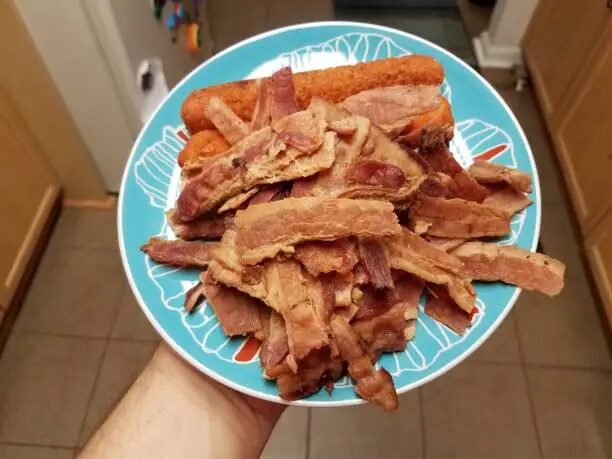
How Long After Eating Bacon Can Symptoms Appear?
There’s no single timeline that applies to every dog.
A dog may experience digestive upset relatively soon after eating a rich or unusual food, while other problems may become apparent later.
That’s why it’s sensible to observe your dog after a significant bacon ingestion rather than assuming they’re fine simply because they look normal immediately afterward.
Watch for:
- Vomiting
- Diarrhea
- Loss of appetite
- Excessive thirst
- Abdominal discomfort
- Lethargy
- Weakness
- Unusual behavior
If symptoms are persistent, severe, or worsening, contact your veterinarian.
Dogs that consume a large quantity of bacon should receive veterinary guidance even if they initially seem fine, particularly if they’re very small or have a history of dietary or pancreatic problems.
What If Your Dog Vomits After Eating Bacon?
Vomiting after eating bacon can simply reflect gastrointestinal irritation, but it shouldn’t automatically be dismissed.
Consider the circumstances.
If your dog had one small bite and later vomited once, monitor them closely and speak with your veterinarian if vomiting continues.
If your dog ate:
- Several bacon strips
- A large amount of bacon grease
- An entire package
- Bacon with potentially unsafe ingredients
then veterinary advice is more important.
Seek prompt veterinary care if your dog:
- Vomits repeatedly
- Cannot keep water down
- Becomes extremely lethargic
- Shows obvious abdominal pain
- Has a swollen abdomen
- Collapses
- Develops other severe or rapidly worsening symptoms
Don’t give human medications to your dog unless your veterinarian specifically recommends them.
What If Your Dog Gets Diarrhea After Bacon?
Diarrhea can occur after dogs eat rich or fatty human foods.
A sudden dietary change can upset the digestive system, especially when the food is much richer than the dog’s normal diet.
If diarrhea is mild and your dog otherwise appears comfortable, monitor them and make sure fresh water is available.
However, diarrhea becomes more concerning when it is:
- Severe
- Frequent
- Bloody
- Accompanied by repeated vomiting
- Accompanied by abdominal pain
- Accompanied by weakness or collapse
- Continuing rather than improving
If your dog is very young, elderly, medically fragile, or has a history of pancreatitis, it’s wise to have a lower threshold for contacting your veterinarian.
Can Dogs Eat Bacon During Thanksgiving or Christmas?
Holiday meals can create a perfect storm for accidental bacon ingestion.
There may be bacon-wrapped foods, breakfast bacon, stuffing, sauces, gravy, appetizers, and leftovers sitting within your dog’s reach.
Unfortunately, holiday foods often contain more than just bacon.
They may include:
- Butter
- Salt
- Garlic
- Onion
- Rich sauces
- Cheese
- Grease
- Spices
- Sugary glazes
This means a dog eating a piece of holiday bacon may actually be consuming several ingredients that aren’t appropriate for dogs.
What About Bacon-Wrapped Foods?
Be particularly careful with bacon-wrapped appetizers and meats.
The bacon is only part of the equation. The food underneath may contain seasonings, sauces, cheese, or other rich ingredients.
Keep holiday plates and leftovers safely out of your dog’s reach.
Can Dogs Eat Honey-Glazed or Maple Bacon?
Honey-glazed and maple bacon aren’t good choices for dogs.
The bacon already contains fat and sodium. Adding a sugary coating doesn’t make it healthier.
Sweetened bacon can contain:
- Sugar
- Syrups
- Flavorings
- Additional calories
A small accidental taste isn’t necessarily a crisis, but intentionally giving your dog sweetened bacon is unnecessary.
For dogs that need weight management, sugary bacon is an especially poor treat choice.
What About Bacon Cooked With Garlic or Onion?
This is an important distinction.
Plain bacon and seasoned bacon aren’t necessarily the same risk.
Garlic and onion are members of the Allium family and can be harmful to dogs.
They may appear as:
- Fresh pieces
- Powder
- Seasoning blends
- Sauces
- Marinades
Garlic or onion powder can be easy to overlook because you may not see actual pieces in the food.
If your dog consumed a significant amount of bacon containing onion or garlic, contact your veterinarian for advice and tell them exactly what ingredients were involved.
Don’t assume that because the bacon itself isn’t generally considered toxic, every bacon-based dish is automatically safe.
Can Dogs Eat Frozen Bacon?
If you mean bacon that has been frozen and then properly cooked, freezing doesn’t solve the nutritional concerns.
Frozen bacon is still bacon.
Freezing can preserve food, but it doesn’t turn high-fat, salty processed meat into a healthy dog treat.
Likewise, don’t give dogs frozen raw bacon as a chew or treat.
The safest approach is to keep raw bacon refrigerated or frozen for human food preparation and away from your dog’s access.
Can Dogs Eat Leftover Bacon?
Leftover bacon can be tempting to share, especially when you’re cleaning up after breakfast.
But leftover bacon is still high in fat and sodium, even after it has cooled.
If you want to give your dog something from your meal, a small portion of plain, dog-appropriate food is a better option.
Never assume that “leftover” means “safe for dogs.”
Food that is perfectly acceptable for humans can be unsuitable for pets because dogs have different nutritional requirements.
What Are Healthier Alternatives to Bacon for Dogs?
The good news is that you don’t need bacon to make your dog happy.
There are plenty of healthier choices that can be used as occasional treats.
Plain Cooked Chicken
Small pieces of plain, thoroughly cooked chicken can make a useful high-value treat for many dogs.
Remove:
- Bones
- Skin when appropriate
- Excess fat
- Seasonings
- Sauces
Avoid chicken cooked with onion, garlic, or rich spices.
Plain Lean Pork
If your dog tolerates pork, a small amount of plain, lean, thoroughly cooked pork can be a better choice than bacon.
Trim visible fat and don’t add salt, sauces, butter, garlic, or onion.
Remember that plain pork should still be an occasional addition rather than a replacement for a complete diet.
Plain Turkey
Plain cooked turkey can also be an occasional treat.
Choose lean meat and avoid:
- Skin
- Bones
- Gravy
- Heavy seasoning
- Garlic
- Onion
- Excess fat
Turkey bacon and plain turkey are very different foods.
Carrots
Carrots are a popular dog-friendly vegetable and can provide a crunchy, lower-calorie alternative to fatty treats.
Depending on your dog’s size, carrots can be offered as appropriately sized pieces.
Large chunks should be cut appropriately to reduce choking risk.
Green Beans
Plain green beans can also work as an occasional treat for many dogs.
Choose:
- Plain green beans
- No added salt
- No butter
- No garlic
- No onion
- No rich sauces
Avoid seasoned green-bean dishes from the dinner table.
Small Pieces of Apple
Some dogs enjoy small pieces of apple.
Remove:
- Seeds
- Core
- Stem
Cut the apple into appropriately sized pieces.
Because apples contain natural sugar, portions should still be reasonable.
Commercial Dog Treats
Dog treats formulated specifically for dogs are another convenient option.
When choosing treats, consider:
- Calories
- Ingredients
- Your dog’s size
- Age
- Health status
- Any food sensitivities
- Whether your veterinarian has recommended dietary restrictions
For dogs on prescription diets, ask your veterinarian which treats are compatible with their food plan.
Bacon vs. Other Popular Dog Treats
Here’s how bacon compares with several more suitable choices:
| Food | Fat/Sodium Concern | Suitable as Regular Treat? | Better Choice? |
|---|---|---|---|
| Pork bacon | High | ❌ No | ❌ |
| Bacon grease | Extremely high fat | ❌ No | ❌ |
| Sausage | Often high | ❌ No | ❌ |
| Ham | Often high sodium | ❌ No | ❌ |
| Plain lean pork | Lower when trimmed | In moderation | ✅ |
| Plain chicken | Generally lower when prepared lean | In moderation | ✅ |
| Carrots | Low fat | In appropriate portions | ✅ |
| Green beans | Low fat when plain | In appropriate portions | ✅ |
| Dog-specific treats | Varies | Yes, when appropriately portioned | ✅ |
The important thing isn’t to find a human food that tastes exactly like bacon.
It’s to choose a treat that fits into your dog’s overall nutritional needs.
Common Mistakes Dog Owners Make With Bacon
Even well-meaning owners can accidentally turn bacon into an unhealthy habit.
Mistake 1: Assuming One Small Bite Means Unlimited Bacon Is Safe
A dog tolerating one tiny bite doesn’t mean several strips are safe.
Quantity matters.
Mistake 2: Giving Bacon Every Morning
Daily bacon adds unnecessary fat, salt, and calories.
Dogs don’t need bacon for breakfast.
Mistake 3: Pouring Bacon Grease Over Dog Food
Bacon grease is concentrated fat and isn’t an appropriate routine food topper.
If your dog is suddenly refusing food, address the appetite change rather than masking it with increasingly rich foods.
Mistake 4: Assuming Turkey Bacon Is Automatically Healthy
Turkey bacon can still be processed, salty, and fatty.
“Turkey” doesn’t automatically mean dog-friendly.
Mistake 5: Ignoring the Ingredient List
Some bacon products contain additional flavorings or seasonings.
Always check for ingredients such as garlic and onion when assessing what your dog consumed.
Mistake 6: Giving Bacon to a Dog With Pancreatitis
A dog with a history of pancreatitis may have specific dietary requirements.
Don’t experiment with high-fat foods.
Follow your veterinarian’s recommendations.
Frequently Asked Questions About Can Dogs Eat Pork Bacon?
Can dogs eat pork bacon safely?
Dogs generally should not eat pork bacon as a regular food. A tiny accidental piece may not cause problems in a healthy dog, but bacon is high in fat and sodium and provides little nutritional benefit for dogs.
Is pork bacon toxic to dogs?
Pork bacon itself is not generally considered a toxic food for dogs. However, it can still cause illness because of its high fat and sodium content. Bacon products containing garlic, onion, or other unsafe ingredients require additional concern.
How much bacon can a dog eat?
There isn’t one universal safe amount for every dog. Risk depends on body size, amount eaten, ingredients, health status, and individual sensitivity. Bacon is best avoided as a routine treat.
Can bacon make dogs sick?
Yes. Bacon can cause vomiting, diarrhea, stomach discomfort, excessive thirst, or lethargy, particularly when a dog consumes a large quantity.
Can bacon cause pancreatitis in dogs?
Bacon is high in fat and may be a concern for dogs susceptible to pancreatitis. However, eating bacon does not automatically mean a dog will develop pancreatitis. Dogs with a history of pancreatitis should generally avoid fatty treats unless their veterinarian says otherwise.
Can dogs eat bacon grease?
Bacon grease should not be given to dogs. It is concentrated fat and can cause gastrointestinal upset and may be particularly concerning for dogs susceptible to pancreatitis.
What should I do if my dog ate bacon?
Determine how much was eaten, what type of bacon it was, when it happened, and whether it contained additional ingredients. Monitor your dog and contact your veterinarian if a substantial amount was consumed, if your dog has health problems, or if symptoms develop.
Can puppies eat bacon?
Puppies should not be given bacon as a treat. Their nutritional needs are best met through a complete puppy diet, and their small body size means rich human foods can represent a relatively large dietary load.
Is turkey bacon safer than pork bacon for dogs?
Turkey bacon isn’t automatically safer. It can still contain substantial sodium, fat, preservatives, and seasonings. Plain cooked turkey is generally a more sensible treat than processed turkey bacon.
Can dogs eat uncured bacon?
“Uncured” doesn’t necessarily mean healthy for dogs. Uncured bacon can still be processed and contain considerable fat and sodium.
Can dogs eat raw bacon?
Raw bacon isn’t recommended. In addition to its high fat and sodium content, raw or undercooked pork products may present food-safety concerns.
Can dogs eat cooked bacon?
Dogs can physically eat cooked bacon, but it isn’t a recommended regular treat. Cooking addresses some food-safety concerns associated with raw meat but doesn’t remove bacon’s high fat and sodium content.
Can dogs eat bacon fat?
It’s best not to give dogs bacon fat. It is concentrated dietary fat and offers no nutritional advantage that your dog can’t obtain from a balanced diet.
What happens if my dog eats a whole package of bacon?
Eating a whole package can represent a significant intake of fat, sodium, and calories. Contact your veterinarian promptly rather than waiting for symptoms, particularly if your dog is small or has a history of pancreatitis or other health problems.
How long after eating bacon can symptoms appear?
There isn’t one guaranteed timeline. Digestive symptoms can occur after eating rich foods, while other problems may develop later. Continue observing your dog after a significant ingestion and contact your veterinarian if symptoms appear or worsen.
What should I give my dog instead of bacon?
Consider appropriately portioned plain cooked chicken, lean pork, turkey, carrots, green beans, apple pieces without seeds or cores, or dog-specific treats, depending on your dog’s dietary needs.
Can dogs eat plain pork?
Plain, lean, thoroughly cooked pork can be appropriate for some dogs in moderation. It should be served without bones, excess fat, onion, garlic, heavy seasoning, or rich sauces.
Can dogs eat ham or sausage?
Ham and sausage are generally poor choices for dogs because they can be high in sodium, fat, and processed ingredients. Plain lean meat is a better option.
Conclusion: So, Can Dogs Eat Pork Bacon?
Dogs can eat pork bacon in the sense that bacon itself is not generally classified as a poisonous food, but that doesn’t mean you should feed it to your dog.
Bacon is a processed meat that tends to be high in fat and sodium, and it may contain seasonings, flavorings, or other ingredients that aren’t appropriate for dogs. Regularly feeding it can contribute unnecessary calories and may cause digestive problems. For dogs that are prone to pancreatitis or already have dietary restrictions, bacon is an especially poor choice.
If your dog sneaks one tiny piece of cooked bacon, there’s usually no reason to immediately panic. Remove access to the remaining food, avoid giving additional fatty treats, and keep an eye on your dog.
The situation is different if your dog eats several strips, a large amount of bacon grease, an entire package, raw bacon, or bacon containing ingredients such as garlic or onion. In those cases, contacting your veterinarian for individualized guidance is the safest approach.
Ultimately, your dog doesn’t need bacon to enjoy a tasty reward. Plain lean meat, appropriate vegetables, and dog-specific treats can satisfy that desire for something special without bringing along the unnecessary fat and sodium.