
If you have ever been chopping vegetables in the kitchen while your dog watches with those unmistakable eyes, you have probably wondered whether you can share a bite. Brussels sprouts are one of those foods that look perfectly harmless, but that does not automatically mean they are suitable for every dog.
So, can dogs eat Brussels sprouts? Yes. Most healthy dogs can eat small amounts of plain Brussels sprouts as an occasional treat. They are not considered poisonous to dogs and contain fiber, vitamins, and antioxidants that can complement an otherwise balanced diet. However, there is an important catch: Brussels sprouts can produce a surprising amount of gas, and too many may cause diarrhea, stomach upset, or abdominal discomfort.
Preparation matters, too. A plain, cooked Brussels sprout is very different from a holiday side dish loaded with butter, bacon, salt, garlic, onion, cheese, or rich sauces. Some of those added ingredients can be unhealthy or even dangerous for dogs.
It is also worth remembering that vegetables are not a nutritional requirement for dogs eating a complete and balanced dog food. Dogs can benefit from some dog-safe vegetables as occasional treats, but vegetables should not replace their primary diet. The general rule is simple: keep extras modest and make sure the majority of your dog’s nutrition comes from appropriate dog food.
In this guide, we will look at the benefits and risks of Brussels sprouts for dogs, whether dogs can eat them raw or cooked, how much is appropriate, why they cause gas, how to prepare them safely, and what to do if your dog eats too many.
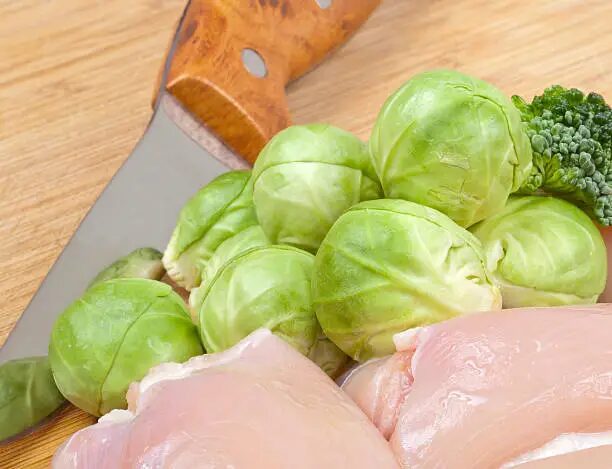
Quick Answer: Can Dogs Eat Brussels Sprouts?
Yes, dogs can eat Brussels sprouts in moderation. Plain, properly prepared Brussels sprouts are generally safe for healthy dogs when offered as an occasional treat.
Brussels sprouts contain useful nutrients such as fiber, vitamin C, vitamin K, vitamin A, B vitamins, and antioxidants. However, they also contain compounds that can contribute to flatulence and digestive upset, particularly when a dog eats too much.
The safest approach is to offer small, tender pieces, preferably cooked and served without salt, oil, butter, garlic, onion, or other seasonings.
Quick Safety Checklist
Before giving Brussels sprouts to your dog:
- Serve them plain.
- Cook them until tender if possible.
- Cut them into small, bite-sized pieces.
- Start with a very small amount.
- Watch for gas, diarrhea, vomiting, or discomfort.
- Avoid Brussels sprouts covered in garlic, onion, rich sauces, or excessive fat.
- Keep them as an occasional treat, not a replacement for balanced dog food.
Are Brussels Sprouts Toxic to Dogs?
No. Plain Brussels sprouts are not considered toxic to dogs. They can be included among the vegetables that dogs may safely eat in moderation.
That does not mean every Brussels sprout preparation is safe. The ingredients added during cooking can completely change the situation. For example, Brussels sprouts cooked with onion or garlic should not be shared with your dog because those ingredients are unsafe for dogs.
Another issue is quantity. A dog that steals one small piece from your plate may have no problem, while a dog that eats a large serving could develop significant gas, loose stool, or stomach discomfort.
So, “safe” does not mean “unlimited.”
Are Brussels Sprouts Safe for Puppies?
Generally, a healthy puppy can have a very small amount of plain, properly prepared Brussels sprout, but puppies deserve extra caution.
Puppies have developing digestive systems and are more vulnerable to problems caused by sudden dietary changes. Their primary food should also be a nutritionally complete puppy diet designed for growth.
If you want to introduce Brussels sprouts, begin with a tiny amount and monitor your puppy closely. Cutting the vegetable into very small, soft pieces can also reduce choking concerns.
For a very young puppy, or a puppy with a sensitive stomach or medical condition, it is sensible to ask your veterinarian before introducing new human foods.
Can Dogs Eat Brussels Sprouts Every Day?
It is generally better to think of Brussels sprouts as an occasional treat rather than a daily necessity.
Dogs eating a complete and balanced diet do not need Brussels sprouts to obtain essential nutrition. Even healthy vegetables can contribute unnecessary calories or digestive problems if fed excessively.
If your dog enjoys them and tolerates them well, a small portion occasionally is a reasonable approach. Treats and other extras should remain a limited part of the overall diet. PetMD recommends that treats, including vegetables, make up no more than about 10% of a dog’s overall diet, with the rest coming from balanced dog food.
Are Brussels Sprouts Good for Dogs?
Yes, Brussels sprouts can provide nutritional benefits for dogs when served appropriately.
These small green vegetables belong to the cruciferous vegetable family, alongside broccoli, cauliflower, and cabbage. They contain several vitamins, minerals, fiber, and antioxidant compounds.
According to the AKC and PetMD, Brussels sprouts provide nutrients including vitamins A, B1, B6, C, and K, along with fiber and antioxidants.
Of course, a dog does not need to eat Brussels sprouts to be healthy. A quality complete diet should already provide the nutrients a dog needs. Think of Brussels sprouts as a possible healthy dog treat, not as a nutritional requirement.
Brussels Sprouts and Fiber for Dogs
One of the most useful components of Brussels sprouts is dietary fiber.
Fiber plays an important role in normal digestive function. It can help support regular bowel movements and contributes to the overall health of the gastrointestinal system.
However, more fiber is not always better.
If a dog suddenly eats a large quantity of Brussels sprouts, the increased fiber and fermentable carbohydrates can contribute to gas, bloating, loose stools, or general stomach discomfort.
That is why introducing any new vegetable gradually is a much better strategy than giving your dog a whole bowlful at once.
Vitamin K in Brussels Sprouts
Brussels sprouts are a good source of vitamin K, a nutrient involved in normal blood clotting and bone health.
Dogs that eat a complete and balanced commercial diet generally receive the vitamin K and other nutrients they need. Still, the vitamin K naturally present in a small amount of Brussels sprouts can contribute to their overall nutrient profile.
The important point is that Brussels sprouts should complement—not replace—a balanced diet.
Vitamin C and Antioxidants
Brussels sprouts also contain vitamin C and antioxidant compounds.
Antioxidants help protect cells from oxidative damage, while vitamin C plays several roles in normal biological processes.
Dogs are different from humans when it comes to vitamin C because healthy dogs can generally synthesize their own vitamin C. Therefore, you should not think of Brussels sprouts as a necessary vitamin C supplement.
Instead, their vitamin and antioxidant content is simply one reason they can make a nutritious occasional treat.
Can Brussels Sprouts Support Digestive Health?
In small quantities, the fiber in Brussels sprouts may support normal digestion.
But there is an important distinction between a small serving and too much.
Brussels sprouts are among the vegetables that can cause flatulence in dogs. PetMD explains that certain vegetables can cause gas because fiber and undigested sugars can be fermented by bacteria in the digestive tract. Brussels sprouts, broccoli, cauliflower, peas, and cabbage are examples.
So if your dog has a sensitive digestive system, Brussels sprouts may not be the best vegetable choice.
Can Brussels Sprouts Help Overweight Dogs?
Brussels sprouts are relatively low in fat and calories, which can make plain pieces an appealing alternative to some high-calorie treats.
However, giving Brussels sprouts to an overweight dog does not automatically produce weight loss.
Weight management depends on the dog’s total calorie intake, activity level, body condition, and overall diet. A veterinarian can help determine an appropriate weight-loss plan if your dog is overweight.
If Brussels sprouts are used as treats, keep portions small and avoid turning them into a high-calorie dish with butter, oil, cheese, bacon, or sauces.
Nutritional Value of Brussels Sprouts for Dogs
The exact nutritional value depends on preparation and serving size, but Brussels sprouts contain several nutrients that can contribute to a varied treat.
| Nutrient | Potential Benefit for Dogs |
|---|---|
| Fiber | Supports normal digestion |
| Vitamin C | Antioxidant support and normal biological functions |
| Vitamin K | Supports normal blood clotting and bone health |
| Vitamin A | Supports normal vision and immune function |
| Vitamin B6 | Supports normal metabolism |
| Antioxidants | Help protect cells from oxidative stress |
| Low fat | Makes plain Brussels sprouts a relatively low-fat treat |
The nutritional benefits are useful, but portion size remains important. A healthy food can still cause problems when a dog eats too much of it.
Can Brussels Sprouts Be Bad for Dogs?
Brussels sprouts themselves are not generally poisonous, but they can cause problems, especially when fed in large quantities or prepared with unsuitable ingredients.
The most common complaint is probably one every Brussels sprout-loving dog owner quickly learns about: gas.
Your dog may appear perfectly happy after eating a few pieces and then suddenly start producing an impressive amount of flatulence. This is usually related to how the vegetable is digested rather than poisoning.
Other possible problems include:
- Gas and flatulence
- Bloating
- Diarrhea
- Stomach discomfort
- Vomiting
- Reduced appetite after overeating
- Choking concerns if pieces are too large
- Possible obstruction concerns with tough or inappropriate plant material
PetMD specifically identifies Brussels sprouts as a vegetable that can cause flatulence, upset stomach, and diarrhea when eaten in excessive amounts.
Why Do Brussels Sprouts Make Dogs Gassy?
Brussels sprouts contain carbohydrates that can be fermented by bacteria in the digestive tract.
One commonly discussed carbohydrate is raffinose, a type of sugar that can be difficult to digest completely. When undigested carbohydrates reach the large intestine, gut bacteria can ferment them and produce gas.
This is not unique to dogs. Humans sometimes experience the same thing after eating Brussels sprouts, broccoli, cabbage, or other cruciferous vegetables.
Dogs can react differently, too. One dog might eat a few pieces with no obvious effect, while another may become noticeably gassy after only a small amount.
Can Brussels Sprouts Cause Diarrhea in Dogs?
Yes, eating too many Brussels sprouts can contribute to diarrhea.
A sudden increase in fiber or a large amount of a new food can upset a dog’s digestive system. The risk may be higher in dogs that already have sensitive stomachs.
If your dog develops mild loose stool after eating a small amount, remove the Brussels sprouts and monitor them. If diarrhea is severe, persistent, bloody, or accompanied by vomiting, weakness, pain, or other concerning symptoms, contact your veterinarian.
Can Brussels Sprouts Cause Bloating?
They can.
The fermentable carbohydrates and fiber in Brussels sprouts can increase intestinal gas, which may make some dogs appear bloated or uncomfortable.
Mild temporary gas is usually much less concerning than a dog with a visibly distended abdomen, repeated unsuccessful attempts to vomit, severe restlessness, weakness, or collapse.
Those more serious signs require urgent veterinary attention, because severe abdominal distension can have causes unrelated to Brussels sprouts and may represent an emergency.
Can Dogs Be Allergic to Brussels Sprouts?
A true food allergy to Brussels sprouts is possible but not considered a common reaction.
If your dog repeatedly develops itching, skin problems, vomiting, diarrhea, or another unusual reaction after eating Brussels sprouts, stop feeding them and speak with your veterinarian.
It is important not to assume every digestive reaction is an allergy. Gas and loose stool after overeating are much more likely to represent digestive intolerance or simply too much food.
Why Do Brussels Sprouts Give Dogs Gas?
If your dog has ever eaten Brussels sprouts and subsequently cleared the room, there is a scientific reason for it.
Brussels sprouts contain fiber and fermentable carbohydrates. Some of these compounds are not completely broken down in the small intestine. When they reach the large intestine, bacteria ferment them, producing gases.
The result can be:
- More frequent farting
- Strong-smelling gas
- Mild abdominal discomfort
- Temporary bloating
The AKC also identifies gas as the major downside of Brussels sprouts for dogs and notes that excessive amounts can lead to stomach upset and diarrhea.
Brussels Sprouts and Raffinose
Raffinose is a naturally occurring carbohydrate found in several vegetables, including cruciferous vegetables.
Dogs do not completely digest raffinose in the upper digestive tract. As it reaches the large intestine, bacteria can ferment it, producing gas.
This is one reason your dog may tolerate a tiny piece perfectly well but experience noticeably more flatulence after eating several Brussels sprouts.
Brussels Sprouts and Isothiocyanates
Brussels sprouts also contain isothiocyanates, naturally occurring compounds found in cruciferous vegetables.
These compounds are associated with the vegetable’s health-promoting properties, but they can also contribute to gastrointestinal effects when dogs eat larger quantities. The AKC notes that the compounds in Brussels sprouts can stimulate intestinal movement and contribute to increased gas.
That does not make Brussels sprouts dangerous. It simply reinforces the importance of moderation.
How Long Does Gas Last After Dogs Eat Brussels Sprouts?
For a dog that simply ate too many Brussels sprouts, gas and mild digestive discomfort may be temporary.
The exact duration varies depending on:
- How much was eaten
- Your dog’s size
- Individual digestion
- Whether the food was new
- Whether other ingredients were present
If the gas is mild and your dog otherwise seems normal, monitoring may be reasonable. However, persistent or severe gas, especially when accompanied by diarrhea, vomiting, abdominal pain, lethargy, or blood in the stool, should be discussed with a veterinarian.
Can Dogs Eat Raw Brussels Sprouts?
Dogs can consume some raw vegetables, but raw Brussels sprouts are not the best way to offer this particular vegetable.
Raw sprouts are firm and relatively difficult to chew and digest. A whole raw Brussels sprout can also be a choking concern, particularly for small dogs or dogs that tend to gulp food.
The AKC recommends cooking Brussels sprouts rather than serving them raw because raw sprouts can be harder for dogs to digest.
Can Dogs Eat Fresh Brussels Sprouts?
Fresh Brussels sprouts can be used as a dog treat, but they should ideally be washed, trimmed, cooked, cooled, and cut into an appropriate size.
Fresh does not necessarily mean raw.
A fresh Brussels sprout that has been lightly steamed is generally much easier to serve safely than a whole, hard raw sprout.
Can Dogs Eat Whole Brussels Sprouts?
It is better not to give a whole Brussels sprout, especially to a small dog.
Even if the vegetable itself is safe, its size and shape can create a choking risk.
Cutting it into smaller pieces makes it easier for your dog to chew and also allows you to control the amount being fed.
Can Dogs Eat Shredded Raw Brussels Sprouts?
Finely shredded Brussels sprouts are less of a choking concern than a whole sprout, but they are still raw and may be harder for some dogs to digest.
If you want to include Brussels sprouts in your dog’s diet, lightly cooking them and serving small pieces is generally the simpler approach.
Can Dogs Eat Cooked Brussels Sprouts?
Yes. Cooked Brussels sprouts are a good option when they are prepared plainly.
Cooking softens the vegetable, making it easier to chew and potentially easier to digest. Suitable methods include:
- Steaming
- Boiling
- Microwaving
- Plain roasting
The key word is plain.
Do not assume that because Brussels sprouts are safe, your dog’s serving can include everything that goes into your own dinner recipe.
Can Dogs Eat Steamed Brussels Sprouts?
Steamed Brussels sprouts are one of the best options for dogs.
Steaming can soften the vegetable without requiring butter, oil, or seasoning.
After steaming:
- Let the sprouts cool completely.
- Remove any tough stem portions.
- Cut them into small pieces.
- Offer a small amount.
The AKC specifically recommends steaming as one of the suitable preparation methods for dogs.
Can Dogs Eat Boiled Brussels Sprouts?
Yes. Plain boiled Brussels sprouts can be offered in moderation.
Avoid adding salt, stock, butter, garlic, onion, or seasoning to the cooking water.
Once the sprouts are soft, allow them to cool before cutting them into dog-sized pieces.
Can Dogs Eat Roasted Brussels Sprouts?
Dogs can eat plain roasted Brussels sprouts, but be careful with the recipe.
Human recipes often use olive oil, butter, salt, pepper, garlic, bacon, cheese, or other ingredients.
For a dog, keep the preparation simple. Roast the sprouts without potentially harmful seasonings and allow them to cool before serving.
Can Dogs Eat Microwaved Brussels Sprouts?
Yes. Microwaving is another option as long as the Brussels sprouts are cooked plain.
Avoid microwaving them with sauces, butter, seasoning packets, garlic, or onion.
The goal is not to make a gourmet dog meal. A soft, plain vegetable is perfectly adequate as an occasional treat.
How to Prepare Brussels Sprouts for Dogs
Preparing Brussels sprouts for your dog does not need to be complicated.
Step-by-Step Preparation
- Wash the Brussels sprouts thoroughly.
- Remove damaged or dirty outer leaves.
- Trim the tough stem.
- Cut the sprouts into small, bite-sized pieces.
- Steam, boil, or otherwise cook until tender.
- Allow them to cool completely.
- Serve them plain.
- Start with a small amount and monitor your dog.
PetMD’s general vegetable-feeding guidance recommends washing vegetables, keeping them plain, cutting them into appropriately sized pieces, and removing portions that could create choking or intestinal blockage concerns.
Should You Remove the Brussels Sprout Stem?
Yes, it is a good idea to trim away the tough stem.
The stem is harder and less pleasant for a dog to chew and digest. PetMD’s guidance specifically recommends removing stems and other tough plant parts when preparing vegetables for dogs.
Should Brussels Sprouts Be Cut Before Feeding?
Yes.
Cutting them into small pieces is especially important for small dogs, puppies, and dogs that tend to swallow food quickly.
A smaller piece is easier to chew and reduces the risk associated with large chunks.
Can You Add Oil to Brussels Sprouts for Dogs?
It is best to skip the oil.
Plain Brussels sprouts already work perfectly well as a treat. Adding oil increases the calorie and fat content without providing a significant reason to do so.
The same principle applies to butter, creamy sauces, bacon, and cheese. If your dog is going to have Brussels sprouts, plain is the safest and simplest choice.
What Can You Add to Brussels Sprouts for Dogs?
When preparing Brussels sprouts for yourself, you might reach for butter, olive oil, salt, garlic, bacon, cheese, or a favorite seasoning. For dogs, however, plain is best.
The Brussels sprout itself can be a suitable occasional treat, but additional ingredients can introduce unnecessary fat, calories, sodium, or ingredients that are unsafe for dogs.
If you want to share Brussels sprouts with your dog, set aside a small portion before seasoning the vegetables for the family.
Can Dogs Eat Brussels Sprouts With Butter?
It is best to avoid butter.
A tiny accidental amount is unlikely to cause poisoning in an otherwise healthy dog, but butter is high in fat and calories. A large amount of fatty food can cause digestive upset and may increase the risk of pancreatitis, particularly in susceptible dogs.
There is simply no need to add butter to a vegetable your dog can eat perfectly well without it.
Can Dogs Eat Brussels Sprouts With Olive Oil?
A small amount of plain olive oil is not considered inherently toxic to dogs, but it is unnecessary when feeding Brussels sprouts as a treat.
Oil increases the calorie and fat content. If your dog already eats a balanced diet and receives regular treats, those extra calories can add up.
For the simplest option, steam or boil the Brussels sprouts without added oil.
Can Dogs Eat Brussels Sprouts With Salt?
Dogs need sodium in their diets, but excessive salt is not healthy.
Salted Brussels sprouts can contain considerably more sodium than your dog needs from an occasional treat. Large amounts of salt can cause excessive thirst and urination and, in serious cases, sodium poisoning.
Therefore, plain Brussels sprouts are preferable to heavily salted ones.
Can Dogs Eat Brussels Sprouts With Garlic?
No. Garlic should not be added to Brussels sprouts intended for dogs.
Garlic belongs to the Allium family and can damage red blood cells in dogs, potentially causing anemia when enough is consumed.
Garlic can appear in more places than you might expect, including:
- Garlic powder
- Garlic salt
- Garlic butter
- Seasoning blends
- Sauces
- Restaurant vegetables
If your dog eats Brussels sprouts that contain garlic, the amount and concentration matter. If a significant amount was consumed, contact your veterinarian for advice rather than waiting for symptoms.
Can Dogs Eat Brussels Sprouts With Onion?
No. Dogs should not be fed Brussels sprouts prepared with onion.
Onions, like garlic, belong to the Allium family and can be harmful to dogs. This includes fresh onion as well as concentrated forms such as onion powder.
This is particularly important with leftovers because onion may be mixed into a sauce or seasoning and may not be immediately obvious.
Can Dogs Eat Brussels Sprouts With Bacon?
Bacon is not a good addition to Brussels sprouts for dogs.
Bacon is typically high in fat and sodium. While one tiny accidental piece is not necessarily an emergency, routinely feeding fatty processed meats can contribute to unnecessary calorie intake and digestive problems.
If you want your dog to enjoy Brussels sprouts, leave the bacon off.
Can Dogs Eat Seasoned Brussels Sprouts?
It depends entirely on the seasoning.
Some herbs may be harmless in tiny quantities, but commercially prepared seasoning mixes can contain garlic, onion, excessive salt, or other ingredients that are unsuitable for dogs.
The safest rule is simple:
If you are preparing Brussels sprouts specifically for your dog, don’t season them.
Can Dogs Eat Brussels Sprouts With Cheese?
Cheese is not poisonous to dogs, but it is generally not necessary on Brussels sprouts.
Many cheeses contain substantial amounts of fat and calories, and some dogs have difficulty digesting dairy products. A dog with lactose intolerance may develop gas, diarrhea, or stomach discomfort.
Plain Brussels sprouts are a much simpler treat.
How Many Brussels Sprouts Can a Dog Eat?
One of the most common questions dog owners ask is “How many Brussels sprouts can dogs eat?”
There is no single number that works for every dog.
A Chihuahua and a Great Dane clearly should not receive the same portion. Age, body size, overall diet, health history, activity level, and digestive sensitivity all matter.
Even if your dog loves Brussels sprouts, start with a very small amount. This gives you an opportunity to see how your dog’s digestive system responds.
If your dog tolerates the food well, you can occasionally offer a slightly larger portion, while still keeping treats and extras within a sensible calorie budget.
How Many Brussels Sprouts Can a Small Dog Eat?
For a small dog, start with a tiny piece or roughly a teaspoon of chopped cooked Brussels sprout.
You do not need to give an entire sprout.
Small dogs can be more easily overwhelmed by a large serving, especially if they are not accustomed to vegetables.
How Many Brussels Sprouts Can a Medium Dog Eat?
A medium-sized dog can generally start with around 1 tablespoon of chopped, cooked Brussels sprouts.
Again, this is a starting point rather than a strict prescription.
If your dog develops excessive gas or loose stool, reduce the amount or stop offering Brussels sprouts.
How Many Brussels Sprouts Can a Large Dog Eat?
A large dog may tolerate 1–2 tablespoons as an occasional serving, provided the Brussels sprouts are plain and the dog has no medical or dietary restrictions.
A large dog does not necessarily need a huge serving just because it is bigger. Brussels sprouts should remain an occasional addition to a balanced diet.
Can a Dog Eat One Brussels Sprout?
Yes, one small Brussels sprout can generally be tolerated by a healthy dog, especially when it is plain, cooked, cooled, and cut into manageable pieces.
However, an entire sprout may be too large for some small dogs.
If your dog tends to gulp food, cut it into smaller pieces rather than handing over the whole vegetable.
Can Dogs Eat Three Brussels Sprouts?
Some larger dogs may tolerate three small Brussels sprouts without any problem, while other dogs may develop significant gas or digestive upset.
Therefore, three Brussels sprouts should not be treated as a universal safe serving size.
The better approach is to introduce the vegetable gradually and consider your dog’s size and individual tolerance.
Can Dogs Eat Brussels Sprouts Every Day?
They can potentially tolerate small amounts, but daily feeding is usually unnecessary.
Your dog does not need Brussels sprouts to meet its nutritional requirements if it is eating a complete and balanced diet.
Rotating occasional treats can also provide variety without making any single human food an excessive part of your dog’s diet.
Brussels Sprouts Serving Size by Dog Weight
The following table can be used as a general starting guide, not a guaranteed safe limit.
| Dog Size | Suggested Starting Amount | What to Watch For |
|---|---|---|
| Extra-small | Tiny bite or up to about 1 teaspoon | Gas, diarrhea |
| Small | About 1–2 teaspoons | Digestive upset |
| Medium | About 1 tablespoon | Gas or bloating |
| Large | About 1–2 tablespoons | Loose stool |
| Extra-large | Up to about ¼ cup | Excessive gas |
These amounts should be adjusted based on your dog’s individual response. They are not toxicology limits, and there is no universal amount of Brussels sprouts that can be declared toxic for every dog.
Dogs with medical conditions, prescription diets, obesity, recurrent digestive problems, or other dietary restrictions should have their treats discussed with a veterinarian.
Can Puppies Eat Brussels Sprouts?
Puppies can potentially eat tiny amounts of plain Brussels sprouts, but they require more careful portion control than adult dogs.
A puppy’s primary nutritional needs should come from a complete puppy food formulated for growth. Human foods should not displace that diet.
If you introduce Brussels sprouts, choose soft, cooked pieces and start with an extremely small amount.
Can 8-Week-Old Puppies Eat Brussels Sprouts?
An 8-week-old puppy is still very young.
Although Brussels sprouts are not considered toxic, there is little nutritional reason to introduce them at this stage, and a sudden dietary change can cause diarrhea or stomach upset.
If you want to offer your puppy a new food, discuss appropriate treats with your veterinarian, particularly if the puppy has recently been weaned or has a sensitive digestive system.
Can 3-Month-Old Puppies Eat Brussels Sprouts?
A three-month-old puppy may be able to tolerate a tiny amount of plain cooked Brussels sprout.
Cut it into very small pieces to reduce choking concerns, and introduce only one new food at a time.
If your puppy develops vomiting, persistent diarrhea, unusual lethargy, or refuses food, contact your veterinarian.
Can Puppies Eat Raw Brussels Sprouts?
It is better to avoid whole raw Brussels sprouts for puppies.
Raw sprouts are firm and can be difficult to chew. A young puppy may also gulp food without properly chewing it.
Cooking the vegetable until tender and cutting it into tiny pieces is a safer approach.
Can Senior Dogs Eat Brussels Sprouts?
Senior dogs can generally eat small amounts of plain Brussels sprouts, assuming they are otherwise healthy and their veterinarian has not recommended dietary restrictions.
Older dogs may benefit from lower-calorie treat options, but they can also have more sensitive digestive systems or chronic health conditions.
Before introducing Brussels sprouts to an older dog, consider:
- Existing digestive problems
- Kidney or liver disease
- Diabetes
- Obesity
- Dental problems
- Prescription diets
- Medications
- History of pancreatitis
If your senior dog eats a veterinary-prescribed diet, do not routinely add human foods without checking with the veterinarian.
Can Dogs With Sensitive Stomachs Eat Brussels Sprouts?
This is where individual tolerance becomes particularly important.
A dog with a sensitive stomach may react to Brussels sprouts more strongly than a dog with no digestive issues. The fiber and fermentable carbohydrates can increase gas or cause loose stools.
If your dog frequently experiences:
- Diarrhea
- Vomiting
- Excessive gas
- Abdominal discomfort
- Food intolerance
- Poor appetite
then Brussels sprouts may not be the ideal treat.
If your veterinarian has ruled out an underlying condition and agrees that you can introduce new foods, begin with an extremely small amount.
If symptoms repeatedly occur after eating Brussels sprouts, simply choose another dog-safe vegetable that your dog tolerates better.
Can Dogs With Pancreatitis Eat Brussels Sprouts?
Plain Brussels sprouts are naturally low in fat, but dogs with pancreatitis need special dietary care.
The biggest problem may not be the vegetable itself but what gets added to it.
Avoid Brussels sprouts prepared with:
- Butter
- Bacon
- Cheese
- Heavy oils
- Cream sauces
- Fatty meat
- Greasy pan drippings
A dog with a history of pancreatitis may be on a specific low-fat diet recommended by its veterinarian. Even seemingly healthy extras should not automatically be added.
If your dog has pancreatitis or has previously suffered from it, ask your veterinarian before introducing Brussels sprouts or other human foods.
Can Dogs Eat Brussels Sprout Stalks?
It is better to remove the tough stalk or stem before giving Brussels sprouts to your dog.
The stalk is tougher than the tender leaves and sprout itself. It can be harder to chew and digest, particularly for smaller dogs.
Rather than giving your dog the entire Brussels sprout plant, stick with the tender edible portions, prepared appropriately.
This also makes portion control much easier.
Are Brussels Sprout Stalks Toxic?
The stalk itself is not generally regarded as a toxic substance, but that does not mean it is an ideal dog treat.
Its tough texture can create unnecessary chewing and swallowing problems.
When preparing Brussels sprouts for your dog, trimming away tough portions is a simple precaution.

Can Dogs Eat Brussels Sprout Leaves?
Yes, plain Brussels sprout leaves can generally be eaten by dogs in small quantities.
Wash the leaves thoroughly and remove damaged portions. If they are tough, cooking them until tender is preferable.
As with the rest of the vegetable, avoid adding:
- Salt
- Garlic
- Onion
- Butter
- Bacon
- Rich sauces
The leaves can be chopped into small pieces and mixed with your dog’s normal food or offered as an occasional treat.
What Happens If a Dog Eats Too Many Brussels Sprouts?
Eating too many Brussels sprouts is more likely to cause digestive trouble than poisoning.
Your dog might develop:
- Excessive gas
- Flatulence
- Bloating
- Abdominal discomfort
- Loose stool
- Diarrhea
- Vomiting
- Reduced appetite
The amount that causes problems varies from dog to dog.
A dog that eats several Brussels sprouts for the first time may have more trouble than a dog that is accustomed to small vegetable treats.
Is Gas After Eating Brussels Sprouts Normal?
Mild gas can be a normal response to eating Brussels sprouts.
Their fiber and fermentable carbohydrates can be broken down by intestinal bacteria, producing gas.
If your dog is otherwise comfortable, eating normally, drinking normally, and behaving normally, mild temporary flatulence may not be a reason for alarm.
You can prevent future problems by reducing the serving size.
When Should You Call the Vet?
Contact your veterinarian if your dog develops persistent vomiting, severe diarrhea, significant abdominal pain, marked lethargy, weakness, or other concerning symptoms.
You should also seek veterinary advice if your dog ate Brussels sprouts containing potentially harmful ingredients such as onion or garlic.
Emergency care is appropriate if your dog develops signs such as:
- Severe abdominal swelling
- Repeated unsuccessful attempts to vomit
- Collapse
- Extreme weakness
- Difficulty breathing
- Severe pain
- Seizures
Do not assume every serious symptom is simply “gas from Brussels sprouts.”
How Long Do Brussels Sprout Side Effects Last?
Mild gas or loose stool may resolve as the food moves through your dog’s digestive system, but the duration varies.
If symptoms are severe, worsening, or persistent, veterinary evaluation is more important than trying to determine how long the Brussels sprouts should take to pass.
What to Do If Your Dog Eats Brussels Sprouts
If your dog has just eaten Brussels sprouts, don’t panic.
First, determine exactly what your dog consumed.
1. Determine How Much Was Eaten
Was it:
- One small piece?
- One whole sprout?
- Several sprouts?
- A large bowl?
- An entire plate?
The amount helps determine whether monitoring is likely to be reasonable or whether veterinary advice is warranted.
2. Check Whether They Were Raw or Cooked
Plain cooked Brussels sprouts are generally easier to handle than large, raw pieces.
If your dog ate raw Brussels sprouts, pay attention to chewing and swallowing, particularly if your dog swallowed whole pieces.
3. Check the Ingredients
This is particularly important with leftovers.
Look for:
- Garlic
- Onion
- Onion powder
- Garlic powder
- Excessive salt
- Butter
- Bacon
- Cheese
- Cream sauces
- Rich seasonings
The vegetable itself may not be the problem.
4. Monitor Your Dog
Watch for:
- Gas
- Diarrhea
- Vomiting
- Abdominal discomfort
- Loss of appetite
- Lethargy
- Unusual behavior
5. Provide Normal Access to Fresh Water
Make sure your dog has access to fresh, clean water.
Do not force your dog to drink large quantities.
6. Contact Your Veterinarian if Necessary
If a large amount was consumed, harmful ingredients were present, or your dog develops significant symptoms, contact your veterinarian.
Do not attempt to induce vomiting at home unless a veterinarian or veterinary poison professional specifically tells you to do so.
What If My Dog Ate Raw Brussels Sprouts?
If your dog ate a small amount of plain raw Brussels sprouts and appears normal, you can generally monitor them.
The main concerns are digestive upset and choking/obstruction, particularly if whole sprouts were swallowed.
Keep an eye on your dog’s behavior and stool, and contact your veterinarian if concerning symptoms develop.
What If My Dog Ate a Large Amount?
A large quantity may result in significant gas, diarrhea, vomiting, or abdominal discomfort.
Contact your veterinarian for individualized advice, particularly if:
- Your dog is very small.
- Your dog has a history of digestive disease.
- Your dog has pancreatitis.
- The Brussels sprouts contained seasonings.
- Your dog swallowed large whole pieces.
- Your dog is already showing symptoms.
What If My Dog Ate Seasoned Brussels Sprouts?
Find out exactly what was used to season them.
Plain salt-free Brussels sprouts are very different from a dish containing garlic, onion, bacon, butter, or a rich sauce.
If potentially toxic ingredients were used, contact your veterinarian and provide the ingredient list and an estimate of how much your dog ate.
What If My Dog Ate Brussels Sprouts With Garlic or Onion?
This situation deserves more attention than eating plain Brussels sprouts.
Garlic and onion can be harmful to dogs, and concentrated forms such as powders can also be problematic.
Do not wait for symptoms before seeking professional advice if your dog consumed a meaningful amount.
Tell your veterinarian:
- Your dog’s approximate weight
- What was eaten
- How much was eaten
- When it was eaten
- Whether garlic or onion was fresh, cooked, or powdered
- Whether your dog has any existing health conditions
That information can help the veterinary team determine the appropriate next step.
Can Brussels Sprouts Cause a Dog to Vomit?
Yes, Brussels sprouts can cause vomiting in some dogs, particularly if they eat a large amount or suddenly receive a food their digestive system is not accustomed to.
However, vomiting after eating Brussels sprouts does not necessarily mean that the vegetable is toxic. More commonly, it may indicate digestive irritation, overeating, or intolerance.
Other ingredients can also be responsible. For example, a dog that eats Brussels sprouts cooked with bacon, butter, garlic, onion, or a rich sauce may react to those ingredients rather than the Brussels sprouts themselves.
Common reasons a dog may vomit after eating Brussels sprouts include:
- Eating too many at once
- Sudden introduction of a new food
- Digestive sensitivity
- Eating large or difficult-to-chew pieces
- Fatty toppings or sauces
- Garlic or onion in the recipe
- An unrelated gastrointestinal illness
If your dog vomits once but otherwise seems comfortable and normal, monitor them closely. Repeated vomiting, blood in vomit, severe weakness, abdominal pain, collapse, or other serious symptoms warrant veterinary attention.
Can Brussels Sprouts Cause Diarrhea in Dogs?
Yes, eating too many Brussels sprouts can cause diarrhea.
Brussels sprouts contain fiber and fermentable carbohydrates. While these can be part of a healthy diet, suddenly consuming a large quantity may overwhelm a dog’s digestive system.
Dogs that already have sensitive stomachs may be particularly prone to loose stools.
Why might Brussels sprouts cause diarrhea?
- Too much fiber at once
- Sudden dietary change
- Eating a large serving
- Individual food intolerance
- Rich toppings or sauces
- Garlic, onion, or other unsuitable ingredients
If your dog develops mild diarrhea after eating a small amount of plain Brussels sprouts, stop offering the vegetable and monitor them.
Make sure fresh water is available, because diarrhea can contribute to dehydration.
If diarrhea is severe, persistent, bloody, accompanied by repeated vomiting, or associated with weakness or significant pain, contact your veterinarian.
Brussels Sprouts vs. Other Vegetables for Dogs
Brussels sprouts are only one of many vegetables that can be offered to dogs.
Some dogs love them. Others seem to believe that vegetables are a personal insult.
Fortunately, there are several dog-safe vegetables you can consider as occasional treats.
| Vegetable | Generally Safe? | Main Concern |
|---|---|---|
| Brussels sprouts | Yes, in moderation | Gas and digestive upset |
| Carrots | Yes | Portion size |
| Green beans | Yes | Added salt or seasonings |
| Broccoli | Yes, small amounts | Gastrointestinal irritation |
| Cauliflower | Yes, in moderation | Gas |
| Cucumber | Yes | Large pieces can be a choking concern |
| Sweet potato | Yes, cooked | Calories and preparation |
| Spinach | Generally, with caveats | Oxalates and excessive amounts |
| Onion | No | Toxicity |
| Garlic | No | Toxicity |
The important distinction is that safe vegetables should still be served appropriately. Even a dog-safe vegetable can cause problems when eaten in excessive amounts.
Brussels Sprouts vs. Broccoli for Dogs
Both Brussels sprouts and broccoli belong to the cruciferous vegetable family.
They provide fiber and several vitamins and plant compounds, but both can cause gas in some dogs.
Brussels sprouts
- Can be nutritious in small amounts
- May cause significant gas
- Best served plain and tender
- Start with a small portion
Broccoli
- Can be offered in small amounts
- Contains fiber and vitamins
- Large quantities may cause digestive irritation
- Stems should be handled carefully
So which is better?
Neither is automatically better for every dog. If your dog tolerates broccoli but becomes extremely gassy after Brussels sprouts, broccoli may be the more practical choice.
Brussels Sprouts vs. Green Beans for Dogs
Green beans are another popular low-calorie vegetable for dogs.
Compared with Brussels sprouts, green beans may be easier for some dogs to tolerate, although individual responses vary.
Plain green beans can be offered:
- Cooked or appropriately prepared
- Without excessive salt
- Without butter or sauces
- In small portions
Brussels sprouts, meanwhile, have a greater reputation for causing flatulence because of their fermentable carbohydrates.
If your dog has a sensitive stomach, introduce either vegetable slowly rather than assuming that one will automatically work.
Are Brussels Sprouts Better Than Commercial Dog Treats?
Not necessarily.
Brussels sprouts can be a healthy occasional treat, but that does not mean they are nutritionally superior to every commercial dog treat.
A good commercial treat can be formulated specifically for dogs and may be easier to portion.
Brussels sprouts have advantages because they are:
- Relatively low in fat
- Naturally nutrient-rich
- A source of fiber
- Free from unnecessary additives when served plain
But they can also cause:
- Gas
- Loose stool
- Bloating
- Digestive discomfort
The most important thing is portion control and the overall diet.
Your dog’s primary food should remain complete and balanced. Brussels sprouts and other human foods should be treated as extras rather than nutritional replacements.
How Often Can Dogs Eat Brussels Sprouts?
For most healthy dogs, Brussels sprouts are best treated as an occasional vegetable treat.
There is no nutritional requirement for a dog to eat Brussels sprouts every day.
If your dog tolerates them well, you can occasionally add a few small pieces to their normal meal or offer them separately.
Why moderation matters
Even low-calorie vegetables contribute something to your dog’s overall intake.
More importantly, feeding large quantities can cause gas and digestive upset.
A useful approach is to:
- Start with a tiny portion.
- See how your dog responds.
- Keep servings modest.
- Avoid heavily seasoned preparations.
- Rotate treats rather than relying on one food.
If your veterinarian has prescribed a special diet, follow that dietary plan rather than adding vegetables without professional guidance.
Are Brussels Sprouts Good for Overweight Dogs?
Plain Brussels sprouts can be an appealing option for owners looking for lower-calorie dog treats.
They contain fiber and are relatively low in fat compared with many human snack foods.
However, Brussels sprouts should not be considered a weight-loss treatment.
If your dog is overweight, the important factors include:
- Total daily calories
- Portion sizes
- Treat intake
- Physical activity
- Body condition
- Underlying health conditions
- Appropriate dog food
Adding large amounts of vegetables to an overweight dog’s diet is not automatically beneficial.
For weight management, work with your veterinarian to determine an appropriate feeding plan.
Keep the toppings off
A plain Brussels sprout is very different from Brussels sprouts covered in:
- Butter
- Bacon
- Cheese
- Cream sauce
- Oil
- Gravy
Those additions can significantly increase calories and fat.
Can Dogs Eat Frozen Brussels Sprouts?
Plain frozen Brussels sprouts can potentially be fed to dogs after they are properly thawed and prepared, but giving a dog a hard frozen whole sprout is not ideal.
Frozen vegetables can be firm and difficult to chew.
A safer approach is to:
- Thaw the Brussels sprouts.
- Cook them until tender.
- Allow them to cool.
- Cut them into appropriate pieces.
- Serve them plain.
Always check the ingredient label if you’re buying a prepared frozen product.
Avoid products containing:
- Garlic
- Onion
- Heavy sauces
- Excessive salt
- Butter
- Cheese
- Seasoning blends
The simpler the ingredient list, the easier it is to determine whether the food is suitable for your dog.
Can Dogs Eat Canned Brussels Sprouts?
Canned Brussels sprouts are not usually the first choice for dogs.
The biggest concern is often the added sodium. Some canned vegetables can contain substantial amounts of salt, and dogs do not need heavily salted vegetables as treats.
If you choose canned Brussels sprouts, check the label carefully and look for a plain, low-sodium option without sauces or seasonings.
Fresh or plain frozen Brussels sprouts are generally easier choices because you have greater control over preparation.
Can Dogs Eat Leftover Brussels Sprouts From Dinner?
This is one of the situations where dog owners should be particularly careful.
Plain Brussels sprouts may be safe, but leftover dinner vegetables are often heavily seasoned.
Before giving leftovers to your dog, check whether they contain:
- Onion
- Garlic
- Onion powder
- Garlic powder
- Bacon
- Butter
- Cheese
- Cream
- Gravy
- Excessive salt
- Spicy seasoning
- Rich sauces
If you are unsure what went into the dish, don’t share it with your dog.
A much safer habit is to remove a few plain Brussels sprouts from the pan before adding human seasonings.
Can Dogs Eat Brussels Sprouts During Thanksgiving or Christmas?
Holiday meals create a common problem for dog owners: many foods that are safe in their basic form become less suitable once they’re turned into rich recipes.
Can Dogs Eat Christmas Brussels Sprouts?
Plain Christmas Brussels sprouts can be suitable in moderation.
But holiday recipes frequently include bacon, butter, cream, cheese, garlic, onion, or gravy.
Keep your dog’s portion plain and separate from the main dish.
Can Dogs Eat Thanksgiving Brussels Sprouts?
The same rule applies to Thanksgiving.
A plain cooked sprout is very different from a casserole or vegetable side dish containing multiple ingredients.
If you want your dog to participate in the holiday meal, give them a small amount of plain cooked Brussels sprout rather than leftovers covered in sauce.
Can Dogs Eat Honey-Roasted Brussels Sprouts?
It is better to avoid giving dogs honey-roasted or heavily glazed Brussels sprouts.
The issue isn’t necessarily the honey itself. The recipe may contain substantial sugar, oil, salt, butter, spices, or other ingredients.
There is no need for a dog to have a sweetened vegetable dish.
Can Dogs Eat Brussels Sprouts With Bacon?
It is best to skip the bacon.
Bacon is high in fat and sodium, while the Brussels sprouts do not need it to be a suitable occasional treat.
Can Dogs Eat Brussels Sprouts With Garlic?
No.
Although plain Brussels sprouts can be safe for dogs, adding garlic changes the safety profile of the meal.
Garlic is part of the Allium family and can damage red blood cells in dogs. Concentrated forms such as garlic powder may also be concerning.
If your dog accidentally ate a small piece of garlic-seasoned Brussels sprout, don’t automatically assume an emergency—but don’t ignore a significant exposure either.
Contact your veterinarian if your dog consumed a meaningful quantity or if you are unsure how much garlic was present.
Can Dogs Eat Brussels Sprouts With Onion?
No, dogs should not eat Brussels sprouts prepared with onion.
Onions can be harmful to dogs, including forms such as:
- Fresh onion
- Cooked onion
- Dried onion
- Onion powder
- Onion-containing seasoning
This is one reason restaurant vegetables and leftovers can be risky.
If your dog ate Brussels sprouts with onion, provide your veterinarian with details about the amount consumed, your dog’s size, and when the food was eaten.
Signs Your Dog Is Having a Bad Reaction to Brussels Sprouts
Most dogs that have a problem after eating Brussels sprouts experience digestive symptoms.
Possible signs include:
- Excessive gas
- Flatulence
- Bloating
- Abdominal discomfort
- Vomiting
- Diarrhea
- Reduced appetite
- Lethargy
A mild bout of gas after eating a new vegetable is very different from severe abdominal symptoms.
Mild Symptoms vs. Emergency Symptoms
Mild symptoms may include:
- A little extra gas
- One episode of loose stool
- Mild temporary stomach discomfort
More concerning symptoms include:
- Repeated vomiting
- Severe or persistent diarrhea
- Blood in vomit or stool
- Severe abdominal pain
- Marked abdominal swelling
- Extreme lethargy
- Weakness
- Collapse
- Difficulty breathing
- Repeated unsuccessful attempts to vomit
If your dog appears seriously ill, seek veterinary care promptly.
When to Contact a Veterinarian
Call your veterinarian if symptoms are persistent, severe, or getting worse.
You should also contact a veterinarian if your dog ate Brussels sprouts containing garlic or onion, especially if the quantity is significant or the dog’s size and exposure are uncertain.
How to Introduce Brussels Sprouts Into Your Dog’s Diet
If you’ve decided to try Brussels sprouts, take it slowly.
Follow these seven steps:
- Start with a tiny amount.
- Use plain cooked Brussels sprouts.
- Cut them into small pieces.
- Give them alongside your dog’s normal food or as a small treat.
- Monitor your dog’s digestion.
- Increase only if your dog tolerates them well.
- Stop feeding them if they repeatedly cause digestive problems.
There is no advantage to rushing.
Your dog doesn’t need to finish a serving the first time. A tiny bite is enough to determine whether Brussels sprouts agree with their stomach.
Common Mistakes When Feeding Brussels Sprouts to Dogs
Even though Brussels sprouts can be safe, owners can accidentally turn them into a problematic treat.
1. Giving too much at once
This is probably the most common mistake.
Too much can mean gas, diarrhea, bloating, or vomiting.
2. Serving whole sprouts
Large pieces may be difficult for some dogs to chew.
Cut them into an appropriate size.
3. Feeding them raw
Raw sprouts are firm and may be harder to digest.
Cooking until tender is generally the easier approach.
4. Adding salt
Dogs do not need heavily salted vegetables.
5. Adding garlic or onion
Both should be avoided.
6. Using butter or bacon
These additions increase fat and calories and can make the meal much less suitable for dogs.
7. Feeding restaurant leftovers
You may not know exactly what ingredients were used.
8. Giving them too frequently
Brussels sprouts are an occasional treat, not a replacement for complete dog food.
9. Ignoring digestive symptoms
If your dog repeatedly becomes sick after eating Brussels sprouts, there’s no reason to keep feeding them.
Frequently Asked Questions About Dogs and Brussels Sprouts
Can dogs eat Brussels sprouts?
Yes. Healthy dogs can generally eat small amounts of plain Brussels sprouts as an occasional treat.
Are Brussels sprouts poisonous to dogs?
Plain Brussels sprouts are not considered poisonous to dogs. Problems are more likely when dogs eat excessive quantities or Brussels sprouts prepared with unsafe ingredients.
Can dogs eat cooked Brussels sprouts?
Yes. Plain, cooked Brussels sprouts are generally preferable because they are soft and easier to chew.
Can dogs eat raw Brussels sprouts?
They can consume small amounts, but raw Brussels sprouts may be harder to digest and can pose a choking concern if served whole. Cooked and tender pieces are generally the better choice.
Can dogs eat Brussels sprouts every day?
They can potentially tolerate small amounts, but there is no need to feed Brussels sprouts daily. They are best treated as an occasional addition to a balanced diet.
How many Brussels sprouts can a dog eat?
There is no universal number. Start with a very small amount and adjust according to your dog’s size and individual tolerance.
Can puppies eat Brussels sprouts?
Healthy puppies may tolerate tiny amounts of plain, cooked Brussels sprouts, but puppy food should remain their nutritional foundation.
Can dogs eat Brussels sprouts stalks?
It is better to remove tough stalks and stems. The tender sprout is easier to chew and digest.
Can dogs eat Brussels sprout leaves?
Yes, plain leaves can generally be eaten in small quantities when properly washed and prepared.
Why do Brussels sprouts make dogs fart?
Brussels sprouts contain fiber and fermentable carbohydrates such as raffinose, which can be broken down by intestinal bacteria and produce gas.
Can Brussels sprouts cause diarrhea in dogs?
Yes. Large portions or sudden dietary changes can cause diarrhea and other digestive upset.
Can dogs eat Brussels sprouts with butter?
It is better to serve them plain. Butter adds unnecessary fat and calories and may contribute to digestive problems in some dogs.
Can dogs eat Brussels sprouts with garlic?
No. Garlic is unsafe for dogs and should not be added to their food.
Can dogs eat Brussels sprouts with onion?
No. Onions are harmful to dogs and should not be included in their Brussels sprouts.
Can dogs eat roasted Brussels sprouts?
Yes, provided they are plain and appropriately cooked. Avoid garlic, onion, excessive oil, bacon, salt, and rich sauces.
Can dogs eat frozen Brussels sprouts?
Plain frozen Brussels sprouts can be used after they are thawed and cooked until tender. Avoid giving hard frozen whole pieces.
What should I do if my dog ate too many Brussels sprouts?
Monitor for gas, diarrhea, vomiting, bloating, and abdominal discomfort. If your dog ate a very large amount, has health problems, or develops severe symptoms, contact your veterinarian.
Are Brussels sprouts good for dogs with sensitive stomachs?
They may not be ideal for every sensitive dog because Brussels sprouts can cause gas and digestive upset. Introduce only with caution and follow veterinary advice if your dog has ongoing gastrointestinal problems.
What vegetables are safer alternatives to Brussels sprouts?
Depending on your dog’s individual needs, carrots, plain green beans, cucumber, and small amounts of cooked sweet potato may be alternatives. Always prepare vegetables appropriately and introduce new foods gradually.
Conclusion
So, can dogs eat Brussels sprouts? Yes. For most healthy dogs, a small amount of plain Brussels sprouts can be a safe and nutritious occasional treat.
The vegetable provides fiber, vitamins, and antioxidant compounds, but dogs don’t need Brussels sprouts to maintain a healthy diet. Their primary nutrition should continue to come from a complete and balanced dog food.
The biggest downside is usually digestive upset, especially gas. Brussels sprouts contain fermentable carbohydrates that can make some dogs surprisingly gassy. Feeding too much at once can also result in diarrhea, vomiting, or abdominal discomfort.
Preparation is equally important. Plain, cooked, tender Brussels sprouts are a much better choice than a holiday recipe covered in butter, bacon, cheese, garlic, onion, salt, or rich sauce.
If you’re introducing Brussels sprouts for the first time, start with a tiny piece. Watch how your dog responds before offering more. If everything goes well, you can occasionally include a small serving as part of your dog’s treat rotation.