Choosing the best dog food for Collies is about more than finding a popular brand. Collies need balanced nutrition to maintain healthy muscles, support their energy levels, protect their skin and coat, and maintain a healthy weight. The right food should also match your dog’s age, activity level, and individual digestive needs.
Whether you own a Rough Collie or a Smooth Collie, feeding a complete and balanced diet can make a meaningful difference to their overall health. However, not every Collie needs the same formula. Puppies require food that supports healthy growth, active adults need suitable calories and protein, and senior dogs may benefit from a diet designed for their changing nutritional needs.
In this guide, we compare some dog food options worth considering for Collies, explain which nutrients matter most, and share practical feeding tips to help you choose the right food for your dog.
What Is the Best Dog Food for Collies?
The best dog food for Collies is a complete and balanced formula that provides appropriate protein, healthy fats, vitamins, minerals, and digestible carbohydrates for the dog’s life stage.
Many Collies do well with quality large-breed or medium-to-large-breed adult formulas. However, the ideal choice depends on the individual dog’s weight, body condition, activity level, and health.
When comparing dog foods, look for:
- High-quality protein: Supports muscle development and maintenance.
- Healthy fats: Provide concentrated energy and essential fatty acids.
- Omega-3 and omega-6 fatty acids: Help maintain normal skin function and coat condition.
- Digestible ingredients: Support comfortable digestion.
- Balanced vitamins and minerals: Help maintain normal body functions and overall health.
- Appropriate calories: Help your Collie maintain a healthy body weight.
A food marketed specifically for Collies is not automatically better than a regular complete and balanced dog food. The nutritional quality, life-stage suitability, and manufacturer’s standards matter more than breed-related marketing.
5 Best Dog Foods for Collies
The following products are options to compare when choosing food for a Collie. Each has a different purpose, so the right choice depends on your dog’s age, size, and nutritional needs. Always check the current packaging because product formulas and feeding instructions can change.
1. Purina Pro Plan Large Breed Chicken & Rice Adult – Best Overall Option
Purina Pro Plan Large Breed Chicken & Rice Adult is a practical option to consider for healthy adult Collies that are suited to a large-breed formula.
The recipe provides protein to support muscle maintenance and includes nutrients such as EPA and omega-6 fatty acids. It also contains glucosamine, which is commonly included in formulas designed to support joint health.
Why consider it:
- Designed for adult large-breed dogs.
- Provides protein for maintaining lean muscle.
- Contains omega-6 fatty acids and EPA.
- Includes glucosamine.
- Offers a complete and balanced adult diet when used according to its label.
Best for: Adult Collies whose weight and nutritional needs suit this large-breed formula.
Important: Not every Collie needs a large-breed formula. Check your dog’s expected adult size and the product’s feeding guidelines before buying.
2. Purina Pro Plan Development Large Breed Puppy – Best for Large-Breed Puppies
Growing Collie puppies need carefully balanced nutrition to support their developing bones, muscles, and overall growth.
Purina Pro Plan Development Large Breed Puppy Chicken & Rice is an option for puppies expected to reach at least 70 pounds as adults. It contains nutrients such as DHA and calcium to support development.
Why consider it:
- Formulated for large-breed puppy growth.
- Provides protein for developing muscles.
- Contains DHA.
- Includes calcium and phosphorus.
- Designed for puppies expected to become large dogs.
Best for: Collie puppies whose expected adult weight meets the product’s large-breed criteria.
Important: Do not automatically choose large-breed puppy food for every Collie. Ask your veterinarian which growth formula is appropriate for your puppy’s expected adult size.
3. Hill’s Science Diet Adult Sensitive Stomach & Skin Large Breed – Best for Sensitive Skin and Digestion
Some Collies experience digestive sensitivity or skin-related problems. In these situations, a formula designed for sensitive stomachs and skin may be worth discussing with a veterinarian.
Hill’s Science Diet Adult Sensitive Stomach & Skin Large Breed is designed to provide digestible nutrition and includes prebiotic fiber to support digestive health. It also contains vitamin E and omega-3 and omega-6 fatty acids.
Why consider it:
- Designed for dogs with sensitive stomachs and skin.
- Includes prebiotic fiber.
- Contains vitamin E.
- Provides omega-3 and omega-6 fatty acids.
- Offers nutrition for adult dogs within its stated size and life-stage range.
Best for: Adult Collies that are suitable for this formula and have mild digestive or skin-related dietary needs.
Important: Persistent itching, ear infections, vomiting, or diarrhea should not automatically be blamed on food. A veterinarian can help identify the actual cause.
4. Purina Pro Plan Adult 7+ Large Breed Chicken & Rice – Best for Senior Collies
As Collies get older, their activity levels, calorie requirements, and nutritional needs may change. Senior dogs can benefit from a diet selected according to their weight, mobility, dental health, and medical history.
Purina Pro Plan Adult 7+ Large Breed Chicken & Rice is an option to compare for older dogs that meet its size requirements.
Why consider it:
- Formulated for senior large-breed dogs.
- Provides protein to help maintain muscle.
- Includes nutrients such as EPA and glucosamine.
- Contains omega-6 fatty acids and vitamin A.
- Designed around the needs of older dogs.
Best for: Senior Collies that are appropriate candidates for a large-breed senior formula.
Important: Age alone does not determine the best senior food. Dogs with kidney disease, diabetes, or other medical conditions may need a specific veterinary diet.
5. Purina Pro Plan Adult Large Breed Chicken & Rice Entree – Best Wet Food Option
Wet dog food can be useful for Collies that prefer softer meals, need additional moisture in their diet, or have difficulty chewing dry kibble.
Purina Pro Plan Adult Large Breed Chicken & Rice Entree in Gravy is an option for adult dogs that meet its stated size requirements.
Why consider it:
- Wet-food texture may appeal to picky eaters.
- Adds moisture to meals.
- Provides an adult maintenance formula.
- Can be served according to the product’s feeding directions.
Best for: Adult Collies that are suitable for the formula and prefer wet food.
Important: Check the nutritional adequacy statement. Some wet foods are complete meals, while others are intended only for supplemental feeding.
Quick Comparison of the Recommended Foods
| Dog Food | Main Purpose | Suitable For |
|---|---|---|
| Purina Pro Plan Large Breed Adult | Everyday adult nutrition | Suitable adult large-breed dogs |
| Purina Pro Plan Large Breed Puppy | Puppy growth | Puppies expected to reach 70 lb or more |
| Hill’s Sensitive Stomach & Skin | Digestive and skin support | Suitable adults with dietary sensitivities |
| Purina Pro Plan Adult 7+ | Senior nutrition | Older large-breed dogs |
| Purina Pro Plan Large Breed Wet Food | Wet-food option | Suitable adult dogs over the stated weight |
Nutritional Needs of Collies
Collies are intelligent, active dogs that benefit from a balanced diet. Their nutritional requirements are not completely unique, but certain nutrients are particularly important for maintaining their muscles, skin, coat, and overall condition.
Protein for Strong Muscles
Protein supplies amino acids that help build and maintain muscles, repair tissues, and support normal body functions.
Look for a complete dog food that provides adequate protein for your Collie’s age and activity level. Growing puppies, active adults, and less active senior dogs may have different nutritional needs.
Chicken, fish, beef, and other animal proteins can all be used in balanced dog food formulas. The overall nutritional quality of the finished food matters more than choosing a product based on one ingredient alone.
Healthy Fats for Energy
Fat is an important source of concentrated energy. It also helps dogs absorb fat-soluble vitamins and provides essential fatty acids.
A Collie that enjoys regular walks, running, training, or other activities needs an appropriate amount of dietary energy. However, feeding too many calories can lead to weight gain, particularly in dogs that are less active.
Omega Fatty Acids for Skin and Coat
Collies are known for their beautiful coats. Omega-3 and omega-6 fatty acids help support normal skin function and maintain coat condition.
Fish oil and other sources of essential fatty acids may be included in dog food formulas. A balanced commercial diet usually provides the nutrients a healthy dog needs, so additional supplements should not be given without a reason.
Vitamins and Minerals for Overall Health
A complete diet should provide essential vitamins and minerals in appropriate amounts.
These nutrients contribute to normal immune function, bone health, metabolism, and other important processes. Calcium and phosphorus are particularly important during growth, which is why puppy food should be selected carefully.
Fiber for Digestive Health
Dietary fiber helps support normal digestion and stool quality. Some dog foods also include prebiotic ingredients that help support beneficial intestinal bacteria.
If your Collie regularly experiences loose stools, constipation, or excessive gas, discuss the problem with your veterinarian rather than repeatedly changing foods.
Best Dog Food for Collies by Life Stage
A Collie’s nutritional needs change as it grows older. Choosing food according to life stage is one of the most important parts of feeding your dog properly.
Best Food for Collie Puppies
Collie puppies need a complete growth formula that provides suitable protein, fat, calories, and minerals.
Choose a puppy food with a nutritional adequacy statement for growth. If your puppy is expected to become a large dog, ask your veterinarian whether a large-breed growth formula is appropriate.
Avoid feeding adult maintenance food as the puppy’s main diet unless your veterinarian specifically recommends it.
Best Food for Adult Collies
Adult Collies generally need a balanced maintenance formula that supports muscle condition and provides enough energy for their daily activity.
A large-breed adult formula may suit some Collies, but it is not a requirement for every dog. Choose according to your dog’s weight, body condition, and the product’s stated size range.
Best Food for Senior Collies
Older Collies may become less active and need fewer calories. Some may also develop joint, dental, or digestive concerns.
A senior formula can be useful, but there is no single food that suits every older dog. Your veterinarian can help choose a diet based on your Collie’s health and body condition.
How Much Should You Feed a Collie?
The correct amount of food depends on your Collie’s weight, age, activity level, metabolism, and the calorie content of the food.
There is no single portion size that works for every Collie. Two dogs of the same weight may need different amounts of food because one is more active than the other.
Use these steps to determine a suitable daily portion:
- Check the feeding guide on the dog food packaging.
- Find the recommendation for your dog’s current weight and life stage.
- Divide the daily amount into suitable meals.
- Monitor your dog’s weight and body condition.
- Adjust portions with veterinary guidance if your dog gains or loses too much weight.
Most adult Collies do well with two meals per day. Puppies generally need more frequent meals, depending on their age and feeding routine.
Treats should also be included when considering daily calories. As a general guideline, treats should make up no more than 10% of a dog’s daily calories, with the remaining calories coming from a complete and balanced diet.
Signs Your Collie May Be Eating Too Much
Watch for:
- Gradual weight gain.
- Difficulty feeling the ribs beneath the body covering.
- A less visible waistline.
- Reduced willingness to exercise.
Signs Your Collie May Not Be Eating Enough
Possible signs include:
- Unintended weight loss.
- Reduced muscle condition.
- Persistent hunger.
- Low energy.
These signs can have causes other than diet. Contact your veterinarian if you notice unexplained changes.
Dry Food vs. Wet Food for Collies
Both dry and wet dog food can provide balanced nutrition. The better option depends on your dog’s preferences, health, and nutritional needs.
Dry dog food is convenient to store, easy to measure, and often more economical per meal. It can also be used in food puzzles and training activities.
Wet dog food contains more moisture and may be easier for some dogs to chew. Its texture and smell can also make it appealing to picky eaters.
You can combine dry and wet food if both products are appropriate for your dog’s life stage and you adjust the portions to avoid overfeeding.
The most important factor is not whether the food is wet or dry. It is whether the complete diet provides appropriate nutrition for your Collie.
What to Look for When Choosing Collie Dog Food
Before purchasing a dog food, check more than its front-label claims. A few important details can help you make a better decision.
1. Check the nutritional adequacy statement
Look for a statement showing that the food is complete and balanced for your dog’s life stage. In the United States, this is generally based on AAFCO nutrient profiles or feeding trials.
2. Consider the manufacturer’s expertise
Look for manufacturers that can explain who formulates their diets, what nutritional expertise they employ, and how they monitor product quality and safety.
3. Compare calories
Two foods can have different calorie levels even when their serving sizes look similar. Check the calories per cup or can and adjust portions accordingly.
4. Choose the correct life stage
Puppy, adult, and senior foods are not automatically interchangeable. Select a formula appropriate for your Collie’s current needs.
5. Consider individual sensitivities
If your dog has a diagnosed food allergy or medical condition, ask your veterinarian to recommend an appropriate diet. Do not assume that a grain-free or limited-ingredient product will solve every skin or digestive problem.
Common Feeding Problems in Collies
Sensitive Stomach
Some Collies experience vomiting, loose stools, or gas. These symptoms can result from sudden food changes, dietary intolerance, parasites, infections, or other medical conditions.
Introduce new food gradually and consult your veterinarian if symptoms continue.
Skin Problems and Itching
Itching, redness, recurrent ear problems, and excessive licking may have several causes, including environmental allergies, parasites, infections, and food allergies.
Changing dog food repeatedly without identifying the cause can delay proper treatment.
Weight Gain
Overfeeding, excessive treats, and insufficient exercise can contribute to weight gain.
Measure meals instead of estimating portions. Regular walks, play, and appropriate activity help maintain a healthy body condition.
Dull Coat
A dull or poor-quality coat may be associated with inadequate nutrition, skin disease, parasites, or other health problems.
Feed a complete diet and ask your veterinarian to investigate sudden or persistent coat changes.
Foods and Feeding Practices to Avoid
A healthy feeding routine also means knowing what not to give your Collie.
Avoid these common mistakes:
- Excessive table scraps: Human food can add unnecessary calories and may unbalance the diet.
- Toxic foods: Never give dogs chocolate, grapes, raisins, onions, garlic, or products containing xylitol.
- Unbalanced homemade meals: Meat and rice alone do not provide all the nutrients a dog needs long-term.
- Unnecessary supplements: Too much of certain vitamins and minerals can be harmful.
- Sudden food changes: Switching diets abruptly may cause digestive upset.
- Unsupervised raw diets: Raw feeding can carry bacterial and nutritional risks.
Grain-free food is not automatically healthier for Collies. The FDA has investigated reports of diet-associated dilated cardiomyopathy (DCM), but the relationship is complex and a definitive cause has not been established. Discuss your dog’s diet with a veterinarian before choosing a grain-free formula without a medical reason.
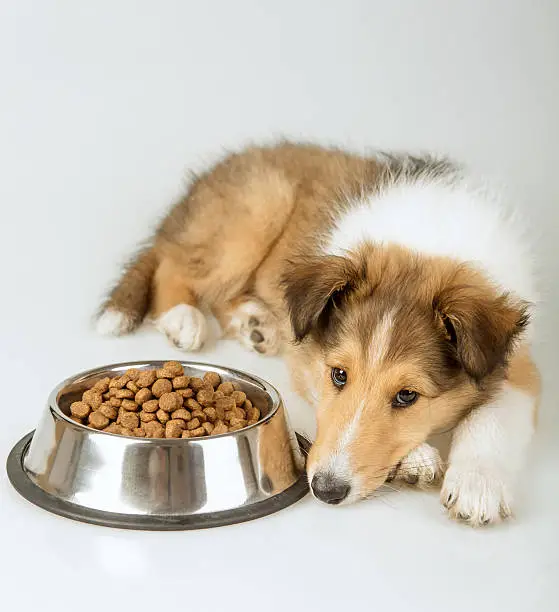
How to Switch Your Collie to a New Dog Food
Changing your Collie’s food gradually can help reduce digestive upset.
A simple seven-day transition may look like this:
| Days | Current Food | New Food |
|---|---|---|
| Days 1–2 | 75% | 25% |
| Days 3–4 | 50% | 50% |
| Days 5–6 | 25% | 75% |
| Day 7 | 0% | 100% |
Some dogs need a slower transition, especially if they have a sensitive digestive system. Follow your veterinarian’s instructions if your dog has a medical condition or is changing to a therapeutic diet.
Watch for vomiting, diarrhea, loss of appetite, or other unusual symptoms. If they occur or persist, contact your veterinarian.
Frequently Asked Questions
1. What is the best dog food for Collies?
The best food is a complete and balanced formula suited to your Collie’s age, weight, activity level, and health. Purina Pro Plan, Hill’s Science Diet, and Royal Canin are examples of established brands with formulas worth comparing.
2. Do Collies need large-breed dog food?
Not necessarily. Some Collies may benefit from a large-breed formula, but the choice should depend on their weight, nutritional requirements, and the product’s size recommendations.
3. What is the best food for Rough Collies?
Rough Collies need the same basic balanced nutrition as Smooth Collies. Choose a complete diet appropriate for their life stage, activity, and body condition.
4. How much should a Collie eat daily?
The amount depends on the dog’s weight, age, activity, and the calories in its food. Start with the package feeding guide and adjust based on body condition and veterinary advice.
5. Is grain-free food good for Collies?
Grain-free food is not automatically better. Many dogs can digest properly prepared grains, and a grain-free diet is not necessary unless there is a specific nutritional or veterinary reason.
6. What food helps a Collie’s skin and coat?
Choose a complete diet containing appropriate essential fatty acids, including omega-3 and omega-6. Persistent itching or coat problems should be assessed by a veterinarian.
7. Can Collies eat chicken and rice every day?
Plain cooked chicken and rice may be used temporarily in certain situations under veterinary guidance, but they are not a complete long-term diet. A balanced commercial food is a better everyday option for most healthy dogs.
8. How often should you feed a Collie?
Most adult Collies can be fed twice daily. Puppies generally need more frequent meals according to their age and growth needs.
Conclusion
Choosing the best dog food for Collies means finding a balanced diet that supports healthy muscles, good digestion, skin and coat condition, and an appropriate body weight. A suitable adult formula may work well for many Collies, while puppies and senior dogs need food selected for their particular life stage.
Purina Pro Plan, Hill’s Science Diet, and Royal Canin offer options worth comparing, but no single product is best for every Collie. Check the nutritional adequacy statement, calorie content, feeding directions, and manufacturer’s quality standards before making a decision.
Most importantly, monitor your dog’s weight, energy, digestion, and coat condition after choosing a food. If your Collie has persistent skin problems, digestive issues, or a medical condition, ask your veterinarian for an individualized feeding recommendation.
This article is general information for dog owners and is not a substitute for an examination by your vet. If your dog seems unwell or you are worried, contact a veterinarian.