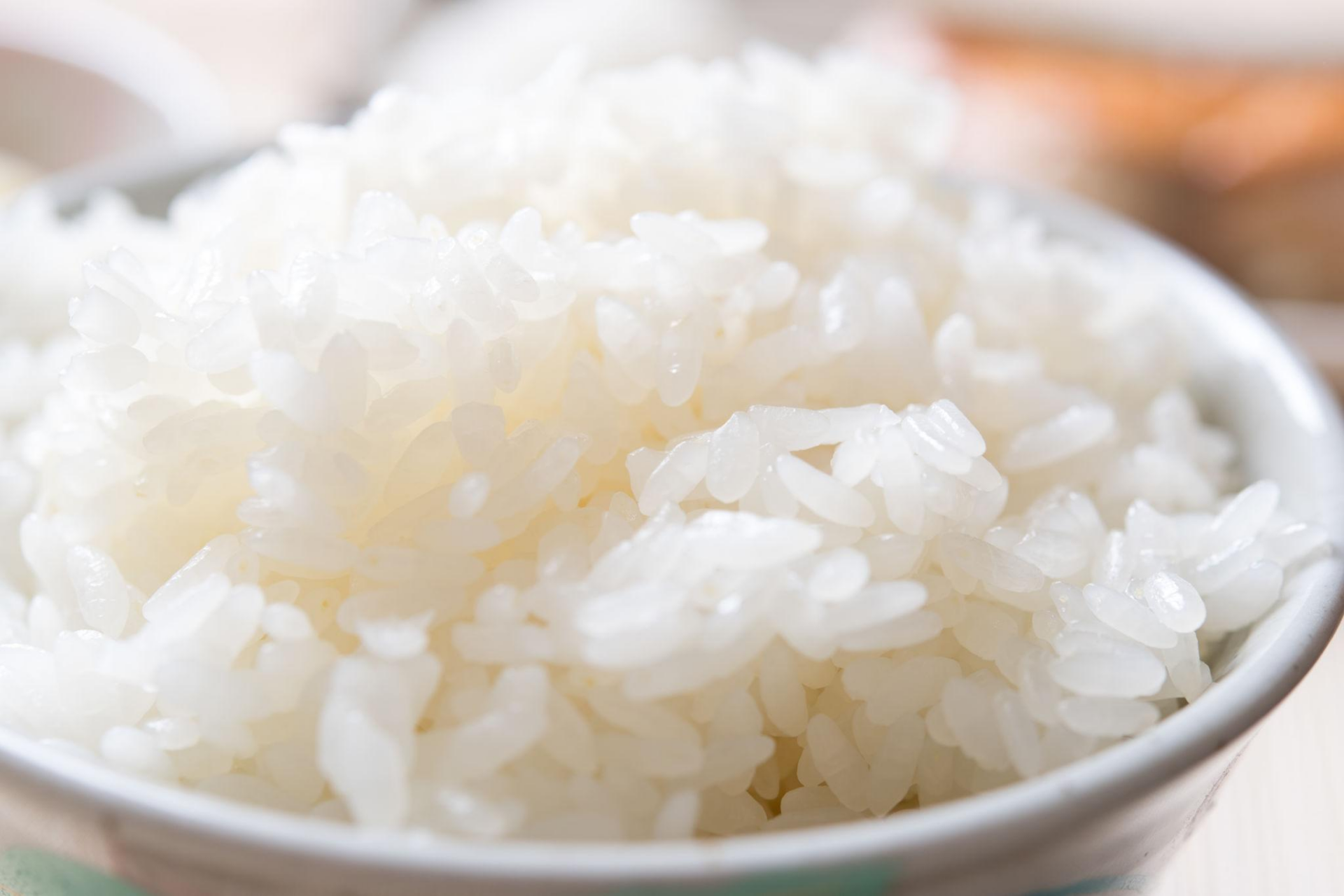
Rice is a common ingredient in many kitchens, and dog owners often wonder whether sharing a little with their pets is safe. Whether you are preparing boiled chicken and rice, adding rice to your dog’s regular food, or looking for a simple meal after an upset stomach, understanding how rice affects dogs is important.
So, can dogs eat rice? Yes. Most healthy dogs can eat plain, fully cooked rice in moderation. Both white rice and brown rice are generally safe when prepared without harmful seasonings or additional ingredients. However, they differ in fiber content, digestibility, and nutritional value.
Rice provides carbohydrates that supply energy, but it does not contain everything dogs need for a healthy diet. Feeding excessive amounts may also contribute to unwanted weight gain or nutritional imbalance.
In this guide, you’ll learn which types of rice dogs can eat, their potential benefits and risks, how to prepare rice safely, and how to decide whether it belongs in your dog’s diet.
Can Dogs Eat Rice?
Yes, dogs can eat plain, fully cooked rice. It is a familiar carbohydrate source used in some commercial dog foods and can also be offered as an occasional addition to a balanced diet.
Rice is not toxic to dogs when prepared correctly. Most healthy dogs tolerate small amounts without experiencing digestive problems.
However, the way rice is prepared matters. Dogs should receive plain rice cooked in water rather than restaurant-style rice containing spices, sauces, excessive salt, onions, or garlic.
Before introducing rice, remember these basic guidelines:
- Cook it thoroughly: Soft, fully cooked rice is easier to eat and digest than uncooked grains.
- Keep it plain: Avoid butter, oil, salt, garlic, onions, and spicy seasonings.
- Control the amount: Rice contains calories and should not replace a substantial portion of complete dog food.
- Introduce it gradually: Start with a small amount and monitor your dog’s response.
- Consider medical conditions: Dogs with diabetes, obesity, or digestive disorders may need individualized feeding advice.
Is Rice a Safe Food for Dogs?
Plain cooked rice is generally safe for healthy dogs when served in appropriate amounts.
In fact, rice is included in various commercially prepared dog foods. In these products, it is combined with other ingredients to create a complete and balanced nutritional formula.
The important distinction is between rice used as part of a properly formulated dog food and homemade rice served as a major part of a dog’s daily meals.
Rice alone does not provide all the essential amino acids, fats, vitamins, and minerals dogs require.
Is Rice Good for Dogs? 5 Potential Benefits
Rice can provide some nutritional value when included appropriately in a dog’s diet. Although it is not a superfood, it can serve as a useful ingredient in certain feeding situations.
Here are five potential benefits.
1. Provides Energy Through Carbohydrates
Rice is primarily a carbohydrate source. During digestion, carbohydrates are broken down into glucose, which the body can use for energy.
Dogs need energy for everyday activities such as:
- Walking and running.
- Playing and exercising.
- Maintaining normal body functions.
- Supporting growth and development.
- Recovering after physical activity.
A small amount of cooked rice can contribute energy to a dog’s meal.
However, rice should not be considered a replacement for protein and dietary fat. Dogs require an appropriate balance of nutrients to maintain healthy muscles, organs, and body functions.
2. Provides an Easily Digestible Food Option
Properly cooked white rice is relatively easy for many dogs to digest.
Its lower fiber content compared with brown rice makes it a commonly used carbohydrate ingredient in certain veterinary-recommended gastrointestinal feeding plans.
This is particularly relevant when a veterinarian recommends a temporary, easily digestible diet for a dog experiencing mild digestive upset.
However, rice does not treat every digestive condition, and individual dogs may respond differently.
3. Contains Small Amounts of Vitamins and Minerals
Rice provides small amounts of several nutrients, although its nutritional composition varies by variety and processing method.
Brown rice generally retains more naturally occurring nutrients because it contains its bran and germ layers.
Some nutrients found in rice include:
| Nutrient | Potential role in the body |
|---|---|
| Magnesium | Supports normal muscle and nerve function |
| Phosphorus | Helps maintain bones and teeth |
| Manganese | Supports normal metabolic processes |
| Selenium | Contributes to antioxidant functions |
| B Vitamins | Help support energy metabolism |
These nutrients can contribute to a dog’s overall diet, but rice should not be relied upon as the primary source of essential vitamins and minerals.
4. White Rice May Be Useful in Short-Term Bland Diets
Veterinarians sometimes recommend plain white rice as part of a short-term bland diet for certain dogs with mild digestive problems.
White rice is relatively low in fiber and easy to prepare. It may be combined with an appropriate lean protein source, such as plain boiled chicken, when recommended by a veterinarian.
However, homemade chicken and rice is not nutritionally complete.
The Cornell University College of Veterinary Medicine explains that bland diets can help manage some mild cases of diarrhea but are not suitable for long-term feeding.
5. Brown Rice Provides Dietary Fiber
Brown rice contains more fiber than white rice because it retains its outer bran layer.
Dietary fiber can support normal digestive function and contribute to healthy bowel movements.
However, more fiber is not always better.
Some dogs with sensitive digestive systems may tolerate white rice more comfortably than brown rice, particularly during certain episodes of gastrointestinal upset.
The appropriate choice depends on the dog’s health, overall diet, and veterinary recommendations.
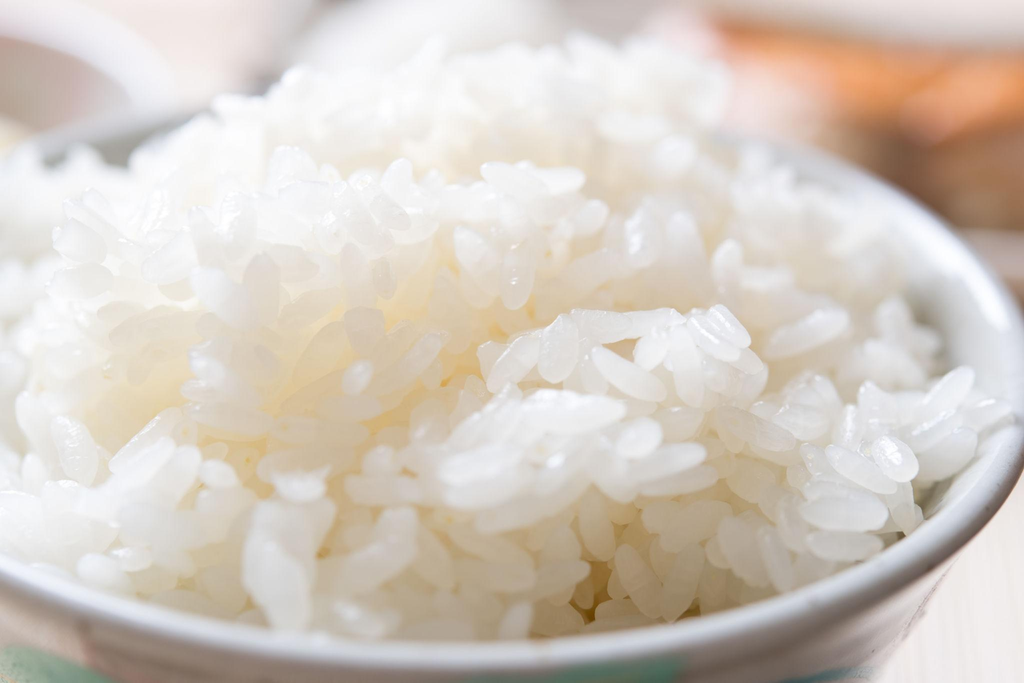
White Rice vs. Brown Rice for Dogs: Which Is Better?
Both white and brown rice can be safe for dogs when fully cooked and served plain. However, they have different nutritional characteristics.
Understanding these differences can help you choose an appropriate option.
| Comparison | White Rice | Brown Rice |
|---|---|---|
| Processing | Bran and germ removed | Bran and germ retained |
| Fiber | Lower | Higher |
| Digestibility | Generally easier | May be harder for some dogs |
| Nutritional content | Some nutrients removed during processing | More naturally occurring nutrients |
| Digestive sensitivity | Often preferred for bland diets | May not suit every sensitive dog |
| Feeding suitability | Occasional food or veterinarian-guided bland diet | Occasional food for dogs that tolerate it |
When Should You Choose White Rice?
White rice may be a suitable choice when:
- Your veterinarian recommends an easily digestible carbohydrate.
- Your dog needs a temporary bland-diet ingredient.
- Your dog does not tolerate higher-fiber foods well.
- You want a simple, plain food addition.
When Should You Choose Brown Rice?
Brown rice may be appropriate when:
- Your healthy dog tolerates whole grains.
- You want a carbohydrate source containing more fiber.
- It fits your dog’s existing nutritional plan.
- Your veterinarian has no concerns about including it.
Which is better overall?
Neither variety is automatically better for every dog. White rice is generally more suitable for certain short-term bland-diet plans, while brown rice provides more fiber and naturally occurring nutrients.
What Types of Rice Can Dogs Eat?
Not all rice dishes are equally suitable for dogs. Some varieties are safe when prepared without additional ingredients, while seasoned rice recipes should be avoided.
Here is a quick guide.
| Rice type | Safe for dogs? | Important consideration |
|---|---|---|
| Plain white rice | Yes | Cook thoroughly |
| Brown rice | Yes | Higher in fiber |
| Basmati rice | Yes | Serve plain |
| Jasmine rice | Yes | Avoid added seasonings |
| Wild rice | Generally yes | Cook thoroughly |
| Black rice | Generally yes | Offer in small amounts |
| Fried rice | Not recommended | May contain harmful ingredients |
| Seasoned rice | Not recommended | Check every ingredient |
| Uncooked rice | Not recommended | Harder to digest |
Can Dogs Eat Basmati Rice?
Yes. Plain, fully cooked basmati rice is generally safe for dogs.
Both white and brown basmati rice can be offered in small quantities if your dog tolerates them.
However, traditional basmati dishes often contain butter, oil, salt, onions, garlic, or spices. Avoid sharing these prepared dishes with your dog.
Can Dogs Eat Jasmine Rice?
Yes. Plain cooked jasmine rice is another option for healthy dogs.
It is a type of white rice and provides carbohydrates. Make sure it is thoroughly cooked and contains no sauces or harmful seasonings.
Can Dogs Eat Wild Rice?
Dogs can generally eat plain, thoroughly cooked wild rice in small amounts.
Wild rice has a different nutritional composition and texture from ordinary white rice. Introduce it gradually and check whether your dog tolerates it.
Can Dogs Eat Black Rice?
Plain cooked black rice is generally not toxic to dogs.
It contains naturally occurring plant compounds and fiber, but it is not necessary to include it in a dog’s diet.
As with other varieties, serve it without salt, butter, oil, or seasonings.
How Much Rice Can Dogs Eat?
The appropriate amount of rice depends on your dog’s daily calorie requirements, body condition, age, activity level, and existing diet.
There is no universally correct serving size based only on body weight.
A small dog may need a much smaller addition than a large dog, but even two dogs of similar size can have different nutritional requirements.
A Practical Approach to Feeding Rice
If your veterinarian approves adding rice to your healthy dog’s diet:
- Begin with a small amount of plain cooked rice.
- Mix it with the dog’s regular food or offer it separately.
- Monitor appetite, stool consistency, and digestion.
- Avoid increasing the portion unnecessarily.
- Account for the additional calories in the daily feeding plan.
Understanding the 10% Treat-Calorie Guideline
The World Small Animal Veterinary Association (WSAVA) recommends that treats should make up no more than 10% of a dog’s daily calorie intake.
For example, if a dog requires 600 calories daily, approximately 60 calories is the maximum allowance for all treats and additional foods combined.
This does not mean you should feed your dog 60 calories of rice every day.
Rice, treats, table scraps, and other extras all contribute to that allowance. The majority of calories should come from a complete and balanced diet.
How Much Rice Can Puppies Eat?
Puppies can generally eat small amounts of plain cooked rice, but they have different nutritional needs from adult dogs.
Their primary food should be a complete and balanced puppy diet formulated for healthy growth.
Avoid using homemade rice meals as a replacement for puppy food. If a puppy develops diarrhea or vomiting, contact a veterinarian rather than relying on rice alone.
How Much Rice Can Senior Dogs Eat?
Most healthy senior dogs can tolerate small amounts of plain cooked rice.
However, older dogs may have different calorie requirements and medical conditions that affect their nutritional needs.
Dogs with diabetes, kidney disease, obesity, or gastrointestinal problems should have an individualized feeding plan.
Can Dogs Eat Rice Every Day?
Dogs can consume rice regularly when it is included in a properly formulated complete and balanced diet.
For example, some commercial dog foods contain rice as a regular carbohydrate ingredient.
However, adding homemade rice to every meal is not necessary for most healthy dogs.
Feeding excessive rice may:
- Increase daily calorie intake.
- Contribute to unwanted weight gain.
- Reduce the amount of complete dog food consumed.
- Create nutritional imbalance if it replaces essential nutrients.
If you want to include homemade rice regularly, ask your veterinarian whether it is appropriate for your dog’s dietary requirements.
Is Rice Good for Dogs With Diarrhea or an Upset Stomach?
Plain white rice is commonly associated with short-term digestive feeding plans for dogs.
Its relatively low fiber content and digestibility make it a possible ingredient in a veterinarian-recommended bland diet.
However, rice is not a treatment for the underlying cause of diarrhea.
Why Do Veterinarians Sometimes Recommend White Rice?
White rice is soft when thoroughly cooked and generally easier to digest than brown rice.
When combined with an appropriate lean protein source, it may be used as part of a temporary feeding plan for certain dogs with mild digestive upset.
However, veterinary gastrointestinal diets may be more appropriate because they are specifically formulated to provide balanced nutrition.
Can Dogs Eat Chicken and Rice?
Yes. Plain boiled chicken and cooked white rice are commonly used together in short-term bland diets.
Chicken provides protein, while rice provides carbohydrates.
If your veterinarian recommends this combination:
- Use boneless, skinless chicken.
- Cook the chicken thoroughly.
- Remove all bones.
- Prepare the rice without seasoning.
- Avoid butter, salt, sauces, and oil.
- Follow the veterinarian’s recommended feeding instructions.
Chicken and rice should not become a dog’s permanent diet unless a veterinary nutritionist has formulated it to meet the dog’s nutritional requirements.
When Should You Contact a Veterinarian?
Do not rely on rice if your dog has persistent digestive symptoms.
Seek veterinary advice if your dog experiences:
- Repeated vomiting.
- Diarrhea lasting more than a day or two.
- Blood in the stool.
- Black or tarry stool.
- Loss of appetite.
- Unusual tiredness.
- Signs of dehydration.
- Abdominal pain.
Puppies, senior dogs, and dogs with existing medical conditions may need earlier assessment.
Can Dogs Eat Rice With Other Foods?
Rice can be combined with certain dog-safe ingredients, provided everything is prepared appropriately.
Here are some common combinations.
| Food combination | Suitable? | Feeding advice |
|---|---|---|
| Rice and boiled chicken | Yes | Plain, boneless, skinless chicken |
| Rice and boiled eggs | Yes | Fully cooked eggs without seasoning |
| Rice and carrots | Yes | Cooked or appropriately prepared |
| Rice and green beans | Yes | Plain, without added salt |
| Rice and pumpkin | Yes | Plain pumpkin, not pie filling |
| Rice and lean beef | Yes | Fully cooked and low in fat |
| Rice and fish | Yes | Fully cooked and carefully deboned |
| Rice and regular dog food | Yes | Account for additional calories |
| Rice and gravy | Avoid | May contain salt, onion, and garlic |
Always introduce new foods gradually. Combining several new ingredients at once can make it difficult to identify the cause of a digestive reaction.
What Are the Risks of Feeding Rice to Dogs?
Although plain cooked rice is generally safe, excessive amounts and inappropriate preparation can create problems.
1. Unnecessary Weight Gain
Rice contains calories, primarily from carbohydrates.
Regularly adding large portions without adjusting the dog’s overall diet may contribute to excess calorie consumption and weight gain.
Dogs that are already overweight may need a carefully controlled feeding plan.
2. Blood Sugar Management Concerns
White rice contains digestible starch that can affect blood glucose levels.
Dogs with diabetes need carefully managed meals and feeding schedules.
Do not add rice regularly to a diabetic dog’s diet without discussing it with a veterinarian.
3. Digestive Discomfort
Introducing too much rice suddenly may cause digestive changes in some dogs.
Possible symptoms include:
- Vomiting.
- Loose stools.
- Changes in bowel movements.
- Reduced appetite.
- Abdominal discomfort.
Start with a small amount and discontinue feeding if your dog develops an unusual reaction.
4. Nutritional Imbalance
Rice is not a complete source of canine nutrition.
If homemade rice replaces a substantial portion of balanced dog food, the diet may not provide sufficient protein, essential fatty acids, vitamins, and minerals.
This is particularly important for growing puppies and dogs with specific nutritional requirements.
5. Problems From Unsafe Ingredients
Rice dishes prepared for people may contain ingredients that are unsuitable or toxic to dogs.
Always check for garlic, onions, excessive salt, spices, sauces, and added fats.
The WSAVA also identifies onions and garlic among ingredients that should be avoided in dogs.
Can Dogs Eat Uncooked Rice?
Uncooked rice is not recommended for dogs.
Dry rice grains are hard and less suitable for digestion than thoroughly cooked rice.
A few accidentally swallowed grains do not automatically mean a serious poisoning emergency. However, larger amounts may cause digestive discomfort.
If your dog eats uncooked rice:
- Remove the remaining rice.
- Estimate how much your dog consumed.
- Provide access to fresh drinking water.
- Monitor for unusual symptoms.
- Contact your veterinarian if a large amount was consumed or symptoms develop.
Never attempt to induce vomiting without veterinary instructions.
Can Dogs Eat Fried Rice or Seasoned Rice?
No. Fried rice and heavily seasoned rice dishes are generally unsuitable for dogs.
Although plain rice is safe, human recipes often include ingredients that may cause health problems.
Rice With Garlic or Onions
Dogs should not eat rice containing garlic or onions.
These ingredients belong to the Allium family and contain compounds that can damage a dog’s red blood cells.
They can be harmful in raw, cooked, dried, or powdered forms.
Rice With Soy Sauce
Soy sauce is usually high in sodium.
Excessive sodium consumption can be harmful, so it is best to avoid adding soy sauce to your dog’s food.
Rice With Butter or Oil
Butter and excessive cooking oil add unnecessary fat and calories.
Large amounts of fatty food can cause digestive problems and may contribute to pancreatitis in susceptible dogs.
Rice With Spices or Sauces
Avoid rice prepared with spicy sauces, seasoning mixes, gravies, or unknown ingredients.
A separate plain portion is a much safer choice.
If your dog eats rice containing onions, garlic, or another potentially toxic ingredient, contact your veterinarian promptly. Do not wait for symptoms to appear.
How to Cook Rice Safely for Dogs
Preparing rice for your dog does not require special ingredients or complicated equipment.
The goal is to make it soft, fully cooked, and free from unnecessary seasonings.
Ingredients
- Plain white or brown rice.
- Clean drinking water.
Preparation Instructions
Step 1: Choose the Rice
Select plain white or brown rice. If you are preparing rice for a veterinarian-recommended bland diet, white rice is generally the more common choice.
Step 2: Rinse the Rice
Rinse the grains under clean running water to remove loose particles and excess surface starch.
Step 3: Cook Thoroughly
Add rice and water to a pot. Follow the package instructions and cook until the grains are completely soft.
Step 4: Avoid Seasonings
Do not add:
- Salt.
- Butter.
- Cooking oil.
- Garlic.
- Onions.
- Spices.
- Stock cubes.
- Sauces.
Step 5: Allow It to Cool
Let the cooked rice cool before serving. Never give your dog food that is hot enough to burn its mouth.
Step 6: Serve an Appropriate Amount
Offer a small portion appropriate for your dog’s dietary needs. If rice is being used for a medical reason, follow your veterinarian’s instructions.
How Should You Store Leftover Rice?
Cooked rice needs careful storage because bacteria can multiply when it remains at room temperature.
Follow these precautions:
- Refrigerate leftover rice promptly.
- Use a clean, covered container.
- Keep your refrigerator at or below 40°F (4°C).
- Avoid leaving cooked rice out for extended periods.
- Discard rice that has been stored improperly or shows signs of spoilage.
When in doubt, throw it away rather than risk feeding contaminated food to your dog.
When Should You Avoid Feeding Rice to Your Dog?
Although many healthy dogs can eat rice, some may require dietary restrictions.
Be particularly careful with:
Dogs with diabetes: Rice contains digestible carbohydrates that can affect blood glucose management.
Overweight dogs: Additional calories may interfere with weight-management goals.
Dogs with food sensitivities: Stop feeding rice if you suspect an adverse reaction and consult a veterinarian.
Dogs on prescription diets: Additional foods may interfere with an individualized nutritional plan.
Dogs with ongoing digestive problems: Persistent vomiting or diarrhea requires veterinary assessment rather than repeated homemade feeding experiments.
Growing puppies: Their main diet must provide the complete nutrition needed for healthy development.
Frequently Asked Questions About Dogs Eating Rice
1. Can dogs eat white rice?
Yes. Plain, fully cooked white rice is generally safe for healthy dogs in moderation. It is relatively easy to digest and is commonly used in certain veterinarian-recommended short-term bland diets.
2. Can dogs eat brown rice?
Yes. Dogs can eat plain cooked brown rice in small amounts. It contains more fiber and naturally occurring nutrients than white rice, although some dogs may find it harder to digest.
3. Is rice good for dogs every day?
Rice can be included regularly in a properly formulated dog food. However, adding homemade rice every day is usually unnecessary. Excessive portions can increase calories and reduce the intake of balanced dog food.
4. Can dogs eat rice with chicken?
Yes. Plain cooked chicken and rice can be used together in a short-term bland diet when recommended by a veterinarian. This combination is not nutritionally complete for long-term feeding.
5. Can dogs eat rice when they have diarrhea?
Plain white rice may be included in a veterinarian-recommended feeding plan for some dogs with mild diarrhea. However, it does not cure the underlying cause. Persistent diarrhea, blood in the stool, or vomiting requires veterinary attention.
6. Can puppies eat cooked rice?
Yes. Puppies can generally tolerate small amounts of plain cooked rice. However, complete and balanced puppy food must remain their primary diet.
7. Can senior dogs eat rice?
Yes. Most healthy senior dogs can eat small amounts of plain cooked rice. However, dogs with age-related health conditions may need an individualized feeding plan.
8. Can dogs eat jasmine rice?
Yes. Plain, fully cooked jasmine rice is generally suitable for dogs in moderation. Avoid recipes containing salt, garlic, onions, butter, or sauces.
9. Can dogs eat basmati rice?
Yes. Plain cooked white or brown basmati rice can be offered in small amounts. Avoid traditional seasoned rice dishes.
10. Can dogs eat fried rice?
Fried rice is not recommended because it may contain onions, garlic, soy sauce, excessive salt, oil, and other unsuitable ingredients.
11. Can dogs eat rice with eggs?
Yes. Fully cooked eggs can be combined with plain rice occasionally. Avoid adding butter, oil, salt, or seasoning.
12. Can uncooked rice hurt dogs?
Uncooked rice is not recommended because it is harder to digest than cooked rice. Large amounts may cause digestive discomfort. Contact your veterinarian if your dog eats a substantial quantity.
13. Can rice cause constipation in dogs?
Rice does not automatically cause constipation. However, individual dogs may respond differently to dietary changes. Persistent constipation should be evaluated by a veterinarian.
14. How much rice can a 20-pound dog eat?
There is no universal portion for every 20-pound dog. Daily calorie requirements, body condition, activity level, and health conditions all influence appropriate serving sizes. Ask your veterinarian for individualized guidance.
15. Can dogs eat rice mixed with regular dog food?
Yes. A small amount of plain cooked rice can be mixed with complete dog food if your dog tolerates it. Remember to account for the extra calories.
Conclusion: Can Dogs Eat Rice Safely?
Yes, most healthy dogs can eat plain, fully cooked rice in moderation. Both white and brown rice are generally safe, although their nutritional properties and digestibility differ.
White rice is often preferred for certain short-term veterinary-recommended bland diets because it is relatively easy to digest. Brown rice provides more fiber and naturally occurring nutrients and may be suitable for dogs that tolerate whole grains.
The most important thing is to prepare rice without harmful seasonings, control portions, and keep complete and balanced dog food as the foundation of your pet’s nutrition.
If your dog has diabetes, obesity, persistent digestive problems, or another medical condition, consult your veterinarian before making rice a regular part of its diet.
A little plain rice can be a suitable addition to some dogs’ meals, but a balanced diet and individualized feeding advice should always come first.
This article is general information for dog owners and is not a substitute for an examination by your vet. If your dog seems unwell or you are worried, contact a veterinarian.