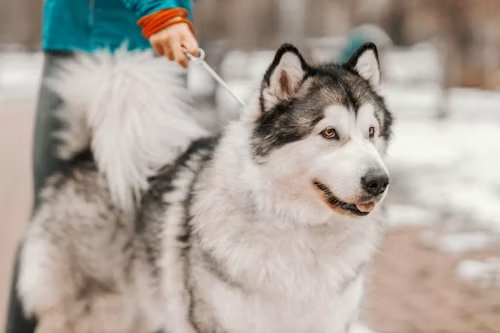
If you’ve ever wished you could own a miniature Husky without the size and high-maintenance lifestyle of a full-grown sled dog, an Alaskan Klee Kai puppy may be exactly what you’re looking for. These intelligent, energetic, and strikingly beautiful dogs have become one of the most sought-after companion breeds in recent years, attracting families, apartment dwellers, and dog enthusiasts worldwide.
Searching for Alaskan Klee Kai puppies for sale can quickly become overwhelming. With limited breeders, high demand, and a wide range of prices, it’s important to understand what you’re buying before making such a significant commitment. Unfortunately, the breed’s popularity has also led to an increase in online scams and unethical breeding practices, making careful research more important than ever.
One reason these dogs continue to gain popularity is their resemblance to the Siberian Husky. Their wolf-like appearance, expressive eyes, erect ears, and fluffy double coat make them look like a scaled-down version of their larger cousin. However, despite the similarities in appearance, the Alaskan Klee Kai has its own unique personality, care requirements, and temperament.
In this comprehensive guide, you’ll learn:
- What makes the Alaskan Klee Kai unique
- How much Alaskan Klee Kai puppies typically cost
- Where to find reputable breeders
- How to avoid puppy scams
- What to expect before bringing one home
- How to choose the right puppy for your lifestyle
Whether you’re actively searching for a puppy or simply researching the breed, this guide will help you make an informed and confident decision.
What Is an Alaskan Klee Kai Puppy?
The Alaskan Klee Kai is a relatively modern companion dog breed developed to resemble a miniature Siberian Husky while maintaining a size that’s practical for everyday family life. Rather than being bred as a working sled dog, the Alaskan Klee Kai was specifically created to be an intelligent, loyal, and manageable companion.
Unlike many miniature breeds created through unhealthy downsizing, the Alaskan Klee Kai was carefully developed using selective breeding over many years to produce healthy dogs with predictable temperaments and consistent physical traits.
Origin and History of the Breed
The breed originated in the United States during the early 1970s. Breeder Linda Spurlin wanted to create a small dog that retained the appearance of the Siberian Husky but was better suited for suburban homes and smaller living spaces.
To achieve this goal, she selectively bred:
- Siberian Huskies
- Alaskan Huskies
- American Eskimo Dogs
- Schipperkes
The result was a compact dog with Husky-like features, excellent intelligence, and an affectionate personality.
The name “Klee Kai” comes from an Inuit phrase meaning “small dog,” perfectly describing the breed’s intended purpose.
Developed by Linda Spurlin
Linda Spurlin spent years refining the breed before introducing it to the public. Her focus wasn’t simply on creating a smaller Husky—it was on producing healthy, stable companion dogs with predictable personalities.
Her careful breeding program emphasized:
- Excellent health
- Proper structure
- Strong intelligence
- Loyal temperament
- Compact size
- Distinct Husky appearance
Because of this dedication, today’s Alaskan Klee Kai remains one of the most recognizable miniature northern breeds.
Alaskan Klee Kai vs. Siberian Husky
Although they look remarkably similar, these two breeds are quite different in both size and personality.
| Feature | Alaskan Klee Kai | Siberian Husky |
|---|---|---|
| Height | 10–17 inches | 20–24 inches |
| Weight | 10–25 pounds | 35–60 pounds |
| Purpose | Companion dog | Working sled dog |
| Energy Level | High | Very High |
| Trainability | Intelligent but independent | Intelligent but stubborn |
| Apartment Friendly | Yes (with exercise) | Less suitable |
| Lifespan | 12–16 years | 12–15 years |
While both breeds are energetic and intelligent, the Alaskan Klee Kai generally adapts better to modern family life due to its smaller size.
Recognized Sizes
One unique feature of the breed is that it comes in three recognized sizes.
Toy Alaskan Klee Kai
- Under 13 inches tall
- Usually weighs 5–10 pounds
- Excellent for small apartments
- Easier to carry and travel with
Miniature Alaskan Klee Kai
- Between 13 and 15 inches
- Usually weighs 10–15 pounds
- Most popular size among buyers
- Great balance between portability and athleticism
Standard Alaskan Klee Kai
- Between 15 and 17 inches
- Weighs approximately 15–25 pounds
- Most active variation
- Best suited for owners who enjoy outdoor activities
Each size shares the same breed characteristics, differing primarily in height and weight.
Why Are Alaskan Klee Kai Puppies So Popular?
Interest in Alaskan Klee Kai puppies for sale has grown dramatically over the last decade. Their distinctive appearance and manageable size make them appealing to a wide variety of dog owners.
Several factors contribute to their popularity.
1. Husky Appearance in a Smaller Package
Perhaps the biggest attraction is their stunning resemblance to the Siberian Husky.
They often feature:
- Thick double coats
- Upright triangular ears
- Bright blue or brown eyes
- Distinct facial masks
- Curled fluffy tails
Many people describe them as “mini Huskies,” although they’re a separate breed with their own characteristics.
2. Perfect for Smaller Homes
Unlike large northern breeds, Alaskan Klee Kai dogs fit comfortably into:
- Apartments
- Condominiums
- Townhouses
- Urban homes
- Smaller family residences
As long as they receive daily exercise and mental stimulation, they adapt well to compact living spaces.
3. Highly Intelligent
The breed is exceptionally smart and enjoys learning.
Owners often succeed with:
- Obedience training
- Trick training
- Agility sports
- Puzzle toys
- Nose work
- Interactive games
Their intelligence also means they require consistent mental stimulation to prevent boredom.
4. Loyal Family Companion
Alaskan Klee Kai dogs develop incredibly close bonds with their families.
Many owners describe them as:
- Affectionate
- Protective
- Curious
- Alert
- Devoted
While they may initially appear reserved around strangers, they are typically loving and playful with trusted family members.
5. Social Media Popularity
Instagram, TikTok, and YouTube have introduced millions of people to the breed.
Their expressive faces, wolf-like appearance, and playful personalities make them highly photogenic, leading to viral videos that further increase demand.
As a result, many reputable breeders now maintain waiting lists months—or even years—in advance.
Alaskan Klee Kai Puppies for Sale: Quick Overview
Before beginning your search, it’s helpful to understand the current puppy market.
Breed Overview
| Feature | Details |
|---|---|
| Breed Type | Companion Dog |
| Origin | United States |
| Developed By | Linda Spurlin |
| Average Lifespan | 12–16 years |
| Weight | 10–25 lbs |
| Height | 10–17 inches |
| Energy Level | High |
| Grooming | Moderate |
| Shedding | Seasonal Heavy Shedding |
| Trainability | High |
| Good with Families | Yes |
| Apartment Friendly | Yes |
| Average Puppy Price | $1,500–$4,500+ |
Average Price Around the World
Prices vary significantly depending on breeder reputation and location.
| Region | Average Price |
|---|---|
| United States | $2,000–$4,500 |
| Canada | $2,500–$5,000 |
| United Kingdom | £2,000–£4,000 |
| Australia | AUD $3,500–$6,000 |
| Europe | €2,000–€5,000 |
Exceptional bloodlines or rare coat colors may command even higher prices.
Availability
Unlike more common dog breeds, Alaskan Klee Kai puppies are relatively rare.
Many breeders:
- Produce only one or two litters annually
- Carefully screen buyers
- Maintain reservation lists
- Require deposits months in advance
Finding an available puppy immediately is uncommon, making patience an important part of the buying process.
Demand vs. Supply
Because responsible breeders prioritize health over quantity, supply remains limited.
This creates:
- Long waiting periods
- Higher prices
- Greater competition among buyers
- Increased risk of encountering fraudulent sellers
For this reason, researching breeders thoroughly is far more important than rushing into a purchase.
How Much Do Alaskan Klee Kai Puppies Cost?
One of the first questions prospective owners ask is, “How much does an Alaskan Klee Kai puppy cost?” The answer depends on several factors, including the puppy’s size, pedigree, breeder reputation, and location.
In general, this is considered a premium companion breed due to its rarity and careful breeding practices.
Average Price by Size
| Size | Typical Price |
|---|---|
| Toy | $2,500–$5,000 |
| Miniature | $2,000–$4,500 |
| Standard | $1,500–$4,000 |
While toy-sized puppies often carry the highest price tags because of their rarity, every puppy should be evaluated based on health and breeder quality—not size alone.
What Influences the Price?
Several factors contribute to the final cost of an Alaskan Klee Kai puppy.
Breeder Reputation
Established breeders who invest in health testing, proper socialization, and lifelong support typically charge more than casual breeders. Although the upfront cost may be higher, responsible breeding often reduces the risk of future health and behavioral issues.
Bloodline and Pedigree
Puppies from champion or well-documented bloodlines generally command higher prices. A strong pedigree can indicate generations of careful breeding focused on temperament, structure, and overall health.
Coat and Eye Color
Distinctive facial masks, symmetrical markings, and sought-after eye colors—such as bright blue or bi-eyed combinations—may increase a puppy’s price. These cosmetic traits should never take priority over health and temperament.
Geographic Location
Prices can vary widely depending on where you live. Areas with fewer reputable breeders often have higher costs due to increased demand and transportation expenses.
Hidden Costs Beyond the Purchase Price
The initial purchase price is only one part of the total investment. Before bringing your puppy home, prepare for additional expenses that ensure your new companion gets the best possible start.
| Expense | Estimated Cost |
|---|---|
| Initial veterinary exam | $50–$150 |
| Vaccinations | $100–$300 |
| Microchipping | $25–$75 |
| Spay or neuter surgery | $200–$600 |
| Registration fees | $25–$100 |
| Crate and bedding | $100–$300 |
| Food and treats | $50–$100 per month |
| Grooming supplies | $50–$200 |
| Pet insurance | $20–$70 per month |
| Shipping (if applicable) | $300–$1,000+ |
Planning for these costs helps prevent unexpected financial stress during your puppy’s first year.
Where to Find Alaskan Klee Kai Puppies for Sale
Finding a healthy, well-socialized puppy should always be your top priority. While there are many places advertising Alaskan Klee Kai puppies for sale, not every seller follows responsible breeding practices.
1. Reputable Breeders
Buying from an ethical breeder is generally the safest option.
Responsible breeders focus on improving the breed rather than producing as many puppies as possible.
Signs of a Responsible Breeder
Look for breeders who:
- Perform health testing on breeding dogs
- Allow visits to their facility (or provide live video tours when necessary)
- Raise puppies inside the home
- Begin early socialization
- Answer questions honestly
- Offer lifetime breeder support
- Provide written health guarantees
- Carefully screen potential buyers
Good breeders care just as much about where their puppies go as buyers care about finding a healthy puppy.
Questions to Ask a Breeder
Before placing a deposit, ask questions such as:
- Can I meet the puppy’s parents?
- What health tests have been completed?
- Have the puppies received vaccinations?
- Are they microchipped?
- What food are they currently eating?
- Have they started potty training?
- What type of socialization have they received?
- Can you provide veterinary records?
Professional breeders appreciate informed buyers and will gladly answer these questions.
2. Online Puppy Marketplaces
Many people begin their search online because it offers access to breeders across the country.
Advantages
- Large selection
- Easy comparison of breeders
- Access to puppies outside your region
- Convenient communication
Disadvantages
- Higher scam risk
- Fake breeder websites
- Stolen puppy photos
- Shipping concerns
- Limited ability to inspect living conditions
Always research sellers thoroughly before sending money.
3. Adoption and Rescue Centers
Although uncommon, Alaskan Klee Kai dogs occasionally become available through breed-specific rescues or general animal shelters.
Benefits of Adoption
- Lower adoption fees
- Giving a dog a second chance
- Dogs are often vaccinated and spayed/neutered
- Rescue organizations typically evaluate temperament
Adoption vs Buying
| Adoption | Buying from Breeder |
|---|---|
| Lower cost | Higher cost |
| Usually adult dogs | Puppies available |
| Unknown background possible | Detailed pedigree |
| Limited availability | Waiting lists common |
| Saves a homeless dog | Predictable genetics |
If your primary goal is simply owning an Alaskan Klee Kai rather than raising a puppy from eight weeks old, adoption is worth considering.
Best Alaskan Klee Kai Breeders: What to Look For
Choosing the right breeder is arguably more important than choosing the puppy itself.
Excellent breeders invest significant time, money, and care into producing healthy dogs with stable temperaments.
Health Testing
Responsible breeders should perform health screenings appropriate for the breed.
Common evaluations include:
- Eye examinations
- Cardiac evaluations
- Patella evaluations
- Thyroid testing
- Genetic disease screening
Ask for documentation rather than relying solely on verbal assurances.
Transparency
Quality breeders openly discuss:
- Both strengths and weaknesses of the breed
- Any known health concerns
- The puppy’s parents
- Their breeding philosophy
- Expected adult size
- Temperament expectations
Avoid anyone who seems reluctant to answer reasonable questions.
Puppy Socialization
The first eight weeks of life play a major role in shaping a puppy’s future behavior.
Look for breeders who expose puppies to:
- Household noises
- Different people
- Gentle handling
- Various surfaces
- Toys
- Early training exercises
Proper socialization builds confidence and reduces fear later in life.
Registration
Many reputable Alaskan Klee Kai breeders register their dogs with recognized organizations.
Registration helps document the puppy’s pedigree and breeding history.
Ask whether the puppy comes with:
- Registration paperwork
- Pedigree documentation
- Vaccination records
- Health certificates
- Microchip information
How to Avoid Puppy Scams
Unfortunately, the popularity of Alaskan Klee Kai puppies has also attracted scammers looking to exploit eager buyers.
Learning how to identify warning signs can save you thousands of dollars and a great deal of disappointment.
Common Red Flags
Be cautious if a seller:
- Refuses video calls
- Won’t provide current puppy photos
- Avoids answering questions
- Has multiple breeds available year-round
- Pressures you into paying immediately
- Offers prices that seem far below market value
If something feels suspicious, trust your instincts.
Fake Listings and Stolen Photos
Scammers frequently steal photos from legitimate breeders and advertise puppies that don’t actually exist.
To verify authenticity:
- Request a live video call
- Ask for today’s date written on paper beside the puppy
- Reverse-search puppy images online
- Look for breeder reviews
- Verify social media history
Unsafe Payment Requests
Avoid sellers requesting payment through:
- Gift cards
- Cryptocurrency
- Wire transfers to unknown individuals
- Cash-only transactions
These payment methods offer little to no buyer protection.
Safe Payment Methods
Whenever possible, use payment methods that provide documentation and dispute options, such as:
- Credit cards
- Secure payment processors
- Escrow services (when appropriate)
- Bank payments with signed purchase agreements
Always keep copies of invoices and contracts.
Alaskan Klee Kai Puppy Sizes Explained
One feature that makes this breed unique is its three officially recognized size categories.
Understanding the differences helps you choose the puppy that best fits your lifestyle.
| Size | Height | Weight | Best For |
|---|---|---|---|
| Toy | Under 13 inches | 5–10 lbs | Small apartments, frequent travelers |
| Miniature | 13–15 inches | 10–15 lbs | Families, most buyers |
| Standard | 15–17 inches | 15–25 lbs | Active owners |
Toy Alaskan Klee Kai
The Toy variety is the smallest.
Advantages
- Extremely portable
- Easy to travel with
- Requires less living space
- Lower food costs
Considerations
- More delicate
- May not be ideal for homes with rough young children
- Usually the most expensive size
Miniature Alaskan Klee Kai
This is the most commonly purchased size.
It offers an excellent balance between portability and athletic ability.
Ideal for:
- Families
- Couples
- Apartment residents
- First-time owners willing to invest in training
Standard Alaskan Klee Kai
The Standard size most closely resembles a traditional Husky while remaining considerably smaller.
They’re often preferred by:
- Active individuals
- Hiking enthusiasts
- Outdoor adventurers
- Owners with larger yards
Which Size Is Best?
Ask yourself:
- Do I live in an apartment?
- Will I travel often with my dog?
- Do I have young children?
- Can I provide daily exercise?
- How much grooming am I comfortable with?
There is no universally “best” size—only the one that best matches your lifestyle.
Coat Colors and Appearance Variations
The Alaskan Klee Kai is admired for its striking appearance. Nearly every puppy displays a distinctive facial mask, erect ears, and a thick double coat that contributes to its Husky-like look.
Common Coat Colors
Black and White
The most recognizable color combination.
Features include:
- Dark black saddle
- White chest
- White legs
- Distinct facial markings
Gray and White
A softer appearance with beautiful silver tones.
This variation is especially popular among families seeking a classic northern-breed look.
Red and White
Less common than black or gray.
Shades range from:
- Copper
- Cinnamon
- Deep red
- Chocolate tones
Eye Colors
Eye color can vary considerably.
Common colors include:
- Blue
- Brown
- Hazel
- Amber
Some puppies even have bi-colored eyes, where each eye is a different color, adding to the breed’s distinctive appearance.
Facial Masks and Markings
The breed standard values clear facial masks that enhance the wolf-like expression.
Markings often include:
- White blaze
- Dark eye outlines
- Symmetrical masks
- White muzzle
- White chest
- White legs
- Contrasting tail markings
No two puppies look exactly alike, making each Alaskan Klee Kai truly unique.
Temperament of Alaskan Klee Kai Puppies
Looks may attract buyers, but temperament is what truly makes owners fall in love with this breed.
Alaskan Klee Kai puppies are intelligent, curious, and deeply devoted to their families. With proper socialization and training, they develop into affectionate companions that enjoy being involved in everyday activities.
Unlike some outgoing breeds, they tend to be more observant and cautious around unfamiliar people, making early socialization especially important.
Intelligent and Alert
Alaskan Klee Kai puppies are quick learners with a natural curiosity about their surroundings. They enjoy interactive games, puzzle toys, and positive reinforcement training that keeps both their minds and bodies active.
Because of their intelligence, they can become bored if left alone for long periods. Boredom may lead to unwanted behaviors such as excessive barking, chewing, or digging.
Best Mental Activities
- Puzzle feeders
- Obedience training
- Agility courses
- Hide-and-seek games
- Scent work
- Interactive toys
Keeping your puppy mentally engaged is just as important as providing daily physical exercise.
Reserved Around Strangers
Unlike some breeds that eagerly greet everyone they meet, Alaskan Klee Kai puppies are naturally cautious around unfamiliar people.
This reserved personality should not be mistaken for aggression. With proper socialization from an early age, most puppies grow into confident, polite adults who are comfortable in new environments.
Loyal Family Companion
Once they form a bond, these dogs are incredibly devoted to their families. They enjoy spending time with their owners and often prefer being involved in everyday activities rather than being left alone.
Their loyalty makes them wonderful companions for individuals and families who can dedicate time to training, exercise, and companionship.
Training Difficulty
Although highly intelligent, Alaskan Klee Kai puppies can have an independent streak. They respond best to:
- Positive reinforcement
- Consistency
- Short, engaging training sessions
- Patience and encouragement
Harsh training methods are not recommended, as they can reduce confidence and damage trust.
Are Alaskan Klee Kai Puppies Good Family Pets?
For the right household, Alaskan Klee Kai puppies make excellent family companions. However, like any breed, they thrive in environments that match their energy level and personality.
Compatibility with Children
When raised with respectful children, these puppies are typically affectionate and playful.
Families should teach children how to:
- Handle puppies gently
- Respect personal space
- Avoid rough play
- Supervise interactions
Very young children should always be monitored around any puppy, regardless of breed.
Behavior with Other Pets
Early socialization greatly improves compatibility with other animals.
Many Alaskan Klee Kai dogs live happily alongside:
- Other dogs
- Cats
- Small household pets (with supervision)
Introducing puppies gradually helps build positive relationships.
Apartment Living
One advantage of this breed is its compact size.
They can thrive in apartments if owners provide:
- Daily walks
- Interactive playtime
- Mental enrichment
- Opportunities to explore
A lack of exercise can result in boredom and nuisance behaviors.
Are They Good for First-Time Owners?
They can be, provided new owners are willing to learn.
First-time owners should be prepared for:
- Consistent training
- Regular exercise
- Grooming responsibilities
- Ongoing socialization
Owners seeking a low-maintenance dog may find another breed more suitable.
Things to Know Before Buying an Alaskan Klee Kai Puppy
Before bringing one home, it’s important to understand the breed’s daily needs.
Exercise Requirements
Despite their small size, these puppies are energetic.
Plan for:
- 45–90 minutes of daily activity
- Walks
- Play sessions
- Training exercises
- Interactive games
Physical activity helps maintain both physical and mental health.
Mental Stimulation
Intelligence comes with responsibility.
Without regular enrichment, puppies may become destructive.
Helpful activities include:
- Food puzzles
- Obstacle courses
- Learning new commands
- Rotating toys
- Nose work
Grooming and Shedding
The Alaskan Klee Kai has a thick double coat.
Routine grooming includes:
- Weekly brushing
- More frequent brushing during seasonal shedding
- Nail trimming
- Ear cleaning
- Dental care
Although they shed seasonally, they are generally considered a naturally clean breed with little dog odor.
Barking and Vocalization
These dogs are known for being expressive.
Some individuals:
- Bark
- Howl
- “Talk” using unique vocal sounds
Proper training can help manage excessive barking.
Health Issues in Alaskan Klee Kai Puppies
Responsible breeding has helped maintain the breed’s overall health, but like all dogs, Alaskan Klee Kai puppies can be predisposed to certain medical conditions.
Common Health Concerns
Potential issues include:
Patellar Luxation
A condition where the kneecap moves out of place.
Symptoms may include:
- Skipping while walking
- Limping
- Temporary lameness
Heart Conditions
Although relatively uncommon, some inherited cardiac conditions may occur.
Responsible breeders screen breeding dogs to reduce this risk.
Liver Shunts
A liver shunt affects normal blood flow through the liver and may require veterinary treatment.
Early diagnosis improves outcomes.
Importance of Veterinary Checks
A healthy puppy should receive:
- Regular vaccinations
- Deworming
- Routine examinations
- Preventive parasite treatment
- Growth monitoring
Annual wellness exams remain important throughout adulthood.
Lifespan
With proper care, most Alaskan Klee Kai dogs live between 12 and 16 years, making them a long-term commitment.
Healthy habits—including balanced nutrition, regular exercise, preventive veterinary care, and maintaining a healthy weight—can contribute to a longer, happier life.
What to Check Before Buying a Puppy
Never purchase a puppy based solely on photos.
Use this checklist before making your decision.
Vaccination Records
Request written documentation showing:
- Vaccinations received
- Deworming schedule
- Veterinary visits
Health Certificate
A licensed veterinarian should confirm the puppy appears healthy before it goes to its new home.
Parent Information
Ask to see information about both parents, including:
- Temperament
- Health testing
- Size
- Age
- Registration details
Knowing the parents provides valuable insight into your puppy’s potential adult characteristics.
Puppy Age
Ethical breeders should not separate puppies from their litter before 8 weeks of age.
This early period is important for:
- Learning social skills
- Confidence development
- Healthy growth
Alaskan Klee Kai Puppy Care Guide
Proper care during the first year lays the foundation for a healthy adult dog.
Feeding Schedule
Young puppies generally eat:
| Age | Meals Per Day |
|---|---|
| 8–12 weeks | 4 |
| 3–6 months | 3 |
| 6–12 months | 2 |
| Adults | 2 |
Always feed a high-quality puppy food recommended by your veterinarian or breeder.
Basic Training
Start with simple commands:
- Sit
- Stay
- Come
- Leave it
- Down
- Walking on a leash
Keep sessions short, positive, and consistent.
Socialization
Expose your puppy gradually to:
- Different people
- Friendly dogs
- Various sounds
- Car rides
- Grooming tools
- New environments
Positive early experiences help build confidence.
Grooming Routine
Weekly grooming should include:
- Brushing
- Nail trimming
- Ear inspection
- Teeth brushing
- Coat inspection
During seasonal shedding, brushing several times per week helps remove loose undercoat.
Shipping and Delivery Options for Puppies
Sometimes the perfect puppy isn’t located nearby.
Many reputable breeders safely transport puppies across the country or internationally.
Domestic Shipping
Within the same country, transportation options may include:
- Ground transportation
- Flight nanny services
- Airline cargo (where appropriate)
- In-person pickup
Many buyers prefer meeting the breeder in person whenever possible.
International Shipping
International purchases require additional planning.
Potential requirements include:
- Import permits
- Health certificates
- Vaccination records
- Customs documentation
- Airline-approved travel crates
Research your country’s import regulations before making arrangements.
Costs and Risks
Shipping costs vary depending on:
- Distance
- Transportation method
- Airline fees
- Veterinary paperwork
Always confirm that transportation prioritizes the puppy’s welfare.
Safe Transportation Tips
Choose breeders who:
- Use experienced pet transport services
- Provide travel updates
- Ensure puppies are old enough to travel
- Supply health documentation before departure
Questions to Ask Before Buying
Before placing a deposit, prepare a list of questions.
Examples include:
- Can I meet the parents?
- What vaccinations has the puppy received?
- Has the puppy been microchipped?
- What food is the puppy currently eating?
- Do you provide a written health guarantee?
- Is registration included?
- What support do you offer after adoption?
- What is your return policy if circumstances change?
Responsible breeders welcome informed buyers and are happy to discuss their breeding program.
Pros and Cons of Buying an Alaskan Klee Kai Puppy
Pros
- Beautiful Husky-like appearance
- Compact size suitable for many homes
- Highly intelligent and trainable
- Loyal and affectionate with family
- Long lifespan
- Excellent companion dog
- Naturally clean coat with minimal odor
Cons
- Can be expensive to purchase
- Often have long breeder waiting lists
- Reserved around strangers
- Require daily exercise and mental stimulation
- Seasonal shedding can be heavy
- May become vocal if bored
Alaskan Klee Kai vs Other Similar Breeds
| Feature | Alaskan Klee Kai | Siberian Husky | Pomsky | Shiba Inu |
|---|---|---|---|---|
| Size | Small | Large | Small–Medium | Small |
| Energy | High | Very High | High | Moderate |
| Grooming | Moderate | Heavy | Moderate | Moderate |
| Apartment Friendly | Yes | Less Suitable | Usually | Yes |
| Trainability | High | Moderate | Moderate | Moderate |
| Family Friendly | Yes | Yes | Yes | Yes |
Which Should You Choose?
Choose an Alaskan Klee Kai if you want:
- A Husky-like appearance in a smaller dog
- An active companion
- A breed that fits well into many living situations
- A loyal and intelligent family pet
If you’re looking for a larger working dog with exceptional endurance, a Siberian Husky may be a better fit. Those wanting a fluffy designer mix might consider a Pomsky, while the Shiba Inu appeals to owners seeking a more independent companion.
Is an Alaskan Klee Kai Puppy Right for You?
Ask yourself the following questions:
✅ Can I provide daily exercise?
✅ Do I have time for training and socialization?
✅ Can I afford routine veterinary care and grooming?
✅ Am I comfortable with seasonal shedding?
✅ Will my puppy spend plenty of time with family rather than being left alone all day?
If you answered “yes” to most of these questions, an Alaskan Klee Kai may be an excellent addition to your home.
Frequently Asked Questions
Why are Alaskan Klee Kai puppies so expensive?
Their high price reflects limited availability, responsible breeding practices, health testing, and strong demand.
Do Alaskan Klee Kai puppies bark a lot?
They can be vocal, especially if bored or under-stimulated. Proper training and sufficient exercise usually help manage excessive barking.
Are Alaskan Klee Kai dogs hypoallergenic?
No. They have a double coat and shed seasonally, so they are not considered hypoallergenic.
Can they live in hot climates?
Yes, provided owners ensure access to shade, fresh water, air conditioning when needed, and avoid strenuous exercise during the hottest parts of the day.
How long do Alaskan Klee Kai dogs live?
Most live 12–16 years, with some reaching even older ages when given excellent care.
Conclusion
Finding the perfect Alaskan Klee Kai puppy for sale takes patience, research, and careful planning. While these remarkable dogs may require a larger financial investment than many other breeds, responsible ownership begins with choosing a healthy puppy from an ethical breeder who prioritizes health, temperament, and proper socialization.
Take the time to compare breeders, verify health testing, ask detailed questions, and avoid deals that seem too good to be true. Whether you’re looking for a Toy, Miniature, or Standard Alaskan Klee Kai, selecting the right puppy is about much more than appearance—it’s about finding a lifelong companion that fits your lifestyle.