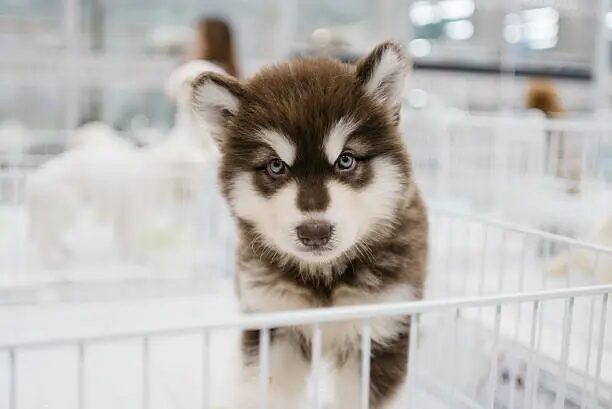
An Alaskan Malamute dog puppy is one of the most captivating companions you can bring into your home. With their fluffy coats, expressive eyes, and playful personalities, these puppies quickly win the hearts of dog lovers. However, beneath their adorable appearance is a powerful working breed that requires dedicated training, proper nutrition, regular exercise, and early socialization to grow into a well-behaved adult.
Originally bred to haul heavy sleds across the frozen Arctic, Alaskan Malamutes are intelligent, independent, and incredibly loyal. Raising one successfully involves much more than providing food and shelter—it means understanding the breed’s unique instincts, growth stages, and care requirements.
Whether you’re considering your first Malamute puppy or already have one at home, this guide covers everything you need to know, including:
- Choosing the right Alaskan Malamute puppy
- Preparing your home
- Understanding growth and development
- Feeding and nutrition
- Early training and socialization
- Grooming and healthcare
- Costs of ownership
- Common mistakes to avoid
By following the advice in this guide, you’ll be well prepared to raise a healthy, confident, and happy Alaskan Malamute.
Alaskan Malamute Puppy Overview
Before bringing home an Alaskan Malamute puppy, it’s helpful to understand the breed’s history and why these dogs behave the way they do today.
Breed History and Arctic Origins
The Alaskan Malamute is one of the world’s oldest Arctic sled dog breeds. It originated with the Mahlemut Inuit people of western Alaska, who relied on these dogs to transport supplies across snow-covered terrain.
Unlike sled dogs bred primarily for speed, Malamutes were developed for strength, endurance, and resilience. Their ability to pull heavy loads in freezing temperatures shaped the breed’s muscular build, thick double coat, and hardworking nature.
These traits remain evident in modern Alaskan Malamute puppies, making early training and proper care especially important.
Why They Were Bred as Working Dogs
Historically, Alaskan Malamutes assisted with:
- Pulling sleds
- Transporting food and supplies
- Hunting large game
- Protecting camps
- Providing companionship
Because of this working background, Malamute puppies are naturally energetic, curious, and eager to explore.
Recognition by Major Kennel Clubs
The Alaskan Malamute is recognized by many leading kennel organizations, including:
- American Kennel Club (AKC)
- Canadian Kennel Club (CKC)
- The Kennel Club (UK)
- Fédération Cynologique Internationale (FCI)
These organizations maintain official breed standards that describe the ideal appearance and temperament.
Puppy vs. Adult Alaskan Malamute
Many owners are surprised by how much a Malamute changes during its first two years.
| Puppy | Adult |
|---|---|
| Small and fluffy | Large and muscular |
| Rapid growth | Fully developed body |
| Constant learning | More emotionally mature |
| Frequent naps | Higher endurance |
| Requires intensive training | Benefits from consistent reinforcement |
Although puppies appear gentle and cuddly, they eventually become powerful working dogs weighing over 80 pounds.
Quick Breed Facts
Alaskan Malamute Puppy Facts Table
| Feature | Details |
|---|---|
| Origin | Alaska, USA |
| Breed Group | Working |
| Height (Adult) | 23–25 inches |
| Weight (Adult) | 75–100 pounds |
| Lifespan | 10–14 years |
| Energy Level | High |
| Intelligence | High |
| Coat Type | Thick double coat |
| Exercise Needs | High |
| Grooming Needs | Moderate to High |
Alaskan Malamute Puppy Appearance
One of the reasons this breed is so admired is its striking appearance. Even as puppies, Malamutes have a wolf-like look combined with a soft, teddy bear charm.
Coat Colors
The breed comes in several beautiful coat color combinations.
Gray and White
The most recognizable color pattern, featuring shades of gray across the back with a white face, legs, and chest.
Black and White
Black markings create a bold contrast against the white undercoat.
Red and White
This warm reddish coloration is less common but highly attractive.
Sable and White
Individual hairs display multiple shades, giving the coat a rich, layered appearance.
Silver and White
Silver-gray coats have a lighter, elegant look.
All White
Although less common, some Alaskan Malamutes have completely white coats while still meeting breed standards.
Eye Color
Unlike some other northern breeds, purebred Alaskan Malamutes almost always have:
- Brown eyes
- Dark brown eyes
- Medium brown eyes
Blue eyes are not considered typical for the breed standard.
Ear Development
Young puppies have small, triangular ears that gradually become more erect as they mature.
Healthy ears should be:
- Clean
- Odor-free
- Free of redness
- Upright by several months of age
Tail Characteristics
The signature Malamute tail is:
- Thick
- Well-furred
- Curved over the back
- Carried proudly when alert
It resembles a waving plume rather than a tightly curled tail.
Paw Size
Large paws are one of the breed’s defining characteristics.
They provide:
- Better traction on snow
- Improved balance
- Excellent endurance
Many owners notice that Malamute puppies seem to have oversized paws, a sign they still have plenty of growing to do.
Nose Color
Most puppies have:
- Black noses
- Brown noses (in red-coated dogs)
- Snow nose (temporary lightening during winter in some dogs)
Facial Mask Patterns
Malamutes are known for their expressive facial markings.
Common patterns include:
- Full face mask
- Open face
- Cap markings
- Goggles around the eyes
These markings make every puppy unique.
Alaskan Malamute Puppy Size and Growth
One of the most exciting parts of raising a Malamute is watching them grow. They develop rapidly during their first year but continue maturing until about two years of age.
Birth Weight
Healthy newborn puppies generally weigh:
- 1–2 pounds (0.45–0.9 kg)
Their weight typically doubles during the first week.
Growth Stages
Newborn (0–2 Weeks)
- Eyes closed
- Sleeps most of the day
- Completely dependent on the mother
Transitional Stage (2–4 Weeks)
- Eyes open
- Walking begins
- Hearing develops
- Social interactions start
Socialization Stage (4–12 Weeks)
This is one of the most important developmental periods.
Puppies learn:
- Confidence
- Bite inhibition
- Social skills
- Human interaction
Positive experiences during this stage help shape a well-adjusted adult dog.
Juvenile Stage (3–6 Months)
During this period, puppies become:
- More energetic
- Highly curious
- Easier to train
- More independent
Adolescent Stage (6–18 Months)
Many owners find this stage the most challenging.
Common behaviors include:
- Testing boundaries
- Increased independence
- High energy
- Selective listening
Consistent training remains essential.
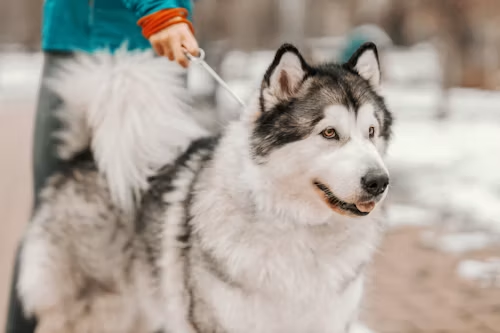
Monthly Growth Chart
| Age | Expected Weight |
|---|---|
| Birth | 1–2 lbs |
| 2 Months | 15–20 lbs |
| 3 Months | 25–35 lbs |
| 4 Months | 35–45 lbs |
| 5 Months | 45–55 lbs |
| 6 Months | 50–65 lbs |
| 9 Months | 60–80 lbs |
| 12 Months | 70–90 lbs |
| 18 Months | Near adult size |
| 24 Months | Fully mature |
Individual puppies grow at different rates depending on genetics, nutrition, and overall health.
Weight by Age
Healthy growth should be steady rather than rapid.
Avoid overfeeding in an attempt to accelerate growth, as excessive weight can place unnecessary stress on developing joints.
Height by Age
Most Malamute puppies experience their fastest increase in height during the first 10–12 months before filling out with muscle over the following year.
Growth Until Two Years
Although many puppies appear full-grown at around one year of age, their bones, muscles, and mental maturity continue developing until approximately 18–24 months.
Male vs. Female Growth Differences
| Male | Female |
|---|---|
| Larger frame | Slightly smaller |
| More muscular | More refined build |
| Heavier adult weight | Lighter adult weight |
| Growth may continue slightly longer | Usually mature earlier |
Alaskan Malamute Puppy Temperament
The Alaskan Malamute is admired not only for its appearance but also for its affectionate and outgoing personality.
Friendly Personality
Malamute puppies are naturally friendly and generally enjoy spending time with people.
They are rarely shy when properly socialized.
Intelligence Level
These puppies are highly intelligent and learn quickly.
However, intelligence also means they become bored easily without mental stimulation.
Loyalty
Alaskan Malamutes form strong bonds with their families and often remain devoted companions throughout their lives.
Affection Toward Family
Despite their independent nature, Malamutes enjoy:
- Family activities
- Outdoor adventures
- Relaxing near their owners
- Daily interaction
Independence
Unlike breeds that constantly seek direction, Malamutes often prefer making their own decisions.
This independent streak is part of their working heritage and explains why training requires patience and consistency.
Confidence
A well-socialized puppy grows into a confident adult that can comfortably handle new environments and experiences.
Playfulness
Young Malamutes love interactive games such as:
- Fetch
- Tug-of-war
- Puzzle toys
- Hide-and-seek
Daily play is essential for both physical and mental development.
Protective Instincts
Although they are not typically aggressive guard dogs, Malamutes are naturally alert and may notify owners when strangers approach.
Social Behavior
Properly socialized puppies generally get along well with:
- Family members
- Familiar visitors
- Other dogs
Early exposure to different people and environments helps encourage positive social behavior.
Prey Drive
Like many northern working breeds, Alaskan Malamutes can have a strong prey drive.
They may instinctively chase:
- Squirrels
- Rabbits
- Birds
- Other small animals
Early recall training and supervised outdoor activities are important.
Are Alaskan Malamute Puppies Good Family Dogs?
For the right household, Alaskan Malamute puppies can become wonderful family companions.
They usually do well with:
- Children who understand respectful interactions with dogs.
- Teenagers who can participate in training and exercise.
- Active families who enjoy outdoor adventures.
- Other dogs when introduced and socialized properly.
They may require extra supervision with:
- Babies and toddlers, due to their size and enthusiasm.
- Cats and small pets, especially if they have not been raised together.
- Elderly owners who may find a large, energetic puppy difficult to manage.
With consistent training, early socialization, and plenty of exercise, an Alaskan Malamute puppy can grow into a loyal, affectionate, and dependable member of the family.
Preparing for an Alaskan Malamute Puppy
Bringing home an Alaskan Malamute puppy is exciting, but preparation is key to making the transition smooth and stress-free. Since Malamutes are intelligent, energetic, and naturally curious, your home should be safe and equipped with the essentials before your puppy arrives.
Puppy-Proofing Your Home
Just like toddlers, puppies explore the world with their mouths. Remove anything that could be dangerous or easily damaged.
Puppy-Proofing Checklist
- Secure electrical cords.
- Store cleaning products out of reach.
- Remove toxic houseplants.
- Keep medications locked away.
- Block access to stairs if needed.
- Secure trash cans with tight-fitting lids.
- Pick up small objects that could be swallowed.
- Fence your yard securely to prevent escapes.
Essential Supplies Checklist
Before bringing your puppy home, gather these essentials:
| Item | Purpose |
|---|---|
| Crate | Safe sleeping and training |
| Puppy bed | Comfortable resting area |
| Food and water bowls | Daily feeding |
| High-quality puppy food | Proper nutrition |
| Collar and ID tag | Identification |
| Adjustable leash | Walks and training |
| Chew toys | Teething relief |
| Puzzle toys | Mental stimulation |
| Grooming brush | Coat maintenance |
| Nail clippers | Nail care |
| Puppy shampoo | Gentle bathing |
| Waste bags | Easy cleanup |
Choosing the Right Crate
A crate provides your puppy with a safe, quiet place to rest and helps with house training.
Choose a crate that is:
- Large enough for your puppy to stand and turn around.
- Adjustable with a divider to accommodate growth.
- Well-ventilated and easy to clean.
Avoid using the crate as punishment. It should always be associated with positive experiences.
Selecting Food and Water Bowls
Stainless steel bowls are often the best choice because they are:
- Durable
- Easy to clean
- Resistant to bacteria
- Less likely to tip over
Fresh water should be available throughout the day.
Toys for Mental Stimulation
Alaskan Malamute puppies are highly intelligent and benefit from toys that challenge their minds.
Good options include:
- Puzzle feeders
- Interactive treat toys
- Rope toys
- Rubber chew toys
- Snuffle mats
Rotate toys regularly to keep your puppy interested.
Bedding Recommendations
Choose bedding that is:
- Soft and supportive
- Washable
- Durable enough to withstand chewing
- Sized appropriately for your growing puppy
Grooming Tools
Essential grooming supplies include:
- Slicker brush
- Undercoat rake
- Metal comb
- Nail clippers or grinder
- Dog-safe toothbrush
- Ear-cleaning solution
Starting grooming early helps puppies become comfortable with regular handling.
First Veterinary Visit
Schedule your puppy’s first veterinary appointment within a few days of bringing them home.
During this visit, your veterinarian may:
- Perform a physical examination
- Review vaccination records
- Discuss parasite prevention
- Provide feeding guidance
- Answer questions about training and care
Bringing Your Puppy Home
The first few days in a new home shape your puppy’s confidence and trust.
The First 24 Hours
Your puppy may feel overwhelmed after leaving its littermates.
Help them settle by:
- Keeping the environment calm
- Allowing time to explore
- Introducing family members gradually
- Providing a quiet sleeping area
- Offering fresh water and familiar food
Avoid inviting many visitors during the first day.
First Week Expectations
During the first week, your puppy will begin learning:
- Household routines
- Potty locations
- Sleeping schedule
- Feeding times
- Family members’ voices
Patience and consistency are essential.
Helping Your Puppy Adjust
Ease the transition by:
- Following a regular routine
- Using positive reinforcement
- Providing plenty of rest
- Avoiding overwhelming situations
- Offering reassurance without encouraging clinginess
Building Trust
Trust develops through positive daily interactions.
Spend time:
- Playing
- Training
- Grooming
- Walking
- Relaxing together
Avoid punishment-based training methods that can damage confidence.
Establishing a Routine
A predictable schedule helps puppies feel secure.
Daily routines should include:
- Feeding
- Potty breaks
- Exercise
- Training sessions
- Quiet time
- Bedtime
Feeding an Alaskan Malamute Puppy
Proper nutrition during puppyhood lays the foundation for lifelong health.
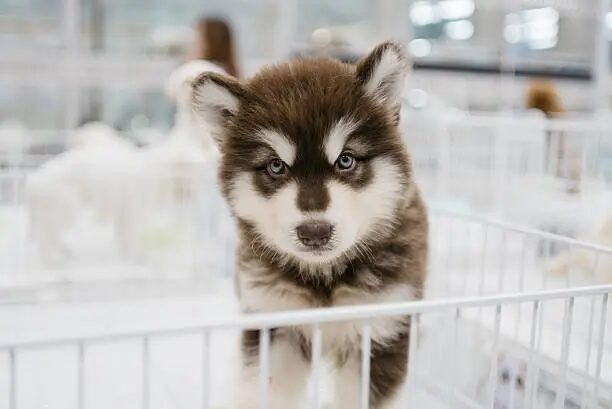
Nutritional Requirements
Growing Malamutes need diets that support:
- Muscle development
- Healthy bones
- Brain growth
- Strong immune systems
- Healthy skin and coat
Choose a high-quality puppy food formulated for large-breed puppies to support controlled growth.
Best Puppy Food
Look for foods containing:
- Real meat as the first ingredient
- DHA for brain development
- Balanced calcium and phosphorus
- Healthy fats
- Digestible carbohydrates
- Essential vitamins and minerals
Dry vs. Wet Food
| Dry Food | Wet Food |
|---|---|
| Affordable | More flavorful |
| Supports dental health | Higher moisture |
| Easy to store | Easier to chew |
| Longer shelf life | More expensive |
Many owners successfully feed a combination of both.
Raw Diet
Some owners choose a balanced raw diet. If considering this option:
- Consult your veterinarian.
- Ensure nutritional balance.
- Practice proper food hygiene.
- Use high-quality ingredients.
Raw feeding is not suitable for every household or every puppy.
Homemade Diet
Homemade meals can work if carefully balanced.
A veterinary nutritionist can help ensure your puppy receives adequate:
- Protein
- Calcium
- Vitamins
- Minerals
- Essential fatty acids
Feeding Schedule by Age
| Age | Meals Per Day |
|---|---|
| 8–12 weeks | 4 |
| 3–6 months | 3 |
| 6–12 months | 2–3 |
| Over 12 months | 2 |
Keeping meal times consistent helps establish healthy eating habits.
Portion Guide
Portion sizes vary depending on:
- Weight
- Activity level
- Food brand
- Calorie density
Always monitor your puppy’s body condition rather than feeding solely by appetite.
Daily Calories
Growing puppies generally require more calories per pound than adult dogs.
Your veterinarian can recommend an appropriate daily calorie intake based on your puppy’s size and growth.
Water Requirements
Fresh, clean water should always be available.
Active puppies, warm weather, and dry kibble diets may increase water needs.
Safe Treats
Healthy treats include:
- Small pieces of cooked chicken
- Carrots
- Blueberries
- Apple slices (without seeds)
- Commercial puppy training treats
Treats should make up no more than 10% of daily calories.
Foods to Avoid
Never feed:
- Chocolate
- Grapes
- Raisins
- Onions
- Garlic
- Xylitol
- Alcohol
- Macadamia nuts
- Cooked bones
Alaskan Malamute Puppy Training
Training should begin as soon as your puppy comes home.
When to Start Training
Most puppies are ready for basic training at 8 weeks of age.
Keep sessions:
- Short
- Positive
- Consistent
- Fun
Positive Reinforcement
Reward desired behaviors with:
- Treats
- Praise
- Toys
- Playtime
Positive reinforcement builds confidence and encourages learning.
Name Recognition
Teach your puppy to respond to its name by:
- Saying the name cheerfully.
- Rewarding eye contact.
- Repeating throughout the day.
Basic Commands
Every Alaskan Malamute puppy should learn:
- Sit
- Stay
- Come
- Down
- Leave It
- Heel
Mastering these commands improves safety and strengthens communication.
Leash Training
Introduce the leash gradually.
Allow your puppy to:
- Wear the collar indoors
- Walk short distances
- Receive praise for walking beside you
Avoid pulling or dragging your puppy.
Crate Training
Crate training helps with:
- House training
- Travel
- Safety
- Establishing routines
Always make the crate a comfortable and rewarding place.
Potty Training
Successful potty training depends on consistency.
Take your puppy outside:
- After waking
- After meals
- After playtime
- Before bedtime
Reward successful potty trips immediately.
Bite Inhibition
Puppies naturally mouth during play.
Teach bite inhibition by:
- Redirecting to toys
- Ending play briefly if biting becomes too hard
- Rewarding gentle play
Recall Training
Reliable recall can be lifesaving.
Practice:
- In quiet environments
- Using high-value treats
- Rewarding every successful response
Never punish your puppy for returning, even if they were slow to respond.
Preventing Jumping
Ignore jumping and reward calm greetings with all four paws on the floor.
Preventing Pulling
Teach loose-leash walking early by rewarding your puppy for staying beside you and stopping when the leash becomes tight.
Socialization Training
Expose your puppy to a variety of positive experiences, including:
- Different people
- Friendly dogs
- New environments
- Household noises
- Car rides
Early socialization helps prevent fear and anxiety later in life.
Exercise Requirements
Although energetic, Malamute puppies should not be overexercised because their joints are still developing.
Daily Exercise Needs
Young puppies benefit from:
- Short walks
- Play sessions
- Training games
- Supervised exploration
As they grow, gradually increase activity based on age and veterinary guidance.
Indoor Activities
Great indoor options include:
- Puzzle toys
- Hide-and-seek
- Tug games
- Basic obedience practice
Outdoor Activities
Safe outdoor activities include:
- Walking
- Exploring fenced yards
- Gentle hiking on suitable terrain
- Interactive play
Safe Puppy Exercise
Avoid repetitive high-impact activities such as:
- Long-distance running
- Excessive jumping
- Stair climbing
- Pulling heavy loads
These activities should wait until your puppy is fully grown.
Avoiding Overexercising
Signs your puppy has had enough include:
- Excessive panting
- Slowing down
- Lying down frequently
- Reluctance to continue playing
Allow plenty of rest between activity sessions.
Mental Stimulation Games
Mental exercise is just as important as physical activity.
Try:
- Food puzzles
- Scent games
- Obedience training
- Interactive toys
- Problem-solving activities
These help reduce boredom and encourage good behavior.
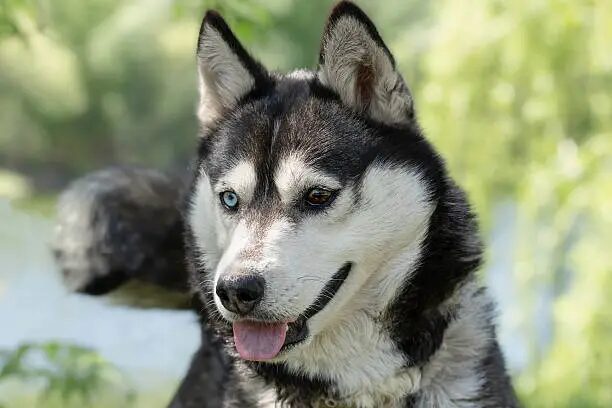
Grooming an Alaskan Malamute Puppy
The Alaskan Malamute’s thick double coat is one of its most beautiful features, but it also requires regular maintenance. Establishing a grooming routine early helps your puppy become comfortable with handling and keeps its coat healthy.
Brushing Schedule
Regular brushing helps remove loose fur, prevent mats, and distribute natural oils.
Recommended schedule:
- 2–3 times per week during most of the year
- Daily brushing during seasonal shedding (“blowing coat”)
Use an undercoat rake and a slicker brush for the best results.
Bathing
Unlike many breeds, Malamutes don’t require frequent baths.
General recommendations:
- Every 6–8 weeks, or
- Whenever they become particularly dirty
Always use a dog-specific shampoo that won’t strip the coat’s natural oils.
Nail Trimming
Trim your puppy’s nails every 3–4 weeks or whenever you hear them clicking on hard floors.
Overgrown nails can affect posture and cause discomfort.
Ear Cleaning
Check your puppy’s ears weekly.
Healthy ears should be:
- Clean
- Dry
- Odor-free
- Light pink inside
Clean only when necessary using a veterinarian-approved ear cleaner.
Dental Care
Good dental hygiene should begin during puppyhood.
Brush your puppy’s teeth:
- At least 2–3 times per week
- Ideally every day
Dental chews can also help reduce plaque buildup.
Eye Care
Monitor your puppy’s eyes regularly.
Healthy eyes should be:
- Bright
- Clear
- Free from excessive tearing or discharge
Contact your veterinarian if you notice redness, swelling, or persistent discharge.
Seasonal Coat Changes
Most Alaskan Malamutes shed heavily twice each year, usually during spring and fall.
During these periods:
- Brush daily.
- Increase vacuuming around the house.
- Ensure your puppy stays hydrated.
Shedding Management
To manage shedding:
- Brush consistently.
- Feed a balanced diet rich in Omega-3 fatty acids.
- Bathe when appropriate.
- Never shave the double coat unless specifically recommended by a veterinarian for medical reasons.
Alaskan Malamute Puppy Health
Routine veterinary care and proper nutrition help puppies develop into healthy adults.
Common Health Problems
While many Alaskan Malamutes are healthy, some inherited conditions can occur.
Hip Dysplasia
An abnormal development of the hip joint that may affect mobility later in life.
Elbow Dysplasia
A developmental joint disorder that can lead to pain and arthritis.
Cataracts
Clouding of the eye’s lens, which may affect vision.
Progressive Retinal Atrophy (PRA)
An inherited eye disease that gradually causes vision loss.
Hypothyroidism
A condition where the thyroid gland produces insufficient hormones, potentially causing weight gain, skin issues, and low energy.
Gastric Dilatation-Volvulus (Bloat)
Although uncommon in young puppies, large deep-chested breeds may be at increased risk as adults. Learn the warning signs and seek emergency care immediately if suspected.
Vaccination Schedule
Vaccination schedules vary by region and your veterinarian’s recommendations, but puppies commonly receive vaccines beginning around 6–8 weeks of age, followed by booster doses every few weeks until approximately 16 weeks.
Core vaccinations may include protection against:
- Distemper
- Parvovirus
- Adenovirus
- Rabies (according to local regulations)
Deworming
Puppies are commonly dewormed several times during their first months of life.
Your veterinarian will recommend an appropriate schedule based on age and risk factors.
Flea and Tick Prevention
Discuss safe flea and tick prevention products with your veterinarian. Use only treatments approved for your puppy’s age and weight.
Heartworm Prevention
In regions where heartworm disease is present, preventive medication is important. Your veterinarian can recommend the best product and schedule.
Regular Vet Checkups
Routine veterinary visits help monitor:
- Growth
- Weight
- Vaccinations
- Dental health
- Parasite prevention
- Overall development
Puppy Growth Milestones
Understanding developmental milestones helps you monitor your puppy’s progress.
| Age | Development |
|---|---|
| 8 Weeks | Ready for a new home, begins learning basic routines |
| 3 Months | Rapid growth and increased curiosity |
| 4 Months | Adult teeth begin replacing baby teeth |
| 6 Months | Increased independence and adolescence begins |
| 9 Months | Near adult height, continued muscle development |
| 12 Months | Physically large but mentally maturing |
| 18 Months | Most growth complete |
| 24 Months | Fully mature adult |
Socialization Guide
Early socialization helps build a confident and well-adjusted adult dog.
Expose your puppy positively to:
Meeting New People
Introduce adults, children, and people of different appearances.
Meeting Other Dogs
Arrange controlled interactions with healthy, vaccinated, friendly dogs.
Different Environments
Visit parks, sidewalks, pet-friendly stores, and quiet public places when appropriate.
Car Rides
Take short trips to build confidence and reduce travel anxiety.
Veterinary Visits
Create positive associations with veterinary clinics through calm, rewarding experiences.
Loud Noises
Gradually expose your puppy to everyday sounds such as vacuum cleaners, thunderstorms (through recordings), and traffic.
Children
Teach both children and puppies how to interact respectfully.
Household Objects
Help your puppy become comfortable around umbrellas, bicycles, hats, wheelchairs, and other unfamiliar objects.
Sleeping Requirements
Growing puppies need plenty of sleep.
How Much Sleep Do Puppies Need?
Most Alaskan Malamute puppies sleep 16–20 hours per day, depending on age and activity.
Sleep supports:
- Brain development
- Muscle growth
- Learning
- Immune function
Ideal Sleeping Environment
Provide:
- A quiet location
- Comfortable bedding
- Proper ventilation
- A consistent bedtime routine
Nighttime Routine
A predictable evening routine helps your puppy settle more easily.
Include:
- A final potty break
- Quiet play or cuddling
- Fresh water
- Bedtime at a consistent hour
Crate Sleeping Tips
Keep the crate:
- Comfortable
- Clean
- Near family during the first few nights if possible
Never use the crate for punishment.
Common Behavioral Problems
Many puppy behaviors are normal and improve with training.
Chewing
Redirect chewing to appropriate toys, especially during teething.
Digging
Provide exercise and mental enrichment to reduce boredom-related digging.
Barking
Teach quiet behavior through positive reinforcement rather than punishment.
Separation Anxiety
Gradually help your puppy become comfortable spending short periods alone.
Resource Guarding
Practice positive trading exercises and avoid forcibly taking items away.
Escaping
Ensure fences are secure and never leave your puppy unattended in unsecured areas.
Destructive Behavior
Most destructive behavior results from boredom or insufficient exercise.
Stubbornness
Malamutes are intelligent and independent. Consistency and patience are far more effective than harsh corrections.
Best Toys for Alaskan Malamute Puppies
Recommended toy types include:
- Chew Toys – for healthy chewing habits.
- Puzzle Toys – for mental stimulation.
- Tug Toys – for interactive play.
- Fetch Toys – to encourage activity.
- Interactive Toys – to prevent boredom.
- Frozen Toys – to soothe sore gums during teething.
Teething Guide
When Teething Starts
Most puppies begin teething around 3–4 months of age.
Symptoms
Common signs include:
- Increased chewing
- Drooling
- Mild gum discomfort
- Chewing furniture or shoes
Best Chews
Offer safe, puppy-appropriate chew toys recommended for your puppy’s age.
Pain Relief Tips
- Chilled rubber toys
- Frozen damp washcloths (under supervision)
- Approved teething toys
Protecting Furniture
Keep valuable items out of reach and redirect chewing to appropriate toys.
Traveling With an Alaskan Malamute Puppy
Car Travel
Use a crash-tested crate or a properly fitted pet seatbelt harness for safety.
Air Travel
Check airline requirements well in advance, including crate specifications and health documentation.
Road Trips
Pack:
- Food
- Water
- Bowls
- Leash
- Waste bags
- Favorite toys
- Medical records
Travel Safety Tips
- Never leave your puppy in a parked vehicle.
- Take regular breaks during long trips.
- Ensure proper identification.
Seasonal Puppy Care
Summer Care
- Provide shade and fresh water.
- Walk during cooler hours.
- Watch for signs of overheating.
Winter Care
Although Malamutes tolerate cold well, young puppies still need protection from prolonged exposure to extreme weather.
Rainy Season Tips
Dry your puppy thoroughly after walks to reduce skin irritation.
Hot Weather Safety
Avoid strenuous activity during the hottest part of the day.
Cold Weather Safety
Limit exposure during severe cold, especially for very young puppies.
Cost of Owning an Alaskan Malamute Puppy
Owning a Malamute involves ongoing financial responsibility.
| Expense | Typical Cost Considerations |
|---|---|
| Initial Purchase | Varies by breeder and pedigree |
| Adoption | Usually lower than purchasing |
| Food | Large-breed puppy diets |
| Veterinary Care | Vaccinations, exams, preventive care |
| Grooming | Supplies or professional grooming |
| Training | Puppy classes and obedience |
| Toys & Supplies | Ongoing replacements |
| Pet Insurance | Optional but worth considering |
Alaskan Malamute Puppy Price
The price of a puppy depends on several factors:
- Breeder reputation
- Bloodline
- Health testing
- Geographic location
- Registration status
- Show quality vs. pet quality
Ethical breeders generally invest more in health testing and responsible breeding practices.
How to Choose a Healthy Alaskan Malamute Puppy
Look for puppies that are:
- Bright and alert
- Curious
- Clean
- Well-socialized
- Free from obvious signs of illness
Questions to Ask the Breeder
- Have the parents undergone health testing?
- Has the puppy received vaccinations?
- Has the puppy been dewormed?
- Can I meet the parents?
- What food is the puppy currently eating?
Red Flags
Avoid breeders who:
- Refuse health records
- Sell puppies too young
- Keep puppies in poor conditions
- Avoid answering questions
Finding a Reputable Breeder
Responsible breeders:
- Perform health testing.
- Raise puppies in clean environments.
- Provide health guarantees where appropriate.
- Encourage questions.
- Offer lifetime support for puppy buyers.
Some reputable breeders may also maintain waiting lists due to limited litters.
Adoption and Rescue
Adopting can be a rewarding way to welcome an Alaskan Malamute into your family.
Benefits include:
- Giving a dog a second chance.
- Lower adoption costs.
- Supporting rescue organizations.
Some families may also find that an older Malamute better matches their lifestyle than a young puppy.
Living With an Alaskan Malamute Puppy
This breed thrives in homes that provide:
- Regular exercise
- Consistent training
- Mental stimulation
- Family interaction
While they can adapt to different living situations, they generally do best with enough space to move and opportunities for daily activity.
Pros and Cons of Owning an Alaskan Malamute Puppy
| Pros | Cons |
|---|---|
| Loyal | Heavy shedding |
| Intelligent | Strong-willed |
| Affectionate | High exercise needs |
| Beautiful appearance | Requires regular grooming |
| Great adventure companion | Can have a strong prey drive |
Mistakes New Owners Should Avoid
Avoid these common mistakes:
- Delaying training
- Poor socialization
- Underestimating exercise requirements
- Overfeeding
- Inconsistent household rules
- Skipping grooming
- Missing routine veterinary care
Frequently Asked Questions (FAQ)
How much does an Alaskan Malamute puppy cost?
Prices vary based on breeder, pedigree, and location. Adoption is often less expensive than purchasing from a breeder.
How big will an Alaskan Malamute puppy get?
Most adults weigh 75–100 pounds and stand 23–25 inches tall.
Are Alaskan Malamute puppies easy to train?
They are intelligent but independent. Positive, consistent training produces the best results.
Do Alaskan Malamute puppies shed a lot?
Yes. Their thick double coat sheds year-round and heavily during seasonal coat changes.
How much exercise does a Malamute puppy need?
Puppies need age-appropriate exercise, play, and mental stimulation while avoiding excessive impact on developing joints.
What should I feed my Alaskan Malamute puppy?
A high-quality large-breed puppy food formulated to support balanced growth.
Can Malamute puppies live in apartments?
They can, provided they receive sufficient daily exercise and mental enrichment, though larger living spaces are generally easier for this active breed.
Are they good with children?
Yes, when properly socialized and supervised, they are often affectionate family companions.
When do they stop growing?
Most reach full physical maturity between 18 and 24 months.
How often should I groom a Malamute puppy?
Brush 2–3 times weekly, increasing to daily during heavy shedding seasons.
Do they bark a lot?
Malamutes are generally not excessive barkers, but they may vocalize through howling or “talking.”
How long do Alaskan Malamutes live?
The average lifespan is 10–14 years with proper care.
Conclusion
Raising an Alaskan Malamute dog puppy is a rewarding experience that requires patience, commitment, and an understanding of the breed’s unique needs. From providing balanced nutrition and early socialization to maintaining a consistent training routine, every stage of puppyhood helps shape a confident, healthy, and well-mannered adult.
Raising a Healthy and Well-Behaved Alaskan Malamute Puppy
Success comes from consistency, positive reinforcement, and meeting both your puppy’s physical and mental needs. Building good habits during the first two years lays the foundation for a lifetime of companionship.
Building a Lifelong Bond Through Proper Care and Training
Spend quality time with your puppy every day through play, training, grooming, and outdoor adventures. These shared experiences strengthen trust and create a lasting relationship.
Choosing Responsible Breeders or Adoption
Whether you choose to purchase from a responsible breeder or adopt through a rescue organization, prioritize health, temperament, and ethical practices. Taking time to make an informed decision helps ensure the best start for both you and your new companion.