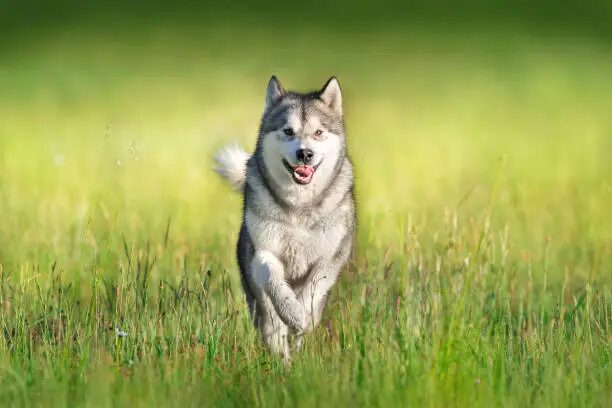
The Alaskan Malamute dog is one of the oldest and most powerful Arctic dog breeds in the world. Recognized for its wolf-like appearance, incredible strength, and friendly personality, this majestic breed has earned a reputation as both a hardworking sled dog and a devoted family companion.
Originally developed by the Mahlemut Inuit people of Alaska, the Alaskan Malamute was bred to haul heavy loads across frozen landscapes, survive harsh Arctic climates, and work closely alongside humans. Today, although most Malamutes no longer pull sleds for a living, they continue to impress dog lovers with their intelligence, endurance, and affectionate nature.
One reason the breed remains popular worldwide is its unique combination of beauty and loyalty. Their thick double coat, expressive face, and playful personality make them highly desirable for active families who enjoy outdoor adventures. However, owning an Alaskan Malamute also comes with responsibilities, including regular exercise, grooming, and consistent training.
Many people confuse the Alaskan Malamute with the Siberian Husky, but the two breeds were developed for different purposes. While Huskies are built for speed, Malamutes are bred for strength and endurance, making them larger, heavier, and more powerful.
Whether you’re considering bringing home a Malamute puppy or simply want to learn more about this remarkable breed, this guide covers everything you need to know—from history and temperament to grooming, health, training, nutrition, and ownership costs.
Alaskan Malamute Breed Overview
Before bringing an Alaskan Malamute into your home, it’s important to understand the breed’s basic characteristics. These dogs thrive in active households and require owners who can meet their physical and mental needs.
Quick Breed Facts
| Category | Details |
|---|---|
| Breed Group | Working Group |
| Origin | Alaska, United States |
| Height | 23–25 inches |
| Weight | 75–100+ pounds |
| Lifespan | 10–14 years |
| Coat Type | Thick double coat |
| Coat Colors | Gray, black, sable, red, silver, white, seal |
| Temperament | Friendly, loyal, affectionate, independent |
| Intelligence | High |
| Energy Level | Very High |
| Shedding Level | Heavy |
| Exercise Needs | 1.5–2+ hours daily |
| Trainability | Moderate |
| Good with Children | Yes, with supervision |
| Good with Other Pets | Sometimes; early socialization required |
| Apartment Friendly | No |
| Barking Level | Low to Moderate (more likely to howl) |
Alaskan Malamute at a Glance
| Feature | Rating |
|---|---|
| Family Friendliness | ⭐⭐⭐⭐⭐ |
| Affection Level | ⭐⭐⭐⭐⭐ |
| Intelligence | ⭐⭐⭐⭐☆ |
| Exercise Needs | ⭐⭐⭐⭐⭐ |
| Grooming Requirements | ⭐⭐⭐⭐⭐ |
| Trainability | ⭐⭐⭐☆☆ |
| Good for First-Time Owners | ⭐⭐☆☆☆ |
| Adaptability | ⭐⭐⭐☆☆ |
| Cold Weather Tolerance | ⭐⭐⭐⭐⭐ |
| Heat Tolerance | ⭐⭐☆☆☆ |
History and Origin of the Alaskan Malamute
The Alaskan Malamute has a fascinating history that stretches back thousands of years. It is one of the oldest domesticated sled dog breeds and played a crucial role in helping humans survive in some of Earth’s harshest environments.
Where Did the Alaskan Malamute Come From?
The Alaskan Malamute originated in the northwestern region of Alaska, where survival depended heavily on hardworking dogs. Archaeological evidence suggests that Arctic sled dogs have existed for over 4,000 years, making the Malamute one of the oldest working breeds still in existence.
Unlike many modern dog breeds that were selectively bred for appearance, the Alaskan Malamute evolved primarily for functionality. Every aspect of its body—from muscular legs to dense fur—served a practical purpose in the frozen Arctic.
The Mahlemut Inuit Tribe
The breed gets its name from the Mahlemut, an Inuit tribe that lived along Alaska’s Norton Sound.
These people depended on their dogs for everyday survival. Alaskan Malamutes helped:
- Pull heavy sleds
- Transport food and supplies
- Carry hunting equipment
- Assist in seal and polar bear hunting
- Protect camps from predators
- Provide warmth during freezing nights
Unlike many modern pets, Malamutes were valued as essential working partners and family members.
Original Purpose of the Breed
Unlike racing sled dogs, Alaskan Malamutes were bred for strength rather than speed.
Their primary responsibilities included:
- Hauling extremely heavy freight
- Traveling long distances
- Working in deep snow
- Pulling supplies across glaciers
- Assisting hunters
Because of these demanding tasks, breeders selected dogs based on endurance, intelligence, and physical power instead of appearance.
Role During Arctic Expeditions
As Arctic exploration increased during the late 1800s and early 1900s, Alaskan Malamutes became indispensable.
Explorers relied on them to:
- Transport scientific equipment
- Pull sleds through dangerous terrain
- Carry food over long distances
- Navigate harsh weather conditions
Their remarkable stamina helped many expeditions succeed where machinery would have failed.
Alaskan Malamute During the Gold Rush
The Klondike Gold Rush dramatically increased demand for powerful sled dogs.
Thousands of prospectors traveled north hoping to find gold, and many purchased Malamutes to transport:
- Mining equipment
- Food supplies
- Building materials
- Personal belongings
Unfortunately, the sudden demand also led to crossbreeding, which temporarily threatened the purity of the original Alaskan Malamute.
Recognition by the American Kennel Club (AKC)
Efforts to preserve the breed eventually paid off.
The American Kennel Club (AKC) officially recognized the Alaskan Malamute in 1935, helping establish breed standards and promote responsible breeding practices.
Today, the breed remains one of the most respected working dogs in the world.
Modern-Day Alaskan Malamute
Although few Malamutes work as freight dogs today, they continue to excel in activities such as:
- Backpacking
- Weight pulling
- Canicross
- Hiking
- Search and rescue
- Therapy work
- Family companionship
Their hardworking spirit remains unchanged despite adapting to modern lifestyles.
Physical Characteristics
The Alaskan Malamute is instantly recognizable thanks to its impressive size, wolf-like appearance, and thick weather-resistant coat.
Size
The breed is considered one of the largest Arctic sled dogs.
Adult males typically stand between 24 and 25 inches, while females measure 22 to 24 inches.
Despite their height, Malamutes appear even larger due to their dense fur and broad build.
Weight
Weight varies depending on genetics, diet, and activity level.
Typical ranges include:
- Males: 85–100 pounds
- Females: 75–85 pounds
Some working-line Malamutes may exceed 110 pounds, though excessive weight is not considered ideal.
Height
| Gender | Average Height |
|---|---|
| Male | 24–25 inches |
| Female | 22–24 inches |
Balanced proportions are more important than sheer size according to breed standards.
Growth Chart
| Age | Average Weight |
|---|---|
| 8 Weeks | 15–20 lbs |
| 3 Months | 25–35 lbs |
| 6 Months | 45–65 lbs |
| 9 Months | 60–80 lbs |
| 12 Months | 70–90 lbs |
| Adult | 75–100+ lbs |
Individual growth rates vary depending on genetics and nutrition.
Body Structure
The Alaskan Malamute possesses an athletic yet sturdy body designed for pulling heavy loads.
Key physical traits include:
- Broad chest
- Powerful shoulders
- Strong neck
- Deep ribs
- Muscular hindquarters
- Straight back
- Thick bones
Every feature contributes to endurance and strength.
Thick Double Coat
One of the breed’s defining features is its luxurious double coat.
It consists of:
Outer Coat
- Coarse
- Weather resistant
- Protects against snow and ice
Undercoat
- Soft
- Dense
- Wool-like
- Excellent insulation
During seasonal shedding, known as coat blowing, large amounts of undercoat are shed over several weeks.
Tail Shape
The Alaskan Malamute’s tail is carried gracefully over its back in a gentle curve.
Unlike tightly curled tails, the Malamute’s tail appears like a waving plume covered in thick fur.
It also serves a practical purpose. In freezing weather, Malamutes often curl into a ball and wrap their bushy tails around their noses to help conserve body heat while sleeping outdoors.
Ear Shape
The ears are:
- Small
- Triangular
- Thick
- Rounded at the tips
- Set wide apart
Small ears reduce heat loss and lower the risk of frostbite in Arctic conditions.
Eye Color
According to breed standards, brown eyes are preferred.
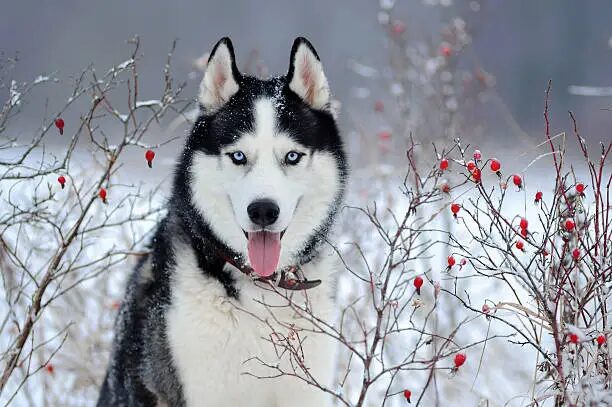
Unlike Siberian Huskies, blue eyes are considered a fault in purebred Alaskan Malamutes.
Their almond-shaped eyes give them a gentle yet alert expression that reflects their intelligence and confidence.
Facial Features
The Alaskan Malamute has a broad head with distinctive markings that contribute to its striking appearance.
Common facial features include:
- Black nose (or brown in red-coated dogs)
- Strong muzzle
- Black lips
- Dark eye rims
- Characteristic facial mask
- White blaze on the forehead (in many dogs)
These markings vary from dog to dog, making each Malamute unique.
Feet Built for Snow
One of the breed’s most practical adaptations is its large, snow-ready feet.
These feet are:
- Wide
- Compact
- Well-padded
- Covered with protective fur between the toes
The design helps distribute weight evenly across snow, providing better traction and reducing the chance of sinking into soft terrain.
Alaskan Malamute Coat Colors
The Alaskan Malamute comes in a variety of beautiful coat colors, all enhanced by the breed’s thick double coat and striking facial markings.
Gray and White
This is the most common and recognizable color combination. Shades can range from light silver-gray to dark charcoal, paired with white on the face, chest, legs, and underside. The classic gray-and-white Malamute is often what people picture when they think of the breed.
Black and White
Black-and-white Malamutes have a dramatic appearance, with a rich black saddle over the back and contrasting white markings. Their bold coloring highlights the breed’s wolf-like features while maintaining the friendly expression typical of the breed.
Red and White
Red-and-white Malamutes display coats ranging from light cinnamon to deep mahogany. Instead of a black nose and eye rims, red-coated dogs typically have liver-colored pigmentation, giving them a warm and distinctive look.
Alaskan Malamute Coat Colors (Continued)
Sable and White
Sable-and-white Alaskan Malamutes have individual hairs tipped with black over a lighter base color, creating a rich, shaded appearance. This coat color gives the breed added depth and a rugged Arctic look.
Seal and White
Seal-and-white is a less common color pattern. These dogs often appear nearly black from a distance, but in natural sunlight, their coats reveal lighter undercoats and subtle brown or gray tones.
Silver and White
Silver-and-white Malamutes feature a cool-toned gray coat with bright white markings. Their elegant coloring is especially striking against snowy landscapes.
Pure White
Although rare, pure white Alaskan Malamutes are recognized by many kennel clubs. They have solid white coats without darker markings, making them one of the breed’s most eye-catching color variations.
Rare Coat Colors
Some breeders may advertise unusually colored Malamutes, but buyers should remember that:
- Coat color should never be prioritized over health.
- Responsible breeders focus on temperament and genetic testing.
- Extremely rare colors often come with higher prices but offer no health or performance advantages.
Temperament and Personality
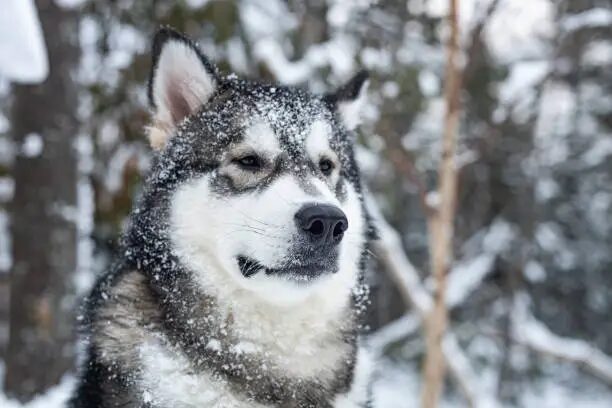
The Alaskan Malamute is known for its affectionate, loyal, and outgoing personality. Despite its intimidating size, this breed is generally gentle with family members and thrives on companionship.
Family-Friendly Nature
Malamutes enjoy spending time with their families and often form strong bonds with every household member. They are playful, patient, and happiest when included in daily activities.
They do best in homes where someone is around for much of the day, as they dislike being left alone for long periods.
Best qualities around families:
- Loving and affectionate
- Patient with respectful children
- Enjoys outdoor adventures
- Loyal and dependable
- Playful throughout adulthood
Intelligence
Alaskan Malamutes are highly intelligent dogs capable of learning complex commands and tasks. However, they are also independent thinkers.
Instead of blindly obeying commands, they often evaluate whether a task is worth doing. This independence can make training more challenging than with breeds eager to please.
Loyalty
Once bonded with their family, Malamutes are incredibly loyal companions.
Unlike some breeds that attach to only one person, they usually develop close relationships with everyone in the household.
Affection Level
These gentle giants love affection and often believe they are lap dogs despite weighing nearly 100 pounds.
Many Malamutes enjoy:
- Leaning against their owners
- Cuddling indoors
- Following family members around the house
- Participating in family activities
Independence
Because they were bred to work in harsh conditions with limited supervision, Malamutes have retained a strong independent streak.
Owners should expect occasional stubbornness, especially during training.
Pack Mentality
The Alaskan Malamute naturally understands pack hierarchy.
Without consistent leadership, they may attempt to make their own decisions. Calm, confident guidance helps establish healthy boundaries.
Prey Drive
Like many northern breeds, Malamutes possess a strong prey drive.
They may instinctively chase:
- Rabbits
- Squirrels
- Cats
- Birds
- Small wildlife
Early socialization can reduce—but not completely eliminate—this instinct.
Protective Instincts
Although loyal, Alaskan Malamutes are not traditional guard dogs.
They are more likely to greet strangers than confront them aggressively. Their impressive size alone often acts as a deterrent.
Social Behavior
Well-socialized Malamutes generally enjoy meeting new people and dogs.
Positive exposure during puppyhood helps develop confidence and prevents fearful behavior later in life.
Stranger Friendliness
Most Malamutes are naturally friendly toward visitors.
While they may alert owners by howling or standing at the door, aggression toward strangers is uncommon.
Alaskan Malamute vs Siberian Husky
These two Arctic breeds share similar appearances, but they differ significantly in purpose, size, and personality.
| Feature | Alaskan Malamute | Siberian Husky |
|---|---|---|
| Primary Purpose | Heavy freight pulling | Speed sledding |
| Height | 23–25 inches | 20–24 inches |
| Weight | 75–100+ lbs | 35–60 lbs |
| Build | Heavy and muscular | Lean and athletic |
| Energy Level | Very High | Extremely High |
| Intelligence | High | High |
| Trainability | Moderate | Moderate |
| Shedding | Heavy | Heavy |
| Lifespan | 10–14 years | 12–15 years |
| Eye Color | Brown | Brown or Blue |
| Cost | Higher | Moderate |
Appearance
The Alaskan Malamute is noticeably larger with a broader chest, thicker bones, and a more powerful build.
The Siberian Husky has a lighter frame built for speed over long distances.
Size Comparison
Malamutes outweigh Huskies by 30 to 50 pounds on average.
Their larger size makes them better suited for pulling heavy loads rather than racing.
Personality Differences
Alaskan Malamute
- Calm indoors
- Independent
- Family-oriented
- Strong-willed
- Less vocal
Siberian Husky
- Extremely energetic
- Mischievous
- Highly social
- More vocal
- Often more playful
Exercise Needs
Both breeds require extensive daily exercise.
However:
- Huskies enjoy fast-paced running.
- Malamutes excel at hiking, backpacking, and pulling activities.
Intelligence
Both breeds are intelligent, but neither is naturally eager to obey commands.
Training requires patience, consistency, and positive reinforcement.
Trainability
Neither breed is ideal for owners expecting instant obedience.
Short, fun training sessions produce the best results.
Shedding
Both breeds experience heavy seasonal shedding, often called “blowing coat.”
Daily brushing during these periods helps control loose hair.
Lifespan
- Alaskan Malamute: 10–14 years
- Siberian Husky: 12–15 years
Cost
Malamutes often cost more due to their size, lower availability, and higher feeding expenses.
Which Breed Is Better?
There is no universal winner.
Choose an Alaskan Malamute if you want:
- A larger dog
- A powerful hiking companion
- Calm confidence
- Heavy-duty outdoor adventures
Choose a Siberian Husky if you prefer:
- A smaller Arctic breed
- Faster running partner
- More playful personality
- Blue-eye possibility
Is an Alaskan Malamute Right for You?
Owning an Alaskan Malamute is a long-term commitment. Before bringing one home, consider whether your lifestyle matches the breed’s needs.
Ideal Owners
The best owners are:
- Physically active
- Patient trainers
- Experienced dog owners
- Outdoor enthusiasts
- Families with large yards
Families
Malamutes can make wonderful family dogs when properly trained and supervised around young children.
Their affectionate nature makes them loyal companions for all ages.
Singles
Single owners who enjoy hiking, camping, and regular exercise often develop strong bonds with Malamutes.
The key is providing enough daily activity and companionship.
Seniors
Because of their size and exercise requirements, Malamutes are generally not recommended for less active seniors unless assistance with daily care is available.
Apartment Living
Apartment life is rarely ideal.
These dogs need:
- Space to move
- Regular outdoor activity
- Secure exercise areas
- Mental stimulation
Without adequate exercise, boredom can lead to destructive behaviors.
Active Lifestyle Requirements
An Alaskan Malamute thrives with owners who enjoy:
- Hiking
- Running
- Camping
- Backpacking
- Snow sports
- Daily outdoor adventures
Alaskan Malamute Puppies
Bringing home a Malamute puppy is exciting, but preparation is essential.
What to Expect
Puppies are energetic, curious, and eager to explore.
Expect:
- Frequent naps
- Chewing
- House-training accidents
- Rapid growth
- Daily training sessions
Puppy Development Stages
8–12 Weeks
- Learning social skills
- Beginning house training
- Bonding with family
3–6 Months
- Teething
- Increased confidence
- Basic obedience
6–12 Months
- Rapid physical growth
- Testing boundaries
- Developing independence
Growth Milestones
| Age | Development |
|---|---|
| 2 Months | Socialization begins |
| 4 Months | Permanent teeth emerge |
| 6 Months | Strong physical growth |
| 9 Months | Near adult height |
| 12–18 Months | Emotional maturity develops |
| 18–24 Months | Full adult body size |
Socialization Tips
Introduce your puppy to:
- Different people
- Friendly dogs
- Various environments
- Car rides
- Household noises
- Grooming sessions
- Veterinary visits
Positive experiences during early life create confident adults.
Puppy-Proofing Your Home
Before your puppy arrives:
- Secure electrical cords.
- Remove toxic plants.
- Lock away cleaning products.
- Store shoes safely.
- Install baby gates if needed.
- Provide safe chew toys.
First-Year Care Guide
During the first year, focus on:
- Vaccinations
- Deworming
- Proper nutrition
- Socialization
- Basic obedience
- Leash training
- Routine veterinary checkups
How to Choose an Alaskan Malamute Puppy
Finding the right puppy starts with selecting a responsible breeder or rescue organization.
Signs of a Healthy Puppy
Look for puppies that are:
- Bright-eyed
- Curious
- Energetic
- Clean
- Friendly
- Free of limping
- Comfortable around people
Avoid puppies that appear unusually fearful or lethargic.
Questions to Ask Breeders
Ask about:
- Health testing of the parents
- Vaccination records
- Feeding schedule
- Temperament of the parents
- Socialization practices
- Genetic screening
- Registration papers
Health Certificates
Responsible breeders should provide documentation for health screenings related to inherited conditions, including hip and eye health, where applicable.
Red Flags to Avoid
Be cautious if a breeder:
- Refuses to let you meet the puppies.
- Won’t answer health questions.
- Always has multiple litters available.
- Offers unusually low prices.
- Avoids providing veterinary records.
- Pressures you into making a quick purchase.
Alaskan Malamute Price
The cost of owning an Alaskan Malamute extends well beyond the initial purchase price.
Average Puppy Price
A well-bred Alaskan Malamute puppy typically costs $1,000 to $3,000 or more, depending on pedigree, breeder reputation, location, and health testing. Puppies from champion bloodlines may be priced even higher.
Factors Affecting Cost
Several factors influence the purchase price, including:
- Breeder experience and reputation
- Bloodline and pedigree
- Geographic location
- Health certifications
- Coat quality and markings
- Demand and availability
Show Quality vs Pet Quality
Show-quality puppies generally command higher prices because they closely match breed standards and may be suitable for conformation events.
Pet-quality puppies, while healthy and well-bred, may have minor cosmetic differences that do not affect their ability to become wonderful family companions.
Adoption Costs
Adopting from a rescue organization is often more affordable than purchasing from a breeder. Adoption fees commonly range from $200 to $600, and many rescued dogs are already vaccinated, microchipped, and spayed or neutered.
Lifetime Cost of Ownership
| Expense | Estimated Cost (USD) |
|---|---|
| Puppy Purchase | $1,000–$3,000+ |
| Adoption Fee | $200–$600 |
| Food (Annual) | $700–$1,200 |
| Routine Veterinary Care | $300–$800 |
| Grooming Supplies | $150–$400 |
| Training Classes | $150–$600 |
| Toys & Accessories | $200–$500 |
| Estimated Lifetime Cost | $20,000–$35,000+ |
AlaskAlaskan Malamute Rescue and Adoption
Many wonderful Alaskan Malamutes are available through rescue organizations and shelters.
Benefits of Adoption
Adopting a rescue dog offers several advantages:
- Saves a dog’s life
- Lower adoption fees
- Adult personality is already established
- Many dogs have received basic training
- Most are vaccinated and spayed or neutered
Rescue Organizations
Breed-specific rescues specialize in rehoming Alaskan Malamutes. These organizations carefully evaluate each dog’s personality before matching them with suitable families.
Adoption Process
The process usually includes:
- Completing an application
- Home interview or inspection
- Reference checks
- Meeting available dogs
- Adoption agreement
- Bringing your new companion home
Adult vs Puppy Adoption
| Adult Dog | Puppy |
|---|---|
| More predictable temperament | Requires extensive training |
| Often house-trained | Easier to shape behavior |
| Lower adoption cost | Longer lifetime together |
| Usually calmer | Higher energy level |
Living Requirements
The Alaskan Malamute thrives when given enough space and opportunities to stay active.
House with Yard
A securely fenced yard provides room for exercise, although it should never replace daily walks and mental stimulation.
Fencing Requirements
Malamutes are talented escape artists.
A fence should ideally be:
- At least 6 feet high
- Strong and secure
- Buried below ground if possible
- Checked regularly for weak spots
Indoor vs Outdoor Living
Although they enjoy cold weather, Malamutes should live indoors with their families.
They need companionship and should not be isolated outside for long periods.
Climate Preferences
These dogs excel in:
- Cold climates
- Snowy regions
- Mountain environments
Their dense double coat helps them stay comfortable in freezing temperatures.
Hot Weather Considerations
Warm climates require extra precautions:
- Walk early in the morning or evening
- Provide constant fresh water
- Ensure access to shade
- Avoid strenuous exercise during peak heat
- Never leave your dog in a parked vehicle
Exercise Requirements
The Alaskan Malamute is a high-energy breed that needs daily physical and mental activity.
Daily Exercise Needs
Aim for 90–120 minutes of exercise each day.
Walking
Long, brisk walks help maintain a healthy weight and burn energy.
Running
Healthy adult Malamutes enjoy running alongside experienced owners, but avoid excessive running with young puppies until their joints have fully developed.
Hiking
Hiking is one of the breed’s favorite activities thanks to its endurance and love of the outdoors.
Pulling Sports
Many Malamutes excel at:
- Weight pulling
- Cart pulling
- Sledding
- Skijoring
These activities satisfy their natural working instincts.
Mental Stimulation
Prevent boredom with:
- Puzzle feeders
- Obedience sessions
- Scent games
- Interactive toys
Interactive Games
Favorite games include:
- Fetch
- Hide-and-seek
- Tug-of-war
- Obstacle courses
Training an Alaskan Malamute
Training should begin as early as possible.
Are They Easy to Train?
Malamutes are intelligent but independent.
Consistency and patience are essential.
Obedience Training
Teach basic commands:
- Sit
- Stay
- Come
- Down
- Leave it
Short, rewarding sessions produce the best results.
Leash Training
Because of their strength, proper leash manners are critical.
Begin leash training during puppyhood to prevent pulling.
Crate Training
A crate offers:
- Safety
- House-training support
- Travel convenience
- Personal space
Potty Training
Maintain a consistent schedule and reward success immediately.
Recall Training
Due to their prey drive, reliable recall takes practice and should be reinforced regularly.
Positive Reinforcement
Reward desired behavior with:
- Treats
- Praise
- Toys
- Playtime
Avoid harsh punishment, as it can damage trust.
Common Training Mistakes
- Inconsistent rules
- Long training sessions
- Lack of exercise
- Delayed socialization
- Punishment-based methods
Socialization Tips
Proper socialization creates a confident, well-mannered adult dog.
Children
Teach children to:
- Respect the dog’s space
- Avoid rough play
- Supervise interactions
Other Dogs
Early introductions encourage positive relationships with other dogs.
Cats
Some Malamutes can live peacefully with cats they are raised with, but supervision is important due to their prey drive.
Small Pets
Small animals such as rabbits, guinea pigs, or hamsters should always be kept securely separated.
Visitors
Invite guests regularly during puppyhood to help your dog become comfortable around new people.
Grooming Guide
Brushing Routine
Brush your Malamute 2–4 times per week, increasing to daily brushing during seasonal shedding.
Bathing
Bathe every 6–8 weeks or when necessary.
Nail Trimming
Trim nails approximately every 3–4 weeks.
Ear Cleaning
Inspect ears weekly for dirt, redness, or unpleasant odor.
Dental Care
Brush teeth several times per week to reduce plaque buildup.
Seasonal Coat Blow
Twice each year, Malamutes shed large amounts of undercoat.
Regular brushing during this period helps control loose hair.
Grooming Tools
Useful grooming supplies include:
- Slicker brush
- Undercoat rake
- Pin brush
- Nail grinder
- Dog shampoo
- High-velocity dryer (optional)
Feeding and Nutrition
Best Diet
Choose a complete, balanced diet appropriate for your dog’s age, size, and activity level.
Puppy Feeding Schedule
| Age | Meals Per Day |
|---|---|
| 8–12 Weeks | 4 |
| 3–6 Months | 3 |
| 6–12 Months | 2–3 |
| Adult | 2 |
Adult Feeding Guide
Monitor body condition rather than feeding by guesswork. Adjust portions based on activity level and veterinary advice.
Senior Nutrition
Older Malamutes often benefit from diets that support joint health while helping maintain a healthy weight.
Raw Diet
Some owners choose raw feeding, but it should only be done with guidance from a veterinary professional or qualified canine nutrition expert to ensure nutritional balance.
Dry Food vs Wet Food
Both can work well when nutritionally complete.
Many owners feed primarily dry food while occasionally adding wet food for variety.
Foods to Avoid
Never feed:
- Chocolate
- Grapes
- Raisins
- Onions
- Garlic
- Xylitol
- Alcohol
- Cooked bones
Health Problems
Although generally hardy, Alaskan Malamutes can be prone to certain inherited and age-related conditions.
Common health concerns include:
- Hip dysplasia
- Elbow dysplasia
- Progressive retinal atrophy (PRA)
- Cataracts
- Polyneuropathy
- Hypothyroidism
- Bloat (GDV)
- Zinc-responsive dermatosis
- Obesity
- Arthritis
Regular veterinary checkups, health screening, proper nutrition, and exercise can help detect or reduce the impact of many of these conditions.
Lifespan
Average Life Expectancy
Most Alaskan Malamutes live 10–14 years.
Factors Affecting Lifespan
- Genetics
- Nutrition
- Exercise
- Weight management
- Veterinary care
- Dental health
Tips to Help Your Malamute Live Longer
- Maintain a healthy weight.
- Provide regular exercise.
- Feed a balanced diet.
- Schedule routine veterinary visits.
- Keep vaccinations and parasite prevention up to date.
- Brush teeth regularly.
- Offer mental enrichment and companionship.
Common Behavior Problems
Like all breeds, Malamutes may develop behavioral issues if their physical and mental needs are not met.
Common challenges include:
- Digging
- Chewing furniture or household items
- Escaping from yards
- Pulling on the leash
- Separation anxiety
- Excessive howling
- Stubborn behavior
Most of these issues improve with proper exercise, training, and enrichment.
Traveling with an Alaskan Malamute
Malamutes often make excellent travel companions when properly prepared.
Car Travel
- Use a crash-tested harness or crate.
- Take regular breaks.
- Bring fresh water.
Air Travel
Check airline requirements carefully, especially regarding large breeds and weather restrictions.
Camping
Camping allows Malamutes to enjoy the outdoors while strengthening their bond with their owners.
Hiking Adventures
Bring:
- Plenty of water
- First-aid supplies
- A sturdy harness
- Waste bags
- Paw protection when needed
Best Accessories for Alaskan Malamutes
Recommended gear includes:
- Heavy-duty harness
- Strong leash
- Orthopedic dog bed
- Durable chew toys
- Undercoat rake
- Cooling mat for warm weather
Fun Activities for Alaskan Malamutes
These energetic dogs enjoy:
- Sledding
- Weight pulling
- Canicross
- Backpacking
- Agility
- Swimming (many enjoy it, though preferences vary)
- Puzzle toys
- Nose work and scent games
Keeping activities varied helps prevent boredom and encourages healthy physical and mental development.
Pros and Cons of Owning an Alaskan Malamute
| Pros | Cons |
|---|---|
| Loyal and affectionate | Heavy shedding |
| Excellent family companion | Requires extensive exercise |
| Highly intelligent | Can be stubborn |
| Beautiful appearance | Strong prey drive |
| Cold-weather expert | Not ideal for apartments |
| Loves outdoor adventures | Needs regular grooming |
| Long-lived working breed | Can be expensive to own |
Interesting Facts About Alaskan Malamutes
- One of the world’s oldest Arctic dog breeds.
- Originally bred to haul heavy freight rather than race.
- Played a key role in early polar expeditions.
- Their thick double coat protects them in extreme cold.
- Their wolf-like appearance often turns heads.
- They have remarkable endurance.
- Strong pack instincts influence their behavior.
- They shed heavily during seasonal coat changes.
Frequently Asked Questions (FAQ)
Are Alaskan Malamutes aggressive?
No. They are generally friendly and affectionate when properly trained and socialized.
Do Alaskan Malamutes bark a lot?
Not usually. They are more likely to howl than bark.
Can they live in hot climates?
Yes, but owners must carefully manage heat exposure and avoid strenuous activity during the hottest parts of the day.
Are they good family dogs?
Yes. They are loyal, affectionate, and typically do well with respectful children under supervision.
Are they good with cats?
They can coexist with cats they are raised with, but their prey drive means careful introductions and supervision are important.
How much exercise do they need?
Most adults require 90–120 minutes of daily exercise.
Do they shed year-round?
Yes. They shed moderately throughout the year and heavily during seasonal coat blows.
Are they easy to train?
They are intelligent but independent, so consistent, positive training is essential.
Can they stay alone?
They can tolerate short periods alone, but extended isolation may lead to boredom and unwanted behaviors.
How much do they eat?
Food intake depends on age, size, and activity level. Follow your veterinarian’s recommendations and monitor body condition.
Do they smell?
They generally have less “dog odor” than many other breeds when their coat is kept clean.
Are they hypoallergenic?
No. Their heavy shedding makes them unsuitable for people with dog allergies.
Are Alaskan Malamutes dangerous?
A well-trained and properly socialized Malamute is not considered inherently dangerous. Responsible ownership is key.
Can first-time owners handle them?
Because of their size, strength, and independent nature, they are usually better suited to owners with prior dog experience.
How much does an Alaskan Malamute puppy cost?
A responsibly bred puppy typically costs $1,000–$3,000 or more, while adoption fees are generally much lower.
Conclusion
The Alaskan Malamute is a remarkable breed that combines strength, intelligence, loyalty, and beauty. Originally developed to haul heavy sleds across the Arctic, today’s Malamute continues to thrive as an adventurous companion for active families and experienced dog owners.
While these dogs require significant exercise, regular grooming, consistent training, and plenty of companionship, they reward dedicated owners with unwavering loyalty and a playful, affectionate personality. Their impressive endurance and love of outdoor activities make them ideal partners for hiking, camping, backpacking, and other active pursuits.
However, the breed is not the best fit for every household. People living in small apartments, those with sedentary lifestyles, or anyone unable to commit to daily physical and mental stimulation may find the Alaskan Malamute challenging to manage.
If you’re prepared to meet their needs, provide proper healthcare, and invest time in training and socialization, an Alaskan Malamute can become a devoted companion and cherished member of your family for many years. With responsible ownership and plenty of love, this magnificent Arctic dog will reward you with lifelong friendship, adventure, and unforgettable memories.