The Havanese dog may be small in size, but its nutritional needs are anything but simple. Known for their silky coats, playful personality, and affectionate nature, Havanese dogs require a carefully balanced diet to stay healthy, active, and looking their best.
Choosing the best dog food for Havanese is not just about picking a popular brand—it’s about understanding how food directly impacts their coat health, energy levels, digestion, dental health, and overall lifespan.
Because of their small stature and sensitive systems, even minor dietary mistakes can lead to problems like tear staining, obesity, allergies, and digestive upset.
Why choosing the right food matters for Havanese dogs
A high-quality diet helps:
- Maintain a silky, tangle-free coat
- Support strong immunity
- Prevent weight gain in small frames
- Improve digestion and stool quality
- Reduce tear staining and skin irritation
- Extend lifespan and vitality
What readers will learn in this guide
In this comprehensive guide, you’ll discover:
- What nutrients Havanese dogs truly need
- Which ingredients to prioritize and avoid
- The best foods for puppies, adults, and seniors
- Special diets for allergies, sensitive stomachs, and tear stains
- Vet-backed feeding tips and buying advice
For more veterinary nutrition guidelines, you can also refer to trusted sources like the American Kennel Club Havanese Breed Guide and PetMD Dog Nutrition Resources.
Understanding the Nutritional Needs of Havanese Dogs
Why Havanese Have Unique Dietary Requirements
Havanese dogs belong to the toy breed category, meaning their bodies process food differently than medium or large breeds.
Key reasons their nutrition is unique:
- Fast metabolism requiring nutrient-dense food
- Small stomach capacity
- Sensitive digestive system
- Higher risk of dental disease
- Prone to obesity if overfed
Unlike larger dogs, Havanese cannot “eat more later”—every bite must count nutritionally.
Small Breed Nutrition Explained
Small breed formulas are specially designed for dogs like Havanese.
They typically include:
- Higher calorie density per cup
- Smaller kibble size for easy chewing
- More protein per serving
- Enhanced flavor for picky eaters
- Balanced fat levels for energy
Why kibble size matters
Small kibble helps prevent:
- Choking hazards
- Difficulty chewing
- Poor digestion
- Dental strain
How Nutritional Needs Change Throughout Life
Havanese dogs require different diets depending on age:
| Life Stage | Nutritional Focus |
|---|---|
| Puppy | Growth, brain development, DHA |
| Adult | Weight control, coat health |
| Senior | Joint support, digestion, low calories |
Each stage requires a carefully tailored feeding approach.
Ideal Weight and Body Condition for Havanese
A healthy adult Havanese typically weighs:
- 7 to 13 pounds
Signs of ideal body condition:
- Visible waist when viewed from above
- Ribs easily felt but not visible
- High energy levels
- Shiny coat
Common Health Issues in Havanese That Diet Can Impact
Diet plays a major role in preventing or managing many common Havanese health problems.
Luxating Patella
A condition where the kneecap slips out of place.
Diet helps by:
- Maintaining healthy weight
- Supporting joint cartilage
Hip Dysplasia
Less common in small breeds but still possible.
Proper nutrition reduces joint stress and inflammation.
Dental Disease
One of the most common issues in Havanese.
Prevention includes:
- Crunchy kibble
- Dental chews
- Low-sugar diet
Obesity
Small dogs gain weight quickly.
Even 1–2 extra pounds can affect mobility and heart health.
Food Allergies
Common triggers include:
- Chicken
- Beef
- Wheat
- Dairy
Symptoms include itching, ear infections, and digestive upset.
Sensitive Stomach
Signs include:
- Loose stool
- Gas
- Vomiting
Tear Staining
Aesthetic but often diet-related issue.
Causes include:
- Poor-quality protein
- Excess iron in water
- Food sensitivities
Skin and Coat Problems
Poor diet can lead to:
- Dry skin
- Dull coat
- Excess shedding
Heart Disease
Small breeds may be prone to heart conditions.
Nutrients like taurine and omega-3 fatty acids help support cardiac health.
Diabetes
High-sugar or low-quality diets increase risk over time.
What Makes the Best Dog Food for Havanese?
The best diet is balanced, digestible, and tailored for small breeds.
High-Quality Animal Protein
Protein supports:
- Muscle maintenance
- Energy production
- Healthy growth
Best sources include:
- Chicken
- Turkey
- Salmon
- Lamb
Healthy Fat Content
Fats provide:
- Energy
- Skin nourishment
- Coat shine
Look for omega-rich fats like fish oil.
Small Kibble Size
Small kibble ensures:
- Easy chewing
- Better digestion
- Reduced choking risk
Digestible Carbohydrates
Healthy carbs include:
- Brown rice
- Sweet potatoes
- Oatmeal
Omega-3 and Omega-6 Fatty Acids
Support:
- Skin health
- Brain development
- Coat shine
Antioxidants for Immune Support
Found in:
- Blueberries
- Carrots
- Spinach
Joint-Support Nutrients
Even small breeds benefit from:
- Glucosamine
- Chondroitin
Vitamins and Minerals
Essential for:
- Immune health
- Bone strength
- Metabolism
Probiotics and Digestive Enzymes
Help maintain:
- Gut balance
- Better digestion
- Reduced bloating
Essential Nutrients Havanese Dogs Need
Protein Requirements
Supports muscle and tissue health.
Ideal level:
- 20%–30% depending on age and activity
Fat Requirements
Provides energy and coat health.
Ideal level:
- 10%–20%
Carbohydrates
Provide energy but should be high-quality sources.
Fiber
Helps regulate digestion and stool quality.
Calcium and Phosphorus
Critical for bone development in puppies.
DHA for Puppies
Supports:
- Brain development
- Vision
- Learning ability
Taurine for Heart Health
Important for cardiovascular support.
Glucosamine and Chondroitin
Help maintain joint flexibility and mobility.
Key Ingredients to Look for in Havanese Dog Food
Chicken
Lean and widely used protein source.
Turkey
Highly digestible and low-fat.
Salmon
Rich in omega-3 fatty acids.
Lamb
Good for dogs with food sensitivities.
Beef
Protein-rich but may trigger allergies in some dogs.
Sweet Potatoes
Provide fiber and steady energy.
Brown Rice
Easy to digest carbohydrate.
Oatmeal
Gentle on sensitive stomachs.
Pumpkin
Supports digestion and stool consistency.
Blueberries
Rich in antioxidants for immune support.
Carrots
Support eye health and digestion.
Flaxseed
Plant-based omega source.
Fish Oil
Excellent for skin and coat health.
Ingredients to Avoid in Havanese Dog Food
Not all dog food ingredients are created equal. Some may look harmless but can contribute to long-term health issues, especially in small breeds like the Havanese.
Artificial Preservatives
Avoid chemicals such as:
- BHA
- BHT
- Ethoxyquin
These are used to extend shelf life but are not ideal for long-term health.
Artificial Colors and Flavors
Dogs don’t need colorful kibble. These additives:
- Provide zero nutritional value
- May trigger sensitivities
- Often indicate low-quality formulas
Excessive Fillers
Fillers dilute nutrition and may lead to weight gain or digestive issues.
Common fillers include:
- Corn
- Soy
- Wheat gluten (low-quality forms)
Corn Syrup and Added Sugars
Sugar has no place in a dog’s diet and can contribute to:
- Obesity
- Diabetes
- Dental decay
Low-Quality Meat By-Products
Avoid vague ingredients like:
- “Meat meal”
- “Animal by-product meal”
These often lack nutritional consistency.
Excessive Salt
Too much sodium may cause:
- Kidney strain
- Dehydration
- Blood pressure issues
Common Allergy Triggers
Many Havanese are sensitive to:
- Chicken
- Beef
- Dairy
- Wheat
- Soy
Best Dog Food for Havanese Puppies
Havanese puppies require special attention because early nutrition directly impacts lifelong health, coat quality, and development.
Why Havanese Puppies Need Specialized Nutrition
Puppies grow quickly, but small breeds like Havanese must grow at a controlled, steady pace.
Proper puppy food ensures:
- Strong bone development
- Healthy brain growth
- Stable digestion
- Balanced energy levels
Nutritional Requirements for Growth
A good Havanese puppy diet should include:
- High-quality protein
- DHA for brain development
- Controlled calcium levels
- Healthy fats
- Easily digestible carbohydrates
Feeding Schedule for Havanese Puppies
| Age | Meals Per Day |
|---|---|
| 8–12 weeks | 4 meals |
| 3–6 months | 3 meals |
| 6–12 months | 2–3 meals |
How Much Should a Havanese Puppy Eat?
Feeding depends on weight, but general guidelines:
- ½ to 1.5 cups per day (split meals)
- Adjust based on activity level
- Avoid free-feeding to prevent overeating
Best Overall Puppy Food
Royal Canin Havanese Puppy
- Breed-specific nutrition
- Supports coat development
- Easy-to-digest formula
Best Dry Puppy Food
Hill’s Science Diet Small Paws Puppy
- Balanced nutrients
- DHA for brain development
- Gentle digestion support
Best Wet Puppy Food
Purina Pro Plan Puppy Wet Formula
- High moisture content
- Palatable for picky eaters
- Rich in protein
Best Grain-Free Puppy Food
Wellness CORE Small Breed Puppy
- High protein content
- Grain-free formula
- Omega fatty acids for coat health
Best Budget Puppy Food
IAMS Smart Puppy Small Breed
- Affordable
- Balanced nutrition
- Widely available
Best Food for Sensitive Havanese Puppies
Blue Buffalo Basics Puppy Limited Ingredient
- Reduced allergens
- Gentle digestion
- Single protein source
Best Dog Food for Adult Havanese
Adult Havanese need balanced nutrition to maintain energy, coat health, and ideal body weight.
Adult Havanese Nutritional Needs
Adult diets should focus on:
- Moderate protein (20–28%)
- Controlled calories
- Skin and coat support
- Digestibility
Maintaining Healthy Weight
Small dogs gain weight easily, so portion control is essential.
Tips:
- Measure every meal
- Avoid table scraps
- Use training treats sparingly
Supporting Skin and Coat Health
Since Havanese are known for their long silky coats, diet plays a key role in appearance.
Key nutrients:
- Omega-3 fatty acids
- Biotin
- Zinc
- Vitamin E
Best Overall Adult Food
Purina Pro Plan Small Breed Adult
- High-quality protein
- Omega fatty acids
- Digestive support
Best Premium Adult Food
Orijen Small Breed
- High meat content
- Nutrient-dense formula
- Excellent ingredient quality
Best Budget-Friendly Food
Pedigree Small Dog Adult
- Affordable option
- Basic balanced nutrition
- Easy availability
Best Small Breed Formula
Royal Canin Small Adult
- Designed for toy breeds
- Supports dental health
- Optimized kibble size
Best High-Protein Formula
Taste of the Wild Small Breed
- Novel proteins
- Grain-free options
- High energy support
Best Natural Dog Food
Wellness Complete Health Small Breed
- Natural ingredients
- Balanced nutrition
- Digestive support
Best Dog Food for Senior Havanese
As Havanese dogs age, their metabolism slows and nutritional needs change significantly.
Nutritional Changes in Senior Dogs
Senior dogs require:
- Fewer calories
- More fiber
- Higher joint support
- Easier digestion
Joint and Mobility Support
Important nutrients include:
- Glucosamine
- Chondroitin
- Omega-3 fatty acids
Weight Management for Older Dogs
Senior Havanese are prone to weight gain due to reduced activity.
Cognitive Health Support
Ingredients like antioxidants and omega-3s help support brain function.
Best Overall Senior Formula
Hill’s Science Diet Small Paws Senior
- Balanced senior nutrition
- Easy digestion
- Weight control
Best Joint Support Food
Nutro Ultra Senior Small Breed
- Joint support nutrients
- High-quality proteins
- Antioxidant blend
Best Weight-Control Formula
Blue Buffalo Healthy Weight Small Breed
- Reduced calories
- High fiber
- Satiety support
Best Easy-to-Digest Senior Food
Purina Pro Plan Senior Small Breed
- Gentle formula
- Probiotics included
- Digestive health support
Best Dry Dog Food for Havanese
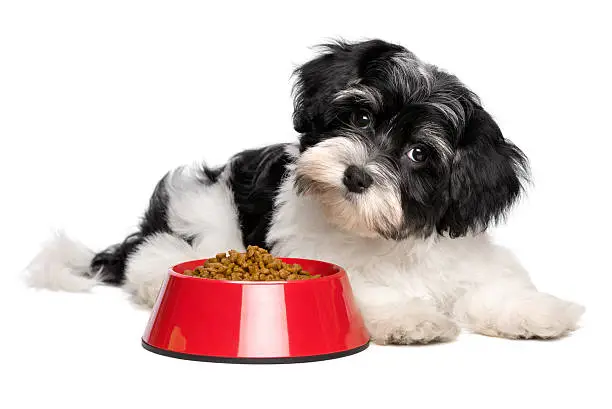
Benefits of Dry Kibble
- Helps clean teeth
- Easy to store
- Budget-friendly
- Convenient feeding
Importance of Small-Breed Kibble Size
Small kibble ensures:
- Easy chewing
- Better digestion
- Reduced choking risk
Top Dry Food Recommendations
- Royal Canin Small Breed Adult
- Hill’s Science Diet Small Paws
- Purina Pro Plan Small Breed
- Wellness Complete Health Small Breed
- Orijen Small Breed Formula
Best Wet Dog Food for Havanese
Benefits of Wet Food
- High moisture content
- Easier to chew
- Better for picky eaters
- Supports hydration
Wet Food vs Dry Food
| Feature | Wet Food | Dry Food |
| Moisture | High | Low |
| Cost | Higher | Lower |
| Dental Benefits | Low | High |
| Palatability | High | Medium |
Top Wet Food Picks
- Hill’s Science Diet Wet Small Breed
- Royal Canin Small Breed Loaf
- Purina Pro Plan Wet Small Breed
- Blue Buffalo Homestyle Recipe
Best Grain-Free Dog Food for Havanese
Is Grain-Free Food Necessary?
Not always. Many Havanese thrive on grain-inclusive diets.
Benefits and Potential Risks
Benefits
- Good for grain sensitivities
- High protein content
- Alternative carbohydrate sources
Risks
- Not suitable for all dogs
- Some formulations linked to heart health concerns (DCM studies under review)
Recommended Grain-Free Brands
- Wellness CORE Small Breed
- Taste of the Wild
- Merrick Grain-Free Small Breed
- Instinct Original Small Breed
Best Limited Ingredient Dog Food for Havanese
Signs of Food Sensitivities
- Itching
- Ear infections
- Soft stool
- Red skin patches
Benefits of Limited Ingredient Diets
- Fewer allergens
- Easier digestion
- Helps identify triggers
Top Limited Ingredient Foods
- Natural Balance L.I.D. Small Breed
- Blue Buffalo Basics
- Canidae PURE Small Breed
Best Dog Food for Havanese with Allergies
Common Food Allergies in Havanese
- Chicken
- Beef
- Dairy
- Wheat
Identifying Allergy Symptoms
- Excess scratching
- Chronic ear infections
- Skin irritation
- Digestive upset
Hypoallergenic Diet Options
- Hydrolyzed protein diets
- Novel protein diets
- Limited ingredient formulas
Recommended Allergy-Friendly Foods
- Royal Canin Hydrolyzed Protein Small Breed
- Hill’s Prescription Diet z/d
- Purina Pro Plan Veterinary Diets HA
Best Dog Food for Havanese with Sensitive Stomachs
Havanese dogs are known for their delicate digestive systems. Even a small ingredient change can sometimes trigger stomach upset, gas, or loose stool.
Common Digestive Problems
Many Havanese experience:
- Gas and bloating
- Diarrhea or soft stool
- Vomiting after new foods
- Food intolerance reactions
Ingredients That Promote Digestive Health
Look for foods containing:
- Pumpkin (fiber support)
- Probiotics (gut balance)
- Prebiotics (healthy bacteria growth)
- Oatmeal (gentle carbohydrate)
- Brown rice (easy digestion)
Foods Recommended by Veterinarians
- Hill’s Science Diet Sensitive Stomach & Skin
- Purina Pro Plan Sensitive Skin & Stomach Small Breed
- Royal Canin Gastrointestinal Small Dog Formula
Best Dog Food for Havanese with Tear Stains
Tear staining is a common cosmetic concern in Havanese due to their light-colored coats and facial structure.
What Causes Tear Staining?
Common causes include:
- Food allergies
- Poor-quality protein sources
- Excess minerals in water or food
- Blocked tear ducts
- Yeast overgrowth
Can Diet Help Reduce Tear Stains?
Yes, in many cases improving diet helps by:
- Reducing inflammation
- Improving gut health
- Eliminating allergens
- Supporting immune function
Best Foods for Tear Stain Prevention
- Limited ingredient diets
- Salmon-based formulas
- Grain-inclusive sensitive stomach foods
- Probiotic-rich diets
Best Dog Food for Havanese with Skin Allergies
Skin issues are often directly linked to diet in Havanese dogs.
Causes of Skin Problems
- Food allergies
- Environmental allergens
- Poor-quality fats
- Nutrient deficiencies
Nutrients for Healthy Skin and Coat
Key nutrients include:
- Omega-3 fatty acids
- Vitamin E
- Zinc
- Biotin
- Fish oil
Recommended Skin Support Diets
- Purina Pro Plan Sensitive Skin & Stomach
- Blue Buffalo Skin & Coat Care
- Wellness Simple Limited Ingredient Diet
Best Dog Food for Havanese with Dental Problems
Small breeds like Havanese are especially prone to dental disease due to compact jaws and crowded teeth.
Why Dental Health Matters
Poor dental hygiene can lead to:
- Bad breath
- Gum disease
- Tooth loss
- Heart complications
Foods That Promote Oral Health
- Crunchy kibble (mechanical cleaning effect)
- Dental-specific diets
- Limited sugar formulas
Dental Diet Recommendations
- Hill’s Prescription Diet t/d Dental Care
- Royal Canin Dental Small Dog
- Greenies Dental Chews (as supplement, not meal replacement)
Best Fresh Dog Food for Havanese
Fresh dog food is becoming increasingly popular among small breed owners.
Benefits of Fresh Food Diets
- High-quality whole ingredients
- Better digestion for sensitive dogs
- No artificial preservatives
- Improved coat shine and energy
Fresh Food vs Traditional Kibble
| Feature | Fresh Food | Kibble |
|---|---|---|
| Processing | Minimal | High |
| Moisture | High | Low |
| Cost | Higher | Lower |
| Storage | Refrigerated | Shelf-stable |
Best Fresh Dog Food Brands
- The Farmer’s Dog
- Ollie Fresh Pet Food
- Nom Nom
- JustFoodForDogs
Best Raw Dog Food for Havanese
Raw feeding is controversial but still popular among some owners.
Benefits of Raw Feeding
- High protein content
- Natural ingredient sourcing
- No artificial additives
- Improved coat condition (reported by some owners)
Risks and Considerations
- Bacterial contamination risk
- Nutritional imbalance if homemade
- Bone hazards if improperly prepared
- Requires careful handling and storage
Best Commercial Raw Diets
- Stella & Chewy’s Raw Dinner Patties
- Instinct Raw Boost Small Breed
- Primal Freeze-Dried Nuggets
Homemade Dog Food for Havanese
Homemade diets allow full control over ingredients but require careful planning.
Pros and Cons
Pros
- Full ingredient control
- Ideal for allergies
- Fresh, whole foods
Cons
- Nutritional imbalance risk
- Time-consuming
- Requires veterinary guidance
Essential Nutrients to Include
- Lean protein
- Healthy fats
- Fiber
- Calcium
- Vitamins and minerals
Foods to Avoid
- Chocolate
- Grapes and raisins
- Onions and garlic
- Xylitol
- Alcohol
Easy Homemade Havanese Recipe
Simple balanced meal idea:
- Boiled chicken breast
- Brown rice
- Steamed carrots
- Pumpkin puree
- Fish oil supplement
Always consult a vet before switching to homemade diets long-term.
Feeding Schedule for Havanese Dogs
Puppy Feeding Schedule
- 8–12 weeks: 4 meals/day
- 3–6 months: 3 meals/day
- 6–12 months: 2–3 meals/day
Adult Feeding Schedule
- 2 meals per day (morning & evening)
Senior Feeding Schedule
- 2 smaller meals per day
- Easier-to-digest food recommended
Free Feeding vs Scheduled Feeding
| Method | Pros | Cons |
| Free Feeding | Convenient | Overeating risk |
| Scheduled Feeding | Weight control | Requires routine |
How Much Should a Havanese Eat?
Food intake depends on:
- Weight
- Age
- Activity level
- Food calorie density
Weight-Based Feeding Guide
Puppy Feeding Chart
- 1–3 lbs: ½ cup/day
- 4–7 lbs: ½–1 cup/day
- 8–10 lbs: 1–1.5 cups/day
Adult Feeding Chart
- 7–10 lbs: ½–1 cup/day
- 10–13 lbs: 1–1.25 cups/day
Senior Feeding Chart
- 7–10 lbs: ½–¾ cup/day
- 10–13 lbs: ¾–1 cup/day
Weight Management Guide for Havanese
Healthy Weight Range
- Ideal: 7–13 lbs
Signs Your Havanese Is Overweight
- No visible waist
- Difficulty walking or jumping
- Reduced energy
- Heavy breathing
Weight Loss Tips
- Reduce treats
- Increase activity
- Switch to low-calorie food
- Measure meals carefully
Best Weight-Control Foods
- Hill’s Science Diet Perfect Weight Small Breed
- Royal Canin Weight Care Small Dog
- Blue Buffalo Healthy Weight
Wet Food vs Dry Food for Havanese
Nutritional Comparison
Both can be complete diets when properly formulated.
Cost Comparison
- Wet food: More expensive
- Dry food: Budget-friendly
Dental Health Benefits
- Dry food: Better for teeth
- Wet food: Minimal cleaning effect
Which Option Is Best?
A mixed diet (wet + dry) often works best for Havanese dogs.
How to Transition Your Havanese to a New Dog Food
Step-by-Step Food Transition Plan
- Days 1–2: 75% old food / 25% new
- Days 3–4: 50% / 50%
- Days 5–6: 25% / 75%
- Day 7+: 100% new food
Common Transition Mistakes
- Switching too quickly
- Mixing too many foods
- Ignoring digestive signs
Signs the New Food Is Working
- Healthy stool
- Better energy
- Shinier coat
- No itching or vomiting
Common Feeding Mistakes Havanese Owners Make
- Overfeeding small portions too often
- Giving too many treats
- Feeding table scraps
- Ignoring ingredient quality
- Not tracking weight changes
- Choosing food based only on price
Veterinarian Tips for Feeding a Havanese
Puppy Nutrition Recommendations
- Small-breed puppy formula
- Controlled calorie intake
- DHA-rich foods
Adult Nutrition Recommendations
- Balanced maintenance diet
- Weight control focus
- Omega fatty acids for coat health
Senior Nutrition Recommendations
- Low-calorie diet
- Joint support ingredients
- Easily digestible proteins
Supplement Recommendations
- Fish oil
- Probiotics
- Multivitamins
- Joint supplements
Frequently Asked Questions About Havanese Nutrition
What is the best dog food for Havanese?
High-quality small-breed formulas like Royal Canin, Hill’s Science Diet, and Purina Pro Plan are commonly recommended.
How much should a Havanese eat daily?
Usually ½ to 1.5 cups per day, depending on weight and activity.
Is grain-free food good for Havanese?
Not always necessary unless your dog has a grain sensitivity.
What foods should Havanese avoid?
Chocolate, grapes, onions, garlic, and processed sugary foods.
Can Havanese eat raw food?
Yes, but only if properly balanced and prepared safely.
What is the best puppy food for Havanese?
Small-breed puppy formulas with DHA and controlled calcium levels.
How often should I feed my Havanese?
- Puppies: 3–4 times/day
- Adults: 2 times/day
- Seniors: 2 smaller meals/day
Why does my Havanese have tear stains?
Often due to diet, allergies, or tear duct issues.
What is the best food for Havanese allergies?
Limited ingredient or hydrolyzed protein diets.
Are supplements necessary for Havanese dogs?
Not always, but fish oil and probiotics are commonly beneficial.
Expert Buying Guide: How to Choose the Best Dog Food for Your Havanese
Reading Dog Food Labels
Look for:
- Named meat sources
- AAFCO approval
- Clear ingredient lists
Understanding AAFCO Standards
Ensures the food is complete and balanced for your dog’s life stage.
Evaluating Ingredient Quality
Prioritize:
- Whole proteins
- Natural fats
- Minimal fillers
Comparing Dog Food Brands
Compare:
- Nutritional balance
- Ingredient sourcing
- Reputation
- Vet recommendations
Budget vs Premium Dog Foods
Premium food often means:
- Better ingredients
- Higher digestibility
- Fewer fillers
Choosing Food Based on Life Stage
- Puppy: Growth support
- Adult: Maintenance
- Senior: Mobility & digestion
Top Recommended Dog Foods for Havanese (Comparison Table)
| Dog Food | Life Stage | Protein Source | Grain-Free | Small Breed Formula | Best For |
| Royal Canin Small Breed | All | Chicken | No | Yes | Balanced nutrition |
| Hill’s Science Diet Small Paws | All | Chicken | No | Yes | Sensitive digestion |
| Purina Pro Plan Small Breed | All | Salmon/Chicken | No | Yes | Skin & coat health |
| Wellness CORE Small Breed | Adult | Turkey | Yes | Yes | High protein diets |
| Blue Buffalo Basics | Puppy/Adult | Salmon | Yes | Yes | Food sensitivities |
Best Dog Food Brands for Havanese in 2026
- Royal Canin
- Hill’s Science Diet
- Purina Pro Plan
- Blue Buffalo
- Wellness
- Merrick
- Nutro
- Orijen
Supplements That May Benefit Havanese Dogs
Fish Oil
Supports:
- Coat shine
- Skin health
- Brain function
Probiotics
Improve:
- Digestion
- Gut balance
Joint Supplements
Help mobility in aging dogs.
Multivitamins
Fill nutritional gaps in diet.
Skin and Coat Supplements
Improve coat softness and reduce shedding.
Conclusion
Choosing the best dog food for Havanese is about more than taste—it directly affects your dog’s health, energy, lifespan, coat quality, and comfort.