Golden Retriever puppies are energetic, playful, and full of curiosity. In their early months, everything they eat plays a major role in how they grow into healthy, strong adult dogs. This is why choosing the best dog food for Golden Retriever puppies is not just a routine decision—it directly impacts their lifelong health.
Unlike adult dogs, puppies are still developing their bones, muscles, organs, and immune system. A poor-quality diet at this stage can lead to long-term issues such as joint problems, obesity, or digestive sensitivity.
Golden Retrievers, in particular, need extra care because they are a large breed with fast growth patterns. If their nutrition is not properly balanced, they may grow too quickly, which puts stress on their bones and joints.
Why choosing the right puppy food matters
Feeding your Golden Retriever puppy the right food helps ensure:
- Healthy and steady growth
- Strong bone development
- Proper muscle formation
- Better digestion and immunity
- A shiny, healthy coat
- Long-term joint health
Good nutrition is not just about filling their stomach—it’s about building a foundation for life.
Why Golden Retriever Puppies Need Special Nutrition
Golden Retriever puppies cannot eat the same food as adult dogs because their bodies are in a rapid growth phase. They require a carefully balanced diet that supports development without overloading their system with calories or minerals.
Large breed puppies like Golden Retrievers are especially sensitive to nutrient imbalance. Too much calcium or excess calories can cause abnormal bone growth or joint stress.
That’s why veterinarians often recommend large-breed puppy formulas designed specifically for controlled growth.
Common Growth Challenges in Golden Retriever Puppies
Golden Retriever puppies are adorable, but they also face several natural development challenges. Proper nutrition helps manage these issues effectively.
Rapid Growth
Golden Retrievers grow quickly in their first year. While this is normal, uncontrolled growth can lead to skeletal stress. Balanced food helps regulate growth speed.
Bone Development
Strong bones are essential for a large breed dog. Puppies need controlled calcium and phosphorus levels to ensure healthy bone formation.
Joint Health
Golden Retrievers are prone to joint issues later in life. Supporting joints from puppyhood reduces future risks.
Weight Management
Golden puppies love food, and overeating is common. Excess weight can strain joints and reduce activity levels.
Sensitive Digestion
Many puppies have sensitive stomachs. They need easily digestible ingredients like rice, chicken, or pumpkin.
How the Right Diet Supports Healthy Growth
A well-balanced diet doesn’t just fill your puppy’s bowl—it actively shapes their future health.
Strong Muscles
High-quality protein supports muscle development and overall strength.
Healthy Coat
Omega fatty acids help maintain a shiny, soft golden coat.
Brain Development
DHA and essential fats support learning ability and cognitive growth.
Immunity
Vitamins and antioxidants strengthen the immune system and protect against illness.
Long-Term Health
Proper puppy nutrition reduces the risk of obesity, joint issues, and digestive problems later in life.
Overview of What This Guide Covers
In this complete guide, you’ll learn:
- What makes the best puppy food for Golden Retrievers
- Nutritional requirements by age
- Best ingredients to look for (and avoid)
- Feeding schedules and portion control
- Puppy food comparisons (dry, wet, fresh)
- Special diets for allergies and sensitive stomachs
- How to safely switch foods
- Homemade diet insights
- FAQs about Golden Retriever puppy nutrition
This guide is designed to help you confidently choose the right food and raise a healthy, active puppy.
You can also explore general puppy feeding standards from trusted veterinary resources like the American Kennel Club puppy nutrition guide.
Best Dog Food for Golden Retriever Puppies
Choosing the best dog food for Golden Retriever puppies starts with understanding what “high quality” actually means. Not all puppy foods are created equal, and many commercial options contain fillers or unbalanced nutrients.
A good puppy food supports steady growth, strong immunity, and healthy development without overfeeding calories or minerals.
What Is the Best Puppy Food for Golden Retrievers?
The best puppy food is one that provides complete and balanced nutrition specifically designed for growing dogs, especially large breeds like Golden Retrievers.
Definition of High-Quality Puppy Food
High-quality puppy food contains:
- Real animal protein as the first ingredient
- Balanced fat levels for energy
- Controlled calcium and phosphorus
- Essential vitamins and minerals
- No harmful artificial additives
It should meet recognized nutritional standards such as AAFCO guidelines.
Why Adult Dog Food Is Not Suitable for Puppies
Many new pet owners mistakenly feed adult dog food to puppies. This can be harmful because adult formulas:
- Do not support rapid growth needs
- Contain different calcium levels
- Lack DHA for brain development
- Have lower calorie density
Puppies require more nutrients per kilogram of body weight than adults.

Importance of Breed-Specific Puppy Formulas
Golden Retrievers are large-breed dogs, which means they benefit from specially designed puppy food formulas that control growth speed.
Breed-specific or large-breed puppy foods help:
- Prevent excessive bone growth
- Support joint development
- Maintain healthy weight
- Reduce risk of hip dysplasia
Key Features of the Best Golden Retriever Puppy Food
When selecting food, always look for these essential features:
High-Quality Protein
Protein supports muscle growth and development. Look for named meat sources like chicken, turkey, or salmon.
Balanced Calories
Too many calories can lead to fast weight gain, which stresses developing bones.
Controlled Calcium Levels
Proper calcium balance is critical for healthy bone growth in large breeds.
DHA and Omega Fatty Acids
DHA supports brain development, learning ability, and vision health.
Digestible Ingredients
Easily digestible ingredients help prevent stomach upset and improve nutrient absorption.
Essential Vitamins and Minerals
Vitamins support immunity, energy, and overall development.
Understanding Puppy Food Quality
Not all puppy foods labeled “premium” are actually high quality. Always check:
- Ingredient list order
- Protein source clarity
- Guaranteed analysis
- AAFCO statement
Golden Retriever Puppy Nutritional Requirements
Golden Retriever puppies grow fast, stay active, and burn a lot of energy throughout the day. Because of this, their diet must be carefully balanced to support healthy development without causing excessive weight gain or bone stress.
A proper puppy diet is built around protein, fats, minerals, carbohydrates, and essential micronutrients working together.
How Much Protein Does a Golden Retriever Puppy Need?
Protein is the foundation of growth for Golden Retriever puppies. During the first year of life, puppies are constantly building muscle, tissue, and organs.
Importance of Protein During Growth
Protein supports:
- Muscle development
- Tissue repair and growth
- Energy production
- Healthy body structure
Without enough high-quality protein, puppies may experience poor growth or weak muscle development.
Best Protein Sources for Golden Retriever Puppies
When selecting puppy food, always look for named animal proteins, not vague terms like “meat meal.”
Good protein sources include:
- Chicken – Easily digestible and widely used
- Turkey – Lean and gentle on the stomach
- Salmon – Rich in protein and omega fatty acids
- Lamb – Good alternative for sensitive puppies
- Beef – Rich in iron and amino acids
- Fish – Highly digestible and nutrient-rich
Healthy Fats for Golden Retriever Puppies
Fats are often misunderstood, but they are essential for puppy growth. They provide concentrated energy and help support many internal functions.
Why Puppies Need Healthy Fats
Healthy fats help:
- Provide long-lasting energy
- Support skin and coat health
- Boost brain development
- Improve nutrient absorption
Important Fat Sources
Look for foods containing natural fat sources like:
- Fish oil
- Salmon oil
- Chicken fat
- Flaxseed oil
These fats also help keep the coat soft, shiny, and healthy—something Golden Retrievers are famous for.
Omega-3 Fatty Acids and DHA Benefits
Omega-3 fatty acids, especially DHA (Docosahexaenoic Acid), are extremely important in puppy development.
DHA is mainly found in fish-based ingredients and plays a key role in early life development.
Benefits of DHA
DHA supports:
- Brain growth and function
- Eye development and vision
- Learning ability and memory
- Cognitive development
Puppies that receive enough DHA tend to learn commands faster and show better training responsiveness.
Calcium and Phosphorus for Bone Development
Golden Retrievers are a large-breed dog, which means their bones grow quickly and need careful nutritional control.
Why Balanced Calcium Matters
Calcium and phosphorus must be in the correct ratio. Too much calcium can cause:
- Abnormal bone growth
- Joint stress
- Increased risk of skeletal issues
Too little calcium can lead to:
- Weak bones
- Poor structure development
Supporting Healthy Growth
Proper mineral balance helps ensure:
- Strong bone structure
- Healthy joints
- Controlled growth rate
This is why veterinarians recommend large-breed puppy formulas instead of regular puppy food.
Carbohydrates and Fiber for Puppies
Carbohydrates are not the main nutrient for dogs, but they provide energy and digestive support when chosen wisely.
Are Carbohydrates Necessary?
Yes, in moderate amounts. They help:
- Provide quick energy
- Support digestive health
- Improve stool consistency
However, they should never replace high-quality protein.
Best Carbohydrate Sources
Healthy carbohydrate options include:
- Brown rice
- Oats
- Sweet potatoes
- Barley
These ingredients are gentle on the stomach and provide steady energy release.
Fiber Benefits for Puppies
Fiber is essential for gut health and digestion.
It helps:
- Improve bowel movements
- Reduce digestive upset
- Support healthy gut bacteria
Pumpkin and oats are especially good natural fiber sources for puppies.
Best Dog Food for Golden Retriever Puppies by Age
Golden Retriever puppies have different nutritional needs as they grow. Feeding should change gradually based on age and development stage.
Best Food for 8-Week-Old Golden Retriever Puppy
At 8 weeks, puppies have just been weaned from their mother’s milk and need gentle, highly digestible food.
Nutritional Needs
- Soft digestion support
- High-quality protein
- Small kibble or softened food
- DHA for brain development
Feeding Frequency
At this stage, puppies should eat 3–4 small meals per day.
Best Food for 3-Month-Old Golden Retriever Puppy
At 3 months, puppies become more active and require more energy.
Growth-Stage Nutrition
- Higher calorie intake
- Strong protein support
- Balanced calcium for bones
Portion Control
Avoid overfeeding, as this can lead to rapid weight gain and joint stress.
Best Food for 6-Month-Old Golden Retriever Puppy
At this stage, growth is still ongoing but begins to slow slightly.
Key Nutritional Focus
- Controlled calories
- Joint support nutrients
- Protein for muscle development
Puppies at this stage are very active and require balanced meals to avoid becoming overweight.
Best Food for 1-Year-Old Golden Retriever Puppy
At around 12 months, Golden Retrievers begin transitioning toward adult food.
Signs Your Puppy Is Ready
- Growth has slowed significantly
- Stable weight
- Fully developed teeth
- Consistent energy levels
At this stage, owners should slowly transition to adult dog food over time.
Large Breed Puppy Food vs Regular Puppy Food
Golden Retrievers should not eat regular puppy food because it is not designed for controlled growth.
Why Golden Retrievers Need Large Breed Formulas
Large-breed formulas are specially designed to:
- Control growth speed
- Protect joints
- Prevent excessive weight gain
- Support bone development
Differences Between Regular and Large Breed Puppy Food
| Feature | Regular Puppy Food | Large Breed Puppy Food |
|---|---|---|
| Calories | Higher | Controlled |
| Calcium | Variable | Balanced |
| Growth Support | General | Breed-specific |
| Joint Health | Basic | Enhanced support |
Dry vs Wet vs Fresh Food for Golden Retriever Puppies
Different food types offer different benefits depending on your puppy’s needs.
Best Dry Dog Food for Golden Retriever Puppies
Dry food (kibble) is the most commonly used option.
Benefits
- Easy storage
- Affordable
- Helps clean teeth
- Complete nutrition options available
Best Wet Dog Food for Golden Retriever Puppies
Wet food is often more appealing to picky eaters.
Benefits
- Higher moisture content
- Easier to chew
- Stronger flavor
It can be mixed with kibble for better taste and hydration.
Fresh Food for Golden Retriever Puppies
Fresh diets are made from whole ingredients like meat, vegetables, and grains.
Advantages
- Highly palatable
- Less processed
- Often easier to digest
Nutritional Considerations
Fresh diets must be properly balanced to ensure complete nutrition for growing puppies.
Best Ingredients to Look for in Golden Retriever Puppy Food
When choosing the best dog food for Golden Retriever puppies, ingredients matter more than branding or packaging. A high-quality formula always starts with real, nutrient-dense ingredients that support growth and development.
High-Quality Protein Sources
Protein should always come from clearly named animal sources.
Best options include:
- Chicken – Highly digestible and widely used
- Turkey – Lean protein for steady growth
- Salmon – Rich in protein and omega-3 fatty acids
- Lamb – Gentle on sensitive stomachs
Protein helps build muscles, tissues, and supports healthy growth throughout the puppy stage.
Healthy Fruits and Vegetables
Fruits and vegetables provide natural vitamins, antioxidants, and fiber.
Best choices include:
- Blueberries – Rich in antioxidants
- Carrots – Good for vision and digestion
- Pumpkin – Excellent for stomach health
- Spinach – Provides iron and nutrients
These ingredients support immunity and overall wellness.
Joint-Support Ingredients
Golden Retrievers are prone to joint issues later in life, so early support is important.
Key ingredients:
- Glucosamine
- Chondroitin
- Fish oil
These nutrients help support cartilage, joint flexibility, and long-term mobility.
Digestive Support Ingredients
A healthy gut is essential for nutrient absorption and immune health.
Look for:
- Probiotics – Improve gut bacteria balance
- Prebiotics – Feed healthy bacteria
- Fiber sources – Improve stool quality
These ingredients are especially helpful for puppies with sensitive stomachs.
Ingredients to Avoid in Golden Retriever Puppy Food
Not all puppy foods are created equal. Some contain unnecessary fillers or low-quality additives that provide little nutritional value.
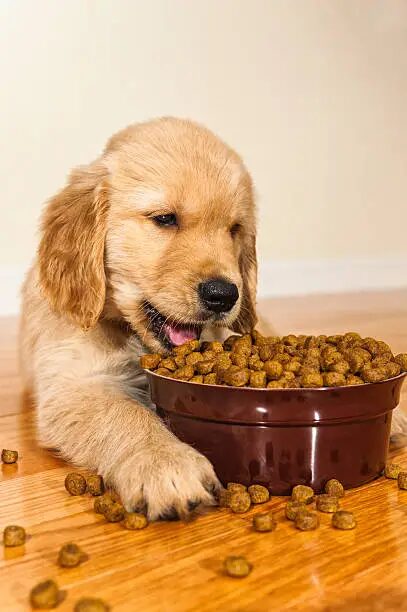
Artificial Additives
Avoid foods with:
- Artificial colors
- Artificial flavors
- Chemical preservatives
These ingredients do not support health and are often used only to improve appearance or shelf life.
Low-Quality Fillers
Many low-cost dog foods use fillers that reduce nutritional quality.
Avoid excessive amounts of:
- Corn
- Wheat
- Soy
- Unnecessary grain fillers
While not all grains are harmful, poor-quality fillers should be limited.
Excess Calories and Fat
Golden Retriever puppies love eating, but overfeeding can cause serious long-term problems.
Why overfeeding is harmful:
- Rapid weight gain
- Stress on developing joints
- Increased risk of hip dysplasia
- Reduced activity levels
Proper portion control is just as important as ingredient quality.
Best Dog Food for Golden Retriever Puppies With Health Concerns
Some puppies have special dietary needs due to digestion, allergies, or joint sensitivity.
Puppy Food for Sensitive Stomach
Golden Retriever puppies often experience mild digestive sensitivity.
Best food features:
- Easily digestible proteins (chicken, turkey, salmon)
- Gentle carbohydrates (rice, oats)
- Added probiotics
These help reduce gas, diarrhea, and stomach upset.
Puppy Food for Allergies
Food allergies in puppies can show up early.
Common signs include:
- Itching
- Skin irritation
- Ear infections
- Digestive issues
Best solutions:
- Limited ingredient diets
- Novel protein sources (duck, salmon, lamb)
- Grain-sensitive formulas (if needed)
Puppy Food for Healthy Joints
Joint health should be supported from a young age in Golden Retrievers.
Important nutrients:
- Glucosamine
- Chondroitin
- Omega-3 fatty acids
These help maintain healthy cartilage and support long-term mobility.
How Much Should a Golden Retriever Puppy Eat?
Feeding amounts depend on age, size, and activity level. There is no one-size-fits-all rule, but general guidelines help maintain balance.
Golden Retriever Puppy Feeding Chart
| Age | Meals Per Day |
|---|---|
| 8–12 weeks | 3–4 meals |
| 3–6 months | 3 meals |
| 6–12 months | 2 meals |
Always adjust portions based on your puppy’s body condition and veterinarian advice.
Factors That Affect Food Amount
Several factors influence how much your puppy should eat:
- Weight – Heavier puppies need more food
- Activity level – Active puppies burn more calories
- Growth rate – Fast growers need balanced nutrition
- Metabolism – Some puppies burn energy faster
- Health condition – Medical issues may require special diets
Golden Retriever Puppy Feeding Schedule
A consistent feeding routine helps maintain digestion, energy levels, and training discipline.
Morning Feeding Routine
Morning meals should provide energy for the day.
- Feed after morning potty break
- Use measured portions
- Avoid overfeeding early in the day
Afternoon Feeding Routine
Midday meals support steady energy.
- Best for younger puppies
- Helps prevent hunger-related behavior issues
Evening Feeding Routine
Evening meals should be balanced but not too heavy.
- Helps overnight digestion
- Avoid late-night large meals
Importance of Consistency
Consistent feeding times help regulate:
- Digestion
- Bathroom habits
- Training behavior
Avoiding Overfeeding
Golden Retrievers are food-loving dogs, so always measure food instead of guessing portions.
How to Switch Your Golden Retriever Puppy Food Safely
Changing food too quickly can upset your puppy’s stomach. A gradual transition is always best.
7-Day Food Transition Plan
| Day | Old Food | New Food |
|---|---|---|
| 1–2 | 75% | 25% |
| 3–4 | 50% | 50% |
| 5–6 | 25% | 75% |
| 7 | 0% | 100% |
Signs Your Puppy Likes the New Food
A successful transition includes:
- Healthy, firm stool
- Good appetite
- Stable energy levels
- Shiny coat
Signs of Food Intolerance
Watch for warning signs:
- Vomiting
- Diarrhea
- Excess itching
- Loss of appetite
If these occur, consult a veterinarian.
Homemade Food for Golden Retriever Puppies
Some owners prefer homemade diets, but they require careful planning.
Can Puppies Eat Homemade Food?
Yes, but only if it is properly balanced.
Benefits:
- Fresh ingredients
- Full control over diet
- No artificial additives
Risks:
- Nutritional imbalance
- Missing essential vitamins
- Incorrect calcium levels
Healthy Homemade Ingredients
If preparing food at home, use:
- Lean meats (chicken, turkey)
- Cooked vegetables (carrots, spinach)
- Rice or oats
- Healthy fats (fish oil)
Nutritional Risks
Homemade diets can cause problems if not properly formulated:
- ❌ Missing minerals
- ❌ Incorrect calcium-to-phosphorus ratio
- ❌ Vitamin deficiencies
For this reason, many vets recommend commercial balanced puppy food.
How to Choose the Right Golden Retriever Puppy Food
Selecting the right food requires careful label reading and understanding your puppy’s needs.
Check the Ingredient List
Always look for:
- Real meat as the first ingredient
- Named protein sources
- Natural, whole-food ingredients
Check Guaranteed Analysis
This shows nutritional content.
Look for:
- Protein percentage
- Fat percentage
- Fiber content
Balanced values are essential for growth.
Consider Your Puppy’s Needs
Every puppy is different. Consider:
- Age
- Weight
- Activity level
- Allergies
- Health conditions
Frequently Asked Questions About Golden Retriever Puppy Food
What is the healthiest food for a Golden Retriever puppy?
A balanced large-breed puppy formula with high-quality protein, controlled calcium, and DHA is considered healthiest.
How long should Golden Retrievers eat puppy food?
Most Golden Retrievers should eat puppy food until 12–15 months of age, depending on growth rate.
Can Golden Retriever puppies eat adult dog food?
Not recommended. Adult food lacks nutrients required for growth and development.
How many times should I feed my Golden Retriever puppy?
- 8–12 weeks: 3–4 meals
- 3–6 months: 3 meals
- 6–12 months: 2 meals
Is grain-free food good for Golden Retriever puppies?
Not necessarily. Many puppies do well with healthy grains like rice and oats unless they have specific allergies.
Is chicken good for Golden Retriever puppies?
Yes, chicken is a highly digestible protein, but some puppies may develop sensitivities.
What foods should Golden Retriever puppies avoid?
Avoid foods with:
- Artificial additives
- Excess fillers
- High salt or sugar
- Toxic human foods (chocolate, onions, etc.)
What is the best food for a 2-month-old Golden Retriever puppy?
A large-breed puppy formula with soft kibble, DHA, and easily digestible protein is ideal.
Final Thoughts: Choosing the Best Dog Food for Golden Retriever Puppies
Feeding your Golden Retriever puppy the right food is one of the most important responsibilities of pet ownership.
A balanced diet supports:
- Strong bones and muscles
- Healthy digestion
- Proper brain development
- Long-term joint health
- A happy and active lifestyle
Every puppy is unique, so the best approach is to focus on:
- High-quality ingredients
- Proper portion control
- Age-appropriate nutrition
A well-nourished Golden Retriever puppy grows into a strong, energetic, and loving adult dog that becomes a true part of the family.