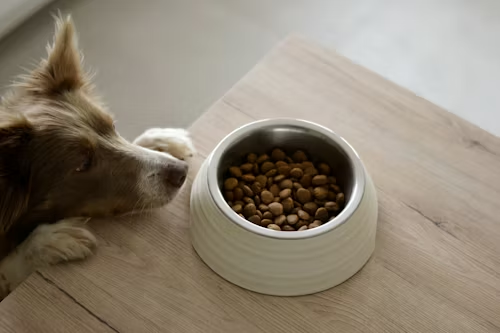
Choosing the best dog food for small dogs is not just about picking a popular brand or fancy packaging. Small dogs have very specific nutritional needs that directly affect their energy levels, metabolism, and long-term health. What works for a Labrador or German Shepherd may not work at all for a Chihuahua, Pomeranian, or Shih Tzu.
Small breeds burn energy quickly, eat less food overall, and are more sensitive to calorie imbalance. That means even small mistakes in diet can lead to issues like low blood sugar, obesity, or dental disease.
In this guide, we break everything down in a practical way—so you can confidently choose the right food for your dog.
Small dogs may be tiny in size, but their nutritional needs are surprisingly big. Compared to medium or large breeds, they require more energy per pound of body weight, more nutrient-dense meals, and more frequent feeding schedules.
Why small dogs have unique nutritional needs
Small breeds have:
- Faster metabolism
- Smaller stomach capacity
- Higher energy burn rate
- More frequent hunger cycles
This means they need food that is compact in calories but rich in nutrients.
Differences between small, medium, and large breeds
| Feature | Small Dogs | Medium Dogs | Large Dogs |
|---|---|---|---|
| Metabolism | Fast | Moderate | Slower |
| Meal size | Very small | Medium | Large |
| Calorie density need | High | Balanced | Controlled |
| Risk of hypoglycemia | High | Low | Low |
Importance of calorie-dense food
Small dogs cannot eat large volumes of food. So every bite must count. That’s why high-quality small breed dog food is:
- Higher in calories per cup
- Rich in animal protein
- Balanced with healthy fats
Common health concerns in small dogs
Small breeds are prone to:
- Hypoglycemia (low blood sugar)
- Dental disease
- Obesity from overfeeding
- Digestive sensitivity
What this guide will help you find
By the end of this article, you will know:
- Best dog food brands for small dogs
- Nutritional requirements by age and size
- Feeding schedules and portion control
- Ingredients to look for and avoid
- Vet-approved feeding strategies
Why Small Dogs Need Special Dog Food
Small breeds are not just “mini versions” of big dogs. Their bodies function differently, especially in terms of energy use and digestion.
Faster metabolism and higher energy needs
Small dogs burn energy quickly. This means they need:
- Frequent meals
- Higher calorie intake per pound
- Nutrient-rich formulas
Even a short gap between meals can affect energy levels in toy breeds.
Small stomach size and nutrient density requirements
Because their stomachs are small:
- They cannot eat large meals
- Each serving must be nutrient-dense
- Low-quality fillers are especially harmful
That’s why premium small breed formulas are more concentrated.
Importance of frequent meals
Most small dogs benefit from:
- 2–4 meals per day
- Evenly spaced feeding intervals
- Consistent portion sizes
This helps prevent energy crashes and hunger spikes.
Dental health challenges in small breeds
Small dogs are more prone to:
- Plaque buildup
- Tooth decay
- Gum disease
Dry kibble designed for small breeds helps reduce tartar buildup by encouraging chewing.
Weight management issues in small dogs
Small dogs gain weight easily because:
- Owners overestimate portion sizes
- Treats add up quickly
- Less daily exercise compared to working breeds
Obesity increases risk of joint problems and heart strain.
Nutritional Needs of Small Breed Dogs
Small dogs require balanced, concentrated nutrition to stay healthy.
High-calorie density foods
Small breed food should provide:
- More calories per cup
- Efficient energy release
- Balanced fats and proteins
This helps avoid underfeeding.
High-quality animal protein requirements
Protein supports:
- Muscle maintenance
- Immune function
- Tissue repair
Best sources include:
Healthy fats for energy
Fats are the main energy source for small dogs.
Look for:
- Chicken fat
- Fish oil
- Flaxseed oil
These support skin, coat, and brain health.
Easily digestible carbohydrates
Good carbs include:
- Sweet potatoes
- Brown rice
- Oatmeal
These provide steady energy without digestive stress.
Omega-3 and Omega-6 fatty acids
These support:
- Joint health
- Skin hydration
- Cognitive function
Fish-based ingredients are especially beneficial.
Vitamins and mineral balance
Essential nutrients include:
- Calcium (bone strength)
- Phosphorus (energy metabolism)
- Zinc (immune system)
- Vitamin E (cell protection)
Fiber for digestive health
Fiber helps:
- Prevent constipation
- Improve stool quality
- Support gut bacteria
Pumpkin and beet pulp are common sources.
What Is Small Breed Dog Food?
Definition of small breed dog food
Small breed dog food is specially formulated for dogs typically under 20–25 pounds, designed to meet their:
- Higher energy needs
- Smaller kibble preference
- Faster metabolism
What qualifies as a small dog breed?
Examples include:
- Chihuahua
- Pomeranian
- Yorkie (Yorkshire Terrier)
- Maltese
- Shih Tzu
- Toy Poodle

Small breed vs regular dog food differences
| Feature | Small Breed Food | Regular Food |
|---|---|---|
| Kibble size | Small bites | Standard size |
| Calories per cup | Higher | Moderate |
| Nutrient density | Concentrated | Balanced |
| Digestibility | Easier | Standard |
Why standard dog food may not be ideal
Regular dog food may:
- Be too large to chew easily
- Provide fewer calories per bite
- Lack small-dog targeted nutrients
Kibble size importance for small dogs
Small kibble:
- Improves chewing efficiency
- Reduces choking risk
- Encourages proper digestion
How to Choose the Best Dog Food for Small Dogs
Choosing the right food requires more than brand marketing.
Check AAFCO nutritional standards
Always ensure food is labeled:
“Complete and balanced nutrition”
You can learn more from pet nutrition standards here:
AAFCO Dog Food Nutritional Guidelines
Look for small breed label
This ensures:
- Correct calorie density
- Proper kibble size
- Balanced nutrient profile
Evaluate ingredient quality
Better foods include:
- Whole meat sources
- Natural fats
- Limited fillers
Prioritize real meat as first ingredient
The first ingredient should always be:
- Chicken
- Beef
- Lamb
- Salmon
Avoid fillers and artificial additives
Avoid:
- Corn
- Soy
- Artificial colors
- Chemical preservatives
Check calorie content per cup
Small dogs need calorie-dense food, but not overfeeding.
Consider age (puppy, adult, senior)
Each life stage has different needs:
- Puppies → growth support
- Adults → maintenance
- Seniors → joint + weight control
Evaluate digestibility and stool quality
Good food results in:
- Firm stools
- Less odor
- Stable digestion
Brand reputation and reviews
Look for:
- Vet-recommended brands
- Recall history
- Transparent sourcing
Best Dog Food for Small Dogs Overall
Small breed dog food is not one-size-fits-all, but some formulas consistently stand out for balanced nutrition, digestibility, and ingredient quality.
Top picks at a glance
| Brand | Protein Source | Kibble Size | Calories per Cup | Price Range | Best For |
|---|---|---|---|---|---|
| Royal Canin Small Breed | Chicken by-product meal | Very small | High | $$$ | Vet-recommended nutrition |
| Hill’s Science Diet Small Paws | Chicken | Small | Moderate | $$ | Sensitive digestion |
| Blue Buffalo Life Protection Small Breed | Chicken | Small | High | $$ | Natural ingredients |
| Wellness CORE Small Breed | Turkey & chicken | Small | High | $$$ | High-protein diets |
| Nutro Ultra Small Breed | Chicken, lamb, salmon | Small | Moderate | $$ | Balanced nutrition |
Best overall small breed dog food
Royal Canin Small Adult Formula
- Specifically designed kibble shape for small jaws
- Highly digestible formula
- Balanced energy for toy breeds
This is one of the most vet-recommended small dog foods worldwide.
Best premium small breed dog food
Wellness CORE Small Breed
- High protein content
- Grain-free formula
- Rich in omega fatty acids
Great for active or energetic small dogs.
Best budget small breed dog food
Blue Buffalo Life Protection Small Breed
- Natural ingredients
- No artificial preservatives
- Good balance of cost and nutrition
Best high-protein small breed dog food
Merrick Lil’ Plates Small Breed Recipe
- Deboned meat as first ingredient
- High protein content
- Supports lean muscle development
Best natural small breed dog food
Nutro Ultra Small Breed Trio Protein
- Chicken, lamb, and salmon blend
- No artificial colors or flavors
- Antioxidant-rich formula
Best Dry Dog Food for Small Dogs
Dry kibble remains the most popular option due to affordability and dental benefits.
Benefits of dry food for small breeds
- Helps reduce plaque buildup
- Easy storage and long shelf life
- Convenient portion control
- Cost-effective feeding option
Best small breed kibble brands
- Royal Canin Small Breed
- Hill’s Science Diet Small Paws
- Wellness CORE Small Breed
- Blue Buffalo Small Breed
Small kibble size importance
Small dogs need kibble that is:
- Easy to chew
- Prevents choking
- Designed for tiny jaws
High-energy dry food options
Active small dogs benefit from:
- Higher fat content
- Increased protein levels
- Energy-dense formulas
Best grain-free dry food for small dogs
- Wellness CORE Grain-Free Small Breed
- Merrick Lil’ Plates Grain-Free
- Taste of the Wild Small Breed Formula
Best Wet Dog Food for Small Dogs
Wet food is highly palatable and ideal for picky eaters or dogs with dental issues.
Benefits of wet food for small breeds
- Higher moisture content
- Easier chewing
- Strong aroma (great for picky dogs)
- Better hydration support
Wet vs dry dog food comparison
| Feature | Wet Food | Dry Food |
|---|---|---|
| Moisture | High | Low |
| Dental health | Low benefit | High benefit |
| Cost | Higher | Lower |
| Palatability | Very high | Moderate |
Best wet food brands for small dogs
- Hill’s Science Diet Small Paws Wet
- Royal Canin Small Breed Wet
- Blue Buffalo Homestyle Recipe
- Wellness CORE Wet Food
Mixing wet and dry food safely
A mixed diet can offer:
- Better flavor variety
- Balanced nutrition
- Improved hydration
Tip: always adjust total calories when combining foods.
Best wet food for picky eaters
- Royal Canin Ultra Palatable
- Wellness Complete Health Wet
- Blue Buffalo Wilderness Wet
Best Puppy Food for Small Breeds
Puppies need extra attention because small breeds grow fast and are sensitive to nutritional imbalance.
Nutritional needs of small breed puppies
- Higher calorie intake
- DHA for brain development
- Balanced calcium for bone growth
- Frequent feeding schedule
DHA for brain development
DHA supports:
- Learning ability
- Eye development
- Nervous system health
Growth rate considerations
Small breed puppies grow quickly but must avoid:
- Overfeeding
- Excess calcium intake
- Poor-quality protein
Best small breed puppy food brands
- Royal Canin Small Puppy
- Hill’s Science Diet Puppy Small Bites
- Blue Buffalo Puppy Small Breed
- Wellness Complete Health Puppy
Feeding schedule for puppies
- 8–12 weeks: 3–4 meals daily
- 3–6 months: 3 meals daily
- 6–12 months: 2–3 meals daily
Best Adult Dog Food for Small Breeds
Adult small dogs need stable, balanced nutrition to maintain health.
Maintenance nutrition needs
Adult dogs require:
- Moderate protein
- Controlled calories
- Balanced fats
Weight control strategies
Small dogs easily gain weight, so:
- Avoid free feeding
- Measure portions carefully
- Limit treats
Energy balance requirements
Adult formulas focus on:
- Sustained energy
- Lean muscle support
- Digestive stability
Recommended adult formulas
- Royal Canin Small Adult
- Blue Buffalo Small Breed Adult
- Wellness CORE Small Breed Adult
Best Senior Dog Food for Small Breeds
Older small dogs need gentler nutrition.
Aging and metabolism changes
Senior dogs experience:
- Slower metabolism
- Reduced activity
- Joint stiffness
Joint and mobility support
Look for:
- Glucosamine
- Chondroitin
- Omega-3 fatty acids
Lower-calorie requirements
Senior dogs need:
- Fewer calories
- More fiber
- High digestibility
Best senior small breed foods
- Hill’s Science Diet Small Senior
- Royal Canin Aging Small Dog
- Blue Buffalo Senior Small Breed
Best Grain-Free Dog Food for Small Dogs
What is grain-free dog food?
Grain-free food removes:
- Wheat
- Corn
- Soy
It replaces them with:
- Sweet potatoes
- Peas
- Lentils
Benefits of grain-free diets
- May help dogs with sensitivities
- Easier digestion for some dogs
- Higher protein content
Potential risks (vet perspective)
Some studies suggest grain-free diets may need careful monitoring due to:
- Nutrient imbalance risks
- Possible heart health concerns (DCM discussion)
Always consult a veterinarian when choosing grain-free diets.
Best grain-free small breed options
- Wellness CORE Grain-Free Small Breed
- Merrick Grain-Free Small Breed
- Taste of the Wild Small Breed
Best High-Protein Dog Food for Small Dogs
Protein needs for active small dogs
Active dogs need:
- Strong muscle support
- Fast energy recovery
- Higher amino acid intake
Muscle maintenance and energy
Protein supports:
- Lean muscle mass
- Metabolic health
- Tissue repair
When high protein is not ideal
Avoid excess protein if your dog:
- Has kidney issues
- Is overweight
- Is less active
Recommended high-protein foods
- Wellness CORE Small Breed
- Merrick Lil’ Plates
- Blue Buffalo Wilderness Small Breed
Best Dog Food for Sensitive Stomachs in Small Dogs
Small breeds often have delicate digestive systems, meaning food choice directly impacts stool quality, gas levels, and overall comfort.
Common digestive issues in small breeds
Small dogs may experience:
- Loose stools
- Frequent vomiting
- Gas and bloating
- Food intolerance reactions
Easily digestible ingredients
Look for gentle ingredients like:
- Chicken
- Rice
- Pumpkin
- Oatmeal
- Sweet potatoes
These are mild on the stomach and easy to absorb.
Limited ingredient diets
Limited ingredient formulas help reduce sensitivities by:
- Using fewer protein sources
- Removing common allergens
- Simplifying digestion
Best gentle formulas
- Hill’s Science Diet Sensitive Stomach & Skin Small Breed
- Purina Pro Plan Sensitive Skin & Stomach Small Breed
- Blue Buffalo Basics Limited Ingredient Diet
Best Dog Food for Small Dogs with Allergies
Common food allergens
Small dogs may react to:
- Beef
- Dairy
- Chicken (in some cases)
- Wheat
- Soy
Symptoms of food allergies
Watch for:
- Constant itching
- Ear infections
- Red skin patches
- Digestive upset
Hypoallergenic dog food options
These diets often use:
- Novel proteins (duck, salmon, lamb)
- Hydrolyzed proteins
- Grain-free formulas (when appropriate)
Best allergy-friendly small breed foods
- Royal Canin Hydrolyzed Protein Small Breed
- Natural Balance L.I.D. Small Breed
- Wellness Simple Limited Ingredient Diet
Best Weight Management Dog Food for Small Dogs
Why small dogs gain weight easily
Small breeds are prone to weight gain due to:
- Overfeeding small portions
- Frequent treats
- Low daily activity
Even 1–2 extra pounds can significantly impact their health.
Low-calorie food options
Weight-control formulas include:
- Reduced fat content
- Higher fiber levels
- Lean protein sources
High-fiber ingredients
Fiber helps your dog feel full without excess calories:
- Pumpkin
- Beet pulp
- Peas
Best weight control small breed foods
- Hill’s Science Diet Perfect Weight Small Breed
- Royal Canin Small Weight Care
- Blue Buffalo Healthy Weight Small Breed
Ingredients to Look for in Small Breed Dog Food
Choosing the right ingredients is more important than brand names.
Real chicken or turkey
- High-quality protein source
- Supports muscle maintenance
- Highly digestible
Salmon and fish oils
Provide:
- Omega-3 fatty acids
- Skin and coat health
- Brain support
Sweet potatoes and brown rice
These offer:
- Slow-release energy
- Gentle digestion
- Stable blood sugar levels
Oatmeal and barley
- Good for sensitive stomachs
- Rich in fiber
- Supports digestion
Probiotics and prebiotics
These improve gut health by:
- Balancing bacteria
- Improving stool quality
- Enhancing immunity
Antioxidant-rich fruits and vegetables
Examples:
- Blueberries
- Carrots
- Spinach
They support immune function and long-term health.
Ingredients to Avoid in Small Breed Dog Food
Artificial colors and flavors
These provide no nutritional value and may trigger sensitivities.
Chemical preservatives
Avoid:
- BHA
- BHT
- Ethoxyquin
Excess fillers (corn, soy, wheat)
These can:
- Reduce protein quality
- Cause allergies
- Add unnecessary calories
Low-quality meat by-products
These often lack:
- Consistency
- Digestibility
- Nutritional clarity
Added sugars and syrups
These contribute to:
- Weight gain
- Dental issues
- Blood sugar spikes
Small Breed Dog Food vs Regular Dog Food
Nutritional differences
| Feature | Small Breed Food | Regular Dog Food |
|---|---|---|
| Calories per cup | Higher | Moderate |
| Kibble size | Small | Standard |
| Nutrient density | High | Balanced |
Calorie density comparison
Small dogs need more calories per bite, not more food volume.
Kibble size differences
Small kibble ensures:
- Easier chewing
- Better digestion
- Reduced choking risk
Which is better for small dogs?
Small breed formulas are always better because they are:
- More energy-dense
- Easier to chew
- Better balanced for metabolism
Wet vs Dry Dog Food for Small Breeds
Nutritional comparison
- Wet food → higher moisture, better taste
- Dry food → better dental health, easier storage
Dental health considerations
Dry kibble helps reduce:
- Plaque buildup
- Tartar formation
Cost and convenience differences
- Wet food = more expensive
- Dry food = budget-friendly and long-lasting
Best feeding strategy combination
Many owners use a mixed feeding approach:
- Dry kibble for structure
- Wet food for taste and hydration
Homemade Dog Food vs Commercial Small Breed Food
Benefits of homemade diets
- Full ingredient control
- Fresh food preparation
- No preservatives
Nutritional risks and imbalances
Homemade diets can cause:
- Vitamin deficiencies
- Calcium imbalance
- Protein inconsistency
Veterinary recommendations
Most vets recommend:
Balanced commercial food unless homemade is professionally formulated.
Which option is safer?
Commercial small breed food is usually safer because it is:
- Nutritionally complete
- AAFCO approved
- Scientifically balanced
How Much Should You Feed a Small Dog?
Feeding by weight chart
| Dog Weight | Daily Calories |
|---|---|
| 2–5 lbs | 120–200 kcal |
| 5–10 lbs | 200–400 kcal |
| 10–20 lbs | 400–600 kcal |
Calorie requirements by breed
- Chihuahua → very low volume but high calorie density
- Pomeranian → moderate energy needs
- Shih Tzu → balanced intake
Activity level adjustments
- Active dogs → +10–20% calories
- Less active dogs → reduce intake
Avoiding overfeeding
Even small extra snacks can lead to obesity in toy breeds.
Feeding Schedule for Small Breed Dogs
Puppy feeding frequency
- 8–12 weeks → 3–4 meals/day
- 3–6 months → 3 meals/day
- 6–12 months → 2–3 meals/day
Adult feeding schedule
- 2 meals per day
- Fixed portion sizes
Senior feeding routine
- 2 smaller meals per day
- Lower calorie intake
Meal portion timing
Consistency is key for digestion and energy balance.
Common Health Problems in Small Dogs
Dental disease
Most common issue due to plaque buildup.
Obesity
Caused by overfeeding and low activity.
Hypoglycemia
Low blood sugar can cause:
- Weakness
- Shaking
- Lethargy
Luxating patella
Kneecap issues common in toy breeds.
Digestive sensitivity
Triggered by low-quality food or sudden diet changes.
Common Mistakes When Feeding Small Dogs
Overfeeding high-calorie foods
Even small portions add up quickly.
Ignoring portion control
Free feeding leads to obesity.
Feeding large kibble sizes
Can cause choking or refusal to eat.
Too many treats
Treats should be under 10% of daily calories.
Sudden food switching
Always transition gradually over 7–10 days.
Frequently Asked Questions About Small Dog Food
What is the best dog food for small dogs?
A high-quality small breed formula with real meat, balanced fats, and small kibble size.
Do small dogs need special food?
Yes, due to faster metabolism and smaller stomachs.
Is grain-free food good for small breeds?
It depends—some dogs benefit, but vet advice is recommended.
How often should small dogs eat?
Usually 2–4 meals per day depending on age.
What protein level is best?
Moderate to high protein depending on activity level.
Is wet or dry food better?
Both have benefits; many owners use a mix.
Can small dogs eat large breed food?
Not recommended due to calorie and kibble mismatch.
What causes weight gain in small dogs?
Overfeeding, treats, and low activity.
What ingredients are best for small dogs?
Real meat, fish oil, sweet potatoes, and probiotics.
What is the healthiest small breed dog food?
A balanced, AAFCO-approved formula tailored to small breed needs.
Expert Tips for Buying Dog Food for Small Breeds
Reading dog food labels correctly
Always check:
- First ingredient
- Guaranteed analysis
- Calorie content
Understanding guaranteed analysis
Shows:
- Protein percentage
- Fat content
- Fiber levels
Comparing ingredient quality
Prefer:
- Whole meat
- Named proteins
- Natural preservatives
Evaluating price vs nutrition value
Cheaper food may lead to higher vet costs later.
Consulting a veterinarian
Always best before switching diets.
Conclusion
Small dogs may be tiny, but their nutritional needs are highly specialized and important for lifelong health.
Recap of small breed nutritional needs
- High calorie density
- Small kibble size
- Balanced protein and fat
- Frequent meals
Importance of high-calorie, nutrient-dense diets
Small dogs need energy-rich food without overloading their small stomachs.
Key factors when choosing dog food
- Ingredient quality
- Breed size formula
- Life stage suitability
Avoiding common feeding mistakes
- Overfeeding
- Too many treats
- Sudden diet changes
Final recommendation
The best dog food for small dogs is always one that matches:
- Their energy level
- Their age
- Their digestive sensitivity
- And their daily lifestyle