There’s nothing quite like that cold jolt of fear when you notice something wrong with your pet. You’re out for your usual morning walk, and as your dog finishes relieving themselves, you see it—a distinct pinkish tint on the pavement or a vivid red drop on a patch of snow. Your stomach sinks. Your mind starts racing. What does this mean? Is my dog in terrible pain?
If this is happening to you right now, please know your concern is completely valid. That initial alarm is a sign you’re a caring owner. The technical term for blood in urine is hematuria, and yes, it absolutely requires a veterinarian’s attention. But before you panic, let me offer some reassurance: this symptom, while always serious, often points to very treatable conditions. Many dogs with hematuria make full recoveries.
I’ve put this guide together to walk you through this confusing and frightening situation. We’ll look at what hematuria can actually look like (it’s not always dramatic), explore the various reasons it happens, and most importantly, help you figure out your next steps. My goal is to replace that fear with practical knowledge, so you can be the best advocate for your four-legged friend.
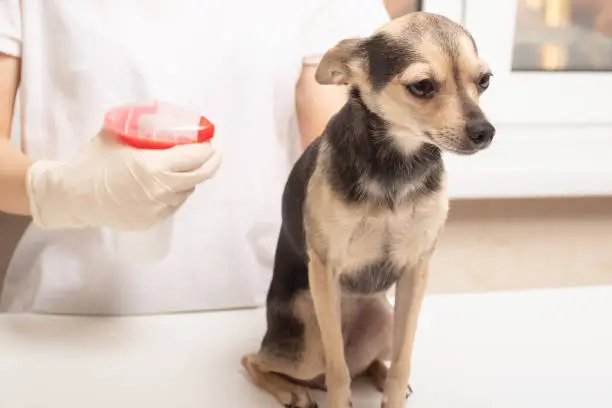
Decoding the Signs: It’s Not Always What You Think
Most of us imagine blood in urine as a bright, obvious red. But in reality, the clues can be much more subtle. The color and consistency can actually give your vet valuable hints about where the problem might be located.
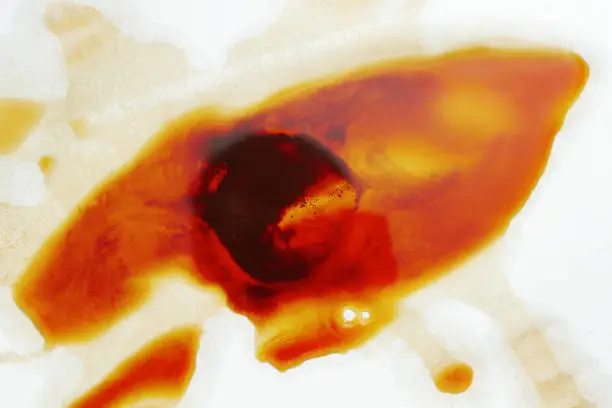
Sometimes it’s unmistakable—you’ll see clear red streaks or dots in the urine. Other times, it’s less dramatic. The entire puddle might just have a soft pink hue, or it could look unusually dark, taking on a brownish or tea-like color. This darker appearance can sometimes suggest the blood is coming from higher up in the urinary tract, like the kidneys.
Here’s something that surprises many owners: occasionally, there’s no visible color change at all. This is what vets call microscopic hematuria. The blood cells are there, but in such small amounts that you can’t see them with the naked eye. It’s only discovered when the vet runs a simple urine test. This is a classic example of why any change in your dog’s bathroom habits deserves a check-up, even if everything looks normal to you.
And a quick word on confusion: if you have an unspayed female dog, the bloody discharge she produces during her heat cycle is normal and comes from her reproductive tract, not her bladder. It’s easy to mix the two up! Certain foods or medications can also cause odd urine colors, so context is key.

UTI Test Strips for Dogs
Complete Natural Products UTI Test Strips for Dogs, Cats, & Pets – 3 in 1-50 Count – Urinary Tract Issues – Test Strips for Pets
Unpacking the “Why”: Common Culprits Behind the Blood
So, why does this happen? Blood can leak into the urine at any point along the complex plumbing system from the kidneys down to the urethra. The list of potential causes is why a professional diagnosis is non-negotiable. To help you understand the landscape, here’s a rundown of the usual suspects.
| Potential Cause | The Basic Problem | Which Dogs are at Risk? |
|---|---|---|
| Urinary Tract Infections (UTIs) | Bacteria invade and inflame the bladder lining, causing bleeding. | More common in females due to their anatomy. |
| Bladder or Kidney Stones | Crystals or stones form and physically scrape the urinary tract lining. | Any dog can be affected; some breeds are predisposed. |
| Trauma or Injury | A blow to the abdomen can bruise or damage the kidneys or bladder. | Active dogs, outdoor adventurers, or accident victims. |
| Toxins or Poisoning | Substances like rat poison prevent the blood from clotting properly. | Any dog with potential access to toxins. |
| Prostate Issues | In male dogs, the prostate gland can become enlarged or infected. | Almost always unneutered males. |
| Cancer (Neoplasia) | A tumor develops in the bladder, kidneys, or urinary tract. | Typically older dogs; certain breeds have higher risk. |
| Blood Clotting Disorders | The body loses its ability to form clots, leading to spontaneous bleeding. | Can vary widely. |
Let’s break down a few of these in plain English:
- The Classic UTI: This is the most common offender. Think of it like a bladder infection. Bacteria cause so much irritation and swelling that tiny blood vessels in the bladder wall break open. It’s uncomfortable for your pup, but usually clears up nicely with a course of antibiotics.
- The Problem of Stones: Bladder stones are literally like little, sharp pebbles bouncing around inside your dog’s bladder. As you can imagine, they scrape and gouge the delicate lining as they move. The real emergency is if a stone gets lodged in the urethra, creating a life-threatening blockage—this is a particular danger for male dogs.
- The Silent Threat of Toxins: This is one of the most urgent scenarios. Certain poisons, especially rodenticides, are designed to be anticoagulants. They stop a dog’s blood from clotting, leading to uncontrolled internal bleeding that shows up in urine, stool, or from the gums.
- A “Guy” Problem: For dogs that haven’t been neutered, the prostate gland can be a source of trouble. Because it’s located right next to the bladder and urethra, any inflammation or infection there can easily lead to blood in the urine.
Triage at Home: How to Gauge the Urgency
Your dog can’t tell you how bad it hurts, so figuring out the level of emergency is one of the toughest parts. Here’s a straightforward way to assess the situation.
🚨 When to Drop Everything and Go to the Vet NOW
- Your dog is straining to pee and nothing is coming out, or only a few drops appear. This is the number one emergency sign. A urinary blockage can be fatal and requires immediate intervention.
- They are showing clear signs of severe pain. This includes whining, trembling, a tightly hunched back, or not letting you near their belly.
- They are also lethargic, vomiting, or have collapsed. This means the issue is becoming systemic and overwhelming their body.
- You know for a fact they were injured or ingested a toxin.
When to Call the Vet for a Same-Day or Next-Day Appointment
- Your dog is otherwise completely normal—playing, eating, and drinking—but the color of their urine is off. While not a 3 AM emergency, this still needs professional attention within 24 hours to prevent a simple problem from becoming a complex one.
Your Game Plan: Practical Steps to Take Immediately
Before you head to the clinic, here are a few simple things you can do that will help both you and your vet.
First, take a breath and observe. I know it’s hard, but your dog will pick up on your anxiety. Take a mental snapshot of their behavior. Are they asking to go out constantly? Are they licking themselves more than usual? These little details are crucial clues for your vet.
Next, become a sample collector. I get it—catching dog urine is not a glamorous job. But a fresh sample is incredibly valuable for diagnosis. The easiest way is to use a clean ladle, a shallow plastic container, or even a disposable pie plate. Slip it under the stream the next time they go. If you can’t get to the vet right away, store the sealed container in the refrigerator for up to half a day.
Then, pick up the phone. Always call your vet clinic before you go. Describe what you’re seeing. They can tell you if you need to rush in or if you can schedule a specific time. This helps them prepare for your arrival.
Finally, keep them comfortable. Encourage your dog to rest in a quiet, familiar space. Make sure they have plenty of fresh water available to help keep things flushing through their system, unless they are actively vomiting.
Inside the Vet’s Office: Uncovering the Cause of Bloody Urine
You’ve made the call and you’re at the vet’s office. It’s a stressful place to be when you’re worried about your furry friend. The good news is, you’re in the right spot. Now, the detective work begins. Your vet’s goal is to move from the “what” (there’s blood) to the “why” (what’s causing it).
This part of the process can feel like a blur, so let’s pull back the curtain. Knowing what’s happening and why can make you feel more like an active partner in your dog’s care. The approach is usually step-by-step, starting with the simplest tests and moving to more complex ones if needed.
The Diagnosis: Putting the Puzzle Pieces Together
Your vet has a whole toolkit at their disposal. They’ll use a combination of your observations and specific tests to get to the bottom of things.
It Starts with a Conversation
Before any poking or prodding, your vet will want to hear your story. Those details you noticed—how often your dog is asking to go out, a slight whimper when they pee, a change in their water bowl habits—are incredibly valuable. Don’t dismiss anything as too small to mention. After the chat, comes the hands-on exam. They’ll gently feel your dog’s belly, checking for any signs of pain, unusual lumps, or enlarged organs. For unneutered males, a rectal exam is often part of this to assess the prostate gland.
The Urine Test: A Window into the Bladder
Remember that urine sample you worked so hard to collect? This is its moment. The urinalysis is a powerhouse of information. It’s not just about confirming the presence of blood. This test can spot bacteria that point to an infection, identify tiny crystals that could be the beginnings of stones, and even give clues about how well the kidneys are concentrating waste. It’s often the first major clue.
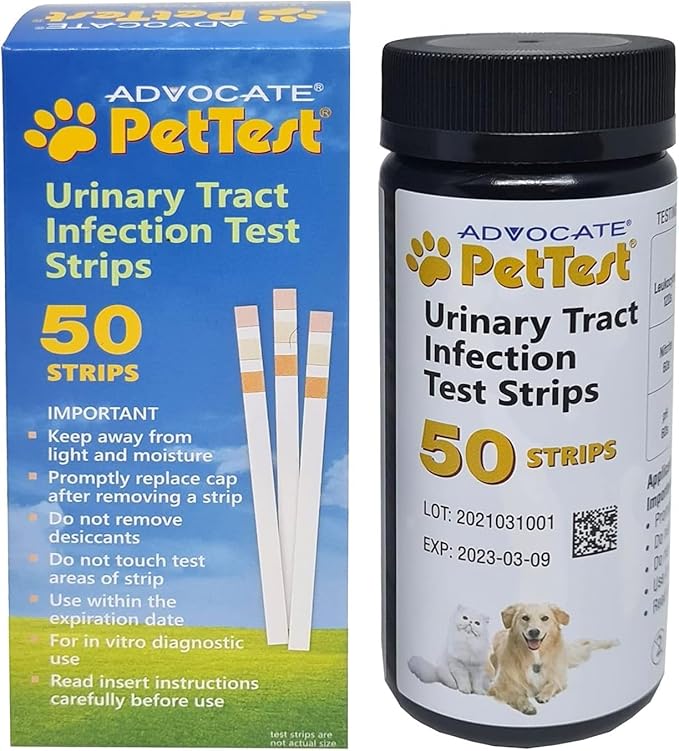
Detect Urinary Tract Infections
PetTest UTI Test Strips for Dogs & Cats, Detect Urinary Tract Infections in Your Pets from Home with Easy Urine Testing
When More Information is Needed
Sometimes, the initial urine test points in a direction, but the vet needs a clearer map. That’s when they might suggest:
- A Urine Culture: If bacteria are spotted, this test is like running a background check on them. It identifies the exact bacterial strain and, crucially, reveals which antibiotic will work best. It takes the guesswork out of treatment.
- Blood Work: This gives a broader picture of your dog’s overall health. It can highlight issues like kidney trouble, signs of a body-wide infection, or problems with blood clotting that you’d never see from the outside.
- Getting a Visual: X-rays and Ultrasound: This is where we look inside. X-rays are fantastic for spotting radio-dense stones—they show up as clear white objects in the bladder. An ultrasound is different; it uses sound waves to create a detailed image of the soft tissues. It allows the vet to see the thickness of the bladder wall, look for tumors, and examine the structure of the kidneys in a way an X-ray can’t. My own vet described it as the difference between looking at a shadow and looking at the actual object.
Finding the Right Fix: Treatment Options Explained
Once the culprit is identified, your vet will lay out a plan. The great news is that for the majority of cases, the treatments are straightforward and highly effective.
- Battling a UTI: The standard fix is a round of antibiotics. The single most important thing you can do here is to finish every last pill, even if your dog seems perfectly fine after a couple of days. Stopping early is a surefire way to let the toughest bacteria survive and cause a relapse.
- Handling Bladder Stones: The path here depends on the stone type.
- The Dietary Solution: For certain stones, a special prescription diet can work wonders. These foods, like Hill’s Prescription Diet c/d or Royal Canin Urinary SO, are formulated to change the pH of your dog’s urine, creating an environment where the stones can actually dissolve over a few weeks or months.
- The Surgical Route (Cystotomy): For stones that are too large, causing a blockage, or of a type that won’t dissolve, surgery is the best option. It’s a direct solution: the vet makes a small incision into the bladder, removes all the stones, and your dog is on the road to immediate relief.
- Addressing Prostate Trouble: In unneutered males, the root of the problem is often the prostate gland itself. The most definitive long-term solution is frequently neutering. This causes the prostate to shrink, which resolves the issue. If an infection is present, antibiotics will also be part of the plan.
- Confronting a Cancer Diagnosis: This is the news every pet owner dreads. It’s important to take a breath and understand that “cancer” isn’t one single disease. Treatment is highly personalized. Options can range from surgery to remove a tumor to medications or even chemotherapy. Your vet will have a frank conversation with you about the specific diagnosis and what the realistic options and outcomes are.
- Managing Toxins and Trauma: For poison ingestion, time is critical. The treatment involves administering an antidote (like Vitamin K1 for rat bait) and providing intensive supportive care. For physical trauma, the focus is on pain management, rest, and sometimes surgery to repair internal injuries.
Your Role at Home: The Road to Recovery
Healing doesn’t end at the clinic door. What you do at home is just as important for a full recovery.
Medication Compliance is Everything. I know it can be a chore, but giving every single dose of medication is non-negotiable. You’re making sure the problem is completely gone, not just temporarily quiet.
Embrace the New Diet. If your dog was diagnosed with stones, that prescription food is now a central part of their life. It’s not just food; it’s medicine. It’s specifically designed to prevent new stones from forming, which is so much easier than treating them again down the line. And never underestimate the power of water! Encouraging your dog to drink helps constantly flush out their system.
Become a Keen Observer. Keep a casual eye on your dog’s bathroom habits as they recover. Is the urine returning to a normal color? Is the straining letting up? If you notice things aren’t improving, or if they get worse, don’t hesitate to check back in with your vet. Those follow-up appointments are there for a reason—to make sure the plan is working and your best friend is truly on the mend.
Your Questions Answered & The Path Forward
By now, you’ve got a solid understanding of what blood in your dog’s urine means, how vets diagnose it, and the common treatment paths. But even with all that information, a few nagging questions often remain. Let’s tackle those head-on.

Testing Strips x 50 (10 Parameters Urine Test Strips for Cats & Dogs)
KIT4CAT CheckUp Testing Strips x 50 (10 Parameters Urine Test Strips for Cats & Dogs)
Straight Talk: Your Top Questions Answered
“Could this just clear up on its own?”
This is probably the most common hope, but it’s a risky one. While a tiny amount of bleeding from a minor irritation might temporarily resolve, the underlying cause is still there. Ignoring it is like turning off a fire alarm and assuming the fire is out. The problem, whether it’s a low-grade infection or early-stage stones, will almost certainly get worse, potentially becoming more painful, more difficult, and more expensive to treat. Always, always get it checked.
“Are there any home remedies I can try?”
When you’re worried, it’s natural to want to do something right now. You might read about cranberry juice, apple cider vinegar, or various herbs online. Please, resist this urge. Cranberry juice is packed with sugar and isn’t proven to help dogs. Apple cider vinegar could irritate your dog’s stomach or even make certain types of stones worse. The most effective and safest “home remedy” is to ensure your dog has constant access to fresh, clean water and to call your vet for a professional diagnosis. You wouldn’t treat your own serious medical condition with an internet rumor, and your dog deserves the same care.
“My dog is peeing blood but acting totally normal. What’s that about?”
This is a really common scenario and can be confusing. It’s true that in the early stages of issues like a UTI or small stones, a dog might not show obvious signs of pain or lethargy. They’re tough creatures and often hide discomfort well. However, “acting normal” doesn’t mean “is normal.” The blood is the tell-tale sign that something is wrong internally. Consider it an early warning signal that allows you to address a problem before it makes your dog feel sick. It’s not a full-blown emergency, but it absolutely warrants a prompt vet visit.
“Does this happen more in male or female dogs?”
The short answer is that both can be affected, but for different reasons. Female dogs are statistically more prone to Urinary Tract Infections (UTIs) because their urethra is shorter and wider, making it easier for bacteria to travel up into the bladder. Male dogs, especially those who are unneutered, have their own unique risk: prostate problems. An infected or enlarged prostate is a very common cause of blood in the urine for intact males. So, while neither sex is “safe,” the likely culprit often differs.
Wrapping It All Up: Your Key Takeaways
Discovering blood in your dog’s urine is a jarring experience. It’s a sight that instantly sends a wave of fear through any pet owner. But after reading this, I hope you see the situation with clearer eyes.
The blood itself—hematuria—is a symptom, not a final diagnosis. It’s your dog’s way of sending up a flare, telling you that something, somewhere in their urinary system, needs attention. That attention must come from a professional.
The causes range from the simple and easily treated, like a routine UTI, to the more complex, like stones or, in rarer cases, cancer. This is precisely why a veterinary exam is non-negotiable. Guessing based on online information is a dangerous game. Your vet has the training and the tools to move from a scary symptom to a clear understanding of the problem.
The most important thing you can do is to act. You’ve already taken the first step by educating yourself. The next step is to pick up the phone. By seeking timely veterinary help, you are doing the single best thing for your dog: you’re giving them the chance for a quick diagnosis, an effective treatment, and a full return to their happy, healthy life.
Don’t wait and hope it gets better. If you’re concerned about your dog’s health, call your veterinarian. They are your partner in this, and together, you can get your furry friend back on track.