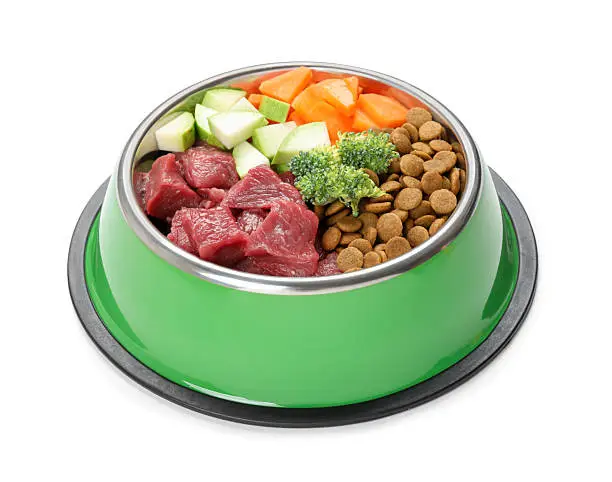
More pet owners than ever are paying closer attention to what goes into their dog’s bowl. Just as people have become increasingly concerned about food quality, artificial additives, and farming practices, many dog owners are seeking healthier alternatives for their pets. This growing awareness has fueled the popularity of organic dog food.
The best organic dog foods are made with ingredients produced without synthetic pesticides, chemical fertilizers, genetically modified organisms (GMOs), or artificial growth hormones. These foods aim to provide dogs with wholesome nutrition while minimizing exposure to potentially harmful substances.
Many owners report improvements in their dogs’ digestion, skin condition, energy levels, and overall well-being after switching to organic diets. While organic dog food is often more expensive than conventional options, many believe the investment is worthwhile for their pet’s long-term health.
In this comprehensive guide, you’ll learn:
- What organic dog food actually means
- How organic food differs from natural and conventional diets
- The benefits of certified organic ingredients
- How to choose the best organic dog food
- The top organic dog food brands available today
- Specialized recommendations for puppies, seniors, allergies, and more
Whether you’re feeding a playful puppy or a senior companion, this guide will help you make an informed decision about the healthiest organic dog food for your furry friend.
What Is Organic Dog Food?
Understanding what qualifies as organic dog food is the first step toward choosing the right product.
Definition of Organic Dog Food
Organic dog food contains ingredients that are grown and processed according to strict agricultural standards. These standards generally prohibit:
- Synthetic pesticides
- Artificial fertilizers
- Genetically modified organisms (GMOs)
- Artificial preservatives
- Growth hormones
- Routine antibiotic use in livestock
Organic ingredients are produced using farming methods designed to promote environmental sustainability and animal welfare.
For dog owners, this means food made with cleaner ingredients and fewer synthetic chemicals.
Common Organic Ingredients Found in Dog Food
| Protein Sources | Fruits & Vegetables | Grains |
|---|---|---|
| Organic Chicken | Organic Blueberries | Organic Brown Rice |
| Organic Turkey | Organic Carrots | Organic Oats |
| Organic Beef | Organic Sweet Potatoes | Organic Barley |
| Organic Lamb | Organic Pumpkin | Organic Quinoa |
USDA Organic Standards for Pet Food
When shopping for certified organic dog food, understanding labeling standards is important.
The USDA recognizes several organic categories:
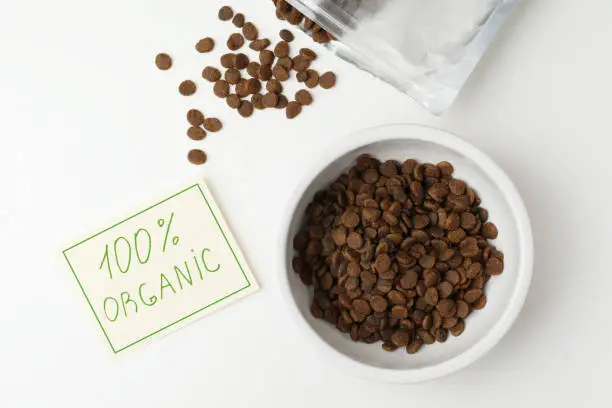
| Label | Organic Content Requirement |
| 100% Organic | All ingredients are organic |
| Organic | At least 95% organic ingredients |
| Made with Organic Ingredients | At least 70% organic ingredients |
| Less Than 70% Organic | Cannot display USDA Organic Seal |
Products carrying USDA certification must comply with rigorous production and handling standards.
This certification provides assurance that the ingredients have been sourced and processed according to recognized organic practices.
Organic vs Natural Dog Food
One of the biggest misconceptions among pet owners is assuming that “natural” and “organic” mean the same thing.
They do not.
Organic Dog Food
Organic dog food must meet specific certification requirements regarding ingredient sourcing and production methods.
Natural Dog Food
Natural dog food generally contains ingredients derived from plant, animal, or mineral sources without extensive chemical processing. However, there are often fewer regulations governing the term “natural.”
Quick Comparison
| Feature | Organic Dog Food | Natural Dog Food |
| USDA Certification | Yes | Usually No |
| GMO Restrictions | Yes | Not Required |
| Synthetic Pesticides | Restricted | May Be Present |
| Production Standards | Strictly Regulated | Less Regulated |
As a result, organic food often offers greater transparency regarding ingredient quality.
Organic vs Conventional Dog Food
Conventional dog food remains the most widely available option, but there are important differences between conventional and organic products.
Organic Dog Food Advantages
- Fewer synthetic chemicals
- Higher ingredient transparency
- Better farming practices
- Reduced environmental impact
- No genetically modified ingredients in certified products
Conventional Dog Food Advantages
- Lower cost
- Wider availability
- More product variety
While conventional dog food can still provide complete nutrition, many owners prefer organic alternatives because of their cleaner ingredient profiles.
Understanding Organic Labels on Dog Food
Marketing claims can sometimes confuse shoppers.
When evaluating labels, look for:
Reliable Certifications
- USDA Organic Seal
- Certified Organic logos
- Third-party verification
Ingredients Listed First
High-quality organic dog foods should list a named protein source first, such as:
- Organic chicken
- Organic turkey
- Organic beef
- Organic lamb
Avoid products that rely heavily on vague ingredients or excessive fillers.
Reading labels carefully helps ensure you’re purchasing truly organic pet food rather than products that simply use organic-related marketing language.
Benefits of Organic Dog Food for Dogs
Organic dog food offers several potential advantages that appeal to health-conscious pet owners.
Higher-Quality Ingredients
One of the primary reasons dog owners choose organic food is ingredient quality.
Many premium organic dog food brands prioritize:
- Whole-food ingredients
- Named protein sources
- Fresh fruits and vegetables
- Minimal processing
These ingredients often provide more nutritional value than heavily processed alternatives.
For example, organic chicken and organic turkey typically contain high-quality protein needed for:
- Muscle development
- Tissue repair
- Immune function
- Healthy growth
High-quality ingredients can contribute significantly to your dog’s overall health.
Reduced Exposure to Pesticides and Chemicals
Conventional farming often relies on synthetic pesticides and chemical fertilizers.
Organic farming limits or eliminates many of these substances.
Benefits may include:
- Reduced chemical exposure
- Cleaner ingredient sourcing
- More environmentally friendly production
While trace amounts may still occur naturally, certified organic foods generally contain fewer agricultural chemicals than conventional products.
This is one reason many pet owners searching for the healthiest organic dog food choose certified organic brands.
Improved Digestive Health
Many dogs experience digestive issues ranging from occasional upset stomachs to chronic sensitivities.
Organic foods often include:
- Easily digestible proteins
- Whole grains
- Fiber-rich vegetables
- Natural ingredients
These components can support healthy digestion and nutrient absorption.
Digestive-Friendly Organic Ingredients
| Ingredient | Digestive Benefit |
| Pumpkin | Supports regular bowel movements |
| Sweet Potato | Gentle source of fiber |
| Oats | Easily digestible carbohydrate |
| Brown Rice | Mild on sensitive stomachs |
| Probiotics | Supports gut health |
Dogs with sensitive stomachs may particularly benefit from simplified ingredient lists and reduced artificial additives.
Better Skin and Coat Condition
Healthy skin and a shiny coat often reflect good nutrition.
Many organic dog foods contain beneficial nutrients such as:
- Omega-3 fatty acids
- Omega-6 fatty acids
- Vitamin E
- Zinc
These nutrients help support:
- Healthy skin barrier function
- Reduced dryness
- Improved coat shine
- Reduced shedding
Pet owners frequently notice coat improvements after transitioning to a higher-quality organic diet.
Enhanced Immune System Support
A strong immune system plays a vital role in overall canine health.
Organic dog foods often incorporate:
- Antioxidant-rich fruits
- Vegetables
- Vitamins
- Minerals
Common immune-supporting ingredients include:
- Blueberries
- Cranberries
- Spinach
- Carrots
- Pumpkin
These ingredients provide antioxidants that help combat oxidative stress and support long-term wellness.
Fewer Artificial Additives and Preservatives
Many conventional foods rely on synthetic preservatives to extend shelf life.
Organic products generally avoid artificial additives such as:
- Artificial colors
- Artificial flavors
- Chemical preservatives
Instead, manufacturers often use natural preservation methods including:
- Mixed tocopherols
- Rosemary extract
- Natural antioxidants
This cleaner ingredient profile appeals to owners seeking a more natural diet for their pets.
Potential Reduction in Food Allergies
Food allergies can cause uncomfortable symptoms in dogs.
Common signs include:
- Itchy skin
- Chronic ear infections
- Digestive upset
- Excessive licking
- Hair loss
While organic food is not a cure for allergies, some dogs may benefit from diets containing:
- Limited ingredients
- High-quality proteins
- Fewer artificial additives
Reducing exposure to unnecessary ingredients can sometimes help identify food sensitivities more effectively.
How to Choose the Best Organic Dog Food
Not all organic dog foods are created equal. Knowing what to look for can help you make the best choice.
Check for USDA Organic Certification
Certification remains one of the most reliable indicators of quality.
Look for labels such as:
- USDA Organic
- Certified Organic
- Organic Ingredients Verified
These certifications help confirm compliance with established organic standards.
Review Ingredient Lists Carefully
A quality ingredient list should include:
- Named protein sources
- Whole-food ingredients
- Recognizable fruits and vegetables
Avoid products with excessive fillers or unclear ingredient descriptions.
Look for High-Quality Protein Sources
Protein is the foundation of a healthy canine diet.
Excellent organic protein options include:
- Organic chicken
- Organic turkey
- Organic beef
- Organic lamb
- Organic fish
High-quality proteins support muscle maintenance and overall health.
Avoid Artificial Fillers
Common fillers may include:
- Excessive corn
- Soy fillers
- Artificial additives
- Unnecessary by-products
Premium organic foods generally focus on nutrient-dense ingredients instead.
Consider Your Dog’s Age and Breed
Different dogs have different nutritional requirements.
Factors to consider include:
- Puppy vs adult nutrition
- Small breed energy needs
- Large breed joint support
- Senior dog calorie requirements
Choosing an age-appropriate formula can significantly improve health outcomes.
Best Organic Dog Foods Overall
With so many organic dog food brands available, finding the right one can feel overwhelming. To simplify your search, here are some of the most highly regarded options based on ingredient quality, nutritional value, brand reputation, and suitability for different canine needs.
Top Picks at a Glance
| Product | Rating | Key Ingredients | Price Range | Best For |
|---|---|---|---|---|
| Castor & Pollux Organix Adult Recipe | 4.8/5 | Organic chicken, brown rice, peas | $$ | Best Overall |
| Tender & True Organic Chicken Recipe | 4.7/5 | Organic chicken, organic flaxseed | $$ | Budget-Friendly |
| Open Farm Organic Blend | 4.8/5 | Organic chicken, pumpkin, oats | $$$ | Premium Quality |
| The Honest Kitchen Organic Recipe | 4.9/5 | Organic chicken, vegetables | $$$$ | Human-Grade Nutrition |
| Purina Beyond Organic | 4.6/5 | Organic chicken, barley | $$ | Veterinarian Recommended |
Best Overall Organic Dog Food
Castor & Pollux Organix Adult Recipe
This brand consistently ranks among the most trusted organic dog foods on the market.
Highlights
- USDA-certified organic ingredients
- Real organic chicken as the first ingredient
- Contains probiotics for digestion
- No artificial preservatives
- Balanced nutrition for adult dogs
This formula provides a strong combination of quality ingredients and affordability, making it a top choice for most households.
Best Premium Organic Dog Food
Open Farm Organic Blend
Pet owners seeking exceptional ingredient quality often choose Open Farm.
Benefits
- Ethically sourced proteins
- Organic vegetables and grains
- High protein content
- Excellent transparency regarding ingredient sourcing
- Sustainably produced
The premium price reflects the quality and traceability of ingredients.
Best Budget-Friendly Organic Dog Food
Tender & True Organic Chicken Recipe
Organic dog food doesn’t always have to break the budget.
Advantages
- USDA-certified organic chicken
- Affordable compared to many competitors
- Suitable for most adult dogs
- No artificial colors or flavors
This product delivers excellent value for cost-conscious pet owners.
Best Human-Grade Organic Dog Food
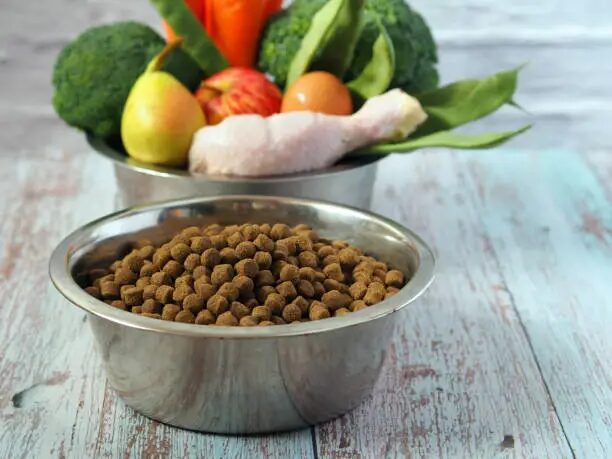
The Honest Kitchen Organic Recipe
Human-grade dog food has become increasingly popular.
Why It Stands Out
- Human-grade ingredients
- Minimal processing
- Organic vegetables and proteins
- Highly digestible
- Exceptional ingredient transparency
Many owners choose this option when seeking premium nutrition similar to what they would eat themselves.
Best Veterinarian-Recommended Organic Dog Food
Purina Beyond Organic
Veterinarians often appreciate formulas backed by nutritional research.
Key Features
- Complete and balanced nutrition
- Certified organic ingredients
- Widely available
- Produced by an established pet nutrition company
This option offers reliability and accessibility for many dog owners.
Best Organic Dry Dog Foods
Dry dog food remains the most popular feeding option due to convenience, affordability, and shelf stability.
Top Organic Kibble Brands
Several brands consistently perform well in independent reviews.
Leading Organic Dry Food Options
- Castor & Pollux Organix
- Tender & True
- Open Farm
- Purina Beyond Organic
- Evanger’s Organics
Each offers different benefits depending on your dog’s age, size, and activity level.
Benefits of Organic Dry Food
Organic kibble provides several advantages.
Convenience
Dry food is easy to:
- Store
- Measure
- Transport
- Feed daily
Dental Benefits
Crunchy kibble may help reduce plaque buildup by providing mild abrasion during chewing.
Cost-Effective
Compared to wet food or fresh food diets, dry food is generally more affordable on a per-serving basis.
Longer Shelf Life
Organic kibble can often be stored for extended periods when kept properly sealed.
Drawbacks of Organic Dry Food
Despite its advantages, dry food isn’t perfect.
Lower Moisture Content
Most kibble contains approximately:
- 8–12% moisture
This is significantly lower than wet food.
More Processing
Dry food generally undergoes additional processing compared to fresh or minimally processed diets.
Less Palatable for Some Dogs
Picky eaters sometimes prefer wet or fresh foods due to stronger aromas and flavors.
Recommended Organic Dry Food Products
Top Choices
| Product | Protein Source | Suitable For |
| Organix Adult Recipe | Organic Chicken | Adult Dogs |
| Open Farm Organic Blend | Organic Chicken | Active Dogs |
| Tender & True Organic | Organic Chicken | Budget Buyers |
| Purina Beyond Organic | Organic Chicken | Everyday Feeding |
| Evanger’s Organics | Organic Beef | Protein Variety |
Best Organic Wet Dog Foods
Wet food offers excellent palatability and hydration benefits.
Benefits of Organic Wet Dog Food
Many dogs enthusiastically prefer wet food.
Advantages Include
- Higher moisture content
- Easier chewing
- Improved hydration
- Enhanced flavor
- Useful for senior dogs
Dogs with dental issues often benefit from softer food textures.
Nutritional Comparison with Dry Food
| Feature | Wet Food | Dry Food |
| Moisture Content | High | Low |
| Convenience | Moderate | High |
| Shelf Life | Shorter After Opening | Longer |
| Palatability | Very High | Moderate |
| Cost | Higher | Lower |
Neither option is inherently superior. The best choice depends on your dog’s needs.
Top Organic Canned Dog Food Brands
Popular organic wet food brands include:
- Castor & Pollux Organix Canned Recipes
- Evanger’s Organic Dinners
- Newman’s Own Organics
- Tender & True Organic Wet Food
These brands prioritize high-quality ingredients and balanced nutrition.
Best Wet Organic Dog Food Picks
Recommended Choices
- Castor & Pollux Organix Chicken & Brown Rice
- Evanger’s Organic Beef Dinner
- Tender & True Organic Chicken & Liver
- Newman’s Own Organic Chicken Formula
These products provide excellent moisture levels and ingredient quality.
Best Organic Puppy Foods
Puppies require specialized nutrition to support rapid growth and development.
Nutritional Needs of Puppies
Growing puppies need increased amounts of:
- Protein
- Fat
- Calcium
- Phosphorus
- Essential vitamins
A high-quality organic puppy formula helps support healthy growth.
Essential Ingredients for Growth
Look for:
- Organic chicken
- Organic turkey
- DHA-rich ingredients
- Organic vegetables
- Healthy fats
These nutrients support:
- Brain development
- Bone growth
- Muscle formation
- Immune health
Top Organic Puppy Food Brands
Recommended Options
| Brand | Key Benefits |
| Organix Puppy Recipe | Balanced growth nutrition |
| Tender & True Puppy Formula | Affordable organic option |
| Open Farm Puppy Recipe | Premium ingredients |
| The Honest Kitchen Puppy Formula | Human-grade nutrition |
These formulas meet the specific needs of developing puppies.
Feeding Guidelines for Organic Puppy Food
General Recommendations
| Puppy Age | Meals Per Day |
| 8–12 Weeks | 4 Meals |
| 3–6 Months | 3 Meals |
| 6–12 Months | 2 Meals |
Always follow feeding recommendations provided by the manufacturer and consult your veterinarian when needed.
Best Organic Dog Foods for Senior Dogs
As dogs age, their nutritional requirements change significantly.
Nutritional Needs of Aging Dogs
Senior dogs often need:
- Moderate calories
- Joint-support ingredients
- Easily digestible proteins
- Added antioxidants
Proper nutrition helps maintain quality of life during the aging process.
Joint and Mobility Support Ingredients
Helpful ingredients include:
- Glucosamine
- Chondroitin
- Omega-3 fatty acids
- Turmeric
- Green-lipped mussel
These nutrients may support joint comfort and mobility.
Weight Management Considerations
Many older dogs become less active.
Consequently, they often benefit from:
- Controlled calorie intake
- Higher fiber levels
- Lean protein sources
Maintaining a healthy weight reduces stress on aging joints.
Best Organic Senior Dog Food Options
Recommended Products
- Organix Senior Recipe
- Open Farm Senior Formula
- The Honest Kitchen Whole Grain Recipe
- Tender & True Organic Chicken Formula
These foods provide balanced nutrition tailored to older dogs.
Best Organic Dog Foods for Small Breeds
Small dogs have unique dietary requirements.
Unique Nutritional Requirements
Small breeds generally need:
- Higher calorie density
- Smaller kibble pieces
- Nutrient-rich formulas
Their faster metabolism often requires more energy per pound of body weight.
Kibble Size Considerations
Tiny mouths benefit from appropriately sized kibble.
Advantages include:
- Easier chewing
- Reduced choking risk
- Better digestion
Many premium organic brands offer small-breed-specific formulas.
Top Organic Foods for Small Dogs
Best Choices
- Organix Small Breed Recipe
- Open Farm Small Breed Formula
- Tender & True Small Breed Formula
- The Honest Kitchen Whole Grain Recipe
These products provide concentrated nutrition in smaller serving sizes.
Best Organic Dog Foods for Large Breeds
Large breeds require different nutritional support than smaller dogs.
Protein and Joint Support Needs
Large dogs benefit from:
- Quality protein
- Controlled calcium levels
- Joint-support nutrients
- Lean body maintenance
Proper nutrition helps support healthy skeletal development.
Calorie Requirements
Large breeds require careful calorie management.
Overfeeding can contribute to:
- Obesity
- Joint stress
- Reduced mobility
Balanced organic formulas can help maintain healthy body condition.
Recommended Organic Foods for Large Dogs
Top Options
| Product | Best Feature |
| Open Farm Large Breed Formula | Joint support |
| Organix Adult Recipe | Balanced nutrition |
| Tender & True Organic Chicken | Affordable option |
| Honest Kitchen Whole Grain | Human-grade ingredients |
Best Organic Dog Foods for Sensitive Stomachs
Digestive issues are among the most common concerns reported by dog owners.
Common Digestive Issues in Dogs
Symptoms may include:
- Gas
- Diarrhea
- Vomiting
- Loose stools
- Bloating
Sensitive dogs often benefit from simplified ingredient lists.
Easily Digestible Organic Ingredients
Look for:
- Organic chicken
- Pumpkin
- Brown rice
- Oatmeal
- Sweet potatoes
These ingredients are generally gentle on the digestive system.
Limited Ingredient Organic Dog Foods
Limited ingredient diets reduce the number of potential triggers.
Benefits include:
- Easier digestion
- Allergy management
- Simplified nutrition
Many veterinarians recommend these diets for sensitive dogs.
Recommended Products
Best Organic Foods for Sensitive Stomachs
- Open Farm Digestive Health Recipe
- Organix Chicken & Brown Rice Formula
- Tender & True Organic Chicken Recipe
- Honest Kitchen Whole Grain Recipe
Best Organic Dog Foods for Allergies
Food allergies can significantly impact a dog’s comfort and quality of life.
Common Dog Food Allergens
Common triggers include:
- Beef
- Dairy
- Wheat
- Soy
- Chicken (for some dogs)
Identifying allergens often requires careful dietary evaluation.
Grain-Free vs Organic Diets
Some allergic dogs benefit from grain-free diets, while others respond better to cleaner organic ingredients.
The ideal choice depends on the individual dog’s sensitivities.
Hypoallergenic Organic Dog Food Options
Popular options include:
- Organic turkey formulas
- Organic lamb recipes
- Limited ingredient diets
- Novel protein formulas
Signs Your Dog May Have Food Allergies
Watch for:
- Chronic itching
- Ear infections
- Excessive licking
- Digestive upset
- Skin irritation
Early intervention can help prevent ongoing discomfort.
Best Grain-Free Organic Dog Foods
Some pet owners choose grain-free diets due to allergies, sensitivities, or personal preferences.
What Is Grain-Free Dog Food?
Grain-free dog food excludes common grains such as:
- Wheat
- Corn
- Rice
- Barley
- Oats
Instead, these formulas often use alternative carbohydrates like:
- Sweet potatoes
- Peas
- Lentils
- Chickpeas
While grain-free diets can be beneficial for certain dogs, they are not necessary for every pet.
Pros and Cons of Grain-Free Diets
| Pros | Cons |
|---|---|
| Helpful for some food sensitivities | Usually more expensive |
| Alternative carbohydrate sources | Not necessary for most dogs |
| Can reduce certain allergens | Limited long-term research |
| Often rich in protein | Some formulas may be calorie-dense |
Best Organic Grain-Free Brands
Popular options include:
- Open Farm Grain-Free Organic Recipe
- Castor & Pollux Organix Grain-Free Formula
- Tender & True Organic Grain-Free Chicken
- Evanger’s Organic Grain-Free Recipes
These products combine organic ingredients with grain-free nutrition.
Veterinary Considerations
Before switching to a grain-free diet, consult your veterinarian.
Many dogs digest whole grains very well, and eliminating grains without a specific reason may provide little benefit.
A veterinarian can help determine whether a grain-free formula is appropriate for your dog’s health needs.
Best Organic Dog Foods for Weight Management
Canine obesity is a growing concern worldwide. Maintaining a healthy weight is essential for longevity and overall wellness.
Causes of Canine Obesity
Common causes include:
- Overfeeding
- Excess treats
- Lack of exercise
- Age-related metabolism changes
- Certain medical conditions
Even a few extra pounds can place additional stress on joints and internal organs.
Low-Calorie Organic Options
Weight-management formulas typically feature:
- Lean proteins
- Controlled fat levels
- Increased fiber
- Lower calorie density
These characteristics help dogs feel full while consuming fewer calories.
High-Fiber Organic Ingredients
Beneficial ingredients include:
- Pumpkin
- Sweet potatoes
- Brown rice
- Oats
- Organic vegetables
Fiber helps support satiety and digestive health.
Recommended Weight-Control Formulas
| Product | Key Benefit |
| Organix Healthy Weight Recipe | Reduced calories |
| Open Farm Weight Management | High-quality lean protein |
| Honest Kitchen Whole Grain | Balanced nutrition |
| Tender & True Organic Formula | Affordable option |
Best Human-Grade Organic Dog Foods
Human-grade dog food has become one of the fastest-growing segments of the pet food industry.
What Does Human-Grade Mean?
Human-grade food is made using ingredients that meet standards suitable for human consumption.
This often means:
- Higher ingredient quality
- Stricter manufacturing practices
- Minimal processing
Organic Human-Grade Benefits
Potential advantages include:
- Superior ingredient sourcing
- Enhanced transparency
- Better digestibility
- Fewer artificial ingredients
Many owners appreciate knowing exactly what goes into their dog’s meals.
Fresh Food Delivery Services
Fresh organic dog food delivery services offer:
- Pre-portioned meals
- Customized feeding plans
- Convenient home delivery
- High-quality ingredients
These services appeal to busy owners who want premium nutrition without preparing meals themselves.
Top Human-Grade Organic Brands
Popular choices include:
- The Honest Kitchen
- Open Farm Fresh Recipes
- Raised Right
- Spot & Tango
These brands focus on ingredient quality and nutritional balance.
Organic Dog Food Ingredients to Look For
Choosing the right ingredients is just as important as choosing the right brand.
Organic Chicken
Organic chicken is:
- High in protein
- Easy to digest
- Rich in amino acids
It remains one of the most popular protein sources in dog food.
Organic Beef
Organic beef provides:
- Iron
- Zinc
- Protein
- B vitamins
It can be an excellent option for active dogs.
Organic Turkey
Turkey is often recommended for dogs with sensitive stomachs because it is:
- Lean
- Easily digestible
- Rich in nutrients
Organic Lamb
Lamb is frequently used in limited-ingredient diets and may be suitable for dogs with certain food sensitivities.
Organic Fruits and Vegetables
Healthy additions include:
These ingredients supply antioxidants, fiber, vitamins, and minerals.
Organic Whole Grains
Nutritious whole grains include:
- Brown rice
- Oats
- Barley
- Quinoa
Whole grains provide energy and digestive support.
Probiotics and Prebiotics
These ingredients support gut health.
Benefits
- Improved digestion
- Better nutrient absorption
- Balanced gut bacteria
- Enhanced immune support
Omega-3 Fatty Acids
Sources include:
- Fish oil
- Flaxseed
- Salmon
Benefits may include:
- Healthy skin
- Shiny coat
- Joint support
- Cognitive health
Ingredients to Avoid in Dog Food
Not all ingredients contribute positively to your dog’s health.
Artificial Colors
Artificial colors provide no nutritional value and are used primarily for marketing purposes.
Artificial Flavors
Dogs generally do not require artificial flavoring when high-quality ingredients are present.
Chemical Preservatives
Avoid excessive amounts of:
- BHA
- BHT
- Ethoxyquin
Many organic foods use natural alternatives instead.
Meat By-Products
While not always harmful, vague by-product ingredients often provide less transparency than named protein sources.
Excessive Fillers
Large quantities of low-value fillers may reduce overall nutritional quality.
Added Sugars
Added sugars can contribute to:
- Weight gain
- Dental issues
- Unnecessary calories
Dogs have no nutritional requirement for added sugar.
Organic Dog Food vs Natural Dog Food
Key Differences
Organic foods must meet certification standards, while natural foods may not.
Certification Standards
| Feature | Organic | Natural |
| Certification Required | Yes | Usually No |
| GMO Restrictions | Yes | Not Required |
| Organic Farming Practices | Yes | Not Required |
Cost Comparison
Organic foods generally cost more because of:
- Farming requirements
- Certification expenses
- Ingredient sourcing
Which Is Better for Your Dog?
The answer depends on:
- Budget
- Health concerns
- Ingredient preferences
Both can be healthy choices when properly formulated.
Organic Dog Food vs Raw Diet
Nutritional Comparison
Raw diets focus on uncooked ingredients, while organic dog food is usually cooked and formulated to provide complete nutrition.
Safety Considerations
Raw diets may carry risks including:
- Bacterial contamination
- Nutritional imbalances
- Storage challenges
Organic commercial foods generally provide greater convenience and consistency.
Cost and Convenience
| Factor | Organic Food | Raw Diet |
| Convenience | High | Moderate |
| Preparation Time | Minimal | Significant |
| Food Safety Risk | Lower | Higher |
| Storage Requirements | Easier | More Demanding |
Expert Opinions
Many veterinary nutritionists favor complete and balanced commercial diets because they provide reliable nutrition.
Organic Dog Food vs Homemade Dog Food
Advantages of Homemade Diets
Homemade diets offer:
- Ingredient control
- Fresh preparation
- Customization
Nutritional Risks
Without proper formulation, homemade diets may lack:
- Essential vitamins
- Minerals
- Amino acids
- Fatty acids
Convenience Comparison
Organic commercial foods save considerable time while still providing quality nutrition.
Which Option Is Best?
For most owners, premium organic commercial food provides the best balance of convenience, nutrition, and safety.
How to Transition Your Dog to Organic Food
Step-by-Step Transition Schedule
| Day | Old Food | Organic Food |
| 1–2 | 75% | 25% |
| 3–4 | 50% | 50% |
| 5–6 | 25% | 75% |
| 7+ | 0% | 100% |
A gradual transition helps minimize digestive upset.
Signs of Successful Transition
Look for:
- Normal stool quality
- Good appetite
- Increased energy
- Healthy skin and coat
Managing Digestive Upset
If digestive issues occur:
- Slow the transition
- Reduce treats
- Monitor hydration
- Consult your veterinarian if symptoms persist
Common Transition Mistakes
Avoid:
- Switching foods suddenly
- Overfeeding
- Ignoring portion recommendations
- Introducing multiple new foods simultaneously
Feeding Guidelines for Organic Dog Food
Portion Control
Portion sizes should be based on:
- Weight
- Activity level
- Age
- Metabolism
Age-Based Feeding Recommendations
Puppies generally require more frequent meals than adults and seniors.
Activity Level Considerations
Highly active dogs may need:
- More calories
- Additional protein
- Larger portions
Less active dogs typically require fewer calories.
Weight Management Tips
- Measure meals accurately
- Limit treats
- Encourage daily exercise
- Monitor body condition regularly
Common Myths About Organic Dog Food
Myth 1: Organic Food Is Always Better
Not necessarily. Quality varies among brands.
Myth 2: Organic Means Grain-Free
Organic and grain-free are completely separate concepts.
Myth 3: Organic Food Cures Allergies
Organic food may help some dogs, but it is not a guaranteed solution for allergies.
Myth 4: Organic Dog Food Is Only for Premium Buyers
Today, several affordable organic options are available.
Potential Drawbacks of Organic Dog Food
Higher Cost
Organic ingredients and certification processes increase production expenses.
Limited Availability
Some specialty products may be harder to find locally.
Shorter Shelf Life
Natural preservation methods sometimes result in shorter storage periods.
Not All Organic Foods Are Equal
Always evaluate ingredient quality and nutritional adequacy.
Frequently Asked Questions About Organic Dog Food
Is organic dog food worth the money?
For many owners, the cleaner ingredient profile and higher-quality sourcing justify the additional cost.
What is the healthiest organic dog food?
Products featuring certified organic ingredients, high-quality proteins, and balanced nutrition are generally considered among the healthiest.
Is organic dog food better for allergies?
Some dogs may benefit from organic diets, particularly those with sensitivities to additives or certain ingredients.
Can puppies eat organic dog food?
Yes, provided the formula is specifically designed for puppy growth.
Does organic dog food contain preservatives?
Many organic foods use natural preservatives such as mixed tocopherols and rosemary extract.
How do I know if dog food is truly organic?
Look for USDA certification or other recognized organic labels.
What organic ingredients are best for dogs?
Organic chicken, turkey, beef, lamb, vegetables, whole grains, probiotics, and omega-3-rich ingredients are excellent choices.
Is grain-free organic dog food healthier?
Not necessarily. Grain-free diets benefit some dogs but are not automatically healthier.
Can organic dog food improve digestion?
Many dogs experience improved digestion when fed high-quality organic diets.
What is the difference between USDA organic and natural dog food?
USDA organic foods must meet strict certification requirements, while natural foods may not.
Expert Tips for Buying Organic Dog Food
Questions to Ask Before Purchasing
- Is the food certified organic?
- Is the protein source clearly identified?
- Is it complete and balanced?
- Is it appropriate for my dog’s age and size?
Reading Pet Food Labels Like a Pro
Focus on:
- First five ingredients
- Protein sources
- Certification claims
- Nutritional adequacy statements
Comparing Ingredient Quality
Prioritize foods featuring:
- Named proteins
- Whole-food ingredients
- Organic fruits and vegetables
- Natural preservation methods
Evaluating Cost vs Nutritional Value
The most expensive product isn’t always the best. Compare ingredient quality, nutritional profile, and feeding costs per day.
Conclusion
Choosing the best organic dog food can play an important role in supporting your dog’s overall health, digestion, skin condition, energy levels, and long-term wellness. Organic diets typically feature cleaner ingredients, fewer synthetic additives, and greater transparency regarding sourcing and production practices.
When selecting an organic dog food, focus on:
- Certified organic ingredients
- High-quality protein sources
- Balanced nutrition
- Appropriate formulas for your dog’s age, breed, and activity level
- Trusted manufacturers with strong quality standards
Remember that every dog is unique. A food that works perfectly for one dog may not be the ideal choice for another. Take your dog’s individual needs, sensitivities, and lifestyle into account when making your decision.