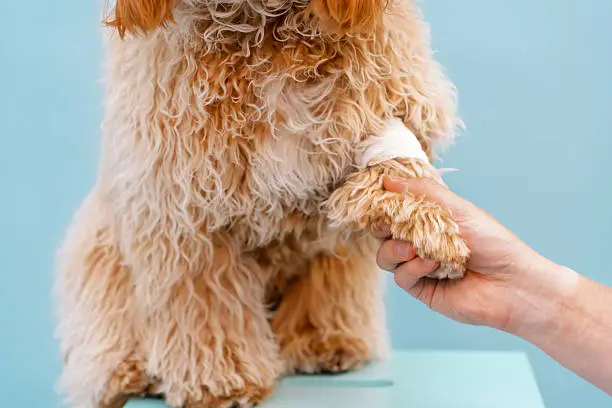
A lick sleeve for dogs can be a practical alternative to the traditional cone when your dog needs protection from licking, chewing, scratching, mud, dirt, or wound irritation during recovery.
Dogs naturally lick injuries, stitches, hot spots, irritated skin, paws, and surgical areas. Sometimes licking is normal grooming. Other times, it is a sign of pain, itchiness, allergies, anxiety, infection, or discomfort. The problem is that too much licking can slow the dog healing process, reopen wounds, introduce bacteria, damage stitches, and turn a small irritation into a bigger problem.
That is where a dog lick sleeve can help. It covers the affected leg, paw, or nearby area so your dog cannot easily lick, bite, scratch, or irritate the skin.
In this guide, you will learn:
- What a dog lick sleeve is
- When dogs need one
- How lick sleeves work
- Benefits and drawbacks
- Different types of lick sleeves
- Front leg vs hind leg sleeves
- Lick sleeve vs cone
- Safety tips
- Alternatives
- Common FAQs
Important note: A lick sleeve can protect an area, but it should not replace veterinary care when a wound is open, infected, painful, swollen, bleeding, or not improving.
What Is a Lick Sleeve for Dogs?
A lick sleeve for dogs is a protective sleeve designed to cover part of a dog’s leg, paw, elbow, knee, hock, or surgical area. Its main purpose is lick prevention and wound protection.
Think of it as recovery wear for one part of the body. Instead of placing a cone around your dog’s neck, a sleeve directly covers the area your dog wants to lick.
A lick sleeve may be used for:
- Post-surgery recovery
- Stitches protection
- Hot spot healing
- Paw licking
- Leg licking
- Scratching protection
- Bandage protection
- Skin irritation
- Dog injury recovery
- Dirt and mud protection outdoors
Some sleeves cover the front leg. Others are made for the back leg. Some cover only part of the limb, while others provide fuller coverage.
Lick Sleeve for Dogs Meaning
The phrase lick sleeve for dogs usually refers to a fabric-based protective sleeve that prevents a dog from directly reaching an injured, irritated, or healing area.
It may also be called:
- Dog recovery sleeve
- Dog leg sleeve to stop licking
- Anti lick sleeve for dogs
- Dog sleeve to stop licking
- Dog wound protection sleeve
- Dog leg protector sleeve
- Dog sleeve after surgery
- Dog sleeve for stitches
- Dog post surgery sleeve
- Dog recovery wear
The exact design depends on the brand and the body part it is meant to protect.
What Does a Dog Lick Sleeve Do?
A dog lick sleeve creates a physical barrier between your dog’s mouth and the affected area.
It can help prevent:
- Licking
- Chewing and biting
- Scratching
- Dirt contact
- Mud contact
- Bandage removal
- Irritation from repeated licking
- Some forms of self-trauma
VCA Animal Hospitals explains that dogs naturally lick wounds, but licking can delay healing and lead to infection or injury; Elizabethan collars are commonly used to stop pets from traumatizing wounds, surgery sites, or dressings. A sleeve works with the same basic goal, but it protects the target area directly instead of blocking the dog’s head movement. Read VCA’s veterinary advice on Elizabethan collars and recovery protection.
How a Lick Sleeve Protects a Dog’s Leg
A sleeve protects the leg by covering the skin, wound, stitches, bandage, or irritated area with fabric.
A good sleeve should:
- Stay in place without cutting off circulation
- Allow normal walking
- Cover the correct wound area
- Use breathable fabric
- Have soft seams
- Avoid rubbing the skin
- Support moisture control
- Be easy to wash
- Resist light chewing or licking
- Fit securely with adjustable straps, if included
The idea is simple: if your dog cannot directly lick the area, the skin has a better chance to rest and recover.
Is a Lick Sleeve the Same as a Recovery Sleeve?
Usually, yes. A dog recovery sleeve is a broad term for a sleeve used during healing or recovery. A lick sleeve is a type of recovery sleeve focused on stopping licking, biting, or scratching.
However, not every recovery sleeve is designed for every injury. Some are made for front legs, others for hind legs, paws, elbows, knees, or bandage protection.
Before buying, check whether the sleeve protects the exact area your dog is targeting.
Dog Leg Sleeve vs Dog Recovery Suit
A dog leg sleeve covers the leg or paw. A recovery suit usually covers the torso, belly, chest, or surgical area.
| Product | Best For | Less Useful For |
|---|---|---|
| Dog leg sleeve | Leg wounds, paw licking, elbow irritation, knee areas | Belly or torso incisions |
| Recovery suit | Abdominal wounds, spay incisions, chest or torso protection | Lower leg or paw licking |
A recovery suit may be better after abdominal surgery, while a dog leg sleeve for wound protection is more targeted for leg or paw issues.
Dog Lick Sleeve vs Dog Cone
A dog cone alternative is any product used instead of a traditional plastic cone. A lick sleeve may work as a cone alternative when the problem area is on the leg or paw.
| Feature | Dog Lick Sleeve | Dog Cone |
|---|---|---|
| Covers wound directly | Yes | No |
| Blocks mouth from reaching body | Partly | Yes |
| Easier eating and drinking | Usually yes | Sometimes harder |
| Better visibility | Yes | Often reduced |
| Works for leg wounds | Often yes | Yes |
| Works for abdominal wounds | Usually no | Often yes |
| Stops determined chewers | Not always | Often better |
| Comfort level | Often more comfortable | Some dogs dislike it |
A sleeve may be more comfortable, but a cone may offer stronger protection if your dog is determined to chew.
Dog Lick Sleeve vs Dog Bandage
A lick sleeve is not the same as a medical bandage.
A dog bandage protector covers or protects a bandage. A bandage itself may hold a dressing, apply pressure, or protect a wound under veterinary direction.
| Product | Purpose |
|---|---|
| Bandage | Medical wound coverage or support |
| Lick sleeve | Barrier to reduce licking, biting, scratching, dirt, or rubbing |
| Bandage protector | Helps keep a bandage cleaner and harder to remove |
Never wrap a wound tightly without veterinary instruction. A bandage that is too tight can cause swelling, pain, circulation problems, and serious tissue damage.
Dog Lick Sleeve vs Dog Boot
A dog boot protects the paw. A sleeve may protect the paw, leg, or both.
| Product | Best For | Possible Issue |
|---|---|---|
| Dog boot | Paw pad cuts, outdoor paw protection, traction | May slip or be chewed |
| Dog sleeve for paw licking | Paw plus lower-leg licking, skin irritation, wound covering | May not protect the sole outdoors |
| Full leg sleeve | Leg wounds, stitches, hot spots, knee or hock areas | Needs accurate sizing |
A dog boot may be better for walking outside on rough surfaces. A sleeve may be better indoors when the goal is stopping licking.
Can a Lick Sleeve Stop a Dog From Licking?
A lick sleeve can help stop licking if it fits properly and covers the correct area. It works best for dogs that lick moderately or need a comfortable barrier.
However, it may not stop a dog that is determined to chew, tear, or pull it off.
A sleeve may work well for:
- Mild to moderate licking
- Paw licking
- Leg licking
- Bandage protection
- Hot spot protection
- Dogs that hate cones
- Dogs that need targeted coverage
A sleeve may not be enough for:
- Aggressive chewing
- Severe anxiety licking
- Open infected wounds
- Fresh surgical sites without vet approval
- Dogs that can still reach around the sleeve
- Dogs that swallow fabric pieces
Some dogs need both a sleeve and a cone.
Is a Lick Sleeve a Medical Device?
Most lick sleeves sold online are pet recovery products, not medical devices. They can support dog wound care, but they do not diagnose, treat, or cure the reason your dog is licking.
A sleeve can protect the skin. It cannot fix:
- Infection
- Allergies
- Parasites
- Deep wounds
- Pain
- Arthritis
- Anxiety
- Compulsive licking
- Poorly healing stitches
Use it as a support tool, not as a substitute for a veterinarian.
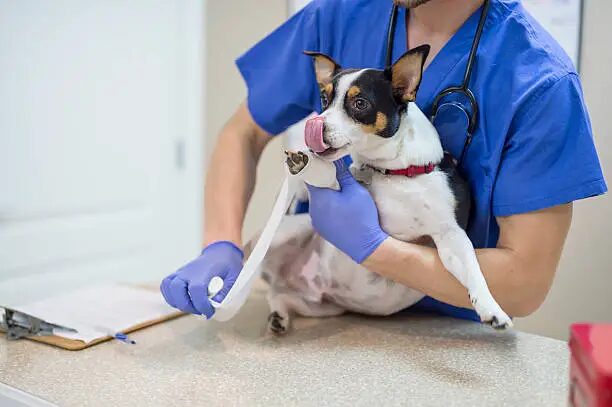
When to Ask a Vet Before Using a Lick Sleeve
Ask your vet before using a sleeve if your dog has:
- Fresh surgery stitches
- An open wound
- Bleeding
- Swelling
- Discharge
- Bad smell
- Limping
- Severe pain
- Hot spots that are spreading
- A paw that looks swollen
- Licking with no obvious cause
- A wound under a bandage
- A history of chewing fabric or swallowing objects
You should also call your vet if the wound gets worse after using the sleeve.
Why Dogs Lick Wounds, Legs, and Paws
Dogs lick for many reasons. Before using a dog sleeve to stop licking, it helps to understand why the licking is happening.
Natural Grooming Behavior
Dogs lick their paws and legs as part of normal grooming. Occasional licking after a walk or before sleep is usually not a concern.
But constant licking, chewing, or biting is different. It usually means something is bothering your dog.
Pain or Discomfort
Dogs may lick an area that hurts. This could happen after:
- A sprain
- A cut
- A bruise
- Surgery
- A thorn or splinter
- A cracked nail
- Joint pain
- Arthritis
If your dog suddenly starts licking one spot and limping, do not assume it is only a habit. Pain may be involved.
Itching and Skin Irritation
Itchy skin is one of the most common reasons for excessive licking.
Possible causes include:
- Allergies
- Dry skin
- Insect bites
- Contact irritation
- Yeast infection
- Bacterial infection
- Fleas or mites
- Healing wounds
- Hot spots
A sleeve may reduce self-trauma, but the itch still needs to be addressed.
Allergies
Dogs with allergies often lick their paws, legs, belly, or skin folds.
Cornell’s Richard P. Riney Canine Health Center describes atopic dermatitis as a common allergic skin disease in dogs, marked by excessive itchiness and often caused by environmental allergens. See Cornell’s dog allergy information on atopic dermatitis.
A dog sleeve for allergies may help reduce damage from licking, but allergy treatment is still important.
Hot Spots
Hot spots are inflamed, painful, itchy skin lesions that can appear suddenly and worsen quickly.
The American Kennel Club notes that hot spot treatment may involve clipping hair, cleaning the affected area, and veterinary-prescribed medication when needed. Read the AKC guide to hot spots in dogs.
A dog sleeve for hot spots may protect the area from licking, but hot spots often need cleaning and veterinary guidance.
Anxiety or Stress
Some dogs lick when they feel anxious, bored, lonely, or overstimulated.
Stress licking may happen when:
- The dog is left alone
- The routine changes
- There is a new pet or baby
- The dog lacks enrichment
- The dog has separation anxiety
- The dog has compulsive behavior
A sleeve can block the licking area, but anxiety licking usually needs behavior support too.
Boredom
A bored dog may lick simply because they have nothing else to do. Over time, the behavior can become a habit.
More walks, puzzle toys, training games, scent work, and structured play may help reduce boredom-based licking.
Surgical Incisions
After surgery, dogs often want to lick stitches or shaved areas. This is risky because licking can pull at sutures, irritate skin, and introduce bacteria.
For surgical wounds, ask your vet whether a dog sleeve after surgery, cone, recovery suit, or combination is safest.
Paw Pad Injuries
Dogs may lick paw pads because of:
- Cuts
- Burns
- Cracks
- Foxtails
- Thorns
- Broken nails
- Salt irritation
- Hot pavement
- Ice melt chemicals
- Infection between toes
A dog sleeve for licking paws can help indoors, but outdoor protection may require a boot or vet-approved bandage.
Joint Pain or Arthritis
Some dogs lick painful joints, especially wrists, elbows, knees, hocks, or hips.
If your dog repeatedly licks near a joint and seems stiff, slow, or reluctant to jump, arthritis or injury may be involved.
Skin Infections
Yeast and bacterial infections can make skin itchy, red, smelly, greasy, or sore. Dogs may lick constantly because the area feels irritated.
A sleeve can reduce damage, but infection needs proper treatment.
Fleas, Ticks, or Parasites
Fleas, ticks, mites, and other parasites can cause intense itching. A sleeve will not solve the problem if parasites are still present.
Check your dog’s skin and ask your vet about prevention and treatment.
Why Excessive Licking Can Become a Problem
A little licking may be harmless. Constant licking is not.
Excessive licking can lead to:
- Skin inflammation
- Hair loss
- Redness
- Moisture buildup
- Infection
- Wound reopening
- Chewed stitches
- Thickened skin
- Pain
- Delayed healing
- Lick granulomas
The more your dog licks, the more irritated the skin becomes. The more irritated the skin becomes, the more your dog wants to lick. This cycle can be hard to break.
Lick Granulomas and Compulsive Licking
A lick granuloma, also called acral lick dermatitis, is a thickened, irritated skin lesion caused by repeated licking. These often appear on the lower legs or paws.
Lick granulomas can be difficult because they may involve both physical and behavioral causes, such as allergies, pain, infection, anxiety, or habit. A sleeve may help protect the area, but long-term success often requires finding the underlying cause.
When Licking Means Your Dog Needs Veterinary Care
Call your veterinarian if licking is:
- Sudden and intense
- Focused on one painful area
- Causing bleeding
- Creating raw skin
- Associated with limping
- Linked to swelling
- Accompanied by bad odor
- Causing hair loss
- Happening after surgery
- Not improving with basic care
- Paired with lethargy or fever
- Happening with discharge or pus
A lick sleeve may buy time and protect the area, but it should not hide a worsening problem.
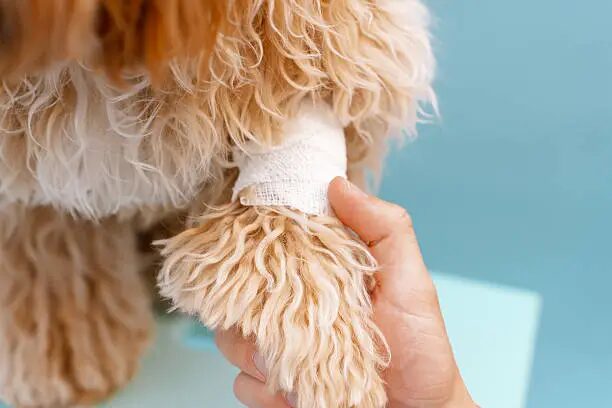
When Does a Dog Need a Lick Sleeve?
A dog recovery sleeve is most useful when your dog needs a physical barrier over a leg, paw, or nearby wound area.
After Surgery
A sleeve may help after leg or paw surgery if your vet approves it. It may protect stitches, shaved skin, or sensitive areas.
After Spay or Neuter Complications Near the Leg Area
A standard sleeve usually does not protect a belly incision. However, if your dog has irritation on the inner thigh, IV site, or nearby leg area, a sleeve may be useful with vet guidance.
After Leg Injury
A dog leg sleeve for wound protection can protect scrapes, abrasions, or healing areas from licking and dirt.
After Paw Injury
A paw sleeve may help protect cuts, cracked paw pads, or irritated toes indoors.
After ACL or CCL Surgery
Dogs recovering from knee surgery may try to lick the surgical site. A hind leg lick sleeve for dogs may protect the area, but only if your vet says it is safe and it does not interfere with swelling checks or incision monitoring.
After Hip or Knee Surgery
A sleeve may help protect the leg, but activity restriction is still critical. Comfort does not mean your dog can run, jump, or play.
After IV Catheter Site Irritation
Dogs sometimes lick the shaved area where an IV catheter was placed. A lightweight front leg lick sleeve for dogs may help protect that spot.
For Hot Spots
A sleeve can reduce licking and scratching damage if the hot spot is on a leg. The hot spot still needs to stay clean and dry.
For Allergic Skin Irritation
A sleeve may reduce self-trauma from allergy-related licking, especially on the paws or legs. It should be used alongside allergy management.
For Scratches and Abrasions
Minor scratches may benefit from protection, especially outdoors. Deep cuts or puncture wounds need veterinary care.
For Bandage Protection
A sleeve may help prevent a dog from pulling at a bandage. However, check that the sleeve does not make the bandage too tight or trap moisture.
For Preventing Dirt and Mud From Touching the Wound
Some sleeves offer outdoor protection from grass, dust, dirt, and mud. Wet sleeves should be removed and dried after use.
For Preventing Scratching With Back Legs
A sleeve may reduce damage when a dog scratches irritated skin with their back legs.
For Dogs That Hate Cones
Some dogs freeze, panic, or become miserable in cones. A sleeve may be a more comfortable cone alternative for dogs when the wound location allows it.
For Dogs That Remove Bandages
If your dog pulls off bandages, a sleeve may help cover the area. Determined chewers may still need a cone.
For Dogs That Need Outdoor Protection During Healing
A water-resistant sleeve may help during brief potty breaks, but it should not stay wet for long.
For Dogs With Chronic Licking Habits
A sleeve can interrupt the habit, but chronic licking usually needs a deeper plan involving vet care, allergy treatment, pain control, or behavior support.
Benefits of Using a Lick Sleeve for Dogs
A well-fitted sleeve can make recovery easier for many dogs.
Helps Prevent Licking and Biting
The biggest benefit is simple: it makes the wound harder to reach. This can reduce chewing and biting during healing.
Protects Wounds From Dirt and Debris
A sleeve can help keep grass, dust, dirt, and mud away during short outdoor trips.
May Be More Comfortable Than a Cone
Many dogs move more naturally in a sleeve than in a plastic cone. They can see, sniff, eat, drink, and rest more easily.
Allows Easier Eating and Drinking
Unlike a cone, a sleeve does not block the food bowl or water bowl.
Allows Better Visibility Than an E-Collar
A sleeve does not interfere with your dog’s side vision or depth perception.
Covers Front or Hind Legs Directly
A dog sleeve for front leg or dog sleeve for back leg targets the problem area instead of restricting the whole head.
Helps Protect Bandages
Some sleeves act as a soft outer layer to discourage bandage chewing.
Reduces Scratching Damage
A protective sleeve may reduce damage from claws rubbing against irritated skin.
Useful for Hot Spots and Skin Irritation
For leg-based hot spots, a sleeve can limit licking while the area heals.
Can Be Worn Indoors and Outdoors
Some sleeves are designed for both indoor rest and short outdoor potty breaks.
Lightweight and Breathable Options
Good sleeves use breathable fabric or mesh fabric to reduce heat and moisture buildup.
Adjustable Fit Options
Adjustable straps can help keep the sleeve secure without making it too tight.
Helpful for Post-Surgery Recovery
With vet approval, a sleeve can be part of a dog post surgery sleeve plan.
May Reduce Stress Compared to a Cone
For dogs that hate the “cone of shame,” a sleeve may feel less scary and less restrictive.
Can Support Healing When Used Properly
Used correctly, a sleeve can support healing by reducing repeated licking and irritation.
Possible Drawbacks of Dog Lick Sleeves
A sleeve is useful, but it is not perfect.
Not Suitable for Every Injury
Sleeves are mainly for legs and paws. They usually do not protect belly, chest, neck, face, or tail wounds.
May Not Stop Determined Chewers
Some dogs chew through fabric quickly. If your dog eats fabric, remove the sleeve and use a safer option.
Can Trap Moisture if Poorly Fitted
Moisture is bad for many wounds. A wet or dirty sleeve can make irritation worse.
May Slip Down if the Size Is Wrong
A loose sleeve can twist, slide, or expose the wound.
Can Cause Rubbing or Chafing
Poor seams, tight straps, or rough fabric can irritate the skin.
Some Dogs May Try to Remove It
Your dog may paw at it, bite it, or freeze when first wearing it.
Not a Substitute for Veterinary Treatment
A sleeve blocks licking. It does not treat infection, allergies, pain, or surgical complications.
May Not Protect Abdominal or Torso Wounds
Use a recovery suit or cone for abdominal protection, depending on your vet’s advice.
May Need Frequent Washing
Sleeves collect hair, saliva, dirt, and wound drainage. You may need more than one.
Not Ideal for Open or Infected Wounds Without Vet Guidance
Covering an infected area can trap moisture and bacteria. Ask your vet first.
May Need to Be Used With a Cone
Some dogs can still reach the area or chew the sleeve. A cone may still be necessary.
Some Dogs Require Supervision While Wearing It
Always supervise at first to make sure your dog does not chew, swallow, twist, or get stuck.
Types of Lick Sleeves for Dogs
There are several designs, and each works best for a different situation.
| Type of Sleeve | Best For |
|---|---|
| Front leg lick sleeve for dogs | Elbow, wrist, paw, IV site, front leg wounds |
| Hind leg lick sleeve for dogs | Knee, hock, thigh, hind paw, CCL/ACL recovery |
| Dog paw lick sleeve | Paw licking and paw pad protection indoors |
| Full leg recovery sleeve | Larger wound areas or surgical coverage |
| Partial leg sleeve | Small localized areas |
| Adjustable dog lick sleeve | Dogs between sizes or unusual body shapes |
| Breathable dog leg sleeve | Longer wear and indoor recovery |
| Waterproof dog lick sleeve | Short outdoor protection from wet grass or mud |
| Soft cotton recovery sleeve | Sensitive skin and light licking |
| Compression-style dog sleeve | Supportive fit, only if safe and not too tight |
| Anti-lick dog sleeve | Lick prevention and wound protection |
| Reusable dog recovery sleeve | Ongoing recovery or chronic licking |
| Disposable dog wound covering | Short-term use, often under vet direction |
The best sleeve depends on the wound location, your dog’s body shape, and how determined your dog is to lick.
Front Leg Lick Sleeve for Dogs
A front leg lick sleeve for dogs protects the front limb, including the paw, wrist, carpal area, elbow, forearm, or shaved IV site.
What Front Leg Sleeves Protect
They may protect:
- Front paws
- Paw pads
- Wrists
- Carpal joints
- Forearms
- Elbows
- IV catheter sites
- Small wounds
- Hot spots
- Stitches on the front leg
Common Front Leg Injuries
A front leg sleeve may help with:
- Scrapes
- Paw cuts
- Elbow sores
- Hot spots
- Skin irritation
- Lick granulomas
- Bandage protection
- Post-surgical leg wounds
Front Paw Licking
Front paw licking is common with allergies, irritants, yeast, anxiety, or small injuries. A sleeve may protect the paw, but the cause still matters.
Elbow Hot Spots
Elbow irritation may happen from pressure, licking, allergies, or rough surfaces. A soft sleeve may reduce scratching and licking.
Wrist or Carpal Area Irritation
Dogs often lick the wrist area because it is easy to reach. A sleeve can protect it better than some cones if the dog cannot work around the fabric.
IV Catheter Shaved Area Protection
After a vet visit or surgery, some dogs lick the shaved catheter site. A lightweight sleeve may help stop irritation.
How to Fit a Front Leg Sleeve
A front leg sleeve should:
- Cover the target area fully
- Allow shoulder and elbow movement
- Not tighten around the armpit
- Not restrict paw circulation
- Stay smooth without twisting
- Let your dog walk normally
When a Front Leg Sleeve Works Better Than a Cone
It may work better when:
- The wound is on the lower front leg
- Your dog panics in a cone
- Your dog needs to eat and drink easily
- The sleeve fully covers the target area
- Licking is mild to moderate
When a Cone May Still Be Needed
A cone may still be needed if:
- Your dog chews fabric
- The wound is surgical and fresh
- Your dog can still reach the area
- The sleeve slips down
- The wound must stay uncovered for checks
- Your dog is unattended for long periods
Front Leg Sleeve Safety Tips
Check the skin under the sleeve at least daily. Watch for redness, swelling, rubbing, discharge, odor, or dampness.
Hind Leg Lick Sleeve for Dogs
A hind leg lick sleeve for dogs protects the back leg, including the thigh, knee, hock, lower leg, or paw.
What Hind Leg Sleeves Protect
They may protect:
- Hind paws
- Hocks
- Knees
- Thighs
- Hip-adjacent areas
- Surgical sites
- Hot spots
- Bandages
- Abrasions
- Stitches
Knee, Hock, and Hip Area Protection
Hind leg sleeves are often used when dogs lick around the knee, hock, or upper leg. This can happen after injury, surgery, skin irritation, or shaving.
ACL or CCL Surgery Recovery
After ACL or CCL surgery, dogs may be tempted to lick the incision. A dog sleeve after surgery may help, but your vet should approve it first. It should not hide swelling, discharge, or incision changes.
Back Leg Hot Spots
A dog sleeve for back leg hot spots may reduce licking and scratching, especially during the early healing phase.
Hind Paw Irritation
Back paw licking can come from allergies, yeast, injury, or contact irritation. A sleeve or boot may help protect the area while the underlying issue is treated.
Preventing Dirt and Mud Contact
A hind leg sleeve can help keep dirt, grass, and mud away during short potty breaks. Remove and dry it if it gets wet.
Full Hind Leg Coverage
Full hind leg sleeves may cover from paw to thigh. They must fit carefully so they do not bunch behind the knee or restrict movement.
How to Keep a Hind Leg Sleeve in Place
Look for:
- Adjustable straps
- Proper thigh measurement
- Correct leg length
- Soft, flexible fabric
- Non-slip but gentle design
- No tight bands around the paw or hock
Hind Leg Sleeve vs Dog Pants
Dog pants may cover both hind legs and part of the torso. A sleeve is usually more targeted and may be easier to use for one leg.
Hind Leg Sleeve Safety Tips
Check for swelling below the sleeve. If the paw looks puffy, cold, painful, or discolored, remove the sleeve and call your vet.
Lick Sleeve for Dogs After Surgery
A dog sleeve after surgery can be helpful when the surgical area is on the leg, paw, knee, hock, elbow, or nearby limb area. It acts as a physical barrier so your dog cannot easily lick or chew stitches.
However, surgery is one situation where you should be extra careful. Never cover a fresh incision unless your veterinarian says it is safe. Some surgical sites need airflow, easy inspection, or specific bandaging.
Can Dogs Wear a Lick Sleeve After Surgery?
Yes, dogs can sometimes wear a lick sleeve after surgery, but it depends on:
- Where the incision is
- How fresh the surgery is
- Whether swelling needs to be monitored
- Whether there is drainage
- Whether the dog is chewing aggressively
- Whether the sleeve rubs the stitches
- Your veterinarian’s instructions
A sleeve can support stitches protection, but it should not hide problems. You still need to check the incision as often as your vet recommends.
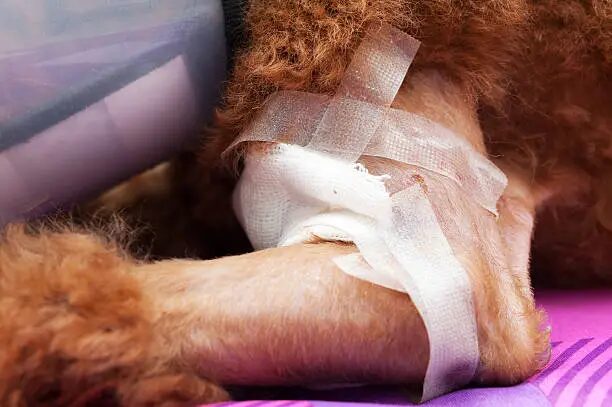
Lick Sleeve After ACL or CCL Surgery
Dogs recovering from ACL or CCL surgery often have an incision near the knee. A hind leg lick sleeve for dogs may help keep the dog from licking the area, especially during quiet rest.
It may be useful after procedures such as:
- ACL surgery
- CCL surgery
- TPLO surgery
- TTA surgery
- Knee surgery
- Leg surgery
That said, post-surgery activity limits matter more than the sleeve itself. A dog wearing a sleeve should still avoid running, jumping, rough play, stairs, and slippery floors unless the vet has cleared those activities.
Lick Sleeve After Paw Surgery
A dog sleeve for paw licking may help after paw surgery, nail injury treatment, pad repair, or toe-area irritation. But paws are tricky because they touch the ground and can get wet or dirty quickly.
For paw surgery, ask your vet whether your dog needs:
- A bandage
- A dog boot for outdoor potty breaks
- A lick sleeve indoors
- A cone
- A combination of protection methods
Protecting Stitches and Incisions
Dogs may lick stitches because the area feels itchy, tight, shaved, painful, or strange. Unfortunately, chewing sutures can open the wound and delay healing.
A sleeve may help protect stitches when it:
- Fully covers the incision
- Does not rub the wound
- Does not trap moisture
- Allows regular skin checks
- Stays in place
- Does not restrict movement or circulation
If your dog can still reach the incision, use the cone or recovery product your vet recommends.
When to Use a Cone Instead
A cone may be better than a sleeve if:
- Your dog is a determined chewer
- The wound is fresh and high-risk
- The sleeve rubs the incision
- Your dog can reach around the sleeve
- The incision is on the belly, chest, tail, or groin
- The wound needs to stay uncovered
- Your dog is unsupervised for long periods
- Your vet specifically prescribed an E-collar
A sleeve can be a dog recovery cone alternative, but it is not always a replacement.
When to Use Both a Lick Sleeve and Cone
Some dogs need layered protection. For example, a sleeve may cover the wound, while a cone prevents chewing the sleeve.
This may be helpful when:
- The dog removes bandages
- The dog chews fabric
- The incision is very tempting
- The dog is home alone briefly
- The wound needs extra protection outdoors
- The vet wants stronger licking prevention
If your dog is chewing through the sleeve, do not keep replacing sleeves without addressing the risk. Swallowed fabric can be dangerous.
Monitoring Swelling, Redness, or Discharge
During post-surgery recovery, check the surgical area for:
- Increased redness
- Swelling
- Heat
- Bleeding
- Bad smell
- Discharge
- Missing stitches
- Opening skin
- New limping
- Pain when touched
- Moisture under the sleeve
If you notice these signs, remove the sleeve and call your veterinarian.
Cleaning and Replacing the Sleeve During Recovery
A sleeve used after surgery should stay clean and dry. If it becomes wet, dirty, smelly, or crusted with discharge, change it.
For longer recoveries, it is smart to have at least two sleeves:
- One for wearing
- One for washing and drying
A dirty sleeve can irritate the skin and may interfere with healing.
Lick Sleeve for Dogs With Hot Spots
A dog sleeve for hot spots may help if the hot spot is on the leg, elbow, hock, or paw area. The sleeve can reduce licking, scratching, and chewing while the skin calms down.
What Are Hot Spots?
Hot spots are irritated, inflamed skin lesions that can appear suddenly. They are often red, moist, painful, itchy, and sometimes smelly.
Common triggers include:
- Allergies
- Fleas
- Moisture trapped in the coat
- Scratching
- Ear infections
- Skin infections
- Poor drying after swimming or bathing
- Repeated licking
Hot spots can spread quickly, so do not ignore them.
Why Dogs Lick Hot Spots
Dogs lick hot spots because they itch, burn, sting, or hurt. Licking may give temporary relief, but it usually makes the area worse.
Repeated licking can:
- Keep the skin wet
- Spread bacteria
- Increase inflammation
- Cause hair loss
- Create open sores
- Delay hot spot healing
A sleeve may reduce self-trauma, but the hot spot itself still needs proper care.
Can a Lick Sleeve Help Hot Spots Heal?
A lick sleeve can help with hot spot healing when:
- The hot spot is on a covered area
- The sleeve is breathable
- The skin is checked often
- The sleeve stays clean and dry
- Your vet has approved covering the area
- The underlying cause is being treated
It may not help if the hot spot is wet, infected, spreading, or located where the sleeve traps moisture.
Keeping Hot Spots Dry and Clean
Moisture can make hot spots worse. If your dog wears a sleeve for a hot spot:
- Remove it regularly for skin checks
- Keep the sleeve dry
- Wash the sleeve often
- Do not cover wet skin for long periods
- Avoid thick, non-breathable fabric
- Follow your vet’s cleaning instructions
A breathable dog leg sleeve is usually better than a waterproof sleeve for indoor hot spot protection.
When Hot Spots Need Veterinary Care
Call your vet if the hot spot:
- Spreads quickly
- Smells bad
- Oozes pus
- Is painful
- Bleeds
- Does not improve
- Causes your dog to limp
- Keeps coming back
- Is paired with fever or tiredness
A sleeve can reduce licking, but it does not treat infection or inflammation.
Lick Sleeve for Dogs With Allergies
Allergies are a major reason dogs lick their paws and legs. A dog sleeve for allergies can help reduce damage from licking, but it does not cure allergies.
Skin Allergies and Excessive Licking
Dogs with allergies may lick, chew, bite, or scratch because their skin feels itchy. Common signs include:
- Paw licking
- Red skin
- Ear infections
- Belly rash
- Hair loss
- Chewing feet
- Face rubbing
- Skin odor
- Recurrent hot spots
A sleeve can protect the area from constant irritation while you work with your vet on the cause.
Paw Licking From Allergies
Allergic paw licking is common. Dogs may lick between the toes, around the nails, and on the top or bottom of the paw.
Triggers may include:
- Pollen
- Grass
- Dust mites
- Mold
- Food sensitivities
- Flea bites
- Cleaning products
- Lawn chemicals
A dog sleeve for licking paws may help, but if the paws are red, smelly, swollen, or greasy, your dog may need treatment for yeast or bacterial infection.
Environmental Allergies
Environmental allergies can cause seasonal or year-round itching. A sleeve may reduce licking during flare-ups, especially after outdoor exposure.
Helpful steps may include:
- Wiping paws after walks
- Washing bedding regularly
- Using vet-approved allergy medication
- Managing fleas
- Bathing with prescribed shampoo
- Avoiding known triggers
Food Allergies
Food allergies can also cause itchy skin and licking, though they are less common than environmental allergies. Do not start extreme diet changes without veterinary guidance.
Flea Allergy Dermatitis
Some dogs are highly allergic to flea saliva. Even a few flea bites can trigger intense itching and licking. A sleeve will not solve flea allergy dermatitis unless fleas are controlled.
How a Sleeve May Reduce Self-Trauma
A sleeve can reduce self-trauma by making it harder for your dog to chew or lick the skin raw. This gives the skin a chance to calm down.
It may help with:
- Red paws
- Irritated wrists
- Licked elbows
- Hot spots on legs
- Hair loss from chewing
- Repeated rubbing or scratching
But the underlying allergy still needs attention.
When to See a Vet for Chronic Licking
See your vet if your dog has:
- Licking that lasts more than a few days
- Red or swollen skin
- Paw odor
- Hair loss
- Brown saliva staining
- Recurring ear infections
- Open sores
- Bleeding
- Limping
- Thickened skin
Chronic licking is often a symptom, not the actual problem.
Lick Sleeve for Dogs With Paw Licking
Paw licking can be frustrating because dogs can reach their paws easily. A dog paw lick sleeve or dog sleeve for paw licking may help protect the area, especially indoors.
Why Dogs Lick Their Paws
Dogs may lick their paws because of:
- Allergies
- Cuts
- Cracked paw pads
- Burns from hot pavement
- Ice melt irritation
- Yeast infection
- Bacterial infection
- Interdigital cysts
- Broken nails
- Foxtails or grass seeds
- Anxiety
- Boredom
- Pain
If licking is sudden and focused on one paw, inspect carefully. There may be a thorn, cut, cracked nail, or swelling.
Paw Injury Protection
A sleeve may help keep your dog from licking minor paw injuries. For deeper cuts, punctures, heavy bleeding, or swelling, call your vet.
Paw Pad Cuts
Paw pads can bleed a lot and are exposed to dirt. Your dog may need a proper bandage, boot, or vet care rather than only a sleeve.
Interdigital Cysts
Interdigital cysts appear between the toes and can be painful. A sleeve may stop licking temporarily, but the cyst needs veterinary evaluation.
Yeast or Bacterial Irritation
If the paw smells yeasty, looks red, or feels greasy, your dog may have an infection. Covering it without treatment can trap moisture.
Allergic Paw Licking
For allergy-related paw licking, a sleeve can reduce chewing while you manage the allergy.
Dog Paw Sleeve vs Dog Boot
| Product | Best For | Possible Drawback |
|---|---|---|
| Dog paw sleeve | Indoor lick prevention and mild paw protection | May not protect the sole well outdoors |
| Dog boot | Outdoor walking, rough surfaces, wet ground | May slip, rub, or be chewed |
| Bandage | Vet-directed wound care | Can be harmful if wrapped too tight |
A boot may be better for outdoor protection, while a sleeve may be better for indoor recovery.
Can Dogs Walk Normally With a Paw Sleeve?
Many dogs can walk normally once they adjust. Some may high-step, freeze, or shake the paw at first.
Introduce the sleeve slowly with treats and praise. If your dog limps, drags the paw, falls, or seems painful, remove it and check the fit.
When Paw Licking Needs a Vet
Call your vet if your dog has:
- Swelling
- Bleeding
- Limping
- Bad odor
- Discharge
- Broken nail
- Paw pad tear
- Redness between toes
- Constant chewing
- Pain when touched
- A foreign object in the paw
A sleeve can protect the paw, but it should not delay needed care.
Lick Sleeve for Dogs With Lick Granuloma
A lick granuloma is one of the most common reasons people look for a dog leg sleeve to stop licking.
What Is a Lick Granuloma?
A lick granuloma is a skin lesion caused by repeated licking. It often appears on the lower leg, wrist, or paw area.
The skin may become:
- Thickened
- Red
- Raised
- Hairless
- Raw
- Ulcerated
- Infected
- Painful
Why Lick Granulomas Are Hard to Heal
They can be hard to heal because the licking becomes a cycle:
- The dog licks.
- The skin becomes inflamed.
- The area itches or hurts.
- The dog licks more.
- The lesion worsens.
The cause may include allergies, pain, arthritis, anxiety, boredom, infection, or compulsive behavior.
Can a Lick Sleeve Help Break the Licking Cycle?
Yes, a sleeve may help by blocking access to the area. This gives the skin a chance to rest.
However, a sleeve alone may not fix a lick granuloma. Long-term treatment may require:
- Infection treatment
- Allergy management
- Pain control
- More exercise
- Mental enrichment
- Anxiety support
- Behavior modification
- Medication in some cases
Combining Physical Barriers With Behavior Care
For lick granulomas, a physical barrier is often only part of the plan.
Try combining the sleeve with:
- Puzzle feeders
- Sniff walks
- Training games
- More predictable routines
- Chew toys approved by your vet
- Reduced boredom
- Anxiety support
- Vet-directed skin treatment
The goal is not just to stop the mouth. It is to understand why the licking started.
Lick Sleeve for Dogs as a Cone Alternative
Many pet parents search for a cone alternative for dogs because their dog hates the plastic cone. A sleeve can be a good alternative when the wound is on the leg or paw.
Why Some Dogs Hate Cones
Dogs may dislike cones because they:
- Block vision
- Bump into walls
- Make eating awkward
- Make drinking harder
- Interfere with sleep
- Increase anxiety
- Make navigating stairs difficult
- Feel heavy or strange
A sleeve may feel less restrictive because it does not surround the head.
Lick Sleeve vs Traditional Plastic Cone
A traditional cone, also called an E-collar, is often the strongest barrier for preventing licking. But some dogs tolerate it poorly.
| Feature | Lick Sleeve | Plastic Cone |
|---|---|---|
| Comfort | Often better | Often less comfortable |
| Visibility | Normal | Reduced |
| Eating/drinking | Easier | Can be awkward |
| Blocks all wound access | Not always | Often better |
| Best for leg/paw wounds | Yes | Yes |
| Best for belly wounds | Usually no | Often yes |
| Good for determined chewers | Sometimes no | Often yes |
A sleeve is more comfortable for many dogs, but a cone may be safer for serious wounds.
Lick Sleeve vs Soft E-Collar
A soft e-collar is more flexible than a hard cone. It may be more comfortable, but some dogs can bend around it.
A sleeve may be better for targeted leg wounds. A soft collar may be better when the wound is not easily covered.
Lick Sleeve vs Inflatable Collar
An inflatable collar or donut collar sits around the neck and limits movement. It is usually more comfortable than a cone, but it may not stop dogs from reaching paws, legs, or tail areas.
A sleeve may work better for lower-leg licking because it covers the area directly.
Lick Sleeve vs Recovery Suit
A recovery suit is best for torso, chest, belly, or abdominal wounds. A lick sleeve is better for limbs.
Use a recovery suit for:
- Spay incision
- Belly surgery
- Chest wounds
- Torso hot spots
Use a sleeve for:
- Paw licking
- Leg wounds
- Elbow irritation
- Knee incision
- Hock irritation
Lick Sleeve vs Dog Boot
A dog boot protects paws during walking. A sleeve is usually more useful for indoor recovery and lick prevention.
A boot may be better if:
- The paw needs outdoor traction
- The ground is wet or rough
- The pad needs protection during walks
A sleeve may be better if:
- The dog licks the leg above the paw
- The dog needs indoor wound coverage
- The issue is skin irritation, hot spots, or stitches
When a Lick Sleeve Is Better Than a Cone
A sleeve may be better when:
- The wound is on the leg or paw
- Your dog hates cones
- Your dog needs easier eating and drinking
- Your dog becomes anxious in a cone
- The wound needs direct coverage
- You can supervise at first
- Your vet approves the sleeve
When a Cone Is Better Than a Lick Sleeve
A cone may be better when:
- The wound is on the belly, tail, or torso
- Your dog chews fabric
- The wound is fresh and serious
- Your dog can remove the sleeve
- You cannot supervise
- Your vet says a cone is required
Can You Use a Lick Sleeve and Cone Together?
Yes. Some dogs need both, especially after surgery or when they chew the sleeve.
Lick Sleeve vs Other Dog Recovery Products
Here is a quick comparison of common dog recovery wear and recovery tools.
| Product | Best For | Possible Drawback |
|---|---|---|
| Lick sleeve | Leg wounds, paw licking, hot spots | May not stop determined chewers |
| Plastic cone | Strong wound protection | Can be uncomfortable |
| Soft cone | Less rigid protection | Some dogs can bend around it |
| Inflatable collar | Neck comfort and visibility | May not block all licking |
| Recovery suit | Torso or abdominal wounds | Less useful for lower legs |
| Dog boot | Paw protection | May slip or be chewed |
| Bandage wrap | Vet-directed wound coverage | Can be too tight if applied wrong |
| Anti-lick spray | Mild licking deterrent | Not enough for wounds or stitches |
Best Recovery Product by Injury Location
| Injury Location | Often Useful |
|---|---|
| Front paw | Paw sleeve, boot, cone |
| Front leg | Front leg sleeve, cone |
| Elbow | Front leg sleeve |
| Belly | Recovery suit, cone |
| Back leg | Hind leg sleeve, cone |
| Knee incision | Hind leg sleeve, cone |
| Tail | Cone, vet wrap only if directed |
| Hot spot on leg | Breathable sleeve, vet care |
| Paw pad injury | Boot, bandage, cone, vet care |
How to Choose the Best Lick Sleeve for Dogs
The best lick sleeve for dogs is not always the most expensive one. It is the one that fits well, covers the right area, and matches the reason your dog is licking.
Choose Based on Injury Location
Start with the body part:
- Front paw
- Front leg
- Elbow
- Wrist
- Back paw
- Hock
- Knee
- Thigh
- Hip-adjacent area
A sleeve that does not cover the target area will not help.
Front Leg vs Hind Leg Fit
Front and hind legs move differently. A front leg sleeve may not fit the back leg properly, and a hind leg sleeve may bunch or twist on the front leg.
Always buy the correct style for the correct limb.
Measure Your Dog Correctly
Sizing matters. A sleeve that is too loose slips. A sleeve that is too tight can rub, restrict movement, or affect circulation.
Use the brand’s size chart rather than guessing by breed.
Look for Adjustable Straps
Adjustable straps help with fit, especially for dogs between sizes or dogs with unusual body shapes.
The straps should be secure but not tight.
Choose Breathable Fabric
For most indoor recovery, breathable fabric is better than thick waterproof fabric. It helps reduce heat and moisture buildup.
Check for Soft Seams
Rough seams can cause chafing, especially near the armpit, groin, hock, or wrist.
Avoid Rough or Irritating Materials
Avoid stiff, scratchy, or poorly finished materials. Your dog may lick more if the sleeve irritates the skin.
Look for Washable Materials
A good sleeve should be machine washable or easy to hand wash. Recovery products get dirty quickly.
Consider Waterproof or Water-Resistant Options
A water-resistant sleeve may help during short outdoor potty breaks. Remove it if it gets wet underneath.
Choose the Right Length
The sleeve should cover the affected area plus a little extra, without bunching around joints.
Check Whether It Covers the Paw
Some sleeves cover the paw. Others stop above it. Choose based on whether your dog is licking the paw, leg, or both.
Consider Indoor vs Outdoor Use
Indoor sleeves focus on comfort and breathability. Outdoor sleeves may need more durability or water resistance.
Check Reviews From Similar Dog Breeds
Breed shape matters. A sleeve that fits a Labrador may not fit a Dachshund or Greyhound the same way.
Ask Your Vet Before Buying for Surgical Wounds
For surgery sites, always ask your vet whether a sleeve is appropriate and whether a cone is still required.
How to Measure a Dog for a Lick Sleeve
Correct measurement is one of the most important steps.
Why Correct Sizing Matters
A poor fit can cause:
- Slipping
- Twisting
- Chafing
- Swelling
- Circulation restriction
- Exposed wounds
- Chewing
- Refusal to walk
Measuring Leg Length
Measure from the upper starting point of coverage down to where the sleeve should end. For paw-covering sleeves, follow the brand’s instructions.
Measuring Chest or Shoulder Area
Some front leg sleeves attach around the chest or shoulder area. Measure carefully so the strap sits comfortably.
Measuring Thigh or Upper Leg Circumference
For hind leg sleeves, measure the upper thigh or attachment area. This helps prevent slipping.
Measuring Paw or Wrist Area
If the sleeve covers the paw or lower leg, measure the wrist, hock, or paw width according to the size chart.
Measuring for Front Leg Sleeves
For a dog sleeve for front leg, you may need:
- Leg length
- Chest circumference
- Shoulder-to-wrist distance
- Wrist circumference
- Paw width, if covered
Make sure the sleeve does not rub behind the front leg.
Measuring for Hind Leg Sleeves
For a dog sleeve for back leg, you may need:
- Thigh circumference
- Leg length
- Hock circumference
- Paw width, if covered
- Hip or waist measurement, depending on design
Check that your dog can bend the knee and hock comfortably.
What to Do if Your Dog Is Between Sizes
If your dog is between sizes:
- Check brand recommendations
- Read reviews from similar breeds
- Choose adjustable designs
- Contact customer support
- Ask your vet if the sleeve is for recovery
- Avoid sizing down if swelling is possible
A too-tight sleeve is riskier than a slightly loose one, but a loose sleeve may not protect the wound.
Signs the Sleeve Is Too Tight
Remove the sleeve if you notice:
- Paw swelling
- Cold toes
- Red marks
- Limping
- Whining
- Chewing at straps
- Skin indentation
- Restricted movement
- Discoloration
- Pain when touched
Signs the Sleeve Is Too Loose
The sleeve may be too loose if it:
- Slides down
- Twists around the leg
- Exposes the wound
- Trips your dog
- Bunches behind joints
- Allows licking
- Falls off during walking
Fit Test Before Long Wear
Before leaving the sleeve on longer, let your dog wear it for a short supervised period. Watch walking, sitting, lying down, and standing.
Dog Lick Sleeve Sizing Guide
Sizing varies by brand, but these general notes help.
| Dog Type | Fit Considerations |
|---|---|
| Small dogs | Need lightweight fabric and secure fit |
| Medium dogs | Often fit standard size charts well |
| Large dogs | Need durable fabric and strong straps |
| Extra large dogs | May need custom or adjustable sleeves |
| Puppies | Grow quickly; supervise closely |
| Senior dogs | Need soft fabric and easy movement |
| Short-legged dogs | Standard sleeves may be too long |
| Deep-chested dogs | Chest straps may fit differently |
| Long-bodied dogs | Attachment design matters |
| Greyhound-type dogs | Slim legs may need adjustable fit |
Best Materials for Dog Lick Sleeves
Material affects comfort, durability, moisture control, and healing.
Breathable Cotton
Soft and comfortable for mild licking and sensitive skin.
Stretch Fabric
Helps the sleeve move with your dog, but it should not be too tight.
Soft Neoprene
Can provide structure and durability, but may trap heat if too thick.
Mesh Fabric
Good for airflow and warm weather.
Water-Resistant Outer Layer
Useful for short outdoor trips, but not ideal for long indoor wear if it traps moisture.
Moisture-Wicking Fabric
Helps keep the skin drier, especially for dogs that sweat minimally but may have saliva or wound moisture.
Padded Protection
Helpful for elbows, hocks, or pressure points, as long as it does not create bulk or rubbing.
Hypoallergenic Materials
Good for dogs with sensitive skin or allergy-related licking.
Machine-Washable Fabric
Recovery gear should be easy to clean.
Durable Anti-Chew Material
Some sleeves claim to use anti-chew material, but no fabric is truly chew-proof. Supervision still matters.
Materials to Avoid
Avoid materials that are:
- Scratchy
- Non-breathable
- Too tight
- Poorly stitched
- Easy to shred
- Strong-smelling
- Irritating to wounds
- Difficult to wash
How Fabric Affects Comfort and Healing
Fabric choice matters because healing skin needs protection without irritation.
A good sleeve should balance:
- Comfortable fit
- Airflow
- Flexibility
- Moisture control
- Durability
- Soft seams
- Easy cleaning
- Secure coverage
A sleeve that traps moisture or rubs the skin can make the problem worse.
How to Put a Lick Sleeve on a Dog
A dog lick sleeve only works well if your dog accepts it and it fits correctly. Rushing the process can make your dog nervous or cause them to fight the sleeve.
Step-by-Step Guide
- Let your dog sniff the sleeve first
Place the sleeve on the floor and allow your dog to investigate it. Reward calm behavior with treats. - Use treats and praise
Keep the experience positive. Do not force your dog’s leg into the sleeve if they are scared. - Slide the sleeve gently over the leg
Move slowly and support the leg naturally. Avoid bending joints awkwardly. - Secure straps without over-tightening
The sleeve should stay in place, but it should not leave deep marks or restrict circulation. - Check paw position and joint movement
Make sure your dog can stand, sit, walk, and lie down comfortably. - Watch for slipping or twisting
A twisted sleeve can rub the skin or expose the wound. - Supervise the first wear session
Start with a short session before longer wear.
What to Do if Your Dog Freezes or Refuses to Walk
Some dogs act dramatically the first time they wear recovery gear. They may freeze, high-step, shake the leg, or refuse to move.
Try this:
- Offer treats on the floor
- Encourage one or two steps
- Keep your voice calm
- Let your dog wear it for a few minutes
- Remove it before they panic
- Try again later
- Pair the sleeve with meals or gentle praise
If your dog limps, cries, falls, or seems painful, remove the sleeve and check the fit.
How Long Can a Dog Wear a Lick Sleeve?
There is no one-size-fits-all answer. Wear time depends on the wound, the sleeve material, your dog’s behavior, and your veterinarian’s advice.
General Wear-Time Guide
| Situation | Typical Use |
|---|---|
| First introduction | 5–15 minutes supervised |
| Mild licking prevention | Short supervised periods |
| Daytime recovery | Several hours with skin checks |
| Post-surgery recovery | Only as your vet recommends |
| Overnight wear | Only after safe supervised use |
| Outdoor potty breaks | Short periods, remove if wet |
A sleeve should not be left on continuously without checking the skin underneath.
Removing the Sleeve for Skin Checks
Regular skin checks are essential.
Remove the sleeve at least daily, and more often if your dog has:
- Stitches
- A hot spot
- A wet wound
- Allergic irritation
- Paw swelling
- Bandages
- Sensitive skin
- A fresh surgical site
Look for redness, rubbing, swelling, dampness, odor, discharge, or increased pain.
Letting the Skin Breathe
Skin needs time to stay dry and healthy. Even a breathable sleeve can trap heat, saliva, or moisture if worn too long.
Give your dog supervised breaks when safe. During breaks, watch carefully so they do not immediately lick the area.
When to Stop Using the Sleeve
Stop using the sleeve when:
- Your vet says recovery protection is no longer needed
- The wound is healed
- Licking has stopped
- The sleeve causes rubbing
- Your dog chews it aggressively
- The wound worsens
- Swelling develops below the sleeve
- Your dog cannot walk normally
A sleeve should help recovery, not create a new problem.
Safety Tips for Using a Lick Sleeve for Dogs
A dog recovery sleeve is useful, but safety matters every day.
Essential Safety Checklist
| Safety Step | Why It Matters |
|---|---|
| Check the skin daily | Catches irritation early |
| Keep the sleeve clean and dry | Reduces bacteria and moisture |
| Avoid tight straps | Prevents circulation problems |
| Watch for swelling below the sleeve | May signal poor fit |
| Supervise new sleeves at first | Prevents chewing or panic |
| Check for rubbing marks | Avoids pressure sores |
| Monitor stitches or incisions | Prevents hidden complications |
| Use a cone if needed | Stops determined chewers |
| Call a vet if the wound worsens | Prevents delayed treatment |
Do Not Cover Infected Wounds Without Vet Advice
If the wound smells bad, oozes, bleeds, feels hot, or looks swollen, ask your vet before covering it. A sleeve can trap moisture and make infection worse.
Remove if Your Dog Chews It Aggressively
If your dog tears the sleeve apart or swallows fabric, remove it. Use another protection method, such as a cone, inflatable collar, or vet-recommended recovery product.
Make Sure Your Dog Can Walk Normally
Your dog should be able to walk, stand, sit, and lie down without stumbling or dragging the leg.
Cleaning and Care for Dog Lick Sleeves
A sleeve used for dog wound care gets dirty quickly. Saliva, fur, dirt, wound fluid, and outdoor debris can build up.
How Often to Wash a Lick Sleeve
Wash it whenever it becomes:
- Wet
- Dirty
- Smelly
- Hairy
- Crusty
- Stained
- Covered in saliva
- Used over a healing wound
For long recoveries, wash daily or every other day, depending on use.
Hand Washing vs Machine Washing
Follow the product instructions. Many sleeves are machine washable, but some need hand washing.
Use:
- Mild detergent
- Cool or warm water
- Gentle cycle if machine washing
- Thorough rinsing
Avoid:
- Bleach unless approved
- Strong fragrances
- Fabric softeners
- Harsh disinfectants
- High heat drying
Drying the Sleeve Properly
Dry the sleeve fully before putting it back on your dog. A damp sleeve can cause irritation and poor moisture control.
Air drying is often safest unless the label says tumble drying is okay.
Why You Need More Than One Sleeve
Having two sleeves is helpful:
- One can be worn
- One can be washed
- You are not tempted to reuse a dirty sleeve
- Recovery stays cleaner and easier
When to Replace a Lick Sleeve
Replace the sleeve if it has:
- Holes
- Loose threads
- Weak elastic
- Damaged straps
- Rough seams
- Bad odor after washing
- Fabric thinning
- Chew damage
- Poor fit after stretching
A damaged sleeve may not protect the wound properly.
Common Mistakes to Avoid
Even well-meaning dog owners can accidentally use sleeves the wrong way.
1. Buying the Wrong Size
A sleeve that is too loose slides down. A sleeve that is too tight can cause swelling or rubbing.
2. Using a Sleeve Instead of Vet Care
A sleeve may hide symptoms. It cannot treat infection, allergies, pain, or deep wounds.
3. Covering a Wet or Infected Wound
Wet wounds, infected skin, or hot spots may worsen if covered without guidance.
4. Leaving the Sleeve on Too Long
Continuous wear without checks can cause moisture buildup, chafing, or pressure marks.
5. Ignoring Redness or Swelling
If the paw swells or the skin becomes red, remove the sleeve and reassess.
6. Choosing Non-Breathable Material
Thick or waterproof fabric may be useful outdoors, but it can trap heat during long indoor wear.
7. Letting Dogs Chew the Sleeve Apart
Chewed fabric can become a choking or blockage risk.
8. Not Checking the Wound Daily
A sleeve should not become a cover that lets you forget the wound.
9. Using Human Compression Sleeves
Human sleeves may be too tight, poorly shaped, or unsafe for dogs.
10. Assuming a Sleeve Replaces a Cone
Sometimes a sleeve works alone. Sometimes your dog still needs a cone.
11. Not Following Post-Surgery Instructions
Your vet’s recovery plan comes first. A sleeve is only one tool.
Can Dogs Sleep in a Lick Sleeve?
Some dogs can sleep in a lick sleeve, but only if it has already been tested safely while supervised.
Is Overnight Wear Safe?
Overnight wear may be safe when:
- The sleeve fits properly
- Your dog does not chew it
- The skin is dry
- There is no swelling
- The wound is not infected
- Your vet approves overnight use
- Your dog can move comfortably
When Overnight Wear May Help
It may help if your dog licks mostly at night or when unsupervised.
When Overnight Wear May Be Risky
Overnight wear may be risky if your dog:
- Chews fabric
- Has a wet wound
- Has swelling
- Has fresh surgery
- Has sensitive skin
- Tries to remove the sleeve
- Gets tangled in straps
- Needs frequent wound checks
Morning Skin and Wound Checks
If your dog wears a sleeve overnight, remove it in the morning and inspect the area carefully.
Can Dogs Walk, Run, or Play in a Lick Sleeve?
Most dogs can walk in a properly fitted sleeve, but activity depends on the reason they are wearing it.
Walking With a Lick Sleeve
Short walks and potty breaks are usually fine if your dog moves normally.
Potty Breaks
For quick potty trips, a water-resistant sleeve may help protect against grass, mud, or damp ground. Remove it if it gets wet.
Stairs and Slippery Floors
Be careful on stairs, tile, hardwood, and wet surfaces. Some sleeves may affect traction.
Running and Jumping Restrictions
If your dog is recovering from surgery, the sleeve does not mean they can run or jump. Follow your vet’s activity restrictions.
When to Remove the Sleeve for Play
Remove the sleeve during rough play unless your vet says otherwise. Play can twist the sleeve, rub the wound, or cause slipping.
Why Recovery Instructions Matter More Than Comfort
A dog may feel comfortable enough to move normally before the body is fully healed. Comfort does not equal medical clearance.
Lick Sleeve for Dogs Outdoors
A sleeve can help outdoors, but it must be used carefully.
Protecting Against Dirt and Mud
A sleeve can reduce contact with:
- Mud
- Grass
- Dust
- Leaves
- Sand
- Debris
- Light moisture
Walking After Rain
Wet grass can soak a sleeve quickly. Remove and dry the sleeve after outdoor use.
Water-Resistant Sleeves
A water-resistant sleeve is helpful for short potty breaks, but it should not be used like a waterproof cast cover unless designed for that purpose.
When to Use a Boot Instead
Use a dog boot instead of a sleeve when the main issue is paw protection from the ground, rough pavement, hot surfaces, snow, or ice melt.
Outdoor Safety Tips
- Keep outdoor trips short
- Avoid mud and puddles
- Check the sleeve afterward
- Remove wet sleeves quickly
- Clean and dry before reuse
- Watch for slipping or tripping
Lick Sleeve for Dogs by Breed and Size
Different breeds have different body shapes. A sleeve that fits one dog well may slide or bunch on another.
Lick Sleeve for Small Dogs
Small dogs need lightweight fabric and gentle straps. Heavy sleeves may affect walking.
Lick Sleeve for Medium Dogs
Medium dogs often fit standard sizing well, but always measure rather than guessing.
Lick Sleeve for Large Dogs
Large dogs need durable construction, stronger straps, and enough coverage.
Lick Sleeve for Extra Large Dogs
Extra large dogs may need custom or adjustable sleeves.
Lick Sleeve for Dachshunds
Dachshunds have short legs and long bodies. Standard sleeves may be too long or may not attach comfortably.
Lick Sleeve for French Bulldogs
French Bulldogs may need soft seams and careful sizing because of their compact build.
Lick Sleeve for Labradors and Golden Retrievers
These active breeds may need durable fabric and secure straps, especially if they are energetic during recovery.
Lick Sleeve for German Shepherds
German Shepherds may need larger, longer sleeves with strong attachment points.
Lick Sleeve for Pit Bulls
Pit bull-type dogs often have muscular limbs, so circumference measurements matter.
Lick Sleeve for Greyhounds
Greyhounds have slim legs and deep chests. Adjustable straps may be important.
Lick Sleeve for Puppies
Puppies grow quickly and chew often. Supervision is essential.
Lick Sleeve for Senior Dogs
Senior dogs need soft, flexible fabric and easy movement, especially if they have arthritis.
Lick Sleeve for Dogs After Specific Conditions
A dog wound protection sleeve may be helpful for several recovery situations.
| Condition | Sleeve Use |
|---|---|
| ACL/CCL surgery | May protect knee incision with vet approval |
| TPLO/TTA surgery | Hind leg coverage may help prevent licking |
| Paw surgery | May reduce licking indoors |
| Tumor removal | Useful if incision is on a limb |
| Skin biopsy | May protect small healing areas |
| IV catheter removal | Can cover shaved irritated front leg area |
| Stitches | May protect sutures if approved |
| Wound healing | Helps prevent licking and dirt contact |
| Bandage protection | May discourage chewing |
| Skin rash | May reduce self-trauma |
| Hot spots | Helpful only if skin stays dry and treated |
| Allergies | Reduces licking damage while treating cause |
Always match the sleeve to the wound location and recovery instructions.
Lick Sleeve for Dogs Cost
The cost of a dog lick sleeve depends on material, size, design, durability, and brand.
Average Cost of a Dog Lick Sleeve
Many dog lick sleeves fall into a budget-to-midrange pet recovery product price range, while custom or premium sleeves may cost more.
What Affects the Price?
Price may depend on:
- Dog size
- Front or hind leg design
- Full leg vs partial coverage
- Waterproof or breathable material
- Adjustable straps
- Anti-chew fabric claims
- Machine-washable construction
- Single sleeve vs pair
- Custom sizing
- Brand reputation
- Return policy
Budget vs Premium Lick Sleeves
| Type | Best For | Possible Trade-Off |
|---|---|---|
| Budget sleeve | Short-term mild licking | May slip or wear faster |
| Premium sleeve | Longer recovery, better fit | Higher cost |
| Custom sleeve | Unusual body shapes | More expensive |
| Disposable covering | Temporary use | Less durable |
| Reusable sleeve | Ongoing recovery | Needs washing |
Is a Dog Lick Sleeve Worth It?
A sleeve can be worth it if it prevents your dog from reopening wounds, chewing stitches, or making hot spots worse. It may also be more comfortable than a cone for certain leg or paw issues.
It is not worth it if the sleeve does not fit, your dog chews through it, or the problem needs veterinary treatment first.
Where to Buy a Lick Sleeve for Dogs
You may find lick sleeves through:
- Pet product websites
- Veterinary clinics
- Online marketplaces
- Pet supply retailers
- Specialty recovery-wear brands
For surgery or serious wounds, ask your vet which style is safest.
Best Lick Sleeve for Dogs: Buying Checklist
Before buying, use this checklist.
| Feature | Why It Matters |
|---|---|
| Correct fit | Prevents slipping and tightness |
| Covers the right area | Stops access to the wound |
| Breathable fabric | Reduces heat and moisture |
| Adjustable straps | Improves fit |
| Soft seams | Reduces rubbing |
| Washable material | Keeps recovery clean |
| Durable construction | Handles daily use |
| Comfortable movement | Lets your dog walk normally |
| Vet-approved use case | Important for surgery or wounds |
| Good reviews | Helps judge real-world fit |
| Clear size chart | Reduces sizing mistakes |
| Return policy | Useful if sizing fails |
| Indoor/outdoor suitability | Matches your dog’s routine |
DIY Lick Sleeve for Dogs
You may be tempted to make a DIY sleeve at home. This can work temporarily for mild issues, but it has risks.
Can You Make a Dog Lick Sleeve at Home?
Sometimes, yes. A DIY sleeve may help for short-term supervised use, but it should not replace proper wound care.
DIY Sleeve Ideas
Common DIY options include:
- A clean sock
- A cut T-shirt sleeve
- Baby clothes
- Tubular bandage
- Soft fabric wrap
When DIY May Be Okay Temporarily
A DIY sleeve may be okay when:
- The issue is mild
- Your dog is supervised
- There is no open wound
- There is no swelling
- The fabric is loose and breathable
- You are using it only briefly
Risks of DIY Lick Sleeves
DIY sleeves can:
- Slip down
- Tighten around the leg
- Trap moisture
- Rub the skin
- Fail to cover the wound
- Be chewed and swallowed
- Restrict circulation
- Give false confidence
When to Buy a Proper Recovery Sleeve
Buy a proper sleeve if your dog needs protection for more than a short period, has a surgical site, or keeps removing homemade coverings.
When to Ask a Vet Instead
Ask a vet if the wound is painful, infected, bleeding, swollen, deep, spreading, or not improving.
Alternatives to a Lick Sleeve for Dogs
A sleeve is only one option.
Traditional Dog Cone
Best for strong wound protection. Less comfortable for some dogs.
Soft E-Collar
More comfortable than plastic, but some dogs can bend around it.
Inflatable Donut Collar
Good visibility and comfort, but may not stop paw or lower-leg licking.
Dog Recovery Suit
Best for belly, chest, torso, or spay/neuter incision protection.
Surgical Onesie
A budget-friendly torso covering for some wounds, with vet approval.
Dog Boot
Best for paw protection outdoors or ground-contact injuries.
Bandage Wrap
Useful only when applied correctly, ideally under veterinary direction.
Bitter Anti-Lick Spray
May discourage mild licking, but it is not enough for wounds, stitches, or determined dogs.
Muzzle for Short-Term Supervised Use
A muzzle may prevent chewing briefly, but it is not ideal for long-term recovery unless recommended by a professional.
Behavior Enrichment for Anxiety Licking
For stress licking, add puzzle toys, sniff walks, training, routine, and calming support.
Veterinary Treatment for Skin Problems
Allergies, infections, parasites, pain, and hot spots often need medical treatment.
Vet Advice: When to Call the Veterinarian
Call your veterinarian if:
- The wound is bleeding
- Swelling increases
- Redness spreads
- There is a bad smell or discharge
- Your dog is limping more
- Your dog seems in pain
- Your dog chews through the sleeve
- Stitches open
- A hot spot gets worse
- The paw is swollen
- Your dog refuses to walk
- Your dog has fever or lethargy
- Licking continues despite protection
- Chronic licking has no obvious cause
A sleeve can protect the surface, but your vet can help find and treat the cause.
Troubleshooting: Lick Sleeve Problems
Dog Keeps Removing the Sleeve
Try a better fit, adjustable straps, supervised training, or a cone. If your dog is panicking, remove the sleeve and introduce it more slowly.
Sleeve Slips Down
The sleeve may be too loose, too long, or not shaped correctly for your dog.
Sleeve Twists Around the Leg
Check sizing and strap placement. Twisting can cause rubbing.
Dog Chews the Sleeve
Use a cone or another recovery tool. Do not allow fabric chewing.
Dog Refuses to Walk
Remove the sleeve and check for tightness, awkward fit, or pain.
Sleeve Causes Red Marks
The sleeve may be too tight or rubbing. Stop using it until the skin calms down.
Sleeve Gets Wet
Remove it, dry the skin, and wash or replace the sleeve.
Sleeve Smells Bad
Wash it. If the wound smells bad, call your vet.
Dog Can Still Reach the Wound
Use a longer sleeve, better fit, cone, or vet-approved alternative.
Sleeve Irritates the Armpit or Groin
Look for soft seams, better sizing, and a design that avoids rubbing.
Sleeve Does Not Stay on Overnight
Use a cone overnight or ask your vet for safer options.
People Also Ask: Lick Sleeve for Dogs
What is a lick sleeve for dogs?
A lick sleeve for dogs is a protective fabric sleeve that covers a dog’s leg, paw, wound, stitches, or irritated skin to help prevent licking, biting, scratching, dirt, and debris.
Do dog lick sleeves really work?
They can work well when they fit properly and cover the correct area. They may not work for determined chewers or wounds outside the sleeve’s coverage area.
Can a lick sleeve replace a cone?
Sometimes. A lick sleeve may replace a cone for leg or paw wounds if your dog cannot reach the area and your vet approves. For many surgical wounds, a cone may still be safer.
Is a lick sleeve safe for dogs?
A sleeve is generally safe when it fits well, stays clean and dry, and is checked regularly. It is unsafe if it is too tight, wet, dirty, chewed, or hiding an infected wound.
How long can a dog wear a lick sleeve?
Wear time depends on the wound and your vet’s instructions. Remove it regularly for skin checks and cleaning.
Can dogs sleep with a lick sleeve on?
Some dogs can sleep in one if it fits safely and they do not chew it. Test it during supervised use first.
Can a dog walk with a lick sleeve?
Yes, many dogs can walk normally in a properly fitted sleeve. Remove it if your dog limps, trips, or seems uncomfortable.
Can I use a lick sleeve after surgery?
Only if your vet approves. Some incisions should not be covered, and some dogs still need a cone.
Can I use a lick sleeve for stitches?
Possibly, if it does not rub the stitches or trap moisture. Ask your vet first.
Can I use a lick sleeve for hot spots?
A sleeve may help protect hot spots on the leg, but hot spots often need cleaning and veterinary treatment. Keep the area dry.
Will a lick sleeve stop paw licking?
It may help stop paw licking if it covers the paw properly. If licking is caused by allergies, infection, or injury, treat the cause too.
What size lick sleeve does my dog need?
Use the brand’s size chart and measure your dog’s leg length, circumference, and attachment area. Do not guess by breed alone.
How do I measure my dog for a lick sleeve?
Measure the affected leg according to the product instructions. You may need leg length, paw width, wrist or hock circumference, thigh circumference, chest, or shoulder measurement.
Should I use a front leg or hind leg lick sleeve?
Use a front leg sleeve for front paws, wrists, elbows, or forelegs. Use a hind leg sleeve for back paws, hocks, knees, thighs, or back-leg surgery sites.
What is better, a cone or a lick sleeve?
A cone is usually stronger protection. A sleeve is often more comfortable for leg and paw wounds. The best choice depends on wound location and your dog’s behavior.
What if my dog chews the lick sleeve?
Remove it and use a cone or another vet-approved recovery product. Do not let your dog swallow fabric.
Can I make a DIY lick sleeve for my dog?
You can make a temporary sleeve from soft fabric, but DIY sleeves can slip, tighten, or trap moisture. Use caution and supervise closely.
How do I clean a dog lick sleeve?
Wash it according to the label with mild detergent, rinse well, and dry fully before reuse.
When should I call a vet about licking?
Call your vet if licking is constant, painful, sudden, causing sores, linked to swelling, or continues despite protection.
Suggested FAQ Section
Are Lick Sleeves Safe for Dogs?
Yes, when used correctly. They should fit comfortably, stay clean, and be removed for regular checks.
Do Vets Recommend Lick Sleeves?
Some vets may recommend sleeves for specific leg or paw wounds, but not every wound should be covered. Ask your vet for surgery or infection-related use.
Can a Lick Sleeve Be Used Instead of a Cone?
Sometimes. It depends on the wound location, your dog’s determination, and your vet’s advice.
Can Dogs Wear a Lick Sleeve Overnight?
Only if they have worn it safely while supervised and do not chew it. Check the skin in the morning.
How Tight Should a Dog Lick Sleeve Be?
It should be snug enough to stay in place but loose enough to avoid swelling, red marks, or restricted movement.
How Often Should I Remove the Sleeve?
Remove it at least daily for skin checks, and more often for wounds, hot spots, or post-surgery sites.
Can a Lick Sleeve Cover Stitches?
It can, but only if approved by your vet and if it does not rub, trap moisture, or hide complications.
Can a Lick Sleeve Help With Allergies?
It can reduce damage from licking, but allergies still need treatment.
What If My Dog Keeps Licking Through the Sleeve?
Use a cone, try a better-fitting sleeve, or ask your vet for another option.
Should I Use a Lick Sleeve or Dog Boot?
Use a sleeve for lick prevention and leg protection. Use a boot for paw protection during outdoor walking.
Can Puppies Wear Lick Sleeves?
Yes, but supervise closely. Puppies may chew sleeves and grow out of them quickly.
Can Senior Dogs Wear Lick Sleeves?
Yes, if the sleeve is soft, flexible, and does not affect walking or circulation.
How Many Lick Sleeves Do I Need?
Two is ideal: one to wear and one to wash.
Can I Wash a Dog Lick Sleeve?
Most are washable. Follow the care label and dry completely before reuse.
When Should I Stop Using a Lick Sleeve?
Stop when the wound is healed, your vet says protection is no longer needed, or the sleeve causes problems.
Final Checklist Before Using a Lick Sleeve
| Question | Yes/No |
|---|---|
| Does the sleeve cover the exact licking area? | ☐ |
| Did you measure your dog correctly? | ☐ |
| Is the fabric breathable? | ☐ |
| Are the seams soft? | ☐ |
| Is the sleeve clean and dry? | ☐ |
| Can your dog walk normally? | ☐ |
| Is there no swelling below the sleeve? | ☐ |
| Have you checked the wound today? | ☐ |
| Is your dog supervised during first use? | ☐ |
| Did your vet approve use for surgery or infection? | ☐ |
Conclusion
A lick sleeve for dogs can be a useful recovery tool for protecting leg wounds, paw irritation, hot spots, stitches, bandages, and surgical areas from licking, biting, scratching, mud, and debris. For many dogs, it is more comfortable than a cone and easier to tolerate during everyday activities like eating, drinking, walking, and resting.
The key is choosing the right sleeve for the right situation. A good dog recovery sleeve should fit properly, cover the affected area, use breathable fabric, allow normal movement, stay clean and dry, and be removed regularly for skin checks.
A dog lick sleeve can make recovery more comfortable, especially for dogs that hate cones, but it should never hide a worsening wound or replace veterinary care. Choose the right size, check the skin daily, keep the sleeve clean, and ask your vet if licking, swelling, redness, pain, or discharge continues.