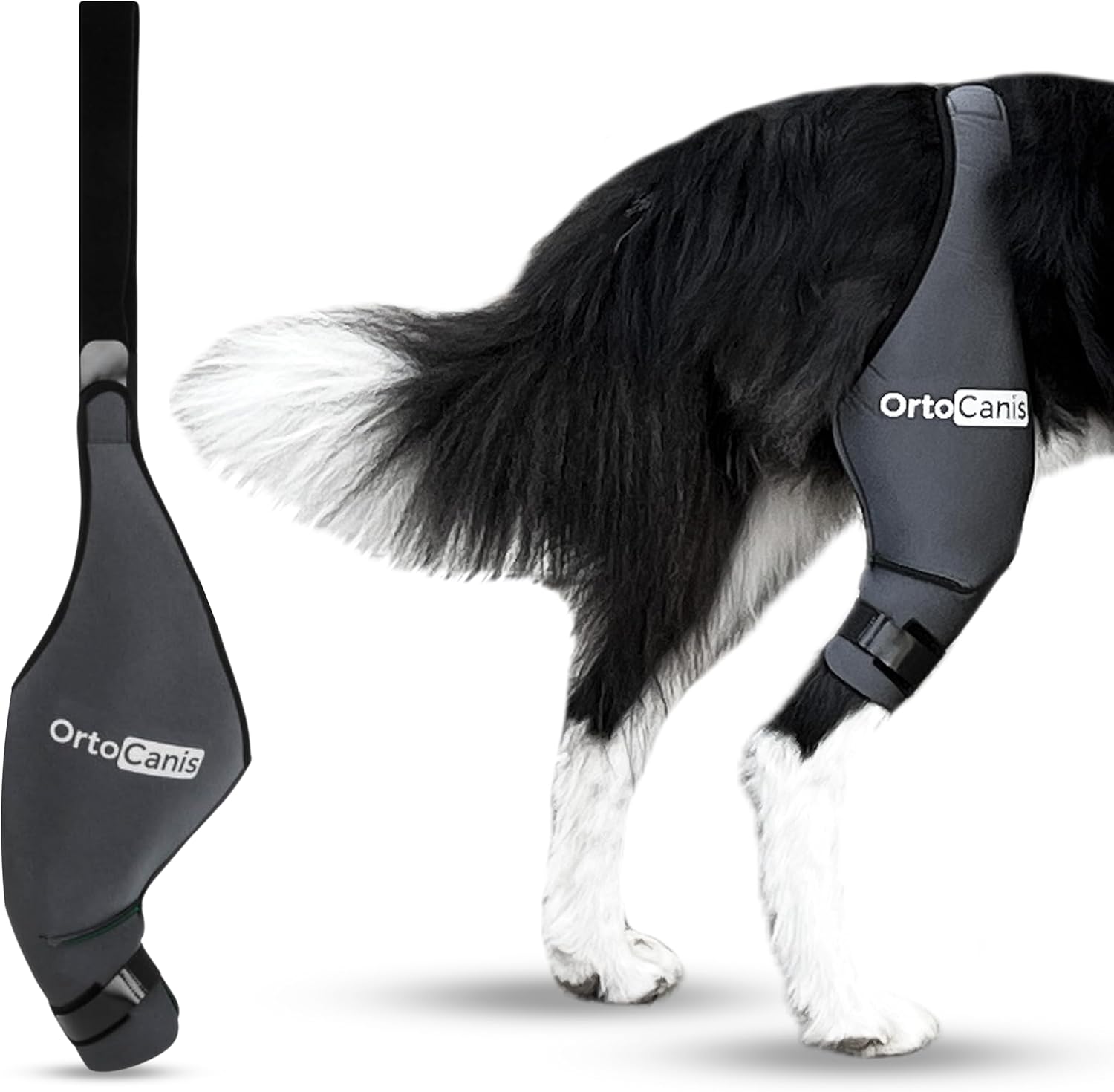
Complete Guide to Diagnosis and Care
As a dog owner, noticing your dog limping—especially on its back leg—can be concerning. Limping is a sign that something may be wrong, whether it’s a minor injury or a more serious condition. But what happens when your dog is limping and not crying? The absence of vocalization can make it difficult to determine how severe the injury is, but it doesn’t mean that treatment isn’t necessary.
Limping, even without crying, should never be ignored. Early intervention can make a world of difference in your dog’s recovery, ensuring that their pain doesn’t escalate into a chronic issue. While not every limp signals a life-threatening condition, it always warrants attention. This article explores the causes of back leg limping in dogs, available treatments, and how to care for your dog at home before seeing the vet.
Understanding Why Dogs Limp
Before diving into treatment options, it’s essential to understand why dogs limp in the first place. Limping is often a sign that something is wrong with your dog’s leg, and it’s essential to evaluate whether the cause is acute or chronic.
What Limping Tells Us
Limping is generally an indicator of pain, weakness, or joint instability. It might not always be obvious, as some dogs are more stoic and won’t vocalize discomfort. Whether the limp is caused by a sprain, joint pain, or ligament issues, it signals that the dog’s ability to walk is impaired. When your dog starts limping, they are essentially telling you that they are not fully comfortable using their leg, and something needs attention.
Acute vs Chronic Limping
Understanding the difference between acute and chronic limping helps in diagnosing the issue.
- Sudden onset: If your dog starts limping suddenly after a particular activity, such as playing or running, it could indicate an injury, like a sprain, strain, or even a bone fracture. Sudden limping can also result from ligament tears, such as the cranial cruciate ligament (CCL).
- Gradual onset: On the other hand, if the limp develops gradually over time, it may be due to degenerative conditions such as arthritis, hip dysplasia, or patellar luxation. These conditions worsen slowly and may not cause immediate pain, which is why the limp can be subtle and persistent.
Knowing whether your dog’s limp is acute or chronic can help guide your decision to seek immediate care or manage the condition with home remedies.
Immediate First Aid & At-Home Care
Before rushing to the vet, there are several steps you can take at home to assess and care for your limping dog. If your dog’s limp is mild or recent, first aid and careful monitoring may help alleviate the discomfort. Here’s what to do:
Rest and Restricted Movement
The first step in treating any injury is to rest the affected leg. Just like humans, dogs need time for their muscles, ligaments, and joints to recover. If your dog is limping, it’s important to limit their activity to avoid aggravating the injury.
- Confine your dog in a safe area to prevent running, jumping, or climbing.
- Avoid exercise and provide a quiet place for your dog to rest and heal.
Limiting movement helps prevent further injury, especially if the limp is caused by a muscle strain, joint issue, or ligament tear.
Cold and Warm Therapy
Applying cold therapy (ice packs or cold compresses) during the first 24–48 hours can help reduce swelling and inflammation. Ice therapy is particularly beneficial for soft tissue injuries like strains or sprains. Apply a cold pack wrapped in a towel for 10–15 minutes, several times a day.
After the initial swelling goes down, warm therapy can help ease muscle stiffness. A warm compress or heating pad can help relax tight muscles and encourage blood flow to the area.
Monitoring Progress: When to Seek Veterinary Help
If your dog’s limp doesn’t seem to improve after 24–48 hours of rest, it’s time to call the vet. If the limp persists or worsens, even after home care, you should seek professional help. Keep a close eye on your dog’s behavior, and be prepared to describe the injury to your vet in detail, including:
- How the limp started (suddenly or gradually)
- Any visible swelling or heat in the affected area
- Your dog’s level of activity and comfort at home
- Any other symptoms like changes in appetite or behavior
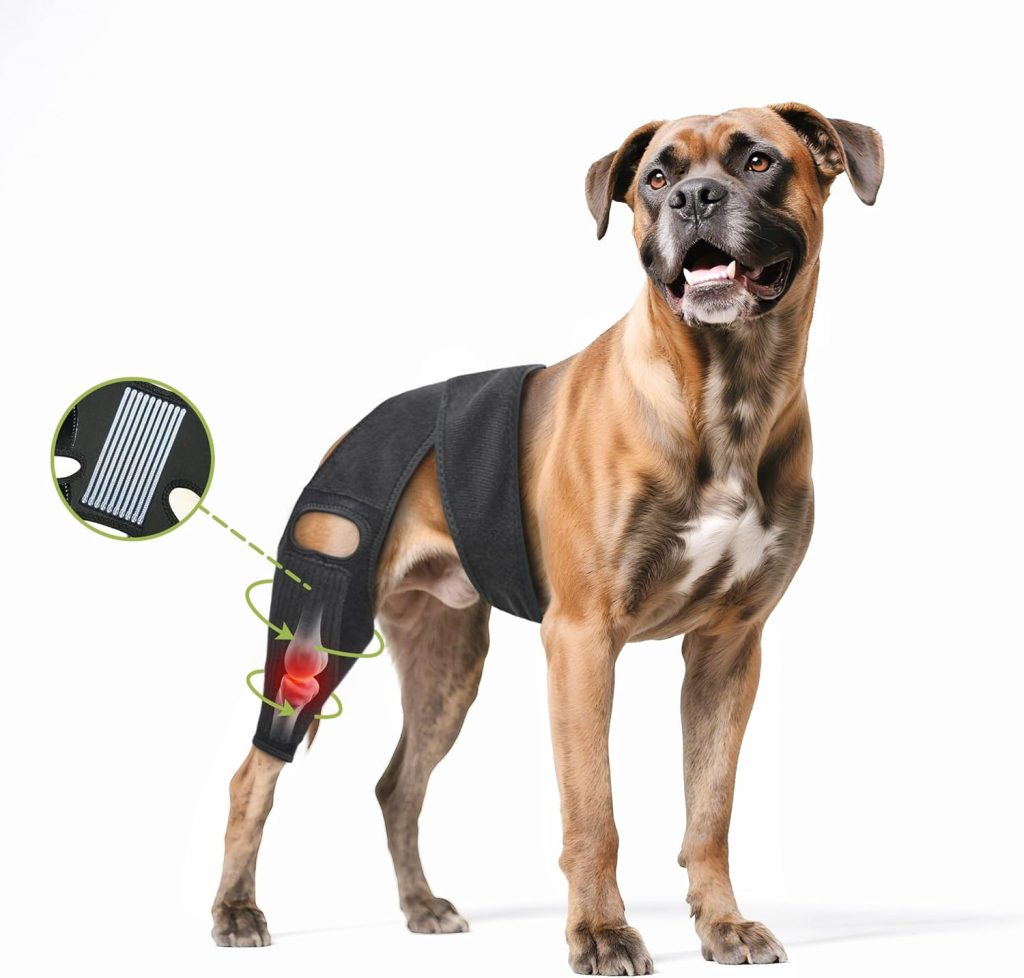
Dog Hip Brace, Knee & Leg Support Brace
Dog Hip Brace, Knee & Leg Support Brace for ACL Recovery, Ligament Injury – Breathable & Adjustable Dog Leg Brace for Senior Dogs, Post-Surgery..
Veterinary Treatments for a Limping Back Leg
When home care isn’t enough, or if the limp is caused by a more serious injury or condition, your veterinarian will offer various treatment options. Let’s take a closer look at the common treatments for dogs with limping back legs.
Pain Management: Easing Your Dog’s Discomfort
If your dog is in pain, pain relief will be a priority. Vets often prescribe NSAIDs (nonsteroidal anti-inflammatory drugs) to reduce inflammation and ease discomfort. These medications are commonly used to treat conditions like arthritis, muscle strains, and ligament injuries.
Your vet may also prescribe other pain management medications depending on the severity of the injury. While NSAIDs are effective, they should always be given under veterinary supervision to prevent side effects.
Physical Therapy & Rehabilitation: Strengthening the Affected Leg
If the limp is due to a soft tissue injury or a chronic condition like arthritis, physical therapy may be necessary to aid in recovery. Your vet may recommend exercises designed to improve range of motion, strengthen muscles, and enhance joint flexibility.
Hydrotherapy is particularly beneficial for dogs with joint or ligament problems. By exercising in water, your dog can engage in low-impact movements that reduce stress on the joints, helping them recover without exacerbating the injury.
Orthopedic Surgery: For Severe Injuries
In cases of severe injury, such as CCL tears or luxating patella, surgery might be necessary. Surgery is often required to repair ligament tears, correct joint instability, or realign dislocated joints.
- CCL (ACL) Surgery: Dogs with CCL tears often require surgical intervention to stabilize the knee joint and prevent long-term arthritis.
- Patellar Luxation Surgery: In cases of luxating patella, surgical realignment of the knee is often required to ensure proper movement and prevent ongoing issues.
Post-surgical care often involves physical rehabilitation to ensure a full recovery.
Joint Support & Long-Term Care
For chronic conditions like arthritis or hip dysplasia, joint support is essential for your dog’s long-term health. Your vet may recommend joint supplements containing glucosamine, chondroitin, and omega-3 fatty acids to help reduce inflammation and support healthy cartilage.
Weight management is also important. Keeping your dog at a healthy weight helps reduce stress on their joints, particularly in dogs with hip dysplasia or arthritis.
Condition-Specific Treatments for Limping Dogs
When it comes to treating a dog with a limping back leg, the treatment will vary depending on the underlying condition. Whether it’s a soft tissue injury, joint problem, or something more complex, each condition requires its own unique approach. Let’s take a closer look at some of the specific causes of limping and how they are treated.
Soft Tissue Injuries (Sprains, Strains, and Muscle Tears)
Soft tissue injuries, such as sprains, strains, and muscle tears, are common causes of limping in dogs. These injuries occur when the muscles or ligaments are overstretched or torn, often due to sudden movements, jumping, or rough play. The good news is that these injuries are typically manageable with the right care.
Treatment for Soft Tissue Injuries:
- Rest: Giving your dog plenty of time to rest is the first and most important step. Avoid any high-impact activities such as running, jumping, or climbing stairs. Limiting movement allows the injured area to heal and reduces the risk of further strain.
- Cold Therapy: Applying ice to the affected area during the first 48 hours can help reduce swelling and inflammation. Ice packs should be wrapped in a cloth and applied for 10–15 minutes at a time.
- Anti-Inflammatory Medications: Your vet might recommend NSAIDs (nonsteroidal anti-inflammatory drugs) to manage pain and inflammation.
- Controlled Rehabilitation: Once the initial swelling and pain subside, your vet may suggest physical therapy, including gentle stretching exercises, to help restore strength and mobility.
While soft tissue injuries often heal within a few weeks, it’s essential to monitor your dog’s progress and avoid pushing them too hard, too soon.
Ligament Injuries (Partial or Full Tears)
Ligament injuries, such as partial or full tears of the cranial cruciate ligament (CCL), are particularly common in active dogs and certain breeds, especially those that are large or overweight. These injuries often lead to sudden limping and can cause severe discomfort.
Treatment for Ligament Injuries:
- Conservative Management: In cases of partial ligament tears, your vet may recommend a conservative treatment plan, which could include rest, anti-inflammatory medication, and controlled physical therapy. A knee brace may also be used to provide additional support to the joint.
- Surgical Repair: Full ligament tears generally require surgery to restore stability to the knee joint. There are various surgical options available, such as the TPLO (Tibial Plateau Leveling Osteotomy) or TTA (Tibial Tuberosity Advancement) procedures, which aim to stabilize the knee and prevent further damage. Post-surgery, physical therapy will be required to help your dog regain strength and mobility.
- Rehabilitation: After surgery, your dog will need a strict rehabilitation regimen to ensure the ligament heals properly. This may involve hydrotherapy, stretching exercises, and light activities to rebuild muscle strength.
Chronic Joint Conditions (Arthritis and Hip Dysplasia)
Osteoarthritis and hip dysplasia are two of the most common chronic conditions that cause limping in dogs, particularly as they age. Arthritis is a progressive condition that causes inflammation in the joints, leading to pain and stiffness. Hip dysplasia, a genetic condition where the hip joint is poorly formed, often leads to early-onset arthritis.
Treatment for Chronic Joint Conditions:
- Pain Management: Chronic pain from arthritis or hip dysplasia is typically managed with NSAIDs or other pain-relief medications prescribed by your vet. These medications help reduce inflammation and improve your dog’s comfort.
- Joint Supplements: Supplements containing glucosamine, chondroitin, and omega-3 fatty acids can help support joint health and reduce inflammation. These supplements are especially helpful in managing arthritis in older dogs.
- Physical Therapy: Gentle, low-impact exercises are essential to maintain joint flexibility and strength. Hydrotherapy is an excellent option for dogs with arthritis, as it allows them to exercise without putting pressure on their joints.
- Weight Management: Maintaining a healthy weight is crucial for dogs with arthritis or hip dysplasia. Extra weight places additional stress on already compromised joints, accelerating the degeneration process.
- Surgery: In some severe cases of hip dysplasia, surgery may be necessary to improve your dog’s mobility and reduce pain. Surgical options like a total hip replacement are often reserved for older dogs with advanced joint degeneration.
Patellar Luxation (Slipping Kneecap)
Patellar luxation occurs when the kneecap (patella) moves out of its normal position. This condition is common in small dog breeds and can cause intermittent limping, particularly after a dog runs or jumps. In some cases, the patella can return to its proper position on its own, but in others, it may require surgical intervention.
Treatment for Patellar Luxation:
- Conservative Treatment: In mild cases, your vet may recommend physical therapy and weight management to help stabilize the knee joint and reduce the likelihood of the patella slipping out of place.
- Surgery: In more severe cases, surgery is necessary to realign the patella and stabilize the joint. The surgical procedure may involve deepening the femoral groove, tightening ligaments, or realigning bones to prevent the kneecap from luxating again.
- Post-Surgery Care: Following surgery, your dog will need a period of rest and rehabilitation. This may involve wearing a brace or support bandage and engaging in gentle rehabilitation exercises to strengthen the leg muscles.
Rehabilitation & Recovery Plans
After a diagnosis and treatment plan are established, it’s crucial to follow a rehabilitation plan to ensure your dog recovers fully. Rehabilitation focuses on improving your dog’s strength, mobility, and overall quality of life.
7.1. Phased Recovery Steps
The recovery process for a limping dog typically progresses in phases. Here’s what you can expect during the recovery period:
- Weeks 1–2: Strict Rest
- After surgery or injury, your dog will need strict rest for the first two weeks. This is essential to prevent further strain on the injured leg and allow for initial healing.
- Weeks 3–6: Gradual Increase in Activity
- As the injury heals, you can begin to slowly increase your dog’s activity level. Short, controlled walks can help rebuild muscle strength and improve circulation.
- Weeks 6+: Light Activity and Strengthening Exercises
- After the initial recovery phase, your dog can begin light activity and targeted strengthening exercises. This might include gentle walks, low-impact exercises, or hydrotherapy, depending on the nature of the injury.
7.2. Use of Physical Tools
During recovery, your vet may recommend supportive tools to aid in your dog’s healing process. These tools provide additional support to the affected leg and help prevent further injury.
- Braces or Supportive Devices: Knee braces, hip supports, or other orthopedic devices can help stabilize the affected leg and prevent overextension during movement. These devices are especially helpful for dogs recovering from ligament injuries or joint surgeries.
- Assistive Devices: For older dogs or those with mobility issues, assistive devices like ramps, stairs, or sling supports can help them move around more easily and avoid further strain on their joints.
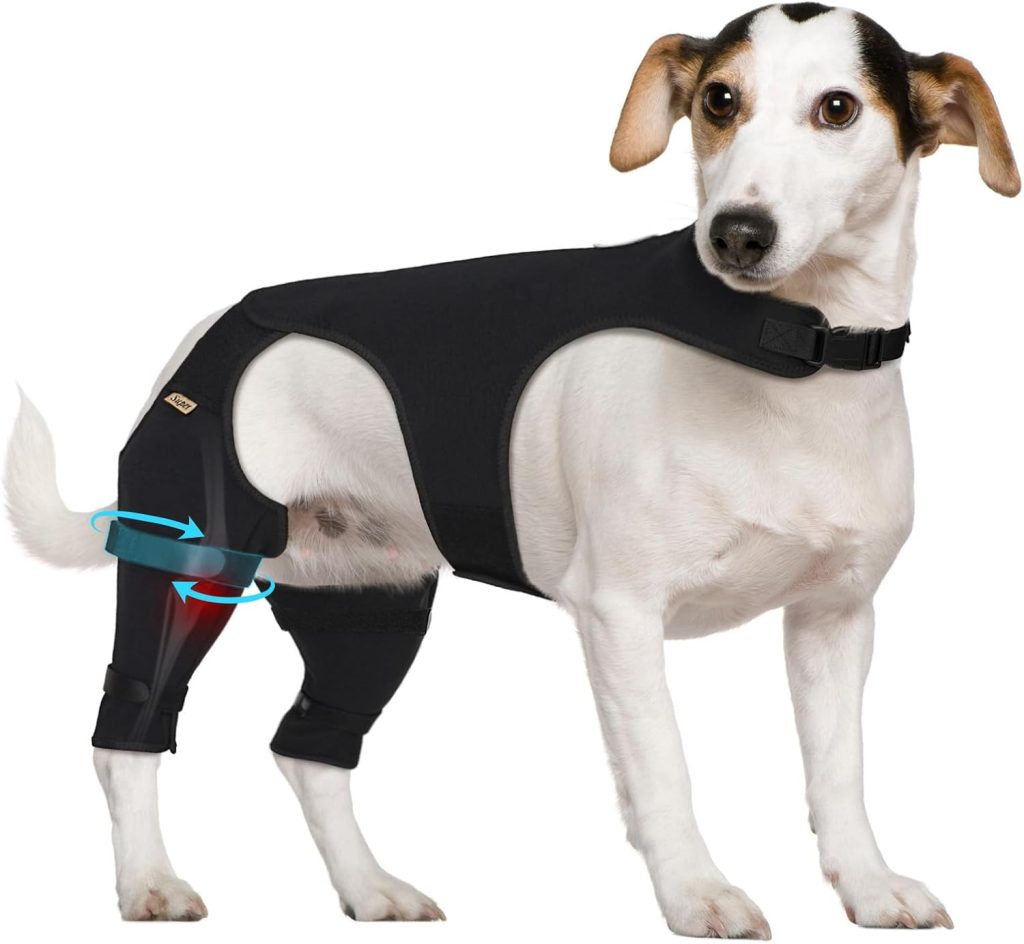
Supet Dog Rear Leg Sleeve
Supet Dog Rear Leg Sleeve to Stop Licking, TPLO Recovery Sleeve After Surgery for Post Surgery, ACL, Leg Wound Protection, with Belly Opening for Male…
Prevention: Reducing Risk of Future Limping
While some conditions are unavoidable, there are steps you can take to help prevent your dog from developing limping in the future. Prevention is key in managing joint and muscle health.
8.1. Safe Play Surfaces
Dogs that engage in high-energy play, especially on hard or slippery surfaces, are at risk of slips and falls. Make sure your dog plays in a safe environment with non-slip floors to reduce the risk of injury.
8.2. Avoid High Jumps from Furniture
If your dog enjoys jumping on and off furniture, limit these activities or provide a ramp for them to use. High-impact landings can put excessive strain on their joints, especially as they age.
8.3. Regular Health Check-ups
Routine vet visits are essential for detecting joint issues or injuries before they become serious. Annual check-ups will help ensure that your dog’s health remains optimal as they age.
8.4. Breed-Specific Awareness
Certain breeds are more prone to specific joint issues. Large breeds, like German Shepherds, are at higher risk for hip dysplasia, while small breeds, like Chihuahuas, are more likely to develop luxating patella. Being aware of these breed-specific conditions can help you catch problems early and manage them effectively.
When to See the Vet Right Away
Sometimes, limping can be a sign of a serious condition that requires immediate veterinary attention. If your dog is unable to bear weight on the affected leg, has visible swelling or deformity, or if the limp persists or worsens after a few days, it’s time to seek veterinary help.
9.1. Immediate Signs to Watch For
- Refuses to bear weight: When your dog can’t put any weight on their back leg, it’s a sign that the injury may be severe.
- Severe swelling or deformity: Any visible signs of swelling, bruising, or unnatural limb positioning require immediate evaluation.
- Limp doesn’t improve: If there is no improvement after 48 hours, it could indicate a more serious injury or condition that needs professional attention.
- Neurological signs: If your dog is dragging their legs or exhibiting signs of weakness, this may indicate a neurological issue that requires urgent care.
Frequently Asked Questions (FAQ)
Q: How long does treatment take?
Treatment duration depends on the severity of the injury or condition. Mild strains may heal in a few weeks, while ligament surgeries and conditions like arthritis may require several months of recovery.
Q: Are home remedies enough?
Home remedies like rest and ice packs can help with mild limping. However, for chronic issues or serious injuries, veterinary care is essential to ensure proper treatment and recovery.
Q: Can dogs fully recover from ligament surgery?
Yes, with the right post-op rehabilitation, most dogs can regain full function after ligament surgery. Physical therapy is often essential to rebuild strength and mobility.