
As a dog owner, it’s always alarming when you notice your dog limping, especially if it’s on the back leg. But what if your dog isn’t crying or showing any overt signs of pain? This can be confusing and even worrisome. You might wonder, “Is my dog in pain? Why aren’t they reacting to the discomfort?”
The truth is, not all dogs vocalize pain, and limping can be a sign of discomfort or injury, even if your dog isn’t whining or crying. While some dogs express pain loudly, others—due to their natural instincts—may not display noticeable signs of distress. Understanding the reasons behind this behavior and recognizing subtle signs can help you determine whether your dog needs veterinary attention or if they just need a bit of rest.
In this article, we’ll explore why your dog might be limping on its back leg but not crying, what underlying conditions could be causing it, and how you can help your dog recover.
Why Dogs Limp Without Crying
3.1. Canine Pain Behavior: The Stoic Nature of Dogs
Unlike humans, dogs don’t always show pain in the same obvious ways. Evolutionary instincts play a big role in this behavior. In the wild, dogs needed to avoid showing weakness to predators, and even domesticated dogs can maintain this stoic nature when they’re in pain. It’s not uncommon for a dog to limp quietly, especially when the discomfort isn’t severe enough to cause them to vocalize.
Limping without crying might seem odd, but pain thresholds vary among dogs. Some might continue playing, eating, and behaving normally even while dealing with an injury. This doesn’t mean your dog isn’t suffering — it simply means that they are more likely to internalize their discomfort.
Limping, especially in the back leg, can be a subtle indicator of discomfort. It’s important to pay attention to other cues, such as reluctance to move, changes in behavior, or difficulty in certain activities.
3.2. Stoic Nature of Dogs: A Deeper Look
Many dogs are remarkably good at hiding their pain. This behavior stems from their wild ancestors, where showing pain could make them a target for predators. In the home environment, this stoic behavior might result in your dog suffering quietly, making it harder for you to spot pain unless you are very observant.
Here’s the thing: dogs may limp even if they’re not crying. When it comes to pain in dogs, the limp might be the first noticeable sign, but your dog may not give any further indication by whining or vocalizing. Often, dogs will continue their normal activities, such as eating, playing, or walking around, even though they are limping.
While this can be reassuring, it can also make it harder for you as a pet owner to gauge the severity of the problem. That’s why early observation and vigilance are key to catching underlying issues.
Common Underlying Causes for Limping Without Crying
When a dog limps on its back leg but doesn’t cry, there could be several reasons behind it. Understanding these causes can help you know what steps to take next.
4.1. Injury & Trauma (Without Vocal Pain)
Injuries are one of the most common reasons why a dog limps without crying. Dogs are highly active, and a lot of physical activity (like running, jumping, or playing) can lead to mild injuries that cause limping without severe pain.
- Sprains, Strains, and Twists: These types of injuries affect the muscles and ligaments, causing pain that might not always result in vocalizing. In fact, dogs might limp for days due to soft tissue injuries but not cry because the pain isn’t intense enough to cause a strong reaction.
- Mild Trauma from Slips or Rough Play: Even a simple slip on a slick surface or rough play with another dog can cause limping. However, these injuries often don’t result in intense crying because the dog is still able to bear weight and move around, albeit with some discomfort.
4.2. Ligament & Joint Problems
Some injuries or conditions that cause limping in dogs are related to ligaments or joints, which might not cause your dog to vocalize pain.
- Partial CCL (ACL) Tears: One of the most common orthopedic problems in dogs, especially in active or overweight dogs, is a tear in the cranial cruciate ligament (CCL). This injury can cause a dog to limp on the back leg without crying, particularly if it’s a mild tear or in the early stages. Over time, this injury can worsen, but initially, the pain might be minimal.
- Osteoarthritis: Chronic joint pain, particularly in older dogs, often causes limping but may not lead to vocalization. As the cartilage in the joints wears down over time, it can cause discomfort when moving, but many dogs learn to tolerate this pain and continue with their daily routines.
- Hip Dysplasia and Joint Instability: Hip dysplasia is a common genetic condition in large dog breeds, where the hip joint doesn’t develop properly, leading to pain and limping. This can often progress silently, with dogs adapting their movements to avoid pain. Joint instability in the knees, such as luxating patella, can also lead to intermittent limping that doesn’t necessarily cause vocal pain.
4.3. Paw & Foot Issues
Another common cause of limping without crying is paw or foot injuries. A dog may develop a limp after stepping on a sharp object or experiencing a minor paw injury. These types of injuries can be very painful but often go unnoticed because dogs may not cry.
- Foreign Objects: Small stones, splinters, or other debris that get lodged in the paw can cause discomfort and limping without vocal pain. The dog may continue walking but favor the injured leg to avoid putting weight on it.
- Cuts and Torn Nails: A cut on the paw pad or a torn nail can lead to limping. While these injuries can be painful, dogs may not cry out, especially if the injury is minor.
4.4. Patellar & Mechanical Issues
Luxating patella (when the kneecap slips out of place) is another condition that can cause your dog to limp on the back leg without vocalizing pain. Dogs with this issue often intermittently limp or hold the affected leg up, especially after activity or sudden movement. However, the pain is often not severe enough to cause vocalization.
4.5. Bone & Growth Conditions
Certain diseases that affect the bones can also cause limping without much visible pain. One example is Legg–Calvé–Perthes disease, a condition that leads to the degeneration of the hip joint’s bone in small breeds. This disease can result in a noticeable limp, but the dog may not cry or vocalize because the pain is often mild at first.
4.6. Neurological or Nerve‑Related Conditions
Limping in the back leg can also be caused by neurological conditions, which may not always involve pain that causes crying. Nerve problems, such as Intervertebral Disc Disease (IVDD) or degenerative myelopathy, can cause weakness or paralysis in the limbs without intense pain.
In these cases, the limp may be accompanied by weakness or lack of coordination rather than crying. This type of limp may appear suddenly or gradually, depending on the severity of the neurological issue.
4.7. Other Causes
Several other conditions can lead to limping without vocal pain, including:
- Tick-borne illnesses: Diseases like Lyme disease can cause inflammation in the joints, leading to limping that doesn’t necessarily cause vocal pain.
- Infections: Infections affecting the bones or joints can cause limping, but the pain may not always be severe enough to cause crying.
- Immune conditions: Certain immune-related disorders can cause intermittent limping as well. These conditions often cause inflammation in the joints and soft tissues, resulting in limping but not loud pain.
Subtle Symptoms to Watch For
Even if your dog isn’t crying, there are other signs to watch for that can help you understand whether they are in pain. Here are some subtle symptoms to keep an eye on:
- Favoring One Leg: If your dog is limping, they might be avoiding putting weight on the affected leg, even without vocalizing pain.
- Shorter Steps or Altered Gait: Limping can lead to uneven steps, so pay attention if your dog’s walk seems different or slower than usual.
- Reduced Activity or Reluctance to Climb: Dogs in pain may show a reluctance to jump onto furniture or climb stairs. This can be a sign that the back leg is causing discomfort.
- Stiffness After Rest: If your dog is slow to get up or appears stiff after a nap, it may indicate discomfort, even if they don’t cry.
- Swelling or Warmth to Touch: Any noticeable swelling, redness, or heat around the affected leg can indicate inflammation or injury.
How Vets Diagnose Limping in Dogs
When your dog is limping, it can be difficult to pinpoint the exact cause, especially if they aren’t showing overt signs of pain. The key to ensuring your dog’s comfort and quick recovery lies in a proper diagnosis. Veterinarians are trained to observe subtle signs and use various diagnostic tools to determine the root cause of the limp.
Physical Examination: A Thorough Assessment
The first step your vet will take is a physical examination of the affected leg. During this exam, the veterinarian will check for pain, swelling, and deformities. They’ll carefully manipulate your dog’s leg to see if there’s any resistance, tenderness, or abnormal movement. The vet will also observe your dog’s overall gait—how they walk and how they favor or avoid the affected leg.
One important thing the vet will look for is range of motion. If a joint is stiff, doesn’t move freely, or causes pain when manipulated, that could indicate a joint issue like arthritis, hip dysplasia, or even ligament damage. During the examination, your vet may also observe whether the limp is caused by an injury to the muscles, ligaments, or bones.
Diagnostic Imaging: Taking a Closer Look
In some cases, a physical exam won’t be enough to determine the cause of the limp. That’s where diagnostic imaging comes in. Your veterinarian may recommend an X-ray, ultrasound, or MRI to get a better look at what’s happening inside your dog’s body.
- X-rays: These are commonly used to evaluate bone fractures, dislocations, and joint issues. X-rays help the vet understand if your dog has any bone-related issues like a fracture, sprain, or degenerative joint disease (arthritis). They can also show any signs of joint instability that may be causing the limp.
- Ultrasound or MRI: If your vet suspects a soft tissue injury (such as ligament or tendon damage), they may suggest an ultrasound or MRI. These imaging techniques allow the vet to assess muscles, tendons, and ligaments in more detail, revealing tears, inflammation, or other hidden injuries.
By using these tools, your vet can make a more accurate diagnosis and recommend the best treatment plan for your dog.
Neurological Testing: Checking for Nerve Issues
Sometimes, limping in dogs isn’t due to joint or muscle issues, but instead, it could be related to neurological problems. If your vet suspects that your dog’s limp might be related to nerve damage or spinal issues, they will conduct neurological tests.
These tests include assessing your dog’s reflexes, coordination, and balance. Your vet will check for signs of weakness or loss of control in the back legs, which could indicate a nerve issue like Intervertebral Disc Disease (IVDD) or degenerative myelopathy.
Neurological issues can sometimes cause limping or weakness in the limbs, without much visible pain. Since your dog might not cry out or exhibit signs of severe pain, these tests help the vet understand whether the limp is related to nerve dysfunction rather than an orthopedic issue.
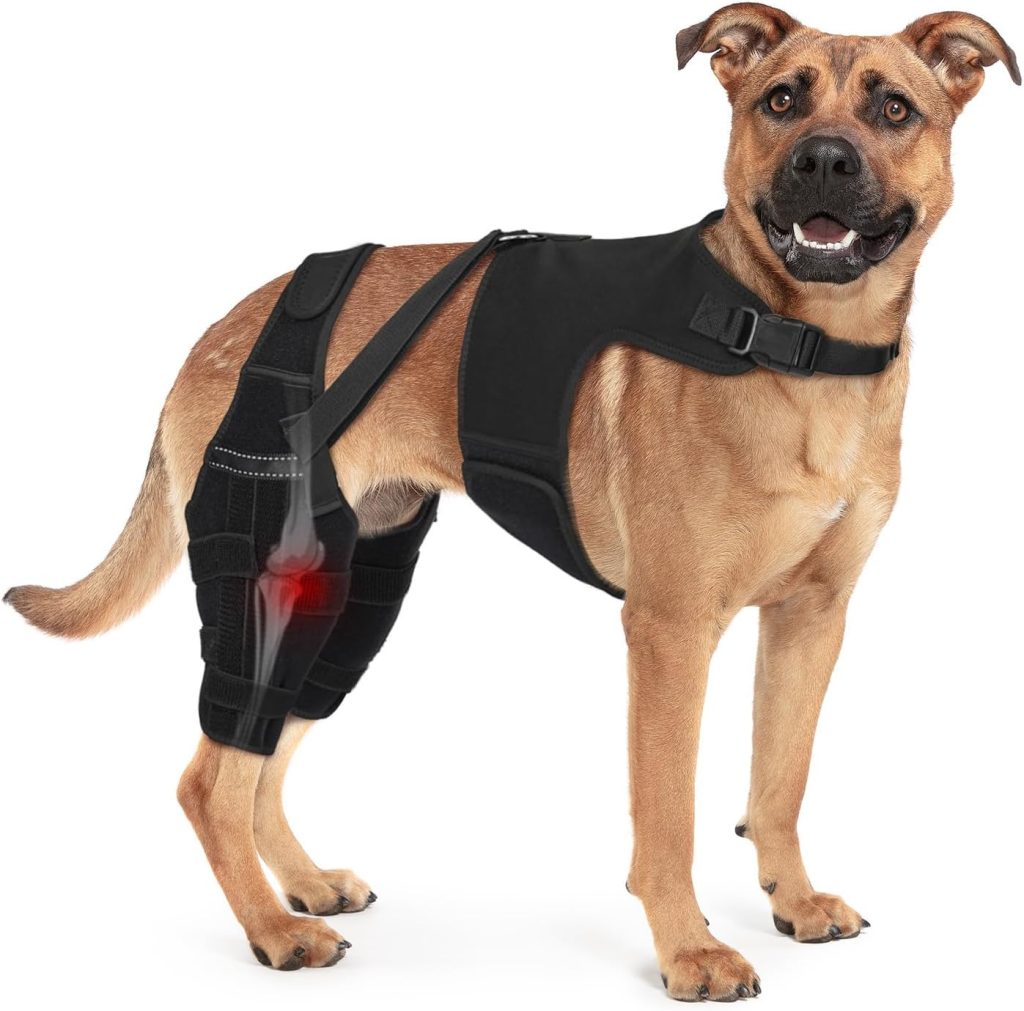
GoGoPaw Dog Knee Brace Double Leg
GoGoPaw Dog Knee Brace Double Leg Support with Vest – Orthopedic Joint Stabilizer for ACL Tear, Arthritis, Patella Recovery – Adjustable Non-Slip Recovery…
Treatment Options for Limping Dogs
Once your vet has diagnosed the cause of your dog’s limp, they’ll recommend a treatment plan tailored to your dog’s needs. Treatment can vary depending on the underlying condition and how severe the issue is. Here are some common treatment options that your vet may suggest:
Home First Aid: Immediate Care for Mild Limping
If your dog’s limp is minor, there are several things you can do at home to help them feel more comfortable. Rest is crucial, so try to limit your dog’s activity and encourage them to relax. If your dog is limping from a mild injury, cold therapy (like an ice pack wrapped in a towel) can help reduce swelling and inflammation. Apply it to the affected leg for about 15–20 minutes at a time.
Monitoring is also essential. If the limp doesn’t improve after 24–48 hours of rest, or if it seems to get worse, it’s time to take your dog to the vet for a more thorough examination.
Veterinary Treatments: From Medications to Surgery
In more severe cases, veterinary intervention is required to treat the underlying cause of the limp. Treatment may include:
- Medications: If your dog is in pain, your vet may prescribe NSAIDs (nonsteroidal anti-inflammatory drugs) or other pain relief medications. These can help reduce swelling and alleviate pain caused by conditions like arthritis or muscle strains.
- Surgery: If your dog has a more serious issue, such as a torn CCL (cranial cruciate ligament), a fracture, or luxating patella, surgery may be necessary. Surgical procedures can repair ligament tears, realign joints, or even replace a damaged joint. Surgery is often followed by physical therapy to help your dog regain strength and mobility.
- Therapeutic Options: After surgery or for conditions that can’t be cured through medication alone, your vet might recommend hydrotherapy, physical rehabilitation, or massage therapy. These therapies are designed to help strengthen the affected leg, improve mobility, and reduce pain.
Long-Term Support: Maintaining Joint Health and Mobility
If your dog is dealing with a chronic condition, like arthritis or hip dysplasia, long-term management will be important. This can include:
- Weight Management: Keeping your dog at a healthy weight is essential for joint health. Extra weight places added pressure on joints, which can worsen conditions like arthritis and hip dysplasia. Make sure to feed your dog the right amount of food, and work with your vet to establish a weight loss or maintenance plan if necessary.
- Joint Supplements: There are several joint supplements available that can help support your dog’s joints. Ingredients like glucosamine, chondroitin, and omega-3 fatty acids can reduce inflammation and promote healthy cartilage.
- Regular Vet Check-ups: For dogs with chronic conditions, regular check-ups are necessary to monitor the progression of the disease and adjust treatment as needed. Your vet can help guide you through managing long-term conditions to ensure your dog’s comfort.
Prevention Tips: How to Avoid Future Limping
While some causes of limping can’t be entirely avoided, there are several things you can do to help prevent injuries and joint issues in the future. Here are some tips for maintaining your dog’s health and mobility:
Use Non-Slip Flooring
Dogs, especially those with joint issues, can easily slip on smooth floors. Non-slip mats or rugs in areas where your dog walks can help prevent falls and reduce the risk of injury.
Controlled Play and Exercise
To protect your dog’s joints and muscles, limit high-impact activities like jumping or rough play. Gradually increase exercise intensity and provide regular breaks to avoid overexertion. If your dog is getting older or recovering from an injury, low-impact exercises like swimming or gentle walks are great options.
Regular Check-ups for Aging Dogs
As your dog gets older, they may be more susceptible to joint problems, such as arthritis or hip dysplasia. Regular check-ups with your vet will help you catch any issues early, so they can be addressed before they cause too much pain or discomfort.
Breed-Specific Awareness
Certain breeds are more prone to specific joint problems. For example, large breeds like German Shepherds and Golden Retrievers are at higher risk for hip dysplasia, while small breeds like Chihuahuas are more likely to develop luxating patella. Knowing your dog’s breed-specific risks will help you take proactive measures to prevent or manage joint issues.

Adjustable Support with Metal Stabilizers for Hind or Front Legs
XUVIRA Dog Knee Brace for ACL and CCL Injuries – Adjustable Support with Metal Stabilizers for Hind or Front Legs, Helps Recovery and Improves Mobility, L
When to Seek Immediate Veterinary Care
Even if your dog isn’t crying or vocalizing pain, there are certain situations where you should seek immediate veterinary attention:
- Your dog refuses to bear weight on the leg: If your dog won’t put any weight on the affected leg, it could be a sign of a serious injury.
- Visible swelling or heat: If the affected leg becomes severely swollen or feels hot to the touch, there may be an infection or severe injury that needs prompt attention.
- Limping persists or worsens: If the limp lasts more than 48 hours or seems to get worse despite rest, it’s time for a vet visit.
- Neurological signs: If your dog is dragging its leg or seems uncoordinated, it could indicate a neurological issue, which requires immediate veterinary evaluation.
Frequently Asked Questions (FAQ)
As a dog owner, it’s normal to have questions when your dog is limping, especially if they aren’t crying out in pain. Here are some frequently asked questions that can help you better understand your dog’s condition and what to do next.
1. Can a Dog Limp Without Being in Pain?
Yes, dogs can limp without showing signs of pain. Dogs are naturally stoic creatures, and many will continue their daily activities even while experiencing discomfort. This is especially true for minor injuries, like a muscle strain or a slight ligament tear, which might cause a limp but not enough pain to make the dog vocalize. Additionally, dogs with chronic conditions like arthritis may not show obvious signs of pain, even though they are limping.
However, just because a dog isn’t crying doesn’t mean they aren’t in pain. If your dog’s limp persists or worsens, it’s essential to seek veterinary care to determine the cause.
2. How Long Should I Wait Before Calling a Vet?
If your dog is limping but not crying, it’s important to monitor them for a 24 to 48-hour period. If there’s no improvement after rest or the limp seems to worsen, it’s time to call the vet. Even if your dog isn’t crying, persistent limping could be a sign of an underlying injury or condition that requires medical attention.
- Mild limping from a minor injury may resolve with rest.
- Longer-term limping can be a sign of a more serious issue, such as arthritis, joint instability, or a ligament tear, which may need veterinary intervention.
3. Is Limping Without Crying Less Serious?
Not necessarily. Limping without crying can still indicate underlying injury or chronic conditions like arthritis, hip dysplasia, or soft tissue strains. Just because your dog isn’t vocalizing doesn’t mean the issue isn’t serious. It’s crucial to pay attention to other signs, such as reluctance to exercise, reduced activity, or difficulty walking.
Some conditions, such as hip dysplasia or luxating patella, can cause intermittent limping without noticeable pain, especially if the dog is still able to bear weight on the affected leg.
4. Should I Restrict Activity Even If My Dog Isn’t Crying?
Yes, even if your dog isn’t crying, it’s important to restrict their activity if they’re limping. Limiting movement helps prevent further injury and gives the affected area time to heal. Rest is crucial, particularly if your dog has sustained a soft tissue injury or is experiencing joint pain. You can help by:
- Keeping your dog in a confined area to prevent excessive movement.
- Limiting activities like jumping, running, or climbing stairs.
- Monitoring your dog’s behavior and adjusting rest periods as necessary.
Conclusion: Early Action Leads to Better Outcomes
It can be concerning when your dog is limping, especially when they aren’t showing overt signs of pain, like crying or whimpering. However, just because your dog isn’t vocalizing doesn’t mean they’re not in pain. Limping is a symptom, not a condition, and it can indicate a variety of underlying issues, ranging from mild injuries to chronic conditions.
As a responsible dog owner, early intervention is key to ensuring your dog’s comfort and preventing further complications. By being vigilant and recognizing the subtle signs of discomfort, you can help your dog recover quickly and maintain a high quality of life.
Remember:
- Limping can be caused by a variety of issues, from minor injuries to more serious conditions like arthritis, hip dysplasia, or ligament tears.
- Not all dogs vocalize pain; many will limp without crying or whining, making it important for you to watch for other signs of discomfort.
- Prompt veterinary care is essential for diagnosing and treating the underlying cause of your dog’s limp. Early detection often leads to better outcomes and a faster recovery.