
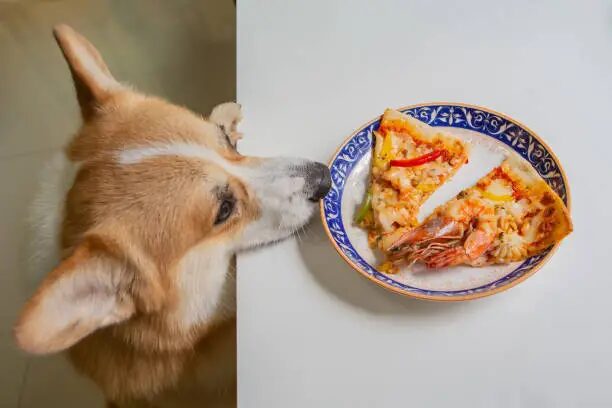
If your dog starts staring at you while you’re peeling shrimp for dinner, you may find yourself asking, can dogs eat shrimp?
The answer is yes, most healthy dogs can eat shrimp, but only when it is prepared correctly and offered in moderation.
Shrimp can be a tasty source of protein, and it contains several vitamins and minerals that can fit into a healthy dog’s diet. The trouble is that the shrimp sitting on your plate may not be the same shrimp that is appropriate for your dog.
A plain, fully cooked shrimp is very different from shrimp cooked in garlic butter, covered in breading, dipped in cocktail sauce, or heavily salted.
There are also parts of the shrimp that should be removed before serving. Shells, tails, heads, and legs can create choking or obstruction concerns, especially in smaller dogs.
And although shrimp can be nutritious, it shouldn’t become a major part of your dog’s diet. It is best treated as an occasional snack or topper, while the majority of the diet comes from a complete and balanced dog food.
In this guide, we’ll look at everything you need to know about shrimp for dogs—including the nutritional benefits, raw versus cooked shrimp, shrimp shells and tails, safe cooking methods, portion sizes, puppies, senior dogs, allergies, medical conditions, and what to do if your dog accidentally eats something they shouldn’t.

Quick Answer: Can Dogs Eat Shrimp?
Yes, dogs can eat shrimp when it is fully cooked, peeled, deveined, tail-free, and served plain in a small amount.
The key word is properly prepared.
Dog-friendly shrimp should be:
- Fully cooked
- Plain
- Peeled
- Deveined
- Free from the tail
- Free from shell fragments
- Free from onion and garlic
- Free from heavy seasoning
- Free from rich sauces
- Served in an appropriate portion
What should dogs avoid?
Dogs should generally not be given:
- Raw shrimp
- Shrimp shells
- Shrimp tails
- Shrimp heads and legs
- Fried shrimp
- Heavily breaded shrimp
- Garlic shrimp
- Onion-seasoned shrimp
- Shrimp covered in butter or rich sauces
- Shrimp cocktail with salty or spicy sauce
Most importantly, shrimp should be viewed as an occasional treat, not a replacement for balanced dog food.
Is Shrimp Good for Dogs?
For many healthy dogs, plain cooked shrimp can be a nutritious occasional treat.
Shrimp provides protein while being relatively low in calories and fat compared with many processed human snacks. It also contains several vitamins and minerals.
That doesn’t mean shrimp is a necessary food for dogs.
A complete dog food should already provide the nutrients your dog needs. Shrimp simply gives you another option when you’re looking for an occasional high-value treat.
Nutritional Benefits of Shrimp
Here’s a closer look at what shrimp can contribute.
| Nutrient | Potential Benefit for Dogs |
|---|---|
| Protein | Supports muscles, tissues, growth, and repair |
| Vitamin B12 | Important for normal nervous-system and cellular function |
| Niacin (Vitamin B3) | Supports normal energy metabolism |
| Phosphorus | Involved in bones, teeth, and cellular functions |
| Potassium | Helps support normal muscle and nerve function |
| Magnesium | Supports muscles, nerves, and many metabolic processes |
| Iodine | Needed for normal thyroid hormone production |
| Omega-3 fatty acids | Support normal skin and coat health |
| Astaxanthin | An antioxidant naturally present in shrimp |
The nutritional value is one reason shrimp can make an appealing alternative to highly processed treats.
Still, how you cook the shrimp matters enormously.
A steamed shrimp provides a very different nutritional package from breaded popcorn shrimp covered with sauce.
Is Shrimp a Good Protein Source for Dogs?
Yes, shrimp contains high-quality protein and essential amino acids.
Protein helps dogs maintain muscle and supports normal tissue repair and many bodily functions.
It is especially important during:
- Growth
- Recovery
- Physical activity
- Normal muscle maintenance
However, shrimp shouldn’t be considered your dog’s primary protein source unless a veterinarian or veterinary nutritionist has specifically designed a diet around it.
A complete dog food is formulated to provide the broader nutrient balance dogs need.
Shrimp works best as an additional protein-rich treat, not a complete meal replacement.
For example, instead of replacing dinner with a bowl of shrimp, you might use a few small pieces of cooked shrimp as a reward during training or as a topper over your dog’s regular food.
Can Shrimp Support a Dog’s Skin and Coat?
Shrimp contains protein and omega-3 fatty acids, nutrients associated with normal skin and coat health.
A nutritionally complete diet that provides adequate protein and essential fatty acids can help support:
- Healthy skin
- Normal hair growth
- Coat condition
- Normal skin barrier function
But it’s important not to oversell shrimp as a treatment.
If your dog has:
- Persistent itching
- Hair loss
- Red skin
- Recurrent ear infections
- Excessive licking
- Flaky skin
simply adding shrimp is unlikely to solve the underlying problem.
Skin and coat issues can be caused by allergies, parasites, infections, hormonal problems, nutritional deficiencies, or other medical conditions.
So while shrimp for dogs can be part of a healthy diet, it isn’t a replacement for veterinary diagnosis.
Can Shrimp Help Dogs Maintain a Healthy Weight?
Shrimp can be useful as an occasional treat for a dog whose calorie intake is being carefully managed because it is relatively lean and low in calories compared with many human snacks.
That can make a few pieces of plain cooked shrimp a tempting alternative to:
- Fatty treats
- Processed meat
- Cheese-heavy snacks
- High-calorie biscuits
But here’s the catch: the shrimp isn’t always the problem—the preparation is.
Plain steamed shrimp contains far fewer extra calories than shrimp that is:
- Deep-fried
- Breaded
- Coated in butter
- Served with creamy sauce
- Covered in cheese
- Dipped in sugary or salty sauce
Even a relatively lean food can contribute to weight gain when portions become too large.
For an overweight dog, use shrimp as a small substitute for another treat, rather than simply adding it on top of the regular daily food.
Is Shrimp Safe for Dogs?
Properly prepared shrimp can be safe for many dogs.
The simplest way to think about shrimp safety is to focus on six things:
| Safety Factor | What to Do |
| Cooking | Fully cook the shrimp |
| Shell | Remove completely |
| Tail | Remove before serving |
| Seasoning | Keep it plain |
| Preparation | Avoid frying and rich sauces |
| Portion | Start small and feed moderately |
This is why a plain boiled shrimp can be perfectly reasonable while a restaurant-style garlic-butter shrimp dish is a poor choice.
Before feeding shrimp, remove the shell and tail, and make sure it has been cooked thoroughly.
If you are using frozen shrimp, thaw it safely before preparing it.
Why Can Dogs Eat Shrimp but Not Raw Shrimp?
This is an important distinction.
Cooked shrimp and raw shrimp aren’t equivalent from a food-safety standpoint.
Raw shellfish can carry harmful bacteria and other pathogens. Cooking reduces the microbial risk and makes the shrimp much safer for both pets and people.
The same basic food-safety principle used in human cooking applies here: don’t intentionally feed raw shellfish to your dog when thoroughly cooking it is such a simple alternative.
Raw Shrimp and Harmful Pathogens
Raw shellfish may carry bacteria associated with gastrointestinal illness, including organisms responsible for vibriosis and other foodborne infections.
Dogs can be exposed through contaminated raw seafood.
That doesn’t mean every raw shrimp is contaminated. It means the risk exists, and there is little nutritional reason to accept it.
Cooking shrimp thoroughly is the safer option.
Signs of Illness After Raw Shrimp
If your dog manages to eat raw shrimp, don’t immediately assume they’ll become sick.
A small accidental exposure may cause no problems at all.
However, monitor for symptoms such as:
- Vomiting
- Diarrhea
- Nausea or repeated lip licking
- Abdominal discomfort
- Lethargy
- Loss of appetite
- Weakness
- Dehydration
If symptoms are severe, persistent, or worsening, contact your veterinarian.
Dogs that are very young, elderly, or medically vulnerable may deserve additional caution.
What to Do If a Dog Eats Raw Shrimp
If your dog has just grabbed raw shrimp from the kitchen:
- Remove the remaining shrimp from their reach.
- Note approximately how much was eaten.
- Check whether the shrimp contained shells or tails.
- Monitor your dog for digestive or other symptoms.
- Make sure fresh water is available.
- Contact your veterinarian if concerning symptoms appear.
Don’t induce vomiting unless a veterinarian specifically tells you to do so.
Home attempts to induce vomiting can create additional risks, especially if sharp or hard pieces were swallowed with the shrimp.
Can Dogs Eat Cooked Shrimp?
Yes. Fully cooked, plain shrimp can be a safe occasional treat for many dogs.
There are several ways to cook shrimp safely:
- Steamed
- Boiled
- Baked
- Grilled
The cooking method itself matters less than the ingredients added afterward.
For example, plain grilled shrimp may be fine, while grilled shrimp covered in garlic butter is not a suitable dog treat.
The AKC specifically recommends steamed shrimp as a simple option and cautions against fried or breaded shrimp. (akc.org)
If you’re preparing shrimp for your dog, the simplest methods are often the best.
Can Dogs Eat Boiled Shrimp?
Yes, plain boiled shrimp is one of the easiest options for dogs.
Boiling doesn’t require butter or cooking oil, which makes it simple to keep the food plain.
Before serving:
- Remove the shell.
- Remove the tail.
- Remove the head and legs.
- Devein the shrimp if desired.
- Make sure it is fully cooked.
- Let it cool.
- Cut large shrimp into smaller pieces.
Don’t add:
- Salt
- Pepper
- Garlic
- Onion
- Chili
- Soy sauce
- Butter
- Hot sauce
A boiled shrimp may not look very exciting to a human, but dogs generally don’t need much convincing.
Can Dogs Eat Steamed Shrimp?
Yes. Plain steamed shrimp can be an excellent option for dogs.
Steaming has a major advantage: you can cook shrimp without adding significant oil or butter.
That means fewer unnecessary calories and fewer ingredients to worry about.
A simple serving method
Steam the shrimp thoroughly, remove the shell and tail, let it cool, and then cut it into small pieces.
You can offer a few pieces:
- As a training reward
- As a small topper
- Mixed into regular dog food
- As an occasional treat
Again, portion size matters.
Even healthy foods should be fed in moderation.
Can Dogs Eat Grilled Shrimp?
Plain grilled shrimp can be suitable for dogs, provided it is fully cooked and free from dangerous ingredients.
The biggest issue with grilled shrimp is usually the marinade.
Human recipes often include:
- Garlic
- Onion
- Butter
- Salt
- Chili
- Spicy sauces
- Soy sauce
- Sugary marinades
These ingredients can make an otherwise appropriate shrimp unsafe or unnecessarily rich.
If you grill shrimp for your dog:
Set aside a plain piece before adding marinade or seasoning.
Also avoid serving heavily charred pieces or shrimp covered in sauces.
Plain grilled shrimp is much more suitable than restaurant-style seasoned shrimp.
Can Dogs Eat Fried Shrimp?
Fried shrimp is generally not recommended for dogs.
The shrimp itself may be fine, but deep-frying changes the food considerably.
Fried shrimp is often:
- High in fat
- Higher in calories
- Breaded
- Salted
- Seasoned
- Served with sauces
Large amounts of fatty food can cause digestive upset and may be particularly inappropriate for dogs that are prone to pancreatitis.
There is a difference between an accidental bite and intentionally feeding a plate of fried shrimp.
If your dog steals a small piece, you don’t necessarily need to panic. But fried shrimp should not become a regular treat.
Can Dogs Eat Breaded or Popcorn Shrimp?
It’s better to avoid them.
Breaded shrimp may contain:
- Flour or breadcrumbs
- Oil
- Salt
- Garlic powder
- Onion powder
- Spices
- Preservatives
- Dipping sauces
Popcorn shrimp is particularly easy to overfeed because the pieces are small.
A dog can consume several pieces before you realize how many calories and how much breading they’ve eaten.
The better alternative
Choose plain cooked shrimp and cut it into small bite-sized pieces yourself.
That gives you much more control over what your dog is eating.
Can Dogs Eat Shrimp Shells?
No, shrimp shells should be removed before feeding shrimp to dogs.
The shell is hard and can break into pieces that may pose a choking or digestive obstruction risk.
Small dogs and dogs that gulp food without chewing are especially vulnerable.
The same advice applies whether you’re dealing with:
- Whole shells
- Partial shells
- Shell fragments
It’s much safer to peel the shrimp completely.
Why remove the shell?
Shells may:
- Be difficult to digest
- Become stuck
- Cause choking
- Irritate the digestive tract
- Contribute to an obstruction
Can Dogs Eat Shrimp Tails?
No. Remove the tail before serving.
Shrimp tails are hard and can become a choking hazard or create an obstruction if swallowed.
A dog doesn’t need to crunch through the tail to gain the nutritional benefits of shrimp.
If you’re peeling shrimp yourself, make it a habit:
Shell off. Tail off. Then serve.
What if your dog accidentally eats a tail?
Don’t panic immediately.
A tiny accidental piece may pass normally, but monitor your dog for:
- Gagging
- Vomiting
- Difficulty swallowing
- Abdominal pain
- Loss of appetite
- Constipation
- Lethargy
If a large tail or multiple sharp pieces were swallowed, or if symptoms develop, contact your veterinarian.

Can Dogs Eat Shrimp Heads and Legs?
It’s safest to remove heads and legs as well.
These parts can contain hard or sharp structures and may pose the same choking or obstruction concerns associated with shell and tail pieces.
Peeled shrimp is simply easier to eat and easier for you to portion.
Before giving shrimp to your dog, aim for a piece that looks something like this:
Cooked + peeled + tail-free + head-free + plain.
That’s the simplest way to keep the treat low-risk.
Can Dogs Eat Shrimp Veins?
The dark “vein” running along the back of a shrimp is actually part of its digestive tract, not a poisonous substance.
Dogs don’t necessarily become sick because a shrimp hasn’t been deveined.
However, removing the vein is commonly recommended because it makes the shrimp cleaner and more appealing.
For your dog:
Deveining is a sensible preparation step, but thorough cooking and removing the shell and tail are more important safety concerns.
If you’re preparing shrimp at home, you can easily devein it before cooking or after shelling, depending on the preparation method.
Can Dogs Eat Raw Shrimp?
No. Raw shrimp should not be intentionally fed to dogs.
This is one of the clearest rules in the article.
Raw shrimp can carry potentially harmful pathogens, and freezing does not necessarily eliminate every food-safety concern.
Cooking is a simple way to reduce the risk.
Raw shrimp may also be accompanied by:
- Shells
- Heads
- Legs
- Tails
Those create physical hazards in addition to the microbial concern.
If you’re searching specifically for can dogs eat raw shrimp, the practical answer is:
Don’t intentionally feed it. Cook shrimp thoroughly before giving it to your dog.
Can Dogs Eat Frozen Shrimp?
Frozen shrimp can be suitable after it has been properly thawed and cooked, provided it is plain and doesn’t contain added ingredients.
Thawed and Fully Cooked Frozen Shrimp
Yes, this can be fine.
Check the packaging for:
- Added sodium
- Seasoning
- Marinades
- Sauces
- Preservatives or flavorings
Then peel, devein, remove the tail, and cook thoroughly.
Frozen Raw Shrimp
Frozen raw shrimp should still be fully cooked before feeding it to your dog.
Freezing isn’t a substitute for cooking.
Once cooked and cooled, you can offer an appropriate portion as an occasional treat.
Can Dogs Eat Canned Shrimp?
Canned shrimp requires more caution because many canned seafood products contain added sodium or are packed in oil, brine, or sauce.
Before giving canned shrimp, inspect the ingredient list.
Avoid canned shrimp packed in:
- Heavy brine
- Excess salt
- Oil
- Spicy sauces
- Garlic seasoning
- Onion seasoning
If plain canned shrimp is available, rinse it if appropriate and check the label carefully.
In general, fresh or simply cooked plain shrimp is easier to control than heavily processed canned versions.
Can Dogs Eat Shrimp With Butter?
It’s better to avoid feeding shrimp cooked in butter.
The shrimp may be safe, but butter adds unnecessary fat and calories.
For some dogs, especially those with a history of pancreatitis or digestive sensitivity, rich foods can be particularly problematic.
A plain steamed shrimp provides the protein without requiring butter.
If you’re preparing dinner for yourself, consider cooking a few shrimp without butter before seasoning the rest for the human meal.
That way, your dog gets a simple version without the extra ingredients.
Can Dogs Eat Shrimp With Garlic?
No. Dogs should not be given shrimp prepared with garlic.
Garlic can be toxic to dogs, particularly when consumed in significant amounts or in concentrated forms.
That means foods such as:
- Garlic-butter shrimp
- Garlic shrimp
- Garlic-seasoned grilled shrimp
- Shrimp scampi containing garlic
are not appropriate dog treats.
This is an especially common problem with restaurant leftovers.
A dog may smell the shrimp and be interested in it, but the garlic-infused sauce is the issue.
If you’re sharing shrimp, set aside a plain portion before adding garlic or other seasonings.
Can Dogs Eat Shrimp With Onion?
No. Avoid onion-seasoned shrimp.
Onion, including concentrated forms such as onion powder, can be harmful to dogs.
Watch out for onion hiding inside:
- Marinades
- Seasoning blends
- Sauces
- Dips
- Restaurant dishes
- Prepared seafood mixes
This is why ingredient labels matter.
A shrimp dish that simply says “seasoned shrimp” may contain several ingredients that aren’t suitable for your dog.
Can Dogs Eat Shrimp With Salt and Pepper?
Plain shrimp is a much better option for dogs than heavily seasoned shrimp.
Salt
Dogs need some sodium as part of a balanced diet, but that does not mean they need salty snacks.
Adding table salt to shrimp increases the sodium content without providing your dog with a meaningful benefit. This becomes even more important when shrimp is already prepared with other salty ingredients, such as soy sauce or commercial marinades.
For a dog-friendly serving, skip the salt entirely.
Pepper
Black pepper is not considered a necessary ingredient for dogs either. A tiny accidental amount isn’t generally a reason to panic, but heavily seasoned food can irritate some dogs’ digestive systems.
There is simply no advantage to adding pepper.
Plain shrimp is the easiest and safest preparation.
Can Dogs Eat Shrimp With Cocktail Sauce?
It’s best to avoid cocktail sauce.
The shrimp itself may be perfectly suitable, but the sauce can contain ingredients that aren’t appropriate for dogs, including:
- High amounts of sodium
- Sugar
- Horseradish
- Spices
- Garlic or onion
- Other concentrated seasonings
Some dogs may also experience digestive upset after eating spicy or strongly flavored sauces.
Instead of dipping shrimp in cocktail sauce, give your dog a few pieces of plain cooked shrimp.
There’s no need to make a dog-friendly seafood treat complicated.
Can Dogs Eat Coconut Shrimp?
Coconut shrimp is not a good choice for dogs.
Coconut shrimp is usually breaded, fried, and served with a sweet or rich dipping sauce. That means your dog isn’t just eating shrimp—they’re also getting:
- Added fat
- Extra calories
- Breadcrumbs or batter
- Salt
- Seasonings
- Sugar or sweet sauce
A small accidental bite is unlikely to automatically cause a serious problem in an otherwise healthy dog, but coconut shrimp should not become a regular treat.
If your dog loves seafood, plain steamed or boiled shrimp is a much better option.
Can Dogs Eat Shrimp Tempura?
Shrimp tempura is generally best avoided.
Tempura shrimp is deep-fried in batter, which significantly changes its nutritional profile.
The problems include:
- High fat content
- Added calories
- Breaded coating
- Salt
- Seasonings
- Dipping sauces
A plain cooked shrimp provides the benefits of shrimp without the unnecessary extras.
Can Dogs Eat Shrimp Scampi?
Shrimp scampi is usually not suitable for dogs.
Traditional scampi recipes often contain:
- Butter
- Garlic
- Oil
- Salt
- Pepper
- Herbs
- Rich sauces
The shrimp itself isn’t the main problem. It’s everything added to it.
In particular, garlic and excessive fat are important reasons to avoid sharing shrimp scampi with your dog.
If you want to give your dog shrimp while you’re eating scampi, reserve a few plain pieces before cooking or seasoning the human portion.
Can Dogs Be Allergic to Shrimp?
Yes. Dogs can have food allergies or intolerances involving shrimp or other seafood.
Although food allergies are not the only possible explanation for a reaction, owners should pay attention when symptoms repeatedly occur after a particular food.
Possible Signs of a Shrimp Allergy or Intolerance
Watch for:
- Itching
- Hives
- Red or irritated skin
- Paw licking
- Facial swelling
- Ear irritation
- Vomiting
- Diarrhea
- Abdominal discomfort
In a severe allergic reaction, a dog may experience difficulty breathing, significant facial swelling, weakness, or collapse. These symptoms require emergency veterinary attention.
Allergy vs. Intolerance
A food allergy involves an immune-system response to a food protein.
A food intolerance can cause digestive symptoms without involving the same immune mechanism.
For example, a dog that develops diarrhea after eating shrimp may not necessarily have a true shrimp allergy.
That’s why persistent or repeated reactions should be discussed with your veterinarian instead of being diagnosed at home.
Can Puppies Eat Shrimp?
Puppies can be adventurous eaters, but they also need particularly careful nutrition while growing.
A small amount of plain, fully cooked shrimp may be appropriate for some healthy puppies, provided it is prepared properly.
Is Shrimp Safe for Puppies?
Yes, in small quantities.
Before serving:
- Cook shrimp thoroughly.
- Remove the shell.
- Remove the tail.
- Remove the head and legs.
- Keep it plain.
- Start with a tiny portion.
A puppy’s main diet should remain a complete and balanced puppy food appropriate for its age and expected adult size.
Shrimp should be an occasional treat, not a major source of nutrition.
How Much Shrimp Can a Puppy Eat?
Start with one or two tiny pieces, depending on the puppy’s size.
There is no reason to introduce a large serving on the first attempt.
A small portion allows you to see whether the puppy tolerates the food without unnecessarily adding too many calories.
Can Puppies Eat Raw Shrimp?
No.
Puppies should not be fed raw shrimp because raw shellfish carries food-safety risks, and puppies may be more vulnerable to complications from illness.
Fully cooked shrimp is the better choice.
Can Senior Dogs Eat Shrimp?
Healthy senior dogs can often eat small amounts of plain cooked shrimp, but age-related health conditions may affect whether shrimp is an appropriate treat.
Shrimp provides protein, vitamins, and minerals, which can make it an appealing occasional food.
However, older dogs may also have:
- Kidney disease
- Heart disease
- Pancreatitis
- Obesity
- Diabetes
- Gastrointestinal problems
They may also require fewer calories if their activity level has decreased.
What About Cholesterol?
Shrimp contains dietary cholesterol, although cholesterol in food does not automatically translate into a serious health problem in every dog.
The larger practical issue is the dog’s overall diet and medical condition.
A healthy senior dog can often enjoy a modest portion of plain shrimp. A senior dog on a prescription diet should have any additional treats discussed with the veterinarian.
Can Dogs With Health Conditions Eat Shrimp?
The answer varies according to the dog’s condition.
Plain shrimp may fit into some diets, but dogs with chronic illnesses often need carefully controlled amounts of fat, sodium, phosphorus, calories, or other nutrients.
Let’s look at the most common situations.
Shrimp for Dogs With Pancreatitis
If your dog has pancreatitis or a history of pancreatitis, preparation matters enormously.
Plain shrimp is relatively low in fat, but fried shrimp, buttered shrimp, cheesy shrimp, or shrimp cooked in lots of oil can be much higher in fat.
High-fat foods may be inappropriate for dogs that need a carefully controlled diet for pancreatic health.
Avoid:
- Fried shrimp
- Butter
- Heavy oil
- Cheese
- Cream sauces
- Bacon-wrapped shrimp
- Rich marinades
If your veterinarian has prescribed a low-fat diet, ask before adding shrimp, even if the shrimp itself is plain.
Shrimp for Dogs With Kidney Disease
Dogs with kidney disease may need dietary management involving phosphorus, sodium, protein, and other nutrients.
Because shrimp contains phosphorus and sodium, it may not fit every kidney diet.
A dog eating a prescription renal diet may already have carefully balanced nutrient levels. Adding shrimp without veterinary advice can interfere with that balance.
If your dog has chronic kidney disease, ask your veterinarian whether plain shrimp can fit within the existing feeding plan.
Shrimp for Dogs With Heart Disease
Dogs with heart disease may need particular attention to sodium intake.
This is one reason plain shrimp is different from:
- Salted shrimp
- Brined shrimp
- Processed shrimp
- Seasoned shrimp
- Shrimp with soy sauce
- Restaurant shrimp dishes
If your dog has heart disease, plain food with controlled sodium is generally preferable to heavily seasoned human seafood.
Portion size still matters too.
Shrimp for Dogs With Diabetes
Plain shrimp contains little carbohydrate, which can make it an interesting protein-rich treat for some diabetic dogs.
But that does not mean unlimited shrimp is appropriate.
Sauces and marinades may contain:
- Sugar
- Honey
- Sweet chili sauce
- Teriyaki sauce
- Other carbohydrates
For a diabetic dog, consistency and overall calorie management are important.
Any treat should fit into the dog’s established feeding plan.
Shrimp for Overweight Dogs
Shrimp can be a useful alternative to calorie-dense treats because plain shrimp is relatively low in calories and fat.
You might use a few tiny pieces:
- During training
- As a meal topper
- Instead of a richer treat
But shrimp should still be counted as part of the dog’s daily calorie intake.
One of the easiest mistakes is thinking:
“It’s healthy, so calories don’t matter.”
They still matter.
A handful of shrimp every day can add up, especially for small dogs.
Shrimp for Dogs With Sensitive Stomachs
Some dogs tolerate plain shrimp perfectly well.
Others may develop:
- Gas
- Soft stool
- Diarrhea
- Vomiting
- Abdominal discomfort
If your dog has a sensitive stomach, introduce shrimp gradually.
Start with a very small amount of plain, fully cooked shrimp.
If your dog develops repeated digestive problems, stop feeding it and speak with your veterinarian.
How Many Shrimp Can a Dog Eat?
This is one of the most important practical questions.
The amount depends on the dog’s:
- Weight
- Size
- Age
- Activity level
- Health
- Existing food
- Overall calorie needs
| Dog Size | General Starting Amount |
|---|---|
| Extra-small (2–20 lb) | ½ medium shrimp |
| Small (21–30 lb) | 1 medium shrimp |
| Medium (31–50 lb) | 2 medium shrimp |
| Large (51–90 lb) | 3 medium shrimp |
| Extra-large (91+ lb) | Up to 4 medium shrimp |
These are general guidelines, not a prescription for every dog.
If your dog has never eaten shrimp before, start with less.
For a small dog, half a shrimp may be plenty for a first introduction.
For a larger dog, one or two pieces may be enough to start.
Why Portion Size Matters
Treats should fit within the dog’s overall daily calorie budget.
A dog’s regular complete and balanced food should remain the foundation of the diet.
Shrimp is a bonus—not a replacement for dinner.
Can Dogs Eat Shrimp Every Day?
It is generally better to give shrimp as an occasional treat rather than a daily food.
Even though plain shrimp can be nutritious and relatively lean, feeding it every day can create several issues.
Potential concerns include:
- Extra calories
- Dietary imbalance
- Excess sodium from certain shrimp products
- Dietary cholesterol
- Digestive sensitivity
- Reduced variety in the overall diet
A small amount once in a while is very different from making shrimp a daily staple.
If shrimp needs to become a regular part of your dog’s food, discuss it with your veterinarian or a veterinary nutritionist.
Can Shrimp Help Dogs Gain Weight?
Shrimp contains protein and calories, so it can contribute to a dog’s total energy intake.
But shrimp should not be the main strategy for helping an underweight dog gain weight.
Unexpected weight loss can be caused by many things, including:
- Dental disease
- Parasites
- Diabetes
- Kidney disease
- Liver disease
- Gastrointestinal disorders
- Cancer
- Other underlying medical problems
If your dog is losing weight without an obvious reason, the first step should be a veterinary assessment.
The goal should be to identify and address the cause, then choose an appropriate nutritional plan.
Can Shrimp Help Dogs Lose Weight?
Potentially, yes—as an occasional lower-calorie treat.
Plain shrimp is relatively lean, so replacing a richer treat with a small piece of shrimp may help reduce overall calorie intake.
For example, instead of giving a high-calorie processed treat during training, you could use tiny pieces of plain cooked shrimp.
But don’t overfeed it just because it is relatively low in calories.
And avoid turning it into fried shrimp, breaded shrimp, or garlic-butter shrimp.
The preparation can easily erase the calorie advantage.
How to Prepare Shrimp for Dogs
Preparing shrimp for a dog is straightforward.
Step 1: Choose Plain Shrimp
Choose shrimp without marinades, sauces, garlic, onion, or heavy seasoning.
Fresh or plain frozen shrimp can work.
Step 2: Thaw Safely if Frozen
If using frozen shrimp, thaw it safely in the refrigerator or according to food-safety guidance.
Don’t leave raw seafood sitting at room temperature for long periods.
Step 3: Remove Shell, Tail, Head, and Legs
Peel the shrimp completely.
Remove:
- Shell
- Tail
- Head
- Legs
This reduces choking and obstruction concerns.
Step 4: Remove the Vein
Devein the shrimp if possible.
The vein is part of the shrimp’s digestive tract rather than a poison, but removing it makes the food cleaner.
Step 5: Cook Thoroughly
Cook the shrimp until fully done.
Suitable methods include:
- Steaming
- Boiling
- Baking
- Plain grilling
Avoid serving shrimp raw or undercooked.
Step 6: Avoid Seasonings and Added Fat
Keep the shrimp plain.
Don’t add:
- Salt
- Garlic
- Onion
- Butter
- Heavy oil
- Chili
- Hot sauce
- Soy sauce
- Cocktail sauce
Step 7: Cool
Allow freshly cooked shrimp to cool before offering it to your dog.
Step 8: Cut Into Bite-Sized Pieces
Large shrimp can be cut into smaller pieces, particularly for small dogs.
Step 9: Feed a Small Portion
Start conservatively.
You can always offer another small piece later if the dog tolerates shrimp well.
Dog-Friendly Shrimp Recipe
If you want a simple shrimp recipe for dogs, you don’t need anything fancy.
Ingredients
- Plain shrimp
- Water
That’s it.
Instructions
- Clean the shrimp.
- Remove the shell.
- Remove the tail.
- Remove the vein.
- Steam or boil until fully cooked.
- Allow the shrimp to cool.
- Cut it into small pieces.
- Give a small portion as a treat or mix a few pieces with regular dog food.
Ingredients to Avoid
Never turn the recipe into a typical human seafood dish by adding:
- ❌ Salt
- ❌ Garlic
- ❌ Onion
- ❌ Butter
- ❌ Excess oil
- ❌ Chili
- ❌ Hot sauce
- ❌ Soy sauce
- ❌ Cocktail sauce
- ❌ Rich cheese
- ❌ Heavy marinades
A dog-friendly shrimp recipe should be simple, plain, and fully cooked.
Shrimp vs. Other Seafood for Dogs
Shrimp isn’t the only seafood dogs may encounter.
Common seafood options include:
- Salmon
- Sardines
- Tuna
- White fish
- Shrimp
- Other shellfish
Each has different nutritional characteristics.
| Seafood | Protein | Fat/Omega-3 Considerations | Main Concern |
| Shrimp | High | Relatively lean | Shells, sodium, preparation |
| Salmon | High | Rich in omega-3s | Preparation and bones |
| Sardines | High | Omega-3 rich | Sodium in canned varieties |
| Tuna | High | Variable | Mercury depending on species and amount |
| White fish | High | Often relatively lean | Bones and preparation |
The best choice depends on the individual dog and how the seafood is prepared.
Regardless of the seafood, plain and fully cooked is the safest general approach.
Shrimp vs. Chicken for Dogs
Chicken and shrimp can both provide protein, but they differ nutritionally.
Shrimp
- Relatively low calorie
- Relatively low fat
- Contains B12 and several minerals
- Contains iodine
- Contains omega-3 fatty acids
- Can be a novel protein for some dogs
Chicken
- Rich source of protein
- Widely available
- Easy to prepare
- Common ingredient in dog foods
- May be easier to use as a larger diet component
Neither should automatically replace complete dog food.
If your dog has a known chicken allergy, shrimp might appear attractive as an alternative protein—but any novel food should still be introduced cautiously.
Likewise, shrimp isn’t automatically better simply because it is seafood.
Common Mistakes When Feeding Shrimp to Dogs
1. Feeding Raw Shrimp
Raw shellfish carries unnecessary food-safety risks.
2. Leaving the Shell On
Shells can create choking or obstruction concerns.
3. Leaving the Tail Attached
Tails are hard and unnecessary for the dog to eat.
4. Serving the Head or Legs
These parts can contain hard or sharp structures.
5. Using Garlic Butter
This adds unnecessary fat and introduces garlic.
6. Adding Onion
Onion is not appropriate for dogs.
7. Feeding Fried Shrimp
Frying adds fat and calories.
8. Serving Breaded Shrimp
Breading may contain salt, oil, onion, garlic, and other seasonings.
9. Adding Cocktail Sauce
Sauces can be salty, sugary, spicy, or contain garlic and onion.
10. Feeding Too Much
Even healthy treats can become unhealthy in excessive quantities.
11. Ignoring Allergies
If your dog repeatedly reacts after eating shrimp, stop feeding it and seek veterinary guidance.
12. Sharing Restaurant Shrimp Without Checking Ingredients
Restaurant dishes can contain many hidden ingredients.
13. Offering Shrimp to a Dog on a Prescription Diet
Therapeutic diets are designed for a specific medical purpose. Extra foods may interfere with that plan.
What Happens If a Dog Eats Too Much Shrimp?
A dog that overeats shrimp may develop digestive problems.
Possible symptoms include:
- Vomiting
- Diarrhea
- Gas
- Abdominal discomfort
- Loss of appetite
- Lethargy
More serious warning signs can include:
- Blood in vomit
- Blood in stool
- Significant weakness
- Persistent vomiting
- Collapse
What Should You Do?
Remove the remaining shrimp and monitor your dog.
If the dog is otherwise acting normally after a small dietary mistake, you may simply need to observe them.
However, contact your veterinarian if symptoms are severe, persistent, or worsening.
If your dog ate a large amount of shrimp, particularly fried, seasoned, or shell-on shrimp, veterinary advice is sensible even if symptoms have not appeared yet.
What If a Dog Eats Shrimp Shells or Tails?
A tiny accidental piece does not automatically mean your dog will have a medical emergency.
However, shells and tails can cause problems because they’re hard and potentially sharp.
Watch for:
- Gagging
- Choking
- Repeated swallowing
- Vomiting
- Difficulty swallowing
- Abdominal pain
- Loss of appetite
- Constipation
- Lethargy
If your dog swallowed a large amount of shell or several tails, contact your veterinarian.
Seek urgent veterinary attention if there is:
- Trouble breathing
- Persistent choking or gagging
- Repeated vomiting
- Severe abdominal pain
- Collapse
- Extreme weakness
Do not try to make your dog vomit unless a veterinarian specifically instructs you to do so.
Conclusion: Can Dogs Eat Shrimp?
So, can dogs eat shrimp? Yes, most healthy dogs can enjoy plain, fully cooked shrimp in moderation. Shrimp provides protein and several useful nutrients, making it a reasonable occasional treat when prepared properly.
The preparation, however, is extremely important.
The safest shrimp for dogs is fully cooked, peeled, deveined, and free from the head, legs, and tail. Keep it completely plain and avoid ingredients such as garlic, onion, excessive salt, butter, oil, spicy seasonings, breading, and rich sauces.
Raw shrimp should be avoided because raw shellfish can carry harmful pathogens. Shrimp shells and tails should also be removed because they can create choking or digestive obstruction risks.
Portion size matters as well. A few pieces may be perfectly reasonable for a healthy dog, while regularly feeding large quantities can add unnecessary calories and may cause digestive upset. Shrimp should remain an occasional treat or topper, not a replacement for a complete and balanced dog food.
Puppies and senior dogs can potentially eat small portions of plain cooked shrimp, but their nutritional needs can be different. Dogs with pancreatitis, kidney disease, heart disease, diabetes, obesity, food allergies, or sensitive stomachs may need individualized dietary guidance.