1. Introduction
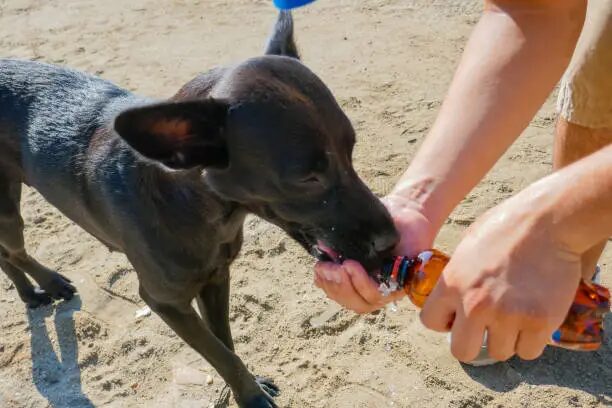
If your dog has been panting heavily after a long walk, dealing with diarrhea, or refusing water while sick, you may have wondered, can dogs drink Gatorade? It is an understandable question. Gatorade is marketed as a drink that replaces fluids and electrolytes in people, so it may seem like a useful option for a dehydrated dog.
The answer, however, is a little different for dogs.
Gatorade is not the preferred drink for dogs. For everyday hydration, fresh, clean water is the safest and most appropriate choice. PetMD’s current veterinary-reviewed guidance specifically recommends water rather than Gatorade and notes that Gatorade contains sugar, sodium, and other ingredients that dogs don’t need.
This does not mean that a dog who sneaks a few licks from your Gatorade bottle will automatically become sick. A small accidental amount is unlikely to cause serious problems in many otherwise healthy dogs. However, intentionally giving a dog a bowl of Gatorade—or using it as a treatment for dehydration—is a different matter.
Gatorade is formulated around human exercise and sweat losses. The company’s own FAQ explains that its drinks are designed to replace electrolytes such as sodium and potassium lost during human activity. It also specifically says its products are intended for humans and recommends consulting a veterinarian regarding pets.
Dogs have different hydration needs. During normal activity, a healthy dog generally doesn’t need a human sports drink to replace electrolytes. Water does the job perfectly well.
The question becomes more important when a dog is actually losing fluids through:
- Vomiting
- Diarrhea
- Heavy panting
- Hot weather
- Exercise
- Fever or illness
- Reduced water intake
In those situations, the goal shouldn’t simply be to find a flavored drink the dog will accept. You need to figure out why the dog is dehydrated and whether veterinary treatment is necessary.
Dehydration itself can become serious. According to the American Kennel Club, water is essential for virtually every major body function, while vomiting, diarrhea, heatstroke, illness, and inadequate water intake can all contribute to dehydration.
In this guide, we’ll examine can dogs drink Gatorade, what’s actually in it, whether Gatorade can help with dehydration, diarrhea, vomiting, exercise, or hot weather, and whether products such as Gatorade Zero are any better.
We’ll also discuss puppies, senior dogs, dogs with kidney disease, diabetes, pancreatitis, or heart disease, plus safer alternatives and what to do if your dog accidentally drinks too much Gatorade.
2. Quick Answer: Can Dogs Drink Gatorade?
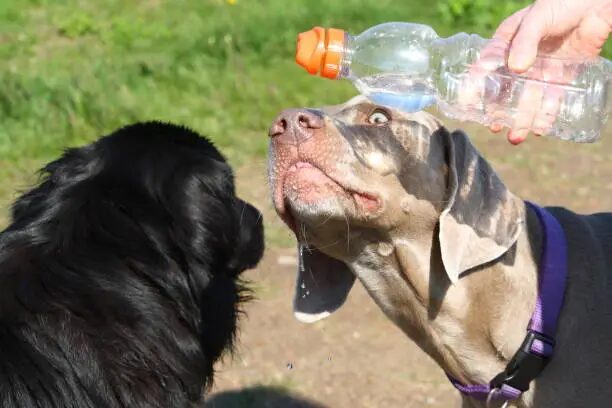
Dogs generally should not be given Gatorade as a regular or primary source of hydration.
For most healthy dogs, fresh water is the best everyday drink. PetMD’s veterinarian-reviewed guidance says Gatorade is not recommended because of its sugar, sodium, and other ingredients, even though a small accidental sip is unlikely to cause serious harm in most healthy dogs.
Why isn’t Gatorade recommended?
It is designed for human athletes, not dogs.
Depending on the product, Gatorade may contain:
- Sugar or other carbohydrates
- Sodium
- Potassium
- Flavorings
- Coloring ingredients
- Other additives
Some of these ingredients have a legitimate purpose for people exercising and sweating heavily. But a healthy dog relaxing at home does not normally need them.
A few sips vs. a full bowl
This distinction is important.
| Situation | General Approach |
|---|---|
| One or two accidental sips | Usually monitor a healthy dog |
| A small accidental amount | Check the product and watch for stomach upset |
| Large quantity | Contact a veterinarian for guidance |
| Gatorade given routinely | Not recommended |
| Dog is dehydrated | Water and veterinary assessment are preferred |
| Dog is severely dehydrated | Veterinary fluid therapy may be necessary |
| Sugar-free/specialty product | Check ingredients carefully |
Gatorade’s official FAQ states that its products are intended for humans and recommends checking with a veterinarian for pets.
So the practical answer is:
A few accidental sips are not the same as recommending Gatorade as a dog drink. For normal hydration, choose water.
When a dog is vomiting, has diarrhea, or is significantly dehydrated, don’t assume an electrolyte drink will solve the problem. The dog may need veterinary treatment, and the underlying illness needs to be addressed.
3. Why Do People Want to Give Dogs Gatorade?
The idea makes sense at first glance.
When people become dehydrated, sports drinks can help replace fluids and electrolytes lost through sweat. Gatorade’s own information explains that sodium and potassium are electrolytes involved in fluid balance, muscle function, and nerve communication.
So when a dog loses fluids, owners may naturally think:
“Wouldn’t electrolytes help my dog too?”
Sometimes electrolyte replacement can indeed be medically appropriate—but that doesn’t mean Gatorade is automatically the right product.
Gatorade for Dehydrated Dogs
A dehydrated dog has lost more fluid than it is taking in.
That can happen because of:
- Vomiting
- Diarrhea
- Heat
- Excessive panting
- Fever
- Illness
- Lack of access to water
- Certain underlying medical conditions
The American Kennel Club notes that dehydration also involves loss of electrolytes such as sodium, chloride, and potassium.
That may make Gatorade sound logical.
But the important question isn’t simply “Does the dog need electrolytes?”
It’s:
“Why is the dog dehydrated, how dehydrated is the dog, and what fluid therapy is appropriate?”
A mildly thirsty dog after a walk may simply need water.
A dog with severe dehydration from repeated vomiting may need subcutaneous or intravenous fluids administered by a veterinarian.
Those are very different situations.
Gatorade for Dogs With Diarrhea
Diarrhea causes the body to lose water and electrolytes, which is why some owners search for Gatorade for dogs with diarrhea.
However, giving Gatorade doesn’t treat the reason the dog has diarrhea.
Diarrhea can result from:
- Dietary changes
- Eating garbage or spoiled food
- Parasites
- Infections
- Food intolerance
- Food allergy
- Stress
- Pancreatitis
- Inflammatory gastrointestinal disease
- Other illnesses
A sugary sports drink may also be a poor choice for an already upset digestive system.
If the dog has mild diarrhea but remains bright, comfortable, and willing to drink, access to fresh water is generally much more sensible than reaching for Gatorade.
However, veterinary care is important when diarrhea is:
- Persistent
- Very watery or frequent
- Bloody
- Accompanied by vomiting
- Accompanied by weakness
- Associated with dehydration
- Occurring in a puppy
- Occurring in a senior or medically fragile dog
PetMD specifically advises contacting a veterinarian when a dog is dehydrated or losing fluids because of diarrhea.
Gatorade for Dogs That Are Vomiting
Vomiting creates a particularly tricky situation.
A vomiting dog is losing fluid, but giving a large amount of any liquid at once can trigger more vomiting.
That’s one reason Gatorade is not a magic hydration solution for vomiting dogs.
If your dog has vomited once and otherwise seems normal, the next steps may be very different from what you should do with a dog that has been vomiting repeatedly for hours.
Watch for:
- Repeated vomiting
- Unable to keep water down
- Blood in vomit
- Abdominal pain
- Severe lethargy
- Weakness
- Collapse
A dog that cannot keep even small amounts of water down may require veterinary fluid therapy.
In that situation, the priority isn’t finding a tastier drink.
The priority is getting the dog medically assessed.
Gatorade After Exercise
After normal exercise, dogs generally need water, rest, and an opportunity to cool down, not a human sports drink.
Dogs regulate body temperature differently from people. Panting plays a major role in cooling them, and they can lose moisture while exercising, particularly during hot or humid weather.
A healthy dog after an ordinary walk or play session generally does not need a sports drink.
A better post-exercise routine
- Provide fresh water.
- Let the dog rest in a cool area.
- Avoid exercise during extreme heat.
- Monitor heavy or unusual panting.
- Gradually reduce activity after intense exercise.
Gatorade isn’t necessary simply because your dog ran around the park.
Gatorade for Dogs in Hot Weather
Heat is where the question becomes especially important.
A dog exposed to extreme heat can progress from ordinary thirst to heat exhaustion or heatstroke, and heatstroke is an emergency.
Warning signs can include:
- Excessive panting
- Heavy drooling
- Weakness
- Abnormal or very red gums
- Vomiting
- Disorientation
- Collapse
The American Kennel Club emphasizes that suspected heatstroke requires immediate veterinary attention rather than home treatment alone.
Gatorade should never delay veterinary care for suspected heatstroke.
If your dog is overheated:
- Move them away from the heat.
- Begin appropriate cooling measures.
- Contact a veterinarian immediately if heatstroke is suspected.
A bottle of Gatorade is not a substitute for emergency treatment.
4. What Is Gatorade?
Gatorade is a human sports drink developed to help athletes replace fluids and electrolytes lost through sweating.
The official Gatorade FAQ explains that its drinks contain electrolytes such as sodium and potassium, and some products also contain carbohydrates to provide energy.
The basic concept is easy to understand:
Sweat → fluid loss + electrolyte loss → sports drink replaces some of both.
That can make sense for a person completing prolonged exercise in hot conditions.
But dogs don’t necessarily need the same strategy.
Common Gatorade components
Depending on the product and flavor, you may find:
- Water
- Sodium
- Potassium
- Sugar/carbohydrates
- Flavorings
- Coloring ingredients
- Other additives
The exact formulation varies.
That’s important because “Gatorade” isn’t one single ingredient list. Different products can have different amounts and different sweeteners or additives.
Gatorade’s official FAQ currently says its products are intended for humans and advises people to check with a veterinarian regarding pets.
So while the drink’s electrolyte function is real, it doesn’t automatically make it appropriate for dogs.
5. Is Gatorade Safe for Dogs?
The best answer is “not recommended,” rather than “one drop is poisonous.”
That distinction matters.
A healthy dog that sneaks a few licks from an unattended bottle of regular Gatorade is unlikely to develop severe poisoning simply from those few sips.
But that doesn’t mean you should deliberately offer Gatorade as a hydration drink.
PetMD’s current veterinary-reviewed guidance states that a small amount is unlikely to cause serious harm in many dogs but emphasizes that Gatorade is unnecessary and potentially problematic because of sugar, sodium, and other ingredients.
Potential concerns include:
- Sugar
- Sodium
- Extra calories
- Digestive upset
- Product-specific sweeteners
- Ingredients dogs don’t need
The risk also changes depending on the dog.
A healthy adult dog is different from:
- A puppy
- A senior dog
- A diabetic dog
- A dog with kidney disease
- A dog with heart disease
- A dog with pancreatitis
The amount matters too.
Small vs. large exposure
| Exposure | General Concern |
|---|---|
| One or two licks | Usually low concern in a healthy dog |
| A few sips | Generally monitor for stomach upset |
| Large amount | Veterinary advice recommended |
| Repeated servings | Not appropriate as routine hydration |
| Unknown quantity | Contact veterinarian if significant |
| Dog already sick/dehydrated | Veterinary guidance is preferable |
The goal isn’t to make owners afraid of every accidental sip.
It’s to prevent a more important mistake:
using Gatorade as though it were a canine medical treatment.
6. Gatorade Ingredients: What Should Dog Owners Know?
Here’s a simplified look at common components found in Gatorade.
| Ingredient/Component | Why It’s in Gatorade | Dog Consideration |
|---|---|---|
| Water | Hydration | ✅ Appropriate |
| Sodium | Replaces electrolytes lost during sweating | ⚠️ Usually unnecessary for routine dog hydration |
| Potassium | Electrolyte replacement | ⚠️ Usually unnecessary from a sports drink |
| Sugar/carbohydrates | Energy and fluid absorption | ⚠️ Adds unnecessary calories for most dogs |
| Flavorings | Taste | ⚠️ No specific canine need |
| Food coloring | Appearance | ⚠️ No nutritional benefit |
| Other additives | Flavor/stability | ⚠️ Depends on the product |
It’s important not to interpret the table as saying every ingredient is inherently toxic to dogs.
The issue is appropriateness and necessity.
Dogs don’t need a sports drink just because it contains electrolytes.
And when a dog is sick enough to need serious electrolyte replacement, the solution should be tailored to that dog’s condition.
Check the exact product label
This becomes especially important with:
- Gatorade Zero
- Powdered mixes
- Electrolyte products
- Specialty performance products
- Other flavored formulations
The brand name alone doesn’t tell you everything that’s in the bottle.
7. Why Is Plain Water Better for Dogs?
For everyday canine hydration, water is extremely difficult to beat.
Dogs need water for virtually every major body function, including:
- Temperature regulation
- Digestion
- Circulation
- Cellular function
- Waste removal
- Joint lubrication
- Supporting normal organ function
The American Kennel Club describes water as essential for normal canine body functions, including digestion, temperature regulation, and joint lubrication.
Unlike humans completing long endurance events, a healthy household dog generally doesn’t need carbohydrates and a sports-drink electrolyte formula every time it drinks.
Water has some obvious advantages
No sugar.
No unnecessary calories.
No artificial flavors needed.
No special formulation required.
Dogs naturally need it every day.
That is why fresh water should be available to dogs regularly.
If you’re going for a long hike, take water for the dog, not your leftover sports drink.
8. Can Dogs Drink Gatorade for Dehydration?
Gatorade should not be used as the primary treatment for canine dehydration.
Dehydration can range from mild to severe.
A dog that is mildly thirsty after exercise may simply need access to fresh water.
A dog with significant fluid loss may require professional treatment.
Mild fluid loss
Possible signs may include:
- Increased thirst
- Mild tiredness
- Slightly dry gums
A dog that is still alert, willing to drink, and otherwise behaving normally may be monitored closely while being offered fresh water.
Moderate dehydration
The dog may show:
- More obvious lethargy
- Dry or sticky gums
- Thick saliva
- Reduced appetite
- Reduced skin elasticity
- Sunken-looking eyes
This deserves more caution and may warrant veterinary assessment.
Severe dehydration
Signs may include:
- Severe weakness
- Collapse
- Marked lethargy
- Very abnormal gum color
- Minimal urine
- Persistent vomiting
- Inability to keep water down
Severe dehydration is a medical problem.
A veterinarian may use:
- Oral fluids in selected cases
- Subcutaneous fluids
- Intravenous fluids
- Electrolyte correction
- Treatment aimed at the underlying cause
The American Kennel Club notes that veterinary fluid therapy may be required for significant dehydration and that the underlying cause needs to be addressed.
Signs of Dehydration in Dogs
| Sign | What It May Indicate |
|---|---|
| Dry or sticky gums | Possible dehydration |
| Thick saliva | Fluid deficit |
| Lethargy | Dehydration or underlying illness |
| Sunken-looking eyes | More significant fluid loss |
| Reduced skin elasticity | Possible dehydration |
| Reduced urination | Possible fluid deficit |
| Weakness | Potentially more serious dehydration or illness |
Home checks can be useful clues, but they aren’t perfect.
For example, the skin-tent test can be misleading in some dogs, particularly dogs with naturally loose or wrinkled skin. The AKC advises looking at several signs rather than relying on one test alone.
9. Can Dogs Drink Gatorade for Diarrhea?
Many owners search “can dogs drink Gatorade for diarrhea” because diarrhea can clearly cause fluid loss.
But the answer remains:
Gatorade is not a substitute for veterinary assessment or appropriate rehydration treatment.
Diarrhea causes more than a simple loss of water. Depending on its severity, the dog may also lose electrolytes.
That’s why electrolyte therapy can sometimes be appropriate.
But the type and amount should depend on the dog’s condition.
Why Gatorade isn’t automatically a good choice
- It contains sugar.
- It contains sodium.
- It may contain other additives.
- It does not treat the cause of diarrhea.
- A large amount may upset the stomach further.
- It may give owners a false sense that the dehydration problem has been solved.
When diarrhea needs veterinary attention
Contact a veterinarian if your dog has:
- Blood in the stool
- Persistent diarrhea
- Repeated watery stools
- Vomiting
- Dehydration
- Significant weakness
- Loss of appetite
- Severe abdominal pain
Be especially cautious with:
- Puppies
- Senior dogs
- Very small breeds
- Dogs with chronic illness
The AKC identifies vomiting and diarrhea as common causes of dehydration and notes that puppies, senior dogs, nursing mothers, and toy breeds can have increased dehydration risk.
10. Can Dogs Drink Gatorade After Vomiting?
A vomiting dog may lose fluids quickly, but that doesn’t mean Gatorade is the solution.
In fact, giving a large quantity of any liquid to a dog immediately after repeated vomiting may trigger more vomiting.
The first question should be:
Can the dog keep any fluid down?
If the answer is no, this is no longer simply a beverage-choice question.
The dog may need veterinary treatment.
Warning signs include:
- Repeated vomiting
- Unable to keep water down
- Blood in vomit
- Severe abdominal pain
- Marked lethargy
- Weakness
- Collapse
Don’t force large quantities of Gatorade—or water—into a vomiting dog.
A veterinarian can advise you about appropriate fluid administration based on the dog’s condition.
PetMD specifically recommends contacting a veterinarian when a dog is dehydrated or losing fluids through vomiting or diarrhea.
11. Can Dogs Drink Gatorade After Exercise?
For normal exercise, water is the better choice.
A healthy dog that has just finished a walk, played fetch, or spent time running around the yard generally doesn’t need a human sports drink.
Instead:
- Offer fresh water.
- Let the dog rest.
- Provide shade.
- Move indoors or somewhere cool when appropriate.
- Watch the intensity of panting.
- Avoid strenuous exercise during extreme heat.
Dogs do lose fluids through panting, so hydration after exercise is important. But that doesn’t make a sports drink necessary.
What about very intense exercise?
For working dogs, endurance dogs, or dogs performing strenuous activity in unusual conditions, nutritional and electrolyte needs can be more complicated.
That’s an area where a veterinarian—ideally one familiar with canine sports medicine or working-dog nutrition—can provide individualized guidance.
A generic bottle of Gatorade is not a substitute for that plan.
12. Can Dogs Drink Gatorade in Hot Weather?
Fresh water should be the foundation of hydration in hot weather.
Gatorade doesn’t make heat exposure safe.
A dog that is simply thirsty after spending a little time outdoors is different from a dog showing signs of heatstroke.
Possible warning signs of heat-related illness include:
- Excessive panting
- Heavy drooling
- Weakness
- Abnormal gum color
- Vomiting
- Disorientation
- Collapse
Heatstroke can rapidly become life-threatening.
Do not sit at home giving Gatorade and waiting for the dog to improve.
Move the dog away from the heat, begin appropriate cooling, and contact a veterinarian immediately if heatstroke is suspected.
The AKC specifically identifies suspected heatstroke as a medical emergency requiring immediate veterinary attention.
13. Can Dogs Drink Gatorade Zero?
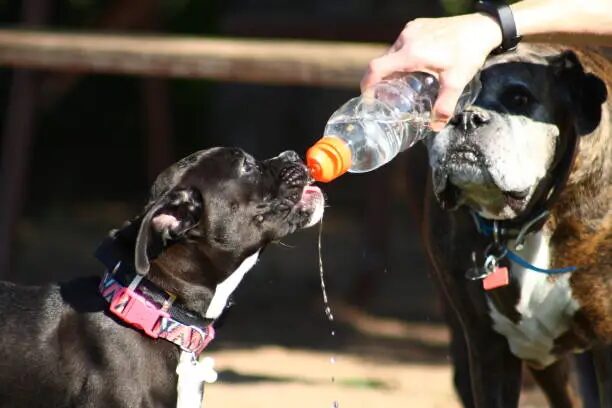
This is where the phrase “zero sugar” can be misleading.
Gatorade Zero contains no sugar, but it is still a human sports drink containing electrolytes and other ingredients. Gatorade’s official FAQ states that Gatorade Zero contains sodium and potassium electrolytes and is designed for human hydration.
So:
Gatorade Zero is not automatically a dog-friendly drink simply because it has zero sugar.
Why check the label?
Different beverages can contain different:
- Sweeteners
- Flavorings
- Electrolyte levels
- Additives
- Other ingredients
Xylitol is particularly dangerous to dogs if it is present in a product. Don’t assume a sugar-free beverage is safe without checking the ingredient list.
For any sugar-free or specialty product, keep the container and ingredient label available if your dog has consumed a significant amount.
14. Can Dogs Drink Gatorade With Electrolytes?
Gatorade already contains electrolytes.
The question is whether your dog needs those electrolytes from Gatorade.
For a healthy dog living a normal life, generally no.
A balanced dog diet and ordinary water intake usually provide what is needed for normal electrolyte balance.
Electrolyte replacement becomes more relevant when the body is experiencing significant fluid loss, such as from:
- Severe diarrhea
- Persistent vomiting
- Heat illness
- Certain diseases
- Major fluid losses
Even then, more electrolytes aren’t automatically better.
Too much or too little of certain electrolytes can cause problems.
This is why veterinary-directed fluid therapy is preferable when a dog is actually ill.
15. Can Puppies Drink Gatorade?
Generally, no. Puppies should not be given Gatorade as a routine drink.
Puppies are still developing, and their nutritional requirements are different from those of adult dogs. They also have smaller bodies, meaning a relatively small amount of a concentrated or unnecessary ingredient can represent a larger exposure relative to body weight.
For normal hydration, fresh water is the better option.
This is especially important when a puppy has diarrhea or vomiting. Puppies can become dehydrated more quickly than healthy adult dogs, so the focus should be on determining why fluids are being lost rather than simply replacing them with a human sports drink.
When should a puppy see a veterinarian?
Seek veterinary advice when a puppy has:
- Repeated vomiting
- Persistent diarrhea
- Blood in vomit or stool
- Refusal to drink
- Inability to keep water down
- Significant lethargy
- Weakness
- Dry or sticky gums
- Collapse
A puppy with significant dehydration may require veterinary fluid therapy.
Can homemade electrolyte water be given to puppies?
Don’t prepare a homemade electrolyte solution unless a veterinarian specifically recommends one. Incorrect amounts of salt, sugar, or other ingredients can create additional problems.
For ordinary hydration, keep it simple:
Fresh water is the default drink for puppies.
16. Can Senior Dogs Drink Gatorade?
Senior dogs generally don’t need Gatorade either.
Older dogs may be more likely to have medical conditions that affect hydration, fluid balance, or electrolyte handling.
For example, a senior dog may have:
- Kidney disease
- Heart disease
- Diabetes
- Gastrointestinal disease
- Liver disease
- Reduced appetite
- Chronic vomiting or diarrhea
In these situations, adding a human sports drink without veterinary guidance may be inappropriate.
Why sodium and potassium matter
Some senior dogs have diets designed around specific levels of:
- Sodium
- Potassium
- Protein
- Phosphorus
- Fluids
Adding Gatorade can introduce nutrients that weren’t part of the veterinarian’s nutritional plan.
For a healthy senior dog after a normal walk, fresh water is still the sensible choice.
For a sick senior dog showing signs of dehydration, contact your veterinarian rather than relying on Gatorade.
17. Can Dogs With Kidney Disease Drink Gatorade?
Dogs with kidney disease should not be given Gatorade routinely unless their veterinarian specifically recommends it.
Kidney disease can affect the body’s ability to regulate fluid and electrolyte balance.
Depending on the dog’s condition, the veterinarian may need to consider:
- Sodium
- Potassium
- Phosphorus
- Hydration status
- Blood pressure
- Kidney function
- Existing medications
- Prescription diet
This makes a human sports drink a poor choice for self-treatment.
Why isn’t “more electrolytes” automatically better?
Because electrolytes must remain within an appropriate range.
A dog with kidney disease may handle certain minerals differently from a healthy dog. Adding a sports drink without knowing the dog’s bloodwork or fluid status can therefore be counterproductive.
A dog with chronic kidney disease may already have a carefully formulated diet and treatment plan.
Follow that plan rather than improvising with Gatorade.
18. Can Dogs With Diabetes Drink Gatorade?
Regular Gatorade contains carbohydrates and sugar, so it isn’t a sensible routine beverage for a diabetic dog.
Dogs with diabetes often need consistent feeding, careful calorie management, and veterinary monitoring.
A sugary drink may add unnecessary carbohydrate and calories to the diet.
What about Gatorade Zero?
Zero-sugar does not automatically mean suitable.
The exact ingredients still matter, and sugar-free products can contain different sweeteners and additives.
Never assume that a product is safe for a diabetic dog simply because it says:
“Zero sugar.”
If your diabetic dog is dehydrated, vomiting, or refusing food and water, contact your veterinarian. These symptoms can affect diabetes management and may require prompt treatment.
19. Can Dogs With Pancreatitis Drink Gatorade?
Don’t use Gatorade as a home treatment for pancreatitis.
Dogs with pancreatitis may experience:
This can make owners understandably desperate to find something their dog will drink.
But the correct treatment depends on the severity of the pancreatitis and the dog’s overall condition.
Gatorade contains sugar and other ingredients that aren’t necessarily appropriate for a dog with gastrointestinal disease.
More importantly
A dog with pancreatitis and repeated vomiting or diarrhea may need:
- Veterinary assessment
- Prescription medication
- Fluid therapy
- Pain management
- Nutritional management
- Monitoring
Don’t let the fact that a dog willingly drinks Gatorade create a false sense of security.
Accepting a drink doesn’t mean the underlying medical problem is being treated.
20. Can Dogs With Heart Disease Drink Gatorade?
Dogs with some forms of heart disease may need careful sodium management.
Because sports drinks can contain meaningful amounts of sodium, routinely giving Gatorade to a dog with heart disease isn’t a good idea unless the veterinarian specifically approves it.
A dog with heart disease may already have a nutritional and medication plan designed around:
- Sodium intake
- Fluid balance
- Body weight
- Blood pressure
- Kidney function
Adding human sports drinks can interfere with that carefully managed routine.
For these dogs, follow the veterinarian’s recommendations about both food and fluids.
21. Can Dogs Drink Gatorade for Heat Exhaustion?
No. Gatorade is not a treatment for heat exhaustion or heatstroke.
If your dog is overheated, the priority is getting them away from the heat and assessing their condition.
Possible warning signs of serious heat-related illness include:
- Excessive panting
- Heavy drooling
- Weakness
- Unusual gum color
- Vomiting
- Confusion or disorientation
- Difficulty standing
- Collapse
What should you do?
Move the dog to a cooler environment and begin appropriate cooling measures while arranging veterinary care.
If heatstroke is suspected, seek emergency veterinary attention immediately.
Don’t spend valuable time trying to persuade the dog to drink Gatorade.
22. Can Dogs Drink Gatorade for an Upset Stomach?
This is a common home-remedy idea, but Gatorade isn’t the best answer to an upset stomach.
A dog with mild stomach upset may simply need careful dietary management and access to fresh water.
A dog with serious gastrointestinal illness may need veterinary treatment.
Why Gatorade may not help
It can contain:
- Sugar
- Sodium
- Flavorings
- Other additives
These ingredients don’t address the underlying reason for vomiting or diarrhea.
In some dogs, large quantities of a sweetened beverage may also contribute to further digestive upset.
If your dog has a persistent upset stomach, focus on why they’re sick, not simply what beverage they will drink.
23. Can Dogs Drink Gatorade Every Day?
No. Gatorade should not be a dog’s everyday drink.
Dogs don’t need a sports drink as part of their normal hydration routine.
Daily use could unnecessarily add:
- Sugar
- Calories
- Sodium
- Flavorings
- Other additives
And there’s another practical issue: if a dog becomes accustomed to flavored drinks, it may make plain water seem less appealing.
That’s the opposite of what you want.
For daily hydration:
Fresh water should be the standard.
You can improve water access by:
- Keeping multiple bowls around the house
- Cleaning bowls regularly
- Refreshing water frequently
- Carrying water on walks
- Offering extra water during hot weather
24. How Much Gatorade Can a Dog Drink?
There is no universal recommended serving size of Gatorade for dogs.
That’s an important distinction from human nutrition.
You may find websites suggesting a certain number of teaspoons or ounces based on body weight, but giving a universal dose isn’t appropriate because:
- Product formulations vary.
- Dogs differ in size.
- Dogs have different health conditions.
- The reason for giving the drink matters.
- Dehydration severity varies.
- Some dogs may be on prescription diets.
A few accidental sips
For many healthy dogs, a few accidental sips of regular Gatorade are unlikely to cause serious problems.
A full bowl
That’s a different situation.
If your dog consumes a large amount, particularly if the product is sugar-free, highly concentrated, or contains unfamiliar ingredients, contact your veterinarian.
Call a veterinarian promptly if:
- A large amount was consumed.
- The product was sugar-free or unfamiliar.
- Your dog has kidney, heart, liver, or metabolic disease.
- The dog is a puppy or frail senior.
- Vomiting or diarrhea occurs.
- Your dog becomes lethargic or weak.
25. What Happens If a Dog Drinks Gatorade?
The effect depends on how much was consumed and which product it was.
After a few accidental sips, many healthy dogs may show no obvious symptoms.
A larger amount may cause:
- Diarrhea
- Vomiting
- Gas
- Abdominal discomfort
- Increased thirst
- Unnecessary calorie intake
Some dogs may simply dislike the taste and refuse more.
When is it concerning?
The concern increases when:
- A large amount was consumed.
- The dog is already ill.
- The dog has a medical condition affecting fluid or electrolyte balance.
- The product contains an ingredient of particular concern.
- Severe digestive symptoms develop.
Keep the bottle or package available if you need to call your veterinarian.
The exact product information can help them assess the exposure.
26. What If a Dog Drinks a Large Amount of Gatorade?
If your dog has consumed a large quantity, don’t panic—but don’t ignore it either.
Step 1: Remove Access
Take the bottle or bowl away so the dog cannot drink more.
Step 2: Identify the Product
Find out:
- Exact Gatorade product
- Flavor
- Regular or zero-sugar
- Powder or ready-to-drink version
Step 3: Check the Ingredient Label
Look for:
- Sweeteners
- Sodium
- Potassium
- Other additives
Step 4: Estimate the Amount
Try to determine approximately how much your dog drank.
Even an estimate helps.
Step 5: Monitor
Watch for:
- Vomiting
- Diarrhea
- Excessive thirst
- Abdominal discomfort
- Weakness
- Lethargy
Step 6: Contact a Veterinarian When Appropriate
Veterinary advice is particularly important after a large exposure or when the dog has an underlying health condition.
Keep the container
If you need professional advice, having the bottle, label, or ingredient list available can make the conversation much easier.
27. Can Gatorade Cause Diarrhea in Dogs?
It can potentially contribute to digestive upset, especially if a dog drinks a large amount of an unfamiliar sugary beverage.
The exact effect varies between products and individual dogs.
Possible factors include:
- Sugar
- Large fluid volume consumed quickly
- Flavorings
- Other additives
- Existing gastrointestinal sensitivity
But diarrhea after Gatorade does not automatically mean the drink itself was the only cause.
The dog may already have an underlying illness.
Don’t fall into this cycle:
Diarrhea → Gatorade → more diarrhea → more Gatorade
That doesn’t address the original problem.
If diarrhea persists, contains blood, or occurs with vomiting or weakness, veterinary assessment is more appropriate.
28. Can Gatorade Cause Vomiting in Dogs?
A large amount of a sweetened or flavored beverage can potentially upset the stomach, particularly in a dog that isn’t accustomed to it.
Vomiting may also occur because of the underlying illness that caused the owner to offer Gatorade in the first place.
For example:
Dog has gastrointestinal illness → dog becomes dehydrated → owner offers Gatorade → dog vomits.
In that situation, the Gatorade may not be the original problem at all.
Seek veterinary care when:
- Vomiting happens repeatedly.
- The dog cannot keep water down.
- There is blood in the vomit.
- The dog appears painful.
- The dog becomes weak or lethargic.
- The dog collapses.
Persistent vomiting can cause dehydration quickly and may require professional fluid therapy.
29. Gatorade vs. Water for Dogs
This comparison is straightforward.
| Factor | Water | Gatorade |
|---|---|---|
| Everyday hydration | ✅ Best choice | ❌ Not needed |
| Sugar | None | Usually present in regular versions |
| Calories | Zero | Can contain calories |
| Electrolytes | Obtained appropriately through normal diet and body regulation | Added intentionally |
| Designed for dogs | ✅ Appropriate for hydration | ❌ Designed for humans |
| Routine use | ✅ Recommended | ❌ Not recommended |
| Medical fluid replacement | May be part of care | Only if specifically directed |
| Easy to provide | ✅ Yes | Less appropriate |
For ordinary hydration, water wins easily.
There is no need to make normal drinking complicated.
30. Gatorade vs. Pedialyte for Dogs
Pet owners often move from one human electrolyte drink to another and ask whether Pedialyte is better than Gatorade for dogs.
The important point is that both products are designed primarily for human use.
Neither should automatically be treated as a canine medication.
Can a veterinarian use an electrolyte solution?
In selected circumstances, a veterinarian may recommend an oral electrolyte solution for a dog.
But that decision depends on:
- Hydration status
- Cause of fluid loss
- Age
- Weight
- Electrolyte levels
- Kidney function
- Other health conditions
What about severe dehydration?
Human electrolyte drinks are not substitutes for veterinary IV or subcutaneous fluids when a dog is significantly dehydrated.
So the better question isn’t:
“Which human electrolyte drink should I buy?”
It’s:
“Does my dog need veterinary-directed electrolyte therapy?”
For everyday hydration, the answer is usually no.
Fresh water remains the default.
31. Are Electrolyte Drinks Good for Dogs?
Electrolytes are essential nutrients.
Important electrolytes include:
- Sodium
- Potassium
- Chloride
They help support:
- Fluid balance
- Nerve function
- Muscle function
- Normal cellular activity
But the fact that electrolytes are essential does not mean extra electrolytes are always beneficial.
A healthy dog generally maintains electrolyte balance through normal food intake and body regulation.
Supplementation becomes more relevant when there are significant losses due to:
- Severe vomiting
- Persistent diarrhea
- Heat illness
- Certain diseases
- Major fluid loss
In those situations, the type and amount of electrolyte replacement may need to be determined professionally.
32. Signs of Dehydration in Dogs
Knowing the signs of dehydration is much more useful than memorizing which sports drink to use.
| Sign | What It May Indicate |
|---|---|
| Dry or sticky gums | Possible dehydration |
| Thick or stringy saliva | Fluid deficit |
| Lethargy | Dehydration or underlying illness |
| Sunken-looking eyes | Possible more significant dehydration |
| Reduced skin elasticity | Possible fluid loss |
| Reduced urination | Potential dehydration |
| Weakness | More serious dehydration or illness |
One caution about home dehydration tests
The skin-tent test isn’t perfectly reliable in every dog.
Age, body condition, and skin elasticity can influence the result.
So don’t rely on a single test to determine whether your dog needs treatment.
33. How to Hydrate a Dehydrated Dog Safely
For a dog that is mildly thirsty and otherwise healthy:
1. Offer Fresh Water
Make clean water easily accessible.
2. Let the Dog Drink at Their Own Pace
Don’t force large amounts.
3. Offer Small Frequent Drinks When Appropriate
This can be useful when a dog is willing to drink but has a sensitive stomach.
4. Keep the Dog Cool
Especially after exercise or heat exposure.
5. Watch for Symptoms
Monitor appetite, energy, vomiting, diarrhea, gum moisture, and urination.
6. Contact Your Veterinarian When Dehydration Is Significant
A dog that is moderately or severely dehydrated may need professional care.
7. Treat the Underlying Cause
Dehydration is a symptom, not a diagnosis.
If diarrhea, vomiting, kidney disease, or another illness is causing fluid loss, treating only the dehydration won’t solve the problem.
34. Can Dogs Drink Sports Drinks Other Than Gatorade?
The same basic rule applies to most human sports drinks.
Examples include:
- Powerade
- BodyArmor
- Liquid I.V.
- Electrolyte powders
- Other hydration beverages
These products can vary substantially in:
- Sugar
- Sodium
- Potassium
- Sweeteners
- Flavorings
- Caffeine
- Other stimulants
What about energy drinks?
Avoid energy drinks completely.
Caffeine can be dangerous to dogs, and many energy drinks contain other stimulants that are inappropriate for pets.
Don’t assume that because a beverage is marketed as a “hydration” or “electrolyte” product it is automatically safe for dogs.
Always consider the actual ingredient list.
35. Can Dogs Drink Homemade Electrolyte Water?
Don’t make homemade electrolyte mixtures for a dog unless your veterinarian specifically instructs you to do so.
It might sound simple:
“Just add some salt and sugar to water.”
But the proportions matter.
Too much or too little of an electrolyte can be problematic, and the correct fluid composition depends on the dog’s medical condition.
A homemade recipe found online may be completely inappropriate for:
- Puppies
- Kidney patients
- Diabetic dogs
- Dogs with heart disease
- Severely dehydrated dogs
For ordinary hydration, plain water is safer and simpler.
When electrolyte therapy is genuinely necessary, ask your veterinarian what product and amount are appropriate.
36. Common Mistakes Dog Owners Make With Gatorade
Giving a Full Bowl of Gatorade
A dog does not need Gatorade as its normal drinking water.
Using It for Everyday Hydration
Fresh water should be the routine beverage.
Giving It Instead of Seeing a Veterinarian
A sports drink doesn’t treat serious dehydration, heatstroke, persistent vomiting, or severe diarrhea.
Assuming Electrolytes Are Always Beneficial
Dogs need appropriate electrolyte balance—not unlimited electrolyte intake.
Ignoring Sugar
Regular Gatorade can contribute unnecessary sugar and calories.
Ignoring Sodium
Dogs with certain health conditions may need sodium carefully controlled.
Using Sugar-Free Products Without Checking Ingredients
“Zero sugar” does not automatically mean dog-safe.
Treating Heatstroke at Home
Heatstroke requires urgent veterinary care.
Giving Gatorade Repeatedly for Diarrhea
Repeated diarrhea needs assessment, not simply more sports drink.
Using Human Electrolyte Products Without Veterinary Advice
A product designed for people is not automatically an appropriate canine medical treatment.
37. Myths About Dogs and Gatorade
Myth 1: Dogs Need Gatorade After Exercise
False.
Healthy dogs generally need water after normal exercise.
Myth 2: Gatorade Hydrates Dogs Better Than Water
False.
Water is the preferred everyday drink.
Myth 3: Electrolytes Are Always Good for Dogs
False.
Electrolytes are essential, but unnecessary supplementation isn’t automatically beneficial.
Myth 4: Gatorade Treats Dehydration
Not reliably.
The cause and severity of dehydration determine what treatment is required.
Myth 5: Gatorade Is a Good Treatment for Diarrhea
No.
It doesn’t address the underlying cause and may contribute to gastrointestinal upset in some dogs.
Myth 6: Gatorade Zero Is Automatically Safe
False.
Zero sugar doesn’t mean zero concern. Check the full ingredient list.
Myth 7: Puppies Need Gatorade
No.
Puppies need appropriate nutrition and water. Illness-related dehydration requires veterinary attention.
Myth 8: Gatorade Can Treat Heatstroke
Absolutely not.
Heatstroke is an emergency.
Myth 9: All Sports Drinks Are Safe for Dogs
False.
Different products contain different ingredients, including some that may be dangerous.
Myth 10: Homemade Electrolyte Water Is Always Safer
No.
Incorrect electrolyte concentrations can be harmful.
38. Frequently Asked Questions About Dogs and Gatorade
Can dogs drink Gatorade?
Dogs can physically drink it, but Gatorade is not recommended as a regular drink. Fresh water is the preferred choice.
Is Gatorade safe for dogs?
A few accidental sips are unlikely to cause serious problems in many healthy dogs, but large amounts and routine use are not recommended.
Can dogs drink Gatorade for dehydration?
Gatorade should not be the primary treatment for canine dehydration. Significant dehydration requires veterinary assessment.
Can dogs drink Gatorade for diarrhea?
It is not a substitute for treating diarrhea or the fluid losses it causes. Fresh water and veterinary advice are preferable.
Can dogs drink Gatorade after vomiting?
Not as a routine treatment. A dog that repeatedly vomits or cannot keep fluids down needs veterinary assessment.
Can dogs drink Gatorade after exercise?
Healthy dogs generally need water after exercise rather than a sports drink.
Can dogs drink Gatorade in hot weather?
Fresh water is preferred. Suspected heatstroke requires immediate veterinary care.
Can dogs drink Gatorade Zero?
Don’t assume it’s safe simply because it contains no sugar. Check the exact ingredients.
Can dogs drink Gatorade with electrolytes?
Gatorade already contains electrolytes, but healthy dogs generally don’t need a sports drink to replace them after normal activity.
Can puppies drink Gatorade?
It’s best to avoid it. Water is the preferred routine drink for puppies.
Can senior dogs drink Gatorade?
Senior dogs generally don’t need Gatorade, and those with kidney, heart, or metabolic conditions may be particularly unsuitable candidates.
Can dogs with kidney disease drink Gatorade?
Only if a veterinarian specifically recommends it. Kidney disease can affect electrolyte and fluid balance.
Can dogs with diabetes drink Gatorade?
Regular Gatorade contains sugar and isn’t a suitable routine drink for diabetic dogs.
Can dogs with pancreatitis drink Gatorade?
Don’t use Gatorade to treat pancreatitis. A sick dog with vomiting or dehydration should be evaluated by a veterinarian.
Can dogs with heart disease drink Gatorade?
Avoid routine use unless specifically approved by the veterinarian because sodium may need to be controlled.
How much Gatorade can a dog drink?
There isn’t a universal recommended dose. A few accidental sips are different from a large amount or routine feeding.
What happens if my dog drinks Gatorade?
A small exposure may cause no noticeable effect. Larger amounts can potentially cause stomach upset or contribute unnecessary sugar and sodium.
What happens if a dog drinks too much Gatorade?
Possible effects include vomiting, diarrhea, abdominal discomfort, increased thirst, and excessive calorie or sodium intake. Contact a veterinarian after a large exposure or if symptoms develop.
Can Gatorade cause diarrhea in dogs?
It may contribute to digestive upset, especially in large amounts, but diarrhea may also reflect an underlying illness.
Can Gatorade cause vomiting in dogs?
A large amount of an unfamiliar sweetened beverage may upset the stomach. Persistent vomiting warrants veterinary assessment.
Is Gatorade better than water for dogs?
No. Water is the better choice for routine canine hydration.
Is Pedialyte better than Gatorade for dogs?
Neither should automatically be considered a dog treatment. Ask your veterinarian whether a particular electrolyte solution is appropriate.
Are electrolyte drinks safe for dogs?
Some veterinarian-directed electrolyte solutions may be used in selected circumstances, but human sports drinks should not be routinely substituted for veterinary treatment.
Can dogs drink Powerade?
It is generally better to avoid human sports drinks such as Powerade for routine dog hydration.
Can dogs drink BodyArmor?
Don’t use it as a routine dog beverage. Check the specific product’s ingredients and consult a veterinarian for medically necessary electrolyte replacement.
Can dogs drink Liquid I.V.?
Do not assume a human electrolyte powder is suitable for dogs. Ingredient concentrations vary, so veterinary guidance is preferable.
Can dogs drink electrolyte powder?
Only when an appropriate product and amount have been recommended by a veterinarian.
Can dogs drink homemade electrolyte water?
Don’t give homemade electrolyte mixtures without veterinary instructions.
What should I give my dehydrated dog?
Fresh water may be appropriate for mild thirst in a healthy dog, but significant dehydration requires veterinary evaluation and potentially professional fluid therapy.
What are the signs of dehydration in dogs?
Dry gums, thick saliva, lethargy, reduced urination, weakness, sunken eyes, and reduced skin elasticity can occur, although home signs aren’t always reliable.
Can Gatorade treat heatstroke in dogs?
No. Heatstroke is an emergency and requires immediate veterinary care.
Can Gatorade help a dog with an upset stomach?
It isn’t a recommended treatment. A persistent or severe upset stomach should be evaluated by a veterinarian.
39. Safe Hydration Checklist for Dog Owners
✅ Do
- Provide fresh, clean water every day.
- Keep multiple water bowls available if helpful.
- Refresh water regularly.
- Carry water during long walks and hikes.
- Watch for signs of dehydration.
- Contact a veterinarian for significant dehydration.
- Follow veterinary instructions for electrolyte products.
- Keep dogs cool in hot weather.
❌ Don’t
- Use Gatorade as your dog’s regular water.
- Give a large bowl of Gatorade.
- Assume electrolytes are always necessary.
- Use Gatorade instead of veterinary treatment.
- Give sugar-free beverages without checking ingredients.
- Treat suspected heatstroke with Gatorade.
- Make homemade electrolyte solutions without guidance.
- Force large amounts of fluid into a vomiting dog.
40. Gatorade vs. Other Hydration Options for Dogs
| Hydration Option | General Recommendation | Main Consideration |
|---|---|---|
| Fresh water | ✅ Best choice | Ideal everyday hydration |
| Veterinary oral electrolyte solution | ⚠️ Vet-directed | Used in selected medical situations |
| Gatorade | ⚠️ Generally not recommended | Human formulation, sugar/sodium |
| Powerade | ⚠️ Generally avoid | Human sports drink |
| Energy drinks | ❌ Avoid | Caffeine and other stimulants |
| Sugary drinks | ❌ Avoid | Unnecessary sugar |
| Homemade electrolyte water | ⚠️ Vet-directed | Incorrect ratios can be harmful |
The purpose isn’t to find a drink that contains the most electrolytes.
The goal is to give the dog the right hydration strategy for the situation.
For a healthy dog on a normal day, that strategy is usually just water.
Conclusion: Can Dogs Drink Gatorade?
So, can dogs drink Gatorade? The best answer is Gatorade is not recommended as a regular drink for dogs. For everyday hydration, fresh, clean water is the safest and simplest choice.
A few accidental sips of regular Gatorade are unlikely to cause serious problems in many healthy dogs. However, that is very different from intentionally giving Gatorade to your dog, especially as a treatment for dehydration, diarrhea, vomiting, or heat-related illness.
Gatorade is formulated for human hydration and electrolyte replacement, and it can contain sugar, sodium, flavorings, and other ingredients that dogs generally don’t need. Its official guidance also recommends consulting a veterinarian regarding pets.
The most important distinction is this:
Not recommended does not mean one accidental sip is automatically toxic.
The concern becomes greater when a dog drinks a large amount, consumes a specialty or sugar-free product with unfamiliar ingredients, or already has a condition such as kidney disease, diabetes, heart disease, or pancreatitis.