The Aussiedoodle has quickly become one of the most sought-after designer dog breeds in the world. Combining the intelligence of the Poodle with the loyalty and athleticism of the Australian Shepherd, this hybrid dog offers the best of both breeds. Whether you’re searching for an active hiking companion, a playful family pet, or an incredibly trainable dog, the Aussiedoodle checks nearly every box.
In this comprehensive guide, you’ll learn everything you need to know about the Aussiedoodle, including its history, appearance, size, temperament, intelligence, and care requirements. By the end, you’ll have a clear understanding of whether this lovable hybrid is the right addition to your family.
The Aussiedoodle is a cross between the Australian Shepherd and the Poodle. Although it isn’t recognized as a purebred dog, this designer breed has gained tremendous popularity over the past two decades due to its remarkable intelligence, affectionate personality, and relatively low-shedding coat.
Originally bred to combine the best characteristics of both parent breeds, Aussiedoodles are known for being:
- Highly intelligent
- Extremely affectionate
- Easy to train
- Energetic and athletic
- Excellent family companions
Unlike many designer breeds that focus primarily on appearance, the Aussiedoodle was developed with both temperament and working ability in mind. Today, these dogs excel in obedience, agility, therapy work, search-and-rescue activities, and family life.
Their cheerful personality, expressive eyes, and teddy bear-like appearance have made them one of the fastest-growing doodle breeds worldwide.
Quick Facts About the Aussiedoodle
| Feature | Details |
|---|---|
| Origin | United States |
| Parent Breeds | Australian Shepherd × Poodle |
| Breed Type | Designer Dog |
| Size | Toy, Mini, Medium, Standard |
| Weight | 10–70 pounds |
| Height | 10–24 inches |
| Lifespan | 10–15 years |
| Temperament | Intelligent, Friendly, Loyal |
| Energy Level | Very High |
| Trainability | Excellent |
| Shedding | Low to Moderate |
| Grooming Needs | Moderate to High |
| Apartment Friendly | Mini and Toy varieties are better suited |
| Family Friendly | Excellent |
What Is an Aussiedoodle?
An Aussiedoodle is a hybrid dog created by crossing an Australian Shepherd with a Poodle. Depending on the size of the Poodle parent, Aussiedoodles come in several sizes, including Toy, Mini, Medium, and Standard.
Unlike purebred dogs, no two Aussiedoodles are exactly alike. One puppy may inherit the curly coat of the Poodle, while another may resemble the Australian Shepherd with a slightly wavy coat.
Despite these differences, most Aussiedoodles share several common traits:
- Exceptional intelligence
- Friendly personality
- High energy
- Strong desire to please
- Close bond with family members
Their versatility makes them suitable for active families, singles, couples, and experienced dog owners willing to invest time in training and exercise.
History and Origin
Designer dog breeds have become increasingly popular since the late 20th century, and the Aussiedoodle is one of the most successful examples.
Although the exact origin of the breed isn’t well documented, most experts believe the Aussiedoodle first appeared in the United States during the 1990s.
Breeders wanted to combine:
- The Australian Shepherd’s athleticism and intelligence
- The Poodle’s hypoallergenic coat and trainability
The result was an energetic companion capable of excelling in sports, family life, and service work.
Unlike many trendy designer breeds, the Aussiedoodle wasn’t created simply for appearance. Instead, breeders focused on producing healthy, intelligent, and adaptable dogs.
Today, Aussiedoodles can be found in homes across North America, Europe, Australia, and many other parts of the world.
Australian Shepherd Ancestry
Despite the name, the Australian Shepherd was actually developed primarily in the United States.
Originally bred as a hardworking herding dog, Australian Shepherds are famous for their:
- Incredible stamina
- Herding instincts
- Sharp intelligence
- Problem-solving skills
- Loyalty toward their owners
These dogs were designed to work long hours managing livestock, making them one of the most energetic breeds available today.
The Australian Shepherd contributes many desirable qualities to the Aussiedoodle, including:
- Strong work ethic
- Alertness
- Confidence
- Athletic ability
- Protective instincts
- Beautiful merle coloring
Many Aussiedoodles inherit the striking blue or multi-colored eyes commonly seen in Australian Shepherds.
Poodle Ancestry
The Poodle is often misunderstood as simply a show dog, but it was originally developed as a highly skilled water retriever.
Poodles are consistently ranked among the world’s smartest dog breeds.
They contribute several valuable traits to the Aussiedoodle, including:
- Superior intelligence
- Low-shedding coat
- Excellent trainability
- Social personality
- Elegant appearance
- Long lifespan
Poodles are available in several sizes:
| Poodle Type | Typical Height |
|---|---|
| Toy | Under 10 inches |
| Miniature | 10–15 inches |
| Standard | Over 15 inches |
The size of the Poodle parent largely determines the eventual size of the Aussiedoodle puppy.
Why Breeders Created the Aussiedoodle
Breeders hoped to create a dog that offered the best characteristics of both parents.
Their goals included producing a companion that was:
- Easier on allergy sufferers
- Extremely intelligent
- Highly trainable
- Friendly with children
- Athletic enough for active families
- Loyal and affectionate
In many cases, they achieved exactly that.
Although every dog is unique, Aussiedoodles are widely regarded as one of the most balanced designer breeds available.
Aussiedoodle Appearance
One reason people fall in love with the Aussiedoodle is its incredible variety of appearances.
Since the breed inherits genes from two very different parents, every litter can produce puppies with unique combinations of colors, coat textures, and facial features.
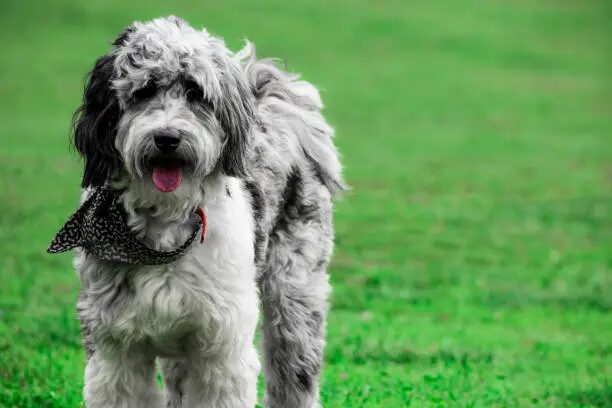
Some resemble fluffy teddy bears, while others look almost identical to Australian Shepherds with curlier coats.
Overall Physical Characteristics
Most Aussiedoodles have a well-balanced, athletic body built for movement.
Common physical features include:
- Medium-length muzzle
- Rounded skull
- Athletic frame
- Muscular legs
- Deep chest
- Soft facial expression
Their body is agile rather than bulky, making them excellent runners and jumpers.
Head and Facial Features
The head is usually proportionate to the body with a friendly, intelligent expression.
Typical facial characteristics include:
- Rounded forehead
- Medium muzzle
- Black or brown nose
- Alert ears
- Expressive eyes
One glance at an Aussiedoodle often reveals its intelligence.
Eyes
The eyes are among the breed’s most distinctive features.
Possible eye colors include:
- Brown
- Blue
- Amber
- Green
Some Aussiedoodles inherit heterochromia, where each eye is a different color.
This unique trait is especially common in dogs carrying Australian Shepherd merle genetics.
Nose
The nose color usually depends on coat pigmentation.
Common nose colors include:
- Black
- Brown
- Liver-colored
- Pink-and-black mottled
Healthy noses are moist and free of cracks or discharge.
Ears
Aussiedoodles usually inherit floppy ears similar to those of the Poodle.
Their ears hang close to the head and are covered in soft, fluffy hair.
Because of this, owners should clean the ears regularly to reduce the risk of infections.
Tail
Tail length varies considerably.
Some Aussiedoodles have:
- Long tails
- Naturally bobbed tails
- Docked tails (depending on breeder practices and local regulations)
Long tails are becoming increasingly common as docking practices decline.
Aussiedoodle Coat Types
One of the biggest attractions of this breed is its luxurious coat.
The exact coat depends on genetics, but most Aussiedoodles fall into one of three categories.
Curly Coat
The curly coat resembles the Poodle.
Characteristics include:
- Tight curls
- Lowest shedding
- Most allergy-friendly
- Requires frequent brushing
- Needs professional grooming every 6–8 weeks
This coat is ideal for owners seeking minimal shedding.
Wavy Coat
The wavy coat is the most common.
It combines the softness of the Poodle with the relaxed texture of the Australian Shepherd.
Advantages include:
- Soft appearance
- Easier maintenance
- Lower shedding
- Less matting than curly coats
- Popular teddy bear look
Many prospective owners specifically look for this coat type.
Straight Coat
Some Aussiedoodles inherit straighter hair from the Australian Shepherd.
Features include:
- Softer texture
- More natural appearance
- Easier brushing
- Slightly higher shedding
Although straight-coated Aussiedoodles may shed more, they still generally require less maintenance than many traditional double-coated breeds.
Aussiedoodle Coat Colors
One of the most exciting aspects of owning an Aussiedoodle is the incredible variety of coat colors available.
Popular colors include:
- Blue Merle
- Red Merle
- Black
- Chocolate
- Cream
- White
- Apricot
- Red
- Sable
- Parti
- Phantom
Many puppies display unique combinations of two or three colors, making every Aussiedoodle truly one of a kind.
Blue Merle
Perhaps the most recognizable color pattern, Blue Merle features patches of black, gray, white, and silver.
Dogs with this coat often have striking blue eyes or one blue eye and one brown eye.
Red Merle
Red Merles display rich copper, cream, and reddish-brown patches.
This coat gives the Aussiedoodle a warm, eye-catching appearance that many owners love.
Solid Colors
Solid-colored Aussiedoodles may be:
- Black
- Cream
- Chocolate
- Apricot
- Red
These dogs often inherit the elegant look of the Poodle while maintaining the athletic build of the Australian Shepherd.
Multi-Colored Patterns
Some Aussiedoodles feature stunning coat patterns such as:
- Parti
- Phantom
- Tuxedo
- Tri-color
These combinations make the breed one of the most visually diverse designer dogs available.
Aussiedoodle Size Guide
One of the biggest advantages of the Aussiedoodle is that it comes in several sizes. Whether you live in a city apartment or a home with a large backyard, there’s likely an Aussiedoodle that fits your lifestyle.
The puppy’s adult size depends largely on whether it was bred from a Toy, Miniature, or Standard Poodle.
| Size | Height | Weight | Best For |
|---|---|---|---|
| Toy Aussiedoodle | 10–14 inches | 10–20 lbs | Apartments, singles, seniors |
| Mini Aussiedoodle | 14–18 inches | 20–40 lbs | Families, small homes |
| Medium Aussiedoodle | 18–20 inches | 35–50 lbs | Active households |
| Standard Aussiedoodle | 20–24 inches | 45–70 lbs | Homes with yards, outdoor enthusiasts |
Toy Aussiedoodle
The Toy Aussiedoodle is the smallest version of the breed, making it a popular choice for people with limited living space.
Height
- Approximately 10–14 inches
Weight
- Usually 10–20 pounds
Ideal Owners
Toy Aussiedoodles are well suited for:
- Apartment dwellers
- Retirees
- Couples
- Singles
- Families with older children
Despite their small size, they still require daily exercise and mental stimulation.
Mini Aussiedoodle
The Mini Aussiedoodle is perhaps the most popular variety.
It offers an excellent balance between portability and athletic ability.
Average Size
- Height: 14–18 inches
- Weight: 20–40 pounds
Pros
- Easier to travel with
- Adaptable to smaller homes
- Lower food costs
- Easier handling
Cons
- Still highly energetic
- Requires regular grooming
- Can become vocal without proper training
Mini Aussiedoodles are ideal for families seeking an active companion without the space requirements of a larger dog.
Standard Aussiedoodle
The Standard Aussiedoodle is best suited to active owners who enjoy outdoor adventures.
Height
- 20–24 inches
Weight
- 45–70 pounds
Exercise Needs
Standard Aussiedoodles need significantly more activity than their smaller counterparts.
Expect to provide:
- Two long walks daily
- Off-leash play (where safe and permitted)
- Running
- Hiking
- Agility training
- Interactive games
Without enough exercise, they may develop unwanted behaviors such as excessive barking or destructive chewing.
Full-Grown Aussiedoodle
Aussiedoodles grow quickly during their first year.
Growth Timeline
| Age | Development Stage |
|---|---|
| 8 Weeks | Ready for new home |
| 3 Months | Rapid growth begins |
| 6 Months | Adolescent stage |
| 9 Months | Most height reached |
| 12 Months | Nearly adult size |
| 18–24 Months | Fully mature (especially Standard size) |
When Do They Stop Growing?
- Toy: 10–12 months
- Mini: 12–15 months
- Standard: 18–24 months
Male vs Female Differences
Male Aussiedoodles are generally:
- Taller
- Heavier
- More muscular
Females are often:
- Slightly smaller
- More agile
- Easier to manage for some owners
Individual genetics and nutrition also influence adult size.
Aussiedoodle Temperament
The Aussiedoodle is loved as much for its personality as for its appearance.
These dogs are known for being:
- Affectionate
- Loyal
- Highly social
- Intelligent
- Playful
- Eager to please
They thrive when included in family activities and enjoy spending time with their people.
Personality Traits
Loyal
Aussiedoodles form strong bonds with their families and often follow their favorite person from room to room.
Affectionate
Most love cuddling after an active day and crave human interaction.
Intelligent
They learn commands quickly and enjoy solving problems.
Social
Properly socialized Aussiedoodles usually greet new people with curiosity rather than fear.
Playful
Even as adults, many retain a puppy-like enthusiasm for games and outdoor fun.
Are Aussiedoodles Good Family Dogs?
Yes. In fact, they are often considered one of the best family-oriented designer breeds.
Around Children
With proper supervision and training, Aussiedoodles are gentle, patient, and playful with children.
Teach children to:
- Respect the dog’s space
- Avoid pulling ears or tail
- Handle the dog gently
Around Seniors
Mini and Toy Aussiedoodles can be excellent companions for active seniors who can meet their exercise needs.
Around Strangers
Most Aussiedoodles are friendly but may initially be cautious.
Early socialization helps build confidence and prevents excessive shyness.
Are Aussiedoodles Good With Other Pets?
Generally, yes.
Dogs
Most enjoy canine companionship and thrive in multi-dog households.
Cats
If introduced early, Aussiedoodles often live peacefully with cats.
Small Pets
Because Australian Shepherds have herding instincts, some Aussiedoodles may chase:
- Rabbits
- Guinea pigs
- Chickens
Proper introductions and supervision are essential.
Separation Anxiety
One of the few downsides of the breed is its tendency toward separation anxiety.
Why It Happens
Aussiedoodles:
- Love human companionship
- Form deep emotional bonds
- Become bored easily
- Dislike being left alone for long periods
Prevention Tips
- Gradually teach independence
- Use puzzle toys
- Provide enough exercise before leaving
- Avoid making departures overly emotional
- Consider dog daycare if you’re away frequently
Intelligence and Trainability
Few breeds can match the Aussiedoodle’s learning ability.
With two exceptionally intelligent parent breeds, these dogs excel in:
- Obedience
- Agility
- Therapy work
- Trick training
- Service dog tasks
How Smart Are Aussiedoodles?
Both parent breeds consistently rank among the smartest dogs.
Australian Shepherd Intelligence
Australian Shepherds are renowned for:
- Independent thinking
- Herding decisions
- Quick learning
- Excellent memory
Poodle Intelligence
Poodles are widely recognized for:
- Fast command recognition
- Problem-solving skills
- Adaptability
- Desire to work with people
Learning Ability
Many Aussiedoodles learn a new command in just a few repetitions when training is consistent and reward-based.
Training Tips
Training should begin as soon as your puppy arrives home.
Positive reinforcement produces the best results.
Reward desired behaviors with:
- Treats
- Praise
- Toys
- Playtime
Potty Training
Consistency is key.
Helpful tips include:
- Take puppies outside after meals
- Use a predictable schedule
- Praise successful potty breaks
- Avoid punishment for accidents
Most Aussiedoodles catch on quickly.
Crate Training
A crate provides:
- Security
- Safe sleeping space
- Assistance with house training
- Easier travel
Introduce the crate gradually and never use it as punishment.
Leash Training
Teach loose-leash walking early.
Practice:
- Short sessions
- Frequent rewards
- Calm walking
- Direction changes
Consistency prevents pulling habits from developing.
Recall Training
Reliable recall can be lifesaving.
Use:
- High-value treats
- Excited voice
- Long training leads
- Regular practice in safe environments
Socialization
Expose puppies to:
- New people
- Other dogs
- Children
- Different sounds
- Vehicles
- Various environments
Early experiences help produce confident, well-adjusted adults.
Common Behavioral Problems
Like all intelligent dogs, Aussiedoodles can develop undesirable behaviors if bored or under-stimulated.
Barking
May bark due to:
- Boredom
- Excitement
- Alerting owners
- Separation anxiety
Prevention
- Daily exercise
- Mental enrichment
- Consistent training
Jumping
Many Aussiedoodles enthusiastically greet visitors.
Teach:
- Sit before greetings
- Reward calm behavior
- Ignore jumping
Herding Instinct
Some Aussiedoodles inherit the Australian Shepherd’s tendency to herd.
They may:
- Nudge children
- Chase bicycles
- Circle running animals
Redirect this instinct through structured activities such as agility or herding games.
Chewing
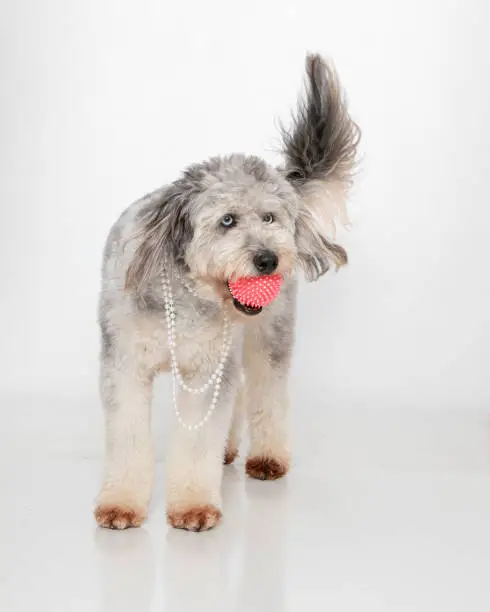
Young Aussiedoodles explore the world with their mouths.
Provide:
- Durable chew toys
- Frozen treats
- Supervision
- Plenty of exercise
Digging
Digging usually results from:
- Excess energy
- Curiosity
- Heat
- Boredom
Increasing activity often reduces unwanted digging.
Exercise Requirements
Aussiedoodles are not couch potatoes.
They need both physical activity and mental challenges every day.
Daily Exercise Needs
General recommendations:
| Size | Daily Exercise |
|---|---|
| Toy | 45–60 minutes |
| Mini | 60–90 minutes |
| Standard | 90–120 minutes |
Activities should vary to prevent boredom.
Walking
Daily walks help maintain:
- Healthy weight
- Good behavior
- Socialization
- Confidence
Running
Healthy adult Aussiedoodles make excellent jogging partners.
Avoid long-distance running until growth plates have fully developed.
Hiking
Their endurance and curiosity make them fantastic hiking companions.
Bring:
- Fresh water
- Collapsible bowl
- First-aid kit
- Leash
Swimming
Many Aussiedoodles enjoy swimming, especially if they inherit the Poodle’s love of water.
Always supervise dogs around water.
Best Activities
Keeping an Aussiedoodle entertained is easy when you provide variety.
Popular activities include:
- Fetch
- Frisbee
- Agility courses
- Obedience competitions
- Dock diving
- Hide-and-seek
- Puzzle feeders
- Nose work
- Interactive toys
Rotating activities helps prevent boredom.
Mental Stimulation
Mental exercise is just as important as physical activity.
Without enough brain work, intelligent dogs often invent their own entertainment—which may include chewing furniture, digging, or excessive barking.
Great mental enrichment ideas include:
- Puzzle toys
- Scent games
- Trick training
- Obedience sessions
- Food-dispensing toys
- Hide-and-seek
- Learning new commands
Even 15–20 minutes of focused training each day can make a noticeable difference in behavior.
Aussiedoodle Feeding Guide
A balanced diet plays a major role in supporting your Aussiedoodle’s growth, energy levels, coat quality, and overall health.
The right feeding plan depends on your dog’s:
- Age
- Size
- Activity level
- Health status
- Weight goals
Nutritional Requirements
A high-quality diet should include:
- Protein to support muscles
- Healthy fats for skin and coat
- Complex carbohydrates for sustained energy
- Vitamins and minerals for immune function
- Omega-3 fatty acids for brain and joint health
Always provide fresh, clean water throughout the day.
Puppy Feeding Schedule
Growing puppies need frequent meals to support rapid development.
| Age | Meals Per Day |
|---|---|
| 8–12 Weeks | 4 meals |
| 3–6 Months | 3 meals |
| 6–12 Months | 2–3 meals |
Choose a puppy formula designed for the expected adult size of your Aussiedoodle.
Adult Feeding Schedule
Most healthy adult Aussiedoodles do well with:
- 2 balanced meals per day
- Measured portions to prevent overeating
- Limited treats (generally no more than 10% of daily calories)
Monitor body condition regularly and adjust portions based on activity level.
Senior Feeding
Older Aussiedoodles may benefit from diets that include:
- Moderate calories
- High-quality protein
- Joint-support ingredients
- Easily digestible nutrients
Your veterinarian can recommend dietary adjustments as your dog ages.
Best Food for Aussiedoodles
Healthy options include:
Dry Food (Kibble)
- Convenient
- Supports dental health
- Easy to store
Wet Food
- Highly palatable
- Adds moisture to the diet
- Useful for picky eaters
Fresh Food
- Minimally processed
- Often contains whole-food ingredients
- May appeal to owners seeking fresh nutrition
Raw Diet
Some owners choose raw feeding, but it requires careful planning to ensure complete and balanced nutrition while minimizing food safety risks. Consult a veterinarian or a board-certified veterinary nutritionist before making this choice.
Foods to Avoid
Never feed your Aussiedoodle:
- Chocolate
- Grapes and raisins
- Onions
- Garlic
- Xylitol (found in some sugar-free products)
- Macadamia nuts
- Alcohol
- Caffeine
- Cooked bones
- Excessively fatty foods
When in doubt about a food, consult your veterinarian before offering it.
Grooming Guide
One of the biggest responsibilities of owning an Aussiedoodle is maintaining its beautiful coat. Although many Aussiedoodles shed less than other breeds, their hair grows continuously and requires regular care.
Without proper grooming, mats and tangles can become uncomfortable and even lead to skin problems.
Brushing
Brush your Aussiedoodle 3–5 times per week, or daily if it has a curly coat.
Benefits of regular brushing include:
- Prevents mats and tangles
- Removes loose hair
- Distributes natural oils
- Keeps the coat soft and healthy
A slicker brush and a stainless-steel comb are excellent tools for most coat types.
Bathing
Most Aussiedoodles only need a bath every 4–8 weeks, depending on their activity level and coat condition.
Use a dog-specific shampoo and rinse thoroughly to avoid skin irritation.
Haircuts
Because their coats continue growing, most Aussiedoodles need professional grooming every 6–8 weeks.
Popular haircut styles include:
- Teddy Bear Cut
- Puppy Cut
- Kennel Cut
- Sporting Cut
- Summer Trim
Keeping the coat trimmed makes home maintenance much easier.
Nail Trimming
Trim nails every 3–4 weeks, or whenever you hear them clicking on hard floors.
Overgrown nails can affect posture and walking comfort.
Ear Cleaning
Floppy ears can trap moisture and debris, increasing the risk of infections.
Check and gently clean the ears weekly using a veterinarian-approved ear cleaner.
Dental Care
Dental hygiene is often overlooked but is essential for long-term health.
Aim to:
- Brush teeth several times per week
- Offer dental chews when appropriate
- Schedule professional cleanings as recommended by your veterinarian
How Often Should an Aussiedoodle Be Groomed?
| Grooming Task | Recommended Frequency |
|---|---|
| Brushing | 3–5 times weekly |
| Bathing | Every 4–8 weeks |
| Professional Grooming | Every 6–8 weeks |
| Nail Trimming | Every 3–4 weeks |
| Ear Cleaning | Weekly |
| Teeth Brushing | Several times weekly |
Professional Grooming Costs
Professional grooming costs vary by location, coat condition, and dog size.
Typical price ranges include:
- Toy: $50–$80
- Mini: $60–$100
- Standard: $80–$150+
Regular home brushing helps reduce grooming time and costs.
Aussiedoodle Shedding
Do Aussiedoodles Shed?
Yes, but usually less than many traditional breeds.
Shedding depends on which parent breed’s coat genetics are more dominant.
Generally:
- Curly coats shed the least.
- Wavy coats shed lightly.
- Straight coats may shed moderately.
No dog is completely non-shedding.
Are They Hypoallergenic?
Aussiedoodles are often described as more allergy-friendly, but no dog is truly 100% hypoallergenic.
People with mild dog allergies may tolerate some Aussiedoodles better, especially those with curly coats. However, spending time with the breed before bringing one home is the best way to gauge your individual reaction.
How to Reduce Shedding
To help minimize loose hair:
- Brush regularly
- Feed a balanced diet
- Keep the skin healthy
- Bathe as needed
- Schedule routine grooming
Health Issues
Like all dogs, Aussiedoodles can inherit health conditions from either parent breed.
Buying from a responsible breeder who performs health testing can reduce the risk of inherited diseases.
Common Health Problems
Hip Dysplasia
A condition where the hip joint doesn’t develop properly, potentially causing pain and arthritis.
Elbow Dysplasia
A developmental joint disorder that may lead to lameness in the front legs.
Progressive Retinal Atrophy (PRA)
An inherited eye disease that gradually causes vision loss.
Cataracts
Clouding of the eye lens that can affect vision, particularly in older dogs.
Epilepsy
Some Aussiedoodles may inherit seizure disorders that require veterinary diagnosis and ongoing management.
Allergies
They may develop:
- Environmental allergies
- Food sensitivities
- Seasonal allergies
Ear Infections
Their floppy ears make regular cleaning especially important.
Addison’s Disease
A hormonal disorder more commonly associated with Poodles that requires lifelong treatment if diagnosed.
Thyroid Disorders
Hypothyroidism can contribute to weight gain, low energy, and skin or coat changes.
Bloat (GDV)
Large Standard Aussiedoodles may be at risk for gastric dilatation-volvulus, a life-threatening emergency requiring immediate veterinary care.
Preventive Healthcare
Routine veterinary care is one of the best ways to help your Aussiedoodle live a long, healthy life.
Important preventive measures include:
- Keeping vaccinations current
- Routine deworming
- Yearly wellness examinations
- Dental care
- Flea, tick, and heartworm prevention (where recommended)
- Maintaining a healthy body weight
Aussiedoodle Lifespan
Average Life Expectancy
Most Aussiedoodles live 10–15 years, although many enjoy even longer lives with excellent care.
Smaller varieties often have slightly longer average lifespans than larger ones.
How to Help Your Aussiedoodle Live Longer
Provide:
- High-quality nutrition
- Daily exercise
- Mental enrichment
- Routine veterinary care
- Good dental hygiene
- Healthy weight management
- Plenty of affection and social interaction
Aussiedoodle Puppy Guide
What to Expect
Aussiedoodle puppies are energetic, curious, and eager to learn.
During the first year, focus on:
- Socialization
- Basic obedience
- House training
- Gentle handling
- Positive experiences with new environments
Puppy Growth Stages
| Age | Development |
|---|---|
| 8 Weeks | Ready to join a new family and begin socialization |
| 3 Months | Rapid growth, learning basic commands |
| 6 Months | Adolescent phase with increased confidence and energy |
| 1 Year | Nearly full-grown and more emotionally mature |
| Adult | Fully mature by 12–24 months depending on size |
First-Year Checklist
- Schedule veterinary visits
- Complete vaccination series
- Begin parasite prevention
- Start obedience training
- Introduce grooming early
- Socialize with people and friendly dogs
- Microchip your puppy
- Provide safe chew toys
- Feed an appropriate puppy diet
Aussiedoodle Cost
Owning an Aussiedoodle involves both initial and ongoing expenses.
Puppy Price
Well-bred Aussiedoodle puppies commonly cost $1,000–$3,500 or more, depending on factors such as pedigree, breeder reputation, size, coat color, and location.
Adoption Cost
Adoption fees are generally much lower, often ranging from $200–$600 and frequently include vaccinations and spay/neuter services.
First-Year Expenses
Expect to budget for:
- Food
- Veterinary care
- Vaccinations
- Grooming
- Training classes
- Toys
- Bedding
- Crate
- Leash and collar
- Pet insurance (optional)
Monthly Ownership Costs
Monthly expenses typically include:
- Food
- Grooming
- Preventive medications
- Replacement toys
- Routine healthcare
Actual costs vary depending on your dog’s size and local prices.
Lifetime Cost Estimate
Over a lifetime, caring for an Aussiedoodle may cost tens of thousands of dollars, including routine care and potential unexpected medical expenses.
Finding a Reputable Aussiedoodle Breeder
A responsible breeder prioritizes health, temperament, and proper socialization over appearance alone.
Questions to Ask
- Have the parents undergone health testing?
- Can I meet the mother?
- How are puppies socialized?
- What vaccinations have they received?
- Do you provide a health guarantee?
Red Flags
Avoid breeders who:
- Sell puppies without health records
- Refuse to answer questions
- Always have many litters available
- Won’t let you see where puppies are raised
- Offer unusually low prices without explanation
Health Testing
Ask about screening for:
- Hip dysplasia
- Eye disorders
- Elbow dysplasia
- Genetic diseases associated with the parent breeds
Ethical Breeding Practices
Ethical breeders:
- Raise puppies in clean environments
- Prioritize temperament
- Match puppies to suitable homes
- Provide lifetime support for buyers
Aussiedoodle Rescue and Adoption
Adopting an Aussiedoodle can be a rewarding option.
Benefits of Adoption
- Gives a dog a second chance
- Often costs less than purchasing a puppy
- Many dogs are already house-trained
- Rescue organizations can help match dogs with suitable families
Where to Adopt
Look for:
- Local animal shelters
- Breed-specific rescue groups
- Doodle rescue organizations
- Reputable adoption websites
Living With an Aussiedoodle
Apartment Living
Toy and Mini Aussiedoodles can adapt well to apartment life if they receive enough daily exercise and mental stimulation.
Rural Homes
They often thrive in rural settings where they have space to explore and stay active.
Houses With Yards
A fenced yard is a wonderful bonus but should not replace daily walks, playtime, and interaction with the family.
Climate Tolerance
Hot Weather
During warm weather:
- Walk during cooler hours
- Provide shade and fresh water
- Avoid hot pavement
- Watch for signs of overheating
Cold Weather
Many Aussiedoodles tolerate cool temperatures well, but puppies, seniors, and shorter-coated dogs may benefit from extra protection during cold weather.
Traveling With an Aussiedoodle
Thanks to their adaptable personalities, many Aussiedoodles travel well.
For safe trips:
- Use a secure crate or harness
- Pack food and water
- Bring familiar toys and bedding
- Schedule breaks on long drives
- Ensure identification tags and microchip information are up to date
Aussiedoodle Pros and Cons
| Pros | Cons |
|---|---|
| Extremely intelligent | Very high energy level |
| Affectionate and loyal | Needs frequent grooming |
| Excellent family companion | Can develop separation anxiety |
| Usually low shedding | Requires daily mental stimulation |
| Easy to train | May become destructive if bored |
| Athletic and versatile | Regular grooming can be costly |
Aussiedoodle vs Other Popular Doodles
| Breed | Best Known For |
|---|---|
| Aussiedoodle | Intelligence and athleticism |
| Goldendoodle | Gentle family personality |
| Labradoodle | Friendly, outgoing nature |
| Bernedoodle | Calm and affectionate temperament |
| Sheepadoodle | Large size and fluffy coat |
Aussiedoodle vs Goldendoodle
Aussiedoodles generally have higher energy levels and stronger herding instincts, while Goldendoodles are often a bit more relaxed and easygoing.
Aussiedoodle vs Labradoodle
Labradoodles are known for their outgoing personalities, whereas Aussiedoodles often excel in advanced training and canine sports.
Aussiedoodle vs Bernedoodle
Bernedoodles tend to be calmer and larger, while Aussiedoodles are usually more active and agile.
Aussiedoodle vs Sheepadoodle
Sheepadoodles often require more space due to their larger size. Aussiedoodles are typically more athletic and adaptable to different lifestyles.
Aussiedoodle vs Australian Shepherd
Compared with a pure Australian Shepherd, the Aussiedoodle may have a lower-shedding coat and a wider range of sizes, though both breeds are intelligent and energetic.
Aussiedoodle vs Poodle
Poodles generally have more predictable coat types and breed characteristics. Aussiedoodles combine Poodle intelligence with the Australian Shepherd’s athletic ability and distinctive coloring.
Is an Aussiedoodle Right for You?
An Aussiedoodle can be a fantastic choice if you’re ready to meet its physical and mental needs.
Best Owners
This breed is especially well suited for:
- Active families
- First-time owners committed to training
- Singles with active lifestyles
- Couples who enjoy outdoor activities
- Seniors choosing a Toy or Mini variety and able to provide regular exercise
If you prefer a low-energy dog that is content spending long hours alone, an Aussiedoodle may not be the best fit.
Frequently Asked Questions (FAQs)
Are Aussiedoodles hypoallergenic?
No. They are often more allergy-friendly, but no dog is completely hypoallergenic.
How big do Aussiedoodles get?
Depending on the variety, they typically reach 10–24 inches in height and 10–70 pounds in weight.
How much do Aussiedoodles cost?
Well-bred puppies often cost $1,000–$3,500 or more, while adoption is usually less expensive.
Do Aussiedoodles bark a lot?
They can be vocal if bored or under-stimulated, but consistent training and sufficient exercise usually help.
Are Aussiedoodles aggressive?
They are generally friendly, affectionate, and social when properly raised and socialized.
Can Aussiedoodles be left alone?
They can tolerate short periods alone, but extended isolation may contribute to separation anxiety.
Do Aussiedoodles shed?
Yes, though most shed lightly compared with many other breeds.
Are Aussiedoodles easy to train?
Yes. Their intelligence and eagerness to please make them highly trainable.
How much exercise do Aussiedoodles need?
Most require 60–120 minutes of physical activity and mental enrichment each day, depending on size and age.
Are Mini Aussiedoodles healthier?
Not necessarily. Health depends more on genetics, responsible breeding, preventive care, and overall lifestyle than on size alone.
What is the lifespan of an Aussiedoodle?
Most live between 10 and 15 years.
Are Aussiedoodles good with children?
Yes. They are typically affectionate and playful, though interactions with young children should always be supervised.
Do Aussiedoodles like water?
Many enjoy swimming, particularly if they inherit the Poodle’s love of water.
How often should an Aussiedoodle be groomed?
Professional grooming is generally recommended every 6–8 weeks, with brushing several times each week.
What is the best food for an Aussiedoodle?
A complete and balanced diet appropriate for your dog’s life stage, size, and activity level is the best choice. Consult your veterinarian for personalized recommendations.
Are Aussiedoodles recognized by kennel clubs?
They are not recognized as a purebred by major all-breed kennel clubs because they are a hybrid breed.
How often should Aussiedoodles visit the veterinarian?
Puppies require frequent visits for vaccinations, while healthy adults should generally have a wellness examination at least once a year or as advised by their veterinarian.
What colors do Aussiedoodles come in?
Common colors include blue merle, red merle, black, chocolate, cream, white, apricot, red, sable, parti, and phantom.
When is an Aussiedoodle fully grown?
Most are fully mature between 12 and 24 months, depending on their size.
Is an Aussiedoodle better than a Goldendoodle?
Neither breed is universally better. The best choice depends on your lifestyle, grooming preferences, activity level, and the traits you’re looking for in a companion.
Conclusion
The Aussiedoodle combines the intelligence of the Poodle with the athleticism and loyalty of the Australian Shepherd, making it one of the most versatile designer dog breeds available today. Their affectionate nature, remarkable trainability, and playful personality make them wonderful companions for active individuals and families.
However, owning an Aussiedoodle is a long-term commitment. These dogs thrive on companionship, regular exercise, mental stimulation, and consistent grooming. Families who can meet those needs are often rewarded with a loyal, loving companion that excels in everything from hiking trails and agility courses to quiet evenings at home.