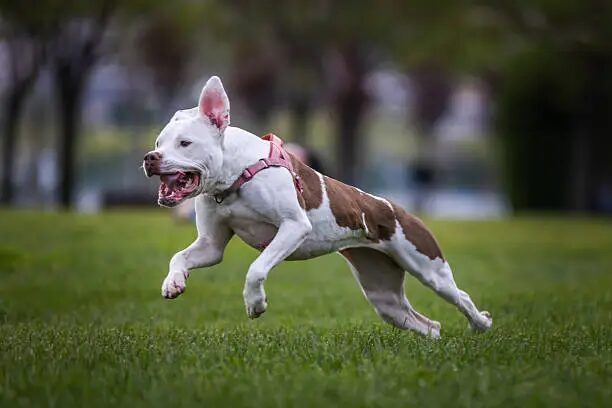
The American Staffordshire Terrier, affectionately known as the AmStaff, is a confident, intelligent, and loyal dog breed that has earned a reputation as both a capable working dog and a devoted family companion. With its muscular build, affectionate personality, and eagerness to please, the American Staffordshire Terrier has become a favorite among experienced dog owners worldwide.
Unfortunately, the breed is also one of the most misunderstood. Because of its physical resemblance to several “pit bull-type” dogs, many people mistakenly judge the American Staffordshire Terrier based on myths rather than facts. In reality, a well-bred, properly socialized, and responsibly trained AmStaff is typically affectionate, people-oriented, and highly trainable.
Whether you’re considering bringing home an American Staffordshire Terrier puppy or simply want to learn more about this remarkable breed, this guide covers everything from its history and temperament to grooming, nutrition, health, and training.
The American Staffordshire Terrier combines strength, confidence, and loyalty into one athletic package. Originally developed from bulldog and terrier ancestors, today’s AmStaff is admired for its intelligence, courage, and affectionate nature toward its family.
Although its appearance often leads to misconceptions, responsible ownership and early socialization are far more important influences on a dog’s behavior than breed alone.
In this complete guide, you’ll discover:
- The history and origin of the American Staffordshire Terrier
- Physical characteristics and breed standards
- Temperament and personality
- Size and growth stages
- Living with children and other pets
- Puppy development and care
- Exercise and training requirements
- Health, grooming, and nutrition basics
By the end of this guide, you’ll have a thorough understanding of whether the American Staffordshire Terrier is the right companion for your home and lifestyle.
American Staffordshire Terrier at a Glance
| Feature | Details |
|---|---|
| Breed Name | American Staffordshire Terrier |
| Nicknames | AmStaff, Staffie (sometimes used, though often refers to the Staffordshire Bull Terrier) |
| Origin | England; further developed in the United States |
| Breed Group | Terrier Group |
| Height | 17–19 inches (43–48 cm) |
| Weight | 40–70 pounds (18–32 kg) |
| Life Expectancy | 12–16 years |
| Coat Type | Short, smooth coat |
| Coat Colors | Black, blue, brindle, fawn, red, white, brown, and combinations |
| Temperament | Loyal, courageous, affectionate, intelligent |
| Energy Level | High |
| Intelligence | High |
| Trainability | Excellent with consistent positive reinforcement |
| Shedding | Low to moderate |
| Grooming Needs | Low |
| Good with Children | Yes, with proper training and supervision |
| Good with Other Pets | Varies depending on socialization and individual temperament |
| Exercise Needs | 60–90 minutes daily |
| AKC Recognition | Yes (recognized in 1936) |
| Suitable for First-Time Owners | Possible for committed owners willing to invest in training and socialization |
History and Origin of the American Staffordshire Terrier
The American Staffordshire Terrier has a rich history that spans both England and the United States. Understanding the breed’s background helps explain its unique blend of strength, athleticism, and loyalty.
Early Bulldog and Terrier Ancestors
The AmStaff’s ancestors were developed by crossing:
- Old English Bulldogs
- Various Terrier breeds
Breeders wanted a dog that possessed:
- The Bulldog’s strength
- The Terrier’s agility
- Intelligence
- Determination
- Athletic ability
These early dogs became versatile working companions capable of handling farm duties and other physically demanding tasks.
Development in England
During the 18th and 19th centuries, bulldog-terrier crosses gained popularity throughout England.
These dogs worked as:
- Farm dogs
- Livestock handlers
- Vermin hunters
- General-purpose working dogs
While some dogs were unfortunately used in blood sports that are now illegal, many were valued as hardworking companions on farms and homesteads.
As animal welfare standards evolved, these activities were banned, and the breed’s role gradually shifted toward companionship and legitimate working roles.
Arrival in the United States
Immigrants brought these sturdy dogs to North America during the 1800s.
In the United States, they became valued for their versatility as:
- Farm helpers
- Livestock guardians
- Hunting companions
- Family protectors
- Loyal household pets
American breeders gradually refined the breed, emphasizing stability, confidence, and a people-friendly temperament.
Separation from the American Pit Bull Terrier
Although they share common ancestry, the American Staffordshire Terrier and the American Pit Bull Terrier (APBT) are recognized as separate breeds by different kennel organizations.
Over time, breeders selected AmStaffs to conform to a specific appearance and temperament standard recognized by the American Kennel Club (AKC), while the APBT continued to be recognized by organizations such as the United Kennel Club (UKC) and the American Dog Breeders Association (ADBA).
Today, the American Staffordshire Terrier generally has a more standardized appearance due to selective breeding under AKC guidelines.
Recognition by the American Kennel Club (AKC)
The American Kennel Club officially recognized the breed in 1936 under the name Staffordshire Terrier.
In 1972, the name was changed to American Staffordshire Terrier to distinguish it from the smaller Staffordshire Bull Terrier of England.
AKC recognition helped establish consistent breed standards focused on:
- Sound temperament
- Balanced structure
- Athletic ability
- Good health
Evolution into a Family Companion
Modern American Staffordshire Terriers are best known as:
- Family companions
- Therapy dogs
- Canine sports competitors
- Obedience dogs
- Search and rescue participants
Many owners describe them as affectionate “people dogs” that thrive on close interaction with their families.
Historical Background and Public Perception
Like several muscular dog breeds, the American Staffordshire Terrier has sometimes been misunderstood due to media portrayals and confusion with other breeds.
In reality, responsible breeders prioritize:
- Stable temperament
- Confidence
- Trainability
- Sociability with people
Modern canine behavior experts agree that behavior is influenced by genetics, socialization, training, health, and environment—not breed alone.
American Staffordshire Terrier Breed Overview
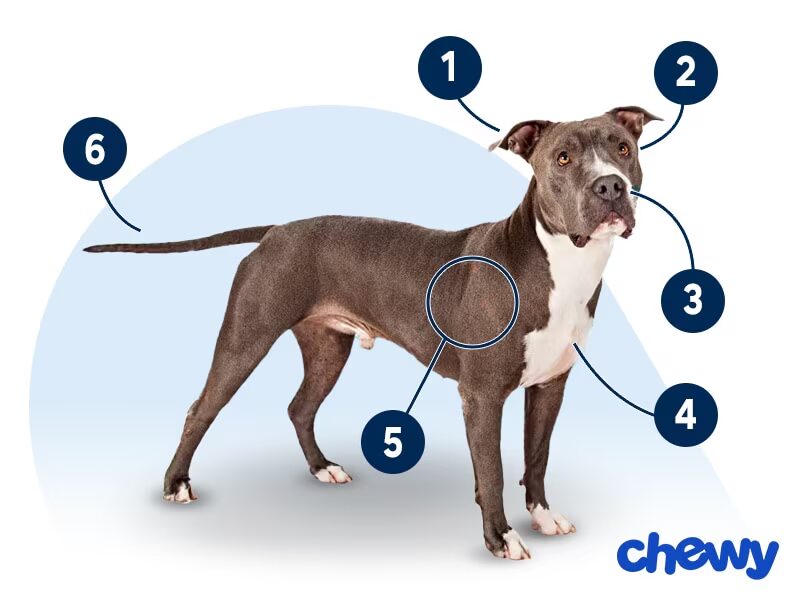
The American Staffordshire Terrier is admired for its impressive combination of athleticism, power, and elegance.
Unlike overly bulky dogs, the AmStaff is muscular while remaining agile and balanced.
Physical Appearance
The breed has a confident, athletic appearance with:
- Broad chest
- Muscular shoulders
- Strong hindquarters
- Well-proportioned body
- Short, glossy coat
Everything about the breed reflects strength without sacrificing mobility.
Muscular Build
One of the breed’s defining characteristics is its muscular physique.
Healthy AmStaffs display:
- Lean muscle
- Deep chest
- Strong neck
- Powerful legs
- Excellent overall balance
Proper nutrition and regular exercise are essential for maintaining this athletic body.
Head Shape
The head is:
- Broad
- Medium length
- Well-defined
- Balanced with the rest of the body
The muzzle is moderately short with powerful jaws and a well-developed lower jaw.
Eyes
American Staffordshire Terriers typically have:
- Dark eyes
- Round shape
- Alert, intelligent expression
According to the AKC breed standard, dark eyes are preferred.
Ears
The ears may be:
- Naturally rose-shaped
- Semi-prick
- Uncropped
- Cropped where legally permitted
Natural ears are becoming increasingly common.
Nose Colors
The nose should generally be black, regardless of coat color, according to the AKC breed standard.
Tail
The tail is:
- Medium length
- Thick at the base
- Tapering toward the tip
- Set low
- Never curled over the back
Coat Texture
The coat is:
- Short
- Smooth
- Close-fitting
- Glossy
Its low-maintenance coat makes grooming simple compared to many long-haired breeds.
Coat Colors and Patterns
The American Staffordshire Terrier comes in many beautiful colors, including:
- Black
- Blue
- Brindle
- Red
- Fawn
- White
- Brown
- Liver
- Various white combinations
Brindle remains one of the breed’s most recognizable coat patterns.
Official Breed Standard
According to the AKC, the ideal American Staffordshire Terrier should demonstrate:
- Confidence
- Athletic movement
- Powerful but balanced structure
- Stable temperament
- Correct proportions
Exaggerated physical traits that affect health or mobility are discouraged.
American Staffordshire Terrier Size
Although compact compared to some large working breeds, the American Staffordshire Terrier is powerful for its size.
Average Height
Typical adult height:
| Gender | Height |
|---|---|
| Male | 18–19 inches (46–48 cm) |
| Female | 17–18 inches (43–46 cm) |
Average Weight
Typical adult weight:
| Gender | Weight |
|---|---|
| Male | 55–70 pounds (25–32 kg) |
| Female | 40–55 pounds (18–25 kg) |
Body condition is generally a better indicator of health than weight alone.
Male vs Female Size Comparison
| Feature | Male | Female |
|---|---|---|
| Height | Slightly taller | Slightly shorter |
| Weight | Heavier | Lighter |
| Muscle Mass | More pronounced | Leaner |
| Build | Broader | More refined |
Growth Stages
American Staffordshire Terriers develop quickly during puppyhood but continue filling out physically until around 18–24 months of age.
Birth to 8 Weeks
- Nursing and early neurological development
- Learning from littermates and mother
- Beginning social interactions
2–4 Months
- Rapid growth
- Increased curiosity
- Beginning obedience training
- Teething starts
4–6 Months
- Growing confidence
- Adult teeth emerging
- Improved coordination
- Higher activity levels
6–12 Months
- Adolescence
- Testing boundaries
- Continued muscle development
- Advanced training becomes increasingly important
12–24 Months
- Physical maturity
- Mental maturity continues
- Full athletic ability develops
Puppy Growth Chart
| Age | Approximate Weight |
|---|---|
| 8 Weeks | 8–15 lbs |
| 3 Months | 15–25 lbs |
| 6 Months | 30–45 lbs |
| 9 Months | 40–60 lbs |
| 12 Months | 45–65 lbs |
| Adult | 40–70 lbs |
Growth varies depending on genetics, nutrition, health, and sex.
American Staffordshire Terrier Temperament
One of the American Staffordshire Terrier’s greatest strengths is its temperament. A well-bred and properly socialized AmStaff is typically confident, affectionate, and eager to be part of family life.
Personality Traits
Common personality characteristics include:
- Loyal
- Confident
- Intelligent
- Affectionate
- Playful
- Courageous
- Alert
- People-oriented
These dogs thrive on companionship and generally enjoy spending time with their families.
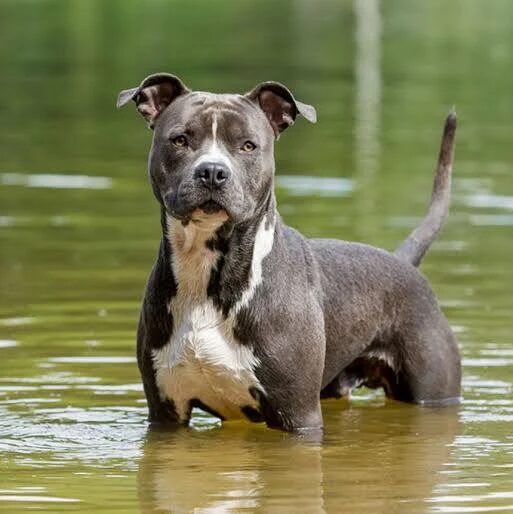
Loyalty
Few breeds are as devoted to their owners as the American Staffordshire Terrier.
Many develop exceptionally strong bonds with their families and enjoy participating in daily activities, whether it’s a walk, a hike, or simply relaxing at home.
Affection Toward Family
Despite their muscular appearance, AmStaffs are often affectionate and enjoy close interaction with the people they trust. Many seek attention, playtime, and companionship, making them devoted household pets when their physical and mental needs are met.
Intelligence
The American Staffordshire Terrier is widely regarded as an intelligent and eager-to-learn breed. They respond well to consistent, reward-based training and often excel in obedience, agility, rally, scent work, and other canine sports.
Their intelligence allows them to:
- Learn new commands quickly
- Solve problems effectively
- Adapt to different environments
- Enjoy advanced training challenges
However, intelligence also means they can become bored if they lack sufficient mental stimulation.
Confidence
A properly socialized American Staffordshire Terrier is generally:
- Confident
- Calm
- Curious
- Alert
- Self-assured
Confidence should not be mistaken for aggression. A confident dog is typically composed rather than fearful or reactive.
Courage
The AmStaff has long been admired for its courage and determination. These traits, when paired with responsible ownership and training, make the breed resilient and dependable.
Playfulness
American Staffordshire Terriers often remain playful well into adulthood.
They typically enjoy:
- Fetch
- Tug games
- Frisbee
- Hiking
- Interactive toys
- Agility courses
- Family playtime
Daily play strengthens the bond between owner and dog while helping burn off excess energy.
Protective Nature
Although generally friendly with people they know, American Staffordshire Terriers are naturally loyal and alert.
Many will:
- Notice unfamiliar activity
- Alert owners to visitors
- Stay close to family members
They are not naturally aggressive guard dogs but can be protective when appropriately trained and socialized.
Are American Staffordshire Terriers Aggressive?
This is one of the most frequently asked questions about the breed.
The simple answer is no.
The American Staffordshire Terrier is not inherently aggressive toward people. Like any breed, behavior is shaped by:
- Genetics
- Responsible breeding
- Early socialization
- Training
- Environment
- Health
- Individual personality
Some individual dogs may display dog-directed reactivity, especially if poorly socialized, but this varies by the individual and is not unique to this breed.
Breed Temperament vs. Training and Socialization
Responsible ownership has an enormous impact on temperament.
A well-raised AmStaff typically demonstrates:
- Excellent manners
- Confidence
- Affection
- Reliability
- Strong obedience
- Stable behavior
Early training and positive experiences help build a well-adjusted adult dog.
American Staffordshire Terrier Around Children
American Staffordshire Terriers often develop close bonds with children in their families. As with any dog breed, interactions between dogs and young children should always be supervised.
Are They Good Family Dogs?
Many AmStaff owners consider them outstanding family companions because they are:
- Loyal
- Gentle with family members
- Playful
- Affectionate
- People-oriented
Active households that enjoy spending time outdoors often make excellent homes for this breed.
Interaction with Kids
American Staffordshire Terriers generally enjoy:
- Playing fetch
- Running outdoors
- Family walks
- Interactive games
Because they are muscular and enthusiastic, they may accidentally bump into small children during energetic play. Teaching calm greetings and supervising interactions helps keep everyone safe.
Supervision Guidelines
Always:
- Supervise young children with dogs.
- Teach children to respect the dog’s personal space.
- Never disturb a dog while eating or sleeping.
- Prevent rough handling.
- Provide the dog with a quiet place to rest.
Teaching Children Respectful Dog Behavior
Children should learn to:
- Pet gently.
- Avoid pulling ears or tails.
- Respect food bowls and toys.
- Leave sleeping dogs alone.
- Recognize signs that a dog wants space.
Teaching children proper dog etiquette benefits every breed.
American Staffordshire Terrier with Other Pets
Whether an AmStaff gets along with other animals depends on its individual personality, early experiences, and training.
Living with Other Dogs
Some American Staffordshire Terriers enjoy canine companions, while others prefer being the only dog in the household.
Successful introductions depend on:
- Early socialization
- Careful introductions
- Compatible personalities
- Ongoing supervision
Owners should always monitor interactions, especially with unfamiliar dogs.
Living with Cats
Many American Staffordshire Terriers can coexist peacefully with cats when:
- Raised together
- Introduced gradually
- Properly supervised
Because prey drive varies between individuals, each introduction should be handled carefully.
Early Socialization
Socialization should begin early and continue throughout adolescence.
Expose puppies safely to:
- Different people
- Friendly vaccinated dogs
- New environments
- Everyday household sounds
- Car rides
- Veterinary visits
Positive experiences build confidence and resilience.
Multi-Pet Household Tips
For homes with multiple pets:
- Introduce animals slowly.
- Feed separately.
- Reward calm interactions.
- Prevent resource guarding.
- Give each pet individual attention.
American Staffordshire Terrier Puppy Guide
Bringing home an American Staffordshire Terrier puppy is exciting, but the first year plays a critical role in shaping future behavior.
What to Expect from an AmStaff Puppy
Expect a puppy that is:
- Curious
- Energetic
- Intelligent
- Affectionate
- Playful
Patience and consistency are essential during this stage.
Growth and Development
Puppies experience rapid development during their first year.
Major milestones include:
- Teething
- Learning house manners
- Social development
- Muscle growth
- Improved coordination
Balanced nutrition and preventive veterinary care support healthy growth.
Puppy Temperament
Most puppies are naturally:
- Friendly
- Outgoing
- Curious
- Playful
- Eager to learn
Their adult personality is strongly influenced by positive early experiences.
Socialization Schedule
| Age | Primary Goal |
|---|---|
| 8–12 weeks | Meet new people and experience different sights and sounds safely |
| 12–16 weeks | Puppy classes and confidence building |
| 4–6 months | Reinforce obedience and social skills |
| 6–12 months | Continue exposure to new environments and training |
Vaccination Schedule
Your veterinarian will recommend a vaccination schedule based on your puppy’s age, location, and lifestyle. Follow your veterinarian’s guidance regarding vaccination timing and when it is safe to visit public areas.
House Training
Successful house training includes:
- Frequent outdoor trips
- Consistent routines
- Immediate rewards for eliminating outdoors
- Thorough cleaning of accidents
- Patience and consistency
Avoid punishment, as it can delay learning.
Crate Training
When introduced positively, a crate provides:
- A safe resting place
- Help with house training
- Easier travel
- A quiet retreat
Never use the crate as punishment.
Bite Inhibition
Puppies naturally mouth during play.
Teach bite inhibition by:
- Redirecting to chew toys
- Ending play briefly if biting becomes too hard
- Rewarding gentle play
- Remaining consistent
Exercise Requirements
The American Staffordshire Terrier is an active breed that requires daily physical exercise and mental enrichment.
Without sufficient activity, boredom may contribute to undesirable behaviors.
Daily Exercise Needs
Most healthy adult AmStaffs benefit from approximately 60–90 minutes of exercise each day, although individual needs vary with age, health, and fitness.
Activities may include:
- Walks
- Play sessions
- Training
- Hiking
- Interactive games
Walking
Daily walks provide:
- Physical exercise
- Mental stimulation
- Opportunities to practice obedience
- Socialization
Loose-leash walking should be taught from an early age.
Running
Healthy adult American Staffordshire Terriers often enjoy running with their owners once they are fully grown.
Avoid prolonged high-impact exercise in young puppies whose joints are still developing.
Hiking
The AmStaff’s athletic build makes it an excellent hiking companion.
Bring:
- Fresh water
- A collapsible bowl
- A leash
- Waste bags
- A canine first-aid kit
Fetch
Fetch is an excellent outlet for energy while reinforcing:
- Recall
- Focus
- Owner interaction
Agility Training
Many American Staffordshire Terriers excel in agility thanks to their:
- Speed
- Coordination
- Athleticism
- Intelligence
Agility also provides valuable mental enrichment.
Interactive Games
Good enrichment activities include:
- Food puzzles
- Hide-and-seek
- Tug games
- Nose work
- Treat-dispensing toys
Rotate toys regularly to keep your dog engaged.
Mental Enrichment
Mental exercise helps prevent boredom.
Try:
- Trick training
- Obedience sessions
- Puzzle feeders
- Scent games
- Interactive toys
Swimming
Some American Staffordshire Terriers enjoy swimming, while others may be less enthusiastic.
If introducing your dog to water:
- Start slowly.
- Use positive reinforcement.
- Supervise closely.
- Consider a canine life jacket.
- Never force a reluctant dog into the water.
Training an American Staffordshire Terrier
Training should begin the day your puppy arrives home.
Because this breed is intelligent and people-oriented, it generally responds very well to reward-based training.
Why Early Training Is Important
Early training helps:
- Build confidence
- Strengthen your bond
- Prevent undesirable habits
- Improve communication
- Develop good manners
Positive Reinforcement
Positive reinforcement remains the most effective training method.
Reward desired behaviors with:
- Praise
- Healthy treats
- Toys
- Play
- Affection
Consistency produces the best results.
Basic Obedience
Every AmStaff should learn:
- Sit
- Stay
- Down
- Come
- Leave it
- Drop it
- Wait
Keep sessions short, fun, and rewarding.
Leash Training
Start leash training early by:
- Using a properly fitted harness or collar
- Rewarding loose-leash walking
- Avoiding leash corrections
- Practicing in low-distraction environments
Recall Training
Reliable recall is one of the most important commands.
Practice:
- In secure fenced areas
- With high-value rewards
- Gradually increasing distractions
- Frequently throughout your dog’s life
Socialization
Continue socialization beyond puppyhood.
Expose your dog safely to:
- Friendly people
- Calm dogs
- Different environments
- Everyday sights and sounds
Ongoing positive experiences help maintain confidence.
Preventing Behavioral Problems
Many unwanted behaviors can be prevented through:
- Daily exercise
- Mental stimulation
- Consistent routines
- Positive reinforcement
- Early intervention when issues arise
Common Training Mistakes
Avoid these common mistakes:
- Skipping early socialization
- Using punishment-based methods
- Inconsistent household rules
- Insufficient exercise
- Ignoring mental stimulation
- Expecting immediate perfection
Patience, consistency, and positive reinforcement will help your American Staffordshire Terrier develop into a confident, well-mannered companion.
American Staffordshire Terrier Grooming Guide
The American Staffordshire Terrier has a short, smooth coat that is relatively easy to maintain. While grooming requirements are minimal compared to many long-haired breeds, regular care helps keep your dog comfortable and healthy.
Brushing
Brush your AmStaff once or twice a week using:
- A rubber grooming mitt
- A soft-bristle brush
- A grooming glove
Regular brushing helps:
- Remove loose hair
- Spread natural skin oils
- Keep the coat shiny
- Reduce shedding
Bathing
Most American Staffordshire Terriers only require a bath every 6–8 weeks, or whenever they become dirty.
Tips for bathing:
- Use a gentle dog-specific shampoo.
- Rinse thoroughly.
- Dry the coat completely.
- Avoid over-bathing to prevent dry skin.
Nail Trimming
Trim your dog’s nails approximately every 3–4 weeks, depending on wear.
Long nails can cause:
- Pain while walking
- Poor posture
- Joint strain
- Increased risk of injury
Ear Cleaning
Check the ears weekly for:
- Wax buildup
- Dirt
- Redness
- Bad odor
Use only veterinarian-approved ear cleaners and avoid inserting anything deep into the ear canal.
Dental Care
Good oral hygiene helps prevent periodontal disease.
Aim to:
- Brush teeth several times a week (daily is ideal)
- Offer veterinarian-approved dental chews when appropriate
- Schedule professional dental cleanings as recommended
Shedding Management
Although the breed has a short coat, it sheds low to moderately throughout the year.
Reduce shedding by:
- Weekly brushing
- Feeding a balanced diet
- Keeping your dog hydrated
- Maintaining healthy skin
Seasonal Grooming Tips
During spring and autumn:
- Brush more frequently.
- Check paws after outdoor activities.
- Inspect the skin for parasites or irritation.
- Monitor for seasonal allergies.
Feeding and Nutrition
Proper nutrition is essential for maintaining the American Staffordshire Terrier’s muscular build, energy levels, and overall health.
Nutritional Requirements
Choose a complete and balanced dog food appropriate for your dog’s life stage.
A healthy diet should provide:
- High-quality protein
- Healthy fats
- Vitamins and minerals
- Fiber
- Fresh drinking water
Puppy Feeding Guide
Growing puppies require calorie-dense food formulated specifically for puppies.
General guidelines:
- Feed 3–4 meals per day during early puppyhood.
- Transition gradually to fewer meals as your puppy matures.
- Monitor body condition to avoid excessive weight gain.
Adult Feeding Guide
Healthy adults are commonly fed:
- Two meals per day
- Measured portions based on activity level, age, and body condition
Consult your veterinarian for personalized feeding recommendations.
Senior Feeding Guide
Older American Staffordshire Terriers may benefit from diets that support:
- Joint health
- Weight management
- Digestive function
- Muscle maintenance
Feeding Schedule
| Age | Meals Per Day |
|---|---|
| 8–12 Weeks | 3–4 |
| 3–6 Months | 3 |
| Over 6 Months | 2 |
Portion Sizes
Portion sizes depend on:
- Body weight
- Activity level
- Metabolism
- Food type
- Overall health
Adjust portions based on your veterinarian’s guidance and your dog’s body condition.
Protein Needs
Because the AmStaff is an athletic breed, adequate dietary protein supports:
- Lean muscle
- Tissue repair
- Healthy immune function
Choose foods made with high-quality animal protein sources.
Healthy Treats
Healthy treats include:
- Cooked lean chicken (plain)
- Carrots
- Green beans
- Apple slices (without seeds)
- Commercial dog treats in moderation
Treats should make up only a small percentage of your dog’s daily calories.
Foods to Avoid
Never feed:
- Chocolate
- Grapes
- Raisins
- Onions
- Garlic
- Xylitol
- Alcohol
- Macadamia nuts
- Cooked bones
If ingestion occurs, contact your veterinarian immediately.
Weight Management
Maintaining a healthy weight reduces the risk of:
- Joint disease
- Heart disease
- Diabetes
- Reduced mobility
Regular exercise and portion control are key.
Health Issues in American Staffordshire Terriers
The American Staffordshire Terrier is generally a healthy breed, but it can be predisposed to certain inherited and acquired conditions.
Common Health Problems
Hip Dysplasia
Hip dysplasia affects the hip joints and may cause:
- Stiffness
- Limping
- Difficulty rising
- Reduced activity
Maintaining a healthy weight and following veterinary advice can improve quality of life.
Elbow Dysplasia
Some AmStaffs may develop elbow joint abnormalities that can lead to discomfort or arthritis.
Skin Allergies
Skin allergies are fairly common.
Symptoms include:
- Itching
- Paw licking
- Ear infections
- Skin redness
- Hair loss
Veterinary diagnosis can help identify environmental or food-related triggers.
Heart Disease
Certain inherited heart conditions may occur.
Routine veterinary examinations can help detect problems early.
Hypothyroidism
An underactive thyroid may cause:
- Weight gain
- Lethargy
- Skin changes
- Hair thinning
Most dogs respond well to lifelong medication prescribed by a veterinarian.
Cerebellar Ataxia
Cerebellar ataxia is a hereditary neurological disorder affecting coordination and balance.
Responsible breeders perform genetic testing to reduce the likelihood of producing affected puppies.
Eye Conditions
Potential eye conditions include:
- Cataracts
- Progressive retinal disorders
- Other inherited eye diseases
Routine eye examinations support early detection.
Joint Problems
In addition to hip and elbow issues, some dogs may experience ligament injuries or arthritis, particularly as they age.
Preventive Healthcare
Routine preventive care is essential for a long, healthy life.
Vaccinations
Keep vaccinations up to date according to your veterinarian’s recommendations.
Parasite Prevention
Protect your dog year-round from:
- Fleas
- Ticks
- Heartworms (where applicable)
- Intestinal parasites
Routine Veterinary Checkups
Healthy adults benefit from regular wellness exams, while puppies, seniors, or dogs with medical conditions may require more frequent visits.
Dental Care
Healthy teeth contribute to overall health.
Brush regularly and schedule professional cleanings when recommended.
Maintaining a Healthy Weight
A lean body condition supports:
- Joint health
- Heart health
- Better mobility
- Longer lifespan
American Staffordshire Terrier Lifespan
Average Life Expectancy
Most American Staffordshire Terriers live 12–16 years with proper care.
Factors Affecting Longevity
Life expectancy is influenced by:
- Genetics
- Nutrition
- Exercise
- Preventive healthcare
- Weight management
- Living environment
Tips to Help Your Dog Live Longer
- Feed a balanced diet.
- Keep vaccinations current.
- Exercise daily.
- Brush teeth regularly.
- Maintain a healthy weight.
- Schedule routine veterinary care.
- Provide mental enrichment and companionship.
American Staffordshire Terrier Colors
The breed comes in many attractive coat colors.
Standard Coat Colors
Common colors include:
- Brindle
- Black
- Blue
- White
- Fawn
- Red
- Brown
- Liver
- Various color combinations
Brindle
Brindle coats feature dark striping over a lighter base and are among the breed’s most recognizable patterns.
Blue
Blue coats display a gray-blue appearance resulting from diluted black pigment.
Black
Solid black AmStaffs have sleek, glossy coats.
White
White dogs may be solid white or predominantly white with colored patches.
Fawn
Fawn ranges from pale tan to rich golden shades.
Red
Red coats vary from copper to deep reddish-brown.
Brown
Brown coats are less common but accepted in many breed standards.
Tricolor Variations
Some American Staffordshire Terriers display three-color coat patterns, although these are less common than solid or brindle coats.
Coat Markings
White markings may appear on:
- Chest
- Feet
- Face
- Neck
Coat and Shedding
Coat Characteristics
The coat is:
- Short
- Smooth
- Dense
- Glossy
Shedding Level
Shedding is generally low to moderate throughout the year.
Seasonal Shedding
Expect slightly heavier shedding during spring and autumn.
Allergy Considerations
No dog breed is completely hypoallergenic. People with dog allergies may still react to dander, saliva, or skin proteins.
Living with an American Staffordshire Terrier
Apartment Living
An American Staffordshire Terrier can adapt to apartment living if it receives sufficient daily exercise, mental stimulation, and opportunities to go outdoors.
House with Yard
A securely fenced yard provides additional room for supervised play but does not replace daily walks and interaction.
Indoor vs Outdoor Living
AmStaffs thrive as indoor family companions and generally prefer being close to their people rather than living outdoors.
Climate Tolerance
Their short coat provides limited insulation.
- In cold weather, some dogs benefit from a coat during walks.
- In hot weather, provide shade, water, and avoid strenuous exercise during peak heat.
Traveling with Your Dog
For safe travel:
- Use a crash-tested harness or crate.
- Bring water and familiar items.
- Take regular breaks on long trips.
- Ensure identification tags and microchip information are up to date.
Is the American Staffordshire Terrier Right for You?
Ideal Owner
The ideal owner is:
- Active
- Consistent
- Patient
- Committed to training
- Able to provide daily exercise and companionship
Active Families
Families who enjoy outdoor activities often appreciate the breed’s energy and enthusiasm.
Singles
Single owners with time for training, exercise, and companionship may also find the AmStaff to be a rewarding companion.
Experienced vs First-Time Owners
First-time owners can succeed with an American Staffordshire Terrier if they are committed to learning about training, socialization, and responsible ownership.
Time Commitment
Daily responsibilities include:
- Exercise
- Training
- Grooming
- Playtime
- Mental enrichment
- Family interaction
American Staffordshire Terrier Pros and Cons
| Advantages | Disadvantages |
|---|---|
| Loyal and affectionate | High exercise needs |
| Intelligent and trainable | Requires early socialization |
| Low grooming requirements | Can become bored without enrichment |
| Athletic and versatile | May not enjoy every unfamiliar dog |
| Strong family bond | Breed restrictions may exist in some locations |
American Staffordshire Terrier vs American Pit Bull Terrier
| Feature | American Staffordshire Terrier | American Pit Bull Terrier |
|---|---|---|
| AKC Recognition | Yes | No (recognized by UKC and ADBA) |
| Build | Stockier | Leaner and more athletic |
| Purpose | Companion and show | Working and performance |
| Temperament | Stable and people-oriented | Similar but varies by breeding lines |
| Exercise Needs | High | High |
American Staffordshire Terrier vs Staffordshire Bull Terrier
| Feature | AmStaff | Staffordshire Bull Terrier |
|---|---|---|
| Height | Taller | Shorter |
| Weight | Heavier | Lighter |
| Build | Larger and muscular | Compact and muscular |
| Personality | Confident and loyal | Affectionate and playful |
American Staffordshire Terrier vs American Bully
| Feature | AmStaff | American Bully |
|---|---|---|
| Body | Athletic | Heavier and broader |
| Energy | Higher | Moderate |
| Breed Standard | AKC | Various bully registries |
| Exercise | High | Moderate to high |
Common Myths About American Staffordshire Terriers
Myth: They Are Naturally Aggressive
Fact: Temperament is influenced by genetics, early experiences, training, health, and environment—not breed alone.
Myth: They Have Locking Jaws
Fact: There is no scientific evidence that American Staffordshire Terriers possess a unique jaw-locking mechanism.
Myth: They Cannot Be Good Family Dogs
Fact: Many well-raised AmStaffs are affectionate family companions.
Myth: They Are Dangerous Around Children
Fact: Like all dogs, they require supervision around children, but responsible ownership and training are far more important than breed stereotypes.
Legal Considerations
Owners should research local regulations regarding:
- Breed-specific legislation (BSL)
- Housing policies
- Insurance requirements
- Licensing laws
Always comply with local laws and practice responsible ownership.
Cost of Owning an American Staffordshire Terrier
Annual expenses may include:
- Purchase or adoption fees
- Food
- Routine veterinary care
- Vaccinations
- Parasite prevention
- Grooming supplies
- Toys
- Training classes
- Pet insurance (optional)
Budgeting for ongoing care is essential before bringing home a dog.
How to Choose a Healthy American Staffordshire Terrier Puppy
Look for breeders who:
- Perform health testing
- Raise puppies in clean environments
- Prioritize temperament
- Provide veterinary records
- Allow you to meet the puppy’s mother when possible
Avoid breeders who cannot answer questions about health or socialization.
American Staffordshire Terrier Rescue and Adoption
Adoption offers many benefits:
- Giving a deserving dog a home
- Lower initial cost in many cases
- Access to dogs of different ages
- Support from rescue organizations
Prepare your home with supplies and allow your new dog time to adjust during the first few weeks.
Essential Supplies for New Owners
- Food and water bowls
- High-quality dog food
- Crate
- Collar and ID tag
- Harness and leash
- Comfortable dog bed
- Grooming supplies
- Durable chew toys
- Interactive puzzle toys
- Basic first-aid kit
Frequently Asked Questions (FAQ)
Is an American Staffordshire Terrier a good family dog?
Yes, many are affectionate and loyal family companions when properly trained and socialized.
Are American Staffordshire Terriers aggressive?
No. They are not inherently aggressive toward people. Behavior depends on responsible breeding, training, socialization, health, and environment.
How big does an American Staffordshire Terrier get?
Most adults stand 17–19 inches tall and weigh 40–70 pounds.
How much exercise does an AmStaff need?
Most healthy adults benefit from 60–90 minutes of daily exercise.
Are American Staffordshire Terriers easy to train?
Yes. They are intelligent and generally respond well to positive reinforcement.
Do they get along with other dogs?
Some do, while others may be selective. Early socialization and careful introductions are important.
Are they good with cats?
Some can live successfully with cats, particularly when raised together or introduced carefully.
How much do they shed?
They shed low to moderately throughout the year.
What is their average lifespan?
Typically 12–16 years.
Can they live in apartments?
Yes, provided they receive adequate exercise and mental stimulation.
Are they suitable for first-time dog owners?
They can be, if the owner is committed to consistent training, socialization, and meeting the breed’s exercise needs.
Do American Staffordshire Terriers bark a lot?
They are not usually excessive barkers but may bark to alert their owners or when bored.
How often should they see a veterinarian?
Routine wellness visits should follow your veterinarian’s recommendations, with more frequent visits for puppies, senior dogs, or those with health conditions.
Expert Tips for Raising a Happy American Staffordshire Terrier
- Start socialization early.
- Be consistent with training.
- Provide daily exercise.
- Offer mental stimulation.
- Feed a balanced diet.
- Schedule regular veterinary visits.
Common Mistakes New Owners Should Avoid
Avoid these common errors:
- Skipping puppy socialization
- Using harsh training methods
- Underestimating exercise requirements
- Overfeeding
- Ignoring mental enrichment
- Allowing inconsistent household rules
- Delaying routine veterinary care
Final Verdict: Should You Get an American Staffordshire Terrier?
The American Staffordshire Terrier is an excellent choice for owners who can provide structure, exercise, companionship, and positive training. This breed thrives in active households where it is treated as a valued family member.
Best for Active Families
Its playful personality and athleticism make it a great companion for families who enjoy an active lifestyle.
Best for Experienced and Committed Owners
Owners willing to invest time in training, socialization, and ongoing care are likely to be rewarded with a loyal and affectionate companion.
Best for Homes That Can Provide Daily Exercise and Training
The breed’s energy level means regular physical activity and mental stimulation are essential.
Who Should Consider Another Breed?
Those with very limited time for exercise, training, or companionship may be better suited to a breed with lower activity needs.
Conclusion
The American Staffordshire Terrier is a strong, intelligent, and affectionate breed that can make a wonderful companion when raised with responsible ownership, early socialization, and positive reinforcement training. While the breed is sometimes misunderstood, modern canine behavior science shows that a dog’s temperament is shaped by a combination of genetics, upbringing, training, health, and environment, rather than breed alone.
By providing regular exercise, balanced nutrition, preventive veterinary care, and plenty of mental enrichment, owners can help their AmStaff thrive for many years. Whether you choose to adopt from a reputable rescue or purchase from an ethical breeder who prioritizes health and temperament, investing in your dog’s lifelong care will lay the foundation for a happy, confident, and well-adjusted companion.