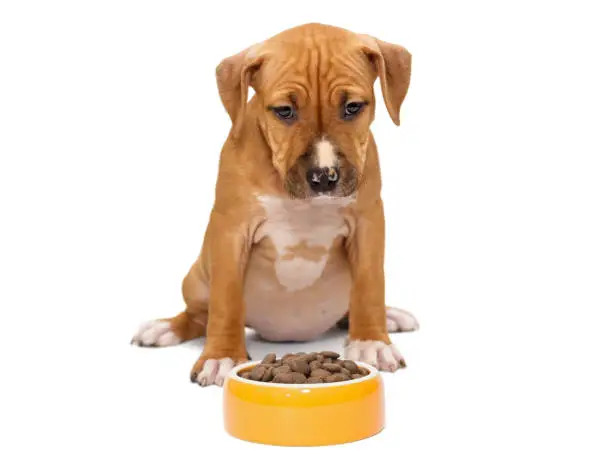
Pitbull puppies are not just “cute little dogs” — they are future athletes in development. From the moment they are born, their bodies are already preparing for what they are known for: strength, agility, muscle density, and high energy performance.
That’s exactly why choosing the best dog food for Pitbull puppies is not optional—it’s a foundation for their entire life.
Unlike adult dogs, puppies go through a rapid biological construction phase where everything is forming at once:
- Bones are growing fast
- Muscles are developing rapidly
- Brain is wiring itself for learning and behavior
- Teeth and jaw structure are forming
- Metabolism is extremely active
Because of this, nutrition mistakes made during puppyhood often become permanent health limitations later in life.
Why Puppy Nutrition Matters More Than Adult Nutrition
If an adult Pitbull eats poorly for a few weeks, it can recover.
But if a puppy eats poorly during growth stages, it may develop:
- Weak joints or bone structure
- Poor muscle development
- Skin allergies
- Digestive sensitivity
- Lifelong metabolic imbalance
This is why vets consistently emphasize that early diet determines adult health outcomes.
For general veterinary nutrition guidance, you can also refer to:
Rapid Growth Phase of Pitbull Puppies
Pitbull puppies grow fast—sometimes double or triple their size within months.
During this phase, their body focuses on:
Muscle Development
Pitbulls naturally develop dense muscle mass, but only if protein intake is sufficient.
Bone Growth
Bone structure must be strong but not over-mineralized.
Brain Development
Learning ability, behavior, and responsiveness are formed early.
This is why feeding a Pitbull puppy is not just about “filling the stomach”—it’s about engineering healthy growth.
Common Feeding Mistakes New Pitbull Owners Make
Many first-time Pitbull owners unintentionally harm their puppy’s development by:
- Feeding adult dog food too early
- Overfeeding because “puppy looks hungry all the time”
- Using cheap kibble with fillers
- Switching foods too quickly
- Ignoring calcium balance
- Not measuring portions
The biggest mistake is thinking “all puppy food is the same” — it is not.
What This Guide Will Cover
This complete guide is structured to help you confidently choose the right diet:
✔ Best food types for Pitbull puppies
✔ Top-rated puppy food brands
✔ Feeding chart by age and weight
✔ Muscle growth nutrition strategies
✔ Common health issues and solutions
✔ Ingredients to avoid
✔ Homemade diet options
✔ Dry vs wet vs raw comparison
✔ Feeding schedule breakdown
✔ FAQs for quick answers
Why Early Nutrition Choice Matters Long-Term
A Pitbull puppy’s first 12 months determine:
- Adult muscle structure
- Bone strength
- Energy levels
- Immune system health
- Skin and coat quality
Think of it like this:
Good food builds a strong dog. Poor food builds lifelong problems.
That’s why investing in the best dog food for Pitbull puppies early is one of the most important decisions you’ll make as an owner.
2. Understanding Pitbull Puppy Nutritional Needs
To choose the right food, you must first understand what a Pitbull puppy actually needs inside its body.
They are not like toy breeds or low-energy dogs. Pitbull puppies are fast-growing, high-energy, muscle-building machines.
2.1 Fast Growth Rate and Muscle Development Needs
Pitbull puppies develop quickly:
- Muscle fibers grow rapidly
- Bone density increases fast
- Energy demand is constantly high
Key requirement:
They need high-quality animal protein every single day
Protein is used for:
- Muscle building
- Tissue repair
- Immune system strength
Without enough protein, growth becomes uneven or weak.
2.2 Higher Calorie Requirement vs Adult Dogs
Puppies burn calories much faster than adults.
Why?
- Constant movement
- Growth energy consumption
- Brain development
- High metabolism
Result:
They require more calories per kilogram of body weight than adult Pitbulls.
But important:
More calories ≠ better nutrition
Quality matters more than quantity.
2.3 Importance of Balanced Protein, Fat, and Carbs
A Pitbull puppy diet must be balanced, not extreme.
Ideal structure:
| Nutrient | Role |
|---|---|
| Protein | Muscle & tissue growth |
| Fat | Energy & brain development |
| Carbs | Digestive energy & fiber support |
Best sources:
- Chicken, beef, lamb (protein)
- Fish oil, chicken fat (fat)
- Sweet potatoes, rice, oats (carbs)
2.4 Brain Development (DHA & Omega-3)
Brain development is often ignored—but it is critical.
DHA helps:
- Learning ability
- Training response
- Behavior stability
- Vision development
Puppies with proper DHA intake:
- Train faster
- Focus better
- Show calmer behavior patterns
2.5 Bone & Joint Development (Calcium & Phosphorus Balance)
Pitbull puppies grow heavy muscle on developing bones, so balance is critical.
Key nutrients:
- Calcium → bone strength
- Phosphorus → bone structure support
Important warning:
Too much calcium can cause:
- Joint misalignment
- Growth disorders
- Long-term mobility issues
That’s why puppy-specific formulas are essential.
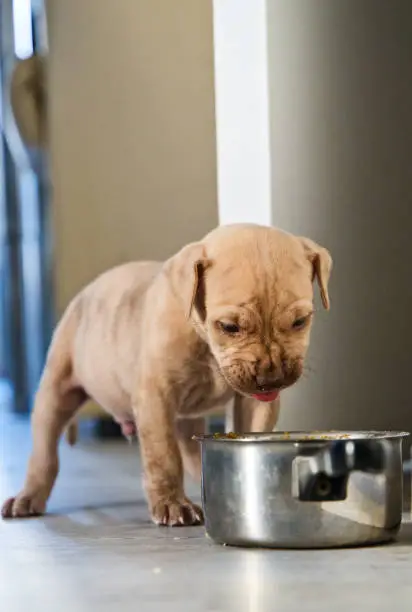
3. What Makes the Best Dog Food for Pitbull Puppies?
Now we get into the most important section—what actually defines a “good” puppy food.
Not all “premium” foods are suitable for Pitbull puppies.
3.1 High-Quality Animal Protein as First Ingredient
The first ingredient matters most.
Best options:
Avoid:
- “Meat by-products”
- “Animal meal” (unspecified source)
- Corn gluten as first ingredient
3.2 Puppy-Specific Formula vs Adult Food
Puppy food is specially designed with:
- Higher DHA
- Balanced calcium
- Higher digestibility
- Smaller kibble size
Adult food lacks these growth-specific adjustments.
3.3 Ideal Protein & Fat Ratio
For Pitbull puppies:
| Nutrient | Recommended Range |
|---|---|
| Protein | 28% – 38% |
| Fat | 14% – 20% |
| Carbs | Moderate |
3.4 Importance of DHA for Brain Development
DHA is found in:
- Fish oil
- Salmon
- Egg yolk
It supports:
- Intelligence
- Training ability
- Emotional stability
3.5 Calcium & Phosphorus Balance
Proper ratio ensures:
- Strong bone formation
- Healthy joint development
- Controlled growth speed
3.6 Avoiding Fillers (Corn, Soy, Wheat, By-Products)
Fillers are used to reduce cost, not improve nutrition.
Avoid:
- Corn
- Soy
- Wheat gluten
- Artificial fillers
They often lead to:
- Allergies
- Poor digestion
- Low nutrient absorption
3.7 Role of Probiotics & Digestion Support
Pitbull puppies often have sensitive stomachs.
Helpful ingredients include:
- Probiotics
- Prebiotic fiber
- Pumpkin
- Beet pulp
These support:
- Healthy stool
- Gut bacteria balance
- Reduced bloating
4. Best Dog Food Types for Pitbull Puppies
Once you understand what Pitbull puppies need nutritionally, the next step is choosing the right feeding style. There is no single “perfect” food type—each has strengths depending on your puppy’s age, digestion, and lifestyle.
Let’s break it down clearly.
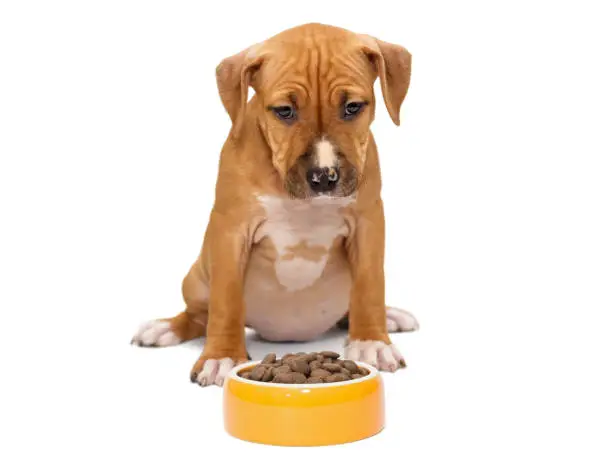
4.1 Dry Kibble (Puppy Formula)
Dry kibble is the most common and practical choice for Pitbull puppies.
It is designed to provide complete nutrition in every bite when chosen correctly.
Advantages:
- Easy to store and measure
- Balanced nutrition (if high-quality brand)
- Helps maintain dental health
- Budget-friendly for long-term feeding
- Widely available
Disadvantages:
- Low moisture content
- Low-quality brands contain fillers
- Some puppies may struggle with digestion
Always choose puppy-specific high-protein kibble, not adult formulas.
4.2 Wet / Canned Dog Food
Wet food is softer, richer, and more palatable for puppies.
Benefits:
- High moisture content (good for hydration)
- Easier chewing for young puppies
- Strong smell increases appetite
- Often more protein-rich
Downsides:
- More expensive
- Short shelf life after opening
- Can contribute to plaque if used alone
Many owners mix wet + dry food for balance.
4.3 Raw Diet for Puppies (BARF Diet)
The Biologically Appropriate Raw Food (BARF) diet is based on raw meat and natural feeding.
Includes:
- Raw chicken, beef, lamb
- Organ meat (liver, kidney)
- Raw bones (never cooked)
- Small amounts of vegetables
Potential benefits:
- High protein absorption
- Natural nutrient profile
- Improved coat condition (in some dogs)
Risks:
- Bacterial contamination (Salmonella, E. coli)
- Nutritional imbalance if not planned properly
- Not beginner-friendly
- Risky for very young puppies
Raw diets should only be used with vet guidance or expert formulation.
4.4 Freeze-Dried & Dehydrated Food
This is a modern alternative between raw and kibble.
Advantages:
- Retains raw nutrition benefits
- Long shelf life
- Easy to prepare (just add water)
- High protein quality
Disadvantages:
- Expensive
- Limited availability
- Still requires rehydration
4.5 Homemade Dog Food for Pitbull Puppies
Homemade food can be very healthy—but only if properly balanced.
Safe ingredients:
- Chicken (boiled)
- Lean beef
- Rice or oats
- Carrots, peas, spinach
- Eggs (excellent protein source)
Dangerous ingredients:
- Onion
- Garlic
- Chocolate
- Cooked bones
- Excess salt/spices
Homemade diets must include supplements (calcium, omega-3) to stay balanced.
5. Best Dog Food Brands for Pitbull Puppies
Choosing the right brand is crucial because ingredient quality varies massively between companies.
Below are some widely recommended options based on nutrition quality, puppy formulation, and real-world usage.
5.1 Premium Puppy Food Brands
Blue Buffalo Life Protection Puppy Food
- High-quality protein sources
- Includes DHA for brain development
- Contains antioxidants and vitamins
- Good for overall growth support
Hill’s Science Diet Puppy
- Veterinarian-recommended formula
- Highly digestible ingredients
- Balanced minerals for bone growth
- Ideal for sensitive stomach puppies
Royal Canin Medium Puppy Food
- Breed-size tailored nutrition
- Supports immune system development
- Designed for steady growth rate
- Excellent for structured development
5.2 High-Protein Puppy Formulas
Purina Pro Plan Puppy Large Breed
- High protein for muscle development
- DHA-rich for brain support
- Designed for large, active puppies
- Strong reputation among breeders
Wellness Core Puppy Food
- Grain-free high protein formula
- Focus on muscle and energy support
- No artificial fillers
- Good for active Pitbull puppies
5.3 Budget-Friendly Puppy Options
Budget foods can still work if you choose wisely.
Look for:
- Named meat source first
- Minimum 25% protein
- No artificial fillers
Avoid extremely cheap foods with unknown meat sources.
5.4 Best Grain-Free Puppy Food
Grain-free diets are used for puppies with:
- Skin allergies
- Wheat sensitivity
- Digestive issues
Common ingredients:
- Sweet potatoes
- Peas
- Chickpeas
Note: Grain-free diets should be used carefully and not automatically chosen.
5.5 Best Food for Sensitive Stomach Pitbull Puppies
Sensitive puppies need simple, gentle diets.
Recommended features:
- Limited ingredients
- Single protein source
- Added probiotics
- Easy-to-digest carbs
Helpful ingredients:
- Pumpkin
- Rice
- Fish oil
5.6 Best Food for Muscle Development in Pitbull Puppies
For strong muscle growth, focus on:
- High animal protein
- Amino acids
- Omega-3 fatty acids
Key idea:
Muscle is not built by food alone—it is built by protein + exercise + consistency
6. Feeding Guide for Pitbull Puppies
Proper feeding is just as important as choosing the right food.
6.1 Daily Calorie Requirements by Age
| Age | Weight Range | Calories/Day |
|---|---|---|
| 2–3 months | 5–10 kg | 500–800 kcal |
| 3–6 months | 10–20 kg | 800–1200 kcal |
| 6–12 months | 20–30 kg | 1200–1800 kcal |
6.2 Portion Size by Weight
| Weight | Daily Food Amount |
|---|---|
| 5–10 kg | 150–300g |
| 10–20 kg | 300–500g |
| 20–30 kg | 500–800g |
Always adjust based on activity level.
6.3 Feeding Frequency
| Age | Meals per Day |
|---|---|
| 2–3 months | 4 meals |
| 3–6 months | 3–4 meals |
| 6–12 months | 2–3 meals |
6.4 Transitioning from Breeder Food
When switching food:
- Mix old + new food gradually
- Increase new food over 7–10 days
- Watch stool and digestion
6.5 Overfeeding vs Underfeeding Signs
Overfeeding:
- Soft belly fat
- Low energy
- Loose stool
Underfeeding:
- Visible ribs
- Weakness
- Slow growth
7. Pitbull Puppy Growth Stages & Diet Needs
Understanding growth stages helps you adjust diet correctly.
7.1 0–8 Weeks (Milk Phase)
- Mother’s milk or formula
- Very sensitive digestion
- No solid food initially
7.2 2–4 Months (Rapid Growth Phase)
- Fast muscle and bone development
- High calorie requirement
- Soft kibble or soaked food recommended
7.3 4–8 Months (Strength Building Phase)
- Muscle development increases
- Higher protein demand
- Transition to firmer kibble
7.4 8–12 Months (Adult Transition Phase)
- Growth slows
- Shift toward maintenance diet
- Balanced protein and fat intake
8. Best Food for Pitbull Puppy Muscle Growth
Pitbull puppies are naturally built for muscle density and athletic strength, but that potential only develops properly when nutrition and activity are aligned.
Muscle growth is not just about feeding more protein—it’s about feeding the right protein, in the right balance, at the right stage of growth.
8.1 High-Protein Diets for Lean Muscle Development
Protein is the core building block of muscle tissue.
What Pitbull puppies need:
- High-quality animal protein (chicken, beef, lamb, fish)
- Consistent daily intake
- Digestible protein sources (not fillers or by-products)
Benefits of high-protein diets:
- Faster muscle development
- Better recovery after play/exercise
- Stronger immune system
- Lean body structure instead of fat gain
Ideal protein range for Pitbull puppies: 28%–38%
8.2 Importance of Amino Acids
Amino acids are the “micro-building blocks” inside protein.
Key amino acids for Pitbull puppies:
- Lysine → muscle repair
- Methionine → skin and coat health
- Leucine → muscle growth stimulation
- Taurine → heart health support
Without proper amino acids, even high-protein food becomes less effective.
8.3 Role of Exercise + Nutrition Balance
Food alone does not build a strong Pitbull puppy.
Healthy development requires:
- Proper diet
- Controlled exercise
- Rest and recovery
Important balance:
- Too much food + low exercise → obesity
- High exercise + low nutrition → weak muscle development
The goal is a lean, athletic body—not overweight bulk
8.4 Foods That Improve Strength and Stamina
Certain ingredients naturally support strength development:
Best strength-building foods:
- Chicken (lean protein)
- Beef (iron-rich muscle support)
- Salmon (omega-3 + brain support)
- Eggs (complete amino acid profile)
Energy-supporting carbs:
- Sweet potatoes
- Brown rice
- Oats
9. Common Health Issues in Pitbull Puppies & Diet Solutions
Even strong breeds like Pitbulls can face nutrition-related issues during growth.
9.1 Weak Bones & Calcium Imbalance
Causes:
- Excess calcium supplements
- Poor-quality puppy food
- Unbalanced calcium/phosphorus ratio
Solutions:
- Use puppy-specific formulas
- Avoid random calcium supplements
- Ensure balanced minerals in diet
9.2 Skin Allergies and Itching
Pitbull puppies are prone to skin sensitivity.
Symptoms:
- Constant scratching
- Red skin patches
- Ear infections
Diet solutions:
- Fish-based protein
- Grain-free limited ingredient diets
- Omega-3 rich foods
9.3 Diarrhea & Sensitive Stomach
Common triggers:
- Sudden food changes
- Low-quality fillers
- Overfeeding
Solutions:
- Introduce food gradually
- Add probiotics
- Use rice and pumpkin for digestion support
9.4 Slow Growth or Underweight Puppies
Causes:
- Low calorie intake
- Poor protein quality
- Parasites or health issues
Solutions:
- Increase high-quality protein
- Feed multiple small meals
- Consult vet if growth is very slow
9.5 Overweight Puppy Issues
Yes—even puppies can become overweight.
Causes:
- Overfeeding
- Too many treats
- Low activity
Solutions:
- Controlled portions
- Structured feeding schedule
- Daily play/exercise
10. Ingredients to Avoid in Pitbull Puppy Food
Not all dog food ingredients are safe or beneficial for growth.
10.1 Artificial Preservatives and Colors
Avoid:
- BHA
- BHT
- Artificial dyes
These can affect long-term health and digestion.
10.2 Corn, Wheat, Soy Fillers
Why they are bad:
- Low nutritional value
- Can trigger allergies
- Cause digestive issues
Always prefer whole food ingredients.
10.3 Meat By-Products
This is a major red flag in low-quality dog food.
Problem:
- Unknown animal source
- Low digestibility
- Poor amino acid profile
10.4 Excess Calcium
Too much calcium can be dangerous for growing puppies.
Risks:
- Joint development issues
- Bone deformities
- Growth imbalance
10.5 Low-Quality Fat Sources
Avoid unnamed animal fats or heavily processed oils.
Better alternatives:
- Chicken fat
- Fish oil
- Flaxseed oil
11. Homemade Dog Food for Pitbull Puppies
Homemade diets can be excellent if properly balanced.
11.1 Chicken & Rice Recipe
Ingredients:
- Boiled chicken
- Cooked rice
- Carrots
- Spinach
✔ Easy digestion
✔ Great for sensitive stomachs
11.2 Boiled Beef & Vegetables Meal
Ingredients:
- Lean beef
- Sweet potatoes
- Peas
- Pumpkin
✔ High protein
✔ Muscle support
11.3 Eggs & Oats Nutrition Mix
Ingredients:
- Boiled eggs
- Cooked oats
- Small vegetable mix
✔ Complete amino acid profile
✔ Energy boosting
11.4 Safe Supplements for Puppies
- Fish oil → coat and brain health
- Multivitamins → balanced nutrition
- Probiotics → digestion support
11.5 Foods Strictly Not Allowed
- Chocolate
- Onion & garlic
- Cooked bones
- Alcohol
- Excess salt/spices
12. Dry Food vs Wet Food vs Raw Diet
Nutritional Comparison
| Diet Type | Protein Quality | Convenience | Safety | Cost |
|---|---|---|---|---|
| Dry Food | High (premium brands) | Very easy | High | Medium |
| Wet Food | Medium–High | Medium | High | High |
| Raw Diet | Very high | Difficult | Risky | High |
Digestibility Differences
- Dry food → stable digestion
- Wet food → easier digestion
- Raw food → highest nutrient absorption (but risky)
Cost Comparison
- Dry food → most affordable long-term
- Wet food → moderate to expensive
- Raw diet → expensive + time-consuming
Safety Concerns
- Dry food → safest and regulated
- Wet food → safe but perishable
- Raw food → requires strict hygiene control
Which is Best for Growth?
For most Pitbull puppies:
High-quality dry puppy food + occasional wet food mix is ideal
13. Feeding Schedule for Pitbull Puppies
Proper timing is just as important as food quality.
13.1 2–3 Months
- 4 meals per day
- Small portions
- Soft or soaked kibble
13.2 3–6 Months
- 3–4 meals per day
- Gradually increase portion size
- Introduce firmer kibble
13.3 6–12 Months
- 2–3 meals per day
- Transition toward adult feeding routine
13.4 Water Intake Importance
Always ensure:
- Fresh water available
- Increased hydration in hot weather
- No milk as substitute
14. Frequently Asked Questions (FAQs)
14.1 What is the best dog food for Pitbull puppies?
High-quality puppy formulas like:
- Blue Buffalo Puppy
- Hill’s Science Diet Puppy
- Purina Pro Plan Puppy
14.2 How much should a Pitbull puppy eat daily?
Depends on age and weight:
- 500 kcal → small puppies
- 1800 kcal → larger growing puppies
14.3 Can Pitbull puppies eat grain-free food?
Yes, but only if:
- Ingredients are high quality
- No nutritional imbalance exists
14.4 What food helps Pitbull puppies grow faster?
- High protein animal sources
- DHA-rich foods
- Balanced calcium puppy formulas
14.5 Is raw food safe for Pitbull puppies?
It can be, but:
- Requires strict hygiene
- Needs expert planning
- Not recommended for beginners
14.6 When should I switch from puppy food to adult food?
Usually:
- 12 months → small transition
- 12–18 months → full adult diet
15. Conclusion
Raising a Pitbull puppy is not just about feeding—it is about building a strong foundation for life.
The right diet ensures:
- Strong muscle development
- Healthy bone structure
- Better learning and behavior
- Long-term energy and stamina