Dogs with kidney problems often require special nutrition, and one of the most important dietary changes involves reducing phosphorus intake. Choosing the right low phosphorus dog food can help support kidney function, improve quality of life, and slow the progression of chronic kidney disease.
In this guide, you’ll learn everything you need to know about phosphorus in canine nutrition, the benefits of low phosphorus diets, the best ingredients to look for, and how to choose the right food for your dog.
A dog’s diet plays a major role in overall health, especially when kidney disease enters the picture. While protein often gets most of the attention, phosphorus is another nutrient that deserves careful monitoring.
For dogs with kidney issues, excess phosphorus can place additional stress on already weakened kidneys. That’s why many veterinarians recommend switching to a low phosphorus diet for dogs once kidney disease or elevated phosphorus levels are detected.
The good news is that there are many high-quality options available today, including prescription diets, over-the-counter foods, homemade meals, and kidney-support wet foods.
Whether you’re caring for a senior dog or simply researching preventative nutrition, understanding phosphorus can help you make smarter feeding decisions.
Understanding Phosphorus in Dog Food
What Is Phosphorus?
Phosphorus is an essential mineral found in almost all dog foods. It works together with calcium to support:
- Strong bones and teeth
- Muscle function
- Cell repair
- Energy production
- Healthy metabolism
Although phosphorus is necessary, too much can become harmful for dogs with kidney disease.
Healthy kidneys remove excess phosphorus through urine. But when kidney function declines, phosphorus starts building up in the bloodstream, which can worsen kidney damage over time.
Why Dogs Need Phosphorus
Dogs need moderate amounts of phosphorus for normal body function. Without enough phosphorus, dogs may experience:
- Weak bones
- Poor growth
- Muscle weakness
- Fatigue
- Reduced appetite
However, balance is extremely important. A healthy dog can tolerate normal phosphorus levels, while dogs with kidney disease often require strict phosphorus control.
Key Functions of Phosphorus
| Function | Importance |
|---|---|
| Bone development | Supports strong bones and teeth |
| Energy metabolism | Helps convert food into energy |
| Muscle support | Assists muscle contractions |
| Cell maintenance | Supports tissue repair |
| Nervous system function | Helps maintain healthy nerves |
How Much Phosphorus Does a Dog Need?
The ideal phosphorus amount depends on:
- Age
- Breed
- Activity level
- Overall health
- Kidney function
Healthy adult dogs usually consume moderate phosphorus levels safely. However, dogs with kidney disease often need foods with restricted phosphorus content.
Veterinary kidney diets typically contain lower phosphorus levels compared to standard dog foods.
General Phosphorus Guidelines
| Dog Type | Recommended Phosphorus Level |
|---|---|
| Healthy adult dogs | Normal maintenance levels |
| Senior dogs | Moderate phosphorus |
| Dogs with CKD | Restricted phosphorus |
| Puppies | Higher phosphorus for growth |
Always speak with a veterinarian before drastically lowering phosphorus intake, especially for puppies or active dogs.
Difference Between Normal and Low Phosphorus Diets
The biggest difference lies in mineral balance.
Normal Dog Food
Regular dog food often contains:
- Higher meat content
- More bone meal
- Standard phosphorus levels
- Less moisture
Low Phosphorus Dog Food
Special kidney-support diets typically contain:
- Controlled phosphorus
- Moderate high-quality protein
- Increased moisture
- Added omega-3 fatty acids
- Reduced sodium
These changes help reduce kidney workload while still providing complete nutrition.
What Happens If Dogs Eat Too Much Phosphorus?
Excess phosphorus can be dangerous for dogs with kidney disease.
When phosphorus accumulates in the bloodstream, it may lead to:
- Kidney damage progression
- Mineral imbalances
- Loss of appetite
- Nausea and vomiting
- Weakness
- Bone problems
Over time, elevated phosphorus levels can significantly reduce quality of life.
This is why many veterinarians prioritize phosphorus restriction even before reducing protein.
For more information about canine kidney nutrition, the American Kennel Club offers helpful pet health resources.
Can Low Phosphorus Diets Be Harmful?
A low phosphorus diet is not suitable for every dog.
Healthy dogs, growing puppies, and highly active dogs may require higher phosphorus levels to support proper development and muscle health.
Potential risks of unnecessary phosphorus restriction include:
- Nutrient deficiencies
- Weak bones
- Reduced energy
- Poor growth in puppies
That’s why veterinary guidance is essential before changing your dog’s diet.
What Is Low Phosphorus Dog Food?
Definition of Low Phosphorus Dog Food
Low phosphorus dog food is specially formulated to reduce the amount of phosphorus a dog consumes daily.
These diets are commonly recommended for:
- Dogs with chronic kidney disease
- Senior dogs with declining kidney function
- Dogs with elevated blood phosphorus levels
- Dogs recovering from kidney-related illnesses
The goal is to reduce kidney strain and slow disease progression.
How Low Phosphorus Dog Food Works
Low phosphorus diets work by limiting the mineral load the kidneys must process.
Since damaged kidneys struggle to filter phosphorus efficiently, lowering dietary phosphorus helps reduce stress on the body.
Many kidney-support formulas also include:
- Increased moisture
- Controlled sodium
- Digestible proteins
- Anti-inflammatory nutrients
Together, these features help support better overall kidney health.
Benefits of Reduced Phosphorus Levels
Dogs with kidney disease may benefit from phosphorus restriction in several ways.
Benefits Include:
- Slower kidney disease progression
- Improved appetite
- Reduced nausea
- Better energy levels
- Improved hydration
- Reduced mineral imbalance risks
Many pet owners notice positive changes after transitioning to a kidney-support diet.
Moisture Content and Kidney Support
Hydration is extremely important for dogs with kidney disease.
Wet low phosphorus dog food often contains significantly more moisture than dry kibble, helping dogs stay hydrated naturally.
Benefits of Moisture-Rich Foods
| Benefit | Why It Matters |
|---|---|
| Better hydration | Supports kidney filtration |
| Easier digestion | Gentle on sensitive stomachs |
| Improved appetite | More palatable for picky dogs |
| Reduced dehydration risk | Common issue in CKD dogs |
Dogs with kidney disease frequently drink more water due to reduced kidney efficiency.
Prescription vs Non-Prescription Low Phosphorus Foods
There are two major categories of low phosphorus dog food.
Prescription Kidney Diets
These foods are designed specifically for medical conditions and usually require veterinary approval.
Features include:
- Strict phosphorus control
- Therapeutic nutrient balance
- Clinical testing
- Advanced kidney support formulas
Non-Prescription Options
Over-the-counter kidney-friendly foods may still provide reduced phosphorus levels but with less strict formulation standards.
These are often used:
- For early kidney support
- Preventative senior nutrition
- Mild phosphorus reduction
Some owners prefer holistic or natural options from trusted pet food companies like Blue Buffalo and Wellness Pet Food.
Wet vs Dry Low Phosphorus Dog Food
Both wet and dry foods can support dogs with kidney disease, but each has advantages.
Wet Food Benefits
- Higher moisture content
- Better hydration
- Softer texture
- Often more appetizing
Dry Food Benefits
- More affordable
- Easier storage
- Convenient feeding
- Helps dental health
Many owners combine both wet and dry foods for balanced nutrition and variety.
Why Dogs Need Low Phosphorus Dog Food
Chronic Kidney Disease (CKD) in Dogs
Chronic kidney disease is one of the most common reasons veterinarians recommend low phosphorus diets.
CKD occurs when the kidneys gradually lose their ability to filter waste products effectively.
Unfortunately, kidney damage is usually permanent. However, dietary management can help slow progression and improve comfort.
Kidney Failure and Phosphorus Control
As kidney function declines, phosphorus accumulates in the blood.
This can create a harmful cycle:
- Kidneys struggle to remove phosphorus
- Phosphorus levels rise
- Kidney tissues suffer more damage
- Kidney function worsens further
Reducing phosphorus intake helps break this cycle.
Senior Dogs and Kidney Health
Older dogs are naturally more vulnerable to kidney problems.
Age-related kidney decline often develops slowly, making routine bloodwork extremely important.
Common Kidney Issues in Senior Dogs
- Reduced filtration ability
- Dehydration risk
- Appetite changes
- Weight loss
- Elevated phosphorus levels
Feeding a senior-friendly low phosphorus diet may help support aging kidneys.
The PetMD pet nutrition library also provides useful information about kidney disease management in dogs.
Dogs With Urinary Problems
Some urinary conditions may benefit from carefully balanced mineral intake.
Although urinary disease and kidney disease are not identical, they can sometimes overlap.
Specialized diets may help:
- Maintain hydration
- Support urinary health
- Reduce mineral buildup
- Promote healthier kidney function
Dogs Recovering From Illness
Dogs recovering from severe illness, dehydration, or kidney-related infections may temporarily benefit from kidney-support nutrition.
During recovery, easily digestible foods with controlled phosphorus can reduce stress on healing organs.
Preventing Further Kidney Damage
One of the main goals of low phosphorus nutrition is prevention.
Even in early kidney disease stages, phosphorus restriction may help:
- Slow kidney deterioration
- Improve long-term comfort
- Support better appetite
- Reduce toxin buildup
Early dietary intervention can make a significant difference in a dog’s quality of life.
Signs Your Dog May Need a Low Phosphorus Diet
Kidney disease symptoms often develop gradually, making them easy to overlook at first.
Knowing the warning signs can help owners seek veterinary care sooner.
Excessive Thirst
Dogs with kidney disease often drink far more water than usual.
This happens because damaged kidneys struggle to conserve water effectively.
Frequent Urination
Increased urination commonly accompanies excessive thirst.
Some dogs may:
- Need more bathroom breaks
- Urinate indoors unexpectedly
- Produce large amounts of pale urine
Weight Loss
Unexplained weight loss can indicate kidney dysfunction.
Dogs with kidney disease may lose muscle mass due to reduced appetite and poor nutrient processing.
Vomiting and Nausea
As toxins build up in the bloodstream, dogs may experience:
- Nausea
- Vomiting
- Drooling
- Lip licking
- Stomach discomfort
These symptoms often worsen without dietary management.
Loss of Appetite
Many dogs with kidney disease become picky eaters.
Wet low phosphorus foods are often easier to encourage because they:
- Smell stronger
- Taste better
- Have softer textures
Fatigue and Weakness
Dogs with kidney problems may appear:
- Less active
- More tired
- Reluctant to exercise
- Weak or lethargic
Low energy levels often develop gradually.
Bad Breath in Dogs With Kidney Disease
Kidney disease can cause unpleasant breath odors due to toxin buildup in the bloodstream.
Some owners describe the smell as:
- Metallic
- Ammonia-like
- Extremely strong
Elevated Blood Phosphorus Levels
Ultimately, blood testing provides the clearest diagnosis.
Veterinarians use lab work to evaluate:
- Kidney function
- Blood phosphorus
- Creatinine
- BUN levels
- Electrolyte balance
If phosphorus levels are elevated, dietary changes are often recommended quickly.
Best Low Phosphorus Dog Food Ingredients
Choosing the right ingredients matters just as much as reducing phosphorus itself.
High-quality kidney-support foods focus on digestibility, hydration, and balanced nutrition.
High-Quality Protein Sources
Dogs still need protein, even with kidney disease.
The focus should be on:
- Digestible proteins
- Moderate protein levels
- Lower phosphorus protein sources
Good options include:
- Egg whites
- Chicken
- Turkey
- White fish
Easily Digestible Proteins
Digestible proteins reduce waste buildup and may help dogs maintain muscle mass more efficiently.
Protein quality matters more than simply lowering protein intake.
Healthy Fats for Energy
Healthy fats provide calories without increasing phosphorus levels excessively.
Beneficial fat sources include:
- Fish oil
- Chicken fat
- Flaxseed oil
- Sunflower oil
These fats also improve food flavor and palatability.
Omega-3 Fatty Acids for Kidney Support
Omega-3 fatty acids may help reduce inflammation associated with kidney disease.
Common omega-3 sources include:
- Salmon oil
- Fish oil
- Sardine oil (in controlled amounts)
Best Low Phosphorus Dog Food Ingredients
Low Sodium Ingredients
Dogs with kidney disease often benefit from reduced sodium intake. Excess sodium may increase blood pressure and place additional stress on the kidneys.
Good Low Sodium Ingredients
- White rice
- Sweet potatoes
- Pumpkin
- Green beans
- Oats
- Lean poultry
Ingredients High in Sodium to Limit
| Ingredient | Why Avoid It |
|---|---|
| Processed meats | Often heavily salted |
| Salty broths | May increase blood pressure |
| Cheese | High sodium content |
| Fast-food leftovers | Excess salt and unhealthy fats |
A balanced kidney diet focuses on gentle, minimally processed ingredients.
Antioxidants and Vitamins
Antioxidants help fight oxidative stress, which is common in dogs with chronic kidney disease.
Helpful Antioxidants Include:
- Vitamin E
- Vitamin C
- Selenium
- Beta-carotene
Foods rich in antioxidants may help support:
- Immune health
- Cellular repair
- Healthy aging
- Inflammation control
Blueberries, cranberries, and spinach are often included in premium kidney-support formulas.
Fiber Sources That Support Digestion
Digestive health becomes increasingly important for dogs with kidney issues.
Fiber may help:
- Improve stool quality
- Support healthy gut bacteria
- Reduce toxin buildup
- Aid nutrient absorption
Beneficial Fiber Sources
- Pumpkin
- Brown rice
- Oats
- Sweet potatoes
- Green beans
Moderate fiber intake is usually ideal because excessive fiber can sometimes reduce nutrient absorption.
Hydrating Ingredients in Wet Foods
Hydration plays a critical role in kidney support.
Wet low phosphorus dog food often contains:
- Broth
- Water-rich vegetables
- Moist meat sources
- Hydrating gravies
This additional moisture can help maintain better kidney function and reduce dehydration risk.
Ingredients to Avoid in Low Phosphorus Dog Food
Not all dog foods labeled “healthy” are suitable for kidney disease. Some ingredients can worsen phosphorus buildup or place extra strain on the kidneys.
High-Phosphorus Meat By-Products
Meat by-products often contain organs, bones, and connective tissues that may be high in phosphorus.
Examples Include:
- Bone meal
- Organ meats
- Poultry by-product meal
These ingredients are commonly found in lower-quality commercial foods.
Excess Bone Meal
Bone meal is extremely rich in phosphorus and calcium.
Although it can benefit healthy dogs in moderation, dogs with kidney disease generally need controlled phosphorus intake.
Foods containing large amounts of bone meal are usually not recommended for kidney-support diets.
Artificial Additives and Preservatives
Artificial ingredients may irritate sensitive digestive systems and offer little nutritional value.
Additives to Watch For
| Ingredient | Concern |
|---|---|
| Artificial colors | Unnecessary additives |
| Artificial flavors | Low nutritional value |
| BHA/BHT | Chemical preservatives |
| Ethoxyquin | Controversial preservative |
Natural preservation methods are often preferred.
High Sodium Ingredients
Excess sodium can worsen dehydration and increase kidney strain.
Avoid foods with:
- Salt listed near the top of ingredients
- Processed meat flavorings
- Excess broth concentrates
Low sodium formulas are generally better for kidney support.
Low-Quality Fillers
Cheap fillers may reduce nutritional quality and digestive efficiency.
Common Low-Quality Fillers
- Corn gluten meal
- Excess soy fillers
- Low-grade wheat by-products
Instead, choose foods with whole-food carbohydrate sources.
Harmful Chemical Preservatives
Chemical preservatives may not directly cause kidney disease, but cleaner ingredient lists are generally safer for long-term feeding.
Look for natural preservatives such as:
- Mixed tocopherols
- Rosemary extract
- Vitamin E
Best Protein Sources for Low Phosphorus Diets
Protein management is one of the most misunderstood parts of kidney nutrition.
Dogs still require protein for:
- Muscle maintenance
- Immune support
- Tissue repair
- Energy
The key is choosing high-quality proteins with lower phosphorus levels.
Egg Whites for Dogs
Egg whites are considered one of the best low phosphorus protein sources.
Benefits of Egg Whites
- Highly digestible
- Excellent amino acid profile
- Low phosphorus compared to whole eggs
- Easy on sensitive stomachs
Many homemade kidney diet recipes include cooked egg whites.
Chicken and Turkey
Lean poultry can work well in controlled amounts.
Best choices include:
- Skinless chicken breast
- Lean turkey breast
- Boiled or baked poultry
Avoid heavily processed or seasoned meats.
White Fish Options
Certain white fish varieties contain moderate protein with lower fat levels.
Good Choices
- Cod
- Tilapia
- Pollock
Fish also provides beneficial omega-3 fatty acids that may support kidney health.
Lean Beef in Moderation
Lean beef can still be included carefully in some kidney diets.
Choose:
- Lean cuts
- Small portions
- Minimally processed options
Fatty or heavily processed beef products are less suitable.
Plant-Based Protein Sources
Some plant proteins may help reduce phosphorus intake.
Examples include:
- Rice protein
- Potato protein
- Peas (in moderation)
However, dogs are still primarily carnivorous, so balance is important.
Safe Homemade Protein Choices
Homemade kidney diets should always be vet-approved.
Safer Homemade Protein Options
| Protein Source | Notes |
|---|---|
| Egg whites | Excellent low phosphorus choice |
| Chicken breast | Lean and digestible |
| Turkey | Moderate phosphorus |
| White fish | Good omega-3 source |
| Cottage cheese (small amounts) | Use cautiously |
For personalized homemade diet planning, consult veterinary nutrition experts through organizations like American College of Veterinary Nutrition.
Low Phosphorus Homemade Dog Food
Is Homemade Dog Food Safe?
Homemade diets can work well for some dogs, but balance is extremely important.
Improper homemade diets may lead to:
- Nutrient deficiencies
- Muscle loss
- Calcium imbalance
- Vitamin deficiencies
Always work with a veterinarian or veterinary nutritionist before preparing homemade kidney diets long term.
Benefits of Homemade Kidney Diets
Homemade meals allow owners greater control over:
- Ingredient quality
- Phosphorus levels
- Protein sources
- Sodium content
- Moisture levels
Many dogs also find fresh homemade food more appealing.
Vet-Approved Homemade Recipes
A basic homemade kidney-support meal may include:
- Cooked white rice
- Egg whites
- Lean chicken
- Pumpkin
- Fish oil supplement
However, exact nutrient ratios matter greatly, so professional guidance is essential.
Easy Low Phosphorus Meal Ideas
Simple Meal Combination Ideas
- White rice with egg whites and pumpkin
- Lean turkey with sweet potatoes
- Chicken breast with green beans
- Tilapia with rice and carrots
These meals may work short-term but should not replace balanced veterinary guidance.
Homemade Dog Treats for Kidney Disease
Homemade treats are often safer because owners control the ingredients.
Kidney-Friendly Treat Ideas
- Apple slices
- Blueberries
- Watermelon
- Unsalted rice cakes
- Pumpkin bites
Avoid heavily processed commercial treats whenever possible.
Foods Safe for Dogs With Kidney Issues
Generally Kidney-Friendly Foods
| Food | Benefits |
|---|---|
| White rice | Easy digestion |
| Pumpkin | Fiber support |
| Egg whites | Low phosphorus protein |
| Green beans | Low calorie snack |
| Apples | Hydrating and nutritious |
| Blueberries | Antioxidant support |
Common Homemade Diet Mistakes
Many owners unintentionally create nutritional imbalances.
Common Errors
- Feeding too much protein
- Ignoring phosphorus levels
- Using excessive calcium supplements
- Failing to add vitamins
- Not measuring portions correctly
Homemade feeding requires careful planning.
Foods Naturally Low in Phosphorus for Dogs
Certain foods naturally contain lower phosphorus levels and can fit well into kidney-support diets.
White Rice
White rice is easy to digest and low in phosphorus.
Benefits include:
- Gentle on digestion
- Good energy source
- Mild flavor for picky eaters
Sweet Potatoes
Sweet potatoes provide:
- Fiber
- Vitamins
- Digestible carbohydrates
They’re also naturally appealing to many dogs.
Pumpkin
Pumpkin supports digestion while remaining relatively low in phosphorus.
It may help:
- Stool consistency
- Digestive comfort
- Appetite support
Plain canned pumpkin works well in moderation.
Green Beans
Green beans are:
- Low calorie
- Hydrating
- Low phosphorus
- Rich in fiber
Many dogs enjoy them as crunchy snacks.
Apples and Blueberries
These fruits offer antioxidants and hydration.
Benefits
| Fruit | Benefits |
|---|---|
| Apples | Fiber and hydration |
| Blueberries | Antioxidants |
| Watermelon | Moisture support |
| Strawberries | Vitamin C |
Always remove seeds and avoid sugary canned fruit.
Cabbage and Cauliflower
Certain vegetables can safely support kidney-friendly diets.
These vegetables provide:
- Fiber
- Vitamins
- Hydration
- Low phosphorus content
Serve cooked vegetables in moderate amounts for easier digestion.
Egg Whites
Egg whites deserve special attention because they are among the best protein choices for kidney-support diets.
They provide:
- High-quality amino acids
- Very low phosphorus
- Easy digestion
Low-Phosphorus Vegetables List
Kidney-Friendly Vegetables
- Green beans
- Carrots
- Cauliflower
- Cabbage
- Pumpkin
- Zucchini
- Cucumbers
These vegetables can add variety without overwhelming phosphorus levels.
Foods High in Phosphorus to Avoid
Knowing what to avoid is just as important as knowing what to feed.
Organ Meats
Organ meats are extremely nutrient-dense but also very high in phosphorus.
Common Organ Meats
- Liver
- Kidney
- Heart
- Gizzards
These should usually be avoided in kidney-support diets.
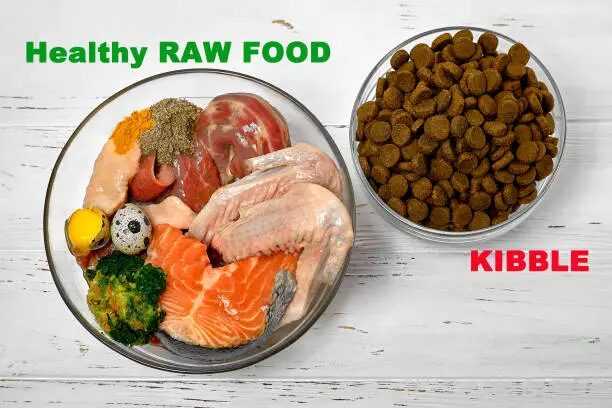
Bones and Raw Diets
Raw diets that contain bones may dramatically increase phosphorus intake.
Bone-heavy diets are generally not recommended for dogs with kidney disease.
Dairy Products
Many dairy products contain high phosphorus levels.
Dairy Foods to Limit
| Dairy Product | Concern |
|---|---|
| Cheese | High phosphorus and sodium |
| Milk | Moderate phosphorus |
| Yogurt | Use cautiously |
| Ice cream | Excess sugar and phosphorus |
Sardines and Certain Fish
While fish oils help support kidney health, whole sardines can contain higher phosphorus levels.
Some fish should only be fed in moderation.
Processed Meats
Processed meats often contain:
- Excess sodium
- Preservatives
- Phosphorus additives
Avoid:
- Hot dogs
- Deli meats
- Sausages
- Bacon
High-Phosphorus Commercial Treats
Many commercial treats contain hidden phosphorus additives.
Look carefully at ingredient labels before buying treats marketed as “healthy.”
The Chewy pet nutrition section can help compare ingredient labels and kidney-support food options.
Best Commercial Low Phosphorus Dog Food Brands
Finding the right commercial food can feel overwhelming because there are so many options available today.
The best choice depends on:
- Your dog’s health condition
- CKD stage
- Budget
- Taste preferences
- Veterinary recommendations
Best Dry Low Phosphorus Dog Food
Dry kidney-support foods are popular because they are:
- Convenient
- Affordable
- Easy to store
Many veterinary brands now offer kidney-specific kibble formulas.
Best Wet Low Phosphorus Dog Food
Wet foods often work especially well for dogs with kidney disease because they increase hydration naturally.
Dogs with reduced appetite may also prefer canned food textures and aromas.
Best Prescription Kidney Dog Foods
Prescription kidney diets are specifically designed for dogs with chronic kidney disease.
Popular veterinary diets often focus on:
- Reduced phosphorus
- Controlled protein
- Added omega-3s
- Increased antioxidants
Best Affordable Low Phosphorus Dog Food
Some non-prescription foods provide moderate phosphorus control at lower prices.
Budget-friendly options should still prioritize:
- High-quality ingredients
- Moderate protein
- Controlled sodium
Best Commercial Low Phosphorus Dog Food Brands
Best Low Protein and Low Phosphorus Dog Food
Some dogs with advanced kidney disease may benefit from diets that are both lower in phosphorus and moderate in protein.
These foods are carefully formulated to:
- Reduce kidney workload
- Minimize waste buildup
- Maintain muscle condition
- Support appetite
However, protein restriction should always be supervised by a veterinarian because too little protein can lead to muscle loss.
Grain-Free Low Phosphorus Dog Food Options
Certain dogs do better on grain-free diets, especially if they have food sensitivities.
Common Grain-Free Ingredients
| Ingredient | Purpose |
|---|---|
| Sweet potatoes | Digestible carbohydrates |
| Peas | Plant-based protein |
| Lentils | Fiber and nutrients |
| Chickpeas | Energy source |
Not every grain-free formula is kidney-friendly, so always check phosphorus levels carefully.
Best Dog Food for Senior Dogs With Kidney Disease
Senior dogs often need:
- Softer textures
- More moisture
- Controlled phosphorus
- Moderate calories
- Easy digestion
Many senior-specific kidney diets are designed to support aging dogs while maintaining appetite and hydration.
Brands like Hill’s Pet Nutrition and Royal Canin offer veterinary kidney-support formulas for older dogs.
How to Choose the Best Low Phosphorus Dog Food
Choosing the right food requires more than simply reading marketing claims on the front of the bag.
Understanding labels and nutrient analysis is essential.
Reading Dog Food Labels
The ingredient list tells you a lot about food quality.
Look For:
- Named protein sources
- Moderate phosphorus ingredients
- Natural preservatives
- Moisture-rich formulas
Avoid:
- Excess by-products
- Bone meal
- Artificial additives
- Excess sodium
Understanding Guaranteed Analysis
Guaranteed analysis shows:
- Protein percentage
- Fat percentage
- Fiber levels
- Moisture content
Unfortunately, phosphorus percentages are not always listed clearly.
Sometimes you may need to contact the manufacturer directly.
Checking Phosphorus Percentage
For dogs with kidney disease, phosphorus content matters significantly.
Veterinary kidney diets usually contain lower phosphorus levels than standard maintenance foods.
Ask manufacturers for:
- Phosphorus percentage
- Dry matter phosphorus level
- Calorie information
Dry Matter Basis Explained
Comparing wet and dry foods can be confusing because moisture levels differ greatly.
Dry matter basis calculations remove moisture content to provide a more accurate nutrient comparison.
Why It Matters
| Food Type | Moisture Content |
|---|---|
| Wet food | Very high |
| Dry food | Low |
Without dry matter calculations, phosphorus comparisons may be misleading.
Protein-to-Phosphorus Ratio
High-quality kidney diets focus on balancing protein and phosphorus carefully.
A better protein-to-phosphorus ratio may help:
- Maintain muscle mass
- Reduce kidney stress
- Improve overall nutrition
Choosing Food Based on Dog Age and Size
Every dog has different nutritional needs.
Small Dogs
- Often prefer smaller kibble
- May need calorie-dense foods
Large Dogs
- Need joint support
- Require careful weight management
Senior Dogs
- Benefit from hydration
- Need easier digestion
Wet Food vs Dry Food Comparison
Wet Food
Pros
- Excellent hydration
- Easier chewing
- Better taste
Cons
- More expensive
- Shorter shelf life
Dry Food
Pros
- Convenient storage
- More affordable
- Easier portioning
Cons
- Lower moisture
- May be less appetizing
Many owners combine both for balanced feeding.
Low Phosphorus Wet Dog Food
Benefits of Wet Food for Kidney Disease
Wet food is often highly recommended for dogs with kidney disease because hydration is critical.
Benefits Include:
- Increased water intake
- Softer texture
- Better appetite stimulation
- Easier digestion
Dogs with kidney disease commonly lose interest in dry kibble alone.
Hydration and Kidney Support
Proper hydration helps kidneys flush waste products more effectively.
Dehydration can worsen:
- Fatigue
- Nausea
- Toxin buildup
- Kidney strain
Wet food naturally increases daily fluid intake.
Best Canned Low Phosphorus Dog Foods
Many veterinary canned diets are formulated specifically for kidney support.
Popular features include:
- Controlled phosphorus
- Omega-3 fatty acids
- Moderate protein
- Added antioxidants
Always consult your veterinarian before selecting a therapeutic diet.
How Much Wet Food Should Dogs Eat?
Portion sizes depend on:
- Body weight
- Kidney disease stage
- Activity level
- Calorie needs
Overfeeding can cause weight gain, while underfeeding may worsen muscle loss.
Mixing Wet and Dry Foods
Combining wet and dry foods can provide:
- Better hydration
- Variety in texture
- Improved palatability
- More flexible feeding
Many picky eaters respond positively to mixed feeding approaches.
Low Phosphorus Dry Dog Food
Advantages of Dry Food
Dry foods remain popular because they are:
- Cost-effective
- Easy to store
- Convenient for portion control
High-quality kidney-support kibble can still work well when paired with adequate hydration.
Best Kidney Support Kibble
Good kidney-support kibble often includes:
- Controlled phosphorus
- Moderate protein
- Fish oil
- Digestible carbohydrates
Always check nutritional details instead of relying only on front-label claims.
Crunchy Foods for Dental Health
Crunchy kibble may help reduce plaque buildup in some dogs.
However, dogs with dental disease or poor appetite may prefer softer food options.
How to Add Moisture to Dry Food
Simple ways to increase moisture include:
- Adding warm water
- Mixing with low sodium broth
- Combining with canned food
This can make meals more appealing and improve hydration.
Budget-Friendly Dry Food Options
Prescription diets can be expensive, but some over-the-counter foods offer moderate phosphorus control at lower prices.
Focus on:
- Ingredient quality
- Veterinary guidance
- Balanced nutrition
Cheaper food is not always healthier in the long term.
Prescription Low Phosphorus Dog Food
What Is Prescription Kidney Dog Food?
Prescription kidney diets are therapeutic foods specifically formulated for dogs with kidney disease.
They usually contain:
- Reduced phosphorus
- Controlled sodium
- Added omega-3s
- Kidney-support antioxidants
When Vets Recommend Prescription Diets
Veterinarians often recommend prescription diets when bloodwork shows:
- Elevated creatinine
- High phosphorus
- Reduced kidney function
Early dietary changes may help slow disease progression.
Benefits of Therapeutic Dog Food
Potential Benefits
| Benefit | Why It Matters |
|---|---|
| Reduced kidney workload | Supports damaged kidneys |
| Better hydration | Important for filtration |
| Controlled minerals | Reduces phosphorus buildup |
| Improved appetite | Helps maintain body weight |
Popular Veterinary Kidney Diet Brands
Several veterinary brands specialize in kidney-support nutrition.
Popular options include:
- Hill’s Prescription Diet k/d
- Royal Canin Renal Support
- Purina Pro Plan Veterinary Diets NF
These diets are commonly recommended by veterinarians worldwide.
Are Prescription Diets Worth It?
For many dogs with chronic kidney disease, prescription diets can significantly improve:
- Appetite
- Comfort
- Energy levels
- Long-term quality of life
Although more expensive, they are often carefully researched and clinically tested.
Non-Prescription Low Phosphorus Dog Food
OTC Low Phosphorus Dog Food Options
Over-the-counter kidney-friendly foods are easier to access and may work well for:
- Mild kidney concerns
- Senior dogs
- Preventative feeding
However, phosphorus levels vary widely between brands.
Natural and Holistic Brands
Some pet owners prefer holistic foods with:
- Limited ingredients
- Natural preservatives
- Higher ingredient transparency
Always verify nutrient content rather than relying solely on “natural” marketing claims.
Budget-Friendly Alternatives
Affordable kidney-friendly feeding strategies may include:
- Mixing prescription and non-prescription food
- Adding homemade low phosphorus ingredients
- Feeding wet food selectively
Speak with your vet before making major dietary adjustments.
Comparing OTC vs Prescription Diets
| Feature | OTC Foods | Prescription Foods |
|—|—|
| Availability | Easy to buy | Vet approval required |
| Phosphorus control | Moderate | Strict |
| Clinical testing | Limited | Extensive |
| Cost | Lower | Higher |
Low Protein vs Low Phosphorus Dog Food
Understanding the Difference
Many people mistakenly believe kidney diets should eliminate protein entirely.
In reality:
- Protein quality matters more than extreme restriction
- Phosphorus control is often the main priority
Do Dogs With Kidney Disease Need Low Protein?
Not always.
Dogs still require protein to:
- Maintain muscle
- Support immunity
- Stay strong
Severe protein restriction may cause muscle wasting in some dogs.
High-Quality Protein vs Protein Restriction
High-quality digestible proteins often work better than simply feeding less protein overall.
Good protein sources:
- Produce less waste
- Support muscle health
- Improve nutrient absorption
Which Diet Is Better for CKD Dogs?
The answer depends on:
- Kidney disease stage
- Bloodwork results
- Appetite
- Muscle condition
Veterinarians often tailor diets individually.
Best Low Phosphorus Dog Treats
Safe Treats for Kidney Disease
Kidney-friendly treats should be:
- Low phosphorus
- Low sodium
- Easy to digest
Safer Treat Options
- Apples
- Blueberries
- Rice cakes
- Pumpkin bites
- Green beans
Homemade Low Phosphorus Treat Recipes
Simple homemade treats are often healthier than heavily processed commercial snacks.
Easy Treat Idea
Mix:
- Pumpkin puree
- Rice flour
- Egg whites
Bake into small soft treats.
Fruits Safe for Dogs
Safe Fruits
| Fruit | Benefit |
|---|---|
| Apples | Fiber and hydration |
| Blueberries | Antioxidants |
| Watermelon | Moisture |
| Strawberries | Vitamins |
Avoid grapes and raisins because they are toxic to dogs.
Vegetables Dogs Can Eat
Good low phosphorus vegetables include:
- Green beans
- Carrots
- Cauliflower
- Zucchini
- Cucumbers
Serve vegetables plain without added salt or seasonings.
Treats to Avoid
Avoid treats containing:
- Organ meats
- Cheese
- Processed meat
- Bone meal
- Excess salt
These ingredients may increase phosphorus levels significantly.
Feeding Tips for Dogs on Low Phosphorus Diets
Transitioning to a New Diet
Sudden food changes may upset digestion.
Transition gradually over 7–10 days by slowly mixing the new food with the old food.
Portion Control
Maintaining healthy body weight is extremely important for dogs with kidney disease.
Overfeeding may increase strain on the body.
Feeding Small Frequent Meals
Smaller meals may help reduce nausea and improve appetite.
Many kidney dogs eat better when fed:
- 3–4 smaller meals daily
- Warmed food
- Moist foods
Encouraging Picky Dogs to Eat
Helpful strategies include:
- Warming wet food slightly
- Adding low sodium broth
- Hand feeding occasionally
- Mixing textures
Keeping Dogs Hydrated
Hydration remains one of the most important aspects of kidney care.
Encourage water intake by:
- Providing fresh water constantly
- Using water fountains
- Feeding wet food
- Adding moisture to meals
Monitoring Weight and Energy Levels
Track:
- Appetite
- Weight
- Water intake
- Activity levels
Report major changes to your veterinarian promptly.
Supplements for Dogs With Kidney Disease
Omega-3 Supplements
Fish oil supplements may help reduce inflammation and support kidney health.
Phosphorus Binders
Phosphorus binders help reduce phosphorus absorption from food.
They are often prescribed when diet alone cannot control phosphorus levels.
Probiotics for Dogs
Some probiotics may support digestion and overall gut health in kidney patients.
Kidney Support Supplements
Veterinarians sometimes recommend:
- Antioxidants
- Amino acids
- Specialized renal supplements
Only use supplements approved by your veterinarian.
Potassium Supplements
Some kidney dogs develop low potassium levels, which may cause weakness and fatigue.
Vitamins Recommended by Vets
B vitamins are commonly supplemented because kidney disease may increase vitamin loss through urination.
For additional renal care guidance, the American Veterinary Medical Association provides reliable pet health information.
Frequently Asked Questions (FAQ)
What dog food is lowest in phosphorus?
Prescription kidney diets are typically the lowest in phosphorus because they are formulated specifically for renal support.
Is low phosphorus dog food good for all dogs?
No. Healthy dogs and puppies may require normal phosphorus levels for growth and development.
What foods lower phosphorus levels in dogs?
Low phosphorus foods include:
- Egg whites
- White rice
- Pumpkin
- Green beans
- Apples
Can dogs with kidney disease eat eggs?
Yes, especially egg whites, which are highly digestible and relatively low in phosphorus.
Is rice low in phosphorus for dogs?
Yes. White rice is commonly used in kidney-support diets because it is easy to digest and lower in phosphorus.
What treats can dogs with kidney disease eat?
Safe options include:
- Apples
- Blueberries
- Pumpkin treats
- Green beans
Do senior dogs need low phosphorus food?
Not always, but many senior dogs benefit from moderate phosphorus control as kidney function declines with age.
Can homemade food help dogs with kidney disease?
Yes, but homemade diets should always be balanced carefully with veterinary guidance.
How do I calculate phosphorus in dog food?
Manufacturers can often provide dry matter phosphorus values if they are not listed on packaging.
What is the best wet food for kidney disease in dogs?
The best option depends on your dog’s health condition, preferences, and veterinary recommendations.
Conclusion
Choosing the right low phosphorus dog food can make a major difference for dogs dealing with kidney disease or age-related kidney decline.
A carefully balanced diet may help:
- Slow kidney damage
- Improve hydration
- Increase appetite
- Support energy levels
- Enhance overall quality of life
The most effective kidney-support diets usually combine:
- Controlled phosphorus
- High-quality protein
- Healthy fats
- Moisture-rich ingredients
- Veterinary supervision
Whether you choose prescription food, non-prescription formulas, or homemade meals, consistency and proper monitoring are essential.