Stepping into a VR headset and pulling up a virtual poker table feels novel, yet the part most players in Sydney and across Australia actually stress about is what happens at the cashier. VR casino gaming has moved well past tech demos at Barangaroo/Industry-Aquarium and into real-money play, and the deposit and withdrawal experience is now the deciding factor for whether a session feels slick or stops dead.
The cashier is where virtual reality casino gaming lives or dies
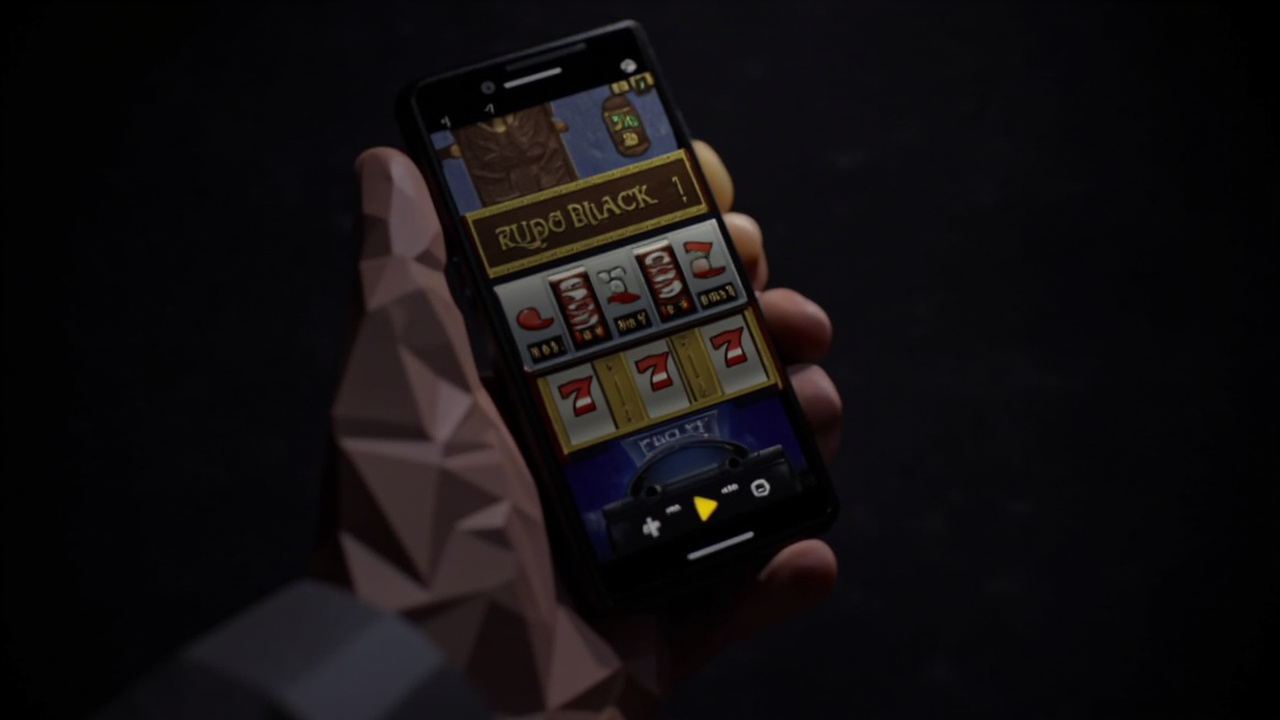
From what I’ve seen scaling wagering products across the APAC region, the headset only matters if the money moves cleanly behind it. VR casino gaming creates the impression of sitting at a felt table in Pyrmont or walking into a digital Crown atrium, but underneath the rendering sits the same payment rails any browser-based casino uses. The flashy bit makes the metaverse vanish, yet the cashier is what decides whether a player reloads, walks away, or posts in a forum later.
Two concrete pieces of context that keep this grounded: state governments derive meaningful tax revenue from licensed casino and wagering operations, so legitimate operators build cashiers that satisfy AUSTRAC and ID verification rather than skip them; and “calling someone’s bluff” is the right phrase for what a tight VR cashier does to bonus abuse, since strong KYC turns fake accounts into dead ends before they cost the operator margin. I’ve personally watched product teams in this region cut acquisition spend because a competitor had smoother PayID and POLi settlement, and the lesson lasted past the usual one.
Three payment details separate a credible VR cashier from a clunky one:
- Funding options: PayID, POLi, Visa/Mastercard, and selected crypto rails are the realistic menu for Australian adults, with AUD as the base currency to avoid surprise FX fees on a reload.
- Withdrawal flow: same-method payout where possible, with e-10 pulls typically processed within minutes for PayID once verification is complete rather than days-long pending windows.
- Limits: deposit caps that respect state-level responsible gambling safeguards, plus withdrawal ceilings that scale with loyalty status rather than punishing mid-tier regulars.
If those three behave well, the headset experience feels different. If they don’t, the metaverse shrinks fast.
If they don’t, the metaverse shrinks fast. That same rule applies to any new bonus casino offer. Miss the fine print, and the value evaporates just as quickly.
Player-fit scenarios for the VR cashier
Different bankrolls and habits expose different strengths and pressure points in the cashier, so it’s worth walking through two player types I regularly advise product teams about. Skip listing the obvious, and focus on what each profile actually feels.

The cautious casual who treats VR like a Saturday arvo novelty
This player tops up small, plays a few hands of blackjack in a virtual Surry Hills lounge scene, and wants no surprises on the statement. They need payment options that behave like an instant EFT rather than a credit-card-eve loop, transparent bonus terms written in plain English, and the ability to set deposit limits before the headset goes on. A cashier that shows the bonus wagering progress, the AUD balance, and the withdrawal queue inside the VR lobby earns trust quickly with this profile. From a product standpoint, this is the player who decides whether word-of-mouth in Sydney grows or stalls, and they are noticeably more patient when responsible gambling safeguards feel like built-in defaults rather than an afterthought.
The high-frequency grinder running multiple VR tables
This player reloads aggressively, switches between baccarat variants, and treats the cashier as a commodity in real terms. They care about same-method payout speed, higher withdrawal ceilings unlocked through loyalty tiers, and named-account support rather than a generic help inbox. They also tend to chase a “roughie” at the tables, which is the roughie term for a longshot outsider bet, and the cashier needs to handle the variance without locking funds mid-session. From what I’ve seen advising operators, this profile breaks a weak cashier fastest because they push reload volume and payout frequency in the same week, and any friction shows up in retention dashboards within a quarter. https://royalreelsfree10.com
Why the cashier fits the way Australians actually wager
Mobile-first habits dominate here, and VR sessions increasingly happen through a Meta Quest linked to a phone rather than a dedicated setup, so cashier UX has to feel native in a headset and not like a desktop port. State-level differences also matter: a player in NSW faces a different mix of licensed products than someone in Victoria or Western Australia, and the cashier should reflect the actual account standing rather than a one-size-fits-all dashboard. Responsible gambling safeguards sit closer to the deposit button in well-run products, with reality checks, cooling-off tools, and self-exclusion reachable inside the VR lobby rather than buried three menus deep.
For players weighing where to open a real-money VR account, the practical move is to check the cashier page before the welcome bonus: AUD support, PayID or POLi for funding, same-method withdrawals, visible limits, and clear verification steps are the markers that separate a credible operator from a flashy one. If those line up, the headset experience earns the wager. If they don’t, no bonus terms will fix it.
Verdict: VR casino gaming only earns its keep when the cashier behaves like a serious wagering product – AUD-native, PayID/POLi friendly, fast on processed methods, and respectful of state-level safeguards – and operators that get that right earn the trust of both cautious casuals and high-frequency grinders across Sydney and the rest of Australia.