The Miniature American Shepherd dog is one of the fastest-growing herding breeds in the United States. Combining intelligence, athleticism, loyalty, and a manageable size, this breed has become a favorite among active families, dog sport enthusiasts, and individuals looking for a devoted companion.
Often mistaken for a smaller version of the Australian Shepherd, the Miniature American Shepherd is actually a recognized breed with its own standards, history, and unique characteristics. These dogs are energetic, highly trainable, and eager to please, making them excellent partners for a variety of lifestyles.
Whether you’re considering bringing home a Miniature American Shepherd puppy, researching breed characteristics, or simply curious about this remarkable dog, this guide covers everything you need to know.
Why the Breed Is Growing in Popularity
Several factors contribute to the increasing popularity of the Miniature American Shepherd:
- Compact size compared to larger herding breeds
- High intelligence and trainability
- Strong family bonds
- Excellent performance in dog sports
- Attractive coat colors and markings
- Adaptability to various living environments
As more families seek active yet manageable companions, the Miniature American Shepherd continues to gain recognition worldwide.
Quick Facts About the Miniature American Shepherd
| Trait | Details |
|---|---|
| Breed Group | Herding |
| Height | 13–18 inches |
| Weight | 20–40 pounds |
| Lifespan | 12–15 years |
| Energy Level | High |
| Trainability | Excellent |
| Shedding | Moderate to Heavy |
| Good With Families | Yes |
| Good With Children | Yes |
| AKC Recognition | Yes |
Who This Guide Is For
This article is designed for:
- Prospective dog owners
- Families looking for a companion dog
- First-time Miniature American Shepherd owners
- Active individuals seeking an athletic breed
- Dog sport enthusiasts
- Anyone researching the breed before adoption
What You’ll Learn
In this guide, you’ll discover:
- Breed history and origin
- Personality and temperament
- Training requirements
- Exercise needs
- Health considerations
- Grooming requirements
- Cost of ownership
- Whether this breed is right for your lifestyle
What Is a Miniature American Shepherd Dog?
The Miniature American Shepherd is a small-to-medium-sized herding dog known for its intelligence, versatility, and strong work ethic. Despite its smaller stature, it possesses many of the same qualities that make larger herding breeds exceptional working and companion dogs.
These dogs are agile, alert, and highly responsive to training. Their eagerness to learn and natural athletic ability allow them to excel in numerous activities, including agility, obedience, herding, flyball, and therapy work.
History and Origin of the Breed
The breed traces its roots back to the 1960s in the western United States. Breeders sought to develop a smaller version of the Australian Shepherd while preserving the intelligence, athleticism, and herding instincts that made the larger breed so popular.
By selectively breeding smaller Australian Shepherds, breeders gradually established a consistent line of dogs with predictable size and temperament.
Over time, these dogs gained popularity among horse enthusiasts, ranchers, and active families who appreciated having a compact yet capable working dog.
Development From the Australian Shepherd
Although closely related to the Australian Shepherd, the Miniature American Shepherd developed into its own breed through careful and selective breeding practices.
Breeders focused on:
- Smaller size
- Consistent temperament
- Strong herding instincts
- Athletic ability
- Sound structure
- Companion-friendly characteristics
Today, the Miniature American Shepherd is recognized as a separate breed rather than merely a smaller Australian Shepherd.
Recognition by the American Kennel Club (AKC)
A major milestone occurred when the breed gained official recognition from the American Kennel Club (AKC) in 2015.
Recognition helped establish:
- Breed standards
- Responsible breeding programs
- Competitive opportunities
- Increased public awareness
Since then, the breed’s popularity has continued to rise across North America and beyond.
Why Is It Called a Miniature American Shepherd?
The breed’s name reflects both its size and heritage.
- Miniature refers to its smaller stature.
- American highlights its development in the United States.
- Shepherd acknowledges its herding background and working abilities.
The name accurately represents a compact herding dog developed in America.
Breed Purpose and Herding Heritage
Like many herding breeds, the Miniature American Shepherd was originally developed to help manage livestock.
Their natural abilities include:
- Gathering livestock
- Driving animals
- Following commands
- Working independently
- Monitoring surroundings
Even today, many Miniature American Shepherds retain strong herding instincts and excel in working environments.
Miniature American Shepherd Dog Breed Overview
The Miniature American Shepherd combines athletic ability, intelligence, and companionship into one versatile package.
Breed Classification
The breed belongs to the Herding Group, alongside breeds such as:
- Australian Shepherd
- Border Collie
- Shetland Sheepdog
- Belgian Shepherd
- German Shepherd
Like other herding breeds, Miniature American Shepherds thrive when given tasks and mental challenges.
Size and Weight
One of the breed’s biggest attractions is its manageable size.
Males
| Measurement | Average |
| Height | 14–18 inches |
| Weight | 25–40 pounds |
Females
| Measurement | Average |
| Height | 13–17 inches |
| Weight | 20–35 pounds |
This size makes them easier to handle than many larger working breeds.
Height Standards
Breed standards generally require dogs to remain within specific height ranges to maintain proper proportions and functionality.
A well-bred Miniature American Shepherd should appear balanced, athletic, and agile rather than delicate or oversized.
Life Expectancy
The average Miniature American Shepherd lifespan ranges from 12 to 15 years.
Many dogs live well into their teenage years when provided with:
- Quality nutrition
- Regular exercise
- Preventive veterinary care
- Healthy body weight
- Mental stimulation
Physical Characteristics at a Glance
Miniature American Shepherds possess several defining features:
- Medium-length double coat
- Athletic build
- Expressive eyes
- Alert ears
- Balanced proportions
- Agile movement
- Strong musculature
Their appearance reflects both beauty and functionality.
Breed Standard Overview
The ideal Miniature American Shepherd should demonstrate:
- Confidence
- Intelligence
- Agility
- Endurance
- Balanced structure
- Friendly disposition
Breed standards emphasize functionality over exaggerated features.
Miniature American Shepherd Appearance
One of the most appealing aspects of the breed is its striking appearance.
Their colorful coats, expressive eyes, and athletic build make them instantly recognizable.
Coat Types and Texture
The breed features a double coat consisting of:
Outer Coat
- Medium length
- Weather-resistant
- Straight to slightly wavy
Undercoat
- Dense
- Soft
- Insulating
The undercoat helps protect dogs from varying weather conditions.
Common Coat Colors
Miniature American Shepherds are known for their beautiful variety of coat colors.
Black Miniature American Shepherd
Black-coated dogs may have:
- White markings
- Copper trim
- Tricolor patterns
Their rich coloration creates a striking appearance.
Blue Merle Miniature American Shepherd
The blue merle Miniature American Shepherd is one of the most sought-after color variations.
Characteristics include:
- Marbled gray patterns
- Black patches
- White accents
- Copper markings
Each blue merle coat is unique.
Red Miniature American Shepherd
Red dogs display shades ranging from:
- Deep liver red
- Rich chestnut
- Dark copper
Their warm coloring makes them especially eye-catching.
Red Merle Miniature American Shepherd
Red merles combine:
- Marbled red patches
- Cream highlights
- White markings
- Copper accents
This coloration is highly popular among breed enthusiasts.
Eye Colors and Unique Features
One fascinating trait is the breed’s eye diversity.
Possible eye colors include:
- Brown
- Blue
- Amber
- Hazel
Some dogs exhibit heterochromia, where each eye is a different color.
Others may have marbled or partially colored eyes.
Tail Types
Miniature American Shepherds may have:
- Natural bobtails
- Naturally long tails
Tail length varies due to genetics.
Differences Between Males and Females
Although similar in appearance, subtle differences exist.
Males
- Larger frame
- More muscle mass
- Broader chest
- Heavier bone structure
Females
- Slightly smaller
- More refined appearance
- Lighter frame
- Feminine features
Both sexes maintain the breed’s athletic appearance.
Miniature American Shepherd Temperament
A breed’s personality is often the deciding factor for prospective owners, and the Miniature American Shepherd excels in this area.
Personality Traits
Common personality characteristics include:
- Intelligent
- Energetic
- Loyal
- Affectionate
- Alert
- Confident
- Responsive
These dogs enjoy being involved in daily family activities.
Intelligence Level
The Miniature American Shepherd is considered one of the more intelligent dog breeds.
Their ability to:
- Learn quickly
- Solve problems
- Understand routines
- Follow commands
makes training highly rewarding.
Many owners are surprised by how quickly these dogs pick up new skills.
Loyalty and Affection
Miniature American Shepherds form strong bonds with their families.
They often:
- Follow owners around the house
- Seek companionship
- Enjoy physical affection
- Prefer being included in activities
Their devotion makes them exceptional family companions.
Herding Instincts
Because of their working heritage, herding instincts remain strong.
Common behaviors include:
- Circling
- Watching movement closely
- Attempting to guide people or animals
- Monitoring family members
Early training helps channel these instincts appropriately.
Protective Nature
While not aggressive, Miniature American Shepherds tend to be naturally protective.
They often serve as excellent watchdogs by:
- Alerting owners to visitors
- Monitoring unusual activity
- Remaining aware of surroundings
Their alertness contributes to their popularity as family dogs.
Confidence and Alertness
The breed typically demonstrates:
- Self-confidence
- Curiosity
- Awareness
- Courage
A well-socialized Miniature American Shepherd should appear confident without being fearful or overly dominant.
Emotional Sensitivity
These dogs are highly attuned to their owners’ emotions.
They respond best to:
- Positive reinforcement
- Consistent routines
- Gentle correction
- Encouragement
Harsh training methods can damage trust and hinder learning.
For this reason, experienced trainers recommend reward-based training approaches that strengthen the bond between dog and owner.
Are Miniature American Shepherds Good Family Dogs?
One of the biggest reasons for the breed’s growing popularity is its excellent reputation as a family companion. The Miniature American Shepherd dog combines loyalty, intelligence, and affection, making it a wonderful addition to many households.
Compatibility With Children
Miniature American Shepherds generally do very well with children when properly socialized.
Benefits include:
- Playful personality
- Gentle nature with respectful children
- High energy for active games
- Strong protective instincts
However, because of their herding background, some dogs may attempt to herd children by circling them or lightly nipping at their heels. Early training helps prevent this behavior.
Tips for Families With Kids
- Teach children proper dog etiquette.
- Supervise interactions with young children.
- Provide plenty of exercise and playtime.
- Reward calm behavior around kids.
Living With Seniors
Although energetic, Miniature American Shepherds can also be excellent companions for active seniors.
They offer:
- Loyal companionship
- Moderate size for easier handling
- High intelligence
- Emotional connection
However, potential owners should remember that this breed requires daily exercise and mental stimulation.
Interaction With Strangers
Most Miniature American Shepherds are reserved rather than overly friendly with strangers.
They typically:
- Observe new people carefully
- Warm up gradually
- Remain polite and controlled
- Alert owners to visitors
Proper socialization helps prevent excessive shyness.
Bonding With Family Members
This breed is known for forming deep emotional connections with its people.
Many owners describe their Miniature American Shepherd as:
- A shadow around the house
- A constant companion
- Highly attentive
- Emotionally connected
They generally prefer being near their family rather than spending long periods alone.
Suitability for First-Time Dog Owners
A Miniature American Shepherd can be a good choice for first-time owners who are willing to invest time in:
- Training
- Exercise
- Grooming
- Socialization
Their intelligence makes them easy to train, but their energy level can surprise inexperienced owners.
Miniature American Shepherd and Other Pets
When properly socialized, Miniature American Shepherds often coexist peacefully with other animals.
Living With Other Dogs
Most Miniature American Shepherds enjoy canine companionship.
Benefits include:
- Play opportunities
- Social interaction
- Reduced boredom
They generally get along best with dogs that share similar energy levels.
Living With Cats
Many Miniature American Shepherds can live successfully with cats, especially when introduced at a young age.
Important factors include:
- Early exposure
- Supervised introductions
- Consistent training
Some dogs may initially attempt to herd cats, but this behavior can usually be managed.
Small Pets and Herding Behavior
Their strong herding instincts may create challenges with:
- Rabbits
- Guinea pigs
- Chickens
- Other small animals
Careful supervision is recommended.
Socialization Requirements
Proper socialization should begin early and continue throughout the dog’s life.
Expose your puppy to:
- Different people
- Other animals
- Various environments
- Sounds and surfaces
- New experiences
Well-socialized Miniature American Shepherds are typically confident and adaptable.
Miniature American Shepherd Size Guide
One of the breed’s greatest advantages is its manageable size.
Full-Grown Miniature American Shepherd
A fully grown Miniature American Shepherd typically weighs between 20 and 40 pounds and stands 13 to 18 inches tall.
This size provides an ideal balance between:
- Athletic capability
- Portability
- Household adaptability
Growth Stages
Puppy Stage (0–6 Months)
During this period, puppies experience rapid growth.
Key developments include:
- Teething
- Socialization
- Basic training
- Physical coordination
Adolescent Stage (6–18 Months)
This stage often brings:
- Increased energy
- Testing boundaries
- Continued growth
- Advanced learning abilities
Owners should remain consistent with training.
Adult Stage (18 Months–7 Years)
Adult Miniature American Shepherds are:
- Physically mature
- Highly active
- Mentally capable
- Ready for advanced activities
This is typically their most energetic period.
Senior Stage (7+ Years)
Senior dogs may experience:
- Reduced activity levels
- Joint stiffness
- Slower metabolism
Regular veterinary care becomes increasingly important.
Growth Chart by Age
| Age | Average Weight |
|---|---|
| 8 Weeks | 5–10 lbs |
| 3 Months | 10–15 lbs |
| 6 Months | 15–25 lbs |
| 9 Months | 20–30 lbs |
| 12 Months | 20–35 lbs |
| Adult | 20–40 lbs |
Individual growth rates vary.
Male vs Female Size Comparison
| Trait | Male | Female |
| Height | 14–18 in | 13–17 in |
| Weight | 25–40 lbs | 20–35 lbs |
| Build | More muscular | More refined |
Miniature American Shepherd Puppy Guide
Bringing home a Miniature American Shepherd puppy is exciting, but preparation is essential.
What to Expect From a Puppy
Puppies are typically:
- Curious
- Energetic
- Intelligent
- Playful
- Sometimes mischievous
Their eagerness to learn makes early training highly effective.
Puppy Development Timeline
8–12 Weeks
Focus on:
- Bonding
- House training
- Name recognition
- Socialization
3–6 Months
Introduce:
- Basic obedience
- Leash training
- Crate training
- Controlled social experiences
6–12 Months
Work on:
- Advanced commands
- Impulse control
- Confidence building
- Structured exercise
12–18 Months
Refine:
- Obedience skills
- Social manners
- Sport training
- Behavioral consistency
Early Training Essentials
Every Miniature American Shepherd puppy should learn:
- Sit
- Stay
- Come
- Leave it
- Down
- Loose-leash walking
Training sessions should be short, positive, and rewarding.
Socialization Checklist
Expose your puppy to:
✓ Men and women
✓ Children
✓ Other dogs
✓ Cats
✓ Car rides
✓ Veterinary visits
✓ Different environments
✓ Household noises
Preparing Your Home for a Puppy
Before bringing your puppy home:
- Remove hazardous items
- Secure electrical cords
- Purchase a crate
- Prepare food and water bowls
- Set up sleeping areas
- Puppy-proof your yard
Common Puppy Behaviors
Expect:
- Chewing
- Digging
- Barking
- Jumping
- Zoomies
- Curiosity-driven exploration
Patience and consistency are key.
Miniature American Shepherd Exercise Needs
The Miniature American Shepherd is a highly active breed.
Potential owners should understand that these dogs require significantly more exercise than many companion breeds.
Daily Activity Requirements
Most adults need:
| Activity Type | Recommended Time |
| Physical Exercise | 60–120 minutes |
| Mental Stimulation | 20–30 minutes |
| Interactive Play | 20–30 minutes |
A simple walk around the block is rarely enough.
Mental Stimulation Needs
Mental exercise is just as important as physical activity.
Excellent options include:
- Puzzle toys
- Training sessions
- Scent games
- Interactive feeders
- Hide-and-seek
Mental stimulation helps prevent boredom-related behaviors.
Best Outdoor Activities
Miniature American Shepherds often enjoy:
- Hiking
- Fetch
- Swimming
- Running
- Obstacle courses
Outdoor adventures satisfy both their physical and mental needs.
For active owners, breeds like the Miniature American Shepherd are often listed among the best dogs for hiking and outdoor adventures.
Herding Activities
Because of their heritage, many dogs thrive when given opportunities to participate in:
- Herding lessons
- Stock trials
- Livestock management
These activities provide an excellent outlet for natural instincts.
Hiking and Adventure Sports
Miniature American Shepherds make outstanding adventure companions.
They excel at:
- Trail hiking
- Backpacking
- Camping
- Mountain walks
Their athletic build and endurance allow them to keep pace with active owners.
Running With a Miniature American Shepherd
Healthy adult dogs can often become excellent running partners.
Before starting:
- Consult your veterinarian
- Wait until growth plates mature
- Increase distances gradually
- Monitor for overheating
What Happens Without Enough Exercise?
Insufficient activity can lead to:
- Excessive barking
- Destructive chewing
- Digging
- Hyperactivity
- Anxiety
- Behavioral problems
Many so-called “bad behaviors” are simply signs of an under-stimulated dog.
Miniature American Shepherd Training Guide
One reason the breed is so popular is its exceptional trainability.
Are Miniature American Shepherds Easy to Train?
Yes.
Their intelligence and eagerness to please make them highly responsive learners.
Many owners report that their dogs learn new commands faster than average breeds.
Best Training Methods
The most effective methods include:
- Positive reinforcement
- Clicker training
- Consistency
- Short training sessions
- Clear communication
Avoid harsh corrections whenever possible.
Positive Reinforcement Techniques
Reward desired behaviors with:
- Treats
- Praise
- Toys
- Playtime
- Affection
Positive reinforcement builds trust and strengthens the human-dog relationship.
Obedience Training
Core obedience commands include:
- Sit
- Stay
- Come
- Heel
- Leave it
- Drop it
Strong obedience skills improve safety and everyday life.
Crate Training
Crate training provides:
- Security
- House-training assistance
- Travel safety
- Routine structure
Most Miniature American Shepherd puppies adapt well to crates when introduced positively.
Leash Training
Because of their energy and curiosity, leash training should begin early.
Focus on:
- Loose-leash walking
- Attention to handler
- Calm behavior around distractions
Recall Training
Reliable recall is one of the most important skills for this breed.
Practice:
- Frequently
- In safe environments
- With high-value rewards
Strong recall allows greater freedom during outdoor activities.
Advanced Trick Training
Miniature American Shepherds excel at advanced skills such as:
- Fetching objects
- Opening doors
- Retrieving items
- Agility sequences
- Complex tricks
Their intelligence makes advanced training enjoyable for both dog and owner.
Miniature American Shepherd Intelligence
The Miniature American Shepherd consistently ranks among the most intelligent companion breeds.
How Smart Is the Breed?
These dogs are capable of:
- Rapid learning
- Pattern recognition
- Problem solving
- Task retention
- Independent thinking
Many owners find them remarkably intuitive.
Problem-Solving Abilities
Miniature American Shepherds often figure out:
- Puzzle toys
- Food challenges
- Household routines
- Training exercises
Their curiosity drives them to explore solutions independently.
Working Dog Capabilities
The breed continues to demonstrate exceptional working abilities in:
- Herding
- Search activities
- Therapy work
- Service tasks
- Obedience competitions
Learning Speed Compared to Other Breeds
Compared to average breeds, Miniature American Shepherds typically:
- Learn commands faster
- Require fewer repetitions
- Retain information longer
This intelligence makes ongoing training essential.
Dog Sports and Competitions
Popular activities include:
- Agility
- Rally
- Obedience
- Flyball
- Disc competitions
- Herding trials
These sports provide excellent outlets for the breed’s energy and intelligence.
Grooming a Miniature American Shepherd
Although the Miniature American Shepherd is not considered a high-maintenance breed, regular grooming is essential for keeping its coat healthy and minimizing shedding.
Coat Care Requirements
The breed’s double coat helps protect it from weather conditions but requires consistent maintenance.
Benefits of routine grooming include:
- Reduced shedding
- Healthier skin
- Fewer mats and tangles
- Early detection of health issues
- Improved coat appearance
Brushing Schedule
Most Miniature American Shepherds should be brushed:
| Season | Frequency |
|---|---|
| Normal Season | 2–3 times weekly |
| Shedding Season | Daily or every other day |
A slicker brush and undercoat rake are especially useful.
Bathing Frequency
Bathing every 6–8 weeks is typically sufficient.
Excessive bathing may:
- Dry out the skin
- Remove natural oils
- Cause coat irritation
Use a high-quality dog shampoo designed for double-coated breeds.
Nail Trimming
Nails should generally be trimmed every 3–4 weeks.
Overgrown nails can lead to:
- Discomfort
- Poor posture
- Joint strain
- Reduced mobility
Ear Cleaning
Check ears weekly for:
- Redness
- Excess wax
- Odor
- Debris
Regular ear cleaning helps prevent infections.
Dental Care
Dental hygiene is often overlooked but extremely important.
Recommended practices include:
- Daily tooth brushing
- Dental chews
- Routine veterinary dental exams
Seasonal Shedding Management
During seasonal coat blows, additional brushing is necessary.
Helpful grooming tools include:
- Undercoat rakes
- Slicker brushes
- Deshedding tools
- Grooming combs
Do Miniature American Shepherds Shed?
One of the most common questions prospective owners ask is whether this breed sheds.
The answer is yes.
Shedding Levels Explained
Miniature American Shepherds are considered moderate-to-heavy shedders.
Factors affecting shedding include:
- Season
- Climate
- Diet
- Genetics
- Overall health
Seasonal Shedding Patterns
Most dogs experience heavier shedding during:
- Spring
- Fall
During these periods, owners often notice large amounts of loose undercoat.
How to Reduce Loose Hair
While shedding cannot be eliminated, it can be controlled through:
- Frequent brushing
- Proper nutrition
- Hydration
- Routine grooming
Best Grooming Tools
Recommended tools include:
- Slicker brush
- Pin brush
- Undercoat rake
- Deshedding comb
Regular grooming significantly reduces loose hair around the home.
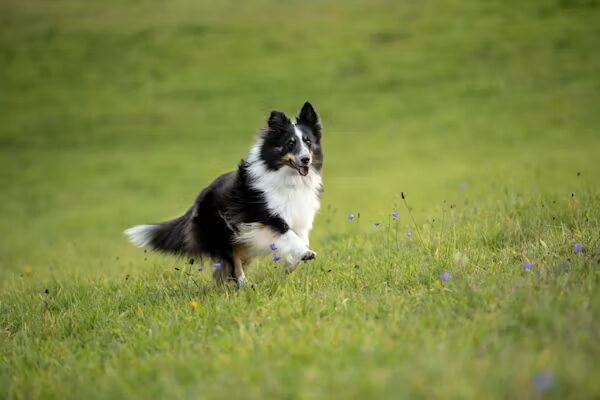
Miniature American Shepherd Health Issues
Overall, the Miniature American Shepherd is a healthy breed, but like all purebred dogs, it can be prone to certain genetic conditions.
Overall Breed Health
Responsible breeding has helped maintain relatively good health within the breed.
Nevertheless, owners should be aware of potential concerns.
Common Genetic Conditions
Hip Dysplasia
Hip dysplasia occurs when the hip joint develops improperly.
Symptoms may include:
- Limping
- Stiffness
- Difficulty rising
- Reduced activity
Progressive Retinal Atrophy (PRA)
PRA is an inherited eye disease that gradually causes vision loss.
Early testing is important.
Cataracts
Cataracts can develop at various ages and may impair vision.
Regular eye examinations are recommended.
Epilepsy
Some dogs may experience seizure disorders that require lifelong management.
MDR1 Drug Sensitivity
The MDR1 gene mutation can make certain medications dangerous for affected dogs.
Responsible breeders typically test breeding dogs for this condition.
Elbow Dysplasia
Like hip dysplasia, elbow dysplasia affects joint development and mobility.
Health Testing and Screening
Reputable breeders often perform:
- Hip evaluations
- Eye examinations
- Genetic testing
- MDR1 screening
Health-tested parents significantly reduce the risk of inherited diseases.
Preventive Care Tips
To maintain optimal health:
- Schedule annual veterinary exams
- Maintain healthy weight
- Feed quality food
- Exercise regularly
- Stay current on vaccinations
Miniature American Shepherd Lifespan
Average Life Expectancy
The average Miniature American Shepherd lifespan ranges from 12 to 15 years.
Many dogs exceed this range when provided excellent care.
Factors Affecting Longevity
Several factors influence lifespan:
- Genetics
- Nutrition
- Exercise
- Weight management
- Preventive healthcare
How to Help Your Dog Live Longer
Owners can support longevity by:
- Feeding balanced nutrition
- Maintaining ideal weight
- Providing mental stimulation
- Exercising regularly
- Scheduling routine health checks
Senior Dog Care Tips
As dogs age, they benefit from:
- Joint supplements
- Softer bedding
- Regular veterinary monitoring
- Moderate exercise
Senior dogs often remain active well into their later years.
Feeding and Nutrition
Proper nutrition is the foundation of long-term health.
Best Diet for a Miniature American Shepherd
A balanced diet should include:
- High-quality protein
- Healthy fats
- Vitamins
- Minerals
- Fiber
The best dog food varies depending on age, activity level, and health needs.
Puppy Feeding Guidelines
Puppies typically require:
- 3–4 meals daily
- Higher calorie intake
- Growth-supporting nutrients
Adult Feeding Requirements
Most adults thrive on:
- Two meals daily
- Portion-controlled feeding
- Consistent schedules
Senior Nutrition Needs
Senior dogs may require:
- Lower calorie intake
- Joint-support supplements
- Increased digestibility
Portion Control
Overfeeding can contribute to:
- Obesity
- Joint stress
- Reduced lifespan
Consult your veterinarian for individualized feeding recommendations.
Common Food Allergies
Potential allergens include:
- Chicken
- Beef
- Dairy
- Wheat
- Soy
Monitor for symptoms such as itching or digestive upset.
Recommended Nutrients
Look for foods containing:
- Omega-3 fatty acids
- Glucosamine
- Chondroitin
- Antioxidants
- Quality protein sources
For more guidance, many owners consult resources on choosing the best dog food for active breeds and working dogs.
Miniature American Shepherd Living Requirements
Apartment Living Suitability
Can a Miniature American Shepherd live in an apartment?
Yes—but only if exercise needs are consistently met.
Without sufficient activity, apartment living can become challenging.
House With Yard vs Apartment
| Living Situation | Suitability |
| Large Yard | Excellent |
| Small Yard | Good |
| Apartment | Possible with exercise |
A yard is helpful but not mandatory.
Urban vs Rural Living
The breed adapts well to both environments when properly exercised and socialized.
Climate Tolerance
Their double coat helps them tolerate:
- Cool weather
- Moderate temperatures
However, owners should monitor dogs carefully during extreme heat.
Indoor Living Habits
Miniature American Shepherds thrive as indoor family members and generally prefer being close to their people.
Miniature American Shepherd Behavior Problems
Like all intelligent breeds, behavioral issues can develop if needs are not met.
Excessive Barking
Common causes include:
- Boredom
- Alert behavior
- Lack of exercise
Separation Anxiety
These dogs form strong bonds and may struggle with prolonged isolation.
Symptoms include:
- Whining
- Destructive behavior
- Excessive barking
Herding Children or Pets
Their herding instincts may cause them to:
- Circle
- Chase
- Nudge
- Nip lightly
Training helps manage these behaviors.
Destructive Behavior
Insufficient stimulation may result in:
- Chewing furniture
- Digging
- Destroying toys
Fearfulness
Poor socialization can contribute to anxiety and fear-based behaviors.
Resource Guarding
Some dogs may guard:
- Food
- Toys
- Sleeping areas
Early training is important.
Solutions and Prevention
Behavioral problems are best prevented through:
- Daily exercise
- Socialization
- Positive reinforcement training
- Mental stimulation
Miniature American Shepherd vs Australian Shepherd
Many people compare these two closely related breeds.
Key Differences
The primary difference is size.
Miniature American Shepherds were developed to provide many Australian Shepherd qualities in a smaller package.
Size Comparison
| Breed | Height | Weight |
| Miniature American Shepherd | 13–18 in | 20–40 lbs |
| Australian Shepherd | 18–23 in | 40–65 lbs |
Temperament Comparison
Both breeds are:
- Intelligent
- Loyal
- Energetic
Australian Shepherds generally require slightly more exercise.
Exercise Needs Comparison
Both breeds need significant activity, though the larger Australian Shepherd may demand more intense exercise.
Grooming Comparison
Grooming requirements are very similar due to their comparable coat types.
Which Breed Is Better for Families?
For families wanting a slightly smaller dog with comparable abilities, the Miniature American Shepherd is often the better choice.
Miniature American Shepherd vs Mini Australian Shepherd
Are They the Same Breed?
This question causes considerable confusion.
In many cases, “Mini Australian Shepherd” refers to dogs that eventually became the Miniature American Shepherd breed.
Naming Confusion Explained
Before AKC recognition, the terms were often used interchangeably.
Registration and Breed Standards
Today, recognized Miniature American Shepherds follow established breed standards.
Important Differences
The primary distinction involves registration and breeding standards rather than physical appearance.
Miniature American Shepherd Colors and Markings
The breed is famous for its stunning color variations.
Blue Merle Variations
Blue merles display:
- Gray marbling
- Black patches
- White accents
Red Merle Variations
Red merles feature:
- Red marbling
- Cream highlights
- Copper trim
Black Tricolor
A black base coat combined with white and copper markings.
Red Tricolor
A red base coat accented by white and copper points.
White Markings
White may appear on:
- Chest
- Face
- Legs
- Collar
Copper Points
Copper markings often appear above the eyes, on the cheeks, and on the legs.
Best Activities for Miniature American Shepherds
These dogs excel when given jobs to do.
Agility Training
Agility is one of the breed’s strongest sports due to:
- Speed
- Intelligence
- Athleticism
Flyball
Their enthusiasm and quick learning ability make them outstanding flyball competitors.
Herding Trials
Many Miniature American Shepherds still perform exceptionally in livestock events.
Frisbee and Disc Sports
These activities provide excellent physical and mental stimulation.
Obedience Competitions
Their willingness to learn makes them strong obedience competitors.
Therapy Work
Well-socialized individuals can excel as therapy dogs.
Service Dog Potential
Some Miniature American Shepherds successfully perform service work due to their intelligence and trainability.
How Much Does a Miniature American Shepherd Cost?
Puppy Purchase Price
A well-bred puppy typically costs:
| Source | Estimated Cost |
| Reputable Breeder | $1,500–$3,500+ |
| Show Quality | $3,000–$5,000+ |
Adoption Costs
Adoption fees generally range from:
- $100–$600
Monthly Ownership Expenses
Typical monthly costs include:
- Food
- Preventive medications
- Grooming supplies
- Toys
Grooming Costs
Professional grooming may cost:
- $50–$100 per session
Veterinary Costs
Annual expenses vary but commonly include:
- Exams
- Vaccinations
- Preventive care
Training Expenses
Group classes and advanced training can add to overall ownership costs.
Lifetime Ownership Cost
Many owners spend tens of thousands of dollars throughout the dog’s lifetime when accounting for food, healthcare, grooming, and supplies.
Finding a Miniature American Shepherd Puppy
Choosing a Reputable Breeder
Look for breeders who:
- Health test parents
- Provide documentation
- Allow facility visits
- Prioritize temperament
Questions to Ask Breeders
Ask about:
- Health testing
- Parent temperament
- Socialization practices
- Health guarantees
Red Flags to Avoid
Avoid breeders who:
- Refuse health records
- Sell puppies too young
- Offer multiple litters constantly
Health Certifications to Request
Request proof of:
- Eye testing
- Hip evaluations
- Genetic screening
Adoption and Rescue Options
Many wonderful dogs are available through rescue organizations and shelters.
For prospective owners researching puppies, resources on how to choose a responsible dog breeder can help avoid common mistakes.
Miniature American Shepherd Rescue and Adoption
Benefits of Adoption
Adoption offers:
- Lower costs
- Saving a dog’s life
- Adult temperament visibility
Breed-Specific Rescue Organizations
Several rescue groups specialize in herding breeds and Miniature American Shepherds.
Adoption Process
Most rescues require:
- Application
- Interview
- Home evaluation
- Adoption agreement
Adult Dogs vs Puppies
Adult dogs often arrive with:
- Basic training
- Established personalities
- Lower purchase costs
Pros and Cons of Owning a Miniature American Shepherd
Advantages of the Breed
Pros
- Highly intelligent
- Loyal companion
- Family-friendly
- Athletic and versatile
- Great for dog sports
- Manageable size
Potential Challenges
Cons
- Requires substantial exercise
- Sheds heavily
- May develop separation anxiety
- Needs mental stimulation
- Strong herding instincts
Who Should Own This Breed?
Ideal owners include:
- Active families
- Hikers
- Runners
- Dog sport enthusiasts
Who Should Avoid This Breed?
The breed may not suit:
- Very sedentary households
- People away from home all day
- Owners unwilling to train
Is a Miniature American Shepherd Right for You?
Lifestyle Considerations
Ask yourself:
- Can I provide daily exercise?
- Do I enjoy training?
- Am I prepared for shedding?
Time Commitment
These dogs require significant interaction and engagement.
Training Commitment
Their intelligence thrives when training is ongoing.
Family Compatibility
Most families find them loving, loyal, and entertaining companions.
Activity Level Requirements
The Miniature American Shepherd is best suited for active lifestyles.
Frequently Asked Questions About Miniature American Shepherds
Are Miniature American Shepherds Hypoallergenic?
No. They shed regularly and are not considered hypoallergenic.
Do They Bark a Lot?
They can be vocal, especially when bored or alerting owners.
Can They Be Left Alone?
Short periods are usually manageable, but extended isolation may lead to anxiety.
Are They Good With Kids?
Yes, they are generally excellent family dogs when properly socialized.
How Big Do They Get?
Most adults weigh 20–40 pounds and stand 13–18 inches tall.
Are They Aggressive?
No. Well-bred and properly socialized dogs are typically friendly and confident.
How Much Exercise Do They Need?
Most require 60–120 minutes of activity daily.
Are They Easy to Train?
Yes. They are among the most trainable companion breeds.
Do They Shed Year-Round?
Yes, with heavier seasonal shedding periods.
What Is Their Average Lifespan?
Most live between 12 and 15 years.
Conclusion
The Miniature American Shepherd dog is a remarkable breed that combines intelligence, athleticism, loyalty, and versatility into a compact package. Originally developed from smaller Australian Shepherd lines, this breed has earned recognition for its outstanding working ability and exceptional companionship.
These dogs thrive in active households where they receive plenty of exercise, mental stimulation, and interaction. Their eagerness to learn, strong family bonds, and adaptability make them excellent companions for many lifestyles.