A full-grown Mini Aussiedoodle is an intelligent, energetic, and affectionate companion that combines the best qualities of the Mini Australian Shepherd and the Miniature Poodle. While these designer dogs may be small to medium in size, they have big personalities, remarkable trainability, and a strong desire to be part of family life.
One of the most common questions prospective owners ask is, “How big does a Mini Aussiedoodle get when fully grown?” Understanding your puppy’s expected adult size helps you prepare for its exercise needs, grooming requirements, feeding schedule, and living space.
Adult size can vary depending on genetics, breeding generation, nutrition, and overall health. Knowing what to expect makes it easier to choose the right puppy and provide lifelong care.
Quick Facts About a Full-Grown Mini Aussiedoodle
| Feature | Details |
|---|---|
| Breed Type | Designer Dog |
| Parent Breeds | Mini Australian Shepherd × Miniature Poodle |
| Adult Height | 12–18 inches |
| Adult Weight | 15–40 pounds |
| Lifespan | 10–15 years |
| Energy Level | High |
| Temperament | Intelligent, Loyal, Friendly |
| Coat Types | Curly, Wavy, Straight |
| Shedding | Low to Moderate |
| Trainability | Excellent |
| Family Friendly | Yes |
What Is a Full-Grown Mini Aussiedoodle?
A Mini Aussiedoodle reaches adulthood after completing most of its physical growth and emotional development. Although these dogs mature earlier than many large breeds, they continue developing mentally after reaching their adult height.
Most full-grown Mini Aussiedoodles are active, athletic, and eager to please. They retain their playful personalities well into adulthood while becoming more confident and emotionally balanced.
Breed Overview
The Mini Aussiedoodle is a hybrid created by crossing two exceptionally intelligent breeds:
- Mini Australian Shepherd
- Miniature Poodle
The goal of this cross is to produce a compact companion with:
- High intelligence
- Strong trainability
- Friendly personality
- Low- to moderate-shedding coat
- Athletic ability
Every dog is unique because inherited traits vary from one puppy to another.
Designer Dog Background
Designer dogs have become increasingly popular because they combine desirable characteristics from two purebred parents.
The Mini Aussiedoodle is admired for its:
- Adaptability
- Family-friendly temperament
- Attractive appearance
- Versatile size
- Intelligence
Although they are not recognized as a purebred by major kennel clubs, they have earned an excellent reputation among active families and dog enthusiasts.
Parent Breeds
Understanding the parent breeds helps explain why Mini Aussiedoodles develop the way they do.
Mini Australian Shepherd
The Mini Australian Shepherd contributes:
- Athleticism
- Herding instincts
- Intelligence
- Loyalty
- Merle coloring
- Endurance
These dogs were originally bred to work closely with people, making them eager learners and devoted companions.
Miniature Poodle
The Miniature Poodle contributes:
- Exceptional intelligence
- Curly, low-shedding coat
- Elegant appearance
- Friendly nature
- Long lifespan
Poodles consistently rank among the smartest dog breeds, a trait often passed on to Mini Aussiedoodles.
When Is a Mini Aussiedoodle Considered Fully Grown?
Most Mini Aussiedoodles reach their full height between 10 and 12 months of age.
However, they continue filling out and developing muscle until approximately 12–18 months.
Mental maturity often continues beyond physical growth.
By adulthood, most Mini Aussiedoodles become:
- More focused
- More confident
- Better at self-control
- Easier to manage
Mini Aussiedoodle Growth Timeline
Watching a Mini Aussiedoodle grow is one of the most rewarding parts of puppy ownership.
Although every puppy develops at its own pace, most follow a similar pattern.
Birth to 8 Weeks
During this period puppies:
- Nurse from their mother
- Begin walking
- Open their eyes
- Learn social skills from littermates
- Experience early neurological development
Responsible breeders begin gentle handling and early socialization during these weeks.
8 Weeks Old
At approximately eight weeks, puppies are usually ready to join their new families.
Typical characteristics include:
- Curious personality
- Rapid learning
- High energy
- Frequent naps
- Fast growth
This is the ideal time to begin:
- Socialization
- House training
- Basic commands
- Positive reinforcement
3 Months
Growth continues rapidly.
Puppies become:
- More adventurous
- More playful
- Better coordinated
- Increasingly independent
Owners should continue exposing puppies to new people, environments, and experiences.
4 Months
At four months, many Mini Aussiedoodles begin teething.
Common behaviors include:
- Chewing
- Increased curiosity
- More confidence
- Improved coordination
Provide durable chew toys to protect furniture and relieve discomfort.
6 Months
The adolescent stage begins.
Your puppy may:
- Test boundaries
- Display bursts of energy
- Learn quickly
- Become physically stronger
Consistent training is especially important during this phase.
9 Months
Most Mini Aussiedoodles have reached much of their adult height.
They remain energetic but become increasingly coordinated and athletic.
Many begin to resemble their adult appearance.
12 Months
By one year, most Mini Aussiedoodles are nearly full-grown.
Although growth slows significantly, muscle development and emotional maturity continue.
18 Months
By approximately 18 months, most Mini Aussiedoodles have reached complete physical maturity.
Their adult personality is usually well established.
Adult Maturity
A mature Mini Aussiedoodle typically displays:
- Better focus
- Consistent behavior
- Improved obedience
- Strong emotional bond with family
- Reliable daily routines
While still playful, most adults become calmer than they were as puppies.
Mini Aussiedoodle Growth Chart
Every puppy grows at a slightly different rate, but the following chart provides a general guideline.
| Age | Average Weight | Average Height |
|---|---|---|
| 8 Weeks | 5–10 lbs | 6–8 inches |
| 3 Months | 8–15 lbs | 8–10 inches |
| 4 Months | 10–18 lbs | 10–12 inches |
| 6 Months | 15–25 lbs | 11–15 inches |
| 9 Months | 18–30 lbs | 12–17 inches |
| 12 Months | 20–40 lbs | 12–18 inches |
| 18 Months | 20–40 lbs | 12–18 inches |
Individual dogs may be outside these ranges while still being perfectly healthy.
Weight by Age
Healthy puppies should gain weight steadily rather than rapidly.
Regular veterinary checkups help ensure healthy development.
Height by Age
Height usually increases most quickly during the first six months.
Growth slows considerably after nine months.
Male vs Female Growth Chart
Generally:
| Gender | Average Adult Weight | Average Height |
|---|---|---|
| Male | 25–40 lbs | 14–18 inches |
| Female | 15–35 lbs | 12–17 inches |
These are averages rather than strict rules.
Growth Milestones
Important developmental milestones include:
- Learning basic commands
- Losing puppy teeth
- Improved coordination
- Increased endurance
- Emotional maturity
- Adult coat development
Each milestone helps prepare your puppy for adulthood.
How Big Does a Full-Grown Mini Aussiedoodle Get?
Most healthy adult Mini Aussiedoodles fall comfortably into the small-to-medium-sized dog category.
Average Height
Most adults stand between:
12–18 inches
measured from the ground to the shoulder.
Average Weight
Typical adult weight ranges from:
15–40 pounds
Some dogs fall slightly outside these averages depending on genetics.
Male vs Female Size
Male Mini Aussiedoodles generally:
- Weigh slightly more
- Stand slightly taller
- Have more muscular builds
Females often:
- Mature earlier
- Have finer bone structure
- Are slightly lighter
Why Size Varies
Not every Mini Aussiedoodle reaches the same adult size.
Several factors influence growth, including:
- Parent size
- Genetics
- Nutrition
- Exercise
- Overall health
- Breeding generation
Factors That Affect Adult Size
No breeder can predict an exact adult size, but several factors provide useful estimates.
Genetics
Genetics have the greatest influence on adult size.
Puppies inherit traits from both parents, making each litter unique.
Australian Shepherd Influence
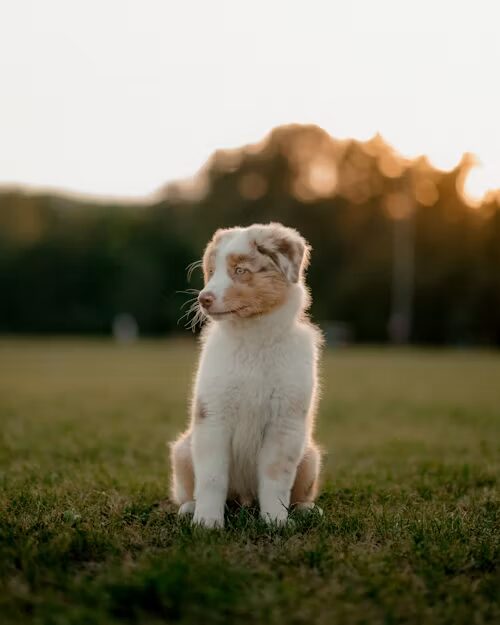
A stronger Australian Shepherd influence may result in:
- Slightly larger size
- Athletic body
- Herding instincts
- Longer legs
Miniature Poodle Influence
Greater Poodle influence may contribute to:
- Smaller frame
- Curlier coat
- More refined appearance
- Lower shedding
Generation
Different breeding generations can produce subtle differences in predictability.
F1
Balanced combination of both parent breeds.
F1B
Often inherits more Poodle characteristics, especially coat texture.
F2
Can display wider variation in appearance and size.
Multigenerational
Usually offers the most consistent size, coat, and temperament due to selective breeding over multiple generations.
Nutrition
Proper nutrition supports healthy growth without encouraging excessive weight gain.
Feed a balanced diet designed for your puppy’s age and expected adult size.
Avoid overfeeding, as rapid weight gain can place unnecessary stress on developing joints.
Exercise
Regular activity supports healthy muscle development and overall fitness. Puppies should enjoy age-appropriate exercise, avoiding repetitive high-impact activities until their growth plates have matured.
Overall Health
Routine veterinary care, parasite prevention, vaccinations, and prompt treatment of illness all contribute to healthy growth and development.
A puppy raised with good nutrition, preventive healthcare, and appropriate exercise has the best chance of reaching its healthy adult potential.
Mini Aussiedoodle Appearance
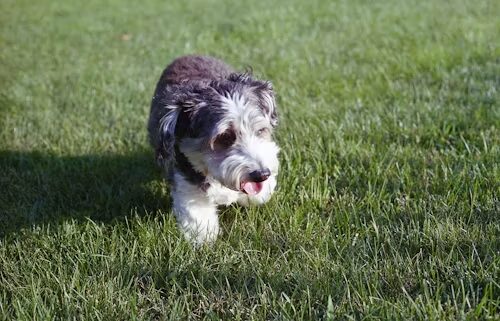
A full-grown Mini Aussiedoodle is a well-balanced, athletic dog with a cheerful expression and a soft, fluffy coat. Their appearance can vary because they inherit different combinations of traits from their Mini Australian Shepherd and Miniature Poodle parents.
Some adults resemble a small Australian Shepherd with a wavy coat, while others have the curly, teddy bear-like look commonly associated with Poodles.
Body Structure
Mini Aussiedoodles have a compact yet athletic build.
Typical characteristics include:
- Well-proportioned body
- Lean, muscular frame
- Medium-length neck
- Strong legs
- Balanced posture
- Agile movement
Their athletic body allows them to excel in hiking, agility, obedience, and many outdoor adventures.
Head
The head is slightly rounded with a well-defined muzzle.
Common features include:
- Soft facial expression
- Moderate stop
- Balanced muzzle length
- Black or liver-colored nose (depending on coat color)
Eyes
One of the breed’s most recognizable features is its expressive eyes.
Possible eye colors include:
- Brown
- Blue
- Amber
- Green
Some Mini Aussiedoodles inherit heterochromia, where each eye is a different color.
Their bright eyes often reflect their intelligence and curiosity.
Nose
Nose color often depends on coat color.
Examples include:
- Black
- Brown (liver)
- Pink-and-black combinations in lighter-colored dogs
Ears
Mini Aussiedoodles usually have:
- Medium-length ears
- Folded ear leather
- Soft feathering
- High level of expressiveness
Regular ear cleaning is important because floppy ears can trap moisture.
Tail
Tail length varies depending on genetics and breeder preferences.
Some Mini Aussiedoodles have:
- Naturally long tails
- Naturally bobbed tails
- Docked tails (where permitted and performed)
Regardless of tail length, these dogs are known for enthusiastic tail wags when greeting family members.
Coat Types
The coat is one of the biggest reasons this breed has become so popular.
Each puppy inherits a unique coat texture.
Curly Coat
Curly coats closely resemble the Miniature Poodle.
Characteristics
- Tight curls
- Soft texture
- Lowest shedding
- Highest grooming needs
Frequent brushing helps prevent mats from forming close to the skin.
Wavy Coat
The wavy coat is the most common among Mini Aussiedoodles.
Benefits include:
- Soft appearance
- Teddy bear look
- Lower maintenance than curly coats
- Moderate shedding
Many families prefer this coat because it balances appearance with easier care.
Straight Coat
Some dogs inherit a straighter coat from the Australian Shepherd side.
Characteristics include:
- Silky texture
- Easier brushing
- Slightly more shedding
- More natural appearance
Coat Colors
Mini Aussiedoodles are available in an impressive variety of beautiful colors.
Popular coat colors include:
- Blue Merle
- Red Merle
- Black
- Chocolate
- Cream
- White
- Apricot
- Red
- Parti
- Phantom
- Sable
- Tricolor
No two Mini Aussiedoodles look exactly alike, making each dog unique.
Eye Colors
Adult Mini Aussiedoodles may have:
- Brown eyes
- Blue eyes
- Amber eyes
- Green eyes
- Two different colored eyes (heterochromia)
Blue eyes are particularly common in merle-colored dogs.
Mini Aussiedoodle Temperament as an Adult
The adult Mini Aussiedoodle is admired for its affectionate personality and eagerness to participate in family life.
Most adults remain playful while becoming calmer and more emotionally mature than they were as puppies.
Personality Traits
Loyal
Mini Aussiedoodles often develop deep bonds with their owners and enjoy spending as much time with them as possible.
Friendly
Well-socialized adults usually greet guests with curiosity rather than fear.
They generally enjoy meeting:
- New people
- Friendly dogs
- Visitors
- Children
Affectionate
These dogs love:
- Belly rubs
- Cuddles
- Sitting beside family members
- Following their owners from room to room
Many owners describe them as true “velcro dogs.”
Intelligent
Both parent breeds rank among the most intelligent dogs.
This intelligence helps Mini Aussiedoodles:
- Learn quickly
- Solve problems
- Remember commands
- Adapt to routines
Playful
Even mature adults maintain a puppy-like enthusiasm for:
- Fetch
- Running
- Hiking
- Swimming
- Interactive toys
Social
Mini Aussiedoodles generally prefer being around people rather than spending long periods alone.
They thrive when included in everyday family activities.
Adult Energy Level
Although smaller than many working breeds, Mini Aussiedoodles have impressive stamina.
They require both physical exercise and mental enrichment every day.
Daily Exercise Requirements
Healthy adults usually benefit from 60–90 minutes of daily activity, which can include:
- Walks
- Playtime
- Hiking
- Running (once fully mature)
- Interactive games
Without enough exercise, they may become bored or develop unwanted behaviors.
Indoor Activities
On rainy or busy days, indoor enrichment can help burn off energy.
Popular activities include:
- Tug-of-war
- Hide-and-seek
- Puzzle feeders
- Obedience practice
- Scent games
Outdoor Activities
Mini Aussiedoodles often enjoy:
- Long walks
- Hiking trails
- Dog parks (when well-socialized)
- Fetch
- Frisbee
- Swimming
Many also excel in canine sports.
Mental Stimulation
Because they are highly intelligent, mental exercise is just as important as physical activity.
Excellent brain games include:
- Food puzzles
- Trick training
- Scent work
- Interactive toys
- Agility practice
Keeping their minds busy helps reduce boredom-related behaviors.
Intelligence and Trainability
Mini Aussiedoodles consistently rank among the easiest designer breeds to train.
Their intelligence comes from two highly trainable parent breeds.
How Smart Are Mini Aussiedoodles?
Mini Australian Shepherds and Miniature Poodles are both known for exceptional learning ability.
As a result, Mini Aussiedoodles often:
- Learn new commands quickly
- Enjoy training sessions
- Remember routines
- Solve problems independently
Obedience
Most adults respond extremely well to:
- Positive reinforcement
- Praise
- Food rewards
- Consistent routines
Harsh corrections are rarely necessary and can reduce confidence.
Agility
Their athletic build makes them natural competitors in:
- Agility
- Rally obedience
- Dock diving
- Flyball
- Canine sports
These activities also provide valuable mental stimulation.
Trick Training
Mini Aussiedoodles often enjoy learning:
- Shake
- Spin
- Roll over
- Retrieve toys
- Close doors
- Put toys away
Teaching tricks strengthens the bond between dog and owner.
Problem-Solving Abilities
Mini Aussiedoodles are quick thinkers.
They often figure out:
- Puzzle toys
- Food dispensers
- Household routines
- Simple obstacles
Owners should rotate enrichment toys to keep these intelligent dogs engaged.
Adult Mini Aussiedoodle Behavior
As Mini Aussiedoodles mature, some puppy behaviors improve while others require ongoing management.
Separation Anxiety
Because they bond so closely with their families, some adults struggle with being left alone for extended periods.
Signs may include:
- Barking
- Whining
- Destructive chewing
- Pacing
Gradual independence training and enrichment can help reduce anxiety.
Herding Instinct
The Australian Shepherd ancestry may lead some Mini Aussiedoodles to:
- Circle children
- Nip gently at heels
- Herd other pets
Early training and redirection help manage these instincts appropriately.
Barking
Mini Aussiedoodles are moderately vocal.
They may bark when:
- Visitors arrive
- They hear unusual sounds
- They become excited
- They feel bored
Consistent training can reduce excessive barking.
Digging
Some adults enjoy digging, especially if they are bored or seeking cooler ground.
Providing sufficient exercise and designated digging areas (if appropriate) can help.
Chewing
Chewing usually decreases after puppyhood but may continue if the dog lacks mental stimulation.
Offer durable chew toys to satisfy this natural behavior.
How Behavior Changes With Age
As they mature, most Mini Aussiedoodles become:
- More patient
- More predictable
- Better listeners
- Easier to manage
- Less impulsive
They often retain their playful spirit while developing greater emotional stability.
Living With a Full-Grown Mini Aussiedoodle
Mini Aussiedoodles adapt well to many lifestyles, provided their exercise and companionship needs are met.
Apartment Living
They can do well in apartments if owners provide:
- Daily walks
- Interactive play
- Mental stimulation
- Regular outdoor time
Without adequate activity, apartment living may become challenging.
Houses With Yards
A fenced yard provides additional opportunities for exercise and play but does not replace daily walks or interaction with the family.
Rural Homes
Mini Aussiedoodles often thrive in rural environments where they have space to explore, provided they are safely supervised.
Families
These dogs generally fit well into family life because they are:
- Gentle
- Playful
- Affectionate
- Eager to participate in activities
Children should always be taught how to interact respectfully with dogs.
Seniors
Active seniors who enjoy walking and spending time outdoors may find a Mini Aussiedoodle to be a wonderful companion.
Singles
Singles often appreciate the breed’s loyalty, intelligence, and enthusiasm for adventures, whether that’s a morning hike or an evening training session.
Mini Aussiedoodles form strong bonds with their owners and typically enjoy being involved in daily routines.
Feeding an Adult Mini Aussiedoodle
A balanced diet plays a major role in maintaining your Mini Aussiedoodle’s energy, coat quality, muscle tone, and overall health.
Since these dogs are active and intelligent, they benefit from high-quality food that provides complete and balanced nutrition.
Daily Calorie Needs
Calorie requirements vary depending on:
- Age
- Weight
- Activity level
- Metabolism
- Health status
As a general guide:
| Adult Weight | Approximate Calories Per Day |
|---|---|
| 15–20 lbs | 500–700 calories |
| 20–30 lbs | 700–900 calories |
| 30–40 lbs | 900–1,200 calories |
Your veterinarian can recommend the most appropriate feeding plan for your individual dog.
Feeding Schedule
Most healthy adults do well with two meals per day.
Example schedule:
- Morning: 7:00–8:00 AM
- Evening: 5:00–7:00 PM
Feeding consistent portions at regular times helps support digestion and maintain a healthy body weight.
Best Food Choices
Choose a complete diet that lists a high-quality animal protein among the primary ingredients.
Dry Food
Benefits include:
- Convenient storage
- Crunchy texture
- Supports dental health
- Easy portion control
Wet Food
Wet food offers:
- Higher moisture content
- Appealing flavor
- Easier chewing for some dogs
Many owners combine wet and dry food for variety.
Fresh Food
Fresh, veterinarian-approved diets may include carefully balanced ingredients prepared commercially or at home under professional guidance.
Raw Diet
Some owners choose raw diets, but these should only be fed with guidance from a veterinarian or veterinary nutritionist to ensure nutritional balance and reduce food safety risks.
Foods to Avoid
Never intentionally feed:
- Chocolate
- Grapes
- Raisins
- Onions
- Garlic
- Xylitol (artificial sweetener)
- Alcohol
- Cooked bones
- Macadamia nuts
If your dog consumes a potentially toxic food, contact your veterinarian promptly.
Grooming a Full-Grown Mini Aussiedoodle
The Mini Aussiedoodle’s beautiful coat requires consistent maintenance to stay healthy and free of mats.
Brushing
Brush your dog 3–5 times each week.
Benefits include:
- Prevents matting
- Removes loose hair
- Distributes natural oils
- Keeps the coat clean
Curly coats often require more frequent brushing than straight coats.
Bathing
Most adults need a bath every 4–8 weeks, depending on activity level and coat condition.
Use a gentle shampoo formulated specifically for dogs.
Haircuts
Professional grooming every 6–8 weeks helps keep the coat manageable.
Popular haircut styles include:
- Teddy Bear Cut
- Puppy Cut
- Sporting Cut
- Kennel Cut
Nail Trimming
Trim nails approximately every 3–4 weeks or as needed to prevent overgrowth and discomfort.
Ear Cleaning
Because Mini Aussiedoodles have floppy ears, moisture can become trapped inside the ear canal.
Check the ears weekly and clean them with a veterinarian-approved ear cleaner when necessary.
Dental Care
Brush your dog’s teeth several times each week using dog-safe toothpaste.
Routine dental care helps reduce plaque, freshens breath, and supports long-term oral health.
Professional Grooming Schedule
| Grooming Task | Recommended Frequency |
|---|---|
| Brushing | 3–5 times weekly |
| Bathing | Every 4–8 weeks |
| Haircut | Every 6–8 weeks |
| Nail trimming | Every 3–4 weeks |
| Ear cleaning | Weekly |
| Tooth brushing | Several times weekly |
Shedding and Allergies
Do Adult Mini Aussiedoodles Shed?
Yes, but most Mini Aussiedoodles shed less than many other breeds.
The amount of shedding depends on:
- Coat type
- Genetics
- Season
- Overall health
Curly-coated dogs typically shed the least.
Are They Hypoallergenic?
No dog is truly 100% hypoallergenic.
However, many Mini Aussiedoodles produce less loose hair and dander than heavily shedding breeds, making them a better option for some allergy sufferers.
Individual reactions vary, so spending time with the breed before bringing one home is recommended if allergies are a concern.
Reducing Shedding
To minimize shedding:
- Brush regularly
- Feed a balanced diet
- Schedule routine grooming
- Keep your dog hydrated
- Address skin problems promptly with your veterinarian
Health Problems in Adult Mini Aussiedoodles
Responsible breeding and regular veterinary care can reduce health risks, but every dog may experience medical issues during its lifetime.
Common conditions include:
Hip Dysplasia
A developmental joint disorder that may lead to pain and arthritis.
Maintaining a healthy body weight and following your veterinarian’s recommendations can help reduce stress on the joints.
Progressive Retinal Atrophy (PRA)
An inherited eye disease that gradually affects vision.
Responsible breeders screen breeding dogs to reduce the likelihood of passing on this condition.
Cataracts
Cataracts can cloud the eye’s lens and impair vision.
Early diagnosis may improve treatment options.
Ear Infections
Floppy ears can trap moisture and debris.
Routine ear checks and cleaning help reduce the risk.
Allergies
Some Mini Aussiedoodles develop:
- Environmental allergies
- Food sensitivities
- Seasonal allergies
Your veterinarian can help determine the underlying cause and appropriate treatment.
Epilepsy
Epilepsy may occur in some dogs and requires veterinary diagnosis and long-term management.
Addison’s Disease
This hormonal disorder affects the adrenal glands and may require lifelong medication.
Although uncommon, early diagnosis greatly improves outcomes.
Patellar Luxation
This condition involves the kneecap slipping out of position and is more common in smaller dogs.
Mild cases may require monitoring, while severe cases sometimes need surgery.
Preventive Healthcare
Help keep your Mini Aussiedoodle healthy with:
- Annual wellness exams
- Vaccinations
- Parasite prevention
- Dental care
- Routine blood work when recommended
- Healthy weight management
Lifespan of a Full-Grown Mini Aussiedoodle
Average Lifespan
Most Mini Aussiedoodles live 10–15 years.
Many reach the upper end of this range with excellent care and good genetics.
Senior Stage
Most dogs begin entering their senior years around 8–10 years of age, though this varies by individual.
Senior dogs often benefit from:
- More frequent veterinary checkups
- Joint support (when recommended)
- Moderate exercise
- Nutritional adjustments
Signs of Aging
Normal signs may include:
- Gray hair around the muzzle
- Slower movement
- Reduced stamina
- Changes in vision or hearing
- Longer recovery after exercise
Discuss any sudden or significant changes with your veterinarian.
How to Help Your Dog Live Longer
Support longevity by providing:
- High-quality nutrition
- Daily exercise
- Mental enrichment
- Preventive veterinary care
- Dental hygiene
- Healthy body condition
- Plenty of companionship
Adult Mini Aussiedoodle Cost of Ownership
Owning a Mini Aussiedoodle is a long-term financial commitment.
Food
High-quality food may cost $40–$90 per month, depending on your dog’s size and diet.
Grooming
Professional grooming generally ranges from $40–$120 per session, depending on your location and the services provided.
Veterinary Care
Routine wellness care, vaccinations, and preventive medications are recurring expenses. Unexpected illnesses or emergencies can increase yearly costs.
Insurance
Many owners choose pet insurance to help manage eligible veterinary expenses. Premiums vary by provider, coverage, and location.
Supplies
Budget for:
- Toys
- Leashes
- Beds
- Grooming tools
- Replacement collars and harnesses
- Training treats
Annual Ownership Costs
| Expense | Estimated Annual Cost |
|---|---|
| Food | $500–$1,000 |
| Grooming | $400–$1,200 |
| Routine veterinary care | $300–$800 |
| Preventive medications | $200–$500 |
| Toys & supplies | $200–$600 |
Actual costs vary depending on your dog’s needs and where you live.
Male vs Female Full-Grown Mini Aussiedoodle
Size Comparison
| Male | Female |
|---|---|
| Slightly larger | Slightly smaller |
| More muscular | More refined build |
| Often heavier | Often lighter |
Temperament Differences
Every dog is unique, but some owners notice that:
- Males may be more outgoing and playful.
- Females may mature slightly earlier.
Training, socialization, and individual personality usually have a greater influence than sex.
Trainability
Both males and females are highly intelligent and respond well to positive reinforcement.
Consistency matters far more than gender.
Which Is Right for You?
Choose the puppy whose temperament and energy level best match your lifestyle rather than selecting based solely on sex.
Mini Aussiedoodle Pros and Cons
| Pros | Cons |
|---|---|
| Highly intelligent | Requires regular grooming |
| Loyal companion | High energy level |
| Family-friendly | Can develop separation anxiety |
| Easy to train | Needs daily exercise |
| Low to moderate shedding | May become bored without mental stimulation |
Mini Aussiedoodle vs Other Adult Doodle Breeds
Mini Aussiedoodle vs Mini Goldendoodle
Mini Goldendoodles are often known for their easygoing personalities, while Mini Aussiedoodles generally have higher energy levels and stronger herding instincts.
Mini Aussiedoodle vs Mini Labradoodle
Mini Labradoodles are typically outgoing and social, whereas Mini Aussiedoodles often excel in advanced obedience and canine sports.
Mini Aussiedoodle vs Cockapoo
Cockapoos are usually somewhat calmer and may require slightly less daily exercise than Mini Aussiedoodles.
Mini Aussiedoodle vs Cavapoo
Cavapoos are generally smaller and more lap-oriented, while Mini Aussiedoodles are more athletic and thrive with active owners.
Is a Full-Grown Mini Aussiedoodle Right for You?
A full-grown Mini Aussiedoodle is an excellent choice for people who can provide time, exercise, and companionship.
Best Owners
- Active families who enjoy outdoor activities.
- Singles looking for a loyal, trainable companion.
- First-time dog owners willing to invest in training and grooming.
- Active seniors who can meet the breed’s exercise needs.
If you have a busy schedule that leaves your dog alone for long periods, this breed may not be the ideal fit because it thrives on interaction.
Frequently Asked Questions (FAQs)
How big is a full-grown Mini Aussiedoodle?
Most adults stand 12–18 inches tall and weigh 15–40 pounds.
When is a Mini Aussiedoodle fully grown?
Most reach their full height by 10–12 months and complete physical development by 12–18 months.
How much does an adult Mini Aussiedoodle weigh?
Most weigh between 15 and 40 pounds, depending on genetics and breeding.
Do Mini Aussiedoodles stop growing at one year?
Most stop gaining height around one year but may continue filling out until about 18 months.
Are males larger than females?
On average, males are slightly taller and heavier, although individual variation is common.
Do full-grown Mini Aussiedoodles calm down?
Yes. Most become calmer and more focused with maturity while remaining playful and energetic.
Are adult Mini Aussiedoodles hypoallergenic?
No dog is completely hypoallergenic, but many Mini Aussiedoodles shed less than heavily shedding breeds.
How much exercise do adults need?
Aim for 60–90 minutes of daily physical activity combined with mental enrichment.
Do Mini Aussiedoodles bark a lot?
They can be moderately vocal, but consistent training and sufficient exercise usually help manage excessive barking.
How often should adults be groomed?
Brush them several times a week and schedule professional grooming every 6–8 weeks.
What is the lifespan of a Mini Aussiedoodle?
Most live 10–15 years.
Are Mini Aussiedoodles good apartment dogs?
Yes, provided they receive enough daily exercise and mental stimulation.
Do they shed more as adults?
Shedding levels are primarily determined by coat type and genetics rather than age.
What health problems are common?
Potential concerns include hip dysplasia, PRA, cataracts, allergies, ear infections, epilepsy, Addison’s disease, and patellar luxation.
How much food should an adult Mini Aussiedoodle eat?
The amount depends on age, weight, activity level, and the specific diet. Follow your veterinarian’s recommendations and the feeding guidelines on the food label.
Are they easy to train as adults?
Yes. Their intelligence and eagerness to please make them highly trainable.
Can a full-grown Mini Aussiedoodle be left alone?
They can tolerate short periods alone, but long absences may contribute to boredom or separation-related behaviors in some dogs.
Is a Mini Aussiedoodle better than a Mini Goldendoodle?
Neither breed is universally better. The right choice depends on your preferences, lifestyle, and activity level.
How much does it cost to own an adult Mini Aussiedoodle?
Annual ownership costs vary, but food, grooming, veterinary care, and supplies can total several thousand dollars over time.
Is a Mini Aussiedoodle a good family dog?
Yes. With proper training and socialization, they are affectionate, intelligent, and adaptable companions for many families.
Conclusion
A full-grown Mini Aussiedoodle combines intelligence, athleticism, and affection in a compact, family-friendly package. Adults typically reach 12–18 inches in height and 15–40 pounds in weight, making them adaptable to a variety of living situations while still enjoying an active lifestyle.
Understanding your dog’s expected adult size, grooming needs, exercise requirements, and long-term healthcare responsibilities will help you provide the best possible care throughout its life. Regular veterinary visits, balanced nutrition, consistent training, and plenty of mental and physical enrichment all contribute to a happy and healthy companion.