Introduction
If your dog is struggling with arthritis pain, limping after an injury, or recovering from surgery, your veterinarian may prescribe Meloxidyl for dogs. For many pet parents, hearing the word NSAID can raise questions and concerns — especially when long-term pain management is involved.
Meloxidyl is a prescription pain medication commonly used in dogs to reduce pain and inflammation, particularly in chronic joint conditions like osteoarthritis. When used correctly under veterinary guidance, it can significantly improve a dog’s comfort, mobility, and quality of life.
In this guide, you’ll learn:
- What Meloxidyl is and how it works
- What conditions it’s prescribed for
- Correct dosing principles and how to give it safely
- When it’s helpful — and when it’s not
- Important safety rules every dog owner should know
⚠️ Important Safety Note
Meloxidyl is a prescription-only medication. Never give it without veterinary approval, never guess the dose, and never combine it with other pain medications unless your vet explicitly says it’s safe.
For official safety guidance, you can also review information from the
U.S. FDA Center for Veterinary Medicine on NSAIDs for pets.
What Is Meloxidyl for Dogs?
Meloxidyl vs Meloxicam: What’s the Relationship?
Meloxidyl is a brand-name oral suspension whose active ingredient is meloxicam.
- Meloxicam is the drug itself
- Meloxidyl is one veterinary formulation of meloxicam, designed for dogs
- Other brands (like Metacam) contain the same active ingredient
In simple terms:
👉 All Meloxidyl is meloxicam, but not all meloxicam is Meloxidyl.
Veterinarians may choose a specific brand based on dosing accuracy, availability, or how well a dog tolerates a particular formulation.
How NSAIDs Like Meloxicam Work (Simple Explanation)
Meloxidyl belongs to a group of medications called NSAIDs (Non-Steroidal Anti-Inflammatory Drugs).
Here’s how they help dogs:
- Injury or arthritis triggers prostaglandins, chemicals that cause pain and inflammation
- Meloxicam blocks enzymes (COX-2 primarily) that produce these chemicals
- Less prostaglandins = less pain, swelling, and stiffness
This is why dogs on Meloxidyl often:
- Walk more comfortably
- Get up more easily
- Show improved activity and mood
For a plain-language overview of NSAIDs in dogs, see this guide from
VCA Animal Hospitals on NSAIDs for dogs.
What Conditions Is Meloxidyl Commonly Prescribed For?
Veterinarians most often prescribe Meloxidyl for pain and inflammation, especially when those symptoms are expected to last days to months.
Common uses include:
- Canine osteoarthritis
- Joint degeneration and stiffness
- Soft-tissue injuries
- Orthopedic recovery
- Post-surgical pain management
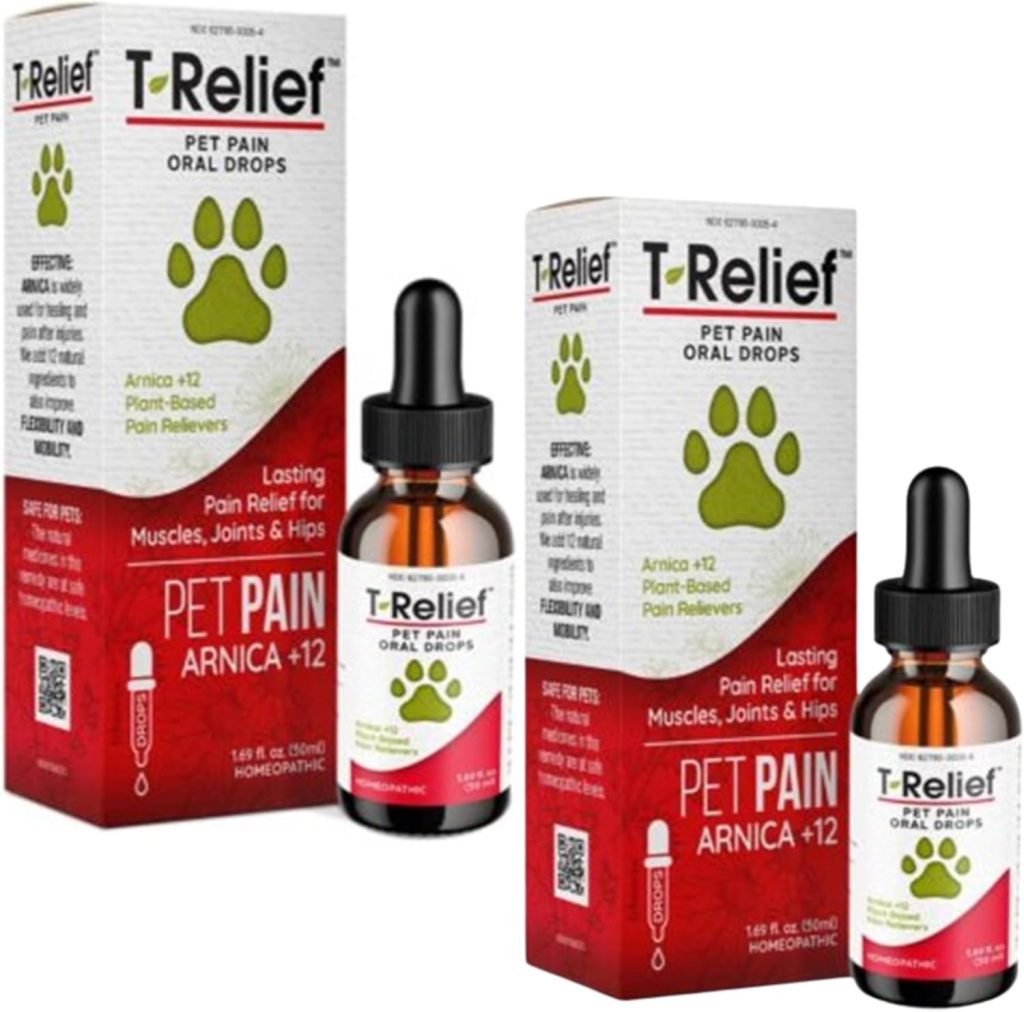
MediNatura T-Relief Pet Pain Oral Drops
MediNatura T-Relief Pet Pain Oral Drops Arnica +12 Powerful Natural Medicines for Muscle Joint & Hip Pain Soreness Stiffness Injuries in Dogs & Cats…
What Is Meloxidyl Used For in Dogs?
Osteoarthritis and Joint Pain
The most common reason dogs are prescribed Meloxidyl is osteoarthritis.
Dogs with arthritis may show:
- Slower movement
- Difficulty climbing stairs
- Reluctance to jump
- Stiffness after rest
Meloxidyl does not cure arthritis, but it can:
- Reduce inflammation in joints
- Improve day-to-day comfort
- Increase willingness to move
According to the
American Kennel Club’s guide to arthritis medications for dogs, NSAIDs like meloxicam are often the first-line treatment for canine arthritis.
Musculoskeletal Injuries and Inflammation
Meloxidyl may also be used short-term for:
- Sprains and strains
- Minor ligament injuries
- Inflammatory flare-ups after overexertion
In these cases, it’s often prescribed for a limited duration, not indefinitely.
Post-Surgery Pain Control
Veterinarians sometimes prescribe Meloxidyl after:
- Orthopedic surgery
- Dental procedures
- Soft-tissue operations
It helps manage pain while reducing inflammation during healing. Dosing and duration are carefully controlled in post-operative cases.
When Meloxidyl Is NOT a Good Fit
Meloxidyl is not appropriate for every dog.
It may be avoided or used with extreme caution in dogs with:
- Known kidney disease
- Liver dysfunction
- History of gastrointestinal ulcers
- Severe dehydration
- Previous NSAID reactions
Your veterinarian weighs these risks before prescribing it.
Meloxidyl Dosage for Dogs (Vet Dosing Basics)
❗ Always follow your veterinarian’s exact instructions.
The information below reflects typical label-style guidance, not a substitute for professional dosing advice.
Standard Dosing Concept: Initial vs Maintenance Dose
Meloxidyl dosing often follows a two-step approach:
- Initial (loading) dose: slightly higher, given once
- Maintenance dose: lower daily dose for ongoing control
This strategy helps achieve pain relief quickly while minimizing long-term risk.
Meloxidyl Dosage Chart by Weight
Below is an example dosing reference used by veterinarians. Your dog’s exact dose may differ.
| Dog Weight | Typical Daily Maintenance Dose* |
|---|---|
| 5 kg (11 lbs) | 0.05 mg |
| 10 kg (22 lbs) | 0.1 mg |
| 20 kg (44 lbs) | 0.2 mg |
| 30 kg (66 lbs) | 0.3 mg |
| 40 kg (88 lbs) | 0.4 mg |
*Dose expressed as meloxicam equivalent.
Actual volume depends on the concentration of the oral suspension.
How to Measure Liquid Accurately
Because Meloxidyl is a liquid:
- Always use the oral syringe provided
- Shake the bottle gently before each use
- Measure at eye level for accuracy
- Never use kitchen spoons
Incorrect measuring is one of the most common causes of accidental overdosing.
Should You Give Meloxidyl With Food?
Yes — giving Meloxidyl with food is often recommended.
Benefits include:
- Reduced stomach irritation
- Lower risk of vomiting or nausea
If your dog has a sensitive stomach, your vet may strongly advise dosing with meals.
How Long Does Meloxidyl Take to Work?
Most dogs begin to show improvement within:
- 1–2 hours for pain relief
- A few days for full anti-inflammatory benefit
Chronic conditions like arthritis may take several days of consistent dosing before noticeable improvement.
How Long Can a Dog Stay on Meloxidyl?
This depends on:
- The condition being treated
- Your dog’s age and health
- Bloodwork results
Some dogs use Meloxidyl short-term, while others may remain on it long-term with monitoring.
Veterinarians typically require:
- Periodic blood tests
- Dose adjustments as needed
Meloxidyl Side Effects in Dogs (What’s Common vs Emergency)
Like all NSAIDs for dogs, Meloxidyl can cause side effects. Many are mild and temporary, but some can be serious if not addressed quickly. Knowing what’s normal, what’s concerning, and what’s an emergency is critical for safe use.
Most Common Side Effects (Usually Mild)
These side effects are typically related to gastrointestinal irritation and often appear within the first few days of treatment.
Common mild side effects include:
- Vomiting
- Diarrhea
- Soft stools
- Decreased appetite
- Mild lethargy
- Excessive drooling
These symptoms often improve when:
- The medication is given with food
- The dose is adjusted by your vet
- The dog’s body adapts over a short period
👉 If symptoms are mild and short-lived, your vet may recommend monitoring rather than stopping immediately.
Less Common but Serious Side Effects (Medical Attention Needed)
More serious reactions are uncommon but require immediate veterinary evaluation.
Warning signs include:
- Black, tarry stools (possible GI bleeding)
- Blood in vomit or stool
- Persistent vomiting or diarrhea
- Extreme lethargy or weakness
- Increased thirst or urination
- Yellowing of eyes or gums (possible liver issue)
These signs may indicate:
- Stomach or intestinal ulceration
- Kidney stress or injury
- Liver dysfunction
For additional safety information, see the
FDA’s NSAID side effect warnings for pets.
“Stop and Call the Vet Now” – Red-Flag Checklist
Stop Meloxidyl and contact your vet immediately if you notice:
- ❗ Repeated vomiting
- ❗ Bloody or black stools
- ❗ Sudden collapse or extreme weakness
- ❗ Refusal to eat for more than 24 hours
- ❗ Signs of abdominal pain (hunched posture, crying)
- ❗ Pale gums or jaundice
Early intervention can prevent permanent damage.
When Do Side Effects Usually Appear?
Most adverse effects occur:
- Within the first 3–7 days of starting Meloxidyl
- After a dose increase
- When combined with another NSAID or steroid
This is why vets stress close monitoring early in treatment.
Meloxidyl Warnings, Contraindications, and Who Should Avoid It
Meloxidyl is effective, but it is not safe for every dog.
Dogs With Kidney, Liver, or GI Disease
Dogs with the following conditions require special caution or avoidance:
- Chronic kidney disease
- Liver disease
- History of stomach ulcers or GI bleeding
- Inflammatory bowel disease (IBD)
NSAIDs reduce protective prostaglandins that help maintain:
- Kidney blood flow
- Stomach lining protection
Your vet may recommend alternative pain management if these risks are present.
Puppies, Senior Dogs, and Dehydrated Dogs
Higher-risk groups include:
- Puppies under 6 months
- Senior dogs
- Dogs who are dehydrated due to illness, heat, or diarrhea
In these dogs, Meloxidyl may still be used, but with lower doses, shorter duration, and closer monitoring.
Dogs With Sensitive Stomachs or Special Diets
For dogs prone to stomach upset:
- Always give Meloxidyl with food
- Avoid rich or fatty treats at dosing time
- Stick to a consistent diet
Some vets may add a stomach-protective medication if long-term use is required.
Drug Interactions: What You Must NOT Combine
One of the biggest risks with Meloxidyl is drug interaction, especially accidental overlap with other pain medications.
Meloxidyl + Other NSAIDs (High Risk)
❌ Never combine Meloxidyl with another NSAID, such as:
- Carprofen
- Deracoxib
- Firocoxib
- Aspirin
Combining NSAIDs greatly increases the risk of:
- Stomach ulcers
- Internal bleeding
- Kidney failure
Meloxidyl + Steroids (Extremely Dangerous)
❌ Do NOT combine Meloxidyl with steroids like:
- Prednisone
- Dexamethasone
- Prednisolone
This combination dramatically raises the risk of life-threatening GI bleeding.
A washout period is required when switching between these medications, and only your vet should decide the timing.
Other Common Interaction Categories
Use caution or notify your vet if your dog takes:
- Blood thinners
- Certain diuretics
- ACE inhibitors
- Some seizure medications
These can alter kidney function or increase bleeding risk.
What to Tell Your Vet Before Starting Meloxidyl
Always disclose:
- All prescription medications
- Over-the-counter drugs
- Supplements (including joint supplements)
- Recent illnesses or dehydration episodes
Even “natural” products can interact.
Missed Dose, Overdose, and Poisoning Concerns
What to Do If You Miss a Dose
If you forget a dose:
- ✔ Give it when you remember if it’s the same day
- ❌ Skip it if it’s close to the next scheduled dose
- ❌ Never double up doses
When in doubt, skip and resume normally the next day.
Overdose Symptoms to Watch For
Signs of overdose may include:
- Severe vomiting or diarrhea
- Bloody stools
- Extreme lethargy
- Loss of coordination
- Collapse
Even a small overdose can be dangerous, especially in small dogs.
When to Contact Emergency Care or a Poison Helpline
Seek emergency help if:
- You accidentally gave a double dose
- Your dog accessed the bottle
- Symptoms appear suddenly or worsen rapidly
You can also contact the
ASPCA Animal Poison Control Center
(note: consultation fees may apply).
Monitoring & Follow-Ups (Especially for Long-Term Use)
Why Bloodwork Monitoring Matters
For dogs on Meloxidyl longer than a few weeks, vets often recommend:
- Kidney function tests
- Liver enzyme monitoring
These tests detect problems before symptoms appear.
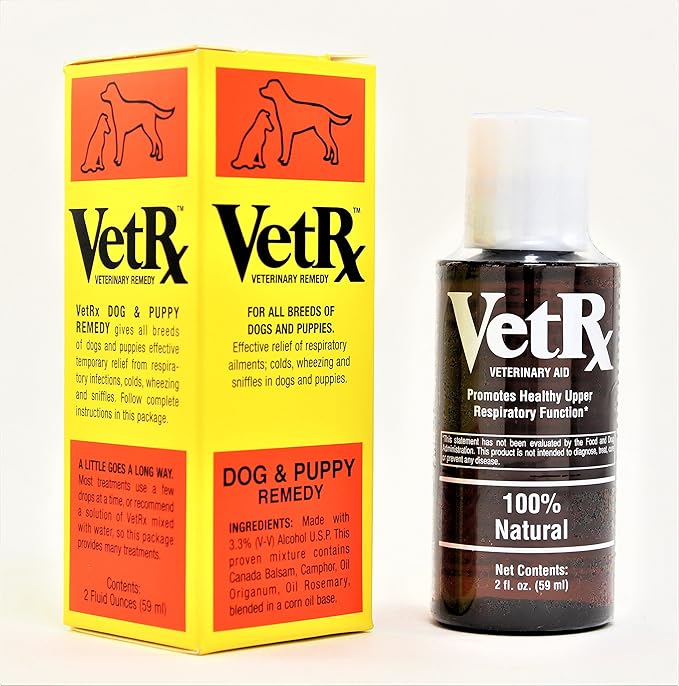
VetRx Veterinary Remedy for Dogs
VetRx Veterinary Remedy for Dogs and Puppies (2 fl oz)
Suggested Recheck Timeline (General Guidance)
While schedules vary, many vets follow:
- Baseline bloodwork before starting
- Recheck at 4–6 weeks
- Follow-ups every 3–6 months for long-term use
Home Tracking: What Owners Should Monitor
Keep a simple log of:
- Pain level and mobility
- Appetite
- Stool quality
- Water intake
- Energy levels
Small changes can provide early warning signs.
Meloxidyl vs Metacam vs Other Dog Pain Medications
When your dog needs pain relief, Meloxidyl is not the only option. Veterinarians choose medications based on effectiveness, safety profile, tolerance, and individual dog health.
Meloxidyl vs Metacam (What’s the Difference?)
This is one of the most common questions dog owners ask.
Short answer:
👉 Meloxidyl and Metacam contain the same active ingredient — meloxicam.
| Feature | Meloxidyl | Metacam |
|---|---|---|
| Active ingredient | Meloxicam | Meloxicam |
| Drug class | NSAID | NSAID |
| Form | Oral liquid | Oral liquid |
| Effectiveness | Same | Same |
| Vet choice based on | Availability, pricing, dosing preference | Same |
There is no meaningful difference in pain relief between the two. Dogs that tolerate one usually tolerate the other equally well.
How Vets Choose Between NSAIDs
Veterinarians consider several factors before prescribing an NSAID:
- Dog’s age and weight
- Kidney and liver health
- Past reactions to NSAIDs
- Severity and duration of pain
- Owner’s ability to dose accurately
Some dogs respond better to one NSAID than another, which is why trial and monitoring are sometimes necessary.
Alternatives if Meloxidyl Isn’t Suitable
If Meloxidyl isn’t a good fit, vets may consider:
- Other NSAIDs (carprofen, firocoxib, deracoxib)
- Adjunct pain medications (gabapentin, amantadine)
- Short-term opioids (in specific situations)
- Disease-modifying joint therapies (injections, biologics)
Pain management is often multimodal, meaning more than one strategy is used to reduce discomfort safely.
Non-Drug Support That Pairs Well With Meloxidyl
Medication works best when combined with lifestyle support:
- Weight management (reduces joint load)
- Physical therapy or hydrotherapy
- Ramps instead of stairs
- Orthopedic bedding
- Vet-approved joint supplements
These measures can reduce reliance on long-term medication.
Practical Owner Guide: How to Give Meloxidyl Correctly
Step-by-Step Administration
- Shake the bottle gently
- Use only the provided oral syringe
- Measure the exact prescribed dose
- Give with food unless your vet says otherwise
- Administer at the same time each day
Consistency helps maintain steady pain control.
Storage and Handling Tips
- Store at room temperature
- Keep tightly capped
- Protect from heat and sunlight
- Keep out of reach of pets and children
Traveling With Meloxidyl
When traveling:
- Bring the original labeled bottle
- Carry dosing syringe
- Maintain dosing schedule
- Avoid skipping doses unless instructed
Tips for Picky Eaters
If your dog resists medication:
- Mix with a small amount of food
- Use pill pockets if approved by your vet
- Avoid hiding in large meals (risk of incomplete dosing)
Cost, Prescription, and Buying Safely Online
Why Meloxidyl Requires a Prescription
Meloxidyl is prescription-only because:
- Incorrect dosing can cause serious harm
- Monitoring may be required
- Drug interactions must be evaluated
Never use leftover medication from another pet.
Typical Price Factors
Cost varies based on:
- Dog size and dose
- Bottle strength and volume
- Treatment duration
- Geographic location
Monthly costs are usually moderate compared to other pain management options.
Avoiding Counterfeit or Unsafe Medications
When buying online:
- Use licensed veterinary pharmacies
- Avoid sites selling without prescriptions
- Check packaging and expiration dates
For guidance, see the
FDA’s tips on safely buying pet medications online.
FAQs: Meloxidyl for Dogs
How long does Meloxidyl take to work in dogs?
Many dogs feel relief within 1–2 hours, but full anti-inflammatory benefits may take several days with consistent dosing.
Can I give Meloxidyl to my dog every day?
Yes, if prescribed by your vet. Long-term daily use requires:
- Routine bloodwork
- Close monitoring
- Periodic dose reassessment
Can Meloxidyl cause diarrhea or vomiting?
Yes. GI upset is the most common side effect, especially early in treatment or if given without food.
Can Meloxidyl be given with food?
Yes — and it often should be given with food to reduce stomach irritation.
Can I switch from another NSAID to Meloxidyl?
Only under veterinary supervision. A washout period is usually required to prevent serious complications.
What’s the difference between Meloxidyl and Metacam?
There is no difference in active drug or effectiveness. Both contain meloxicam.
What should I do if my dog seems sleepy on Meloxidyl?
Mild lethargy can occur initially. If it’s severe or persistent, contact your vet.
Is Meloxidyl safe for senior dogs?
It can be, but seniors require:
- Lower starting doses
- More frequent blood monitoring
- Extra hydration support
What lab tests are needed for long-term meloxicam use?
Typically:
- Kidney function tests (BUN, creatinine)
- Liver enzymes
- Baseline and periodic rechecks
Conclusion
Meloxidyl for dogs is a widely used and effective medication for managing pain and inflammation, especially in conditions like osteoarthritis and post-surgical recovery. When prescribed appropriately and monitored carefully, it can dramatically improve a dog’s comfort and mobility.
Key safety rules to remember:
- Always follow vet-prescribed dosing
- Never combine with other NSAIDs or steroids
- Watch for GI, kidney, or liver warning signs
- Schedule regular checkups for long-term use
Talk to Your Vet for a Personalized Plan
Every dog is different. The safest and most effective pain management plan is one created in partnership with your veterinarian. Keeping a simple monitoring log at home can help catch problems early and ensure your dog stays comfortable and healthy.