Among all dog breeds, the Airedale Terrier stands out as one of the most confident, intelligent, and versatile companions. Known as the “King of Terriers,” this breed has a proud working history, a bold personality, and a distinctive look that makes it easy to recognize.
The Airedale Terrier is not just a handsome dog with a wiry coat and charming beard. It is a clever, energetic, loyal breed that has worked as a hunter, farm dog, military messenger, police dog, watchdog, and family companion. For owners who enjoy an active lifestyle, the Airedale can be a wonderful partner.
This guide covers the breed’s history, temperament, size, appearance, grooming needs, training style, health concerns, puppies, cost, and family suitability. You can also learn more from trusted breed resources such as the American Kennel Club Airedale Terrier breed profile, The Kennel Club’s Airedale Terrier information, and PetMD’s dog health and care guides.
What Is the Airedale Terrier Dog Breed?
The Airedale Terrier is the largest breed in the terrier group. It originated in England and was developed as a strong, smart, all-purpose working dog.
Unlike small terriers that were mainly bred to hunt vermin, the Airedale was built to do much more. It could hunt, retrieve, swim, guard property, and work closely with humans.
Today, the Airedale Terrier is loved as a:
- Family dog
- Watchdog
- Hiking companion
- Sporting dog
- Agility dog
- Working breed
- Loyal household companion
This breed is best known for its courage, intelligence, independence, and playful spirit.
Why the Airedale Terrier Is One of the Most Versatile Dog Breeds
The Airedale Terrier is often described as a dog that can do almost anything. Historically, it was used for hunting otters, catching rats, guarding farms, carrying messages in wartime, and assisting police work.
That versatility still shows today. Airedales can perform well in:
- Obedience
- Tracking
- Agility
- Scent work
- Search and rescue
- Therapy work
- Guarding and watchdog roles
They are not lazy dogs. They enjoy having a task, learning new things, and being part of daily family life.
Why It Is Called the “King of Terriers”
The Airedale Terrier is called the “King of Terriers” because it is the largest of all terrier breeds.
But size is not the only reason for this title. The breed also earned the nickname because of its:
- Confident personality
- Brave nature
- Strong working ability
- Intelligence
- Athletic build
- Protective instincts
- Noble appearance
Compared with many other terriers, the Airedale has a more powerful frame and a broader range of skills.
Who Should Consider This Dog Breed?
The Airedale Terrier is a great match for people who want an active, clever, and loyal dog. However, it is not the easiest breed for every household.
Best for:
- Active families
- Experienced dog owners
- People with time for training
- Owners who enjoy walking, hiking, or outdoor activities
- Homes with secure yards
- Families wanting a protective but affectionate dog
May not be best for:
- Very inactive owners
- People wanting a low-maintenance dog
- Owners away from home all day
- Families unwilling to train consistently
- Homes with small pets and no supervision
The Airedale Terrier can be loving and well-mannered, but it needs structure, exercise, and mental stimulation.
What This Complete Guide Covers
This article explains the most important things future owners should know, including:
- Airedale Terrier breed facts
- History and origin
- Size and appearance
- Temperament
- Family compatibility
- Training needs
- Grooming routine
- Shedding level
- Health problems
- Lifespan
- Feeding
- Puppy care
- Cost of ownership
- Breeders and adoption
- Pros and cons
Airedale Terrier Dog Breed at a Glance
Breed Overview Table
| Category | Details |
|---|---|
| Breed Name | Airedale Terrier |
| Origin | Yorkshire, England |
| Breed Group | Terrier |
| AKC Classification | Terrier Group |
| Size | Medium to large |
| Height | Around 21–24 inches |
| Weight | Around 40–70 pounds |
| Lifespan | 11–14 years |
| Temperament | Intelligent, loyal, confident, playful |
| Intelligence | High |
| Energy Level | High |
| Exercise Needs | High |
| Grooming Needs | Moderate to high |
| Shedding Level | Low to moderate |
| Trainability | High, but independent |
| Good With Children | Yes, with training and supervision |
| Good With Other Pets | Possible with early socialization |
| Apartment Friendly | Possible, but challenging |
| Beginner Friendly | Better for committed or experienced owners |
Breed Name
The breed is officially known as the Airedale Terrier. It is sometimes searched as Airedale Terrier dog, Airedale dog breed, or King of Terriers.
Origin
The Airedale Terrier comes from the Aire Valley in Yorkshire, England. The breed was developed during the 19th century by working people who needed a tough, useful, and intelligent dog.
Breed Group
The Airedale belongs to the terrier group. Terrier breeds are usually known for being bold, active, alert, and determined.
The Airedale carries these classic terrier traits but in a larger, stronger body.
AKC Classification
The American Kennel Club classifies the Airedale Terrier in the Terrier Group. The breed is recognized for its confident nature, wiry coat, and working background.
Size
The Airedale Terrier is the largest terrier breed. It is bigger than breeds like the Welsh Terrier, Fox Terrier, Border Terrier, and Scottish Terrier.
Its size gives it a strong, athletic appearance without making it overly heavy.
Height
Most adult Airedales stand around 21 to 24 inches tall at the shoulder.
Males are usually slightly taller than females.
Weight
A healthy adult Airedale usually weighs between 40 and 70 pounds, depending on gender, genetics, diet, and exercise level.
Lifespan
The average Airedale Terrier lifespan is about 11 to 14 years.
Good nutrition, regular vet care, daily activity, and responsible breeding can support a longer, healthier life.
Temperament
The Airedale Terrier temperament is often described as:
- Confident
- Loyal
- Brave
- Playful
- Alert
- Independent
- Intelligent
This breed has a big personality and often keeps its family entertained.
Intelligence
Airedales are very smart dogs. They learn quickly, solve problems, and understand routines fast.
However, their intelligence can also make them independent. They may not obey blindly, especially if training is boring or inconsistent.
Energy Level
The Airedale Terrier is a high-energy breed. It needs regular movement and activity to stay happy.
Without enough exercise, it may become restless, noisy, or destructive.
Exercise Needs
Most Airedales need daily exercise such as:
- Long walks
- Running
- Hiking
- Fetch
- Training games
- Scent work
- Outdoor play
A simple short walk may not be enough for this active breed.
Grooming Needs
The Airedale has a wiry double coat that needs routine care. Owners should expect regular brushing and occasional professional grooming.
Common grooming tasks include:
- Brushing
- Bathing
- Nail trimming
- Ear cleaning
- Teeth brushing
- Hand stripping or clipping
Shedding Level
Airedales are generally considered low-shedding dogs, but they are not completely shed-free.
Their wiry coat traps loose hair, which helps reduce hair around the home.
Trainability
The Airedale Terrier is trainable, but it needs the right approach.
The best training style is:
- Positive
- Consistent
- Reward-based
- Short and engaging
- Started early
Harsh training methods usually do not work well with this sensitive but confident breed.
Good With Children
A properly socialized Airedale Terrier can be a wonderful dog for children. It is playful, protective, and energetic.
Because of its size and excitement, supervision is important around toddlers and small kids.
Good With Other Pets
Airedales can live with other dogs and even cats if raised with them properly. However, their terrier prey drive means they may chase small animals.
Early socialization is very important.
Apartment Friendly
An Airedale can live in an apartment only if its exercise needs are fully met. Without daily activity, apartment life can become frustrating for both dog and owner.
A house with a secure yard is usually a better fit.
Beginner Friendly
The Airedale Terrier is not always the easiest dog for first-time owners. It is smart, strong, energetic, and sometimes stubborn.
A beginner can succeed, but only with patience, research, training, and commitment.
History and Origin of the Airedale Terrier Breed
Where Did the Airedale Terrier Come From?
The Airedale Terrier was developed in the Aire Valley of Yorkshire, England. This area had rivers, farms, and working communities that needed a practical dog for hunting and protection.
The breed was created to be strong enough for demanding work but smart enough to cooperate with people.
Development in Yorkshire, England
In the 1800s, hunters and farmers in Yorkshire wanted a dog that could handle different jobs. Smaller terriers were useful for catching rats and vermin, but they were not always strong swimmers or large enough for bigger game.
So breeders worked to develop a larger terrier with:
- Better scenting ability
- More strength
- Strong swimming skills
- Courage
- Endurance
- Intelligence
The result was the Airedale Terrier.
Why It Was Originally Bred
The Airedale Terrier was originally bred as a multi-purpose working dog.
Its early jobs included:
- Hunting otters
- Catching rats
- Retrieving game
- Guarding farms
- Protecting property
- Working near rivers
- Helping hunters
This made the breed extremely valuable to working families.
The Story Behind the Breed Name
The name Airedale comes from the Aire Valley, the area where the breed was developed.
The word connects the dog directly to its place of origin and working background.
Breeds Used to Develop the Airedale Terrier
The exact breed mix is not recorded perfectly, but most breed historians believe the Airedale came from crosses involving:
- Old English Black and Tan Terrier
- Otterhound
- Other local working terriers
From these ancestors, the Airedale inherited its:
- Wiry coat
- Strong nose
- Swimming ability
- Hunting drive
- Courage
- Intelligence
Hunting Otters and Rats
Early Airedales were commonly used for hunting along rivers. They were especially valued for their ability to hunt otters and rats.
Their long legs helped them move quickly over rough ground, while their strong nose helped them follow scent trails. Their swimming ability also made them useful around water.
Farm Dog Origins
The Airedale was also a reliable farm dog. On farms, it helped with:
- Vermin control
- Guarding property
- Protecting livestock areas
- Alerting owners to strangers
This practical working background is one reason the breed remains alert and protective today.
Military and Police History
The Airedale Terrier has also served in more serious working roles. During wartime, Airedales were used as messenger dogs, guard dogs, and search dogs.
Their bravery, loyalty, and ability to work under pressure helped build their reputation as dependable service dogs.
Before German Shepherds became widely used in police work, Airedales were also used by some police forces.
AKC Recognition
The Airedale Terrier is recognized by the American Kennel Club and remains part of the Terrier Group.
Its breed standard highlights a dog that is alert, confident, athletic, and well-balanced.
Worldwide Popularity
Although the Airedale Terrier is not as common as Labradors or Golden Retrievers, it has a loyal following around the world.
People who love the breed often admire its:
- Intelligence
- Humor
- Loyalty
- Unique appearance
- Working ability
- Strong personality
For the right owner, the Airedale is not just another dog breed. It becomes a bold, funny, loyal, and unforgettable companion.
Airedale Terrier Breed Characteristics
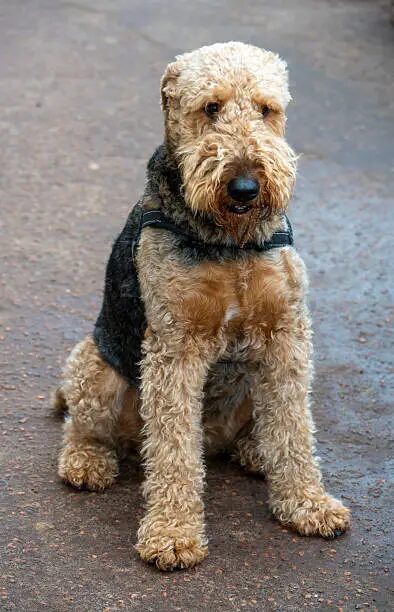
One glance at the Airedale Terrier is enough to understand why this breed leaves such a lasting impression. With its square frame, wiry coat, expressive eyes, and distinctive beard, the Airedale combines elegance with rugged functionality.
Unlike many companion breeds, every part of the Airedale’s body was developed for a purpose. From its muscular legs to its weather-resistant coat, the breed was built to work long days in challenging environments.
Overall Appearance
The Airedale Terrier has a balanced and athletic appearance.
Its body is:
- Strong
- Well-proportioned
- Muscular
- Agile
- Elegant
- Confident
The breed should never appear bulky or heavy. Instead, it should give the impression of strength, endurance, and readiness for work.
Athletic Build
The Airedale’s athletic structure allows it to excel in physically demanding activities.
Its build includes:
- Deep chest
- Strong shoulders
- Straight back
- Well-developed hindquarters
- Long, muscular legs
This combination provides excellent speed, stamina, and balance.
Coat Type
The Airedale Terrier has a double coat.
| Coat Layer | Description |
|---|---|
| Outer Coat | Dense, wiry, weather-resistant |
| Undercoat | Soft, insulating layer |
This coat protects the dog from:
- Rain
- Cold weather
- Mud
- Thick vegetation
- Rough terrain
Coat Texture
The coat feels:
- Harsh
- Dense
- Crisp
- Slightly wiry
Unlike silky-coated breeds, the Airedale’s coat naturally resists dirt and water.
Coat Colors
Only a few color combinations meet the breed standard.
Black and Tan
This is the most recognizable coloration.
Typical markings include:
- Black saddle
- Tan head
- Tan chest
- Tan legs
- Tan beard
Grizzle and Tan
Some Airedales have a grizzle saddle, giving the coat a lighter, salt-and-pepper appearance while maintaining the same classic pattern.
Beard and Eyebrows
The beard and eyebrows are among the breed’s defining features.
These facial furnishings:
- Protect the face during work
- Give the breed its distinguished look
- Contribute to its intelligent expression
Eyes
Healthy Airedale eyes should be:
- Dark
- Bright
- Medium-sized
- Alert
Their eyes often seem expressive and full of curiosity.
Nose
The breed standard calls for a solid black nose with well-developed nostrils that support its excellent scenting ability.
Ears
The ears are:
- Small
- V-shaped
- Folded forward
- Set high on the head
Proper ear placement enhances the breed’s alert appearance.
Tail
Depending on local regulations and breeder preferences, an Airedale may have:
- A natural tail
- A docked tail
A natural tail is usually carried high, reflecting the breed’s confidence.
Legs and Feet
The breed’s legs are:
- Straight
- Strong
- Muscular
Its compact feet with thick pads provide excellent traction on a variety of surfaces.
Breed Standard
An ideal Airedale Terrier should display:
- Balanced proportions
- Strong movement
- Dense wiry coat
- Confident posture
- Alert expression
The overall picture is that of a versatile, athletic working dog.
Airedale Terrier Size Guide
The Airedale Terrier is the largest member of the terrier family. Despite its size, it remains agile, fast, and highly athletic.
Average Height
Adult height generally falls within these ranges:
| Gender | Height |
| Male | 23–24 inches |
| Female | 21–23 inches |
Average Weight
Healthy adult weight typically ranges from:
| Gender | Weight |
| Male | 50–70 pounds |
| Female | 40–60 pounds |
Proper nutrition and regular exercise help maintain an ideal body condition.
Male vs Female Size
Male Airedales
- Taller
- Heavier
- More muscular
Female Airedales
- Slightly smaller
- More refined
- Lighter overall build
Both sexes are energetic and capable working dogs.
Puppy Growth Chart
| Age | Average Height |
| 2 Months | 8–10 inches |
| 4 Months | 13–16 inches |
| 6 Months | 17–20 inches |
| 9 Months | 20–22 inches |
| Adult | 21–24 inches |
Weight Chart
| Age | Average Weight |
| 2 Months | 10–15 lbs |
| 4 Months | 20–30 lbs |
| 6 Months | 35–45 lbs |
| 9 Months | 45–55 lbs |
| Adult | 40–70 lbs |
Growth varies based on genetics, nutrition, and overall health.
Growth Milestones
Birth to 3 Months
- Rapid growth
- Early socialization
- Basic learning
3–6 Months
- Teething
- Learning household rules
- Increased curiosity
6–12 Months
- Adolescence
- Increased independence
- Continued physical growth
12–24 Months
- Physical maturity
- Mental development
- Improved focus
When Is an Airedale Fully Grown?
Most Airedales reach:
- Full height by around 12 months
- Adult weight by 18 months
- Mental maturity around 2 years
Patience is important during adolescence, as young Airedales often test boundaries.
Ideal Body Condition Score
A healthy Airedale should have:
- A visible waist
- A tucked abdomen
- Easily felt ribs beneath a thin fat layer
- Well-developed muscle tone
Maintaining a healthy weight supports joint health and overall longevity.
Airedale Terrier Temperament
The Airedale Terrier has a lively personality that combines intelligence, confidence, independence, and loyalty.
Owners often describe the breed as entertaining because it enjoys exploring, solving problems, and participating in family activities.
Personality Overview
The breed is commonly described as:
- Intelligent
- Confident
- Brave
- Curious
- Loyal
- Independent
- Playful
Every Airedale has its own personality, but these traits are consistently seen throughout the breed.
Intelligence
The Airedale Terrier ranks among the most intelligent terrier breeds.
It learns:
- Commands quickly
- Household routines
- Problem-solving tasks
- Complex activities
Its intelligence makes training enjoyable but also means it needs mental stimulation.
Confidence
Airedales are naturally confident dogs.
Rather than reacting fearfully to new situations, they often approach them with curiosity and composure.
Loyalty
Once bonded, the Airedale becomes deeply devoted to its family.
Many owners describe their dogs as:
- Faithful
- Protective
- Affectionate
- Dependable
Protective Instincts
The breed is naturally alert and protective.
It often:
- Notices unfamiliar sounds
- Watches visitors carefully
- Alerts owners to unusual activity
Proper socialization ensures these instincts remain balanced rather than excessive.
Independence
The Airedale was developed to think independently while working.
This quality helped it succeed as a hunting and farm dog, but it also means owners should avoid repetitive or overly harsh training methods.
Curiosity
Curiosity is one of the breed’s defining traits.
Without adequate supervision, an Airedale may investigate:
- Gardens
- Gates
- New scents
- Hidden spaces
Keeping the dog mentally engaged helps satisfy this natural curiosity.
Playfulness
Most Airedales retain their playful nature well into adulthood.
Favorite activities often include:
- Fetch
- Tug games
- Puzzle toys
- Hiking
- Running
- Interactive training
Emotional Sensitivity
Although the breed appears tough and confident, it responds best to calm, positive leadership.
Harsh punishment can reduce trust and slow learning.
Affection Level
Despite their independent nature, Airedales enjoy spending time with their families.
Many dogs appreciate:
- Belly rubs
- Relaxing beside their owners
- Family outings
- Being involved in daily routines
They often show affection in subtle but meaningful ways.
Bonding With Owners
Airedales usually bond with the entire household but may develop a particularly strong connection with the person who:
- Provides training
- Exercises them daily
- Spends the most time with them
This close relationship contributes to their reputation as loyal companions.
Is the Airedale Terrier a Good Family Dog?
For active households, the Airedale Terrier can be an exceptional family dog.
Its intelligence, loyalty, and enthusiasm make it a rewarding companion for families willing to invest time in training and exercise.
Living With Families
The breed thrives when included in family life.
Airedales enjoy:
- Outdoor adventures
- Daily walks
- Backyard games
- Camping trips
- Family gatherings
Being left alone for long periods can lead to boredom and unwanted behaviors.
Living With Children
Properly socialized Airedales generally do very well with children.
They are:
- Playful
- Protective
- Energetic
- Patient
As with any dog, supervision is recommended during interactions with young children.
Toddlers
Because of their size and excitement, Airedales may accidentally knock over toddlers during play.
Teaching respectful interactions benefits both the child and the dog.
Teenagers
Teenagers often make ideal companions for Airedales.
Shared activities can include:
- Hiking
- Running
- Obedience training
- Agility
- Outdoor sports
These activities help satisfy the breed’s high energy level.
Seniors
The breed can live happily with active seniors who are able to provide daily exercise and consistent interaction.
Less active households may find the breed’s energy challenging.
First-Time Owners
Although intelligent and affectionate, the Airedale Terrier is generally better suited to owners prepared for:
- Consistent training
- Daily exercise
- Grooming commitments
- Patient leadership
Dedicated first-time owners can absolutely succeed with proper preparation and guidance.
Families With Active Lifestyles
This is where the Airedale shines.
Families who enjoy outdoor activities often appreciate having an energetic companion that eagerly joins every adventure.
Best Home Environment
An ideal home provides:
- Daily physical exercise
- Mental stimulation
- Secure fencing
- Family interaction
- Consistent routines
A busy, engaged Airedale is usually a happy and well-behaved Airedale.
Airedale Terrier With Other Pets
The Airedale Terrier can coexist successfully with other animals, but proper introductions and early socialization are essential.
Living With Dogs
Many Airedales enjoy the company of other dogs when socialized from a young age.
Supervised introductions and continued positive experiences help maintain good relationships.
Living With Cats
Airedales raised alongside family cats often adapt well.
However, unfamiliar cats may trigger the breed’s hunting instincts.
Living With Small Animals
Because the breed was developed to hunt vermin, caution is necessary around:
- Rabbits
- Hamsters
- Guinea pigs
- Birds
- Ferrets
Supervision is always recommended.
Managing Their Prey Drive
Helpful strategies include:
- Early training
- Reliable recall
- Leash management
- Secure fencing
- Mental stimulation
These techniques help reduce chasing behaviors.
Socialization Tips
Introduce your puppy to:
- New people
- Friendly dogs
- Different environments
- Household sounds
- Various experiences
Early socialization helps develop a confident, well-adjusted adult dog.
Intelligence and Trainability
The Airedale Terrier is highly intelligent, but its independent thinking sets it apart from many other breeds.
Rather than simply following commands, Airedales often evaluate situations before responding.
How Smart Is the Airedale Terrier?
The breed excels in:
- Learning new skills
- Remembering routines
- Solving problems
- Adapting to unfamiliar situations
Its intelligence is one of its greatest strengths.
Working Intelligence
Working intelligence refers to the ability to perform tasks independently.
Airedales excel here because they were bred to make decisions while hunting and working.
Obedience Intelligence
Although highly capable of learning commands, Airedales sometimes appear stubborn because they become bored with repetitive training.
Keeping sessions fun and rewarding produces the best results.
Problem-Solving Ability
Many Airedales can quickly figure out:
- Puzzle feeders
- Gates and latches
- Hidden treats
- Household routines
Their curiosity often surprises first-time owners.
Why They Can Be Stubborn
Their independence is often mistaken for stubbornness.
In reality, they simply prefer engaging, meaningful activities over repetitive drills.
Mental Enrichment
Daily enrichment helps prevent boredom.
Excellent options include:
- Puzzle toys
- Nose work
- Interactive games
- Obedience practice
- Food-dispensing toys
Puzzle Toys
Puzzle toys encourage independent thinking while providing mental stimulation.
Interactive Games
Games like hide-and-seek, scent trails, and treasure hunts keep the Airedale mentally satisfied while strengthening the bond between dog and owner.
Airedale Terrier Training Guide
The Airedale Terrier is highly intelligent, but its independent personality means training should begin early and remain consistent throughout its life.
Unlike breeds that simply follow commands, Airedales enjoy thinking for themselves. Owners who make training enjoyable and rewarding usually achieve the best results.
Are They Easy to Train?
The Airedale learns quickly but isn’t always eager to repeat the same task over and over.
Training is easiest when you:
- Use positive reinforcement
- Keep sessions short
- Stay consistent
- Make learning fun
- Reward good behavior immediately
Patience and persistence are key to success.
Puppy Training
Training should begin as soon as your puppy arrives home.
Early lessons include:
- Name recognition
- House manners
- Basic commands
- Socialization
- Bite inhibition
Building good habits early helps prevent behavioral issues later.
Housebreaking
Most Airedale puppies learn house training quickly with a consistent routine.
Helpful tips include:
- Take puppies outside frequently.
- Reward successful potty breaks.
- Stick to a regular schedule.
- Supervise indoors.
Avoid punishment, as it can create confusion and slow progress.
Crate Training
A crate provides:
- A safe sleeping area
- Easier housebreaking
- Security while traveling
- A quiet place to relax
Always introduce the crate gradually using treats and praise.
Socialization
Expose your puppy to:
- New people
- Friendly dogs
- Different surfaces
- Household noises
- Busy environments
Positive experiences during puppyhood help create a confident adult dog.
Basic Commands
Every Airedale should learn:
- Sit
- Stay
- Come
- Down
- Leave it
- Heel
A reliable recall command is especially important because of the breed’s prey drive.
Recall Training
Practice recall in secure areas before allowing off-leash freedom.
Reward every successful return with praise, toys, or treats.
Leash Training
Teach loose-leash walking from an early age.
Consistent practice prevents pulling and makes walks more enjoyable for both dog and owner.
Advanced Obedience
Many Airedales enjoy advanced training because it keeps their minds active.
Activities may include:
- Rally obedience
- Advanced commands
- Trick training
- Off-leash control
Agility Training
Agility is one of the best sports for this breed.
It improves:
- Fitness
- Confidence
- Coordination
- Focus
Scent Work
Thanks to their excellent noses, many Airedales excel at:
- Nose work
- Tracking
- Search games
- Detection activities
Positive Reinforcement
Reward-based training produces the best results.
Effective rewards include:
- Healthy treats
- Favorite toys
- Praise
- Playtime
Common Training Mistakes
Avoid:
- Harsh corrections
- Long repetitive sessions
- Inconsistent rules
- Lack of exercise
- Skipping socialization
These mistakes often lead to frustration and unwanted behaviors.
Exercise Requirements
The Airedale Terrier is a high-energy breed that thrives on daily physical activity and mental challenges.
Without enough exercise, it may become restless, noisy, or destructive.
Daily Exercise Needs
Most healthy adults require:
- 60–90 minutes of exercise each day
This should include both physical activity and mental stimulation.
Walking
Daily walks help provide:
- Physical fitness
- Mental enrichment
- Socialization opportunities
Two walks each day are ideal for most adults.
Running
After reaching full physical maturity, many Airedales make excellent jogging partners.
Hiking
This breed loves hiking and exploring new trails.
Its stamina makes it an outstanding outdoor companion.
Swimming
Many Airedales naturally enjoy swimming due to their hunting history.
Always supervise your dog around water.
Fetch
Fetch is a simple way to combine exercise with obedience practice.
Dog Sports
Popular sports include:
- Agility
- Rally
- Tracking
- Barn Hunt
- Nose Work
- Obedience trials
These activities help satisfy the breed’s need for both movement and mental engagement.
Mental Stimulation
Physical exercise alone isn’t enough.
Challenge your dog with:
- Puzzle toys
- Scent games
- Trick training
- Interactive feeders
Mental exercise is essential for preventing boredom.
Signs of Boredom
A bored Airedale may:
- Bark excessively
- Dig holes
- Chew furniture
- Pace around the house
- Become overly energetic
Increasing daily activity often solves these issues.
Grooming an Airedale Terrier
The Airedale’s distinctive coat requires regular maintenance to stay healthy and attractive.
Fortunately, routine grooming also helps reduce shedding and keeps the skin in good condition.
Grooming Overview
A complete grooming routine includes:
- Brushing
- Bathing
- Nail trimming
- Ear cleaning
- Dental care
- Professional grooming
Coat Maintenance
Weekly brushing removes loose hair and prevents tangles.
It also distributes natural oils throughout the coat.
Brushing Routine
Brush your dog 1–2 times each week using:
- Slicker brush
- Metal comb
Pay extra attention to the beard and leg furnishings.
Bathing Schedule
Bathing every 6–8 weeks is usually sufficient.
Too many baths can strip the coat’s natural oils.
Hand Stripping
Hand stripping removes dead outer hairs while preserving the coat’s natural texture.
This method is preferred for show dogs.
Clipping
Most pet owners choose clipping because it is:
- Faster
- Easier
- More affordable
Although clipping softens the coat over time, it remains a practical option for companion dogs.
Nail Trimming
Trim nails every few weeks to prevent:
- Discomfort
- Poor posture
- Joint stress
Ear Cleaning
Inspect ears weekly for:
- Odor
- Wax buildup
- Redness
- Irritation
Routine cleaning helps prevent infections.
Dental Care
Brush your dog’s teeth several times each week using dog-safe toothpaste.
Regular dental care supports overall health and fresh breath.
Grooming Tools
Helpful supplies include:
- Slicker brush
- Metal comb
- Nail clippers
- Ear cleaner
- Toothbrush
- Grooming scissors
Professional Grooming
Most owners schedule professional grooming every 8–12 weeks.
Shedding and Hypoallergenic Qualities
Do Airedale Terriers Shed?
Yes, but much less than many other medium-to-large breeds.
Loose hair tends to remain trapped within the wiry coat until brushed out.
Seasonal Shedding
Slightly heavier shedding may occur during seasonal coat changes.
Regular grooming keeps it under control.
Coat Maintenance Tips
- Brush weekly
- Schedule professional grooming
- Feed a balanced diet
- Keep skin healthy
Are They Hypoallergenic?
No dog is completely hypoallergenic.
However, the Airedale’s low-shedding coat may be easier for some people with mild allergies to tolerate.
Managing Allergies
Reduce allergens by:
- Grooming regularly
- Vacuuming frequently
- Washing bedding
- Maintaining coat health
Health Problems in Airedale Terriers
Overall, the Airedale is a healthy breed, but it can be prone to several inherited conditions.
Responsible breeders perform health screenings to reduce these risks.
Overall Health
Routine veterinary care, proper nutrition, and regular exercise help support long-term health.
Hip Dysplasia
A developmental disorder affecting the hip joints.
Symptoms may include:
- Limping
- Difficulty standing
- Reduced activity
Elbow Dysplasia
A joint condition that may cause pain and reduced mobility.
Hypothyroidism
Signs may include:
- Weight gain
- Lethargy
- Hair loss
- Dry skin
Gastric Dilatation-Volvulus (Bloat)
A life-threatening emergency involving stomach twisting.
Immediate veterinary care is essential.
Allergies
Some Airedales develop:
- Food allergies
- Environmental allergies
- Seasonal allergies
Skin Conditions
Healthy skin depends on:
- Regular grooming
- Good nutrition
- Parasite prevention
Eye Disorders
Potential issues include:
- Cataracts
- Progressive retinal atrophy
- Other inherited eye conditions
Heart Disease
Although uncommon, some dogs may develop heart problems later in life.
Cancer Risks
Like many larger breeds, senior Airedales may be at increased risk for certain cancers.
Routine checkups help with early detection.
Preventive Veterinary Care
Maintain your dog’s health with:
- Annual wellness exams
- Vaccinations
- Parasite prevention
- Dental care
- Weight management
Airedale Terrier Lifespan
Average Life Expectancy
Most Airedale Terriers live between 11 and 14 years.
Factors Affecting Longevity
Lifespan depends on:
- Genetics
- Diet
- Exercise
- Preventive care
- Healthy body weight
Senior Care
Older dogs benefit from:
- Softer bedding
- Moderate exercise
- Joint support
- More frequent veterinary visits
Tips for a Longer Life
Support healthy aging by providing:
- High-quality food
- Regular exercise
- Dental care
- Mental stimulation
- Preventive healthcare
Feeding and Nutrition
Best Dog Food for an Airedale Terrier
Choose a complete, balanced diet appropriate for your dog’s:
- Age
- Size
- Activity level
Puppy Feeding Guide
Puppies generally need:
- 3–4 meals daily
Adult Feeding Guide
Most adults thrive on:
- Two meals each day
Senior Nutrition
Older dogs may benefit from:
- Easily digestible protein
- Joint-support ingredients
- Controlled calories
Homemade Diet
Homemade meals should be formulated with guidance from a veterinary nutrition professional to ensure nutritional balance.
Raw Diet
Some owners choose raw diets, but they require careful planning to minimize nutritional imbalance and food safety risks.
Dry Food vs Wet Food
Both can provide excellent nutrition when they are complete and balanced. Many owners feed a combination of the two.
Portion Control
Adjust food portions according to:
- Weight
- Age
- Activity level
- Veterinary recommendations
Healthy Treats
Offer treats in moderation, including:
- Dog-safe fruits
- Lean cooked meat
- Commercial training treats
Foods to Avoid
Never feed:
- Chocolate
- Grapes
- Raisins
- Onions
- Garlic
- Xylitol
- Alcohol
- Cooked bones
Airedale Terrier Puppies
What to Expect
Airedale puppies are:
- Curious
- Energetic
- Intelligent
- Playful
Puppy Personality
Expect a confident puppy eager to explore and learn.
Puppy Development Stages
Physical growth continues for 18–24 months, while emotional maturity develops gradually.
Vaccination Schedule
Follow your veterinarian’s recommended schedule for core vaccines and boosters.
Socialization Timeline
Introduce your puppy to:
- People
- Dogs
- New environments
- Everyday sounds
during the early months of life.
Puppy Training Timeline
| Age | Focus |
|---|---|
| 8–12 Weeks | Socialization & House Training |
| 3–6 Months | Basic Obedience |
| 6–12 Months | Advanced Skills |
| 12+ Months | Continued Training |
New Puppy Checklist
Prepare:
- Crate
- Bed
- Food bowls
- Collar
- Leash
- Toys
- Grooming supplies
Preparing Your Home
Puppy-proof your home by securing electrical cords, removing toxic plants, and storing hazardous items out of reach.
Airedale Terrier Price and Ownership Costs
Puppy Price
A puppy from a reputable breeder typically costs $1,000–$3,000+.
Adoption Costs
Adoption fees are usually lower and may include vaccinations, microchipping, and spaying or neutering.
Monthly Expenses
Budget for:
- Food
- Grooming
- Preventive healthcare
- Toys
- Insurance (if desired)
Annual Costs
Ongoing ownership costs include veterinary care, grooming, food, training, and supplies.
Food Budget
High-quality nutrition is one of the most important long-term investments in your dog’s health.
Grooming Costs
Professional grooming generally ranges from $50–$120 per visit, depending on location and services.
Veterinary Expenses
Routine wellness exams, vaccinations, and parasite prevention should be planned each year.
Insurance Costs
Pet insurance may help reduce unexpected veterinary expenses.
Training Costs
Group classes or private lessons are worthwhile investments for this intelligent breed.
Finding an Airedale Terrier Breeder
How to Choose a Responsible Breeder
A responsible breeder should:
- Perform health testing
- Raise puppies in clean conditions
- Socialize puppies early
- Provide health records
Questions to Ask
Discuss:
- Parent temperament
- Health screenings
- Vaccination records
- Socialization practices
Health Testing
Look for breeders who screen breeding dogs for common inherited conditions.
Visiting the Breeder
Observe the environment, meet the parent dogs when possible, and ask plenty of questions.
Health Guarantees
Review any health guarantees carefully before purchasing a puppy.
Puppy Contracts
Read contracts thoroughly and understand breeder expectations and return policies.
Red Flags
Avoid breeders who:
- Refuse visits
- Lack documentation
- Sell puppies too young
- Focus on quantity over quality
Puppy Mills to Avoid
Choose breeders who prioritize health and welfare rather than mass production.
Adoption and Rescue
Why Adopt an Airedale Terrier?
Adoption gives a deserving dog a second chance while providing you with a loyal companion.
Breed Rescue Organizations
Breed-specific rescues often help match Airedales with suitable homes.
Adoption Process
Most rescues require:
- Application
- Interview
- Home check
- Adoption agreement
Adult Dogs vs Puppies
Adult dogs often have established personalities and basic training, while puppies require more time but allow you to shape behaviors from the start.
Benefits of Rescue
- Lower upfront costs
- Helping a dog in need
- Adult temperament often known
Living With an Airedale Terrier
Apartment Living
Possible with sufficient exercise and enrichment.
House With Yard
A secure yard provides additional space for safe play and exploration.
Rural Living
Airedales often thrive in rural settings where they have room to stay active.
Urban Living
City living can work if daily walks, training, and mental stimulation are provided.
Cold Weather Care
Their double coat offers some insulation, but they should not be left outside for prolonged periods in extreme cold.
Hot Weather Care
Provide shade, fresh water, and avoid strenuous exercise during peak heat.
Traveling
Many Airedales enjoy road trips and outdoor adventures when introduced gradually.
Leaving Them Alone
They tolerate short periods alone but generally prefer regular companionship.
Preventing Separation Anxiety
Build independence gradually using routines, enrichment toys, and positive departures.
Airedale Terrier as a Working Breed
Historically and today, Airedales have excelled as:
- Hunting dogs
- Farm dogs
- Guard dogs
- Police dogs
- Military dogs
- Search and rescue dogs
- Detection dogs
- Therapy dogs
- Service dogs
Their adaptability remains one of the breed’s greatest strengths.
Common Behavioral Problems
Potential issues include:
- Barking
- Digging
- Chewing
- Jumping
- Pulling on the leash
- Chasing wildlife
- Resource guarding
- Separation anxiety
- Stubbornness
Solutions for Each Behavior
The most effective strategy combines:
- Positive reinforcement
- Daily exercise
- Mental stimulation
- Consistent rules
- Early socialization
Pros and Cons of the Airedale Terrier Breed
| Advantages | Disadvantages |
| Highly intelligent | Needs daily exercise |
| Loyal and protective | Independent personality |
| Low shedding | Regular grooming required |
| Excellent watchdog | Strong prey drive |
| Versatile working dog | Requires consistent training |
Airedale Terrier vs Other Dog Breeds
Airedale Terrier vs Welsh Terrier
The Airedale is larger and generally more versatile.
Airedale Terrier vs Giant Schnauzer
The Giant Schnauzer is often more intensely protective, while the Airedale is typically more playful.
Airedale Terrier vs German Shepherd
German Shepherds usually excel in formal protection work, while Airedales are more independent problem-solvers.
Airedale Terrier vs Labrador Retriever
Labradors are often easier for beginners, whereas Airedales require more structured leadership.
Airedale Terrier vs Golden Retriever
Golden Retrievers are generally more eager to please, while Airedales tend to be more independent.
Airedale Terrier vs Standard Poodle
Both breeds are highly intelligent, but their coat care and personalities differ.
Airedale Terrier vs Doberman Pinscher
Dobermans are more specialized protection dogs, while Airedales offer broader working versatility.
Fun Facts About the Airedale Terrier
Largest Terrier Breed
The Airedale is officially the largest terrier breed.
Why They Are Called the King of Terriers
Their size, intelligence, and versatility earned this famous nickname.
Famous Historical Airedales
The breed served with distinction during wartime and early police work.
Celebrity Owners
Several well-known public figures have owned Airedales throughout history.
Interesting Breed Facts
- Excellent swimmers
- Outstanding scenting ability
- Strong working heritage
- Energetic and confident personalities
Records and Achievements
Airedales continue to excel in dog sports, working roles, and conformation competitions.
Is the Airedale Terrier the Right Dog Breed for You?
Ideal Owner Profile
The ideal owner enjoys an active lifestyle and is committed to training and regular interaction.
Lifestyle Requirements
Daily exercise, mental stimulation, and family involvement are essential.
Time Commitment
Expect to invest time in:
- Exercise
- Grooming
- Training
- Socialization
Exercise Commitment
Plan for at least 60–90 minutes of activity each day.
Grooming Commitment
Weekly brushing and professional grooming several times a year help maintain the breed’s coat.
Budget Considerations
Remember to budget for food, veterinary care, grooming, training, and supplies throughout your dog’s life.
Questions to Ask Before Getting One
- Can I provide enough daily exercise?
- Do I have time for regular grooming?
- Am I committed to consistent training?
- Is my home suitable for an energetic dog?
Frequently Asked Questions
Is the Airedale Terrier Aggressive?
No. With proper training and socialization, they are confident and protective rather than aggressive.
Is the Airedale Terrier Good With Kids?
Yes, especially in active families where interactions are supervised.
Does the Airedale Terrier Shed?
Yes, but it is considered a low-shedding breed.
Is the Airedale Terrier Hypoallergenic?
No dog is completely hypoallergenic, but Airedales may be suitable for some people with mild allergies.
How Much Exercise Does an Airedale Terrier Need?
Most adults need 60–90 minutes of daily exercise.
Is the Airedale Terrier Easy to Train?
They are intelligent but require patience and consistency.
Does the Airedale Terrier Bark a Lot?
They are alert barkers but are not usually excessive when their needs are met.
Can an Airedale Terrier Live in an Apartment?
Yes, if it receives enough exercise and mental stimulation.
How Long Does an Airedale Terrier Live?
Typically 11–14 years.
How Much Does an Airedale Terrier Cost?
Usually $1,000–$3,000+ from a reputable breeder.
Are Airedales Good With Cats?
They can be if raised and socialized with them.
Are They Good Guard Dogs?
Yes. They are naturally alert and protective.
Are They Good for First-Time Owners?
They are better suited to owners who are prepared for an active, intelligent breed.
Can They Be Left Alone?
They can tolerate short periods alone but prefer companionship.
Do Airedales Like Water?
Many enjoy swimming thanks to their history as water-working dogs.
Conclusion
Is the Airedale Terrier the Right Dog Breed?
The Airedale Terrier is an outstanding choice for active owners seeking a loyal, intelligent, and versatile companion. Its unique blend of courage, athleticism, and affection has earned it a lasting reputation as one of the most capable dog breeds in the world.
Key Takeaways
- Largest member of the terrier group
- Highly intelligent and adaptable
- Loyal family companion and capable working dog
- Low-shedding coat with regular grooming needs
- Thrives with exercise, training, and mental enrichment
Benefits of Owning an Airedale Terrier
Owners enjoy a dog that is protective, playful, adventurous, and eager to participate in family life and outdoor activities.
Responsibilities Every Owner Should Know
Providing regular exercise, grooming, consistent training, preventive healthcare, and companionship is essential for helping an Airedale Terrier live a happy and healthy life.
Final Thoughts on the Airedale Terrier Breed
For people who appreciate an energetic, confident, and intelligent dog, the Airedale Terrier offers an exceptional combination of personality and versatility. With the right care and commitment, this remarkable breed becomes far more than a pet—it becomes a trusted companion, devoted family member, and lifelong adventure partner.