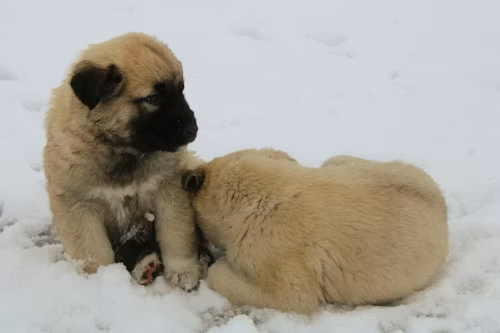
Few dog breeds are as impressive as the Anatolian Shepherd. Originally developed thousands of years ago to guard livestock across the rugged landscapes of Turkey, this breed is admired for its intelligence, courage, and unwavering loyalty. Today, Anatolian Shepherd puppies are becoming increasingly popular among farmers, ranchers, and experienced dog owners looking for a dependable guardian and devoted family companion.
Unlike many breeds bred primarily for companionship, Anatolian Shepherd puppies are born with strong guardian instincts. As they mature, they become confident, independent thinkers capable of protecting livestock, property, and family members. Their calm temperament, remarkable endurance, and natural protective abilities make them stand out among large working breeds.
However, raising an Anatolian Shepherd puppy is a rewarding challenge. These dogs require early socialization, consistent training, proper nutrition, and patient leadership to develop into well-balanced adults.
In this complete guide, you’ll discover everything you need to know about:
- Anatolian Shepherd puppy temperament
- Growth and development
- Training and socialization
- Feeding and grooming
- Health care
- Exercise needs
- Buying or adopting a puppy
- Costs of ownership
- Expert care tips
Whether you’re considering bringing home your first Anatolian Shepherd puppy or simply researching the breed, this guide will help you make informed decisions.
Anatolian Shepherd Puppy at a Glance
| Feature | Details |
|---|---|
| Breed Name | Anatolian Shepherd Dog |
| Other Names | Anatolian Karabash, Coban Kopegi |
| Origin | Turkey |
| Breed Group | Working Group |
| Adult Height | 27–32 inches |
| Adult Weight | 80–150 pounds |
| Puppy Weight (8 Weeks) | 15–25 pounds |
| Life Expectancy | 11–13 years |
| Coat Type | Dense Double Coat |
| Coat Colors | Fawn, White, Brindle, Pinto, Biscuit, Gray, Red Fawn |
| Temperament | Loyal, Independent, Calm, Protective |
| Energy Level | Moderate to High |
| Intelligence | Very High |
| Trainability | Moderate (Independent Thinker) |
| Shedding | Moderate to Heavy |
| Grooming Needs | Moderate |
| Exercise Needs | 60–90 minutes daily (adults) |
| Barking Level | Moderate to High |
| Protective Instinct | Extremely Strong |
| AKC Recognition | Yes |
| Best For | Farms, Ranches, Active Families, Experienced Owners |
History of the Anatolian Shepherd Dog
The Anatolian Shepherd is one of the world’s oldest livestock guardian breeds. Its history dates back thousands of years to the rugged Anatolian Plateau of modern-day Turkey, where shepherds relied on powerful guardian dogs to protect valuable livestock.
Ancient Origins in Turkey
Historians believe the ancestors of today’s Anatolian Shepherd have existed for over 4,000 years.
Instead of breeding dogs for appearance, Turkish shepherds selected animals based on:
- Intelligence
- Strength
- Endurance
- Courage
- Protective instincts
These qualities remain defining characteristics of the breed today.
Development as a Livestock Guardian
Unlike herding breeds that move livestock from one place to another, Anatolian Shepherds were bred to stay with the flock and defend it from predators.
Their responsibilities included protecting:
- Sheep
- Goats
- Cattle
- Poultry
- Camels
They often worked independently for hours without human supervision.
Protecting Sheep and Goats
Turkey’s mountainous regions were home to dangerous predators such as:
- Wolves
- Bears
- Jackals
The Anatolian Shepherd’s job was not to attack indiscriminately but to discourage predators through vigilance, barking, and confident presence. If necessary, the dog would physically defend the flock.
Arrival in the United States
The breed was introduced to the United States during the twentieth century as farmers searched for effective livestock guardian dogs capable of protecting animals from coyotes, wolves, and mountain lions.
The Anatolian Shepherd quickly proved itself as an exceptional working breed.
Recognition by the American Kennel Club (AKC)
The American Kennel Club (AKC) officially recognized the Anatolian Shepherd Dog in 1996 as part of the Working Group.
This recognition helped increase awareness while preserving the breed’s traditional working abilities.
Modern Working Roles
Today, Anatolian Shepherds continue to excel as:
- Livestock guardians
- Farm dogs
- Ranch protectors
- Property guardians
- Family companions
- Wildlife conservation partners
Some conservation programs even use these dogs to help reduce conflicts between farmers and large predators by protecting livestock without harming wildlife.
Why the Breed Remains Popular Today
Modern owners appreciate the breed for its:
- Exceptional loyalty
- Calm temperament
- Intelligence
- Protective instincts
- Low-maintenance grooming
- Excellent health
- Long working history
What to Expect from an Anatolian Shepherd Puppy
Bringing home an Anatolian Shepherd puppy is very different from raising many companion breeds.
These puppies are naturally observant, independent, and surprisingly mature for their age.
Typical Puppy Personality
Young Anatolian Shepherd puppies are usually:
- Curious
- Calm
- Intelligent
- Alert
- Confident
- Independent
- Loyal
Although playful, they are generally less hyperactive than many sporting breeds.
Intelligence
The Anatolian Shepherd is highly intelligent.
Instead of blindly following commands, these puppies naturally evaluate situations before deciding how to respond.
This independent thinking helped their ancestors survive while protecting livestock.
Confidence
Even at a young age, many Anatolian Shepherd puppies display quiet confidence.
Properly raised puppies rarely appear nervous or overly timid.
Confidence grows through positive experiences rather than forced exposure.
Calm Nature
Unlike some energetic working breeds, Anatolian Shepherd puppies spend a great deal of time observing their surroundings.
This calm personality makes them excellent watchdogs from an early age.
Curiosity
Expect your puppy to investigate everything.
They enjoy exploring:
- New smells
- New environments
- Visitors
- Farm animals
- Household objects
Providing safe exploration opportunities helps build confidence.
Loyalty
Although somewhat independent, Anatolian Shepherd puppies develop deep attachments to their families.
They often choose to stay close to their owners, quietly observing daily activities.
Independence
Independence is one of the breed’s defining characteristics.
Unlike breeds that constantly seek approval, Anatolian Shepherds naturally solve problems on their own.
Owners should understand that independence does not mean stubbornness—it reflects the breed’s working heritage.
Protective Instincts
Guardian instincts often begin developing during puppyhood.
Young puppies may:
- Watch unfamiliar visitors
- Bark at unusual sounds
- Stay close to family members
- Observe new animals carefully
Proper socialization teaches them to distinguish between normal situations and genuine threats.
Development Milestones
Anatolian Shepherd puppies mature slowly.
Although they grow rapidly during their first year, emotional maturity often develops over two years.
Anatolian Shepherd Puppy Appearance
One look at an Anatolian Shepherd puppy reveals that it is destined to become a powerful working dog.
Head Shape
The head is:
- Broad
- Well-proportioned
- Strong
Even young puppies display impressive bone structure.
Eyes
Their eyes are:
- Almond-shaped
- Brown to amber
- Calm
- Intelligent
Their expression often appears thoughtful and observant.
Ears
The ears are:
- Medium-sized
- Triangular
- Hanging close to the head
Nose
Most puppies have a black nose, although some lighter-colored dogs may have a liver-colored nose.
Tail
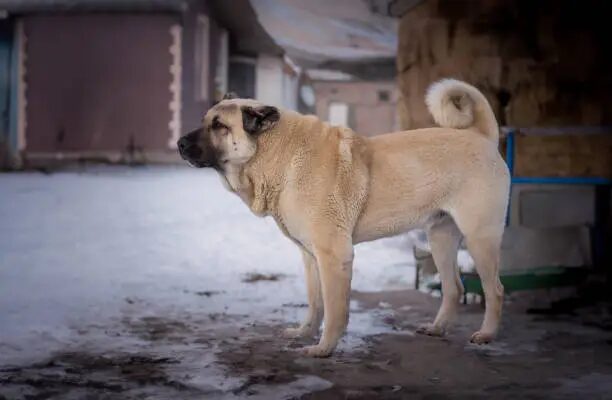
The tail is:
- Long
- Thick
- Slightly curled when alert
When relaxed, it hangs naturally.
Double Coat
The Anatolian Shepherd’s weather-resistant double coat protects it from:
- Cold winters
- Hot summers
- Rain
- Wind
Coat Texture
The outer coat is coarse, while the dense undercoat provides insulation.
The texture varies from short to medium length.
Coat Colors
Common coat colors include:
- Fawn
- White
- Brindle
- Pinto
- Biscuit
- Gray
- Red fawn
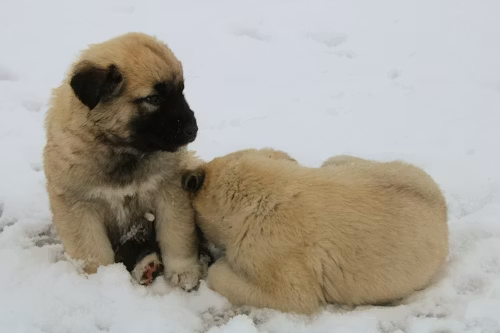
Many puppies also develop the breed’s classic black facial mask.
Bone Structure
Large paws and sturdy legs indicate future size.
The breed develops strong bones designed for endurance rather than speed.
Muscle Development
Although puppies appear fluffy during early months, muscle mass gradually develops throughout adolescence.
Full physical maturity may not occur until approximately 24 months of age.
Anatolian Shepherd Puppy Size
The Anatolian Shepherd is considered a giant breed.
Owners should expect rapid but controlled growth.
Birth Weight
Healthy newborn puppies typically weigh between 1 and 2 pounds.
Weight at 8 Weeks
At eight weeks, most puppies weigh between 15 and 25 pounds.
Individual growth depends on genetics, nutrition, and litter size.
Monthly Growth Rate
Large-breed puppies experience rapid growth during the first year.
Steady development is healthier than rapid weight gain, as excessive growth can increase stress on developing joints.
Male vs Female Growth
Male puppies generally:
- Grow taller
- Develop heavier bone
- Gain muscle more rapidly
Females are usually:
- Slightly smaller
- Lighter
- More agile
Both sexes mature at similar rates.
When They Reach Full Size
Most Anatolian Shepherds reach their adult height between 12 and 18 months, but they continue filling out and gaining muscle until 18–24 months.
Large-Breed Development
Because these puppies grow slowly compared with smaller breeds, owners should:
- Feed a large-breed puppy diet.
- Avoid excessive exercise on hard surfaces.
- Prevent obesity.
- Schedule regular veterinary checkups.
Healthy growth supports lifelong joint health.
Anatolian Shepherd Puppy Growth Chart
| Age | Average Weight | Development Stage |
|---|---|---|
| Birth | 1–2 lbs | Newborn |
| 2 Weeks | 3–5 lbs | Eyes opening |
| 4 Weeks | 6–10 lbs | Beginning exploration |
| 8 Weeks | 15–25 lbs | Ready for new home |
| 3 Months | 30–40 lbs | Rapid growth |
| 4 Months | 40–55 lbs | Increased confidence |
| 6 Months | 55–80 lbs | Adolescence begins |
| 9 Months | 75–105 lbs | Muscle development |
| 12 Months | 90–120 lbs | Near adult height |
| 18 Months | 100–140 lbs | Continued filling out |
| 24 Months | Adult weight | Fully mature |
Preparing for an Anatolian Shepherd Puppy
Proper preparation makes your puppy’s transition smoother and safer.
Puppy-Proofing Your Home
Remove hazards such as:
- Electrical cords
- Toxic plants
- Household chemicals
- Small objects that can be swallowed
- Loose medications
Secure fences are especially important, as Anatolian Shepherds naturally patrol their surroundings.
Choosing the Right Crate
Select a crate large enough for your puppy to:
- Stand comfortably
- Turn around
- Stretch out
A divider panel allows the crate to grow with your puppy.
Large-Breed Bedding
Choose an orthopedic or supportive bed designed for large-breed puppies to help protect developing joints.
Food and Water Bowls
Heavy stainless-steel bowls are durable, hygienic, and less likely to tip over.
Collar and ID Tags
Every puppy should wear:
- A properly fitted collar
- Identification tag
- Microchip (recommended)
Harness and Leash
A well-fitted harness provides greater control while protecting your puppy’s neck during walks and training sessions.
Grooming Supplies
Essential grooming tools include:
- Slicker brush
- Undercoat rake
- Nail clippers
- Dog shampoo
- Toothbrush
- Ear-cleaning solution
Chew Toys
Durable chew toys help:
- Relieve teething discomfort
- Prevent destructive chewing
- Encourage healthy jaw development
Puzzle Toys
Interactive toys challenge your puppy’s intelligent mind and help prevent boredom.
First Aid Kit
Prepare a canine first aid kit containing:
- Gauze
- Antiseptic solution
- Bandages
- Tweezers
- Tick remover
- Digital thermometer
- Emergency contact information
Bringing Your Anatolian Shepherd Puppy Home
The first few days in a new home are exciting but can also be stressful for an Anatolian Shepherd puppy. A calm environment and consistent routine will help your puppy adjust more quickly.
The First Day
When you first bring your puppy home:
- Allow them to explore one room at a time.
- Keep introductions calm and positive.
- Offer fresh water immediately.
- Feed the same food provided by the breeder or rescue to avoid stomach upset.
- Take your puppy outside frequently for potty breaks.
Avoid overwhelming your puppy with too many visitors during the first few days.
Reducing Stress
Your puppy has just left its littermates and familiar surroundings.
To reduce anxiety:
- Maintain a predictable schedule.
- Speak in a calm, reassuring voice.
- Provide a comfortable sleeping area.
- Use familiar blankets or toys if available.
- Avoid loud noises during the adjustment period.
Setting Up a Safe Space
Every puppy needs a quiet area where they can rest undisturbed.
A good puppy area should include:
- Crate
- Comfortable bed
- Water bowl
- Safe chew toys
- Blanket
This safe space helps prevent overstimulation and supports successful crate training.
Introducing Family Members
Introduce family members one at a time.
Teach children to:
- Let the puppy approach first.
- Avoid hugging tightly.
- Speak softly.
- Respect sleeping and eating times.
Positive early experiences build trust.
Introducing Other Pets
Slow introductions reduce stress.
Tips include:
- Keep dogs on leashes initially.
- Allow scent exchanges before face-to-face meetings.
- Supervise all interactions.
- Never force play.
Cats should always have an escape route.
First Night Tips
Your puppy may cry during the first few nights.
Helpful strategies include:
- Place the crate near your bed.
- Provide a soft blanket.
- Keep nighttime potty breaks quiet.
- Avoid turning nighttime attention into playtime.
Most puppies settle within several days.
Creating a Routine
Dogs thrive on consistency.
A daily routine should include:
- Feeding
- Potty breaks
- Exercise
- Training
- Quiet time
- Bedtime
Predictability builds confidence.
Anatolian Shepherd Puppy Temperament
The Anatolian Shepherd puppy is naturally calm, observant, and independent.
Unlike breeds bred primarily for companionship, these puppies have inherited centuries of livestock guardian instincts.
Loyal Personality
Anatolian Shepherds develop deep bonds with their families.
Although they may not constantly seek attention, they are extremely devoted and protective.
Confidence
A well-bred puppy usually displays natural confidence rather than fearfulness.
Confident puppies:
- Explore willingly
- Recover quickly from surprises
- Remain curious
- Learn more easily
Independence
One hallmark of the breed is independent thinking.
Rather than waiting for constant direction, these puppies naturally evaluate situations on their own.
This trait makes consistent, reward-based training especially important.
Calm Behavior
Compared to many working breeds, Anatolian Shepherd puppies are surprisingly relaxed indoors when their physical and mental needs are met.
They prefer observing rather than reacting impulsively.
Intelligence
These puppies learn quickly but often ask themselves, “Why should I do this?”
Training works best when it is:
- Short
- Consistent
- Reward-based
- Engaging
Alertness
Anatolian Shepherds constantly monitor their surroundings.
Even young puppies notice:
- New visitors
- Strange sounds
- Wildlife
- Changes in routine
Protective Nature
Protective instincts emerge gradually.
Young puppies should never be encouraged to become aggressive.
Instead, owners should focus on:
- Confidence
- Socialization
- Obedience
- Trust
Proper guidance allows natural guardian instincts to mature appropriately.
Stranger Awareness
Most Anatolian Shepherds are naturally reserved around strangers.
They should remain calm and observant rather than fearful or reactive.
Positive exposure helps prevent unnecessary suspicion.
Are Anatolian Shepherd Puppies Aggressive?
This is one of the most common questions prospective owners ask.
The answer is no—healthy Anatolian Shepherd puppies are not naturally aggressive, but they are naturally protective.
Understanding the difference is essential.
Guardian Instincts Explained
Guardian dogs were bred to:
- Observe first
- Warn if necessary
- Protect when truly needed
Aggression without reason is not desirable.
Why Early Socialization Matters
Proper socialization teaches puppies that:
- Visitors are normal.
- Children are safe.
- Friendly dogs are not threats.
- Everyday sounds are harmless.
Without socialization, puppies may become overly cautious or reactive.
Fear vs. Aggression
Fearful behavior can sometimes look like aggression.
Signs of fear include:
- Tail tucked
- Avoiding eye contact
- Hiding
- Trembling
Confident puppies rarely display these behaviors.
Proper Puppy Development
Healthy development includes gradual exposure to:
- People
- Dogs
- Livestock
- New places
- Different sounds
Positive experiences during puppyhood shape adult behavior.
Raising a Confident Dog
Confidence grows through:
- Positive reinforcement
- Calm leadership
- Predictable routines
- Gentle exposure to new experiences
Avoid punishment-based training, which can increase fear and reduce trust.
Socialization Guide
The critical socialization period occurs between 8 and 16 weeks of age.
This is the ideal time to introduce your puppy to the world in a positive way.
Best Socialization Window
Aim for multiple positive experiences each week without overwhelming your puppy.
Quality matters more than quantity.
Meeting New People
Introduce your puppy to people of different:
- Ages
- Heights
- Clothing styles
- Voices
- Ethnic backgrounds
Reward calm behavior with praise and treats.
Meeting Friendly Dogs
Arrange supervised interactions with healthy, vaccinated, well-mannered dogs.
Avoid crowded dog parks until your puppy has completed vaccinations and developed reliable social skills.
Children
Teach children to:
- Stay calm
- Avoid chasing
- Respect the puppy’s space
- Offer treats gently
Positive interactions build lifelong trust.
Livestock Introductions
If your puppy will guard livestock:
- Begin introductions early.
- Supervise closely.
- Reward calm curiosity.
- Prevent rough play with animals.
Guardian behavior develops gradually with maturity and guidance.
Cats and Other Pets
Many Anatolian Shepherds can coexist peacefully with cats if introduced early.
Use gradual introductions and always supervise initial interactions.
Household Sounds
Expose your puppy to everyday noises such as:
- Vacuum cleaners
- Washing machines
- Doorbells
- Television
- Kitchen appliances
Pair sounds with rewards to build positive associations.
Car Rides
Short, pleasant trips help prevent travel anxiety.
Bring treats and avoid making every car ride end at the veterinary clinic.
Veterinary Visits
Schedule “happy visits” where the puppy receives treats and praise without undergoing medical procedures whenever possible.
This helps create positive associations with the clinic.
Grooming Experiences
Handle your puppy gently every day.
Practice:
- Paw handling
- Ear checks
- Brushing
- Tooth brushing
- Nail touching
Frequent, calm handling makes future grooming much easier.
Public Places
Once your veterinarian confirms it is safe based on your puppy’s vaccination status, gradually introduce them to:
- Parks
- Outdoor cafés
- Pet-friendly stores
- Walking trails
Keep outings short and positive.
Training an Anatolian Shepherd Puppy
Training should begin the day your puppy arrives home.
Early lessons create the foundation for a well-mannered adult.
When to Start Training
You can begin basic training at 8 weeks of age.
Young puppies learn surprisingly quickly through short, fun sessions.
Positive Reinforcement
Reward desired behaviors with:
- Treats
- Praise
- Toys
- Play
This approach builds trust and encourages your puppy to repeat good behaviors.
Name Recognition
Teach your puppy to respond happily to their name.
- Say the puppy’s name.
- Reward eye contact immediately.
- Repeat several times daily.
Avoid using their name only for corrections.
Sit
“Sit” is often the first cue puppies learn.
Use a treat to guide the puppy into position, then reward immediately.
Stay
Start with just one or two seconds.
Gradually increase distance and duration as your puppy succeeds.
Down
The “Down” cue encourages calm behavior and improves impulse control.
Reward the puppy as soon as their elbows touch the ground.
Come
Reliable recall is one of the most important safety skills.
Always reward your puppy enthusiastically for returning to you.
Never punish them after they come when called.
Leave It
This command helps prevent puppies from picking up dangerous objects.
Practice with low-value items before progressing to more tempting distractions.
Drop It
Trade objects for treats rather than trying to pull items from your puppy’s mouth.
This reduces the risk of resource guarding.
Recall Training
Practice recall:
- Indoors first
- In fenced areas
- With increasing distractions
Make coming to you the best part of your puppy’s day.
Leash Training
Introduce the leash gradually.
Reward your puppy for walking beside you instead of pulling.
Avoid long walks until their joints are more developed.
Boundary Training
Teach your puppy where they are allowed to roam.
Secure fencing is essential, as Anatolian Shepherds have a natural tendency to patrol large areas.
Preventing Resource Guarding
Help your puppy develop positive associations with people approaching their food and toys by occasionally adding a high-value treat while they are eating or chewing, rather than taking items away unnecessarily.
Preventing Excessive Barking
Barking is part of the breed’s guardian role, but excessive barking can become a problem.
Reduce unnecessary barking by:
- Providing enough exercise
- Offering mental enrichment
- Teaching a reliable “quiet” cue
- Addressing boredom before it becomes a habit
Preventing Jumping
Although puppies are small now, adult Anatolian Shepherds are very large.
Discourage jumping early by rewarding greetings with all four paws on the ground.
Preventing Roaming
These dogs naturally patrol territory.
Prevent roaming by:
- Installing secure fencing
- Supervising outdoor time
- Teaching reliable recall
- Providing enough daily activity
House Training
Consistency is the key to successful potty training.
Potty Training Schedule
Take your puppy outside:
- After waking up
- After meals
- After naps
- After play sessions
- Before bedtime
- Every 1–2 hours during early puppyhood
Reward elimination outdoors immediately.
Crate Training
A properly sized crate encourages puppies to hold their bladder and creates a safe resting place.
Never use the crate as punishment.
Nighttime Routine
Most young puppies need one or two nighttime potty breaks.
Keep these trips calm, quiet, and brief to reinforce that nighttime is for sleeping.
Preventing Accidents
Watch for signs your puppy needs to go outside, such as:
- Sniffing the floor
- Circling
- Whining
- Heading toward the door
Take them out promptly and praise successful potty breaks.
Common Housebreaking Mistakes
Avoid these common errors:
- Punishing accidents after the fact
- Allowing too much unsupervised freedom
- Inconsistent potty schedules
- Waiting too long between bathroom breaks
Bite Inhibition
Puppies explore the world with their mouths, so nipping is normal.
Teach bite inhibition by:
- Ending play briefly if biting becomes too hard
- Redirecting to appropriate chew toys
- Rewarding gentle interactions
This helps your puppy learn appropriate mouth control before reaching adulthood.
Exercise Requirements
Although Anatolian Shepherd puppies are energetic, they should not be over-exercised. Their bones and joints are still developing, and excessive physical activity can increase the risk of orthopedic problems.
Daily Exercise by Age
| Age | Recommended Exercise |
|---|---|
| 8–12 Weeks | 15–20 minutes of supervised play, 2–3 times daily |
| 3–6 Months | 20–30 minutes of walks and play, twice daily |
| 6–12 Months | 30–45 minutes of structured exercise plus free play |
| 12–18 Months | 45–60 minutes of moderate activity |
| Adult | 60–90 minutes daily |
Tip: Follow your veterinarian’s guidance, especially for giant-breed puppies, and avoid repetitive high-impact exercise while growth plates are still open.
Safe Puppy Exercise
Healthy activities include:
- Short walks
- Supervised play in a fenced yard
- Gentle hiking on easy terrain
- Basic obedience sessions
- Interactive toys
- Puzzle feeders
- Hide-and-seek games
Walking
Keep walks short and enjoyable.
Avoid:
- Long-distance running
- Forced marches
- Walking on hot pavement
- Excessive stair climbing
Play Sessions
Play strengthens your bond while building confidence.
Favorite games include:
- Tug (with rules)
- Gentle fetch
- Hide-and-seek
- Scent games
- Toy retrieval
Hiking Preparation
As your puppy matures, gradually introduce hiking on natural terrain.
Always bring:
- Fresh water
- Portable bowl
- Leash
- Waste bags
Swimming
Some Anatolian Shepherds enjoy water, while others are less interested.
Never force swimming.
Introduce water gradually in shallow, calm areas and use a canine life jacket if needed.
Mental Enrichment
Mental exercise is just as important as physical activity.
Ideas include:
- Puzzle toys
- Training games
- Nose work
- Food-dispensing toys
- Learning new commands
Puzzle Feeders
Puzzle feeders slow eating and keep intelligent puppies mentally engaged.
Scent Games
Hide treats around the house or yard and encourage your puppy to find them using their nose.
Activities to Avoid
Until your puppy is fully grown, avoid:
- Long-distance running
- Jumping from heights
- Agility obstacles
- Pulling heavy loads
- Repetitive ball chasing for long periods
Feeding an Anatolian Shepherd Puppy
Proper nutrition supports healthy growth while reducing the risk of skeletal problems common in large breeds.
Nutritional Requirements
Choose a large-breed puppy food formulated to provide:
- High-quality animal protein
- Balanced calcium and phosphorus
- DHA for brain development
- Healthy fats
- Essential vitamins and minerals
Choosing Large-Breed Puppy Food
Look for foods that meet AAFCO nutritional standards for large-breed puppy growth.
Feeding Schedule
| Age | Meals Per Day |
|---|---|
| 8–12 Weeks | 4 |
| 3–6 Months | 3 |
| 6–12 Months | 2–3 |
| Over 12 Months | 2 |
Portion Sizes
Portions vary depending on:
- Weight
- Activity level
- Food calorie density
- Body condition
Always follow your veterinarian’s advice and the feeding guidelines on the food packaging.
Protein Requirements
Growing puppies benefit from moderate to high-quality protein that supports muscle development without encouraging excessive weight gain.
Healthy Treats
Healthy treats include:
- Small training treats
- Cooked lean chicken
- Carrot slices
- Green beans
- Apple slices (without seeds)
Foods to Avoid
Never feed:
- Chocolate
- Grapes
- Raisins
- Onions
- Garlic
- Xylitol
- Alcohol
- Cooked bones
- Macadamia nuts
Fresh Water Needs
Fresh, clean water should always be available.
Preventing Rapid Growth
Growing too quickly can place unnecessary stress on developing joints.
Avoid:
- Overfeeding
- Excessive supplements unless prescribed
- High-calorie diets intended for adult working dogs
Preventing Obesity
Maintain a lean body condition through:
- Measured meals
- Regular exercise
- Limited treats
- Routine weight checks
Vaccination Schedule
Your veterinarian will tailor a vaccination plan based on your location and your puppy’s risk factors.
Core Vaccines
Core vaccines commonly protect against:
- Distemper
- Parvovirus
- Adenovirus
- Rabies
Booster Schedule
Puppies generally receive boosters every 3–4 weeks until around 16 weeks of age, but follow your veterinarian’s recommendations.
Rabies Vaccine
Rabies vaccination timing depends on local regulations and veterinary guidance.
Deworming
Regular deworming helps eliminate common intestinal parasites that puppies may acquire before or after birth.
Flea, Tick, and Heartworm Prevention
Your veterinarian can recommend safe preventive products based on your puppy’s age, weight, and region.
Routine Veterinary Visits
Routine wellness exams help monitor:
- Growth
- Weight
- Teeth
- Heart
- Joints
- Behavior
- Overall development
Grooming Your Anatolian Shepherd Puppy
Although the coat is relatively easy to maintain, routine grooming keeps your puppy comfortable and healthy.
Brushing
Brush once or twice weekly using:
- Slicker brush
- Pin brush
- Undercoat rake during seasonal shedding
Bathing
Bathe only when necessary using a gentle dog shampoo to avoid stripping natural oils.
Nail Trimming
Trim nails every 3–4 weeks or as needed.
Ear Cleaning
Check ears weekly for:
- Dirt
- Redness
- Unpleasant odor
- Excess wax
Dry ears thoroughly after swimming or bathing.
Dental Care
Brush teeth several times each week using dog-safe toothpaste.
Coat Care
The dense double coat naturally protects against heat and cold.
Avoid shaving unless specifically recommended by a veterinarian for medical reasons.
Seasonal Shedding
Expect heavier shedding during seasonal coat changes.
More frequent brushing helps remove loose undercoat.
Skin Care
Monitor for:
- Hot spots
- Dry skin
- Allergies
- Parasites
Health Issues in Anatolian Shepherd Puppies
Most Anatolian Shepherds are healthy, but the breed can be predisposed to certain conditions.
Common concerns include:
- Hip dysplasia
- Elbow dysplasia
- Gastric dilatation-volvulus (bloat)
- Entropion
- Hypothyroidism
- Ear infections
- Skin allergies
- Parasites
- Digestive upset
Joint Development
Because this is a giant breed, healthy joint development is especially important.
Support joint health by:
- Maintaining a healthy weight
- Feeding an appropriate large-breed puppy diet
- Avoiding excessive impact exercise
Recognizing Signs of Illness
Contact your veterinarian if your puppy develops:
- Persistent vomiting or diarrhea
- Refusal to eat
- Difficulty breathing
- Lethargy
- Lameness
- Swollen abdomen
- High fever
- Collapse
Prompt treatment can prevent minor problems from becoming serious.
Anatolian Shepherd Puppy Sleep Requirements
Growing puppies need plenty of rest.
How Much Sleep Do Puppies Need?
Most Anatolian Shepherd puppies sleep 16–20 hours per day, depending on age.
Creating a Sleep Routine
Maintain consistent:
- Bedtime
- Wake-up time
- Potty schedule
- Quiet sleeping environment
Crate Sleeping
Many puppies sleep more peacefully in a crate that feels secure and comfortable.
Safe Sleeping Arrangements
Provide:
- Soft bedding
- Proper ventilation
- Comfortable room temperature
- Quiet surroundings
Anatolian Shepherd Puppy Colors
Accepted and commonly seen colors include:
- Fawn
- White
- Brindle
- Pinto
- Biscuit
- Gray
- Red Fawn
Many puppies also have the breed’s distinctive black mask.
Coat color has little effect on temperament or working ability.
Living with an Anatolian Shepherd Puppy
Apartment Living
This breed generally does not thrive in small apartments unless owners can consistently provide substantial daily exercise, training, and mental stimulation. Larger homes with secure outdoor space are usually a better fit.
Rural Living
Rural properties and farms closely match the breed’s historical purpose.
Farm Life
These puppies naturally mature into excellent livestock guardians when properly introduced to animals from a young age.
House with Yard
A securely fenced yard provides safe opportunities for exercise and exploration.
Indoor vs. Outdoor Living
Although they enjoy spending time outdoors, Anatolian Shepherds should not be isolated. They do best when they can interact regularly with their family while also having access to appropriate outdoor space.
Weather Considerations
Their double coat provides good protection in both cold and warm climates, but they still need:
- Shade
- Fresh water
- Shelter from extreme weather
Traveling with Your Puppy
Bring:
- Water
- Food
- Crate
- Blanket
- Medical records
- Leash and harness
Common Behavior Problems
Without proper guidance, puppies may develop:
- Excessive barking
- Chewing
- Digging
- Roaming
- Resource guarding
- Separation anxiety
- Stubbornness
Early training and enrichment greatly reduce these issues.
Cost of Raising an Anatolian Shepherd Puppy
| Expense | Estimated Cost (USD) |
|---|---|
| Puppy Purchase | $800–$2,500+ |
| Adoption | $200–$600 |
| Initial Supplies | $300–$700 |
| Vaccinations & Vet Care | $300–$700 (first year) |
| Food | $700–$1,500/year |
| Pet Insurance | $300–$900/year |
| Training Classes | $150–$600 |
| Grooming Supplies | $100–$300 |
Actual costs vary depending on your location and your dog’s individual needs.
Choosing a Healthy Anatolian Shepherd Puppy
Look for breeders who:
- Perform health testing on breeding dogs
- Raise puppies in clean environments
- Provide veterinary records
- Encourage questions
- Allow you to meet the puppy’s parents when possible
Red Flags
Avoid breeders who:
- Sell puppies too young
- Refuse health documentation
- Always have puppies available
- Cannot answer questions about temperament or health
Rescue and Adoption
Adopting an Anatolian Shepherd puppy or young dog can be incredibly rewarding.
Benefits include:
- Giving a dog a second chance
- Lower adoption fees than purchasing from a breeder
- Many dogs are already vaccinated and microchipped
Prepare your home before adoption by gathering all essential supplies and establishing a routine.
Essential Puppy Supplies Checklist
- Large crate
- Orthopedic bed
- Large-breed puppy food
- Food and water bowls
- Collar and ID tag
- Harness
- Heavy-duty leash
- Grooming brushes
- Nail clippers
- Toothbrush
- Puppy shampoo
- Puzzle toys
- Durable chew toys
- First aid kit
- Waste bags
- Training treats
Anatolian Shepherd Puppy Milestones
| Age | Milestone |
|---|---|
| 8 Weeks | Ready for new home |
| 10 Weeks | Learning basic commands |
| 12 Weeks | Increased confidence and socialization |
| 4 Months | Teething begins |
| 6 Months | Adolescence starts |
| 9 Months | Growing independence |
| 12 Months | Near adult height |
| 18 Months | Continued muscle development |
| 24 Months | Full physical maturity |
Frequently Asked Questions (FAQ)
How much does an Anatolian Shepherd puppy cost?
Generally $800–$2,500 or more from reputable breeders. Adoption is often less expensive.
How big will an Anatolian Shepherd puppy get?
Adults typically stand 27–32 inches tall and weigh 80–150 pounds, with males usually larger than females.
Are Anatolian Shepherd puppies aggressive?
No. They are naturally protective but should be calm and well-socialized when raised responsibly.
Are they good family dogs?
Yes, for experienced owners who understand guardian breeds and can provide training, supervision, and socialization.
How much exercise do they need?
Young puppies need age-appropriate exercise, while healthy adults generally benefit from 60–90 minutes of daily activity.
Are they easy to train?
They are intelligent but independent. Positive reinforcement and consistency produce the best results.
Do they bark a lot?
They may bark to alert owners or warn potential threats, but proper training can help manage excessive barking.
Can they live in apartments?
They are generally better suited to homes with securely fenced yards or rural properties.
Are they good with livestock?
Yes. They are among the world’s best livestock guardian breeds when raised and introduced properly.
Do they get along with other dogs and cats?
Early socialization greatly improves compatibility with other animals.
How much do they shed?
Expect moderate shedding year-round with heavier seasonal shedding.
When do they stop growing?
Most reach full height around 12–18 months, with full physical maturity by about 24 months.
How often should they visit the veterinarian?
Puppies require frequent wellness visits during their first year, followed by regular preventive examinations throughout adulthood.
Expert Tips for Raising a Happy Anatolian Shepherd Puppy
- Start socialization immediately.
- Use positive reinforcement consistently.
- Establish clear household rules.
- Encourage calm, confident behavior.
- Provide daily exercise and mental enrichment.
- Feed a balanced large-breed puppy diet.
- Practice recall regularly in secure areas.
- Maintain secure fencing.
- Schedule routine veterinary care.
Common Mistakes New Owners Should Avoid
- Delaying socialization
- Using punishment-based training
- Allowing unsupervised roaming
- Underestimating guardian instincts
- Overfeeding
- Ignoring mental stimulation
- Inconsistent household rules
- Skipping preventive veterinary care
Final Verdict: Is an Anatolian Shepherd Puppy Right for You?
Anatolian Shepherd puppies grow into remarkable dogs for the right homes. They are best suited to experienced owners who appreciate independent thinkers and can provide consistent leadership, early socialization, and plenty of space to thrive.
This breed is an excellent choice for:
- Farmers and ranchers
- Livestock owners
- Active rural families
- Experienced large-breed owners
- Homes with secure outdoor space
It may not be the best fit for:
- First-time dog owners
- People living in small apartments
- Families seeking a highly social, eager-to-please companion
- Owners without time for ongoing training and socialization
When their physical and emotional needs are met, Anatolian Shepherds become exceptionally loyal, calm, and dependable guardians.
Conclusion
Raising an Anatolian Shepherd puppy is a long-term commitment that comes with tremendous rewards. From understanding their ancient guardian heritage to providing balanced nutrition, structured training, regular exercise, and preventive healthcare, every stage of puppyhood shapes the confident adult your dog will become.
Early socialization, positive reinforcement, and consistent routines help these intelligent puppies learn how to distinguish everyday situations from genuine threats while strengthening the bond they share with their family. Because they mature slowly, patience and thoughtful guidance are essential throughout their first two years.
Whether you choose to adopt through a rescue organization or purchase from a responsible breeder who prioritizes health and temperament, investing time in proper care will give your Anatolian Shepherd the best opportunity to grow into a healthy, well-adjusted, and trustworthy companion. With responsible ownership and lifelong commitment, this remarkable livestock guardian can become a devoted protector, reliable working partner, and cherished member of the family.