The American Hairless Terrier is one of the most fascinating dog breeds in the world. Known for its hairless appearance, lively personality, and remarkable intelligence, this breed has captured the hearts of dog lovers looking for a unique, affectionate, and low-shedding companion.
Unlike many other hairless dog breeds that trace their roots to ancient civilizations, the American Hairless Terrier is a relatively modern breed developed in the United States. It combines the determination and athleticism of the Rat Terrier with a naturally occurring hairless gene, creating a healthy, energetic dog that’s equally suited for active families and apartment living.
Whether you’re thinking about adopting an American Hairless Terrier puppy or simply want to learn more about this distinctive breed, this comprehensive guide covers everything you need to know—from history and temperament to grooming, health, training, and ownership.
The American Hairless Terrier (AHT) is a small-to-medium-sized terrier famous for its smooth, hairless skin and cheerful personality. While the breed’s unique appearance often draws attention, owners quickly discover that its intelligence, loyalty, and playful spirit are what truly make it exceptional.
Originally developed from the Rat Terrier, this breed was selectively bred after a naturally hairless puppy was born in the early 1970s. Over time, careful breeding established the American Hairless Terrier as a separate breed with consistent traits and excellent overall health.
Why Is the American Hairless Terrier Becoming More Popular?
Several factors have contributed to the breed’s growing popularity:
- Little to no shedding
- Friendly family companion
- Excellent intelligence and trainability
- Suitable for apartments and houses
- Athletic without being overly large
- Unique appearance that attracts attention
- Generally healthier than many heavily inbred breeds
Although no dog is completely hypoallergenic, many allergy sufferers find the American Hairless Terrier easier to live with because there is significantly less hair around the home.
Who Should Consider Owning One?
This breed is ideal for:
- Active families
- Singles
- Couples
- Apartment dwellers
- First-time dog owners willing to invest in training
- Seniors looking for an affectionate companion
- People wanting a low-shedding dog
However, owners should also be prepared to provide regular exercise, mental stimulation, and proper skin care.
What You’ll Learn in This Guide
Throughout this guide, you’ll discover:
- Breed history
- Physical characteristics
- Temperament
- Grooming needs
- Training techniques
- Nutrition
- Health concerns
- Puppy care
- Ownership costs
- Tips for choosing a reputable breeder or rescue
Quick Facts About the American Hairless Terrier
| Feature | Details |
|---|---|
| Breed Name | American Hairless Terrier |
| Origin | United States |
| Breed Group | Terrier |
| Height | 12–16 inches |
| Weight | 12–28 pounds |
| Lifespan | 14–16 years |
| Coat | Hairless or Coated Variety |
| Temperament | Intelligent, Energetic, Affectionate |
| Energy Level | High |
| Trainability | Excellent |
| Shedding | None (Hairless Variety) |
| Hypoallergenic | Better for many allergy sufferers (not completely hypoallergenic) |
| Good With Kids | Yes |
| Good With Pets | Usually Yes |
| Apartment Friendly | Yes, with sufficient daily exercise |
| Recognition | Recognized by the American Kennel Club (AKC) |
History and Origin of the American Hairless Terrier
The American Hairless Terrier has one of the most interesting histories among modern dog breeds. Rather than being developed over centuries, it emerged through a naturally occurring genetic mutation that breeders carefully preserved.
Development of the Breed
The breed originated in Louisiana, USA, where breeders noticed an unusual hairless puppy born in a litter of Rat Terriers. Instead of treating the puppy as an anomaly, breeders recognized its potential and began carefully developing a new breed.
Their goal wasn’t simply to create a hairless dog—it was to maintain the Rat Terrier’s intelligence, athleticism, and excellent temperament while establishing a stable hairless bloodline.
Today, the American Hairless Terrier is appreciated worldwide as a healthy, versatile companion dog.
The Rat Terrier Connection
Every American Hairless Terrier traces its ancestry back to the Rat Terrier, a hardworking farm dog known for:
- Hunting rodents
- Guarding property
- Intelligence
- Agility
- Strong work ethic
- Excellent family companionship
Because the American Hairless Terrier inherited many of these characteristics, it remains energetic and eager to stay active.
Shared Traits with Rat Terriers
- High intelligence
- Curiosity
- Excellent problem-solving skills
- Confidence
- Loyalty
- Athletic ability
Discovery of the First Hairless Puppy
The breed’s story officially began in 1972 when a completely hairless puppy named Josephine was born unexpectedly to normal-coated Rat Terrier parents.
Rather than experiencing health problems, Josephine developed into a healthy, active adult.
Breeders recognized that her hairlessness resulted from a unique recessive genetic mutation. Through responsible breeding, they successfully established future generations carrying the same characteristic.
Josephine is now considered the foundation dog of the American Hairless Terrier breed.
Breed Development in the United States
Developing a new dog breed requires patience and careful planning.
Breeders focused on producing dogs that consistently demonstrated:
- Hairlessness
- Good health
- Stable temperament
- Athletic ability
- Strong immune systems
- Excellent family compatibility
Unlike some breeds developed primarily for appearance, the American Hairless Terrier was bred with health and functionality as top priorities.
This careful approach helped create a dog with relatively few inherited disorders compared to many purebred breeds.
Recognition by the American Kennel Club (AKC)
After decades of selective breeding, the American Hairless Terrier gained recognition from major kennel organizations.
The breed is now officially recognized by the American Kennel Club (AKC), allowing it to compete in conformation shows and other canine events.
Recognition also increased public awareness, leading to more responsible breeding programs and greater interest from dog enthusiasts worldwide.
Modern Popularity Around the World
Although still considered a relatively rare breed, the American Hairless Terrier continues to grow in popularity.
Owners appreciate its:
- Friendly nature
- Minimal shedding
- Athletic personality
- Adaptability
- Intelligence
- Distinctive appearance
The breed is now found across North America and is gradually gaining fans in Europe and other regions.
American Hairless Terrier Appearance
At first glance, the American Hairless Terrier stands out because of its smooth skin. However, its athletic body, expressive face, and alert posture are equally impressive.
This breed combines elegance with agility, making it one of the most distinctive terriers.
Overall Body Structure
The American Hairless Terrier has a well-balanced, muscular body designed for speed and endurance.
Typical physical features include:
- Compact frame
- Deep chest
- Strong shoulders
- Straight back
- Powerful hindquarters
- Well-developed muscles
- Agile movement
Despite their small size, these dogs are surprisingly athletic and excel in various canine sports.
Size and Weight
The breed falls into the small-to-medium category.
| Age | Average Height | Average Weight |
|---|---|---|
| Adult Male | 12–16 inches | 15–28 pounds |
| Adult Female | 12–16 inches | 12–26 pounds |
Their moderate size makes them suitable for both apartments and larger homes.
Coat Types
One unique feature of this breed is that it comes in two varieties.
Hairless Variety
The hairless version is the breed’s signature look.
Characteristics include:
- Smooth skin
- Warm to the touch
- No regular shedding
- Minimal grooming
- Requires sun protection
Puppies are born with a fine layer of hair that usually falls out within the first few weeks of life.
Coated Variety
Not every American Hairless Terrier is completely hairless.
The coated variety features:
- Very short coat
- Smooth texture
- Minimal shedding
- Similar body structure
- Same temperament
These dogs are genetically American Hairless Terriers despite having fur.
Skin Colors
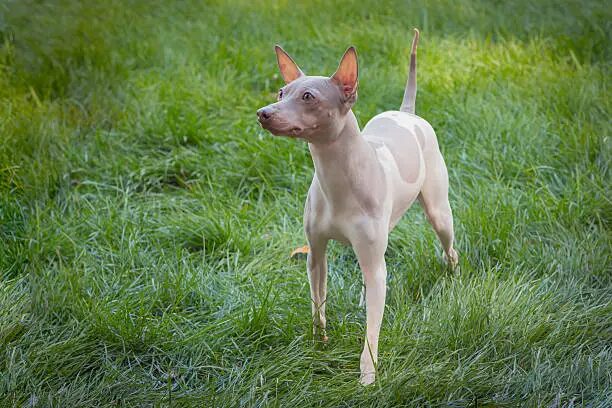
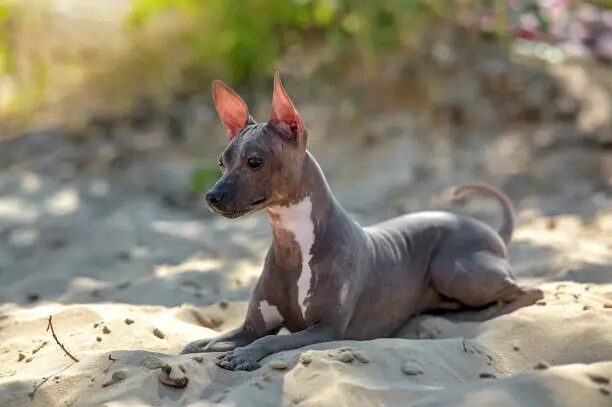
The hairless variety displays beautiful skin pigmentation that becomes more noticeable as the dog matures.
Common skin colors include:
- Pink
- Black
- Gray
- Chocolate
- Blue
- Liver
- Red
Many dogs also develop freckles or spotted pigmentation as they age.
Coat Colors and Markings
The coated variety comes in numerous attractive color combinations.
Popular colors include:
- Black
- Chocolate
- Blue
- Red
- Apricot
- Sable
- White
- Tan
- Lemon
Many feature:
- White chest
- Facial blaze
- Speckled markings
- Bi-color patterns
- Tri-color patterns
Each dog has its own distinctive appearance.
Eye Colors
American Hairless Terriers have expressive eyes that reflect their intelligence and curiosity.
Eye colors include:
- Dark brown
- Hazel
- Amber
- Blue (less common)
Their alert expression is one reason many owners instantly fall in love with the breed.
Ear Types
The breed typically has naturally erect ears, although some dogs display semi-erect ears.
Common ear shapes include:
- Upright
- V-shaped
- Slightly folded
- Semi-pricked
Their ears contribute to their constantly alert appearance.
Tail Characteristics
The American Hairless Terrier usually has a naturally long tail that complements its athletic build.
The tail is:
- Medium length
- Tapered
- Carried naturally
- Expressive during movement
A wagging tail often reflects the breed’s cheerful and outgoing personality.
Differences Between Males and Females
While males and females share similar personalities, there are subtle differences.
| Male | Female |
|---|---|
| Slightly larger | Slightly smaller |
| More muscular | More refined build |
| Can be more playful | Often matures earlier |
| More outgoing | Sometimes slightly more independent |
Regardless of gender, both make affectionate and loyal family companions.
American Hairless Terrier Temperament
The American Hairless Terrier is much more than its unusual appearance. It is a lively, intelligent, and affectionate breed that thrives on human companionship.
Owners often describe these dogs as playful entertainers who enjoy being involved in every aspect of family life.
American Hairless Terrier Temperament
The American Hairless Terrier is best known for its cheerful personality and unwavering devotion to its family. While its hairless appearance often grabs attention, its intelligence and affectionate nature are what truly win people over.
This breed is energetic without being overly demanding, making it a wonderful companion for households that can provide daily exercise and interaction. American Hairless Terriers enjoy being involved in family activities and don’t like being left alone for long periods.
Personality Traits
Some of the breed’s most recognizable personality traits include:
- Friendly and affectionate
- Highly intelligent
- Curious and adventurous
- Confident but not aggressive
- Alert and attentive
- Playful throughout adulthood
- Loyal to family members
- Quick learner
These qualities make them excellent companions for active owners who enjoy spending time with their dogs.
Friendly Nature
American Hairless Terriers usually greet familiar people with enthusiasm. They often develop strong bonds with every member of the household and love being the center of attention.
While they can be slightly reserved around strangers, proper socialization helps them become polite and confident in new situations.
Intelligence
This breed ranks among the smartest small terriers. They quickly understand routines and enjoy learning new commands.
Their intelligence makes them suitable for:
- Obedience training
- Trick training
- Agility sports
- Rally obedience
- Nose work
- Puzzle games
Curiosity
Like their Rat Terrier ancestors, American Hairless Terriers are naturally curious.
They enjoy:
- Exploring new places
- Investigating scents
- Learning new games
- Watching wildlife
- Solving food puzzles
Providing mental stimulation helps prevent boredom and destructive behaviors.
Confidence
Despite their compact size, these dogs carry themselves with confidence. They are alert and aware of their surroundings without being unnecessarily aggressive.
Loyalty
American Hairless Terriers often become deeply attached to their families. Many owners describe them as “shadow dogs” because they enjoy following their favorite people from room to room.
Alertness
Their sharp hearing and attentive nature make them excellent watchdogs. They’ll usually bark to announce visitors but generally calm down once they realize there’s no threat.
Playfulness
Even as adults, these dogs retain a puppy-like enthusiasm for games.
Favorite activities include:
- Fetch
- Tug-of-war
- Hide-and-seek
- Agility courses
- Frisbee
- Interactive toys
Independence
Although affectionate, they also possess the independent streak typical of terriers. Consistent training helps channel this independence into positive behaviors.
American Hairless Terrier Size Guide
Understanding how your puppy grows helps you provide the right nutrition and exercise throughout each life stage.
Puppy Growth Stages
Birth to 8 Weeks
During this period puppies:
- Depend entirely on their mother
- Begin opening their eyes
- Develop coordination
- Start exploring their surroundings
2–4 Months
This is a major learning period.
Puppies rapidly:
- Gain weight
- Learn household rules
- Begin socialization
- Develop confidence
4–8 Months
Growth continues steadily while energy levels increase.
This stage focuses on:
- Obedience training
- Social experiences
- Controlled exercise
- Proper nutrition
8–12 Months
Most American Hairless Terriers reach nearly their adult height by this stage, although muscle development continues.
12–18 Months
Most dogs finish maturing physically and mentally between one and one-and-a-half years of age.
Average Weight Chart
| Age | Average Weight |
|---|---|
| 2 Months | 4–6 lbs |
| 3 Months | 6–9 lbs |
| 4 Months | 8–12 lbs |
| 6 Months | 10–18 lbs |
| 9 Months | 12–22 lbs |
| Adult | 12–28 lbs |
Individual growth varies depending on genetics, diet, and activity level.
Average Height Chart
| Age | Height |
|---|---|
| 3 Months | 7–9 inches |
| 6 Months | 10–13 inches |
| 9 Months | 11–15 inches |
| Adult | 12–16 inches |
When Do They Stop Growing?
Most American Hairless Terriers:
- Reach adult height around 10–12 months
- Continue filling out until 15–18 months
- Reach full mental maturity around 2 years
American Hairless Terrier Colors
One of the breed’s most attractive features is its variety of skin colors and coat patterns.
Common Colors
The breed may appear in:
- Black
- Chocolate
- Blue
- Red
- Apricot
- Sable
- White
- Liver
- Tan
The hairless variety often develops freckles and spots as it matures, making each dog unique.
Popular Color Patterns
- Solid colors
- White markings
- Bi-color combinations
- Tri-color patterns
- Speckled skin
- Ticking
Hairless vs. Coated American Hairless Terrier
Although both varieties belong to the same breed, there are a few differences worth considering.
| Feature | Hairless | Coated |
|---|---|---|
| Coat | None | Short coat |
| Shedding | None | Very low |
| Grooming | Skin care | Brushing |
| Sun Protection | Required | Usually not necessary |
| Winter Clothing | Often needed | Sometimes needed |
| Allergies | Better for many allergy sufferers | May trigger allergies more often |
Appearance
The hairless variety has smooth, exposed skin that highlights the dog’s athletic body.
The coated variety resembles a traditional Rat Terrier with a sleek, short coat.
Grooming
Hairless dogs require:
- Regular bathing
- Moisturizing
- Sunscreen
- Skin inspections
Coated dogs mainly need:
- Weekly brushing
- Occasional baths
Allergies
Although the hairless variety sheds very little, it’s important to remember that dog allergies are often caused by dander and saliva rather than hair alone.
Maintenance
Hairless dogs need more skin care, while coated dogs require slightly more brushing.
Personality
Temperament is virtually identical between the two varieties.
Which One Is Better?
Neither variety is objectively better.
Choose based on:
- Grooming preference
- Climate
- Allergy concerns
- Personal appearance preference
American Hairless Terrier vs. Rat Terrier
Since the American Hairless Terrier originated from the Rat Terrier, the breeds share many similarities.
Comparison Table
| Feature | American Hairless Terrier | Rat Terrier |
|---|---|---|
| Coat | Hairless or coated | Short coat |
| Shedding | None to very low | Moderate |
| Grooming | Skin care | Weekly brushing |
| Energy | High | High |
| Intelligence | Excellent | Excellent |
| Lifespan | 14–16 years | 12–18 years |
| Family Friendly | Excellent | Excellent |
| Price | Generally higher | Usually lower |
Key Differences
The biggest difference is the coat.
Hairless Terriers require:
- Sunscreen
- Moisturizers
- Protection from cold weather
Rat Terriers require traditional coat maintenance instead.
American Hairless Terrier vs. Chihuahua
Although similar in size, these breeds have distinct personalities.
| American Hairless Terrier | Chihuahua |
|---|---|
| Athletic | Compact |
| Terrier instincts | Toy breed instincts |
| Highly trainable | Can be stubborn |
| High endurance | Moderate endurance |
| Excellent with active families | Better suited to quieter households |
American Hairless Terrier vs. Chinese Crested
These two hairless breeds are often confused.
| Feature | American Hairless Terrier | Chinese Crested |
|---|---|---|
| Origin | United States | China (breed development associated historically with Europe and China) |
| Body | Athletic | Elegant |
| Energy | High | Moderate |
| Family Dog | Excellent | Excellent |
| Coat Variety | Hairless and coated | Hairless and Powderpuff |
Owners wanting a highly active dog often prefer the American Hairless Terrier.
Why Choose an American Hairless Terrier?
This breed has earned loyal fans for many reasons.
Top Reasons Owners Love This Breed
Great Family Companion
They enjoy participating in everyday family activities and generally get along well with respectful children.
Minimal Shedding
The hairless variety leaves virtually no fur around the home.
Highly Intelligent
Their ability to learn commands quickly makes training enjoyable.
Easy to Train
They respond exceptionally well to:
- Positive reinforcement
- Treat rewards
- Praise
- Interactive games
Compact Size
They’re small enough for apartment living but athletic enough for outdoor adventures.
Excellent Watchdog
Despite their friendly nature, they’re alert and will usually notify owners when someone approaches the home.
Living With an American Hairless Terrier
Daily life with this breed is rarely boring.
They enjoy:
- Morning walks
- Family games
- Exploring parks
- Learning tricks
- Relaxing beside their owners after exercise
Indoor Lifestyle
These dogs thrive indoors where they’re protected from extreme temperatures.
Because they lack insulating fur, they should not live outdoors.
Outdoor Activities
Outdoor fun may include:
- Walking
- Hiking
- Agility
- Fetch
- Backyard games
- Obstacle courses
During sunny weather, remember to apply a dog-safe sunscreen to exposed skin before extended outdoor activities.
Family Interaction
American Hairless Terriers are happiest when included in family life.
They generally dislike prolonged isolation and may become bored if left alone for many hours each day.
Living With Children
They usually do well with children who understand how to handle dogs gently.
Teach children to:
- Respect the dog’s space
- Avoid rough play
- Supervise interactions with puppies
Living With Seniors
Their manageable size and affectionate nature make them suitable companions for many seniors who can meet their exercise needs.
Living With Singles
Single owners often appreciate the breed’s loyalty and eagerness to join them on daily activities and adventures.
American Hairless Terrier and Children
One of the breed’s greatest strengths is its family-friendly personality.
Are They Good Family Dogs?
Yes. They generally:
- Enjoy playing with children
- Form strong family bonds
- Learn household routines quickly
- Adapt well to family life
Safety Tips
For positive interactions:
- Supervise young children
- Teach respectful handling
- Avoid rough games
- Provide the dog with a quiet resting space
American Hairless Terrier With Other Pets
Early socialization is key to helping this terrier live peacefully with other animals.
Cats
Many American Hairless Terriers coexist happily with cats when raised together, though their terrier instincts may encourage chasing unfamiliar cats outdoors.
Dogs
They usually enjoy canine companionship, especially with dogs of similar size and energy level.
Small Animals
Because of their hunting heritage, caution is advised around small pets such as:
- Hamsters
- Gerbils
- Rabbits
- Pet rats
- Birds
Proper supervision is always recommended.
Socialization Tips
Introduce your puppy to:
- New people
- Different environments
- Friendly vaccinated dogs
- Household sounds
- Car rides
Early positive experiences help build a confident, well-adjusted adult dog.
Exercise Requirements
The American Hairless Terrier is an energetic breed that thrives on both physical activity and mental challenges. While they don’t require endless hours of exercise, they do need consistent daily activity to stay healthy and happy.
Without enough exercise, they may develop unwanted behaviors such as excessive barking, chewing, or digging.
Daily Exercise Needs
Most adult American Hairless Terriers need 45–60 minutes of exercise each day.
A balanced routine can include:
- Daily walks
- Interactive play sessions
- Puzzle toys
- Backyard games
- Training exercises
- Agility activities
Walks
Two walks each day are ideal. Early morning and evening walks are often best, especially during hot weather, to protect their exposed skin.
Playtime
These dogs love interactive games such as:
- Fetch
- Tug-of-war
- Hide-and-seek
- Frisbee
- Chase games
Puzzle Toys
Mental stimulation is just as important as physical activity.
Popular enrichment toys include:
- Treat-dispensing puzzles
- Snuffle mats
- Interactive feeders
- Problem-solving toys
Agility
Their athletic build and intelligence make them excellent candidates for:
- Agility
- Rally obedience
- Trick competitions
- Canine parkour
- Nose work
Mental Stimulation
Spend a few minutes each day teaching:
- New tricks
- Basic obedience
- Advanced commands
- Scent games
Training an American Hairless Terrier
This breed is eager to learn and responds best to positive reinforcement.
Training Basics
Successful training should be:
- Consistent
- Reward-based
- Short and engaging
- Patient
Avoid harsh punishment, which can damage trust and reduce motivation.
House Training
Begin potty training as soon as your puppy comes home.
Helpful tips include:
- Maintain a regular schedule.
- Reward successful bathroom breaks.
- Take puppies outside after eating, sleeping, and playing.
Crate Training
A properly sized crate helps with:
- House training
- Travel
- Preventing destructive behavior
- Providing a safe resting space
Obedience Training
Start with essential commands:
- Sit
- Stay
- Come
- Down
- Leave it
- Heel
Recall Training
Because terriers can become distracted by scents or movement, practicing a reliable recall in secure areas is especially important.
Leash Training
Teach polite leash manners early to discourage pulling.
Socialization
Expose puppies to:
- Friendly people
- Children
- Other vaccinated dogs
- Different environments
- Everyday household noises
Early socialization builds confidence and reduces fear-based behaviors.
Common Behavior Problems
Like most terriers, American Hairless Terriers may display certain behaviors if they become bored or under-stimulated.
Excessive Barking
Common triggers include:
- Strangers
- Boredom
- Excitement
- Lack of exercise
Digging
Their Rat Terrier ancestry may encourage digging.
Provide:
- Designated digging areas
- Plenty of toys
- Regular exercise
Separation Anxiety
Because they bond closely with their families, some dogs dislike being left alone for long periods.
Reduce anxiety by:
- Leaving interactive toys
- Practicing short departures
- Maintaining a predictable routine
Chasing Prey
Small animals may trigger their natural hunting instincts.
Always supervise interactions with:
- Rabbits
- Hamsters
- Birds
- Other small pets
Jumping
Teach calm greetings from puppyhood by rewarding four paws on the floor.
Stubbornness
Although intelligent, terriers can occasionally be independent. Keep training sessions fun and rewarding.
Grooming Guide
Despite their lack of hair, American Hairless Terriers require regular grooming—particularly skin care.
Skin Care
Their exposed skin should be checked frequently for:
- Cuts
- Scratches
- Dryness
- Irritation
- Sunburn
Bathing Schedule
Most dogs benefit from a bath every 2–4 weeks, or sooner if they become dirty.
Use a gentle shampoo formulated for sensitive canine skin.
Moisturizers
If your veterinarian recommends it, apply a dog-safe moisturizer when skin becomes dry.
Avoid using human lotions unless specifically approved by your vet.
Sunscreen
Hairless dogs can develop sunburn.
Use a dog-safe sunscreen before prolonged outdoor activities, particularly during sunny weather.
Winter Protection
Cold temperatures can make hairless dogs uncomfortable.
Protect them with:
- Dog sweaters
- Jackets
- Warm bedding
- Indoor heating when appropriate
Nail Trimming
Trim nails every 3–4 weeks or as needed.
Ear Cleaning
Inspect ears weekly and clean them using a veterinarian-approved ear cleaner.
Dental Care
Brush teeth several times each week to reduce plaque buildup and lower the risk of dental disease.
Eye Care
Check the eyes regularly for redness, irritation, or excessive discharge.
Skin Care for Hairless Dogs
Skin care is one of the most important aspects of owning this breed.
Preventing Sunburn
- Walk during cooler hours.
- Provide shade.
- Use dog-safe sunscreen.
- Limit prolonged midday sun exposure.
Preventing Dry Skin
- Bathe only when needed.
- Use moisturizing products approved by your veterinarian.
- Maintain a balanced diet rich in healthy fats.
Preventing Acne
Some young hairless dogs develop mild acne.
Keep the skin clean and consult your veterinarian if lesions become severe or infected.
Seasonal Skin Care
Adjust your care routine according to weather conditions.
| Season | Care Tips |
|---|---|
| Summer | Sunscreen, shade, hydration |
| Winter | Sweaters, warm bedding |
| Spring | Allergy monitoring |
| Autumn | Moisturize dry skin |
Nutrition and Feeding
A nutritious diet supports healthy skin, muscles, and overall well-being.
Nutritional Requirements
Choose a complete and balanced dog food appropriate for your dog’s life stage.
Look for:
- High-quality protein
- Healthy fats
- Vitamins
- Minerals
- Omega-3 and Omega-6 fatty acids
Puppy Diet
Growing puppies usually eat 3–4 meals per day.
Adult Diet
Most adults thrive on 2 meals daily.
Senior Diet
Older dogs may benefit from diets that support:
- Joint health
- Healthy weight
- Digestive function
Healthy Treats
Healthy options include:
- Small pieces of cooked lean meat
- Carrots
- Blueberries
- Commercial training treats in moderation
Foods to Avoid
Never feed:
- Chocolate
- Grapes
- Raisins
- Onions
- Garlic
- Xylitol
- Alcohol
- Cooked bones
Best Dog Food for American Hairless Terriers
Look for foods containing:
- Animal-based protein
- Healthy fats
- DHA for brain health
- Vitamin E
- Zinc
- Omega fatty acids to support healthy skin
Health Issues
The American Hairless Terrier is generally a healthy breed, but like all dogs, it can develop certain conditions.
Common concerns include:
- Skin injuries
- Allergies
- Sunburn
- Dental disease
- Luxating patella
- Hip dysplasia (less common)
- Heart disease
- Eye disorders
- Obesity
Routine veterinary care helps identify problems early.
Preventive Health Care
A preventive approach promotes a longer, healthier life.
Checklist
- Core vaccinations
- Parasite prevention
- Annual veterinary checkups
- Dental cleanings as recommended
- Weight management
- Routine blood work for older dogs
American Hairless Terrier Lifespan
The average lifespan is 14–16 years, with many dogs living long, active lives when provided with excellent care.
Factors Affecting Longevity
- Nutrition
- Exercise
- Preventive healthcare
- Genetics
- Weight management
- Dental health
Breeding and Genetics
The breed’s hairlessness is caused by a recessive genetic mutation, unlike some other hairless breeds that carry a dominant hairless gene.
Responsible breeders prioritize:
- Health testing
- Genetic diversity
- Stable temperament
- Ethical breeding practices
American Hairless Terrier Puppies
Bringing home a puppy is exciting but requires preparation.
What to Expect
Puppies are:
- Curious
- Energetic
- Intelligent
- Quick learners
First-Year Checklist
- Veterinary exams
- Vaccinations
- Socialization
- Crate training
- House training
- Basic obedience
- Safe chew toys
How to Choose a Healthy Puppy
Look for breeders who:
- Perform health testing
- Raise puppies indoors
- Encourage questions
- Allow you to meet the puppies and, when possible, the parents
- Provide veterinary records
Red Flags
Avoid breeders who:
- Refuse health documentation
- Offer multiple unrelated breeds without clear expertise
- Will not answer questions
- Sell puppies that appear unhealthy or fearful
American Hairless Terrier Rescue and Adoption
Adoption can be a rewarding option.
Benefits include:
- Giving a deserving dog a home
- Lower adoption costs
- Adult dogs with established personalities
- Support from rescue organizations
American Hairless Terrier Price
Prices vary depending on pedigree, location, and breeder reputation.
| Expense | Estimated Cost (USD) |
|---|---|
| Puppy Purchase | $800–$2,000+ |
| Initial Supplies | $200–$500 |
| Annual Veterinary Care | $300–$800 |
| Food | $300–$700/year |
| Grooming & Skin Care | Varies |
Pros and Cons of Owning an American Hairless Terrier
| Pros | Cons |
|---|---|
| Little to no shedding | Skin requires regular care |
| Intelligent | Needs daily mental stimulation |
| Affectionate | Sensitive to extreme temperatures |
| Excellent family dog | High energy level |
| Easy coat maintenance | Requires sun protection |
| Long lifespan | May chase small animals |
Is the American Hairless Terrier Hypoallergenic?
While no dog is completely hypoallergenic, this breed is often a better choice for people with mild dog allergies because it sheds very little.
Keep in mind that allergens are also found in:
- Dander
- Saliva
- Skin oils
Regular cleaning and grooming can help reduce allergen levels in the home.
Ideal Home for an American Hairless Terrier
This breed does well with:
- Families
- Active individuals
- Apartment dwellers committed to daily walks
- First-time owners willing to train consistently
- Experienced dog enthusiasts
They thrive in homes where they receive companionship, exercise, and mental enrichment.
Essential Supplies for New Owners
Before bringing your puppy home, gather the following essentials:
- Comfortable dog bed
- Crate
- Harness
- Leash
- Food and water bowls
- High-quality dog food
- Interactive toys
- Dog-safe sunscreen
- Veterinarian-approved moisturizer
- Nail clippers
- Toothbrush and dog toothpaste
- Gentle shampoo for sensitive skin
Traveling With an American Hairless Terrier
These adaptable dogs can make excellent travel companions.
Car Travel
- Use a crash-tested crate or seat belt harness.
- Bring water and rest frequently on long trips.
Air Travel
Review airline requirements well in advance and consult your veterinarian if your dog has any health concerns.
Packing Checklist
- Food
- Water
- Bowls
- Medications
- Sunscreen
- Sweater or jacket
- Favorite toy
- Blanket
- Vaccination records
Seasonal Care Guide
Summer
- Avoid hot pavement.
- Apply dog-safe sunscreen.
- Provide plenty of fresh water.
Winter
- Use warm clothing.
- Limit exposure during freezing weather.
Rainy Weather
Dry your dog’s skin thoroughly after walks to help prevent irritation.
Indoor Humidity
If indoor air becomes very dry during winter, discuss appropriate moisturizing strategies with your veterinarian.
Fun Facts About the American Hairless Terrier
- It is the only naturally hairless dog breed developed in the United States.
- It descended from the Rat Terrier.
- The breed comes in both hairless and coated varieties.
- Despite its small size, it excels in agility and obedience competitions.
- Its intelligence makes it an outstanding trick-training partner.
Frequently Asked Questions (FAQ)
Are American Hairless Terriers good family dogs?
Yes. They are affectionate, playful, and generally do well with respectful children.
Do American Hairless Terriers bark a lot?
They are alert watchdogs and may bark when visitors arrive, but proper training helps prevent excessive barking.
How much exercise do they need?
Most adults need 45–60 minutes of daily exercise, along with mental stimulation.
Are they truly hypoallergenic?
No dog is completely hypoallergenic, but many allergy sufferers find this breed easier to live with because it sheds very little.
Can they live in apartments?
Yes, provided they receive enough daily exercise and enrichment.
Are they easy to train?
Absolutely. Their intelligence and eagerness to please make them highly trainable.
How often should they be bathed?
Generally every 2–4 weeks, or as needed.
Do they need sunscreen?
Yes. Hairless dogs should wear dog-safe sunscreen during prolonged sun exposure.
Are they good with cats?
Many are, especially if socialized from an early age.
How much do American Hairless Terriers cost?
Expect to pay $800–$2,000 or more from a reputable breeder, depending on pedigree and location.
How long do they live?
Their average lifespan is 14–16 years.
Do they get cold easily?
Yes. Because they lack a protective coat, they often need sweaters or jackets in cold weather.
Are they suitable for first-time owners?
Yes, especially for owners willing to provide consistent training, exercise, and skin care.
What health problems are common?
The most common concerns include skin irritation, sunburn, dental disease, luxating patella, allergies, and obesity.
Can they be left alone during the day?
They can tolerate short periods alone, but they generally prefer companionship and may become bored or anxious if left alone for extended periods.
Conclusion
The American Hairless Terrier is a remarkable breed that combines intelligence, athleticism, affection, and a truly distinctive appearance. Its playful personality, low-shedding coat, and strong bond with its family make it an excellent companion for many households.
This breed is especially well suited to active families, singles, seniors, and apartment dwellers who can provide daily exercise, consistent training, and proper skin care. While its hairless skin requires extra protection from the sun and cold weather, these simple precautions are a small trade-off for owning such a loyal and engaging dog.
Whether you choose to adopt from a rescue or purchase from a responsible breeder, lifelong commitment, regular veterinary care, proper nutrition, and plenty of love will help your American Hairless Terrier enjoy a long, healthy, and happy life. By choosing your dog responsibly and meeting its physical and emotional needs, you’ll gain a devoted companion for many years to come.