If you’ve ever caught your dog doing something embarrassing—like eating poop from the cat’s litter box—you’re definitely not alone. This behavior is surprisingly common among dog owners, even though it feels unpleasant and confusing.
The scientific name for this behavior is coprophagia, which simply means eating feces. While it may seem disgusting to us, for dogs it can sometimes be instinctive, behavioral, or even related to health or nutrition.
Many pet owners immediately worry: “Is my dog sick?” or “Is this dangerous?” The truth is, it can be both normal in some situations and a warning sign in others.
In this guide, we’ll break down everything in simple terms—why dogs eat cat poop, when it becomes a problem, and most importantly, how to stop it safely.
What is this behavior called (coprophagia)?
The behavior of dogs eating feces is called coprophagia.
It includes:
- Eating their own stool
- Eating other dogs’ stool
- Eating cat feces (very common in multi-pet homes)
While it sounds abnormal, it is actually observed in many domestic dogs worldwide.
Why this topic is common among dog owners
This is one of the most frequently searched dog behavior problems because:
- Dogs and cats often live together in households
- Cat litter boxes are easily accessible
- Dogs are naturally curious scavengers
- Owners are often caught off guard by the behavior
It is especially common in:
- Puppies
- High-energy breeds
- Food-driven dogs
Is it normal or dangerous behavior?
The answer is: it depends.
Sometimes it is normal:
- Occasional curiosity-driven behavior
- Puppies exploring the environment
- Dogs scavenging instinctively
Sometimes it is risky:
- Frequent ingestion of feces
- Exposure to bacteria or parasites
- Signs of nutritional deficiency or stress
Quick overview of what this article will cover
You’ll learn:
- Why dogs eat cat poop
- Health risks involved
- Why litter boxes attract dogs
- Behavioral and nutritional causes
- How to stop the behavior permanently
- When to consult a vet
Emotional reassurance for pet owners
If you’re feeling disgusted or worried, that’s completely normal. But here’s the important part:
This behavior is common, manageable, and usually fixable with the right approach.
Most dogs do not continue this behavior once proper training and environmental changes are made.
Understanding Coprophagia in Dogs
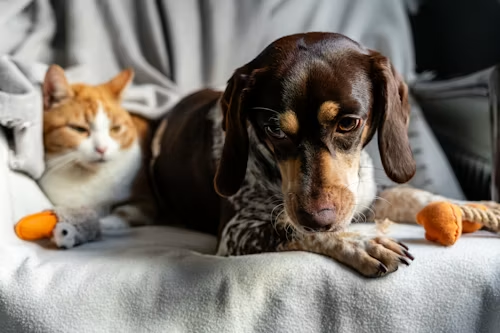
What Is Coprophagia?
Coprophagia refers to the act of eating feces. It is not a disease itself, but a behavioral condition that may have multiple causes.
Types of Coprophagia
Dogs may engage in different forms:
- Autocoprophagia: eating their own poop
- Interspecies coprophagia: eating other animals’ poop (like cats)
- Intraspecies coprophagia: eating poop of other dogs
Why Cat Poop Specifically?
Dogs are far more likely to eat cat feces than dog feces. Why?
The answer lies in diet and smell composition.
Difference Between Cat and Dog Waste
Cat feces often contains:
- Higher protein residue
- Stronger odor compounds
- Undigested nutrients from cat food
Since cats are obligate carnivores, their stool may still contain nutrient-rich remnants, which can attract dogs.
Why Cat Litter Boxes Attract Dogs
Litter boxes are:
- Easy to access
- Often left unattended
- Contain strong smells that attract dogs
To a dog, a litter box may resemble a “hidden food source.”
Main Reasons Why Dogs Eat Cat Poop
There isn’t just one reason—this behavior usually has multiple triggers.
Instinctual Behavior Causes
Natural Scavenging Instinct
Dogs are natural scavengers. In the wild, they eat whatever is available for survival.
Evolutionary Survival Behavior
Ancient dogs survived by consuming food waste from other animals, including feces.
Nutritional Deficiency Causes
Sometimes the behavior signals a diet imbalance.
Lack of Digestive Enzymes
Some dogs may not fully digest nutrients, making waste attractive.
Protein or Vitamin Deficiency
Low-quality food may push dogs to seek nutrients elsewhere.
Poor Diet Quality
Diets low in protein or fiber can increase scavenging behavior.
Behavioral Causes
Boredom and Lack of Stimulation
Dogs left alone or unstimulated may explore litter boxes out of curiosity.
Attention-Seeking Behavior
Some dogs learn that this behavior gets a strong reaction from owners.
Anxiety or Stress
Stressful environments can trigger unusual eating behaviors.
Learned Behavior
Reinforcement from Puppyhood
If a puppy is not corrected early, the habit may continue into adulthood.
Copying Other Animals
Dogs may imitate other pets in the household.
Sensory Attraction Factors
Smell and Taste Attraction
Dogs rely heavily on smell—cat feces smells “interesting” to them.
High Protein Content in Cat Feces
Undigested nutrients make it mildly appealing to dogs.
Cat Food Residue in Stool
Cat food is calorie-dense, increasing attraction.
Health Risks of Dogs Eating Cat Poop
Even though it may start as a harmless habit, there are real health risks involved.
Bacterial Infections
Salmonella Risk
Cat feces may carry harmful bacteria like Salmonella.
E. Coli Exposure
Can lead to digestive upset in dogs.
Parasites
Worm Transmission
- Roundworms
- Hookworms
Protozoa Infections
Can affect digestion and immunity.
Toxins and Chemicals
Medication Residue in Cat Stool
If a cat is on medication, residues may pass into feces.
Litter Contamination Risks
Some litters contain chemicals or dust harmful to dogs.
Bad Breath and Oral Health Issues
Dental Bacteria Growth
Eating feces increases bacterial load in the mouth.
Mouth Infections
Can lead to gum disease or infections over time.
Long-Term Health Concerns
Digestive Problems
Vomiting or diarrhea may occur after ingestion.
Immune System Stress
Repeated exposure to bacteria can strain immunity.
Is It Normal for Dogs to Eat Cat Poop?
One of the first things owners want to know is whether this behavior is “normal” or a sign something is wrong. The honest answer is: it can be both depending on frequency, context, and the dog’s overall behavior.
When It Is Considered Normal Behavior
Occasional interest in cat poop may not be a major concern, especially if:
- It happens rarely
- The dog is a puppy exploring its environment
- The dog shows no other behavioral issues
- The dog stops when corrected
In these cases, it is usually just curiosity or instinct-driven scavenging.
When It Becomes a Problem
It becomes a behavioral or health concern when:
- It happens frequently
- The dog actively seeks out the litter box
- The behavior is difficult to interrupt
- The dog shows signs of digestive issues
At this stage, it is no longer just curiosity—it may be linked to behavioral reinforcement or nutritional imbalance.
Frequency vs Occasional Occurrence
| Behavior Type | Meaning | Concern Level |
|---|---|---|
| One-time event | Curiosity | Low |
| Occasional | Normal exploration | Moderate |
| Frequent | Habit forming | High |
| Obsessive | Behavioral disorder | Very High |
Breed Tendencies (Some Dogs More Prone)
Some dogs are naturally more likely to engage in scavenging behaviors, including eating cat poop:
- Labrador Retriever (high food drive)
- Beagle (strong scent instinct)
- Dachshund (curious and stubborn)
- Golden Retriever (food-motivated)
- Mixed breed scavengers
These breeds often have strong noses and strong appetites, making litter boxes especially tempting.
Why Puppies Eat Cat Poop More Often
Puppies are far more likely to engage in this behavior than adult dogs.
Puppy Curiosity Stage
Puppies explore the world with their mouths. Anything new—including litter boxes—is investigated..
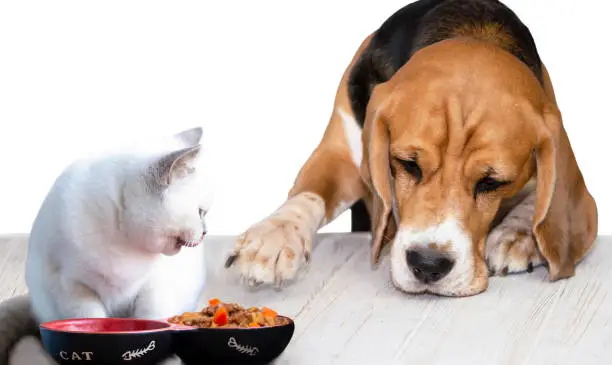
Teething and Oral Exploration
During teething, puppies chew and taste everything to relieve discomfort.
Lack of Training
Without early training, puppies do not understand that cat feces is “off-limits.”
High Energy and Exploration Behavior
Puppies have:
- Short attention spans
- High curiosity
- Constant need for stimulation
This combination makes litter boxes an easy target.
How to Stop Dogs From Eating Cat Poop
Stopping this behavior requires a combination of training, environment control, and diet improvement.
Training Solutions
“Leave It” Command Training
One of the most effective commands for this issue is “Leave it.”
Steps:
- Show the dog a treat
- Cover it with your hand
- Say “leave it”
- Reward when the dog ignores it
Positive Reinforcement Techniques
Dogs respond best to rewards such as:
- Treats
- Praise
- Playtime
Punishment is not recommended because it can increase anxiety and worsen behavior.
Consistency in Training
Inconsistent rules confuse dogs. Every family member must:
- Use the same command
- Reward the same behavior
- Block access consistently
Environmental Management
Sometimes training alone is not enough. You must also change the environment.
Keeping Litter Boxes Out of Reach
Best options include:
- Placing litter boxes in closed rooms
- Using high shelves or enclosed spaces
- Installing baby gates
Using Covered Litter Boxes
Covered or top-entry litter boxes make access much harder for dogs.
Baby Gates and Barriers
Simple barriers can prevent access completely without stressing the dog.
Diet Improvement Solutions
Diet plays a major role in behavioral issues.
High-Quality Dog Food
Low-quality food can increase scavenging behavior. Look for:
- High protein content
- Balanced nutrients
- No fillers
Adding Fiber to Diet
Fiber helps dogs feel full and reduces scavenging urges.
Feeding Schedule Adjustments
- Feed at consistent times
- Avoid long fasting gaps
- Do not free-feed excessively
Behavioral Solutions
Increasing Exercise
A tired dog is less likely to explore litter boxes.
Daily activity helps reduce:
- Boredom
- Anxiety
- Excess curiosity
Mental Stimulation Activities
Use:
- Puzzle toys
- Scent games
- Training exercises
Mental stimulation is just as important as physical exercise.
Reducing Anxiety
If stress is the cause:
- Maintain routine
- Provide safe spaces
- Avoid sudden environmental changes
Deterrent Methods
Taste Deterrent Products
Some sprays make feces less appealing.
Pet-Safe Repellents
Non-toxic repellents can discourage access to litter boxes.
Litter Box Cleaning Frequency
Clean boxes more often so there is less temptation.
Preventing Access to Cat Litter Box
Best Litter Box Placement Strategies
Place litter boxes in:
- Laundry rooms with closed doors
- Bathrooms with baby gates
- Elevated shelves (cat-accessible only)
Enclosed or Dog-Proof Litter Boxes
Modern litter box furniture hides the box inside cabinets or enclosed units.
DIY Barriers for Homes
Simple DIY solutions:
- Cardboard barriers
- PVC gates
- Furniture modifications
Multi-Pet Household Management Tips
- Feed cats in separate areas
- Keep dog supervised indoors
- Maintain clean feeding zones
When to Visit a Veterinarian
Sometimes this behavior is a symptom of a deeper issue.
Signs of Nutritional Deficiency
- Constant hunger
- Weight loss
- Fatigue
Sudden Behavioral Changes
If a dog suddenly starts eating cat poop, it may signal:
- Stress
- Illness
- Dietary imbalance
Frequent or Obsessive Coprophagia
If the behavior becomes compulsive, professional help is needed.
Digestive Issues or Vomiting
After ingestion, watch for:
- Diarrhea
- Vomiting
- Lethargy
Myths About Dogs Eating Cat Poop
There are many misconceptions about this behavior. Understanding the truth helps owners respond more effectively instead of panicking or using ineffective punishment.
Myth: Dogs Are Just “Dirty”
This is not true. Dogs are not inherently dirty animals. The behavior is usually linked to:
- Instinct
- Curiosity
- Diet issues
- Environment access
It is a behavioral response, not a hygiene issue.
Myth: It Always Means Illness
While sometimes linked to health problems, most cases are behavioral or environmental, not medical.
A dog can be perfectly healthy and still engage in this behavior.
Myth: It Can’t Be Stopped
This is one of the biggest misconceptions.
With proper:
- Training
- Environmental control
- Diet improvements
Most dogs can completely stop or reduce the behavior.
Myth: Only Poorly Trained Dogs Do It
Even well-trained dogs may occasionally engage in this behavior due to:
- Strong scent attraction
- Instinct
- Opportunity (litter box access)
Dog Breeds More Likely to Eat Cat Poop
Some breeds are naturally more prone due to genetics and behavior patterns.
Scavenger-Type Breeds
These dogs tend to explore and consume “found” items:
- Labrador Retriever
- Golden Retriever
- Beagle
High Food-Drive Breeds
Food-motivated dogs are more likely to investigate cat feces:
- Dachshund
- Cocker Spaniel
- Border Collie
Curiosity-Driven Breeds
Highly curious breeds may explore litter boxes more often:
- Beagle
- Jack Russell Terrier
- Mixed-breed dogs
Example: Beagles are especially known for following scent trails, which makes them more likely to investigate litter boxes.
Prevention Tips for Multi-Pet Homes
Managing both cats and dogs in the same house requires planning.
Feeding Cats in Separate Spaces
Keep cat food and litter areas completely separate from dogs.
Cleaning Routine for Litter Boxes
- Clean daily if possible
- Remove waste immediately
- Use covered litter boxes
Behavioral Monitoring Strategies
Watch for early signs:
- Sneaking into litter area
- Increased sniffing behavior
- Waiting near cat spaces
Early correction prevents habit formation.
Long-Term Management Strategies
Stopping the behavior is one thing—preventing it from returning is another.
Routine Training Reinforcement
Even after improvement:
- Practice “leave it” regularly
- Reward good behavior consistently
- Avoid relaxing rules too early
Diet Monitoring
A balanced diet reduces scavenging behavior:
- High-quality protein
- Proper portion control
- No excessive fillers
Stress Reduction in Household
Stress can trigger relapse. Maintain:
- Stable routine
- Calm environment
- Adequate exercise
Consistent Supervision
Until behavior is fully controlled:
- Supervise indoor time
- Restrict litter box access
- Use gates if necessary
Frequently Asked Questions (FAQ)
Why does my dog eat cat poop?
Dogs may eat cat poop due to:
- Instinctive scavenging behavior
- Curiosity
- Nutritional imbalance
- Easy access to litter boxes
Is it harmful if my dog eats cat poop?
Yes, it can be harmful because it may contain:
- Bacteria like Salmonella
- Parasites
- Harmful toxins
How do I stop my dog from eating cat poop?
Use a combination of:
- Training (“leave it” command)
- Blocking litter box access
- Improving diet
- Increasing exercise
Do dogs get sick from eating cat poop?
They can, especially if exposed repeatedly. Possible issues include:
- Vomiting
- Diarrhea
- Parasite infections
Why are dogs attracted to cat litter boxes?
Because they contain:
- Strong odors
- High-protein residue
- Easy “foraging” opportunity
Is this behavior normal in puppies?
Yes, puppies often explore with their mouths. It usually decreases with training.
Will my dog grow out of it?
Some dogs do, but many need training and environmental control to stop completely.
What should I feed my dog to stop this behavior?
A balanced diet including:
- High-quality protein
- Fiber-rich foods
- Proper portion control
Conclusion
This behavior is:
- Common
- Multi-causal
- Usually fixable
Summary of Causes and Solutions
Main causes include:
- Instinct
- Diet issues
- Boredom
- Environmental access
Main solutions include:
- Training
- Diet improvement
- Litter box control
- Exercise and stimulation