The Biewer Terrier Yorkie is one of the most charming toy dog breeds in the world today. Known for its luxurious tri-colored coat, playful personality, and affectionate nature, this small companion dog has quickly gained popularity among families, singles, and seniors alike.
Although many people initially mistake the Biewer Terrier for a traditional Yorkshire Terrier, this elegant breed has its own fascinating history and unique characteristics. With its cheerful temperament and eye-catching appearance, the Biewer Terrier has become a favorite among dog lovers looking for a compact yet energetic companion.
In recent years, interest in the breed has grown significantly. More pet owners are searching for information about Biewer Terrier puppies, grooming requirements, health concerns, and how they compare to Yorkshire Terriers.
This comprehensive guide covers everything you need to know about the Biewer Terrier Yorkie, including its history, appearance, temperament, care requirements, health issues, and whether it’s the right dog for your lifestyle.
What Is a Biewer Terrier Yorkie?
Definition of the Biewer Terrier
The Biewer Terrier is a purebred toy dog known for its long, silky coat and distinctive tri-color markings. Despite its resemblance to the Yorkshire Terrier, it is recognized as a separate breed.
The breed is small in size but full of personality. Biewer Terriers are energetic, intelligent, affectionate, and highly devoted to their owners. Their playful nature makes them excellent companion dogs for a variety of households.
Quick Breed Overview
| Trait | Details |
|---|---|
| Breed Group | Toy Group |
| Size | Small |
| Weight | 4–8 pounds |
| Height | 7–11 inches |
| Lifespan | 12–16 years |
| Temperament | Friendly, playful, affectionate |
| Coat Type | Long, silky |
| Shedding | Low |
| Good With Families | Yes |
Is a Biewer Terrier a Yorkie?
One of the most common questions potential owners ask is whether a Biewer Terrier is simply a Yorkshire Terrier with different coloring.
The answer is both yes and no.
The Biewer Terrier originally descended from Yorkshire Terriers. However, through selective breeding and genetic distinctions, it eventually developed into its own recognized breed.
While the two breeds share many similarities, kennel clubs now classify them separately due to differences in genetics, appearance, and breed standards.
Difference Between Biewer Terrier and Yorkshire Terrier
Although they may appear nearly identical at first glance, several characteristics distinguish the two breeds.
Comparison Table
| Feature | Biewer Terrier | Yorkshire Terrier |
| Coat Color | Tri-color | Blue and tan |
| Breed Status | Separate breed | Established breed |
| Origin | Germany | England |
| Genetic Background | Piebald gene present | Piebald gene absent |
| AKC Recognition | 2021 | Long-established |
The most noticeable difference is the coat pattern. Biewer Terriers display a striking combination of:
- White
- Black or blue
- Gold or tan
Yorkies generally feature:
- Blue
- Tan
without the large white markings that make the Biewer Terrier so distinctive.
Why the Breed Is Sometimes Called a Biewer Yorkie
Many people still refer to the breed as a Biewer Yorkie because of its Yorkshire Terrier ancestry.
The nickname helps people quickly understand the breed’s origins, although officially it is simply known as the Biewer Terrier.
As awareness grows and more kennel clubs recognize the breed, the proper name is becoming increasingly common.
History and Origin of the Biewer Terrier

The Story Behind the Breed’s Creation
The history of the Biewer Terrier is surprisingly recent compared to many dog breeds.
The breed originated in Germany during the 1980s when two Yorkshire Terriers produced a puppy carrying a rare recessive piebald gene. This genetic trait resulted in unusual white markings not commonly seen in traditional Yorkies.
The puppy’s unique appearance caught the attention of its breeders, who decided to continue developing this distinct line.
What began as a genetic surprise eventually became an entirely new breed.
The Role of German Breeders Werner and Gertrud Biewer
The breed owes its existence to German breeders Werner and Gertrud Biewer.
The couple owned champion Yorkshire Terriers and were experienced breeders when they discovered the unique tri-colored puppy.
Rather than dismissing the unusual coloration, they saw potential in creating a new breed with these striking markings.
Through careful breeding practices, they established a consistent bloodline that would eventually become known worldwide as the Biewer Terrier.
Their dedication helped transform a rare genetic occurrence into one of today’s most beloved companion breeds.
Development From Yorkshire Terriers
The Biewer Terrier’s roots are firmly connected to Yorkshire Terriers.
Selective breeding focused on:
- Maintaining the tri-color coat
- Preserving the silky texture
- Producing consistent temperament traits
- Improving breed stability
Over time, breeders worked to create dogs that consistently displayed the desired appearance and personality characteristics.
As the population grew, genetic testing helped confirm distinctions between Biewer Terriers and traditional Yorkshire Terriers.
Recognition by Major Kennel Clubs
For many years, the breed was primarily recognized by specialty organizations and dedicated breed clubs.
As popularity increased internationally, larger kennel clubs began evaluating the breed for official recognition.
Important milestones included recognition by:
- United Kennel Club (UKC)
- Various European kennel organizations
- National breed clubs worldwide
These recognitions helped establish breeding standards and preserve the breed’s unique characteristics.
AKC Recognition and Breed Standards
A major achievement for the breed occurred in 2021 when the American Kennel Club (AKC) officially recognized the Biewer Terrier.
This milestone significantly increased public awareness and credibility.
The AKC breed standard emphasizes:
- Elegant appearance
- Balanced body structure
- Tri-colored coat
- Friendly temperament
- Confident personality
Today, the breed continues to gain popularity among dog enthusiasts throughout the world.
Biewer Terrier Appearance
The Biewer Terrier’s appearance is one of its most attractive qualities. Its luxurious coat and elegant posture make it stand out among toy breeds.
Size and Weight
Biewer Terriers are compact dogs that fit comfortably into apartments and smaller homes.
Most adults weigh between:
| Age | Weight Range |
| Adult Male | 4–8 lbs |
| Adult Female | 4–8 lbs |
Despite their tiny size, these dogs possess a confident and lively personality.
Height Expectations
Most Biewer Terriers stand between:
7 to 11 inches tall at the shoulder.
Their small stature makes them ideal lap dogs while still being energetic enough for daily activities and play sessions.
Because they are lightweight, owners should take care when handling puppies and young dogs.
Coat Colors and Patterns
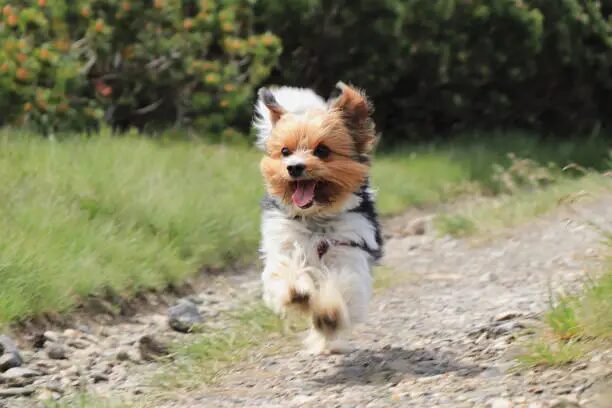
The breed’s most recognizable feature is its beautiful tri-colored coat.
Typical color combinations include:
- White, blue, and gold
- White, black, and gold
- White, blue, black, and tan
Unlike many other toy breeds, the white coloring is an essential part of the breed standard.
The color distribution should appear balanced and symmetrical whenever possible.
Tri-Color Coat Characteristics
The tri-colored coat results from the piebald gene that distinguishes the breed from traditional Yorkshire Terriers.
Key characteristics include:
- White chest
- White legs
- White underbelly
- Dark saddle markings
- Golden facial accents
The result is a striking appearance that often attracts attention wherever the dog goes.
Many owners consider the coat the breed’s defining feature.
Facial Features and Expression
Biewer Terriers have expressive faces that reflect their cheerful personalities.
Notable facial traits include:
- Dark eyes
- Small black nose
- Alert expression
- Medium-length muzzle
- Feathered facial hair
Their bright, curious look contributes significantly to their appeal as companion dogs.
Tail and Body Structure
The breed possesses a well-balanced body that combines elegance with athleticism.
Physical Characteristics
- Straight back
- Compact frame
- Moderate bone structure
- Graceful movement
- Well-proportioned tail
Although small, Biewer Terriers move with confidence and surprising agility.
Their athletic ability often surprises people who assume toy breeds are delicate lap dogs only.
Biewer Terrier vs Yorkshire Terrier
Because the two breeds are closely related, comparisons are inevitable.
Understanding their differences can help prospective owners choose the dog that best fits their lifestyle.
Key Physical Differences
At first glance, many people struggle to tell the breeds apart.
However, several distinguishing characteristics exist.
Biewer Terrier
- Tri-colored coat
- Larger white markings
- Distinct breed standard
- Unique genetic profile
Yorkshire Terrier
- Blue and tan coloring
- Minimal white markings
- Longer breed history
- Traditional terrier appearance
While both breeds are beautiful, the Biewer Terrier’s striking coloration often makes it more visually distinctive.
Coat Color Comparison
Color is arguably the easiest way to distinguish the breeds.
| Feature | Biewer Terrier | Yorkshire Terrier |
| White Coloring | Extensive | Minimal |
| Blue Coloring | Common | Common |
| Gold/Tan | Common | Common |
| Tri-Color Pattern | Standard | Not Standard |
The dramatic white markings are what truly separate the Biewer Terrier from its Yorkshire Terrier relatives.
Biewer Terrier Temperament and Personality
One of the biggest reasons behind the growing popularity of the Biewer Terrier is its wonderful personality. These small dogs combine intelligence, affection, and playfulness in a compact package, making them excellent companions for many types of households.
Unlike some toy breeds that can be timid or stubborn, Biewer Terriers are typically confident, outgoing, and eager to interact with people.
Are Biewer Terriers Friendly?
Yes, Biewer Terriers are generally very friendly dogs.
They thrive on human companionship and enjoy being involved in family activities. Most Biewers form strong bonds with their owners and often want to stay close throughout the day.
Their friendly nature makes them excellent:
- Family pets
- Companion dogs for seniors
- Apartment dogs
- First-time pet owner dogs
Proper socialization from a young age helps ensure they remain comfortable around new people and environments.
Intelligence and Trainability
Biewer Terriers are intelligent and capable learners.
Because they are eager to please, they often respond well to positive reinforcement training methods.
Training sessions should be:
- Short
- Fun
- Consistent
- Reward-based
Using treats, praise, and toys as rewards can produce excellent results.
Skills They Learn Quickly
- Basic obedience commands
- House training routines
- Crate training
- Leash manners
- Simple tricks
Their intelligence means they need mental stimulation in addition to physical exercise.
Energy Levels
Although small, Biewer Terriers are surprisingly energetic.
They enjoy:
- Daily walks
- Indoor games
- Interactive toys
- Play sessions with family
However, they are not excessively demanding and can adapt well to apartment living.
A healthy balance of exercise and relaxation keeps them happy and well-behaved.
Affection Toward Owners
Biewers are known for their loving personalities.
Many owners describe them as “velcro dogs” because they enjoy staying close to family members.
They often:
- Follow owners around the house
- Sit on laps
- Sleep near their humans
- Seek attention and affection
This strong attachment is one of the breed’s most appealing traits.
Behavior Around Strangers
Most Biewer Terriers are curious rather than aggressive when meeting strangers.
Initially, some may be slightly cautious, but they usually warm up quickly when introduced properly.
Early socialization helps build confidence and prevents fearful behaviors.
Do They Bark a Lot?
Like many small breeds, Biewer Terriers can be vocal.
They may bark when:
- Someone approaches the home
- They hear unusual noises
- They become excited
- They want attention
Fortunately, excessive barking can often be managed through training and proper socialization.
Separation Anxiety Issues
Because they form strong bonds with their owners, Biewer Terriers can experience separation anxiety if left alone for long periods.
Signs may include:
- Excessive barking
- Destructive chewing
- Restlessness
- House-soiling accidents
Owners who work long hours should consider:
- Dog sitters
- Doggy daycare
- Interactive toys
- Gradual alone-time training
Biewer Terrier Size Chart
Understanding your dog’s expected growth can help you monitor its development and overall health.
Puppy Growth Stages
Biewer Terrier puppies grow rapidly during their first year.
Approximate Growth Chart
| Age | Weight Range |
|---|---|
| 8 Weeks | 1.5–2.5 lbs |
| 3 Months | 2–3 lbs |
| 4 Months | 2.5–4 lbs |
| 6 Months | 3–5 lbs |
| 9 Months | 4–7 lbs |
| 12 Months | 4–8 lbs |
Individual growth rates may vary depending on genetics and nutrition.
Adult Size Expectations
Most adult Biewer Terriers reach full height by around 8 to 10 months of age.
They typically achieve full physical maturity between:
12 and 18 months.
Adult weight usually falls between:
- 4 pounds
- 8 pounds
Their compact size makes them easy to travel with and suitable for smaller living spaces.
Male vs Female Size Comparison
Unlike some breeds, male and female Biewer Terriers are generally similar in size.
| Gender | Average Weight |
| Male | 4–8 lbs |
| Female | 4–8 lbs |
Temperament differences are often more noticeable than size differences.
Living With a Biewer Terrier
The Biewer Terrier adapts well to a variety of living situations.
Whether you live in a city apartment or a suburban home, this breed can thrive with proper care and attention.
Apartment Living Suitability
The breed is particularly well-suited for apartment living.
Reasons include:
- Small size
- Moderate exercise needs
- Adaptability
- Indoor activity enjoyment
However, regular walks remain important for physical and mental health.
Best Home Environment
The ideal home for a Biewer Terrier includes:
- Plenty of companionship
- Safe indoor spaces
- Daily playtime
- Consistent routines
These dogs generally prefer spending time with people rather than being left alone for extended periods.
Compatibility With Families
Biewer Terriers often make wonderful family pets.
They enjoy:
- Interactive play
- Family activities
- Learning tricks
- Spending time with children
Because of their small size, respectful handling is essential.
Living With Seniors
Many seniors find Biewer Terriers to be excellent companions.
Benefits include:
- Manageable size
- Affectionate nature
- Moderate exercise requirements
- Strong companionship
The breed’s loving personality can provide valuable emotional support.
First-Time Dog Owner Considerations
Biewer Terriers are often recommended for first-time dog owners.
Their manageable size and trainability make them easier to care for than many larger breeds.
New owners should still be prepared for:
- Grooming responsibilities
- Training consistency
- Veterinary expenses
- Daily attention needs
Are Biewer Terriers Good With Children?
Interaction With Young Kids
Biewer Terriers can do very well with children when interactions are supervised.
Older children generally make the best companions because they understand how to handle small dogs gently.
Very young children may accidentally injure these delicate dogs during rough play.
Safety Tips for Families
To ensure safe interactions:
- Teach children gentle handling
- Avoid rough games
- Provide the dog with quiet spaces
- Supervise play sessions
Respectful interactions help create strong bonds between dogs and children.
Supervision Recommendations
Adult supervision is highly recommended whenever small children interact with a Biewer Terrier.
This protects both:
- The child
- The dog
Consistent supervision helps prevent accidental injuries.
Are Biewer Terriers Good With Other Pets?

Living With Dogs
Most Biewer Terriers get along well with other dogs.
Early socialization helps them develop positive canine relationships.
They often enjoy:
- Playtime with other small dogs
- Group walks
- Dog park visits (with supervision)
Living With Cats
Many Biewers coexist peacefully with cats.
Successful introductions should be:
- Slow
- Controlled
- Positive
When raised together, cats and Biewer Terriers often become close companions.
Socialization Tips
Proper socialization is one of the most important aspects of raising a well-adjusted dog.
Expose puppies to:
- New people
- Different environments
- Various sounds
- Friendly animals
Positive experiences build confidence and reduce anxiety later in life.
Multi-Pet Household Considerations
The breed typically adapts well to multi-pet homes.
Success depends on:
- Proper introductions
- Individual attention
- Resource management
- Ongoing supervision
Many owners report excellent relationships between Biewers and other household pets.
Biewer Terrier Exercise Needs
Although they are small dogs, Biewer Terriers still require regular activity.
Exercise contributes to:
- Physical fitness
- Mental stimulation
- Weight management
- Behavioral health
Daily Exercise Requirements
Most adult Biewer Terriers benefit from:
30–45 minutes of daily exercise.
This can include:
- Walks
- Indoor play
- Training activities
- Interactive games
Indoor Activities
Indoor exercise options include:
- Fetch
- Tug games
- Puzzle toys
- Hide-and-seek
These activities are particularly useful during bad weather.
Outdoor Walks
Daily walks provide important opportunities for:
- Physical activity
- Socialization
- Environmental enrichment
Short walks are usually sufficient due to the breed’s small size.
Mental Stimulation Ideas
Mental exercise is just as important as physical exercise.
Good options include:
- Food puzzles
- Obedience training
- Trick training
- Scent games
Keeping their minds active helps prevent boredom.
Best Toys for Biewer Terriers
Popular toy choices include:
- Soft plush toys
- Puzzle feeders
- Small chew toys
- Interactive treat dispensers
Choose toys appropriate for small breeds to ensure safety.
Biewer Terrier Training Guide

Basic Obedience Training
Every Biewer Terrier should learn essential commands such as:
- Sit
- Stay
- Come
- Down
- Leave it
These commands improve safety and communication.
Potty Training Tips
House training requires patience and consistency.
Helpful strategies include:
- Frequent bathroom breaks
- Crate training
- Positive reinforcement
- Consistent schedules
Most puppies learn faster when routines remain predictable.
Crate Training
A properly introduced crate can provide:
- Security
- House-training assistance
- Safe travel accommodations
The crate should always be associated with positive experiences.
Socialization Training
Socialization should begin early and continue throughout the dog’s life.
Regular exposure to new experiences helps develop a confident, well-adjusted companion.
Preventing Excessive Barking
To reduce unwanted barking:
- Reward quiet behavior
- Identify triggers
- Increase mental stimulation
- Avoid reinforcing attention-seeking barking
Consistency is key.
Positive Reinforcement Techniques
Biewer Terriers respond best to:
- Treats
- Praise
- Toys
- Encouragement
Harsh corrections can damage trust and reduce training effectiveness.
Biewer Terrier Grooming Requirements
One of the most important aspects of Biewer Terrier ownership is grooming.
Their beautiful silky coat requires regular maintenance to remain healthy and attractive.
Coat Care Basics
The long coat can become tangled if neglected.
Routine grooming helps:
- Prevent mats
- Reduce dirt buildup
- Maintain coat quality
- Improve comfort
Brushing Schedule
Most owners brush their Biewer Terrier:
Daily or every other day.
Regular brushing keeps the coat smooth and manageable.
Bathing Frequency
Most Biewers benefit from bathing every:
2–4 weeks
depending on activity level and coat condition.
Use a gentle dog shampoo designed for long-coated breeds.
Ear Cleaning
Regular ear checks help prevent infections.
Look for:
- Redness
- Odor
- Excess wax
- Irritation
Clean ears using veterinarian-approved products.
Nail Trimming
Nails should be trimmed approximately every:
3–4 weeks
Overgrown nails can affect walking comfort and posture.
Dental Care
Dental hygiene is particularly important in toy breeds.
Recommended practices include:
- Daily tooth brushing
- Dental chews
- Professional cleanings
- Regular veterinary exams
Dental disease is one of the most common health concerns in small dogs.
Professional Grooming Needs
Many owners schedule professional grooming every:
6–8 weeks
Professional groomers can assist with:
- Hair trimming
- Nail care
- Ear cleaning
- Coat maintenance
Regular grooming helps keep the breed looking its best.
Best Food for Biewer Terriers
Proper nutrition plays a major role in your Biewer Terrier’s health, energy levels, coat quality, and longevity. Because these dogs are small, they require nutrient-dense meals that provide balanced nutrition without excessive calories.
Nutritional Requirements
A healthy Biewer Terrier diet should contain:
- High-quality animal protein
- Healthy fats
- Essential vitamins and minerals
- Omega-3 and Omega-6 fatty acids
- Easily digestible carbohydrates
Recommended Nutrient Breakdown
| Nutrient | Importance |
|---|---|
| Protein | Muscle development and maintenance |
| Healthy Fats | Skin and coat health |
| Carbohydrates | Energy source |
| Fiber | Digestive support |
| Vitamins & Minerals | Overall health |
Puppy Feeding Guide
Growing puppies require more calories and nutrients than adult dogs.
Feeding Schedule
| Age | Meals Per Day |
| 8–12 Weeks | 4 meals |
| 3–6 Months | 3 meals |
| 6–12 Months | 2–3 meals |
Choose a high-quality small-breed puppy formula designed to support healthy growth.
Adult Feeding Guide
Most adult Biewer Terriers thrive on two meals per day.
Factors affecting food intake include:
- Activity level
- Age
- Weight
- Health status
Avoid overfeeding, as even a small amount of excess weight can negatively affect a toy breed.
Senior Dog Nutrition
As Biewer Terriers age, their nutritional needs change.
Senior dogs often benefit from:
- Lower-calorie diets
- Joint-support supplements
- Easily digestible ingredients
- Increased antioxidant content
Consult your veterinarian when transitioning to a senior formula.
Human Foods to Avoid
Some foods that are safe for humans can be dangerous for dogs.
Never Feed:
- Chocolate
- Grapes
- Raisins
- Onions
- Garlic
- Xylitol-containing products
- Alcohol
- Caffeine
If accidental ingestion occurs, contact a veterinarian immediately.
Healthy Treat Recommendations
Treats should make up no more than 10% of daily calorie intake.
Healthy options include:
- Small training treats
- Lean cooked chicken
- Carrot slices
- Blueberries
- Commercial dental chews
Common Health Problems in Biewer Terriers
Biewer Terriers are generally healthy dogs, but like all breeds, they can be prone to certain health conditions.
Understanding potential issues allows owners to seek early treatment and provide preventive care.
Patellar Luxation
Patellar luxation occurs when the kneecap slips out of its normal position.
Symptoms
- Limping
- Skipping gait
- Difficulty jumping
- Occasional lameness
Mild cases may require monitoring, while severe cases can require surgery.
Tracheal Collapse
This condition affects the windpipe and is relatively common in small breeds.
Warning Signs
- Honking cough
- Difficulty breathing
- Exercise intolerance
- Wheezing
Using a harness instead of a collar can help reduce pressure on the trachea.
Dental Disease
Dental issues are among the most common health concerns in toy breeds.
Without proper care, plaque and tartar buildup can lead to:
- Gum disease
- Tooth loss
- Infections
- Chronic pain
Daily brushing is highly recommended.
Liver Shunt
A liver shunt is a congenital condition that affects blood flow through the liver.
Possible Symptoms
- Poor growth
- Vomiting
- Neurological issues
- Lethargy
Early diagnosis greatly improves treatment outcomes.
Hypoglycemia
Low blood sugar is especially common in puppies.
Symptoms Include:
- Weakness
- Trembling
- Confusion
- Collapse
Small, frequent meals help reduce the risk.
Eye Conditions
Some Biewer Terriers may experience eye problems such as:
- Cataracts
- Dry eye
- Progressive retinal issues
Routine veterinary exams help identify problems early.
Gastrointestinal Issues
Sensitive stomachs are not uncommon.
Potential symptoms include:
- Vomiting
- Diarrhea
- Food intolerance
- Digestive upset
Consistent feeding routines and quality diets can help maintain digestive health.
Biewer Terrier Lifespan
Average Life Expectancy
One of the advantages of owning a Biewer Terrier is its relatively long lifespan.
Most live between:
12 and 16 years
Some dogs exceed this range with excellent care and favorable genetics.
Factors Affecting Longevity
Several factors influence lifespan:
- Genetics
- Diet
- Exercise
- Veterinary care
- Weight management
- Dental health
Preventive healthcare can significantly improve quality of life.
Tips for a Longer, Healthier Life
To maximize lifespan:
- Schedule annual veterinary visits
- Feed a balanced diet
- Maintain a healthy weight
- Provide daily exercise
- Brush teeth regularly
- Stay current on vaccinations
Biewer Terrier Puppy Guide
What to Expect From a Puppy
Biewer Terrier puppies are energetic, curious, and affectionate.
Expect:
- Frequent play sessions
- Lots of exploration
- Early training opportunities
- Strong attachment to family members
Patience and consistency are essential during puppyhood.
First-Year Development Stages
Major Milestones
| Age | Development |
| 8 Weeks | Ready for new home |
| 3 Months | Increased socialization |
| 6 Months | Adolescence begins |
| 9 Months | Near adult height |
| 12 Months | Adult size reached |
Vaccination Schedule
Your veterinarian may recommend vaccinations for:
- Distemper
- Parvovirus
- Rabies
- Adenovirus
- Bordetella
Always follow local veterinary guidelines.
Early Socialization Tips
Expose puppies to:
- New people
- Friendly dogs
- Different sounds
- Various environments
Positive experiences during puppyhood help build confidence.
Essential Puppy Supplies
New owners should prepare:
- Crate
- Food bowls
- Puppy food
- Grooming tools
- Leash and harness
- Toys
- Comfortable bed
How Much Does a Biewer Terrier Cost?
Average Puppy Price
Biewer Terriers are often more expensive than many other toy breeds.
Typical Price Range
| Source | Estimated Cost |
| Reputable Breeder | $1,500–$4,000+ |
| Show Quality Puppy | $3,000–$6,000+ |
| Rescue Organization | $100–$500 |
Prices vary depending on pedigree, location, and breeder reputation.
Factors Affecting Cost
Several factors influence pricing:
- Bloodline quality
- Health testing
- Geographic location
- Breeder reputation
- Show potential
Initial Ownership Expenses
New owners should budget for:
- Veterinary visits
- Vaccinations
- Food
- Grooming supplies
- Crate and bedding
- Toys
These costs can add up quickly during the first year.
Annual Maintenance Costs
Recurring expenses include:
- Food
- Routine veterinary care
- Grooming
- Preventive medications
- Pet insurance
Annual costs typically range from several hundred to a few thousand dollars.
Pet Insurance Considerations
Pet insurance can help offset unexpected veterinary expenses.
Benefits may include coverage for:
- Illnesses
- Accidents
- Emergency treatment
- Diagnostic testing
How to Find a Reputable Biewer Terrier Breeder
Choosing the right breeder is one of the most important decisions you’ll make.
Questions to Ask Breeders
Ask about:
- Health testing
- Parent dog history
- Vaccination records
- Socialization practices
- Return policies
Responsible breeders are usually happy to answer questions.
Health Testing Requirements
Quality breeders often test for:
- Patellar issues
- Eye conditions
- Genetic disorders
Documentation should be available for review.
Red Flags to Avoid
Be cautious if a breeder:
- Refuses to provide records
- Won’t allow visits
- Offers unusually low prices
- Sells multiple unrelated breeds
These can indicate irresponsible breeding practices.
AKC Marketplace and Breed Clubs
Breed clubs and recognized breeder directories can help prospective owners locate responsible breeders.
Research thoroughly before making a purchase.
Biewer Terrier Adoption and Rescue
Benefits of Adoption
Adoption can be a rewarding experience.
Benefits include:
- Lower costs
- Giving a dog a second chance
- Supporting rescue organizations
Rescue Organizations
Some rescues specialize in:
- Toy breeds
- Yorkshire Terriers
- Biewer Terriers
Availability varies depending on location.
Adoption Process
Typical steps include:
- Application
- Screening process
- Home check
- Adoption agreement
- Bringing your new dog home
Preparing Your Home
Before arrival:
- Remove hazards
- Purchase supplies
- Establish routines
- Prepare family members
A smooth transition helps reduce stress.
Pros and Cons of Owning a Biewer Terrier
Advantages
Affectionate
They form deep bonds with family members.
Intelligent
Training is generally straightforward with consistency.
Compact Size
Perfect for apartments and smaller homes.
Low Shedding
Their coat sheds less than many other breeds.
Disadvantages
Frequent Grooming Needs
Long coats require regular maintenance.
Can Develop Separation Anxiety
They prefer spending time with their owners.
Higher Purchase Price
Well-bred puppies can be expensive.
Fragile Due to Small Size
Care is necessary around young children and larger pets.
Fun Facts About Biewer Terriers
Unique Breed Characteristics
- Their coat often resembles flowing human hair.
- Every Biewer Terrier has unique markings.
- They are among the newest breeds recognized by major kennel clubs.
Interesting Historical Facts
The breed originated from a rare genetic event rather than a planned crossbreeding program.
This unusual beginning makes their history especially fascinating.
Rare Traits That Set Them Apart
Their piebald gene creates the beautiful tri-colored coat that distinguishes them from Yorkshire Terriers.
Is a Biewer Terrier Right for You?
Ideal Owner Profile
The breed is ideal for people who:
- Want a small companion dog
- Enjoy grooming routines
- Spend significant time at home
- Appreciate affectionate pets
Lifestyle Considerations
Ask yourself whether you can provide:
- Daily companionship
- Grooming care
- Regular exercise
- Veterinary attention
Meeting these needs helps ensure a happy and healthy dog.
Questions to Ask Before Getting One
- Can I commit to regular grooming?
- Do I have time for training?
- Can I afford veterinary expenses?
- Will the dog receive enough attention?
Answering these honestly helps determine whether the breed is a good fit.
Frequently Asked Questions (FAQ)
Is a Biewer Terrier a Purebred Dog?
Yes. The Biewer Terrier is recognized as a purebred dog with its own breed standard.
Are Biewer Terriers Rare?
They are less common than Yorkshire Terriers but continue to grow in popularity.
Do Biewer Terriers Shed?
They are considered low-shedding dogs.
Are Biewer Terriers Hypoallergenic?
No dog is completely hypoallergenic, but Biewer Terriers are often better tolerated by allergy sufferers due to their coat type.
How Big Do Biewer Terriers Get?
Most adults weigh between 4 and 8 pounds and stand 7–11 inches tall.
Are Biewer Terriers Easy to Train?
Yes, they are intelligent and generally respond well to positive reinforcement.
How Long Do Biewer Terriers Live?
Most live between 12 and 16 years.
Do Biewer Terriers Bark Excessively?
They can be vocal, but proper training helps manage barking.
Can Biewer Terriers Be Left Alone?
They can tolerate short periods alone but may develop separation anxiety if left for extended periods.
Are Biewer Terriers Good Family Dogs?
Yes, they are affectionate and family-oriented when properly socialized.
What Is the Difference Between a Biewer Terrier and a Yorkie?
The primary difference is the tri-colored coat and distinct breed status.
How Much Does a Biewer Terrier Puppy Cost?
Prices commonly range from $1,500 to $4,000 or more depending on pedigree and breeder reputation.
Conclusion
The Biewer Terrier Yorkie is a delightful toy breed that combines beauty, intelligence, and affection in a small package. With its striking tri-colored coat, cheerful personality, and strong bond with family members, it’s easy to understand why this breed continues to gain fans around the world.
Potential owners should be prepared for regular grooming, ongoing training, and a commitment to companionship. In return, they receive a loyal and loving friend that can provide years of joy.