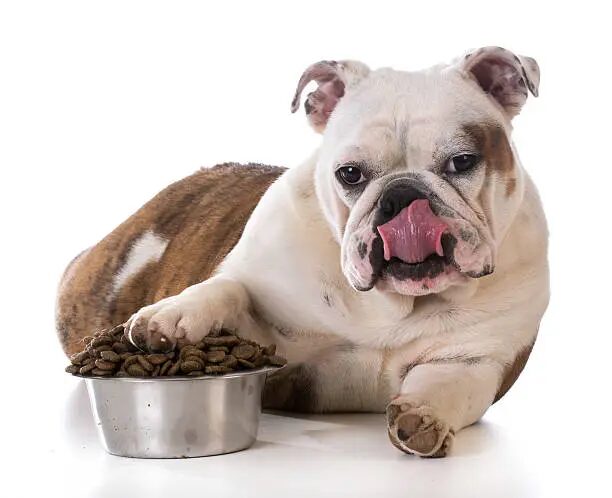
English Bulldogs are one of the most lovable and recognizable dog breeds in the world. But behind their adorable wrinkles and calm personality lies a breed with very specific nutritional needs.
Choosing the best dog food for English Bulldogs is not just about keeping them full—it’s about supporting joint health, digestion, skin condition, weight control, and overall long-term wellness.
In this guide, we’ll break everything down in a practical, easy-to-understand way so you can confidently choose the right food for your Bulldog at every life stage.
English Bulldogs are unique in almost every way—from their body structure to their metabolism and even how they digest food. Because of this, their diet plays a major role in their overall health.
Why nutrition is especially important for English Bulldogs
Unlike many active breeds, Bulldogs tend to:
- Gain weight quickly
- Struggle with heat and breathing issues
- Have sensitive stomachs
- Develop skin and joint problems
This means even a small mistake in diet can lead to long-term health issues.
Unique dietary needs of the breed
English Bulldogs require:
- Highly digestible protein
- Moderate fat levels
- Controlled calories
- Joint-support nutrients
- Skin-supporting omega fatty acids
Common health issues influenced by diet
Poor nutrition can worsen:
- Obesity
- Bloating and gas
- Skin allergies
- Hip and joint problems
- Low energy levels
How choosing the right food can improve quality of life
A properly balanced diet can help Bulldogs:
- Maintain a healthy weight
- Reduce skin irritation
- Improve digestion
- Increase mobility
- Live longer, healthier lives
What this guide covers
This article will help you understand:
- Bulldog nutritional needs
- Best ingredients and foods
- Puppy, adult, and senior feeding strategies
- Health-condition-specific diets
- Feeding mistakes to avoid
Understanding English Bulldog Nutritional Needs
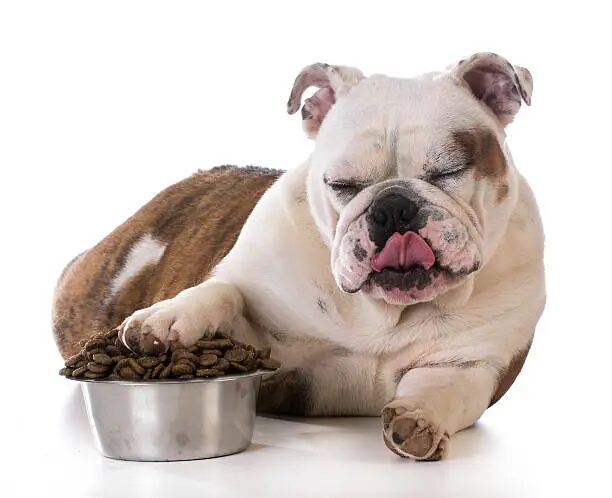
English Bulldog Breed Overview
English Bulldogs are compact, muscular dogs known for their calm temperament and affectionate personality.
History and Origin of the English Bulldog
Originally bred in England, Bulldogs were once used for bull-baiting. Over time, they were selectively bred into the gentle companion dogs we know today.
Physical Characteristics
- Medium-sized, heavy-set body
- Loose, wrinkled skin
- Short muzzle (brachycephalic breed)
- Wide chest and short legs
These traits influence how they eat, breathe, and digest food.
Temperament and Lifestyle
Bulldogs are typically:
- Calm and affectionate
- Low to moderate energy
- Indoor-oriented
- Loyal and family-friendly
Because of their low activity levels, they don’t need high-calorie diets.
Average Weight and Size
| Gender | Weight Range |
|---|---|
| Male | 50–55 lbs (22–25 kg) |
| Female | 40–50 lbs (18–23 kg) |
What Makes English Bulldogs Nutritionally Different?
Lower Activity Levels Compared to Many Breeds
Bulldogs do not burn calories quickly, which means:
- They gain weight easily
- Overfeeding is a common issue
- Portion control is essential
High Risk of Obesity
Obesity can lead to:
- Joint strain
- Heart stress
- Reduced lifespan
- Breathing difficulties
Sensitive Digestive Systems
Many Bulldogs experience:
- Gas
- Loose stools
- Food intolerance
- Bloating
This makes ingredient quality extremely important.
Skin Fold and Allergy Concerns
Their wrinkles trap moisture, making them prone to:
- Skin infections
- Allergies
- Irritation from poor diet
Joint and Mobility Issues
Because of their heavy build, Bulldogs are prone to:
- Hip dysplasia
- Arthritis
- Stiff joints
Breathing Challenges and Weight Management
Bulldogs already struggle with breathing due to their short snouts. Extra weight makes this worse.
Daily Calorie Requirements for English Bulldogs
Calorie intake depends on age, activity level, and metabolism.
Puppy Calorie Needs
Bulldog puppies need energy for growth but not excessive calories.
- 400–900 calories/day (varies by age)
- High protein, moderate fat diet
Adult Bulldog Calorie Needs
- 900–1,400 calories/day
- Must avoid overfeeding
- Focus on maintenance, not growth
Senior Bulldog Calorie Needs
- 700–1,200 calories/day
- Lower calories with higher digestibility
- Joint-support focus
Active vs Less Active Bulldogs
| Activity Level | Calorie Needs |
|---|---|
| Low activity | Lower range |
| Moderate activity | Mid-range |
| Highly active | Higher range (rare for Bulldogs) |
Factors That Affect Calorie Requirements
- Age
- Weight
- Neutering status
- Health conditions
- Environment (hot vs cold climate)
Essential Nutrients Every English Bulldog Needs
High-Quality Animal Protein
Protein is essential for:
- Muscle maintenance
- Tissue repair
- Immune function
Best Protein Sources
- Chicken
- Turkey
- Beef
- Lamb
- Fish
Healthy Fats
Fats provide energy and support skin health.
Benefits
- Shiny coat
- Brain support
- Energy supply
Best Fat Sources
- Fish oil
- Chicken fat
- Flaxseed
Complex Carbohydrates
Carbs should be digestible and nutrient-rich.
Best options include:
- Brown rice
- Sweet potatoes
- Oats
- Barley
Vitamins and Minerals
Essential for overall health:
- Calcium & phosphorus → bone strength
- Zinc → skin health
- Vitamin E → immune support
- Vitamin C → antioxidant protection
- B vitamins → energy metabolism
Omega-3 and Omega-6 Fatty Acids
These are especially important for Bulldogs.
Benefits:
- Reduces inflammation
- Improves skin allergies
- Supports joints
Fiber for Digestive Health
Fiber helps regulate Bulldog digestion.
Benefits:
- Reduces constipation
- Improves stool quality
- Supports gut bacteria
Best sources:
- Pumpkin
- Beet pulp
- Sweet potato
Antioxidants and Immune Support
Antioxidants help fight disease and aging.
Found in:
- Blueberries
- Spinach
- Carrots
How to Choose the Best Dog Food for English Bulldogs
Key Ingredients to Look For
When selecting Bulldog food, prioritize:
- Real meat as the first ingredient
- Named protein sources (chicken, lamb, salmon)
- Easily digestible carbs
- Omega fatty acids
- Probiotics for gut health
- Joint support ingredients (glucosamine, chondroitin)
Ingredients to Avoid
Avoid foods containing:
- Artificial colors
- Artificial flavors
- Excess corn or soy
- Low-quality meat by-products
- Added sugars
- Excess salt
Understanding Dog Food Labels
Reading the Ingredient List
Ingredients are listed by weight. The first 3 ingredients matter most.
Guaranteed Analysis
Shows:
- Protein %
- Fat %
- Fiber %
- Moisture %
AAFCO Nutritional Standards
Ensure food is labeled:
- “Complete and balanced”
Wet Matter vs Dry Matter Analysis
Important for comparing wet and dry foods fairly.
Best Dog Food for English Bulldog Puppies (Introduction)
Bulldog puppies grow slowly compared to other breeds, so controlled nutrition is essential.
They require:
- Stable bone development
- Healthy brain growth
- Digestive support
- Preventing rapid weight gain
Key Puppy Nutrition Focus
- DHA for brain development
- Balanced calcium & phosphorus
- High-quality protein
- Gentle digestion formulas
Puppy Feeding Schedule
| Age | Meals per Day |
|---|---|
| 8–12 weeks | 3–4 meals |
| 3–6 months | 3 meals |
| 6–12 months | 2–3 meals |
Best Dog Food for Adult English Bulldogs
Adult Bulldogs are where most feeding mistakes happen. Their metabolism slows down, activity levels stay low, and weight gain becomes very easy.
A proper adult diet should focus on maintenance, digestion, and joint protection.
Nutritional Needs of Adult Bulldogs
Adult English Bulldogs need:
- Controlled calories (to prevent obesity)
- Moderate fat levels (for energy without weight gain)
- High-quality protein (to maintain muscle)
- Digestive support (to reduce gas and bloating)
- Skin-support nutrients (for allergies and folds)
Ideal Nutrient Balance
| Nutrient | Recommended Range |
|---|---|
| Protein | 22%–30% |
| Fat | 10%–18% |
| Fiber | 3%–6% |
| Moisture | Varies (higher in wet food) |
Best Dry Dog Food for English Bulldogs
Dry kibble is the most common feeding option because it is:
- Easy to store
- Budget-friendly
- Good for portion control
Look for dry food that includes:
- Real meat as the first ingredient
- Probiotics for digestion
- Omega-3 fatty acids
- Joint support (glucosamine + chondroitin)
Benefits of Dry Food
- Helps maintain dental health
- Easier to measure portions
- Long shelf life
Best Wet Dog Food for English Bulldogs
Wet food is excellent for Bulldogs with:
- Sensitive stomachs
- Dental issues
- Picky eating habits
Advantages:
- Higher moisture content
- Easier digestion
- More palatable
Consideration:
- Can lead to overfeeding if not measured properly
Best Fresh Dog Food for English Bulldogs
Fresh dog food is becoming increasingly popular.
Benefits:
- Human-grade ingredients
- High digestibility
- Better flavor
- Fewer fillers
Best for:
- Bulldogs with allergies
- Sensitive digestion
- Owners wanting premium nutrition
Best Freeze-Dried Dog Food for Bulldogs
Freeze-dried food is a lightweight, nutrient-dense option.
Advantages:
- Long shelf life
- Minimal processing
- High protein content
Use cases:
- Travel feeding
- Meal toppers
- Full diet replacement (if balanced)
Best Air-Dried Dog Food for Bulldogs
Air-dried food is similar to raw but safer and easier to store.
Benefits:
- High nutrient retention
- No refrigeration needed
- Less processed than kibble
Best Grain-Free Dog Food for English Bulldogs
Grain-free diets are widely debated.
Benefits:
- May help dogs with grain sensitivity
- Often higher in protein
- Easier digestion for some Bulldogs
Potential concerns:
- Not necessary for all dogs
- Must still be balanced with nutrients
- Some formulas are high in legumes
When grain-free may be appropriate:
- Confirmed grain intolerance
- Chronic digestive issues
- Veterinary recommendation
Best High-Protein Dog Food for Bulldogs
Protein is essential, but Bulldogs don’t need extremely high levels like working breeds.
Best protein sources:
- Chicken
- Turkey
- Lamb
- Salmon
- Whitefish
Why protein matters:
- Maintains muscle mass
- Supports immune system
- Helps recovery from activity
Best Limited Ingredient Dog Food for Bulldogs
Limited ingredient diets (LID) are ideal for sensitive Bulldogs.
Benefits:
- Fewer allergens
- Easier digestion
- Helps identify food triggers
Common LID proteins:
- Duck
- Venison
- Salmon
- Lamb
Best Food for Indoor English Bulldogs
Most Bulldogs live indoor, low-activity lifestyles.
Indoor diet focus:
- Lower calories
- High fiber for satiety
- Joint support
- Digestive health
Best Dog Food for Senior English Bulldogs
Senior Bulldogs require special care as metabolism slows and mobility decreases.
Changing Nutritional Needs with Age
Older Bulldogs need:
- Fewer calories
- More joint support
- Easier digestion
- Heart support nutrients
Best Senior Dog Food Features
Joint Support
Look for:
- Glucosamine
- Chondroitin
- MSM
- Omega-3 fatty acids
Lower Calories
Prevents obesity and reduces strain on:
- Heart
- Joints
- Breathing
Enhanced Digestibility
Senior dogs benefit from:
- Soft proteins
- Prebiotics
- Fiber balance
Heart Health Support
Important nutrients:
- Taurine
- L-carnitine
- Omega-3s
Cognitive Support
Some senior foods include:
- Antioxidants
- DHA
- Vitamin E
How Often Should Senior Bulldogs Eat?
- 2 smaller meals per day
- Avoid large single meals
- Consistent feeding schedule
Weight Management for Senior Bulldogs
Senior Bulldogs are prone to weight gain.
Key tips:
- Measure food daily
- Reduce treats
- Increase gentle walks
- Monitor body condition monthly
Health Conditions and Specialized Diets
English Bulldogs often need condition-specific diets.
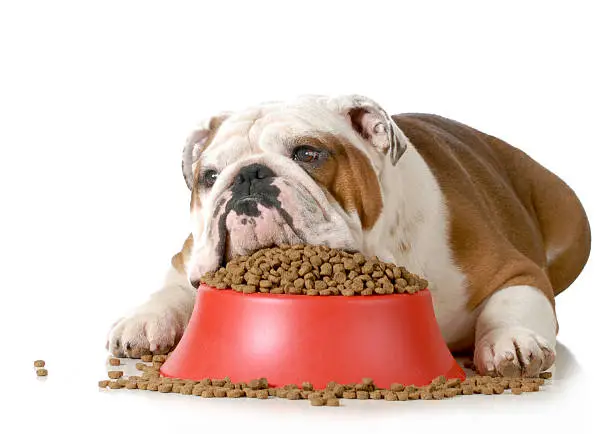
Best Dog Food for Bulldogs With Allergies
Common food allergens:
- Chicken
- Beef
- Dairy
- Wheat
- Soy
Signs of allergies:
- Itchy skin
- Ear infections
- Loose stools
- Paw licking
Allergy-friendly ingredients:
- Salmon
- Duck
- Venison
- Lamb
Best Dog Food for Bulldogs With Skin Problems
Bulldogs often suffer from skin fold irritation and allergies.
Helpful nutrients:
- Omega-3 fatty acids
- Zinc
- Vitamin E
- Biotin
Best Dog Food for Bulldogs With Sensitive Stomachs
Best ingredients:
- Turkey
- Rice
- Pumpkin
- Oats
Gut health support:
- Probiotics
- Prebiotics
- Fiber balance
Best Dog Food for Bulldogs With Gas
Bulldogs are famous for flatulence due to slow digestion.
Causes:
- Low-quality fillers
- Poor protein digestion
- Overfeeding
Helpful ingredients:
- Easily digestible proteins
- Pumpkin
- Probiotics
Best Dog Food for Bulldogs With Tear Stains
Tear stains may be linked to diet.
Possible dietary triggers:
- Artificial additives
- Poor-quality protein
- Excess salt
Helpful nutrients:
- Omega fatty acids
- Clean protein sources
Best Dog Food for Bulldogs With Joint Problems
Bulldogs are prone to joint issues like:
- Hip dysplasia
- Elbow dysplasia
- Arthritis
Joint-support nutrients:
- Glucosamine
- Chondroitin
- MSM
- Fish oil
Best Dog Food for Overweight English Bulldogs
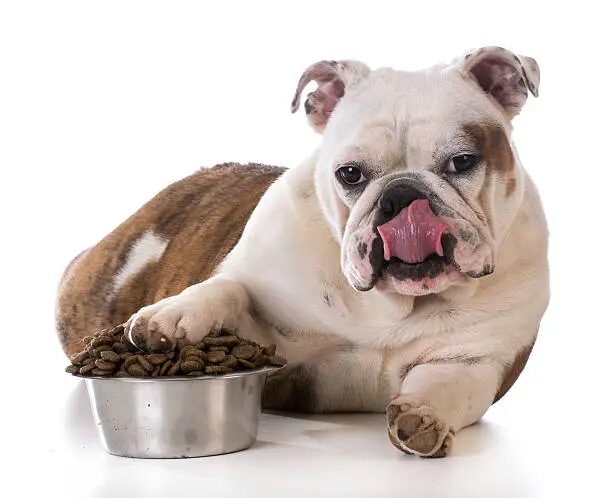
Obesity is one of the biggest Bulldog health risks.
Weight-Control Formulas
These foods typically include:
- Lower calories
- Higher fiber
- Lean proteins
- Reduced fat
Portion Management
- Measure every meal
- Avoid free feeding
- Limit treats
- Track weight monthly
Raw, Homemade, and Alternative Diets
Many owners explore non-kibble feeding options for English Bulldogs, especially for dogs with allergies or digestive issues.
Is Raw Feeding Good for English Bulldogs?
Raw diets include uncooked meat, bones, organs, and sometimes vegetables.
Benefits
- High protein content
- Minimal processing
- Often very palatable
- May improve coat condition in some dogs
Risks
- Bacterial contamination (Salmonella, E. coli)
- Nutritional imbalance if poorly planned
- Bone-related injuries
- Not ideal for every dog
Nutritional requirements
If choosing raw feeding, it must be:
- Balanced in calcium and phosphorus
- Complete in vitamins and minerals
- Properly portioned
👉 Learn more about safe canine nutrition from AKC Dog Nutrition Guide
Homemade Dog Food for English Bulldogs
Homemade diets give full control over ingredients.
Benefits
- No fillers or additives
- Custom for allergies
- Fresh, whole ingredients
Challenges
- Hard to balance nutrients correctly
- Requires supplements (calcium, vitamins)
- Time-consuming
Cooked Homemade Diets
Cooked diets are often safer than raw.
Typical ingredients:
- Boiled chicken or turkey
- Rice or oats
- Pumpkin
- Carrots
Fresh Food Diets
Fresh dog food is one of the fastest-growing trends.
Benefits:
- Human-grade ingredients
- Highly digestible
- Great for sensitive Bulldogs
Best for:
- Allergic dogs
- Senior Bulldogs
- Picky eaters
Comparing Raw, Fresh, and Kibble Diets
| Diet Type | Pros | Cons |
|---|---|---|
| Raw | Natural, high protein | Safety risks, imbalance risk |
| Fresh | Balanced, digestible | Expensive |
| Kibble | Affordable, convenient | More processed |
Feeding Guide for English Bulldogs
Proper portion control is critical for Bulldogs.
How Much Should an English Bulldog Eat Per Day?
Food intake depends on:
- Age
- Weight
- Activity level
- Food calorie density
Feeding Chart by Age and Weight
Puppy Feeding Chart
| Age | Meals per Day |
|---|---|
| 8–12 weeks | 3–4 meals |
| 3–6 months | 3 meals |
| 6–12 months | 2–3 meals |
Adult Feeding Chart
| Weight | Daily Food (Approx.) |
|---|---|
| 40–50 lbs | 2–3 cups |
| 50–60 lbs | 2.5–3.5 cups |
Senior Feeding Chart
| Weight | Daily Food (Approx.) |
|---|---|
| 40–60 lbs | 2–3 cups (lower calorie formula) |
Meal Frequency Recommendations
Puppies
- 3–4 meals per day
- Prevents low blood sugar
- Supports growth
Adults
- 2 meals per day
- Helps digestion and reduces bloating
Seniors
- 2 smaller meals per day
- Easier digestion and energy balance
Portion Control Tips
- Always measure food (don’t guess)
- Avoid free-feeding
- Reduce treats (max 10% of calories)
- Adjust based on body condition
Signs Your Bulldog Is Eating the Right Amount
- Visible waistline
- Ribs easily felt but not visible
- Stable energy levels
- Healthy stool
Signs of Overfeeding
- Weight gain
- Difficulty breathing
- Lack of energy
- No waist definition
Signs of Underfeeding
- Rib visibility
- Low energy
- Poor coat condition
- Weight loss
Best Ingredients for English Bulldog Health
Nutrition quality depends heavily on ingredients.
Best Protein Sources
- Chicken
- Turkey
- Beef
- Lamb
- Salmon
- Whitefish
Best Carbohydrate Sources
- Sweet potatoes
- Brown rice
- Oatmeal
- Pumpkin
- Barley
Best Vegetables for Bulldogs
- Carrots
- Green beans
- Spinach
- Broccoli
- Pumpkin
Best Fruits for Bulldogs
- Blueberries
- Apples (no seeds)
- Bananas
- Strawberries
- Watermelon
Best Ingredients for Skin Health
- Omega-3 fatty acids
- Fish oil
- Zinc
- Vitamin E
Best Ingredients for Joint Health
- Glucosamine
- Chondroitin
- MSM
- Green-lipped mussel
Best Ingredients for Digestive Health
- Pumpkin
- Probiotics
- Prebiotics
- Beet pulp
Foods English Bulldogs Should Avoid
Toxic Foods for Dogs
Chocolate
Contains theobromine which is toxic.
Grapes and Raisins
Can cause kidney failure.
Onions & Garlic
Damage red blood cells.
Xylitol
Causes dangerous blood sugar drops.
Alcohol
Extremely toxic even in small amounts.
Macadamia Nuts
Can cause neurological symptoms.
Human Foods That Can Cause Digestive Issues
- Fried foods
- Spicy foods
- Fatty meats
- Excess dairy
Dangerous Supplements and Additives
Avoid giving supplements without veterinary approval. Over-supplementation can harm Bulldogs.
Supplements for English Bulldogs
Do Bulldogs Need Supplements?
Not always. A complete diet may already provide everything needed.
However, some Bulldogs benefit from targeted supplements.
Best Joint Supplements
- Glucosamine
- Chondroitin
- MSM
Fish Oil Benefits
Fish oil supports:
- Skin health
- Joint mobility
- Heart function
- Anti-inflammatory response
Probiotics for Bulldogs
Probiotics help:
- Improve digestion
- Reduce gas
- Strengthen gut health
Skin and Coat Supplements
- Omega fatty acids
- Vitamin E
- Biotin
Multivitamins for Bulldogs
Only use if recommended by a vet to avoid nutrient imbalance.
Common Feeding Mistakes English Bulldog Owners Make
Overfeeding Due to Begging Behavior
Bulldogs are persuasive—but overfeeding leads to obesity.
Too Many Treats
Treats should not exceed 10% of daily calories.
Choosing Food Based on Marketing Claims
Words like “premium” or “natural” don’t guarantee quality.
Ignoring Ingredient Quality
Always prioritize:
- Named proteins
- Digestible ingredients
- Balanced nutrition
Switching Foods Too Quickly
Sudden changes can cause:
- Diarrhea
- Vomiting
- Gas
Transition slowly over 7–10 days.
Not Monitoring Weight Regularly
Monthly weight checks help prevent obesity early.
Frequently Asked Questions
What is the best dog food for English Bulldogs?
A balanced diet with high-quality protein, moderate fat, and digestive support is ideal.
Should English Bulldogs eat grain-free food?
Only if they have specific sensitivities or vet recommendation.
How much food should an English Bulldog eat per day?
Typically 2–3 cups of high-quality food depending on weight and activity.
Why do Bulldogs have sensitive stomachs?
Their digestive system is prone to gas and food intolerance.
What is the best food for Bulldog puppies?
Large-breed puppy formula with DHA and balanced minerals.
How often should I feed my Bulldog?
Twice daily for adults, more frequent for puppies.
Can Bulldogs eat raw food?
Yes, but only if properly balanced and safely prepared.
What foods help reduce Bulldog gas?
Pumpkin, probiotics, and easily digestible proteins.
What ingredients should Bulldogs avoid?
Artificial additives, toxic foods, and low-quality fillers.
What is the best senior food for Bulldogs?
Low-calorie, joint-supportive, highly digestible formulas.
Are Bulldogs prone to obesity?
Yes, due to low activity and high appetite.
Expert Tips for Keeping Your English Bulldog Healthy Through Nutrition
Maintaining Ideal Weight
Keep your Bulldog lean to support breathing and joints.
Managing Skin Fold Health Through Diet
Omega-3 fatty acids help reduce inflammation and irritation.
Supporting Joint Health Early
Start joint supplements before symptoms appear.
Improving Digestive Health Naturally
Use:
- Probiotics
- Pumpkin
- Limited ingredient diets
Hydration Best Practices
Always provide fresh water, especially for dry food diets.
Exercise and Diet Balance
Even short daily walks help maintain healthy weight.
Regular Veterinary Checkups
Routine exams help detect:
- Obesity
- Allergies
- Heart issues
- Joint problems
English Bulldog Feeding Checklist
Daily Checklist
- Measured meals provided
- Fresh water available
- Treats controlled
Weekly Checklist
- Stool quality checked
- Skin condition monitored
- Energy levels observed
Monthly Checklist
- Weight measured
- Body condition score checked
- Food adjustments made if needed
Conclusion:
Choosing the best dog food for English Bulldogs is about more than taste—it’s about long-term health, comfort, and quality of life.
Key takeaways:
- Bulldogs need controlled calories and high-quality protein
- Digestive health is a top priority
- Skin and joint support are essential
- Life-stage nutrition matters (puppy, adult, senior)
- Ingredient quality is more important than marketing claims
When you focus on balanced nutrition, proper portions, and consistent monitoring, you give your Bulldog the best chance at a healthy, happy, and comfortable life.