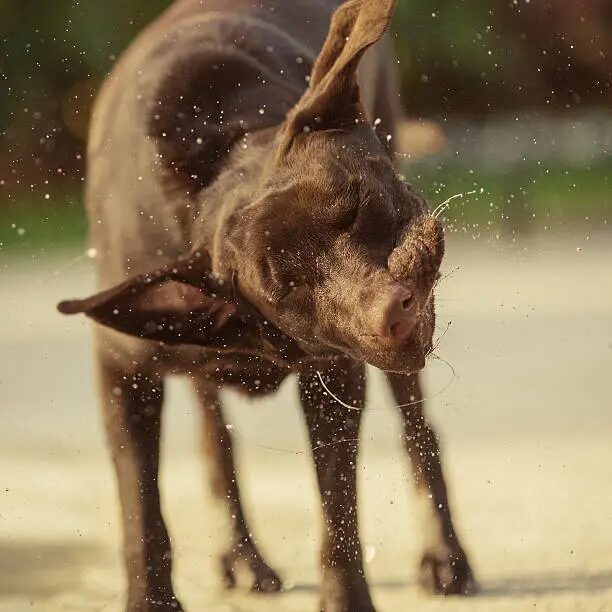
A quick head shake every now and then is completely normal for most dogs. They may shake after waking up, after a bath, after swimming, or simply because something briefly tickled an ear. But when a dog keeps shaking their head over and over, especially alongside scratching, redness, odor, discharge, swelling, pain, or balance problems, there is usually a reason worth investigating.
So, why do dogs shake their head? Most of the time, repeated head shaking is the dog’s way of responding to irritation, itching, moisture, pain, or something unusual inside or around the ear. Ear infections and allergies are among the most common causes, but trapped water, ear mites, wax buildup, grass seeds, injuries, and deeper ear problems can also trigger the behavior.
The occasional shake is usually nothing to worry about. Persistent or forceful shaking is different. Dogs cannot reach deep inside their ear canals, so shaking their head is one of the few ways they can try to relieve discomfort.
The key is to look beyond the movement itself.
Ask yourself:
- Is your dog scratching the ear too?
- Does one ear smell unusual?
- Is there redness or discharge?
- Did your dog recently swim or have a bath?
- Did the shaking start suddenly after a walk through tall grass?
- Is your dog tilting their head or losing balance?
Those details can help separate a normal shake from a problem that needs veterinary care.
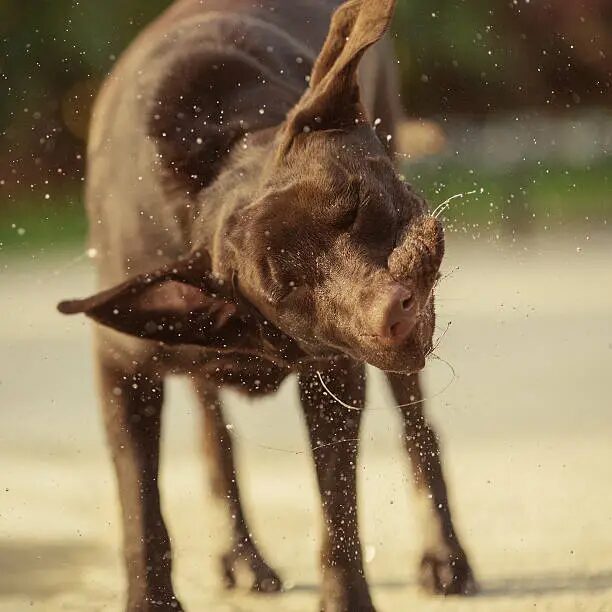
Why Do Dogs Shake Their Head?
Dogs usually shake their heads because something feels unusual, irritating, itchy, wet, or painful.
It’s essentially a built-in response.
Imagine getting a drop of water stuck in your own ear. Your first instinct might be to tilt your head, rub your ear, or move around until the sensation disappears.
A dog can’t put a finger into their ear, so they often use a vigorous side-to-side head movement instead.
Common triggers include:
- Water
- Earwax
- Itching
- Ear infections
- Allergies
- Foreign material
- Ear mites
- Pain or inflammation
Occasionally, a dog may shake their head once as part of a full-body shake-off, especially after sleeping or being wet.
That alone doesn’t necessarily mean anything is wrong.
Why Frequency Matters
The bigger question is how often your dog is doing it.
A single shake after waking up is very different from a dog that shakes their head every few minutes for several hours.
Here’s a simple comparison:
| What you notice | What it may mean |
|---|---|
| One or two brief shakes | Often normal |
| Shaking immediately after swimming | Water in or around the ears may be irritating them |
| Repeated shaking plus scratching | Ear irritation, allergies, mites, or infection are possible |
| Sudden violent shaking on one side | Foreign material may be lodged in one ear |
| Shaking plus bad smell or discharge | Ear infection becomes more likely |
| Shaking plus head tilt or poor balance | Deeper ear or neurological problems should be considered |
The intensity matters too.
If your dog suddenly begins violently shaking their head and can’t settle, don’t assume they’ll simply get over it.
Think About What Happened Before the Shaking Started
Timing can reveal a lot.
For example:
- Head shaking after swimming may point toward trapped moisture.
- Head shaking after a walk through tall grass could raise concern about a grass seed or other foreign object.
- Head shaking that appears alongside itchy paws or skin could suggest allergies.
- Head shaking plus a strong odor and discharge may indicate an ear infection.
- Sudden shaking with a head tilt or falling may point toward a deeper ear problem.
In short, context is one of the best clues you have.
Is It Normal for Dogs to Shake Their Head?
Yes, dogs sometimes shake their heads normally.
What isn’t normal is frequent, persistent, painful, or aggressive head shaking.
PetMD specifically notes that occasional head shaking can be normal, while repeated or persistent shaking is more likely to indicate a problem.
Normal Situations Where Dogs May Shake Their Head
A dog may briefly shake after:
- Waking up
- Stretching
- Bathing
- Swimming
- Running in the rain
- Playing
- Grooming
- A brief itch
- Performing a full-body shake
If the dog stops, acts comfortable, and goes back to normal behavior, there may be no reason for concern.
How Often Is Too Often?
There’s no exact number of shakes per hour that applies to every dog.
Instead, look for a change from normal.
You should pay more attention when:
- The shaking keeps returning.
- Your dog cannot seem to stop.
- The shaking becomes increasingly forceful.
- One ear appears painful.
- Scratching accompanies the shaking.
- Other symptoms develop.
Persistent shaking isn’t something to ignore because repeated forceful movement can actually damage the ear flap and contribute to an aural hematoma, where blood collects between the skin and cartilage.
12 Common Reasons Dogs Shake Their Head
1. Ear Infections
If your dog keeps shaking their head, an ear infection is one of the first possibilities to consider.
Ear infections are common in dogs and can make the ear intensely itchy, painful, inflamed, and uncomfortable.
Veterinary sources consistently list head shaking and ear scratching among the classic signs of canine ear infections.
What Is Otitis Externa?
The medical term otitis externa refers to inflammation of the external ear canal.
This is the portion of the ear extending from the opening down toward the eardrum.
When the ear canal becomes inflamed, it can become:
- Red
- Swollen
- Painful
- Moist
- Itchy
- Filled with discharge or debris
That discomfort naturally makes many dogs shake and scratch.
Bacterial and Yeast Ear Infections
Dogs can develop infections involving:
- Bacteria
- Yeast
- Sometimes both at the same time
Yeast infections commonly cause itching, redness, odor, and discomfort, including in the ears.
However, bacteria or yeast often aren’t the original reason the ear became unhealthy.
An underlying issue such as allergies, excessive moisture, parasites, or foreign material can disrupt the normal ear environment and allow microorganisms to multiply.
That’s why repeatedly treating the infection without identifying the underlying cause can lead to frustrating recurrence.
Signs of a Dog Ear Infection
Head shaking is rarely the only clue.
You may also notice:
- Redness inside the ear
- Swelling
- Brown, yellow, or black debris
- Moist discharge
- A yeasty or unpleasant odor
- Frequent scratching
- Rubbing the face against furniture
- Pain when the ear is touched
- Sensitivity when you lift the ear flap
- Holding one ear differently
PetMD lists head shaking, odor, redness, and discharge among the common signs owners notice with canine ear infections.
Can an Ear Infection Affect Only One Ear?
Yes.
A dog may develop problems in:
- One ear
- Both ears
- Alternating ears over time
A one-sided problem can be caused by infection, but it may also make veterinarians consider foreign material, trauma, or localized growths.
What Happens If an Ear Infection Goes Untreated?
An untreated infection can become increasingly painful.
Chronic inflammation may also damage and thicken the ear canal over time, making future infections harder to manage.
Repeated scratching and shaking can create additional trauma.
One possible complication is an ear hematoma, where blood vessels in the ear flap rupture and blood collects beneath the skin.
Why Do Some Dogs Keep Getting Ear Infections?
Recurring infections often mean there is an underlying factor that hasn’t been fully addressed.
Common contributors include:
- Allergies
- Frequent swimming
- Ear anatomy
- Chronic skin disease
- Excessive moisture
- Recurrent yeast overgrowth
- Narrowed or inflamed ear canals
Rather than simply treating each episode as an isolated problem, your veterinarian may look for the reason the ears keep becoming inflamed.
2. Allergies
Allergies are another major reason a dog may keep shaking their head, especially when ear problems keep coming back.
A dog’s ears are lined with skin.
That means skin inflammation caused by allergies can affect the ear canal just as it affects the paws, belly, face, or other areas.
Environmental Allergies
Dogs can react to environmental allergens such as:
- Pollen
- Grass
- Mold
- Dust mites
- Other airborne allergens
Depending on the trigger, symptoms may become worse during certain seasons.
A dog with allergy-related ear irritation might shake their head along with:
- Licking their paws
- Scratching their skin
- Rubbing their face
- Red skin
- Recurrent ear infections
Food Allergies and Sensitivities
Food-related allergies can also contribute to itchy skin and ears in some dogs.
The important thing is not to assume that every itchy ear equals infection.
Sometimes allergic inflammation comes first, creating conditions inside the ear that allow yeast or bacteria to overgrow afterward.
Why Allergies Can Lead to Secondary Ear Infections
When allergies inflame the skin lining the ear canal, the normal protective barrier can become disrupted.
The ear may become:
- Warmer
- More inflamed
- More moist
- More prone to microbial overgrowth
This creates a cycle:
Allergy → inflammation → itching → scratching/head shaking → damaged skin → secondary infection
If your dog’s infections repeatedly return shortly after treatment, allergies may be part of the bigger picture.
Look for Symptoms Outside the Ears
Allergy-related head shaking often doesn’t occur in isolation.
Look for:
- Paw chewing
- Repeated paw licking
- Belly itching
- Red skin
- Face rubbing
- Recurrent skin infections
- Seasonal flare-ups
If several of these signs appear together, mention them to your veterinarian.
It may help them identify the underlying cause instead of focusing only on the ears.
3. Water Trapped in the Ear
If your dog starts shaking their head immediately after swimming or bathing, water may be responsible.
This is especially common in dogs that love swimming.
Why Do Dogs Shake Their Heads After Swimming?
Water can enter the outer ear canal and create an uncomfortable sensation.
Your dog’s natural reaction is to shake vigorously in an attempt to remove it.
A few shakes immediately after getting wet are usually expected.
The bigger concern is when the shaking continues long after the dog is dry.
Why Moisture Can Cause Problems
A warm, damp ear canal can create conditions that favor bacterial or yeast overgrowth.
This is one reason dogs prone to ear problems may develop flare-ups after:
- Swimming
- Bathing
- Regular water exposure
AKC notes that water entering the ear during bathing can contribute to recurring infections in susceptible dogs.
Dogs That Swim Frequently
Some dogs spend much of the summer:
- Swimming in pools
- Playing in lakes
- Visiting beaches
- Jumping into ponds
For these dogs, ear monitoring becomes especially important.
Check for:
- Persistent head shaking
- Scratching
- Redness
- Odor
- Discharge
How to Dry a Dog’s Ears Safely
After swimming, gently dry the outside and visible parts of the ear with a clean, soft towel.
Don’t push cotton swabs or other objects down the ear canal.
Some dogs benefit from veterinarian-recommended ear cleaning or drying products, but the right routine varies by dog.
If your dog’s ears are already red, painful, swollen, or producing discharge, don’t repeatedly clean them without veterinary guidance.
The AKC’s guide to cleaning a dog’s ears safely recommends contacting a veterinarian when ears appear inflamed, painful, or unusually smelly.
When Post-Swimming Head Shaking Is Concerning
Pay more attention if:
- Shaking continues for hours.
- One ear is affected much more than the other.
- Your dog keeps scratching.
- The ear develops a bad smell.
- You see redness or discharge.
- Your dog appears painful.
At that point, there may be more going on than a little trapped water.
4. Foreign Objects in the Ear
Sometimes head shaking starts very suddenly.
Your dog may have been completely fine, gone for a walk, and then suddenly begin shaking one side of their head violently.
In that situation, consider whether something could be lodged inside the ear.
Potential foreign objects include:
- Grass seeds
- Grass awns
- Foxtails
- Small pieces of plant material
- Dirt
- Debris
Why Grass Seeds Are a Problem
Small plant material can enter a dog’s ear while they run through:
- Long grass
- Fields
- Brush
- Woodland edges
Because a dog’s ear canal extends inward and bends, a grass seed can sometimes sit much deeper than you can see from the outside.
Signs of Something Stuck in the Ear
You may notice:
- Sudden intense head shaking
- Shaking mainly toward one side
- Pawing at one ear
- Yelping
- Holding the head awkwardly
- Avoiding touch around the ear
The outer ear may look perfectly clean.
That doesn’t necessarily mean nothing is there.
Don’t Dig Into the Ear Yourself
If an object is visible only near the very outer edge, you may be tempted to grab it.
But anything deep inside the canal should be left to a veterinarian.
Trying to remove an unseen object with:
- Tweezers
- Cotton swabs
- Fingers
- Other tools
can push it deeper or damage the ear canal or eardrum.
How Veterinarians Look for Foreign Material
A veterinarian can examine the canal using an otoscope, which provides light and magnification.
If the ear is very painful or the object is deep, sedation may sometimes be needed so the ear can be safely examined and the material removed.
Sudden one-sided violent head shaking, particularly after outdoor activity, is a good reason to get the ear checked promptly.
5. Ear Mites
Another potential cause of head shaking is ear mites.
Ear mites are tiny parasites that live around and inside the ear canal.
They can cause intense irritation.
Are Ear Mites Common in Dogs?
Dogs can get ear mites, although they’re generally more frequently encountered in puppies and animals exposed to infected pets than in many adult household dogs. VCA and PetMD both note that puppies are more commonly affected.
Signs of Ear Mites
A dog with ear mites may show:
- Frequent head shaking
- Intense ear scratching
- Dark waxy debris
- Crusty material
- Skin irritation
- Hair loss from excessive scratching
VCA describes a dark, waxy or crusty discharge as one of the common signs of ear mite infestation.
Ear Mites vs. Ear Infection
The symptoms can look very similar.
Both may cause:
- Head shaking
- Scratching
- Dark debris
- Irritation
That’s why guessing based on appearance alone isn’t always reliable.
A veterinarian can examine material from the ear under a microscope to identify mites, yeast, bacteria, or other abnormalities.
Can Ear Mites Lead to Infection?
Yes.
Constant scratching and inflammation disrupt the ear’s normal environment, potentially contributing to secondary bacterial or fungal infections.
For a closer explanation of symptoms and treatment, see this veterinary guide to ear mites in dogs.
6. Excess Earwax and Debris
Not every uncomfortable ear is infected.
Sometimes earwax or debris builds up enough to create irritation.
A small amount of wax can be normal. The concern is when there’s excessive accumulation, particularly alongside:
- Head shaking
- Scratching
- Odor
- Redness
- Moisture
Should You Clean Your Dog’s Ears?
It depends on the dog.
Some dogs rarely need cleaning.
Others—particularly those prone to wax buildup, allergies, or moisture-related problems—may need a veterinarian-recommended routine.
Cleaning too aggressively can actually irritate the ear.
Why Overcleaning Can Be a Problem
Repeated cleaning of a healthy ear can:
- Irritate sensitive skin
- Introduce excess moisture
- Cause inflammation
- Make an already painful ear more uncomfortable
So the goal isn’t to make every dog’s ears perfectly spotless.
It’s to keep them healthy and comfortable.
If you see heavy buildup and your dog keeps shaking their head, it is worth having the ears checked rather than repeatedly cleaning them at home.
7. Ear Trauma or Injury
Dogs can also shake their heads because something around the ear hurts.
Possible injuries include:
- Scratches
- Bite wounds
- Insect bites
- Cuts
- Skin irritation
- Trauma from excessive scratching
Even a small painful area can make the dog repeatedly flick or shake their head.
When Scratching Creates More Damage
Sometimes the sequence goes like this:
- An ear becomes itchy.
- The dog starts scratching.
- The skin becomes damaged.
- The damaged area becomes more painful and inflamed.
- The dog scratches and shakes even more.
This can turn a relatively minor problem into a more significant one.
If you notice bleeding, open wounds, swelling, or marked pain around the ear, veterinary care may be needed.
8. Aural Hematoma
One important complication of excessive head shaking is an aural hematoma, sometimes called an ear hematoma.
This occurs when small blood vessels inside the ear flap rupture and blood accumulates between the skin and cartilage.
What Does an Aural Hematoma Look Like?
The ear flap may suddenly appear:
- Puffy
- Thickened
- Soft
- Fluid-filled
- Unevenly swollen
It can feel almost like a small water balloon inside the ear flap.
Why Does Head Shaking Cause It?
Repeated forceful shaking creates significant mechanical stress on the delicate tissues of the ear.
If an underlying ear infection, allergy, or parasite keeps making the dog shake, those repeated movements can damage the blood vessels.
PetMD notes that ear hematomas commonly form because of excessive head shaking and scratching, which traumatize the ear flap.
Is an Ear Hematoma Painful?
It can be uncomfortable or painful, especially when it first forms.
More importantly, the cause of the shaking still needs attention.
If the hematoma is treated but the itchy ear infection or allergy isn’t, the dog may continue traumatizing the ear.
Can an Aural Hematoma Heal on Its Own?
Some may eventually shrink, but untreated hematomas can leave significant scar tissue and permanently change the shape of the ear.
Veterinary treatment may involve different medical or surgical approaches depending on the case.
A Quick Guide to What Your Dog’s Head Shaking May Mean
Before moving into the less common causes, here’s a useful summary:
| Head-shaking pattern | Possible explanation |
| Brief shake after waking | Normal behavior |
| Shake after swimming or bathing | Water or moisture in the ear |
| Repeated shaking + bad odor | Ear infection |
| Shaking + itchy paws/skin | Allergies |
| Sudden one-sided shaking after outdoor activity | Foreign object such as grass seed |
| Shaking + dark crusty debris | Ear mites or infection |
| Shaking + swollen ear flap | Aural hematoma |
| Shaking + severe pain | Infection, injury, foreign body, or deeper ear disease |
| Shaking + head tilt or balance trouble | Middle/inner ear or neurological problem |
The pattern matters because head shaking isn’t a diagnosis by itself. It is a clue.
9. Polyps, Growths, or Masses in the Ear
A dog may shake their head because something is physically irritating or narrowing the ear canal.
That can include:
- Ear polyps
- Benign growths
- Cysts
- Tumors
- Thickened tissue caused by chronic inflammation
These problems are less common than simple ear infections, but they become more important when symptoms are persistent, one-sided, or repeatedly return despite treatment.
Why Can Ear Growths Cause Head Shaking?
Any abnormal tissue inside the ear can create:
- Pressure
- Itching
- Inflammation
- Pain
- Reduced airflow
- Trapped moisture
- Secondary infection
That discomfort may make the dog repeatedly shake or scratch the affected side.
Some growths also make the ear canal narrower, which can trap wax and moisture and make infections harder to resolve.
Can You See a Polyp or Mass at Home?
Not always.
The visible part of the ear may look completely normal while a problem sits deeper in the canal.
That is why a dog that keeps shaking one ear despite having apparently clean ears may need an otoscopic examination.
A veterinarian can look deeper into the canal and decide whether further testing, biopsy, imaging, or removal is needed.
10. Middle or Inner Ear Infection
Most people think of an ear infection as something affecting the outer ear canal, but infection can also involve the middle or inner ear.
These deeper infections are often more serious because the inner ear plays a major role in balance.
Outer vs. Middle vs. Inner Ear Disease
A simple way to think about it is:
| Area affected | Common signs |
|---|---|
| Outer ear | Head shaking, scratching, redness, odor, discharge |
| Middle ear | Pain, head shaking, possible hearing changes |
| Inner ear | Head tilt, poor balance, circling, falling, nausea |
A dog with a deeper ear infection may still shake their head, but the symptoms may look very different from a straightforward itchy ear.
Signs of Middle or Inner Ear Disease
Watch for:
- Head tilt
- Falling to one side
- Walking in circles
- Poor coordination
- Wobbling
- Nausea
- Vomiting
- Abnormal eye movements
- Hearing changes
- Pain around the ear
- Reluctance to open the mouth
- Difficulty standing
These symptoms may indicate that the problem extends beyond the external ear canal.
Why Balance Problems Matter
The inner ear contains structures involved in the body’s vestibular system, which helps control balance and spatial orientation.
If inflammation or infection affects that area, a dog may suddenly look dizzy or disoriented.
That is why head shaking plus loss of balance deserves more attention than head shaking alone.
11. Neurological Problems and Head Tremors
Not every unusual head movement is actually “head shaking.”
Some dogs develop involuntary head tremors that may look like repeated nodding or side-to-side movement.
These can easily be confused with a dog intentionally shaking their ears.
Head Shaking vs. Head Tremors
There are a few useful differences:
| Head shaking | Head tremor |
| Usually deliberate and forceful | Usually involuntary |
| Often brief | May continue rhythmically |
| Common with ear irritation | May occur while resting |
| Often includes ear scratching | Scratching may be absent |
| Side-to-side whipping motion | Can look like repeated “yes” or “no” movements |
A dog with a head tremor may remain alert and otherwise normal during the episode, although the exact appearance depends on the cause.
When Neurological Evaluation May Be Needed
Veterinary evaluation becomes more important when head movements occur with:
- Weakness
- Changes in awareness
- Balance problems
- Abnormal walking
- Falling
- Seizures
- Unusual eye movements
- Persistent tremors in other body parts
If the movement is hard to describe, record a short video.
A video can help a veterinarian determine whether the dog is shaking the head intentionally because of irritation or experiencing an involuntary tremor.
12. Pain or Irritation Around the Head and Neck
Sometimes the ear is not the problem at all.
Dogs may shake their heads because of discomfort somewhere nearby.
Possible causes include:
- Dental pain
- Mouth irritation
- Jaw discomfort
- Neck pain
- Skin irritation around the ears
- Insect bites
- Facial irritation
- Eye discomfort
Dental or Mouth Pain
A painful tooth, gum disease, or oral injury can make a dog uncomfortable around the entire head.
You might also notice:
- Drooling
- Difficulty chewing
- Pawing at the mouth
- Bad breath
- Refusing hard food
- Chewing on one side
Neck Pain
A dog with neck discomfort may make unusual head movements or resist turning their head.
Watch for:
- Stiff posture
- Reluctance to look up or down
- Yelping when moving
- Avoiding stairs
- Moving carefully
- Holding the neck unusually
This is why it’s important not to assume that every dog shaking their head has an ear infection.
Why Does My Dog Keep Shaking Their Head?
If your dog keeps shaking their head repeatedly, it usually means the irritation or discomfort has not gone away.
A brief head shake may be normal.
Repeated shaking is different.
Common causes include:
- Ear infection
- Allergies
- Ear mites
- Foreign material
- Water
- Excess wax
- Injury
- Ear growths
- Deeper ear disease
The key is persistence.
If your dog shakes once after waking and then stops, that is usually very different from a dog shaking every few minutes throughout the day.
Why Persistent Shaking Shouldn’t Be Ignored
Ongoing shaking can:
- Increase inflammation
- Damage the skin
- Cause scratches
- Make an ear problem more painful
- Contribute to an aural hematoma
It also tells you that your dog is still uncomfortable.
Why Is My Dog Shaking Their Head but Their Ears Are Clean?
This can be frustrating.
You look inside the ears.
No wax.
No discharge.
No obvious redness.
But the dog keeps shaking anyway.
A clean-looking outer ear does not rule out a problem.
Possible explanations include:
- Early ear infection
- Allergies
- Foreign material deeper in the canal
- Middle or inner ear disease
- Ear canal growths
- Neurological head tremors
- Pain around the head or neck
Why You May Not See the Problem
The canine ear canal is not a straight tunnel.
It extends down and inward, which means the deeper sections cannot be inspected properly just by lifting the ear flap.
A grass seed, inflammation, or abnormal tissue can be hidden deeper inside.
If persistent shaking continues despite the ears looking normal, your veterinarian may examine them using an otoscope.
Why Is My Dog Shaking Their Head but There Is No Ear Infection?
An ear infection is common, but it is only one possible explanation.
If your veterinarian has ruled out infection, other causes may include:
- Environmental allergies
- Food allergies
- Foreign objects
- Trapped water
- Earwax
- Injury
- Polyps or masses
- Skin irritation
- Neurological tremors
This matters because treating every case as an infection can miss the real problem.
For example, if allergies repeatedly inflame the ears, antibiotics alone will not address the underlying trigger.
Likewise, ear drops will not remove a grass seed lodged deep in the canal.
Why Is My Dog Shaking Their Head and Scratching Their Ear?
This combination strongly suggests itching or irritation.
Common causes include:
- Ear infection
- Ear mites
- Allergies
- Excess wax
- Foreign objects
- Skin irritation
The more uncomfortable the ear feels, the more intensely the dog may scratch.
Signs Scratching Is Causing Damage
Look for:
- Broken skin
- Redness
- Bleeding
- Hair loss
- Scabs
- Swelling
Repeated scratching can make a relatively minor ear problem worse.
It can also contribute to an aural hematoma when combined with violent head shaking.
Why Is My Dog Shaking Their Head and Tilting It?
A head tilt can happen simply because one ear hurts, but it can also point toward middle or inner ear disease.
Possible explanations include:
- Ear infection
- Foreign body
- Ear pain
- Vestibular disease
- Neurological problems
A mild head tilt with obvious ear irritation is one thing.
A severe tilt combined with loss of balance is more concerning.
Warning Signs to Watch For
Seek veterinary attention promptly if head shaking and tilting occur with:
- Falling
- Circling
- Wobbling
- Abnormal eye movements
- Vomiting
- Difficulty standing
- Confusion
These signs suggest that the problem may involve structures responsible for balance.
Why Is My Dog Shaking Their Head and Losing Balance?
Head shaking with loss of balance is not something to dismiss as a simple itchy ear.
The inner ear plays an important role in balance, so deeper ear disease can sometimes cause:
- Head tilt
- Leaning
- Falling
- Circling
- Wobbling
- Nausea
- Vomiting
Neurological conditions can cause similar symptoms.
A dog that suddenly cannot walk properly or keeps falling over should be assessed promptly.
Why Is My Dog Shaking Their Head and Crying?
Crying, whining, or yelping suggests that the dog may be experiencing significant pain.
Possible causes include:
- Severe ear infection
- Foreign object
- Ear trauma
- Aural hematoma
- Deep inflammation
- Injury around the head or neck
Painful ears can make dogs unusually defensive.
Even a normally gentle dog may pull away or snap when a painful ear is touched.
Don’t Force an Ear Examination
If your dog cries when you approach the ear:
- Don’t dig into the canal.
- Don’t repeatedly clean it.
- Don’t insert cotton swabs.
- Don’t forcefully hold the ear open.
Let your veterinarian examine it safely.
Why Does My Dog Shake Their Head After Swimming?
This is one of the most common situations owners notice.
A quick shake immediately after swimming is perfectly normal.
Dogs naturally shake to remove water from their coat and ears.
The concern begins when the shaking doesn’t stop.
Why Swimming Can Trigger Ear Problems
Water can remain inside the ear canal, especially in dogs with:
- Floppy ears
- Narrow ear canals
- Heavy ear hair
- Existing allergies
- A history of ear infections
Moisture can create an environment where yeast and bacteria grow more easily.
What Can You Do After Swimming?
After your dog swims:
- Dry the outer ear gently with a soft towel.
- Allow the ears to air-dry.
- Monitor for persistent shaking.
- Look for redness or odor.
- Follow a veterinarian-approved ear care routine if your dog is prone to infections.
If the head shaking continues for hours or is accompanied by pain, scratching, redness, or discharge, the ears should be checked.
Why Does My Dog Shake Their Head After a Bath?
A bath can trigger head shaking for several harmless reasons.
Your dog may be:
- Removing water
- Drying the ears
- Performing a full-body shake
- Reacting to the sensation of being wet
But repeated shaking after bathing can also happen if:
- Water entered the ear canal
- Shampoo irritated the skin
- An existing ear infection was already present
- The ear is unusually sensitive
How to Reduce Bath-Related Ear Irritation
Try to avoid spraying water directly into the ear canal.
After bathing, gently dry the visible parts of the ears.
If your dog regularly develops ear problems after bathing, ask your veterinarian whether a specific ear-drying routine is appropriate.
Why Does My Dog Shake Their Head After Ear Cleaning?
Some head shaking immediately after ear cleaning can be normal.
The liquid itself feels strange inside the ear, so the dog may shake to remove it.
However, prolonged or painful shaking after cleaning isn’t something to ignore.
Possible explanations include:
- Too much cleaning solution
- Existing ear inflammation
- Pain from infection
- Irritation from the product
- An eardrum problem
- Aggressive cleaning
Don’t Use Cotton Swabs Deep in the Ear
Cotton swabs can:
- Push debris farther down
- Irritate the canal
- Damage delicate tissue
- Potentially injure the eardrum
Clean only according to your veterinarian’s instructions.
If your dog suddenly becomes painful during ear cleaning, stop and have the ear checked.
Why Does My Dog Shake Their Head After Waking Up?
A brief head shake after sleeping is often normal.
Dogs frequently:
- Stretch
- Shake their body
- Adjust their ears
- Change posture
A quick shake followed by normal behavior usually isn’t concerning.
But if your dog shakes their head every single time they wake up or continues shaking afterward, ear irritation may be worth investigating.
Why Does My Dog Shake Their Head at Night?
Nighttime doesn’t necessarily cause the problem, but itching can become more noticeable when a dog is resting and there are fewer distractions.
Possible causes include:
- Ear infection
- Allergies
- Ear mites
- Wax
- Skin irritation
A dog that repeatedly wakes up to scratch and shake may be uncomfortable enough that the issue is disturbing sleep.
Recurring nighttime shaking deserves attention, particularly when paired with scratching or odor.
Why Is My Dog Only Shaking One Side of Their Head?
One-sided shaking often suggests a problem affecting one ear more than the other.
Possible causes include:
- Foreign object
- One-sided infection
- Ear injury
- Localized inflammation
- Growth or mass
Sudden, aggressive shaking on one side after walking through grass is particularly suspicious for foreign material such as a grass awn.
Don’t assume that the ear is clear simply because you cannot see anything from the outside.
Why Does My Dog Shake Their Head and Rub Their Face?
Face rubbing plus head shaking often points toward itching or discomfort somewhere around the ears, face, eyes, or mouth.
Possible causes include:
- Allergies
- Ear irritation
- Skin inflammation
- Eye irritation
- Dental pain
- Facial discomfort
If your dog is also licking or chewing their paws, allergies become a stronger possibility.
Watch for Eye Symptoms
If face rubbing occurs with:
- Squinting
- Eye redness
- Discharge
- Pawing at the eye
the eye itself may be uncomfortable, which can require prompt attention.
Why Is My Dog Shaking Their Head With No Other Symptoms?
A dog may occasionally shake the head without any other obvious sign.
Possible explanations include:
- Mild temporary irritation
- Early ear infection
- Water
- Wax
- Allergies
- Foreign material
The important clue is frequency.
One brief shake is usually less concerning than repeated episodes throughout the day.
If the behavior keeps happening, don’t wait for odor, discharge, or obvious pain to appear before considering an examination.
Why Is My Puppy Shaking Their Head?
Puppies may shake their heads for many of the same reasons as adult dogs.
Common possibilities include:
- Ear mites
- Ear infection
- Water
- Wax
- Foreign material
- Allergies
- Normal occasional shaking
Ear mites are particularly worth considering in young dogs, especially those that have recently been around other puppies, dogs, or cats.
When Puppy Head Shaking Needs Attention
Have your puppy checked if the shaking is:
- Frequent
- Intense
- One-sided
- Accompanied by scratching
- Associated with dark debris
- Painful
- Combined with head tilting
Young dogs can become uncomfortable quickly, and early treatment is usually easier than allowing inflammation to continue.
Are Some Dogs More Prone to Ear Problems and Head Shaking?
Yes.
Certain physical traits and lifestyles can increase the likelihood of ear problems.
Dogs that may be more prone include:
- Floppy-eared breeds
- Dogs with hairy ear canals
- Frequent swimmers
- Dogs with allergies
- Dogs with a history of recurrent ear infections
Why Floppy Ears Matter
Floppy ears can reduce airflow around the entrance to the ear canal.
Combined with moisture and warmth, that may contribute to an environment where yeast or bacteria can flourish in susceptible dogs.
Breeds Often Associated With Ear Problems
Examples include:
- Cocker Spaniels
- Basset Hounds
- Labrador Retrievers
- Golden Retrievers
- Poodles
- Poodle mixes
Breed alone doesn’t guarantee ear disease, but it can influence risk.
Lifestyle matters too.
A Labrador that swims three times a week may face a different ear environment from a dog that rarely gets wet.
How Can I Check My Dog’s Ears at Home?
You can perform a basic visual check, but don’t try to inspect deep inside the ear canal.
Gently lift the ear flap and look at what is easily visible.
Check for:
- Redness
- Swelling
- Moisture
- Unusual wax
- Dark debris
- Yellow or brown discharge
- Strong odor
- Pain when touched
Compare one ear with the other.
Sometimes the difference is obvious.
What Should You Avoid?
Do not:
- Insert cotton swabs deep into the canal.
- Dig around with tweezers.
- Pour in random home remedies.
- Use leftover medication.
- Force an examination on a painful dog.
If the problem is deeper than you can safely see, that is where veterinary tools become useful.
What Does a Healthy Dog Ear Look Like?
A healthy ear generally looks:
- Clean
- Free of excessive discharge
- Free of strong odor
- Comfortable when touched
- Not obviously swollen
- Not intensely red
A small amount of wax can be normal.
Not every healthy ear looks identical, so it helps to know what is normal for your own dog.
What Does an Infected Dog Ear Look Like?
An infected ear may show several visible changes.
Common signs include:
- Redness
- Swelling
- Moisture
- Brown debris
- Black debris
- Yellow discharge
- Strong odor
- Thickened skin in chronic cases
The dog may also:
- Shake their head
- Scratch repeatedly
- Rub their face
- Pull away when touched
- Hold the ear differently
An infected-looking ear should be examined rather than treated with leftover medication, because the cause may involve bacteria, yeast, parasites, allergies, or another underlying problem.
What Should I Do If My Dog Keeps Shaking Their Head?
If your dog shakes their head once or twice and then goes back to normal, you may only need to keep an eye on them.
If the shaking keeps happening, though, it is worth taking a more structured look at the situation.
1. Watch How Often It Happens
Start by paying attention to frequency.
Ask yourself:
- Is it happening once every few hours?
- Every few minutes?
- Only after swimming?
- Mostly at night?
- Only when one ear is touched?
- Did it start suddenly?
A clear pattern can help narrow down the cause.
2. Check the Visible Part of the Ears
Gently lift the ear flap and look at what you can safely see.
Check for:
- Redness
- Swelling
- Excess wax
- Dark debris
- Yellow or brown discharge
- Moisture
- Crusting
- A strong or unusual odor
Compare both ears. Sometimes one side looks very different from the other.
3. Think About Recent Swimming or Bathing
If your dog recently went swimming or had a bath, water may be irritating the ear canal.
A little shaking right afterward can be normal.
Shaking that continues for hours or is accompanied by scratching, redness, or odor is more concerning.
4. Think About Recent Outdoor Activity
Did the head shaking begin after:
- Running through tall grass?
- Hiking?
- Playing in brush?
- Walking through a field?
If so, a grass seed, foxtail, or other foreign object may have entered the ear.
Sudden, violent, one-sided shaking is especially suspicious.
5. Watch for Scratching or Face Rubbing
Head shaking plus scratching usually points toward irritation.
Face rubbing may also occur when the problem involves:
- Allergies
- Ear irritation
- Skin inflammation
- Eye irritation
- Dental pain
6. Look for Head Tilt or Balance Problems
This is especially important.
If your dog is shaking their head and also:
- Tilting the head
- Walking in circles
- Falling
- Leaning to one side
- Acting dizzy
- Vomiting
- Showing unusual eye movements
the problem may involve the middle ear, inner ear, or nervous system.
That warrants prompt veterinary evaluation.
7. Record a Video
If the movement looks unusual, record it.
This can be especially useful when you’re not sure whether you’re seeing:
- Normal head shaking
- Ear irritation
- Head tremors
- Neurological movement
Your dog may stop by the time you reach the clinic, so a video can be extremely helpful.
8. Contact Your Veterinarian if the Shaking Persists
Persistent head shaking usually means your dog is still uncomfortable.
Even if the ear looks clean, there may be a problem deeper in the canal that you cannot see.
What Should You NOT Do When Your Dog Keeps Shaking Their Head?
It is tempting to start cleaning or treating the ear immediately, but the wrong approach can make things worse.
Don’t Insert Cotton Swabs Deep Into the Ear
Cotton swabs can:
- Push debris deeper
- Irritate the canal
- Damage delicate tissue
- Potentially injure the eardrum
You should only clean the parts you can safely reach according to veterinary guidance.
Don’t Dig for Foreign Objects
If you suspect a grass seed or other object is deep in the ear, don’t try to remove it blindly with:
- Tweezers
- Fingers
- Cotton swabs
- Other tools
You could push it deeper or cause injury.
Don’t Repeatedly Clean a Painful Ear
If your dog cries, pulls away, or becomes defensive when you touch the ear, stop.
Pain may indicate:
- Severe inflammation
- Infection
- Foreign material
- Injury
- Eardrum problems
Repeated cleaning may worsen the discomfort.
Don’t Use Leftover Ear Medication
An old bottle of ear drops might seem convenient, but it may be inappropriate for the current problem.
Different conditions require different treatment.
For example:
- Bacterial infections may need one type of medication.
- Yeast infections may need another.
- Ear mites require parasite treatment.
- Foreign objects need removal.
- Some medications should not be used if the eardrum is damaged.
Don’t Use Human Ear Drops Without Veterinary Advice
Products made for humans aren’t automatically safe for dogs.
Always check with your veterinarian before putting medication into your dog’s ear.
Can I Treat My Dog’s Head Shaking at Home?
Sometimes simple home care is enough, but only when the cause is obvious and mild.
For example, if your dog shakes a few times after swimming and then stops once dry, no treatment may be needed.
But persistent head shaking usually requires identifying the cause first.
When Home Care May Be Reasonable
You may only need observation when:
- The shaking is brief.
- There is an obvious harmless trigger.
- Your dog isn’t scratching constantly.
- There is no pain.
- There is no discharge.
- There is no bad odor.
- Balance and behavior are normal.
When Home Treatment Is Not Appropriate
Avoid trying to manage the problem yourself when your dog has:
- Persistent shaking
- Severe scratching
- Significant redness
- Discharge
- Strong odor
- Pain
- Swelling
- Head tilt
- Balance problems
- Suspected foreign material
The biggest risk of home treatment is treating the wrong problem.
A dog with allergies won’t improve long-term if you only treat secondary infections. A dog with a grass seed won’t improve with ear cleaner. A dog with an inner-ear problem may need more extensive testing and medication.
How Do Veterinarians Diagnose Excessive Head Shaking?
Because head shaking has many possible causes, veterinarians usually start with a combination of history, physical examination, and ear examination.
Medical History
Your veterinarian may ask:
- When did the shaking begin?
- Is one ear worse?
- Has your dog been swimming?
- Was there a recent bath?
- Has your dog walked through tall grass?
- Are there allergies?
- Has this happened before?
- Is your dog scratching elsewhere?
- Are there balance problems?
- Is your dog on medication?
These details help point the examination in the right direction.
Physical Examination
The veterinarian may check:
- Ear flaps
- Skin around the ears
- Mouth and teeth
- Eyes
- Neck
- Neurological function
- Overall balance and coordination
Otoscopic Examination
An otoscope allows the veterinarian to look into the ear canal.
This can reveal:
- Redness
- Swelling
- Foreign bodies
- Excess debris
- Growths
- Eardrum abnormalities
A painful dog may need sedation for a thorough examination.
Ear Cytology
Ear cytology involves examining material from the ear under a microscope.
It can help identify:
- Yeast
- Bacteria
- Inflammatory cells
- Sometimes parasites
This is important because different organisms may require different treatment.
Additional Testing
More complex cases may require:
- Culture testing
- Imaging
- Neurological examination
- Biopsy of a growth
- Allergy investigation
- Food trial
The exact workup depends on the symptoms.
How Is Head Shaking in Dogs Treated?
Treatment depends entirely on the underlying cause.
There is no single medication that works for every dog that shakes their head.
Treating Ear Infections
Ear infection treatment may include:
- Cleaning the ear
- Antibiotic medication
- Antifungal medication
- Anti-inflammatory medication
- Pain relief
The treatment chosen depends on what the veterinarian finds during examination and cytology.
It is also important to address why the infection happened in the first place.
Without treating allergies, moisture problems, or other underlying causes, infections may keep returning.
Treating Allergies
Allergy-related ear problems may require a longer-term approach.
Management can involve:
- Controlling itching and inflammation
- Treating secondary ear infections
- Environmental allergy management
- Diet trials when food allergy is suspected
- Regular ear monitoring
Dogs with chronic allergies may need ongoing care rather than a single round of treatment.
Treating Ear Mites
Ear mites require appropriate parasite treatment.
Depending on the product and household situation, your veterinarian may also recommend treating other pets that have been exposed.
Because mites can cause secondary infection, the ear may need additional treatment too.
Removing Foreign Objects
Foreign objects generally need to be physically removed.
Veterinarians may use an otoscope and specialized instruments.
Sedation may be necessary if:
- The object is deep
- The dog is painful
- The ear canal is inflamed
- Safe removal would otherwise be difficult
Treating Aural Hematomas
Treatment for an aural hematoma varies depending on its size and severity.
Options may involve:
- Drainage
- Medical management
- Surgical treatment
But treating the swollen ear flap alone isn’t enough.
The reason the dog started shaking in the first place also needs to be addressed.
Otherwise, the problem may return.
How Long Does It Take for a Dog to Stop Shaking Their Head?
That depends on the cause.
A dog shaking because of a little water may stop within minutes.
A dog with an infection may continue shaking until inflammation starts improving.
A dog with allergies may experience recurring flare-ups if the underlying allergy is not controlled.
A foreign body may continue causing violent shaking until it is removed.
Don’t Stop Treatment Early
One common mistake is stopping medication as soon as the dog appears more comfortable.
Always complete treatment according to your veterinarian’s instructions.
Symptoms can improve before an infection is fully resolved.
Can Excessive Head Shaking Hurt a Dog?
Yes.
Head shaking is often a symptom, but excessive shaking can become a problem itself.
Repeated forceful movement may cause:
- Ear-flap trauma
- Small blood-vessel rupture
- Aural hematoma
- Scratches
- Skin damage
- Increased inflammation
This creates a cycle where:
Irritation causes shaking → shaking damages the ear → damage creates more discomfort → dog shakes even more
That is one reason persistent head shaking is worth addressing early.
When Should I Take My Dog to the Vet for Head Shaking?
Not every head shake requires a veterinary appointment.
Persistent or painful head shaking usually does.
Schedule a Veterinary Appointment If:
Your dog:
- Keeps shaking their head repeatedly
- Scratches the ear frequently
- Has a bad smell from the ear
- Develops redness
- Has visible discharge
- Has swelling
- Appears uncomfortable when the ear is touched
- Keeps having recurring ear problems
Seek Prompt or Urgent Veterinary Care If:
Your dog:
- Suddenly begins violent, continuous head shaking
- May have a foreign object in the ear
- Develops a rapidly swollen ear flap
- Has a severe head tilt
- Cannot walk normally
- Keeps falling
- Develops unusual eye movements
- Appears severely painful
- Shows neurological symptoms
- Becomes unusually disoriented
Head shaking combined with loss of balance or neurological changes is much more concerning than head shaking alone.
How Can You Prevent Excessive Head Shaking?
You cannot prevent every ear problem, but you can reduce several common risk factors.
Check Your Dog’s Ears Regularly
Get familiar with what your dog’s healthy ears look and smell like.
That makes it easier to notice early changes such as:
- Redness
- Extra wax
- Odor
- Discharge
Keep Ears Dry After Swimming
Frequent swimmers may benefit from extra attention.
After swimming:
- Dry the visible ear gently.
- Monitor for continued shaking.
- Use only veterinarian-recommended cleaning or drying products.
Be Careful During Baths
Avoid spraying water directly into the ear canal.
Dry the ears gently afterward.
Don’t Overclean Healthy Ears
More cleaning is not always better.
Some dogs need routine cleaning, while others don’t.
Overcleaning can irritate the skin and contribute to inflammation.
Manage Allergies
If your dog has recurring ear infections along with:
- Paw licking
- Skin itching
- Seasonal flare-ups
- Face rubbing
talk to your veterinarian about allergies.
Treating the underlying allergy may reduce repeated ear problems.
Check the Ears After Walks Through Tall Grass
If your dog frequently runs through fields or brush, check around the ears afterward.
Grass awns and other plant material are easier to address before they work deeper into the canal.
Frequently Asked Questions
Why Does My Dog Keep Shaking Their Head?
The most common reasons include ear infection, allergies, water, ear mites, wax buildup, or foreign material. If the behavior continues, the ear should be examined.
Why Does My Dog Shake Their Head So Much?
Frequent shaking suggests ongoing irritation. Dogs often shake repeatedly because they cannot otherwise relieve an itch or uncomfortable sensation deep inside the ear.
Why Does My Dog Keep Shaking Their Head but Their Ears Look Clean?
The problem may be deeper than you can see. Allergies, early infection, foreign material, middle-ear problems, or neurological tremors can occur even when the visible ear looks normal.
Why Is My Dog Shaking Their Head With No Ear Infection?
Possible causes include allergies, trapped water, excess wax, a foreign object, trauma, polyps, masses, or neurological movement.
Why Does My Dog Keep Shaking Their Head and Scratching Their Ear?
This combination usually suggests itching or irritation. Ear infections, allergies, ear mites, wax, and foreign objects are common possibilities.
Why Is My Dog Shaking Their Head but Not Scratching?
Some causes produce discomfort without intense itching. Water, deeper ear problems, pain, foreign objects, or head tremors are possible.
Why Is My Dog Shaking Only One Side of Their Head?
A one-sided ear problem may be responsible, such as a foreign body, localized infection, injury, or growth.
Sudden one-sided shaking after outdoor activity is particularly suspicious for foreign material.
Why Does My Dog Shake Their Head After I Touch Their Ear?
The ear may be tender or irritated.
If the behavior happens repeatedly or your dog pulls away, cries, or becomes defensive when the ear is touched, an examination is worthwhile.
Why Does My Dog Shake Their Head After I Clean Their Ears?
A few shakes may simply help remove cleaning solution.
Persistent shaking may indicate irritation, excessive cleaning, existing infection, or pain.
Why Does My Dog Shake Their Head After Swimming?
Water in or around the ear can trigger head shaking. Persistent shaking may indicate trapped moisture or inflammation.
Why Does My Dog Shake Their Head After a Bath?
Dogs commonly shake after bathing to remove water. If the shaking continues, water or shampoo may have irritated the ear canal.
Why Does My Dog Shake Their Head After Waking Up?
A quick shake after sleep can be normal. Repeated morning shaking may point toward ongoing irritation.
Why Does My Dog Shake Their Head at Night?
Itching may become more noticeable when a dog is resting. Ear infections, allergies, mites, and skin irritation are possible.
Why Does My Dog Shake Their Head After Eating?
This isn’t one of the most typical patterns. Brief shaking may be coincidental, but repeated episodes after eating could be linked to mouth, dental, facial, or ear discomfort and deserve investigation.
Why Does My Dog Shake Their Head When Excited?
Some dogs perform brief full-body or head shake-offs during transitions from excitement to a calmer state. Repeated ear-focused shaking should still be checked for irritation.
Why Is My Puppy Shaking Their Head?
Puppies can develop ear mites, infections, foreign bodies, water-related irritation, or allergies. Frequent head shaking deserves attention, particularly with dark debris or scratching.
Can Allergies Make a Dog Shake Their Head?
Yes.
Allergies can inflame the skin lining the ear canal, making it itchy and uncomfortable. They can also increase the risk of secondary yeast or bacterial infections.
Can Ear Mites Make Dogs Shake Their Heads?
Yes. Ear mites can cause intense itching, scratching, and frequent head shaking.
Can Earwax Make Dogs Shake Their Heads?
Excessive wax can create irritation, although wax buildup can also occur alongside infection or inflammation.
Can Water in a Dog’s Ear Cause Head Shaking?
Yes. Water can produce an irritating sensation and may contribute to moisture-related ear problems in susceptible dogs.
Can a Grass Seed Cause Head Shaking?
Yes.
Grass seeds or awns can enter the ear canal and cause sudden, intense, often one-sided head shaking.
Can a Yeast Infection Make a Dog Shake Their Head?
Yes.
Yeast overgrowth can produce itching, redness, odor, discharge, and head shaking.
Can a Bacterial Ear Infection Cause Head Shaking?
Yes. Bacterial infections commonly cause inflammation, pain, discharge, odor, and repeated shaking.
Can Teething Make a Puppy Shake Their Head?
Teething may cause general mouth discomfort, but frequent head shaking should not automatically be blamed on teething. Ear irritation or another cause should still be considered.
Does Head Shaking Always Mean an Ear Infection?
No.
Ear infections are common, but allergies, water, wax, ear mites, foreign objects, injuries, growths, and neurological problems can also cause head shaking.
Can Dogs Shake Their Heads Because of Anxiety?
Dogs can perform brief shake-offs during or after stressful situations. However, repeated ear-focused shaking is more suggestive of physical irritation.
Why Is My Dog’s Ear Red and They’re Shaking Their Head?
Redness usually means inflammation. Possible causes include infection, allergies, mites, trauma, or irritation.
Why Does My Dog’s Ear Smell When They Shake Their Head?
A strong or unpleasant odor can occur with yeast or bacterial ear infections and should be checked by a veterinarian.
Why Is My Dog Shaking Their Head and Whining?
Whining may indicate pain. Severe infection, foreign objects, trauma, or swelling are possible causes.
Why Is My Dog Shaking Their Head and Losing Balance?
This can indicate a middle or inner ear problem or neurological condition. Prompt veterinary evaluation is recommended.
Why Is My Dog Shaking Their Head and Walking Sideways?
Abnormal walking with head shaking may be related to balance-system dysfunction. Inner-ear disease or neurological problems should be considered.
Why Is My Dog Shaking Their Head and Tilting It?
A head tilt can occur with ear pain, middle or inner ear disease, vestibular problems, or neurological conditions.
Why Does My Dog Shake Their Head and Rub Their Face?
Allergies, ear irritation, skin problems, eye discomfort, or dental pain can cause both behaviors.
What Can I Put in My Dog’s Ears for Head Shaking?
That depends on the cause.
Avoid putting medication, oils, peroxide, human ear drops, or other products into the ear unless your veterinarian recommends them.
Should I Clean My Dog’s Ears if They’re Shaking Their Head?
Not automatically.
If the ear is red, painful, swollen, or producing discharge, it is better to have it examined before aggressive cleaning.
How Often Should I Clean My Dog’s Ears?
There is no universal schedule.
Some dogs require regular cleaning, while others rarely need it. Ask your veterinarian what is appropriate for your dog’s breed, lifestyle, and ear health.
How Do I Know if My Dog Has an Ear Infection?
Common signs include:
- Head shaking
- Scratching
- Redness
- Odor
- Discharge
- Pain
- Swelling
A veterinary examination and ear cytology can confirm the cause.
What Do Ear Mites Look Like in Dogs?
You may notice dark, crumbly or waxy debris, but you usually cannot identify the mites themselves without magnification.
How Do I Know if Something Is Stuck in My Dog’s Ear?
Sudden one-sided head shaking, pawing at one ear, pain, or yelping—especially after time outdoors—can suggest a foreign object.
Can Excessive Head Shaking Cause an Ear Hematoma?
Yes.
Forceful repeated shaking can rupture blood vessels inside the ear flap and create an aural hematoma.
How Long Is Too Long for a Dog to Shake Their Head?
There is no exact time limit.
A couple of shakes after swimming may be normal. Repeated shaking that persists, worsens, or happens without an obvious reason should be investigated.
When Should I Worry About My Dog Shaking Their Head?
Be more concerned when the shaking is:
- Persistent
- Forceful
- Painful
- One-sided and sudden
- Accompanied by discharge
- Associated with strong odor
- Causing swelling
- Combined with head tilt
- Associated with loss of balance
Conclusion
So, why do dogs shake their head?
Sometimes the answer is simple. A dog may shake after waking, swimming, bathing, or experiencing a brief itch, and occasional head shaking is usually nothing to worry about.
The situation changes when the behavior becomes frequent, forceful, painful, or difficult to stop.
Ear infections and allergies are among the most common reasons dogs repeatedly shake their heads, but they are far from the only possibilities. Water, ear mites, wax buildup, grass seeds, foreign objects, injuries, growths, and middle or inner ear problems can all cause similar behavior.
Pay attention to the details.
A dog shaking one ear violently after running through tall grass presents a different picture from a dog with itchy paws, recurring ear infections, and seasonal flare-ups. Likewise, a dog with head shaking plus falling, circling, severe head tilt, or abnormal eye movements needs more urgent attention than one giving a brief shake after a bath.
Also remember that the shaking itself can create complications. Repeated violent movement can damage the ear flap and lead to an aural hematoma.
When checking your dog at home, stick to what you can safely see. Don’t push cotton swabs or tools deep into the ear, and don’t use leftover or human medication without veterinary advice.
Most importantly, if your dog keeps shaking their head, don’t focus only on stopping the movement. The real goal is to find out what is making the ear—or another part of the head—uncomfortable in the first place.