Choosing the right Mini Aussiedoodle breeder is one of the most important decisions you’ll make when bringing home a new puppy. A responsible breeder does far more than produce adorable puppies—they focus on health, temperament, early socialization, and ethical breeding practices that help set each puppy up for a lifetime of success.
With Mini Aussiedoodles becoming one of the most popular designer dogs in recent years, it’s important to understand what separates reputable breeders from puppy mills and backyard breeders. This guide will help you make an informed decision and find a healthy, well-adjusted companion.
Whether you’re looking for Mini Aussiedoodle puppies for sale, researching F1B Mini Aussiedoodles, or simply learning about the breed before committing, this guide covers everything you need to know.
The Mini Aussiedoodle combines the intelligence of the Miniature Poodle with the loyalty and athletic ability of the Mini Australian Shepherd. The result is an affectionate, energetic, and highly trainable companion that fits well into many different lifestyles.
Over the past decade, Mini Aussiedoodles have become one of the fastest-growing designer breeds thanks to their:
- Friendly personalities
- Compact size
- Low- to moderate-shedding coats
- Excellent trainability
- Family-friendly nature
However, not every breeder follows responsible breeding practices. Choosing the wrong breeder can increase the risk of inherited health problems, poor socialization, and lifelong behavioral issues.
This guide explains how to identify ethical breeders, what questions to ask, what health testing to expect, and how to prepare for bringing home your new puppy.
Quick Facts About Mini Aussiedoodles
| Feature | Details |
|---|---|
| Breed Type | Designer Dog |
| Parent Breeds | Mini Australian Shepherd × Miniature Poodle |
| Height | 12–18 inches |
| Weight | 15–40 pounds |
| Lifespan | 10–15 years |
| Temperament | Intelligent, Loyal, Friendly |
| Energy Level | High |
| Trainability | Excellent |
| Shedding | Low to Moderate |
| Coat Types | Curly, Wavy, Straight |
| Good With Children | Yes |
| Good With Other Pets | Usually |
What Is a Mini Aussiedoodle?
The Mini Aussiedoodle is a designer dog created by crossing a Mini Australian Shepherd with a Miniature Poodle. Breeders developed this hybrid to combine the best qualities of both parent breeds into a smaller, more manageable companion.
Mini Aussiedoodles are known for being:
- Extremely intelligent
- Easy to train
- Energetic
- Affectionate
- Adaptable
- Loyal to their families
Because they inherit traits from two exceptional breeds, every puppy is unique in appearance, coat type, and personality.
Breed Overview
Mini Aussiedoodles are often described as “big dogs in a small package.”
They possess:
- High intelligence
- Strong desire to please
- Athletic ability
- Playful personality
- Deep attachment to their owners
Many owners enjoy participating with their Mini Aussiedoodles in:
- Agility competitions
- Obedience classes
- Therapy work
- Hiking adventures
- Interactive games
- Family activities
Their versatility is one reason they’ve become such a popular choice for active households.
Parent Breeds
Understanding the parent breeds helps explain why Mini Aussiedoodles are so remarkable.
Mini Australian Shepherd
The Mini Australian Shepherd contributes:
- Athleticism
- Herding instincts
- Confidence
- Loyalty
- High intelligence
- Beautiful merle coloring
Originally developed as a hardworking herding dog, the Mini Australian Shepherd excels at learning complex tasks and thrives when given a job to do.
Miniature Poodle
The Miniature Poodle brings:
- Exceptional intelligence
- Low-shedding coat
- Quick learning ability
- Friendly temperament
- Long lifespan
Despite their elegant appearance, Poodles are athletic working dogs with outstanding problem-solving skills.
Why Mini Aussiedoodles Are So Popular
The popularity of Mini Aussiedoodles continues to grow for several reasons.
Compact Size
Unlike larger doodle breeds, Mini Aussiedoodles are easier to manage in many living situations.
Family-Friendly Personality
Most enjoy spending time with:
- Children
- Adults
- Other dogs
- Visitors
High Intelligence
Their eagerness to learn makes them ideal for first-time owners willing to invest time in training.
Attractive Appearance
Many people fall in love with:
- Teddy bear faces
- Soft coats
- Blue eyes
- Merle coloring
- Fluffy appearance
Active Lifestyle Companion
Mini Aussiedoodles love:
- Walking
- Running
- Hiking
- Playing fetch
- Learning tricks
They are happiest when included in daily family activities.
What Does a Mini Aussiedoodle Breeder Do?
A responsible breeder’s role extends far beyond producing puppies.
Ethical breeders carefully plan each litter with the goal of improving health, temperament, and overall quality of the breed.
Their responsibilities begin long before puppies are born and continue after each puppy joins its new family.
Responsibilities of a Responsible Breeder
Outstanding breeders invest significant time and resources into every litter.
Their responsibilities typically include:
- Selecting healthy breeding dogs
- Performing genetic health testing
- Providing veterinary care
- Raising puppies in a clean environment
- Socializing puppies from an early age
- Educating new owners
- Offering lifelong support
Responsible breeders view themselves as caretakers of the breed rather than simply sellers of puppies.
Ethical Breeding Practices
Ethical breeding focuses on producing healthy, well-adjusted puppies rather than maximizing the number of litters.
Responsible breeders generally:
- Breed mature, healthy dogs
- Limit the number of litters each female has
- Avoid breeding dogs with hereditary health issues
- Carefully match parent dogs for temperament and health
- Keep puppies with their littermates until they are developmentally ready to leave
Puppy Socialization
Early socialization is one of the greatest gifts a breeder can give a puppy.
During the first several weeks of life, responsible breeders gently expose puppies to:
- Different people
- Household sounds
- Various surfaces
- Everyday activities
- Safe handling
These positive experiences help build confident, adaptable adult dogs.
Health Testing
Health testing helps reduce the likelihood of inherited diseases.
Responsible breeders commonly screen parent dogs for conditions affecting the Australian Shepherd and Miniature Poodle.
Testing may include:
- Hip evaluations
- Eye examinations
- DNA testing
- Patella evaluations
- Breed-specific genetic screening
Health testing demonstrates a breeder’s commitment to producing healthier puppies.
Veterinary Care
Puppies should receive regular veterinary attention before going to their new homes.
This often includes:
- Physical examinations
- Deworming
- Age-appropriate vaccinations
- Weight monitoring
- Health certificates where required
A reputable breeder maintains detailed veterinary records for each puppy.
Early Neurological Stimulation
Many experienced breeders use gentle Early Neurological Stimulation (ENS) exercises during the first weeks of life.
Potential benefits may include:
- Improved stress tolerance
- Increased confidence
- Better adaptability
- Enhanced resilience in new environments
When combined with proper socialization, ENS can contribute to a well-rounded puppy.
Why Choosing the Right Mini Aussiedoodle Breeder Matters
Choosing a breeder is about much more than finding a cute puppy.
The breeder you choose can influence your dog’s health, behavior, and quality of life for years to come.
Health Benefits
Responsible breeders strive to reduce the risk of inherited conditions through careful breeding decisions and health testing.
Healthy puppies are more likely to enjoy:
- Strong immune systems
- Better joint health
- Healthy vision
- Longer lifespans
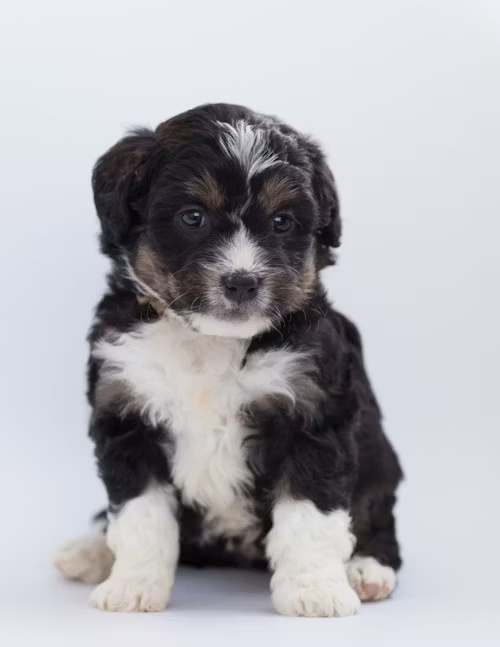
Better Temperament
Temperament is influenced by both genetics and early experiences.
Ethical breeders select calm, friendly parent dogs and provide puppies with positive socialization experiences from an early age.
As a result, many well-bred Mini Aussiedoodles grow into confident, affectionate companions.
Lower Risk of Inherited Diseases
No breeder can guarantee a puppy will never develop health problems, but thorough health testing helps reduce the likelihood of passing on certain inherited conditions.
This proactive approach benefits both puppies and future owners.
Lifetime Breeder Support
One hallmark of a reputable breeder is ongoing support.
Many remain available throughout the dog’s life to answer questions about:
- Nutrition
- Grooming
- Training
- Health
- Behavior
- General care
Some breeders also require that the dog be returned to them if the owner can no longer provide care, helping ensure their puppies never end up abandoned.
Types of Mini Aussiedoodles Offered by Breeders
Not all Mini Aussiedoodles are genetically the same.
Breeders often produce different generations, each with unique characteristics.
F1 Mini Aussiedoodle
An F1 Mini Aussiedoodle is a first-generation cross between:
- One Mini Australian Shepherd
- One Miniature Poodle
Characteristics
- Genetic diversity
- Moderate shedding
- Coat texture varies
- Balanced mix of both parent breeds
F1B Mini Aussiedoodle
An F1B Mini Aussiedoodle is created by breeding an F1 Mini Aussiedoodle back to a Miniature Poodle.
Many families seeking lower-shedding coats choose this generation.
Common Traits
- Curlier coat
- Lower shedding
- Higher grooming needs
- Strong Poodle influence
F2 Mini Aussiedoodle
An F2 Mini Aussiedoodle results from breeding two F1 Mini Aussiedoodles together.
Their appearance and coat type can vary more widely because puppies inherit different combinations of genes.
Multigenerational Mini Aussiedoodle
Multigenerational Aussiedoodles are produced by breeding Aussiedoodles over several generations.
Responsible breeders often aim for:
- More predictable coats
- Consistent temperament
- Stable size
- Reliable appearance
Which Generation Is Best?
There isn’t a single “best” generation—it depends on your preferences and lifestyle.
| Generation | Best For |
|---|---|
| F1 | Families wanting a balanced mix of both parent breeds |
| F1B | Owners looking for a curlier, lower-shedding coat |
| F2 | Those comfortable with more variation in appearance and coat |
| Multigenerational | Buyers seeking greater consistency in size, coat, and temperament |
A knowledgeable breeder can explain the differences and help match you with the right puppy for your needs.
Mini Aussiedoodle Appearance
Mini Aussiedoodles are known for their adorable teddy bear-like appearance and expressive faces. While each puppy is unique, reputable breeders strive for healthy structure, balanced proportions, and friendly temperaments rather than focusing solely on appearance.
Their coat texture, color, and eye color can vary depending on the genetics inherited from each parent.
Size
Mini Aussiedoodles are designed to be compact without sacrificing athleticism.
Average Size
| Feature | Measurement |
|---|---|
| Height | 12–18 inches |
| Weight | 15–40 pounds |
Males are generally a little larger than females, though individual genetics also play an important role.
Their manageable size makes them suitable for many different living environments, including homes with smaller yards and some apartments.
Coat Types
Mini Aussiedoodles generally inherit one of three coat types.
Curly Coat
The curly coat closely resembles that of the Miniature Poodle.
Characteristics
- Tight curls
- Minimal shedding
- Soft texture
- Highest grooming needs
Owners should brush curly coats several times each week to prevent matting.
Wavy Coat
The wavy coat is the most common among Mini Aussiedoodles.
Benefits include:
- Soft, fluffy appearance
- Moderate grooming requirements
- Lower shedding
- Classic teddy bear look
Many prospective owners specifically request this coat style.
Straight Coat
Some Mini Aussiedoodles inherit a straighter coat similar to the Mini Australian Shepherd.
Characteristics include:
- Easier brushing
- Slightly more shedding
- Natural appearance
Although these dogs may shed a little more, they still generally require less maintenance than many double-coated breeds.
Popular Coat Colors
Mini Aussiedoodles come in an impressive range of beautiful colors and patterns.
Popular colors include:
- Blue Merle
- Red Merle
- Black
- Chocolate
- Cream
- Apricot
- Red
- Parti
- Phantom
- Sable
- Tricolor
Many puppies display unique combinations of these colors, making every Mini Aussiedoodle one of a kind.
Eye Colors
One of the breed’s most striking features is its eye color.
Possible eye colors include:
- Brown
- Blue
- Amber
- Green
Some puppies inherit heterochromia, meaning each eye is a different color—a trait commonly associated with the Australian Shepherd lineage.
Mini Aussiedoodle Temperament
The Mini Aussiedoodle is admired not only for its appearance but also for its wonderful personality.
Most are:
- Friendly
- Intelligent
- Loyal
- Curious
- Social
- Affectionate
These qualities make them excellent companions for active households.
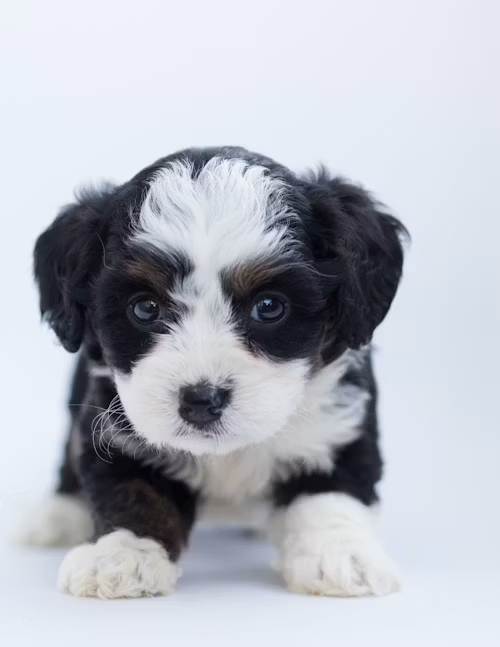
Personality Traits
Loyal
Mini Aussiedoodles form strong bonds with their families and enjoy being included in everyday activities.
Affectionate
They thrive on human companionship and often seek cuddles after an active day.
Intelligent
Thanks to their highly intelligent parent breeds, they learn commands quickly and enjoy problem-solving.
Friendly
Well-socialized puppies generally grow into confident adults who enjoy meeting new people.
Playful
Their playful nature continues well into adulthood, making them wonderful companions for families with children.
Are Mini Aussiedoodles Good Family Dogs?
Yes. Mini Aussiedoodles are widely considered one of the best family-friendly designer breeds.
Children
With proper supervision, they are gentle, patient, and playful with children.
Teaching children to interact respectfully with dogs helps build positive relationships.
Seniors
Mini Aussiedoodles can be excellent companions for active seniors who can provide daily walks, playtime, and companionship.
First-Time Owners
Their eagerness to please and trainability make them a good option for first-time owners willing to commit to consistent training and exercise.
Compatibility With Other Pets
Most Mini Aussiedoodles adapt well to homes with other animals.
Dogs
They generally enjoy canine companionship and often do well in multi-dog households.
Cats
When introduced properly, many Mini Aussiedoodles coexist peacefully with cats.
Small Animals
Because some inherit herding instincts, they may chase rabbits, chickens, or other small animals. Early training and supervision help manage these behaviors.
How Responsible Breeders Raise Their Puppies
The first eight weeks of a puppy’s life play a major role in shaping future behavior.
Responsible breeders carefully manage these early experiences.
Puppy Socialization
Breeders gradually introduce puppies to:
- Adults
- Children
- Everyday household sounds
- Gentle handling
- New environments
- Different textures
Positive early experiences help puppies become more adaptable and confident.
Early Training
Many breeders begin teaching simple skills before puppies go home.
Examples include:
- Responding to people
- Following food lures
- Gentle handling
- Basic routines
These early lessons make the transition to a new home smoother.
Crate Introduction
Some breeders introduce puppies to crates for short periods, helping them become familiar with a safe resting space before joining their new families.
Potty Training Foundation
Although puppies are still very young, responsible breeders often begin establishing consistent bathroom routines.
This early foundation can make house training easier for new owners.
Exposure to Household Noises
Well-raised puppies gradually experience common sounds such as:
- Vacuum cleaners
- Televisions
- Kitchen appliances
- Doorbells
- Washing machines
Controlled exposure helps reduce fear of everyday noises later in life.
Health Checks Before Adoption
Before puppies leave for their new homes, responsible breeders usually provide:
- Physical examinations
- Deworming
- Age-appropriate vaccinations
- Veterinary health records
- Microchipping (if included)
Ask for documentation covering all completed veterinary care.
Health Testing Responsible Breeders Should Perform
Responsible breeding starts with healthy parents.
Although no testing can eliminate every health risk, screening helps reduce the chance of inherited diseases.
Hip Evaluations
Hip dysplasia affects many medium-sized and large dogs.
Responsible breeders should evaluate breeding dogs to reduce the likelihood of passing this condition to future puppies.
Eye Examinations
Eye screening helps identify inherited conditions before dogs enter a breeding program.
Regular examinations support healthier future generations.
Genetic Testing
DNA testing helps identify carriers of certain inherited diseases.
Many breeders screen for conditions associated with:
- Australian Shepherds
- Miniature Poodles
Patella Evaluation
Small and medium-sized dogs may develop patellar luxation, a condition affecting the kneecap.
Responsible breeders often evaluate breeding dogs before mating.
DNA Testing
Modern DNA testing can identify many inherited disorders before breeding decisions are made.
Testing contributes to healthier litters and provides valuable information for future owners.
Why Health Testing Matters
Health testing benefits everyone involved.
Advantages include:
- Healthier puppies
- Lower risk of inherited disease
- Greater confidence for buyers
- Improved breeding decisions
- Better long-term quality of life
Although no breeder can guarantee perfect health, testing demonstrates a commitment to responsible breeding.
Questions to Ask a Mini Aussiedoodle Breeder
The breeder you choose should welcome thoughtful questions and answer them openly.
Important questions include:
Can I Meet the Parents?
Meeting the mother—and, when possible, the father—can provide insight into the puppies’ likely temperament, size, and appearance.
What Health Tests Were Completed?
Ask for documentation showing completed health evaluations and genetic testing for the breeding dogs.
Do Puppies Come With a Health Guarantee?
Many reputable breeders offer written health guarantees covering certain inherited conditions for a specified period.
Read the terms carefully before committing.
Are Vaccinations Current?
Confirm which vaccinations and deworming treatments the puppy has already received.
Ask for written veterinary records.
What Food Are the Puppies Eating?
Maintaining the same food during the transition helps reduce digestive upset.
Breeders should provide feeding instructions and recommendations.
Can I See Veterinary Records?
Responsible breeders keep organized health records for every puppy and should willingly share relevant documentation.
Red Flags to Watch Out For
Unfortunately, not everyone advertising Mini Aussiedoodle puppies follows ethical breeding practices.
Learning to recognize warning signs can help you avoid serious problems.
Puppy Mills
Puppy mills often prioritize profit over animal welfare.
Warning signs include:
- Large numbers of puppies available year-round
- Poor living conditions
- Limited socialization
- Little or no health testing
Backyard Breeders
Backyard breeders may have good intentions but often lack the experience, health testing, and structured breeding practices needed to produce consistently healthy puppies.
No Health Documentation
If a breeder cannot provide health testing results or veterinary records, consider it a significant warning sign.
Multiple Breeds Always Available
Breeders offering numerous breeds simultaneously may not provide the specialized attention each breeding program requires.
Prices That Seem Too Low
Exceptionally low prices can indicate poor breeding practices, inadequate veterinary care, or insufficient socialization.
Remember that responsibly raising healthy puppies requires significant time and expense.
Refusing Video Calls or Visits
Many reputable breeders welcome in-person visits or video calls (when appropriate and safe).
If a breeder refuses to show where puppies are raised or avoids answering questions, proceed with caution.
Mini Aussiedoodle Puppies for Sale
Purchasing a puppy from a responsible breeder is usually a structured process rather than a quick transaction.
What to Expect During the Buying Process
Most reputable breeders will:
- Discuss your lifestyle and expectations.
- Explain their breeding program.
- Answer your questions.
- Provide health documentation.
- Match puppies with suitable families.
Many breeders prioritize finding the right home over allowing buyers to simply choose the first available puppy.
Reservation Lists
Because responsible breeders produce a limited number of litters each year, waiting lists are common.
Joining a reservation list may give you access to future litters once puppies are available.
Deposits
Many breeders require a deposit to reserve a puppy.
Before placing a deposit, ask:
- Is it refundable?
- Under what circumstances?
- When is the remaining balance due?
Always request a written agreement.
Choosing Your Puppy
Rather than selecting based only on coat color or eye color, consider:
- Temperament
- Energy level
- Confidence
- Compatibility with your household
- Breeder recommendations
A puppy’s personality often has a greater impact on long-term satisfaction than appearance alone.
Going-Home Day
Most puppies leave for their new homes at 8–10 weeks of age, depending on the breeder’s program and local regulations.
On pickup day, you may receive:
- Veterinary records
- Vaccination history
- Feeding instructions
- Registration paperwork (if applicable)
- Health guarantee
- Starter food
- A familiar blanket or toy carrying the scent of the litter
These items help make your puppy’s transition into its new home as smooth as possible.
Mini Aussiedoodle Price Guide
Purchasing a puppy from a responsible breeder is an investment in your future companion’s health and well-being. While prices vary, choosing a breeder based on quality rather than cost often reduces the risk of expensive health or behavioral issues later.
Average Puppy Prices
The price of a Mini Aussiedoodle puppy typically depends on:
- Breeder reputation
- Location
- Generation (F1, F1B, etc.)
- Health testing
- Coat color
- Eye color
- Demand
| Type | Average Price |
|---|---|
| Pet-quality puppy | $1,500–$3,500 |
| Premium bloodlines | $3,500–$5,000+ |
| Adoption | $200–$800 |
Remember that a lower purchase price doesn’t always represent better value if the puppy hasn’t received proper care or health screening.
Factors Affecting Cost
Several factors influence a puppy’s price.
Generation
- F1 puppies often cost less than multigenerational puppies.
- F1B puppies may command higher prices due to demand for curlier, lower-shedding coats.
Coat Color
Rare colors like Blue Merle, Red Merle, and Phantom are often more expensive.
Eye Color
Blue eyes or heterochromia (two different colored eyes) may increase demand, though they shouldn’t be the primary reason for choosing a puppy.
Breeder Reputation
Experienced breeders who invest in health testing, socialization, and veterinary care generally charge more.
Location
Prices can vary significantly depending on your region and local demand.
First-Year Ownership Costs
Beyond the purchase price, prepare for first-year expenses such as:
- Veterinary examinations
- Vaccinations
- Spaying or neutering (if not already completed)
- Food
- Crate
- Bed
- Toys
- Grooming
- Training classes
- Pet insurance (optional)
Many owners spend several thousand dollars during the first year.
Monthly Expenses
Typical monthly costs include:
| Expense | Estimated Monthly Cost |
|---|---|
| Food | $40–$90 |
| Grooming | $40–$120 |
| Preventive medications | $20–$50 |
| Toys & treats | $20–$50 |
| Pet insurance (optional) | $30–$80 |
Actual costs depend on your dog’s size, location, and lifestyle.
Lifetime Cost Estimate
Over a lifetime of 10–15 years, caring for a Mini Aussiedoodle may cost tens of thousands of dollars, including routine care and potential emergency veterinary expenses.
Planning for these costs helps ensure your dog receives consistent, high-quality care.
Mini Aussiedoodle Puppy Checklist
Before bringing your puppy home, gather the essential supplies.
Supplies You’ll Need
- Crate
- Comfortable bed
- Food and water bowls
- High-quality puppy food
- Collar
- Identification tag
- Leash
- Harness
- Grooming brush
- Comb
- Nail clippers
- Puppy shampoo
- Safe chew toys
- Interactive puzzle toys
- Training treats
- Waste bags
Preparing Your Home
Creating a safe environment helps your puppy settle in more comfortably.
Puppy-Proofing Tips
- Remove electrical cords from reach.
- Secure cleaning products and medications.
- Store shoes and valuables away.
- Block off unsafe areas.
- Remove toxic plants.
- Keep trash bins secured.
Preparation reduces the chance of accidents and destructive chewing.
Caring for Your Mini Aussiedoodle Puppy
The first few months are critical for healthy development.
Feeding Schedule
Feed a balanced diet appropriate for your puppy’s age and expected adult size.
General guideline:
| Age | Meals Per Day |
|---|---|
| 8–12 weeks | 4 |
| 3–6 months | 3 |
| 6–12 months | 2–3 |
| Adults | 2 |
Avoid sudden diet changes unless advised by your veterinarian.
Exercise Needs
Mini Aussiedoodles are energetic dogs that require daily physical activity.
Aim for:
- Walks
- Play sessions
- Fetch
- Puzzle toys
- Training games
Avoid excessive high-impact exercise while puppies are still growing.
Grooming
Introduce grooming early to help puppies become comfortable with:
- Brushing
- Nail trimming
- Ear cleaning
- Bathing
- Hair dryer sounds
- Professional grooming visits
Positive early experiences make lifelong grooming easier.
Veterinary Visits
Schedule regular veterinary appointments for:
- Vaccinations
- Wellness exams
- Parasite prevention
- Growth monitoring
- Nutrition guidance
Routine care helps identify potential health issues early.
Training
Begin training as soon as your puppy arrives home.
Focus on:
- Name recognition
- Potty training
- Crate training
- Basic obedience
- Leash walking
- Socialization
Use positive reinforcement methods, including treats, praise, and play.
Grooming Requirements
Mini Aussiedoodles require regular grooming to keep their coats healthy and mat-free.
Brushing
Brush 3–5 times each week, especially if your puppy has a curly coat.
Bathing
Bathe every 4–8 weeks, or when needed.
Always use a shampoo formulated for dogs.
Haircuts
Professional grooming is generally recommended every 6–8 weeks.
Popular haircut styles include:
- Teddy Bear Cut
- Puppy Cut
- Kennel Cut
- Sporting Cut
Nail Trimming
Trim nails every 3–4 weeks to maintain healthy feet and posture.
Ear Cleaning
Check the ears weekly and clean them using a veterinarian-approved ear cleaner when necessary.
Dental Care
Brush your dog’s teeth several times each week to help reduce plaque buildup and support long-term oral health.
Exercise and Mental Stimulation
Mini Aussiedoodles thrive when both their bodies and minds stay active.
Daily Activity Requirements
Most healthy adults benefit from 60–90 minutes of combined exercise and enrichment each day.
Best Games
Favorite activities include:
- Fetch
- Frisbee
- Puzzle toys
- Hide-and-seek
- Agility
- Obedience training
- Scent work
- Interactive feeders
Mental stimulation is just as important as physical exercise for this intelligent breed.
Training Tips
Consistent, reward-based training builds confidence and strengthens your bond.
Potty Training
- Follow a regular schedule.
- Reward successful potty breaks immediately.
- Be patient and consistent.
Crate Training
A crate can provide a secure resting place and support successful house training when introduced gradually.
Socialization
Expose your puppy to:
- Friendly people
- Other vaccinated dogs
- Different environments
- Household noises
- Car rides
Positive experiences during early development can help prevent fear-based behaviors later.
Basic Commands
Teach:
- Sit
- Stay
- Come
- Down
- Leave it
- Heel
Short, fun sessions are more effective than long training periods.
Preventing Unwanted Behaviors
Provide enough:
- Exercise
- Mental stimulation
- Supervision
- Appropriate chew toys
- Positive reinforcement
Meeting your puppy’s physical and emotional needs helps reduce behaviors such as chewing, digging, and excessive barking.
Common Health Problems
Although responsible breeders work to reduce inherited conditions, no dog is completely free from health risks.
Potential health concerns include:
- Hip Dysplasia
- Progressive Retinal Atrophy (PRA)
- Cataracts
- Allergies
- Ear infections
- Epilepsy
- Patellar Luxation
- Addison’s Disease
Regular veterinary care and responsible breeding practices can help lower these risks.
Mini Aussiedoodle Lifespan
Average Life Expectancy
Most Mini Aussiedoodles live 10–15 years with proper care.
How Breeders Help Produce Healthier Puppies
Ethical breeders contribute by:
- Performing health testing
- Selecting healthy breeding dogs
- Providing early socialization
- Offering proper nutrition
- Maintaining veterinary care
These practices improve the likelihood of healthy, well-adjusted puppies.
Tips for a Longer Life
Help your Mini Aussiedoodle thrive by providing:
- Balanced nutrition
- Daily exercise
- Mental enrichment
- Routine veterinary care
- Healthy body weight
- Dental care
- Plenty of love and companionship
Adoption vs Buying From a Breeder
Both options have advantages.
Benefits of Adoption
- Lower initial cost
- Gives a dog a second chance
- Many dogs are already house-trained
- Supports rescue organizations
Benefits of Buying From a Breeder
- Known health history
- Early socialization
- Predictable size and temperament
- Ongoing breeder support
- Opportunity to raise a puppy from an early age
Which Option Is Right for You?
Choose the path that best matches your experience, expectations, and lifestyle. Whether adopting or buying from a breeder, prioritize the dog’s health and welfare.
Finding the Best Mini Aussiedoodle Breeder Near You
When searching for a breeder:
Local Breeders
Visiting nearby breeders may allow you to:
- Meet the puppies
- Observe living conditions
- Ask questions in person
Out-of-State Breeders
Some buyers choose breeders in other states because of reputation, health testing, or specific breeding programs.
Transportation Options
Common options include:
- Personal pickup
- Ground transport
- Flight nanny services (where available)
Choose transportation methods that prioritize the puppy’s safety and well-being.
Mini Aussiedoodle Breeder Reviews
Reviews can provide valuable insight into a breeder’s practices.
What to Look For
Positive reviews often mention:
- Healthy puppies
- Honest communication
- Excellent support
- Clean facilities
- Transparent health records
Questions Previous Buyers Answer
Look for feedback about:
- Temperament
- Health
- Breeder responsiveness
- Training progress
- Overall satisfaction
Why Testimonials Matter
Consistent positive experiences from multiple buyers may indicate responsible breeding practices, though reviews should be considered alongside health testing, transparency, and ethical standards.
Mini Aussiedoodle Pros and Cons
| Pros | Cons |
|---|---|
| Highly intelligent | Requires regular grooming |
| Excellent family companion | High energy level |
| Low to moderate shedding | Can develop separation anxiety |
| Easy to train | Needs daily mental stimulation |
| Friendly personality | Higher purchase price |
Mini Aussiedoodle vs Other Doodle Breeders
Mini Aussiedoodle vs Mini Goldendoodle Breeder
Mini Goldendoodles are often known for their easygoing personalities, while Mini Aussiedoodles generally have higher energy levels and stronger herding instincts.
Mini Aussiedoodle vs Mini Labradoodle Breeder
Mini Labradoodles are typically outgoing and social, whereas Mini Aussiedoodles often excel in advanced obedience and canine sports.
Mini Aussiedoodle vs Bernedoodle Breeder
Bernedoodles are usually calmer and larger, while Mini Aussiedoodles are more agile and active.
Mini Aussiedoodle vs Cockapoo Breeder
Cockapoos often have a lower activity level. Mini Aussiedoodles typically require more exercise and mental stimulation.
Is a Mini Aussiedoodle From a Breeder Right for You?
A Mini Aussiedoodle may be an excellent choice if you:
- Enjoy an active lifestyle
- Want a highly trainable companion
- Can commit to regular grooming
- Have time for daily interaction and exercise
They are especially well suited for:
- Families
- Active couples
- Singles
- First-time dog owners willing to train
- Active seniors
Frequently Asked Questions (FAQs)
How much does a Mini Aussiedoodle puppy cost?
Typically $1,500–$3,500, depending on breeder reputation, generation, and location.
How do I find a reputable Mini Aussiedoodle breeder?
Look for health testing, transparent communication, positive references, clean facilities, and ongoing breeder support.
Are Mini Aussiedoodles hypoallergenic?
No dog is completely hypoallergenic, but many Mini Aussiedoodles shed less than other breeds.
Do reputable breeders provide health guarantees?
Many do, although the terms and coverage vary.
What health tests should breeders perform?
Common screenings include hip evaluations, eye examinations, patella evaluations, and breed-specific genetic testing.
What generation of Mini Aussiedoodle is best?
There is no universal “best” generation. The right choice depends on your preferences for coat type, shedding, and predictability.
Can I meet the puppy’s parents?
Many reputable breeders allow prospective owners to meet the mother and, when possible, the father.
How long is the waiting list?
Popular breeders may have waiting lists ranging from a few months to over a year.
What is included in the purchase price?
This often includes vaccinations, deworming, health records, and sometimes microchipping or a starter kit.
When can puppies go home?
Most puppies are ready between 8 and 10 weeks of age.
Are Mini Aussiedoodles easy to train?
Yes. They are highly intelligent and respond well to positive reinforcement.
Do they shed?
Most shed lightly to moderately, depending on coat type.
Are they good with children?
Yes, especially when properly socialized and supervised around young children.
How often should they be groomed?
Brush several times a week and schedule professional grooming every 6–8 weeks.
What questions should I ask before buying?
Ask about health testing, vaccinations, socialization, nutrition, and the breeder’s support after purchase.
Should I adopt or buy from a breeder?
Both can be excellent options. Choose the path that aligns with your goals and ensure the dog’s welfare is the priority.
Can puppies be shipped?
Many breeders offer safe transportation options, though in-person pickup is often preferred when practical.
How long do Mini Aussiedoodles live?
Most enjoy a lifespan of 10–15 years.
What should I avoid when choosing a breeder?
Avoid puppy mills, breeders who cannot provide health records, or anyone unwilling to answer questions or show where puppies are raised.
Are Mini Aussiedoodles worth the investment?
For owners who can meet their grooming, exercise, and training needs, many find Mini Aussiedoodles to be rewarding, affectionate, and highly adaptable companions.
Conclusion
Choosing a responsible Mini Aussiedoodle breeder is one of the most important steps in welcoming a healthy, well-adjusted puppy into your home. Ethical breeders prioritize health testing, thoughtful breeding decisions, early socialization, and lifelong support, helping puppies develop into confident and loving companions.
Take the time to research breeders carefully, ask detailed questions, and verify health documentation before making your decision. While a well-bred Mini Aussiedoodle may cost more initially, the investment often reflects the care and commitment that went into raising the puppy.