
Choosing the right American Hairless Terrier breeder is one of the most important decisions you’ll make before bringing home a puppy. A responsible breeder does far more than simply produce puppies—they carefully select healthy breeding dogs, prioritize temperament, perform health testing, and provide lifelong support to puppy buyers.
The American Hairless Terrier is a relatively rare breed, so finding a reputable breeder may require patience. Waiting several months for a well-bred puppy is often a better investment than purchasing one immediately from an unknown source. Ethical breeders focus on improving the breed rather than producing large numbers of puppies.
Whether you’re searching for your first American Hairless Terrier or adding another to your family, this guide will help you understand what separates excellent breeders from irresponsible ones.
Finding the perfect puppy starts long before you meet one. The breeder you choose has a lasting impact on your dog’s health, temperament, and overall quality of life.
A reputable American Hairless Terrier breeder invests years into developing healthy bloodlines, carefully planning litters, and ensuring every puppy receives the best possible start.
By contrast, irresponsible breeders often prioritize profit over animal welfare, increasing the risk of health and behavioral problems.
This guide explains how to identify ethical breeders, what questions to ask, and how to confidently choose a healthy American Hairless Terrier puppy.
Quick Facts About American Hairless Terrier Breeders
| Feature | Details |
|---|---|
| Breed | American Hairless Terrier |
| Country of Origin | United States |
| Breed Recognition | AKC, UKC |
| Typical Puppy Price | $800–$2,500+ |
| Average Wait Time | Several weeks to several months |
| Health Testing | Strongly Recommended |
| Registration | AKC/UKC Registration Available |
| Puppy Pickup Age | Usually 8–10 Weeks |
| Health Guarantee | Often Provided |
| Best For | Families, Active Owners, Allergy-Conscious Homes |
What Is an American Hairless Terrier?
Before selecting a breeder, it’s important to understand the breed itself.
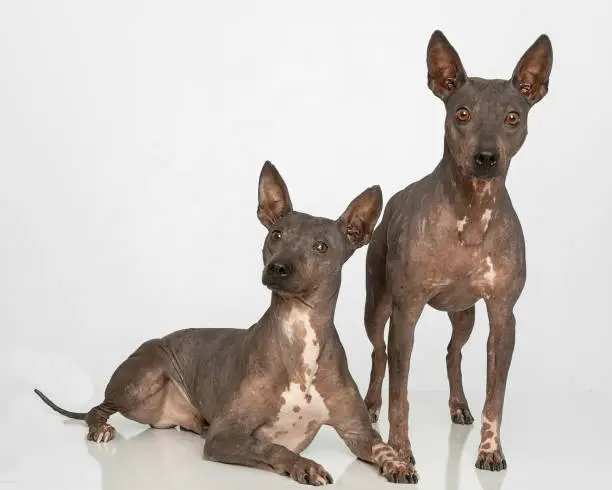
The American Hairless Terrier (AHT) is the only naturally hairless dog breed developed in the United States. Descended from the Rat Terrier, it combines intelligence, athletic ability, and an affectionate personality into a compact, energetic companion.
Although best known for its hairless appearance, the breed also comes in a coated variety. Both share the same friendly temperament and lively nature.
Breed Overview
American Hairless Terriers are:
- Intelligent
- Curious
- Loyal
- Energetic
- Affectionate
- Alert
- Easy to train
- Highly adaptable
These qualities make them wonderful companions for active families and individuals alike.
Personality
One of the biggest reasons people fall in love with this breed is its personality.
American Hairless Terriers are:
- Friendly with family
- Playful
- Quick learners
- Confident
- Alert watchdogs
- Social when properly introduced
They enjoy participating in everyday family activities and often form close bonds with their owners.
Size
The breed is considered small to medium-sized.
| Measurement | Average |
|---|---|
| Height | 12–16 inches |
| Weight | 12–28 pounds |
Their manageable size makes them suitable for apartments as well as larger homes.
Appearance
The American Hairless Terrier has a muscular yet elegant build.
Common features include:
- Smooth skin (hairless variety)
- Short coat (coated variety)
- Wedge-shaped head
- Alert ears
- Bright expressive eyes
- Athletic body
The hairless variety develops attractive skin pigmentation and freckles as it matures.
Temperament
This breed is known for being:
- Loyal
- Loving
- Curious
- Active
- Intelligent
- Fearless
- Adaptable
Early socialization helps puppies grow into confident, well-mannered adults.
Lifespan
The average lifespan is 14–16 years, making the American Hairless Terrier one of the longer-lived terrier breeds.
Grooming Needs
Although brushing isn’t necessary for hairless dogs, owners should still provide:
- Regular bathing
- Skin inspections
- Dog-safe sunscreen
- Moisturizing when recommended by a veterinarian
- Nail trimming
- Ear cleaning
- Dental care
Why Buy From a Reputable American Hairless Terrier Breeder?
Buying from a responsible breeder greatly improves your chances of bringing home a healthy, well-socialized puppy.
Responsible breeders carefully plan each litter to improve the breed while protecting the health and welfare of both the puppies and their parents.
Importance of Ethical Breeding
Ethical breeding is about much more than producing puppies.
Responsible breeders aim to produce dogs with:
- Excellent health
- Stable temperament
- Correct structure
- Strong genetics
- Long lifespans
They also remain available to answer questions long after the puppy goes home.
Better Health
Health begins long before birth.
Responsible breeders reduce health risks by:
- Selecting healthy breeding dogs
- Performing recommended health screenings
- Avoiding unnecessary inbreeding
- Working with experienced veterinarians
Although no breeder can guarantee a puppy will never become ill, careful breeding significantly lowers many inherited risks.
Predictable Temperament
Temperament is influenced by both genetics and early experiences.
Ethical breeders choose breeding dogs that demonstrate:
- Confidence
- Friendliness
- Trainability
- Emotional stability
- Low aggression
This helps produce puppies with reliable personalities.
Early Socialization
The first eight weeks of life are incredibly important.
Good breeders expose puppies to:
- Different people
- Household sounds
- Gentle handling
- Toys
- Various textures
- Basic problem-solving activities
These early experiences build confidence and adaptability.
Genetic Testing
Many responsible breeders perform genetic testing to help reduce inherited diseases within their breeding program.
Health testing benefits both current and future generations of American Hairless Terriers.
Lifetime Breeder Support
One hallmark of an excellent breeder is ongoing support.
Many remain available to help owners with:
- Feeding questions
- Training advice
- Grooming tips
- Health concerns
- Behavioral issues
Some even require that dogs be returned to them if the owner can no longer provide care.
Characteristics of a Responsible American Hairless Terrier Breeder
Not every breeder follows the same standards.
The best breeders consistently prioritize health, temperament, and responsible ownership.
Health Testing
Health testing should be a standard practice rather than an optional extra.
Breeders should openly discuss:
- Health certifications
- Veterinary examinations
- Genetic history
- Breed-specific concerns
Transparency is a positive sign.
DNA Screening
DNA testing helps identify inherited conditions that could be passed to puppies.
Responsible breeders use these results when selecting breeding pairs.
Orthopedic Evaluations
Healthy joints contribute to lifelong mobility.
Some breeders evaluate breeding dogs for orthopedic conditions to reduce the likelihood of inherited joint problems.
Eye Examinations
Regular eye examinations can help identify hereditary eye diseases before affected dogs enter breeding programs.
Veterinary Care
Puppies should receive routine veterinary care before joining their new families.
This generally includes:
- Physical examinations
- Weight monitoring
- Health assessments
- Initial vaccinations
Vaccination Records
Every puppy should leave with documentation showing age-appropriate vaccinations and veterinary care.
Keep these records for future veterinary visits.
Deworming Schedule
Responsible breeders follow a routine deworming protocol beginning during puppyhood.
Buyers should receive documentation explaining:
- Dates
- Products used
- Future recommendations
Microchipping
Many breeders microchip puppies before they leave for their permanent homes.
Microchips provide permanent identification if a dog ever becomes lost.
Socialization Program
Excellent breeders expose puppies to positive experiences every day.
A structured socialization program may include:
- Meeting adults
- Meeting children
- Household noises
- Gentle grooming
- New surfaces
- Short car rides
- Interactive toys
These experiences help puppies transition smoothly into family life.
Questions to Ask an American Hairless Terrier Breeder
Before placing a deposit, ask thoughtful questions about the breeder and their puppies.
Some of the most important questions include:
Parent Health History
Ask whether both parents have undergone recommended health evaluations.
Genetic Testing
Request information about any genetic testing performed on the breeding dogs.
Temperament of the Parents
Friendly, confident parents often produce puppies with similarly stable personalities.
Puppy Socialization
Ask how the puppies are introduced to:
- New people
- Household noises
- Different environments
- Everyday routines
Vaccination Records
Confirm which vaccinations and preventive treatments the puppy has already received.
Feeding Recommendations
Most breeders provide guidance on:
- Food brand
- Feeding schedule
- Portion sizes
- Transitioning to new diets
Return Policy
Responsible breeders usually have a written agreement outlining what happens if an owner can no longer keep the dog.
Health Guarantees
Many reputable breeders include a health guarantee covering certain inherited conditions for a specified period.
Read the contract carefully and ask questions if anything is unclear.
Registration Papers
Ask whether the puppy comes with:
- AKC registration
- UKC registration
- Pedigree documentation
- Vaccination records
References From Previous Buyers
Speaking with previous puppy owners can provide valuable insight into the breeder’s reputation, communication, and long-term support.
Red Flags to Avoid
Not every breeder has the puppies’ best interests at heart. Learning to recognize warning signs can help you avoid unhealthy puppies and unethical breeding operations.
If something feels wrong, trust your instincts and continue your search.
Puppy Mills
Puppy mills are large-scale breeding facilities that prioritize profit over animal welfare.
Common warning signs include:
- Large numbers of puppies always available
- Poor sanitation
- Overcrowded living conditions
- Limited human interaction
- Unhealthy breeding dogs
- Refusal to let buyers visit
Puppies raised in puppy mills are often poorly socialized and may have inherited health problems.
Backyard Breeders
Backyard breeders usually breed dogs without following responsible breeding practices.
They often lack:
- Health testing
- Knowledge of genetics
- Proper puppy socialization
- Veterinary oversight
- Written contracts
Although some may genuinely love their dogs, good intentions do not replace responsible breeding standards.
No Health Testing
A breeder who cannot provide proof of health testing should raise concerns.
Ask for documentation of any recommended health evaluations or genetic testing completed on the puppy’s parents.
No Contracts
Responsible breeders almost always provide a written contract explaining:
- Health guarantees
- Return policies
- Registration details
- Spay/neuter agreements (when applicable)
- Buyer responsibilities
Avoid breeders who insist on cash-only sales without documentation.
Selling Puppies Too Young
American Hairless Terrier puppies should remain with their mother and littermates until they are at least 8 weeks old, and sometimes longer depending on the breeder and local regulations.
Early separation can negatively affect:
- Social development
- Bite inhibition
- Confidence
- Learning
Poor Living Conditions
Healthy puppies should be raised in a clean, safe environment.
Warning signs include:
- Strong odors
- Dirty kennels
- Lack of clean water
- Thin or unhealthy dogs
- Sick puppies
No Veterinary Records
Every puppy should receive age-appropriate veterinary care before going home.
Ask for copies of:
- Vaccination records
- Deworming schedule
- Health examination reports
Unusually Low Prices
Quality breeding requires significant investment.
A price that seems far below the average market value may indicate corners have been cut in areas such as:
- Health testing
- Veterinary care
- Nutrition
- Socialization
Multiple Litters Available Year-Round
Many ethical breeders produce only one or a few carefully planned litters each year.
Having puppies constantly available may indicate commercial breeding rather than responsible preservation of the breed.
How American Hairless Terrier Puppies Are Raised
The first eight weeks of life shape a puppy’s future personality and confidence.
Excellent breeders spend considerable time helping puppies develop into well-adjusted companions.
Birth to 8 Weeks
During this period, puppies learn:
- Social skills
- Communication
- Confidence
- Bite inhibition
- Curiosity
Remaining with their mother and littermates is an important part of healthy development.
Early Neurological Stimulation
Some breeders introduce gentle handling exercises during the first weeks of life.
These carefully supervised activities may help puppies become more adaptable and resilient as they mature.
Human Interaction
Responsible breeders handle puppies daily.
Positive experiences with people help puppies become:
- Friendly
- Confident
- Comfortable with handling
- Easier to train
Exposure to Sounds
Puppies benefit from hearing normal household noises, including:
- Vacuum cleaners
- Television
- Doorbells
- Kitchen sounds
- Washing machines
Gradual exposure helps reduce fear later in life.
Potty Training Introduction
Many breeders begin introducing puppies to designated potty areas before they leave for their new homes.
This early foundation often makes house training easier.
Basic Socialization
Good breeders expose puppies to:
- Different surfaces
- Gentle grooming
- Toys
- Household routines
- Visitors
- Safe exploration
Health Testing Reputable Breeders Should Perform
Responsible breeding begins with healthy parents.
Although no test can guarantee perfect health, appropriate screening helps reduce the likelihood of inherited conditions.
Patellar Evaluation
Luxating patella (kneecap instability) can occur in smaller breeds.
Screening breeding dogs helps reduce this risk.
Cardiac Screening
Heart evaluations help identify inherited cardiac conditions before breeding.
Eye Examinations
Routine eye examinations can detect hereditary eye disorders that should not be passed to future generations.
DNA Testing
Genetic testing allows breeders to make informed breeding decisions and maintain healthy bloodlines.
General Veterinary Health Exams
Breeding dogs should receive regular veterinary examinations to ensure they remain healthy throughout their breeding careers.
AKC Registration Explained
Many reputable breeders register their litters with the American Kennel Club (AKC).
Registration confirms that the puppy’s lineage has been documented according to AKC requirements.
Full Registration
Full registration generally allows:
- Participation in AKC conformation shows
- Future breeding rights (if approved by the breeder)
- Registration of offspring
Limited Registration
Many companion puppies are sold with limited registration.
This usually allows participation in many AKC performance sports but restricts registration of future puppies.
Registration Papers
Responsible breeders provide registration paperwork or clear instructions for completing registration.
Pedigree Certificates
Pedigrees show several generations of the puppy’s ancestry.
Reviewing pedigrees helps buyers understand bloodlines and breeding history.
Why Registration Matters
Registration alone does not guarantee quality.
However, when combined with health testing, ethical breeding practices, and proper socialization, it demonstrates a commitment to preserving the breed.
UKC Recognition and Registration
The United Kennel Club (UKC) also recognizes the American Hairless Terrier.
Many breeders participate in both AKC and UKC programs.
Differences Between AKC and UKC
Both organizations maintain breed standards, but they differ in event formats, registration procedures, and organizational focus.
Registration Benefits
UKC registration provides:
- Documented pedigree
- Eligibility for UKC events
- Breed recognition
- Participation in performance sports
Breed Standards
Responsible breeders strive to produce dogs that closely match the official breed standard in both appearance and temperament.
American Hairless Terrier Breeders by State
Because the breed is relatively uncommon, finding a nearby breeder may require patience and travel.
Many buyers are willing to travel to another state for the right puppy.
Finding Breeders Near You
Good places to begin your search include:
- National breed clubs
- AKC breeder directories
- UKC breeder listings
- Dog shows
- Veterinary recommendations
Northeast
Several experienced breeders can be found throughout northeastern states, though availability varies from year to year.
Southeast
The breed originated in the southern United States, and several reputable breeding programs continue to operate in this region.
Midwest
The Midwest has a number of established breeders who participate in conformation and performance events.
Southwest
Although fewer breeders may be available, responsible programs can still be found through breed organizations and dog clubs.
West Coast
Interest in the American Hairless Terrier continues to grow on the West Coast, where both hairless and coated varieties may be available.
Local Breed Clubs
Breed clubs often provide:
- Breeder referrals
- Educational resources
- Health information
- Upcoming events
National Breeder Directories
National breeder directories make it easier to compare breeders while encouraging buyers to research carefully before making a decision.
American Hairless Terrier Puppies for Sale
Finding the right puppy involves more than choosing the first available litter.
Take time to evaluate each breeder and each puppy carefully.
What to Expect
When purchasing from a responsible breeder, expect:
- Health records
- Vaccination documentation
- Registration paperwork
- Feeding instructions
- Lifetime support
Available Colors
American Hairless Terriers come in a wide range of colors and markings, including:
- Black
- Chocolate
- Blue
- Red
- Apricot
- White
- Sable
- Bi-color
- Tri-color
Hairless dogs often develop unique pigmentation patterns as they mature.
Hairless Variety
The hairless variety is best known for:
- Smooth skin
- Minimal shedding
- Distinctive appearance
Because they lack a protective coat, these dogs require regular skin care.
Coated Variety
The coated variety has:
- A short, smooth coat
- Similar temperament
- Similar intelligence
- The same energetic personality
Male vs Female Puppies
| Male | Female |
|---|---|
| Slightly larger | Slightly smaller |
| Often more outgoing | Sometimes a bit more independent |
| Muscular build | More refined appearance |
Individual personality is influenced by both genetics and upbringing.
Choosing the Right Puppy
Rather than selecting based only on appearance, consider:
- Temperament
- Confidence
- Activity level
- Health
- Compatibility with your lifestyle
A reputable breeder can help match you with the puppy best suited to your home.
American Hairless Terrier Puppy Price
Prices vary depending on pedigree, breeder reputation, location, and whether the puppy is intended as a companion or show prospect.
Average Purchase Price
Most puppies cost between $800 and $2,500 or more.
Pet Quality
Companion puppies are generally the most affordable option.
Show Quality
Puppies showing exceptional conformation may command higher prices.
Breeding Quality
Breeding rights are typically offered only to experienced buyers and usually increase the purchase price.
Factors Affecting Price
Several factors influence cost, including:
- Health testing
- Bloodlines
- Registration
- Geographic location
- Demand
- Breeder reputation
- Early training and socialization
First-Year Cost of Owning an American Hairless Terrier
The purchase price is only part of the financial commitment.
| Expense | Estimated Cost (USD) |
|---|---|
| Puppy | $800–$2,500+ |
| Veterinary Care | $300–$800 |
| Vaccinations | Included or additional |
| Food | $300–$700 |
| Crate & Bed | $100–$250 |
| Toys | $75–$200 |
| Grooming Supplies | $75–$150 |
| Training Classes | $100–$400 |
| Pet Insurance | Varies |
How to Reserve a Puppy
Because quality breeders often have waiting lists, reserving a puppy usually happens well before the litter is ready to go home.

Waiting Lists
Many breeders maintain waiting lists several months in advance.
Patience often leads to a healthier, better-socialized puppy.
Deposits
Breeders may request a deposit after confirming that a puppy will be available for you.
Always obtain a written receipt and review the breeder’s deposit policy.
Puppy Selection Process
Some breeders allow buyers to choose in order of deposits received.
Others match puppies based on:
- Temperament
- Activity level
- Family lifestyle
- Experience
Pickup Timeline
Most puppies leave for their new homes between 8 and 10 weeks of age.
Contracts
Review every contract carefully before making your final commitment.
Look for information covering:
- Health guarantees
- Registration
- Return policy
- Breeding restrictions
- Lifetime breeder support
Preparing for Puppy Pickup
Bringing home an American Hairless Terrier puppy is an exciting milestone, but a little preparation goes a long way. Having everything ready before your puppy arrives will help make the transition smoother and less stressful.
Spend some time puppy-proofing your home by removing electrical cords, toxic plants, and small objects that could become choking hazards.
Supplies Checklist
Before pickup day, make sure you have:
- Comfortable dog bed
- Crate
- Food and water bowls
- High-quality puppy food
- Harness
- Lightweight leash
- Interactive toys
- Chew toys
- Dog-safe sunscreen
- Gentle shampoo
- Veterinarian-approved moisturizer (if recommended)
- Toothbrush and dog toothpaste
- Nail clippers
- Blanket with familiar scents
A prepared home helps your puppy settle in quickly.
American Hairless Terrier Breeder Contracts
Professional breeders almost always provide a written contract. This document protects both the buyer and the breeder while ensuring the puppy’s long-term welfare.
Never purchase a puppy without reading and understanding the agreement.
Health Guarantee
Many breeders include a health guarantee covering specific inherited conditions for a defined period.
The contract should clearly explain:
- Coverage period
- Conditions included
- Buyer’s responsibilities
- Required veterinary examinations
Spay/Neuter Agreements
Pet-quality puppies are often sold with a spay or neuter agreement to help prevent irresponsible breeding.
Return Policy
One hallmark of an ethical breeder is a commitment to every puppy for its entire life.
Many contracts state that if an owner can no longer care for the dog, the breeder should be contacted first.
Breeding Rights
Show or breeding-quality puppies may include breeding rights, while companion puppies often do not.
Discuss these terms before purchasing.
Lifetime Support
The best breeders remain available for advice regarding:
- Nutrition
- Training
- Grooming
- Health
- Behavior
- General care
This ongoing relationship can be invaluable, especially for first-time owners.
Should You Adopt Instead of Buying?
Buying from a responsible breeder isn’t the only option.
Adoption offers deserving dogs a second chance at finding loving homes.
Rescue Organizations
Breed-specific rescue groups occasionally have American Hairless Terriers available for adoption.
These organizations carefully evaluate each dog and work to match them with suitable families.
Breed-Specific Rescues
Breed rescues often provide valuable information about:
- Personality
- Health history
- Training level
- Compatibility with children and other pets
Animal Shelters
Although American Hairless Terriers are uncommon in shelters, checking local shelters regularly is worthwhile.
You may also find mixed-breed dogs with similar characteristics.
Benefits of Adoption
Advantages include:
- Giving a dog a second chance
- Lower adoption fees
- Many dogs are already house-trained
- Adult personality is easier to evaluate
- Rescue organizations often provide support
Adult Dogs vs. Puppies
| Adult Dog | Puppy |
|---|---|
| Established personality | Personality still developing |
| May already have training | Requires extensive training |
| Usually calmer | High energy |
| Less destructive chewing | Teething stage |
The right choice depends on your lifestyle and experience.
American Hairless Terrier Rescue
Adopting through a rescue organization is a rewarding experience.
Rescue Groups
Breed-specific rescues focus on:
- Medical care
- Behavioral evaluations
- Foster homes
- Careful placement
Adoption Process
The adoption process often includes:
- Application
- Interview
- Home check (sometimes)
- Reference verification
- Adoption agreement
- Bringing your dog home
Home Checks
Some rescue organizations perform home visits to ensure a safe environment for the dog.
Adoption Fees
Fees vary but generally help cover:
- Veterinary care
- Vaccinations
- Spay/neuter surgery
- Microchipping
- Foster care expenses
Matching Families With Dogs
Rescue organizations work hard to place each dog in the most appropriate home based on:
- Activity level
- Experience
- Household members
- Other pets
- Lifestyle
How to Spot a Healthy American Hairless Terrier Puppy
Whether buying or adopting, carefully evaluate the puppy’s overall health.
Bright Eyes
Healthy puppies should have:
- Clear eyes
- No excessive tearing
- No discharge
- Alert expression
Healthy Skin
For hairless puppies, the skin should appear:
- Clean
- Smooth
- Free from sores
- Without significant irritation
Small freckles and natural pigmentation are completely normal.
Proper Weight
The puppy should neither appear underweight nor overweight.
A healthy body condition reflects proper nutrition and care.
Good Temperament
Look for puppies that are:
- Curious
- Friendly
- Confident
- Willing to interact
- Comfortable being handled
Active Behavior
Healthy puppies enjoy:
- Exploring
- Playing
- Interacting with littermates
- Investigating new objects
Extreme lethargy should always be discussed with the breeder or veterinarian.
Veterinary Records
Request copies of:
- Vaccination history
- Deworming schedule
- Health examinations
- Registration documents (if applicable)
Common Health Problems Responsible Breeders Try to Reduce
Although generally healthy, responsible breeders carefully select breeding dogs to reduce inherited health risks.
Some conditions they monitor include:
- Luxating patella
- Dental disease
- Skin conditions
- Allergies
- Heart disease
- Eye disorders
Health testing cannot eliminate every risk, but it helps improve the long-term health of future generations.
How Reputable Breeders Socialize Puppies
Early socialization is one of the greatest gifts a breeder can provide.
Responsible breeders introduce puppies to many positive experiences before they leave for their new homes.
Children
Gentle interaction with supervised children helps puppies become comfortable around young family members.
Other Dogs
Puppies learn important communication skills by interacting with their mother and littermates.
Household Noises
Exposure to normal household sounds reduces fear later in life.
Common sounds include:
- Vacuum cleaners
- Televisions
- Doorbells
- Kitchen appliances
- Washing machines
Crate Introduction
Many breeders begin crate training before puppies leave home.
This often makes the adjustment to a new household much easier.
Car Rides
Short car rides help puppies become familiar with travel while reducing future anxiety.
New Environments
Responsible breeders gradually introduce puppies to:
- Different floor surfaces
- Outdoor spaces
- Safe toys
- Mild obstacles
- Gentle handling
These experiences build confidence.
Hairless vs. Coated Puppies
Both varieties belong to the same breed but differ in appearance and grooming.
| Feature | Hairless | Coated |
|---|---|---|
| Coat | No body hair | Short, smooth coat |
| Shedding | Virtually none | Very light |
| Skin Care | Essential | Minimal |
| Brushing | Not required | Occasional |
| Sun Protection | Necessary | Less critical |
Appearance
Hairless dogs display smooth skin with beautiful pigmentation.
Coated dogs resemble small Rat Terriers with sleek coats.
Grooming
Hairless dogs require:
- Regular bathing
- Sunscreen
- Skin inspections
Coated dogs mainly need occasional brushing.
Skin Care
Hairless puppies need extra protection from:
- Sunburn
- Cold temperatures
- Dry skin
Temperament
Both varieties share the same:
- Intelligence
- Loyalty
- Energy
- Trainability
- Affectionate personality
Allergy Considerations
The hairless variety sheds very little, which may make it easier for some allergy sufferers to live with. However, no dog is completely hypoallergenic.
Pros and Cons of Buying From a Breeder
| Pros | Cons |
|---|---|
| Health-tested puppies | Higher purchase price |
| Health guarantee | Waiting lists |
| Lifetime breeder support | Limited availability |
| Predictable temperament | Travel may be required |
| Early socialization | Deposit often required |
Best Home for an American Hairless Terrier Puppy
This breed adapts well to many lifestyles.
Ideal owners include:
- Families
- Singles
- Seniors
- Apartment residents
- Active households
- First-time owners willing to train and socialize their puppy
The most important requirement is a home that provides daily companionship, exercise, and proper skin care.
Essential Puppy Supplies
Complete Shopping Checklist
Before your puppy arrives, gather the following essentials:
- Crate
- Comfortable dog bed
- High-quality puppy food
- Food bowl
- Water bowl
- Harness
- Leash
- Interactive toys
- Chew toys
- Dog-safe sunscreen
- Sensitive skin shampoo
- Moisturizer (if recommended by your veterinarian)
- Toothbrush and dog toothpaste
- Nail clippers
- Cozy blanket
Tips for Choosing the Right Breeder
A little research now can prevent future disappointment.
Visit the Breeder
Whenever possible, visit the breeder to observe:
- Cleanliness
- Puppy behavior
- Living conditions
- Parent dogs
Meet the Parents
Observing the parents provides valuable insight into:
- Temperament
- Size
- Overall health
Read Reviews
Look for consistent positive feedback from previous buyers.
Pay attention to comments about communication, support, and puppy health.
Ask for References
Responsible breeders are usually happy to connect you with previous puppy owners.
Review Health Testing
Ask for documentation of recommended health testing performed on the breeding dogs.
Transparency is a good sign.
Understand Contracts
Read every section carefully before signing.
Ask questions if anything is unclear.
Be Patient With Waiting Lists
Because responsible breeders produce only a limited number of litters, waiting several months is often worthwhile.
A healthy, well-socialized puppy is worth the extra patience.
Fun Facts About American Hairless Terrier Breeders
- Responsible breeders often produce only one or a few carefully planned litters each year.
- Many actively participate in AKC and UKC events to evaluate the quality of their breeding dogs.
- Puppies commonly begin early socialization before going to their new homes.
- Both hairless and coated puppies can appear within the same litter.
- Ethical breeders frequently become lifelong mentors for the families who purchase their puppies.
Frequently Asked Questions (FAQ)
How much does an American Hairless Terrier puppy cost?
Most puppies cost between $800 and $2,500 or more, depending on pedigree, breeder reputation, location, and intended purpose.
How do I find a reputable American Hairless Terrier breeder?
Start by contacting national breed clubs, reviewing breeder directories, attending dog shows, and asking your veterinarian for recommendations. Always verify health testing and breeder practices.
Are AKC breeders better?
AKC registration alone does not guarantee quality. Look for breeders who combine registration with health testing, ethical breeding, and proper puppy socialization.
What health testing should breeders perform?
Responsible breeders should discuss appropriate health screenings, genetic testing where applicable, and routine veterinary care for their breeding dogs.
When can puppies go home?
Most puppies are ready between 8 and 10 weeks of age.
Are hairless puppies more expensive?
Sometimes. Demand, bloodlines, breeder reputation, and availability often influence pricing more than coat type alone.
Should I choose a male or female?
Both make excellent companions. Individual temperament, socialization, and training are generally more important than sex.
Can I reserve a puppy before it’s born?
Yes. Many reputable breeders maintain waiting lists and accept reservations for planned litters.
What questions should I ask a breeder?
Ask about:
- Health testing
- Parent temperament
- Socialization
- Vaccinations
- Registration
- Contracts
- Health guarantees
- Return policy
Should I adopt instead of buying?
Adoption is an excellent option if you’re open to welcoming an adult dog or waiting for a suitable rescue.
Do reputable breeders offer health guarantees?
Many do, although the terms vary. Always read the contract carefully.
Are American Hairless Terriers good for first-time owners?
Yes. Their intelligence, affectionate nature, and trainability make them a good choice for committed first-time owners.
How long is the typical breeder waiting list?
Waiting times range from a few weeks to several months, depending on breeder availability and demand.
What supplies should I buy before bringing my puppy home?
Prepare a crate, bed, bowls, quality puppy food, leash, harness, toys, grooming supplies, sunscreen, and basic healthcare items before pickup day.
Conclusion
Choosing the right American Hairless Terrier breeder is one of the most important steps in finding a healthy, happy companion. Ethical breeders focus on the long-term well-being of the breed by performing appropriate health testing, raising puppies in clean and enriching environments, and providing support long after the puppy goes home.
Take time to research breeders, ask thoughtful questions, review health records, and understand any contracts before making your decision. While reputable breeders may have waiting lists and higher prices, the investment often leads to a healthier, better-socialized dog and a more rewarding ownership experience.
If purchasing from a breeder isn’t the right path for you, consider adoption through a rescue organization or shelter. Whether you adopt or buy responsibly, your goal should always be the same: giving an American Hairless Terrier a safe, loving, and lifelong home.