The Affenpinscher is one of the most distinctive and entertaining toy dog breeds in the world. With its shaggy coat, expressive eyes, and almost human-like facial expressions, this small dog has earned the affectionate nickname “Monkey Dog.” Despite its compact size, the Affenpinscher possesses a bold personality, unwavering confidence, and a charming sense of mischief that makes it a favorite among dog enthusiasts.
Whether you’re considering bringing an Affenpinscher puppy into your home or simply want to learn more about this fascinating breed, understanding its history, temperament, care requirements, and unique characteristics is essential. This comprehensive guide covers everything you need to know about the Affenpinscher, from its origins as a skilled rat catcher to its modern role as a beloved companion dog.
If you’re researching small dog breeds, exploring family-friendly companion dogs, or looking for a breed with plenty of personality packed into a tiny body, the Affenpinscher deserves a closer look.
What Is an Affenpinscher?
The Affenpinscher is a small toy breed that originated in Germany several centuries ago. The name “Affenpinscher” comes from the German words affen (monkey) and pinscher (terrier-like dog), reflecting the breed’s distinctive monkey-like appearance.
Although classified as a toy breed today, Affenpinschers were originally working dogs. Their primary job was to eliminate rats and mice from homes, stables, shops, and kitchens. Over time, breeders refined the dog’s size while preserving its fearless nature and energetic personality.
Today, the Affenpinscher is best known as a loyal companion that forms strong bonds with its family while maintaining an independent and playful spirit.
Why the Affenpinscher Is Called the “Monkey Dog”
One glance at an Affenpinscher is enough to understand how it earned its nickname. The breed’s facial features are unlike those of most other dogs.
Key characteristics include:
- A short muzzle
- Prominent round eyes
- Bushy eyebrows
- A shaggy beard and mustache
- Expressive facial expressions
Together, these features create a face that many people describe as remarkably similar to a monkey’s. The breed’s curious and mischievous behavior further reinforces this comparison.
Unlike many toy breeds that are delicate or reserved, the Affenpinscher often behaves as if it is much larger than its actual size. This confidence, combined with its comical appearance, has helped the breed gain a dedicated following around the world.
Brief History and Popularity of the Breed
The Affenpinscher’s roots can be traced back to Germany during the 17th century. Early versions of the breed were larger than today’s dogs and were commonly used for pest control.
As urban living became more common, breeders selectively reduced the dog’s size, making it better suited for indoor companionship while retaining its fearless attitude.
Although never as common as breeds like the Labrador Retriever or Golden Retriever, the Affenpinscher has maintained a loyal fan base among dog lovers who appreciate its unique appearance and spirited personality.
The breed gained significant attention after winning major dog shows, introducing many people to this rare and charming dog.
For readers interested in understanding canine lineage and breed development, resources such as the American Kennel Club’s breed history guide provide valuable background information on how toy breeds evolved over time.
Who Should Consider Owning an Affenpinscher?
An Affenpinscher can be an excellent choice for the right owner.
This breed is particularly well-suited for:
- Apartment dwellers
- Singles and couples
- Seniors seeking companionship
- Families with older children
- People looking for a low-shedding dog
- Owners who enjoy interactive play
However, the breed may not be ideal for households with very young children due to its small size and independent nature.
Potential owners should appreciate a dog that is:
- Confident
- Curious
- Intelligent
- Occasionally stubborn
- Highly devoted to its family
Those seeking a quiet lapdog may find the Affenpinscher more energetic and adventurous than expected.
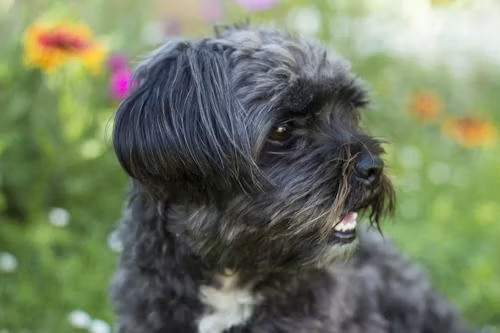
Affenpinscher Breed Overview
Quick Facts About the Affenpinscher
Before diving deeper into the breed, here are some essential facts every prospective owner should know.
| Characteristic | Details |
|---|---|
| Breed Group | Toy Group |
| Origin | Germany |
| Height | 9–11.5 inches |
| Weight | 7–10 pounds |
| Lifespan | 12–15 years |
| Temperament | Loyal, confident, playful |
| Energy Level | Moderate |
| Coat Type | Wiry and dense |
| Shedding | Low |
| Colors | Black, gray, silver, red, black and tan, belge |
Breed Group
The Affenpinscher belongs to the Toy Group, a category that includes small companion breeds developed primarily for human companionship.
Unlike some toy breeds that were bred exclusively as lapdogs, Affenpinschers retain many of the working instincts of their ancestors.
Height and Weight
Adult Affenpinschers typically stand between 9 and 11.5 inches tall at the shoulder.
Most weigh between 7 and 10 pounds, making them compact enough for apartment living while remaining sturdy and athletic.
Lifespan
The average Affenpinscher lifespan ranges from 12 to 15 years.
With proper nutrition, regular exercise, routine veterinary care, and responsible breeding practices, many individuals enjoy long and healthy lives.
Temperament
One of the breed’s greatest strengths is its personality.
Affenpinschers are often described as:
- Fearless
- Curious
- Loyal
- Entertaining
- Alert
- Affectionate
Their combination of intelligence and independence creates a dog that is constantly exploring its environment and seeking new adventures.
Energy Level
Although small, the Affenpinscher is not a couch potato.
Most require:
- Daily walks
- Interactive play sessions
- Mental stimulation
- Social interaction
Their energy level can best be described as moderate, making them manageable for most households.
Coat Type
The breed features a rough, dense, wiry coat designed to protect it while working in stables and barns.
The texture contributes significantly to the Affenpinscher’s unique appearance.
Colors
Common coat colors include:
- Black
- Gray
- Silver
- Red
- Black and tan
- Belge (a black, reddish-brown, and white mixture)
Affenpinscher at a Glance
| Feature | Rating |
| Family Friendliness | ★★★★☆ |
| Trainability | ★★★☆☆ |
| Apartment Suitability | ★★★★★ |
| Shedding Level | ★★☆☆☆ |
| Grooming Needs | ★★★★☆ |
| Watchdog Ability | ★★★★☆ |
| Exercise Requirements | ★★★☆☆ |
| Adaptability | ★★★★☆ |
History and Origin of the Affenpinscher
Where Did the Affenpinscher Come From?
The Affenpinscher originated in Germany during the 1600s.
Early records indicate that these dogs were developed to control rodent populations in homes, barns, workshops, and marketplaces. At a time when rats could spread disease and destroy food supplies, a capable rat-catching dog was highly valued.
The Affenpinscher excelled at this task because of its:
- Quick reflexes
- Courage
- Agility
- Determination
These traits remain evident in the breed today.
The Breed’s Development in Germany
As Germany’s cities grew, demand increased for smaller companion dogs that could still perform practical tasks.
Breeders gradually refined the Affenpinscher, reducing its size while maintaining its distinctive personality and working instincts.
Several breeds are believed to have contributed to the Affenpinscher’s development, although exact records are limited. Historians generally agree that rough-coated German pinschers played a significant role.
The result was a compact dog capable of serving both as a pest controller and a loyal household companion.
Affenpinscher as a Rat-Catching Dog
Long before becoming a beloved pet, the Affenpinscher was a working dog.
Its original responsibilities included:
- Catching rats in stables
- Eliminating mice from kitchens
- Protecting food storage areas
- Controlling pests in shops and warehouses
Because these dogs were expected to confront aggressive rodents, breeders selected for bravery rather than size.
This explains why modern Affenpinschers often display a surprisingly fearless attitude despite weighing less than ten pounds.
Recognition by Major Kennel Clubs
As dog breeding became more organized during the 19th and early 20th centuries, the Affenpinscher gained recognition from kennel clubs worldwide.
Today, the breed is recognized by organizations such as:
- American Kennel Club (AKC)
- Fédération Cynologique Internationale (FCI)
- United Kennel Club (UKC)
- The Kennel Club (UK)
Although still considered relatively rare, the breed enjoys a respected position among enthusiasts of toy and companion dogs.
Physical Characteristics of the Affenpinscher
Size and Weight
The Affenpinscher is a compact but sturdy dog.
Despite its small stature, the breed possesses:
- Strong bones
- Good muscle tone
- Excellent balance
- Surprising athleticism
Most adults weigh between 7 and 10 pounds, making them easy to carry and well-suited to urban living.
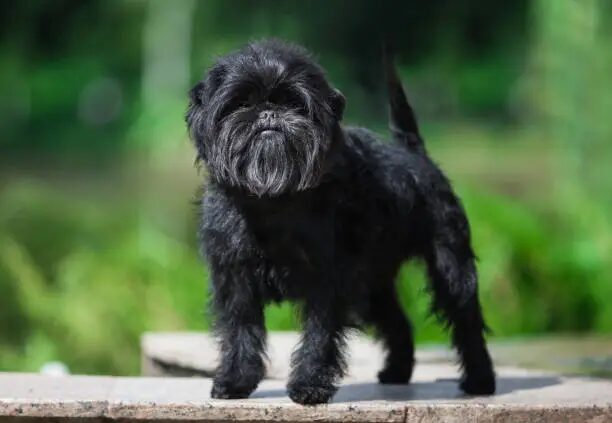
Distinctive Monkey-Like Face
The breed’s most recognizable feature is undoubtedly its face.
The combination of:
- Bushy eyebrows
- Round dark eyes
- A short muzzle
- A shaggy beard
creates the famous monkey-like appearance that distinguishes the Affenpinscher from virtually every other dog breed.
These facial features also contribute to the dog’s remarkable expressiveness, allowing owners to easily read its emotions.
Coat Texture and Appearance
The Affenpinscher’s coat is rough, dense, and slightly shaggy.
Rather than appearing perfectly groomed, the ideal coat has a somewhat natural and tousled look.
This texture served a practical purpose historically, helping protect the dog while hunting rodents in challenging environments.
The breed’s coat also contributes to its reputation as a relatively low-shedding dog, making it attractive to many pet owners.
Common Affenpinscher Colors
The Affenpinscher comes in a variety of coat colors, each adding to the breed’s unique charm. While black is the most recognized color, several other shades are accepted by major kennel clubs.
Common Affenpinscher colors include:
- Black
- Gray
- Silver
- Red
- Black and Tan
- Belge (a mixture of black, reddish-brown, and white hairs)
Regardless of color, the breed’s rough coat and signature facial furnishings remain its most distinctive features.
Male vs Female Affenpinscher Differences
Male and female Affenpinschers share many characteristics, but there are some subtle differences.
| Trait | Male | Female |
|---|---|---|
| Size | Slightly larger | Slightly smaller |
| Temperament | Often more outgoing | Often more independent |
| Affection Level | Highly affectionate | Equally affectionate but selective |
| Trainability | Consistent | Sometimes more stubborn |
Individual personality often plays a bigger role than gender, so prospective owners should focus on temperament rather than sex when choosing a puppy.
Affenpinscher Temperament and Personality
The Affenpinscher’s personality is often described as a combination of confidence, curiosity, intelligence, and humor. Despite their small size, these dogs have enormous personalities and rarely seem aware of how tiny they actually are.
Are Affenpinschers Good Family Dogs?
Yes, Affenpinschers can make excellent family companions when properly socialized.
They tend to form strong bonds with their owners and enjoy being involved in daily activities. However, they generally do best with families that understand their independent nature.
Affectionate yet self-confident, Affenpinschers are happiest when treated as valued family members rather than decorative lapdogs.
They are especially suitable for:
- Singles
- Couples
- Retirees
- Families with older children
- Apartment residents
Intelligence and Trainability
The Affenpinscher is a highly intelligent breed capable of learning a wide range of commands and tricks.
However, intelligence doesn’t always translate into obedience.
Like many smart dogs, they often ask themselves:
“Why should I do that?”
Successful training requires:
- Patience
- Consistency
- Positive reinforcement
- Short training sessions
- High-value rewards
Harsh corrections can damage trust and make training more difficult.
Loyalty and Protective Instincts
One of the breed’s most admirable traits is its loyalty.
Affenpinschers become deeply attached to their families and often follow their favorite people from room to room.
Despite their small size, they possess strong protective instincts and may attempt to defend their home against perceived threats.
This courage can sometimes exceed their common sense, making supervision important around larger dogs.
Affenpinscher Behavior Around Strangers
Most Affenpinschers are naturally cautious around unfamiliar people.
They are not typically aggressive but may initially appear reserved.
Proper socialization helps them learn to:
- Welcome visitors politely
- Remain calm in public settings
- Adapt to new environments
- Build confidence around strangers
Early exposure to different people and situations significantly improves adult behavior.
Relationship With Children
Affenpinschers generally do best with respectful, older children who understand how to interact with small dogs.
Young children may accidentally:
- Drop the dog
- Pull its coat
- Handle it too roughly
Because of their small size, Affenpinschers can become defensive if they feel threatened.
Teaching children proper dog-handling techniques is essential for a harmonious relationship.
Relationship With Other Pets
When introduced properly, Affenpinschers can coexist peacefully with other pets.
They often get along well with:
- Other dogs
- Cats raised alongside them
- Small household animals
However, their historical rat-catching instincts may cause them to chase rodents and similar pets.
Careful introductions and supervision are always recommended.
Pros and Cons of Owning an Affenpinscher
Before bringing home an Affenpinscher, it’s important to understand both the benefits and challenges of ownership.
Advantages of the Breed
Many owners fall in love with the Affenpinscher because of its unique combination of personality and practicality.
Key Advantages
✔ Loyal and affectionate
✔ Low shedding
✔ Excellent apartment dog
✔ Entertaining personality
✔ Long lifespan
✔ Good watchdog
✔ Compact size
✔ Adaptable to various living situations
Potential Challenges for Owners
Like all breeds, the Affenpinscher comes with responsibilities.
Possible Drawbacks
✘ Can be stubborn
✘ Requires regular grooming
✘ May bark at unfamiliar sounds
✘ Sometimes difficult to housebreak
✘ Rare breed with limited availability
✘ May not tolerate rough handling by children
Understanding these challenges helps owners prepare for long-term success.
Is an Affenpinscher Right for You?
An Affenpinscher may be ideal if you want:
- A small but confident dog
- A loyal companion
- Moderate exercise requirements
- A low-shedding breed
- An entertaining personality
The breed may not be the best choice if you prefer:
- Highly obedient dogs
- Minimal grooming responsibilities
- Very quiet pets
Affenpinscher Size, Growth, and Development
Affenpinscher Puppy Growth Stages
Like all dogs, Affenpinschers experience several developmental phases.
Birth to 8 Weeks
During this stage, puppies rely entirely on their mother for nutrition and social learning.
8 to 16 Weeks
This critical socialization period shapes future behavior.
Puppies should be exposed to:
- New people
- Household sounds
- Different environments
- Gentle handling
4 to 8 Months
Rapid growth occurs during this phase.
Owners should focus on:
- Training
- Nutrition
- Exercise moderation
- Socialization
8 to 12 Months
Most Affenpinschers approach their adult height while continuing to mature mentally.
12 to 18 Months
Full physical and emotional maturity develops.
Adult Size Expectations
Most adult Affenpinschers reach:
| Measurement | Average |
| Height | 9–11.5 inches |
| Weight | 7–10 pounds |
| Body Type | Compact and sturdy |
| Build | Balanced and athletic |
Although small, they are surprisingly strong and agile.
Weight Management Tips
Maintaining a healthy weight is essential for preventing joint stress and other health issues.
Helpful strategies include:
- Measuring food portions
- Avoiding excessive treats
- Daily exercise
- Regular veterinary checkups
- Monitoring body condition
Obesity can shorten lifespan and increase the risk of orthopedic problems.
Affenpinscher Grooming Guide
The Affenpinscher’s shaggy appearance may look effortless, but regular grooming is necessary to maintain coat health.
Coat Care Requirements
The breed’s wiry coat requires routine maintenance to prevent tangles and matting.
Essential grooming tasks include:
- Brushing
- Coat inspection
- Nail trimming
- Ear cleaning
- Dental care
Owners who enjoy grooming often find the process enjoyable because of the breed’s manageable size.
How Often Should You Brush an Affenpinscher?
Most Affenpinschers benefit from brushing:
- Two to three times per week
- More frequently during seasonal coat changes
Regular brushing helps:
- Remove loose hair
- Prevent matting
- Distribute natural oils
- Maintain coat texture
A slicker brush and metal comb typically work best.
Bathing Recommendations
Affenpinschers generally do not require frequent baths.
Most owners find that bathing every:
- 4–8 weeks
is sufficient unless the dog becomes particularly dirty.
Over-bathing can strip natural oils and affect coat quality.
Nail Trimming and Ear Cleaning
Routine maintenance should include:
Nail Care
- Trim nails every 3–4 weeks
- Prevent overgrowth and discomfort
- Monitor for cracks or injuries
Ear Care
- Inspect weekly
- Remove debris carefully
- Watch for signs of infection
Healthy ears should be clean and odor-free.
Dental Care Essentials
Dental health is particularly important for small breeds.
Daily brushing is ideal.
Benefits include:
- Fresher breath
- Reduced plaque buildup
- Lower risk of gum disease
- Better overall health
Dental neglect can lead to costly veterinary treatments later in life.
Affenpinscher Exercise Needs
Despite their small size, Affenpinschers need regular physical and mental activity.
Daily Activity Requirements
Most adult Affenpinschers require:
- 30–60 minutes of exercise daily
- Play sessions
- Walks
- Mental enrichment
Exercise keeps them healthy and helps prevent behavioral issues.
Best Exercises for Affenpinschers
Popular activities include:
- Neighborhood walks
- Indoor games
- Fetch
- Puzzle toys
- Obstacle courses
- Trick training
Variety helps maintain enthusiasm and engagement.
Indoor vs Outdoor Activities
Affenpinschers adapt well to both indoor and outdoor exercise.
Indoor Activities
- Hide-and-seek
- Puzzle feeders
- Tug toys
- Training sessions
Outdoor Activities
- Leashed walks
- Secure play areas
- Exploration exercises
Because of their small size, outdoor supervision remains important.
Mental Stimulation Ideas
Mental exercise is just as important as physical activity.
Excellent options include:
- Food puzzles
- Interactive toys
- Scent games
- Obedience training
- Learning new tricks
A mentally stimulated Affenpinscher is generally happier and easier to manage.
Affenpinscher Training Guide

Best Training Methods
The most effective approach combines:
- Positive reinforcement
- Consistency
- Patience
- Clear communication
Rewards such as treats, praise, and play motivate Affenpinschers far better than punishment.
Socialization Tips
Early socialization helps prevent:
- Fearfulness
- Excessive barking
- Territorial behavior
Expose puppies to:
- New people
- Different environments
- Friendly dogs
- Various sounds
Positive experiences create confident adults.
Housebreaking an Affenpinscher Puppy
House training requires consistency.
Successful strategies include:
- Frequent potty breaks
- Crate training
- Rewarding success immediately
- Maintaining a routine schedule
Patience is essential because some toy breeds mature more slowly in this area.
Obedience Training Essentials
Every Affenpinscher should learn:
- Sit
- Stay
- Come
- Leave it
- Down
- Loose-leash walking
These commands improve safety and strengthen communication.
Common Behavioral Problems and Solutions
| Behavior | Solution |
| Excessive barking | Teach quiet command |
| Stubbornness | Use positive reinforcement |
| Separation anxiety | Gradual independence training |
| Resource guarding | Controlled training exercises |
| Chasing small animals | Reliable recall training |
Affenpinscher Health Issues and Care
Overall, the Affenpinscher is a healthy breed, but like all purebred dogs, it can be prone to certain inherited conditions.
Common Affenpinscher Health Problems
Hip Dysplasia
A condition in which the hip joint develops improperly, potentially causing discomfort and mobility issues.
Patellar Luxation
A common issue in small breeds where the kneecap slips out of place.
Legg-Calvé-Perthes Disease
A developmental disorder affecting the hip joint, particularly in young dogs.
Heart Conditions
Some Affenpinschers may develop cardiac issues later in life, making routine veterinary monitoring important.
Respiratory Issues
The breed’s relatively short muzzle can occasionally contribute to breathing difficulties, particularly in hot weather.
Preventive Health Care
Preventive healthcare plays a major role in helping an Affenpinscher live a long and healthy life. While genetics influence overall health, responsible care can significantly reduce the risk of many common issues.
A preventive care routine should include:
- Annual veterinary examinations
- Vaccinations
- Parasite prevention
- Dental care
- Weight management
- Routine blood work for senior dogs
Early detection often makes treatment easier and more effective.
Recommended Veterinary Checkups
The frequency of veterinary visits depends on the dog’s age.
| Age Group | Recommended Checkups |
|---|---|
| Puppies | Every 3–4 weeks until vaccinations are complete |
| Adults | Once per year |
| Seniors | Every 6 months |
Regular visits allow veterinarians to identify health concerns before they become serious.
Vaccination Schedule
Vaccinations help protect Affenpinschers from potentially life-threatening diseases.
Typical vaccinations include:
Core Vaccines
- Rabies
- Distemper
- Parvovirus
- Adenovirus
Non-Core Vaccines
Depending on lifestyle and location:
- Bordetella
- Leptospirosis
- Lyme disease
- Canine influenza
Owners should work closely with their veterinarian to determine the most appropriate schedule.
Signs of a Healthy Affenpinscher
A healthy Affenpinscher typically displays:
- Bright, clear eyes
- Healthy skin and coat
- Consistent energy levels
- Healthy appetite
- Normal body weight
- Clean ears and teeth
Any sudden changes in behavior, appetite, or mobility should be evaluated promptly.
Affenpinscher Diet and Nutrition
Proper nutrition is one of the most important aspects of Affenpinscher care.
Best Food for Affenpinschers
A high-quality dog food should contain:
- Real animal protein
- Healthy fats
- Essential vitamins
- Balanced minerals
- Digestible carbohydrates
Look for foods specifically formulated for small breeds whenever possible.
Important nutrients include:
- Protein for muscle maintenance
- Omega fatty acids for coat health
- Calcium for bone development
- Antioxidants for immune support
Puppy Feeding Guidelines
Growing puppies require more frequent meals than adults.
General Feeding Schedule
| Age | Meals Per Day |
| 8–12 Weeks | 4 meals |
| 3–6 Months | 3 meals |
| 6–12 Months | 2–3 meals |
Puppies should be fed a diet specifically designed for growth and development.
Adult Feeding Schedule
Most adult Affenpinschers thrive on:
- Two meals per day
- Consistent feeding times
- Portion-controlled servings
Avoid free-feeding, as it may contribute to weight gain.
Senior Affenpinscher Nutrition
As Affenpinschers age, their nutritional needs often change.
Senior diets may include:
- Lower calorie content
- Joint-support ingredients
- Enhanced digestibility
- Additional antioxidants
Regular weight monitoring becomes especially important during the senior years.
Foods to Avoid
Certain foods can be harmful or toxic to dogs.
Never feed:
- Chocolate
- Grapes
- Raisins
- Onions
- Garlic
- Alcohol
- Xylitol
- Macadamia nuts
- Excessively fatty foods
When in doubt, consult your veterinarian before offering human food.
Affenpinscher Puppies
Bringing home an Affenpinscher puppy is exciting, but preparation is essential.
What to Expect From an Affenpinscher Puppy
Affenpinscher puppies are:
- Curious
- Energetic
- Intelligent
- Fearless
- Playful
Many owners are surprised by how confident these tiny puppies can be.
Expect:
- Frequent play sessions
- Ongoing training
- Socialization opportunities
- Plenty of entertaining moments
Choosing a Healthy Puppy
When selecting a puppy, look for:
- Clear eyes
- Clean ears
- Healthy coat
- Good energy levels
- Friendly temperament
Avoid puppies that appear lethargic, fearful, or unhealthy.
A reputable breeder should willingly provide health testing information and veterinary records.
Questions to Ask a Breeder
Before purchasing a puppy, ask:
- Have the parents been health tested?
- Can I meet the mother?
- What vaccinations have been completed?
- What food is the puppy currently eating?
- Have there been any hereditary health concerns?
Responsible breeders welcome informed questions.
First 30 Days With Your Puppy
The first month is crucial for building trust and establishing routines.
Focus on:
- House training
- Socialization
- Crate training
- Basic commands
- Veterinary visits
Consistency during this period lays the foundation for future success.
Living With an Affenpinscher
Apartment Living Suitability
The Affenpinscher is one of the best dog breeds for apartment living.
Advantages include:
- Small size
- Moderate exercise needs
- Adaptability
- Indoor play suitability
As long as exercise and mental stimulation needs are met, they can thrive in compact spaces.
Affenpinscher in Small Homes
Small homes are rarely a problem for this breed.
What matters most is:
- Interaction
- Daily exercise
- Mental engagement
- Consistent companionship
The breed values time with its family more than square footage.
Climate and Weather Considerations
Affenpinschers adapt to many climates but require protection from extremes.
Hot Weather
- Provide shade
- Ensure access to water
- Limit midday exercise
Cold Weather
- Consider a dog sweater
- Limit exposure during severe conditions
- Dry the coat thoroughly after wet weather
Because of their small size, they can be sensitive to temperature extremes.
Traveling With an Affenpinscher
The breed’s compact size makes travel relatively easy.
Travel tips include:
- Use an approved carrier
- Bring familiar toys
- Pack food and medications
- Schedule breaks during long trips
Many Affenpinschers enjoy accompanying their owners on adventures.
Affenpinscher Cost and Ownership Expenses
Owning any dog requires a long-term financial commitment.
Affenpinscher Puppy Price
Because Affenpinschers are relatively rare, puppies can be expensive.
Typical costs range from:
| Source | Estimated Cost |
| Reputable Breeder | $1,500–$4,000+ |
| Rescue Organization | $100–$600 |
Prices vary based on pedigree, location, and breeder reputation.
Annual Maintenance Costs
Owners should budget for:
- Food
- Veterinary care
- Grooming
- Toys
- Preventive medications
Annual costs often range from $800 to $2,000+ depending on lifestyle and healthcare needs.
Veterinary Expenses
Routine veterinary costs may include:
- Wellness exams
- Vaccinations
- Dental cleanings
- Parasite prevention
- Emergency care
Unexpected medical expenses should also be considered.
Grooming and Training Costs
Although some owners groom at home, professional grooming may be necessary.
Additional expenses include:
- Training classes
- Grooming tools
- Boarding services
- Pet-sitting fees
Pet Insurance Considerations
Pet insurance can help manage unexpected veterinary bills.
Benefits may include:
- Accident coverage
- Illness coverage
- Surgical assistance
- Emergency treatment support
Policies vary widely, so comparison shopping is recommended.
Affenpinscher Breeders and Adoption
How to Find a Reputable Affenpinscher Breeder
A quality breeder prioritizes health and temperament.
Look for breeders who:
- Conduct health testing
- Provide references
- Allow visits
- Answer questions openly
- Offer lifetime support
Responsible breeders care about where their puppies are placed.
Red Flags to Watch For
Avoid breeders who:
- Refuse health documentation
- Sell multiple litters continuously
- Offer unusually low prices
- Prevent you from meeting the dogs
- Pressure immediate purchases
Taking time to research breeders can prevent future problems.
Affenpinscher Rescue Organizations
Adoption is an excellent option for prospective owners.
Benefits include:
- Lower cost
- Giving a dog a second chance
- Access to adult dogs with established personalities
Breed-specific rescues occasionally have Affenpinschers available.
Adoption vs Buying
| Adoption | Buying |
| Lower cost | Wider puppy selection |
| Saves a life | Known health history |
| Adult dogs available | Early training opportunities |
| Personality already developed | Greater pedigree options |
The right choice depends on personal preferences and circumstances.
Affenpinscher vs Other Small Dog Breeds
Affenpinscher vs Brussels Griffon
Both breeds have expressive faces and charming personalities.
Affenpinscher
- More independent
- More terrier-like
- Slightly more athletic
Brussels Griffon
- More people-focused
- More sensitive
- Often more affectionate
Affenpinscher vs Miniature Schnauzer
The Miniature Schnauzer is larger and generally more energetic.
Affenpinscher
- Smaller
- Easier for apartments
- Less exercise required
Miniature Schnauzer
- More active
- More trainable
- Better suited for active families
Affenpinscher vs Yorkshire Terrier
Both breeds are popular companions.
Affenpinscher
- Sturdier build
- Lower grooming complexity
- More independent
Yorkshire Terrier
- Silky coat
- More delicate
- Often more vocal
Affenpinscher vs Pug
These breeds differ significantly in appearance and health considerations.
Affenpinscher
- Wiry coat
- Lower risk of severe breathing issues
- More energetic
Pug
- Smooth coat
- Extremely social
- Greater brachycephalic concerns
Which Breed Is Best for Your Lifestyle?
The best breed depends on your:
- Living situation
- Activity level
- Grooming preferences
- Experience with dogs
- Family structure
The Affenpinscher is particularly attractive for people seeking a confident, entertaining, and relatively low-shedding companion.
Fun Facts About Affenpinschers
Why They’re Called Monkey Dogs
The nickname “Monkey Dog” comes from the breed’s:
- Facial structure
- Beard and mustache
- Expressive eyes
- Mischievous expressions
Few dog breeds have a more distinctive appearance.
Celebrity-Owned Affenpinschers
Although relatively rare, the breed has attracted attention among celebrities and dog enthusiasts who appreciate unusual companion dogs.
Famous Affenpinschers in Dog Shows
The breed gained international recognition after achieving success in prestigious dog competitions, introducing many people to its unique charm.
Interesting Breed Traits
Fun facts include:
- Originally bred to hunt rats
- Fearless despite their tiny size
- Often described as having a sense of humor
- Exceptionally expressive faces
- Strong loyalty to their owners
Frequently Asked Questions (FAQs)
Are Affenpinschers Good Family Pets?
Yes. They are affectionate, loyal, and entertaining companions, especially in homes with older children.
Do Affenpinschers Bark a Lot?
They can be alert barkers but are generally manageable with proper training.
Are Affenpinschers Easy to Train?
They are intelligent but can be stubborn. Positive reinforcement works best.
How Long Do Affenpinschers Live?
Most live between 12 and 15 years, with some living even longer.
Do Affenpinschers Shed?
They are considered low-shedding dogs but still require regular grooming.
Are Affenpinschers Hypoallergenic?
No dog is completely hypoallergenic, but Affenpinschers are often better tolerated by some allergy sufferers due to their low shedding.
Can Affenpinschers Be Left Alone?
Short periods are usually fine, but they thrive on companionship and may develop separation-related behaviors if left alone too often.
How Much Exercise Does an Affenpinscher Need?
Most need about 30–60 minutes of activity daily.
Are Affenpinschers Aggressive?
No. They are generally confident and protective rather than aggressive.
How Much Does an Affenpinscher Cost?
Expect to pay between $1,500 and $4,000+ from a reputable breeder, depending on pedigree and location.
Conclusion
Final Thoughts on the Affenpinscher
The Affenpinscher is one of the most distinctive toy breeds in the canine world. Its monkey-like face, fearless personality, and deep devotion to family make it a truly unforgettable companion.
Although small in stature, this breed possesses remarkable confidence, intelligence, and character. Owners who appreciate a dog with a strong personality often find the Affenpinscher endlessly entertaining.