1. What Is a Biewer Terrier?
The Biewer Terrier is a small, elegant, and cheerful toy dog known for its beautiful tricolor coat, lively personality, and loving nature. At first glance, many people think this breed is simply a colorful Yorkshire Terrier, but the Biewer Terrier has its own identity, history, breed standard, and personality traits.
This little dog may look delicate, but it has a bright, confident, and playful spirit. Biewer Terriers are affectionate companions that enjoy being close to their owners, whether they are sitting on a lap, following someone around the house, or joining in short play sessions.
One reason the Biewer Terrier dog breed is becoming more popular is its combination of beauty and companionship. It is small enough for apartment living, friendly enough for many family homes, and stylish enough to stand out wherever it goes. Its long, silky coat and cheerful expression give it a charming look, while its loyal personality makes it a devoted household pet.
What makes the Biewer Terrier different from many other small dogs is its unique background and coat pattern. Unlike some toy breeds that were developed mainly for appearance, the Biewer Terrier also has a strong companion-dog temperament. It is alert, social, intelligent, and usually eager to be part of daily family life.
This breed is often a good choice for:
- Families with gentle children
- Singles looking for a loyal companion
- Seniors who want a small, affectionate dog
- Apartment owners
- People who prefer low-shedding dogs
- Owners who enjoy grooming and coat care
However, like every breed, the Biewer Terrier is not perfect for everyone. It needs regular grooming, patient training, early socialization, dental care, and attention from its family. Because of its small size, it also needs gentle handling and protection from rough play.
In this complete guide, you will learn about the Biewer Terrier’s size, temperament, grooming needs, coat colors, training, health issues, lifespan, diet, puppy care, cost, and how it compares to similar breeds such as the Yorkshire Terrier, Maltese, and Shih Tzu.
2. Biewer Terrier at a Glance
Before going deep into the details, here is a quick overview of the Biewer Terrier breed.
| Feature | Details |
|---|---|
| Breed Name | Biewer Terrier |
| Breed Group | Toy Group |
| Origin | Germany |
| Size | Small / Toy |
| Average Height | Around 7–11 inches |
| Average Weight | Around 4–8 pounds |
| Lifespan | About 12–16 years |
| Coat Type | Long, silky, flowing coat |
| Common Colors | Black, white and tan; blue, white and tan; chocolate variations may appear |
| Temperament | Affectionate, playful, alert, loyal, cheerful |
| Shedding Level | Low shedding |
| Grooming Needs | High |
| Exercise Needs | Low to moderate |
| Good for Apartments? | Yes |
| Good for Families? | Yes, with gentle handling |
| Good for First-Time Owners? | Yes, if grooming and training needs are understood |
The Biewer Terrier is best known as a small companion dog. It does not need a large yard or intense exercise, but it does need daily attention, play, brushing, and mental stimulation. This breed enjoys being involved in the home and usually does not like being ignored for long periods.
Because of its size, the Biewer Terrier is often suitable for people who live in apartments or smaller homes. Still, small does not mean maintenance-free. These dogs need consistent grooming, dental care, and training just like larger breeds.
For official breed information, you can also review the American Kennel Club Biewer Terrier breed profile.
3. Biewer Terrier History and Origin
The story of the Biewer Terrier begins in Germany. The breed was developed by Werner and Gertrude Biewer, a German couple who bred Yorkshire Terriers. In the 1980s, they produced puppies with a unique tricolor coat pattern that looked different from the traditional Yorkshire Terrier coloring.
This unusual coloring came from a recessive piebald gene, which created white markings along with the typical black or blue and tan shades. Instead of ignoring the difference, the Biewers were fascinated by it. They began selectively breeding these dogs to create a consistent look and type.
At first, the breed was closely connected to the Yorkshire Terrier. In fact, many people still confuse the two breeds today. However, over time, breeders worked to establish the Biewer Terrier as a separate breed with its own appearance, pedigree, and standards.
The breed later made its way to the United States, where interest grew among toy-dog lovers and small-breed enthusiasts. After years of development and recognition efforts, the Biewer Terrier was officially recognized by the American Kennel Club in 2021 as part of the Toy Group.
The Biewer Terrier is considered separate from the Yorkshire Terrier because it has a distinct breeding history, genetic background, and breed standard. While the two breeds share ancestry, they are not exactly the same. The Biewer Terrier’s signature tricolor coat and specific breed development helped give it a separate identity.
Today, the Biewer Terrier is loved as a companion dog, family pet, and show dog. Its popularity continues to grow because of its charming appearance, manageable size, and affectionate personality.
You can learn more about breed standards and responsible breeding through the Biewer Terrier Club of America.
4. How to Pronounce Biewer Terrier
One of the first questions people ask is: How do you pronounce Biewer Terrier?
The correct pronunciation is:
“Bee-ver Terrier”
Many people mistakenly say “Byoo-er,” “Bower,” or “Bew-er,” but the breed name comes from the German family name Biewer. The most commonly accepted English pronunciation is Bee-ver.
So, when you say Biewer Terrier, it sounds like:
Bee-ver Terrier
The name can be confusing because the spelling does not look the way it sounds. That is why many new owners search for the pronunciation before learning more about the breed.
5. Biewer Terrier Appearance
The Biewer Terrier has a graceful, elegant appearance packed into a tiny body. It is a toy-sized dog with a fine-boned structure, bright expression, and beautiful coat. Although small, it should look balanced and confident rather than weak or overly fragile.
The breed has a neat body shape with a level topline and a lively, alert posture. Its head is small and proportionate, with expressive eyes that give it a sweet and curious look. The ears are usually upright and V-shaped, adding to the dog’s alert expression.
One of the most noticeable features of the Biewer Terrier is its long, silky coat. In show dogs, the coat may be grown long and flowing, sometimes reaching the floor. This creates a very elegant appearance, especially when the coat is well maintained.
However, most pet owners choose a shorter, easier haircut such as a puppy cut or teddy bear cut. These styles keep the dog comfortable and reduce daily grooming time.
Show Coat vs Pet Coat
| Coat Style | Description | Best For |
| Show Coat | Long, flowing, silky coat often parted down the back | Show dogs and experienced groomers |
| Pet Coat | Shorter, easier-to-maintain trim | Family pets and busy owners |
| Puppy Cut | Short, even trim across the body | Low-maintenance grooming |
| Teddy Bear Cut | Rounded face and soft body trim | Owners who like a cute, fluffy look |
A Biewer Terrier should look elegant but not exaggerated. Its beauty comes from balance, coat quality, and its cheerful personality.
6. Biewer Terrier Size: How Big Do They Get?
The Biewer Terrier is a small toy breed, making it easy to carry, travel with, and keep in smaller homes. Most adult Biewer Terriers weigh around 4 to 8 pounds and stand about 7 to 11 inches tall.
Because they are so small, they are easy to underestimate. But even though they are tiny, they still need proper nutrition, exercise, training, and regular veterinary care.
Biewer Terrier Size Chart
| Age | Expected Growth Stage |
| 8–12 weeks | Small puppy stage; needs frequent meals and gentle care |
| 3–6 months | Rapid growth and socialization period |
| 6–9 months | Slower growth; adult personality begins to show |
| 9–12 months | Close to adult size |
| 12+ months | Usually fully grown or nearly fully grown |
Male and female Biewer Terriers are usually similar in size, although some males may be slightly heavier. The difference is often small and not always noticeable.
A healthy Biewer Terrier should feel light but not bony. You should be able to feel the ribs gently without seeing them sharply. If the ribs, spine, or hip bones are very visible, the dog may be underweight. If you cannot feel the ribs at all, the dog may be overweight.
Signs Your Biewer Terrier May Be Underweight
- Ribs are very visible
- Hip bones stick out
- Low energy
- Dull coat
- Poor appetite
- Slow growth in puppies
Signs Your Biewer Terrier May Be Overweight
- No visible waist
- Difficulty feeling ribs
- Gets tired quickly
- Less interest in play
- Heavy breathing after light activity
- Trouble jumping or walking normally
Because this breed is small, even a small amount of extra weight can affect its joints, breathing, and overall health. Portion control is very important.
For general dog weight and nutrition guidance, the World Small Animal Veterinary Association nutrition resources can be helpful for pet owners.
7. Biewer Terrier Coat and Colors
The coat is one of the biggest reasons people fall in love with the Biewer Terrier. This breed is famous for its tricolor coat, which usually includes white combined with black or blue and tan markings.
Common Biewer Terrier coat colors include:
- Black, tan, and white
- Blue, tan, and white
- White with colored patches
- Chocolate, tan, and white in some lines
The white coloring is one of the main features that separates the Biewer Terrier from the traditional Yorkshire Terrier. While Yorkies are usually blue and tan, Biewer Terriers have a distinct pattern with white markings.
The coat is typically silky, fine, and long. It is more like human hair than the thick fur found on many double-coated breeds. Because of this, the Biewer Terrier is often described as low shedding, although it still needs regular brushing to prevent tangles.
As Biewer Terriers age, their coat color may lighten or change slightly. Puppies can look darker when young and develop softer shades as they mature. This is common in many toy breeds with silky coats.
Show-Quality vs Pet-Quality Markings
Not every Biewer Terrier will have perfect show markings, and that is completely fine for a family pet. A dog with less symmetrical markings can still be healthy, loving, and beautiful.
| Type | What It Means |
| Show-quality markings | Coat pattern closely matches breed standard |
| Pet-quality markings | Coat may have less ideal color placement but dog is still a wonderful companion |
| Color changes | Some lightening or shade changes may happen with age |
When choosing a puppy, health and temperament should always matter more than coat pattern alone.
8. Biewer Terrier Temperament
The Biewer Terrier temperament is one of the breed’s strongest qualities. These dogs are usually affectionate, playful, loyal, and cheerful. They enjoy attention and often form strong bonds with their owners.
Many Biewer Terriers behave like little shadows. They follow their people from room to room, sit nearby during quiet moments, and become excited when included in daily activities. This makes them excellent companion dogs for people who want a close relationship with their pet.
Common Personality Traits
| Trait | What It Looks Like |
| Affectionate | Loves cuddles, attention, and being near family |
| Playful | Enjoys toys, games, and short bursts of activity |
| Alert | Notices sounds, visitors, and changes in the home |
| Loyal | Bonds closely with its favorite people |
| Curious | Likes exploring and investigating new things |
| Confident | Often has a big personality in a small body |
Biewer Terriers often enjoy being held, but this depends on the individual dog. Some love lap time, while others prefer sitting nearby rather than being carried constantly. Like all dogs, they should be handled respectfully and not forced into cuddling if they are uncomfortable.
Are Biewer Terriers clingy? They can be. Because they are companion dogs, they often want to stay close to their owners. This is sweet, but it can become a problem if the dog develops separation anxiety. Early training can help them feel safe when alone for short periods.
Even though they are small and cute, Biewer Terriers still have some terrier-like confidence. They may be alert, vocal, and a little stubborn at times. Positive reinforcement training works best because harsh corrections can make them nervous or resistant.
9. Are Biewer Terriers Good Family Dogs?
Yes, Biewer Terriers can be excellent family dogs when they are raised with gentle handling, socialization, and proper care. They are loving, playful, and usually enjoy being part of family life.
Their small size makes them easy to manage, but it also means families must be careful. A Biewer Terrier can be injured if dropped, stepped on, or handled roughly. For this reason, they are often better suited to homes with older children who understand how to treat small dogs kindly.
This breed can also be a good match for first-time dog owners, especially those who are willing to learn about grooming, training, and small-breed health needs. They are not usually difficult dogs, but they do need consistency.
Best Homes for a Biewer Terrier
- Homes with gentle adults or older children
- Apartments or small houses
- Owners who can provide regular grooming
- Families who want a close companion
- Seniors looking for a small, affectionate pet
- People who are home often or can prevent long periods of loneliness
Homes That May Not Be Ideal
- Very rough households
- Families with toddlers who may grab or drop the dog
- Owners who want a low-grooming breed
- People away from home all day
- Homes with large, untrained dogs that may play too roughly
A Biewer Terrier wants to be part of the family. If treated kindly, trained patiently, and cared for properly, this breed can become a loving and entertaining companion for many years.
10. Are Biewer Terriers Good With Children?
Biewer Terriers can be good with children, but supervision is important. Their small body makes them more fragile than medium or large dogs. Even a playful accident can hurt them.
Children should be taught to:
- Pet gently
- Avoid pulling the coat, ears, or tail
- Never pick up the dog without help
- Avoid chasing the dog
- Give the dog space while eating or sleeping
- Sit on the floor when holding the puppy
Older children are usually a better match for this breed than very young children. A calm child who understands gentle handling can build a wonderful bond with a Biewer Terrier.
Parents should also teach the dog good manners. Small dogs should not be allowed to nip, guard toys, bark excessively, or jump on people just because they are tiny. Good training helps create a safer relationship between children and dogs.
For families with kids, the key is balance: protect the dog from rough handling, and teach the dog to behave politely around people.
11. Are Biewer Terriers Good With Other Pets?
The Biewer Terrier can get along well with other pets, especially when introduced properly. This breed is usually social, curious, and confident, so many Biewer Terriers enjoy having another dog or even a cat in the home.
However, their small size means introductions should be handled carefully. A Biewer Terrier may act brave around bigger dogs, but it can still be injured during rough play. Even a friendly large dog may accidentally knock over or step on a tiny toy breed.
Biewer Terriers With Other Dogs
Biewer Terriers often do well with other small dogs. They may enjoy playing, chasing toys, or simply resting near another companion. If you already have another dog, choose slow introductions and watch body language closely.
Good signs include:
- Relaxed body posture
- Gentle sniffing
- Play bows
- Loose tail movement
- Taking breaks during play
Warning signs include growling, stiff body posture, hiding, snapping, or one dog constantly chasing the other.
Biewer Terriers With Cats
Many Biewer Terriers can live peacefully with cats, especially if they are raised together. Because Biewer Terriers are small, some cats may even be larger than them. The most important thing is to give both animals space and allow them to adjust slowly.
Use baby gates, separate rooms, and supervised meetings at first. Never force face-to-face interaction. Let the cat have a safe escape area, and reward the dog for calm behavior.
Introducing a Biewer Terrier to Other Pets
Follow these simple steps:
- Start with scent introduction before face-to-face meetings.
- Keep the first meeting short and calm.
- Use a leash or barrier for safety.
- Reward calm behavior with treats.
- Separate them before tension builds.
- Repeat gradually over several days or weeks.
With patience, many Biewer Terriers become friendly and comfortable around other pets.
12. Are Biewer Terriers Good Apartment Dogs?
Yes, Biewer Terriers are excellent apartment dogs for many owners. Their small size, moderate exercise needs, and affectionate personality make them well-suited for apartment living.
They do not need a large backyard to stay happy. A few short walks, indoor play, and mental stimulation can meet most of their daily needs. This makes them a good choice for city life, seniors, and people living in smaller homes.
However, apartment owners should consider barking. Biewer Terriers are alert and may bark when they hear footsteps, doorbells, other dogs, or unfamiliar sounds. Early training can help control this habit.
Why Biewer Terriers Work Well in Apartments
| Reason | Explanation |
|---|---|
| Small size | Easy to manage in limited space |
| Moderate exercise needs | Does not require intense outdoor activity |
| Companion nature | Enjoys staying close to owners |
| Low shedding | Easier to keep the home clean |
| Indoor play ability | Can burn energy through games inside |
Indoor Play Ideas
- Soft fetch in a hallway
- Puzzle feeders
- Hide-and-seek with treats
- Tug toys
- Short obedience games
- Snuffle mats
- Training new tricks
To prevent boredom, give your Biewer Terrier daily attention. A bored small dog can bark, chew, scratch, or become anxious. Even though this breed is tiny, it still needs a routine.
13. Biewer Terrier Energy Level
The Biewer Terrier energy level is usually moderate. These dogs are playful and lively, but they are not usually as demanding as high-energy working breeds.
They often enjoy short bursts of activity followed by rest. A Biewer Terrier may play excitedly for a few minutes, then curl up on a blanket or sit beside its owner. This makes the breed easy to fit into many lifestyles.
Are Biewer Terriers Calm or Energetic?
They are both. A well-exercised Biewer Terrier can be calm indoors, but a bored one may become noisy or restless. Puppies are usually more energetic than adults and need more frequent play and training sessions.
Signs of Pent-Up Energy
Your Biewer Terrier may need more activity if you notice:
- Excessive barking
- Running around wildly indoors
- Chewing household items
- Digging at blankets or furniture
- Attention-seeking behavior
- Trouble settling down
- Restlessness at night
The solution is not always more walking. Sometimes the dog needs more mental stimulation, such as puzzle toys, scent games, or training.
14. Biewer Terrier Exercise Needs
A Biewer Terrier does not need hours of exercise, but daily movement is still important. Most adult Biewer Terriers do well with short walks and indoor play sessions.
A good daily routine may include:
- 1–2 short walks
- 10–20 minutes of indoor play
- Short training sessions
- Puzzle toys or scent games
- Calm bonding time
Because they are small, Biewer Terriers can tire quickly. Their legs are short, so a walk that feels easy to a large dog may be a bigger workout for them.
Best Exercises for Biewer Terriers
| Activity | Benefit |
| Short walks | Supports heart health and socialization |
| Fetch | Burns energy indoors or outdoors |
| Puzzle toys | Exercises the brain |
| Agility games | Builds confidence and coordination |
| Training games | Improves obedience and focus |
| Hide-and-seek | Encourages scent work and problem-solving |
Exercise Mistakes to Avoid
Avoid pushing a Biewer Terrier too hard. Long hikes, rough dog-park play, and intense jumping may not be suitable for every dog. Puppies should also avoid too much jumping because their bones and joints are still developing.
Also avoid exercising in extreme heat or cold. Small dogs can become chilled quickly in cold weather and overheated in hot weather.
15. Biewer Terrier Training
Biewer Terriers are intelligent and can learn well, but they need patient and consistent training. They respond best to positive reinforcement, which means rewarding good behavior with treats, praise, toys, or affection.
Harsh training is not recommended. This breed is sensitive, and forceful correction can make them nervous or stubborn. Short, fun sessions work much better.
Are Biewer Terriers Easy to Train?
For many owners, yes. Biewer Terriers are smart and people-focused, but they may also have an independent streak. They learn fastest when training feels like a game.
Keep sessions short, especially for puppies. Five minutes of focused training can be more useful than a long session where the dog loses interest.
Important Commands to Teach
- Sit
- Stay
- Come
- Leave it
- Drop it
- Quiet
- Wait
- Down
- Go to bed
- Heel or loose-leash walking
Training Tips
- Use small, soft treats.
- Train before meals when your dog is motivated.
- Reward quickly.
- Keep your voice calm and happy.
- Practice in different rooms and places.
- Do not repeat commands too many times.
- End sessions on a positive note.
House Training
House training can take time with toy breeds. Biewer Terriers have small bladders, especially as puppies. A consistent potty schedule is important.
Take your puppy out:
- After waking up
- After eating
- After drinking
- After playing
- Before bedtime
- Every few hours during early puppyhood
Crate training can help, but the crate should never be used as punishment. It should feel like a safe resting place.
16. Biewer Terrier Puppy Training Tips
Training should begin as soon as your Biewer Terrier puppy comes home. Puppies learn from every interaction, so gentle structure from the beginning helps prevent bad habits later.
The goal is not to make a puppy perfect overnight. The goal is to build trust, confidence, and routine.
Early Socialization
Expose your puppy to different safe experiences, such as:
- New people
- Household sounds
- Car rides
- Gentle brushing
- Nail-touching
- Different surfaces
- Friendly vaccinated dogs
- Vet visits
- Grooming tools
Socialization should be positive, not overwhelming. A scared puppy should not be forced into situations. Instead, reward calm curiosity and move slowly.
Potty Training Schedule
A young puppy needs frequent potty breaks. Use the same potty area when possible and praise immediately after success.
Avoid punishing accidents. Most accidents happen because the puppy was not taken out soon enough, not because the puppy was being “bad.”
Preventing Small-Dog Syndrome
Small-dog syndrome happens when tiny dogs are allowed to behave badly because they seem harmless. Barking, snapping, guarding, and jumping should be corrected kindly and consistently.
Teach your puppy polite behavior early. A small dog still needs boundaries.
Grooming Desensitization
Because Biewer Terriers need regular grooming, puppies should get used to being handled. Touch their paws, ears, tail, and face gently. Reward calm behavior with treats.
This helps make future brushing, bathing, and vet visits much easier.

17. Do Biewer Terriers Bark a Lot?
Biewer Terriers can be vocal. They are alert little dogs and may bark when they notice sounds, visitors, other animals, or changes in the environment.
This does not mean every Biewer Terrier barks constantly. Many are manageable with training, routine, and enough stimulation.
Common Reasons Biewer Terriers Bark
| Reason | Example |
| Alert barking | Doorbell, footsteps, strangers |
| Boredom | Lack of play or mental activity |
| Separation anxiety | Barking when left alone |
| Excitement | Greeting people or seeing toys |
| Fear | New sounds or unfamiliar places |
| Attention-seeking | Barking to get picked up or noticed |
How to Reduce Barking
- Teach the quiet command.
- Reward calm behavior.
- Avoid yelling, as it may sound like barking back.
- Give enough exercise and enrichment.
- Close curtains if window activity triggers barking.
- Use white noise for hallway sounds in apartments.
- Practice calm greetings.
- Do not reward attention barking.
If barking is caused by anxiety, the dog may need gradual alone-time training rather than simple correction.
18. Biewer Terrier Grooming Needs
The Biewer Terrier grooming needs are high compared with many short-haired dogs. Their silky coat can tangle easily if not brushed regularly.
If you keep the coat long, daily brushing is usually needed. If you keep the coat short in a puppy cut, grooming becomes easier but still cannot be ignored.
Grooming Schedule
| Grooming Task | How Often |
| Brushing | Daily or several times per week |
| Bathing | Every 2–4 weeks, depending on lifestyle |
| Face cleaning | As needed, often daily |
| Ear check | Weekly |
| Nail trim | Every 2–4 weeks |
| Teeth brushing | Ideally daily |
| Professional grooming | Every 4–8 weeks |
Grooming Tools Needed
- Pin brush
- Soft slicker brush
- Metal comb
- Detangling spray
- Dog-safe shampoo
- Conditioner
- Nail clippers or grinder
- Toothbrush and dog toothpaste
- Ear-cleaning solution recommended by a vet
- Grooming wipes
Preventing Tangles and Mats
Mats often form behind the ears, under the legs, around the collar area, and near the tail. These areas should be checked often.
Never pull hard on mats. Use detangling spray and gently separate the hair with your fingers or a comb. Severe mats should be handled by a professional groomer.
19. Biewer Terrier Haircuts
Many pet owners choose a haircut that makes grooming easier. While show Biewer Terriers often have long coats, family pets can look adorable and stay comfortable in shorter styles.
Popular Biewer Terrier Haircuts
| Haircut | Description | Best For |
| Puppy Cut | Short, even trim over the body | Easy maintenance |
| Teddy Bear Cut | Rounded face with soft body trim | Cute, fluffy look |
| Show Coat | Long, flowing coat | Show dogs |
| Summer Trim | Shorter cut for warm weather | Active pets |
| Face Trim | Keeps hair away from eyes | Comfort and cleanliness |
| Sanitary Trim | Short hair around private areas | Hygiene |
Best Haircut for Low-Maintenance Owners
The puppy cut is usually the best option for owners who want easier coat care. It reduces tangling, makes bathing simpler, and keeps the dog comfortable.
Still, even a short haircut needs brushing. The coat can still mat if ignored.
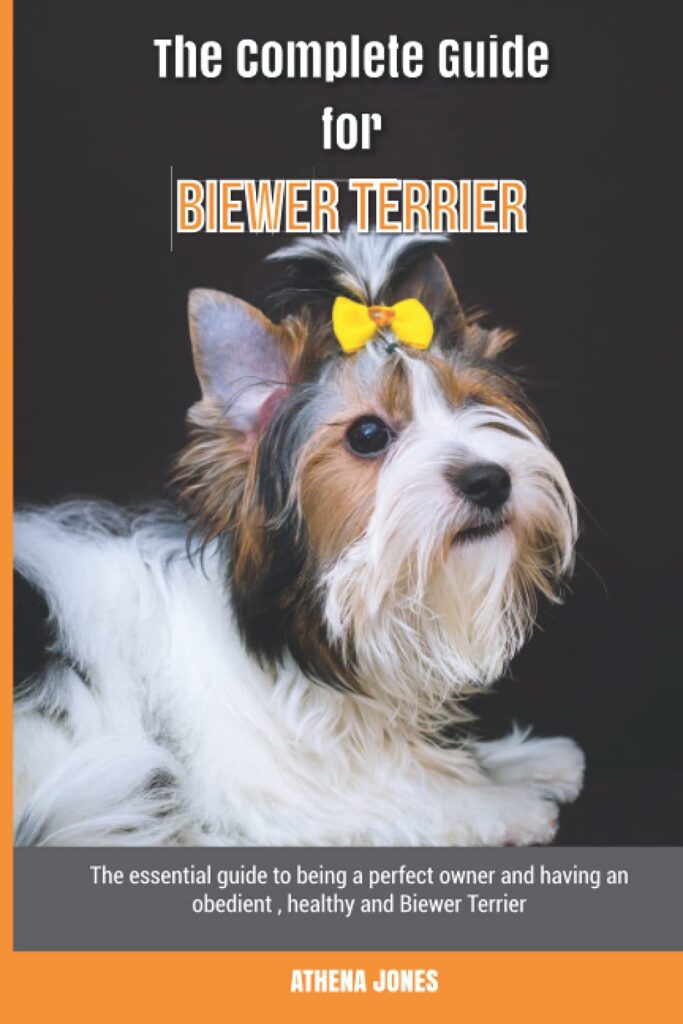
Guide for Biewer Terrier
The Complete Guide for Biewer Terrier: The essential guide to being a perfect owner and having an obedient, healthy, and happy Biewer Terrier
20. Do Biewer Terriers Shed?
Biewer Terriers are considered low-shedding dogs. Their silky coat behaves more like hair than thick fur, so they usually do not leave large amounts of hair around the home.
However, low shedding does not mean no shedding at all. All dogs lose some hair, just like people do. Regular brushing removes loose hairs and keeps the coat neat.
Hair vs Fur
People often say Biewer Terriers have “hair” instead of “fur.” What they usually mean is that the coat is long, fine, and silky rather than thick and fluffy. This type of coat may shed less visibly, but it requires more brushing.
Are They Cleaner Than Double-Coated Dogs?
In terms of shedding, yes, they may be easier to manage than heavy-shedding breeds. But because their coat is long and fine, they may need more grooming time than short-haired dogs.
So the trade-off is simple:
- Less shedding
- More brushing and coat care
21. Are Biewer Terriers Hypoallergenic?
Biewer Terriers are often described as hypoallergenic, but it is important to understand what that really means.
No dog is 100% hypoallergenic. People are usually allergic to proteins found in a dog’s dander, saliva, and urine, not just the hair itself. A low-shedding dog may spread less hair and dander around the home, but it can still trigger allergies in sensitive people.
Why Biewer Terriers May Be Better for Some Allergy Sufferers
- They shed less than many breeds.
- Their coat can be kept clean with regular grooming.
- Loose hair is easier to control through brushing.
- They are small, so they may produce less overall dander than large dogs.
Tips for Allergy-Sensitive Owners
- Spend time with the breed before bringing one home.
- Brush and bathe regularly.
- Keep the dog out of bedrooms.
- Use washable bedding.
- Clean floors and furniture often.
- Use an air purifier if needed.
- Wash hands after petting.
A Biewer Terrier may be a better option for some allergy-sensitive people, but it is not a guaranteed allergy-free dog.
22. Biewer Terrier Bathing Guide
Bathing helps keep a Biewer Terrier’s coat clean, soft, and fresh. Most Biewer Terriers do well with a bath every 2 to 4 weeks, but the exact schedule depends on coat length, skin condition, activity level, and lifestyle.
A dog that plays outside often may need baths more frequently than a mostly indoor dog.
Bathing Tips
- Use a gentle dog-safe shampoo.
- Avoid human shampoo because it can dry the skin.
- Use conditioner to keep the silky coat smooth.
- Rinse thoroughly to prevent irritation.
- Dry the coat fully after bathing.
- Brush before and after the bath to prevent tangles.
Bathing Puppies Safely
Puppies should be bathed gently and kept warm. Use lukewarm water, avoid getting water in the ears, and dry them carefully. Bath time should feel calm, not scary.
Reward your puppy after bathing so it learns that grooming is a normal and positive part of life.
23. Biewer Terrier Dental Care
Dental care is extremely important for Biewer Terriers. Like many small breeds, they can be prone to tartar buildup, gum disease, and retained baby teeth.
Because their mouths are small, teeth may be crowded. This can make it easier for food and plaque to collect.
Dental Care Routine
| Task | Recommendation |
| Tooth brushing | Ideally daily |
| Dental chews | Use vet-approved options |
| Professional cleaning | As recommended by your vet |
| Mouth checks | Weekly |
| Puppy tooth monitoring | Watch for retained baby teeth |
Signs of Dental Disease
- Bad breath
- Yellow or brown tartar
- Red gums
- Bleeding gums
- Drooling
- Pawing at the mouth
- Trouble chewing
- Loose teeth
- Loss of appetite
Dental disease can cause pain and may affect overall health. Starting tooth brushing early is one of the best habits you can build.
24. Biewer Terrier Ear Care
Biewer Terriers need regular ear checks. Their ears should look clean, dry, and free from strong odor.
Check the ears once a week. If you notice dirt or wax, use a vet-approved ear cleaner. Do not push cotton swabs deep into the ear canal because this can cause injury.
Signs of Ear Problems
- Bad smell
- Redness
- Excessive wax
- Head shaking
- Scratching ears
- Pain when touched
- Discharge
- Swelling
If your dog shows these signs, contact a veterinarian. Ear infections can be uncomfortable and usually need proper treatment.
Hair around the ears should also be kept neat. A groomer can help trim the area safely.
Small Pet Feeding Mat
Dog Food Mat 20”x12”, Small Pet Feeding Mat, Non-Slip Rubber Pet Food Mat, Absorbent Cat Dog Water Bowl Mat for Messy Drinkers, Dogs Bowl Placemat for Food and Water, Mushroom
25. Biewer Terrier Eye Care
The Biewer Terrier’s long facial hair can sometimes irritate the eyes if not trimmed or tied back. Some dogs may also develop tear staining, especially on lighter facial hair.
Eye Care Tips
- Wipe around the eyes gently with a damp cloth.
- Keep facial hair trimmed or tied away from the eyes.
- Use dog-safe eye wipes if recommended.
- Avoid harsh chemicals near the face.
- Watch for redness, squinting, or discharge.
When to Visit the Vet
Call a vet if you notice:
- Cloudy eyes
- Yellow or green discharge
- Constant squinting
- Pawing at the face
- Swelling
- Sudden tear increase
- Visible injury
Eye problems can become serious quickly, so do not ignore obvious discomfort.
26. Biewer Terrier Nail Care
Because Biewer Terriers are small and often spend a lot of time indoors, their nails may not wear down naturally. Regular nail trims are important.
Most Biewer Terriers need nail trims every 2 to 4 weeks.
Signs Nails Are Too Long
- Clicking sound on the floor
- Nails touching the ground while standing
- Difficulty walking normally
- Scratching skin during play
- Paw discomfort
- Nails curling
You can use nail clippers or a grinder. Some dogs prefer one over the other. Introduce the tool slowly and reward calm behavior.
If you are nervous about trimming nails, ask a groomer or vet to show you the safe method.
27. Biewer Terrier Health Issues
The Biewer Terrier is generally a healthy breed, but like all dogs, it can be prone to certain health conditions. Responsible breeding, regular vet care, good nutrition, and proper weight control can reduce many risks.
Common Health Concerns in Biewer Terriers
| Health Issue | What It Means |
| Patellar luxation | Kneecap slips out of place |
| Tracheal collapse | Windpipe weakens and causes coughing |
| Bladder stones | Mineral stones form in the bladder |
| Liver shunt | Abnormal blood flow affects liver function |
| Hypoglycemia | Low blood sugar, especially in puppies |
| Dental disease | Tartar, gum disease, tooth loss |
| Eye conditions | Vision-related genetic or age-related problems |
| Sensitive stomach | Digestive upset from diet changes or rich foods |
Patellar Luxation
Patellar luxation is common in many small breeds. It happens when the kneecap moves out of its normal position. Signs may include skipping, limping, sudden lifting of a back leg, or difficulty jumping.
Mild cases may be managed with weight control and monitoring, while severe cases may need surgery.
Tracheal Collapse
Small dogs can be prone to tracheal collapse. This may cause a dry, honking cough, especially when excited or pulling on a collar. Using a harness instead of a neck collar can help reduce pressure on the throat.
Hypoglycemia in Puppies
Tiny puppies can develop low blood sugar if they go too long without eating. Signs may include weakness, shaking, sleepiness, confusion, or collapse. This is one reason young Biewer Terrier puppies need frequent meals.
When to See a Vet
Contact your vet if your Biewer Terrier shows:
- Repeated vomiting
- Diarrhea lasting more than a day
- Coughing or breathing trouble
- Limping
- Loss of appetite
- Sudden weakness
- Pain
- Eye problems
- Difficulty urinating
- Severe lethargy
Early treatment can prevent small problems from becoming serious.
28. Recommended Health Tests for Biewer Terriers
Responsible breeders should screen their breeding dogs for health problems. This helps reduce the chance of passing genetic conditions to puppies.
Common Health Tests to Ask About
| Health Test | Why It Matters |
| Patellar luxation screening | Checks knee stability |
| Eye examination | Screens for inherited or developing eye issues |
| Primary Lens Luxation DNA test | Helps identify risk for lens-related eye disease |
| Progressive Retinal Atrophy DNA test | Screens for inherited retinal disease |
| General vet exam | Confirms overall health before breeding |
When speaking with a breeder, ask for proof of health testing. A responsible breeder should not be offended by these questions. In fact, good breeders usually welcome informed buyers.
Questions to Ask a Breeder
- Have the parent dogs been health tested?
- Can I see health certificates?
- Are the puppies vet checked?
- What vaccines and deworming have been done?
- Do you provide a health guarantee?
- What is the puppy’s expected adult size?
- What food is the puppy eating?
- How are the puppies socialized?
- Can I meet the puppy’s mother?
- What support do you provide after adoption?
A healthy puppy starts with responsible breeding.
29. Biewer Terrier Lifespan
The average Biewer Terrier lifespan is usually around 12 to 16 years. Some may live even longer with excellent care, good genetics, proper diet, and regular veterinary attention.
Small breeds often have long lifespans, but they still need preventive care throughout life.
Factors That Affect Lifespan
- Genetics
- Diet quality
- Weight control
- Dental health
- Exercise
- Vet checkups
- Vaccinations
- Parasite prevention
- Safe home environment
- Early treatment of health problems
How to Help Your Biewer Terrier Live Longer
- Feed a balanced small-breed diet.
- Keep your dog at a healthy weight.
- Brush teeth regularly.
- Visit the vet for routine exams.
- Use a harness instead of pulling on the neck.
- Keep vaccines and parasite prevention updated.
- Prevent falls and rough handling.
- Provide daily mental stimulation.
- Give plenty of affection and routine.
A Biewer Terrier may be small, but with the right care, it can be part of your family for many happy years.
30. Biewer Terrier Diet and Nutrition
Good nutrition is one of the most important parts of Biewer Terrier care. Because this breed is small, it needs food that provides enough nutrients in small portions.
A high-quality small-breed dog food is usually a good choice. These formulas are designed for small mouths, faster metabolisms, and smaller stomach capacity.
What to Look for in Biewer Terrier Food
Choose food that is:
- Complete and balanced
- Suitable for your dog’s life stage
- Made for small breeds
- Rich in quality animal protein
- Moderate in healthy fats
- Easy to chew
- Approved by recognized feeding standards
- Recommended by your veterinarian if your dog has health concerns
Puppy Food vs Adult Food vs Senior Food
| Life Stage | Food Type |
| Puppy | Higher calories and nutrients for growth |
| Adult | Balanced maintenance food |
| Senior | May support joints, digestion, and weight control |
Puppies should not be fed adult food too early because they need nutrients for growth. Senior dogs may need fewer calories if they become less active.
Important Nutrients
| Nutrient | Why It Matters |
| Protein | Supports muscles, growth, and body repair |
| Fat | Provides energy and supports skin and coat |
| Carbohydrates | Provide energy and fiber |
| Vitamins | Support immune health and body functions |
| Minerals | Support bones, teeth, and metabolism |
| Omega fatty acids | Help skin and coat health |
Foods to Avoid
Never feed your Biewer Terrier toxic foods such as:
- Chocolate
- Grapes
- Raisins
- Onions
- Garlic
- Alcohol
- Caffeine
- Macadamia nuts
- Xylitol
- Cooked bones
- Very salty foods
- Fatty leftovers
Because Biewer Terriers are tiny, even a small amount of toxic food can be dangerous. Keep human snacks out of reach.
31. How Much Should You Feed a Biewer Terrier?
Because the Biewer Terrier is a tiny toy breed, it does not need large meals. In fact, overfeeding is one of the easiest mistakes owners can make. A few extra treats or table scraps may not look like much, but for a 4–8 pound dog, those calories add up quickly.
The right amount of food depends on your dog’s:
- Age
- Weight
- Activity level
- Metabolism
- Health condition
- Type of food
- Vet recommendations
Always read the feeding guide on the dog-food label, but remember that those instructions are only a starting point. Some Biewer Terriers need slightly more or less depending on their body condition.
Sample Biewer Terrier Feeding Chart
| Life Stage | Meals Per Day | General Feeding Notes |
|---|---|---|
| 8–12 weeks | 3–4 meals | Small, frequent meals help prevent low blood sugar |
| 3–6 months | 3 meals | Continue puppy food and monitor growth |
| 6–12 months | 2–3 meals | Gradually settle into a routine |
| Adult | 2 meals | Measure portions to prevent weight gain |
| Senior | 2 meals | May need fewer calories if less active |
This chart is general. Your veterinarian can help you decide the best daily amount for your dog’s size and health.
Portion Control Matters
Biewer Terriers are small, so guessing portions can lead to overfeeding. Use a proper measuring cup or kitchen scale. Also, include treats in the daily calorie count. Treats should be small and used carefully, especially during training.
A healthy Biewer Terrier should have a visible waist when viewed from above, and you should be able to feel the ribs without pressing hard. If your dog is gaining weight, reduce treats first and talk to your vet before making major diet changes.
32. Biewer Terrier Puppy Feeding Guide
A Biewer Terrier puppy needs careful feeding because toy-breed puppies can be sensitive to missed meals. Young puppies have small stomachs and fast metabolisms, so they usually do better with several small meals throughout the day.
One concern in tiny puppies is hypoglycemia, or low blood sugar. This can happen if a puppy does not eat enough, plays too hard, becomes stressed, or goes too long without food.
Signs of Low Blood Sugar in Puppies
Watch for:
- Weakness
- Shaking
- Sleepiness
- Confusion
- Wobbling
- Loss of appetite
- Collapse
If you notice these signs, contact a veterinarian immediately. Hypoglycemia can become serious very quickly in small puppies.
Best Food for Biewer Terrier Puppies
Choose a high-quality small-breed puppy food. The kibble should be small enough for a tiny mouth, and the formula should support growth.
Wet food may be easier for some puppies to chew, while dry food can be convenient and may help with chewing practice. Some owners use a mix of both. If changing foods, transition slowly over 7–10 days to avoid stomach upset.
Puppy Feeding Tips
- Feed small meals at regular times.
- Do not leave a young puppy without food for too long.
- Keep fresh water available.
- Avoid sudden food changes.
- Use tiny treats during training.
- Ask your vet when to switch to adult food.
A good feeding routine gives your Biewer Terrier puppy a strong start.
33. Best Treats for Biewer Terriers
Treats are useful for training, bonding, and rewarding good behavior, but they should be chosen carefully. A Biewer Terrier’s mouth is small, and its daily calorie needs are limited.
Good Treat Options
| Treat Type | Why It Works |
| Soft training treats | Easy to chew and quick to eat |
| Small dental chews | May help support dental care |
| Low-calorie treats | Better for weight control |
| Freeze-dried meat treats | High-value reward for training |
| Tiny pieces of safe vegetables | Useful for some dogs in moderation |
Treats should be broken into very small pieces. Your dog does not need a large biscuit to feel rewarded. A tiny piece is usually enough.
Human Foods That May Be Safe in Moderation
Some safe human foods may include:
- Plain cooked chicken
- Plain cooked turkey
- Small pieces of carrot
- Small pieces of cucumber
- Plain cooked pumpkin
- A few blueberries
- Plain cooked egg
These should be given only in small amounts and without seasoning.
Treats and Foods to Avoid
Never give your Biewer Terrier:
- Chocolate
- Grapes or raisins
- Onion or garlic
- Xylitol
- Alcohol
- Caffeine
- Cooked bones
- Very fatty meats
- Salty snacks
- Spicy foods
Because this breed is so small, unsafe foods can be dangerous even in small amounts.
34. Biewer Terrier Weight Management
A healthy weight is very important for the Biewer Terrier dog breed. Extra weight puts stress on the knees, heart, breathing, and joints. It may also increase the risk of problems such as patellar luxation and reduced mobility.
Signs Your Biewer Terrier Is at a Healthy Weight
- You can feel the ribs with light pressure.
- The waist is visible from above.
- The belly tucks slightly upward from the side.
- The dog moves easily.
- Energy level is normal.
Signs of Obesity
Your dog may be overweight if:
- The waist disappears.
- You cannot feel the ribs easily.
- The belly looks round.
- The dog gets tired quickly.
- Jumping or walking becomes harder.
- Breathing sounds heavier after light activity.
Weight Control Tips
- Measure every meal.
- Limit treats.
- Avoid table scraps.
- Use low-calorie rewards.
- Add gentle daily exercise.
- Use puzzle feeders to slow eating.
- Schedule regular vet checkups.
Never put a tiny dog on a strict diet without veterinary guidance. Weight loss should be safe and gradual.
35. Biewer Terrier Puppy Care
Bringing home a Biewer Terrier puppy is exciting, but it also requires preparation. Puppies are curious, delicate, and full of energy. A safe home and steady routine will help your puppy settle in faster.
Puppy-Proofing Your Home
Before your puppy arrives, remove or secure:
- Loose wires
- Small objects
- Toxic plants
- Cleaning products
- Human medications
- Open trash cans
- Sharp items
- Gaps behind furniture
- Stairs without barriers
Because Biewer Terrier puppies are tiny, they can squeeze into small spaces and get hurt easily.
First Vet Visit
Schedule a vet visit soon after bringing your puppy home. Your vet can check overall health, discuss vaccines, recommend parasite prevention, and guide you on feeding.
Basic Puppy Routine
| Care Area | What to Do |
| Feeding | Give small meals several times daily |
| Potty training | Take puppy out often and praise success |
| Sleep | Provide a quiet crate or bed |
| Socialization | Introduce safe people, sounds, and places |
| Grooming | Start brushing and handling early |
| Training | Teach simple commands with rewards |
A calm routine helps your puppy feel secure.
36. Adult Biewer Terrier Care
Adult Biewer Terriers are usually easier to manage than puppies, but they still need daily care. They thrive when their routine includes food, walks, play, grooming, training, and affection.
Daily Adult Care Routine
A healthy adult routine may include:
- Morning potty break
- Breakfast
- Short walk
- Brushing or face cleaning
- Play or puzzle toy
- Rest time
- Evening meal
- Another short walk
- Calm bonding time
- Tooth brushing before bed
Adult Biewer Terriers do not need a huge amount of exercise, but they do need attention. This breed is happiest when it feels included.
Mental Stimulation
Mental exercise is just as important as physical exercise. Try:
- Trick training
- Food puzzles
- Scent games
- Rotating toys
- Short obedience sessions
- Hide-and-seek
A mentally busy Biewer Terrier is usually calmer and better behaved.
37. Senior Biewer Terrier Care
A Biewer Terrier may be considered senior around 8–10 years old, although many remain playful well into their later years. Senior care should focus on comfort, preventive health, dental care, and gentle exercise.
Senior Dog Changes
Older Biewer Terriers may develop:
- Lower energy
- Dental issues
- Joint stiffness
- Vision changes
- Hearing changes
- Weight changes
- Sensitivity to cold
- More frequent sleeping
Senior Care Tips
| Need | Helpful Care |
| Diet | Ask your vet about senior food or calorie adjustments |
| Joints | Use ramps or steps to reduce jumping |
| Dental care | Continue brushing and vet dental checks |
| Exercise | Choose short, gentle walks |
| Comfort | Provide soft bedding and warm sleeping areas |
| Vet visits | Schedule regular senior checkups |
Senior Biewer Terriers still need love, play, and attention. Just adjust activities to match their comfort level.
38. Biewer Terrier Behavior Problems
The Biewer Terrier is usually cheerful and affectionate, but behavior problems can happen if training, routine, or socialization is missing.
Common Behavior Problems
- Excessive barking
- Separation anxiety
- Stubbornness
- House-training accidents
- Resource guarding
- Fearfulness
- Jumping on people
- Overdependence on the owner
Because Biewer Terriers are small, some owners accidentally allow bad habits to continue. But small dogs still need rules. A dog that barks, snaps, guards food, or ignores commands needs patient training just like any larger breed.
How to Correct Behavior Positively
Use kind, consistent methods:
- Reward good behavior.
- Redirect unwanted behavior.
- Avoid yelling or punishment.
- Keep a predictable routine.
- Use short training sessions.
- Socialize gradually.
- Prevent problems before they start.
- Ask a trainer for help if needed.
Most behavior problems improve when the dog understands what is expected.
39. Biewer Terrier Separation Anxiety
Because the Biewer Terrier bonds closely with its family, some dogs may struggle when left alone. They may bark, cry, pace, scratch doors, refuse food, or become destructive.
This does not mean the dog is being naughty. It may be anxious.
Signs of Separation Anxiety
- Barking when left alone
- Whining or crying
- Pacing
- Drooling
- Scratching doors
- Chewing furniture
- Potty accidents
- Following owners constantly
- Panic when owners prepare to leave
Helping a Biewer Terrier Feel Safe Alone
- Practice short alone-time sessions.
- Leave for a few minutes and return calmly.
- Do not make departures dramatic.
- Give a safe chew or puzzle toy.
- Use a crate or playpen if the dog is comfortable.
- Build independence while you are home.
- Avoid leaving puppies alone for long periods.
If anxiety is severe, speak with a veterinarian or certified dog trainer. Some dogs need a structured behavior plan.
40. Biewer Terrier Socialization
Socialization helps a Biewer Terrier grow into a confident, friendly adult. It should begin early and continue throughout life.
Good socialization does not mean forcing a puppy to meet every person or dog. It means creating positive, safe experiences.
What to Socialize Your Biewer Terrier With
- Different people
- Gentle children
- Friendly dogs
- Cats, if part of the home
- Car rides
- Grooming tools
- Vet visits
- Doorbells
- Household noises
- Different walking surfaces
- New places
Grooming Socialization
This is especially important for Biewer Terriers because they need frequent grooming. A puppy that learns to accept brushing, bathing, nail trims, and face cleaning will be much easier to care for as an adult.
Reward calm behavior and keep early sessions short.
41. Biewer Terrier vs Yorkshire Terrier
The Biewer Terrier vs Yorkshire Terrier comparison is one of the most common questions about this breed. They share history, but they are not the same dog.
Biewer Terrier vs Yorkie Comparison
| Feature | Biewer Terrier | Yorkshire Terrier |
| Origin | Germany | England |
| Breed Group | Toy | Toy |
| Coat Colors | Tricolor with white | Blue and tan |
| Size | Small toy breed | Small toy breed |
| Temperament | Cheerful, playful, affectionate | Bold, lively, affectionate |
| Grooming | High | High |
| Recognition | Separate recognized breed | Long-established breed |
The biggest visible difference is coat color. Biewer Terriers have white in the coat, while traditional Yorkies do not.
Both breeds can make wonderful companions, but the Biewer Terrier may appeal more to people who love the tricolor look and slightly softer companion-dog image.
42. Biewer Terrier vs Parti Yorkie
A Parti Yorkie and a Biewer Terrier may look similar because both can have white markings, but they are not the same.
A Parti Yorkie is a Yorkshire Terrier with parti coloring. A Biewer Terrier is a separate breed with its own development, recognition, and breed standard.
Main Differences
| Feature | Biewer Terrier | Parti Yorkie |
| Breed Status | Separate breed | Yorkshire Terrier color variation |
| History | Developed in Germany | Comes from Yorkie lines |
| Appearance | Tricolor breed standard | Parti-colored Yorkie |
| Recognition | Recognized as its own breed | Registered as Yorkshire Terrier depending on registry rules |
If you want a dog specifically recognized as a Biewer Terrier, ask the breeder for proper registration and pedigree information.
43. Biewer Terrier vs Maltese
The Biewer Terrier and Maltese are both small, elegant companion dogs, but they have different looks and personalities.
Biewer Terrier vs Maltese Comparison
| Feature | Biewer Terrier | Maltese |
| Coat Color | Tricolor | White |
| Coat Type | Long and silky | Long and silky |
| Temperament | Playful, alert, affectionate | Gentle, affectionate, lively |
| Grooming Needs | High | High |
| Barking Level | Moderate to high if untrained | Moderate |
| Apartment Suitability | Excellent | Excellent |
Both breeds are good apartment dogs and loving companions. The Maltese may suit people who prefer an all-white dog, while the Biewer Terrier may suit those who love a colorful tricolor coat.
44. Biewer Terrier vs Shih Tzu
The Biewer Terrier and Shih Tzu are both small companion breeds, but they differ in body shape, coat, and personality.
Biewer Terrier vs Shih Tzu Comparison
| Feature | Biewer Terrier | Shih Tzu |
| Size | Smaller and finer-boned | Slightly sturdier |
| Face Shape | Longer muzzle | Flat-faced breed |
| Coat | Silky tricolor coat | Long, dense coat |
| Energy Level | Playful and alert | Usually calm and affectionate |
| Training | Smart but may be independent | Can be stubborn but loving |
| Health Concerns | Small-breed issues | Breathing and eye concerns due to flat face |
A Shih Tzu may be sturdier for some families with children, while a Biewer Terrier may be better for owners who want a lighter, more delicate toy breed.
45. Biewer Terrier Pros and Cons
Before choosing this breed, it helps to look at the advantages and challenges clearly.
Pros of Biewer Terriers
| Pro | Why It Matters |
| Small size | Easy to carry and suitable for apartments |
| Affectionate | Bonds closely with family |
| Playful | Fun and entertaining companion |
| Low shedding | Less loose hair around the home |
| Long lifespan | Can be a companion for many years |
| Beautiful coat | Unique and eye-catching appearance |
Cons of Biewer Terriers
| Con | Why It Matters |
| High grooming needs | Requires brushing and professional grooming |
| Can bark | Needs training, especially in apartments |
| Can be expensive | Puppies and grooming may cost more |
| Fragile size | Needs gentle handling |
| May dislike being alone | Can develop separation anxiety |
| Small-breed health risks | Needs regular vet care |
The Biewer Terrier is a wonderful dog for the right owner, but it is not a low-maintenance breed.
46. Is a Biewer Terrier Right for You?
A Biewer Terrier may be right for you if you want a small, affectionate, playful companion and are willing to care for its coat, teeth, training, and emotional needs.
Best Owner Type
This breed is best for someone who:
- Wants a close companion dog
- Has time for grooming
- Can provide gentle training
- Enjoys indoor play and short walks
- Is careful with small dogs
- Can afford regular grooming and vet care
Best Home Type
Biewer Terriers can do well in:
- Apartments
- Small homes
- Quiet family homes
- Senior households
- Homes with gentle children
- Homes with other calm pets
Who Should Avoid This Breed?
A Biewer Terrier may not be ideal for:
- People who want a low-grooming dog
- Families with very rough young children
- Owners away from home all day
- People who dislike barking
- Anyone looking for a rugged outdoor dog
- Owners who do not want regular dental care
Choosing a dog should always be about lifestyle fit, not just appearance.
47. Biewer Terrier Price
The Biewer Terrier price can vary widely depending on breeder reputation, location, pedigree, health testing, and whether the puppy is pet-quality or show-quality.
Because the breed is still relatively rare compared with many toy breeds, puppies can be expensive.
Factors That Affect Price
- Breeder reputation
- Health testing
- Registration
- Pedigree
- Coat markings
- Location
- Puppy age
- Demand
- Show potential
A puppy from a responsible breeder will usually cost more than one from a casual seller. However, a lower price is not always a better deal. Poor breeding can lead to health and behavior problems that cost much more later.
Adoption Costs
Adoption is usually less expensive than buying from a breeder, but Biewer Terriers may be harder to find in rescues because they are uncommon. Small-dog rescues and breed-specific groups may occasionally have them.
48. Monthly Cost of Owning a Biewer Terrier
The monthly cost of owning a Biewer Terrier depends on grooming, food, health care, insurance, and lifestyle.
Common Monthly Expenses
| Expense | Notes |
| Food | Small dogs eat less, but quality food still matters |
| Grooming | Professional grooming may be needed every 4–8 weeks |
| Vet care | Routine care, vaccines, and checkups |
| Pet insurance | Optional but helpful for emergencies |
| Toys | Puzzle toys and small chew toys |
| Treats | Training rewards and dental chews |
| Dental care | Toothpaste, toothbrushes, cleanings |
| Training | Puppy classes or private lessons if needed |
Emergency vet bills can happen with any dog. It is wise to keep a pet emergency fund.
49. How to Find a Reputable Biewer Terrier Breeder
A responsible breeder cares about health, temperament, and proper placement of puppies. They should be willing to answer questions and provide proof of health care.
Signs of a Good Breeder
- Provides health testing information
- Allows you to ask questions
- Raises puppies in a clean environment
- Socializes puppies early
- Gives vaccination and vet records
- Provides a written contract
- Offers a health guarantee
- Does not pressure you to buy quickly
- Asks questions about your home
- Supports owners after purchase
Red Flags to Avoid
Avoid breeders who:
- Always have many puppies available
- Refuse to show health records
- Avoid questions
- Sell puppies too young
- Offer “teacup” dogs as a selling point
- Will not let you see where puppies are raised
- Cannot explain the breed
- Focus only on color and size
- Offer no contract or health guarantee
A beautiful puppy should also be a healthy, well-raised puppy.
50. Biewer Terrier Adoption and Rescue
Although Biewer Terriers are less common in shelters than some breeds, adoption is still possible. You may find one through breed rescues, small-dog rescues, or owners rehoming responsibly.
Questions to Ask Before Adoption
- How old is the dog?
- Why is the dog being rehomed?
- Is the dog good with children?
- Is the dog good with other pets?
- Does the dog have health issues?
- Is the dog house-trained?
- Does the dog bark a lot?
- Has the dog been groomed regularly?
- Does the dog have separation anxiety?
- Are vet records available?
Adult dogs can be a great choice for people who do not want the demands of puppyhood. Some may already be trained, calmer, and easier to understand.
51. Teacup Biewer Terrier: What to Know
You may see ads for a teacup Biewer Terrier, but buyers should be careful. “Teacup” is not a separate official breed. It is usually a marketing term for a very tiny dog.
Extremely small dogs may be more vulnerable to health problems, including:
- Low blood sugar
- Weak bones
- Dental issues
- Fragility
- Poor growth
- Higher injury risk
A responsible breeder should focus on health, structure, and temperament instead of trying to produce the smallest puppy possible.
Tiny may look cute, but healthy is more important.
52. Biewer Terrier Mixes
Some people may also look for Biewer Terrier mixes. These dogs may combine Biewer Terrier traits with another breed.
Common Biewer Terrier Mixes
- Biewer Yorkie mix
- Biewer Maltese mix
- Biewer Poodle mix
- Biewer Shih Tzu mix
- Biewer Chihuahua mix
Mixed-breed dogs can be wonderful pets, but their size, coat, temperament, and health can be less predictable. A Biewer Poodle mix, for example, may have a curlier coat, while a Biewer Maltese mix may have a softer companion-dog personality.
When choosing any mixed breed, focus on health, temperament, and responsible breeding rather than a designer name.
53. Common Myths About Biewer Terriers
There are several myths about the Biewer Terrier. Let’s clear up some of the most common ones.
Myth 1: “They Are Just Yorkies”
Biewer Terriers are related to Yorkshire Terriers, but they are recognized as a separate breed with their own standard and history.
Myth 2: “Small Dogs Do Not Need Exercise”
They may not need long runs, but they still need daily walks, play, and mental stimulation.
Myth 3: “They Do Not Need Training”
Every dog needs training. Without structure, even a tiny dog can become noisy, anxious, or bossy.
Myth 4: “They Are Hypoallergenic for Everyone”
They are low-shedding, but no dog is completely hypoallergenic for every person.
Myth 5: “Teacup Is Better”
Very tiny dogs can have more health risks. A healthy, well-bred dog is better than the smallest possible dog.
Myth 6: “They Are Only Fashion Dogs”
Biewer Terriers are beautiful, but they are also loving companions with real emotional, physical, and training needs.
54. Fun Facts About Biewer Terriers
Here are a few fun facts about the breed:
- The Biewer Terrier originated in Germany.
- The name is pronounced “Bee-ver Terrier.”
- The breed is known for its tricolor coat.
- It developed from Yorkshire Terrier lines but became a separate breed.
- It is a relatively new breed in the AKC Toy Group.
- Biewer Terriers are often described as cheerful and childlike.
- They are small but often have big personalities.
- Their coat can be kept long or trimmed short for easier care.
- They are popular as companion dogs and show dogs.
- They often love being close to their families.
55. Biewer Terrier FAQs
What is a Biewer Terrier?
A Biewer Terrier is a small toy dog breed known for its tricolor coat, affectionate personality, and playful nature. It originated in Germany and is popular as a companion dog.
How do you pronounce Biewer Terrier?
Biewer Terrier is pronounced “Bee-ver Terrier.”
Are Biewer Terriers good pets?
Yes, Biewer Terriers can be excellent pets for the right owner. They are loving, playful, and loyal, but they need grooming, training, and attention.
Are Biewer Terriers rare?
Yes, they are still less common than many popular toy breeds, although they are becoming more well-known.
Are Biewer Terriers expensive?
They can be expensive, especially from reputable breeders who perform health testing and raise puppies responsibly.
Do Biewer Terriers bark a lot?
Some Biewer Terriers can bark often, especially if they are bored, anxious, or alerting to sounds. Training can help reduce excessive barking.
Are Biewer Terriers easy to train?
They are intelligent and can learn well with positive reinforcement. Short, fun sessions work best.
Are Biewer Terriers hypoallergenic?
They are often considered low-shedding and may be better for some allergy-sensitive owners, but no dog is completely hypoallergenic.
Do Biewer Terriers shed?
They are low-shedding dogs, but they still lose some hair and need regular brushing.
Are Biewer Terriers good with kids?
Yes, they can be good with gentle children. Because they are small and fragile, supervision is important.
Are Biewer Terriers good with cats?
Many Biewer Terriers can live with cats if introduced slowly and positively.
How long do Biewer Terriers live?
The average lifespan is usually around 12 to 16 years.
How big do Biewer Terriers get?
Most adult Biewer Terriers weigh about 4 to 8 pounds and stand around 7 to 11 inches tall.
What health problems do Biewer Terriers have?
Possible health concerns include patellar luxation, dental disease, tracheal collapse, bladder stones, liver shunts, hypoglycemia in puppies, and eye conditions.
How often should you groom a Biewer Terrier?
Brushing may be needed daily or several times per week, depending on coat length. Professional grooming is often needed every 4–8 weeks.
What is the difference between a Biewer Terrier and a Yorkie?
The main difference is that Biewer Terriers have a tricolor coat with white markings and are recognized as a separate breed, while Yorkshire Terriers have their own traditional blue-and-tan breed standard.
Can Biewer Terriers be left alone?
They can be left alone for short periods if trained gradually, but they are companion dogs and may develop separation anxiety if left alone too long.
Are Biewer Terriers good for apartments?
Yes, they are usually excellent apartment dogs because of their small size and moderate exercise needs. Barking should be managed with training.
What do Biewer Terriers eat?
They should eat a high-quality, complete and balanced small-breed dog food appropriate for their age, weight, and health needs.
Should I buy a teacup Biewer Terrier?
Be careful with “teacup” marketing. Extremely tiny dogs may have more health risks. Choose a healthy puppy from a responsible breeder instead of focusing only on size.
56. Conclusion: Should You Get a Biewer Terrier?
The Biewer Terrier is a charming, affectionate, and elegant toy breed with a beautiful tricolor coat and a lively personality. It is small enough for apartment living, loving enough for family life, and playful enough to bring energy and joy into the home.
This breed is best for owners who want a close companion and are ready for regular grooming, gentle training, dental care, and daily attention. A Biewer Terrier may be tiny, but it still needs structure, socialization, exercise, and proper health care.