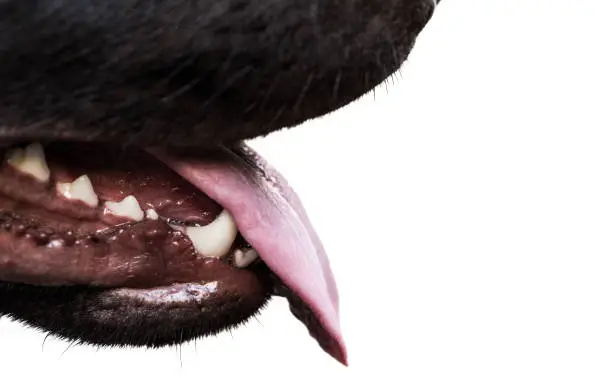
If your dog breath stinks like poop, it is hard to ignore. One minute your dog is happily leaning in for kisses, and the next you are wondering what on earth happened inside their mouth. While this smell can come from something simple, like eating feces, garbage, or spoiled food, it can also point to a deeper health issue such as dental disease, kidney problems, liver disease, digestive trouble, or even an intestinal blockage.
Bad breath in dogs is common, but that does not mean it should be dismissed as “normal dog breath.” A mild odor after eating may not be serious. However, breath that smells like feces, rot, urine, decay, or death deserves attention.
In this guide, we will break down why your dog’s breath may smell like poop, what symptoms to watch for, when to call the vet, and what you can safely do at home.
Important note: This article is for general information only. If your dog seems sick, is vomiting, acting weak, refusing food, or showing signs of pain, contact your veterinarian.
Why Does My Dog’s Breath Stink Like Poop?
A dog’s mouth can smell bad for many reasons, but when the odor is specifically fecal, there are usually three big categories to consider.
| Main Cause | What It Means | Common Clues |
|---|---|---|
| Something your dog ate | Your dog may have eaten poop, garbage, cat litter, spoiled food, or a dead animal | Sudden smell, dirty muzzle, vomiting, diarrhea, guilty behavior |
| Bacteria in the mouth | Plaque, tartar, gum disease, infected teeth, or oral wounds may be causing odor | Yellow teeth, red gums, drooling, chewing on one side |
| Internal health problem | Kidney disease, liver disease, stomach problems, or blockage may be involved | Lethargy, appetite loss, weight loss, vomiting, thirst changes |
Sometimes the answer is obvious. Maybe your dog got into the litter box. Maybe they found something disgusting in the yard. But other times, the smell keeps coming back even after you clean their mouth and change their routine.
That is when you need to look deeper.
A poop-like smell can come from actual fecal material, but it can also come from bacterial overgrowth, infected tissue, digestive contents, or toxins building up in the body. That is why it is important to pay attention to how long the smell lasts and what other symptoms appear with it.
Is Poop-Smelling Dog Breath Normal?
Mild dog breath can happen. Dogs eat strong-smelling food, lick odd things, chew toys, and explore the world with their mouths. So yes, your dog’s breath may smell unpleasant now and then.
But breath that smells like poop is not something to ignore, especially if it is strong, sudden, or ongoing.
Occasional Bad Breath vs. Chronic Bad Breath
Occasional bad breath may happen after your dog eats:
- Poop
- Garbage
- Spoiled food
- Cat litter
- A dead animal
- Strong-smelling treats
- Something from the yard
If the smell disappears after a few hours and your dog acts completely normal, it may have been a one-time incident.
Chronic bad breath is different. If the smell comes back every day, gets worse, or smells rotten no matter what your dog eats, it may be linked to oral disease or internal illness.
Why Sudden Breath Changes Matter
A sudden change in breath odor can be an early warning sign. Dogs cannot tell us when their mouth hurts, their stomach feels bad, or something is wrong internally. Breath changes are often one of the first things owners notice.
Pay closer attention if your dog’s poop-smelling breath appears along with:
- Vomiting
- Diarrhea
- Drooling
- Refusing food
- Weight loss
- Drinking more water
- Pawing at the mouth
- Bleeding gums
- Lethargy
- Yellow eyes or gums
These signs can point to something more serious than simple bad breath.
Why Masking the Smell Is Not Enough
It may be tempting to reach for dental chews, breath sprays, or water additives right away. These products can help in some cases, but they do not solve every problem.
If your dog has an infected tooth, kidney disease, liver disease, or a blockage, a minty chew will only cover the odor for a short time. The real issue will still be there.
Think of bad breath as a symptom, not the disease itself.
Common Causes of Dog Breath That Smells Like Poop
There are many possible reasons your dog’s breath smells like feces. Some are simple and easy to fix. Others need veterinary care.
Let’s start with the most obvious one.
1. Your Dog Ate Poop
Yes, it is gross. But it is also one of the most common reasons a dog’s breath smells like poop.
Dogs may eat:
- Their own poop
- Another dog’s poop
- Cat feces from the litter box
- Rabbit, deer, or wildlife droppings
- Old feces in the yard
- Poop stuck to fur or bedding
This behavior is called coprophagia, which simply means eating feces. It is unpleasant for owners, but it is not rare in dogs.
Why Do Dogs Eat Poop?
Dogs may eat poop for several reasons. Some are behavioral, while others may be related to diet, stress, or health.
Common reasons include:
- Curiosity, especially in puppies
- Boredom
- Stress or anxiety
- Attention-seeking behavior
- Hunger
- Restricted diets
- Nutritional imbalance
- Digestive issues
- Learning the behavior from other dogs
- Cleaning behavior in mother dogs
Some dogs also develop a habit of eating poop because they have done it before and found it rewarding. To a dog, poop may smell interesting rather than disgusting.
Puppy Curiosity and Poop-Eating
Puppies explore everything with their mouths. Shoes, toys, socks, dirt, leaves, and unfortunately, poop.
A puppy with breath that smells like feces may simply have eaten something they should not have. However, puppies are also more vulnerable to parasites, stomach upset, and dietary changes, so do not assume it is always harmless.
Call your vet if your puppy has bad breath along with:
- Vomiting
- Diarrhea
- A swollen belly
- Poor appetite
- Weight loss
- Worms in stool
- Low energy
Dogs Eating Cat Poop From Litter Boxes
Many dogs are strangely attracted to cat poop. Cat food is often higher in protein and fat than dog food, which can make cat feces smell tempting to dogs.
If your dog has access to a litter box, that may be the source of the odor.
Helpful steps include:
- Place the litter box behind a baby gate
- Use a covered litter box if your cat accepts it
- Clean the litter box often
- Keep the litter box in a dog-free room
- Train a strong “leave it” command
Cat litter can also be risky if swallowed in large amounts, especially clumping litter. It may irritate the digestive tract or contribute to blockage in some cases.
How Long Does Poop Breath Last After Eating Feces?
If your dog ate poop once, the smell may fade after a few hours, especially after drinking water, eating a normal meal, or having their teeth brushed.
However, the smell may last longer if:
- Poop is stuck in the teeth
- Your dog keeps eating feces
- There is vomiting or reflux
- Your dog has dental disease
- Your dog has digestive upset
If the odor does not improve by the next day, or if your dog acts sick, contact your vet.
How to Stop Your Dog From Eating Poop
Stopping poop-eating takes patience. Punishment usually does not work and may make some dogs sneakier.
Try these steps instead:
- Pick up poop quickly
Remove feces from the yard as soon as possible. - Block access to litter boxes
Keep cat litter in a space your dog cannot reach. - Use leash supervision outdoors
Watch your dog closely during walks and potty breaks. - Teach “leave it” and “drop it”
Reward your dog for ignoring poop or moving away from it. - Add enrichment
Bored dogs are more likely to develop unwanted habits. Use puzzle toys, walks, training games, and safe chews. - Review your dog’s diet
If your dog seems constantly hungry or is losing weight, ask your vet whether diet or digestion may be involved. - Rule out health problems
Persistent poop-eating can sometimes be linked to medical issues such as malabsorption, parasites, or digestive disorders.
2. Poor Oral Hygiene
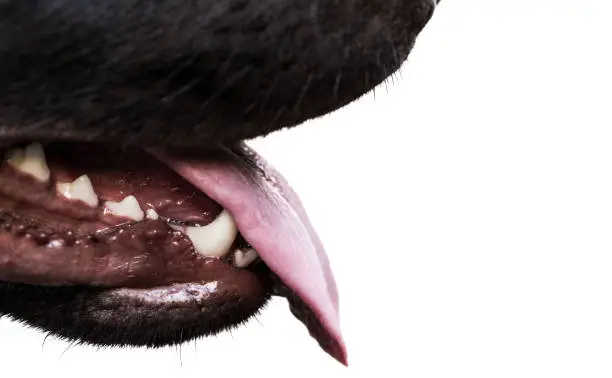
If your dog’s breath smells like poop but they have not eaten feces, the mouth itself may be the problem.
Poor oral hygiene is one of the biggest causes of bad breath in dogs. When food particles, saliva, and bacteria collect on the teeth, they form plaque. Over time, plaque hardens into tartar, which traps even more bacteria near the gums.
That bacteria can create a strong, rotten odor.
Plaque Buildup
Plaque is a sticky film that forms on teeth. It contains bacteria, food particles, and saliva. If not removed, it can lead to gum irritation and bad breath.
Early plaque may look like a soft coating on the teeth. It may not seem serious at first, but it can quickly become a bigger issue if ignored.
Tartar Buildup
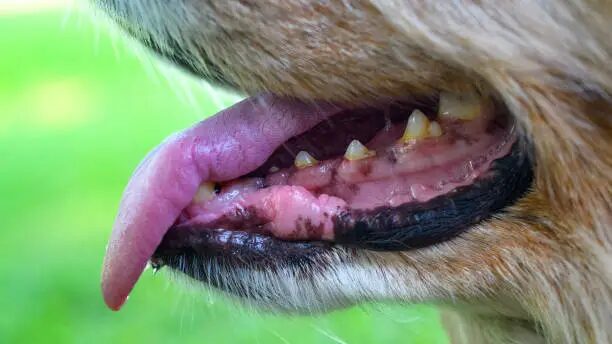
Tartar is hardened plaque. It often appears as a yellow, tan, or brown crust near the gumline.
Once tartar forms, brushing alone usually cannot remove it completely. A professional dental cleaning may be needed.
Signs of tartar buildup include:
- Yellow or brown teeth
- Red gums
- Bad breath
- Drooling
- Chewing on one side
- Bleeding gums
- Pawing at the mouth
Food Stuck Between Teeth
Sometimes the smell comes from trapped food. Bits of meat, treats, sticks, hair, or debris can get stuck between teeth or under the gumline.
As trapped material breaks down, it can smell rotten or fecal.
This is especially common in dogs that chew:
- Bones
- Sticks
- Rawhides
- Rope toys
- Fabric toys
- Hard treats
If your dog suddenly has terrible breath and is pawing at their mouth, something may be stuck.
Dogs That Hate Tooth Brushing
Many dogs do not enjoy having their teeth brushed at first. Some pull away, chew the brush, lick the toothpaste, or clamp their mouth shut.
The key is to start slowly.
Try this approach:
| Step | What to Do |
|---|---|
| Step 1 | Let your dog lick dog-safe toothpaste from your finger |
| Step 2 | Gently touch the outside of the lips and gums |
| Step 3 | Rub a finger brush along a few front teeth |
| Step 4 | Slowly work toward the back teeth |
| Step 5 | Keep sessions short and positive |
Never use human toothpaste for dogs. Many human toothpastes contain ingredients that are unsafe for pets.
Why Small Dogs Often Have Worse Breath
Small breeds often have crowded teeth, which makes it easier for plaque and tartar to build up. Their teeth may be packed tightly together, creating small spaces where food and bacteria hide.
Breeds that commonly struggle with dental issues include:
- Chihuahuas
- Yorkies
- Pomeranians
- Toy Poodles
- Dachshunds
- Shih Tzus
- Maltese
- Pugs
Of course, any dog can develop dental problems. Size simply affects risk.
3. Dental Disease or Periodontal Disease
Dental disease is one of the most important causes of poop-smelling breath in dogs.
When bacteria move below the gumline, they can cause inflammation, infection, tissue damage, and tooth loss. This is known as periodontal disease.
The smell can become extremely strong. Some owners describe it as:
- Poop-like
- Rotten
- Metallic
- Sour
- Dead-animal odor
- “Smells like death”
What Is Periodontal Disease?
Periodontal disease affects the structures that support the teeth, including the gums, ligaments, and bone. It usually starts with plaque and tartar but can progress into infection and tooth loss.
The tricky part is that dogs often hide dental pain. A dog may still eat even with infected teeth or sore gums.
Signs of Dental Disease in Dogs
Watch for these warning signs:
- Bad breath that does not go away
- Red or swollen gums
- Bleeding from the mouth
- Loose teeth
- Yellow or brown tartar
- Drooling
- Dropping food
- Chewing on one side
- Pawing at the mouth
- Whining while eating
- Facial swelling
- Loss of appetite
If your dog allows it, gently lift the lips and look at the teeth and gums. Do not force the mouth open if your dog is painful or stressed.
Tooth Root Infections and Abscesses
A tooth root infection can produce a terrible odor. The infection may be hidden below the gumline, so you may not see much from the outside.
A dental abscess may cause:
- Swelling under the eye
- Swelling along the jaw
- Pain when chewing
- Bad breath
- Drooling
- Fever
- Reduced appetite
This needs veterinary care. Antibiotics alone may not solve the problem if the tooth is damaged or infected at the root.
Why Dental Disease Can Affect More Than the Mouth
The mouth is connected to the rest of the body. Severe dental infection can allow bacteria and inflammation to affect overall health.
That is why vets often take dental disease seriously, especially in senior dogs or dogs with existing heart, kidney, or liver problems.
For more detail about oral health and pets, see this helpful guide on dog dental care and oral hygiene.
4. Oral Infection or Mouth Injury
Not every foul odor comes from plaque or tartar. Sometimes your dog’s breath smells like poop because there is an infection, wound, or injury inside the mouth.
Dogs chew all kinds of things. Sticks, bones, toys, rocks, and sharp objects can cut the gums, crack teeth, or become lodged in the mouth.
Common Mouth Problems That Cause Bad Breath
Possible causes include:
- Broken or cracked teeth
- Cuts on the gums
- Sticks stuck across the roof of the mouth
- Bone fragments
- Oral ulcers
- Burns from chewing electrical cords
- Foreign material stuck between teeth
- Oral tumors
- Infected wounds
Any of these can create a strong odor as bacteria grow around damaged tissue.
Signs Your Dog’s Mouth May Be Infected
Look for:
- Sudden bad breath
- Drooling more than usual
- Blood on toys or bowls
- Refusing hard food
- Pawing at the face
- Swelling around the muzzle
- Crying when chewing
- Bad smell from one side of the mouth
- Visible sores or lumps
If your dog’s breath suddenly smells rotten and they seem uncomfortable, do not wait too long. Mouth injuries can worsen quickly.
5. Your Dog Ate Garbage or Something Rotten
Dogs are natural scavengers. Unfortunately, their idea of an exciting snack may include things that make humans gag.
Your dog may develop poop-smelling breath after eating:
- Garbage
- Spoiled meat
- Compost
- Dead animals
- Roadkill
- Old bones
- Dirty diapers
- Cat litter
- Rotten food from outside
- Moldy leftovers
This can cause more than bad breath. It may also lead to stomach upset, diarrhea, vomiting, or exposure to harmful bacteria and toxins.
Why Garbage Breath Can Be Risky
A little stolen food may only cause temporary odor. But garbage can contain dangerous items, including:
- Cooked bones
- Moldy food
- Plastic wrap
- Foil
- String
- Corn cobs
- Grease
- Toxic foods
- Spoiled meat
- Medication packaging
Some of these can irritate the stomach. Others can cause choking, poisoning, or intestinal blockage.
Dirty Water Bowls Can Make Breath Worse
Sometimes the issue is not what your dog ate, but what they are drinking from.
Water bowls can collect:
- Saliva
- Food particles
- Bacteria
- Biofilm
- Dirt
- Hair
A slimy water bowl can contribute to bad breath and poor oral hygiene. Wash food and water bowls daily with hot, soapy water.
6. Foreign Object or Intestinal Blockage
Dogs are curious, and some dogs are determined chewers. They may swallow things that are not meant to be eaten, including toys, socks, bones, fabric, corn cobs, plastic, rocks, hair ties, underwear, or pieces of bedding.
If the object cannot pass through the digestive tract, it may cause a blockage. This can become dangerous quickly.
A dog with a blockage may have foul-smelling breath because food, fluid, gas, and digestive contents are not moving normally through the body. The odor may smell rotten, sour, fecal, or unusually strong.
Common Objects Dogs Swallow
| Item | Why It Can Be Risky |
|---|---|
| Socks or fabric | Can bunch up and block the intestines |
| Bones | May splinter, irritate, or obstruct the gut |
| Toys | Pieces can lodge in the stomach or intestines |
| Corn cobs | Often too large and firm to pass safely |
| Plastic | Can irritate or block the digestive tract |
| Hair ties or string | May damage the intestines if pulled tight |
Warning Signs of a Possible Blockage
Do not ignore bad breath if it appears with digestive symptoms. Watch for:
- Vomiting
- Repeated retching
- Loss of appetite
- Bloated or painful belly
- Lethargy
- Constipation
- Diarrhea
- Whining or restlessness
- Hunching the back
- Trying to poop but nothing comes out
A blockage can become an emergency. If your dog’s breath smells like poop and they are vomiting, refusing food, or acting painful, contact a veterinarian right away.
This is especially important if you know or suspect your dog swallowed a toy, sock, bone, or other object.
7. Kidney Disease
Kidney disease is another possible reason a dog’s breath smells unusually foul. In some cases, owners describe the odor as urine-like, ammonia-like, metallic, rotten, or fecal.
The kidneys help filter waste products from the blood. When they are not working properly, waste can build up in the body. That buildup may affect the smell of the breath.
This does not mean every dog with poop-smelling breath has kidney disease. But if the odor is persistent and your dog has other symptoms, kidney problems should be considered.
Signs That May Point to Kidney Trouble
Look for these symptoms:
- Drinking more water than usual
- Urinating more often
- Accidents in the house
- Weight loss
- Poor appetite
- Vomiting
- Lethargy
- Pale gums
- Mouth ulcers
- Weakness
- Dull coat
Kidney disease is more common in older dogs, but it can happen at any age.
Why Older Dogs Need Extra Attention
Senior dogs often have more than one issue at the same time. For example, an older dog may have both dental disease and early kidney disease. Both can make breath smell awful.
That is why it is risky to assume the smell is “just old dog breath.” A vet may recommend bloodwork and a urine test to check kidney function.
Why Bloodwork May Be Needed
You cannot diagnose kidney disease by smell alone. Your vet may suggest:
- Blood tests
- Urinalysis
- Blood pressure check
- Urine protein testing
- Imaging if needed
These tests help show whether the kidneys are filtering waste normally.
8. Liver Disease
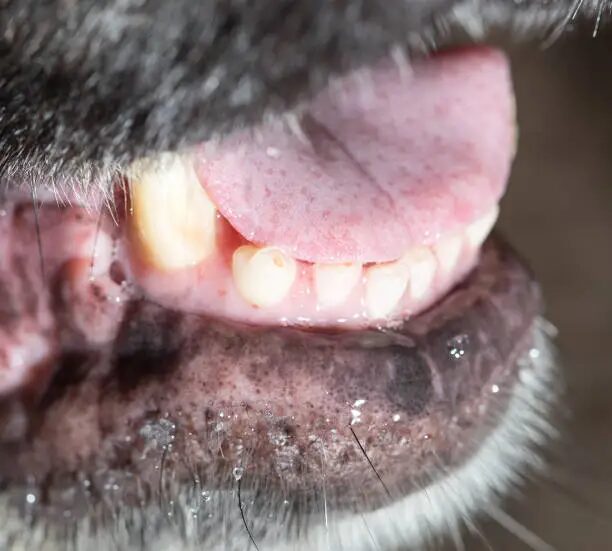
The liver plays a major role in processing toxins, digestion, metabolism, and overall body function. When the liver is not working well, waste products and toxins can build up, which may contribute to severe bad breath.
Liver-related breath odor may smell musty, rotten, sour, or fecal. It is often accompanied by other symptoms.
Signs of Possible Liver Disease
Pay attention if bad breath appears with:
- Vomiting
- Diarrhea
- Loss of appetite
- Weight loss
- Yellow gums
- Yellow eyes
- Weakness
- Confusion
- Excessive drooling
- Swollen belly
- Dark urine
- Pale stool
Yellowing of the eyes, gums, skin, or ear flaps is called jaundice. This can be a serious sign and should be checked by a vet.
Why Liver Disease Needs Veterinary Diagnosis
Liver problems can have many causes, including infection, inflammation, toxins, tumors, bile duct issues, or chronic disease. Because symptoms can overlap with stomach problems, kidney issues, and dental disease, testing is usually needed.
Your vet may recommend:
- Bloodwork
- Urine testing
- Bile acid testing
- Ultrasound
- X-rays
- Additional specialized tests
If your dog’s breath smells like poop and they also have yellow eyes or gums, do not wait.
9. Gastrointestinal Problems
Sometimes the odor is linked to the digestive tract rather than the mouth. If your dog is vomiting, burping, regurgitating, constipated, or having diarrhea, their breath may smell especially foul.
Digestive problems can cause odors that smell:
- Sour
- Rotten
- Fecal
- Fermented
- Acidic
- Like spoiled food
Acid Reflux in Dogs
Dogs can experience acid reflux when stomach contents move back toward the esophagus. This may cause sour or unpleasant breath, especially after meals or overnight.
Possible signs include:
- Lip licking
- Swallowing repeatedly
- Burping
- Gagging
- Regurgitation
- Reduced appetite
- Restlessness after eating
Vomiting and Regurgitation
Vomiting brings partially digested food, bile, stomach fluid, and sometimes intestinal odors into the mouth. If your dog has recently vomited, their breath may smell terrible afterward.
Regurgitation is a little different. Food comes back up with less effort, often soon after eating. It may still make the breath smell bad and should be discussed with a vet if it happens repeatedly.
Gut Bacteria Imbalance
The gut contains bacteria that help with digestion. When the balance is disrupted, your dog may develop gas, diarrhea, bloating, or foul breath.
Possible triggers include:
- Sudden diet changes
- Eating spoiled food
- Food intolerance
- Stress
- Antibiotic use
- Parasites
- Underlying digestive disease
Constipation
If your dog is constipated, digestive contents move more slowly. This can contribute to gas, discomfort, appetite changes, and foul odors.
Signs of constipation include:
- Straining to poop
- Passing small, hard stools
- Crying while trying to poop
- Reduced appetite
- Bloated belly
- Restlessness
Diarrhea
Diarrhea can also go along with poop-smelling breath, especially if your dog is licking their rear end, eating feces, or dealing with gut inflammation.
If diarrhea is severe, bloody, or lasts more than a day, contact your vet. Puppies, senior dogs, and small dogs can become dehydrated faster.
Pancreatitis as a Possible Concern
Pancreatitis is inflammation of the pancreas. It can happen after eating fatty foods, but not always. It may cause vomiting, belly pain, diarrhea, fever, and loss of appetite.
A dog with pancreatitis may have foul breath due to vomiting, nausea, and digestive upset. This condition can be serious, so veterinary care is important.
10. Anal Gland Odor Mistaken for Breath
Sometimes the smell may not truly be coming from your dog’s mouth. Dogs with anal gland problems may lick their rear end, then transfer that odor to their mouth, muzzle, paws, or bedding.
Anal gland odor is often described as fishy, rotten, fecal, metallic, or extremely strong.
What Are Anal Glands?
Dogs have small scent glands near the anus. These glands normally release a strong-smelling fluid when a dog poops. Sometimes they become impacted, irritated, or infected.
When that happens, your dog may lick or chew the area, spreading the smell.
Signs of Anal Gland Problems
Watch for:
- Scooting on the floor
- Excessive licking under the tail
- Fishy smell
- Fecal smell on the mouth or fur
- Redness near the anus
- Swelling
- Pain when sitting
- Sudden yelping
- Blood or discharge near the rear
When Anal Glands Need Veterinary Care
Mild anal gland fullness may be handled by a groomer or vet, but infection or abscesses need medical treatment.
Call your vet if you notice:
- Swelling
- Blood
- Pus
- Severe pain
- Constant licking
- A lump beside the anus
- Your dog refusing to sit
Anal gland infections can be painful and may worsen if untreated.
11. Diet-Related Bad Breath
What your dog eats can affect how their breath smells. Some diets and treats leave stronger odors than others. Diet can also influence digestion, stool quality, and oral health.
Foods That May Worsen Breath
Your dog’s breath may smell worse after eating:
- Low-quality food
- Strong-smelling treats
- Fish-based diets
- Raw diets
- High-fat table scraps
- Dairy
- Rich leftovers
- Greasy foods
- Spoiled food
- Food they do not tolerate well
A diet-related smell is usually tied to meals. You may notice the odor gets worse after eating and improves later.
Food Intolerance or Allergy
Some dogs do not digest certain ingredients well. This can lead to gas, loose stool, burping, vomiting, itchy skin, ear infections, or bad breath.
Common signs of food sensitivity include:
- Chronic soft stool
- Excessive gas
- Itchy skin
- Ear problems
- Paw licking
- Vomiting
- Burping
- Poor coat quality
Do not keep changing foods quickly without guidance. Sudden diet changes can make digestive problems worse.
Raw Diets and Bad Breath
Raw diets can sometimes leave a strong smell on a dog’s mouth, especially if hygiene is poor or food residue remains around the teeth and gums.
Raw feeding also carries handling and bacterial risks. If your dog eats raw food and has poop-smelling breath, discuss diet safety, dental health, and digestion with your vet.
Table Scraps and Rich Foods
Many dogs get stomach upset after eating fatty or rich foods. Grease, fried foods, dairy, meat scraps, and holiday leftovers can trigger vomiting, diarrhea, or pancreatitis in some dogs.
If your dog’s breath smells like poop after eating table scraps, the smell may be connected to digestive upset.
12. Dehydration and Dry Mouth
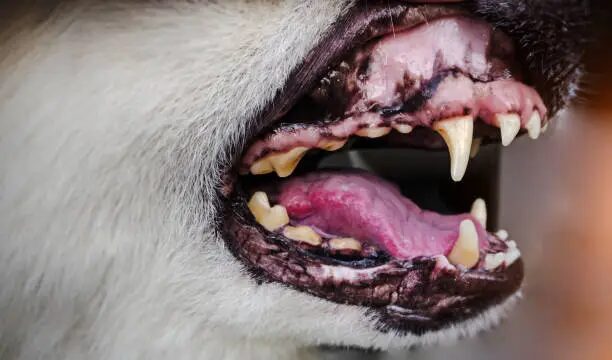
Saliva helps clean the mouth. It washes away food particles, supports oral balance, and helps reduce bacterial buildup. When a dog has a dry mouth, bad breath can become much worse.
Causes of Dry Mouth in Dogs
Dry mouth may happen because of:
- Not drinking enough water
- Hot weather
- Heavy panting
- Dehydration from vomiting or diarrhea
- Certain medications
- Fever
- Mouth breathing
- Senior age
- Illness
- Dirty water bowls that discourage drinking
Signs Your Dog May Be Dehydrated
Look for:
- Sticky gums
- Thick saliva
- Sunken eyes
- Low energy
- Dry nose
- Panting
- Loss of skin elasticity
- Reduced urination
Dehydration can become serious, especially in puppies, elderly dogs, and dogs with vomiting or diarrhea.
How Hydration Supports Oral Health
Good hydration will not cure dental disease or organ problems, but it can help keep the mouth healthier. Make sure your dog always has access to fresh, clean water.
Simple habits help:
- Wash water bowls daily
- Refill water often
- Bring water on walks
- Offer wet food if recommended by your vet
- Monitor drinking changes
A sudden increase or decrease in thirst can be a medical clue, so do not ignore it.
13. Puppy Breath Smells Like Poop
Puppies are adorable, but they are also messy. A puppy with poop-smelling breath may have simply eaten something gross. Still, puppies can get sick quickly, so it is worth paying attention.
Common Reasons Puppy Breath Smells Like Poop
Possible causes include:
- Eating poop
- Chewing dirty objects
- Getting into the litter box
- Teething
- Worms or parasites
- Diet transition
- Vomiting
- Digestive upset
- Poor hygiene around the mouth
Teething and Bad Breath
Puppies lose baby teeth and grow adult teeth over several months. During this time, mild bad breath may happen because of gum irritation, bleeding, and chewing.
However, teething breath should not smell strongly like feces for long. If the smell is intense, look for another cause.
Worms or Parasites
Parasites can cause digestive upset, diarrhea, poor growth, a pot-bellied appearance, vomiting, or stool changes. While worms may not directly make the breath smell like poop, they can contribute to digestive issues and poop-eating behavior.
Call your vet if your puppy has:
- Diarrhea
- Vomiting
- Weight loss
- Poor appetite
- Bloated belly
- Worms in stool
- Low energy
When Puppy Poop Breath Is Not Normal
A brief smell after your puppy eats poop may not be an emergency if they are otherwise acting normal. But you should contact a vet if the smell persists or comes with symptoms.
Puppies are more vulnerable to dehydration, parasites, infections, and dietary problems. It is better to check early.
14. Old Dog Breath Smells Like Poop
Many owners assume bad breath is just part of aging. But old dog breath that smells like poop often has a reason.
Senior dogs are more likely to develop:
- Dental disease
- Loose or infected teeth
- Kidney disease
- Liver disease
- Oral tumors
- Digestive problems
- Dry mouth
- Reduced grooming
- Chronic inflammation
Senior Dog Dental Disease
Older dogs often have years of plaque, tartar, and gum inflammation. Even if the front teeth look okay, the back teeth may be badly affected.
Signs include:
- Rotten breath
- Drooling
- Dropping food
- Chewing slowly
- Weight loss
- Pawing at the mouth
- Bleeding gums
- Loose teeth
Kidney and Liver Problems in Older Dogs
Kidney and liver disease are more common in senior pets. These conditions may cause bad breath along with changes in thirst, appetite, weight, energy, and bathroom habits.
Do not assume the odor is only from teeth. A senior dog with poop-smelling breath may need both a dental exam and bloodwork.
Oral Tumors
Lumps or tumors in the mouth can become infected, bleed, or trap food. This may create a strong odor.
Possible signs include:
- One-sided drooling
- Blood from the mouth
- Trouble eating
- Facial swelling
- Loose teeth
- Bad smell from one side
- Visible mass in the mouth
Any new lump in a dog’s mouth should be checked.
Why Senior Dogs Need Regular Checkups
Senior dogs benefit from regular exams because health issues can develop quietly. Bad breath may be one of the first noticeable signs that something is changing.
A wellness visit may include:
- Oral exam
- Weight check
- Bloodwork
- Urinalysis
- Dental assessment
- Discussion of appetite, thirst, and behavior
Early treatment can make many problems easier to manage.
Symptoms to Watch Alongside Poop-Smelling Breath
The smell itself matters, but the symptoms around it matter even more. A dog who smells bad after eating poop and then acts normal is very different from a dog with foul breath, vomiting, and weakness.
Use this table as a quick guide.
| Symptom With Bad Breath | Possible Concern |
|---|---|
| Vomiting | Garbage eating, blockage, pancreatitis, kidney/liver disease, stomach upset |
| Diarrhea | Diet issue, parasites, infection, digestive disease, garbage eating |
| Not eating | Dental pain, nausea, blockage, organ disease, infection |
| Drinking more water | Kidney disease, diabetes, dehydration, medication effects |
| Losing weight | Dental pain, chronic disease, parasites, cancer, digestive problems |
| Drooling | Mouth pain, nausea, foreign object, oral infection |
| Pawing at mouth | Dental pain, stuck object, oral wound |
| Lethargy | Infection, organ disease, dehydration, blockage, pain |
| Bleeding gums | Dental disease, injury, oral tumor, clotting problem |
| Yellow eyes or gums | Possible liver or bile-related problem |
Dog Breath Smells Like Poop and Vomiting
This combination deserves attention. It may happen after eating garbage, but it can also occur with intestinal blockage, pancreatitis, kidney disease, liver disease, or severe stomach upset.
Call your vet if vomiting is repeated, severe, bloody, or paired with weakness.
Dog Breath Smells Like Poop and Diarrhea
This may point to dietary indiscretion, parasites, infection, food intolerance, or digestive inflammation. If your dog is young, old, very small, or already ill, diarrhea can become risky faster.
Dog Breath Smells Like Poop and Not Eating
Refusing food is a red flag, especially if your dog normally loves meals. Painful teeth, nausea, blockage, infection, or organ disease may be involved.
Dog Breath Smells Like Poop and Drinking More Water
Increased thirst can be linked to kidney disease, diabetes, dehydration, or other medical problems. Track water intake and urination, then discuss it with your vet.
Dog Breath Smells Like Poop and Drooling
Drooling often points to nausea or mouth pain. Check for dental disease, stuck objects, oral wounds, or poisoning risks.
Dog Breath Smells Like Poop and Yellow Eyes
Yellow eyes or gums can be a serious sign. It may suggest a liver, gallbladder, or blood-related problem. Veterinary care is needed.
When Should You Call the Vet?
You do not need to panic every time your dog’s breath smells bad. Dogs eat strange things. Sometimes the odor is temporary and easy to explain.
But you should not ignore poop-smelling breath if it is strong, sudden, repeated, or paired with other symptoms.
Call Your Vet Soon If:
Contact your veterinarian within a reasonable timeframe if:
- Your dog’s breath smells like poop for more than 24–48 hours
- The smell keeps coming back
- Your dog has visible tartar or red gums
- Your dog is drooling more than usual
- Your dog is chewing on one side
- Your dog has loose, broken, or discolored teeth
- Your dog is eating poop frequently
- Your dog is losing weight
- Your dog seems mildly unwell
- Your senior dog suddenly develops very foul breath
Persistent bad breath is often a clue that something deeper is going on. It may be dental, digestive, behavioral, or internal.
Seek Urgent Veterinary Care If:
Some symptoms should be treated as urgent. Get veterinary help quickly if your dog has poop-smelling breath along with:
- Repeated vomiting
- Retching without bringing anything up
- Swollen or painful belly
- Severe lethargy
- Collapse
- Pale, blue, or yellow gums
- Blood in vomit or stool
- Signs of severe pain
- Trouble breathing
- Suspected poisoning
- Suspected foreign object ingestion
- Refusing food and water
- Weakness or confusion
These signs may point to a serious issue such as intestinal obstruction, organ disease, infection, pancreatitis, toxin exposure, or severe dehydration.
How Vets Diagnose Poop-Smelling Dog Breath
Because foul breath can come from the mouth, stomach, organs, or something your dog ate, your vet may need to check several things. The goal is not just to cover the smell. The goal is to find the cause.
1. Physical Exam
The vet will usually start with a full physical exam. They may check:
- Body weight
- Temperature
- Hydration
- Gum color
- Heart and lungs
- Abdomen
- Lymph nodes
- Coat condition
- Pain response
- Overall behavior
This helps determine whether your dog appears stable or needs urgent treatment.
2. Oral Exam
A mouth exam can reveal many causes of poop-smelling breath, including:
- Plaque
- Tartar
- Red gums
- Loose teeth
- Broken teeth
- Oral wounds
- Stuck objects
- Masses or lumps
- Infection
- Bleeding
Some dogs allow a basic mouth check while awake. Others may need sedation for a complete exam, especially if they are painful or nervous.
3. Dental X-Rays
Dental disease can hide below the gumline. A tooth may look only mildly damaged on the outside but have serious root disease underneath.
Dental X-rays can help identify:
- Tooth root infection
- Bone loss
- Hidden fractures
- Abscesses
- Retained roots
- Advanced periodontal disease
This is why professional dental care is often more than just “cleaning the teeth.”
4. Blood Tests
Bloodwork may be recommended if your vet suspects kidney disease, liver disease, infection, inflammation, dehydration, or another internal problem.
Blood tests can help evaluate:
- Kidney values
- Liver enzymes
- Blood sugar
- Electrolytes
- Red and white blood cells
- Signs of infection or anemia
- Overall organ function
This is especially important for senior dogs or dogs with vomiting, weight loss, thirst changes, weakness, or poor appetite.
5. Urinalysis
A urine test may help assess kidney function, hydration, infection, diabetes, and other health clues.
Your vet may check:
- Urine concentration
- Protein
- Glucose
- Blood
- Crystals
- Bacteria
- Signs of inflammation
When combined with bloodwork, urinalysis gives a clearer picture of internal health.
6. Fecal Test
If your dog eats poop, has diarrhea, is losing weight, or is a puppy, your vet may recommend a fecal test.
This can help identify:
- Worms
- Parasites
- Giardia
- Digestive infections
- Other stool abnormalities
Parasites may not always directly cause poop-smelling breath, but they can contribute to digestive upset and stool-eating behavior.
7. Abdominal X-Rays or Ultrasound
If a blockage, mass, organ problem, or severe digestive issue is suspected, imaging may be needed.
X-rays or ultrasound can help look for:
- Foreign objects
- Gas patterns
- Intestinal obstruction
- Enlarged organs
- Fluid buildup
- Tumors
- Liver or kidney changes
- Abdominal pain causes
If your dog has bad breath plus vomiting, belly pain, or suspected object swallowing, imaging may be especially important.
How to Treat Dog Breath That Smells Like Poop
Treatment depends on the cause. There is no single cure for all cases because bad breath is a symptom, not the root problem.
Here is a simple breakdown:
| Cause | Possible Treatment |
|---|---|
| Eating poop | Training, supervision, stool cleanup, diet review, parasite testing |
| Poor oral hygiene | Brushing, dental chews, professional cleaning |
| Dental disease | Dental cleaning, X-rays, extractions if needed |
| Oral infection | Vet exam, antibiotics when appropriate, dental treatment |
| Garbage eating | Supportive care, stomach treatment, monitoring |
| Foreign object | Imaging, endoscopy, surgery, emergency care |
| Kidney disease | Bloodwork-guided treatment, diet, fluids, medication |
| Liver disease | Diagnostic testing, medication, diet, supportive care |
| Digestive problems | Diet adjustment, medication, parasite care, testing |
| Anal gland issues | Expression, infection treatment, pain relief if needed |
Professional Dental Cleaning
If tartar and periodontal disease are the cause, your dog may need a professional dental cleaning. This is typically done under anesthesia so the vet can clean above and below the gumline safely.
Professional dental treatment may include:
- Scaling plaque and tartar
- Polishing teeth
- Checking gum pockets
- Dental X-rays
- Extracting diseased teeth
- Treating infection
Afterward, many owners notice a major improvement in breath.
Tooth Extraction If Needed
Nobody likes the idea of their dog losing teeth, but badly infected or painful teeth can make a dog miserable. Removing a diseased tooth can relieve pain and stop odor from infected tissue.
Many dogs eat better and feel happier after painful teeth are treated.
Antibiotics for Infection
Antibiotics may be used for certain infections, but they are not a substitute for dental treatment if a tooth root is diseased. If the source of infection remains, the problem may return.
Never give leftover antibiotics or human medication to your dog unless your vet specifically instructs you.
Treatment for Kidney or Liver Disease
If kidney or liver disease is involved, treatment will depend on the test results and severity.
Your vet may recommend:
- Prescription diet
- Fluids
- Anti-nausea medication
- Liver support medication
- Blood pressure medication
- Supplements chosen by your vet
- Ongoing monitoring
- Follow-up bloodwork
Early diagnosis can make these conditions easier to manage.
Digestive Treatment
If the smell is tied to vomiting, reflux, diarrhea, constipation, or food intolerance, treatment may include:
- Bland diet for a short period
- Prescription gastrointestinal food
- Anti-nausea medication
- Parasite treatment
- Probiotics recommended by your vet
- Food trial
- Testing for pancreatitis or other disease
Do not start multiple supplements at once. That can make it harder to know what is helping or hurting.
Behavior Training for Poop-Eating
If poop-eating is the main problem, the best treatment is usually a mix of management, training, enrichment, and medical screening.
Useful steps include:
- Pick up stools immediately
- Keep dogs away from litter boxes
- Supervise outdoor time
- Teach “leave it”
- Reward your dog for ignoring feces
- Keep your dog mentally stimulated
- Ask your vet about parasites or diet concerns
Punishment often backfires. It may make dogs hide the behavior or eat poop faster.
Home Remedies: What Helps and What Does Not
Many owners search for quick home remedies when their dog’s breath smells like poop. Some at-home steps can help, but others can be risky.
The safest approach is to improve hygiene and remove obvious odor sources while watching for symptoms.
Safe At-Home Steps
You can try these if your dog is otherwise acting normal:
- Brush your dog’s teeth with dog-safe toothpaste
- Wash food and water bowls daily
- Remove poop from the yard quickly
- Block access to cat litter
- Offer fresh water
- Use vet-approved dental chews
- Check the mouth gently for stuck food or objects
- Schedule regular dental exams
- Feed a balanced diet
- Avoid sudden diet changes
How to Brush Your Dog’s Teeth
Start gently. Do not force the process.
- Let your dog taste dog-safe toothpaste.
- Lift the lip and touch the outside of the teeth.
- Brush only a few teeth at first.
- Focus on the gumline.
- Keep the session short.
- Praise and reward your dog afterward.
Daily brushing is ideal, but even a few times per week is better than never.
What Not to Use
Avoid these unless your vet specifically says otherwise:
- Human toothpaste
- Baking soda
- Hydrogen peroxide
- Essential oils
- Human mouthwash
- Garlic
- Onions
- Human breath mints
- Random supplements
- Alcohol-based products
Some products that are safe for people can be harmful to dogs.
How to Prevent Dog Breath From Smelling Like Poop
Prevention is easier than treatment. While you cannot stop every cause, you can greatly reduce the chances of poop-smelling breath.
Daily and Weekly Prevention Tips
| Prevention Step | Why It Helps |
|---|---|
| Brush teeth regularly | Reduces plaque and bacteria |
| Use dog-safe toothpaste | Protects your dog from unsafe ingredients |
| Pick up poop quickly | Prevents poop-eating |
| Block litter box access | Stops dogs from eating cat feces |
| Wash bowls daily | Reduces bacteria and slime buildup |
| Offer clean water | Supports saliva and mouth health |
| Use dental chews | Helps reduce buildup between brushing |
| Schedule vet exams | Finds problems early |
| Feed balanced food | Supports digestion and overall health |
| Supervise outdoor time | Prevents garbage, feces, and dead animal snacking |
Brush Your Dog’s Teeth Regularly
Brushing is one of the most effective ways to prevent bad breath caused by plaque and tartar.
Use:
- A dog toothbrush
- A finger brush
- Dog-safe enzymatic toothpaste
- Gentle circular motions
- Rewards after brushing
Do not worry about making it perfect at first. Building the habit matters.
Schedule Professional Dental Cleanings
Some dogs need professional cleanings even if you brush at home. This is especially true for small breeds, senior dogs, and dogs with crowded teeth.
Ask your vet how often your dog may need dental cleanings based on age, breed, diet, and oral health.
Prevent Access to Poop and Garbage
For dogs who eat disgusting things, management is everything.
Try:
- Covered trash cans
- Closed bathroom doors
- Baby gates near litter boxes
- Leash walks in risky areas
- Yard cleanup
- Compost bins with secure lids
- Training commands like “leave it”
Feed a Balanced Diet
A good diet supports digestion, stool quality, energy, and overall health. If your dog has chronic gas, diarrhea, vomiting, or bad breath, ask your vet whether a diet change or food trial is appropriate.
Avoid constantly switching foods without a plan.
Best Dental Products for Dogs With Bad Breath
Dental products can help, but they work best when used correctly and when serious disease has been ruled out.
Look for products that are designed for dogs and approved or recommended by veterinary professionals.
Helpful Product Categories
| Product | Best For | Notes |
|---|---|---|
| Dog toothbrush | Daily cleaning | Most effective when used consistently |
| Finger brush | Beginners or small dogs | Easier for some dogs to accept |
| Enzymatic toothpaste | Plaque control | Must be dog-safe |
| Dental chews | Chewing support | Choose size-appropriate options |
| Dental diets | Dogs prone to tartar | Ask your vet first |
| Water additives | Extra support | Not a replacement for brushing |
| Dental wipes | Dogs that resist brushing | Better than doing nothing |
| Chew toys | Enrichment and chewing | Avoid objects that are too hard |
Ask Your Vet Before Buying If:
- Your dog has loose teeth
- Your dog has bleeding gums
- Your dog is a puppy
- Your dog is a senior
- Your dog has kidney or liver disease
- Your dog has food allergies
- Your dog swallows chews whole
- Your dog has a history of pancreatitis
- Your dog is on a prescription diet
Dental products are useful, but they cannot fix infected teeth, mouth tumors, kidney disease, or intestinal blockage.
What Not to Do If Your Dog’s Breath Smells Like Poop
When the smell is awful, it is natural to want a fast fix. But some common reactions can delay proper care or even harm your dog.
Do Not Ignore Sudden Severe Odor
A sudden strong smell can mean your dog ate something disgusting, but it can also point to infection, injury, vomiting, or a swallowed object.
Watch your dog closely and look for other signs.
Do Not Use Human Toothpaste
Human toothpaste is not made for dogs. Some formulas contain ingredients that can upset the stomach or be unsafe for pets.
Always use toothpaste labeled for dogs.
Do Not Give Human Breath Mints
Human mints, gums, and candies may contain ingredients that are dangerous for dogs. They also do nothing to treat the cause of bad breath.
Do Not Assume It Is Only Poop-Eating
Even if your dog has eaten poop before, recurring fecal breath may have another cause. Dental disease is extremely common, and internal illness is possible.
Do Not Delay Care If Symptoms Appear
Bad breath plus vomiting, weakness, yellow gums, swelling, pain, or refusal to eat should not be brushed off.
Do Not Punish Poop-Eating
Punishment may make your dog anxious or secretive. Focus on prevention, cleanup, training, and ruling out medical causes.
Do Not Give Antibiotics Without a Vet
The wrong antibiotic, dose, or duration can be harmful and may not treat the true problem.
FAQ: Dog Breath Smells Like Poop
Why does my dog’s breath smell like poop all of a sudden?
Your dog may have eaten feces, garbage, spoiled food, cat litter, or a dead animal. Sudden poop-smelling breath can also happen with vomiting, dental infection, oral injury, digestive upset, kidney disease, liver disease, or a swallowed foreign object.
If the odor is strong and does not fade, or your dog seems sick, call your vet.
Can bad teeth make dog breath smell like poop?
Yes. Bad teeth, infected gums, tooth decay, abscesses, and periodontal disease can create a strong rotten smell. Some owners describe it as fecal because the bacteria and infected tissue smell so foul.
Does kidney disease make dog breath smell like poop?
It can. Kidney disease may cause breath to smell like urine, ammonia, metal, decay, or sometimes feces. This is more concerning if your dog is also drinking more water, urinating more, vomiting, losing weight, or acting tired.
Why does my dog’s breath smell like poop after licking himself?
Your dog may be licking fecal residue, anal gland fluid, irritated skin, or an infected area near the rear. Anal gland odor can smell fishy, rotten, or fecal and may transfer to the mouth when your dog licks.
Why does my puppy’s breath smell like poop?
Puppies often explore with their mouths, so they may eat poop, chew dirty objects, or get into litter boxes. Other causes include teething, parasites, diet changes, vomiting, or digestive upset.
Call your vet if your puppy has diarrhea, vomiting, a swollen belly, worms in stool, poor appetite, or low energy.
Why does my old dog’s breath smell like poop?
Older dogs are more likely to have dental disease, infected teeth, kidney disease, liver disease, oral tumors, dry mouth, or chronic digestive problems. Do not assume it is just age. A senior dog with new foul breath should have a vet check.
Can worms make a dog’s breath smell like poop?
Worms may not directly make breath smell like poop, but parasites can contribute to diarrhea, digestive upset, poor nutrient absorption, and poop-eating behavior. A fecal test can help rule out parasites.
How do I get rid of poop smell in my dog’s breath?
Start by identifying the cause. Brush your dog’s teeth with dog-safe toothpaste, clean water bowls, prevent poop-eating, block litter box access, and use vet-approved dental products.
If the smell lasts more than a day or two, keeps returning, or comes with other symptoms, schedule a vet exam.
Is poop-smelling dog breath an emergency?
It can be. Seek urgent care if your dog has poop-smelling breath with repeated vomiting, abdominal swelling, severe lethargy, collapse, pale or yellow gums, blood in vomit or stool, signs of pain, or suspected foreign object ingestion.
What should I feed my dog if their breath smells bad?
Feed a balanced, age-appropriate dog food. If your dog has chronic digestive symptoms or dental disease, ask your vet whether a dental diet, gastrointestinal diet, or food trial is appropriate.
Do not rely on food alone to fix persistent poop-smelling breath.
Can dental chews fix dog breath that smells like poop?
Dental chews may help reduce plaque and freshen breath, but they cannot treat infected teeth, kidney disease, liver disease, intestinal blockage, oral tumors, or serious digestive problems.
They are best used as part of a larger dental care routine.
Should I brush my dog’s teeth if their breath smells like poop?
Yes, if your dog is comfortable and there are no signs of severe pain, bleeding, or injury. Use dog-safe toothpaste only. If brushing causes pain or you see loose teeth, swelling, bleeding, or pus, stop and call your vet.
Conclusion
When dog breath stinks like poop, the cause may be as simple as your dog eating feces, garbage, or something rotten. But it can also come from poor oral hygiene, dental disease, oral infection, digestive problems, anal gland odor, kidney disease, liver disease, or a foreign object blockage.
The most important thing is to look at the full picture. Is your dog acting normal? Did the smell appear after a known poop-eating incident? Is the odor fading, or does it keep coming back? Are there symptoms like vomiting, diarrhea, drooling, weight loss, increased thirst, yellow gums, or lethargy?
A temporary smell after eating something gross may pass. But persistent or severe fecal breath should be taken seriously.
Support your dog by keeping their mouth clean, washing food and water bowls, preventing access to feces and garbage, feeding a balanced diet, using safe dental products, and scheduling regular vet checkups.