
Finding long term dog boarding near me is not just about choosing the closest kennel. It is about finding a safe, clean, reliable place where your dog can receive daily care, exercise, attention, and comfort while you are away.
Maybe you are planning an extended vacation. Maybe you are relocating, recovering from surgery, handling a family emergency, leaving for work, or dealing with temporary housing issues. Whatever the reason, leaving your dog for days, weeks, or even months is a big decision.
Most pet owners are not only asking, “Where can I board my dog nearby?” They are really asking:
- Will my dog be safe?
- Will they feel lonely or stressed?
- Will someone notice if something is wrong?
- How much will long term boarding cost?
- Can I trust this facility for more than a night or two?
This guide will help you understand what long term boarding means, how to compare nearby dog boarding facilities, what questions to ask before booking, what costs to expect, and how to choose a local facility that fits your dog’s needs.
What Does “Long Term Dog Boarding Near Me” Mean?
When someone searches for long term dog boarding near me, they are usually looking for a nearby pet care facility that can keep their dog for an extended period. This may be longer than a weekend, longer than a holiday trip, or even longer than a standard vacation.
In simple terms, long term dog boarding means your dog stays somewhere safe and supervised while you are away for more than a short overnight visit.
This could be a:
- Traditional dog kennel
- Dog hotel
- Luxury dog boarding facility
- Veterinary boarding clinic
- In-home dog boarding provider
- Private dog boarding home
- Dog daycare with overnight boarding
- Boarding and training facility
The “near me” part matters because most owners want something local, convenient, and easy to visit before booking. But nearby does not always mean better. A facility 25 minutes away with trained staff, clean rooms, and strong safety policies may be a better choice than the kennel five minutes from your house.
What Counts as Long Term Dog Boarding?
There is no single rule, but most people consider dog boarding “long term” when the stay lasts one week or more.
Here is a simple breakdown:
| Length of Stay | Common Type of Care |
|---|---|
| 1 night | Overnight dog boarding near me |
| 2–6 nights | Short-term boarding |
| 7–14 nights | Extended dog boarding |
| 2–4 weeks | Long term dog boarding |
| 1 month or more | Monthly dog boarding near me |
| Several months | Extended stay dog boarding |
A one-night stay is mostly about safety and convenience. A long stay is different. Your dog needs a clear routine, comfortable sleeping area, regular exercise, monitoring, enrichment, and a plan for health or behavior changes.
That is why searching for dog boarding for long stays near me should involve more research than simply choosing the cheapest result.
Overnight Dog Boarding vs Long Term Boarding
Overnight boarding is usually for a short trip, late work schedule, weekend event, or quick emergency. Long term boarding is more involved because your dog will be away from home for a longer stretch of time.
| Feature | Overnight Boarding | Long Term Dog Boarding |
|---|---|---|
| Length | 1–2 nights | 1 week to several months |
| Planning | Basic | Detailed |
| Food supply | Small amount | Enough for the full stay |
| Routine notes | Helpful | Very important |
| Trial stay | Optional | Strongly recommended |
| Cost | Lower total cost | Higher total cost, possible discounts |
| Health monitoring | Short-term observation | Ongoing wellness checks |
| Emotional adjustment | Brief transition | More important over time |
For a weekend, your dog may only need food, a leash, and vaccination records. For a month, the boarding team needs to know your dog’s habits, triggers, medication needs, play style, sleeping preferences, and daily rhythm.
Dog Boarding, Dog Daycare, and Pet Sitting: What Is the Difference?
These services often overlap, but they are not the same.
Dog Boarding
Dog boarding means your dog stays overnight at a facility or approved home. Staff or caregivers provide meals, potty breaks, sleep space, and care.
This is usually the best-known option for people searching pet boarding near me or pet boarding for dogs near me.
Dog Daycare
Dog daycare is daytime care. Dogs usually play, rest, and socialize during business hours, then go home at night.
Some businesses offer dog daycare and boarding, which means your dog can attend daycare during the day and sleep at the facility overnight.
Pet Sitting
Pet sitting means someone comes to your home or stays there to care for your dog. This can be a good pet sitter alternative for dogs who are nervous in kennels or do better in their own environment.
| Service | Where Dog Stays | Best For |
|---|---|---|
| Dog boarding | Facility or caregiver’s home | Dogs needing overnight or long-term care |
| Dog daycare | Facility during the day | Social dogs needing daytime activity |
| Pet sitting | Your home | Dogs who prefer familiar surroundings |
| House sitting | Your home | Dogs needing overnight companionship |
| Veterinary boarding | Animal hospital or clinic | Dogs with medical needs |
What Is Extended Stay Dog Boarding?
Extended stay dog boarding near me usually refers to boarding that lasts longer than a standard vacation. This may be two weeks, one month, or several months.
Extended boarding is common when owners are dealing with:
- International travel
- Military deployment
- Home renovation
- Medical recovery
- Temporary relocation
- Work assignments
- Family emergencies
- Housing restrictions
The longer your dog stays, the more important it becomes to choose a facility that offers more than basic kennel space. Look for professional dog care, not just a place that “keeps dogs.”
What Is Monthly Dog Boarding?
Monthly dog boarding near me means your dog stays at a boarding facility for around 30 days or longer. Some facilities offer monthly packages or long-stay discounts, while others charge the same daily rate for every night.
Monthly boarding may include:
- Daily feeding
- Potty breaks
- Walks or playtime
- Sleeping area
- Basic care
- Medication support, if offered
- Owner updates
- Optional grooming
- Optional enrichment activities
Before booking monthly dog boarding, ask for a written price estimate. A daily rate that sounds reasonable can add up quickly over several weeks.
What Is In-Home Long Term Dog Boarding?
In-home dog boarding near me means your dog stays in someone else’s home instead of a kennel-style facility.
This may be a good fit for dogs who:
- Prefer a quieter setting
- Are nervous around many dogs
- Enjoy human companionship
- Do not like kennel runs
- Need a home-like routine
- Are older or sensitive
However, quality can vary. A private home may feel cozy, but you still need to ask about fencing, supervision, insurance, emergency plans, other pets in the home, and how many dogs are accepted at once.
In-home boarding is not automatically safer than a facility. It depends on the caregiver.
What Is Veterinary Dog Boarding?
Veterinary dog boarding near me is boarding offered by an animal hospital or veterinary clinic. It is often a better option for dogs with medical needs.
Veterinary boarding may be suitable for dogs with:
- Diabetes
- Seizures
- Arthritis
- Allergies
- Heart disease
- Kidney disease
- Medication schedules
- Recent surgery
- Mobility problems
- Senior care needs
The environment may be less like a luxury resort, but the medical oversight can be valuable. If your dog needs injections, close monitoring, or urgent access to care, veterinary boarding may be the safest option.
What Is Luxury Long Term Dog Boarding?
Luxury dog boarding near me usually refers to facilities that offer upgraded comfort and extra services.
These may include:
- Private dog suites
- Raised beds
- Webcams
- Extra walks
- One-on-one playtime
- Pool time
- Grooming
- Spa services
- Premium treats
- Quiet rooms
- Personalized care packages
Luxury boarding can be wonderful, but do not be distracted by fancy marketing. A beautiful lobby does not always mean excellent care behind the scenes.
Ask the same safety questions you would ask any facility:
- Are dogs supervised?
- Are vaccines required?
- Is playtime monitored?
- Are sleeping areas clean?
- What happens in an emergency?
- How are medications handled?
- Are staff trained in dog behavior?
Comfort is important, but safe dog boarding matters most.
What Is Cage-Free Long Term Dog Boarding?
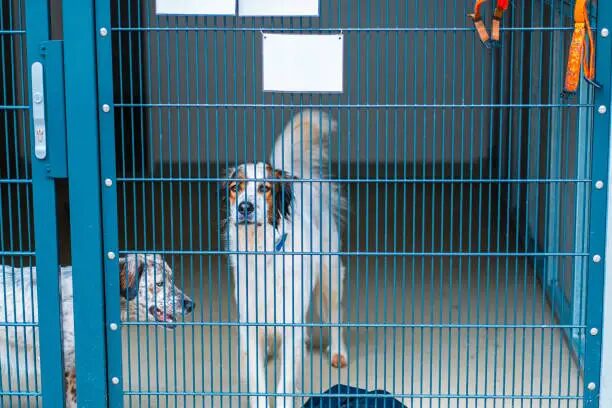
Cage-free dog boarding near me means dogs spend much of their time outside traditional kennel runs. Some sleep in open rooms, small groups, or home-style areas.
This can work well for social, calm, well-screened dogs. But it may not be right for every dog.
Cage-free boarding may not be ideal for dogs who:
- Guard food or toys
- Are reactive toward other dogs
- Become overstimulated
- Need strict rest
- Are fragile seniors
- Have injury risks
- Prefer personal space
If you are considering cage-free boarding, ask how dogs are separated, supervised, fed, and rested. “Cage-free” should not mean “structure-free.”
What Is Private Home Dog Boarding?
Private dog boarding near me usually means one person or family takes care of dogs in their home. This may be arranged through a local business, referral, or pet care platform.
Private home boarding may offer more individual attention, especially if the caregiver accepts only one or two dogs at a time.
Before choosing this option, ask:
- Is the yard securely fenced?
- Are there other dogs or cats in the home?
- Are dogs left alone during the day?
- Where will my dog sleep?
- What happens if my dog gets sick?
- What experience do you have with long stays?
- Can you handle medication?
- Do you have backup care if you become unavailable?
A private home can be warm and personal, but it should still be professional.
How Local Dog Boarding Facilities Work
A local dog boarding facility usually follows a standard process:
- You submit an inquiry or booking request.
- The facility asks for vaccine records.
- You complete a boarding intake form.
- Your dog may complete a dog temperament assessment.
- You provide feeding, medication, and behavior notes.
- The facility confirms pricing and availability.
- Your dog arrives for boarding.
- Staff follow a daily dog care routine.
- You receive updates, depending on the facility’s policy.
- You pick up your dog and receive a summary of the stay.
For long stays, this process should be more detailed. A facility that barely asks anything about your dog may not be prepared for extended care.
Why “Near Me” Searches Show Different Results by Location
When you search dog boarding near me, search engines use your location to show nearby businesses. Results can vary depending on:
- Your city or neighborhood
- Your device location settings
- Business proximity
- Google Business Profile quality
- Reviews and ratings
- Website relevance
- Service-area pages
- Search history
- Business hours
- Local competition
That is why two people in the same city may see different results. It is also why you should not rely only on the first listing.
A better approach is to build a shortlist of 3–5 facilities, then compare them carefully.
Why People Search for Long Term Dog Boarding Near Me
People usually search for long-term dog boarding near me because they need practical, trustworthy, extended pet care close enough to manage easily.
Here are the most common reasons.
Extended Vacations
Long trips often require more support than a friend can provide. A boarding facility gives your dog daily structure while you travel.
Business Travel
Work trips may be unpredictable. A reliable facility can help if your return date changes or your schedule shifts.
International Travel
International trips can involve long flights, paperwork, quarantine rules, or destinations that are not pet-friendly. Boarding may be safer and simpler than taking your dog along.
Military Deployment
Deployment may require care for weeks or months. In these cases, written agreements, payment planning, emergency contacts, and long-stay experience are especially important.
Hospitalization or Surgery Recovery
If you are having surgery or recovering from illness, you may need temporary care for your dog until you can safely walk, feed, and supervise them again.
Family Emergencies
Emergencies happen quickly. Having a trusted emergency dog boarding near me option can prevent panic when you need help fast.
Moving or Relocation
Moving can be chaotic. Doors stay open, movers come and go, and dogs may become anxious. Boarding can keep your dog safe while you handle the transition.
Home Renovation
Renovation can expose dogs to noise, dust, paint, tools, chemicals, and open doors. Boarding may be safer during major work.
Temporary Housing Restrictions
Some rentals, hotels, or temporary housing situations do not allow pets. Long term boarding can bridge the gap.
Work Assignments
A temporary work assignment may take you away from home for weeks. Monthly dog boarding may provide consistent care until you return.
Pet Care During Holidays
Holiday dog boarding fills quickly. Christmas, Thanksgiving, summer vacation, spring break, and Eid holidays can all create higher demand.
Temporary Dog Care While Between Homes
If you are between homes, boarding can provide a stable routine for your dog while you finalize housing.
Long Term Dog Care When Family Cannot Help
Friends and family may love your dog but still be unable to provide daily care for weeks. Professional boarding can reduce the burden.
Is Long Term Dog Boarding Safe?
Long term dog boarding can be safe when the facility is clean, secure, well-staffed, transparent, and experienced with extended stays.
The biggest factor is not distance. It is quality.
A safe boarding facility should have:
- Vaccination requirements
- Clean sleeping areas
- Fresh water access
- Secure fencing
- Trained staff
- Supervised playtime
- Emergency veterinary care plans
- Clear feeding procedures
- Medication logs
- Dog grouping policies
- Honest communication
- Written agreements
The American Kennel Club recommends touring kennels in advance, asking about daily activities, and checking immunization requirements before boarding your dog. Its boarding guidance also emphasizes regular feeding schedules, playtime, and staff interaction as part of a good stay. American Kennel Club dog boarding tips
Is It Bad to Board a Dog for Several Weeks?
Boarding a dog for several weeks is not automatically bad. Many dogs adjust well, especially if they are healthy, social, and cared for by experienced staff.
However, several-week boarding can be stressful if:
- The facility is overcrowded
- Dogs are not supervised properly
- Staff ignore stress signals
- Exercise is limited
- Feeding is inconsistent
- Dogs are grouped poorly
- There is no quiet rest time
- The dog has severe separation anxiety
- Medical needs are not handled correctly
For longer stays, choose a facility that offers structure, calm rest periods, enrichment, and regular updates.
Can Dogs Stay in Boarding for a Month?
Yes, many dogs can stay in boarding for a month if the facility is suitable and the dog’s needs are met.
Before booking monthly dog boarding near me, ask:
- Do you offer monthly dog boarding rates?
- What is included in the monthly fee?
- How often will my dog be exercised?
- Will my dog receive individual attention?
- Can you provide photos or updates?
- What happens if my dog stops eating?
- Can I bring enough regular food?
- Do you provide grooming during long stays?
- Is there a long-stay wellness check process?
A month is long enough for small issues to become bigger if no one is paying attention.
Can Dogs Stay in Boarding for Several Months?
Some facilities accept dogs for several months, but this level of care requires careful planning.
A several-month stay may be appropriate when:
- The dog has completed trial stays
- The facility knows the dog well
- The owner provides detailed instructions
- Food and medication are managed properly
- Updates are scheduled
- Emergency contacts are available
- The dog is coping well emotionally
For dogs with medical conditions, anxiety, or senior needs, consider veterinary boarding, private home boarding, or a trusted pet sitter.
How Dogs Adjust to Long Boarding Stays
Dogs adjust differently. Some treat boarding like camp. Others need time.
A typical adjustment may look like this:
| Time Period | What May Happen |
|---|---|
| First day | Dog may feel confused or cautious |
| Days 2–3 | Dog begins learning the routine |
| First week | Staff can better assess comfort and stress |
| Weeks 2–4 | Many dogs settle into a rhythm |
| After a month | Routine and enrichment become very important |
Good boarding facilities do not expect every dog to behave the same way. They observe, adjust, and communicate.
Signs Your Dog Is Comfortable in Boarding
Your dog may be doing well if staff report that they:
- Eat normally
- Drink normally
- Sleep during rest periods
- Enjoy walks or play
- Respond positively to caregivers
- Use potty areas normally
- Show relaxed body language
- Recover quickly after excitement
- Accept the routine
- Appear calm in photos or videos
A happy boarding dog does not need to be wildly excited all day. Calm, steady behavior is often a better sign.
Signs Your Dog Is Stressed in Boarding
Possible stress signs include:
- Refusing food
- Excessive barking
- Shaking or trembling
- Hiding
- Pacing
- Diarrhea
- Vomiting
- Growling or snapping
- Escape attempts
- Not sleeping
- Sudden clinginess
- Self-licking or chewing
- Extreme restlessness
Some stress during the first day is normal. Ongoing stress needs attention.
If your dog has a history of separation anxiety, ask the facility how they handle anxious dogs before booking.
How Trial Stays Help Dogs Adjust
A trial overnight stay is one of the best ways to test whether a facility is a good fit.
Instead of dropping your dog off for a month right away, start with:
- A short visit
- A daycare session
- One overnight stay
- A weekend stay
- The longer booking
Trial stays help your dog learn the environment. They also help staff understand your dog’s appetite, sleep habits, play style, confidence, and stress triggers.
Trial stays are especially useful for:
- Puppies
- Senior dogs
- Rescue dogs
- Anxious dogs
- Reactive dogs
- Dogs with medical needs
- Dogs that have never boarded before
Many boarding providers encourage short daycare or overnight visits before longer stays so dogs can become familiar with the place, routine, and staff.
Why Facility Quality Matters More Than Distance
It is tempting to choose the closest boarding option. Convenience matters, but it should not be the deciding factor.
A facility ten minutes away is not helpful if it has:
- Dirty kennels
- Poor communication
- Unsafe group play
- No emergency plan
- No vaccination requirements
- Overcrowded rooms
- Untrained staff
- Vague pricing
A facility farther away may be worth the drive if it offers better safety, cleaner rooms, stronger supervision, and more experienced care.
When searching best dog boarding facility near me, focus on fit first and distance second.
How Staff Experience Affects Safety
Staff experience can make or break a boarding stay.
Experienced staff are more likely to notice:
- Stress signals
- Early illness signs
- Unsafe play
- Food refusal
- Limping
- Dehydration
- Aggression triggers
- Fearful body language
- Medication issues
- Escape risks
They also know when to give a dog space, when to separate dogs, and when to contact the owner or veterinarian.
Ask facilities how staff are trained in dog body language, cleaning protocols, emergency response, and safe handling.
Why Vaccination Requirements Matter
Boarding facilities bring dogs from many households into one environment. Vaccination requirements help reduce the risk of serious illness.
Common requirements may include:
- Rabies vaccine
- DHPP/DAPP vaccine
- Bordetella vaccine
- Canine influenza vaccine, depending on risk and location
The American Veterinary Medical Association notes that Bordetella and canine influenza vaccines are recommended for dogs that visit places where other dogs gather, including boarding, daycare, and training facilities. Dog vaccination guidance from the American Veterinary Medical Association
The CDC also advises keeping dogs current on routine vaccines such as rabies and discussing lifestyle-based vaccines, including kennel cough, with a veterinarian. CDC advice on keeping dogs healthy around other dogs

Why Cleanliness and Ventilation Matter
Cleanliness is not just about smell. It affects health, comfort, and safety.
A good boarding facility should have:
- Clean floors
- Fresh bedding
- Sanitized bowls
- Proper waste disposal
- Safe disinfectants
- Good airflow
- Odor control
- Dry sleeping spaces
- Regular laundry
- Separate areas for sick dogs
Poor ventilation and dirty spaces can increase the spread of respiratory illness, parasites, and skin problems.
If a facility smells strongly of urine, feces, mold, or heavy perfume, take it seriously. Strong perfume may be hiding a deeper sanitation problem.
When Long Term Dog Boarding May Not Be the Best Choice
Long term boarding is helpful for many dogs, but it is not right for every situation.
It may not be best if your dog:
- Has severe separation anxiety
- Panics in new environments
- Refuses to eat when away from home
- Is extremely reactive toward dogs or strangers
- Has fragile health
- Needs constant medical monitoring
- Is recovering from major surgery
- Becomes aggressive when stressed
- Has a serious escape history
In these cases, consider:
- In-home pet sitting near me
- Veterinary boarding
- House sitting
- A trusted family caregiver
- A private home boarder
- Temporary foster care
The best option is the one that keeps your dog safe, healthy, and emotionally stable.
How to Find the Best Long Term Dog Boarding Near Me
Searching online is a good start, but it should not be the whole process.
Here is a better way to find trustworthy local care.
Search “Long Term Dog Boarding Near Me” the Right Way
Try different search phrases:
- long term dog boarding near me
- monthly dog boarding near me
- extended dog boarding near me
- dog kennels near me
- dog hotel near me
- veterinary dog boarding near me
- in-home dog boarding near me
- dog boarding with medication near me
- boarding for anxious dogs near me
- emergency dog boarding near me
Different terms may show different businesses.
Compare More Than the First Google Result
The first result is not always the best facility. It may simply have stronger local SEO, more reviews, or a closer location.
Compare at least 3–5 local options before booking.
Check Google Business Profile Reviews
Google reviews can be helpful, but do not look only at the star rating.
Read reviews that mention:
- Long stays
- Staff communication
- Cleanliness
- Updates
- Medication handling
- Senior dogs
- Anxious dogs
- Emergency response
- Repeat customers
- Facility tours
A 4.7-star facility with detailed, recent reviews may be more trustworthy than a 5-star facility with only five short reviews.
Read Recent Reviews, Not Just Star Ratings
A facility can change over time. Staff, ownership, cleaning standards, and policies may improve or decline.
Focus on reviews from the last 6–12 months.
Look for repeated patterns. One bad review may not tell the whole story. Ten reviews mentioning poor communication probably do.
Look for Photos of Real Boarding Areas
Marketing photos are useful, but real boarding-area photos matter more.
Look for:
- Sleeping spaces
- Outdoor yards
- Playrooms
- Feeding areas
- Small dog areas
- Large dog areas
- Climate-controlled rooms
- Clean flooring
- Secure gates
If a website only shows happy dogs in close-up photos but never shows where they sleep, ask for a tour.
Visit the Facility in Person
A boarding facility tour is one of the most important steps.
During your visit, notice:
- Does it smell clean?
- Are dogs supervised?
- Are staff calm and confident?
- Are areas overcrowded?
- Are gates secure?
- Is fresh water available?
- Are dogs separated by size or temperament?
- Is food stored neatly?
- Are medications organized?
- Are staff willing to answer questions?
Trust what you see, not only what the brochure says.
Ask Local Veterinarians for Recommendations
Veterinarians often hear feedback from many pet owners. Ask your vet which facilities they trust for long stays, senior dogs, anxious dogs, or dogs with medical needs.
Ask Friends, Neighbors, and Local Dog Owners
Personal recommendations can be very useful.
Ask:
- Would you use them again?
- Did your dog seem happy afterward?
- Did the facility communicate well?
- Were there surprise fees?
- Was your dog clean and healthy at pickup?
- How did they handle problems?
Check Local Pet Groups and Community Forums
Local Facebook groups, neighborhood apps, and dog owner communities may reveal honest experiences. Read carefully, though. Some opinions may be emotional or one-sided.
Use community feedback as one piece of the puzzle, not the final answer.
Compare Kennels, Dog Hotels, and In-Home Boarding
Do not assume all boarding is the same.
A young, playful dog may love a daycare-style facility. A senior dog may prefer quiet veterinary boarding. A nervous dog may do better in private home care.
Look for Facilities Experienced With Extended Stays
Long stays require more planning than weekend boarding.
Ask whether they regularly handle:
- Monthly stays
- Dogs on medication
- Senior dogs
- Anxious dogs
- Long-term food storage
- Owner updates
- Grooming during long stays
- Delayed pickup situations
Choose Based on Fit, Not Just Distance
The right facility should fit your dog’s:
- Age
- Size
- Health
- Personality
- Energy level
- Social comfort
- Anxiety level
- Medical needs
- Feeding routine
Distance matters, but fit matters more.
Confirm Availability for Long Stays
Not every boarding facility accepts long stays. Some have maximum stay limits, especially during holidays.
Ask early about:
- Availability
- Deposit requirements
- Long-stay rules
- Trial stay requirements
- Holiday booking timelines
- Cancellation policy
Create a Shortlist of 3–5 Nearby Facilities
Before booking, create a simple comparison table.
| Facility | Distance | Reviews | Tour Allowed | Long Stay Discounts | Trial Stay | Notes |
|---|---|---|---|---|---|---|
| Facility 1 | 10 min | 4.8 | Yes | Yes | Yes | Good for social dogs |
| Facility 2 | 20 min | 4.6 | Yes | No | Yes | Better for seniors |
| Facility 3 | 30 min | 4.9 | Yes | Custom | Required | Veterinary support |
This makes the decision less emotional and more practical.
Local Search Factors to Consider
When searching local dog boarding facility options, think beyond distance.
Distance From Your Home
Close boarding makes drop-off, pickup, and trial stays easier.
Distance From Your Vet
If your dog has medical needs, a facility near your regular vet may be helpful.
Distance From the Airport
For frequent travelers, dog boarding near airport searches may be useful. Just make sure convenience does not replace safety.
Distance From Your Workplace
Some owners prefer boarding near work so they can drop off or pick up during business hours.
Service Area Coverage
Some in-home providers or pet care services may only accept clients within certain neighborhoods.
Drop-Off and Pickup Hours
Ask about early drop-off, late pickup, weekend hours, and holiday hours.
Emergency Pickup Rules
If your dog becomes sick or stressed, can an emergency contact pick them up?
Parking and Accessibility
This matters if you are carrying food, bedding, medication, or supplies for a long stay.
Local Licensing Requirements
Pet boarding rules vary by location. Ask whether the facility follows local licensing, inspection, or animal welfare requirements.
Local Emergency Veterinary Clinics Nearby
A facility should know where the nearest emergency vet is and how to transport a dog if needed.
Local Reviews From Real Pet Owners
Local reviews often reveal what the facility is like during busy seasons, holidays, and extended stays.
Types of Long Term Dog Boarding Near Me
There are many kinds of boarding. The right one depends on your dog.
Traditional Dog Boarding Kennels Near Me
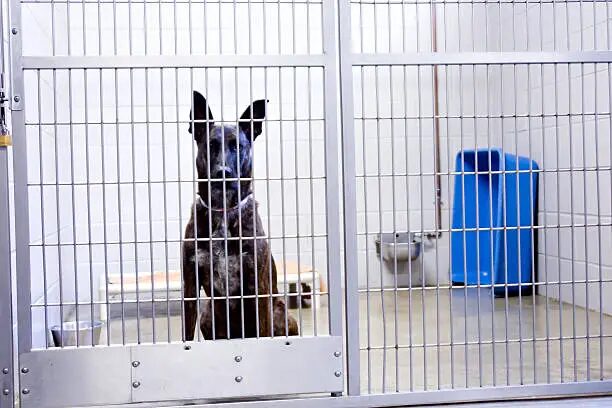
Traditional kennels provide individual sleeping spaces, feeding, potty breaks, and basic care. They are often more affordable than luxury dog hotels.
Dog Hotels Near Me
A dog hotel near me may offer private suites, webcams, extra playtime, soft bedding, and upgraded services.
Luxury Dog Boarding Near Me
Luxury boarding focuses on comfort and extras, but safety checks are still essential.
Veterinary Dog Boarding Near Me
Best for dogs with medication, health conditions, senior needs, or post-surgery care.
In-Home Dog Boarding Near Me
Good for dogs who prefer a home-like setting and more personal attention.
Cage-Free Dog Boarding Near Me
Best for social dogs who are carefully screened and comfortable in group settings.
Private Dog Boarding Homes Near Me
May work well for shy, older, or sensitive dogs if the caregiver is experienced and the home is secure.
Dog Daycare With Overnight Boarding Near Me
Good for dogs already familiar with daycare and comfortable with supervised activity.
Boarding With Training Near Me
A board-and-train program may help with manners or behavior goals, but always check training methods carefully.
Senior Dog Boarding Near Me
Look for soft bedding, quiet rooms, medication support, and gentle handling.
Puppy Boarding Near Me
Puppy boarding requires careful vaccination review, frequent potty breaks, and safe socialization.
Boarding for Anxious Dogs Near Me
Choose quiet spaces, patient staff, trial stays, and optional private care.
Medical Dog Boarding Near Me
Medical boarding should include medication logs, health monitoring, and emergency vet access.
Emergency Dog Boarding Near Me
Useful for last-minute hospitalizations, travel changes, family crises, or housing problems.
Traditional Kennel vs Dog Hotel vs In-Home Boarding Near Me
Each boarding type has strengths and weaknesses.
| Boarding Option | Best For | Possible Drawback |
|---|---|---|
| Traditional kennel | Dogs comfortable with structure | May be noisy |
| Dog hotel | Owners wanting comfort and extras | Higher cost |
| Veterinary boarding | Dogs with medical needs | Less “resort-like” |
| In-home boarding | Dogs who prefer home settings | Quality varies by sitter |
| Cage-free boarding | Social, well-screened dogs | Not ideal for reactive dogs |
| Board and train | Dogs needing care plus training | Must check training methods |
Which Option Is Best for Social Dogs?
Social dogs may enjoy daycare-style boarding, dog hotels, or cage-free environments if playgroups are supervised and dogs are grouped safely.
Which Option Is Best for Senior Dogs?
Senior dogs often do better in quieter settings, veterinary boarding, private suites, or in-home boarding.
Which Option Is Best for Anxious Dogs?
Anxious dogs may need private rooms, consistent caregivers, trial stays, and calm routines. Some may do better with in-home pet sitting.
Which Option Is Best for Dogs With Medical Needs?
Veterinary boarding or a facility experienced with medication and health monitoring is usually best.
Which Option Is Most Affordable?
Traditional kennels are often more affordable, while luxury dog hotels and veterinary boarding usually cost more. However, pricing varies by location.
Which Option Offers the Most Individual Attention?
Private in-home boarding and pet sitting often offer more one-on-one attention, but quality depends heavily on the caregiver.
Which Option Is Best for Long Stays?
The best option for long stays is the one that offers safety, routine, supervision, enrichment, health monitoring, and honest communication.
Benefits of Choosing Long Term Dog Boarding Near Me
A good nearby facility can make extended care easier for both you and your dog.
Benefits include:
- Convenient drop-off and pickup
- Easier facility tours
- Access to local emergency vets
- Ability to schedule trial stays
- Easier communication with staff
- Familiar local climate
- Option for an emergency contact to help
- Faster response if plans change
- Better local recommendations
- Easier repeat boarding in the future
- Regular routine while you are away
- Peace of mind for pet parents
The biggest benefit is not just convenience. It is confidence. When you know where your dog is staying, who is caring for them, and what the routine looks like, the separation feels less stressful.

Possible Drawbacks of Choosing Only Based on “Near Me”
The closest facility may not be the best.
Possible problems include:
- Nearby kennels may be fully booked
- Local facilities may have different care standards
- Some cheap options may lack supervision
- In-home boarding quality can vary
- Medical or anxious dogs may have limited options
- Holiday pricing may be higher
- Some facilities may not offer long-stay discounts
- Not all facilities provide updates
- Some places may not allow tours
- Distance may override better judgment
A nearby facility is helpful only if it is also safe, clean, honest, and suitable for your dog.
How to Compare Long Term Dog Boarding Facilities Near You
Use a practical checklist when comparing options.
| What to Compare | Why It Matters |
|---|---|
| Cleanliness and odor | Shows sanitation quality |
| Staff confidence | Reflects handling experience |
| Staff-to-dog ratio | Affects supervision |
| Facility security | Helps prevent escapes |
| Sleeping arrangements | Impacts comfort and stress |
| Exercise schedule | Prevents boredom |
| Playgroup supervision | Reduces injury risk |
| Feeding procedures | Protects diet and digestion |
| Medication handling | Important for medical dogs |
| Vaccination requirements | Reduces illness risk |
| Emergency vet plan | Critical for long stays |
| Daily update policy | Keeps owners informed |
| Trial stay policy | Helps test fit |
| Long-term experience | Matters for extended care |
| Pricing transparency | Prevents surprise costs |
| Cancellation policy | Important if plans change |
| Reviews and reputation | Shows real customer experience |
What to Look for During a Facility Tour
A tour tells you what online listings cannot.
Look for:
- Clean kennels and common areas
- Fresh water available
- Comfortable sleeping areas
- Secure gates and fencing
- Separate areas for different dog sizes
- Climate control
- Ventilation and odor control
- Safe flooring
- Organized food storage
- Medication storage and logs
- Calm handling by staff
- Dogs that appear supervised
- Clear check-in and check-out process
- Emergency contact procedures
- Fire safety and evacuation plans
Ask yourself one simple question:
Would I feel comfortable leaving my dog here for more than one night?
If the answer is no, keep looking.
Questions to Ask Before Booking Long Term Dog Boarding Near Me
Before booking, ask detailed questions. A good facility should answer clearly.
Care and Routine Questions
- How long have you offered long term dog boarding?
- Do you accept monthly dog boarding stays?
- How often are dogs fed?
- Can I bring my dog’s regular food?
- How often are dogs walked?
- Is group play included or extra?
- Are dogs supervised during play?
- Are dogs separated by size and temperament?
- Do you provide enrichment or puzzle activities?
- Do you offer rest periods?
Safety and Health Questions
- What vaccines are required?
- Do you require Bordetella or canine influenza?
- Can you administer medication?
- How are medications logged?
- What happens if my dog gets sick?
- Which local vet or emergency clinic do you use?
- Is someone on-site overnight?
- How do you prevent escapes?
- Are sick dogs separated?
Behavior and Comfort Questions
- Do you accept anxious or reactive dogs?
- Do you board senior dogs?
- Do you offer private suites?
- Can my dog skip group play?
- Do you offer trial stays?
- What signs of stress do you watch for?
- How do you handle dogs that refuse food?
Pricing and Policy Questions
- What is included in the boarding fee?
- Do you offer long-stay discounts?
- Are there extra fees for walks, medication, grooming, or playtime?
- What is your cancellation policy?
- What happens if my return is delayed?
- Do I need to pay a deposit?
- Can I get the quote in writing?
Communication Questions
- Do you send photos, videos, or updates?
- How often will I hear from you?
- Can I contact you during the stay?
- Who should I call in an emergency?
- Will I receive a summary at pickup?
These questions may feel like a lot, but for long stays, they are worth asking.
Long Term Dog Boarding Near Me Cost
The dog boarding cost near me will depend on your location, the type of facility, your dog’s size, the length of stay, and any special care needed.
Rover’s cost guide notes that dog boarding costs are commonly affected by location, boarding type, and the dog’s needs; it gives an average range around $40–$50 per night or day, while noting that prices vary widely. Dog boarding cost guide from Rover
Common Pricing Styles
| Pricing Type | What It Means |
|---|---|
| Daily rate | You pay per day or night |
| Weekly rate | Discounted rate for 7-day stays |
| Monthly rate | Package pricing for longer stays |
| Custom quote | Based on dog needs and length |
| Add-on pricing | Base rate plus extras |
What Affects Local Boarding Prices?
Prices may change based on:
- City or region
- Facility type
- Dog size
- Private suite vs standard kennel
- Medical care
- Medication administration
- Grooming
- Extra walks
- One-on-one play
- Holiday dates
- Peak travel seasons
- Multi-dog discounts
- Long-stay discounts
Long Term Dog Boarding Cost Comparison Table
| Service Type | Typical Pricing Style | Best For |
|---|---|---|
| Basic kennel boarding | Daily or weekly | Budget-conscious owners |
| Luxury dog hotel | Daily plus add-ons | Comfort-focused care |
| Veterinary boarding | Daily plus medical fees | Dogs with health needs |
| In-home boarding | Nightly or custom | Dogs needing home-style care |
| Pet sitter | Visit-based or overnight | Dogs staying at home |
| Board and train | Package pricing | Dogs needing training support |
Extra Fees to Watch For
Ask about extra charges for:
- Medication
- Special feeding
- Extra walks
- Group play
- One-on-one playtime
- Grooming
- Baths before pickup
- Webcams
- Holiday stays
- Late pickup
- Early drop-off
- Transportation
- Special diets
Always ask for written pricing before booking.
How to Save Money on Long Term Dog Boarding Near Me
Long stays can get expensive, but you can reduce costs without compromising safety.
Try these tips:
- Ask about weekly or monthly packages
- Book early before holiday rates rise
- Compare multiple local facilities
- Bring your dog’s own food
- Avoid unnecessary add-ons
- Ask about multi-dog discounts
- Ask about off-peak pricing
- Use trial stays to avoid a bad fit
- Check what is included before paying extra
- Ask for written pricing
- Look for local promotions carefully
- Do not sacrifice safety for the lowest price
Cheap boarding can become expensive if your dog comes home sick, injured, stressed, or poorly cared for. Choose value, not just low cost.
Long Term Dog Boarding Near Me for Different Dog Needs
No two dogs experience boarding the same way. A playful young Golden Retriever may love a busy dog daycare and boarding environment. A nervous senior Chihuahua may do much better in a quiet private suite. A diabetic dog may need veterinary dog boarding near me rather than a regular kennel.
The best local boarding facility is not the one with the fanciest website. It is the one that can honestly meet your dog’s needs.
Long Term Boarding for Puppies Near Me
Puppies need careful supervision, frequent potty breaks, safe socialization, and age-appropriate rest. They are still learning how to handle new people, new dogs, and new routines.
When searching for puppy boarding near me, ask:
- Do you accept puppies at my dog’s age?
- What vaccines are required?
- Are puppies separated from adult dogs?
- How often do puppies get potty breaks?
- Do puppies have quiet nap times?
- Are playgroups supervised?
- Can you follow my puppy’s feeding schedule?
Puppies should not be thrown into rough group play. A good facility will protect their confidence while giving them gentle, positive experiences.
Long Term Boarding for Senior Dogs Near Me
Older dogs often need calmer care. Some still enjoy walks and playtime, but many need more rest, softer bedding, and extra patience.
When choosing senior dog boarding near me, look for:
- Soft bedding and joint support
- Non-slip flooring
- Gentle walks
- Quiet sleeping areas
- Medication support
- More frequent potty breaks
- Help standing or moving, if needed
- Staff who understand senior dog behavior
- Climate-controlled rooms
- Close monitoring for appetite and energy changes
Senior dogs may be more sensitive to noise and routine changes. A loud, crowded kennel may not be the best fit, even if it is close to home.
Long Term Boarding for Small Dogs Near Me
Small dogs may need separate play areas and careful handling. Even confident small dogs can be injured if grouped with large, high-energy dogs.
Ask whether the facility has:
- Small-dog playgroups
- Separate sleeping spaces
- Secure fencing with small gaps
- Staff trained in safe handling
- Quiet areas away from large dogs
- Raised beds or cozy resting spots
A small dog should not be treated like a toy, but they should be protected from unsafe size mismatches.
Long Term Boarding for Large Dogs Near Me
Large dogs need enough space, secure handling, and staff who are comfortable working with bigger breeds.
Ask about:
- Kennel or suite size
- Outdoor run size
- Leash handling procedures
- Strong fencing
- Separate feeding areas
- Joint-friendly flooring
- Staff experience with large breeds
- Exercise options
Large dogs may also need more rest after play, especially giant breeds or dogs prone to joint issues.
Long Term Boarding for High-Energy Dogs Near Me
High-energy dogs need more than a quick potty break. Without enough activity, they can become restless, loud, or stressed.
Look for a facility that offers:
- Daily walks
- Supervised playtime
- Puzzle toys
- Scent games
- Training refreshers
- One-on-one play
- Rest periods between activity
- Safe outlets for energy
The goal is balance. A good facility should not exhaust your dog all day. Dogs also need structured downtime.
Long Term Boarding for Shy Dogs Near Me
Shy dogs may take longer to settle. They should never be forced into overwhelming group play or handled roughly because they are “being difficult.”
For shy dogs, ask about:
- Slow introductions
- Private rooms
- Quiet areas
- Consistent caregivers
- Individual walks
- No forced socialization
- Familiar blankets or toys
- Calm handling
- Updates on emotional adjustment
A shy dog may blossom after a few days when treated with patience.
Long Term Boarding for Rescue Dogs Near Me
Rescue dogs may have unknown past experiences. Some are confident and social. Others are sensitive to confinement, loud noises, strangers, or other dogs.
Share everything you know, including:
- Fear triggers
- Escape history
- Food guarding
- Dog reactivity
- People sensitivity
- Crate comfort
- Separation anxiety
- Bite history, if any
- Medication needs
Being honest does not make your dog “bad.” It helps staff keep them safe.
Long Term Boarding for Anxious Dogs Near Me
Anxious dogs need careful planning. Some can do well in boarding if the facility is quiet, experienced, and patient. Others may be better with in-home care.
When looking for boarding for anxious dogs near me, prioritize:
- Trial stays
- Private suites
- Small groups or no group play
- Calm staff
- Familiar comfort items
- Predictable routines
- Frequent updates
- Experience with separation anxiety
- Clear plans for stress behaviors
Ask staff what they do if a dog refuses food, paces, barks, hides, or tries to escape. Their answer will tell you a lot.
Long Term Boarding for Dogs With Separation Anxiety Near Me
Separation anxiety is not simply missing the owner. It can be severe distress.
Dogs with separation anxiety may:
- Bark continuously
- Refuse food
- Shake or pant
- Try to escape
- Destroy bedding
- Injure themselves
- Panic when alone
Before booking, speak with your veterinarian. Your dog may need behavior support, medication, or a home-based care plan.
A boarding facility for separation anxiety should offer:
- Quiet rooms
- Careful monitoring
- No punishment for anxiety
- Staff trained in stress signals
- Medication administration, if prescribed
- Frequent check-ins
- Short trial stays before longer stays
Long Term Boarding for Reactive Dogs Near Me
Reactive dogs may bark, lunge, growl, or become tense around other dogs, strangers, sounds, or movement. They are not necessarily aggressive, but they need careful handling.
A safe boarding plan may include:
- No group play
- Individual potty breaks
- Visual barriers
- Experienced handlers
- Quiet sleeping space
- Secure leash procedures
- Separate feeding
- Clear notes about triggers
Do not choose a facility that says, “We just let them work it out.” Dogs should not be forced into stressful interactions.
Long Term Boarding for Dogs With Medical Conditions Near Me
Dogs with medical conditions need more than basic care. They need accurate instructions, trained staff, and a plan if symptoms change.
Conditions that may require extra care include:
- Diabetes
- Seizures
- Arthritis
- Allergies
- Heart disease
- Kidney disease
- Cushing’s disease
- Thyroid disease
- Skin infections
- Mobility problems
- Recent surgery
For these dogs, medical dog boarding near me or veterinary boarding may be the safest option.
Long Term Boarding for Dogs That Need Medication Near Me
If your dog takes medication, ask the facility how they handle it.
They should have:
- Medication storage
- Clear labeling
- Written instructions
- Medication logs
- Staff assigned to administer doses
- A process for refused medication
- Emergency contact procedures
- Vet contact information
Medication should never be handled casually. For long stays, even one missed dose can matter.
Long Term Boarding for Multiple Dogs From the Same Home Near Me
If you have two or more dogs, ask whether they can stay together.
Some bonded dogs are calmer when sharing a space. Others may need separate feeding or separate sleeping areas.
Ask:
- Can my dogs sleep together?
- Can they eat separately?
- What happens if they argue?
- Is there a multi-dog discount?
- Will they be placed with other dogs?
- Can one dog have group play while the other does not?
Dogs from the same home can still act differently in a boarding environment. A good facility will monitor them carefully.
Boarding for Anxious Dogs Near Me
Because anxiety is one of the biggest concerns pet owners have, it deserves closer attention.
Is Local Boarding Good for Anxious Dogs?
It can be, but only with the right setup.
Boarding may work for an anxious dog if:
- The facility is calm
- Staff understand anxiety
- Trial stays are available
- Group play is optional
- Private suites are offered
- Updates are regular
- Comfort items are allowed
- The dog can keep a predictable routine
Boarding may not be ideal if your dog panics severely, injures themselves, refuses food for long periods, or cannot settle away from home.
How to Find a Quiet Boarding Facility Nearby
When touring facilities, listen as much as you look.
A quiet boarding facility may have:
- Sound-controlled rooms
- Smaller dog groups
- Private suites
- Visual barriers
- Scheduled rest periods
- Calm staff movement
- Separate areas for nervous dogs
- Lower-capacity boarding
A kennel does not need to be silent. Dogs bark. But constant chaos is not a good sign.
Private Suites vs Group Boarding
| Option | Better For | Watch Out For |
|---|---|---|
| Private suite | Anxious, senior, shy, or reactive dogs | May cost more |
| Group boarding | Social and confident dogs | Can overwhelm nervous dogs |
| In-home boarding | Dogs needing a home-like feel | Caregiver quality varies |
| Veterinary boarding | Medical or senior dogs | May feel clinical |
For anxious dogs, comfort and predictability matter more than fancy extras.
Trial Stays for Nervous Dogs
A trial overnight stay helps nervous dogs learn that boarding is temporary. It also helps staff understand what your dog needs.
After the trial, ask:
- Did my dog eat?
- Did they sleep?
- Did they bark or pace?
- Did they accept staff?
- Were they comfortable around other dogs?
- Would you recommend private boarding?
- Should we change anything before the long stay?
A trial stay can prevent a bad long-term match.
Comfort Items and Familiar Scents
Many anxious dogs settle faster with something familiar.
Ask if you can bring:
- A blanket
- A washable bed
- A favorite toy
- A T-shirt that smells like home
- A familiar chew, if safe and approved
Do not bring anything valuable or unsafe. Comfort items should be simple, washable, and replaceable.
Staff Experience With Anxiety
Ask staff how they handle anxious dogs.
Good answers sound like:
- “We introduce them slowly.”
- “We watch for stress signals.”
- “We can offer private rest.”
- “We do not force group play.”
- “We contact owners if appetite changes.”
- “We can follow vet-prescribed medication instructions.”
Poor answers sound like:
- “They get over it.”
- “We let dogs sort it out.”
- “All dogs must join group play.”
- “We do not have time for special routines.”
Choose patience.
Signs an Anxious Dog Is Not Coping Well
Ask the facility to notify you if your dog shows:
- Refusing meals
- Continuous barking
- Escape attempts
- Heavy panting
- Shaking
- Hiding
- Snapping
- Vomiting or diarrhea
- Not sleeping
- Self-chewing
- Severe pacing
Early communication allows the care plan to change before stress becomes serious.
Senior Dog Boarding Near Me
Senior dogs need comfort, patience, and careful monitoring. Some older dogs are still playful, but many have hidden aches, lower stamina, or medical routines.
What Senior Dogs Need During Long Boarding
Senior dogs may need:
- Soft bedding
- Joint support
- Shorter walks
- More frequent potty breaks
- Quiet rooms
- Medication administration
- Gentle handling
- Help standing or walking
- Temperature control
- Extra monitoring
Soft Bedding and Joint Support
Hard floors can be uncomfortable for older dogs. Ask if the facility offers orthopedic bedding or allows you to bring a familiar bed.
Medication Administration
Many senior dogs take medication for arthritis, heart disease, thyroid issues, or other conditions. Ask how medication is tracked and who gives it.
More Frequent Potty Breaks
Older dogs may not be able to hold urine as long as younger dogs. Make sure the facility can provide extra breaks if needed.
Quiet Spaces Away From Active Dogs
A senior dog may not enjoy being surrounded by barking, jumping, playful dogs. Quiet housing can make a long stay much easier.
Gentle Walks Instead of Rough Play
Many seniors do better with slow sniff walks rather than group play. A good facility will not treat every dog like a young athlete.
Veterinary Boarding for Senior Dogs
If your senior dog has major health issues, veterinary boarding may be the better choice. It gives faster access to medical care if symptoms change.
Medical Dog Boarding Near Me
Medical boarding is for dogs who need extra health support during their stay.
Veterinary Boarding Near Me for Dogs With Medical Needs
Choose veterinary boarding if your dog needs:
- Injections
- Complex medication schedules
- Post-surgery monitoring
- Seizure observation
- Diabetes care
- Mobility support
- Frequent health checks
Boarding Dogs on Medication
Provide medication in original packaging when possible. Include:
- Medication name
- Dose
- Time
- Reason for medication
- Side effects to watch for
- Vet contact
- Emergency contact
- Refill instructions, if needed
Boarding Dogs With Diabetes
Diabetic dogs need reliable feeding and insulin timing. Not every facility can handle this safely. Veterinary boarding is often the best option.
Boarding Dogs With Seizures
Dogs with seizure history need careful monitoring and clear emergency instructions. Staff should know what to do during and after a seizure.
Boarding Dogs With Arthritis
Dogs with arthritis need soft bedding, gentle movement, non-slip surfaces, and medication support.
Boarding Dogs With Allergies
Provide clear instructions about food allergies, environmental triggers, medications, and approved treats.
Boarding Dogs After Surgery
Dogs recovering from surgery may need restricted activity, cone supervision, wound checks, and medication. Veterinary boarding or a medically experienced facility is best.
Special Diet Boarding
If your dog needs a special diet, bring enough food for the full stay. Label everything clearly.
Medication Logs and Health Reports
For medical dogs, ask whether the facility can provide medication logs and wellness updates. This is especially important during long stays.
Emergency Vet Access
A facility should know where your dog will go in an emergency, who will transport them, and how you will be contacted.
What to Pack for Long Term Dog Boarding Near Me
Packing well helps staff care for your dog properly. A clear dog boarding checklist prevents confusion, missed meals, and forgotten medication.
Packing Checklist Table
| Item | Why It Matters |
|---|---|
| Dog food | Prevents stomach upset from diet changes |
| Measuring instructions | Keeps portions consistent |
| Medication | Maintains health routine |
| Supplements | Supports regular care |
| Vaccination records | Required by most facilities |
| Collar and leash | Needed for safe handling |
| ID tags | Adds security |
| Microchip information | Helps if a dog escapes |
| Favorite blanket or toy | Provides comfort |
| Written routine | Helps staff follow home habits |
| Behavior notes | Prevents avoidable stress |
| Emergency contacts | Needed if you cannot be reached |
| Veterinarian contact | Important for medical concerns |
| Special diet instructions | Prevents feeding mistakes |
| Grooming supplies | Helpful for long-haired dogs |
Dog Food and Measuring Instructions
Bring your dog’s regular food whenever possible. Sudden diet changes can cause diarrhea, vomiting, or appetite loss.
Label food with:
- Dog’s name
- Food brand
- Meal amount
- Feeding times
- Any add-ins
- Food allergies
- Treat restrictions
For long stays, bring extra food in case your return is delayed.
Medication and Supplements
Send medication in labeled containers. Do not send loose pills in a bag with no instructions.
Include a written medication sheet:
| Medication | Dose | Time | Notes |
|---|---|---|---|
| Example allergy tablet | 1 tablet | Morning | Give with food |
| Example pain medication | As prescribed | Evening | Watch for stomach upset |
| Example supplement | 1 chew | Dinner | Approved treat only |
Vaccination Records
Email vaccination records ahead of time and bring a backup copy. This helps avoid check-in problems.
Records usually need to show:
- Dog’s name
- Vaccine name
- Date given
- Expiration date
- Veterinarian or clinic name
Collar, Leash, and ID Tags
Your dog should arrive with a secure collar and leash. Make sure tags include a current phone number.
For nervous or escape-prone dogs, ask the facility whether they recommend a harness.
Microchip Information
Check that your dog’s microchip is registered and updated with your current contact details. Microchips are only useful if the information is correct.
Favorite Blanket or Toy
A familiar item can help your dog settle. Choose something washable and safe.
Avoid sentimental items. Boarding environments involve laundry, cleaning, and movement between areas.
Written Routine
Write down your dog’s normal routine:
- Wake-up time
- Feeding schedule
- Potty habits
- Walk preferences
- Nap times
- Bedtime routine
- Commands your dog knows
- Favorite activities
- Things your dog dislikes
A routine sheet helps staff create a familiar rhythm.
Behavior Notes
Behavior notes are not criticism. They are safety information.
Tell the facility if your dog:
- Guards food
- Guards toys
- Pulls on leash
- Fears thunderstorms
- Dislikes certain dogs
- Is nervous around men, children, hats, or loud noises
- Jumps fences
- Chews bedding
- Has bitten before
- Panics in crates
Honesty protects everyone.
Items You Should Not Bring
Avoid bringing:
- Expensive beds
- Glass bowls
- Toys with small parts
- Rawhide, unless approved
- Long ropes or strings
- Sentimental blankets
- Unlabeled medication
- Open treat bags with no instructions
- Anything your dog guards aggressively
- Anything that could be swallowed
Ask the facility for its approved packing list before drop-off.
How to Prepare Your Dog for Local Long Term Boarding
Preparation can reduce stress and help your dog adjust faster.
Visit the Facility Together
Let your dog see and smell the place before the long stay if the facility allows it. A short positive visit can make the later drop-off feel less unfamiliar.
Schedule Daycare Before Overnight Boarding
For social dogs, a daycare visit can introduce the facility gradually.
Book a Trial Overnight Stay
A trial stay is strongly recommended before long boarding. It helps answer the most important question: Can my dog actually settle here?
Keep Vaccines Current
Do not wait until the last minute. Some facilities require vaccines to be given several days before boarding.
Practice Short Separations
If your dog is always with you, practice short calm separations before the stay.
Maintain the Same Food
Avoid changing food right before boarding. Keep meals predictable.
Share Your Dog’s Routine
Give staff a written routine. This helps them keep your dog’s day familiar.
Update ID Tags and Microchip
Check phone numbers, emergency contacts, and microchip registration.
Groom Your Dog Before Drop-Off
Brush out mats, trim nails if needed, and check for fleas or ticks. A clean dog is usually more comfortable.
Prepare Medication Instructions
Write medication instructions clearly. Include extra medication in case your return is delayed.
Stay Calm During Drop-Off
Dogs read emotions. A dramatic goodbye can make anxiety worse.
Keep it short, calm, and positive.
Avoid Emotional Goodbyes
Say goodbye warmly, then leave. Lingering can make the transition harder.
Plan Communication During the Stay
Ask how often updates will be sent and how you can contact the facility.
Vaccination and Health Requirements for Local Dog Boarding
Most facilities require proof of current vaccines. Exact requirements vary, but the goal is the same: reduce illness risk in a shared dog environment.
Common Vaccine Requirements
| Vaccine | Why It Matters |
|---|---|
| Rabies vaccine | Often legally required; protects against a fatal virus |
| DHPP/DAPP vaccine | Helps protect against serious contagious diseases |
| Bordetella vaccine | Helps reduce kennel cough risk |
| Canine influenza vaccine | May be required in some areas or facilities |
Flea and Tick Prevention
Your dog should be on flea and tick prevention before boarding. One untreated dog can create problems for many pets.
Deworming and Parasite Control
Some facilities may ask about fecal testing or parasite prevention, especially for puppies or dogs with recent digestive issues.
Health Check Before Long Boarding
For long stays, a pre-boarding vet visit is smart if your dog is:
- Senior
- On medication
- Recently ill
- Recovering from surgery
- Losing weight
- Coughing
- Having stomach issues
- Managing a chronic condition
What If My Dog Is Not Fully Vaccinated?
Ask your veterinarian and the boarding facility. Some facilities cannot accept dogs without required vaccines. Puppies may need to wait until they complete a certain stage of vaccination.
What If My Dog Gets Sick Before Drop-Off?
Do not hide symptoms. If your dog is coughing, vomiting, limping, or having diarrhea, contact the facility and your veterinarian before arrival.
What If My Dog Gets Sick During Boarding?
A responsible facility should contact you and follow the emergency plan on file. Make sure they have your vet’s contact information and permission to seek care if you cannot be reached.
Daily Routine at a Long Term Dog Boarding Facility Near Me
A predictable dog care routine helps dogs feel secure. Each facility is different, but a typical day may include feeding, potty breaks, play, walks, rest, cleaning, and owner updates.
Sample Daily Routine
| Time | Activity |
|---|---|
| Morning | Potty break, breakfast, medication |
| Mid-morning | Walks, playgroups, or enrichment |
| Midday | Rest period and cleaning |
| Afternoon | Individual activity, group play, or quiet time |
| Evening | Dinner, medication, potty break |
| Night | Wind-down and overnight rest |
Morning Potty Break
Dogs usually begin the day with a bathroom break. This is especially important for puppies, seniors, and dogs on medication.
Breakfast and Medication
Meals should follow owner instructions. Dogs that need medication with food should be monitored to make sure they actually eat.
Individual Walks
Individual walks are helpful for dogs who prefer people over dogs, reactive dogs, senior dogs, and dogs needing calm exercise.
Group Playtime
Group play should be supervised and organized by size, temperament, and play style.
Enrichment Activities
Enrichment keeps dogs mentally engaged. It can include puzzle toys, sniff games, lick mats, or training refreshers.
Rest Periods
Rest prevents overstimulation. Dogs staying for weeks need quiet downtime, not nonstop activity.
Afternoon Exercise
Afternoon exercise may include walks, yard time, or play sessions depending on weather and the dog’s needs.
Dinner
Dinner should be calm and organized. Dogs with food guarding should eat separately.
Evening Potty Break
An evening potty break helps dogs settle for the night.
Quiet Overnight Routine
Ask whether staff are on-site overnight or whether the facility uses cameras, checks, or other monitoring systems.
Cleaning and Sanitation Schedule
Clean spaces reduce illness risk and keep dogs comfortable during long stays.
Wellness Checks
For long stays, staff should watch appetite, water intake, stool quality, energy, mood, and movement.
Owner Updates
Updates may include photos, videos, meal reports, or behavior notes. For long stays, regular updates are helpful and reassuring.
Exercise, Play, and Enrichment During Long Boarding
Dogs need more than food and a bed. During monthly dog boarding near me, enrichment becomes even more important because boredom can build over time.
Why Enrichment Matters During Extended Stays
Enrichment helps reduce:
- Boredom
- Stress
- Excessive barking
- Restlessness
- Destructive behavior
- Overexcitement
- Anxiety
Daily Walks
Walks provide movement, sniffing, and a change of scenery. For many dogs, a calm sniff walk is deeply relaxing.
Supervised Playgroups
Playgroups can be great for social dogs, but they must be monitored. Staff should interrupt rough play, bullying, mounting, or signs of fear.
One-on-One Playtime
Some dogs prefer human attention. One-on-one care may include fetch, cuddles, brushing, training games, or quiet companionship.
Puzzle Toys
Puzzle toys give dogs a problem to solve and can help reduce boredom.
Scent Games
Dogs love using their noses. Simple “find it” games can be calming and mentally satisfying.
Training Refreshers
Some facilities offer basic training refreshers during long stays. Ask about methods before agreeing.
Quiet Rest Time
Rest is part of good care. A tired dog needs a peaceful place to recover.
Enrichment for High-Energy Dogs
High-energy dogs may need structured play, walks, scent work, and training games.
Enrichment for Senior Dogs
Senior dogs may prefer gentle sniff walks, soft bedding, brushing, and calm companionship.
Enrichment for Anxious Dogs
Anxious dogs may benefit from quiet routines, familiar scents, lick mats, private rest areas, and consistent caregivers.
Safety Checklist for Long Term Dog Boarding Near Me
Use this checklist before booking.
| Safety Item | Yes/No |
|---|---|
| Facility is clean and secure | |
| Staff are trained | |
| Vaccines are required | |
| Dogs are grouped safely | |
| Playtime is supervised | |
| Sleeping areas are comfortable | |
| Food and medication are organized | |
| Emergency vet plan is clear | |
| Facility has secure fencing | |
| Climate control is available | |
| Communication policy is clear | |
| Pricing is written | |
| Reviews are consistent | |
| Trial stay is offered | |
| Your dog’s needs are accepted honestly |
If several answers are “no,” keep looking.
Red Flags When Searching Long Term Dog Boarding Near Me
Some warning signs should not be ignored.
Avoid or question a facility if you notice:
- No facility tour allowed
- Poor or fake-looking reviews
- Strong odors
- Dirty kennels
- Overcrowded play areas
- No vaccination requirements
- No written agreement
- Vague pricing
- No emergency vet plan
- Dogs left unsupervised
- Staff cannot answer basic questions
- No separation by size or temperament
- Rough handling
- Unsafe fencing
- No updates for long stays
- Facility accepts every dog without screening
- Pressure to book immediately
A good boarding facility should be transparent. If something feels hidden, rushed, or disorganized, trust your instincts.
Local Reviews: How to Read Them Properly
Reviews can help, but they need to be read carefully.
Check Recent Reviews First
Look at reviews from the last 6–12 months. Older reviews may not reflect current staff or ownership.
Look for Reviews Mentioning Long Stays
A facility may be fine for one night but not ideal for a month. Long-stay reviews are more relevant.
Look for Reviews Mentioning Staff Communication
Communication matters during extended boarding. Reviews that mention photos, updates, and honest reporting are valuable.
Watch for Repeated Complaints
One negative review may be unusual. Repeated complaints about smell, illness, poor communication, or rude staff are more concerning.
Compare Google, Yelp, Facebook, and Local Groups
Do not rely on only one platform. Cross-check patterns.
Do Not Trust Only Testimonials on the Website
Website testimonials are selected by the business. Third-party reviews usually give a broader view.
Look for Photos From Real Customers
Customer photos may show real boarding areas, pickup condition, and facility environment.
Read Negative Reviews Carefully
Some negative reviews may be unfair. Others may reveal serious problems. Look for specifics.
Check How the Business Responds to Complaints
Professional responses show accountability. Defensive or rude replies are a concern.
Ask the Facility About Serious Concerns
If a review worries you, ask politely. A good facility should answer calmly and honestly.
Booking Long Term Dog Boarding Near Me
Once you find a good facility, book carefully.
How Far in Advance to Book
For long stays, book as early as possible. This gives you time to complete vaccines, schedule a tour, and do a trial stay.
Holiday Booking Timelines
Holiday dog boarding fills quickly. Christmas, Thanksgiving, summer travel, spring break, and Eid holidays may require earlier booking.
What Information Facilities Need
Most facilities ask for:
- Dog’s name, age, breed, and weight
- Vaccination records
- Feeding instructions
- Medication details
- Vet contact
- Emergency contact
- Behavior notes
- Owner contact information
- Signed boarding agreement
Vaccine Record Submission
Send records early so staff can confirm everything before drop-off.
Deposit Requirements
Some facilities require deposits for long stays or holidays. Ask whether deposits are refundable.
Trial Stay Scheduling
Schedule the trial before the long booking. Do not wait until the last minute.
Intake Forms
A boarding intake form helps staff understand your dog’s needs.
Behavior Assessments
Some facilities require a temperament assessment before group play or daycare-style boarding.
Emergency Authorization Forms
These forms allow the facility to seek veterinary care if you cannot be reached.
Payment Options
Ask whether payment is due upfront, weekly, monthly, or at pickup.
Cancellation Policies
Long stays may have stricter cancellation rules. Get them in writing.
Late Pickup and Delayed Return Rules
Travel delays happen. Ask what happens if you return later than planned.
Confirming the Reservation in Writing
Before drop-off, confirm:
- Dates
- Price
- Food instructions
- Medication instructions
- Room type
- Update schedule
- Emergency contacts
- Pickup rules
Written confirmation prevents confusion.
Long Term Dog Boarding Near Me vs Pet Sitting Near Me
When you need extended care, one of the biggest decisions is whether to use a local dog boarding facility or hire a pet sitter. Both options can work well. The right choice depends on your dog’s personality, health, behavior, and routine.
Some dogs do better with structure, staff, and daily activity. Others feel safest in their own home.
Pros of Local Dog Boarding
Choosing long term dog boarding near me may be a good fit if your dog needs supervised care outside the home.
Benefits include:
- Structured daily routine
- Regular feeding and potty breaks
- Supervised playtime or walks
- Secure sleeping areas
- Staff available during business hours
- Possible overnight monitoring
- Medication support at some facilities
- Access to local emergency veterinary care
- Social time for friendly dogs
- Optional grooming, enrichment, or training
- Easier backup care if one staff member is unavailable
Boarding can be especially helpful for dogs who enjoy activity, people, and routine.
Cons of Local Dog Boarding
Even a good facility may not be ideal for every dog.
Possible drawbacks include:
- New environment stress
- Barking or noise from other dogs
- Possible illness exposure
- Less one-on-one attention than a private sitter
- Higher cost for private suites or add-ons
- Adjustment period after returning home
- Not ideal for severely anxious or reactive dogs
- Limited availability during holidays
- Strict drop-off and pickup hours
A nearby boarding facility may be convenient, but it should still be the right emotional and physical fit for your dog.
Pros of Local Pet Sitting
A pet sitter cares for your dog in your home or sometimes in the sitter’s home. For many dogs, staying in familiar surroundings can reduce stress.
Pet sitting may offer:
- Familiar home environment
- Less disruption to routine
- No exposure to large groups of dogs
- Personalized attention
- Home security benefits
- Flexible care options
- Good support for anxious dogs
- Better comfort for some senior dogs
This can be a strong pet sitter alternative if your dog struggles with kennels or new environments.
Cons of Local Pet Sitting
Pet sitting also has limitations.
Possible downsides include:
- Less supervision if visits are brief
- Quality depends heavily on the individual sitter
- Overnight care may be expensive
- No full facility team as backup
- Sitter may not handle medical needs
- Less structured exercise
- Home access requires trust
- Emergency response may vary
Before hiring a sitter, check references, reviews, insurance, experience, and comfort with your dog’s specific needs.
Boarding Facility vs Pet Sitting: Quick Comparison
| Factor | Long Term Dog Boarding Near Me | Pet Sitting Near Me |
|---|---|---|
| Best for | Dogs needing structure and supervision | Dogs who prefer home |
| Environment | Facility or boarding home | Your home |
| Socialization | Often available | Usually limited |
| Illness exposure | Higher than home care | Lower |
| Routine | Facility routine | Home routine |
| Supervision | Staff-based | Visit-based or overnight |
| Medical support | Better at vet boarding | Depends on sitter |
| Cost | Daily, weekly, or monthly | Visit-based or overnight |
| Stress level | Depends on dog | Often lower for homebody dogs |
| Best for anxious dogs | Only if facility is quiet and experienced | Often a better fit |
| Best for social dogs | Often a better fit | May feel lonely |
| Backup support | Usually easier | Depends on sitter |
Which Is Better for Anxious Dogs?
For anxious dogs, the best choice depends on the type and severity of anxiety.
A boarding facility may work if your dog:
- Has completed successful trial stays
- Accepts new caregivers
- Can eat and sleep away from home
- Does better with routine
- Is comfortable in private suites
- Does not panic around barking dogs
A pet sitter may be better if your dog:
- Panics in unfamiliar places
- Refuses food outside the home
- Has severe separation anxiety
- Becomes reactive in kennels
- Is easily overwhelmed by noise
- Needs a quiet, familiar space
For severe anxiety, speak with your veterinarian before booking long-term care.
Which Is Better for Senior Dogs?
Senior dogs often need comfort, calm, and careful monitoring.
Boarding may work well for senior dogs if the facility offers:
- Quiet sleeping areas
- Soft bedding
- Medication support
- Gentle walks
- Non-slip flooring
- Frequent potty breaks
- Climate control
- Senior-care experience
Pet sitting may be better if your senior dog becomes confused away from home, has mobility problems, or needs a familiar environment.
For older dogs with complex medical needs, veterinary dog boarding near me may be the safest option.
Which Is Better for Medical Dogs?
Dogs with medical needs require reliable care.
Choose boarding if:
- The facility offers medication logs
- Staff are trained to handle your dog’s needs
- Emergency veterinary care is nearby
- Your dog needs structured monitoring
- Veterinary boarding is available
Choose pet sitting if:
- Your dog is stable but needs a familiar home setting
- The sitter is experienced with medical care
- Your veterinarian approves the plan
- You have strong emergency instructions in place
For diabetes, seizures, post-surgery recovery, or complex medication schedules, a veterinary clinic or medically experienced boarding facility is often best.
Which Is More Affordable?
Cost depends on your location, your dog’s needs, the length of stay, and the type of care.
In general:
- Basic kennel boarding may be more affordable than overnight pet sitting.
- Luxury dog hotels usually cost more than basic kennels.
- Veterinary boarding may cost more because of medical oversight.
- In-home pet sitting can become expensive if multiple daily visits are needed.
- Monthly boarding packages may reduce the daily rate.
- Holiday dog boarding may include peak-season fees.
The cheapest option is not always the safest. For long stays, trusted dog boarding and reliable care are worth prioritizing.
Which Offers More Supervision?
Boarding facilities often provide more structured supervision, especially during feeding, play, walks, and cleaning routines. However, overnight supervision varies by facility.
Pet sitting may offer less supervision if the sitter only visits a few times daily. Overnight house sitting provides more presence, but the quality depends on the sitter.
Ask direct questions:
- Is someone on-site overnight?
- How often are dogs checked?
- How are emergencies handled?
- How often will I receive updates?
- Who is responsible if the main caregiver is unavailable?
Which Is Better for Multiple Dogs?
If you have multiple dogs, either option can work.
Boarding may be better if:
- Your dogs are social
- They can safely share a suite
- They need structured feeding
- The facility offers multi-dog discounts
Pet sitting may be better if:
- Your dogs are calmer at home
- One dog is anxious or elderly
- They have different care needs
- They do not do well in kennel environments
Ask whether your dogs can stay together, eat separately, and be handled according to their individual needs.
When to Choose a Pet Sitter Instead of Boarding
A pet sitter may be the better choice if your dog:
- Has severe kennel stress
- Is fragile or elderly
- Does not tolerate other dogs
- Refuses food in new places
- Needs a very quiet setting
- Has a strict home routine
- Becomes destructive or panicked in boarding
- Is recovering from an illness and should avoid group exposure
In-home care is not automatically better, but for some dogs, it is kinder and safer.
When to Choose Boarding Instead of a Sitter
Choose boarding if your dog:
- Needs more structure than brief visits provide
- Is destructive when left alone
- Enjoys people and activity
- Needs supervised play or walks
- Requires secure containment
- Has no reliable sitter available
- Needs a backup team rather than one person
- Does well with trial stays
A good boarding facility can give your dog routine, supervision, enrichment, and safety while you are away.
Alternatives to Long Term Dog Boarding Near Me
Traditional boarding is only one option. Depending on your dog’s needs, one of these alternatives may work better.
In-Home Pet Sitting Near Me
A sitter visits your home or stays overnight. This keeps your dog in familiar surroundings and may reduce stress.
Overnight House Sitting
A house sitter stays in your home while you are gone. This is useful for dogs that need nighttime companionship.
Friends or Family Care
A trusted friend or relative may be a good choice if they understand your dog’s routine and behavior. Make sure they are comfortable with feeding, walks, medication, and emergencies.
Dog Nanny Services
A dog nanny offers more personalized care than a casual sitter. Services may include walks, feeding, companionship, grooming transport, and overnight care.
Veterinary Boarding
Best for dogs with medical conditions, medication schedules, post-surgery recovery, or senior care needs.
Foster-Style Boarding
Some caregivers provide temporary foster-style care in a home setting. This may be helpful for sensitive dogs that do not do well in kennels.
Dog Daycare With Overnight Care
This works well for dogs already comfortable at daycare. They can play during the day and sleep overnight at the facility.
Mobile Pet Care Services
Some mobile pet care providers offer walks, feeding, medication visits, and check-ins. This may help if you combine services.
Trusted Pet Sitting Platforms
Pet sitting platforms can connect you with local caregivers. Always interview the sitter, check reviews, schedule a meet-and-greet, and ask about insurance and emergency plans.
Taking Your Dog With You
Sometimes taking your dog is possible, especially for pet-friendly road trips or longer stays in pet-friendly rentals. Make sure your dog enjoys travel and that your destination is safe.
Temporary Foster Care for Emergencies
In some emergency situations, rescues, shelters, breed-specific groups, or community pet programs may help with temporary care.
Breed-Specific Rescue Support During Emergencies
Breed-specific rescue groups may sometimes know foster homes familiar with your dog’s breed traits and care needs.
Emergency Long Term Dog Boarding Near Me
Sometimes boarding is not planned. You may need emergency dog boarding near me because of hospitalization, travel delays, housing problems, family crises, or natural disasters.
When Emergency Boarding Is Needed
Emergency boarding may be needed during:
- Sudden hospitalization
- Surgery recovery
- Family emergency
- Eviction or housing issue
- House fire or flooding
- Natural disaster
- Last-minute travel
- Delayed return flight
- Caregiver cancellation
Same-Day Dog Boarding Near Me
Some facilities accept same-day boarding if they have space and your dog meets health requirements. However, they may still require vaccine records and intake forms.
Last-Minute Extended Dog Boarding
For last-minute dog boarding, prepare the essentials quickly:
- Vaccination records
- Food
- Medication
- Leash and collar
- ID tags
- Emergency contact
- Veterinarian contact
- Behavior notes
- Payment method
What to Ask in an Emergency
Even when you are rushed, ask:
- Do you have space for my dog?
- What vaccines are required?
- Can you accept a long stay?
- Where will my dog sleep?
- Can you give medication?
- What is the daily rate?
- Are there long-stay discounts?
- What is your emergency vet plan?
- How will you update me?
- What happens if my return is delayed?
Minimum Documents Needed
Most facilities need:
- Proof of rabies vaccination
- DHPP/DAPP record
- Bordetella record, if required
- Owner contact information
- Emergency contact information
- Veterinary contact details
- Signed boarding agreement
- Medical authorization form
Temporary Care During Hospitalization
If you are being hospitalized, give the facility permission to communicate with a trusted emergency contact. That person may need authority to approve care, extend the stay, or pick up your dog.
Temporary Care During Housing Problems
If you are between homes, ask whether the facility offers monthly rates or custom long-stay arrangements.
Emergency Boarding for Natural Disasters
During storms, fires, floods, or evacuations, facilities may fill quickly. Keep a pet emergency folder with vaccine records, medication lists, feeding instructions, and recent photos.
What to Do If Every Facility Is Full
If local boarding is full, try:
- Your veterinarian
- Emergency vet hospitals
- Local pet sitters
- Trusted friends or family
- Breed rescue groups
- Local shelters
- Community pet support groups
- Nearby towns or suburbs
- Mobile pet care providers
Long Term Dog Boarding Near Me During Holidays
Holiday boarding is often harder to book because many families travel at the same time.
Holiday Boarding Near Me
Search early for holiday dog boarding, especially around major travel dates.
Christmas Dog Boarding Near Me
Christmas and New Year stays often fill weeks or months ahead. Ask about limited holiday pickup hours.
Thanksgiving Dog Boarding Near Me
Thanksgiving boarding may include peak pricing and early reservation deadlines.
Summer Vacation Dog Boarding Near Me
Summer is a busy season for vacations. Book early and ask about heat safety, outdoor play schedules, and cooling systems.
Spring Break Dog Boarding Near Me
Spring break can be busy in many areas. Reserve ahead, especially if your dog needs a private suite.
Eid Holiday Dog Boarding Near Me
In areas where Eid travel is common, local boarding availability may tighten. Ask about holiday hours and staff coverage.
Peak Season Pricing
Holiday and peak-season pricing may include:
- Higher daily rates
- Non-refundable deposits
- Minimum stay requirements
- Limited cancellation flexibility
- Extra fees for late pickup
Holiday Drop-Off and Pickup Rules
Ask about:
- Holiday closures
- Limited hours
- Early drop-off windows
- Late pickup charges
- Staff availability
- Emergency contacts
Keeping Your Dog Comfortable During Busy Seasons
During busy seasons, ask whether the facility maintains:
- Safe dog-to-staff ratios
- Quiet rest periods
- Climate control
- Normal feeding routines
- Supervised playgroups
- Regular cleaning
- Owner updates
Asking About Staff Coverage During Holidays
A facility should have enough trained staff during holiday rushes. More dogs should not mean less care.
After the Boarding Stay
Your dog’s return home is part of the boarding experience. Some dogs bounce back immediately. Others need a day or two to settle.
What to Expect When Your Dog Comes Home
Your dog may be:
- Excited
- Tired
- Thirsty
- Clingy
- Hungry
- Quiet
- A little restless
- Ready to sleep
These changes are often temporary.
Why Dogs May Be Tired After Boarding
Boarding can be stimulating. New smells, new sounds, playtime, walks, and changes in sleep patterns can leave dogs tired.
Let your dog rest after pickup.
Temporary Appetite Changes
Some dogs eat less after coming home. Others eat more enthusiastically. Return to normal meals and avoid suddenly adding rich treats.
Temporary Clinginess
Your dog may follow you around for a while. Stay calm and return to normal routines.
Bathroom Habit Changes
Your dog may need extra potty breaks after boarding. Travel excitement, schedule changes, and stress can affect bathroom habits.
Returning to Normal Routine
Help your dog settle by returning to:
- Normal feeding times
- Usual walks
- Regular bedtime
- Familiar sleeping area
- Normal household rules
- Calm attention
When to Call the Facility
Contact the facility if:
- Your dog seems unusually stressed
- You notice missing belongings
- Medication counts seem off
- Your dog has unexplained scratches
- Your dog is acting very different
- You need details about eating, stool, play, or incidents
A good facility should answer honestly.
When to Call the Vet
Call your veterinarian if your dog has:
- Persistent vomiting
- Diarrhea lasting more than a day or two
- Blood in stool
- Coughing
- Extreme tiredness
- Refusal to eat for more than 24 hours
- Limping
- Wounds or swelling
- Trouble breathing
- Signs of pain
- Excessive thirst or urination
- Sudden confusion or aggression
After long stays, it is better to ask early if something feels wrong.
How to Evaluate the Boarding Experience
Ask yourself:
- Did the facility communicate well?
- Did my dog come home clean and healthy?
- Were instructions followed?
- Were medications handled correctly?
- Did staff give honest feedback?
- Did pricing match the quote?
- Did my dog seem emotionally okay?
- Would I use them again?
Should You Use the Same Facility Again?
Use the same facility again if your dog adjusted well, staff communicated clearly, and care was consistent. Familiarity can make future stays easier.
Leaving a Helpful Local Review
A detailed review helps other pet owners. Mention:
- Length of stay
- Your dog’s needs
- Communication quality
- Cleanliness
- Staff kindness
- Pricing transparency
- Whether you would return
Reviews are especially helpful for people searching best dog boarding facility near me.
| Element | Why It Helps |
|---|---|
| Service area map | Shows where you serve |
| Facility photos | Builds trust |
| Staff photos | Humanizes the business |
| Pricing table | Improves transparency |
| Long-stay package details | Matches search intent |
| Vaccination requirements | Answers safety questions |
| Daily routine section | Shows care structure |
| Safety and cleaning section | Builds confidence |
| Testimonials | Adds local proof |
| FAQs | Captures long-tail searches |
| Booking form | Makes conversion easy |
| Click-to-call button | Helps mobile users |
| Google reviews embed | Supports trust |
| Directions from nearby areas | Improves local relevance |
| Parking instructions | Helps visitors |
| Emergency vet info | Reassures owners |
Schema Markup for Local Business and FAQ
Dog boarding businesses can also use structured data, such as:
- LocalBusiness schema
- PetStore or AnimalShelter schema where appropriate
- FAQ schema
- Review schema, where allowed
- Service schema
This helps search engines better understand the page, though it does not replace useful content, reviews, or a strong Google Business Profile.
People Also Ask: Long Term Dog Boarding Near Me
How do I find the best long term dog boarding near me?
Start by comparing several nearby facilities, not just the closest one. Read recent reviews, tour the facility, ask about vaccines, staff training, daily routines, emergency care, pricing, and whether trial stays are available.
How much does long term dog boarding near me cost?
Costs vary by location, facility type, dog size, length of stay, room type, medical needs, and add-on services. Ask for daily, weekly, and monthly rates, plus any extra fees for walks, medication, grooming, playtime, or holidays.
Can I board my dog for a month near me?
Yes, many facilities offer monthly dog boarding near me or custom long-stay packages. Before booking, ask about discounts, exercise, updates, grooming, food storage, medication, and stress monitoring.
Is monthly dog boarding cheaper than daily boarding?
Sometimes. Some facilities offer weekly or monthly discounts, while others charge the same daily rate. Ask for a written quote so you can compare the true total cost.
What is the difference between dog boarding and dog sitting?
Dog boarding usually means your dog stays at a facility or caregiver’s home. Dog sitting usually means someone cares for your dog in your home. Boarding often provides more structure, while sitting keeps your dog in a familiar environment.
Is long term dog boarding safe for dogs?
It can be safe when the facility is clean, secure, properly staffed, and experienced with extended stays. Safety depends on vaccination policies, supervision, emergency plans, staff training, and whether the facility fits your dog’s needs.
Do dogs get sad during long term boarding?
Some dogs may feel confused or sad at first, especially if they are not used to being away from home. Many adjust with routine, comfort items, trial stays, and kind caregivers.
What should I look for in a dog boarding facility near me?
Look for cleanliness, secure fencing, comfortable sleeping areas, trained staff, supervised playtime, organized feeding, medication procedures, vaccination requirements, emergency vet access, honest communication, and clear pricing.
What vaccines are needed for dog boarding?
Common requirements include rabies, DHPP/DAPP, and Bordetella. Some facilities also require canine influenza. Always confirm with the facility and your veterinarian before booking.
Should I tour a dog boarding facility before booking?
Yes. A tour helps you see the real sleeping areas, play spaces, cleanliness, staff behavior, security, and overall environment. Photos and reviews are helpful, but they do not replace an in-person visit.
What should I pack for long term dog boarding?
Pack your dog’s regular food, feeding instructions, medication, supplements, vaccine records, collar, leash, ID tags, microchip information, emergency contacts, vet contact, comfort item, and written routine.
Can anxious dogs stay in boarding?
Some anxious dogs can stay in boarding if the facility offers quiet spaces, trial stays, private suites, patient staff, and regular updates. Dogs with severe anxiety may do better with in-home pet sitting.
Can senior dogs stay in long term boarding?
Yes, many senior dogs can board safely if the facility provides soft bedding, gentle walks, medication support, quiet rooms, frequent potty breaks, and careful monitoring.
Do dog boarding facilities give medication?
Many do, but policies vary. Ask how medication is stored, logged, administered, and handled if your dog refuses a dose. For complex medication needs, veterinary boarding may be better.
Are dogs supervised overnight at boarding facilities?
Some facilities have overnight staff, while others use cameras, scheduled checks, or no overnight supervision. Ask directly before booking.
What happens if my dog gets sick while boarding?
A responsible facility should contact you, your emergency contact, or a veterinarian depending on the situation. Before boarding, complete emergency authorization forms and provide vet contact details.
How far in advance should I book dog boarding near me?
Book as early as possible, especially for holidays or long stays. Early booking gives you time to tour facilities, update vaccines, schedule a trial stay, and complete intake forms.
Is a pet sitter better than dog boarding for long trips?
A pet sitter may be better for anxious, senior, reactive, or home-loving dogs. Boarding may be better for dogs that need structure, supervision, social activity, or secure care.
What are red flags in a dog boarding facility?
Red flags include no tours, dirty kennels, strong odors, no vaccine requirements, vague pricing, no emergency plan, poor communication, rough handling, overcrowding, unsafe fencing, and dogs left unsupervised.
Can I visit my dog during long term boarding?
Some facilities allow visits, while others discourage them because visits can make dogs more anxious when you leave again. Ask about the policy before booking.
Suggested FAQ Section
How Do I Choose the Best Long Term Dog Boarding Near Me?
Choose based on safety, cleanliness, staff experience, reviews, emergency procedures, communication, and fit for your dog’s needs. Do not choose based only on distance or price.
How Far Should a Dog Boarding Facility Be From My Home?
Close is convenient, but quality matters more. A facility farther away may be better if it is cleaner, safer, and more experienced with long stays.
Is the Closest Dog Boarding Facility Always the Best Choice?
No. The closest facility may not offer the best supervision, sanitation, communication, or care for your dog’s needs.
How Much Does Monthly Dog Boarding Cost?
Monthly costs vary widely by location and facility type. Basic kennels usually cost less than luxury dog hotels, veterinary boarding, or private in-home care. Ask for written pricing.
Do Local Dog Boarding Facilities Offer Long-Stay Discounts?
Some do. Ask about weekly rates, monthly packages, multi-dog discounts, and off-peak pricing.
Can I Board My Dog for Several Months?
Some facilities accept several-month stays, but your dog should have trial stays first. Long stays need careful planning, regular updates, enough food, medication management, and emergency contacts.
What Should I Ask Before Booking Long Term Dog Boarding?
Ask about vaccines, daily routine, exercise, feeding, medication, emergency care, overnight supervision, staff training, updates, pricing, cancellation policies, and trial stays.
Should I Choose a Kennel, Dog Hotel, or In-Home Boarding?
Choose based on your dog. Social dogs may enjoy a dog hotel or daycare-style boarding. Senior or anxious dogs may prefer quiet suites or in-home care. Medical dogs may need veterinary boarding.
What If My Dog Has Separation Anxiety?
Schedule trial stays, choose a quiet facility, bring comfort items, ask about private care, and speak with your vet. Severe separation anxiety may require in-home care instead of boarding.
What If My Dog Needs Medication?
Choose a facility with medication logs, trained staff, and clear procedures. Provide labeled medication, written instructions, your vet’s contact, and emergency authorization.
What If My Return Date Changes?
Ask before booking. Some facilities can extend stays if space is available, but holidays and busy seasons may be difficult. Provide an emergency contact who can pick up your dog if needed.
Are Holiday Boarding Rates Higher?
Often, yes. Many facilities charge more during holidays or require deposits and minimum stays. Confirm pricing before booking.
Do I Need a Trial Stay Before Long Term Boarding?
A trial stay is strongly recommended. It helps your dog adjust and helps staff understand whether the facility is a good fit.
Can Two Dogs From the Same Home Stay Together?
Many facilities allow it, but dogs may still need separate feeding or rest areas. Ask how the facility handles bonded dogs from the same home.
How Can I Tell If My Dog Liked the Boarding Facility?
Look at how your dog behaves at pickup and future drop-offs. Also ask staff about eating, sleeping, play, stress signs, and overall adjustment.
Final Long Term Dog Boarding Near Me Checklist
Before you book, use this final checklist.
| Task | Completed |
|---|---|
| Compared at least 3 local facilities | ☐ |
| Read recent reviews | ☐ |
| Looked for long-stay reviews | ☐ |
| Toured the facility | ☐ |
| Checked cleanliness and odor | ☐ |
| Asked about vaccination requirements | ☐ |
| Confirmed daily routine | ☐ |
| Asked about exercise and enrichment | ☐ |
| Confirmed medication procedures | ☐ |
| Asked about emergency vet care | ☐ |
| Checked overnight supervision policy | ☐ |
| Asked about trial stays | ☐ |
| Got pricing in writing | ☐ |
| Reviewed cancellation policy | ☐ |
| Packed regular food | ☐ |
| Prepared medication instructions | ☐ |
| Provided vaccine records | ☐ |
| Shared behavior notes | ☐ |
| Updated ID tags and microchip | ☐ |
| Confirmed pickup and delayed-return rules | ☐ |
Conclusion
Finding long term dog boarding near me should involve more than choosing the nearest or cheapest option. Your dog deserves a safe, clean, transparent, and caring environment where their health, personality, routine, and comfort are taken seriously.
The best local boarding facility should offer safe dog boarding, clear pricing, trained staff, vaccination requirements, comfortable sleeping areas, supervised playtime, enrichment, emergency veterinary care plans, and honest updates. It should also be willing to discuss your dog’s age, anxiety level, medical needs, behavior, food routine, and daily comfort.
The right long term dog boarding near you should give your dog more than a place to sleep. It should provide routine, safety, comfort, enrichment, and reliable care until you return.