
Leaving your dog for several weeks or months can feel overwhelming, but the right long term dog boarding facility can provide safety, structure, comfort, and daily care while you are away. Whether you are traveling, relocating, recovering from surgery, handling a family emergency, or managing a temporary work assignment, extended dog boarding can give your pet a stable place to stay when home care is not possible.
Still, most pet parents have the same worries:
Will my dog feel abandoned? Will they eat properly? Will they be safe? What if they get sick? How much will it cost?
These are fair questions. Dogs are not luggage. They have routines, emotions, habits, fears, favorite blankets, and very strong opinions about dinner time. That is why choosing the right dog boarding facility matters so much.
This guide explains what long-term boarding means, how it works, what to look for, what to avoid, and how to prepare your dog for a longer stay.
What Is Long Term Dog Boarding?
Long term dog boarding is a pet care service where a dog stays at a boarding facility, kennel, dog hotel, veterinary clinic, private home, or in-home boarding setting for an extended period.
Unlike a quick overnight stay, long-term boarding usually lasts one week or more, though many pet owners use the term for stays of several weeks or even several months.
During this time, the facility is responsible for your dog’s:
- Feeding
- Water access
- Exercise
- Potty breaks
- Sleeping space
- Medication, if needed
- Basic monitoring
- Playtime or enrichment
- Emergency response
A good boarding environment should feel less like storage and more like temporary care with structure.
Long Term Dog Boarding Meaning
In simple terms, long-term dog boarding means your dog lives temporarily under professional or supervised care while you are away.
This can happen in different settings:
| Boarding Type | Best For |
|---|---|
| Traditional dog kennels | Dogs comfortable with structured routines |
| Luxury dog boarding facilities | Owners wanting upgraded comfort and activities |
| Veterinary boarding | Dogs with health conditions or medication needs |
| In-home dog boarding | Dogs who prefer a home-like setting |
| Dog hotels | Social dogs needing comfort and enrichment |
| Private boarding homes | Dogs who do better with fewer animals |
| Boarding with training | Dogs needing routine plus behavior support |
The best option depends on your dog’s age, temperament, health, activity level, and ability to handle separation.
Difference Between Short-Term and Long-Term Dog Boarding
The biggest difference is not just the number of nights. It is the level of planning required.
| Feature | Short-Term Boarding | Long-Term Dog Boarding |
|---|---|---|
| Typical length | 1–3 nights | 1 week to several months |
| Preparation needed | Basic | More detailed |
| Trial stay recommended | Helpful | Strongly recommended |
| Routine importance | Moderate | Very important |
| Food planning | Simple | Must be measured carefully |
| Health monitoring | Basic | Ongoing observation needed |
| Stress risk | Usually lower | May increase without proper care |
| Cost | Lower overall | Higher total cost, possible discounts |
For a weekend stay, your dog may only need food, vaccine records, and a quick check-in. For extended dog boarding, the facility needs a deeper understanding of your dog’s personality, habits, triggers, health needs, and daily routine.
How Long Is Considered Long Term Dog Boarding?
There is no universal rule, but most pet owners and boarding providers consider a stay “long term” when it lasts more than 7 days.
A general guide looks like this:
| Length of Stay | Boarding Category |
|---|---|
| 1 night | Overnight dog boarding |
| 2–6 nights | Short-term boarding |
| 7–14 nights | Extended boarding |
| 2–4 weeks | Long-term dog boarding |
| 1 month or more | Monthly dog boarding |
| Several months | Extended stay dog boarding |
Some facilities offer special weekly dog boarding rates or monthly dog boarding packages for longer stays. Others charge daily but may provide long-stay discounts.
Who Needs Long Term Dog Boarding?
Long-term boarding can be useful when you need safe, temporary care and cannot rely on friends, family, or a pet sitter.
Common reasons include:
- Extended vacations
- Business travel
- Military deployment
- Hospitalization or medical recovery
- Moving or relocation
- Home renovation
- Family emergencies
- Temporary housing restrictions
- Work assignments
- International travel
- Caring for a sick family member
Some owners also choose long term pet boarding when their dog needs more supervision than a casual sitter can provide.
For example, a young high-energy Labrador may need daily exercise, structure, and supervised play. A senior dog with medication may need careful timing, calm spaces, and health checks. A nervous rescue dog may need a quieter setting with patient handlers.
Is Long Term Boarding Safe for Dogs?
Yes, long term dog boarding can be safe when the facility is clean, licensed where required, well-staffed, transparent, and experienced with extended stays.
The safety of boarding depends on several factors:
- The facility’s cleaning standards
- Staff training and experience
- Vaccination requirements
- Dog grouping policies
- Emergency veterinary access
- Secure fencing and gates
- Overnight supervision or monitoring
- Your dog’s temperament and health
- How well you prepare your dog before drop-off
Health preparation is especially important. The American Veterinary Medical Association recommends discussing your dog’s lifestyle with your veterinarian, including whether your dog is often around other dogs, because vaccines such as Bordetella and canine influenza may be recommended for dogs that visit boarding, daycare, or training settings.
The CDC also advises keeping dogs current on routine vaccinations, including rabies, and asking a veterinarian about additional vaccines such as kennel cough based on the dog’s lifestyle.
How Long Can You Board a Dog?
Many healthy dogs can be boarded for a week, a month, or longer, but the answer depends on the individual dog.
Some dogs settle into boarding quickly. Others struggle with noise, separation, group play, or changes in routine.
Can You Board a Dog for a Week?
Yes. A one-week stay is common and usually manageable for most healthy, well-socialized dogs.
For a week-long stay, you should still provide:
- Food instructions
- Vaccine records
- Emergency contacts
- Medication details
- Behavior notes
- Comfort items, if allowed
Can You Board a Dog for a Month?
Yes, many facilities offer dog boarding for a month or longer. However, a month-long stay requires more preparation.
Before booking monthly boarding, ask about:
- Daily exercise
- Staff-to-dog ratio
- Grooming or bathing options
- Long-term diet storage
- Owner updates
- Medical monitoring
- Stress management
- Long-stay discounts
A month is long enough for routines to matter deeply. Dogs need consistency, not just a safe sleeping space.
Can You Board a Dog for Several Months?
Some dogs can stay in boarding for several months, especially in high-quality facilities that offer enrichment, quiet rest, human interaction, and consistent routines.
However, several-month stays are not ideal for every dog. Senior dogs, anxious dogs, reactive dogs, and dogs with medical needs may require a more specialized arrangement such as veterinary boarding, private in-home boarding, or a professional pet sitter.
What Is the Longest You Should Board a Dog?
There is no single maximum that applies to every dog. Instead, consider:
| Factor | Why It Matters |
|---|---|
| Age | Puppies and seniors may need extra care |
| Health | Medical conditions require close monitoring |
| Temperament | Anxious or reactive dogs may struggle |
| Facility quality | Better routines reduce stress |
| Exercise needs | High-energy dogs need outlets |
| Social comfort | Not all dogs enjoy group play |
| Owner updates | Regular communication helps spot issues early |
If your dog needs boarding for several months, schedule a trial stay first. Some official guidance recognizes the value of trial stays; UK statutory guidance for certain home boarding settings requires an overnight trial stay for stays longer than three nights when multiple dogs are kept at once.
How Dogs Adjust to Extended Boarding Stays
Dogs usually adjust in stages. The first day may feel confusing. By the second or third day, many dogs begin to understand the routine. After a week, dogs that are comfortable with the environment often settle into the rhythm of feeding, play, rest, and sleep.
A good facility will watch for both positive and negative signs.
Signs Your Dog Is Coping Well in Boarding
Your dog may be adjusting well if they:
- Eat most or all meals
- Drink normally
- Sleep during rest periods
- Show interest in walks or play
- Respond positively to staff
- Use potty areas normally
- Appear relaxed in photos or videos
- Maintain normal stool quality
- Recover quickly after exciting play
Signs Your Dog May Be Stressed During Boarding
Watch for reports of:
- Refusing food
- Excessive barking or whining
- Pacing
- Hiding
- Diarrhea
- Vomiting
- Shaking
- Aggression
- Repeated escape attempts
- Extreme clinginess with staff
- Not sleeping
- Sudden behavior changes
Some stress is normal during a transition. Ongoing distress is different. If your dog has a history of anxiety, choose a facility experienced in boarding for anxious dogs.
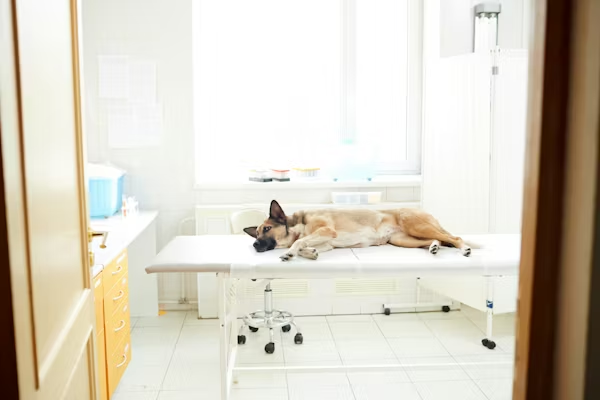
Types of Long Term Dog Boarding Options
There are several types of dog boarding for long stays, and each one has advantages and disadvantages.
Traditional Dog Boarding Kennels
Traditional kennels usually provide individual sleeping areas, scheduled feeding, potty breaks, and some exercise.
They may be a good fit for:
- Dogs used to crates or kennels
- Dogs who like routine
- Dogs who do not need luxury services
- Owners wanting a practical option
The downside is that some kennels can be noisy or less personalized, depending on the facility.
Luxury Dog Boarding Facilities
Luxury boarding may include private suites, raised beds, webcams, extra play sessions, grooming, swimming, one-on-one cuddle time, or premium enrichment.
This option may suit dogs who need more comfort or owners who want frequent updates.
Veterinary Dog Boarding
Veterinary boarding is often a strong choice for dogs with:
- Diabetes
- Seizures
- Heart disease
- Post-surgery recovery needs
- Mobility issues
- Medication schedules
- Senior care needs
Because veterinary teams are nearby, this option can offer extra peace of mind. It may cost more, but it can be worth it for dogs with chronic conditions.
In-Home Dog Boarding
In-home dog boarding means your dog stays in someone’s home rather than a kennel-style facility.
This may be better for dogs who:
- Prefer quiet spaces
- Dislike kennels
- Need more human attention
- Are nervous around large dog groups
- Do better in a home environment
However, you should still check experience, safety, insurance, reviews, emergency procedures, and how many dogs are boarded at once.
Dog Hotels
A dog hotel is usually a more comfort-focused boarding facility. Some offer private rooms, cameras, soft bedding, music, climate control, and enrichment packages.
Dog hotels can be ideal for social, adaptable dogs, but the quality varies. A fancy lobby does not always mean better care behind the scenes.
Cage-Free Dog Boarding
Cage-free boarding allows dogs to spend much of their time outside traditional kennel runs.
This can be great for calm, social dogs, but it is not suitable for every pet. Dogs must be carefully screened and supervised to prevent fights, overstimulation, and injuries.
Private Dog Boarding Homes
Private boarding homes usually take fewer dogs. This can be helpful for shy dogs, older dogs, or pets who need a slower pace.
Ask whether the home has:
- Secure fencing
- Separate feeding areas
- A plan for emergencies
- Experience with your dog’s breed or behavior
- A safe sleeping setup
- Clear rules for introductions
Long Term Dog Boarding for Special Needs Dogs
Not every dog needs the same kind of boarding. A good match matters.
Long Term Boarding for Senior Dogs
Senior dogs may need:
- Softer bedding
- Shorter walks
- Medication support
- Non-slip flooring
- Quiet rest areas
- Gentle handling
- More frequent potty breaks
For older pets, ask whether the facility has experience with boarding for senior dogs and whether staff can recognize signs of pain, confusion, or fatigue.
Long Term Boarding for Puppies
Puppies need careful supervision, age-appropriate play, vaccine protection, potty routines, and rest. Not all boarding facilities accept young puppies, especially if vaccination series are incomplete.
Long Term Boarding for Dogs With Medical Needs
Dogs with medical needs may require veterinary boarding or a facility comfortable with medication, special diets, injections, mobility support, or close monitoring.
Long Term Boarding for Anxious Dogs
Anxious dogs may do better with:
- Trial stays
- Private suites
- Quiet rooms
- Familiar bedding
- Limited group play
- Consistent handlers
- Slow introductions
- Frequent owner updates
Long Term Boarding for Reactive Dogs
Reactive dogs are not “bad dogs,” but they need careful management. Ask whether the facility can provide individual walks, separate play, visual barriers, and no forced dog-to-dog interaction.
Boarding With Training Programs
Some facilities offer boarding with training, sometimes called “board and train.” This can be useful for manners, leash skills, or routine building, but choose carefully. Ask about training methods, certifications, communication, and whether they use reward-based approaches.
Benefits of Long Term Dog Boarding
When done well, extended dog boarding can offer several benefits.
Professional Supervision
Your dog is watched by people who care for pets regularly. This is especially useful if your dog needs more than a quick feeding visit.
Structured Daily Routine
Dogs often feel safer when they know what to expect. A good facility keeps feeding, walks, potty breaks, and rest on a schedule.
Safe and Secure Environment
Quality facilities use secure fencing, locked gates, supervised play areas, and controlled check-in systems.
Regular Feeding Schedule
Long stays can disrupt appetite, so regular meals matter. Many facilities allow you to bring your dog’s normal food to avoid stomach upset.
Medication Monitoring
If your dog needs medication, trained staff can follow written instructions and monitor whether doses are given on time.
Exercise and Playtime
A good facility should offer physical activity based on your dog’s size, age, and energy level. The American Kennel Club recommends asking kennels about daily activities, playtime, feeding schedules, and immunization requirements before boarding.
Mental Stimulation and Enrichment
Dogs need more than food and sleep. Puzzle toys, scent games, calm handling, walks, and supervised play help reduce boredom.
Emergency Support
If something goes wrong, a professional facility should have a clear emergency plan and access to veterinary care.
Peace of Mind for Owners
Regular updates, photos, and honest communication can make a long trip much less stressful.
Possible Drawbacks of Long Term Dog Boarding
Long-term boarding is helpful, but it is not perfect for every dog.
Common drawbacks include:
- Separation anxiety
- Stress in a new environment
- Risk of illness exposure
- Changes in appetite
- Sleep disruption
- Behavioral changes after boarding
- Higher total cost
- Limited one-on-one attention in some facilities
- Risk of injury during group play
- Adjustment period after returning home
The best way to reduce these risks is to choose carefully, prepare early, and be honest about your dog’s behavior and health.
How to Choose the Best Long Term Dog Boarding Facility
Choosing the best dog boarding facility is the most important decision you will make.
Look for a facility that is clean, transparent, organized, and willing to answer questions without rushing you.
What to Check Before Booking
| What to Check | Why It Matters |
|---|---|
| Licensing and insurance | Shows professional accountability |
| Reviews and testimonials | Reveals real customer experiences |
| Facility tour | Lets you see cleanliness and safety |
| Staff-to-dog ratio | Affects supervision quality |
| Cleaning standards | Helps reduce illness risk |
| Emergency vet access | Critical during long stays |
| Secure fencing | Prevents escapes |
| Feeding procedures | Reduces diet mistakes |
| Medication handling | Important for dogs with health needs |
| Exercise schedule | Prevents boredom and stress |
| Dog grouping policy | Reduces fights and overstimulation |
| Vaccination requirements | Protects all boarded dogs |
| Photo or video updates | Helps owners stay informed |
A trustworthy facility should welcome reasonable questions. If staff seem annoyed, vague, or defensive, that is a warning sign.
Questions to Ask Before Booking Long Term Dog Boarding
Before you sign anything, ask direct questions.
Use this checklist:
- What is included in the boarding fee?
- How many times are dogs fed each day?
- Can I bring my dog’s own food?
- Do you administer medication?
- What vaccines are required?
- What happens in a medical emergency?
- How often will my dog be exercised?
- Will my dog sleep alone or with other dogs?
- Do you offer trial stays?
- Do you provide updates, photos, or videos?
- Are dogs supervised during playtime?
- How do you handle anxious or reactive dogs?
- What should I pack for my dog?
- Can you accommodate special diets?
- Are there extra fees for grooming, walks, or playtime?
For long stays, also ask:
- “Who notices if my dog stops eating?”
- “How do you track medication?”
- “What is your overnight monitoring process?”
- “Can my dog have rest days from group play?”
- “How do you prevent dogs from becoming overstimulated?”
These questions help you separate professional care from basic pet storage.

Long Term Dog Boarding Cost
The long term dog boarding cost depends on location, facility type, room style, dog size, care level, and add-on services.
Typical pricing may be charged as:
- Daily rates
- Weekly packages
- Monthly dog boarding rates
- Custom long-stay pricing
What Affects Dog Boarding Cost?
| Cost Factor | Impact |
|---|---|
| Location | Urban areas often cost more |
| Facility type | Luxury boarding costs more than basic kennels |
| Dog size | Larger dogs may cost more |
| Medical needs | Medication or special care may add fees |
| Private suite | Usually more expensive |
| Group play | May be included or extra |
| Grooming | Often an add-on |
| Holiday dates | Peak seasons may cost more |
| Number of dogs | Multi-dog discounts may apply |
| Length of stay | Long-term discounts may be available |
Extra Fees to Watch For
Ask about hidden or optional fees such as:
- Extra walks
- One-on-one playtime
- Medication administration
- Late pickup
- Early drop-off
- Holiday surcharge
- Bathing before pickup
- Special feeding
- Webcam access
- Transportation
Is Long Term Dog Boarding Worth the Cost?
For many owners, yes. The value comes from knowing your dog is fed, monitored, exercised, and cared for while you are away.
It may be especially worth it if your dog:
- Needs routine
- Cannot be left alone
- Requires medication
- Has high energy
- Needs secure supervision
- Does not have a reliable sitter available
That said, the cheapest option is not always the best. With long-term care, a small daily difference can affect comfort, safety, and peace of mind.
How to Save Money on Extended Dog Boarding
Long stays can become expensive, but there are smart ways to reduce costs without sacrificing safety.
Try these tips:
- Ask about weekly or monthly dog boarding discounts
- Book early before holiday rates increase
- Bring your dog’s own food
- Skip unnecessary luxury add-ons
- Compare several facilities
- Ask about multi-dog discounts
- Use grooming only if needed
- Choose the right care level, not the fanciest room
- Schedule a trial stay before committing to a long booking
The goal is not to find the cheapest kennel. The goal is to find the safest, most reliable care within your budget.
How to Prepare Your Dog for Long Term Boarding
Preparation makes a huge difference. A dog who has been introduced gradually to boarding is usually more relaxed than a dog who is dropped off suddenly for several weeks with no practice.
Even confident dogs can feel confused in a new place. New smells, new people, different sounds, and unfamiliar routines can all feel like a lot at first. Your job is to make the transition as smooth as possible.
Schedule a Facility Visit
Before booking an extended stay, visit the dog boarding facility in person whenever possible.
During the visit, pay attention to:
- Cleanliness
- Noise level
- Staff attitude
- Dog handling style
- Sleeping areas
- Outdoor spaces
- Ventilation
- Security gates
- Fencing
- Feeding areas
- Overall organization
A facility does not need to look like a luxury hotel to be good. What matters most is whether it feels safe, clean, calm, and professionally managed.
If staff refuse to show you where dogs stay, give vague answers, or rush you through the process, consider it a warning sign.
Book a Trial Overnight Stay
A trial stay is one of the best ways to prepare for extended dog boarding.
Instead of leaving your dog for a month right away, start with:
- A short daycare visit
- One overnight stay
- A weekend stay
- The longer boarding period
This helps your dog learn that you leave, but you also come back. It also gives the facility a chance to observe your dog’s behavior, appetite, sleep habits, play style, and stress level.
A trial stay is especially useful for:
- Anxious dogs
- Rescue dogs
- Puppies
- Senior dogs
- Dogs with separation anxiety
- Dogs that have never boarded before
- Reactive dogs
- Dogs with medical routines
After the trial, ask staff honest questions:
- Did my dog eat normally?
- Did they sleep?
- Were they nervous?
- Did they enjoy playtime?
- Did they bark excessively?
- Did they show any signs of stress?
- Would you recommend any changes before a longer stay?
This feedback can help you choose the right room, routine, play schedule, or care plan.
Update Vaccinations Before Boarding
Most boarding facilities require proof of current vaccinations before accepting a dog. Requirements vary, but commonly include:
- Rabies
- DHPP or DAPP
- Bordetella
- Sometimes canine influenza
Do not wait until the day before drop-off. Some vaccines need time to become effective, and facilities may require them to be given a certain number of days before boarding.
Call your veterinarian early and ask what your dog needs based on their age, lifestyle, health, and boarding environment.
Also make sure your dog is protected against:
- Fleas
- Ticks
- Intestinal parasites
- Heartworms, depending on your location and vet advice
A long boarding stay means your dog may be around other animals, shared spaces, or outdoor areas. Preventive care helps lower the risk of illness or discomfort.
Pack Familiar Items
A familiar smell can comfort a dog in a new place. Many facilities allow you to bring one or two safe comfort items.
Good options include:
- A washable blanket
- A favorite toy
- A soft towel that smells like home
- A familiar bed, if allowed
- A worn T-shirt with your scent, if permitted
Keep it simple. Do not pack anything valuable, fragile, or dangerous.
Avoid items with:
- Small buttons
- Loose stuffing
- Sharp parts
- Squeakers your dog may swallow
- sentimental value
Boarding facilities often do laundry, move items, and clean rooms daily. Items can get dirty, misplaced, or damaged, so only pack things you are comfortable possibly not getting back in perfect condition.
Keep Feeding Instructions Clear
Food is one of the most important parts of long term dog care.
A sudden diet change can cause stomach upset, especially during an already stressful transition. Whenever possible, bring your dog’s regular food.
Write feeding instructions clearly:
| Detail | Example |
|---|---|
| Food brand | Blue Buffalo Adult Chicken & Rice |
| Amount | 1.5 cups per meal |
| Frequency | Twice daily |
| Times | 7 AM and 6 PM |
| Add-ins | 1 tablespoon pumpkin at dinner |
| Restrictions | No chicken treats |
| Appetite notes | May skip breakfast first day |
| Bowl behavior | Eats slowly, prefers quiet space |
For long stays, portion food into labeled bags or provide a sealed container with measuring instructions.
Do not assume staff will know your dog’s usual habits. Write everything down.
Write Down Medication Details
If your dog takes medication, give the facility written instructions and enough medication for the entire stay, plus a little extra in case your return is delayed.
Include:
- Medication name
- Dosage
- Time of day
- Whether it is given with food
- What it is for
- Possible side effects
- What to do if a dose is missed
- Vet contact details
- Emergency contact details
Example:
| Medication | Dosage | Time | Notes |
|---|---|---|---|
| Apoquel | 1 tablet | Morning | Give with food |
| Gabapentin | 1 capsule | 8 PM | For anxiety; may cause sleepiness |
| Insulin | As prescribed | After meals | Requires trained staff only |
Never send loose pills in a plastic bag without labels. Use original packaging whenever possible.
Share Your Dog’s Routine
Dogs love patterns. A familiar routine can help reduce stress in a new place.
Write a simple daily routine for the boarding team:
- Usual wake-up time
- Feeding schedule
- Potty habits
- Walk length
- Nap times
- Bedtime routine
- Favorite activities
- Triggers or fears
- Commands your dog knows
- Whether your dog likes other dogs
- Whether your dog guards food or toys
For example:
“Milo usually eats at 7 AM and 6 PM. He gets nervous during thunderstorms and prefers a quiet room. He likes short walks but does not enjoy rough group play. He knows ‘sit,’ ‘wait,’ and ‘leave it.’ Please feed him separately from other dogs.”
These details help staff care for your dog as an individual, not just another kennel number.
Practice Short Separations Before Boarding
If your dog is not used to being away from you, start practicing before the boarding date.
You can:
- Leave them with a trusted friend for a few hours
- Try dog daycare once or twice
- Practice calm departures at home
- Use crate training, if appropriate
- Take them to the facility for short visits
- Build independence with safe alone-time routines
The goal is not to make your dog emotionless. The goal is to teach them that separation can be temporary and safe.

Groom Your Dog Before Drop-Off
A clean, well-groomed dog will usually be more comfortable during a long stay.
Before boarding:
- Brush out mats
- Trim nails
- Clean ears if needed
- Bathe your dog if appropriate
- Check for fleas or ticks
- Make sure the collar fits properly
Mats can pull on the skin, long nails can affect walking, and dirty ears may become irritated. Basic grooming helps prevent avoidable discomfort.
Some facilities offer grooming before pickup, but do not rely on that as a substitute for pre-boarding care.
Update ID Tags and Microchip Details
Even the best facilities should have strong escape-prevention systems, but accidents can happen anywhere.
Before boarding, check that your dog has:
- A secure collar
- Current ID tags
- Updated microchip information
- Your current phone number
- An emergency contact number
Also give the facility a recent photo of your dog, especially if they are staying for a long period.
Stay Calm During Drop-Off
Dogs are excellent at reading body language. If you cry, panic, or act guilty, your dog may think something is wrong.
Keep the goodbye:
- Calm
- Brief
- Positive
- Confident
Say something simple like, “Be good, I’ll see you soon,” then leave without dragging it out.
A long emotional goodbye may make you feel better for a moment, but it can make your dog more anxious.
What to Pack for Long Term Dog Boarding
Packing correctly helps the facility care for your dog without confusion.
Here is a simple checklist.
| Item | Why It Matters |
|---|---|
| Food | Prevents stomach upset from diet changes |
| Feeding instructions | Helps staff keep meals consistent |
| Medication | Ensures treatment continues properly |
| Supplements | Maintains daily health routine |
| Collar and leash | Needed for safe handling |
| ID tags | Adds security |
| Vaccination records | Required by most facilities |
| Favorite blanket or toy | Provides comfort |
| Routine notes | Helps staff understand your dog |
| Emergency contact details | Needed if you cannot be reached |
| Veterinarian information | Important for health concerns |
| Special diet instructions | Prevents accidental feeding mistakes |
Food and Feeding Instructions
Bring enough food for the entire stay, plus extra. Long trips can be delayed, and you do not want your dog suddenly switched to another food.
Label the food container with:
- Dog’s name
- Food brand
- Meal amount
- Feeding frequency
- Any allergies
Medication and Supplements
Send medication in original containers with clear labels. Include written instructions, even if you already explained them verbally.
Collar, Leash, and ID Tags
Some facilities use their own slip leads, but your dog should still arrive with proper identification.
Make sure the collar is not too loose. A nervous dog can slip out of a poorly fitted collar.
Vaccination Records
Email records ahead of time and bring a copy at drop-off.
This avoids last-minute stress and prevents delays during check-in.
Favorite Blanket or Toy
A familiar item can help your dog settle faster. Choose something washable and safe.
Grooming Items
For very long stays, ask if you should send:
- Brush
- Comb
- Dog-safe wipes
- Special shampoo
- Coat care instructions
This is especially important for long-haired breeds.
Written Routine and Behavior Notes
Do not rely only on conversation. Drop-off can be busy. A printed or emailed care sheet is easier for staff to reference.
Include notes such as:
- “Does not like paws touched”
- “Afraid of men in hats”
- “Loves tennis balls”
- “Must be fed alone”
- “Can jump low fences”
- “Gets car sick”
- “May bark at large dogs”
Small details can prevent big problems.
Items You Should Not Pack
Avoid sending anything unsafe, expensive, or easily destroyed.
Do not pack:
- Rawhide chews, unless approved
- Toys with small removable parts
- Glass bowls
- Expensive beds
- Sentimental items
- Long ropes or strings
- Unlabeled medication
- Open bags of treats with no instructions
- Anything your dog guards aggressively
- Toys that encourage conflict in group settings
If your dog has resource guarding issues, tell the facility clearly. This is not something to hide. It helps staff keep everyone safe.
Vaccination and Health Requirements
Health requirements protect your dog and every other dog in the facility.
Requirements vary by location and business, but most facilities ask for proof of core vaccines and may require additional vaccines based on risk.
Core Vaccines for Dog Boarding
Commonly required or recommended vaccines include:
| Vaccine | Why It Matters |
|---|---|
| Rabies | Often legally required; protects against a fatal virus |
| DHPP/DAPP | Helps protect against distemper, hepatitis/adenovirus, parvovirus, and parainfluenza |
| Bordetella | Helps reduce risk of kennel cough |
| Canine influenza | May be recommended where dog flu risk is higher |
Always confirm requirements with the boarding provider and your veterinarian.
Bordetella Vaccine for Kennel Cough
Kennel cough is a common respiratory illness in places where dogs gather, such as boarding facilities, dog parks, grooming salons, and daycare centers.
The Bordetella vaccine does not prevent every possible cause of coughing, but many facilities require it because it can help reduce risk and severity.
Ask:
- When must Bordetella be given before boarding?
- Is nasal, oral, or injectable accepted?
- How often is it required?
- What happens if my dog has a mild cough before drop-off?
Never bring a coughing dog to boarding without telling the facility and speaking with your vet.
Rabies Vaccine Requirements
Rabies vaccination is legally required in many areas. Boarding facilities usually need proof that the vaccine is current.
Make sure the document includes:
- Dog’s name
- Vaccine date
- Expiration date
- Veterinarian name
- Clinic contact information
DHPP or DAPP Vaccine
This combination vaccine protects against several serious diseases. Puppies, adult dogs, and senior dogs may have different schedules, so follow your vet’s guidance.
Flea and Tick Prevention
Your dog should be on an appropriate flea and tick prevention plan before boarding.
A single flea problem can spread quickly in shared environments. Good facilities clean carefully, but prevention starts with each dog arriving healthy and protected.
Deworming and Parasite Control
Depending on your location and your dog’s lifestyle, your vet may recommend fecal testing or deworming before boarding.
This is especially important for:
- Puppies
- Dogs from shelters
- Dogs with diarrhea
- Dogs that visit parks often
- Dogs with unknown health history
Health Check Before Boarding
For long stays, a pre-boarding vet check can be a smart idea, especially if your dog is older or has a medical condition.
A vet visit can help confirm:
- Vaccines are current
- Weight is stable
- Skin and ears are healthy
- Medication doses are correct
- Chronic conditions are controlled
- Your dog is fit for boarding
Boarding Dogs With Chronic Illness
Dogs with chronic illness can often be boarded safely, but the care plan must be clear.
Examples include:
- Diabetes
- Arthritis
- Heart disease
- Kidney disease
- Allergies
- Epilepsy
- Cushing’s disease
- Thyroid disease
For these dogs, consider veterinary boarding or a facility with trained staff who can monitor symptoms and give medication properly.
Ask how the facility handles:
- Missed meals
- Vomiting
- Diarrhea
- Seizures
- Limping
- Refusal of medication
- Emergency transport
- Owner contact
What Happens If a Dog Gets Sick While Boarding?
A responsible facility should have a written emergency plan.
That plan should explain:
- When they contact you
- When they contact your emergency contact
- Which vet they use
- Whether they can transport your dog
- How medical costs are approved
- What happens if you are unreachable
- How they document symptoms
Before leaving your dog, sign any necessary medical authorization forms and make sure payment arrangements are understood.
Daily Routine in Long Term Dog Boarding
A predictable daily routine is one of the biggest benefits of high-quality pet boarding for dogs.
While every facility is different, a typical day may look like this:
| Time | Activity |
|---|---|
| 6:30–7:30 AM | Morning potty break |
| 7:30–8:30 AM | Breakfast |
| 9:00–11:00 AM | Walks, playtime, or enrichment |
| 11:00 AM–1:00 PM | Rest period |
| 1:00–3:00 PM | Individual activity or group play |
| 3:00–4:00 PM | Snack, medication, or quiet time |
| 5:00–6:00 PM | Dinner |
| 6:30–8:00 PM | Evening potty break and wind-down |
| Overnight | Sleeping and monitoring |
This routine may change depending on the dog’s needs. A puppy, senior dog, anxious dog, and high-energy dog should not all follow the exact same plan.
Morning Feeding
Morning feeding sets the tone for the day. Dogs should be fed according to owner instructions, and dogs with food guarding should eat separately.
Staff should notice if a dog:
- Refuses food
- Eats too fast
- Vomits after eating
- Has diarrhea
- Tries to steal food
- Needs medication with meals
Potty Breaks
Regular potty breaks help reduce stress and accidents.
Ask how often dogs are taken out, especially if your dog is:
- A puppy
- A senior dog
- On medication
- Prone to urinary issues
- Not used to holding it for long periods
Individual Walks
Individual walks are useful for dogs who do not enjoy group play or need calmer activity.
They are especially helpful for:
- Shy dogs
- Reactive dogs
- Senior dogs
- Dogs recovering from injury
- Dogs who prefer people over dogs
Group Playtime
Group play can be wonderful for social dogs, but it must be supervised carefully.
Good facilities separate dogs by:
- Size
- Temperament
- Energy level
- Play style
- Age
- Social confidence
Not every dog belongs in group play. That is perfectly fine. A safe facility should never force a dog into a group setting just because it is convenient.
Rest Periods
Rest is not laziness. It is essential.
Dogs can become overstimulated if they play all day without breaks. Overstimulation can lead to:
- Irritability
- Rough play
- Barking
- Nipping
- Poor sleep
- Stress
- Injury
For long stays, scheduled rest is just as important as exercise.
Enrichment Activities
Enrichment gives dogs something meaningful to do.
Examples include:
- Puzzle feeders
- Snuffle mats
- Scent games
- Lick mats
- Gentle training refreshers
- Calm walks
- Safe chew time
- One-on-one attention
Mental stimulation is especially important during extended stay dog boarding, because boredom can build over time.
Medication Times
Medication should be logged carefully.
For dogs on daily medication, ask whether the facility tracks:
- Time given
- Staff member responsible
- Whether the dose was swallowed
- Any side effects
- Missed or refused doses
This is especially important for seizure medicine, insulin, pain relief, anxiety medication, heart medication, and antibiotics.
Evening Wind-Down
A calm evening routine helps dogs sleep better.
This may include:
- Final potty break
- Dinner digestion time
- Quiet music
- Lower lighting
- Reduced activity
- Bed check
- Medication, if needed
A dog who sleeps well is more likely to cope well with a long stay.
Exercise, Play, and Enrichment During Extended Boarding
Exercise and enrichment should be matched to your dog, not offered as a one-size-fits-all package.
Why Enrichment Matters for Long-Term Stays
A dog staying for two nights may be fine with basic care. A dog staying for two months needs more.
Without enrichment, dogs may become:
- Bored
- Restless
- Destructive
- Noisy
- Withdrawn
- Overexcited
- Anxious
Good enrichment helps dogs use their nose, brain, body, and social skills in safe ways.
Daily Walks
Walks provide exercise, sniffing, and a change of scenery.
For many dogs, sniffing is as important as walking. A slow sniff walk can be more calming than fast exercise.
Supervised Group Play
Group play is best for dogs who are social, confident, and appropriate with other dogs.
Staff should interrupt:
- Bullying
- Mounting
- Chasing that scares one dog
- Resource guarding
- Rough play that escalates
- Overcrowding around gates
- Signs of fatigue
Safe group play requires active supervision, not just someone standing nearby.
One-on-One Playtime
Some dogs prefer people to dogs. One-on-one play can include:
- Fetch
- Tug, if appropriate
- Cuddle time
- Training games
- Brushing
- Gentle walks
- Calm companionship
This is a great option for anxious, senior, reactive, or shy dogs.
Puzzle Toys and Scent Games
Puzzle toys and scent games help dogs think.
Examples:
- Treat puzzles
- Hidden treat searches
- Snuffle mats
- Frozen lick bowls
- Basic obedience games
- “Find it” games
These activities can reduce boredom without overstimulating the dog.
Training Refreshers
Some boarding facilities offer training refreshers during long stays.
This may include:
- Sit
- Stay
- Recall
- Loose-leash walking
- Door manners
- Crate comfort
- Calm greetings
Training should be gentle, clear, and reward-based. Avoid any program that will not explain its methods.
Quiet Time and Rest
Long-term boarding should include downtime. Dogs need sleep and quiet recovery, especially after play.
A balanced routine includes:
- Exercise
- Mental stimulation
- Human attention
- Meals
- Potty breaks
- Rest
- Sleep
Too much activity can be just as stressful as too little.
Long Term Dog Boarding for Different Dog Types
Every dog has different needs. The best long term dog boarding plan is tailored to the dog in front of the staff.
Long Term Boarding for Puppies
Puppies need extra patience and supervision.
They may need:
- Frequent potty breaks
- Age-appropriate play
- Safe handling
- Rest periods
- Puppy-safe toys
- Feeding multiple times per day
- Careful vaccine review
- Gentle socialization
Because puppies are still developing, poor boarding experiences can affect confidence. Choose a facility that understands puppy behavior.
Long Term Boarding for Senior Dogs
Senior dogs often need a calmer routine.
They may benefit from:
- Orthopedic bedding
- Short walks
- Quiet rooms
- Medication support
- Gentle handling
- More bathroom breaks
- Help standing or walking
- Reduced group play
- Warm, dry sleeping areas
For senior pets, comfort matters more than constant activity.
Long Term Boarding for Small Dogs
Small dogs may feel overwhelmed around larger dogs.
Ask whether the facility has:
- Small-dog playgroups
- Separate sleeping areas
- Careful handling rules
- Secure small-dog fencing
- Protection from rough play
Small dogs are not always fragile, but they can be injured if grouped poorly.
Long Term Boarding for Large Dogs
Large dogs need enough space, strong handling skills, and secure areas.
Ask about:
- Run size
- Exercise space
- Staff comfort with large breeds
- Strong leash protocols
- Separate feeding
- Joint-friendly surfaces
Large breeds may also need extra attention to joint health and rest after play.
Long Term Boarding for High-Energy Dogs
High-energy dogs need more than a quick walk.
They may need:
- Longer exercise sessions
- Structured play
- Training games
- Puzzle toys
- Scent work
- Rest periods to prevent overstimulation
A tired dog is not always a calm dog. The goal is balanced activity, not exhaustion.
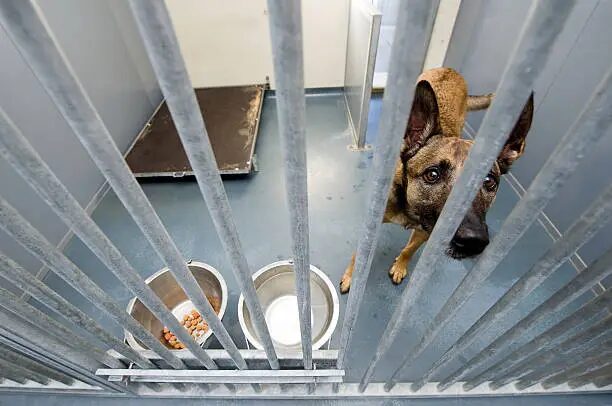
Long Term Boarding for Shy Dogs
Shy dogs need gentle introductions and predictable routines.
Helpful options include:
- Private rooms
- Quiet handling
- Fewer dog interactions
- Consistent caregivers
- Slow introductions
- Calm enrichment
- No forced group play
A shy dog may open up after several days if staff are patient.
Long Term Boarding for Rescue Dogs
Rescue dogs may have unknown histories. Some adjust quickly. Others may be sensitive to confinement, loud noise, or separation.
Share everything you know, including:
- Triggers
- Fears
- Bite history, if any
- Escape attempts
- Food guarding
- Dog reactivity
- Comfort routines
Honesty helps staff protect your dog and others.
Long Term Boarding for Dogs With Separation Anxiety
Dogs with separation anxiety may need a specialized plan.
Ask about:
- Staff experience
- Quiet areas
- Medication support, if prescribed
- Short trial stays
- Owner-scented comfort items
- Frequent updates
- No punishment for stress behaviors
Separation anxiety is not stubbornness. It is distress. Choose caregivers who understand that.
Long Term Boarding for Dogs With Medical Conditions
Medical dogs need detailed care instructions and trained staff.
For dogs with chronic illness, provide:
- Medication schedule
- Vet records
- Emergency plan
- Symptoms to watch for
- Feeding requirements
- Activity limits
- Approved treatments
- Emergency authorization
When in doubt, veterinary boarding may be the safer option.
Long Term Boarding for Multiple Dogs From the Same Home
If you have two or more dogs, ask whether they can stay together.
Some bonded dogs do better sharing a space. Others may need separate feeding or separate rest areas.
Ask:
- Can they sleep together?
- Can they eat separately?
- What happens if they argue?
- Is there a multi-dog discount?
- Will they play with other dogs or only each other?
Even dogs from the same home can become tense in a new environment, especially around food or beds.
Long Term Boarding for Anxious Dogs
Anxious dogs need special attention during long-term dog boarding. A busy, noisy kennel may be too much for some, while others may adjust well with the right support.
Is Boarding Good for Anxious Dogs?
It depends on the dog and the facility.
Boarding may work if:
- The facility is calm and experienced
- Staff understand anxiety
- Your dog has trial stays first
- Group play is optional
- Your dog has a quiet resting area
- You provide familiar items
- Medication can be given if prescribed
Boarding may not be ideal if your dog panics severely, refuses food for long periods, tries to escape, or becomes aggressive when stressed.
How to Reduce Boarding Anxiety
To reduce anxiety:
- Visit the facility before the stay
- Schedule a trial overnight
- Bring familiar bedding
- Keep routines consistent
- Avoid dramatic goodbyes
- Share detailed behavior notes
- Ask for quiet housing
- Choose individual walks over group play if needed
- Talk to your vet about anxiety support when appropriate
Choosing a Quiet Boarding Environment
For anxious dogs, quieter is often better.
Look for:
- Smaller dog groups
- Sound-controlled rooms
- Private suites
- Calm staff
- Limited barking
- Visual barriers
- Rest breaks
- Low-pressure handling
Do not choose a facility only because it looks fancy. Choose the one that fits your dog emotionally.
Private Suites vs Group Boarding
| Option | Better For |
|---|---|
| Private suite | Anxious, senior, reactive, or shy dogs |
| Group boarding | Social, confident, playful dogs |
| In-home boarding | Dogs who prefer human company and home settings |
| Veterinary boarding | Dogs with health or medication needs |
An anxious dog does not need to “learn to love” group play during a long stay. Safety and comfort come first.
Signs of Stress to Watch For
Ask the facility to alert you if your dog shows:
- Refusing meals
- Constant pacing
- Excessive barking
- Diarrhea
- Vomiting
- Trembling
- Hiding
- Snapping
- Escape attempts
- Self-injury
- Not sleeping
Early updates allow you and the facility to adjust the care plan before stress becomes serious.
Mid-Article Checklist: Is Your Dog Ready for Long Term Boarding?
Use this quick checklist before booking.
| Question | Yes/No |
|---|---|
| Have you toured the facility? | |
| Has your dog completed a trial stay? | |
| Are vaccinations current? | |
| Have you packed enough regular food? | |
| Are medications clearly labeled? | |
| Did you provide emergency contacts? | |
| Did you share behavior notes? | |
| Did you ask about daily exercise? | |
| Did you confirm sleeping arrangements? | |
| Did you understand all fees? |
If you answer “no” to several of these, take time to prepare before committing to a long stay.
Long Term Dog Boarding vs Pet Sitting
One of the biggest decisions pet owners face is whether to choose a dog boarding facility or hire a pet sitter. Both options can work well, but the right choice depends on your dog’s personality, health, routine, and comfort level.
Some dogs enjoy the structure and activity of boarding. Others feel safer staying in their own home.
Pros of Long Term Dog Boarding
Long term dog boarding can be a strong choice when you want professional supervision and a controlled environment.
Key benefits include:
- Trained staff available daily
- Structured feeding, potty, and exercise routines
- Secure sleeping areas
- Socialization opportunities for friendly dogs
- Medication support at some facilities
- Access to emergency care plans
- Regular owner updates
- Extra services such as grooming, playtime, or training
- Reduced risk of your dog being alone for long periods
For dogs that enjoy people, routines, and activity, boarding can feel like a temporary second home.
Cons of Long Term Dog Boarding
Boarding is not perfect for every dog.
Possible downsides include:
- New environment stress
- Noise from other dogs
- Possible exposure to illness
- Less individual attention than one-on-one home care
- Higher cost for extended stays
- Overstimulation in busy facilities
- Adjustment period after returning home
- Not ideal for some anxious, reactive, or fragile senior dogs
A facility may be excellent and still not be the right fit for your dog. The goal is not just to find “good boarding.” The goal is to find good boarding for your dog.
Pros of Hiring a Pet Sitter
A pet sitter may visit your home several times a day or stay overnight while you are away.
Benefits include:
- Your dog stays in a familiar environment
- Less disruption to daily routine
- Lower stress for some anxious dogs
- No exposure to large groups of dogs
- Home security benefits
- More personalized one-on-one care
- Good option for dogs that dislike kennels
For dogs that are nervous, elderly, reactive, or very attached to their home environment, a sitter can be a better fit than a kennel.
Cons of Hiring a Pet Sitter
Pet sitting also has potential drawbacks.
These may include:
- Less supervision if visits are brief
- Quality depends heavily on the sitter
- Higher cost for overnight care
- Limited backup if the sitter becomes unavailable
- Less structured activity
- No built-in facility team
- Risk if the dog has medical needs and the sitter is not experienced
- Your home access must be trusted to another person
A pet sitter should be carefully screened, insured when possible, experienced, and comfortable with your dog’s needs.
Boarding Facility vs In-Home Pet Care
Here is a simple comparison to help you decide.
| Factor | Long Term Dog Boarding | Pet Sitting / In-Home Care |
|---|---|---|
| Best for | Social dogs, active dogs, dogs needing structure | Anxious dogs, seniors, dogs who love home |
| Supervision | Staff-based, varies by facility | Depends on visit schedule |
| Environment | New place | Familiar home |
| Exercise | Usually scheduled | Depends on sitter |
| Socialization | Possible with other dogs | Usually limited |
| Illness exposure | Higher than home care | Lower |
| Routine | Facility routine | Home routine |
| Medical support | Better at vet boarding or trained facilities | Depends on sitter’s skills |
| Cost | Daily/weekly/monthly rates | Visit-based or overnight rates |
| Peace of mind | Professional setting | Personal, home-based care |
Which Option Is Safer?
The safer option depends on your situation.
Boarding may be safer if your dog:
- Escapes easily from home
- Needs regular supervision
- Requires structured feeding
- Needs medication from trained staff
- Gets destructive when alone
- Is comfortable in new places
- Enjoys other dogs or people
Pet sitting may be safer if your dog:
- Panics in kennels
- Has severe separation anxiety
- Is very old or fragile
- Is reactive toward other dogs
- Has a strict home routine
- Does not handle noise well
- Needs a quiet environment
For dogs with serious medical needs, veterinary boarding may be the safest option.
Which Option Is Better for Anxious Dogs?
Anxious dogs are not all the same.
Some anxious dogs do better in a calm boarding suite with experienced staff. Others become much more stressed away from home.
For anxious dogs, ask yourself:
- Does my dog eat in new places?
- Has my dog stayed away from home before?
- Does my dog bark, pace, shake, or try to escape when stressed?
- Does my dog feel better around people or worse?
- Is my dog reactive toward other dogs?
- Would a trial stay help us decide?
If your dog has separation anxiety, talk with your veterinarian before a long stay. Some dogs may need a behavior plan, medication support, or a home-based care option.
Which Option Is Better for Senior Dogs?
Senior dogs often need calm, comfort, and predictable care.
Long term dog boarding may work for senior dogs if the facility offers:
- Soft bedding
- Quiet rooms
- Gentle handling
- Medication support
- More frequent potty breaks
- Climate control
- Non-slip flooring
- Minimal group play
- Staff experienced with older dogs
Pet sitting may be better if your senior dog becomes confused in new environments, has mobility issues, or feels safest at home.
Which Option Is More Affordable?
Cost depends on location and care level.
In many cases:
- Basic kennel boarding may be cheaper than overnight pet sitting.
- Luxury dog hotels may cost more than a sitter.
- Medical boarding may cost more than standard boarding.
- Multiple daily sitter visits can become expensive.
- Monthly dog boarding may come with discounts.
- Long holiday stays may include peak-season fees.
The lowest price should not be the only deciding factor. For long stays, reliability, safety, cleanliness, and communication matter more.
When to Choose a Pet Sitter Instead of Boarding
A pet sitter may be the better choice if your dog:
- Has severe kennel stress
- Is elderly and easily disoriented
- Is reactive toward unfamiliar dogs
- Has a condition that worsens with stress
- Does not eat outside the home
- Needs a very quiet environment
- Has a strong home routine
- Cannot safely participate in group settings
Boarding is not a failure. Pet sitting is not automatically better. The best choice is the one that protects your dog’s emotional and physical health.
Long Term Dog Boarding Alternatives
If traditional boarding does not feel right, there are several alternatives to consider.
In-Home Pet Sitting
A sitter visits or stays in your home to care for your dog. This keeps your dog in a familiar place and may reduce stress.
House Sitting
A house sitter lives in your home while you are away. This can be helpful for dogs that need overnight companionship.
Friends or Family Care
A trusted family member or friend may be a good option if they know your dog well. However, make sure they understand feeding, medication, walking, and emergency instructions.
Dog Nanny Services
A dog nanny provides more personalized care, often including walks, feeding, companionship, and sometimes overnight stays.
Veterinary Boarding
This is a strong option for dogs with chronic illness, medication needs, post-surgery recovery, or senior care concerns.
Dog Daycare With Overnight Care
Some daycare centers offer overnight boarding. This may suit social dogs already familiar with the facility.
Foster-Style Boarding
Some private caregivers offer home-based boarding with fewer dogs. This can feel more personal than a large kennel.
Trusted Pet Sitting Platforms
Online pet care platforms can help you find sitters or home boarders. Always read reviews, conduct interviews, and schedule a meet-and-greet before booking.
Taking Your Dog With You
For some trips, bringing your dog may be possible. This works best when travel is pet-friendly, your dog enjoys new places, and the destination allows safe dog care.
Temporary Foster Care for Emergencies
In difficult situations such as hospitalization, housing problems, or family emergencies, some rescues and community organizations may help arrange temporary foster care.
Safety Tips for Long Term Dog Boarding
Safety should be your top priority when choosing extended stay dog boarding.
Tour the Facility First
Never rely only on photos. A tour lets you see how the facility really operates.
Look for:
- Clean floors
- Fresh water
- Safe fencing
- Calm handling
- Secure gates
- Good ventilation
- Comfortable sleeping areas
- Organized feeding systems
- Dogs that appear supervised
Check Staff Training
Ask whether staff are trained in:
- Dog body language
- Safe leash handling
- Emergency response
- Cleaning protocols
- Medication administration
- Group play supervision
- Recognizing stress signals
Experience matters, especially during long stays.
Confirm Emergency Procedures
Ask what happens if your dog gets sick, injured, or refuses food.
A good facility should have:
- A local veterinarian contact
- Emergency clinic details
- Transportation plan
- Owner contact process
- Written medical authorization
- Incident reporting procedures
Ask About Dog Grouping Policies
Dogs should not be thrown into random groups.
Safe facilities group dogs by:
- Size
- Age
- Temperament
- Play style
- Energy level
- Confidence
- Health status
A 10-pound shy senior should not be placed with rough, high-energy large dogs.
Review Cleaning Protocols
Cleanliness reduces odor, parasites, and illness risk.
Ask:
- How often are kennels cleaned?
- Are bowls sanitized daily?
- How are accidents handled?
- Are bedding and blankets washed?
- What disinfectants are used?
- Are sick dogs separated?
A clean facility should smell fresh, not heavily perfumed to cover odors.
Verify Vaccination Requirements
A facility that does not require vaccines may put dogs at higher risk.
Most professional boarding providers ask for proof of:
- Rabies
- DHPP/DAPP
- Bordetella
- Sometimes canine influenza
Ask About Heat, Cooling, and Ventilation
Dogs need safe temperatures year-round.
Ask how the facility handles:
- Summer heat
- Winter cold
- Humidity
- Airflow
- Power outages
- Breed-specific risks, such as flat-faced dogs overheating
Understand Supervision During Playtime
Group play should always be supervised by trained staff.
Ask:
- How many dogs are in each group?
- How many staff supervise?
- Are dogs ever left alone together?
- How are fights prevented?
- Are toys or food used in group areas?
- Can my dog skip group play?
Check Kennel Security
Security matters during a long stay.
Look for:
- Double-gated entry points
- Strong fencing
- Locked doors
- Escape-proof outdoor areas
- Proper leash rules
- Secure transport procedures
- Clear check-in/check-out policies
Keep Communication Open During the Stay
Before you leave, agree on communication expectations.
Ask whether you will receive:
- Daily updates
- Weekly updates
- Photos
- Videos
- Meal reports
- Medication reports
- Behavior updates
- Emergency-only contact
For long stays, regular updates can help you spot concerns early.
Red Flags to Avoid When Choosing a Dog Boarding Facility
Not every facility is safe or professionally managed. Trust your instincts, but also look for clear warning signs.
Major Red Flags
Avoid a facility if you notice:
- No facility tour allowed
- Strong odors or dirty kennels
- Overcrowded play areas
- No vaccination requirements
- Untrained or careless staff
- No emergency vet plan
- Vague pricing
- No written agreement
- Poor communication
- Dogs left unsupervised
- Unsafe fencing or gates
- No trial stay option
- Rough handling
- Staff unwilling to answer questions
- Dogs appearing constantly stressed
- Food and medication not clearly organized
Pricing Red Flags
Be careful if pricing is unclear.
Ask for a written breakdown of:
- Daily rate
- Holiday fees
- Medication fees
- Extra walk fees
- Playtime fees
- Grooming fees
- Late pickup fees
- Cancellation policy
- Long-term discounts
No one wants to return home to a surprise bill.
Communication Red Flags
Poor communication before boarding often becomes worse during boarding.
Watch for:
- Slow replies
- Rushed answers
- Missing paperwork
- No care plan
- No written policies
- Refusal to discuss your dog’s needs
- Dismissive attitude toward anxiety or medical concerns
For long-term care, communication is not a bonus. It is part of safety.
What Happens During a Long Boarding Stay?
A well-run boarding stay usually follows a clear process from arrival to pickup.
Arrival and Check-In
At check-in, staff should review:
- Your dog’s name and profile
- Food instructions
- Medication
- Vaccination records
- Emergency contacts
- Behavior notes
- Belongings
- Pickup date
- Special requests
This is the time to mention any last-minute changes, such as a recent upset stomach, new medication, or change in appetite.
Temperament Assessment
Many facilities assess your dog’s temperament before allowing group play.
They may observe:
- Reaction to staff
- Comfort around dogs
- Leash behavior
- Stress signals
- Play style
- Resource guarding
- Noise sensitivity
- Confidence level
A careful temperament assessment protects your dog and others.
Feeding Setup
Your dog’s meals should be labeled and stored properly.
Dogs should be fed in a safe, calm space, especially if they eat slowly, guard food, or need medication with meals.
Sleeping Arrangement
Depending on the facility, your dog may sleep in:
- A kennel run
- A private suite
- A crate
- A home-style room
- A veterinary boarding ward
- A shared space with a household dog, if appropriate
Ask exactly where your dog will sleep before booking.
Daily Routine Introduction
During the first few days, staff should help your dog adjust to the routine. Some dogs jump right in. Others need patience.
A good facility will not rush a nervous dog into overwhelming activities.
Exercise and Play Schedule
Your dog may receive:
- Individual walks
- Group play
- Yard time
- Training games
- Scent work
- Puzzle toys
- One-on-one attention
- Rest periods
The schedule should match your dog’s age, health, and temperament.
Health Monitoring
During a long stay, staff should monitor:
- Eating
- Drinking
- Stool quality
- Urination
- Energy level
- Limping
- Coughing
- Vomiting
- Skin irritation
- Behavior changes
- Medication response
Small changes can become important over time.
Owner Updates
For extended stays, updates help you feel connected.
A helpful update might include:
- “Bella ate breakfast and dinner.”
- “She played with two small dogs this morning.”
- “She skipped part of breakfast but ate later.”
- “Her stool is normal.”
- “She seems more relaxed today.”
- “We gave her medication at 8 AM.”
Updates should be honest, not just cheerful.
Grooming or Bathing Before Pickup
Many owners request a bath before pickup, especially after long stays.
Ask whether grooming is included or extra. Also ask whether your dog needs to be picked up at a specific time after grooming.
Check-Out and Return Home
At pickup, ask for a short report:
- Did my dog eat well?
- Any health concerns?
- Any behavior changes?
- Did medication go smoothly?
- Did they enjoy group play?
- Were there any incidents?
- Do you recommend boarding again?
This feedback helps you plan future stays.
How to Help Your Dog Adjust After Boarding
Coming home can be exciting, but your dog may need time to settle.
Expect Tiredness After Pickup
Many dogs sleep a lot after boarding. This can happen because they were active, excited, or sleeping differently than usual.
Give them time to rest.
Keep the First Day Calm
Avoid overwhelming your dog with visitors, long outings, or intense activity immediately after pickup.
A calm first day may include:
- Fresh water
- A normal meal
- A short walk
- Quiet rest
- Gentle attention
- Familiar sleeping space
Watch for Digestive Changes
Mild digestive changes can happen after boarding due to excitement, stress, treats, or routine changes.
Watch for:
- Loose stool
- Reduced appetite
- Increased thirst
- Mild tiredness
Call your vet if symptoms are severe, persistent, or combined with vomiting, blood, weakness, coughing, or refusal to drink.
Return to Normal Routine Gradually
Dogs feel secure when routines return.
Resume normal:
- Feeding times
- Walks
- Bedtime
- Potty schedule
- Training cues
- Household rules
Do not overcompensate with too many treats or constant attention, especially if your dog becomes clingy.
Monitor Behavior and Mood
Some dogs are completely normal after boarding. Others may act different for a few days.
Temporary changes may include:
- Extra sleepiness
- Clinginess
- More excitement
- Mild anxiety
- Reduced appetite
- More attention-seeking
Most dogs settle back in once they realize life is normal again.
Contact the Facility About Concerns
If something seems off, contact the boarding facility and ask what they noticed.
Helpful questions include:
- Did my dog eat normally?
- Did anything unusual happen?
- Did they play more than usual?
- Did they cough, vomit, or have diarrhea?
- Did they seem stressed?
- Were there any injuries?
A good facility will answer honestly and check records if needed.
When to Call the Vet After Boarding
Call your veterinarian if your dog shows:
- Persistent vomiting
- Diarrhea lasting more than a day or two
- Blood in stool
- Coughing
- Fever
- Lethargy that seems extreme
- Refusing food for more than 24 hours
- Signs of pain
- Limping
- Difficulty breathing
- Excessive thirst or urination
- Wounds or swelling
- Sudden aggression or confusion
When in doubt, call your vet. It is better to ask early.
Common Behavioral Changes After Long Term Boarding
Some behavior changes after boarding are normal, especially after an extended stay.
Clinginess
Your dog may follow you from room to room after pickup. This usually improves once they feel secure again.
Extra Sleepiness
Boarding can be stimulating. Even dogs who had a great time may need a recovery nap or two.
Temporary Appetite Changes
Some dogs eat less the first day home. Others eat quickly because they are excited. Return to normal feeding and avoid sudden diet changes.
Increased Thirst
Excitement, activity, warm weather, or different routines may lead to more drinking. Monitor it and call your vet if it seems excessive.
Excitement or Hyperactivity
Your dog may zoom around, bark, jump, or act overly excited. Calm routines help bring them back down.
Mild Anxiety
A little restlessness can happen after a long stay. Keep your behavior calm and predictable.
Changes in Bathroom Habits
Your dog may need a few extra potty breaks as they readjust.
Regression in Training
Some dogs temporarily forget manners after boarding. They may pull on the leash, jump, bark, or have an accident.
Return to consistent training without punishment.
When Behavior Changes Are Not Normal
Get help if your dog shows:
- Severe fear
- Aggression
- Refusing food for more than 24 hours
- Repeated accidents
- Panic when left alone
- Signs of pain
- Extreme lethargy
- Self-injury
- Persistent hiding
These may indicate stress, illness, pain, or a poor boarding experience.
Long Term Dog Boarding During Special Situations
Long-term boarding is often needed during major life events. Each situation requires slightly different planning.
Long Term Dog Boarding During Travel
For extended vacations or international trips, book early. Holiday and summer dates fill quickly.
Make sure the facility has:
- Correct pickup and drop-off dates
- Emergency contacts
- Your travel itinerary
- Permission to contact your vet
- Enough food and medication
- A backup plan if your return is delayed
Long Term Dog Boarding During Military Deployment
Military deployment may require care for weeks or months. In this case, consider:
- Long-stay discounts
- Foster-style care
- Trusted family care
- Written veterinary authorization
- Financial arrangements
- Regular update schedule
- A backup caregiver
The longer the stay, the more important documentation becomes.
Long Term Dog Boarding During Hospitalization
If boarding is needed because of hospitalization, choose a facility that can communicate with a trusted emergency contact.
Prepare:
- Medical authorization
- Payment method
- Pickup permission for another person
- Medication supply
- Vet information
- Written care instructions
Long Term Dog Boarding During Moving or Relocation
Moving can be stressful for dogs. Boarding may keep them safe while movers, trucks, doors, and chaos are happening.
Try to keep your dog’s routine steady before and after the move. When they arrive at the new home, give them time to explore slowly.
Long Term Dog Boarding During Home Renovation
Renovations can involve noise, dust, chemicals, open doors, and workers coming in and out. Boarding may be safer, especially for anxious or escape-prone dogs.
Long Term Dog Boarding During Family Emergencies
During emergencies, you may not have time for perfect planning. Still, provide the basics:
- Food
- Medication
- Vaccine records
- Vet contact
- Emergency contact
- Behavior warnings
- Pickup authorization
Long Term Dog Boarding During Extended Work Assignments
For long work assignments, monthly boarding or in-home care may both be options. Compare cost, care quality, and your dog’s emotional needs.
Long Term Dog Boarding During Holidays
Holiday boarding fills quickly and may cost more. Book early and ask about:
- Holiday fees
- Limited pickup hours
- Special meals or treats
- Staff schedules
- Emergency coverage
Emergency Long Term Dog Boarding
Emergency boarding is sometimes necessary with little notice.
Even in a rush, ask:
- Are vaccines required?
- Where will my dog sleep?
- Can you give medication?
- How will you contact me?
- What is the emergency vet plan?
- What is the total estimated cost?
Local SEO Tips for Dog Boarding Businesses
If you are a dog boarding business writing a service page or blog post, include location-based keywords naturally.
Examples include:
- Long term dog boarding near me
- Long term dog boarding in [City]
- Affordable long term dog boarding in [City]
- Monthly dog boarding in [City]
- Extended dog boarding services in [City]
- Dog kennels for long stays in [City]
- Luxury long term dog boarding in [City]
- Long term puppy boarding in [City]
- Senior dog boarding in [City]
- Dog boarding with medication care in [City]
- Best long term dog boarding facility in [City]
To improve local SEO, add:
- City and neighborhood names
- Service area details
- Real photos of the facility
- Pricing information
- FAQs
- Customer reviews
- Google Business Profile link
- Driving directions
- Local landmarks
- Clear contact information
- Booking call-to-action
Example sentence:
Looking for long term dog boarding in [City]? Choose a facility that offers secure sleeping areas, daily exercise, medication support, and regular owner updates for extended stays.
People Also Ask: Long Term Dog Boarding Questions
Is long term boarding bad for dogs?
No, long term boarding is not automatically bad for dogs. Many dogs do well in boarding when the facility is safe, clean, structured, and matched to their needs. However, it may not be ideal for dogs with severe anxiety, serious medical issues, or extreme sensitivity to new environments.
How long can a dog stay in boarding?
A dog can stay in boarding for a week, a month, or even longer if they are healthy, comfortable, and cared for properly. The right length depends on your dog’s temperament, age, health, and the quality of the facility.
Can I board my dog for a month?
Yes, many facilities offer monthly dog boarding or long-stay packages. Before booking, ask about discounts, daily routines, owner updates, exercise, grooming, medication, and stress monitoring.
How much does long term dog boarding cost?
The cost varies by location, facility type, room style, dog size, medical needs, and extra services. Basic kennels are usually less expensive than luxury dog hotels or veterinary boarding. Always ask for a written price breakdown.
Do dogs get sad when boarded?
Some dogs may feel sad, confused, or stressed at first. Others adjust quickly and enjoy the routine. Trial stays, familiar items, calm drop-offs, and the right facility can help reduce stress.
Do dogs remember you after boarding?
Yes. Dogs remember their owners after boarding. Even after long stays, most dogs recognize their people and are excited to reunite.
What should I pack for long term dog boarding?
Pack your dog’s regular food, feeding instructions, medication, supplements, vaccination records, leash, collar, ID tags, emergency contacts, vet information, and one or two safe comfort items.
Is a kennel or pet sitter better for long trips?
A kennel may be better for dogs who need structure, supervision, and secure care. A pet sitter may be better for dogs who are anxious, elderly, reactive, or more comfortable at home.
How do I prepare my dog for extended boarding?
Visit the facility, schedule a trial stay, update vaccines, pack familiar items, write clear feeding and medication instructions, share your dog’s routine, and keep drop-off calm.
What vaccines does my dog need for boarding?
Common requirements include rabies, DHPP/DAPP, and Bordetella. Some facilities may also require canine influenza. Check with your veterinarian and boarding facility before booking.
Can senior dogs stay in long term boarding?
Yes, senior dogs can stay in long term boarding if the facility can meet their needs. Look for quiet spaces, soft bedding, gentle handling, medication support, and frequent potty breaks.
Can anxious dogs be boarded?
Some anxious dogs can be boarded successfully with trial stays, private rooms, calm routines, familiar items, and experienced staff. Dogs with severe anxiety may do better with in-home care.
What happens if my dog gets sick while boarding?
A responsible facility should contact you, your emergency contact, or your veterinarian depending on the situation. Before boarding, sign medical authorization forms and confirm emergency procedures.
Should I do a trial stay before long term boarding?
Yes. A trial stay is strongly recommended before long term dog boarding, especially for dogs that are anxious, senior, young, reactive, or new to boarding.
How often should boarding facilities update owners?
For long stays, updates should be regular and predictable. Some facilities send daily updates, while others send updates every few days or weekly. Discuss expectations before drop-off.
Suggested FAQ Section
How far in advance should I book long term dog boarding?
Book as early as possible, especially during holidays, summer travel, and school breaks. For long stays, early booking gives you time to tour the facility, complete vaccine requirements, and schedule a trial stay.
Can I visit my dog during long term boarding?
Some facilities allow visits, while others discourage them because visits can make dogs more anxious after you leave again. Ask about the policy before booking.
Will my dog be walked every day?
Most quality facilities provide daily exercise, but the type and amount vary. Some include walks in the base price, while others charge extra for individual walks or play sessions.
Can my dogs stay together?
Many facilities allow dogs from the same household to stay together if they get along. However, they may still feed them separately for safety.
Can I bring my dog’s own bed?
Some facilities allow beds, blankets, or comfort items. Others limit personal items for cleaning or safety reasons. Always ask first.
What if my dog refuses to eat?
Some dogs skip meals when stressed. Staff may try quiet feeding, hand-feeding, or mixing approved add-ins. If refusal continues, they should contact you or your veterinarian.
Are dogs supervised overnight?
Policies vary. Some facilities have overnight staff, while others use cameras or scheduled checks. Ask directly before booking.
Do boarding facilities give medication?
Many facilities administer medication, but policies and fees vary. Veterinary boarding may be better for dogs needing injections, complex medication schedules, or close medical monitoring.
Is long term boarding suitable for older dogs?
It can be, if the facility is calm, safe, and experienced with seniors. Older dogs may need extra bedding, gentle walks, medication support, and more frequent wellness checks.
How can I tell if a boarding facility is safe?
A safe facility is clean, secure, transparent, well-staffed, and willing to answer questions. It should require vaccines, have emergency procedures, supervise play, and provide written policies.
Final Checklist Before Booking Long Term Dog Boarding
Before you confirm the reservation, make sure you have covered everything.
| Task | Completed |
|---|---|
| Toured the facility | ☐ |
| Read reviews | ☐ |
| Asked about licensing or insurance | ☐ |
| Confirmed vaccination requirements | ☐ |
| Scheduled a trial stay | ☐ |
| Discussed your dog’s temperament | ☐ |
| Shared medical needs | ☐ |
| Asked about daily routine | ☐ |
| Confirmed exercise and play options | ☐ |
| Asked about overnight supervision | ☐ |
| Reviewed emergency procedures | ☐ |
| Asked about updates | ☐ |
| Got pricing in writing | ☐ |
| Packed food and medication | ☐ |
| Updated ID tags and microchip | ☐ |
| Provided emergency contacts | ☐ |
Conclusion
Long term dog boarding can be a safe, practical, and comforting solution when you need extended care for your dog. The key is choosing a facility that matches your dog’s personality, health, age, and emotional needs.
A social, energetic dog may enjoy a boarding facility with playgroups and enrichment. A senior dog may need quiet rooms, soft bedding, and gentle handling. An anxious dog may do best with private care, trial stays, and familiar routines. A dog with medical needs may be safest in veterinary boarding.
The best boarding experience starts before drop-off. Visit the facility, ask detailed questions, schedule a trial stay, prepare clear instructions, pack familiar items, and stay calm when saying goodbye.