
Choosing the best natural dog food in 2026 is not as simple as picking a “premium” bag from the shelf or trusting a trending brand on social media. The pet food industry has changed dramatically, and today’s dog owners are more informed, more cautious, and more focused on long-term health than ever before.
But at the same time, the term “natural” dog food has become one of the most confusing labels in the entire pet industry.
What does it really mean? Is it actually healthier? And how do you know which products are genuinely better for your dog?
This guide breaks everything down in a practical, easy-to-understand way so you can make smarter feeding decisions in 2026 and beyond.
What “Best Natural Dog Food 2026” Really Means in Today’s Pet Industry
In 2026, the phrase “best natural dog food” is less about marketing and more about nutritional transparency, ingredient quality, and scientific balance.
A truly “best” natural dog food today usually focuses on:
- Real, identifiable protein sources
- Minimal artificial additives
- Balanced nutrition for life stages
- Transparent sourcing
- Vet-approved formulation standards
However, not every product labeled “natural” meets these expectations.
Many brands still use the word loosely, which is why understanding labels is more important than ever.
Why Natural Dog Food Is Trending Among Pet Owners
The rise of natural dog food is not random—it reflects a bigger shift in how people think about health in general.
Key reasons for its popularity:
- Increased awareness of pet obesity and chronic diseases
- More focus on ingredient transparency
- Humanization of pets (dogs treated like family members)
- Growth of fresh and minimally processed diets
- Social media influence and pet nutrition influencers
Many owners now treat dog food selection the same way they treat their own diets: clean, simple, and recognizable ingredients.

How Vet-Backed Nutrition Has Changed Dog Food Selection
One of the biggest changes in recent years is the growing influence of veterinary nutrition science.
Instead of relying on marketing claims like “grain-free” or “organic,” vets now focus on:
- Complete and balanced nutrition
- Digestibility studies
- Life-stage-specific formulas
- Long-term feeding safety
Modern veterinary guidance often aligns with research-based brands rather than trend-driven diets.
You can explore veterinary-approved feeding principles through WSAVA global nutrition guidelines.
The Role of AAFCO & WSAVA Guidelines in Choosing Safe Food
Two major frameworks guide safe pet nutrition:
🟢 AAFCO (Association of American Feed Control Officials)
AAFCO defines whether a dog food is:
- Complete and balanced
- Suitable for puppies, adults, or seniors
- Nutritionally adequate for long-term feeding
🟢 WSAVA (World Small Animal Veterinary Association)
WSAVA focuses on:
- Scientific formulation
- Feeding trials
- Manufacturing safety
- Veterinary oversight
A dog food that meets both standards is generally considered more reliable than one relying only on marketing claims.
What This Guide Will Help You Discover
This article is designed to help you confidently choose the best natural dog food in 2026 by breaking down:
- Top natural dog food brands
- Ingredient quality comparisons
- Veterinary recommendations
- Real user experiences
- Health-based food selection
- Budget vs premium options
- Feeding types and suitability
Instead of guessing, you’ll understand how to evaluate food like a professional.
Common Misconceptions About “Natural” Dog Food Labels
Many pet owners assume “natural” automatically means healthy—but that is not always true.
Common myths include:
- ❌ Natural means organic
- ❌ Natural means grain-free
- ❌ Natural means no additives
- ❌ Natural means vet-approved
In reality, “natural” is often a loosely regulated marketing term.
A food can be labeled natural even if it contains:
- Highly processed ingredients
- Low-quality protein sources
- Nutritional fillers
This is why ingredient reading is more important than label reading.
What Is Natural Dog Food in 2026?
In 2026, natural dog food refers to diets made with minimally processed ingredients that are closer to whole food sources.
But the definition varies depending on regulations and brand interpretation.
Definition of Natural Dog Food (AAFCO Guidelines Explained)
According to AAFCO-style definitions, natural dog food typically means:
- No artificial flavors
- No artificial colors
- No chemical preservatives (in many cases)
- Ingredients derived from plant or animal sources
However, processing methods may still include cooking, extrusion, or freezing.
The key idea is ingredient origin, not just processing style.
Natural vs Organic vs Holistic Dog Food Differences
These terms are often confused but mean very different things:
| Term | Meaning | Regulation Level |
|---|---|---|
| Natural | Minimal artificial additives | Low regulation |
| Organic | Certified farming standards | Strict regulation |
| Holistic | Marketing term (no official definition) | Not regulated |
👉 “Holistic” is often the most misleading label in pet food marketing.
Are “Natural” Claims Regulated or Marketing Terms?
The word “natural” is partially regulated but still loosely defined.
This means:
- Some standards exist
- But interpretation varies by brand
- Marketing still plays a big role
Because of this, two “natural” foods can be completely different in quality.
What Ingredients Are Considered Truly Natural?
High-quality natural dog food usually includes:
Protein sources:
- Chicken
- Beef
- Salmon
- Lamb
- Turkey
Carbohydrates:
- Sweet potatoes
- Brown rice
- Oats
- Peas
Healthy fats:
- Fish oil
- Chicken fat
- Flaxseed
Natural preservatives:
- Mixed tocopherols
- Vitamin E
Avoiding artificial fillers is key for long-term health.

Why Natural Dog Food Is Becoming More Popular in 2026
The shift toward natural feeding is driven by both science and lifestyle changes.
Main reasons include:
- Better awareness of pet nutrition
- Increased focus on preventive health
- Growth of premium pet care markets
- Demand for transparency in ingredients
- Expansion of fresh food delivery services
Owners now want food that feels closer to real, whole nutrition rather than heavily processed meals.
Benefits of Natural Dog Food
Natural dog food is often chosen because of its potential health benefits when properly formulated.
Improved Digestion and Gut Health
Dogs fed high-quality natural diets often experience:
- Better stool consistency
- Reduced gas and bloating
- Improved nutrient absorption
Whole ingredients are generally easier on the digestive system.
Healthier Skin and Shinier Coat
Natural diets rich in omega fatty acids can support:
- Reduced itching
- Shinier coat
- Less dryness and flaking
Fish oil and natural fats play a major role here.
Better Energy Levels and Activity Support
Balanced natural food can help maintain:
- Stable energy throughout the day
- Improved stamina
- Reduced fatigue after activity
Dogs often show more consistent energy levels when fed quality protein sources.
Reduced Allergies and Food Sensitivities
Limited ingredient natural diets may help reduce:
- Skin allergies
- Digestive reactions
- Food intolerance symptoms
However, not all allergies are food-related, so diagnosis is important.
Long-Term Health and Longevity Benefits
A well-balanced natural diet may support:
- Healthy weight management
- Strong immune function
- Joint health
- Overall longevity
But quality matters more than the “natural” label itself.
What to Look for in the Best Natural Dog Food
Not all natural dog foods are equal. In fact, this is where most pet owners make mistakes.
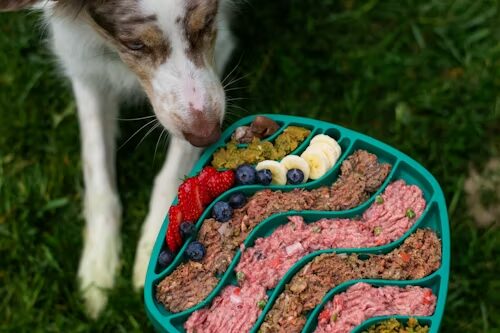
High-Quality Protein Sources (Real Meat vs By-Products)
The first ingredient should ideally be a named animal protein.
Better options:
- Chicken
- Beef
- Salmon
Lower-quality options:
- Meat by-products
- Unspecified animal meal
Protein quality directly affects muscle development and energy.
No Artificial Colors, Flavors, or Preservatives
A truly natural dog food should avoid:
- Artificial dyes
- Synthetic flavors
- Chemical preservatives
These additives offer no nutritional value.
Whole Food Ingredients and Minimal Processing
The fewer processed ingredients, the better.
Look for:
- Whole vegetables
- Real meat
- Simple recipes
Balanced Nutrition for Life Stages
Dogs need different nutrition depending on age:
- Puppies → growth support
- Adults → maintenance
- Seniors → joint and weight support
AAFCO “Complete and Balanced” Certification
This ensures the food meets minimum nutritional requirements.
Without it, long-term feeding may cause deficiencies.
Brand Transparency and Ingredient Sourcing
Good brands clearly explain:
- Where ingredients come from
- How food is manufactured
- Who formulates the diet
Recall History and Safety Standards
A brand’s safety record is extremely important.
Frequent recalls may indicate:
- Quality control issues
- Manufacturing problems
- Contamination risks
Price vs Nutritional Value Comparison
Expensive does not always mean better.
A good food should balance:
- Ingredient quality
- Nutritional density
- Long-term health benefits
Types of Natural Dog Food in the 2026 Market
Natural dog food is not a single category. It includes several formats that differ in processing, nutrition density, and cost.
Natural Dry Dog Food (Kibble)
Kibble remains the most widely used natural dog food format.
Key characteristics:
- Dry, shelf-stable food
- Cooked at high temperatures
- Often fortified with vitamins and minerals
What reviews focus on:
- Protein quality
- Grain vs grain-free formula
- Digestibility
- Artificial additive content
Pros:
- Affordable and widely available
- Easy storage and portion control
- Works with automatic feeders
Cons:
- Lower moisture content
- Highly processed compared to fresh food
- Some formulas rely on fillers
Kibble is still considered a practical everyday option for most dogs.
Natural Wet Dog Food
Wet food is often used for hydration and taste improvement.
Key features:
- High moisture content
- Strong aroma and flavor
- Packaged in cans or pouches
Pros:
- Supports kidney and urinary health
- Great for picky eaters
- Easier to chew for senior dogs
Cons:
- More expensive per serving
- Short shelf life after opening
- Can contribute to plaque buildup if not balanced
Natural Fresh Dog Food (Human-Grade Diets)
Fresh dog food is one of the fastest-growing segments in 2026.
What it includes:
- Human-grade meat and vegetables
- Light cooking or gentle processing
- Subscription-based delivery systems
Pros:
- High ingredient quality
- Improved digestion for many dogs
- No heavy processing
Cons:
- Expensive
- Requires refrigeration
- Subscription dependency
Fresh food is often compared directly with kibble for long-term health outcomes.
Natural Raw Dog Food (BARF Diet)
Raw feeding remains controversial but popular among some dog owners.
BARF stands for:
Biologically Appropriate Raw Food
Includes:
- Raw meat
- Bones
- Organs
- Vegetables
Pros:
- High protein bioavailability
- Minimal processing
- Natural feeding style
Cons:
- Risk of bacterial contamination
- Nutritional imbalance if poorly planned
- Requires strict handling hygiene
Veterinarians generally recommend caution and proper formulation.
Freeze-Dried Natural Dog Food
Freeze-dried food is a hybrid between raw and kibble diets.
Pros:
- Nutrient retention is high
- Long shelf life
- Lightweight and travel-friendly
Cons:
- Expensive
- Often requires rehydration
- Not always complete without supplements
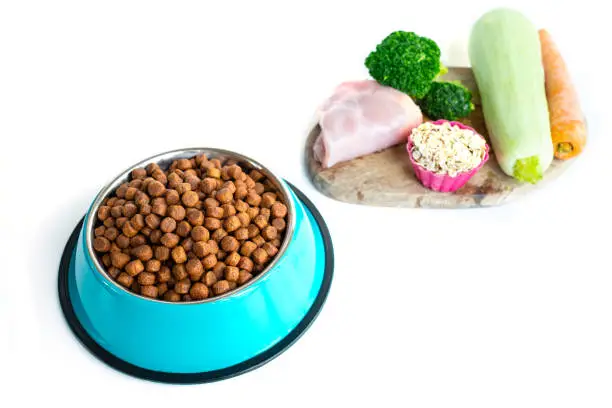
Grain-Free Natural Dog Food Options
Grain-free diets are still widely discussed in 2026.
Key points in reviews:
- Uses peas, lentils, or potatoes instead of grains
- Often higher in protein
- Linked to ongoing veterinary debates
Pros:
- Suitable for some allergies
- High meat content in many formulas
Cons:
- Not necessary for all dogs
- Some research links to heart health concerns (DCM discussions)
For balanced vet guidance, refer to WSAVA nutritional recommendations for pet foods.
Limited Ingredient Natural Dog Food (LID)
LID diets are designed for sensitive dogs.
Features:
- Fewer total ingredients
- Single protein source
- Simplified carbohydrate profile
Pros:
- Helps identify food allergies
- Easier digestion
- Reduces immune reactions
Cons:
- Limited variety
- Not always suitable for all life stages
Best Natural Dog Food Brands in 2026 (Expert Reviewed)
Now let’s move into brands that consistently appear in natural dog food reviews, vet discussions, and consumer comparisons.
Vet-Recommended Natural Dog Food Brands Overview
Veterinarians typically prefer brands that:
- Follow AAFCO standards
- Conduct feeding trials
- Employ veterinary nutritionists
- Maintain strict manufacturing quality control
Hill’s Science Diet Natural Formulas
Why it’s trusted:
- Strong veterinary research background
- Consistent nutritional balance
- Clinically tested formulas
Pros:
- Excellent for medical conditions
- Reliable nutrition
- Widely recommended by vets
Cons:
- Less “natural marketing appeal”
- Higher price than basic kibble
Royal Canin Natural Nutrition Lines
Strengths:
- Breed-specific formulas
- Highly targeted nutrition
- Strong digestibility focus
Pros:
- Excellent for sensitive dogs
- Backed by research
- Precise nutritional balance
Cons:
- Ingredient list less “clean-label” focused
- Premium pricing
Purina Pro Plan Natural Variants
Strengths:
- Extensive feeding trials
- Science-driven formulation
- Widely available globally
Pros:
- Strong veterinary support
- Balanced nutrition
- Good performance for active dogs
Cons:
- Not always grain-free
- Less “natural lifestyle” branding
Orijen Natural High-Protein Dog Food
Strengths:
- Very high meat content
- Biologically appropriate philosophy
- Minimal carbohydrate use
Pros:
- Great for active dogs
- High protein density
- Strong ingredient quality
Cons:
- Expensive
- May be too rich for sensitive stomachs
Acana Natural Dog Food Reviews
Strengths:
- Slightly lower protein than Orijen
- Balanced ingredient profile
- More affordable
Pros:
- Easier digestion than ultra-high protein diets
- Good variety of formulas
- Strong reputation
Cons:
- Still relatively premium priced
Blue Buffalo Natural Life Protection Formula
Strengths:
- Marketed as natural-focused
- Wide variety of recipes
- Popular among pet owners
Pros:
- Good taste acceptance
- Available in many stores
- Balanced formulas
Cons:
- Mixed recall history in past years
- Veterinary opinions vary
Taste of the Wild Natural Grain-Free Options
Strengths:
- Exotic protein options (bison, venison)
- Grain-free formulas
- Affordable premium positioning
Pros:
- Good protein variety
- Strong palatability
- Budget-friendly premium option
Cons:
- Heavy use of legumes
- Grain-free debate concerns
Fresh Natural Brands (The Farmer’s Dog, Ollie, Nom Nom)
Fresh food brands are redefining natural feeding in 2026.
Key features:
- Human-grade ingredients
- Personalized meal plans
- Subscription delivery
Pros:
- Excellent digestibility
- High-quality ingredients
- Tailored nutrition
Cons:
- Expensive long-term
- Requires refrigeration
- Subscription dependency
Best Natural Dog Food by Dog Type
Different dogs need different nutrition strategies, which is why reviews are often segmented.
Best Natural Puppy Food (Growth & Brain Development)
Puppies need:
- High protein
- DHA for brain development
- Frequent feeding
Best suited formulas:
- Hill’s Science Diet Puppy
- Royal Canin Puppy Range
- Purina Pro Plan Puppy
Best Natural Adult Dog Food (Maintenance Diets)
Adult dogs require balanced nutrition:
- Moderate protein
- Stable energy release
- Weight control
Best Natural Senior Dog Food (Joint & Mobility Support)
Senior dogs benefit from:
- Joint supplements (glucosamine)
- Lower calories
- Easy digestion formulas
Best Natural Food for Small Breeds
Small breeds need:
- Calorie-dense food
- Smaller kibble size
- Frequent feeding support
Best Natural Food for Large Breeds
Large breeds require:
- Joint protection
- Controlled growth formulas
- Balanced calcium levels
Best Natural Food for Active & Working Dogs
These dogs need:
- High protein
- High calorie density
- Endurance support
Best Natural Food for Sensitive Stomachs
Sensitive dogs benefit from:
- Limited ingredient diets
- Easily digestible proteins
- Low-fat formulas
Ingredient-Based Natural Dog Food Reviews
Natural food quality also depends on ingredient composition.
High-Protein Natural Dog Foods
Best for:
- Active dogs
- Muscle maintenance
Organic Ingredient-Based Dog Foods
Focus:
- Certified organic farming
- Chemical-free production
Hypoallergenic Natural Dog Food Options
Designed for:
- Food allergies
- Skin irritation
Chicken-Free & Beef-Free Natural Diets
Used for elimination diets and sensitivity testing.
Low-Carb Natural Dog Food Formulas
Helpful for:
- Weight control
- Diabetes management
Limited Ingredient Natural Diets for Allergies
Simplified recipes reduce allergic reactions and digestive stress.
Comparison of Popular Natural Dog Food Brands
Dog food reviews become much more useful when brands are compared directly. It helps reveal differences that marketing often hides.
Orijen vs Acana Natural Dog Food Comparison
Both brands are made by the same company, but they target different feeding styles.
Orijen:
- Extremely high protein content
- Biologically appropriate philosophy
- Very meat-heavy formulations
Acana:
- Moderate protein levels
- More balanced carbohydrate inclusion
- Slightly easier digestion for some dogs
| Feature | Orijen | Acana |
|---|---|---|
| Protein Level | Very High | High |
| Digestibility | Rich / heavy | More balanced |
| Price | Premium | Mid-premium |
| Best For | Active dogs | Everyday feeding |
👉 Orijen suits athletic dogs, while Acana is often better for daily maintenance diets.
Hill’s Science Diet vs Royal Canin Natural Options
These are two of the most veterinarian-trusted nutrition brands globally.
Hill’s Science Diet:
- Science-backed formulas
- Clinical nutrition focus
- Strong research support
Royal Canin:
- Breed-specific formulas
- Highly targeted nutrition plans
- Digestive system optimization
| Feature | Hill’s Science Diet | Royal Canin |
|---|---|---|
| Focus | Clinical health | Breed-specific nutrition |
| Vet recommendation | Very high | Very high |
| Customization | Moderate | High |
| Best For | Health conditions | Breed-specific needs |
Purina Pro Plan vs Blue Buffalo Natural Foods
This is one of the most debated comparisons in dog food reviews.
Purina Pro Plan:
- Strong scientific research base
- Feeding trials
- Veterinary endorsement
Blue Buffalo:
- Natural ingredient marketing
- Wide product variety
- Popular among pet owners
| Feature | Purina Pro Plan | Blue Buffalo |
|---|---|---|
| Research | Strong | Moderate |
| Vet approval | High | Mixed |
| Ingredient focus | Balanced nutrition | Natural branding |
| Safety history | Strong overall | Some recalls reported |
👉 Purina is more science-driven, while Blue Buffalo is more marketing-driven.
Fresh Natural Food vs Dry Kibble Comparison
Fresh food diets are growing fast, but kibble still dominates global feeding habits.
Fresh Food:
- Human-grade ingredients
- Personalized meal plans
- Minimal processing
Kibble:
- Affordable
- Long shelf life
- Easy storage
| Feature | Fresh Food | Kibble |
|---|---|---|
| Nutrition quality | High | Moderate–High |
| Cost | Expensive | Affordable |
| Convenience | Medium | High |
| Shelf life | Short | Long |
👉 Fresh food often improves digestion, but kibble remains the most practical option.
Grain-Free vs Grain-Inclusive Natural Diets
This debate remains one of the most important topics in 2026 dog nutrition.
Grain-Free Diets:
- No wheat, corn, or rice
- Often higher protein
- Uses legumes or potatoes
Grain-Inclusive Diets:
- Includes rice, oats, barley
- Provides steady energy
- Often more balanced nutritionally
| Feature | Grain-Free | Grain-Inclusive |
|---|---|---|
| Allergy suitability | High | Moderate |
| Heart health concerns | Under review in studies | Generally safer |
| Digestibility | Variable | Stable |
| Vet preference | Cautious | More commonly recommended |
For science-based guidance, many professionals follow WSAVA nutrition principles:
WSAVA global pet nutrition standards
Budget Natural Dog Food vs Premium Natural Brands
Price is often the deciding factor for many pet owners.
Budget Natural Dog Food:
- Affordable
- Basic nutrition coverage
- Widely available
Premium Natural Dog Food:
- Higher-quality ingredients
- Better digestibility
- More research-backed formulations
| Feature | Budget | Premium |
|---|---|---|
| Cost | Low | High |
| Ingredients | Basic | High quality |
| Nutrition density | Moderate | High |
| Long-term health impact | Standard | Better support |
Pros and Cons of Natural Dog Food
Natural dog food is not automatically perfect—it has strengths and limitations.
Advantages of Natural Dog Food Diets
- Fewer artificial additives
- Often better digestibility
- Improved coat and skin health
- More transparent ingredients
- Closer to whole-food nutrition
Downsides and Misconceptions About “Natural” Labels
Many people assume “natural” means:
- No processing
- No additives
- Always healthier
But in reality:
- The term is loosely regulated
- Some “natural” foods still contain fillers
- Marketing often exaggerates benefits
Cost vs Benefit of Natural Feeding
Natural diets can be beneficial, but cost matters:
- Fresh food = high cost
- Premium kibble = moderate cost
- Budget natural food = affordable but variable quality
Nutritional Imbalance Risks in Poorly Formulated Diets
A major risk of poorly chosen natural diets:
- Calcium imbalance
- Protein excess or deficiency
- Vitamin shortages
This is why AAFCO compliance is critical.
Fresh vs Processed Natural Food Debate
Fresh food supporters say:
- Better digestion
- Higher nutrient quality
Kibble supporters say:
- Balanced nutrition is more important than freshness
- Easier to maintain consistency
👉 Both can be healthy if properly formulated.
What Experts Say About Natural Dog Food
Veterinarians and nutritionists emphasize science over trends.
Veterinary Opinions on Natural Dog Diets
Most vets agree:
- “Natural” alone is not enough
- Balanced nutrition is the priority
- Feeding trials matter more than marketing
WSAVA Guidelines and Scientific Nutrition Approach
WSAVA recommends foods that:
- Have veterinary nutritionists
- Conduct feeding trials
- Maintain strict quality control
Feeding Trials vs Ingredient Marketing Claims
- Feeding trials = real-life testing on dogs
- Marketing claims = theoretical benefits
👉 Trials are more reliable than ingredient lists alone.
Misleading “Natural” Labeling in Pet Food Industry
Common misleading terms:
- “Holistic”
- “Premium”
- “Human-grade” (without regulation)
These do not guarantee nutritional quality.
Why No Single “Best Natural Dog Food” Exists
There is no universal “best” food because:
- Dogs have different needs
- Breed size matters
- Activity levels vary
- Health conditions differ
How to Choose the Best Natural Dog Food for Your Dog
Selection should always be personalized.
Based on Age and Breed Size
- Puppies → Growth-focused nutrition
- Adults → Maintenance diets
- Seniors → Joint and weight support
Based on Activity Level and Lifestyle
- Active dogs → High protein diets
- Indoor dogs → Controlled calories
- Working dogs → Energy-dense food
Based on Allergies and Sensitivities
Look for:
- Limited ingredient diets
- Novel proteins
- Hypoallergenic formulas
Based on Budget and Feeding Preferences
Balance:
- Cost per month
- Dog size
- Feeding frequency
Transitioning to a Natural Dog Food Diet Safely
Switching should always be gradual:
- Mix old and new food over 7–10 days
- Watch stool consistency
- Monitor energy and appetite
Common Mistakes When Choosing Natural Dog Food
Trusting Marketing Terms Like “Holistic” or “Premium”
These terms are not scientifically defined.
Ignoring Ingredient Labels
Ingredients matter more than branding.
Switching Foods Too Quickly
This can cause:
- Diarrhea
- Vomiting
- Loss of appetite
Following Trends Instead of Vet Advice
Social media trends are not always scientifically accurate.
Overlooking AAFCO Certification and Recall History
Safety and nutrition standards should always come first.
Real User Reviews and Experiences
User experiences provide practical insights beyond lab data.
Positive Feedback on Natural Dog Food
Owners often report:
- Better coat shine
- Improved digestion
- Higher energy levels
Common Complaints and Issues
- High cost
- Picky eating during transition
- Digestive upset in sensitive dogs
Reddit & Community Opinions on Natural Diets
Common themes:
- Preference for ingredient transparency
- Mixed opinions on grain-free diets
- Strong support for vet-approved brands
Before and After Diet Change Results in Dogs
Some owners notice:
- Weight stabilization
- Reduced itching
- Better stool quality
Safety and Recall History of Natural Dog Foods
Safety is a key part of any serious dog food review.
Why Dog Food Recalls Happen
Common reasons:
- Contamination
- Labeling errors
- Nutritional imbalance
How to Check Recall History Before Buying
- FDA recall database
- Brand transparency reports
- Veterinary alerts
Brands With Strong Safety Records
Trusted brands usually have:
- Strong quality control systems
- Consistent testing
- Transparent sourcing
Importance of Manufacturing and Quality Control
Good manufacturing ensures:
- Ingredient safety
- Nutritional consistency
- Lower contamination risk
Best Natural Dog Food Summary Tables
Top Rated Natural Dog Foods by Category
| Category | Examples |
|---|---|
| Kibble | Purina Pro Plan, Hill’s Science Diet |
| Fresh Food | The Farmer’s Dog, Nom Nom |
| High Protein | Orijen, Acana |
| Sensitive Stomach | Royal Canin, Hill’s |
Best Budget Natural Dog Foods
- Purina Dog Chow Natural variants
- Pedigree Natural options
- Iams Natural formulas
Best Premium Natural Dog Foods
- Orijen
- Acana
- Fresh subscription diets
Best Vet-Recommended Natural Dog Foods
- Hill’s Science Diet
- Royal Canin
- Purina Pro Plan
Frequently Asked Questions (FAQs)
What is the best natural dog food in 2026?
There is no single best option; it depends on age, breed, and health needs.
Is natural dog food really better for dogs?
It can be, but only if it is properly balanced and AAFCO-compliant.
What ingredients should I avoid in dog food?
Avoid artificial colors, excessive fillers, and unspecified meat by-products.
Is grain-free natural dog food safe?
It depends on the dog. Some dogs benefit, but others may not.
How do I switch to natural dog food safely?
Gradually over 7–10 days while monitoring digestion.
What do vets recommend for natural feeding?
Vets usually recommend science-based, AAFCO-approved diets with feeding trials.
Conclusion
Choosing the best natural dog food in 2026 is not about following trends or selecting the most expensive brand. It is about understanding your dog’s real nutritional needs.
Every Dog Has Unique Nutritional Needs
No single diet works for all dogs—age, breed, and health all matter.
Why “Natural” Doesn’t Always Mean “Better”
Natural labels can be misleading without proper nutritional balance.
Importance of Veterinary-Approved Nutrition
Science-based feeding remains the most reliable path to long-term health.