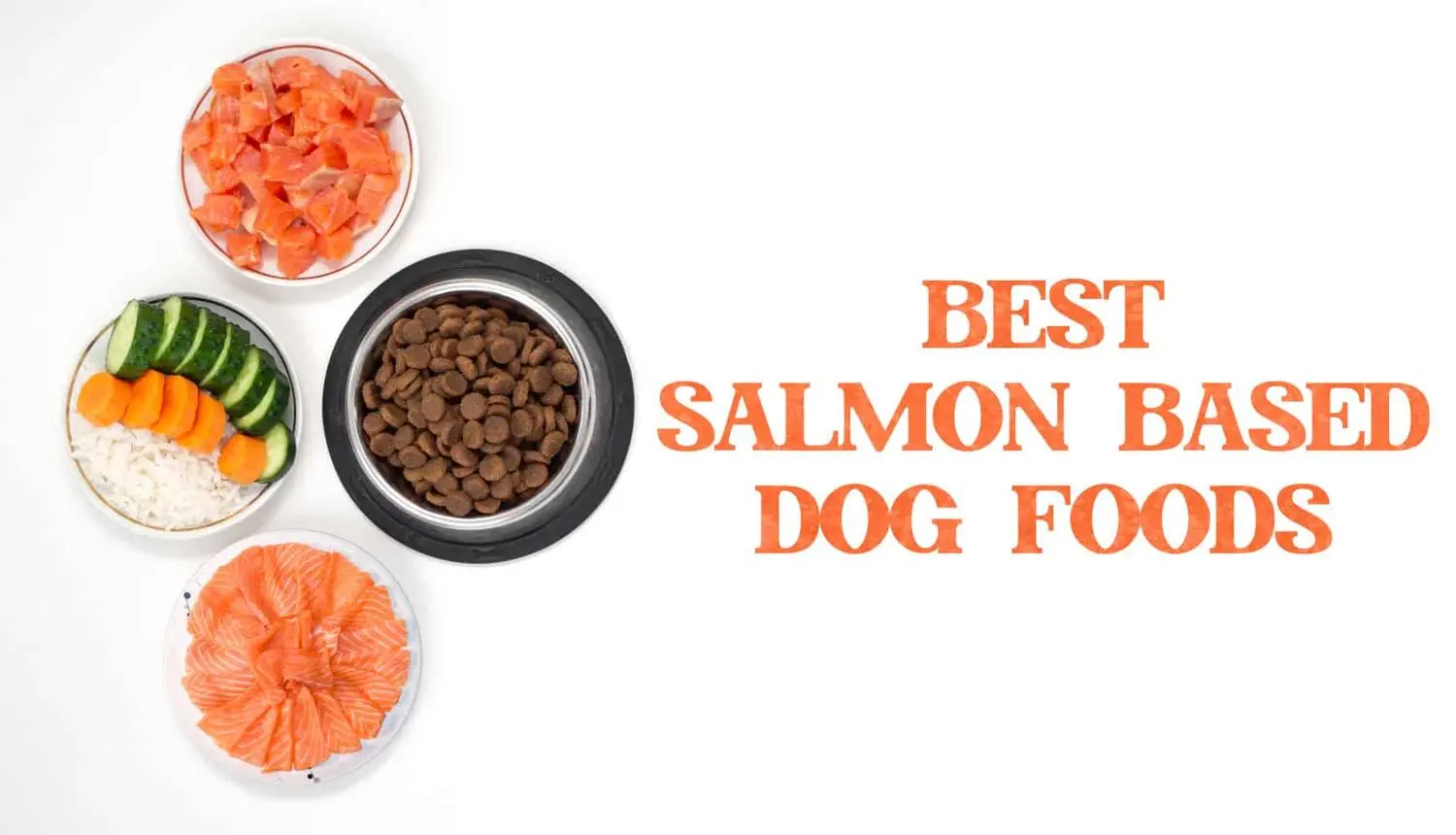
Dog owners today are paying closer attention than ever to what goes into their pets’ food bowls. As awareness about canine nutrition grows, many pet parents are moving away from heavily processed formulas and choosing healthier alternatives made with natural ingredients. One combination that continues to gain popularity is salmon and sweet potato dog food.
This premium pairing offers a balance of high-quality protein, healthy carbohydrates, essential fatty acids, and digestive support. Whether your dog struggles with food sensitivities, itchy skin, digestive issues, or simply needs a nutrient-rich diet, salmon and sweet potato formulas are often recommended by pet owners and veterinarians alike.

Over the past few years, fish-based dog food has become especially popular among owners looking for:
- Limited ingredient dog food
- Dog food for allergies
- Sensitive skin dog food
- Omega-3 dog food
- Grain-free salmon dog food
- Healthy dog food for sensitive stomachs
In this guide, we’ll explore everything you need to know about salmon and sweet potato dog food, including nutritional benefits, ingredient quality, allergy support, and how to choose the best formula for your dog.
What Is Salmon and Sweet Potato Dog Food?
Salmon and sweet potato dog food is a type of pet food that combines salmon protein with sweet potatoes as the primary carbohydrate source. These formulas are commonly found in:
- Dry kibble
- Wet dog food
- Freeze-dried meals
- Limited ingredient diets
The popularity of this combination comes from its nutritional profile and digestibility.
Why Salmon and Sweet Potato Is a Popular Dog Food Combination
This pairing works well because both ingredients provide complementary health benefits.
Salmon Provides:
- High-quality protein
- Omega-3 fatty acids
- Skin and coat support
- Joint health support
Sweet Potatoes Provide:
- Digestible carbohydrates
- Fiber
- Vitamins and antioxidants
- Steady energy
Together, they create a balanced formula that supports overall canine wellness.
Many premium brands now use salmon and sweet potato recipes for dogs with:
- Sensitive stomachs
- Food allergies
- Skin irritation
- Digestive issues
Benefits of Natural and Limited Ingredient Dog Food
Natural dog foods often contain fewer artificial ingredients and rely on more recognizable whole-food components.
Benefits of Limited Ingredient Dog Food
| Benefit | Why It Matters |
|---|---|
| Easier Digestion | Fewer ingredients reduce stomach stress |
| Allergy Support | Helps identify food sensitivities |
| Cleaner Ingredient List | More transparent nutrition |
| Better Nutrient Absorption | Simplified formulas improve digestion |
Limited ingredient diets are especially popular among owners of dogs with chronic itching or digestive discomfort.
Importance of Choosing the Right Nutrition for Dogs
Nutrition affects nearly every aspect of a dog’s health, including:
- Energy levels
- Skin and coat condition
- Muscle development
- Digestive function
- Immune health
- Weight management
Poor-quality dog foods may contain:
- Artificial preservatives
- Excess fillers
- Unspecified meat by-products
- Low-quality protein sources
By contrast, premium fish-based dog food formulas often focus on higher ingredient quality and digestibility.
For more information on balanced canine nutrition, the American Kennel Club dog nutrition guide offers expert insights for pet owners.
Overview of Salmon-Based Dog Food Trends
Fish-based dog food has grown significantly in popularity in recent years.
Why Fish-Based Dog Food Is Trending
- Increased awareness of food allergies
- Demand for healthier ingredients
- Interest in omega-3-rich diets
- Focus on skin and coat health
- Growing popularity of limited ingredient formulas
Many owners now actively search for:
- Hypoallergenic dog food
- Sensitive stomach dog food
- Natural dog food
- Premium fish-based dog food

1. What Is Salmon and Sweet Potato Dog Food?
Definition of Salmon-Based Dog Food
Salmon-based dog food uses salmon as its primary protein source instead of more traditional proteins such as:
- Chicken
- Beef
- Turkey
Salmon is considered a high-quality protein because it contains essential amino acids that support:
- Muscle growth
- Tissue repair
- Healthy metabolism
Fish-based proteins are also often easier for sensitive dogs to tolerate.
Why Sweet Potatoes Are Used in Dog Food
Sweet potatoes are commonly used as a carbohydrate source in premium dog foods because they provide:
- Fiber
- Vitamins
- Minerals
- Slow-release energy
Unlike some processed fillers, sweet potatoes are generally well tolerated by many dogs.
Nutrients Found in Sweet Potatoes
| Nutrient | Benefit |
|---|---|
| Fiber | Digestive support |
| Vitamin A | Eye and immune health |
| Potassium | Muscle function |
| Antioxidants | Cellular protection |
Sweet potatoes are also naturally gluten-free, making them popular in grain-free dog food recipes.
Grain-Free vs Grain-Inclusive Salmon Dog Food
Salmon and sweet potato dog foods are available in both grain-free and grain-inclusive formulas.
Grain-Free Formulas
These recipes avoid grains such as:
- Wheat
- Corn
- Rice
Instead, they use alternative carbohydrates like:
- Sweet potatoes
- Peas
- Lentils
- Tapioca
Grain-Inclusive Formulas
These include digestible grains like:
- Brown rice
- Oatmeal
- Barley
Both options can be healthy depending on the dog’s individual needs.
Wet vs Dry Salmon Dog Food
Dog owners can choose between wet and dry salmon formulas.
Dry Dog Food Benefits
- Longer shelf life
- Convenient storage
- Crunchy texture may support dental health
- Cost-effective
Wet Dog Food Benefits
- Higher moisture content
- More flavorful for picky eaters
- Easier chewing for seniors
Some owners combine both to create a more appealing feeding routine.
Limited Ingredient Diet Explained
Limited ingredient diets contain fewer ingredients than traditional dog foods.
Purpose of Limited Ingredient Diets
- Reduce allergy triggers
- Simplify digestion
- Improve ingredient transparency
These formulas usually focus on:
- One primary protein source
- One primary carbohydrate source
Salmon and sweet potato combinations fit perfectly into this feeding approach.
High-Protein Dog Food Benefits
Protein plays a vital role in canine health.
Benefits of High-Protein Dog Food
- Supports lean muscle mass
- Helps maintain energy
- Encourages healthy metabolism
- Supports recovery and repair
Dogs that are highly active or athletic often benefit from diets rich in quality animal proteins.
2. Nutritional Benefits of Salmon for Dogs
Salmon is considered one of the most nutritious protein sources used in premium dog food.

Rich Source of Omega-3 Fatty Acids
One of salmon’s biggest nutritional advantages is its high concentration of omega-3 fatty acids.
Benefits of Omega-3s
| Benefit | Description |
|---|---|
| Skin Health | Helps reduce dryness and irritation |
| Coat Support | Promotes shinier fur |
| Joint Support | Supports mobility |
| Brain Function | Supports cognitive health |
Omega-3s are especially useful for dogs with:
- Dry skin
- Allergies
- Arthritis
- Inflammation
Supports Healthy Skin and Coat
Many pet owners switch to salmon dog food after noticing skin issues in their dogs.
Common Signs of Skin Problems
- Excessive scratching
- Hot spots
- Dry flaky skin
- Excessive shedding
Fish-based formulas rich in healthy fats often improve coat softness and skin hydration over time.
Brain and Cognitive Function Benefits
Healthy fats are important for brain development and cognitive support.
This is particularly beneficial for:
- Puppies
- Senior dogs
- Working dogs
DHA, a type of omega-3 fatty acid commonly found in fish, supports neurological development and mental function.
Salmon as a High-Quality Protein Source
Protein quality matters significantly in dog nutrition.
Salmon provides:
- Essential amino acids
- Easily digestible protein
- Lean muscle support
Dogs rely on amino acids for:
- Muscle repair
- Hormone production
- Organ function
High-quality proteins are more efficiently used by the body.
Joint Health and Anti-Inflammatory Properties
Inflammation can contribute to joint discomfort and reduced mobility in aging dogs.
Salmon May Help Support:
- Joint flexibility
- Cartilage health
- Mobility
- Recovery after exercise
This is one reason fish-based diets are often recommended for senior dogs or active breeds.
Immune System Support
Nutrients found in salmon contribute to overall immune health.
Immune-Supporting Nutrients Include:
- Omega fatty acids
- Selenium
- Vitamin D
- Protein
Balanced nutrition strengthens the body’s natural defenses against illness.
Muscle Development and Maintenance
Active dogs need strong muscle support.
Protein Benefits for Muscle Health
- Builds lean muscle
- Supports recovery
- Maintains body condition
- Helps sustain energy
Working dogs, sporting breeds, and energetic pets often benefit from protein-rich fish diets.
3. Benefits of Sweet Potatoes in Dog Food
Sweet potatoes are one of the most common carbohydrate sources in premium natural dog food.
They provide:
- Energy
- Digestive support
- Vitamins
- Antioxidants
Unlike heavily processed fillers, sweet potatoes offer nutritional value beyond simple calories.

Sweet Potatoes as a Healthy Carbohydrate
Dogs require carbohydrates for energy, especially active breeds.
Sweet potatoes provide:
- Complex carbohydrates
- Steady energy release
- Better digestibility than some grains
Complex carbs help maintain balanced energy levels throughout the day.
Fiber Benefits for Digestion
Fiber plays a major role in digestive health.
Benefits of Fiber
| Benefit | Description |
|---|---|
| Supports Digestion | Encourages healthy bowel movements |
| Helps Stool Quality | Promotes consistency |
| Supports Gut Health | Feeds beneficial bacteria |
Dogs with sensitive stomachs often tolerate sweet potatoes well because they are relatively gentle on digestion.
Vitamins and Antioxidants in Sweet Potatoes
Sweet potatoes contain important nutrients such as:
- Vitamin A
- Vitamin C
- Potassium
- Antioxidants
Antioxidants help protect cells from oxidative stress and may support long-term health.
Energy Support for Active Dogs
Carbohydrates are a major energy source for dogs.
Sweet potatoes provide:
- Sustained energy
- Easily digestible calories
- Balanced fuel for active lifestyles
This makes salmon and sweet potato formulas popular among:
- Sporting dogs
- Hiking companions
- Working breeds
Sweet Potatoes for Sensitive Stomachs
Many dogs with digestive sensitivities tolerate sweet potatoes better than certain grains or fillers.
Benefits for Sensitive Dogs
- Easy digestion
- Gentle fiber source
- Reduced stomach irritation
Simple ingredients often work best for dogs with recurring digestive upset.
Glycemic Impact and Weight Management
Sweet potatoes generally have a moderate glycemic profile compared to heavily processed carbohydrates.
This may help:
- Support steady energy
- Improve satiety
- Assist healthy weight management
Balanced portions remain important for maintaining ideal body condition.
4. Why Dogs With Allergies Often Benefit From Salmon and Sweet Potato Dog Food
Food allergies and sensitivities are becoming increasingly common in dogs. Many pet owners notice symptoms such as constant scratching, digestive upset, ear infections, or skin irritation without realizing that food may be the root cause.
One reason salmon and sweet potato dog food has become so popular is its reputation as a gentler option for sensitive dogs.

Common Dog Food Allergies Explained
Dogs can develop sensitivities to ingredients they eat regularly over time.
Common Dog Food Allergens
| Ingredient | Potential Issue |
|---|---|
| Chicken | Common protein sensitivity |
| Beef | Digestive reactions |
| Dairy | Stomach upset |
| Wheat | Possible grain sensitivity |
| Soy | Digestive discomfort |
Food allergies often trigger:
- Itchy skin
- Paw licking
- Ear infections
- Digestive issues
- Hot spots
Identifying the exact cause can sometimes take weeks or months.
Chicken and Beef Sensitivities
Chicken and beef are among the most commonly used proteins in commercial dog food, but they’re also frequent triggers for sensitive dogs.
Signs Your Dog May Have a Protein Sensitivity
- Constant scratching
- Red skin
- Frequent ear infections
- Loose stool
- Vomiting
- Excessive licking
Switching to fish-based proteins such as salmon can sometimes reduce these symptoms significantly.
Limited Ingredient Diets for Allergies
Limited ingredient dog food is often recommended for allergy-prone dogs.
Why Limited Ingredient Diets Help
- Fewer ingredients reduce exposure to allergens
- Easier to identify problem ingredients
- Simpler digestion
- Cleaner formulas
Salmon and sweet potato formulas are commonly used because they usually contain:
- One primary animal protein
- One primary carbohydrate source
This simplicity can help sensitive dogs digest food more comfortably.
Skin Irritation and Itching Relief
One of the biggest reasons owners choose omega-3 dog food is to help support skin health.
Salmon contains omega fatty acids that may help:
- Reduce dryness
- Improve coat condition
- Calm skin irritation
- Support skin hydration
Many dogs with chronic itching show noticeable improvement after switching to fish-based diets.
Digestive Benefits for Sensitive Dogs
Sensitive stomachs are another common concern among dog owners.
Symptoms of Digestive Sensitivity
- Gas
- Loose stools
- Vomiting
- Irregular bowel movements
Salmon and sweet potato formulas are often easier to digest because they avoid some common irritants found in lower-quality dog foods.
Hypoallergenic Dog Food Options
While no dog food is completely allergy-proof, salmon recipes are frequently included in hypoallergenic dog food categories.
Common Features of Hypoallergenic Dog Food
- Limited ingredients
- Novel proteins
- No artificial additives
- Digestive-friendly formulas
Dogs with chronic sensitivities may benefit from veterinary-guided elimination diets using fish-based proteins.
Best Salmon Dog Food for Allergies
When choosing salmon dog food for allergies, pet owners should prioritize:
- Real salmon as the first ingredient
- Minimal fillers
- No artificial preservatives
- Easily digestible ingredients
Popular allergy-friendly formulas often include:
- Salmon and sweet potato
- Salmon and rice
- Salmon and pumpkin
5. Salmon and Sweet Potato Dog Food for Different Life Stages
Dogs have different nutritional needs depending on their age, size, and activity level. A growing puppy requires very different nutrition compared to a senior dog.
Premium salmon dog food brands often create formulas tailored for every life stage.

Puppy Nutrition Needs
Puppies grow rapidly during their first year of life and need nutrient-dense food to support development.
Important Puppy Nutrients
| Nutrient | Purpose |
|---|---|
| Protein | Muscle growth |
| DHA | Brain development |
| Calcium | Bone formation |
| Fat | Energy support |
Salmon puppy food is often rich in DHA, which supports cognitive development and healthy vision.
Adult Dog Maintenance Formulas
Adult dogs require balanced nutrition that maintains:
- Healthy body weight
- Muscle condition
- Energy levels
- Digestive health
Most adult maintenance formulas focus on:
- Balanced calories
- Protein support
- Digestibility
- Skin and coat health
Senior Dog Health Support
Older dogs may become less active and develop age-related concerns such as:
- Joint stiffness
- Weight gain
- Reduced digestion efficiency
Senior-friendly salmon formulas often include:
- Joint support nutrients
- Moderate calorie levels
- Digestible proteins
- Omega fatty acids
Fish-based diets are especially popular for senior dogs due to their anti-inflammatory properties.
Large Breed Dog Nutrition
Large breeds place extra stress on their joints and bones.
Large Breed Nutrition Priorities
- Controlled growth
- Joint support
- Lean muscle maintenance
- Weight management
Large breeds that may benefit include:
- German Shepherds
- Labradors
- Golden Retrievers
- Great Danes
Small Breed Salmon Dog Food
Small breeds have faster metabolisms and often need calorie-dense nutrition.
Features of Small Breed Formulas
- Smaller kibble size
- Higher calorie density
- Digestible ingredients
Smaller dogs also tend to be picky eaters, making flavorful salmon formulas appealing.
Active and Working Dog Diets
Highly active dogs burn significantly more calories.
Active Dogs Need:
- High-quality protein
- Balanced fats
- Sustained energy sources
- Muscle recovery support
Fish-based proteins combined with sweet potatoes create an excellent fuel source for active breeds.
Weight Management Formulas
Weight gain is a growing issue among household pets.
Weight-Control Dog Foods Often Include:
- Moderate calories
- Increased fiber
- Lean protein
- Balanced fats
Salmon-based diets can help dogs stay satisfied while maintaining lean body condition.
6. Grain-Free Salmon and Sweet Potato Dog Food
Grain-free dog food has become one of the biggest trends in the pet food industry. Many salmon and sweet potato recipes fall into this category.
What Is Grain-Free Dog Food?
Grain-free dog food excludes grains such as:
- Wheat
- Corn
- Rice
- Barley
Instead, these recipes use alternative carbohydrates like:
- Sweet potatoes
- Peas
- Lentils
- Chickpeas
Pros and Cons of Grain-Free Diets
Potential Benefits
| Benefit | Explanation |
|---|---|
| Alternative Ingredients | Helpful for some sensitivities |
| High Protein Focus | Often richer in meat content |
| Digestibility | Some dogs tolerate better |
Potential Drawbacks
| Concern | Explanation |
|---|---|
| Not Necessary for All Dogs | Some dogs digest grains well |
| Cost | Premium pricing |
| Ingredient Imbalances | Depends on formulation quality |
Not all dogs require grain-free diets, but some benefit from them.
Alternative Carbohydrates in Grain-Free Foods
Without grains, manufacturers rely on alternative carb sources.
Common Grain-Free Ingredients
- Sweet potatoes
- Tapioca
- Lentils
- Peas
Sweet potatoes remain one of the most popular because they provide:
- Fiber
- Vitamins
- Steady energy
FDA Discussions Around Grain-Free Dog Food
In recent years, the FDA investigated potential links between certain grain-free diets and canine heart concerns.
This does not mean all grain-free foods are unsafe, but it highlights the importance of:
- Balanced nutrition
- Reputable brands
- Veterinary guidance
Pet owners should stay informed and choose high-quality products.
Is Grain-Free Better for Dogs?
The answer depends on the dog.
Grain-Free May Benefit Dogs With:
- Specific grain sensitivities
- Digestive issues
- Certain allergies
Grain-Inclusive Diets May Benefit Dogs That:
- Tolerate grains well
- Need additional fiber sources
- Thrive on balanced whole grains
There is no universal “best” diet for every dog.
Choosing Safe Grain-Free Dog Food
When selecting grain-free salmon dog food, look for:
- AAFCO compliance
- Named meat proteins
- Balanced nutrient profiles
- Reputable manufacturing standards
7. Best Salmon and Sweet Potato Dog Food Brands
The market for premium salmon dog food continues to expand, giving owners many options to choose from.

Taste of the Wild Salmon Formula Review
Taste of the Wild is known for:
- Grain-free formulas
- Fish-based protein options
- Added probiotics
Its salmon recipe is especially popular among owners of active dogs.
Blue Buffalo Salmon Dog Food
Blue Buffalo offers salmon formulas focused on:
- Skin and coat support
- Natural ingredients
- Life-stage nutrition
Their products are widely available in pet stores.
Merrick Salmon and Sweet Potato Review
Merrick emphasizes:
- Real meat proteins
- Grain-free options
- High protein content
Many owners appreciate the brand’s ingredient transparency.
Wellness CORE Salmon Recipe
Wellness CORE formulas are known for:
- Protein-rich recipes
- Digestive support ingredients
- Omega fatty acids
The brand is frequently recommended for active dogs.
American Journey Salmon Formula
American Journey offers more budget-friendly premium formulas while still emphasizing:
- Real salmon
- Grain-free recipes
- Added nutrients
Diamond Naturals Salmon Dog Food
Diamond Naturals combines:
- Affordable pricing
- Probiotics
- Fish-based protein
This brand appeals to owners seeking value-oriented premium food.
Nutro Limited Ingredient Salmon Review
Nutro’s limited ingredient line is designed for:
- Sensitive dogs
- Allergy management
- Simpler ingredient lists
Salmon and sweet potato formulas are among their most popular options.
Purina Pro Plan Sensitive Skin & Stomach Salmon Formula
Purina Pro Plan’s sensitive skin formula is widely recommended for:
- Digestive support
- Coat health
- Sensitive dogs
It includes salmon protein and digestive-friendly ingredients.
8. How to Choose the Best Salmon and Sweet Potato Dog Food
With so many dog food brands available today, choosing the right formula can feel overwhelming. Not every salmon dog food offers the same ingredient quality, nutritional balance, or digestibility. Learning how to evaluate labels and ingredients can help pet owners make smarter decisions.

Reading Dog Food Labels
Dog food labels provide valuable information about what your dog is actually eating.
Important Things to Check
| Label Feature | Why It Matters |
|---|---|
| First Ingredient | Should ideally be real salmon |
| Protein Percentage | Indicates protein levels |
| Ingredient List | Helps identify fillers |
| AAFCO Statement | Confirms nutritional standards |
Ingredients are listed by weight, meaning the first few ingredients are the most important.
Identifying High-Quality Protein Sources
Not all proteins are equal. Premium dog foods usually use clearly identified animal proteins.
High-Quality Protein Examples
- Salmon
- Whitefish
- Turkey
- Lamb
- Duck
Lower-Quality Protein Examples
- Meat meal (unspecified)
- Animal by-products
- Generic poultry meal
Named protein sources are generally more trustworthy and easier to evaluate.
Ingredients to Avoid
Some ingredients offer little nutritional value and may contribute to sensitivities.
Ingredients Many Owners Avoid
- Artificial preservatives
- Artificial dyes
- Excessive corn
- Soy fillers
- Unspecified meat by-products
Cleaner ingredient lists are often associated with better digestibility and transparency.
Understanding AAFCO Standards
AAFCO (Association of American Feed Control Officials) helps establish nutritional guidelines for pet food.
AAFCO Statements Indicate:
- Complete and balanced nutrition
- Appropriate life-stage feeding
- Nutritional adequacy
Foods that meet AAFCO standards are generally considered nutritionally complete.
For more details, the American Kennel Club dog nutrition resource provides useful educational guidance.
Wet vs Dry vs Freeze-Dried Options
Different food formats offer different advantages.
Comparison Table
| Type | Benefits | Drawbacks |
|---|---|---|
| Dry Food | Affordable, convenient | Lower moisture |
| Wet Food | Flavorful, hydrating | Shorter shelf life |
| Freeze-Dried | Nutrient-rich | More expensive |
Some owners mix formats to improve flavor and hydration.
Choosing Based on Breed and Activity Level
A dog’s lifestyle affects nutritional needs.
Active Dogs May Need:
- Higher protein
- More calories
- Muscle recovery nutrients
Less Active Dogs May Need:
- Controlled calories
- Higher fiber
- Weight support formulas
Breed size also affects ideal nutrient balance.
Importance of Digestibility
Highly digestible food allows dogs to absorb nutrients more efficiently.
Signs of Good Digestibility
- Smaller stools
- Less gas
- Stable energy
- Healthy weight maintenance
Digestibility is especially important for:
- Senior dogs
- Puppies
- Dogs with sensitive stomachs
9. Ingredients to Look for in Premium Salmon Dog Food
Ingredient quality plays a huge role in determining whether a dog food is truly premium.
Real Salmon as the First Ingredient
The first ingredient should ideally be a named animal protein such as salmon.
Why This Matters
- Indicates protein-focused nutrition
- Provides amino acids
- Supports lean muscle
Real salmon also contributes beneficial fatty acids naturally.
Fish Oil Benefits
Fish oil is one of the most valuable additions to premium fish-based dog food.
Fish Oil Supports:
- Skin hydration
- Coat softness
- Brain health
- Joint support
Omega-3-rich oils are especially helpful for dogs with itchy skin or inflammation.
Prebiotics and Probiotics
Digestive support ingredients are increasingly common in premium dog foods.
Benefits of Prebiotics and Probiotics
| Ingredient Type | Purpose |
|---|---|
| Prebiotics | Feed healthy gut bacteria |
| Probiotics | Support digestion |
Healthy gut function improves nutrient absorption and stool quality.
Natural Preservatives
Premium foods often avoid harsh chemical preservatives.
Common Natural Preservatives
- Mixed tocopherols
- Rosemary extract
- Vitamin E
These help maintain freshness while avoiding unnecessary synthetic additives.
Omega Fatty Acid Sources
Omega fatty acids may come from:
- Salmon oil
- Flaxseed
- Fish meal
These ingredients help support:
- Skin health
- Cognitive function
- Immune support
Joint Support Ingredients
Joint support nutrients are especially beneficial for:
- Large breeds
- Senior dogs
- Active dogs
Common Joint Ingredients
- Glucosamine
- Chondroitin
- Omega fatty acids
These nutrients help maintain mobility and flexibility.
Vitamins and Mineral Additions
Balanced vitamins and minerals support overall wellness.
Important Nutrients
| Nutrient | Function |
|---|---|
| Zinc | Skin and immune health |
| Calcium | Bone support |
| Vitamin E | Antioxidant protection |
| Selenium | Cellular support |
Balanced supplementation helps maintain long-term health.
10. Ingredients to Avoid in Dog Food
Even premium-looking brands may contain questionable ingredients.
Artificial Colors and Flavors
Artificial colors serve no nutritional purpose and are added primarily for visual appeal to humans.
Many owners prefer foods without:
- Artificial dyes
- Synthetic flavor enhancers
Low-Quality Fillers
Fillers may add bulk without offering meaningful nutrition.
Common Fillers
- Excessive corn
- Wheat middlings
- Soy fillers
Higher-quality foods rely more on protein and digestible ingredients.
Meat By-Products
Unspecified meat by-products may be difficult to evaluate for quality.
Clear ingredient labeling is generally preferable.
Better Ingredient Examples
- Salmon meal
- Deboned salmon
- Fish protein
Excessive Corn and Soy
Not all corn or soy is inherently harmful, but excessive amounts may indicate lower-cost formulations.
Some dogs may also struggle with digesting these ingredients.
Chemical Preservatives
Some owners avoid preservatives such as:
- BHA
- BHT
- Ethoxyquin
Natural preservation methods are often preferred in premium dog food.
Unspecified Protein Sources
Labels should clearly identify animal proteins.
Preferred Labels
- Salmon meal
- Whitefish meal
- Duck meal
Less Transparent Labels
- Meat meal
- Animal fat
- Poultry by-product
Ingredient transparency matters.
11. Wet vs Dry Salmon and Sweet Potato Dog Food
Choosing between wet and dry food depends on your dog’s needs and preferences.
Benefits of Dry Dog Food
Dry food remains the most popular option because it is:
- Convenient
- Affordable
- Easy to store
Crunchy kibble may also support dental cleaning.
Benefits of Wet Dog Food
Wet food contains more moisture and is often highly palatable.
Wet Food Advantages
- Better hydration
- Easier chewing
- Appealing aroma
- Softer texture
This can help picky eaters or senior dogs.
Freeze-Dried Salmon Dog Food Options
Freeze-dried foods preserve nutrients while offering convenience.
Benefits Include:
- Minimal processing
- High protein concentration
- Lightweight storage
- Strong flavor appeal
Some owners use freeze-dried formulas as meal toppers.
Which Option Is Best for Sensitive Dogs?
Sensitive dogs often respond differently depending on texture and ingredient composition.
Wet foods may help:
- Hydration
- Easier digestion
Dry foods may provide:
- Consistency
- Convenience
The best choice depends on the individual dog.
Mixing Wet and Dry Food
Many owners combine wet and dry food for:
- Improved taste
- Texture variety
- Added hydration
Combination feeding can also help transition picky dogs to healthier foods.
Hydration and Palatability Considerations
Hydration is especially important for:
- Senior dogs
- Active dogs
- Dogs in hot climates
Wet food naturally increases moisture intake.
12. Feeding Guide for Salmon and Sweet Potato Dog Food
Proper feeding matters just as much as choosing high-quality food.

How Much Should You Feed Your Dog?
Feeding amounts vary depending on:
- Weight
- Age
- Activity level
- Metabolism
General Feeding Estimates
| Dog Size | Approximate Daily Amount |
|---|---|
| Small Dogs | 1–1.5 cups |
| Medium Dogs | 2–3 cups |
| Large Dogs | 3–5 cups |
Always follow package recommendations first.
Portion Sizes by Weight
Monitoring body condition is important.
Signs of Overfeeding
- Weight gain
- Reduced mobility
- Excessive body fat
Signs of Underfeeding
- Visible ribs
- Low energy
- Muscle loss
Adjust portions gradually as needed.
Transitioning to Salmon Dog Food
Sudden food changes may upset digestion.
Recommended Transition Plan
| Day | Old Food | New Food |
|---|---|---|
| 1–2 | 75% | 25% |
| 3–4 | 50% | 50% |
| 5–6 | 25% | 75% |
| 7 | 0% | 100% |
Gradual transitions reduce stomach stress.
Feeding Schedule by Age
Puppies
- 3–4 meals daily
Adult Dogs
- 2 meals daily
Senior Dogs
- Smaller portions as needed
Consistent schedules support digestion.
Treat and Snack Recommendations
Treats should not exceed roughly 10% of daily calorie intake.
Healthy treat ideas include:
- Salmon treats
- Freeze-dried fish
- Sweet potato chews
Storage Tips for Freshness
Proper storage protects food quality.
Best Storage Practices
- Store in airtight containers
- Keep food cool and dry
- Seal bags tightly
- Avoid direct sunlight
13. Homemade Salmon and Sweet Potato Dog Food Recipes
Homemade dog food is growing in popularity among owners seeking more control over ingredients.

Easy Homemade Salmon Dog Food Recipe
Basic Recipe Ingredients
- Cooked salmon
- Mashed sweet potatoes
- Green beans
- Carrots
Avoid seasonings, garlic, and onions.
Vet-Approved Homemade Dog Meals
Homemade meals should still provide complete nutrition.
Veterinary guidance is strongly recommended to prevent deficiencies.
Raw vs Cooked Salmon for Dogs
Cooked salmon is generally safer because raw salmon may contain parasites or harmful bacteria.
Always cook fish thoroughly before feeding.
Safe Ingredients for Homemade Dog Food
Safe Additions
- Pumpkin
- Carrots
- Blueberries
- Green beans
Ingredients to Avoid
- Onions
- Garlic
- Excess salt
- Artificial seasonings
Portioning Homemade Meals
Portion size depends on:
- Dog size
- Activity level
- Calorie needs
Overfeeding homemade food can still lead to weight gain.
Supplements for Homemade Diets
Homemade diets sometimes require supplements to maintain nutritional balance.
Common supplements may include:
- Calcium
- Omega fatty acids
- Multivitamins
14. Customer Reviews and Real Experiences
Customer experiences provide valuable insights into how dogs respond to salmon-based diets.
Positive Customer Testimonials
Owners commonly report:
- Improved digestion
- Healthier coats
- Reduced itching
- Better appetite
Improvements in Skin and Coat Health
Fish-based diets are especially praised for improving:
- Dry skin
- Dull fur
- Excessive shedding
Sensitive Stomach Success Stories
Dogs with recurring stomach issues often improve on:
- Limited ingredient diets
- Fish-based formulas
- Sweet potato-based recipes
Common Complaints About Salmon Dog Food
Some owners mention:
- Premium pricing
- Fishy smell
- Picky eaters needing adjustment time
Dogs That Thrive on Fish-Based Diets
Many active and allergy-prone dogs perform well on salmon formulas due to:
- Digestibility
- Omega support
- Protein quality
Long-Term Feeding Experiences
Long-term users often appreciate:
- Stable digestion
- Consistent energy
- Reduced allergy symptoms
15. Frequently Asked Questions About Salmon and Sweet Potato Dog Food

Is Salmon Good for Dogs Every Day?
Yes, high-quality salmon dog food can be fed daily when nutritionally balanced.
Can Dogs Eat Sweet Potatoes Daily?
In moderation, sweet potatoes are generally safe and nutritious for dogs.
Is Salmon Better Than Chicken for Dogs?
Not necessarily better for every dog, but salmon may help dogs with poultry sensitivities.
Does Salmon Dog Food Help With Allergies?
Many owners notice reduced itching and better digestion after switching to salmon-based diets.
Is Grain-Free Salmon Dog Food Safe?
Quality grain-free diets can be safe when properly balanced and fed appropriately.
What Is the Best Salmon Dog Food Brand?
The best brand depends on:
- Budget
- Ingredient preferences
- Sensitivity concerns
- Life stage needs
Can Puppies Eat Salmon and Sweet Potato Dog Food?
Yes, puppy-specific salmon formulas can support healthy growth and brain development.
Conclusion
Salmon and sweet potato dog food has become one of the most popular choices among pet owners seeking healthier, more natural canine nutrition. The combination of high-quality fish protein and nutrient-rich sweet potatoes offers numerous benefits for dogs of all ages and activity levels.
These formulas may help support:
- Healthy skin and coats
- Digestive wellness
- Lean muscle development
- Joint health
- Balanced energy levels
For dogs with food sensitivities or allergies, salmon-based diets are often easier to tolerate than traditional chicken or beef formulas. Limited ingredient recipes can further simplify digestion and reduce exposure to common allergens.
When selecting the best salmon dog food, pet owners should focus on:
- Real salmon as the primary ingredient
- Balanced nutrition
- AAFCO compliance
- Digestible ingredients
- Reputable brands
As always, every dog is unique. Consulting a veterinarian before making major dietary changes is the best way to ensure your dog receives the right nutrition for long-term health and happiness.