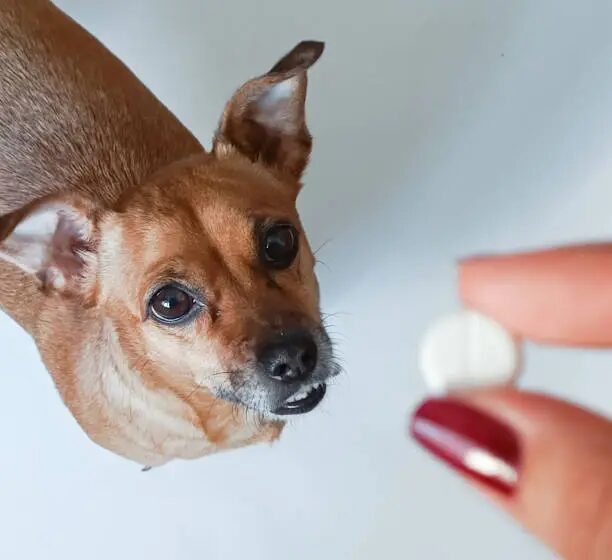
If your dog suddenly develops itchy skin, hives, swelling, sneezing, or another mild allergic reaction, you may look at the medicine cabinet and wonder: Can I give my dog Benadryl?
It is a common question among dog owners because Benadryl is an over-the-counter medication that many people already have at home. Its active ingredient, diphenhydramine, is an antihistamine that veterinarians sometimes use in dogs for specific situations.
However, that does not mean every Benadryl product is safe for every dog.
Your dog’s age, weight, medical history, current medications, and the exact ingredients in the product all matter. Some human allergy products contain additional ingredients that can be dangerous to dogs. Veterinary sources also caution that Benadryl isn’t necessarily the best treatment for chronic allergies, anxiety, or persistent itching.
So, can dogs take Benadryl? Sometimes, under appropriate veterinary guidance.
This guide explains what Benadryl is, how it works in dogs, when veterinarians may use it, when it may be inappropriate, and what you should know before giving it to your pet.
Important: This article is for general educational information and is not a substitute for veterinary advice. If your dog is having trouble breathing, collapsing, or developing severe facial swelling, seek emergency veterinary care immediately.
Yes, veterinarians may recommend Benadryl (diphenhydramine) for some dogs, particularly for certain mild allergic reactions, hives, insect-bite reactions, or motion sickness. However, it isn’t appropriate for every dog, and some products contain additional ingredients that can be harmful to pets.
The correct amount depends on factors such as your dog’s weight, health, medications, and the exact formulation. For that reason, it is safest to check with your veterinarian before giving Benadryl.
Benadryl may be considered in situations such as:
Mild allergic reactions
Hives
Certain insect-bite reactions
Some bee-sting reactions
Motion sickness
Certain histamine-related conditions
But Benadryl should not be viewed as a universal treatment for every itchy or uncomfortable dog.
If your dog has difficulty breathing, severe facial swelling, collapse, or signs of anaphylaxis, don’t rely on Benadryl at home. A severe allergic reaction can be life-threatening and requires immediate veterinary attention.
What Is Benadryl?
What Is Benadryl Used For?
Benadryl is a brand name associated with the antihistamine diphenhydramine.
In dogs, veterinarians may use diphenhydramine for selected conditions involving histamine, including some allergic reactions. It can also have anti-nausea and sedating effects, which is why it may sometimes be used for motion sickness or other specific veterinary purposes.
However, the reason your dog is experiencing symptoms matters.
For example, a dog scratching constantly may have:
Diphenhydramine works by blocking H1 histamine receptors, reducing some of the effects of histamine.
What Is Diphenhydramine?
Diphenhydramine is the generic drug name for the active medication found in many Benadryl products.
It is a first-generation antihistamine. Because it can enter the brain, it can cause drowsiness or sedation as well as antihistamine effects.
This is one reason some dogs become sleepy after taking it.
Interestingly, not every dog reacts in exactly the same way. Some dogs can become unusually excited or restless instead of sleepy.
How Does Diphenhydramine Work in Dogs?
Diphenhydramine primarily works by blocking histamine receptors.
Think of histamine as one of the chemical signals involved in an allergic response. When histamine binds to certain receptors, it contributes to symptoms such as itching, hives, and swelling.
Diphenhydramine blocks those receptors, which can reduce some histamine-related symptoms.
However, this doesn’t mean it eliminates the underlying allergy.
For example, if a dog is allergic to something in the environment, Benadryl may temporarily affect certain symptoms, but it doesn’t remove the allergen or cure the dog’s underlying tendency toward allergic disease.
This distinction becomes especially important in dogs with chronic itchy skin or recurring allergies.
Is Benadryl FDA-Approved for Dogs?
Benadryl is a human medication, and diphenhydramine is not FDA-approved as a veterinary drug for dogs. Veterinarians may nevertheless use medications such as diphenhydramine in veterinary medicine under appropriate circumstances and professional guidance. This is commonly described as off-label or extra-label use.
That may sound concerning, but off-label medication use is not unusual in veterinary medicine.
What matters is that the veterinarian considers:
The dog’s condition
Weight
Age
Medical history
Other medications
Potential interactions
Appropriate formulation
Appropriate dose
What Does “Off-Label” Use Mean in Veterinary Medicine?
Off-label use means a medication is being used in a way that differs from its approved labeling.
That could involve using a medication:
In a different species
For a different medical condition
At a different dose
In a different formulation
For dog owners, the important takeaway is simple: don’t assume that the directions printed on a human medication package automatically apply to your dog.
Dogs process medications differently from humans, and even two dogs of similar size may have different safety considerations.
Is Benadryl Safe for Dogs?
Can Dogs Take Diphenhydramine?
Dogs can sometimes receive diphenhydramine under veterinary guidance.
Veterinary references list diphenhydramine among antihistamines that may be used in dogs. However, whether it is appropriate depends on the individual dog and the reason for treatment.
The biggest mistake is thinking:
“It’s safe for dogs, so I can give any Benadryl product.”
That’s not necessarily true.
The formulation matters.
A product designed for humans may contain other active ingredients or additives that aren’t appropriate for dogs.
Is Benadryl Generally Safe for Dogs?
When an appropriate diphenhydramine product is used correctly, it is generally well tolerated by many dogs.
But “generally safe” does not mean “safe for every dog.”
Veterinary sources specifically identify medical conditions and drug interactions that may require Benadryl to be avoided or used cautiously.
Possible concerns include dogs with:
Glaucoma
Heart disease
High blood pressure
Certain lung conditions
Seizure disorders
Urinary obstruction
Intestinal obstruction
Enlarged prostate
Certain thyroid problems
Pregnant, nursing, very young, elderly, or working dogs may also require additional consideration.
When Can Benadryl Be Appropriate?
A veterinarian may recommend diphenhydramine for situations such as:
Mild Allergic Reactions
Benadryl may be used for certain mild allergic reactions involving symptoms such as hives or itching.
Hives
Hives, medically known as urticaria, can occur following exposure to an allergen. Diphenhydramine may be used in appropriate cases.
Insect Bites
Certain mild reactions to insect bites may be treated with an antihistamine.
Bee Stings
Diphenhydramine may sometimes be recommended for a mild reaction to a sting.
However, severe swelling or breathing difficulty changes the situation completely and requires emergency veterinary treatment.
Motion Sickness
Diphenhydramine can have anti-nausea effects and may be used for motion sickness in dogs.
Why Human Medications Can Be Risky for Dogs
One of the biggest problems with giving dogs human medication is that the product may contain more than one active ingredient.
For example, some combination cold, flu, sinus, or allergy medications may contain substances that are inappropriate or toxic to dogs.
Potentially dangerous ingredients can include:
Xylitol
Acetaminophen
Certain decongestants
Alcohol in some liquid formulations
Other active medications
This is why looking only at the large “Benadryl” label on the front of a package isn’t enough.
You should examine the complete ingredient list.
PetMD and AKC both emphasize checking formulations carefully and consulting a veterinarian before giving diphenhydramine to a dog.
Why You Should Ask Your Veterinarian First
It may seem excessive to call a veterinarian about an over-the-counter antihistamine, especially if you’ve used Benadryl yourself.
But your veterinarian can determine whether:
Benadryl is actually appropriate
Your dog has a condition that makes it risky
The symptoms could indicate another illness
The product contains safe ingredients
Another medication would work better
Your dog’s existing medications could interact with diphenhydramine
This is especially important if your dog takes other medications or has a chronic medical condition.
Does Every Dog React to Benadryl the Same Way?
No.
Dogs can respond differently to the same medication.
One dog might become noticeably sleepy, while another may remain relatively alert. In some cases, a dog can even become restless, excited, or hyperactive rather than calm.
Age, health status, other medications, and individual sensitivity can all influence the response.
That’s another reason not to assume that a dose that seemed fine for another dog is automatically appropriate for yours.
Why Do Vets Give Benadryl to Dogs?
Benadryl isn’t a cure-all, but there are several situations where veterinarians may consider diphenhydramine useful.
For certain mild allergic reactions, an antihistamine may help reduce histamine-related symptoms.
Possible signs include:
Hives
Mild swelling
Redness
Itching
Sneezing
Runny eyes
However, severe allergic reactions are an emergency.
Benadryl for Hives
Hives are raised, itchy bumps that can develop relatively quickly after exposure to an allergen.
Diphenhydramine may be used to help control histamine-related hives in some dogs.
If hives are accompanied by facial swelling, weakness, vomiting, diarrhea, or breathing problems, contact a veterinarian immediately.
Benadryl for Insect Bites
A mild reaction to an insect bite can sometimes cause localized swelling and itching.
Your veterinarian may recommend an antihistamine in certain circumstances.
However, monitor your dog carefully because allergic reactions can worsen unexpectedly.
Benadryl for Bee Stings
A dog that is stung by a bee may develop localized pain and swelling.
A mild reaction may sometimes be managed with veterinary guidance, but facial swelling, breathing difficulty, collapse, or severe gastrointestinal symptoms are emergency signs.
Don’t wait for Benadryl to work if your dog appears to be having a serious allergic reaction.
Benadryl for Seasonal Allergies
Dogs can experience allergies associated with environmental substances such as:
Pollen
Grass
Mold
Dust mites
Other environmental allergens
Diphenhydramine may help certain histamine-related symptoms, but it isn’t always particularly effective for chronic environmental allergies. Veterinary sources note that other allergy-management strategies may be more appropriate for dogs with ongoing symptoms.
Benadryl for Itchy Skin
This is where things can get confusing.
A dog may scratch because of allergies, but not every itchy dog has an allergy.
Itching can also result from:
Fleas
Mites
Yeast
Bacterial infections
Dry skin
Contact irritation
Other skin diseases
Benadryl may provide limited relief in some allergy-related cases, but it won’t eliminate fleas or treat a bacterial or yeast infection.
If your dog is persistently scratching, licking its paws, chewing its skin, or developing hair loss, identifying the underlying cause is more important than simply suppressing the itch.
Benadryl for Sneezing
Because histamine can contribute to some allergy-related respiratory symptoms, diphenhydramine may sometimes be used for allergy-associated sneezing.
But persistent sneezing can have many causes, including infection, foreign material, dental disease, or nasal problems.
If sneezing is severe, persistent, or accompanied by nasal discharge, coughing, breathing difficulty, or other symptoms, your veterinarian should evaluate your dog.
Benadryl for Runny Eyes or Nose
Watery eyes and a runny nose can occur with allergies, but they are not automatically signs of an allergy.
For example, eye redness or discharge can sometimes indicate a more serious eye problem.
That’s why repeatedly giving Benadryl without knowing the cause can potentially delay appropriate treatment.
Benadryl for Motion Sickness
Diphenhydramine has anti-nausea effects and may be used for motion sickness in some dogs.
Dogs with motion sickness may show:
Excessive drooling
Lip licking
Whining
Restlessness
Vomiting
Nausea
Reluctance to get into the car
If your dog becomes sick every time it travels, ask your veterinarian whether diphenhydramine or another motion-sickness treatment would be appropriate.
Can Benadryl Help With Anxiety?
Benadryl can make some dogs sleepy, but sedation is not the same thing as treating anxiety.
A dog that is sleepy may still be frightened, stressed, or uncomfortable.
For ongoing separation anxiety, thunderstorm anxiety, fireworks anxiety, or travel anxiety, a veterinarian can recommend more appropriate behavioral and medical strategies.
In fact, some dogs can experience the opposite reaction and become more excited after taking diphenhydramine.
Can Benadryl Make a Dog Sleepy?
Yes.
Drowsiness is one of the most common effects of diphenhydramine.
This happens because first-generation antihistamines can affect the central nervous system.
Some dogs may become:
Sleepy
Less active
Relaxed
Slightly unsteady
But excessive sedation is not something to ignore, particularly if your dog received an incorrect amount or another medication at the same time.
Benadryl for Mast Cell Tumors
Veterinarians may also use diphenhydramine in dogs with mast cell tumors because these tumors can release histamine.
This is a specialized veterinary use and should be managed as part of an overall treatment plan.
It is very different from giving Benadryl to a dog simply because it has ordinary seasonal itching.
Benadryl During Certain Veterinary Treatments
In some situations, veterinarians may use diphenhydramine as part of a treatment protocol to help reduce the effects of histamine release associated with certain veterinary procedures or treatments.
This is another example of why medication decisions should be based on the individual dog rather than a generic internet dosage.
Can Benadryl Help a Dog With Allergies?
Yes, diphenhydramine may help some dogs with certain allergic reactions, particularly symptoms such as hives and mild itching.
However, its effectiveness varies considerably.
For example, a dog with acute hives caused by a histamine-triggering reaction may respond differently from a dog with chronic environmental allergies.
Veterinary dermatology sources emphasize that chronic allergic skin disease often requires a broader treatment plan that can include parasite control, skin care, treatment of secondary infections, prescription medications, or allergen-specific immunotherapy.
So, while Benadryl can sometimes have a role, it shouldn’t automatically be considered the best treatment for every allergic dog.
Benadryl for Environmental Allergies
Environmental allergies occur when a dog’s immune system reacts to substances in its surroundings.
Potential triggers include:
Pollen
Grass
Weeds
Mold
Dust mites
Certain environmental particles
Dogs with environmental allergies may experience itchy skin, paw licking, face rubbing, recurrent ear problems, and skin infections.
Benadryl may reduce some histamine-related symptoms, but chronic environmental allergies often need long-term management.
A useful approach is to identify patterns.
Does your dog itch more:
During spring?
After playing in grass?
After spending time outdoors?
During a particular season?
Throughout the entire year?
These clues can help your veterinarian determine whether environmental allergies may be involved.
Some dogs have seasonal symptoms, while others eventually develop problems throughout the year.
Benadryl may provide some relief in selected cases, but it doesn’t remove pollen exposure or cure the underlying allergic tendency.
If your dog repeatedly develops symptoms during the same season, talk to your veterinarian about a long-term allergy-management plan.
Benadryl for Grass Allergies
Grass can be irritating or allergenic for some dogs.
You may notice your dog licking its paws or scratching shortly after spending time outdoors.
One simple supportive measure is to rinse or wipe your dog’s paws after outdoor activities. This can reduce the amount of pollen, dirt, and other substances remaining on the skin.
However, persistent paw licking can also be caused by yeast infections, bacteria, parasites, injuries, or other problems.
Don’t assume that every itchy paw is a grass allergy.
Benadryl for Flea Allergies
Flea allergy dermatitis can make dogs extremely itchy.
Interestingly, a flea-allergic dog may continue scratching intensely even when you can’t find any fleas.
That’s because some sensitive dogs can develop a significant allergic response to flea saliva.
Common signs include:
Intense itching
Biting at the skin
Hair loss
Redness
Scabs
Irritation around the tail base and hindquarters
Benadryl might help with some allergic symptoms, but it doesn’t kill fleas.
Effective flea management generally requires appropriate parasite prevention and, when necessary, environmental control.
If fleas are responsible for the itching, treating the underlying flea problem is much more important than relying on an antihistamine alone.
Benadryl for Food Allergies
Food allergies can cause skin-related symptoms in some dogs.
Possible signs include:
Persistent itching
Paw licking
Recurrent ear infections
Red or inflamed skin
Recurring skin problems
Dogs can react to particular food proteins, but it isn’t possible to determine the offending ingredient simply by looking at the symptoms.
Benadryl may sometimes reduce certain allergic symptoms, but it doesn’t identify or remove the food trigger.
When a food allergy is suspected, veterinarians may recommend a carefully controlled elimination diet trial.
Randomly switching between commercial foods can make the situation harder to interpret.
Does Benadryl Stop Itching in Dogs?
It can reduce itching in some dogs, particularly when histamine is an important part of the reaction.
But itching has many possible causes.
Your dog could be scratching because of:
Possible Cause
Can Benadryl Fix the Cause?
Fleas
No
Flea allergy
May reduce some symptoms, but flea control is needed
Environmental allergy
May provide limited symptom relief
Food allergy
Does not remove the food trigger
Yeast infection
No
Bacterial infection
No
Mange/mites
No
Dry skin
May not address the underlying cause
Contact irritation
Removing the irritant is important
This is why persistent itching should be investigated rather than repeatedly treated with Benadryl.
Can I Give My Dog Benadryl for Itching?
Why Is My Dog Itchy?
Before reaching for medication, ask a more important question:
Why is my dog itchy in the first place?
Common causes include:
Fleas
Environmental allergies
Food allergies
Mites
Yeast
Bacterial infections
Contact dermatitis
Dry skin
Other skin conditions
Your veterinarian may need to examine the skin and ears, check for parasites, and perform tests such as skin cytology or skin scrapings depending on the symptoms.
Can Benadryl Stop a Dog From Scratching?
It may reduce scratching when histamine is contributing to the itch, but it isn’t guaranteed to work.
For dogs with chronic allergic skin disease, other veterinary treatments may be more effective.
If your dog is scratching so much that it is creating wounds, don’t keep increasing or repeating Benadryl on your own.
The skin can quickly become damaged, and secondary infections may develop.
Benadryl for Itchy Paws
Constant paw licking can be associated with allergies, but it can also have other causes.
Check for:
Redness
Swelling
Cuts
Foreign objects
Broken nails
Moist skin between the toes
Unusual odor
Brown saliva staining
If your dog repeatedly licks its paws, veterinary evaluation may be more useful than simply giving an antihistamine.
Benadryl for Itchy Ears
Ear itching is another common reason owners consider Benadryl.
However, recurrent ear scratching or head shaking can be associated with:
Allergies
Ear infections
Yeast
Bacteria
Ear mites
Foreign material
Other ear problems
Benadryl doesn’t treat an underlying ear infection.
If your dog has ear discharge, odor, pain, frequent head shaking, or repeated ear infections, have the ears examined.
Benadryl for Red Skin
Red skin isn’t a diagnosis.
It can result from:
Allergies
Fleas
Infections
Contact irritation
Scratching
Moisture
Other dermatological conditions
If the redness is spreading, painful, associated with hair loss, or accompanied by discharge or odor, your veterinarian should determine the cause.
Benadryl for Hives
Hives are raised, often itchy bumps that can develop relatively quickly after exposure to an allergen.
Diphenhydramine may be used by veterinarians for certain cases of hives.
However, hives plus facial swelling or breathing problems is an emergency.
Never assume that giving Benadryl at home is sufficient when a dog appears to be experiencing a severe allergic reaction.
Benadryl Dosage for Dogs
This is one of the most searched questions online:
“How much Benadryl can I give my dog?”
You may find a simple number online based only on body weight. The problem is that medication safety isn’t always that simple.
Veterinary references provide dosing information for diphenhydramine, but the appropriate dose for an individual dog should be confirmed with a veterinarian. The dog’s health, medications, product formulation, and reason for treatment all matter.
How Much Benadryl Can I Give My Dog?
Ask your veterinarian to determine the appropriate dose for your dog.
Do not use a generic online calculator as a substitute for veterinary advice.
A veterinarian can confirm:
Whether diphenhydramine is appropriate
Which formulation to use
How much to administer
How frequently it can be given
How long it should be used
Whether it interacts with another medication
What Is the Recommended Diphenhydramine Dose for Dogs?
Veterinary references commonly provide diphenhydramine dosing ranges for dogs, but this should not be interpreted as a personalized prescription.
The correct dose can depend on:
Body weight
Age
Medical history
Reason for treatment
Other medications
Product concentration
Other active ingredients
This is particularly important with liquid and combination products.
Weight is certainly relevant to veterinary dosing, but weight alone does not make a safe medication plan.
A 20-pound healthy adult dog and a 20-pound dog with certain medical conditions or drug interactions may not have the same considerations.
Benadryl Dosage Per Pound
You may see diphenhydramine dosage expressed in milligrams per pound (mg/lb) online.
This can be useful veterinary information, but it should not encourage owners to calculate and administer medication without professional confirmation.
There is another potential problem: the number of milligrams in a tablet or liquid product can vary.
Veterinary medicine also commonly expresses medication doses in mg/kg.
This is simply another way of relating medication amount to body weight.
If your veterinarian gives you a dose in mg/kg, ask them to confirm exactly how that translates to the product you have at home.
How Often Can Dogs Take Benadryl?
The appropriate frequency depends on the individual dog and why diphenhydramine is being used.
Do not assume that because a medication can be given more than once that it is appropriate for your dog to receive it repeatedly.
Your veterinarian should tell you:
The dose
The interval
The maximum duration
When to stop
What side effects to watch for
How Many Times a Day Can a Dog Take Benadryl?
This depends on the veterinary treatment plan.
Don’t automatically follow a schedule you found online because the recommendation may be based on a different formulation, different indication, or different patient.
If your veterinarian recommends diphenhydramine, follow their instructions rather than combining information from multiple websites.
How Long Does Benadryl Last in Dogs?
Diphenhydramine is generally considered a short-acting medication.
Its effects don’t last indefinitely, and individual dogs can respond differently.
If your dog continues to itch after the expected effect has worn off, don’t simply keep giving additional doses without veterinary guidance.
Persistent symptoms may indicate that Benadryl isn’t addressing the actual cause.
How Quickly Does Benadryl Work?
Diphenhydramine generally begins producing effects relatively quickly, often within about one to two hours, although the response varies between individual dogs.
If your dog’s allergic symptoms are getting worse while you’re waiting for medication to work, particularly if there is facial swelling or breathing difficulty, seek veterinary care immediately.
Does the Dose Depend on Age?
Age can matter.
Puppies, senior dogs, and dogs with age-related health problems may require additional consideration.
Never assume that a medication is appropriate for a very young puppy simply because it was safe for an adult dog.
Does the Dose Depend on Weight?
Yes, body weight is an important consideration for many veterinary medications.
But it isn’t the only consideration.
The veterinarian also needs to consider the dog’s:
Overall health
Medical conditions
Other medications
Age
Reason for treatment
Product formulation
Does the Dose Depend on Health Conditions?
Absolutely.
A dog with certain medical conditions may require a different treatment approach or may need to avoid diphenhydramine.
That’s one reason a veterinarian should review your dog’s health history before recommending it.
Benadryl Dosage for Dogs: Safety Table
Dog Weight
Benadryl Amount
Important Note
10 lb
Veterinarian should determine
Product concentration matters
20 lb
Veterinarian should determine
Do not guess
30 lb
Veterinarian should determine
Confirm with your veterinarian
40 lb
Veterinarian should determine
Confirm formulation
50 lb
Veterinarian should determine
Confirm formulation
60 lb
Veterinarian should determine
Confirm formulation
70 lb
Veterinarian should determine
Confirm formulation
80 lb
Veterinarian should determine
Confirm formulation
Important: Do not turn a generic online dosage into a prescription for your dog. Veterinary sources provide dosing ranges, but the appropriate amount and formulation should be confirmed with a veterinarian.
Can I Give My Dog Benadryl Every Day?
Daily use is something that should be discussed with your veterinarian.
If your dog needs an antihistamine repeatedly because it is itching every day, the bigger question is why.
Chronic itching may indicate:
Environmental allergies
Flea allergy
Food allergy
Yeast infection
Bacterial infection
Parasites
Another skin condition
Simply giving Benadryl every day may mask symptoms without addressing the underlying problem.
Can Dogs Take Benadryl Long-Term?
Long-term use should be veterinarian-directed.
Some dogs with chronic allergic disease need a comprehensive treatment plan rather than a single antihistamine.
Depending on the diagnosis, veterinary management may include:
Parasite prevention
Medicated skin treatments
Prescription anti-itch medication
Treatment of secondary infections
Dietary trials
Allergen avoidance
Allergy immunotherapy
Is Daily Benadryl Safe?
It isn’t appropriate to assume that daily Benadryl is safe simply because an occasional dose may be appropriate.
Repeated medication use can increase the importance of monitoring side effects and interactions.
If your dog needs daily medication to remain comfortable, speak with your veterinarian about whether another long-term strategy would be more appropriate.
What Happens if a Dog Takes Benadryl Regularly?
The answer depends on the dose, duration, individual dog, and other medications.
A dog receiving diphenhydramine under veterinary supervision can be monitored appropriately.
But giving repeated doses without veterinary guidance can increase the risk of medication errors and may delay diagnosis of an underlying condition.
Why Chronic Itching Needs a Diagnosis
Imagine giving Benadryl to a dog that is actually suffering from a yeast infection.
The dog may remain itchy because the yeast is still present.
Or imagine giving it to a dog with fleas.
The fleas continue biting.
Or consider a dog with mites.
The antihistamine doesn’t eliminate the parasites.
That’s why chronic itching should be approached as a diagnostic problem, not just an itch problem.
What Type of Benadryl Is Safe for Dogs?
This is one of the most important parts of the entire article.
Not every product sold under the Benadryl or allergy-medicine category should be given to dogs.
Always read the label carefully.
Can Dogs Take Regular Benadryl Tablets?
A veterinarian may recommend a diphenhydramine tablet product when appropriate.
However, confirm the active ingredients and strength before giving it.
Never assume that every tablet sold under a familiar brand name has the same formulation.
Can Dogs Take Benadryl Capsules?
Capsules may contain diphenhydramine, but you still need to check the label.
Some formulations are designed to release medication differently, and some products contain additional ingredients.
Ask your veterinarian or pharmacist to confirm that the exact product is appropriate for your dog.
Can Dogs Take Children’s Benadryl?
The word “children’s” does not automatically mean safer for dogs.
Children’s medications can come in different formulations and concentrations.
Some liquid products may also contain ingredients that aren’t appropriate for pets.
Always check the complete ingredient list before using any human medication.
Can Dogs Take Liquid Benadryl?
Some liquid diphenhydramine formulations may be appropriate under veterinary guidance, but liquid medications require extra caution.
The concentration can differ from one product to another.
Never assume that a certain number of milliliters contains the same amount of medication as another bottle.
Is Liquid Benadryl Safe?
It depends on the exact formulation.
Check:
Active ingredients
Concentration
Inactive ingredients
Sweeteners
Alcohol content
Other medications
If you’re unsure about a bottle you already have, show the label to your veterinarian or pharmacist before administering it.
Are Chewable Benadryl Products Safe?
Chewable medications may contain flavorings, sweeteners, or other ingredients.
Xylitol is particularly important to watch for, because it can be extremely dangerous to dogs.
Don’t give your dog a flavored or chewable human medication simply because the dose seems convenient.
Are Time-Release Benadryl Capsules Safe?
Time-release or extended-release formulations should not be assumed to be appropriate for dogs.
Medication designed for prolonged release can behave differently in the canine digestive system.
Only use a specific formulation if your veterinarian has confirmed that it is appropriate.
Why Combination Allergy Products Can Be Dangerous
This is a major point for dog owners.
Some human allergy, cold, sinus, and flu products contain several active ingredients.
For example, a product might combine an antihistamine with a decongestant or pain reliever.
Those additional ingredients can create significant risks for dogs.
Therefore, don’t simply look for the word “Benadryl.”
Look at the entire Drug Facts or active-ingredient section.
How to Read a Benadryl Ingredient Label
Before giving any human medication to your dog, check:
1. Active Ingredient
Look for diphenhydramine if your veterinarian has specifically recommended it.
2. Strength
Check how many milligrams are contained in each tablet, capsule, or specified volume of liquid.
3. Additional Active Ingredients
Avoid combination products unless your veterinarian specifically recommends them.
4. Sweeteners
Check for xylitol, particularly in chewable or flavored products.
5. Formulation
Check whether the product is immediate-release, extended-release, liquid, tablet, capsule, or another form.
6. Expiration Date
Don’t use expired medication.
Ingredients to Watch For
When checking a human allergy product, pay particular attention to:
Diphenhydramine
Xylitol
Acetaminophen
Decongestants
Alcohol
Other active ingredients
If you are uncertain about any ingredient, don’t guess.
Take a photo of the label or bring the packaging to your veterinarian or pharmacist and ask whether it is appropriate for your dog.
Can I Give My Dog Benadryl With Other Medications?
If your dog already takes medication, do not give Benadryl without checking with your veterinarian first. Diphenhydramine can interact with certain medications, particularly drugs that cause sedation or affect the nervous system.
Your veterinarian should know about prescription medications, over-the-counter drugs, vitamins, supplements, and herbal products your dog receives.
Benadryl Drug Interactions
Potential interactions can occur with:
Sedatives and tranquilizers
Certain pain medications
Some antidepressants
Anticholinergic medications
Other antihistamines
Certain medications affecting the central nervous system
Combining medications that cause drowsiness can make your dog excessively sleepy or unsteady.
Benadryl and Sedatives
Because diphenhydramine can cause drowsiness, combining it with another sedating medication may increase these effects.
Your dog could become unusually sleepy, weak, confused, or difficult to keep awake.
Benadryl and Pain Medications
Some pain medications can also cause sedation. Your veterinarian should determine whether diphenhydramine is appropriate when your dog is receiving pain treatment.
Benadryl and Antidepressants
Certain antidepressants may interact with diphenhydramine. This is one reason it is important to provide your veterinarian with a complete medication list.
Benadryl and Other Allergy Medications
Giving multiple antihistamines together is generally something you should avoid unless your veterinarian specifically recommends it.
More medication does not necessarily provide better allergy relief and can increase the risk of side effects.
What About Vitamins and Supplements?
Tell your veterinarian about supplements as well. Even products marketed as natural can affect how medications work or contribute to sedation.
When Should You NOT Give Your Dog Benadryl?
Although diphenhydramine may be appropriate for some dogs, it isn’t suitable for every situation.
Your veterinarian may recommend avoiding or using extra caution with Benadryl if your dog has certain medical conditions.
Dogs Allergic to Diphenhydramine
A dog that has previously experienced an adverse reaction to diphenhydramine should not receive it unless specifically directed by a veterinarian.
Puppies and Very Young Dogs
Very young puppies may require special consideration because medications can affect them differently than healthy adult dogs.
Never assume that a dose appropriate for an adult dog is appropriate for a puppy.
Pregnant or Nursing Dogs
Pregnant and nursing dogs should receive medications only with veterinary guidance. Your veterinarian can determine whether the potential benefits outweigh the risks.
Senior Dogs
Older dogs may have underlying heart, liver, kidney, urinary, or neurological problems that can change how a medication affects them.
Dogs With Glaucoma
Diphenhydramine may be inappropriate for dogs with certain types of glaucoma.
Dogs With Heart Disease or High Blood Pressure
Dogs with cardiovascular disease or hypertension may require additional caution.
Dogs With Seizure Disorders
Diphenhydramine can affect the nervous system, so dogs with seizure disorders should only receive it under veterinary direction.
Dogs With Urinary Problems
Dogs with difficulty urinating, urinary obstruction, or certain prostate conditions may need to avoid diphenhydramine.
Dogs With Intestinal Obstruction
Dogs with gastrointestinal obstruction or certain digestive conditions may not be good candidates for this medication.
Dogs With Enlarged Prostate
Diphenhydramine can have effects that may make urinary problems worse in susceptible dogs.
Dogs With Certain Lung Conditions
Dogs with some respiratory conditions may require special consideration before receiving diphenhydramine.
The important point is simple: your dog’s medical history matters just as much as their weight.
Benadryl Side Effects in Dogs
Even when Benadryl is used appropriately, dogs can experience side effects.
Common Side Effects
The most commonly reported effects include:
Drowsiness
Lethargy
Dry mouth
Reduced activity
Unsteadiness or poor coordination
Urinary retention
Some dogs become sleepy after taking diphenhydramine, while others may respond differently.
Less Common Side Effects
Some dogs may experience:
Vomiting
Diarrhea
Increased appetite or changes in appetite
Increased heart rate
Faster breathing
Excitement
Agitation
Unusual behavior
If your dog’s reaction seems severe or unusual, contact your veterinarian.
Can Benadryl Make Dogs Sleepy?
Yes. Sleepiness is one of the most recognizable effects of diphenhydramine.
Benadryl is a first-generation antihistamine that can cross into the central nervous system, which is one reason it can cause drowsiness.
How Long Does Benadryl Make a Dog Sleepy?
The duration varies between dogs. Diphenhydramine is generally considered a short-acting medication, but its effects can last longer in some animals, particularly those with certain health problems.
Can Benadryl Make Some Dogs Hyperactive?
Yes. While many dogs become sleepy, some may show the opposite response.
A dog may become:
Restless
Excited
Agitated
More vocal
Unusually active
This is another reason not to assume that Benadryl will simply “calm” your dog.
Is Benadryl Safe to Use as a Sedative?
Benadryl should not be used as a convenient sedative simply because it makes some dogs sleepy.
Sedation is not the same thing as treating anxiety.
Can Benadryl Help With a Dog’s Anxiety?
Benadryl is not considered a reliable primary treatment for canine anxiety.
Although a sleepy dog may appear calmer, the medication does not necessarily address the fear or anxiety causing the behavior.
For example, a dog experiencing separation anxiety, fireworks anxiety, or noise phobia may still be frightened even if diphenhydramine makes them drowsy.
For ongoing anxiety, a veterinarian can recommend behavioral modification, environmental changes, training, or appropriate medications when necessary.
Can a Dog Overdose on Benadryl?
Yes. Too much diphenhydramine can be toxic to dogs.
The risk increases when a dog receives an excessive amount or consumes a product containing additional active ingredients.
Signs of Benadryl Overdose
Possible signs include:
Extreme sedation
Severe unsteadiness
Agitation
Disorientation
Dilated pupils
Rapid heartbeat
Abnormal behavior
Vomiting
Diarrhea
Tremors
Seizures
Abnormal breathing
Collapse
Severe toxicity can become life-threatening.
What Should I Do if My Dog Took Too Much Benadryl?
If you believe your dog has received too much Benadryl, contact your veterinarian or an emergency veterinary clinic immediately.
Have the medication package available if possible. The veterinarian will want to know:
The product name
Active ingredients
Strength or concentration
Approximate amount consumed
Your dog’s weight
Approximately when it was consumed
Do not induce vomiting unless a veterinarian or veterinary poison professional specifically instructs you to do so.
When Is a Benadryl Overdose an Emergency?
Seek immediate veterinary care if your dog has severe sedation, seizures, collapse, difficulty breathing, extreme agitation, or significant changes in heart rate or behavior.
Benadryl for Dogs vs. Other Allergy Treatments
Benadryl can be useful in selected circumstances, but it isn’t always the best treatment for canine allergies.
Treatment
Common Purpose
Prescription?
Best For
Benadryl
Selected mild allergic reactions
Usually no
Certain short-term situations
Flea prevention
Preventing fleas and flea allergy
Depends on product
Flea-related itching
Medicated shampoo
Managing certain skin conditions
Depends
Specific skin irritation/infections
Prescription allergy medicine
Chronic allergic disease
Yes
Veterinary-managed allergies
Allergy immunotherapy
Long-term environmental allergy management
Veterinary management
Selected chronic allergies
If your dog is constantly scratching, licking their paws, or developing recurrent ear problems, treating the underlying cause is usually more useful than repeatedly giving an antihistamine.
Can Benadryl Treat a Bee Sting in Dogs?
A bee sting can cause anything from a small localized reaction to a life-threatening allergic reaction.
Signs of a Mild Reaction
A mild reaction might involve:
Localized swelling
Mild redness
Scratching around the sting
Mild discomfort
A veterinarian may recommend an antihistamine such as diphenhydramine in selected cases.
Signs of a Severe Allergic Reaction
Watch closely for:
Difficulty breathing
Rapidly worsening facial swelling
Severe weakness
Collapse
Repeated vomiting
Diarrhea
Pale gums
Extreme distress
These can indicate a serious allergic reaction or anaphylaxis.
Do not rely on Benadryl alone when your dog is having trouble breathing or collapsing. Seek emergency veterinary care immediately.
Can Benadryl Treat a Dog’s Food Allergy?
Benadryl may reduce certain allergy-related symptoms in some dogs, but it does not eliminate the underlying food allergy.
Common Symptoms of Food Allergies
Dogs with food allergies may develop:
Itchy skin
Paw licking
Recurrent ear problems
Red or irritated skin
Gastrointestinal symptoms
Recurrent skin infections
However, these symptoms can also occur with environmental allergies, parasites, infections, and other conditions.
Why Food Allergies Need Proper Diagnosis
If food allergy is suspected, your veterinarian may recommend a carefully controlled elimination diet trial.
Randomly changing foods or adding multiple new ingredients can make it harder to identify the actual trigger.
Can Benadryl Help With Motion Sickness in Dogs?
Diphenhydramine may sometimes be used for motion sickness or travel-related nausea, depending on the individual dog.
Signs of Motion Sickness
A dog experiencing motion sickness may:
Drool excessively
Lick their lips
Whine
Pant
Become restless
Vomit
Refuse food
Your veterinarian can help determine whether diphenhydramine is appropriate or whether another veterinary treatment would be more effective.
How to Give Your Dog Benadryl Safely
If your veterinarian has approved diphenhydramine for your dog, follow these safety steps.
1. Talk to Your Veterinarian
Confirm that the medication is appropriate for your dog’s specific condition.
2. Weigh Your Dog Accurately
Medication amounts are often related to body weight, but weight alone does not determine a safe dose.
3. Check the Entire Ingredient List
Make sure the product contains the appropriate active ingredient and does not contain potentially dangerous additions.
4. Avoid Combination Products
Do not assume that products labeled for allergies, congestion, cold symptoms, or sinus problems are safe for dogs.
Some human products contain decongestants, acetaminophen, alcohol, xylitol, or other active ingredients that may be dangerous.
5. Follow the Veterinary Schedule
Do not give additional doses simply because your dog hasn’t improved yet.
6. Never Double a Missed Dose
If you miss a scheduled dose, ask your veterinarian what to do rather than automatically giving extra medication.
7. Monitor Your Dog
Watch for excessive sleepiness, unsteadiness, vomiting, agitation, breathing abnormalities, or other unexpected symptoms.
8. Store Medication Securely
Keep all medications out of your dog’s reach. A bottle left on a countertop can become an accidental poisoning hazard.
How Long Does Benadryl Take to Work in Dogs?
Diphenhydramine generally begins producing effects relatively quickly, often within about 1–2 hours, although individual responses vary.
The time required depends on factors such as:
Your dog’s health
The formulation used
The reason for treatment
Whether the medication was given with food
Individual metabolism
If your dog’s symptoms are severe or continue despite treatment, don’t simply keep increasing the dose.
What If Benadryl Doesn’t Help Your Dog?
If your dog continues scratching or develops repeated allergic symptoms despite Benadryl, the problem may require a different approach.
Potential causes of itching include:
Fleas
Environmental allergies
Food allergies
Yeast infections
Bacterial skin infections
Parasites
Ear disease
Contact irritation
Other dermatological conditions
Signs Your Dog Needs a Proper Skin Evaluation
Contact your veterinarian if your dog has:
Persistent itching
Chronic paw licking
Recurrent ear infections
Hair loss
Hot spots
Red or inflamed skin
Repeated hives
Persistent scratching
Skin odor
Open sores
Suppressing itching without identifying its cause can allow an underlying problem to continue.
When Should You Call the Vet?
Contact your veterinarian if your dog develops significant symptoms after taking Benadryl.
Seek urgent veterinary attention if your dog has:
Difficulty breathing
Severe facial swelling
Collapse
Seizures
Extreme sedation
Severe unsteadiness
Repeated vomiting or diarrhea
Severe agitation
Very rapid heartbeat
Abnormal breathing
A suspected overdose
Accidental ingestion of the wrong product
For a serious allergic reaction, do not wait for Benadryl to work. Anaphylaxis can progress rapidly and requires emergency treatment.
FAQs About Giving Benadryl to Dogs
Can I give my dog Benadryl?
Yes, veterinarians sometimes recommend diphenhydramine for dogs in specific situations. However, the product, dose, medical history, and reason for treatment all matter.
How much Benadryl can I give my dog?
There is no single dose that is appropriate for every dog. Veterinary references commonly describe diphenhydramine dosing in the 2–4 mg/kg range, but you should have your veterinarian confirm the appropriate dose and product for your dog rather than treating an online dosage as a prescription.
Can I give my dog Benadryl for itching?
It may help some dogs with certain allergy-related itching, but it isn’t effective for every cause of itchy skin. Fleas, infections, parasites, and other conditions require appropriate treatment.
Can I give my dog Benadryl for allergies?
A veterinarian may recommend it for selected mild allergic reactions. It is not necessarily the best long-term treatment for chronic allergies.
Can I give my dog Benadryl for hives?
Diphenhydramine may be used for hives in dogs under veterinary guidance.
Can I give my dog Benadryl for a bee sting?
A veterinarian may recommend an antihistamine for certain mild reactions. Difficulty breathing, collapse, or severe swelling is an emergency.
Can I give my dog Benadryl for a bug bite?
It may sometimes be used for mild reactions to insect bites, but severe swelling or systemic symptoms require veterinary attention.
Can I give my dog Benadryl for anxiety?
Benadryl is not a reliable treatment for canine anxiety. Making a dog sleepy does not necessarily relieve fear.
Can puppies take Benadryl?
Puppies should not be given Benadryl without veterinary advice. Very young animals may require different considerations.
Can pregnant dogs take Benadryl?
Pregnant or nursing dogs should receive diphenhydramine only when recommended by a veterinarian.
Can senior dogs take Benadryl?
Senior dogs may have medical conditions or take other medications that affect whether diphenhydramine is appropriate.
How long does Benadryl take to work in dogs?
Effects commonly begin within roughly 1–2 hours, although response varies.
How long does Benadryl last in dogs?
Diphenhydramine is generally short-acting, but the duration can vary. Some dogs, particularly those with certain health problems, may experience effects for longer.
Can Benadryl make dogs sleepy?
Yes. Drowsiness is a common effect.
Can Benadryl make dogs hyper?
Yes. Some dogs can become excited or agitated rather than sleepy.
What are Benadryl side effects in dogs?
Common effects include drowsiness, lethargy, dry mouth, and unsteadiness. Other possible effects include gastrointestinal upset, increased heart rate, or agitation.
What happens if a dog eats too much Benadryl?
An overdose can cause severe sedation, agitation, rapid heartbeat, abnormal behavior, unsteadiness, seizures, and other serious effects. Contact a veterinarian immediately.
Can dogs overdose on Benadryl?
Yes. An excessive amount of diphenhydramine can cause serious toxicity.
Can dogs take children’s Benadryl?
Some children’s formulations may contain diphenhydramine, but not every children’s product is safe for dogs. Check the complete ingredient list and ask your veterinarian.
Can dogs take liquid Benadryl?
Only if the specific formulation has been confirmed safe. Some liquids contain ingredients that are unsuitable for dogs.
Can dogs take Benadryl every day?
Daily use should only occur when specifically recommended by your veterinarian. Persistent allergies or itching often require a more appropriate long-term treatment strategy.
Can I give Benadryl with other medications?
Potential drug interactions exist. Always tell your veterinarian about every medication and supplement your dog takes.
Is generic diphenhydramine the same as Benadryl?
The active ingredient may be the same, but the complete formulation can differ. Always check the inactive and additional active ingredients.
What ingredients are dangerous in human allergy medicines?
Potentially dangerous ingredients can include xylitol, acetaminophen, decongestants, alcohol, and other active medications. Never assume a human combination product is safe for dogs.
Can Benadryl treat a food allergy?
It may reduce certain symptoms temporarily, but it doesn’t identify or remove the food trigger. Proper diagnosis and dietary management are more important for long-term control.
Is Benadryl good for itchy dog skin?
It can help some dogs, but its effectiveness for chronic itching is often limited. The underlying cause should be investigated.
What can I give my dog instead of Benadryl?
The best alternative depends on what’s causing the symptoms. Veterinary allergy medications, flea prevention, medicated shampoos, dietary trials, and allergy immunotherapy may be appropriate in different situations.
Benadryl Dosage for Dogs: Important Safety Disclaimer
Benadryl dosage should not be determined from weight alone.
Although veterinary references provide general diphenhydramine dosing ranges, the correct approach for an individual dog depends on:
Weight
Age
Health conditions
Other medications
Reason for treatment
Exact product
Product concentration
Additional ingredients
Frequency and duration of treatment
Always confirm the product and dose with your veterinarian before administering Benadryl to your dog.
Conclusion
So, can you give your dog Benadryl? Sometimes—but it isn’t a medication that should automatically be given whenever a dog starts scratching, sneezing, or developing swelling.
Benadryl contains diphenhydramine, which veterinarians may use in certain dogs for problems such as mild allergic reactions, hives, insect bites, and sometimes motion sickness. However, its usefulness depends on the cause of the symptoms and the individual dog’s health.
The biggest mistake is assuming that because Benadryl is available over the counter for humans, every Benadryl product is automatically safe for dogs. It isn’t. Different products can contain different concentrations or additional ingredients, including substances that may be dangerous to pets.
Your dog’s weight, age, medical history, medications, and the exact formulation all matter when determining whether diphenhydramine is appropriate.
For occasional, veterinarian-approved use, Benadryl may have a place in canine care. But if your dog has chronic itching, recurrent ear problems, persistent allergies, or unexplained skin irritation, it’s better to identify and treat the underlying cause rather than repeatedly suppressing symptoms.
And if your dog develops difficulty breathing, severe facial swelling, collapse, seizures, or other signs of a serious allergic reaction, treat the situation as an emergency and seek veterinary care immediately.