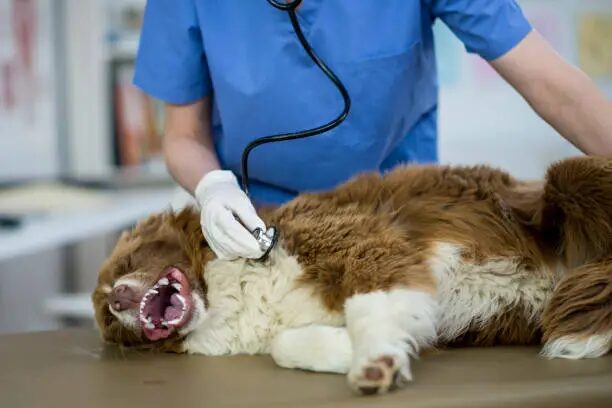
Hearing your dog cough is always unsettling, but it can be especially worrying when your dog has been diagnosed with heart disease. Many owners immediately wonder, “Is this a congestive heart failure cough?” The answer is not always straightforward.
Congestive heart failure (CHF) can cause coughing in dogs, particularly when left-sided heart failure leads to increased pressure in the blood vessels of the lungs and fluid accumulation called pulmonary edema. However, coughing by itself does not prove that a dog is experiencing heart failure. In fact, veterinary sources emphasize that chronic respiratory conditions are often more common causes of coughing than cardiogenic pulmonary edema.
This distinction matters because a dog can have significant heart disease and still not be in congestive heart failure. Heart disease, heart failure, and congestive heart failure describe related but different situations.
A cough may also result from chronic bronchitis, tracheal collapse, airway inflammation, respiratory infection, an enlarged heart pressing on nearby airways, or other lung conditions. That’s why veterinarians generally consider the entire clinical picture rather than diagnosing CHF from the sound of a cough alone.
One of the most important things to watch is how your dog is breathing. Rapid breathing while resting, obvious effort to breathe, open-mouth breathing, blue or pale gums, severe weakness, or collapse can indicate a serious problem and require immediate veterinary attention.
In this guide, we’ll look at what a congestive heart failure cough can look like, why dogs with heart disease cough, how CHF differs from respiratory disease, what other symptoms to watch for, how veterinarians diagnose the cause, and what treatments may be used.
Quick Answer: Can Congestive Heart Failure Cause Coughing in Dogs?
Yes, congestive heart failure can be associated with coughing in dogs, especially when left-sided heart failure causes pulmonary congestion or pulmonary edema. But coughing alone is not enough to diagnose CHF.
When the left side of the heart struggles to handle blood returning from the lungs, pressure can build backward into the pulmonary circulation. Eventually, fluid can move into the lung tissue and air spaces. This is known as cardiogenic pulmonary edema and can cause increased respiratory rate and breathing difficulty, with coughing occurring in some dogs.
However, there is an important catch: many coughing dogs with heart murmurs are not actually in congestive heart failure. Chronic bronchitis and other airway disorders can produce persistent coughing, particularly in older small-breed dogs.
A simple way to think about it:
A CHF-related cough is possible, but a cough is not automatically a “heart cough.”
The combination of symptoms is much more informative.
| Symptom | Possible Relationship to CHF | Why It Matters |
|---|---|---|
| Coughing | Possible | Commonly has other causes too |
| Rapid breathing at rest | Important | May indicate pulmonary congestion |
| Labored breathing | Serious | Can indicate respiratory distress |
| Exercise intolerance | Possible | May reflect heart or lung disease |
| Fainting/collapse | Serious | Can indicate cardiovascular compromise |
| Swollen abdomen | Possible | More typical of right-sided CHF |
| Blue/pale gums | Emergency | May indicate oxygenation or circulation problems |
If your dog is struggling to breathe, don’t wait to determine whether the cough is cardiac or respiratory. Breathing difficulty is more urgent than identifying the exact cause at home.
What Is Congestive Heart Failure in Dogs?
To understand why CHF may cause coughing, it helps to understand what happens inside a dog’s cardiovascular system.
How a Healthy Dog’s Heart Works
A healthy heart works like a pump with four chambers.
The right side receives oxygen-poor blood from the body and sends it toward the lungs. The left side receives oxygen-rich blood from the lungs and pumps it throughout the body.
Valves help keep blood moving in the correct direction.
Under normal conditions, the heart and blood vessels work together to deliver enough oxygen and nutrients to tissues while maintaining appropriate pressures within the circulation.
What Happens When the Heart Becomes Diseased?
Heart disease can affect the valves, heart muscle, rhythm, blood vessels, or heart structure.
For example, a dog may develop myxomatous mitral valve disease (MMVD), in which the mitral valve becomes thickened and leaks. Another dog may develop dilated cardiomyopathy (DCM), where the heart muscle becomes weakened and less effective at pumping.
The body can compensate for heart disease for a long time. This means a dog can have a heart murmur or structural heart abnormality without showing obvious signs of heart failure.
What Does “Heart Failure” Mean?
Heart failure occurs when the cardiovascular system can no longer compensate adequately for the underlying disease.
The result can include:
- Reduced blood flow to the body’s tissues
- Increased pressure within the cardiovascular system
- Fluid accumulation
- Exercise intolerance
- Breathing abnormalities
- Weakness or fainting
Heart failure is therefore not simply another name for heart disease.
What Does “Congestive” Mean?
The word “congestive” refers to congestion caused by blood and fluid backing up within the circulation.
With left-sided CHF, pressure can build backward toward the lungs. This can result in pulmonary edema.
With right-sided CHF, fluid may accumulate in areas such as the abdomen, chest cavity, liver, or tissues.
How Fluid Accumulates in the Body
When pressure inside certain blood vessels becomes too high, fluid can move out of the vessels and into surrounding tissues.
In the lungs, this can interfere with normal gas exchange.
That’s why pulmonary edema can cause rapid breathing and difficulty breathing, and why severe cases can become life-threatening.
Left-Sided vs. Right-Sided Heart Failure
Left-sided CHF is more closely associated with fluid accumulation in the lungs and respiratory signs.
Common signs may include:
- Coughing
- Rapid breathing
- Difficulty breathing
- Exercise intolerance
- Weakness
- Fainting
Right-sided CHF, on the other hand, more commonly causes fluid accumulation in the abdomen and other parts of the body.
Can a Dog Have Heart Disease Without Heart Failure?
Absolutely.
This is one of the most important points for owners to understand.
A dog may have a heart murmur, enlarged heart, or valve disease but remain clinically stable for a long period. Heart failure develops when the disease becomes severe enough that the body’s compensatory mechanisms can no longer maintain normal function.
Can a Dog Have Heart Failure Without Coughing?
Yes.
Not every dog with CHF coughs.
Some dogs may primarily show:
- Increased resting respiratory rate
- Difficulty breathing
- Exercise intolerance
- Weakness
- Fainting
- Abdominal fluid accumulation
- Reduced appetite
This is another reason owners should avoid using coughing as the only measure of whether heart failure is present or worsening.
Why Does Congestive Heart Failure Cause Coughing in Dogs?
The relationship between CHF and coughing is more complicated than many people realize.
Does Fluid in the Lungs Cause a Dog to Cough?
It can.
When left-sided heart failure causes pressure to increase in the pulmonary circulation, fluid may leak into the lung tissue and eventually the alveoli.
This condition is called cardiogenic pulmonary edema.
Pulmonary edema can interfere with normal oxygen exchange and contribute to increased breathing rate and respiratory distress. Some dogs also cough.
However, coughing is not present in every dog with pulmonary edema, and many dogs with chronic cough have an airway disorder instead.
What Is Cardiogenic Pulmonary Edema?
Cardiogenic pulmonary edema is fluid accumulation in the lungs caused by cardiovascular disease.
In dogs with left-sided heart failure, pressure rises behind the failing side of the heart. That pressure is transmitted backward into the pulmonary veins and capillaries.
As pressure becomes sufficiently high, fluid moves into the lung tissue.
The result may include:
- Rapid breathing
- Increased breathing effort
- Exercise intolerance
- Restlessness
- Coughing in some dogs
- Severe respiratory distress in advanced cases
How Increased Pressure in the Heart Affects the Lungs
Imagine the circulation as a series of connected pipes.
If the pump on one side cannot adequately handle the incoming volume, pressure can build backward.
In left-sided heart disease, that backward pressure affects the blood vessels associated with the lungs.
As congestion worsens, fluid can accumulate within the lungs.
This is why breathing changes are often more important than the cough itself when veterinarians are evaluating possible CHF.
How Left-Sided CHF Affects Breathing
One of the earliest measurable changes can be an increase in resting or sleeping respiratory rate.
Merck Veterinary Manual notes that monitoring a dog’s sleeping respiratory rate can help owners and veterinarians identify changes associated with heart failure and assess response to treatment.
A dog may therefore develop:
- Faster breathing while asleep
- Faster breathing while resting
- Increased abdominal effort
- Difficulty getting comfortable
- Exercise intolerance
- Open-mouth breathing in severe cases
Does Every Dog With Pulmonary Edema Cough?
No.
This is an important distinction.
A dog can have pulmonary edema without producing the classic cough an owner expects.
Conversely, a dog can cough frequently without having pulmonary edema.
Merck specifically notes that coughing is much more commonly associated with primary lung disease than cardiogenic pulmonary edema in dogs.
Why Breathing Difficulty May Be More Important Than Coughing
A mild cough may have many explanations.
Difficulty breathing is different.
If your dog is struggling to move air, using the abdomen heavily to breathe, unable to settle comfortably, or showing blue or pale gums, the situation can be urgent regardless of whether CHF is ultimately diagnosed.
Don’t wait for a cough to become severe before seeking care.
Why Veterinary Evidence Challenges the Idea of a Simple “Cardiac Cough”
The phrase “heart cough” sounds straightforward, but canine heart disease doesn’t work that neatly.
A dog with a heart murmur may cough because of:
- Chronic bronchitis
- Tracheal collapse
- Bronchial disease
- Enlarged heart structures affecting nearby airways
- Respiratory infection
- Pulmonary disease
- CHF-related pulmonary edema
That is why veterinarians use the dog’s history, physical examination, imaging, respiratory rate, and other findings rather than relying on the cough alone.
What Does a CHF Cough Sound Like in Dogs?
One of the most common questions owners ask is:
“What does a congestive heart failure cough sound like in dogs?”
Unfortunately, there isn’t one specific sound that proves a cough is caused by CHF.
Dry Cough vs. Wet Cough
A cough may sound:
- Dry
- Hacking
- Harsh
- Moist
- Soft
- Deep
- Honking
But the sound alone isn’t enough to determine the underlying cause.
A dry, hacking cough can occur with airway disease.
A moist-sounding cough can occur with several respiratory problems.
Even when pulmonary edema is present, the cough doesn’t necessarily have a unique sound that an owner can reliably identify.
Persistent Coughing
A persistent cough deserves veterinary evaluation, particularly in an older dog or a dog already known to have heart disease.
However, persistent does not automatically mean cardiac.
For example, chronic bronchitis is a common cause of long-term coughing in dogs, particularly in older small-breed dogs.
Hacking or Honking Cough
A honking cough is often associated with airway problems such as tracheal collapse.
This can be especially relevant in small dogs.
Owners may notice coughing when their dog:
- Gets excited
- Pulls against a collar
- Exercises
- Drinks water
- Greets people
- Becomes stressed
That pattern can provide useful information for a veterinarian.
Soft or Moist Cough
A moist or productive-sounding cough can occur with respiratory disease, although dogs generally don’t produce sputum in the same obvious way humans do.
It should not automatically be labeled a CHF cough.
Coughing With Increased Breathing
This combination deserves more attention.
If your dog is coughing and breathing faster than normal while resting, especially if the breathing rate is consistently increasing, contact your veterinarian.
If the dog is visibly struggling to breathe, seek emergency care.
Coughing After Exercise
Coughing after activity can occur with both cardiovascular and respiratory conditions.
Exercise may expose a problem that isn’t obvious while the dog is resting.
Look for additional signs such as:
- Stopping frequently
- Excessive fatigue
- Rapid recovery breathing
- Weakness
- Fainting
- Blue or pale gums
- Difficulty breathing
Coughing While Resting
A cough that occurs while resting should not automatically be assumed to be CHF.
Dogs with chronic airway disease can also cough while resting or sleeping.
The overall pattern, including respiratory rate and other symptoms, matters more than timing alone.
Coughing While Sleeping
Some owners notice coughing at night and immediately associate it with heart failure.
Nighttime coughing can occur with several conditions, including respiratory and cardiac disease.
Therefore, the fact that a dog coughs while sleeping isn’t enough to diagnose CHF.
Can You Identify a Heart Cough by Sound Alone?
No.
A veterinarian may be able to narrow down possible causes after listening to the lungs, examining the dog, and reviewing diagnostic tests, but owners generally cannot diagnose CHF based solely on the sound of a cough.
Can Dogs With Congestive Heart Failure Cough at Night?
Nighttime coughing is frequently searched by concerned dog owners, but it needs context.
Why Owners Often Notice Coughing at Night
At night, the house is quiet and there are fewer distractions. A cough that happens occasionally during the day may suddenly seem much more noticeable.
Some dogs also cough when they:
- Lie down
- Change position
- Get up after sleeping
- Move around at night
- Become excited after waking
Dog Coughing While Sleeping
A dog that coughs while asleep should be observed carefully.
Don’t just listen to the cough.
Watch the dog’s breathing rate and effort.
If your dog is sleeping peacefully but coughing occasionally, that’s different from a dog that repeatedly wakes up, cannot settle, or is breathing rapidly or heavily.
Dog Coughing When Lying Down
Position can influence coughing in dogs with respiratory or cardiovascular disease.
But coughing when lying down isn’t enough to establish that CHF is responsible.
Dog Coughing After Getting Up
Some dogs cough after changing position because movement stimulates the airways.
Again, this can occur with multiple conditions.
Is Nighttime Coughing Always Caused by CHF?
No.
Chronic bronchitis and other airway conditions can produce nighttime coughing as well.
This is why a veterinary examination is particularly important when the cough continues for days or weeks.
Nighttime Coughing vs. Chronic Respiratory Disease
Respiratory disease becomes especially plausible when coughing is long-standing but the dog has:
- Normal resting breathing
- No obvious breathing distress
- No progressive exercise intolerance
- No evidence of pulmonary edema
Merck notes that chronic bronchitis is a particularly common cause of chronic coughing in dogs.
When Nighttime Coughing Requires Veterinary Evaluation
Arrange a veterinary assessment if:
- The cough is persistent
- It is becoming more frequent
- Your dog already has heart disease
- Your dog is older
- Your dog is breathing faster at rest
- Exercise tolerance is declining
- Appetite or energy is changing
Emergency care is appropriate if coughing is accompanied by significant breathing difficulty, collapse, blue or pale gums, or severe weakness.
How Often Do Dogs With CHF Cough?
There isn’t a specific number of coughing episodes that confirms CHF.
Occasional Coughing
An occasional cough can have many causes and may not indicate serious disease.
Still, repeated coughing in a dog with known heart disease should be discussed with a veterinarian.
Daily Coughing
Daily coughing deserves investigation.
The veterinarian may need to determine whether the cough is related to:
- Heart failure
- Airway disease
- Lung disease
- An enlarged heart
- Infection
- Another underlying problem
Frequent Coughing Episodes
Frequent coughing becomes more concerning when it is accompanied by changes in breathing or general behavior.
Coughing Every Few Minutes
A dog coughing every few minutes should be evaluated rather than simply being given an over-the-counter cough medication.
The cause matters.
Coughing That Gets Progressively Worse
A cough that becomes progressively more frequent or severe deserves reassessment.
In a dog already diagnosed with CHF, worsening respiratory signs may indicate a change in disease status, although other conditions can also develop.
Why Frequency Alone Doesn’t Diagnose Heart Failure
There is no simple rule such as:
“If a dog coughs 10 times a day, it has CHF.”
Veterinary diagnosis doesn’t work that way.
A dog’s respiratory rate, breathing effort, imaging findings, heart size, lung appearance, medical history, and underlying cardiac disease all matter.
What Other Symptoms Should Be Considered?
Pay attention to the complete picture.
Important accompanying signs include:
- Rapid breathing
- Labored breathing
- Exercise intolerance
- Weakness
- Fainting
- Collapse
- Reduced appetite
- Restlessness
- Abdominal swelling
- Pale or bluish gums
Congestive Heart Failure in Dogs: Cough vs. Breathing Problems
One of the most useful things dog owners can learn is the difference between coughing and respiratory distress.
A cough can be uncomfortable and concerning, but breathing difficulty can signal an emergency.
| Symptom | Possible Relationship to CHF | Why It Matters |
|---|---|---|
| Coughing | Possible | Not specific to CHF |
| Rapid breathing at rest | Important | May indicate pulmonary congestion |
| Labored breathing | Emergency concern | Can indicate respiratory distress |
| Exercise intolerance | Common | May reflect cardiovascular or respiratory disease |
| Collapse | Serious | Requires prompt veterinary evaluation |
| Swollen abdomen | Possible | More associated with right-sided CHF |
| Blue/pale gums | Emergency | May indicate oxygenation or circulation problems |
Merck describes coughing, difficulty breathing, exercise intolerance, and increased respiratory rate among the signs associated with left-sided CHF, while emphasizing that coughing in dogs is also very commonly linked to respiratory disease.
The key takeaway: don’t focus only on how often your dog coughs. Pay close attention to how your dog breathes while resting or sleeping.
Common Causes of Coughing in Dogs With Heart Disease
A dog can have heart disease and a cough for an entirely different reason.
Congestive Heart Failure
CHF is certainly one possible cause, especially when pulmonary edema develops from left-sided heart failure.
Pulmonary Edema
Fluid accumulation in the lungs can produce respiratory abnormalities and may be accompanied by coughing.
Enlarged Left Atrium
Heart enlargement can sometimes affect structures near the airways.
This is particularly relevant in dogs with advanced mitral valve disease.
Tracheal Compression
An enlarged heart structure may contribute to airway compression in some dogs.
This can create a dry or hacking cough that may be mistaken for CHF.
Chronic Bronchitis
Chronic bronchitis is a major alternative diagnosis in older dogs with persistent coughing.
Merck notes that chronic bronchitis is the most common cause of chronic cough in dogs, especially small breeds.
Tracheal Collapse
Tracheal collapse is particularly common in small dogs and can produce a characteristic honking cough.
Bronchomalacia
Weakness of the smaller airways can contribute to chronic coughing and respiratory symptoms.
Respiratory Infection
Infectious diseases can cause coughing, particularly when accompanied by other signs such as nasal discharge, lethargy, fever, or reduced appetite.
Pneumonia
Pneumonia can cause coughing and breathing abnormalities and may become serious quickly.
Lung Disease
Various lung conditions can mimic signs that owners associate with CHF.
That’s why a cough in a dog with a heart murmur should not automatically be labeled a cardiac cough.
Congestive Heart Failure vs. Other Causes of Dog Coughing
CHF vs. Kennel Cough
Kennel cough is an infectious respiratory condition that commonly causes a sudden, dry or harsh cough.
Dogs may remain relatively bright and active despite coughing, although more severe respiratory infections can cause additional symptoms.
CHF, in contrast, may be associated with increased resting respiratory rate, breathing difficulty, exercise intolerance, or evidence of pulmonary edema.
CHF vs. Chronic Bronchitis
Chronic bronchitis can produce a persistent cough, especially in older small-breed dogs.
This is one of the most important conditions to distinguish from CHF.
A dog can have a loud heart murmur and chronic bronchitis at the same time.
CHF vs. Tracheal Collapse
Tracheal collapse often produces a honking cough, particularly during excitement, exercise, or pressure around the neck.
The pattern can help the veterinarian determine whether the airway is contributing to the problem.
CHF vs. Pneumonia
Pneumonia may cause:
- Coughing
- Increased respiratory rate
- Difficulty breathing
- Lethargy
- Reduced appetite
- Fever in some cases
Because pneumonia and pulmonary edema can both affect breathing, diagnostic testing may be necessary.
CHF vs. Lung Cancer
Lung tumors can also cause respiratory signs, particularly in older dogs.
Imaging may be necessary to investigate persistent or unexplained coughing.
CHF vs. Allergies
Allergic or inflammatory airway disease can cause coughing, although the presentation varies between dogs.
CHF vs. Foreign Body
An inhaled or lodged foreign material can cause sudden coughing and respiratory distress.
Sudden severe breathing difficulty should always be treated as an emergency.
Why Coughing Alone Cannot Diagnose the Cause
There is simply too much overlap between cardiovascular and respiratory disease.
That’s why veterinarians may use chest X-rays, echocardiography, physical examination, and other tests to determine what’s actually happening.
Is My Dog’s Cough From Heart Failure or Lung Disease?
This is one of the hardest questions for owners to answer at home.
Why the Symptoms Can Overlap
Both heart and lung disease can cause:
- Coughing
- Faster breathing
- Exercise intolerance
- Fatigue
- Restlessness
- Reduced activity
The difference may not be obvious without testing.
What Veterinarians Look For
A veterinarian may consider:
- Age
- Breed
- Previous diagnosis
- Heart murmur
- Lung sounds
- Resting respiratory rate
- Breathing effort
- Cough history
- Chest X-rays
- Echocardiogram findings
- Blood tests
- Other health conditions
Importance of Breathing Rate
Resting or sleeping respiratory rate can provide valuable information.
Merck recommends monitoring sleeping respiratory rate in dogs with heart disease because trends can help identify developing or worsening heart failure.
Importance of Chest X-Rays
Chest radiographs can help veterinarians evaluate:
- Heart size
- Lung fields
- Pulmonary edema
- Pulmonary vessels
- Pleural fluid
- Other respiratory abnormalities
Radiographs are particularly important when trying to determine whether a dog’s respiratory signs are related to cardiogenic pulmonary edema.
Importance of Echocardiography
An echocardiogram allows veterinarians to examine heart structure and function.
It can help identify:
- Valve abnormalities
- Chamber enlargement
- Heart muscle disease
- Abnormal blood flow
- Other structural changes
However, an echocardiogram does not simply show “CHF” by itself. The overall diagnosis requires interpretation of the heart findings alongside the dog’s clinical signs and other tests.
Why Medical History Matters
A cough that has remained unchanged for months in a dog with stable heart disease may have a different explanation from a cough that suddenly appears alongside rapid breathing.
The timeline matters.
Why Video of Your Dog’s Cough Can Help
If your dog coughs at home but doesn’t cough during the veterinary visit, a short video can be extremely useful.
Try to note:
- Time of day
- Whether the dog was sleeping
- What happened immediately before coughing
- Whether the dog had been exercising
- Whether eating or drinking triggered it
- How long the episode lasted
- How frequently it happens
- Whether breathing looked normal afterward
These details can give the veterinarian a much clearer picture of what is happening outside the clinic.
Important Reminder for Dog Owners
If your dog has known heart disease and develops a new or worsening cough, contact your veterinarian rather than assuming it is simply part of the diagnosis.
And if coughing occurs alongside difficulty breathing, severe breathing effort, blue or pale gums, collapse, or extreme weakness, seek emergency veterinary care immediately. Do not attempt to manage respiratory distress at home.
Causes of Congestive Heart Failure That May Lead to Coughing
Not every dog with a cough has congestive heart failure. However, certain heart conditions can eventually lead to CHF and respiratory symptoms, particularly when they affect the left side of the heart.
Understanding the underlying disease can help explain why one dog develops coughing while another dog with heart disease may never develop a cardiac-related cough.
Myxomatous Mitral Valve Disease
Myxomatous mitral valve disease (MMVD) is one of the most common heart diseases in dogs.
The mitral valve sits between the left atrium and left ventricle. When the valve becomes thickened and doesn’t close properly, some blood leaks backward into the left atrium each time the heart contracts.
Over time, the heart may enlarge as it compensates for the leak.
In some dogs, the disease eventually progresses to congestive heart failure, potentially causing pulmonary congestion and respiratory signs.
MMVD is especially common in older, small-breed dogs, including breeds such as Cavalier King Charles Spaniels, Dachshunds, and small Poodles.
However, having MMVD does not automatically mean a dog has CHF.
A dog can have a heart murmur caused by MMVD for years without developing clinical heart failure.
Dilated Cardiomyopathy
Dilated cardiomyopathy (DCM) affects the heart muscle rather than primarily affecting a valve.
The heart becomes enlarged and weakened, reducing its ability to pump blood effectively.
DCM is particularly important in certain larger breeds, including:
- Doberman Pinschers
- Great Danes
- Boxers
- Irish Wolfhounds
Dogs with DCM can develop congestive heart failure or abnormal heart rhythms.
Respiratory signs may develop when left-sided heart dysfunction results in pulmonary congestion or edema.
Congenital Heart Disease
Some dogs are born with structural abnormalities of the heart.
Examples include:
- Patent ductus arteriosus (PDA)
- Ventricular septal defects
- Pulmonary stenosis
- Other congenital abnormalities
Depending on the defect, the heart may have to work harder than normal. Some congenital conditions can eventually contribute to heart enlargement and heart failure.
Heartworm Disease
Heartworm disease is another potentially serious cardiovascular condition.
Heartworms can damage the pulmonary arteries and place significant strain on the heart and lungs.
Dogs with advanced heartworm disease may develop:
- Coughing
- Exercise intolerance
- Weight loss
- Breathing abnormalities
- Weakness
- Heart failure in severe cases
The good news is that heartworm disease is largely preventable with veterinarian-recommended preventive medication and routine testing.
Arrhythmias
An arrhythmia is an abnormal heart rhythm.
The heart may beat:
- Too quickly
- Too slowly
- Irregularly
When the rhythm is severely abnormal, the heart may not pump blood effectively.
Some dogs with significant arrhythmias can experience:
- Weakness
- Exercise intolerance
- Fainting
- Collapse
- Reduced cardiac output
Certain rhythm disorders can also contribute to heart failure.
Pulmonary Hypertension
Pulmonary hypertension means abnormally high blood pressure within the pulmonary circulation.
It can occur because of heart disease, lung disease, blood vessel abnormalities, or other conditions.
Dogs with pulmonary hypertension may show:
- Rapid breathing
- Exercise intolerance
- Coughing
- Weakness
- Fainting
- Difficulty breathing
Because pulmonary hypertension can have several causes, diagnosis requires veterinary evaluation.
Heart Tumors
Tumors involving the heart or nearby structures are less common but can interfere with normal cardiovascular function.
Depending on their location, they may affect:
- Heart chambers
- Blood flow
- The pericardium
- Major blood vessels
Some tumors can contribute to fluid accumulation around the heart or other cardiovascular complications.
Pericardial Disease
The pericardium is the sac surrounding the heart.
Fluid can sometimes accumulate inside this sac, a condition called pericardial effusion.
This is different from fluid inside the lungs.
Severe pericardial disease can interfere with the heart’s ability to fill properly and may cause weakness, collapse, breathing changes, or abdominal fluid accumulation.
Signs of Congestive Heart Failure in Dogs Besides Coughing
A cough is only one possible symptom.
In fact, changes in breathing may be more useful than coughing when monitoring a dog with known heart disease.
Watch for the following signs.
Rapid Breathing
A dog with pulmonary congestion may breathe faster than usual.
This is especially important when the dog is:
- Sleeping
- Resting quietly
- Relaxed
- Not exercising
Difficulty Breathing
Labored breathing is much more concerning than an isolated cough.
You may notice the abdomen moving noticeably with every breath, the neck extended, or the dog struggling to find a comfortable position.
Respiratory distress requires immediate veterinary attention.
Increased Sleeping Respiratory Rate
An increasing sleeping respiratory rate can be an important warning sign in dogs with heart disease.
Tracking it over time can help identify changes before more obvious symptoms develop.
Exercise Intolerance
A dog that once happily walked around the neighborhood may suddenly:
- Stop frequently
- Refuse longer walks
- Tire quickly
- Sit down during exercise
- Take longer to recover
This can occur with both heart and lung disease.
Weakness and Lethargy
Reduced cardiac output can contribute to weakness and low energy.
However, lethargy has many possible causes, so it should be interpreted alongside other signs.
Fainting
Syncope, or fainting, can occur when the brain temporarily doesn’t receive adequate blood flow.
Heart rhythm abnormalities and severe cardiovascular disease are among the possible causes.
Collapse
Collapse should never be ignored.
A dog that suddenly collapses, particularly one with known heart disease, requires prompt veterinary assessment.
Reduced Appetite
Dogs with significant illness may eat less than usual.
A reduction in appetite is especially concerning when it occurs together with breathing problems, weakness, or repeated coughing.
Swollen Abdomen
A visibly enlarged abdomen can occur with right-sided heart failure because fluid may accumulate within the abdominal cavity.
This fluid accumulation is known as ascites.
Fluid Accumulation
Depending on the underlying disease, fluid may accumulate in:
- The lungs
- Chest cavity
- Abdomen
- Peripheral tissues
The location of fluid accumulation can provide veterinarians with important diagnostic clues.
Pale or Bluish Gums
Healthy gums are generally pink.
Blue, gray, or unusually pale gums can indicate a serious oxygenation or circulation problem.
This should be treated as an emergency.
Restlessness at Night
Some dogs with respiratory discomfort become restless at night.
They may:
- Change sleeping positions repeatedly
- Sit rather than lie down
- Get up frequently
- Seem unable to settle
Restlessness by itself doesn’t prove CHF, but combined with increased breathing effort it deserves immediate attention.
Dog Coughing and Breathing Fast: Is It CHF?
A coughing dog that is also breathing rapidly deserves closer attention than a dog with an occasional isolated cough.
Why Rapid Breathing Is Important
When the lungs become congested, breathing may become faster as the body attempts to maintain adequate oxygen exchange.
However, rapid breathing can also occur because of:
- Heat
- Stress
- Pain
- Fever
- Lung disease
- Anemia
- Exercise
- Other medical problems
So fast breathing is a warning sign, not a diagnosis.
Normal vs. Increased Respiratory Rate
Your veterinarian can help you determine what respiratory rate is appropriate for your individual dog.
More importantly, watch for a persistent increase from your dog’s normal resting or sleeping rate.
A single reading can be misleading.
A trend over several days may provide more useful information.
Dog Breathing Fast While Sleeping
This is particularly useful to monitor because sleeping dogs aren’t normally exercising or excited.
If your dog is asleep and breathing noticeably faster than usual, count the breaths and record the result.
If the rate remains elevated or continues increasing, contact your veterinarian.
Dog Breathing Fast After Coughing
It’s normal for a dog to breathe somewhat faster immediately after a forceful coughing episode.
The important question is whether the breathing settles once the coughing stops.
If your dog remains tachypneic or develops obvious breathing effort, veterinary assessment is warranted.
Rapid Breathing With No Cough
CHF doesn’t necessarily cause coughing.
Some dogs may develop increased respiratory rate without an obvious cough.
Therefore, absence of coughing does not rule out heart failure.
When Fast Breathing Becomes an Emergency
Seek emergency veterinary care if rapid breathing is accompanied by:
- Obvious breathing effort
- Open-mouth breathing
- Blue or gray gums
- Severe weakness
- Collapse
- Inability to lie down comfortably
- Severe anxiety or distress
How to Check Your Dog’s Resting Respiratory Rate
Monitoring your dog’s sleeping breathing rate is one of the most practical things you can do at home if your veterinarian recommends it.
What Is Resting Respiratory Rate?
Resting respiratory rate is the number of breaths your dog takes while calm and resting.
Sleeping respiratory rate is particularly useful because the dog is relaxed and isn’t influenced by exercise or excitement.
When Should You Count Your Dog’s Breaths?
Choose a time when your dog is:
- Sleeping
- Calm
- Not panting
- Not immediately after exercise
- Comfortable
How to Count Breaths While Your Dog Sleeps
Watch your dog’s chest.
One complete rise and fall equals one breath.
You can count for a set period and calculate the breaths per minute.
For consistency, try to measure at approximately the same time each day.
How to Record the Results
A simple chart can make patterns easier to see.
| Date | Sleeping Respiratory Rate | Cough | Appetite | Activity |
|---|---|---|---|---|
| Monday | Record result | None/mild/frequent | Normal | Normal |
| Tuesday | Record result | None/mild/frequent | Normal | Slightly reduced |
| Wednesday | Record result | More frequent | Reduced | Reduced |
The actual number isn’t nearly as useful if it isn’t interpreted in context.
What an Increasing Trend May Mean
A persistent upward trend can sometimes be an early indication that a dog’s cardiovascular or respiratory condition is changing.
This doesn’t mean every increase is CHF.
Stress, heat, pain, respiratory disease, and other problems can also raise respiratory rate.
When to Contact Your Veterinarian
Contact your veterinary team if you notice a persistent change from your dog’s usual sleeping respiratory rate, particularly if it occurs alongside:
- More coughing
- Reduced activity
- Poor appetite
- Restlessness
- Breathing effort
When a Breathing Problem Is an Emergency
If your dog is struggling to breathe, don’t spend time repeatedly measuring the respiratory rate.
Go to an emergency veterinary hospital.
Can a Dog Have CHF Without Coughing?
Yes.
This is an important point because many owners assume that coughing must occur if heart failure is present.
Dogs With Pulmonary Edema
Pulmonary edema can produce significant respiratory abnormalities, but coughing isn’t necessarily the dominant symptom.
A dog may instead show rapid or difficult breathing.
Dogs With Right-Sided CHF
Right-sided CHF is more likely to cause fluid accumulation in the abdomen and tissues than fluid in the lungs.
These dogs may have:
- Enlarged abdomen
- Exercise intolerance
- Weakness
- Fluid retention
Dogs With Early Heart Failure
Clinical signs can vary significantly between dogs.
Some dogs may initially show subtle changes that owners overlook.
Dogs With Severe Respiratory Disease Instead of Coughing
Some respiratory disorders primarily cause breathing difficulty rather than an obvious cough.
This reinforces the importance of looking at the whole clinical picture.
Why Lack of Cough Does Not Rule Out CHF
CHF is a cardiovascular syndrome, not a cough disorder.
A dog can have heart failure without coughing.
Breathing Changes May Be More Important Than Coughing
When monitoring a dog with known heart disease, pay particular attention to:
resting breathing rate + breathing effort + activity level + appetite + overall comfort.
Can a Dog Cough Without Having Congestive Heart Failure?
Absolutely.
This is one of the most important distinctions in the entire topic.
Why the Answer Is Yes
Dogs cough for many reasons.
Common possibilities include:
- Chronic bronchitis
- Tracheal collapse
- Respiratory infection
- Airway inflammation
- Pneumonia
- Foreign material
- Lung disease
- Enlarged heart affecting nearby airways
Chronic Bronchitis
Chronic bronchitis can cause a persistent cough in dogs, particularly older small breeds.
The cough may continue even when there is no CHF.
Tracheal Collapse
Tracheal collapse can produce the familiar “honking” cough.
It may become worse with:
- Excitement
- Exercise
- Pulling on a collar
- Heat
- Stress
Airway Disease
Airway inflammation and structural airway disorders can cause chronic coughing.
These conditions can coexist with heart disease, making diagnosis more complicated.
Infectious Respiratory Disease
Kennel cough and other respiratory infections can cause coughing without any cardiovascular disease.
Enlarged Heart Without CHF
A dog can have an enlarged heart without being in congestive heart failure.
In some cases, enlargement may contribute to airway compression and coughing.
Why a Veterinary Examination Is Necessary
Because symptoms overlap, a veterinarian may need to distinguish between:
heart disease → heart enlargement → airway effects
and
heart disease → pulmonary congestion → pulmonary edema
These aren’t the same mechanism.
Can an Enlarged Heart Cause a Dog to Cough?
An enlarged heart can sometimes contribute to coughing, but this is different from coughing caused by pulmonary edema.
What Is Cardiomegaly?
Cardiomegaly means an enlarged heart.
It can develop with several types of heart disease.
How Heart Enlargement Can Affect Nearby Airways
The heart sits close to major airways.
When certain cardiac structures become enlarged, they may place pressure on nearby bronchi or other airway structures.
This can contribute to coughing in some dogs.
Left Atrial Enlargement
Left atrial enlargement is particularly relevant in dogs with advanced mitral valve disease.
As the left atrium enlarges, it may affect structures around the main bronchi.
Tracheal and Bronchial Compression
Airway compression can trigger coughing even when pulmonary edema isn’t present.
Enlarged Heart vs. Pulmonary Edema
These two situations are important to distinguish.
Enlarged heart:
- Mechanical effect on nearby airway structures
- Can contribute to coughing
- Does not automatically mean CHF
Pulmonary edema:
- Fluid accumulation in the lungs
- Usually associated with left-sided congestive heart failure
- Can cause respiratory distress
A dog can potentially have both.
Why the Two Conditions Can Be Confused
A dog with MMVD might have:
- A heart murmur
- An enlarged heart
- A chronic airway condition
- A cough
That doesn’t necessarily mean the dog has pulmonary edema.
This is why chest X-rays and other diagnostic tests are so important.
How Is CHF-Related Cough Diagnosed in Dogs?
There isn’t a single test that simply labels a cough as “cardiac.”
Veterinarians usually combine several pieces of information.
Veterinary Physical Examination
The veterinarian may evaluate:
- Heart rate
- Heart rhythm
- Lung sounds
- Respiratory rate
- Breathing effort
- Gum color
- Pulse quality
- Body condition
- Abdomen
Listening to the Heart and Lungs
A heart murmur may indicate valve disease, but it doesn’t automatically mean CHF.
The veterinarian will also listen for abnormal lung sounds.
Measuring Respiratory Rate
Respiratory rate provides useful information about the dog’s current condition.
An elevated rate at rest can be particularly important.
Chest X-Rays
Thoracic radiographs can help identify:
- Heart enlargement
- Pulmonary edema
- Pulmonary vessel changes
- Pleural fluid
- Airway abnormalities
- Other lung disease
This is one of the most useful tests when trying to determine whether coughing is associated with cardiovascular or respiratory disease.
Echocardiogram
An echocardiogram provides detailed information about the heart.
It can assess:
- Valves
- Heart chambers
- Heart muscle
- Blood flow
- Cardiac function
It is especially useful for determining the underlying heart disease.
Electrocardiogram
An ECG records the electrical activity of the heart.
It can help identify abnormal rhythms that might contribute to weakness, fainting, or cardiovascular problems.
Blood Pressure Testing
Blood pressure can be relevant because hypertension and cardiovascular disease may influence one another.
NT-proBNP and Other Cardiac Biomarkers
Cardiac biomarkers such as NT-proBNP may provide additional information about cardiac stress.
They are generally interpreted alongside the physical examination and other diagnostic findings rather than used as a standalone diagnosis.
Blood Tests
Blood work may be recommended to assess:
- Kidney function
- Electrolytes
- Liver parameters
- General health
- Other conditions that could affect treatment
This is particularly important when a dog requires long-term cardiac medications.
Why Multiple Tests May Be Needed
A cough is a symptom, not a diagnosis.
The veterinarian may need to answer several questions:
Is there heart disease?
Is the heart enlarged?
Is there pulmonary edema?
Is there airway disease?
Could more than one condition be present?
That’s why a combination of tests often provides the clearest answer.
What Does a Chest X-Ray Show in a Dog With CHF?
Chest X-rays are commonly used when CHF is suspected.
Enlarged Heart
Radiographs can show whether the heart appears larger than expected.
The pattern of enlargement may also provide clues about which cardiac structures are affected.
Pulmonary Edema
One of the major reasons for obtaining chest radiographs is to look for evidence of pulmonary edema.
When cardiogenic pulmonary edema is present, the lung pattern can change in characteristic ways.
Enlarged Pulmonary Vessels
Changes in pulmonary vessels may provide additional evidence of cardiovascular disease and pulmonary congestion.
Fluid in the Chest
Some dogs develop fluid in the pleural space surrounding the lungs.
This is called pleural effusion.
It can interfere with normal lung expansion and contribute to breathing difficulty.
Airway Abnormalities
Chest X-rays may also reveal clues suggesting:
- Bronchial disease
- Tracheal changes
- Lung masses
- Pneumonia
- Other respiratory conditions
Why X-Rays Help Distinguish Heart and Lung Disease
Suppose a dog has a heart murmur and coughs.
An X-ray may show:
enlarged heart + pulmonary edema
which would increase concern for CHF.
Or it might show:
mild heart enlargement + airway changes without pulmonary edema
which could suggest that the cough has another cause.
Can an X-Ray Alone Diagnose CHF?
Not always.
Radiographs are extremely useful, but veterinarians interpret them alongside:
- Clinical signs
- Physical examination
- Medical history
- Echocardiography
- Other diagnostic findings
This approach reduces the risk of assuming that every cough in a dog with a heart murmur is caused by CHF.
How Is Congestive Heart Failure Cough Treated?
Treatment depends on why the dog is coughing and whether CHF is actually present.
If pulmonary edema is responsible, treatment focuses on reducing fluid accumulation and supporting cardiovascular function.
Treating the Underlying Heart Disease
The veterinarian first needs to identify the underlying cardiac problem.
Treatment for mitral valve disease may differ from treatment for DCM, arrhythmia, pulmonary hypertension, or another condition.
Diuretics
Diuretics help the body eliminate excess fluid through the kidneys.
They are an important part of treatment for many dogs with clinical congestive heart failure.
Furosemide
Furosemide is a commonly used loop diuretic in veterinary medicine.
It helps increase urine production and can reduce excess fluid.
Torsemide
Torsemide is another loop diuretic that may be used in selected dogs.
The choice between medications depends on the dog’s condition and the veterinarian’s treatment plan.
Pimobendan
Pimobendan is commonly used in dogs with certain forms of heart disease.
It can improve the heart’s ability to pump and also influence vascular tone.
It is not a cough suppressant.
Rather, it is used to address aspects of the underlying cardiovascular problem.
ACE Inhibitors
ACE inhibitors may be used as part of a cardiovascular treatment plan in selected dogs.
They affect the renin-angiotensin-aldosterone system and can help reduce certain cardiovascular pressures.
Spironolactone
Spironolactone may be included in some CHF treatment plans because of its diuretic and neurohormonal effects.
Antiarrhythmic Medications
Dogs with clinically important rhythm abnormalities may need medications specifically selected to control their arrhythmia.
Oxygen Therapy in Acute Cases
Dogs experiencing severe respiratory distress may receive oxygen supplementation as part of emergency stabilization.
Oxygen does not cure CHF, but it can support a dog while the veterinary team addresses the underlying problem.
Treatment of Pulmonary Edema
When cardiogenic pulmonary edema is present, emergency treatment may focus on:
- Oxygen support
- Appropriate diuresis
- Cardiovascular stabilization
- Stress reduction
- Close monitoring
Why Medication Must Be Individualized
There is no universal CHF medication plan for every dog.
Treatment depends on:
- Underlying heart disease
- Disease stage
- Kidney function
- Electrolyte levels
- Blood pressure
- Hydration status
- Other medications
- Response to treatment
Never increase, decrease, stop, or add heart medication without veterinary guidance.
Does Furosemide Stop Coughing in Dogs With CHF?
Furosemide doesn’t directly “turn off” a cough.
Instead, it can reduce excess fluid when fluid accumulation is contributing to the dog’s respiratory signs.
How Furosemide Works
Furosemide increases urine production.
This helps the body eliminate excess sodium and water.
When pulmonary edema is caused by heart failure, reducing excess fluid can improve respiratory function.
Why Diuretics Are Used in Congestive Heart Failure
The goal is to reduce the fluid burden on the lungs and body.
When the underlying congestion improves, a CHF-related cough may also improve.
When Coughing May Improve After Treatment
If pulmonary congestion is genuinely causing the cough, treatment of the congestion may lead to improvement.
But improvement doesn’t necessarily prove that CHF was the original cause.
Why Improvement in Cough Does Not Prove CHF
A cough may naturally fluctuate.
Airway disease can also improve or worsen independently of heart disease.
Therefore, the response to a medication shouldn’t be used as a home diagnostic test.
Why Owners Shouldn’t Increase Furosemide Without Veterinary Advice
Too much diuretic can cause serious problems, including:
- Dehydration
- Kidney complications
- Electrolyte abnormalities
- Excessive urination
- Weakness
If your dog with known CHF begins coughing more frequently, contact the veterinarian rather than automatically giving an additional dose.
Does Pimobendan Help a Dog With Congestive Heart Failure Cough?
Pimobendan doesn’t directly treat coughing.
Its role is to support cardiovascular function in dogs with certain heart conditions.
What Is Pimobendan?
Pimobendan is a veterinary cardiovascular medication used in dogs with specific forms of heart disease.
How Pimobendan Supports Cardiovascular Function
It can improve the heart’s contractility and produce vasodilatory effects.
This can help reduce some of the workload associated with cardiovascular disease.
When Veterinarians Use Pimobendan
Veterinarians may prescribe pimobendan for dogs with certain types and stages of heart disease.
The decision depends on the individual diagnosis.
Does Pimobendan Directly Treat the Cough?
No.
If the cough is caused by another condition, such as chronic bronchitis or tracheal collapse, pimobendan isn’t expected to cure that airway disease.
Treating the Cause Rather Than the Cough
The most effective approach is to determine why the dog is coughing.
Treating the underlying problem is more useful than simply suppressing the symptom.
My Dog Has Heart Disease and Is Coughing—What Should I Do?
If your dog has already been diagnosed with heart disease, a new cough deserves attention.
Step 1: Observe the Cough
Note:
- When it occurs
- How frequently it happens
- Whether it occurs during sleep
- Whether exercise triggers it
- Whether eating or drinking triggers it
- Whether it is dry, harsh, or moist sounding
Step 2: Count the Resting Respiratory Rate
If your dog is calm or sleeping, monitor the breathing rate.
Record the result so you can compare it with previous measurements.
Step 3: Check for Breathing Difficulty
Look for:
- Abdominal effort
- Open-mouth breathing
- Extended neck
- Inability to settle
- Rapid breathing
- Blue or pale gums
Step 4: Record a Video
A short video of the cough can be surprisingly useful.
Your dog may not cough during the veterinary examination, so a home recording can show exactly what you’re seeing.
Step 5: Contact Your Veterinarian
Contact your veterinarian if the cough is:
- New
- Persistent
- Becoming more frequent
- Associated with reduced activity
- Associated with increased resting respiratory rate
Step 6: Follow Prescribed Medication Instructions
Give prescribed medication exactly as directed.
Don’t change doses based solely on coughing.
Step 7: Know When to Go Directly to an Emergency Veterinary Hospital
Don’t wait for a routine appointment if your dog has significant breathing difficulty, blue or pale gums, collapse, or severe weakness.
When Is Coughing in a Dog With Heart Disease an Emergency?
A cough becomes particularly concerning when it occurs alongside respiratory distress or severe cardiovascular signs.
Difficulty Breathing
If your dog is visibly struggling to breathe, seek emergency veterinary care.
Open-Mouth Breathing
Open-mouth breathing can occur for several reasons, but in a resting dog with respiratory distress it is an emergency warning sign.
Severe Abdominal Breathing
If the abdomen is working dramatically with each breath, your dog may be experiencing significant respiratory effort.
Blue or Gray Gums
Blue, gray, or markedly pale gums can indicate inadequate oxygenation or circulation.
Collapse
Collapse is always a serious symptom.
Severe Weakness
Sudden or profound weakness can indicate a major cardiovascular or respiratory problem.
Inability to Rest Comfortably
A dog that repeatedly gets up, refuses to lie down, or appears panicked because of breathing difficulty needs urgent evaluation.
Rapid Breathing While Completely Resting
A persistently elevated resting respiratory rate can be an important warning sign, especially in a dog with known CHF.
Coughing Combined With Respiratory Distress
This combination is much more concerning than coughing alone.
Don’t wait for the cough to disappear.
Emergency Checklist
Seek immediate emergency veterinary care if your dog with heart disease develops:
- Severe difficulty breathing
- Open-mouth breathing at rest
- Blue, gray, or very pale gums
- Severe abdominal breathing
- Collapse
- Repeated fainting
- Extreme weakness
- Inability to settle because of breathing difficulty
- Sudden severe respiratory deterioration
A potentially serious breathing problem should never be treated at home by adjusting heart medications without veterinary direction.
Can Coughing Be the Only Sign of CHF in Dogs?
A cough can sometimes be the first thing an owner notices, but coughing alone is not enough to diagnose congestive heart failure (CHF).
A dog may have heart disease for years without developing clinical heart failure. Likewise, a dog with CHF may show more obvious breathing changes, weakness, exercise intolerance, or an increased sleeping respiratory rate rather than a dramatic cough.
Early or Mild Disease
In early disease, signs may be subtle. Your dog might still eat normally and enjoy walks but begin coughing occasionally, tiring sooner, or breathing slightly faster while resting.
These changes deserve attention, particularly in a dog already known to have a heart murmur or heart disease.
Why CHF Can Present Differently Between Dogs
Dogs don’t all respond to heart disease in the same way. The underlying condition, severity of valve disease, heart enlargement, lung involvement, age, and other health problems can all influence the symptoms.
Some dogs develop obvious pulmonary edema, while others have primarily right-sided congestion or relatively few respiratory signs.
Why Owners Should Watch Respiratory Rate
One of the most useful things owners can monitor is sleeping or resting respiratory rate.
A cough may come and go for many reasons, but a persistent upward trend in breathing rate while a dog is completely relaxed can provide an important clue that the cardiovascular or respiratory condition needs reassessment.
Why Coughing Alone Is Insufficient
A dog coughing doesn’t automatically mean:
- The dog has CHF
- Fluid is present in the lungs
- Heart disease has progressed to Stage C
- Heart medication needs to be increased
Veterinary testing is needed to determine the actual cause.
Can an Enlarged Heart Cause a Dog to Cough?
Yes, an enlarged heart can contribute to coughing in some dogs, particularly when enlargement affects nearby airways.
What Is Cardiomegaly?
Cardiomegaly simply means enlargement of the heart.
It can occur because of chronic valve disease, dilated cardiomyopathy, congenital abnormalities, or other cardiovascular conditions.
However, an enlarged heart is not automatically the same thing as congestive heart failure.
How Heart Enlargement Can Affect Nearby Airways
The heart sits close to the trachea and major bronchi. When certain heart chambers become significantly enlarged, they may alter or compress nearby airways.
This can make coughing more likely, especially in dogs with chronic airway disease.
Left Atrial Enlargement
Left atrial enlargement is particularly relevant in dogs with myxomatous mitral valve disease.
As the mitral valve becomes leaky, blood can move backward into the left atrium. Over time, the chamber may enlarge.
A cough in such a dog may therefore have several possible explanations:
- Airway disease
- Left atrial enlargement
- Pulmonary congestion
- A combination of cardiovascular and respiratory problems
Tracheal and Bronchial Compression
Airway compression can produce a persistent cough without necessarily meaning that pulmonary edema is present.
This is one reason veterinarians don’t simply hear a cough and conclude that a dog has congestive heart failure.
Enlarged Heart vs. Pulmonary Edema
These are different problems.
An enlarged heart refers to a structural change in the heart.
Pulmonary edema means fluid has accumulated within the lung tissue or air spaces.
A dog can have significant heart enlargement without currently having pulmonary edema.
How Is CHF-Related Cough Diagnosed in Dogs?
Determining whether a cough is caused by CHF requires looking at the whole clinical picture, rather than focusing on the sound of the cough alone.
Veterinary Physical Examination
The veterinarian may ask about:
- When the cough started
- How frequently it occurs
- Whether it happens during sleep
- Whether exercise triggers it
- Whether breathing has changed
- Appetite and energy levels
- Previous heart disease
- Current medications
The veterinarian will also listen to the heart and lungs and evaluate the dog’s overall condition.
Listening to the Heart and Lungs
A heart murmur can provide an important clue, but a murmur doesn’t automatically mean CHF.
Lung sounds may also provide information about fluid accumulation or another respiratory problem.
Measuring Respiratory Rate
The veterinarian may measure breathing while the dog is calm.
Owners can also monitor sleeping respiratory rate at home, which can be useful for identifying trends between veterinary visits.
Chest X-Rays
Thoracic radiographs can help evaluate:
- Heart size
- Pulmonary vessels
- Lung patterns
- Pulmonary edema
- Fluid in the chest
- Other respiratory abnormalities
Chest X-rays are particularly useful when a veterinarian is trying to determine whether respiratory signs are more consistent with heart failure or primary lung disease.
Echocardiogram
An echocardiogram uses ultrasound to examine the heart.
It can provide information about:
- Heart chamber size
- Valve structure
- Valve leakage
- Heart muscle function
- Blood flow
- Certain congenital abnormalities
An echocardiogram can be especially useful for identifying the underlying cardiac disease.
Electrocardiogram
An ECG records the electrical activity of the heart.
It is particularly useful when an abnormal heart rhythm is suspected.
Some arrhythmias can reduce the heart’s ability to circulate blood effectively and may contribute to weakness, fainting, or other symptoms.
Blood Pressure Testing
Blood pressure may be measured because hypertension can occur alongside certain cardiovascular or systemic diseases.
NT-proBNP and Other Cardiac Biomarkers
Cardiac biomarkers can sometimes provide additional information about cardiac stress.
They aren’t a replacement for a physical examination and appropriate imaging, but they may be useful as part of a broader diagnostic evaluation.
Blood Tests
Bloodwork can help evaluate overall health and identify conditions that could influence treatment decisions.
This is particularly important when a dog is taking medications that can affect kidney function or electrolyte balance.
Why Multiple Tests May Be Needed
The biggest diagnostic challenge is that heart disease and respiratory disease can look remarkably similar.
A coughing dog may need both cardiac and respiratory evaluation before the cause becomes clear.
What Does a Chest X-Ray Show in a Dog With CHF?
Chest radiographs can provide valuable information when CHF is suspected.
Enlarged Heart
A veterinarian may look for evidence of cardiomegaly, although heart size must be interpreted in context.
Some breeds naturally have different chest shapes, so radiographs aren’t interpreted using a one-size-fits-all approach.
Pulmonary Edema
Pulmonary edema is one of the most important findings when evaluating suspected left-sided CHF.
When pressure builds within the pulmonary circulation, fluid can move into lung tissue.
This can interfere with normal oxygen exchange and lead to:
- Faster breathing
- Increased respiratory effort
- Coughing
- Restlessness
- Reduced exercise tolerance
Severe pulmonary edema can become life-threatening.
Enlarged Pulmonary Vessels
Changes in pulmonary vessels may provide additional clues about cardiovascular congestion.
Fluid in the Chest
Fluid may accumulate within the chest in some cardiovascular conditions.
This is different from pulmonary edema because the fluid is located around the lungs rather than within the lung tissue itself.
Airway Abnormalities
Radiographs can sometimes reveal evidence of other causes of coughing, including airway changes or lung abnormalities.
Why X-Rays Help Distinguish Heart and Lung Disease
A cough can originate from many parts of the respiratory system.
Chest imaging helps veterinarians look beyond the symptom and evaluate what’s physically happening inside the chest.
Can an X-Ray Alone Diagnose CHF?
Not always.
X-rays are extremely useful, but diagnosis generally combines:
- Clinical history
- Physical examination
- Radiographs
- Cardiac imaging
- Laboratory testing when appropriate
- Response to treatment
- Other diagnostic information
How Is Congestive Heart Failure Cough Treated?
Treatment focuses on the underlying cardiovascular problem and the consequences of heart failure, rather than simply suppressing the cough.
Treating the Underlying Heart Disease
The appropriate treatment depends on the specific cardiac diagnosis.
For example, management of myxomatous mitral valve disease may differ from management of dilated cardiomyopathy or an important arrhythmia.
Diuretics
Diuretics help the body eliminate excess fluid.
Furosemide
Furosemide is a commonly used loop diuretic in dogs with congestive heart failure.
It can help reduce fluid accumulation associated with CHF.
Torsemide
Torsemide is another loop diuretic that may be used in selected patients, including some dogs that require longer-lasting or stronger diuretic therapy.
Pimobendan
Pimobendan is widely used in canine cardiovascular medicine for appropriate heart conditions.
It helps improve the heart’s pumping performance and can reduce certain cardiovascular pressures.
It isn’t simply a cough medicine. Its purpose is to treat aspects of the underlying cardiovascular problem.
ACE Inhibitors
ACE inhibitors may be used as part of cardiovascular management in selected dogs.
They influence the renin-angiotensin-aldosterone system and can reduce certain cardiovascular pressures.
Spironolactone
Spironolactone has diuretic and neurohormonal effects and may be incorporated into treatment plans for selected dogs.
Antiarrhythmic Medications
If an abnormal heart rhythm is contributing to clinical disease, an antiarrhythmic medication may be considered.
The choice depends heavily on the specific arrhythmia.
Oxygen Therapy in Acute Cases
A dog experiencing significant respiratory distress may require supplemental oxygen as part of emergency stabilization.
Treatment of Pulmonary Edema
When pulmonary edema is caused by CHF, emergency treatment is directed toward stabilizing breathing and reducing excessive fluid and cardiovascular pressure.
Why Medication Must Be Individualized
Never adjust a dog’s heart medication based solely on a cough.
The appropriate medication and dose can depend on:
- Kidney function
- Electrolytes
- Blood pressure
- Heart rate
- Disease stage
- Fluid status
- Other medications
- Underlying heart disease
A dog that coughs more may need a medication adjustment—but it may also have bronchitis, tracheal disease, infection, or another problem entirely.
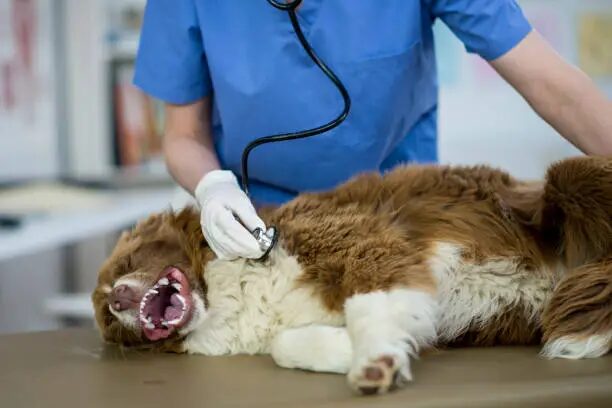
Does Furosemide Stop Coughing in Dogs With CHF?
Furosemide can reduce coughing when coughing is related to fluid accumulation caused by congestive heart failure.
But that doesn’t mean every cough in a dog receiving furosemide will respond to it.
How Furosemide Works
Furosemide increases urine production, helping the body remove excess fluid.
When fluid accumulation contributes to respiratory problems, reducing that congestion may improve breathing.
Why Diuretics Are Used in Congestive Heart Failure
The central purpose isn’t to treat the cough itself.
The goal is to reduce congestion and fluid accumulation so the cardiovascular and respiratory systems can function more effectively.
When Coughing May Improve After Treatment
If pulmonary congestion is contributing to the cough, improvement may occur after appropriate CHF treatment.
However, response varies between dogs.
Why Improvement in Cough Does Not Prove CHF
Suppose a dog receives treatment and subsequently coughs less.
That doesn’t necessarily prove the cough was caused by CHF.
Coughing can naturally fluctuate, and other respiratory conditions can also change over time.
Why Owners Shouldn’t Increase Furosemide Without Veterinary Advice
Giving extra diuretic medication without veterinary guidance can create problems such as:
- Dehydration
- Electrolyte abnormalities
- Excessive urination
- Kidney complications
- Low blood pressure
If your dog with known CHF develops a new or worsening cough, contact the treating veterinarian rather than changing the dose yourself.
Does Pimobendan Help a Dog With Congestive Heart Failure Cough?
Pimobendan can help dogs with certain forms of heart disease and heart failure, but it doesn’t directly suppress a cough.
What Is Pimobendan?
Pimobendan is a cardiovascular medication used in dogs with specific heart conditions.
How Pimobendan Supports Cardiovascular Function
It improves cardiac contractility and produces vasodilatory effects, helping the cardiovascular system work more efficiently in appropriate patients.
When Veterinarians Use Pimobendan
Veterinarians may prescribe pimobendan for specific stages and types of canine heart disease.
The decision depends on the individual diagnosis.
Does Pimobendan Directly Treat the Cough?
No.
If a cough improves after pimobendan is started, the improvement may reflect better cardiovascular control rather than direct suppression of the cough.
Treating the Cause Rather Than the Cough
This principle is important.
Instead of asking only, “How do I stop my dog’s heart cough?”, the more useful question is:
“Why is my dog coughing, and is the heart actually responsible?”
That distinction can prevent inappropriate treatment.
My Dog Has Heart Disease and Is Coughing—What Should I Do?
If your dog already has heart disease and develops a new cough, don’t automatically assume that CHF has suddenly developed.
Step 1: Observe the Cough
Pay attention to:
- Frequency
- Duration
- Whether it is dry or moist
- Whether it occurs during sleep
- Whether exercise triggers it
- Whether eating or drinking triggers it
Step 2: Count the Resting Respiratory Rate
When your dog is asleep or completely relaxed, count the breaths over a set period and record the result.
Repeated measurements are generally more useful than one isolated number.
Step 3: Check for Breathing Difficulty
Look at your dog’s breathing effort.
Concerning signs include:
- Strong abdominal movement
- Very rapid breathing
- Open-mouth breathing when not expected
- Inability to settle
- Neck extended while breathing
- Obvious struggle to breathe
Step 4: Record a Video
If your dog is stable, recording a coughing episode can be extremely useful.
A video allows the veterinarian to see what you’re describing rather than relying solely on words such as “hacking” or “honking.”
Step 5: Contact Your Veterinarian
A new or worsening cough deserves professional assessment, especially if your dog has known heart disease.
Step 6: Follow Prescribed Medication Instructions
Continue medications exactly as prescribed unless your veterinarian tells you otherwise.
Don’t stop cardiovascular medication suddenly or change doses independently.
Step 7: When to Go Directly to an Emergency Veterinary Hospital
If your dog is struggling to breathe, has blue or gray gums, collapses, or appears severely distressed, do not wait for a routine appointment.
Seek emergency veterinary care immediately.
When Is Coughing in a Dog With Heart Disease an Emergency?
A cough by itself isn’t always an emergency.
The situation becomes much more concerning when coughing occurs alongside signs of respiratory or cardiovascular instability.
Difficulty Breathing
Breathing effort is one of the most important warning signs.
Open-Mouth Breathing
Open-mouth breathing can indicate significant respiratory distress, particularly when it occurs at rest.
Severe Abdominal Breathing
Marked movement of the abdomen during each breath may indicate that your dog is working hard to breathe.
Blue or Gray Gums
Blue, gray, or markedly pale gums can indicate a serious oxygenation or circulation problem.
Collapse
Collapse or fainting requires urgent veterinary evaluation.
Severe Weakness
A dog that suddenly becomes extremely weak or cannot stand normally needs immediate assessment.
Inability to Rest Comfortably
A dog struggling to breathe may repeatedly get up, change position, stretch the neck, or refuse to lie down.
Rapid Breathing While Completely Resting
A persistently elevated resting or sleeping respiratory rate can be an important warning sign in a dog with known CHF.
Coughing Combined With Respiratory Distress
This combination is much more concerning than an isolated cough.
If your dog is experiencing respiratory distress, don’t try to treat the problem at home. Go to an emergency veterinarian.
How Long Can a Dog With CHF Cough?
There isn’t one predictable duration.
A cough can persist for different reasons depending on whether it is related to heart failure, airway disease, an enlarged heart, or another condition.
Occasional vs. Persistent Coughing
An occasional cough may have many explanations.
A cough that becomes frequent or progressively worse deserves veterinary evaluation.
Coughing During Stable CHF
Some dogs with chronic cardiovascular disease may continue coughing even when their heart condition appears relatively stable.
That doesn’t automatically mean treatment has failed.
Worsening Cough Over Time
A gradual increase in coughing should be reported to the veterinarian, particularly if it occurs alongside faster breathing or reduced exercise tolerance.
Why Duration Alone Doesn’t Determine Prognosis
The number of days a dog has been coughing doesn’t tell you how advanced its heart disease is.
A persistent cough can occur with respiratory disease as well.
How Treatment Response Affects Symptoms
If the cough is genuinely related to pulmonary congestion, appropriate treatment may reduce it.
If the underlying cause is airway disease, cardiac treatment alone may not resolve the cough.
When Persistent Cough Needs Reassessment
A cough that doesn’t improve, changes character, or becomes associated with breathing abnormalities should be reassessed.
Can Congestive Heart Failure Cough Get Better?
Yes, a CHF-associated cough may improve when the underlying congestion is successfully controlled.
However, improvement isn’t guaranteed.
Cough Improvement After Treatment
When pulmonary congestion decreases, respiratory signs may become less noticeable.
Reduction of Pulmonary Congestion
Appropriate cardiovascular treatment can reduce excess fluid and pressure contributing to pulmonary congestion.
Why Some Coughs Persist
A persistent cough may have another cause.
For example, a dog may have both heart disease and chronic bronchitis.
Airway Disease as a Cause of Persistent Cough
Chronic airway inflammation can cause coughing independently of CHF.
Enlarged Heart and Persistent Cough
Mechanical effects from an enlarged heart may also contribute in some dogs.
Why Persistent Cough May Need Additional Testing
If treatment for CHF is controlling the cardiovascular condition but coughing continues, the veterinarian may investigate other respiratory causes.
Can CHF Cough Get Worse Suddenly?
It can, particularly when acute pulmonary edema or another cardiovascular complication develops.
Acute Pulmonary Edema
Rapid fluid accumulation in the lungs can cause a sudden deterioration in breathing.
This is a veterinary emergency.
Sudden Breathing Changes
Watch for:
- Rapid breathing
- Increased effort
- Restlessness
- Open-mouth breathing
- Neck extension
- Abdominal effort
- Inability to lie down comfortably
Increased Resting Respiratory Rate
An increasing respiratory rate during sleep or quiet rest may be an early warning that a dog’s condition needs reassessment.
Restlessness and Anxiety
Dogs having difficulty breathing may appear unusually anxious because they cannot find a comfortable position.
Why Sudden Respiratory Changes Are Serious
A dog can deteriorate quickly when oxygen exchange becomes severely compromised.
What Owners Should Do
If breathing suddenly becomes difficult, seek emergency veterinary care immediately.
Don’t wait to see whether coughing resolves on its own.
Coughing in Dogs With Mitral Valve Disease
Myxomatous mitral valve disease (MMVD) is one of the most important causes of acquired heart disease in dogs, particularly among older small breeds.
What Is Myxomatous Mitral Valve Disease?
MMVD causes progressive degeneration of the mitral valve.
The valve may not close properly, allowing blood to flow backward.
Why MMVD Is Common in Older Small Dogs
The disease is particularly common in older small-breed dogs and certain predisposed breeds.
Heart Murmur and Coughing
A veterinarian may detect a murmur before a dog develops clinical signs of heart failure.
MMVD Without CHF
This distinction is crucial.
A dog can have MMVD and a heart murmur without having congestive heart failure.
MMVD With CHF
As disease progresses, some dogs develop significant cardiac enlargement and eventually clinical CHF.
Left Atrial Enlargement
Chronic mitral valve leakage can cause enlargement of the left atrium.
This enlargement may contribute to respiratory signs in some dogs.
Airway Disease and Cough
Older small dogs can also develop chronic airway problems.
Therefore, coughing in a dog with MMVD may have a respiratory cause rather than being caused by CHF.
Why Coughing Doesn’t Automatically Mean Stage C CHF
A cough does not establish ACVIM Stage C heart failure.
Stage C requires evidence of clinical heart failure, and the diagnosis should be made by a veterinarian using the complete clinical picture.
Dog Breeds Commonly Affected by Heart Disease and Coughing
Certain breeds are more commonly associated with particular forms of heart disease.
Cavalier King Charles Spaniel
Cavalier King Charles Spaniels have a well-known predisposition to myxomatous mitral valve disease.
Dachshund
Dachshunds are another small breed in which mitral valve disease can occur with advancing age.
Shih Tzu
Shih Tzus may develop degenerative valve disease and can also experience respiratory problems that cause coughing.
Miniature Poodle
Miniature Poodles may be predisposed to certain cardiovascular conditions, including mitral valve disease.
Pomeranian
Pomeranians can develop heart disease and may also experience airway problems, making cough interpretation particularly important.
Chihuahua
Chihuahuas can develop degenerative valve disease as they age.
Other Small Breeds
Many other small and toy breeds can develop age-related mitral valve disease.
Large Breeds and Dilated Cardiomyopathy
Large and giant breeds are more strongly associated with dilated cardiomyopathy (DCM).
Doberman Pinscher
Doberman Pinschers have a recognized predisposition to DCM.
Great Dane
Great Danes can also develop dilated cardiomyopathy and other cardiac problems.
Boxer
Boxers are associated with important cardiac conditions, including certain arrhythmias and cardiomyopathy.
Irish Wolfhound
Irish Wolfhounds can be affected by dilated cardiomyopathy and other cardiovascular disorders.
Breed predisposition doesn’t mean an individual dog will definitely develop heart disease, but it can influence screening and veterinary monitoring decisions.
Congestive Heart Failure Cough in Older Dogs
A new cough in a senior dog shouldn’t simply be dismissed as “old age.”
Why Senior Dogs Are More Likely to Develop Heart Disease
Degenerative cardiovascular disease becomes more common as dogs age.
New Cough in an Older Dog
A new cough can be caused by:
- Heart disease
- Chronic bronchitis
- Tracheal disease
- Respiratory infection
- Lung disease
- Other conditions
Coughing at Night in Senior Dogs
Nighttime coughing can occur for several reasons, including cardiovascular and respiratory disease.
It deserves investigation when it is persistent or worsening.
Heart Murmurs in Senior Dogs
A newly detected murmur may warrant additional evaluation, depending on its characteristics and the dog’s overall condition.
Chronic Bronchitis vs. CHF
Older dogs can have chronic airway disease that produces a persistent cough.
This is one of the reasons imaging and veterinary examination are important.
Why Senior Dogs Need a Complete Evaluation
Older dogs often have more than one health condition at the same time.
A dog can have both heart disease and respiratory disease, making diagnosis more complicated.
Can a Dog With CHF Live a Normal Life?
Many dogs with appropriately managed heart disease can continue enjoying meaningful activities.
The definition of “normal,” however, may change as the disease progresses.
Can Treatment Control Coughing?
If coughing is caused by cardiovascular congestion, appropriate treatment may reduce it.
Can Dogs With CHF Still Go for Walks?
Some dogs can continue gentle walks, depending on disease severity and their veterinarian’s recommendations.
How to Manage Exercise
Avoid forcing a dog with CHF to exercise beyond its comfortable limits.
Watch for:
- Excessive panting
- Weakness
- Stopping frequently
- Coughing
- Breathing difficulty
- Reluctance to continue
Monitoring Breathing at Home
Regularly recording sleeping respiratory rate can help identify changes before they become obvious during normal activity.
Medication Compliance
Giving medications consistently is one of the most important parts of long-term management.
Nutrition and Sodium Management
Diet should be individualized based on the dog’s cardiovascular condition, overall health, and veterinary recommendations.
Regular Veterinary Checkups
Heart disease can change over time, so follow-up examinations are important even when a dog appears comfortable.
Quality of Life
Ultimately, the goal isn’t simply to make a dog live longer.
It’s to help the dog remain comfortable, active within its limits, and able to enjoy daily life.
How to Monitor a Dog With CHF at Home
Home monitoring can help you notice changes between veterinary appointments.
Daily CHF Monitoring Chart
| What to Monitor | What to Record |
|---|---|
| Sleeping breathing rate | Breaths per minute |
| Cough | Frequency and severity |
| Appetite | Normal, reduced, or absent |
| Activity | Normal or reduced |
| Weight | According to veterinary guidance |
| Medication | Time and medication given |
| Overall comfort | Good, fair, or poor |
Track Sleeping Respiratory Rate
Choose a time when your dog is comfortably asleep.
Watch the chest rise and fall and record the breathing rate consistently.
Record Coughing Episodes
Note whether coughing occurs:
- At night
- During sleep
- After exercise
- After excitement
- After eating
- After drinking
- While resting
Track Appetite
A noticeable reduction in appetite can be relevant, especially when accompanied by weakness or other changes.
Track Activity
Compare today’s activity with your dog’s normal baseline.
Monitor Weight
Unexpected changes may be worth discussing with your veterinarian.
Watch for Abdominal Swelling
A suddenly enlarged abdomen can sometimes indicate fluid accumulation or another medical problem.
Keep a Medication Log
A written record can prevent missed doses and make veterinary consultations easier.
Record Videos of New Symptoms
A short video of coughing or unusual breathing can provide useful information during an appointment.
How to Tell If Your Dog’s CHF Is Getting Worse
No single symptom should be used in isolation, but several changes together deserve attention.
Increasing Sleeping Respiratory Rate
A persistent upward trend can be important.
More Frequent Coughing
A sudden or progressive increase should be discussed with the veterinarian.
New Difficulty Breathing
This is much more concerning than coughing alone.
Reduced Exercise Tolerance
A dog that once enjoyed a normal walk but now stops after a short distance may be experiencing worsening disease or another health problem.
Increased Restlessness
Difficulty settling or sleeping comfortably can accompany respiratory problems.
Reduced Appetite
Loss of appetite can occur with worsening illness, although it is not specific to CHF.
Weakness
Increasing weakness should be evaluated.
Abdominal Swelling
This may indicate fluid accumulation in some dogs with right-sided heart failure.
Collapse
Collapse or fainting requires prompt veterinary evaluation.
Why a Combination of Symptoms Matters
A cough plus increasing respiratory rate and exercise intolerance is more concerning than an occasional cough in an otherwise comfortable dog.
Congestive Heart Failure in Dogs Cough at Night vs. Daytime Cough
| Pattern | Possible Causes | What to Do |
|---|---|---|
| Cough at night | CHF, airway disease, bronchitis | Veterinary assessment if persistent |
| Cough after exercise | Heart or respiratory disease | Record and discuss with vet |
| Cough after excitement | Airway disease, tracheal collapse | Veterinary evaluation |
| Cough after eating/drinking | Airway or swallowing-related problems | Discuss with vet |
| Persistent cough + rapid breathing | Possible CHF or respiratory disease | Prompt veterinary assessment |
| Cough + breathing distress | Serious cardiovascular/respiratory problem | Emergency care |
The pattern provides clues, but it doesn’t provide a diagnosis.
What Happens If CHF Cough Is Left Untreated?
If coughing is caused by untreated congestive heart failure, the underlying cardiovascular problem may progress.
Progression of Fluid Accumulation
Continued cardiovascular congestion can result in increasing fluid accumulation.
Worsening Respiratory Signs
As pulmonary congestion becomes more severe, breathing may become increasingly difficult.
Reduced Exercise Tolerance
Dogs may stop wanting to walk or play because their cardiovascular system cannot meet increased demands.
Reduced Quality of Life
Persistent coughing, breathing difficulties, weakness, and poor sleep can significantly affect comfort.
Risk of Acute Respiratory Distress
Severe pulmonary edema can cause life-threatening respiratory distress.
Why Early Veterinary Treatment Matters
Early evaluation gives veterinarians an opportunity to identify the underlying cause and determine whether treatment is needed.
Frequently Asked Questions About Congestive Heart Failure in Dogs Cough
Can congestive heart failure cause coughing in dogs?
Yes. CHF can be associated with coughing, particularly when left-sided heart failure causes pulmonary congestion. However, coughing alone does not prove that a dog has CHF.
What does a CHF cough sound like in a dog?
There isn’t a single sound that identifies a CHF cough. It may be dry, soft, hacking, or otherwise variable. The sound alone cannot diagnose heart failure.
Is a dry cough a sign of heart failure in dogs?
It can occur, but a dry cough is also common with airway diseases such as chronic bronchitis and tracheal problems.
Is a wet cough a sign of CHF in dogs?
A moist cough can occur with respiratory disease and certain forms of pulmonary fluid accumulation, but it is not specific enough to diagnose CHF.
Do dogs with congestive heart failure cough at night?
Some dogs may cough at night, but nighttime coughing also occurs with several respiratory conditions.
Why is my dog with heart disease coughing?
Possible explanations include CHF, pulmonary congestion, an enlarged heart affecting the airways, chronic bronchitis, tracheal disease, or another respiratory condition.
Can a dog have a cough without having CHF?
Absolutely. Coughing is common in dogs with airway and lung disease and does not automatically indicate heart failure.
Does every dog with CHF cough?
No. Some dogs with CHF may primarily show rapid breathing, difficulty breathing, weakness, exercise intolerance, or other signs.
How can I tell if my dog’s cough is from heart failure?
A veterinarian may use the physical examination, chest X-rays, echocardiography, respiratory rate, and other tests to determine the likely cause.
Can an enlarged heart cause coughing in dogs?
Yes. Significant enlargement can affect nearby airways in some dogs. However, this is different from pulmonary edema caused by CHF.
Can mitral valve disease cause coughing?
Dogs with mitral valve disease may cough, but the cough isn’t necessarily caused by CHF. Airway disease and heart enlargement may also contribute.
Does coughing mean my dog has Stage C heart failure?
No. Coughing alone does not establish Stage C CHF.
Can chronic bronchitis look like CHF in dogs?
Yes. Chronic bronchitis can cause persistent coughing and may be difficult to distinguish from cardiovascular disease without appropriate veterinary evaluation.
Can tracheal collapse cause a cough that looks like a heart cough?
Yes. Tracheal collapse can cause a characteristic hacking or honking cough, especially in susceptible small dogs.
Why is my dog coughing and breathing fast?
This combination can have cardiovascular or respiratory causes. If breathing is difficult or markedly abnormal at rest, seek urgent veterinary care.
What is a normal sleeping respiratory rate for a dog?
Your veterinarian can help establish what is normal for your individual dog. More important than one isolated measurement is a consistent upward trend in a dog with known heart disease.
How do I count my dog’s breaths while sleeping?
Watch the chest rise and fall while your dog is comfortably asleep. Each complete rise-and-fall cycle represents one breath. Record the measurement consistently.
Can furosemide help a dog with CHF cough?
It may reduce coughing when fluid accumulation from CHF is contributing to the problem. It won’t treat every type of cough.
Does pimobendan stop CHF coughing?
Pimobendan does not directly suppress coughing. It treats aspects of cardiovascular disease in appropriate patients, which may improve signs related to heart failure.
Should I give my dog extra furosemide for coughing?
No—not without veterinary instructions. Extra medication can cause dehydration, electrolyte abnormalities, kidney problems, or other complications.
When is coughing in a dog with heart disease an emergency?
Coughing becomes particularly concerning when accompanied by difficulty breathing, rapid breathing at rest, blue or gray gums, collapse, severe weakness, or inability to rest comfortably.
Can dogs recover from CHF?
CHF is generally a consequence of underlying heart disease rather than a condition that can simply be cured. However, appropriate treatment can often control signs and improve comfort.
How long can a dog live with congestive heart failure?
There is no single reliable life expectancy. Prognosis depends on the underlying disease, stage, response to treatment, kidney function, age, and other factors.
Can CHF cough suddenly get worse?
Yes. Sudden worsening can occur with acute pulmonary edema or another complication and should be treated as potentially serious.
What does pulmonary edema sound like in a dog?
There isn’t a reliable sound that allows owners to diagnose pulmonary edema. Dogs may cough and breathe rapidly or with increased effort, but these signs require veterinary assessment.
Can heart failure cause a dog to cough while sleeping?
It can, but coughing during sleep is not specific to CHF and can also occur with respiratory disease.
Can heart disease cause coughing without fluid in the lungs?
Yes. An enlarged heart can sometimes affect nearby airways, and dogs with heart disease may also have unrelated respiratory disease.
Should I take my dog to an emergency vet for coughing?
If coughing is accompanied by respiratory distress, blue/gray gums, collapse, severe weakness, or inability to breathe comfortably, seek emergency veterinary care immediately.
Conclusion: Congestive Heart Failure in Dogs Cough
A dog with congestive heart failure can cough, especially when left-sided heart failure results in pulmonary congestion or edema. But that doesn’t mean every cough in a dog with heart disease is a “heart cough.”
This distinction is one of the most important things for owners to understand.
Dogs with mitral valve disease, for example, may develop a cough because of airway disease, chronic bronchitis, tracheal changes, or enlargement of cardiac structures. A dog can also have significant heart disease without yet being in congestive heart failure.
Pay attention to the bigger picture. Increasing sleeping respiratory rate, breathing difficulty, reduced exercise tolerance, weakness, fainting, abdominal swelling, or changes in appetite can provide more useful information than the sound of the cough alone.
If your dog has known heart disease and begins coughing more frequently, contact your veterinarian rather than automatically increasing medication. A veterinary examination, chest X-rays, echocardiography, or other testing may be necessary to determine whether the problem is cardiac, respiratory, or a combination of both.
Most importantly, never ignore respiratory distress. If your dog is struggling to breathe, breathing with significant abdominal effort, has blue or gray gums, collapses, or cannot rest comfortably because of breathing difficulty, seek emergency veterinary care immediately.